
- LOGIN
- MemberShip
- 2026-09-08 06:22:51
- Company
- Digital pathology in the AI era starts with the scanner...Vieworks’ vision
- by Hwang, byoung woo Aug 28, 2026 09:51am
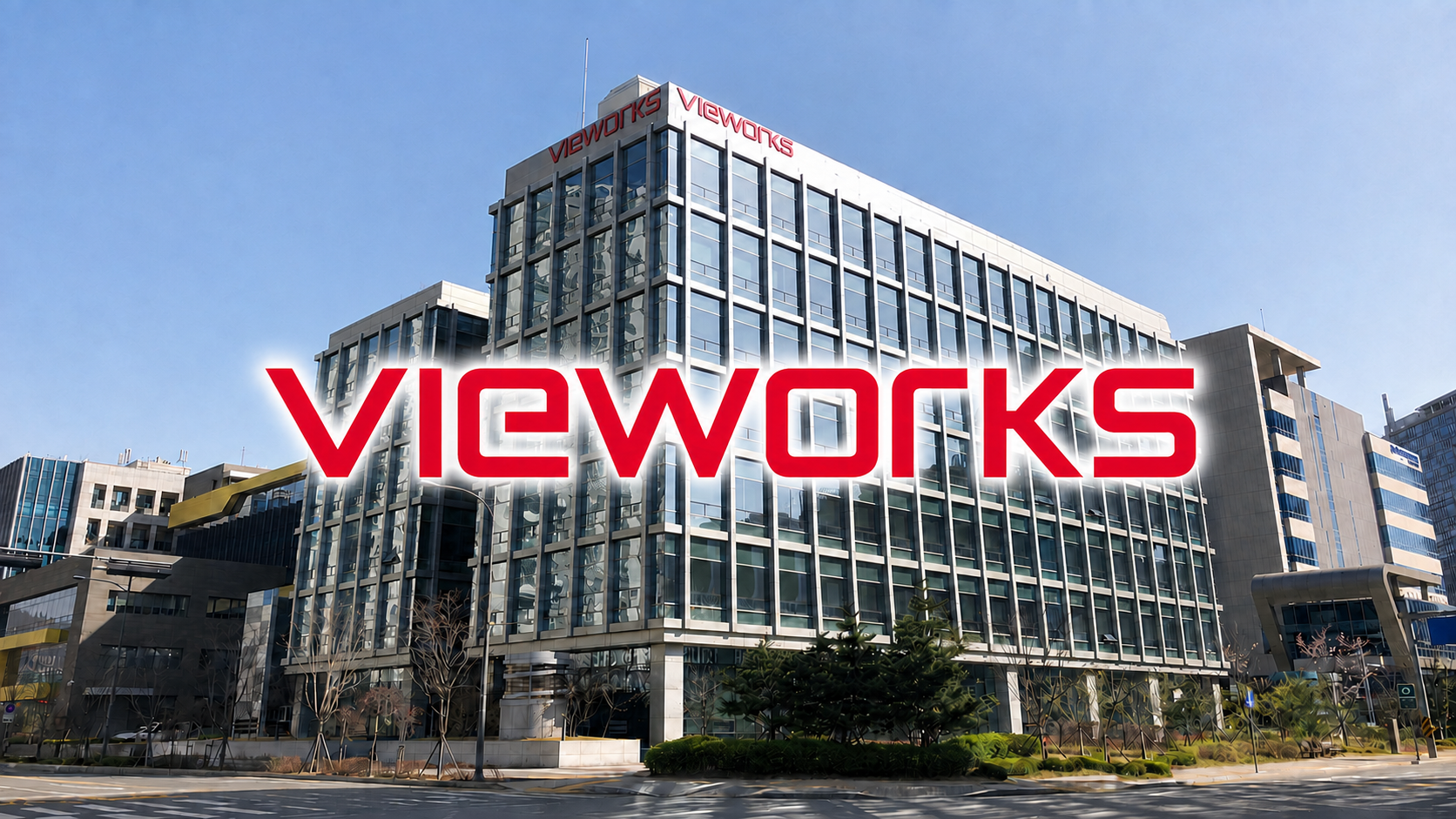
- As competition in digital pathology rapidly shifts toward artificial intelligence (AI) analysis software, slide scanners that integrate such software are becoming increasingly important.This is because pathology AI must first convert glass slides into digital images of precise, consistent quality.The company Vieworks is focusing on slide scanners, the first step in digital pathology. The company is advancing its scanning technology based on proprietary developments while seeking differentiation by embedding AI directly into hardware. Digital pathology begins with capturing glass slides containing tissue specimens using a scanner to generate digital data in the form of Whole Slide Images (WSI). The resulting images are then analyzed by AI or integrated with hospital information systems for diagnostic interpretation, archiving, and sharing. Academia also considers the slide scanner as the starting point of digital pathology, as downstream diagnosis and AI utilization depend on a scanner's image quality, optical performance, throughput speed, and data format. Ultimately, digital pathology succeeds only when scanners, image analysis software, and storage systems are integrated well.A Vieworks official said, "The first step of digital pathology requiresimage acquisition, thus making the scanner the most fundamental piece of equipment," adding, "Once the scanner acquires images, they are either analyzed by AI or linked to hospital networks, resulting in an integrated digital pathology system."In hospitals, because scanners from multiple manufacturers are used, aligning imaging and data across different devices has become a key operational challenge.A digital pathology platform industry insider interviewed at KHF 2026 explained that while scanners from different manufacturers offer distinct strengths, utilizing outputs across diverse devices remains difficult without an integrated platform. Concerns have risen that scanning bottlenecks during high-volume slide processing could adversely affect the entire downstream pathology workflow.Ultimately, in digital pathology, hardware that consistently generates stable images and connectivity that unifies operations into a cohesive workflow are just as vital as software.Using three-camera to focus...Embedding AI directly into scannersVieworks' core technology for the VISQUE DPS focuses on image acquisition.Vieworks VISQUE DPS lineup VISQUE DPS applies proprietary 'Realtime Extended Focus (Realtime EF) technology,' which simultaneously captures different focal planes using three cameras and fuses the images in real time. This technology is designed to minimize image loss that can occur when tracking a single focal plane and to secure optimal focus even across tissue sections with uneven surfaces or varying thicknesses. The company has filed and registered approximately 20 patents related to this technology across South Korea, the United States, Europe, and Japan.Recently, Vieworks has also integrated AI directly into the scanning process. Its proprietary Scan Area Setting AI distinguishes tissue areas on slides from non-tissue artifacts such as pen markings, dust particles, and air bubbles.The objective is to stabilize the baseline quality of images fed into AI analysis by mitigating issues such as focusing on irrelevant areas or the need for rescans.The company is also developing predictive maintenance AI to detect anomalies during robotic-arm slide transfer. This technology aims to minimize scanning interruptions and increase automation in digital pathology environments processing large slide volumes over extended hours.Beyond domestic development to system interoperability...Differentiating from global companiesVieworks highlights that its domestic scanner's competitive edge is not merely price.Multinational companies already occupy the global digital pathology market with long-standing scanner development histories. Accordingly, rather than claiming superior technology over legacy incumbents, Vieworks emphasizes proprietary technology and rapid response times enabled by its in-house development and manufacturing framework as its core differentiators. In particular, the company believes that as AI and image management platforms proliferate rapidly, scanner manufacturers' ability to quickly accommodate the specific image and data parameters required by each software solution will become increasingly critical.A Vieworks official said, "Domestically developed means not only local manufacturing, but also the ability to respond quickly to technology integration, technical support, and market shifts," adding, "A key strength is the ability to quickly incorporate customer requirements and the specific data formats needed for collaboration with AI and platform companies directly into product development."Such interoperability is expected to be a key competitive factor in the future expansion of digital pathology. Indeed, industry experts say that achieving digital transformation across the entire pathology workflow, rather than digitizing select individual assays, is necessary to maximize synergies among scanners, AI algorithms, and diagnostic solutions.Yujung Kang Kang, Head of the Bio Business Group at Vieworks, is presenting at the event.VISQUE DPS is currently deployed in international markets, including the United States and Turkey, with efforts underway to expand European distribution through local partner networks. Moving forward, Vieworks plans to broaden its product lineup to include compact fluorescence scanners and multichannel fluorescence systems targeting research sectors such as spatial biology. Based on these initiatives, Vieworks has set a target of capturing 8% or more of the global digital pathology market share within five years. The key challenge is not merely increasing sales of a single domestically produced scanner, but securing the image quality, standardization, and interoperability that AI and software platforms demand.Yujung Kang, Head of the Bio Business Group at Vieworks, said, "As the clinical application of AI expands in pathology diagnostics, scanners play roles beyond simple image acquisition to generate precise, standardized datasets that AI algorithms can reliably interpret," and added, "Vieworks aims to establish new benchmarks for precision imaging in the global digital pathology market through its core proprietary technologies for slide scanner development and commercialization."

- Company
- Drugmakers combine in-house and external expertise in new drug launches
- by Son, Hyung Min Aug 28, 2026 09:51am
- Pharmaceutical companies face a series of choices when bringing a new drug to the Korean market.They must decide whether to handle functions such as clinical development internally or enlist external specialists, and how to prepare their reimbursement and pricing strategies following regulatory approval. For product communications, they must divide responsibilities between in-house teams and PR agencies. After launch, they must choose whether to deploy their own sales force or enter into a co-promotion agreement with a Korean pharmaceutical company. Distribution can likewise be outsourced to a specialized distributor or handled through direct contracts with multiple wholesalers.Cost is another major factor in outsourcing decisions. Hiring additional in-house personnel for every function required to launch a new drug increases fixed costs, including labor costs. By contrast, using external specialists on a project basis during specific periods such as regulatory approval, reimbursement, and launch can reduce the fixed-cost burden.Ultimately, pharmaceutical companies would need to decide whether to develop the necessary expertise internally or outsource it after considering the product’s market potential and projected business scale, the capabilities of their existing organization, and the costs involved.Collaboration with external companies has long been a common practice. What has become increasingly noteworthy is the growing range of choices involved in bringing a single new drug to market, and the increasing specialization of the areas in which external providers participate.The proliferation of high-priced new drugs, including cancer and rare disease therapies, has made reimbursement and pricing strategies more complex. Meanwhile, continued new drug launches and indication expansions have sharply increased the associated workload. At the same time, multinational pharmaceutical companies are streamlining their internal organizations according to business priorities and actively considering the use of external capabilities where needed, rather than performing every function with in-house personnel.The key issue in launching a new drug is no longer simply whether to outsource the work. Deciding which functions to perform internally and when and with whom to collaborate has itself become part of the market entry strategy.Multiple choices for a single new drug… collaboration model also variesA new drug’s entry into the Korean market begins with the global headquarters’ decision to introduce the drug. The Korean affiliate then develops detailed strategies tailored to the local market, covering regulatory approval, reimbursement and pricing, medical affairs, marketing and sales.Various external specialists may participate at each stage. Contract research organizations and regulatory consulting firms provide support during clinical development and regulatory approval, while law firms and pricing consulting companies may conduct pharmacoeconomic evaluations and budget impact analyses during the reimbursement process.Law firms advise on legal and drug pricing policy issues, while PR and marketing agencies handle product and disease communications. At the commercialization stage, contract sales organizations, Korean pharmaceutical companies, and pharmaceutical distributors are added to the partner list.Multinational pharmaceutical companies do not adopt the same partnership model for every new drug. The partners vary according to the patient population, therapeutic area, projected sales and likelihood of reimbursement, as well as the organization and infrastructure already available within the Korean affiliate.A company with an established sales and marketing team in a particular therapeutic area may approach the market directly. A company without one may partner with a Korean pharmaceutical company or CSO. The scope of outsourced reimbursement work also differs depending on the experience of the company’s internal pricing team and the characteristics of the product.Workforce management is another important consideration. Maintaining in-house specialists may be advantageous for functions needed continuously over an extended period. For work concentrated within a limited timeframe, however, such as obtaining approval for a particular drug or conducting its pharmacoeconomic evaluation, using external personnel may be more efficient.As a result, each company assembles a different partnership structure for every single new drug.Sell directly or forge partnerships…Commercialization models also varyFurther decisions must be made regarding sales and distribution after launch.If the Korean affiliate already has a sales organization in the relevant therapeutic area, it can sell the product directly. If its domestic sales network is insufficient or it needs to reach a broad range of medical institutions quickly, it may instead co-promote the product with a Korean pharmaceutical company or outsource some functions to a CSO.Product characteristics also inform this decision. Rare disease treatments and certain cancer drugs, which have small patient populations and a limited pool of prescribers, can be covered by relatively small specialist teams. By contrast, products for chronic diseases with broad prescribing bases place greater importance on nationwide sales networks.In particular, building a large sales force for a new business area creates a substantial fixed-cost burden. During the initial stage, when the size of the market and the product’s growth prospects remain uncertain, a company may consider using an external sales network and subsequently strengthen its own organization once the business has expanded.Korean pharmaceutical companies continue to be chosen as co-promotion partners by multinational drugmakers because their established sales networks and accumulated experience in particular therapeutic areas can be put to immediate use.Distribution is a separate decision from sales. A company that sells a product through its own sales team may still outsource logistics to a specialized distributor or contract directly with multiple distributors. Co-promoting a product with a Korean pharmaceutical company does not necessarily mean that the partner will also handle all aspects of its distribution.Commercialization strategies are therefore becoming more segmented. Rather than bundling sales, marketing and distribution together, companies assess the appropriate model and cost for each function and assemble a combination of partners suited to the product.Same GLP-1 market, different choices…sales and distribution strategies divergeThe rapidly growing market for GLP-1 obesity drugs illustrates how multinational pharmaceutical companies targeting the same market can adopt different partnership models.When Novo Nordisk launched its obesity treatment ‘Wegovy (semaglutide)’ in Korea in October 2024, it chose to supply the drug through Zuellig Pharma. As market competition subsequently intensified, the company also adjusted its sales, marketing, and distribution strategies.Last year, Novo Nordisk signed a co-promotion agreement with Chong Kun Dang for Wegovy, establishing a collaborative domestic sales and marketing system. This year, it further diversified its distribution network by adding major Korean pharmaceutical distributors to its existing supply system.Lilly Korea, by contrast, launched its obesity treatment ‘Mounjaro (tirzepatide)’ without a co-promotion agreement with a Korean pharmaceutical company, relying primarily on its own sales and marketing organization. For product supply, it chose to contract directly with multiple pharmaceutical distributors.Even within the same GLP-1 obesity drug market, one company partnered with a specialized distributor and a Korean pharmaceutical company, while the other linked its in-house commercial organization to multiple distributors.These differences cannot be explained by a product’s market potential alone. They also reflect each company’s existing sales organization and distribution network, its business experience in the therapeutic area, and its market penetration strategy.Cost cannot be overlooked either. Building and maintaining a nationwide sales force requires substantial personnel and administrative spending. Partnering with a Korean pharmaceutical company or external organization that already owns a sales network in the relevant therapeutic area allows a company to secure the necessary infrastructure in a short period of time.Nor are decisions made at launch necessarily permanent. As the Wegovy case demonstrates, sales, marketing and distribution partners may be reconfigured after launch as the competitive environment, product demand and supply conditions change.Changes in drug pricing policy prompt launch strategy revisions… impact assessments conducted in early stagesReimbursement and pricing strategies are not determined solely by a new drug’s clinical value. Depending on the reimbursement and pricing systems operated by the government, the same product may follow a different market entry route, command a different expected price or be listed at a different time.Various mechanisms are now being used to improve access to new drugs, including expedited listing, risk-sharing agreements, exemptions from health economic evaluation submissions, the Global Innovative Products on Fast Track program and the parallel approval-assessment-negotiation pilot program. At the same time, pricing and post-listing management systems are undergoing a series of revisions. Pharmaceutical companies therefore have a growing need to assess applicable programs and their potential pricing implications from the early stages of a product’s introduction into Korea, rather than waiting until after approval to respond at the reimbursement application stage.In particular, major changes in drug pricing policy affect not only pipeline products but also those already on the market. Companies must analyze the impact of regulatory changes on the price of each product, future indication expansions, and the broader portfolio, and adjust listing timelines and reimbursement and pricing strategies accordingly.During this process, the Korean affiliate’s Market Access team can set the overall direction and communicate with health authorities, while external consulting firms or law firms assist with pharmacoeconomic evaluations, budget impact analyses, and product-specific impact assessments of regulatory changes. This allows companies to supplement their internal capabilities with relevant external experience rather than permanently maintaining in-house personnel to address every regulatory change.External providers do not, however, determine a company’s pricing strategy. The pharmaceutical company sets the direction based on the product’s clinical value and market potential and combines the analyses and advice needed to respond to the changing regulatory environment.Beyond outsourcing to “combinations”… Korean affiliates take on a greater roleThe expanding participation of external specialists in new drug launches does not diminish the role of Korean affiliates.Rather, as the number of choices increases, deciding which functions require in-house personnel and which responsibilities should be shared with external providers became more important.Companies must compare the personnel expenses required to maintain a permanent internal organization with the cost of using external specialists on a project basis. They must also determine whether the relevant capability needs to be accumulated internally over the long term.Even within the same company, different strategies may be adopted for different products. One product may be sold directly, while another is co-promoted with a Korean company. Depending on a product’s characteristics, a company may seek assistance from a consulting company or law firm on reimbursement and select PR partners according to the timing and scope of the work required.Outsourcing does not invariably reduce costs. When multiple providers participate simultaneously, additional personnel and resources are needed for their management and coordination. Excessive dependence on external providers for core capabilities can also prevent experience from accumulating within the company.Ultimately, the recent changes in new drug launches therefore cannot be explained simply as an increase in outsourcing. Rather, companies are adopting increasingly diverse ways of combining internal and external roles after considering the product’s market potential, their existing organization, the expertise required, the duration of the work, and its cost.As new drug launches become more complex, accessing the right expertise at the right time is becoming more important than maintaining every function in-house. The role of Korean affiliates is also expanding from directly performing individual tasks to effectively coordinating internal and external capabilities.
- Policy
- Vonoprazan market braces for fierce competition
- by Lee, Tak-Sun Aug 28, 2026 09:51am
- As competition intensifies to launch versions of Takeda Pharmaceuticals’ potassium-competitive acid blocker (P-CAB) Vonoprazan before its patent expiry, Alvogen Korea has begun carving out a differentiated path by developing an ‘orally disintegrating tablet’ formulation designed to improve patient convenience.The move is seen as the company’s attempt to avoid price cuts from a proliferation of generics and secure a more favorable reimbursement price.According to the Ministry of Food and Drug Safety on the 27th, Alvogen Korea recently received approval for a Phase I clinical trial protocol evaluating the bioequivalence of an orally disintegrating formulation of its vonoprazan fumarate (codename: AK-R320).The trial will enroll 36 healthy adult volunteers and use a two-treatment, two-period crossover design to compare the pharmacokinetic profiles and safety of the test drug, AK-R320, and the reference drug, AK-R320-R, administered under fasting conditions.Although the original product has yet to be launched, the market for follow-on vonoprazan products is already witnessing fierce competition among Korean pharmaceutical companies pursuing an “at-risk launch (launch then suit)” strategy. Salt-modified drug developers, including Kyongbo Pharmaceutical and Mothers Pharmaceutical, and same-ingredient generic manufacturers such as Hanmi Pharmaceutical, JW Pharmaceutical, and Shinpoong Pharm have filed patent invalidation challenges against the original product (Vonsinty), whose patents are scheduled to expire between 2027 and 2028. They are also accelerating preparations to secure reimbursement listings.Taking advantage of the weakened original drug’s regulatory defense, more than 70 generic products have already received approval.As the market becomes increasingly crowded with generics in the same conventional tablet formulation, Alvogen Korea has played the orally disintegrating tablet, or ODT, card. ODTs dissolve in the mouth and can be taken without water.ODTs can significantly improve medication adherence among older patients and those with dysphagia who have difficulty swallowing conventional tablets. Major existing P-CAB products, including HK inno.N’s K-CAB, have previously expanded their prescribing reach by introducing orally disintegrating formulations.The industry is interpreting Alvogen Korea’s move in particular as part of a ‘drug price defense strategy.’ Under Korea’s current tiered generic pricing system, the listing of large numbers of generics with the same active ingredient reduces the reimbursement ceilings for later entrants, causing their profitability to deteriorate sharply.However, incrementally modified formulations such as ODTs may be able to avoid direct price-grouping competition with conventional generics or qualify for more favorable pricing criteria, giving them an advantage in securing a relatively higher reimbursement price.The calculation is ultimately to avoid the bloodletting in the “red ocean” conventional tablet market dominated by major pharmaceutical companies, while simultaneously securing the practical benefits of a differentiated and more convenient formulation and a more stable pricing structure.An industry official said, “With dozens of vonoprazan generics already approved, competition over prescriptions and prices in the conventional tablet market is likely to reach extreme levels. The development of an orally disintegrating tablet by Alvogen Korea is a highly strategic decision aimed not only at targeting a niche market through greater dosing convenience, but also at maximizing profitability by securing a higher price during the anticipated wave of aggressive generic discounting.”
- Policy
- Criteria for classifying combination drugs will be relaxed
- by Jung, Heung-Jun Aug 28, 2026 09:51am
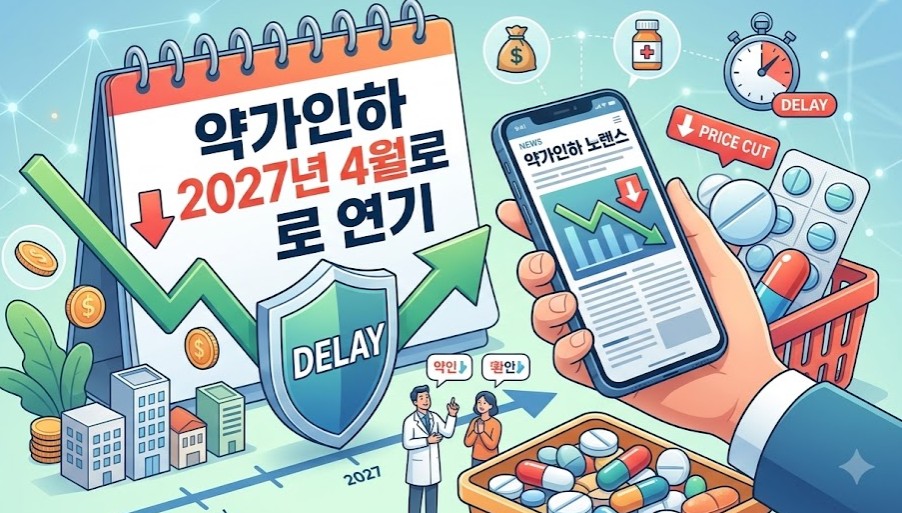
- The maximum price ceiling for combination drugs will be reduced to 45% from 53.55%. Drug price reductions from the re-evaluation of previously listed pharmaceuticals, originally expected by the end of this year, have been postponed to April next year. As criteria classifying combination drugs into Phase 1 and Phase 2 are relaxed, the number of combination products categorized under Phase 2 is projected to expand significantly. On the 26th, the Ministry of Health and Welfare (MOHW), the Health Insurance Review and Assessment Service (HIRA), and the National Health Insurance Service (NHIS) convened a consultative body with industry representatives, including the Korea Pharmaceutical and Bio-Pharma Manufacturers Association (KPBMA), to deliberate key issues surrounding the re-evaluation of listed pharmaceuticals.A substantial portion of the industry demands compiled and submitted to the government by the KPBMA was discussed.Combination drugs containing Phase 1 ingredients also classified as Phase 2 Previously, the government maintained the stance that any combination drug containing at least one Phase 1 active pharmaceutical ingredient (listed before 2013) would be categorized under Phase 1. With a large proportion of combination drugs scheduled for inclusion in Phase 1, price cuts were expected immediately. The consultative body reached a consensus to separate the re-evaluation timeline from individual constituent active ingredients. In other words, combination drugs listed from 2013 onwards will be categorized under Phase 2 regardless of their Phase 1 component combinations. However, industry requests to adjust combination drug prices based on the combined sum of the 45%-reduced single-agent components were not accepted. The maximum price ceiling for combination drugs will be reduced to 45% based on the standard benchmark of 53.55%. 'Innovative and semi-innovative pharmaceuticals' special rates applied even to drugs failing evaluation criteria During the re-evaluation of listed drugs, the government granted a special rate of 49% for four years to Innovative Pharmaceutical Companies and 47% for three years to Semi-Innovative Pharmaceutical Companies.Although proposals previously discussed excluding drugs that fail to meet baseline evaluation criteria from these special cuts, the government decided to maintain special rates as intended. However, the 20% price penalty for non-compliance with evaluation criteria will apply to the 49% and 47% thresholds. For instance, if an Innovative Pharmaceutical Company holds a product that fails the baseline criteria, the reimbursement price will be reduced to 80% of the 49% rate. Additionally, products failing baseline criteria due to consigned bioequivalence testing will be recognized if in-house bioequivalence studies are conducted before the listed drug re-evaluation is implemented. Because Phase 1 will be implemented in April of next year and Phase 2 in October 2030, fulfilling baseline criteria before those dates will be credited in the re-evaluation pricing. Incrementally modified drugs among dossier-submission products excluded from re-evaluation The scope of exemptions from re-evaluation has expanded. Previously, exempt categories were restricted to single-listed products, low-priced pharmaceuticals, drugs designated to prevent market withdrawal, and orphan drugs. Incrementally modified drugs (IMDs) among dossier-submission products have now been exempted from re-evaluation. Additionally, pharmaceuticals designated separately by the MOHW to ensure stable healthcare supply are also excluded. Other categories exempt from re-evaluation include ▲identical formulation products without a history of ex officio price adjustments ▲products whose prices were increased within the past five years ▲biologics and emergency-use imported pharmaceuticals ▲basic IV fluids, narcotics, medical oxygen, nitrous oxide, radiopharmaceuticals, and artificial irrigation solutions. Benchmark price set for September of this Year...Heavily discounted drugs adjusted to Phase 2 The methodology for determining the benchmark maximum ceiling price based on the Drug Reimbursement List as of September of this year, and reducing prices to 45%, will remain in place. Although the pharmaceutical industry requested that benchmark pricing be set based on drug prices at the time of the 2012 blanket price reduction, the government did not accept this proposal. However, for pharmaceuticals that have previously experienced substantial cumulative price cuts, the government plans to accept manufacturer applications to reclassify them as Phase 2 products.The government will accept adjustment applications after the official re-evaluation announcement. Because the criteria defining 'excessively adjusted prices' remain ambiguous, further industry feedback and petitions are expected. Phase 1 re-evaluation implemented in April...Phase 2 in October 2030 The implementation timeline for the Phase 1 re-evaluation has been deferred to April of next year. While December of this year was previously the primary target, the schedule was postponed to allow for industry feedback. The re-evaluation will be officially announced this month, followed by deliberations by the Pharmaceutical Reimbursement Evaluation Committee and the Health Insurance Policy Deliberative Committee in February of next year. The price cuts will be executed in April to align with the regularized post-marketing price adjustment schedule (April and October). Companies certified as Innovative Pharmaceutical Companies in December of this year are also slated to receive the special grace provisions. Furthermore, enterprises certified under the Semi-Innovative designation are also expected to qualify for the special provisions.Re-evaluation for Phase 2 pharmaceuticals is scheduled to commence in October 2030 and conclude by October 2036.
- Policy
- Ministries clash over legality of DoctorNow’s obesity drug listings
- by Lee, Jeong-Hwan Aug 27, 2026 09:43am
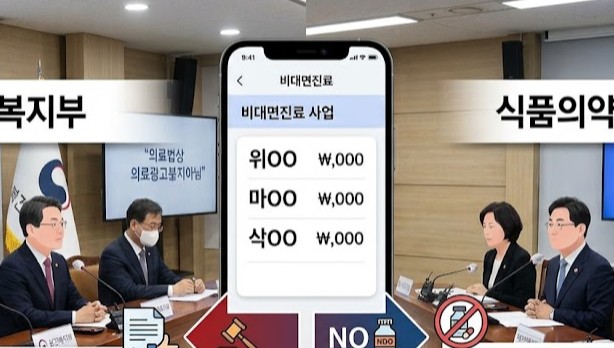
- Conflicting positions from the Ministry of Health and Welfare and the Ministry of Food and Drug Safety over the display of brand names, dosages, prices and prescribing clinics for prescription obesity drugs such as Wegovy and Mounjaro on apps operated by DoctorNow and other telemedicine platforms are creating serious regulatory confusion.The Ministry of Health and Welfare concluded that the practice of displaying on telemedicine platforms the prices or brand names of injectable obesity treatments available at hospitals and clinics following an in-person consultation—on the basis that such treatments, while restricted from telemedicine prescribing, may be prescribed in person—is unlikely to constitute medical advertising prohibited under the Medical Service Act.The Ministry of Food and Drug Safety, however, expressed a different view, stating that identifying the names or effects of prescription drugs through telemedicine apps or other online media could violate the Pharmaceutical Affairs Act, which prohibits direct-to-consumer advertising of prescription drugs.These were the positions provided by the ministries on the 26th regarding the display of injectable obesity drug brands, dosages, out-of-pocket prices and prescribing institutions on telemedicine apps.Telemedicine platform operators currently provide information through their apps that allows patients to select the weight-loss injection they wish to have prescribed.The apps display partially redacted names from which users can infer popular injectable and oral drug brands, such as MouOOO, WegOO, SaxOO and ConOOO.After selecting or tapping a partially redacted brand name (by touch or click), users are presented with the available dosages and can even choose the quantity they wish to receive.The patient can then visit the relevant medical institution for an in-person consultation and receive the selected prescription obesity drug in the chosen dosage and quantity.Doctors, pharmacists and other healthcare professionals have criticized platforms’ display and promotion of obesity drug brands, dosages, out-of-pocket prices and prescribing institutions, arguing that the practice may violate existing laws.The two ministries, however, reached different conclusions. While MOHW judged it could not definitively characterize the practice as illegal advertising prohibited under the Medical Service Act, the MFDS concluded that it could constitute advertising of prescription drugs prohibited under the Pharmaceutical Affairs Act.MOHW, “Difficult to regard as medical advertising prohibited under the Medical Service Act”Based on the Medical Service Act, the MOHW determined that listing obesity drug brand names on a telemedicine platform app was unlikely to constitute illegal medical advertising.Although obesity drugs cannot generally be prescribed through telemedicine, they may be prescribed following an in-person consultation. The ministry therefore maintains that displaying information about clinics where such prescriptions are available, along with drug names and prices, is unlikely to constitute medical advertising prohibited under the Medical Service Act.However, the MOHW said it would consider introducing provisions prohibiting the display of prescribing institutions, brand names, and prices for obesity drugs in the course of discussing subordinate legislation, as the amended Medical Service Act establishing telemedicine as a permanent program has created a legal basis for the supervision and regulation of platform operators.MFDS, “Violates the Pharmaceutical Affairs Act’s ban on prescription drug advertising”Unlike the MOHW, the MFDS pointed out that posting prescription drug brand names or dosages on telemedicine apps has potential legal violations.The current Pharmaceutical Affairs Act strictly prohibits direct-to-consumer advertising of prescription drugs, which require a physician’s prescription.According to the ministry, displaying the name or effects of a prescription drug through an online medium such as a telemedicine platform may be considered an act of broadly communicating or presenting information about a particular medicine to telemedicine users and consumers.The ministry therefore concluded that the practice could violate the Pharmaceutical Affairs Act’s prohibition on direct-to-consumer advertising of prescription drugs.Interministerial discord… “worsens regulatory blind spots for platforms”The same display and advertising practice on telemedicine platforms has thus been deemed clearly unlawful by one ministry and unobjectionable under existing law by another, creating confusion for both the industry and consumers.Critics argue that the MOHW, which oversees national health policy, has given a de facto free pass by passively interpreting the situation—where specific prescription drug names and prices are openly exposed to the public—solely based on the formal criteria of the Medical Service Act.They also criticize the ministry’s passive stance, saying only that it will consider the issue when “drafting subordinate legislation,” even though telemedicine prescribing of obesity drugs has been restricted over concerns about misuse and platforms are circumventing the restriction by serving as gateways connecting patients with clinics and drug prices.With telemedicine scheduled to transition to a permanent program on Dec. 24, continued controversy over the indiscriminate advertising, promotion, display and commercialization of prescription drug information through platforms has prompted calls for the ministries to swiftly reconcile their positions and establish clear regulatory standards.Medical and pharmacy groups said, “While the MFDS has clearly concluded that the practice violates the Pharmaceutical Affairs Act, the MOHW is leaving a regulatory vacuum to persist by creating the impression that it is lawful under the Medical Service Act. Poor communication between ministries and their lukewarm administrative response are encouraging workaround marketing by platforms and the misuse of medicines.”
- Company
- Integrating API·CDMO…CPHI showcases new businesses
- by Hwang, byoung woo Aug 27, 2026 09:43am
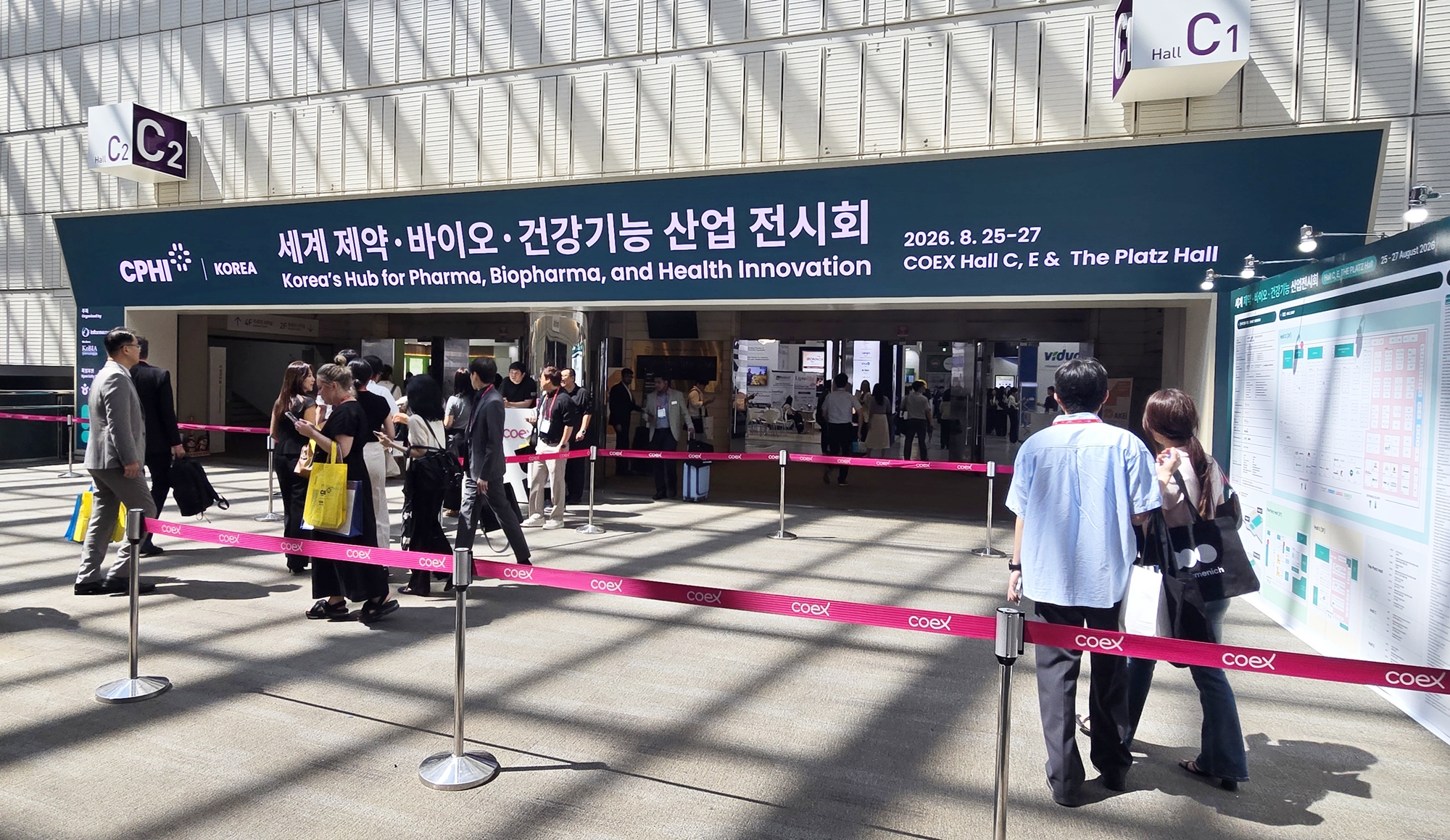
- CPHI Korea 2026 took place over three days, from August 25 to August 27.Pharmaceutical exhibition booths at exhibitions, once dominated by active pharmaceutical ingredients (APIs) and manufacturing equipment, are expanding their scope into artificial intelligence (AI) document automation, alternative animal testing, and functional health food raw materials.This shift was notable at CPHI Korea 2026, which opened on the 25th at COEX in Seoul. Alongside traditional booths showcasing active pharmaceutical ingredient (API) and contract development and manufacturing organization (CDMO) capabilities, new services supporting pharmaceutical regulatory documentation and non-clinical research workflows took center stage.Kookjeon F&D unveiled AXGMP, an AI platform specialized for pharmaceutical documentation, for the first time. At the same time, Biosolution collaborated with Merck Life Science to demonstrate an alternative animal-testing workflow using 3D human tissue models. Samoh Pharm unveiled its portfolio of functional health food ingredients, and Inist ST focused on expanding API and CDMO projects with existing partners.Integrating AI into pharmaceutical documentation: Kookjeon demonstrates AXGMP for the first timeAt the Kookjeon F&D booth on the second floor of the exhibition hall, attendees gathered around laptop screens to watch an AI chatbot respond. The demonstration showed that when questions were entered into the system linked with regulations and guidelines, it extracted relevant regulatory clauses and reference documents.Attendees focused on whether the system could retrieve scattered internal documents and regulations for practical operational use, rather than merely generating text using generative AI.Pharmaceutical industry visitors at the booth asked whether AXGMP could integrate vast internal documentation, such as standard operating procedures (SOPs) and manufacturing specifications. The potential to deploy the platform as an internal search and operational support system that quickly locates internal documents and regulations required for specific workflows garnered attention.Kookjeon F&D showcased its generative AI-powered pharmaceutical documentation AX platform.AXGMP is a platform designed to structure documents generated across manufacturing, quality assurance/quality control (QA·QC), validation, and regulatory affairs (RA), while supporting the generation of required deliverables. At the booth, the company demonstrated the drafting of pharmaceutical documents, including Periodic Quality Reviews (PQR), and regulatory compliance review processes. The core premise is to tailor workflows to each company's document hierarchy and operational procedures, rather than applying a uniform AI model across pharmaceutical firms. The system converts company-specific SOPs, specifications, and manufacturing and quality records into AI-usable datasets, then combines the required functional modules for each task.The platform is designed for customized deployment based on client environments, covering document management, legacy system integration, regulatory reviews, and report generation. Because it can be implemented for specific tasks or integrated as supplementary features into existing systems, the deployment scope can be adjusted to each pharmaceutical firm's digital transformation maturity and operational needs.Kookjeon F&D was spun off from Kookjeon in September 2023. Most of its team members have hands-on operational experience in QA·QC and RA at the parent company. The firm highlights the convergence of AI technology with personnel who understand pharmaceutical document formats and regulatory agency interaction workflows as its core differentiator.A Kookjeon F&D representative explained that while simple keyword searches for Ministry of Food and Drug Safety (MFDS) regulations yield countless results, AXGMP can serve as a guide that quickly pinpoints specific relevant sections for the inquiry. The representative added that inquiries also highlighted interest in utilizing the system to search internal corporate SOPs and specifications. Operation of Kookjeon F&D's AX platform.From Health Functional Food Ingredients to API·CDMO: Expanding core businessesSamoh Pharm operated its third CPHI exhibition booth, centered on its H&B Raw Materials Division, which oversees health functional food and food ingredients. The exhibition area showcased key ingredients, including active folate, vitamin K2, and artichoke extract, alongside finished goods that use these components.In this exhibition, the company focused on promoting active folate, vitamin K2, and ingredients with recognized functional indications for hangover relief. By demonstrating both the intrinsic properties of the raw materials and their practical formulation into finished products, the company aimed to broaden touchpoints with pharmaceutical companies and health functional food manufacturers.According to company explanations, the expansion of pharmaceutical and cosmetic companies into the health functional food space is creating new business opportunities for raw material suppliers. This also reflects a strategic focus on diversifying client bases by encouraging multiple finished-product manufacturers to utilize the ingredients rather than concentrating supply on one or two firms.Samoh Pharm's booth.A Samoh Pharm representative said, "As companies in the pharmaceutical and cosmetics sectors diversify their business portfolios, interest in health functional foods has grown," adding, "The official added that the company continues to promote core ingredients such as active folate and vitamin K2 while expanding touchpoints so that multiple manufacturers can launch products utilizing them."Inist ST placed API and CDMO solutions at the center of its booth. Rather than highlighting specific new products, the company emphasized sharing new product development data and discussing follow-on projects with existing partners.Having participated in the exhibition annually, the company used CPHI to maintain relationships with existing partners while identifying prospective clients. At the event, numerous industry representatives visited the booth to discuss raw material supply and potential contract development and manufacturing collaborations.An Inist ST representative stated, "While meetings with new companies take place, we also discussed with existing partners," adding, "Inist ST is progressively expanding its project pipeline by providing data on new products and continuing business consultations."Inist ST booth.Connecting human tissue models with analytical equipment: Expanding alternative animal testingBiosolution co-hosted an exhibition booth with Merck Life Science, demonstrating an end-to-end alternative animal testing workflow spanning 3D human tissue models, analytical measurement, and data interpretation.The process involves treating human-derived tissue models, such as Biosolution's skin model KeraSkin and corneal model MCTT HCE, with test substances, then using Merck's analytical equipment to measure tissue barrier function and immune/inflammatory biomarkers. The collaboration presented an integrated research workflow linking target-specific tissue model selection, experimental assay design, and analytical readout.Biosolution also introduced contract research organization (CRO) testing services utilizing its proprietary human tissue models. The company is broadening its application scope beyond safety assessments, such as skin irritation, ocular irritation, and phototoxicity, to efficacy evaluations including skin permeation, barrier function, wound healing, and anti-inflammatory properties.Biosolution booth.The phototoxicity test method utilizing KeraSkin was incorporated into OECD Test Guideline (TG) 498. The ocular irritation test method using MCTT HCE is also listed under OECD TG 492, providing validated regulatory grounds for regulatory submission testing.At the event, inquiries from companies handling various materials, such as formulations and peptides, continued throughout. This suggests growing demand to evaluate novel drug candidates and cosmetic ingredients in models that closely mimic human tissue, amid the expanding scope of alternative animal testing methods.A Biosolution official remarked, "Biosolution is focusing on introducing practical applications of human tissue models and alternative animal testing CRO services," adding, "This year, we received numerous client inquiries related to specialized modalities such as formulations and peptides."

- Company
- Pharmaceutical services market expands as industry evolves
- by Son, Hyung Min Aug 27, 2026 09:43am
- The era of agents has arrived. As multinational pharmaceutical companies reorganize their operations around changing business priorities, the service industry supporting them from the outside is gaining an increasingly prominent presence.It has long been common for pharmaceutical companies to outsource key functions such as legal advice, public relations and pharmacoeconomic evaluations to specialized firms. What has changed recently is the breadth and depth of the work performed by these external providers. Professional services are becoming increasingly specialized, covering reimbursement and pricing, pharmacoeconomic evaluation, policy response and market access strategy for new drugs, as well as product communications.The changes at major law firms are a prime example. Former officials who handled pharmaceutical pricing and reimbursement at MOHW’s Pharmaceutical Benefits Division, HIRA’s Pharmaceutical Benefits Department and New Drug Listing Division, and the NHIS’s Insurance Benefits Department have joined leading law firms. Once largely limited to working-level officials, recruitment has recently expanded to former heads of the Pharmaceutical Benefits Division and HIRA’s Pharmaceutical Benefits Department, as well as former health ministers and vice ministers.The role of consulting firms is also expanding. External advisers are now used not only to prepare pharmacoeconomic evaluation data submissions but also to determine which reimbursement pathway a new drug should pursue and to analyze how changes in drug pricing policy may affect a company’s portfolio and develop corresponding strategies.A similar trend is emerging in the PR industry. The continued introduction of new drugs and indications is increasing the need for product communications. Rather than expanding their in-house PR teams accordingly, however, pharmaceutical companies are increasingly dividing responsibilities with external agencies.Drug pricing officials move to law firms…from working-level staff to former ministers and vice ministersOne development illustrating the expansion of pharmaceutical and healthcare practices at major law firms is the movement of former public-sector officials with experience in healthcare policy and drug pricing and reimbursement.Particularly notable is the succession of former heads of the Pharmaceutical Benefits Division joining law firms. The division is a core unit of the MOHW responsible for the full spectrum of pharmaceutical benefits policy, including new drug listings, pricing systems, post-listing drug price management and reassessments of reimbursement eligibility. Because these policies directly affect the market entry of new drugs and the prices of existing products, the division has extensive points of contact with the industry.Former heads of the Pharmaceutical Benefits Division, Yang-ji Ryu, joined Yulchon; another, Myung-seop Kwak, joined Kim & Chang, and Chang-hyun Oh joined Bae, Kim & Lee. Sung-tae Kim, a former deputy director who worked on reimbursement listings and post-listing management at the division, also moved to Kim & Chang before joining Shin & Kim.Their government experience extends well beyond simply having worked in the division. During his tenure as its head, Ryu oversaw a major overhaul of the drug pricing system and policies aimed at reducing pharmaceutical expenditure. Kwak also handled major policies concerning health insurance coverage and drug pricing. Oh served as both head of the Pharmaceutical Benefits Division and director of the Health Industry Promotion Division, gaining experience across pharmaceutical benefits and biopharmaceutical industry policy.The successive movement to law firms of senior personnel who directly oversaw the systems governing new drug pricing and reimbursement symbolically demonstrates the recent changes to the pharmaceutical and healthcare advisory market.A number of former HIRA officials have also joined the legal sector. Former heads of HIRA’s Pharmaceutical Benefits Department Byung-il Lee, Hee-jung Kang and Kyung-soo Kang have each joined major law firms.Their work in the previous sector is closely connected to the industry’s current pricing and reimbursement issues. Lee handled transaction price-based reimbursement, the reorganization of the existing reimbursement list, and pricing policy for off-patent drugs and generics. Former director Kyung-soo Kang was involved in changes to the new drug listing system, including the introduction of risk-sharing agreements, pharmacoeconomic evaluation submission exemptions and improvements to cost-effectiveness assessment criteria.Officials with direct experience in new drug reimbursement listings have also moved to law firms, including Se-rak Jang, a former team leader at HIRA’s New Drug Listing Division, and former division officials Tae-kyung Kim and Yoon-hee Choi. Their experience includes new drug reimbursement listings, pharmacoeconomic evaluation, and price determination.There are also former NHIS officials who negotiated prices directly with pharmaceutical companies. Yoon-kyun Jung, a former head of the Drug Price Negotiation Division, handled new drug pricing negotiations and risk-sharing agreements for high-priced new drugs before moving to a law firm.Former MOHW minister Deok-cheol Kwon and former vice ministers Geun-hyuk Ryu and Young-chan Lee, all of whom have broad experience in healthcare policy, are also now practicing healthcare at major law firms.Taken together, their careers reflect the major stages through which a new drug enters the health insurance market. MOHW establishes the overall pricing and reimbursement framework; HIRA evaluates the drug’s eligibility for reimbursement and its economic value; and the NHIS negotiates its price and any risk-sharing agreements with the pharmaceutical company.With professionals who have experience at each stage, from policymaking to reimbursement assessment and price negotiations, joining their ranks, law firms are further specializing their pharmaceutical and healthcare advisory capabilities. These professionals are also actively voicing their opinions on major pending issues, including proposed changes to generic drug pricing.These personnel moves have also drawn criticism. Concerns have long been raised about potential conflicts of interest when government officials who directly handled pricing and reimbursement policy retire and join law firms that advise pharmaceutical companies. Similar concerns were raised recently when former Pharmaceutical Benefits Division head Chang-hyun Oh joined a law firm.Separate from such controversy, however, major law firms’ continued recruitment of these professionals also demonstrates the growing use of pricing, reimbursement and policy advisory services within the pharmaceutical and biotechnology industry.Beyond legal services to policy advice….Law firms’ expanded rolesThe scope of services that law firms provide to pharmaceutical companies is also changing.Patent disputes were traditionally the most prominent area of legal work for the pharmaceutical industry. This subsequently expanded to administrative litigation over rebates, violations of Good Manufacturing Practice requirements, drug price reductions, and restrictions on reimbursement.More recently, law firms have broadened their role beyond responding to disputes and are increasingly analyzing regulatory changes and assessing their potential effects on corporate clients.Pricing and reimbursement are complex fields shaped not only by statutes and official notices but also by HIRA’s assessment standards, committee decisions, and negotiations with the NHIS. Even when listing a single new drug for reimbursement, companies must consider numerous variables, including whether to undergo a conventional pharmacoeconomic evaluation, seek an exemption from the submission of economic evaluation data or pursue a risk-sharing agreement.The expansion of these services is closely related to major law firms’ recruitment of former MOHW, HIRA and NHIS experts to strengthen dedicated healthcare practices alongside their lawyers.Former heads of the Pharmaceutical Benefits Division are well positioned to analyze the detailed operation of the pricing and reimbursement system and its impact on individual products. Former ministers and vice ministers can provide broader guidance on policy direction and response strategies on health insurance finances and industrial policy.Inquiries and demand for advice are especially concentrated around periods of major government changes to drug pricing policy. Ahead of and following recent drug pricing reforms, major law firms have held briefings and seminars for pharmaceutical and biotechnology companies to explain the changes and suggest response directions.Reimbursement consulting expands beyond pharmacoeconomic evaluation to response strategiesDrug pricing and reimbursement consulting is another area in which pharmaceutical companies are making extensive use of external partners.Outsourcing pharmacoeconomic evaluation has already become common. Demonstrating a new drug’s cost-effectiveness requires companies to build economic evaluation models from clinical data and establish comparators, costs, utility values, and other inputs. Because this requires specialized health economics expertise, companies often commission professional consulting firms to perform related work.Recently, however, external consulting has expanded well beyond the preparation of pharmacoeconomic evaluation data submissions. Demand is growing for external advice from the earliest stages of determining how a new drug should enter the health insurance system, to analysis of how pricing policy changes will affect existing products and the development of response strategies.In particular, the government’s planned overhaul of the drug pricing system is pushing the scope of work covered by consulting firms.Changes to pricing criteria or post-listing management mechanisms affect pharmaceutical companies differently depending on their portfolios. Patent-protected new drugs, off-patent medicines and generics all have different characteristics, so the same policy change may have different pricing implications and require different responses.On the pharmaceutical companies’ part, companies need to do more than understand the reform; they must identify which products in their portfolios will be affected, estimate the potential price impact, and determine which reimbursement and pricing strategies should be applied to new drugs in their pipelines.Consulting firms are consequently expanding their role beyond explaining policy changes to include company-specific impact assessments and response strategies reflecting each client’s portfolio and product characteristics. Alongside the increase in industry briefings and training sessions before and after drug pricing reforms, customized advisory work for individual companies is also increasing.In the past, a pharmaceutical company might first establish its reimbursement strategy internally and then outsource the preparation and analysis of the necessary pharmacoeconomic evaluation materials. More recently, some companies have begun working with external experts from the initial market access stage to determine the appropriate reimbursement pathway and pricing strategy.New pricing and reimbursement issues continue to arise even after a product is listed, including adjustments to reimbursement scope following indication expansions, budget impact analyses, and post-listing price management triggered by increased usage.This does not mean that external providers are replacing pharmaceutical companies’ internal Market Access teams. Rather, the internal MA teams continue to oversee product strategy, final decision-making and communications with health authorities, while external capabilities are used for specialized, project-based tasks such as pharmacoeconomic evaluation models and regulatory impact analyses.In this sense, boundaries between the services offered by law firms and consulting companies are also beginning to overlap. Major law firms are recruiting drug pricing and reimbursement experts and expanding into policy analysis and market access consulting, while consulting companies are broadening their services beyond health economic evaluation to reimbursement and pricing strategy and policy response.Growing number of new drugs and indications drives PR outsourcingExternal specialists are also playing an increasingly important role in public relations.The Korean pharmaceutical market has recently seen a steady stream of new drug launches and indication expansions. Cancer drugs and rare disease treatments, in particular, create an ongoing need to communicate information about diseases and therapies at each major stage of development and commercialization.Before approval, companies need to raise awareness of the disease. After approval, they must communicate the clinical value of the new treatment option. Once reimbursement is secured, improved patient access becomes the next issue. Even after launch, additional indications, new clinical trial findings, long-term follow-up data, and real-world evidence continue to emerge.Communications therefore do not end when a new drug is launched. Each major milestone—regulatory approval, reimbursement, indication expansion or the publication of new clinical findings—generates a new communications project.However, multinational pharmaceutical companies do not necessarily expand their internal PR teams in proportion to the growth in new drugs and indications. Instead, internal communications teams focus on corporate strategy, coordination with global headquarters and major decisions, while execution of individual product projects is allocated to external agencies.The work performed by these agencies is no longer limited to writing press releases or organizing press conferences. Their services are becoming increasingly specialized, encompassing disease awareness campaigns, product communications strategy, and media content development.As a result, competition for securing professionals is intensifying within the healthcare PR industry. The sector requires specialists who understand not only clinical trial findings and medical terminology but also regulatory approval and reimbursement systems.The restructuring of multinational pharmaceutical companies and the growth of the pharmaceutical services industry are not separate trends.Streamlining a pharmaceutical company’s organization does not eliminate the work required to bring new drugs to market and sell them. On the contrary, as high-priced new drugs proliferate and pricing and reimbursement systems become more complex, product-related functions, including pharmacoeconomic evaluation, policy analysis, consulting and product communications, are becoming increasingly segmented and specialized.What has changed is how that work is performed. Rather than maintaining all functions and personnel in-house, pharmaceutical companies are retaining responsibility for core strategy and decision-making internally while drawing on external professionals and expertise for specific projects and specialized assignments.Even as pharmaceutical companies continue to streamline their internal organizations, the work surrounding new drugs is becoming more specialized. With external specialist companies taking on functions that are increasingly difficult to perform entirely in-house, the role of the pharmaceutical services industry, including law firms, consulting firms and PR agencies, is expanding.
- Policy
- Another salt-modified drug competes with Daewoong's "Jakavi follow-on"
- by Lee, Tak-Sun Aug 27, 2026 09:43am
- Product photo of 'Jakavi'As Daewoong Pharmaceutical secured follow-on drug exclusivity by obtaining priority sales marketing authorization in the generic drug market for Novartis Korea's rare hematologic malignancy treatment 'Jakavi (ruxolitinib phosphate),' another salt-modified product has announced market entry by submitting a marketing authorization application.Salt-modified therapeutics are scheduled to be commercialized starting January 15, 2027, after the original drug's patent expires.According to the Ministry of Food and Drug Safety (MFDS) on the 26th, a follow-on drug containing 'ruxolitinib hydrochloride' submitted a marketing authorization application to the MFDS in late July and notified the original drug company. This product used a hydrochloride salt rather than the phosphate salt of the originator Jakavi, designed specifically to circumvent the patent.Previously, Daewoong Pharmaceutical's salt-modified document-submission drug "Ruxovi Tab (ruxolitinib hemifumarate)" secured priority sales marketing authorization valid for nine months from January 15, 2027, to October 14, 2027.Daewoong circumvented the original drug's composition (salt) patent, originally scheduled to expire in June 2028, through a negative scope confirmation trial and structured a strategic indication portfolio that accounted for the remaining post-marketing surveillance (PMS) period for expedited review, thereby capturing both the initial marketing authorization and first-generic exclusivity. Consequently, it can be commercialized after the original drug's substance patent expires on January 14, 2027.However, a new variable has emerged in Daewoong Pharmaceutical's exclusive market structure: a follow-on drug containing ruxolitinib hydrochloride, distinct from the existing hemifumarate salt, has been filed for marketing authorization with the MFDS.Under South Korea's current patent linkage system, the marketing ban effect held by priority sales marketing authorization applies strictly to 'identical pharmaceuticals' sharing the same active ingredient, dose strength, and dosage form. Because the newly filed product uses ruxolitinib hydrochloride, it contains a different salt than Daewoong Pharmaceutical's ruxolitinib hemifumarate and is legally classified as a distinct pharmaceutical entity.Therefore, if the newly submitted product meets patent circumvention requirements and first-to-file criteria, it can be granted its own independent first-generic exclusivity over the same timeframe as Daewoong Pharmaceutical's, enabling joint market entry.With annual outpatient prescription sales reaching approximately KRW 9.1 billion (based on 2025 UBIST data), Jakavi is a high-value rare disease treatment, with numerous pharmaceutical companies, including Chong Kun Dang, Samyang Holdings, and Dongkook Pharmaceutical, currently competing in development. An industry official said, "While Daewoong Pharmaceutical first secured first sales marketing authorization, there is a possibility for late-entrant developers utilizing different salts to secure additional exclusive sales rights," adding, "As the substance patent is set to expire in early 2027, competition among salt-modified generics to capture early market share will intensify."
- Policy
- Generic drug spots a gap in Revolade mkt...listing a high-dose formulation
- by Jung, Heung-Jun Aug 26, 2026 10:16am
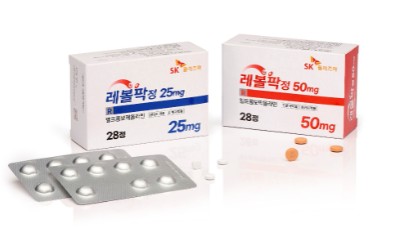
- A generic version of the immune thrombocytopenia (ITP) therapeutic 'Revolade (eltrombopag olamine)' is entering the market in a high-dose formulation not offered by the original drug.As a late-entrant generic developer, SK Plasma is expected to pursue full-scale market share expansion through a differentiation strategy focusing on enhanced dosing convenience.According to industry sources on the 25th, following the National Health Insurance (NHI) reimbursement listing of the 25 mg and 50 mg doses of SK Plasma's Revolpaq Tab this month, the 75 mg product is scheduled to enter the reimbursement scope next month.This month, reimbursement prices are KRW 28,398 for the 25 mg strength and KRW 55,188 for the 50 mg strength. The 75 mg dose scheduled for listing next month is priced at KRW 68,985. Because no identical dose strength is available on the market, the reimbursement ceiling was determined by applying the dosage-proportional pricing formula.Revolpaq Tab is indicated for chronic immune thrombocytopenia and severe aplastic anemia, referencing Novartis's Revolade as the originator product.The first generic referencing Revolade is Pharmbio Korea's Elpaq Tab. The company pioneered the generic market entry by securing reimbursement listing in October 2024.Although it was eligible for the same reimbursement price as the previously listed identical formulation due to its orphan drug designation, Pharmbio adopted a niche strategy by pricing the product 30% lower than the original drug.SK Plasma listed its two strengths, 25 mg and 50 mg, at prices lower than the original drug Revolade but higher than Pharmbio's Elpaq Tab.After obtaining regulatory approval in June for the 75 mg strength, which is unavailable in both the originator and existing generic lines, SK Plasma is now awaiting reimbursement listing next month.The 75 mg high-dose formulation set for listing offers enhanced dosing convenience as its core advantage. Patients with severe aplastic anemia (adults and adolescents) are indicated to take 75 mg daily for six months. This formulation offers the convenience of a single 75 mg tablet, eliminating the need to co-administer 25 mg and 50 mg tablets.According to UBIST data, Revolade prescription sales reached KRW 4.7 billion last year. With the entry of a high-dose generic targeting a gap left by the original drug, competition to capture market share across the Revolade market is expected to intensify further.

- Company
- SillaJen’s BAL0891 gains FDA orphan drug designation
- by Cha, Ji-Hyun Aug 26, 2026 10:16am
- SillaJen’s next-generation anticancer drug candidate has received orphan drug designation in the United States. The designation is expected to accelerate clinical development by providing benefits such as lower development costs and regulatory support.According to the biotechnology industry on the 25th, ‘BAL0891,’ SillaJen’s anticancer drug candidate that simultaneously inhibits TTK and PLK1, received Orphan Drug Designation (ODD) from the US Food and Drug Administration on the 24th for the treatment of acute myeloid leukemia (AML).The FDA’s Orphan Drug Designation (ODD) program is designed to encourage the development of treatments for rare diseases affecting fewer than 200,000 people in the United States. Designated drugs may qualify for benefits including tax credits for eligible clinical trial expenses and exemption from FDA application fees. Upon approval, the drug may qualify for seven years of market exclusivity for the same indication, subject to certain requirements.BAL0891 is an anticancer drug candidate that SillaJen licensed in September 2022 from Swiss company Roche’s spinoff Basilea. SillaJen secured global rights under a deal worth a total of USD 335 million ( KRW 437 billion), including an upfront payment of KRW 20 billion.BAL0891 is a small-molecule compound that simultaneously inhibits TTK and PLK1, two proteins involved in cancer cell division. Unlike candidates that target either TTK or PLK1 alone, it blocks both proteins to induce abnormal cell division and cancer cell death. Several biotechnology companies overseas are developing anticancer drugs that separately inhibit TTK or PLK1, but BAL0891 is the world’s only candidate designed to inhibit both targets simultaneously.BAL0891 was initially developed for advanced solid tumors, then expanded its indication into hematologic malignancies. A Phase I trial in solid tumors was authorized in the United States in December 2021 and in Korea in April 2023. In 2025, the FDA and the Korean MFDS approved plans for a Phase I trial in AML. BAL0891 is currently being evaluated as monotherapy and in combination with paclitaxel or tislelizumab in solid tumors. In AML, its safety and preliminary efficacy are being assessed in patients with relapsed or refractory disease.The latest ODD is expected to provide further momentum to the development of BAL0891 for AML. The designation is expected to reduce the financial burden of conducting clinical trials while establishing a favorable foundation for future regulatory approval and commercialization. The resulting increase in the pipeline’s value is also expected to support future out-licensing efforts.
