
- LOGIN
- MemberShip
- 2026-09-07 20:17:36
- Company
- Obesity drugs mkt is expanding beyond GLP-1 to amylin and glucagon
- by Son, Hyung Min Sep 07, 2026 08:59am
- The obesity drug market, dominated by GLP-1 receptor agonists, is diversifying toward using novel hormonal pathways such as amylin and glucagon.In the future, rather than administering the same drug to everyone with obesity, treatment strategies could evolve into tailored approaches that select GLP-1-based therapeutics, amylin agonists, and dual or triple agonists based on comorbid complications, required weight-loss range, and tolerability.W. Timothy Garvey, Professor of the Department of Nutrition Sciences at the University of Alabama at Birmingham (UAB), attended the International Congress on Obesity and Metabolic Syndrome (ICOMES 2026) organized by the Korean Society for the Study of Obesity (KSSO) at the Conrad Hotel in Yeouido on the 4th, where he delivered a presentation titled "Incretin Targets to Multi-Hormonal Approaches: The Role of Amylin and Glucagon" and introduced future directions in the development of next-generation obesity therapies.Professor Garvey distinguished newly emerged obesity drugs such as 'Wegovy (semaglutide)' and 'Mounjaro (tirzepatide)' from conventional agents, calling them "second-generation therapies." While conventional obesity treatments showed an average weight-loss efficacy of 10% or less, recent therapeutics have achieved an average reduction of 15% or more.However, Professor Garvey noted that the significance of second-generation therapeutics does not lie merely in increasing weight-loss range. Professor Garvey explained that greater weight reduction expands the scope for preventing or improving various obesity-related complications. Therefore, obesity management should focus on improving patient health rather than body weight alone.W. Timothy Garvey, Professor of the Department of Nutrition Sciences at the University of Alabama at Birmingham (UAB), attended the International Congress on Obesity and Metabolic Syndrome (ICOMES 2026) organized by the Korean Society for the Study of Obesity (KSSO) at the Conrad Hotel in Yeouido on September 4.Expanding to amylin and glucagon…Diversification of targets for novel obesity drugsGlobal development of obesity treatments is broadening its targets beyond the single GLP-1 pathway to diverse hormones regulated by nutritional status, including amylin, GIP, glucagon, and PYY.In addition to single agonists, dual agonists targeting both GLP-1 ·glucagon triple agonists, are currently under development. This approach aims to maximize weight-loss efficacy by combining distinct mechanisms of action.Boehringer Ingelheim's GLP-1·glucagon dual agonist survodutide demonstrated a weight-loss rate of 16.6% at week 76 in the maximum-dose 6 mg cohort, based on the efficacy estimand (assuming treatment adherence), in the Phase 3 SYNCHRONIZE-1 trial. Based on the treatment-regimen estimand, which reflects treatment discontinuations and other variables, the rate was 13.0%.However, tolerability remains a challenge. The proportion of patients in the 6 mg group who discontinued the investigational drug due to adverse events was approximately 20%, and gastrointestinal adverse events such as nausea and vomiting were also relatively frequent.Professor Garvey pointed out, "A discontinuation rate of 20% is concerning," noting that the burden of gastrointestinal adverse events was greater than in prior GLP-1 clinical trials. Conversely, he attributed positive significance to the findings showing reductions in liver fat and liver stiffness.Eli Lilly's GLP-1·GIP·glucagon triple agonist retatrutide achieved a weight loss rate of 28.3% at the maximum dose of 12 mg based on the efficacy estimand in the Phase 3 TRIUMPH-1 trial. The 9 mg and 4 mg doses achieved reductions of 25.9% and 19.0%, respectively.Describing the extent of weight reduction observed at the maximum dose, Professor Garvey remarked that it was "comparable with bariatric surgery." However, because paresthesia and hypotension were also observed, he noted that adverse event management would be necessary for real-world clinical use.Amylin, potential differentiation in both weight loss efficacy and tolerabilityAt this presentation, Professor Garvey placed particular emphasis on amylin.Amylin is a hormone cosecreted with insulin from pancreatic beta cells; it acts on regions such as the brainstem and hypothalamus to increase satiety and reduce food intake while delaying gastric emptying.Preclinical studies have shown that amylin suppresses the decrease in energy expenditure during weight loss and reduces fat mass while potentially preserving muscle mass relatively well. Researchers are also investigating its potential to attenuate bone mass loss.However, Professor Garvey drew a line by stating that because these effects on muscle and bone are still based on preclinical evidence, further confirmation is required to determine whether they can be replicated in patients.In clinical settings, a relatively low incidence of gastrointestinal adverse events, along with robust weight loss efficacy, is cited as a major strength.The long-acting amylin analog petrelintide, under development by Roche and Zealand Pharma, demonstrated a weight reduction exceeding 10% in the Phase 2 ZUPREME-1 trial.Professor Garvey highlighted that nausea occurred in about 20% of patients, lower than levels typically reported in clinical trials of GLP-1-based agents, and that vomiting, diarrhea, and constipation were also relatively uncommon.Novo Nordisk's CagriSema, a co-formulation of the amylin analog cagrilintide and semaglutide, demonstrated a weight loss rate of 22.7% at week 68 based on the efficacy estimand in the REDEFINE 1 trial. This exceeded the 16.1% observed with semaglutide monotherapy and 11.8% with cagrilintide monotherapy.Eli Lilly's investigational selective amylin receptor agonist, eloralintide, also demonstrated weight loss of up to 20.1% based on the efficacy estimand in a 48-week Phase 2 study.Professor Garvey said long-acting amylin agents show weight-loss efficacy sufficient to anticipate health benefits in short-term clinical trials, while carrying a relatively lower burden of gastrointestinal adverse events. He explained that this underpins the pharmaceutical industry's heightened focus on developing the amylin class.Drug selection may vary depending on severe obesity and comorbiditiesProfessor Garvey anticipated that as the pipeline of obesity therapeutics expands, treatment algorithms will be established, much like those for hypertension or diabetes, where agents are tailored to patient conditions and additional medications are introduced as needed.However, Professor Garvey clarified that this is not currently an established recommendation, but rather a hypothetical treatment strategy grounded in early clinical evidence.Professor Garvey categorized patients broadly into three types. For patients with a high body mass index (BMI) accompanied by biomechanical complications such as impaired mobility, dual or triple agonists could be considered, as substantial weight reduction of 20% to 25% or more may be required.For patients with specific comorbidities such as cardiovascular disease or obstructive sleep apnea, Professor Garvey considered administering agents proven effective in improving those complications in clinical trials first.Conversely, for the broader population of individuals with obesity who do not have specific comorbidities, Professor Garvey mentioned the possibility of utilizing long-acting amylin agonists, which offer sufficient weight loss efficacy along with favorable tolerability, as an initial therapeutic option.Professor Garvey stated, "In obesity, as in hypertension or diabetes, management can evolve by starting with a well-tolerated drug and then adding other agents if clinical targets are not met," concluding that "as treatment options expand, a more individualized approach will become possible for each patient."
- Company
- Will the MM drug Tecvayli finally be reimbursed in Korea?
- by Eo, Yun-Ho Sep 07, 2026 08:58am
- Tecvayli, a novel treatment for multiple myeloma, has completed the Health Insurance Review and Assessment Service stage of the reimbursement process nearly 3 years after receiving marketing authorization in Korea.According to industry sources, Janssen Korea’s bispecific antibody Tecvayli (teclistamab) recently passed HIRA’s Drug Reimbursement Evaluation Committee.The decision follows the drug’s Korean approval in July 2023 and its passage through the Cancer Drug Deliberation Committee in May. Tecvayli’s progress is being welcomed in the field, as reimbursement of new therapies has been particularly slow in multiple myeloma.Multiple myeloma remains an incurable disease, but in the past, survival rates were very low due to limited treatment options.In recent years, however, innovative treatments such as monoclonal antibodies, CAR-T therapies, and bispecific antibodies have expanded treatment options and improved survival.In fact, over the past 20 years, the five-year survival rate for multiple myeloma patients has increased from 29.8% in 2001-2005 to about 50.1% in 2017-2021. However, this remains below the 60% survival rate in developed countries such as the United States, and limited access to care is widely regarded as a major contributing factor.In Korea, only 13 (52%) of the 22 drugs recommended in the NCCN guidelines for multiple myeloma are covered by reimbursement (based on the NCCN guidelines 2024 v2).For example, Darzalex (daratumumab) was approved in 2019 as a first-line combination therapy for multiple myeloma, but was only granted reimbursement as a fourth-line monotherapy in Korea.It was not until October last year, roughly five years later, that the DREC recognized the appropriateness of expanding the reimbursed use of Darzalex under its risk-sharing agreement. Also, Xpovio (selinexor) was granted reimbursement in July 2024, after 4 reimbursement attempts since its approval in 2021.Bispecific antibody therapies for multiple myeloma simultaneously bind a target antigen on myeloma cells and CD3 on T cells. While some BCMA×CD3 bispecific antibodies are IgG2 kappa antibodies derived from two monoclonal antibodies, Tecvayli is a full-size IgG4-PAA bispecific antibody that redirects T cells to BCMA-expressing myeloma cells, offering a novel therapeutic approach.Despite their high clinical utility, Tecvayli and other bispecific antibodies, including Elrexfio (elranatamab) and Talvey (talquetamab), all remain unreimbursed in Korea. Therefore, attention is now focused on whether Tecvayli can clear price negotiations with the National Health Insurance Service and complete the final stretch of its reimbursement journey.Tecvayli was approved based on results from the Phase 1/2 MajesTEC-1 study. In the trial, which evaluated the efficacy and safety of the drug in a total of 165 patients, Tecvayli achieved an overall response rate (ORR) of 63% in patients with relapsed or refractory multiple myeloma (RRMM) who have received three or more therapies, including triple-class exposure to a proteasome inhibitor (PI), an immunomodulatory drug, and an anti-CD38 monoclonal antibody. Also, 32.7% of the patients achieved a stringent complete response (sCR).Also, 6.7% and 19.4% of patients showed complete response (CR) and very good partial response (VGPR), respectively. The median time to first response was 1.2 months, and the duration of response (DOR) was analyzed to be 18.4 months (14.9-not estimable).
- Company
- IPF drug Jascayd to enter the Korean market
- by Eo, Yun-Ho Sep 04, 2026 08:46am
- Jascayd, the first new treatment for idiopathic pulmonary fibrosis (IPF) in a decade, is set to enter the Korean market.According to industry sources, Boehringer Ingelheim Korea has submitted a marketing authorization application for Jascayd (nerandomilast), a treatment for idiopathic pulmonary fibrosis and progressive pulmonary fibrosis (PPF), and the Ministry of Food and Drug Safety is now reviewing it.Jascayd's final approval may come as early as this year. When approved, the company would be able to secure an additional asset in its pulmonary fibrosis portfolio alongside Ofev (nintedanib).Jascayd is an oral, selective phosphodiesterase 4B (PDE4B) inhibitor that exerts antifibrotic and immunomodulatory effects through a mechanism distinct from those of existing treatments. The drug is already approved in the United States, China, Japan, the United Kingdom, and Brazil.Its safety and efficacy were demonstrated in the global Phase III FIBRONEER-IPF trial.The study enrolled 1,177 patients with idiopathic pulmonary fibrosis. Its primary endpoint was the change from baseline in forced vital capacity (FVC) at Week 52. FVC, the volume of air that can be forcibly exhaled after taking the deepest possible breath, is a key measure of lung function.The results showed that Jascayd significantly slowed lung function decline compared with placebo. At Week 52, mean FVC had declined by 106 mL in the Jascayd 18 mg group and 122 mL in the 9 mg group, compared with 170 mL in the placebo group. In particular, the 18 mg group began to separate from the placebo group just 2 weeks after treatment initiation, and the difference was maintained through Week 52.Meanwhile, Ofev is currently reimbursed in Korea only for its PPF indication. Boehringer Ingelheim is seeking to expand its reimbursement to IPF, but discussions have made little progress.Meanwhile, IPF has the highest mortality rate among rare diseases in Korea. It is a rare, intractable disease in which interstitial tissue in the lungs progressively becomes fibrotic and stiffens without a known cause. As the lung structures responsible for oxygen exchange are damaged, patients develop chronic cough and shortness of breath, eventually progressing to respiratory failure.The disease also progresses rapidly. While lung function in healthy adults declines by around 10–20 cc per year, patients with IPF lose 150–250 cc annually, equivalent to roughly 10% of their lung function each year.
- Company
- Joint sales agreements for pharmaceuticals are on the rise
- by Kim, Jin-Gu Sep 03, 2026 04:49pm
- Joint sales across South Korea's pharmaceutical and biotech industry are shifting rapidly. As joint sales agreements increase, expiring contracts and partner transitions are also rising.Chong Kun Dang has focused on a generational portfolio transition over the past year by clearing out multiple legacy co-promoted products while securing major new items. Meanwhile, Boryung and Hanmi Pharm are driving top-line revenue expansion through co-promotion by sequentially adding external products to their commercial portfolios.Changes in the types of joint sales partnerships are common. Market analysis notes an increasing number of cases where the focus is shifting away from selecting partners based solely on large sales forces and nationwide networks toward partnering with companies with distinct competitive strengths in specific channels, such as general hospitals, outpatient clinics, or retail pharmacies.New contracts to partner transitions...24 joint sales agreements over past yearAccording to the pharmaceutical industry on the 2nd, 24 co-promotion agreements have been signed across the South Korean biopharmaceutical industry over the past year.Late last month, the joint sales agreement between Organon Korea and Chong Kun Dang for Nasonex ended. In turn, Organon signed an agreement designating Boryung as its new commercial partner for Nasonex.The joint sales of Fexuclue between Chong Kun Dang and Daewoong Pharmaceutical is also ending. The joint sales contract between the two companies ended on August 31. Daewoong Pharmaceutical plans to transition to exclusive in-house commercialization going forward. The 20 mg package will transition to sole distribution immediately, while the 10 mg and 40 mg packages will be distributed exclusively by Daewoong starting in December. If existing channel inventories are depleted earlier, distribution will transition immediately to Daewoong's exclusive framework.In July, Daewoong Bio and Yungjin Pharmaceutical entered into a joint sales agreement for Pulmicool and Risenolin. Gunil Pharm and Yungjin Pharm expanded their joint sales agreement for Rosomega. Eisai Korea signed a new co-promotion agreement with SK Chemicals for Dayvigo, under which SK Chemicals covers hospitals and clinics with 300 beds or fewer. In comparison, Eisai oversees institutions with more than 300 beds. In addition, Organon Korea and Chong Kun Dang concluded a co-promotion agreement for Atozet and Vytorin. For Atozet, Boryung will co-promote the product in place of Chong Kun Dang, while Organon will sell Vytorin exclusively.Additionally, multiple new agreements were executed earlier this year, including: new co-promotion agreements between ▲Celltrion Pharm and Daewon Pharmaceutical for Edarbi, Edarbyclor, and Edarbipine ▲Ferring Korea and Hanmi Pharm for Minirin and Nocdurna ▲Vivozon Pharm and Hanmi Pharm for Unafra (in January) ▲SK chemicals and Kyung Nam Pharm for Nose-R Soft Cap ▲MSD Korea and Kwangdong Pharmaceutical for the adult pneumococcal conjugate vaccine Capvaxive (both in February) ▲Tanabe Pharma Korea and HK inno.N for Vadanem ▲Servier Korea and Bukwang Pharm for seven products including Acertil and Vastinan ▲Sanofi and Huons for five vaccines including Vaxigrip (all in March) ▲Alteogen Biologics and GC Wellbeing for Tergase Inj. In June, the joint sales partnership between Alvogen Korea and Chong Kun Dang for Qsymia concluded, with Alvogen intending to seek a new co-promotion partner for the product.Chong Kun Dang focuses on portfolio shift...Boryung and Hanmi expand external growthAmong pharmaceutical companies active in co-promotion, Chong Kun Dang, Boryung, and Hanmi Pharm stand out.Chong Kun Dang has actively pursued new commercial assets while streamlining many of its legacy co-promoted products. Late last year, Chong Kun Dang executed a domestic co-marketing and sales agreement with Novo Nordisk Korea for the anti-obesity therapeutic Wegovy targeting local hospitals and clinics. In December, it partnered with Bayer Korea to co-promote Eylea, with Chong Kun Dang leading sales focused on primary clinic channels. In the same month, the company signed a joint sales agreement for Apnotrack, a digital sleep apnea diagnostic aid developed by Asleep.Conversely, several joint sales agreements, beginning with Qsymia, followed by Atozet, Vytorin, Fexuclue, and Nasonex, have concluded over the past year. Industry analysis report a generational turnover of Chong Kun Dang's co-promotion portfolio is underway as the company adds major products such as Wegovy and Eylea while winding down partnerships for Atozet and Fexuclue.Boryung is expanding its presence in the joint sales landscape by stepping into positions vacated by Chong Kun Dang. Following Atozet, Boryung joined as the new distribution partner for Nasonex, marking two consecutive cases where the partner transitioned from Chong Kun Dang to Boryung. In 2024, the joint sales partner for HK inno.N's K-CAB also shifted from Chong Kun Dang to Boryung.Hanmi Pharm is broadening its co-promotion scope by entering into new partnerships across multiple companies. Following an agreement in October of last year to distribute and market three respiratory therapeutics from Boehringer Ingelheim Korea domestically, Hanmi expanded its commercial footprint this year with co-promotion agreements with Ferring Korea for Minirin and Nocdurna, and with Vivozon Pharm for Unafra Inj.For Boryung and Hanmi Pharm, top-line expansion is expected immediately. Boryung previously achieved KRW 1 trillion in annual revenue buoyed by the co-promotion of K-CAB. Analysis suggests that leveraging established commercial networks enables top-line growth, while expanding product portfolios creates synergies with in-house proprietary products.'Channel Strengths' prioritized over 'sales representative number'...A shift in joint sales effortsThe most prominent change in recent joint agreements is the increasing granularity of partner-selection criteria. In the past, joint sales contracts were predominantly structured around multinational pharmaceutical companies leveraging the nationwide distribution networks and extensive sales forces of domestic manufacturers. Multinationals provided the products and brand equity, while domestic pharmaceutical firms deployed their commercial teams to target healthcare institutions.Increasingly, contracts are taking this approach a step further by dividing sales channels based on each company's specific competencies. For example, joint sales of Minirin and Nocdurna between Ferring Korea and Hanmi Pharm show this trend. Ferring focuses on general hospitals, while Hanmi Pharm leads sales and marketing across outpatient clinics and small- to medium-sized hospitals. Hanmi Pharm's commercial coverage includes small and medium-sized hospitals with 30 to 300 beds and handles nationwide distribution. Rather than a single firm handling all tiers of healthcare facilities, this model segments the market based on each partner's respective advantages.Joint sales of Dayvigo between Eisai Korea and SK Chemicals similarly splits the commercial territory by hospital bed capacity. Likewise, joint sales of seven hypertension and dyslipidemia therapies between Servier Korea and Bukwang Pharm divides roles around bed scale.Other partnerships leverage specialized commercial strength within the retail pharmacy channel, exemplified by the co-promotion of Nose-R between SK chemicals and Kyungnam Pharm. SK chemicals plans to accelerate Nose-R sales by leveraging Kyungnam Pharm's dedicated marketing and sales capabilities in retail pharmacies.Joint sales agreements in the pharmaceutical industry are evolving beyond simply borrowing sales representatives into a more segmented approach that matches complementary commercial capabilities across specific products and targeted channels.Increased domestic-to-domestic joint sales deals can be explained in this context. Partnerships between Celltrion Pharm and Daewon Pharmaceutical, Daewoong Bio and Yungjin Pharm, and Vivozon Pharm and Hanmi Pharm are all examples of domestic pharmas combining products with complementary commercial networks. Original drug developers with proprietary products can access specific channels without establishing dedicated in-house sales organizations, while distribution partners can expand their commercial portfolios by leveraging existing sales infrastructure.

- Company
- Anybody can become a patient, but support still falls short
- by Son, Hyung Min Sep 03, 2026 04:48pm
- Six in 10 patients and family members are known to have experienced difficulties or disadvantages in carrying out their daily lives.The Korea Alliance of Patients Organizations (KAPO) and the Korean Research-based Pharma Industry Association (KRPIA) held a press conference at the annex of Sangyeonjae’s City Hall branch in Jung-gu, Seoul, on September 2 to celebrate the launch of a joint campaign, “Patients Beside Us, Us Beside Patients,” aimed at broadening social understanding of patients.At the event, the two organizations released findings from a survey on perceptions of patients conducted ahead of the campaign. Research Lab surveyed 1,069 respondents: 569 patients and family members and 500 members of the general public, from July 27 to 30.KAPO President Ki-jong Ahn and KRPIA Vice Chairman Young-shin Lee88% of patients and their family members as well as 85.6% of the general public agreed that anyone can become a patient. On ‘illness can strike without warning,’ 91.9% of patients and their family members, and 86.4% of the general public agreed, indicating broad recognition that anyone may find themselves in need of care.Yet 60.3% of patients and their family members said they had experienced at least one difficulty or disadvantage in daily life.Social relationships and activities were the most frequently cited area, at 40.2%, followed by work, recruitment and promotion at 26.7%, and school and academic life at 22.3%.Only 33.2% of patients and family members and 28.0% of the general public felt that society currently provides sufficient support for patients. The findings suggest that, though there is consensus on the fact that everybody can become a patient, it has yet to translate into support that adequately addresses the difficulties patients and families face.The joint campaign was prepared to raise awareness of patients’ everyday lives and challenges and change how society views them. Its slogan, “This Could Be Our Story,” reflects the idea that any patient’s story could become our own.With the Framework Act on Patients enacted in April and due to take effect on April 29 next year, the campaign also highlights the need for changing social attitudes alongside institutional protections for patients’ rights.KAPO President Ki-jong Ahn said, “We need to move beyond simply acknowledging that anyone can become a patient and take the next step -- supporting and standing alongside patients around us so they can live without discrimination or disadvantage. We hope this campaign will serve as a starting point for turning empathy into support and solidarity, and solidarity into action.”KRPIA Vice Chairman Young-shin Lee added, “Patients are not just simply recipients of treatment, but are people whose health and dignity must be protected, just like everyone else. As patient-centered policies expand through developments such as the recent passage of the Framework Act on Patients and drug pricing reforms, we hope this campaign will provide an opportunity to reflect anew on the importance of patients’ rights and safety.”KAPO and KRPIA plan to share the experiences and voices of patients and their families under the key themes, “Listen,” “Understand” and “Act Together.”The campaign will also encourage public participation through calligraphy and handwritten-copying challenges, as well as activities on its official Instagram and LinkedIn accounts. These initiatives aim to build greater social awareness so that patients can live without discrimination or disadvantage at school, at work, at home and in their communities.
- Company
- Tibsovo enters final stage for reimbursement review in Korea
- by Eo, Yun-Ho Sep 03, 2026 04:48pm
- Tibsovo, a novel therapy for cholangiocarcinoma, entered the final stage of the reimbursement process to secure national health insurance coverage in Korea.According to Dailypharm coverage, the Ministry of Health and Welfare recently issued an order to the National Health Insurance Service (NHIS) to begin price negotiations for Servier Korea’s Tibsovo (ivosidenib), a targeted therapy for cholangiocarcinoma and acute myeloid leukemia (AML).The order has come later than expected following the drug’s passage through the Health Insurance Review and Assessment Service’s Drug Reimbursement Evaluation Committee in July. However, reimbursement may well be likely before the end of the year if negotiations conclude promptly.This marks Tibsovo’s second attempt to secure coverage for cholangiocarcinoma. Last October, only its AML indication cleared the Cancer Drug Review Committee review.Specifically, Tibsovo is indicated for adults with an IDH1 mutation ▲ as monotherapy for previously treated, locally advanced or metastatic cholangiocarcinoma; and ▲in combination with azacitidine for newly diagnosed AML in patients aged 75 or older or those with comorbidities that prevent the use of standard intensive chemotherapy.Cholangiocarcinoma is a highly aggressive cancer with a poor prognosis, with a 5-year relative survival rate of just 28.9%. In particular, 65% of patients with intrahepatic cholangiocarcinoma are diagnosed at an advanced stage where surgery is not feasible. Tibsovo is the only targeted therapy recommended by the National Comprehensive Cancer Network (NCCN) in the highest category (Category 1) as a second-line treatment for cholangiocarcinoma.In the Phase III ClarIDHy trial, Tibsovo reduced the risk of disease progression by 63% compared with placebo. Median progression-free survival (PFS) was 2.7 months (1.4 months with placebo). Median overall survival (OS) was 10.3 months in the Tibsovo group, more than twice the 5.1 months reported for the placebo group.Meanwhile, in the phase III AGILE trial in patients with AML, Tibsovo in combination with azacitidine also demonstrated improvements in event-free survival (EFS) and a significant improvement in OS.The median OS in the Tibsovo-treated group was 24.0 months (7.9 months in the placebo group), and long-term follow-up results showed that the median OS with Tibsovo combination therapy was 29.3 months, over 3.7 times longer than with placebo combination therapy.
- Company
- Fintepla enters hospital formularies following reimb listing
- by Eo, Yun-Ho Sep 02, 2026 09:06am
- Fintepla, a new treatment for Dravet syndrome, may now be prescribed at major hospitals in Korea, following its addition to the national reimbursement list.According to industry sources, UCB Korea’s Fintepla (fenfluramine) has passed the drug committees (DCs) of major medical institutions in Korea, including Seoul National University Hospital, Severance Hospital, Korea University Guro Hospital and Seoul National University Bundang Hospital.With the drug added to the reimbursement list as of yesterday (Sept. 1), the number of hospitals where it can be prescribed is expected to continue increasing.Fintepla is reimbursed for patients aged 2 years or older with Dravet syndrome who have received three or more existing antiseizure medications (valproate, clobazam) at sufficiently tolerated doses but have failed to achieve at least a 50% reduction in seizure frequency compared with when the first antiseizure medication was initiated.Dravet syndrome is an ultra-rare, severe and intractable childhood epilepsy that typically develops around 12 months of age, and up to 15% of patients die during infancy or adolescence. In addition to prolonged febrile seizures, patients experience various nonspecific forms of seizures throughout their lives. Persistent seizures are associated with an increased risk of physical and neurodevelopmental comorbidities, including muscle stiffness, language development disorders, autism, intellectual disability, and ADHD.The disease also places a substantial burden on caregivers, who often have to provide round-the-clock care and contend with high levels of caregiving stress and poor quality of life due to career interruptions and loss of income. In particular, substantial unmet medical needs remain in Korea as there are limitations in controlling seizures with currently used antiepileptic drugs alone, and some therapies even exacerbate seizures.Fintepla is the only antiseizure medication with a dual mechanism of action targeting both serotonin receptors and the sigma-1 receptor pathway. It reduces seizures by promoting serotonin release, acting on multiple 5-HT receptors and modulating sigma-1 receptors. Another feature supporting its clinical utility is that it can be added to existing antiseizure therapy without requiring discontinuation or dose adjustment of medications already being taken.In three randomized, placebo-controlled Phase III trials, Fintepla significantly reduced mean monthly convulsive seizure frequency by approximately 54% to 65% compared with placebo. The proportion of patients achieving near-seizure freedom reached 25% in Study 1 and 29% in Study 3.In an open-label extension study lasting up to three years, 64.2% of all patients achieved at least a 50% reduction from baseline in mean monthly convulsive seizure frequency, demonstrating sustained efficacy over the longer term.Hoon-Chul Kang, Professor of pediatric neurology at Severance Children’s Hospital, said, “Fintepla has demonstrated clinically meaningful treatment outcomes not only in reducing seizure frequency but also in improving non-seizure symptoms. With reimbursement now available, we expect meaningful expansion of treatment opportunities for children with Dravet syndrome who have faced limitations with existing therapeutic options.”
- Company
- CKD transferred KRW 24B to its two R&D subsidiares in a year
- by Cha, Ji-Hyun Sep 01, 2026 09:51am
- Chong Kun Dang is accelerating its research and development (R&D) strength by establishing separate corporate entities for its research organizations. Over the past year alone, the company's capital contributions to two newly spun-off entities have exceeded KRW 24 billion. Attention is focused on whether this specialized R&D subsidiary framework will translate into performance.According to the Financial Supervisory Service, on the 1st, Chong Kun Dang invested an additional KRW 10.7 billion into Archela, its specialized drug development subsidiary, in the second quarter. Following an initial KRW 3.0 billion investment when Archela was established last year, this additional capital transfer within roughly six months raised Chong Kun Dang's cumulative investment in Archela to KRW 13.7 billion.Archela was founded in October of last year as a drug development subsidiary designed to enhance specialized expertise and operational efficiency in novel drug development. It operates as a wholly owned subsidiary of Chong Kun Dang, with Chong Kun Dang's equity stake in Archela standing at KRW 8.2 billion as of the end of June.Rather than discovering preclinical candidates in-house, Archela adopts a No Research, Development Only (NRDO) business model focused on advancing transferred clinical-stage pipeline candidates toward regulatory approval and commercialization. The subsidiary has obtained three pipeline candidates previously developed by Chong Kun Dang: the dyslipidemia candidate 'CKD-508,' the obesity and diabetes candidate 'CKD-514,' and the intractable neurological disease candidate 'CKD-513,' and is currently driving their clinical progression and commercial development.Dr. Ju-Hee Lee, formerly of the Chong Kun Dang Research Institute, was appointed as Archela's first chief executive officer. Dr. Lee is a drug development expert who obtained a doctoral degree from Seoul National University and accumulated extensive research experience at the Seoul National University College of Medicine Samsung Cancer Research Institute and Memorial Sloan Kettering Cancer Center (MSKCC) in the United States.Archela's board of directors currently comprises three members: Dr. Lee, alongside non-executive directors Sang-yoon Lee and Chang-sik Lee. Director Sang-yoon Lee is an internist who graduated from Seoul National University College of Medicine and built global clinical development experience at Pfizer and Bridge Biotherapeutics. Director Chang-sik Lee, head of the Chong Kun Dang New Drug Research Institute, has spearheaded small-molecule synthetic drug research, pipeline discovery, and early development. While Sung-jun Min, head of Chong Kun Dang's Clinical Development Center, initially served on the founding board, he later stepped down, and Sang-yoon Lee joined the board.Following its additional capital contribution to Archela, Chong Kun Dang also committed capital to a newly established subsidiary. In April of this year, six months after launching Archela, Chong Kun Dang established Neurateon and invested 10.5 billion KRW during the first half of the year. Chong Kun Dang initially acquired equity by investing KRW 500 million at Neurateon's incorporation, then expanded its total investment to KRW 10.5 billion through a capital increase.Chong Kun Dang established the R&D subsidiary Neurateon to specialize in technical research functions such as pharmaceutical formulation, analytical research, and product development. Neurateon is likewise a wholly owned subsidiary, with Chong Kun Dang holding a 100% equity stake.Archela focuses on clinical development and out-licensing of novel pipeline assets transferred from Chong Kun Dang, whereas Neurateon specializes in formulation and analytical research, as well as product development capabilities for incrementally modified drugs (IMDs) and generics. Chong Kun Dang has thus split the roles of its R&D subsidiaries into Archela, which focuses on late-stage candidate development, and Neurateon, which oversees the technical research needed for commercial formulation and manufacturing.Neurateon's executive composition is similarly tailored to the commercialization stages of formulation, product development, and manufacturing. Inaugural CEO Dong-han Won is a formulation research specialist who conducted formulation and technical research at Dong-A ST for over two decades before serving as head of the Technology Research Institute at Chong Kun Dang. On the board of directors, Yu-Kyung Kwon, head of the Development Center at Chong Kun Dang, and Hyungwon Byun, head of the Manufacturing Division, serve as non-executive directors to support product development and regulatory affairs, as well as manufacturing and quality management, respectively.With these investments, Chong Kun Dang has invested a total of KRW 24.2 billion into the two newly established R&D subsidiaries over the past year. With Chong Kun Dang's consolidated operating profit last year at KRW 80.6 billion, the company effectively allocated about 30% of its annual operating earnings to the two specialized R&D subsidiaries in less than a year.However, neither subsidiary has yet reached the stage of generating substantial financial performance. In the first half of this year, Archela recorded a net loss of 5.3 billion KRW with zero revenue. During the same period, Neurateon recorded no revenue and no net profit or loss.
- Company
- Generic pharma companies weigh options to avoid price cuts
- by Chon, Seung-Hyun Sep 01, 2026 09:51am
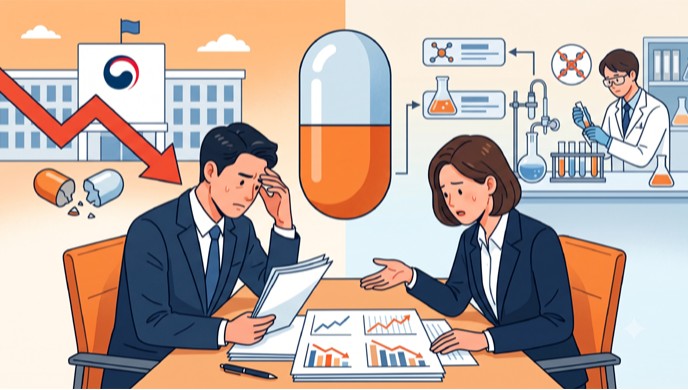
- Pharmaceutical companies are considering whether to conduct bioequivalence studies to avoid price cuts for their already approved generics. The health authorities’ reimbursement price adjustment schedule has given them time to defend existing prices. This has raised concerns that companies may once again conduct bioequivalence studies on products that are already selling without problems solely to preserve their prices, resulting in a wasteful testing race.MOHW to begin first price adjustment for listed generics next April…Companies may attempt to avoid price cuts using bioequivalence studiesAccording to the Ministry of Food and Drug Safety on the 31st, 138 bioequivalence study protocols were approved between January and August this year, averaging 17.3 per month. This represents a slight increase from the monthly averages of 16.4 in 2024 and 16.6 last year.Monthly bioequivalenc testing in Korea (AI-generated image)Industry observers expect bioequivalence study activity involving previously approved generics to accelerate once the government’s generic price reassessment gets fully underway.The Ministry of Health and Welfare recently finalized the price adjustment schedule under the reassessment of listed generics. Price cuts under the first phase will take effect in April next year. Second-phase cuts will begin in October 2030 and be completed in October 2036.The reassessment is intended to apply the drug pricing system reform, which took effect this month, to generics already listed for reimbursement. Under the revised system, the maximum reimbursement price for both off-patent drugs and generics will be lowered from 53.55% to 45% of the original drug’s pre-patent-expiry price.The ministry plans to divide existing products into those listed before and after 2012 and gradually adjust their prices to the revised 45% rate. Both generics and off-patent original drugs with listed generics will be subject to the cuts.The reassessment will adjust prices not only to reflect the lower maximum price but also when products fail to meet premium-price requirements, such as the requirement to conduct a bioequivalence study.Under the revised pricing system, the discount applied for failure to meet premium-price requirements will increase from 15% to 20%. Since July 2020, a generic has had to satisfy both requirements—conducting its own bioequivalence study and using a registered active pharmaceutical ingredient—to qualify for the maximum price of 53.55%. The maximum price is reduced by 15% for each unmet requirement. A product that meets neither requirement is therefore subject to a 27.75% reduction. Applying the 15% discount lowers the 53.55% maximum to 45.52% when one requirement is unmet and to 38.69% when both are unmet.Under the new 45% pricing benchmark and 20% discount, the maximum price will fall to 36% when one requirement is unmet and to 28.8% when neither requirement is met. This translates into a 20.9% cut from the current price for a generic failing one requirement and a 25.6% cut for one failing both.From the company’s standpoint, therefore, they must face a 20.9% price cut for generics that have not undergone bioequivalence testing.The ministry plans to announce the generic price reassessment schedule this month. Products subject to the first adjustment phase will consequently have 8 months until their prices are reduced next April.Companies have begun reviewing the profitability of generics in their portfolios that face substantial cuts because bioequivalence studies were not conducted. For example, if accepting a price cut for failure to satisfy a requirement would significantly damage a product’s profitability, a company may consider conducting a bioequivalence study to avoid the reduction.Thousands of price cuts made after 2020 reassessment…Confusion over bioequivalence studies for listed generics may recurIndustry observers warn that the confusion seen when the prices of approximately 8,000 generics were reduced in two rounds in September 2023 and March 2024 could recur.On Sept. 5, 2023, prices were cut by up to 28.6% for 7,355 generic products. This was the result of the first generic price reassessment initiated in 2020. In June 2020, the Ministry of Health and Welfare announced a plan to reassess maximum reimbursement prices. Under the plan, generics that did not meet the premium-price requirements could preserve their existing prices by submitting documentation showing completion of a bioequivalence study and use of a registered active pharmaceutical ingredient by the end of February 2023. This was a follow-up measure designed to apply the new pricing system, introduced in July 2020, to previously listed generics.At the time, most of the 7,355 products were subject to a 15% cut. Numerous products had their prices reduced by 15% because they had not undergone bioequivalence testing. The reduction exceeded 20% for 145 products, including 125 products that received cuts of more than 27%. These products met neither of the two reassessment requirements and therefore had to accept price cuts approaching 30%.In March 2024, reimbursement prices for another 948 products were reduced by up to 27.9% in the second round of the generic price reassessment. Additional cuts were applied to products newly brought under bioequivalence testing requirements, including sterile formulations such as injectable drugs.At the time, prices were reduced by up to 27.4% for 125 products containing Artemisia asiatica ethanol extract, with an average cut of 14.5%. The extract is the active ingredient in a botanical drug developed from mugwort. The originator product, Stillen, is used to improve gastric mucosal lesions, bleeding, redness, and edema associated with acute and chronic gastritis.Price cuts were applied to 94 Stillen generics and 31 high-dose Stillen 2X generics. Stillen and Stillen 2X products had been approved on the basis of comparative dissolution and disintegration testing rather than bioequivalence studies. Because they failed to meet the bioequivalence testing requirement, one of the conditions for receiving the maximum generic price, all of the generic products were subject to cuts. Of the 125 affected products, 108 received a 15% reduction for failing to meet the bioequivalence study requirement.At the time, the pharmaceutical companies had little choice but to accept the cuts, as it was difficult to establish equivalence for botanical products with a bioequivalence test comparing blood concentrations of their active ingredients.There are now concerns that the revised pricing system, which further lowers generic prices, could trigger another wave of bioequivalence testing intended to preserve reimbursement prices.During the previous reassessment, companies generally declined to conduct bioequivalence studies for low-selling generics and accepted the 15% reduction. However, with the maximum generic price falling sharply and the price cut for products without bioequivalence data steep, critics say the vicious cycle of unnecessary spending to preserve prices could return.In fact, during the previous reassessment, pharmaceutical companies initiated bioequivalence studies specifically to maintain prices, creating unnecessary social costs.The number of approved bioequivalence study protocols rose 81.4% from 178 in 2018 to 323 in 2020. It increased further to 505 in 2021, nearly triple the 2018 figure.This produced the unusual phenomenon of companies initiating bioequivalence studies even for generics that had already been approved, solely to avoid price cuts. The strategy involved developing a generic version, conducting a bioequivalence study and obtaining equivalent results, then using a post-approval authorization process to avoid the price reduction. In some cases, companies switched from outsourced production to in-house manufacturing and changed their approvals to satisfy the bioequivalence testing requirement. This was why approved bioequivalence study protocols surged in 2020 and 2021.After the generic price reassessment ended, the number of approved bioequivalence studies declined to 296 in 2022 and 229 in 2023, returning to more typical levels with 197 in 2024 and 199 last year.The number of products recognized as bioequivalent on the basis of studies conducted directly by the applicant also more than doubled, from 81 in 2019 to 168 in 2020. This increase is believed to reflect the growing number of companies that conducted bioequivalence studies on previously approved generics in preparation for the price reassessment.Monthly directly conducted bioequivalence tests (AI-generated image)Pharmaceutical companies complained that conducting such studies on approved generics amounted to an “unnecessary waste of money.”Their argument was that it was wasteful to spend substantial sums on repeat bioequivalence studies solely to preserve reimbursement prices when the products had already been recognized as safe and effective by the government and were being marketed without any issue. A single bioequivalence study is reported to cost as much as KRW 500 million or more. Some companies therefore have and may well spend tens of billions of won on bioequivalence studies for previously approved generics.Some observers, however, expect that the number of bioequivalence study attempts will not surge because companies have only 8 months between the government’s reassessment notice and implementation of the price cuts. The 2020 reassessment took more than 3 years from the announcement to the cuts. By contrast, companies are considered more likely to conduct studies for products whose price reductions are scheduled for 2030.Companies must also prepare for the risks they would face if a bioequivalence study of an approved generic failed to demonstrate equivalence.In July 2020, the Ministry of Food and Drug Safety formally announced that products found non-bioequivalent in studies conducted to preserve their prices would be prohibited from sale and recalled. The ministry established a principle of taking measures, including recalls, based on the Class III risk criteria for products that fail to demonstrate bioequivalence.Also, other outsourced products manufactured at the same facility as a non-bioequivalent generic would also be highly likely to face recalls. For example, if one contract manufacturer supplies the same generic to 10 companies and one product produces a non-equivalent result, the other nine outsourced generics may also be suspected of failing to meet standards.Many pharmaceutical companies therefore opted to accept price cuts because of the substantial risks associated with unsuccessful bioequivalence studies.An industry official said, “Among the products whose prices were reduced during the previous generic price reassessment because bioequivalence studies had not been conducted, companies will be calculating the reduction rates and sales volumes to determine whether studies would be worthwhile. We are contemplating ways to minimize losses resulting from the price cuts.”
- Company
- Lokelma may be prescribed at general hospitals in Korea
- by Eo, Yun-Ho Sep 01, 2026 09:51am
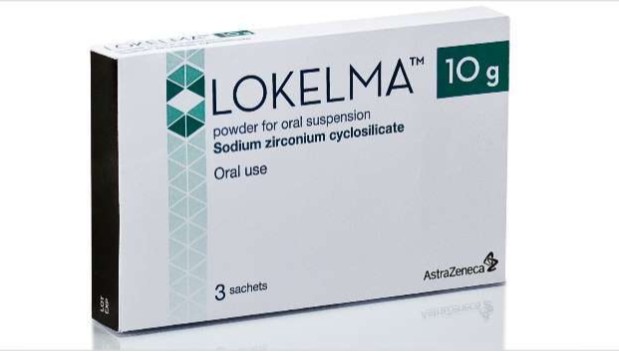
- Lokelma, a new treatment for hyperkalemia, is gaining access to general hospital formularies in Korea.According to industry sources, AstraZeneca Korea’s Lokelma (sodium zirconium cyclosilicate, SZC) has passed the drug committees at major medical institutions, including Seoul National University Hospital, Gangnam Severance Hospital, and Seoul National University Bundang Hospital.Lokelma is gaining attention as a treatment option that may help address the clinical dilemma of patients having to discontinue renin-angiotensin-aldosterone system (RAAS) inhibitors when managing hyperkalemia.Approved in Korea last November, Lokelma is the first new treatment option for hyperkalemia to emerge in approximately 40 years.Unlike conventional organic polymer-based adsorbents, Lokelma is an inorganic crystalline potassium binder. It selectively captures potassium throughout the gastrointestinal tract and removes it from the body. In vitro studies show its selectivity for potassium is more than 125 times higher than that of conventional agents. The fact that it is not absorbed systemically is also considered a key differentiating feature.Hyperkalemia is defined as a serum potassium level greater than 5.0 mmol/L and commonly occurs in patients with chronic kidney disease, heart failure, and diabetes. It develops in 40% to 50% of patients with chronic kidney disease, and one in three patients (32.8%) who take RAAS inhibitors reportedly experience hyperkalemia at least once. Progression to severe disease can lead to potentially fatal outcomes, including arrhythmia and cardiac arrest.The problem lies in the conflict between treatment strategies. RAAS inhibitors are essential therapies for protecting the heart and kidneys, but they can raise potassium levels. Consequently, the onset of hyperkalemia often leads to dose reduction or treatment discontinuation.Guidelines from organizations including Kidney Disease | Improving Global Outcomes (KDIGO), as well as clinical practice guidelines from the Korean Society of Nephrology, mention the use of potassium binders as an adjunctive strategy for maintaining RAAS inhibitor therapy.Lokelma has demonstrated its efficacy in two clinical studies. In the ZS-003 study involving 753 patients with hyperkalemia, treatment with Lokelma 10 g produced a significant reduction in serum potassium within 1 hour. Within 48 hours, 86.4% of Lokelma patients achieved potassium levels within the normal range, compared with 47.8% in the placebo group.In the HARMONIZE (ZS-004) study, mean serum potassium decreased from 5.6 mmol/L to 4.5 mmol/L within 48 hours and remained stably controlled at a low level during the maintenance phase.The effect was also sustained in the long-term data. In the ZS-005 study, 88% of patients maintained normal potassium levels during treatment for up to 12 months. Among patients using RAAS inhibitors, 87% were able to continue treatment or increase their dose.
