
- LOGIN
- MemberShip
- 2026-09-08 06:22:51
- Policy
- Inter-ministerial council launches...Will medical abortion pills be approved?
- by Lee, Tak-Sun Aug 20, 2026 09:23am
- The domestic introduction of medical abortion pills, long stalled due to legislative gaps and inter-ministerial differences, is being processed.Following presidential directives calling for its introduction, inter-agency consultations led by the Prime Minister’s Office have been initiated, while concrete government action plans are taking shape, such as the Ministry of Health and Welfare (MOHW) initiating support for academic societies to establish clinical practice guidelines and reviewing National Health Insurance (NHI) reimbursement.President Lee Jae Myung's remarks during a Cabinet meeting on July 14 called for speedy entry. President Lee stated, "Leaving women to purchase abortion medications through overseas direct purchases because they are not permitted domestically is irresponsible of the government," adding, "Rather than concentrating on legislating gestational age limits, we must devise pragmatic measures, such as leaving decisions to physician discretion".Following the presidential directive, government action swiftly transitioned into an operational phase. An inter-ministerial council chaired by the Prime Minister's Office, involving the Ministry of Justice, the MOHW, the Ministry of Gender Equality and Family, and the Ministry of Government Legislation, is currently convened and in close discussions regarding medication administration frameworks and public communication strategies.In particular, the MOHW is specifying follow-up actions as one of the primary competent ministries. After holding a closed-door briefing session for working-level discussions on introducing the medication, the ministry is preparing institutional frameworks based on its formal introduction.During a National Assembly briefing on the 19th, Minister of Health and Welfare Jung Eun Kyeong said the ministry will support deliberations so professional medical societies can autonomously establish clinical practice guidelines for safe use after drug approval.Furthermore, drawing upon the current National Health Insurance reimbursement system for surgical abortion procedures under the Mother and Child Health Act, the ministry has commenced preliminary reviews regarding eligible patient populations and coverage criteria to be applied upon medication rollout. This is interpreted as the government’s commitment not merely to grant regulatory approval, but to integrate the therapy into the institutional healthcare system formally.As inter-agency preparations advance, attention is also turning to the regulatory agency, the Ministry of Food and Drug Safety (MFDS). Hyundai Pharm's "Mifegymiso" (a mifepristone/misoprostol combination agent), which submitted a marketing authorization application as South Korea’s first oral medication abortion product, has remained in 'under review' status for two years since its late 2024 re-application. The MFDS had previously maintained the principled stance that statutory standards must precede the establishment of approved indications and Risk Management Plans (RMP). However, as prior legal consultations for the MFDS and MOHW, as well as research by the Korea Legislation Research Institute, had concluded that "product approval is permissible irrespective of statutory revisions provided the drug satisfies standards under the Pharmaceutical Affairs Act," MFDS Minister Oh Yu-Kyoung adopted an open, proactive stance at the parliamentary briefing, stating, "We are conducting a comprehensive review by gathering diverse opinions and deliberating within the consultative body led by the Prime Minister."The government's push to expedite introduction is driven by the assessment that safety blind spots caused by illicit distribution have grown severe. Identification of illegal online sales and brokerage of unapproved medication abortion products totaled 3,189 cases over the past five years, with 449 cases already caught between January and July 2026 alone, as threats to women's health rights caused by clandestine overseas direct purchasing persist.However, overcoming pushback from the medical community remains a prerequisite for introduction and seamless real-world adoption. Obstetrics and gynecology medical associations point out that authorizing prescriptions without statutory frameworks and definitive criteria could escalate legal disputes and adverse event risks. Specialists are calling for concrete safety mechanisms, including: ▲gestational age confirmation system via ultrasonographic diagnosis ▲establishment of standardized national clinical practice guidelines ▲implementation of a post-administration follow-up tracking system in preparation for emergencies.With inter-ministerial coordination led by the Prime Minister's Office, alongside MOHW's preparation of clinical guidelines and NHI reimbursement coverage, as well as the MFDS's regulatory review, the introduction of medical abortion pills has entered the public eye. Attention is focused on whether a pragmatic executive-level alternative will be finalized alongside legislative reform debates in the National Assembly.
- Policy
- Seven cases of GLP-1-related acute pancreatitis reported in KOR
- by Lee, Tak-Sun Aug 19, 2026 08:57am
- A total of seven cases of acute pancreatitis following the administration of GLP-1 anti-obesity drugs have been reported in South Korea.Amid media and online communities reporting emergency room hospitalizations after administration, the Ministry of Food and Drug Safety (MFDS) said it is conducting intensive monitoring of domestic and international adverse events while reviewing plans to add 'ischemic optic neuropathy' to the label warnings for semaglutide products.According to the MFDS on the 18th, official adverse event reports of acute pancreatitis submitted to the Korea Institute of Drug Safety and Risk Management (KIDS) from post-marketing commercialization through March 2026 totaled four cases for semaglutide formulations (including three serious adverse events) and three cases for tirzepatide formulations (between August 2025 and March 2026). This information was confirmed through the MFDS's official responses to queries from healthcare media press corps.Recently, major domestic media outlets and online forums reported personal accounts of patients experiencing severe adverse effects following GLP-1 anti-obesity drug administration, drawing heightened societal concern.In one notable case, a patient experienced severe abdominal pain alongside sharp spikes in pancreatic and liver enzyme levels immediately after a single initial dose of tirzepatide (product name: Mounjaro), requiring two weeks of emergency inpatient care due to risks of pancreatic necrosis and sepsis.Concurrently, media coverage highlighted key safety issues, including the risks of gastroparesis and bowel obstruction driven by delayed gastrointestinal motility, which is the primary mechanism of GLP-1 agents, as well as loss of lean muscle mass and bone mineral density, alopecia, gallbladder disorders (such as cholelithiasis) associated with rapid weight loss, and recent Western regulatory warnings regarding sudden vision loss and non-arteritic anterior ischemic optic neuropathy (NAION). Furthermore, heightened risks of adverse reactions arising from off-label, non-standardized prescriptions or misuse in individuals who do not meet body mass index (BMI) criteria continue to come under scrutiny. Regarding the seven reported cases of acute pancreatitis in South Korea, the MFDS drew a clear line, stating, "The reported cases were not associated with hospitalization, life-threatening events, death, or severe permanent disability/functional impairment," and added, "a direct causal relationship between these adverse events and the drugs has not yet been clearly established."Addressing the recent regulatory measures and warnings issued by the UK Medicines and Healthcare products Regulatory Agency (MHRA) regarding necrotizing and fatal acute pancreatitis, the MFDS stated, "Relevant adverse reactions are already reflected in the product labeling for tirzepatide, and 'acute pancreatitis' is similarly included in semaglutide labeling," and added, "We are continuously and intensively monitoring international safety data from the US, Europe, and Japan alongside domestic adverse event reports." Domestic regulatory measures regarding non-arteritic anterior ischemic optic neuropathy (NAION), a rare ophthalmologic condition highlighted by the European Medicines Agency (EMA), are also being specified. According to the MFDS, one domestic case of 'ischemic optic neuropathy' following semaglutide administration has been reported. An MFDS official stated, "We have concluded discussions with the marketing authorization holders based on overseas label updates related to NAION," and confirmed, "Regulatory change procedures to reflect this in domestic package inserts are currently underway."As GLP-1 class therapeutics are widely utilized across the obesity management landscape, the MFDS plans to maintain an active pharmacovigilance surveillance system for potential safety risks. The MFDS stated, "We are closely monitoring domestic and international safety information, including pancreatitis, gallbladder disorders, and gastrointestinal adverse reactions, and will take prompt label updates and safety measures as soon as additional data is verified."
- Company
- Competition for first-line HER2-mutant lung cancer
- by Son, Hyung Min Aug 19, 2026 08:57am
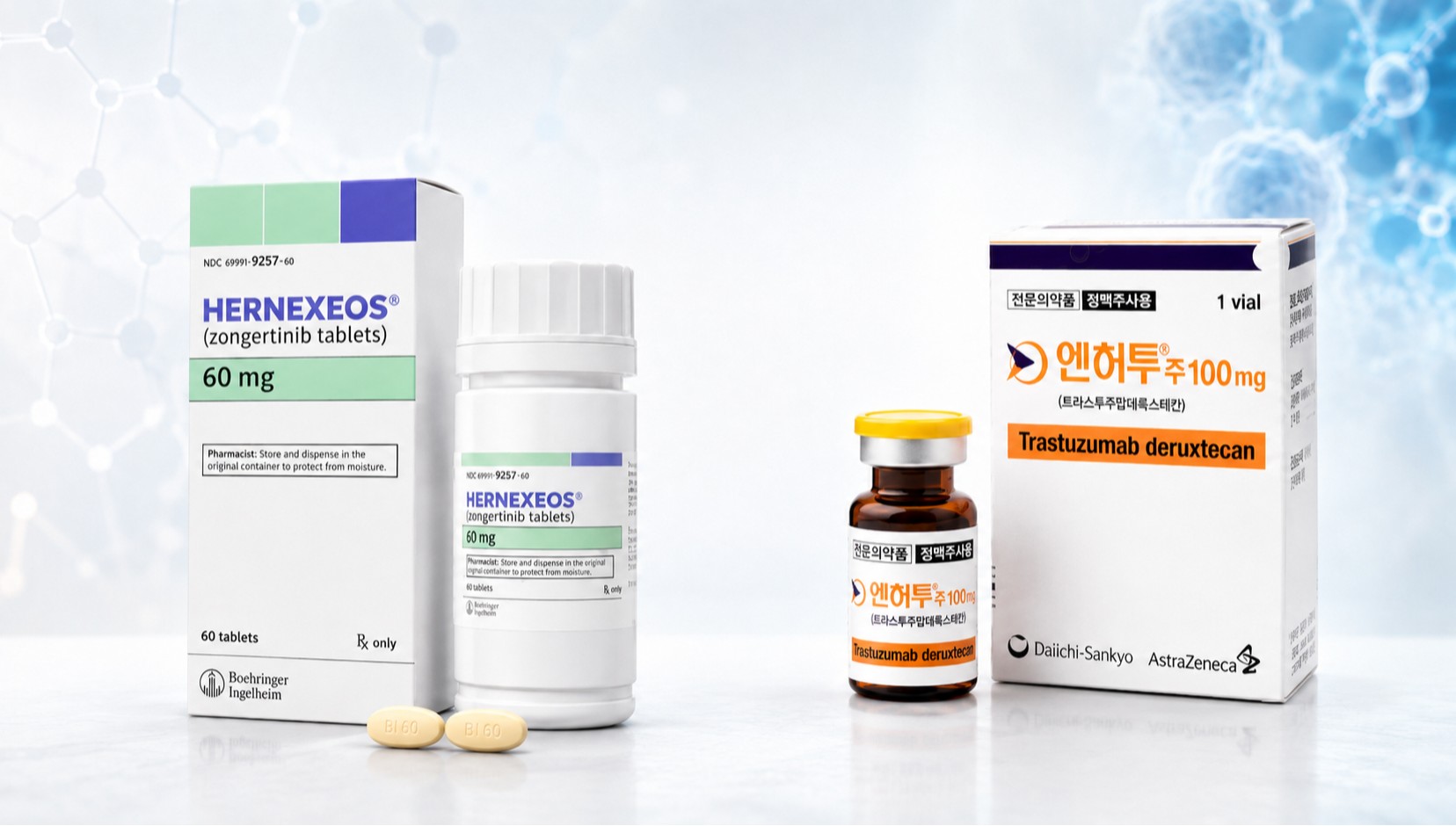
- The competition surrounding targeted therapy for HER2-mutated non-small cell lung cancer (NSCLC), a mutation found in a small subset of lung cancer patients, is rapidly shifting toward first-line treatment. Previously, the conventional treatment paradigm for HER2-mutated lung cancer involved treating patients with immune checkpoint inhibitors and chemotherapy as first-line treatment, followed by HER2-targeted agents upon disease progression.Recently, the therapeutic landscape has shifted as both antibody-drug conjugates (ADCs) and oral tyrosine kinase inhibitors (TKIs) continue to deliver positive clinical outcomes earlier in treatment.ADC drug 'Enhertu'According to industry sources on the 19th, AstraZeneca recently unveiled high-level results from its pivotal global Phase 3 clinical trial, DESTINY-Lung04, evaluating the efficacy of 'Enhertu (trastuzumab deruxtecan).' DESTINY-Lung04 is a head-to-head study directly comparing Enhertu against the standard of care, 'Keytruda (pembrolizumab)' + platinum-based chemotherapy, in patients with unresectable, locally advanced, or metastatic HER2-mutated non-squamous NSCLC. The trial enrolled 454 patients with HER2 exon 19 or 20 mutations. Patients were randomized 1:1 to receive either Enhertu or standard chemotherapy plus immunotherapy. The primary endpoint was progression-free survival (PFS) assessed by blinded independent central review (BICR). Trial results demonstrated that Enhertu achieved a statistically significant and clinically meaningful improvement in PFS compared with the standard-of-care regimen. Specific median PFS values and hazard ratios (HR) have not yet been disclosed. This study is clinically significant as the first Phase 3 trial in which a HER2-targeted therapy demonstrated superior PFS over the global standard of care in the first-line treatment of these patients. Overall survival (OS) evaluation remains ongoing. The safety profile was broadly consistent with previously established data for Enhertu, with no new safety signals observed. The company will present detailed study findings at an upcoming medical congress. Later-line treatment 'Enhertu' to first-line…HER2-targeted therapy advancesEnhertu may help move targeted therapy earlier in the disease course for HER2-mutated lung cancer. Currently, first-line treatment of HER2-mutated metastatic NSCLC relies primarily on the combination of immunotherapy and platinum-based chemotherapy. HER2 mutations are identified in approximately 2% to 4% of all NSCLC cases. HER2-mutated lung cancer is recognized as a molecular subtype predominantly observed in younger female patients and non-smokers, with a relatively high reported incidence of brain metastases. This mutation is biologically distinct from HER2 protein overexpression or gene amplification. Both Enhertu and the oral TKIs entering the first-line treatment race specifically target patients harboring activating HER2 mutations.Before the entry of Enhertu, therapeutic options utilizing direct HER2-targeted agents in this patient population were severely limited. After Enhertu's successful establishment in later lines of therapy, the emergence of oral targeted agents has fueled intense therapeutic development competition.Notably, this competition is shifting from pretreated patients to treatment-naïve first-line treatment cohorts.As Enhertu demonstrated superiority over chemoimmunotherapy in a randomized Phase 3 trial, anticipated regulatory approvals are expected to bolster the strategy of deploying targeted therapies immediately upon biomarker confirmation of HER2 mutations.However, because mature OS outcomes and detailed PFS data have yet to be disclosed, thorough evaluation of the granular dataset will be necessary to fully gauge the magnitude of clinical benefit over current standard therapies.Not limited to ADCs...Oral TKIs join the first-line treatment competitionBoehringer Ingelheim's 'Hernexeos (zongertinib)'Oral TKIs have also entered the first-line treatment area for HER2-mutated lung cancer. The first agent to secure first-line approval is Boehringer Ingelheim's 'Hernexeos (zongertinib).'In February, the U.S. Food and Drug Administration (FDA) approved an expanded indication for Hernexeos in adult patients with unresectable or metastatic non-squamous NSCLC harboring HER2 (ERBB2) tyrosine kinase domain (TKD) activating mutations, allowing its use regardless of prior systemic therapy. Hernexeos' indication expanded to first-line treatment just six months after its initial U.S. approval in August of last year for previously treated patients.The 'Beamion LUNG-1 trial,' which supported the first-line treatment expansion, included 72 treatment-naïve patients with HER2 TKD mutations.In the study, Hernexeos demonstrated an objective response rate (ORR) of 76%. Among responding patients, 64% maintained their response for at least 6 months, and 44% maintained it for 12 months or longer.Its once-daily oral administration distinguishes Hernexeos, dosed at 120 mg or 180 mg based on patient body weight.Bayer's 'Hyrnuo (sevabertinib)' is closely pursuing this space. Hyrnuo received accelerated approval from the U.S. FDA in November of last year for patients with HER2 TKD-mutated locally advanced or metastatic non-squamous NSCLC who had received prior systemic therapy. It is an oral TKI administered twice daily. Bayer has since advanced clinical development to broaden its indication to treatment-naïve patients. In May, the FDA granted priority review designation to Hyrnuo's supplemental application for the first-line setting, supported by findings from the SOHO-01 trial, which enrolled treatment-naïve patients. Concurrently, Bayer is conducting the 'SOHO-02' trial, a Phase 3 trial comparing Hyrnuo against standard-of-care therapy in treatment-naïve patients with HER2-mutated NSCLC, which serves as the confirmatory study to verify the clinical benefit underlying its accelerated approval.Consequently, competition among distinct formulations of HER2-targeted agents in the first-line treatment of HER2-mutated lung cancer is set to intensify.Enhertu is an antibody-drug conjugate (ADC) designed to bind HER2 on tumor cells and deliver a potent cytotoxic topoisomerase I inhibitor payload. In contrast, Hernexeos and Hyrnuo are oral small-molecule TKIs that selectively and directly inhibit oncogenic signaling driven by HER2 mutations. In the future, once Enhertu is approved for first-line treatment and Hyrnuo clears regulatory review, establishing optimal treatment sequencing strategies, specifically the order of administering ADCs versus oral TKIs, will emerge as a central clinical challenge.Notably, therapeutic strategy is expected to be guided by key factors such as duration of response, efficacy against central nervous system (CNS) and brain metastases, safety and tolerability profiles, and real-world clinical outcomes observed with sequential use of ADCs and TKIs.Although HER2-mutated lung cancer represents a rare molecular subtype with a relatively small patient population, the sequential emergence of targeted therapies into commercial reality, initiated by Enhertu and followed by oral TKIs, is rapidly establishing an upfront, biomarker-driven treatment paradigm akin to EGFR- and ALK-mutated NSCLC.
- Policy
- MOHW to expand generic price cuts and convenience-store OTCs
- by Lee, Jeong-Hwan Aug 19, 2026 08:57am
- The Ministry of Health and Welfare reported to the National Assembly that it has begun efforts to reduce pharmaceutical expenditures directly affecting the public by implementing the first generic drug price cuts in 14 years and tightening controls on excessive numbers of same-class listed products.The ministry also reaffirmed plans to increase the number of over-the-counter emergency drugs available at convenience stores from the current 11 to as many as 20 and expand the number of eligible retail outlets through regulatory revisions and legislation in the second half of this year.In particular, the ministry cited how its limited authorization of home delivery of drugs prescribed through telemedicine stabilized pharmacy services and medication delivery for telemedicine patients.The ministry submitted the report to the National Assembly’s Health and Welfare Committee at a plenary session on Aug. 19.Among measures to ease financial burdens directly borne by the public, the ministry highlighted its 15.7% reduction in generic drug prices from previous levels and tighter controls on the proliferation of generic products.The measures, implemented from August, lower the generic drug pricing rate from 53.55% to 45% and bring forward the threshold for stepwise price reductions from the 21st product to the 13th product. Generics entering after the 13th product are subject to an additional reduction to 85% of the immediately preceding lowest price, even if they meet the required criteria.The ministry plans to establish and operate a committee on emergency OTC drugs in the second half of this year and revise the relevant notice to increase the number of products available at convenience stores to as many as 20. It will also pursue an amendment to the Pharmaceutical Affairs Act to ease requirements for stores to operate 24 hours a day.Despite strong opposition from the Korean Pharmaceutical Association and the broader pharmacy community to both expanding the number of eligible products and easing restrictions on retail outlets, the ministry appears determined to proceed with the policies.To reduce the medical cost burden associated with rare and intractable diseases, the ministry said it will pursue a phased reduction in inpatient and outpatient copayment rates from the current 10%, while a policy introduced last month has shortened the National Health Insurance reimbursement listing period for rare disease treatments from 240 days to 100 days.As part of efforts to strengthen Korea’s biohealth industry, the ministry said it has completed the establishment of a fund dedicated to Phase III clinical trials and will expand the K-Bio and Vaccine Fund. It has also completed reforms to the certification system for innovative pharmaceutical companies and plans to shift advanced regenerative medical treatments currently sought overseas to domestic providers.The ministry also plans to institutionalize telemedicine for foreign patients beginning next year and establish an integrated K-Healthcare hub, while drawing up a comprehensive plan to support the attraction of foreign patients by the end of this year. In addition, it plans to designate bio mega-clusters, introduce a bio regulatory sandbox, and develop an innovation strategy for bio clusters.
- Policy
- H1 weighted average prices show fluctuations
- by Jung, Heung-Jun Aug 19, 2026 08:57am
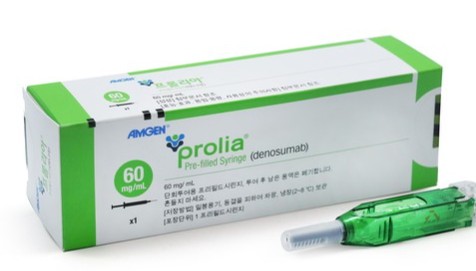
- As generics of the osteoporosis treatment Prolia (denosumab) began making a full-fledged push into the market, the weighted average price of denosumab fell 20% in the first half of this year compared with the second half of last year.The weighted average price of pelubiprofen 30 mg also fell by about 39%, reflecting a reimbursement price cut following the loss of a drug price lawsuit.According to first-half weighted average price data released by the Health Insurance Review and Assessment Service (HIRA) on the 14th, the weighted average price of denosumab 0.12 g fell from KRW 192,910 in the second half of last year to KRW 154,431 in the first half of this year, a decline of KRW 38,479, or about 20%.For denosumab 60 mg, the weighted average price fell about 10%, from KRW 120,715 in the second half of last year to KRW 108,290 in the first half of this year.The weighted average price refers to the average reimbursement price calculated by weighting the usage volume of multiple products billed under the same active ingredient.The decline in denosumab prices reflects the successive market entry of biosimilars of the original products Prolia and Xgeva. Samsung Bioepis and Celltrion have been targeting the market with price competitiveness.Samsung Bioepis lowered the reimbursement price of Xbryk Inj to KRW 129,000 in January this year, while Celltrion reduced the price of Osenvelt Inj to KRW 129,000 in November last year.In addition, the listing of HK inno.N’s Izambia Prefilled Syringe 60 mg and Denbrayce Inj 0.12 g, as well as Daewon Pharmaceutical’s Junod Prefilled Syringe Inj 60 mg, ended the original drug’s price premiums, further contributing to the decline in the weighted average price.Pelubiprofen 30 mg also recorded a steep decline from the second half of last year. Its weighted average price fell about 39%, from KRW 157 to KRW 96.The original version, Daewon Pharmaceutical’s Pelubi, lost its lawsuit seeking a stay of execution for the enforcement of the drug price cut, causing the reimbursement price of Pelubi 30 mg to be reduced by 46.7%, from KRW 180 to KRW 96, in May.The ex officio price cut appears to have been directly reflected in the weighted average price. The decline was also compounded by market competition from generics, including Chong Kun Dang’s Belufen Tab., Yungjin Pharm’s Pelps Tab., and Huons’ Pelroen Tab.
- Company
- Ofev’s renewed bid for IPF reimbursement sees little progress
- by Eo, Yun-Ho Aug 19, 2026 08:57am
- The process of expanding health insurance reimbursement for ‘Ofev’ to idiopathic pulmonary fibrosis (IPF) appears to be making little progress.Boehringer Ingelheim Korea secured reimbursement for Ofev’s progressive pulmonary fibrosis (PPF) indication in May last year and submitted an application in the second half of the year to expand reimbursement to idiopathic pulmonary fibrosis (IPF). However, no notable progress has been made during reimbursement discussions to date.The main cause of the sluggish progress is deemed to be the gap in stances between the government and the pharmaceutical company regarding the financial impact of expanding health insurance coverage for Ofev to IPF, which has not been narrowed.Ofev was approved in Korea in October 2016, but reimbursement discussions were delayed several times due to differences between the government and the company over pricing. Ofev is now off patent in Korea, with multiple generic products also on the market.However, an unmet need remained even after Ofev first gained reimbursement last year, as the government did not recognize reimbursement eligibility for the IPF indication, citing insufficient cost-effectiveness data.When Boehringer Ingelheim reapplied for IPF reimbursement, it submitted additional real-world data on patients who had failed treatment with ‘Pirespa (pirfenidone),’ currently used as first-line therapy (including patients who discontinued treatment because of adverse events). However, the reimbursement process is still facing difficulties.Therefore, attention is now focused on whether an agreement can be reached to expand reimbursement for Ofev to IPF.Meanwhile, IPF has the highest mortality rate among rare diseases in Korea. It is a rare, intractable disease in which interstitial tissue in the lungs progressively becomes fibrotic and stiffens without a known cause. As the lung structures responsible for oxygen exchange are damaged, patients develop chronic cough and shortness of breath, eventually progressing to respiratory failure.The disease also progresses rapidly. While lung function in healthy adults declines by around 10–20 cc per year, patients with IPF lose 150–250 cc annually, equivalent to roughly 10% of their lung function each year.Acute exacerbations, which occur in around 10% of patients annually, are particularly life-threatening. When this rapid deterioration of the lungs occurs in just a matter of weeks, approximately half of affected patients die. Patients with IPF also face a five- to seven-fold higher risk of lung cancer than the general population and frequently experience serious complications including cardiovascular disease, stroke and depression.
- Product
- Online platform, "up to 5.7% discount" for Mounjaro
- by Kang, Hye-Kyung Aug 18, 2026 09:04am
- Product photo of MounjaroAs novel anti-obesity therapeutics Mounjaro (tirzepatide) and Wegovy (semaglutide) dominate the South Korean market, online pharmacy platforms have joined the lowest-price competition.While pharmaceutical manufacturers' list prices by dosage remain fixed, competition among online platforms to supply products at lower purchase costs through direct transactions, credit card promotions, and volume discounts has begun. As wholesale acquisition prices decrease, attention is turning to how this will affect the overall market landscape. According to local pharmacy communities, BaroPharm recently announced a lowest price for Mounjaro. When paying with affiliated credit cards, pharmacies can purchase Mounjaro at a discount ranging from 5.1% up to 5.7%, depending on levels established by BaroPharm.Assuming the maximum discount is applied, purchasing costs are reduced by about KRW 15,850 (2.5mg dose) and up to KRW 29,718 (7.5mg, 10mg) doses. Although currently out of stock, discount amounts will be even greater for the recently launched and distributed high-dose 12.5mg and 15mg formulations.A BaroPharm representative stated, "We are offering a joint promotion with Woori Card for the two months of August and September. It's not an exclusive promotion for Mounjaro. We positioned Mounjaro, which is drawing significant interest from pharmacies, as the primary selling point while running a credit card promotion." DoctorNow is offering tiered volume discounts for bulk purchases. In addition to scaling discounts based on order quantities (2, 5, or 11 units), the platform offers additional discounts for direct bank transfer payments. DoctorNow is offering volume-tiered discounts alongside additional discount for direct bank transfer payments. Furthermore, pharmacy ordering channels are shifting as drugmakers' proprietary online ordering portals offer quarterly reward-point accumulation programs.Lowest-price competition also emerged around Wegovy. While Zuellig Pharma Korea was initially the exclusive distributor at launch, Chong Kun Dang's entry into distribution enabled pharmacies to procure the drug via direct transactions on PlatPharm at lower rates, drawing significant industry attention. A local pharmacist commented, "As the market for injectable weight-loss drugs expands, not only pharmacies but also consumers have reached a point where they know retail and acquisition price points inside and out," and added, "Compared to the early launch phase, we can clearly feel that online platform discounts and promotional offerings have become much more extensive." The pharmacist added, "Recently, the prescription market for Mounjaro is also showing a trend of transitioning from low doses to high doses," and added, "Injectables, rather than oral anti-obesity agents, are restructuring the entire market."According to the pharmaceutical industry, the market for Mounjaro and Wegovy continues to expand steadily. Data from pharmaceutical market research firm IQVIA indicates that in the first quarter of this year, Eli Lilly's Mounjaro recorded sales of KRW 323.2 billion in the South Korean anti-obesity market. In comparison, Wegovy reached KRW 104.0 billion, surpassing KRW 100 billion for four consecutive quarters. Another pharmacist stated, "It is also true that demand for Mounjaro and Wegovy is heavily skewed toward pharmacies affiliated with Onnuri traditional market gift certificate programs," and explained, "While it's welcome for pharmacies to purchase pharmaceuticals at lower acquisition prices through market competition, there are concerns that this might simply be reflected in retail pricing, resulting in a margin war."

- Company
- "Overcoming immuno-oncology limits with Salmonella"...CNCure
- by Hwang, byoung woo Aug 18, 2026 08:54am
- One factor in determining the efficacy of immuno-oncology therapeutics is the degree of immune cell infiltration into a tumor. In 'cold tumors,' which lack infiltrating immune cells, therapeutic response can remain limited even when immunosuppressive signaling pathways are blocked.CNCure is a biotechnology company aiming to overcome this limitation using Salmonella. The company's strategy is to infect tumors with attenuated Salmonella to activate immune cells and remodel the environment so conventional immune checkpoint inhibitors can function effectively. DailyPharm met with Joong Gon Park (56), CEO of CNCure, to discuss the mechanism of action of its Salmonella-based anticancer therapeutics, strategies for ensuring clinical safety, and commercialization roadmaps after clinical trials.Recruiting immune cells into "cold" tumors…The role of SalmonellaCNCure CEO Joong Gon ParkFounded in 2019, CNCure is a novel anticancer drug development company. Co-CEO Jung-Joon Min, a professor of Nuclear Medicine at Chonnam National University Medical School, leads research and development. Co-CEO Joong Gon Park oversees executive management and business development (BD). The company established the Synthetic Anticancer Microbe (SAM) platform, based on more than two decades of bacterial oncology research led by Co-CEO Min. It is currently developing its lead pipeline asset, CNC-101, alongside a follow-on pipeline candidate, CNC-105. Bacteria-based oncology therapeutics use the inherent properties of attenuated Salmonella to penetrate and colonize the hypoxic, immunosuppressive tumor microenvironment selectively. As host immune cells congregate to eliminate the bacteria, the therapeutics convert immunologically "cold tumors" into "hot tumors" that have an activated antitumor immune response. CEO Park explained, "CNC-101 selectively penetrates tumors to activate both innate and adaptive immunity," and added, "The goal is to convert cold tumors, which lack infiltrating immune cells, into hot tumors, thereby enhancing response rates in combination therapies." CNCure confirmed potential antitumor synergy when combining CNC-101 with an anti-PD-L1 antibody in colorectal cancer animal models. Because the program is currently in preclinical stages, clinical validation in patients will be required to confirm safety and combination effectiveness. Deleting 73 virulence genes…Intravenous safety has been securedAdministering live bacteria intravenously requires preserving tumor-penetrating capabilities while minimizing infection risks in healthy non-target tissues.CNCure engineered CNC-101 by deleting 73 genes associated with Salmonella virulence. This includes knocking out gene clusters involved in the type III secretion system (T3SS), the mechanism by which bacteria deliver effector toxins into host cells, thereby structurally minimizing the potential for normal cell invasion. CEO Park stated, "Safety is one of the key factors in the development of bacterial oncology therapeutics. CNC-101 significantly attenuates toxicity and pathogenicity by eliminating 73 genes related to Salmonella virulence." Preclinical biodistribution studies also confirmed that CNC-101 selectively penetrated tumors over normal tissues. The company's strategy is to achieve both safety and immune activation through an engineered attenuated strain that selectively targets tumors and recruits immune effector cells. To transition the research strain into a clinical-grade investigational drug product, CNCure partnered with a US contract development and manufacturing organization (CDMO). After executing the contract in April 2022, the company completed culture scale-up, process optimization, and stability testing to manufacture a cGMP-compliant investigational drug product (DP). Initial safety validation via monotherapy…Expanding into checkpoint combinationsCNCure plans to initiate the early-stage clinical development of CNC-101 as a monotherapy. After evaluating safety, tolerability, and the recommended dose in patients with advanced solid tumors, the development scope will broaden to evaluate combinations with immune checkpoint inhibitors. Target indications include colorectal cancer, melanoma, and breast cancer. In particular, the trials will evaluate whether the therapeutic can successfully remodel the tumor microenvironment in patients who are refractory or have developed resistance to prior immuno-oncology therapies.CNCure aims to enter a Phase 1 clinical trial in Australia in the second to third quarter of 2027, after completing additional preclinical safety evaluations and securing additional data packages.CEO Park considered first-in-human safety data as the key turning point for commercialization. Park noted that even with positive preclinical results, proving safe administration in human subjects is essential to initiating serious partnering discussions with global pharmaceutical companies. Park said, "Global pharmaceutical companies demand human safety data," and added, "They argue that regardless of how promising preclinical packages look, discussions can begin once safety is demonstrated in human administration."Once safety is established, the company plans to pursue co-development and out-licensing partnerships with multinational pharma holding immune checkpoint inhibitor pipelines. Beyond combination therapy to drug delivery…Expanding follow-on pipelinesThe follow-on pipeline candidate CNC-105 is a drug delivery-oriented bacterial oncology platform engineered to express therapeutic payloads on top of CNC-101. It is designed to express cytotoxic and immunostimulatory proteins directly within the tumor, attacking cancer cells while inducing antitumor immune responses. CEO Park explained, "While CNC-101 is being developed as a combination therapy to enhance the efficacy of existing immuno-oncology agents, CNC-105 is designed as a next-generation pipeline asset expanding into monotherapy therapeutic potential."The company is planning not only single-candidate out-licensing deals, but also indication-specific co-development of CNC-101 and novel pipeline development utilizing the SAM platform. CNCure is pursuing a Series B funding round to support its global clinical programs. Of its KRW 7.0 billion goal, KRW 1.5 billion has been paid, and the secured funds will be prioritized for CNC-101's subsequent preclinical and clinical development. Radiopharmaceuticals are another long-term expansion platform. By utilizing diagnostic tracer CNC-201 to delineate malignant melanoma lesions and target patient populations, the company envisions connecting to therapeutic radiopharmaceuticals to evolve into a theranostics company.CEO Park stated, "CNCure plans to grow into a core player driving the global field of bacteria-based cancer therapeutics, beyond simply increasing corporate valuation.
- Policy
- Pfizer’s Abrysvo approved in Korea…sparks competition
- by Lee, Tak-Sun Aug 18, 2026 08:54am
- Pfizer Korea’s respiratory syncytial virus (RSV) vaccine ‘Abrysvo Inj’ has received approval from the Ministry of Food and Drug Safety (MFDS), completing a competitive lineup spanning both adult and infant RSV prevention in Korea.The MFDS granted marketing authorization for Abrysvo on Aug. 13. With this approval, the competition in South Korea's RSV prevention market is expected to intensify further, featuring a three-way battle for adult vaccines, alongside a showdown between preventive monoclonal antibody injections and maternal vaccines for infants and young children.The adult RSV vaccine market has become a three-way race, with Pfizer’s Abrysvo joining GSK and Moderna, which had already established a presence in the market.GSK’s ‘Arexvy,’ the first to enter the market, recently expanded its indication to include high-risk adults aged 18 to 49. The company has strengthened its market position with data from the Phase III AReSVi-006 trial and long-term follow-up studies, demonstrating 94.6% efficacy in people with underlying medical conditions and sustained protection over three RSV seasons.Moderna is also competing with its mRNA-based mRESVIA, approved for adults aged 60 and older. The company is seeking to expand the indication to younger high-risk adults, leveraging the mRNA technology validated through its COVID-19 vaccine.Pfizer’s newly approved Abrysvo secured indications not only for adults aged 60 and older but also for high-risk adults aged 18 to 59, positioning it as a strong competitor in the adult market.The infant RSV prevention market, meanwhile, is developing a distinct competitive landscape involving two strategies that differ in both timing and method of administration.Until now, infant RSV prevention has been led by monoclonal antibody injections administered directly to infants after birth. Sanofi's ‘Beyfortus’ opened the market as a long-acting antibody injection providing five months of protection with a single dose. It was followed by MSD's ‘Enflonsia,’ which entered the market emphasizing the convenience of a single fixed 105 mg dose regardless of body weight.Pfizer’s Abrysvo, by contrast, introduces Korea’s first maternal immunization strategy. The vaccine is administered to pregnant women between 28 and 36 weeks of gestation, allowing antibodies generated in the mother to be transferred to the fetus through the placenta. According to the Phase III MATISSE trial, maternal vaccination with Abrysvo reduced the risk of severe RSV lower respiratory tract disease in infants by 81.8% through 90 days after birth.In the field, physicians expect the two approaches, direct antibody administration to infants after birth (Beyfortus or Enflonsia), and maternal vaccination during pregnancy (Abrysvo), to provide immunity from birth and to be used complementarily depending on factors such as maternal vaccination status, timing of birth and the infant’s risk of severe disease.While prevention options have expanded, calls are growing on the need for the government’s financial support to facilitate broader uptake in clinical practice.RSV can progress to severe lower respiratory tract disease, including bronchiolitis and pneumonia, particularly in infants and older adults. According to Korea’s National Health Insurance claims data, 44.7% of children under age 5 with RSV required hospitalization, while infants aged 6 to 11 months accounted for 57.3% of RSV patients admitted to intensive care units, underscoring the substantial disease burden.Given the nature of government health policy, discussions on public support for RSV prevention are likely to prioritize infants before older adults. However, the appropriate policy framework has yet to be established.Preventive antibody injections such as Sanofi’s Beyfortus and MSD’s Enflonsia are intended to prevent infection but are classified as ‘monoclonal antibody drugs’ rather than ‘conventional vaccines.’ Therefore, their coverage, whether they should be supplied through the National Immunization Program (NIP) or prescribed with reimbursement through National Health Insurance, is being reviewed. With the approval of Abrysvo adding a maternal immunization vaccine to the available options, policy discussions over infant RSV prevention are expected to materialize further.An industry official said, “RSV is one of the leading causes of hospitalization among infants and young children, but due to its non-reimbursement, there had been an urgent need for government support. Now that multiple preventive options are available, the pace of discussions over NIP inclusion and reimbursement serves as a key factor determining the future of Korea’s RSV market.”
- Policy
- Last-minute talks heat up over looming drug price cuts
- by Jung, Heung-Jun Aug 18, 2026 08:54am
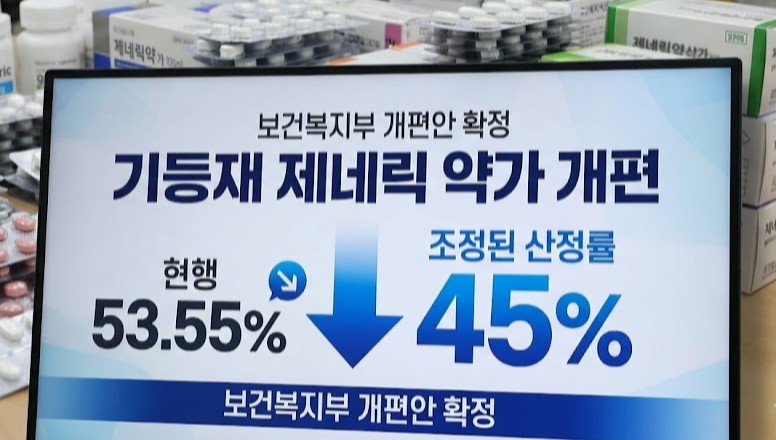
- With the notice on drug price reductions under the reassessment of already-listed drugs expected soon, the pharmaceutical industry and the government are set for final negotiations over key outstanding issues.The working-level consultative group is expected to meet ahead of the notice, which is anticipated around the end of this month, to discuss several major issues.According to relevant authorities and industry sources on the 13th, the final working-level discussions regarding the reassessment of already-listed drugs are expected to begin shortly. As the new pricing calculation rules have already been finalized through revisions to the relevant notice, the fifth meeting of the consultative group is expected to focus on the reassessment of already-listed drugs.The scope of drugs subject to reassessment and exemptions, reference prices, and methods of applying price reductions were discussed at the third meeting, but differences remain over the details. Therefore, attention is now focused on whether several major outstanding issues can be resolved in the upcoming discussions.Reference date for reassessment prices: 2012 or September this year?The reference date used to calculate the price reduction is one of the industry's key issues. Because the current price as of the reference date is used to set the 53.55% price, and then recalculated at the new 45% rate, the resulting reimbursement price varies depending on which reference date is used.The government has proposed using the reimbursement list set as of September this year as the reference point. The industry, however, argues that applying the 45% calculation rate to prices that have already been continuously reduced since the across-the-board price cuts in 2012 amounts to double regulation.The industry is therefore asking the government to treat reimbursement prices at the time of the 2012 across-the-board price cuts as the 53.55% level and calculate the new 45% prices.As the government previously cited September this year as the reference date during consultative meetings, the key question is whether it will accept the industry's proposal in consideration of the impact on the market.Price cuts for combination drugs…sum of single-drug prices at 45%, or 45% of the combination drug price?The method for reducing prices of already-listed combination drugs is another major issue. The industry is calling for the reduced price of a combination drug to be calculated by adding together the prices of its individual components after each has been recalculated at the 45% rate. The government, by contrast, is seeking to reduce combination drugs uniformly based on 45% of the current highest price of the combination drug itself, without linking the price to those of the individual components.Under the industry's proposed method, the extent of the reduction would vary depending on the dosage strengths and combination of ingredients. Applying the 45% rate uniformly without linking prices to the individual components, on the other hand, would result in an approximately 16% price reduction across the board.If a combination drug contains even one Phase 1 single-ingredient drug (one listed before 2013), its price reduction will begin this year. This classification method has substantially increased the number of combination drugs included in Phase 1.Ahead of the reassessment notice, the industry is expected to continue pressing until the last minute for combination-drug prices to be reduced based on the sum of the individual components' prices calculated at the 45% rate.Deferral for innovative companies’ products only for drugs meeting eligibility requirements?Another issue that remains to be finalized is whether the three- to four-year reassessment deferral granted to products developed by innovative and quasi-innovative pharmaceutical companies will also apply to drugs that do not meet the eligibility requirements.Because the preferential treatment for innovative and quasi-innovative pharmaceutical companies is essentially a company-level benefit, the industry has interpreted it as applying to all products marketed by eligible companies. At an earlier consultative meeting, however, the government raised the possibility of limiting the deferral to drugs that meet the eligibility requirements.The industry argues that products should not be divided according to whether they meet those requirements and that the three- to four-year deferral should apply to all products of qualifying companies.Under the new pricing calculation rules, price premiums for innovative and quasi-innovative pharmaceutical companies are also conditional on products meeting the eligibility requirements. The key question is whether the government will grant the same preferential reassessment deferral period regardless of whether individual products meet those requirements.
