
- LOGIN
- MemberShip
- 2026-09-08 06:22:51
- Company
- 'Augtyro' can be prescribed in 'Big 5' tertiary gen hospitals
- by Eo, Yun-Ho Aug 13, 2026 08:59am
- 'Augtyro (repotrectinib),' a ROS1-targeted anticancer therapy, has been added to general hospital prescription networks. According to industry sources, Bristol Myers Squibb (BMS) Korea's Augtyro (repotrectinib) has passed the Drug Committees (DCs) of the 'Big 5' medical institutions in South Korea, including Samsung Medical Center, Seoul National University Hospital, Asan Medical Center, Seoul St. Mary's Hospital, and Severance Hospital.However, Augtyro is still a reimbursed drug. Although the health insurance reimbursement review process last year for indications covering ▲adult patients with ROS1-positive locally advanced or metastatic non-small cell lung cancer (NSCLC) ▲adult and pediatric patients aged 12 and older with NTRK fusion-positive solid tumors, progress has not been made since clearing the Cancer Disease Review Committee under the Health Insurance Review and Assessment Service (HIRA) last December. Augtyro, which is classified as a next-generation tyrosine kinase inhibitor (TKI) designed to overcome the limitations of existing therapies, was approved based on data from four cohorts in the Phase 1/2 TRIDENT-1 trial, which evaluated ROS1-positive and NTRK-fusion-positive patients stratified by prior TKI treatment history. The ROS1 clinical data were published in The New England Journal of Medicine (NEJM), with updated follow-up trial results presented at the World Conference on Lung Cancer (WCLC) this September. Notably, Asian patients accounted for 58% (41 out of 71 patients) of the TKI-naïve cohort and 41% (23 out of 56 patients) of the TKI-pretreated cohort enrolled in the study. In the TRIDENT-1 trial, Augtyro demonstrated clinically meaningful efficacy in both first-line and second-line treatment settings for ROS1-positive NSCLC. Encouraging clinical outcomes were reported, showing a median progression-free survival (PFS) of 31.1 months and a median overall survival (OS) of 74.6 months in ROS1 TKI-naïve patients, alongside a median PFS of 8.6 months and a median OS of 25.1 months in patients previously treated with a ROS1 TKI. Due to its molecular structure, which is favorable for crossing the blood-brain barrier (BBB), Augtyro demonstrated efficacy in patients with brain metastases. In the first-line ROS1-targeted therapy, the 12-month PFS rate reached 91%, while in the second-line therapy, it showed an intracranial response rate of 38% and a 12-month intracranial progression-free survival rate of 82%. Although derived from a single-arm trial, indirect comparisons against previously approved agents in TKI-naïve, ROS1-positive advanced NSCLC also revealed that Augtyro statistically significantly improved objective response rate (ORR), duration of response (DOR), and PFS compared with existing therapies. Meanwhile, based on these clinical results, Augtyro is strongly recommended as both a first-line and second-line treatment option for patients with ROS1-positive NSCLC across major clinical practice guidelines, including NCCN, ESMO, and ASCO.
- Company
- Samsung Bioepis files for first Keytruda biosimilar approval in KOR
- by Hwang, byoung woo Aug 12, 2026 09:23am
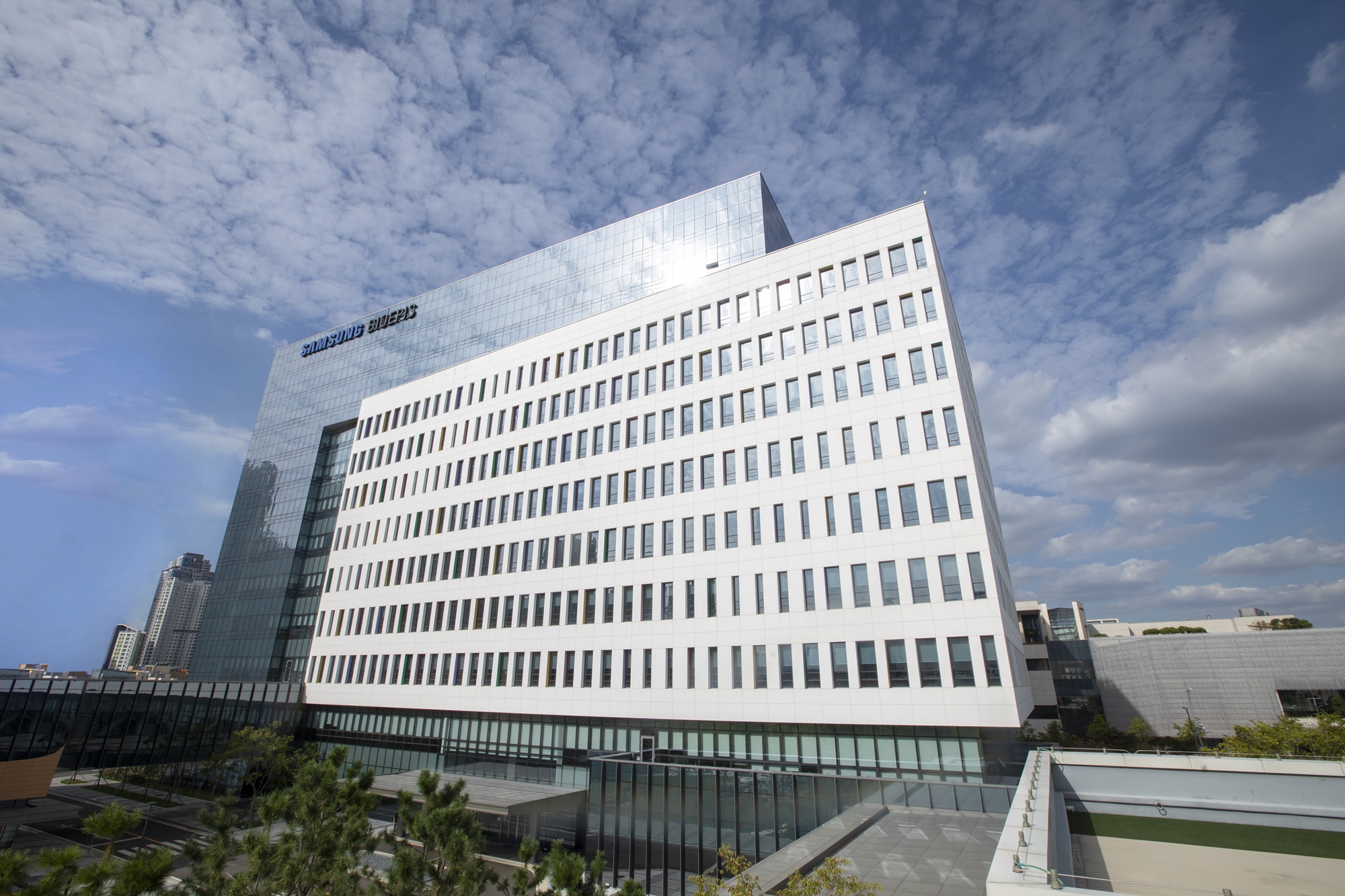
- Samsung Bioepis headquartersSamsung Bioepis has entered the domestic regulatory process for its Keytruda biosimilar candidate. As competition to develop biosimilars of immuno-oncology drugs intensifies, SB27 is the first such candidate to enter the regulatory process in Korea.Samsung Bioepis announced on Aug. 10 that it had submitted a marketing authorization application to the Ministry of Food and Drug Safety (MFDS) for SB27, its biosimilar candidate referencing Keytruda.The original product, Keytruda, is an immuno-oncology drug developed by MSD. It binds to the immune checkpoint PD-1 receptor, suppressing cancer cells’ ability to evade the immune response and helping the body’s immune system attack tumor cells.Keytruda is a global blockbuster with a broad range of indications across multiple cancer types. Last year, its global sales reached approximately USD 31.7 billion (KRW 46 trillion).The SB27 application covers a total of 16 indications, including melanoma, non-small cell lung cancer and head and neck cancer. Samsung Bioepis has therefore moved ahead of rivals in entering the Korean regulatory process as competition in Keytruda biosimilar development gathers pace.Samsung Bioepis has evaluated the equivalence of SB27 and the reference product through global Phase I and Phase III trials conducted since 2024. The Phase I study enrolled 163 patients in four countries, while the Phase III study involved 555 patients across 14 countries.In the Phase I trial, the primary pharmacokinetic endpoint was the area under the blood concentration-time curve (AUC). The results met the predefined criteria, confirming pharmacokinetic equivalence between SB27 and the reference original product.In the Phase III trial, the primary endpoint was the objective response rate (ORR), defined as the proportion of patients with tumors that shrank by at least a specified amount after 24 weeks of treatment. The company explained the analysis also confirmed equivalent efficacy versus the original drug.In terms of safety, the rates of overall treatment-emergent adverse events and serious adverse events were also similar to those observed with the reference product.The marketing authorization application marks the company’s entry into Korea’s immuno-oncology biosimilar drug market. The company plans to present the research and development results for SB27 and proceed with the required regulatory steps during the review process.Donghoon Shin, Executive Vice President and Head of Clinical Sciences Division at Samsung Bioepis, said, “We will fully present the research and development results for SB27 during the marketing authorization review process and carry out the related procedures without disruption.”He added, “We will strive to bring immuno-oncology treatment options to patients in Korea as quickly as possible.”
- Policy
- 45% rate to apply to generics listed from October
- by Jung, Heung-Jun Aug 12, 2026 09:23am
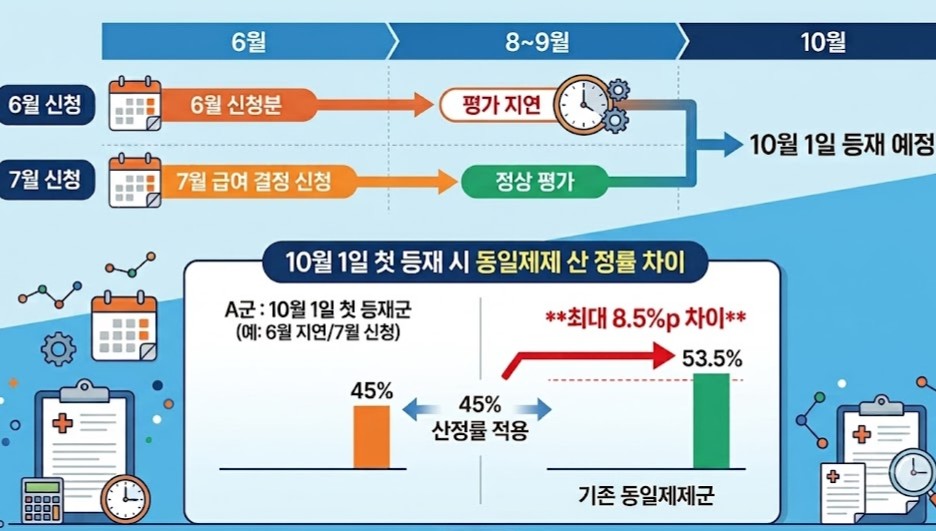
- A 45% reimbursement rate will apply to generics newly added to the reimbursement list from October, creating a temporary price gap between newly listed generics and already listed products until price cuts for existing products take effect.Price reductions for existing products are planned based on the September reimbursement list and could begin as early as November. This means that, at least for October, reimbursement rates for the same ingredient could differ by up to 8.5 percentage points between existing products and newly listed generics, ranging from 45% to 53.55%.The revised reimbursement rate applies to drugs submitted for reimbursement from July. Earlier applications may also be subject to the new rate if their evaluation is delayed due to reassessment requests or requests for supplementary data.(AI-generated image)According to relevant agencies and industry sources on Aug. 11, the 45% reimbursement rate will apply to drugs submitted in July as well as certain June applications whose evaluations have been delayed.In general, generics are listed about three months after reimbursement applications are filed. Accordingly, drugs submitted in July are expected to go through deliberation by the Health Insurance Policy Deliberation Committee at the end of September and be listed on Oct. 1.Although evaluation procedures are occasionally expedited because of drug supply concerns, no products submitted in July are expected to qualify for such accelerated review.Drugs submitted in June and scheduled for listing on Sept. 1 may also be subject to the 45% rate if their evaluations are delayed due to reassessment requests or supplementary data submissions.An industry official said, “Companies usually have to accept the outcome within about a week after being notified, but there are cases where an immediate launch is difficult or where acceptance is delayed because of lack of documentation. Companies can also request reassessment within 1 month if they believe the decision is incorrect.”However, industry observers expect only a very small number of products will opt to have their listing dates pushed back because of evaluation delays, given the significant gap in reimbursement rates.For already listed products, the first phase of price reductions this year is expected to lower the reimbursement rate to 49%. Following public notice and notification to pharmaceutical companies, the first round of reductions is scheduled between November and December.Another industry official said, “A public notice has not been issued yet, so it is uncertain whether the reductions can actually begin in November. Each company must be informed of the price cut for each product, and the authorities also need to gather opinions, including requests for redeliberation, so the schedule could be delayed.”Some expect pharmaceutical companies to intensify sales and marketing of existing products before the price reductions take effect. However, the scope for such activity may be limited because pharmacies and distributors are also seeking to minimize inventory losses and the burden of refunding the price differences.
- Company
- Atorvastatin/ezetimibe prescriptions top ₩200 billion in 1H
- by Chon, Seung-Hyun Aug 12, 2026 09:23am
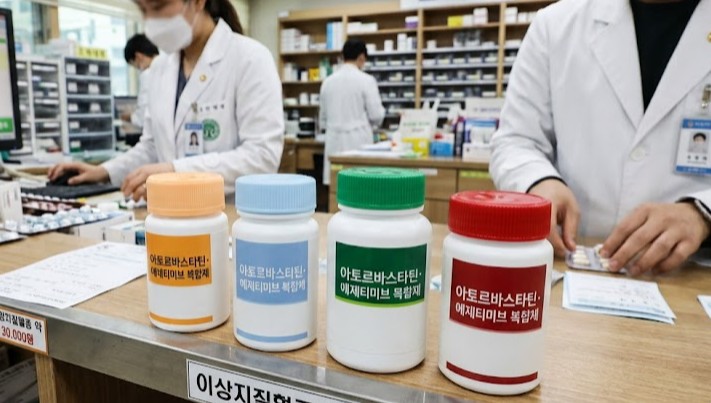
- The prescription market for atorvastatin/ezetimibe combination products continues to post strong growth. Driven by rising demand for combination therapies for hyperlipidemia and the indiscriminate influx of generics, the market has grown more than threefold compared with five years ago, with quarterly prescription value surpassing KRW 100 billion. Generic products manufactured by Chong Kun Dang, which entered the market 1 month ahead of competitors, captured a 24% market share, posing a serious challenge to Atozet. Industry observers say Chong Kun Dang has expanded its market influence and secured tangible commercial gains through its early entry into the generic market and its contract manufacturing strategy.Atorvastatin/ezetimibe prescriptions exceed KRW 200 billion in H1… generics drive fourfold market growth in 5 yearsAccording to market research institution UBIST on the 11th, outpatient prescriptions for atorvastatin/ezetimibe combination products totaled KRW 207.3 billion in the first half of the year, up 14.0% from the same period last year. Prescriptions reached KRW 101.5 billion in Q1, up 13.9% year over year, and KRW 105.8 billion in A2, representing another 14.0% increase.Outpatient prescriptions of atorvastatin/ezetimibe combinations in Korea (Unit: KRW 100 million, Source: UBIST, AI-generated image)The prescription market for atorvastatin/ezetimibe combinations has expanded rapidly, growing from KRW 50.2 billion in the 1H 2021 to more than four times that level in just five years. Quarterly, prescriptions rose from KRW 20.1 billion in Q1 2021 to over KRW 100 billion, representing more than fivefold growth over the same period.Demand for atorvastatin/ezetimibe combinations has increased sharply as statin/ezetimibe combinations have demonstrated excellent efficacy in lowering low-density lipoprotein cholesterol (LDL-C), driving rapid expansion of the market.Organon Korea’s Atozet is the original atorvastatin/ezetimibe combination product. Beginning in 2021, more than 100 domestic pharmaceutical companies entered the atorvastatin/ezetimibe market almost simultaneously with generic products, accelerating market growth.In October 2020, Chong Kun Dang obtained approval for Lipilouzet, a combination product containing the same ingredients as Atozet, after demonstrating equivalence in a clinical trial. At the same time, 22 companies received approval for authorized generics based on Lipilouzet, and those products were added to the National Health Insurance reimbursement list in April 2021.Beginning in February 2021, 88 additional companies received approval for Atozet generics, which were listed for reimbursement in May, one month later than the Lipilouzet authorized generics. Two more companies obtained approval in June 2021, bringing the total number of domestic companies participating in the Atozet market to 113.Both Atozet and generic products posted strong growth.In Q2, Atozet generated KRW 33.9 billion in prescriptions, up 7.2% from the same period last year. Compared with KRW 22.3 billion in Q2 2021, prescriptions increased 51.9% over five years. During Q2, generic products generated combined prescriptions of KRW 71.9 billion, accounting for 67.9% of the atorvastatin/ezetimibe combination market.Among the leading generics, Jeil Pharmaceuticals’ Lipitor Plus stood out with KRW 13.2 billion in Q2 prescriptions, up 13.9% year over year. Viatris, which markets the atorvastatin monotherapy Lipitor, joined the marketing effort for Lipitor Plus, creating commercial synergies in the market.Yuhan Corp's Atovamibe and Daewoong Pharmaceutical's Litorvazet ranked among the leading generics with Q2 prescriptions of KRW 6.9 billion and KRW 5.7 billion, respectively. Atovamibe is manufactured by Yuhan, while Litorvazet is produced under contract by Jinyang Pharm.Chong Kun Dang-manufactured products record KRW 24.9 billion in Q2 prescriptions, capturing a 23.5% market share…company’s return of Atozet rights proves commercially advantageous.When Atozet generics are grouped by contract manufacturer, products manufactured by Chong Kun Dang account for the largest market share.Among the 113 companies that entered the atorvastatin/ezetimibe combination market, only 11 manufacture products themselves: Dasan Pharmaceutical, DongKoo Bio & Pharma, Aprogen Pharmaceuticals, Withus Pharmaceutical, Yuhan Corp, Ildong Pharmaceutical, Genuone Sciences, Jeil Pharmaceutical, Chong Kun Dang, GL Pharma, and Jinyang Pharm. The remaining 102 companies entered the market through contract manufacturing.Jinyang Pharm and Chong Kun Dang each manufacture Atozet generics for more than 20 client companies.Jinyang Pharm manufactures products for Ahn-Gook New Pharm, Daewon Pharmaceutical, Ari Pharmaceutical, Samick Pharm, CMG Pharmaceutical, Kolon Pharma, Daewoong Bio, iCure, PMG Pharm, Daehwa Pharmaceuticals, KyungDong Pharm, Dongwha Pharmaceutical, Dongkwang Pharmaceutical, Huons, Alison Pharmac, BCWorld Healthcare, Whan In Pharm, Korea Biochem Pharm, HanAll Biopharma, Humedix, and Huons Meditech.Chong Kun Dang manufactures atorvastatin/ezetimibe combination products for Pharmgen Science, Ahn-Gook Pharmaceutical, Il-Yang Pharm, Celltrion Pharm, Arlico Pharmaceutical, Hana Pharm, Alvogen Korea, Sam Chun Dang Pharm, Dongkook Pharmaceutical, Korea Prime Pharm, Kyongbo Pharmaceutical, Hwail Pharm, Kukje Pharm, Korea United Pharm, Boryung, Yungjin Pharmaceutical, Yuyu Pharma, HK inno.N, and SK Chemicals. DongKoo Bio & Pharma and Dasan Pharmaceutical manufacture generics for 12 and six client companies, respectively.Ai-generated imageProducts manufactured by Chong Kun Dang generated a combined KRW 24.9 billion in prescriptions in Q2. That represents nearly a fivefold increase from KRW 5.1 billion in 2021, reflecting continued strong growth. Chong Kun Dang-manufactured products accounted for 23.5% of the atorvastatin/ezetimibe combination market in Q2, narrowing the gap with the original product Atozet, which held a 32.1% share, to just 8.6 percentage points.Among Atozet generics alone, Chong Kun Dang-manufactured products accounted for 34.6% of prescriptions, meaning that more than one-third of prescriptions for domestic Atozet generics were supplied by Chong Kun Dang.Chong Kun Dang had co-promoted Atozet with Organon since 2016, but Boryung became the new marketing partner this month. From Chong Kun Dang's perspective, focusing on manufacturing and marketing generics may have been more commercially advantageous, given that its generic portfolio has achieved a market share approaching that of the original product. In general, self-manufactured products carry substantially lower production costs than innovative drugs introduced and marketed on behalf of multinational pharmaceutical companies.Chong Kun Dang's own atorvastatin/ezetimibe combination product, Lipilouzet, posted KRW 1.1 billion in Q2 prescriptions, up 38.9% year over year, maintaining a clear upward trend. Among products manufactured by Chong Kun Dang, HK inno.N's Zepitor and Boryung's L50 also stood out, recording KRW 3.4 billion and KRW 3.3 billion in Q2 prescriptions, respectively.Generics manufactured by Jinyang Pharm generated KRW 16.5 billion in prescriptions during Q2, accounting for 15.6% of the atorvastatin/ezetimibe combination market. Among Jinyang-manufactured products, those marketed by Daewoong Pharmaceutical, KyungDong Pharm, Jinyang Pharm, and Dongwha Pharmaceutical each generated more than KRW 1 billion in quarterly prescriptions.Yuhan’s Atovamibe and GC Biopharma’s's Azet Duo generated a combined KRW 7.7 billion in Q2 prescriptions, representing a 7.3% market share. Products manufactured by Withus Pharmaceutical, Dasan Pharmaceutical, and DongKoo Bio & Pharma each accounted for less than 2% of the Atozet generic market.

- InterView
- [Reporter's View] Multi-branded generics...1+3 regulation outcomes
- by Lee, Jeong-Hwan Aug 12, 2026 09:22am
- Five years have passed since the South Korean government implemented the "1 (contract manufacturer) + 3 (consignment company) generic restriction regulation" to overhaul the proliferation of generic drugs and improve the domestic pharmaceutical industry's research and development (R&D) structure for novel drugs.By limiting the number of generic items that can be approved based on a single bioequivalence (BE) study dataset to one original contract manufacturer plus three consignment pharmaceutical companies, totaling four per dataset, the regulation created significant shockwaves across the pharmaceutical industry when first announced. At present, however, examining the domestic pharmaceutical market raises fundamental doubts about whether the structural proliferation of generic drugs has actually been resolved. The primary cause is that previously listed generics approved before the implementation of the regulation were not subject to retroactive application, leaving the reality intact. Generics under '1+4 or more' co-development structures still account for nearly 80% of the market. Multi-branded generics under 1+4 or more that had already secured authorization and market entry before the policy's implementation continue to maintain their market shares undiminished. As the Ministry of Health and Welfare (MOHW) implements its first generic drug price reduction policy in 14 years, price cuts are expected to apply across dozens of bundled generics, which is likely to alleviate the phenomenon of unrestricted market competition among multi-brand generics sharing the same active ingredient. Now, political leaders and the government must focus their legislative and administrative efforts on reasonably shifting the 1+3 joint bioequivalence regulation to the modern standard. This means considering the legislative need to tighten the 1+3 joint bioequivalence restriction to 1 or 1+1, while gathering feedback from the pharmaceutical industry on whether to partially relax the 1+3 rule for incrementally modified drugs (IMDs) and data-submission pharmaceuticals rather than simple generics. One-dimensional regulatory enhancement aimed solely at reducing the sheer number of generics risks creating side effects that could sever the entry ladder for small and medium-sized enterprises (SME) or venture drugmakers, companies that may lack full in-house development capabilities yet possess proprietary formulation technologies or potential for incremental improvements to pursue novel drugs or IMDs.Regulation must evolve beyond simple headcount slashing into a "detailed and nuanced structural reform." First, a categorized regulatory overhaul clearly distinguishing IMDs from simple generics is urgent. Subjecting IMDs, which demonstrate meaningful clinical improvements through fixed-dose combinations or formulation modifications, to the same joint bioequivalence and clinical trial criteria as standard generics undermines pharmaceutical R&D. A practical restructuring mechanism for previously listed generics must be established. Rather than stopping at simple caps on authorization counts, regulators must further refine differential drug pricing systems tied to Good Manufacturing Practice (GMP) compliance evaluations and self-conducted bioequivalence validation in connection with drug pricing system reforms.An economic incentive structure must be designed to encourage previously listed products that rely entirely on contract manufacturing with zero internal R&D investment to exit the market voluntarily. As the generic drug price reduction policy goes into effect this month (August), the vast majority of domestic pharmaceutical companies are not exempt from the financial impact of across-the-board price cuts, which are dropping baseline rates from 53.55% to 45%. To shift a distorted market environment where hundreds of generics are authorized per active ingredient and improve toward becoming a global novel drug powerhouse, detailed, surgical regulation that penetrates the domestic pharmaceutical landscape to separate genuine innovation from simple replication is essential. The MOHW and the Ministry of Food and Drug Safety (MFDS) must engage. They must build a well-balanced, multi-faceted administrative and policy roadmap capable of shaking the roots of the multi-brand generic structure.
- Company
- ’Takhzyro’ for HAE can be prescribed at the Big 5 tertiary gen hospitals
- by Eo, Yun-Ho Aug 12, 2026 09:22am
- TakhzyroTakhzyro, a novel hereditary angioedema (HAE) therapy added to the reimbursement list after five years, is now available for prescription in general hospital prescription networks.According to industry sources, Takeda Korea's HAE treatment Takhzyro (lanadelumab) has cleared the Drug Committees (DCs) of major "Big 5" tertiary general hospitals, including Samsung Medical Center, Seoul National University Hospital, Asan Medical Center, and Seoul St. Mary's Hospital.In addition, the drug is now available for prescription at other major medical institutes, including Pusan National University Hospital, Ajou University Hospital, and Ewha Womans University Mokdong Hospital.Takhzyro was listed on the national health insurance reimbursement schedule this past March, roughly five years after receiving marketing approval from the Ministry of Food and Drug Safety (MFDS) in February 2021.This drug can be reimbursed for patients who ▲experienced an average of 3 or more attacks per month over the past 6 months requiring Firazyr (icatibant acetate) administration despite receiving the androgen therapy 'danazol' for at least 6 months ▲required emergency treatment an average of 3 or more times per month in the 6 months before treatment initiation when danazol is banned or cannot be administered due to adverse effects.HAE is a rare genetic disorder characterized by recurrent, severe swelling in the face, extremities, abdomen, and particularly the airway, caused by a deficiency·dysfunction of the C1 esterase inhibitor. It is characterized by painful swelling without urticaria or pruritus, and laryngeal edema carries a risk of fatal asphyxiation. Takhzyro is a treatment used for the routine prophylaxis of HAE symptoms. It works by selectively inhibiting plasma kallikrein (pKal), the enzyme responsible for generating bradykinin, thereby preventing angioedema attacks. The efficacy and safety of the drug were confirmed through the global Phase 3 HELP study. The study was conducted in 125 patients with Type I and Type II HAE who experienced an average of 3.7 acute swelling attacks per month. Clinical results demonstrated that the Takhzyro 300 mg every-two-weeks dosing group achieved an 83% reduction in moderate-to-severe acute attacks and an 87% reduction in acute attacks requiring acute treatment compared to placebo.Furthermore, in the HELP open-label extension study, which tracked 212 patients for approximately 30 months, a mean 87.4% reduction in acute attacks from baseline was maintained. No new safety signals were identified during long-term administration.Professor Kyung-Min Ahn of the Department of Allergy and Clinical Immunology at Ewha Womans University Seoul Hospital stated, "Prophylaxis-centered therapies are the standard of care in major regions such as the United States and Europe. As acute rescue medications and prophylactic therapies are reimbursed, personalized treatments are available. The reimbursement listing of Takhzyro is significant as it aligns domestic clinical practice with global therapeutic strategies."
- Company
- Takeda Korea appoints Miseung Kim as new Country Head
- by Eo, Yun-Ho Aug 11, 2026 03:17pm
- Takeda Korea has appointed a new country head, filling the position that remained vacant for nearly 2 monthsAccording to industry sources, Takeda Korea has appointed Miseung Kim, head of its Oncology Business Unit, as its new Country Head.Kim earned a bachelor's degree in Pharmacy from Chung-Ang University and later completed the Global Executive MBA program jointly offered by Sungkyunkwan Graduate School of Business and the Indiana University Kelley School of Business, strengthening her expertise in strategic planning and cross-functional collaboration in complex business environments.Before joining Takeda, Kim worked at Novartis Korea and Amgen Korea, where she was responsible for oncology marketing. She joined Takeda Korea as head of the Oncology Business Unit in April 2025.Meanwhile, following the official appointment of Julie Kim as Takeda's President and global chief executive officer (CEO) in June, the company carried out a major organizational restructuring, during which former Takeda Korea president KwangGyu Park’s stepped down. Since then, the Korean affiliate has been operating under a business unit (BU)-based management structure.
- Company
- Supply shortages of mycin antibiotics persist amid impurity concerns
- by Kim, Jin-Gu Aug 11, 2026 03:16pm
- Supply shortage of mycin antibiotics continue (AI-generated image)Supply shortages of macrolide antibiotics are showing signs of becoming prolonged. Ongoing shortages of clarithromycin throughout the first half of the year, coupled with impurity inspections involving roxithromycin, have continued to disrupt supply into August. The pharmaceutical industry is also raising concerns about the possibility of widespread shortages ahead of the fall seasonal transition, when demand for macrolide antibiotics typically surges.According to pharmaceutical distributors on the 10th, four pharmaceutical companies announced shortages of clarithromycin products this month. The affected products include Kyongbo Pharmaceutical's ‘Limaclo Tab (30T),’ Daehan Nupharm's ‘Clamacin Tab 250 mg,’ Hanwha Pharma’s ‘Clomycin Tab 500 mg,’ and Arlico Pharm’s ‘Clorid Tab 250 mg.’Kyongbo Pharmaceutical expects Limaclo Tab to be restocked in October. Arlico Pharm is expected to resume supply by the third week of September. Daehan Nupharm and Hanwha Pharmaceutical plan to replenish inventories around Aug. 20, although it remains uncertain when normal supply will fully resume.Supply conditions are also unfavorable for roxithromycin, a potential alternative to clarithromycin. Daehan Pharmaceutical's ‘Roxitirocin Tab,’ which contains roxithromycin, remains under long-term shortage. Withus Pharmaceutical's ‘Loxoron Tb 150 mg’ has also been added to the shortage list, while Ildong Pharmaceutical's ‘Ildong Roxithromycin Tab’ continues to face unstable supply.The shortage of such mycin antibiotics is also reflected in pharmacy inventory alert data. According to BRPInsight, which is issued by the pharmaceutical data analytics company BRP Connect, numerous mycin antibiotics rank among the most frequently requested products in pharmacy stock notification alerts.Daewoong Bio’s ‘Daewoong Bio Clarithromycin Tab 250 mg’ has remained in short supply since May. Other products experiencing unstable supply include ▲Ahn-Gook Pharm’s ‘Shuclari Tab 500 mg,’ ▲HLB Pharmaceutical's ‘Clarid Tab 250 mg and 500 mg,’ ▲Daehan Nupharm's ‘Clamacin Tab’, ▲Daewon Pharmaceutical's ‘Clasin Tab,’ ▲Genu Pharma's Claycin Tab,’ and ▲Arlico Pharm’s ‘Clorid Tab.’Industry observers say shortages of individual products are triggering a "shortage domino effect." When supplies of one product are interrupted, prescriptions rapidly shift to other products containing the same or similar active ingredients, resulting in broader supply instability across the market.Tighter quality control blamed for shipment delays…rise in autumn demand raises concerns over expanded shortageThe pharmaceutical industry cites stricter quality control requirements as one of the key factors behind the current shortages. Following the Ministry of Food and Drug Safety (MFDS) directive to strengthen nitrosamine impurity inspections and testing for mycin antibiotics—including clarithromycin and roxithromycin—during the first half of the year, manufacturers have faced increasingly rigorous quality verification procedures.In January, following the detection of impurities in active pharmaceutical ingredients imported from India, the MFDS instructed manufacturers of finished clarithromycin products to submit batch-specific testing data. Quality verification requirements continued throughout the first half of the year, including a June order requiring 76 roxithromycin manufacturers to submit impurity test results. In the case of clarithromycin, however, the situation has eased somewhat after the impurity was classified as non-mutagenic and therefore lacking genotoxicity.Analysts believe that the strengthening of in-house impurity testing and compliance determination procedures for each manufacturing batch may have affected supplies of mycin antibiotics. The addition of monitoring processes to confirm the safety of impurities before shipment has lengthened the time required to release finished products, disrupting their supply and distribution.The issue is that the autumn respiratory infection season is only about a month away. Ear, nose and throat (ENT) clinics and pediatric practices typically experience a surge in upper and lower respiratory tract infections from mid-September onward. With the MFDS deadline for submission of roxithromycin impurity testing results near (Sept. 28), industry observers warn that the overlap between regulatory testing requirements and seasonal demand could trigger more severe, large-scale supply shortages.Most clarithromycin products distributed in Korea are manufactured under consignment by a limited number of companies, including Daewon Pharmaceutical, Boryung, DongKoo Bio & Pharma, Genu Pharma, and HLB Pharmaceutical. Given this contract manufacturing structure, production bottlenecks or shipment delays at a single manufacturer can quickly spread throughout the market. As prescription demand increases during the autumn season beginning in mid-September, industry officials caution that supply disruptions could become even more pronounced.
- Policy
- Health and Welfare Committee receives first policy briefing in 2H
- by Lee, Jeong-Hwan Aug 11, 2026 03:16pm
- The National Assembly's Health and Welfare Committee is set to hold its first plenary meeting under the second half of the 22nd Assembly later this month, during which it will receive policy briefings from the Ministry of Health and Welfare (MOHW) and the Ministry of Food and Drug Safety (MFDS).Lawmakers are expected to question government officials on a range of key issues, including follow-up measures to strengthen the pharmaceutical industry's competitiveness after the implementation of the generic drug pricing system reform, tighter regulation of CSO (Contract Sales Organization) rebates, and expanded National Health Insurance (NHI) reimbursement for innovative medicines.Other major pharmacy-related agenda items are expected to include expanding the list of over-the-counter medicines available at convenience stores and tightening regulations on warehouse-style pharmacies.On the 9th, the ruling and opposition party secretaries of the National Assembly Health and Welfare Committee were coordinating the schedule for a plenary committee meeting later this month.With the ruling Democratic Party of Korea’s national convention set to conclude on the 17th, the ruling and opposition parties are reportedly discussing holding the plenary meeting sometime between the 18th and 21st.The main agenda will include ministry policy briefings, formation of legislative subcommittees, and settlement of accounts. As this will be the first policy briefing since the committee was reorganized for the second half of the current Assembly, lawmakers from both parties are expected to raise a broad range of healthcare policy issues.One of the committee's main areas of interest is follow-up administrative and legislative measures to improve the structure of Korea's pharmaceutical industry following the generic drug pricing reform.Lawmakers are closely watching how the MOHW plans to reshape the country's multi-generic market and increase the likelihood of developing domestically produced innovative medicines, following the introduction this month of lower reimbursement prices for generics and preferential pricing for innovative drugs.More specifically, the issues involve tightening the “1+3” restriction on consinged bioequivalence studies for generic drugs and strengthening regulations on contract sales organizations, or CSOs.Lawmakers seeking policies to address an environment in which the proliferation of generics produced through consinged bioequivalence studies leads to CSO rebates, ultimately reducing opportunities to create competitive homegrown blockbuster drugs, are expected to question Health and Welfare Minister Eun-Kyeong Jeong and Ministry of Food and Drug Safety Commissioner Yu-kyoung Oh about relevant countermeasures.Expanding National Health Insurance coverage for ultra-expensive new drugs is another major issue. The ministry has announced plans to launch a pilot program under which drugs are listed first and evaluated afterward, and has pledged to operate the insurance system in a way that accelerates coverage for new drugs proven to deliver therapeutic benefits to patients.At the same time, the ministry said it will continue reviewing the need to provide insurance coverage for new injectable obesity treatments such as Wegovy and Mounjaro, as well as prescription hair-loss treatments.Committee members from both parties are considering the need to question the government on how it will set priorities and ensure fairness in providing coverage for ultra-expensive new drugs and high-demand prescription medicines within the constraints of the National Health Insurance budget.Among pharmacy-related agendas, deregulation of convenience store medicines is expected to receive significant attention, as Minister Jeong has identified expansion of the list of OTC medicines available at convenience stores and easing restrictions on retail outlets as key policy priorities for the second half of the term.With the pharmacy community strongly opposing the ministry’s policy direction toward deregulating convenience-store medicines, pharmacists are expected to closely watch the line of questioning taken by lawmakers from both parties.Lawmakers are also expected to scrutinize regulations on warehouse-style pharmacies. An amendment to the Pharmaceutical Affairs Act restricting the signs and advertising used by warehouse-style pharmacies has passed both the relevant standing committee and the Legislation and Judiciary Committee and is awaiting a vote at a plenary session.Minister Jeong has announced plans for additional safeguards extending beyond sign and advertising regulations, including appropriate pharmacist staffing standards to reduce the risk that large pharmacies could encourage medication misuse or abuse.As a bill aimed at screening and preventing the registration of warehouse-style pharmacies involving outside capital and pharmacies illegally operated under a pharmacist’s name has also been introduced (Rep. Jeon Jin-sook) and remains pending in the National Assembly, lawmakers may therefore raise questions about the need for this legislation.A standing committee official said, “This policy briefing will be a watershed moment in determining the direction of the Lee Jae-myung administration’s healthcare and pharmaceutical and biotechnology policies during the latter half of its term. As the National Assembly begins full-scale legislative and administrative oversight activities with these agency briefings, discussions will accelerate on restructuring the generic drug industry, regulating pharmaceutical distribution, easing regulations on convenience-store medicines and regulating warehouse-style pharmacies.”
- Policy
- Entresto generic development speeds up ahead of patent expiry
- by Lee, Tak-Sun Aug 11, 2026 03:16pm
- Novartis 'Entresto'Generic drug development for 'Entresto (sacubitril·valsartan, Novartis),' a blockbuster heart failure and hypertension treatment generating sales of KRW 80 billion, is escalating again in South Korea.As the expiration date of the key patent, scheduled for September 2027, approaches, approvals for bioequivalence (BE) trials aimed at generic development are continuing to emerge. However, due to the drug's formulation characteristics, high regulatory hurdles for approval are expected to present substantial difficulties for actual commercialization.On August 5, Sinil Pharmaceutical received approval of the bioequivalence trial plan from the Ministry of Food and Drug Safety (MFDS) for an Entresto generic candidate (development code: SIL1129).Earlier this year, Sinil Pharmaceutical gave up midway on challenging the originator patent ('Pharmaceutical combinations of angiotensin receptor antagonists and NEP inhibitors,' set to expire on September 21, 2027), which other domestic drugmakers had successfully bypassed. However, with the patent expiration date drawing near, the company appears to have rejoined generic development targeting a market launch immediately following patent expiry.In addition to Sinil Pharmaceutical, companies such as Huvist Pharma and HK inno.N have also secured BE trial approvals for Entresto generic authorization this year.Challenges of "co-crystal complex" generic approvals…zero approvals since 2022Despite these bioequivalence challenges by generic developers, significant skepticism remains regarding whether generic products will ultimately reach the market. This is because deriving valid bioequivalence results and securing MFDS approval for Entresto generics is overwhelmingly more challenging compared to other medications.Entresto is not a simple physical combination drug, but a 'co-crystal complex' structure in which two active ingredients (sacubitril and valsartan) are bound at the molecular level like a single compound. Because its in vivo absorption and dissolution patterns are highly unusual, proving pharmacokinetic (PK) equivalence through conventional standard analytical methods is extremely difficult.In fact, since April 2022, approximately 20 Korean pharmaceutical companies submitted marketing authorization applications for Entresto generics to the MFDS following first-instance patent trial victories. However, not a single approval has been granted to date due to failure to overcome the MFDS's rigorous demands for quality analysis and equivalence data supplementation. Even after dismantling patent barriers, developers remain blocked by regulatory hurdles, leaving the likelihood of commercial development highly uncertain.Incrementally modified drugs dominate amid generic absence… securing market dominance via completed Phase 3 trialsWith generic drug development stagnated, analysis suggest that drugmakers pursuing the incrementally modified drug (IMD) track are taking the lead in the generic development race.Among those most highly secured MFDS product approvals first are developers of IMDs, including Chong Kun Dang (CKD-202A). Chong Kun Dang completely circumvented co-crystal issues by applying proprietary salt-modification technology instead of the originator's 'sodium salt co-crystal' structure. Furthermore, beyond simple bioequivalence, the company secured data reliability by completing Phase 3 clinical trials in actual patients.The single biggest weapon of the IMD track lies in its 'scope of indications.' While originator Entresto holds an indication for "essential hypertension", a market of 10 million patients, alongside chronic heart failure, simple generics face barriers to immediate entry into the hypertension indication due to remaining data exclusivity periods.Conversely, IMDs that have proven safety and efficacy through independent Phase 3 trials are not constrained by the originator's data protection requirements. Consequently, they can secure initial approval complete with the "hypertension indication," establishing a decisive foothold to monopolize this massive prescription market.Generic manufacturers are expected to initially pursue approval for the "chronic heart failure" indication, where data exclusivity has expired, before adding the hypertension indication at a later date. However, overcoming the MFDS's regulatory approval hurdles remains a prerequisite challenge.A pharmaceutical industry insider stated, "Due to analytical limitations inherent to the co-crystal formulation, Entresto generics are exceptionally difficult to pass the MFDS approval threshold," and added, "Ultimately, IMD developers that have resolved approval uncertainties by completing Phase 3 trials and securing the hypertension indication are highly likely to take control of the generic market."Meanwhile, Entresto recorded KRW 79.4 billion in outpatient prescription sales last year, according to UBIST. Market size continues to expand as the drug secured the hypertension indication in addition to its established heart failure indication.
