
- LOGIN
- MemberShip
- 2026-07-22 03:12:21
- Company
- Trajenta generics capture just 20% market share after 2 years
- by Kim, Jin-Gu Jul 16, 2026 08:52am
- Although more than 2 years have passed after generic versions of the DPP-4 inhibitor ‘Trajenta (linagliptin)’ entered the Korean market, the generics continue to account for only about 20% of prescriptions.The sluggish uptake contrasts with the intense interest shown around the time of the original drug’s patent expiry, when 68 companies obtained approval for 293 generic products. 2 years after launch, the average quarterly prescription value per company remains around KRW 100 million, while 87 products from more than 30 companies have been voluntarily withdrawn due to poor commercial performance.Trajenta and Trajenta Duo post KRW 19 billion in Q2 prescriptions…down 9% year over yearAccording to market research institution UBIST on the 16th, the combined outpatient prescription market for Trajenta and its generics totaled KRW 23.7 billion in Q2 2026, down 3% from a year earlier.The decline was driven primarily by lower sales of the original products. Prescriptions for Trajenta monotherapy fell 19%, from KRW 9.1 billion in Q2 2025 to KRW 7.4 billion in Q2 this year. Prescriptions for Trajenta Duo, the metformin combination, fell from KRW 11.7 billion to KRW 11.6 billion.The decline reflects both generic competition and reimbursement price reductions following the expiration of pricing premiums. The reimbursement price for Trajenta monotherapy was cut by 30% (from KRW 750 to KRW 525) when generics were launched in July 2024. Following the expiration of the one-year pricing premium in June 2025, the reimbursement price was further reduced to KRW 402. Prices for the fixed-dose combination Trajenta Duo were also reduced, depending on strength, from KRW 387 to KRW 338–344, then to KRW 259.Trajenta generics account for only 20% of market 2 years into launch….slowest penetration among DDP-4 inhibitorsSince the expiry of Trajenta's composition patent in June 2024, generic manufacturers have gradually increased prescription volumes. Combined prescriptions for Trajenta and Trajenta Duo generics reached KRW 4.8 billion in Q2, up 28% year-on-year.However, the prevailing industry assessment is that the penetration rate of Tradjenta generics has fallen short of expectations. The gap becomes even more pronounced when compared to the progress of other DPP-4 inhibitor generics whose patents expired earlier.For example, generics of ‘Tenelia (teneligliptin)’ had already captured 60% of the market 2 years after launch, and overtook the original drug.Generics of ‘Galvus (vildagliptin),’ the first DPP-4 inhibitor to lose patent protection, achieved a 48% market share within 2 years. Meanwhile, generics of ‘Januvia (sitagliptin),’ whose patent expired in September 2023, had reached a 23% market share after 2 years, three percentage points higher than Trajenta generics at the same stage (20%).Although the first generic exclusivity period expired in March last year, allowing many additional manufacturers to enter the market, the influx failed to lead to a rebound in the overall generic market.Average quarterly prescriptions remain around KRW 100 million per company…87 products withdraw from the market after ‘no-questions-asked generic approvals’Commercial performance has also been disappointing at the company level. As of Q2, no manufacturer had generated more than KRW 1 billion in combined quarterly prescriptions for Trajenta and Trajenta Duo generics. Only KyungDong Pharm (KRW 970 million) and Kyongbo Pharmaceutical (KRW 810 million) exceeded KRW 500 million in quarterly prescriptions.Most companies have failed to reach KRW 100 million in quarterly prescriptions. Among the 32 companies currently marketing Trajenta generics, 22 (68%) generated less than KRW 100 million in combined quarterly prescriptions. On average, quarterly prescriptions amount to just over KRW 100 million per company.The situation stands in sharp contrast to the enthusiasm seen during the approval stage. Following successful patent challenges in 2018, generic manufacturers aggressively pursued marketing authorizations. A total of 68 companies obtained approval for 293 generic products of Trajenta monotherapy and Trajenta Duo.In reality, however, only about half of the approved products were eventually launched. Instead, more companies have chosen to exit the market by voluntarily withdrawing approvals or declining to renew marketing authorizations upon expiration. To date, 87 products from 31 companies have been removed from the approval list.Industry observers attribute the trend to indiscriminate approval filings timed around the patent expiry of a blockbuster diabetes drug, resulting in excessive competition. As promotional costs to secure prescriptions have risen while profit margins have fallen short of expectations, many small and mid-sized pharmaceutical companies have entered a phase of portfolio rationalization by abandoning unprofitable products.Another factor behind the slow uptake is that Trajenta was the last major DPP-4 inhibitor to lose patent protection. By the time Trajenta generics entered the market, generics of Galvus, Tenelia, and Januvia had already established themselves, leaving late-arriving Trajenta generics struggling to compete for market share.
- Company
- Dong-A ST presents preclinical data on 2 Alzheimer's candidates at AAIC
- by Choi Da Eun Jul 16, 2026 08:52am
- Dong-A ST announced on July 15 that it presented poster sessions at the Alzheimer's Association International Conference (AAIC), held in London, UK, from July 12–15, showcasing preclinical findings for its Alzheimer's disease drug candidates ‘DA-7505,’ a GPX4 activator, and ‘DA-7503,’ a tau aggregation inhibitor.On July 13, the company presented data on DA-7505. According to the findings, DA-7505 binds to GPX4 in neurons, enhances its catalytic activity, and suppresses protein degradation under ferroptotic conditions, effectively reducing lipid peroxidation and cell death.The candidate also demonstrated superior anti-inflammatory activity compared with conventional reactive oxygen species (ROS) targeting inhibitors. In an Alzheimer's disease mouse model, it improved cognitive function, supporting its potential as a disease-modifying therapy (DMT).Dong-A ST said the company expects to expand DA-7505’s indication to other neurodegenerative diseases beyond Alzheimer's disease through its dual mechanism of action that suppresses both neurodegeneration and neuroinflammation.Ferroptosis is an iron-dependent form of programmed cell death caused by lipid peroxidation and is known to play a role in the development of several neurodegenerative disorders, including Alzheimer's and Parkinson's diseases. DA-7505 is a first-in-class GPX4-targeting small molecule with high blood-brain barrier (BBB) permeability.On July 14, the company also presented preclinical results for DA-7503, its tau aggregation inhibitor.In a tauopathy mouse model, DA-7503 significantly improved both cognitive and motor function even at low doses, demonstrating therapeutic activity despite low systemic exposure. The therapeutic effect increased in a dose-dependent manner, while the compound effectively inhibited tau hyperphosphorylation, oligomer formation, tau aggregation, and accumulation in the cerebral cortex and hippocampus.In an Alzheimer's disease model, DA-7503, co-administered with the current standard-of-care anti-amyloid-beta antibody lecanemab, produced additional improvements in both tau and amyloid-beta pathology. The company said the findings support DA-7503's potential as a disease-modifying therapy and highlight the promise of a dual-target strategy that simultaneously targets both tau and amyloid-beta pathology.DA-7503 is a small-molecule compound that selectively targets pathological tau protein to inhibit oligomer formation and intracellular accumulation. It is currently undergoing a Phase 1 clinical trial.A Dong-A ST official said, "The AAIC presentations further demonstrated the therapeutic potential of DA-7503 and DA-7505 for neurodegenerative diseases. We will continue developing next-generation therapies targeting multiple pathological mechanisms of Alzheimer's disease and tauopathies to address the significant unmet medical needs in neurodegenerative disorders."
- Policy
- President Lee calls for review of Mifegyne approval
- by Kang, Shin-Kook Jul 16, 2026 08:52am
- President Lee Jae-myung speaks during a Cabinet meeting on July 14President Jae-myung Lee has instructed relevant ministries to prepare a balanced approach to the approval of the abortion medication Mifegyne (mifepristone).During a cabinet meeting on July 14, President Lee mentioned Mifegyne, stating, “The current ban has led women who need the drug to purchase it through overseas direct purchases, exposing them to safety risks. It does not seem right to neglect the situation as is.”President Lee asked the Ministry of Food and Drug Safety (MFDS), the Ministry of Gender Equality and Family, and the Ministry of Government Legislation for detailed information on actual use patterns and developments following the Constitutional Court's ruling. Lee said, "The appropriate standard may vary depending on a woman's health condition. It doesn’t seem that setting a strict legal cutoff by gestational week needs to be a definitive standard. Entrusting the decision to physicians' conscience and professional judgment could also be one option,” calling on the ministries to explore a pragmatic compromise.Prime Minister Seong-sook Han responded that the matter is highly sensitive and said the government would prepare an agenda in consultation with the relevant ministries before revisiting the issue.President Lee's remarks immediately drew opposition from medical groups.The Korean Association of Obstetricians & Gynecologists (KAOG) issued a statement on July 14 criticizing the President's directive to seek practical solutions for introducing Mifegyne into Korea. In the statement, KAOG stated, “Introducing the drug without supporting legislation and adequate medical safety verification would threaten women's health. If the policy is pushed forward, the association will launch a strong campaign, including a nationwide refusal movement.”KAOG added, “If the drug is distributed without sufficient preparation, women could face severe bleeding, infections, and incomplete abortions requiring emergency surgery. Permitting early access before establishing safety guidelines and a proper distribution system would effectively turn the public into subjects of a dangerous medical experiment.”In contrast, public health advocacy groups welcomed the President's comments. The Korean Pharmacists for Democratic Society (President: Kyung-Lim Jeon) said, “President Lee has repeatedly expressed support for the need to introduce medical abortion drugs and included the issue among his 123 national policy initiatives, yet the Ministry of Health and Welfare and the MFDS have made little progress toward approval. As a result, women requiring abortion care have been left in a regulatory gray area.”“Simply approving abortion medication would not be sufficient to enable the practical approach emphasized by the President. We welcome the President's position, and the discussion should move beyond punishment and focus instead on protecting sexual and reproductive health and rights.Mifegyne is an oral medical abortion drug developed by the French pharmaceutical company Exelgyn. It received an essential medicine designation from the World Health Organization (WHO) and is currently approved in more than 80 countries. In Korea, however, it has yet to receive marketing approval.Hyundai Pharm previously secured Korean commercialization rights for the combination product ‘Mifegymiso Tab’ from the UK's LinePharma and has pursued marketing approval with the MFDS. However, the application process has repeatedly stalled for years because of unclear regulatory requirements and requests for additional data, resulting in multiple voluntary withdrawals and resubmissions.

- Company
- Implementing biocide regulations…burden on GMP plants
- by Hwang, byoung woo Jul 16, 2026 08:52am
- Reference image (AI-generated image)Folllowing the implementation of the Biocidal Products Approval System has introduced a new variable to sterile environment management in pharmaceutical manufacturing plants.As regulations are applied to the disinfectants and sterilizing agents used to maintain sterility in pharmaceutical manufacturing processes, the burden of replacement and validation is emerging as a new challenge in the manufacutring sector.According to the pharmaceutical industry on July 14, concerns over potential on-site confusion have been raised as some disinfectants and sterilizing agents used in pharmaceutical manufacturing facilities intersect with the Ministry of Climate, Energy and Environment (MCEE) s Biocidal Products Approval System.Strengthened biocide management since the humidifier disinfectant incidentThe background of this issue is the Act on Safety Management of Household Chemical Products and Biocides (K-BPR). This framework was introduced to strengthen the safety management of chemical substances and biocidal products following the humidifier disinfectant disaster.The system addresses the pre-market regulation of biocidal substances and products used to eliminate or inhibit harmful organisms. Under this structure, even existing substances or products must undergo approval or registration processes after a designated grace period to remain in use.The government granted a transition period until December 31, 2025, for manufacturers and importers, and until June 30, 2026, for distributors. As of July, the grace period has effectively expired, and the regulations are now fully implemented.The issue lies in the nature of the disinfectants and sterilizing agents used in pharmaceutical manufacturing facilities. While products applied directly to the human body, such as hand sanitizers, fall under the jurisdiction of the Ministry of Food and Drug Safety (MFDS), disinfectants used to maintain sterile manufacturing environments in cleanrooms and controlled areas within pharmaceutical plants can be subject to the MCEE’s biocidal product regulations.Currently, pharmaceutical processes manage the manufacturing environment in accordance with Good Manufacturing Practice (GMP) standards. In particular, for sterile manufacturing processes such as vaccines and injectables, environmental control is directly linked to product quality; thus, the environment around workspaces and equipment must be maintained at a certain level to prevent microbial contamination during manufacturing.The disinfectants used in this process are treated not merely as cleaning supplies, but as an integral part of manufacturing environmental control. Their areas of use, application methods, dosage, rotation cycles, and quality documentation are all managed within the facility's quality management system.Disinfectant replacemet is not simply a procurement changeThe primary concern for the industry lies in the process of replacing disinfectants or sterilizing agents. If a situation arises where existing disinfectants can no longer be used or must be immediately replaced with approved products, pharmaceutical companies face challenges that go far beyond simply sourcing alternative products.Under the GMP framework, changing even a single disinfectant requires significant time and resources. Industry insiders point out that the impact of the new disinfectant on work areas and equipment must be thoroughly evaluated and reviewed.Furthermore, the industry explains that efficacy testing against microorganisms is mandatory. Validation must be performed to verify whether the new disinfectant delivers the same level of bactericidal effect as the previous product. This process inevitably entails revisions to cleaning and disinfection procedures, environmental monitoring standards, standard operating procedures (SOPs), and quality documentation.Concerns are also raised that currently approved biocidal products may not fully satisfy the stringent requirements demanded by pharmaceutical GMP. This implies that simply being an approved product does not mean it can be immediately introduced into a sterile manufacturing environment.A pharmaceutical industry official explained, "Since biocides are not directly introduced into the bulk vaccine substance but are used to sanitize the manufacturing environment to maintain sterility, they do not affect the ingredients or stability of the vaccine product itself. However, under GMP, changing even a single disinfectant inevitably requires several months or more of time and resources."Discussions on temporary relief measures underway…facilities must prepare responsesConsequently, there are worries that forcing an immediate switch to alternative disinfectants without government grace periods could create physical bottlenecks and operational risks for production and release schedules due to the time required for product review and mandatory validation.However, production disruptions have not materialized at this stage. The industry and relevant government ministries are continuing discussions on practical implementation methods at manufacturing sites, and temporary relief measures are reportedly being considered for disinfectants and sterilizing agents used in biopharmaceutical manufacturing.The pharmaceutical industry is also assessing risks with a primary focus on supply stability. Manufacturers are auditing the approval status of their currently used disinfectants, identifying potential alternatives, and assessing the need for change control, while actively consulting with relevant ministries and industry associations.Experts advise that in the long run, companies must prepare their own response strategies regardless of the discussions surrounding regulatory grace periods. Some companies are reportedly not fully aware of the approval requirements for products used on-site or directly imported, making on-site guidance and raising regulatory awareness key tasks ahead.An industry representative commented, "Pharmaceutical manufacturing sites strictly manage sterile conditions in accordance with GMP standards. We are not dismissing the intent of the law. Rather, we need the application standards to be clarified to prevent confusion on-site, taking into account the unique characteristics of the pharmaceutical manufacturing environment."He added, "For products with critical supply schedules, such as vaccines that must be supplied during specific seasons, even a minor change can case a significant burden on the shop floor. It is crucial for government agencies and the industry to cooperate and coordinate so that the system can be successfully implemented without causing supply disruptions."
- Company
- New drugs for ovarian cancer obtain reimbursement
- by Son, Hyung Min Jul 16, 2026 08:52am
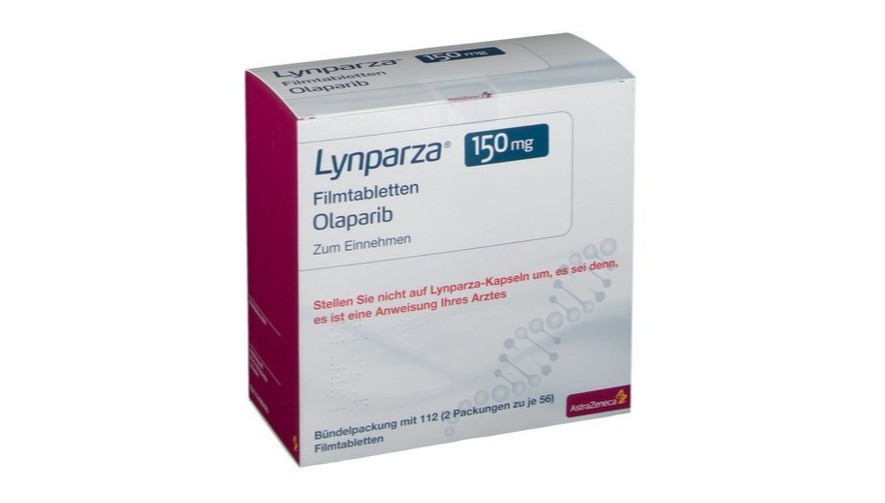
- The treatment landscape for ovarian cancer is rapidly changing, including early maintenance therapy to the post-recurrence, platinum-resistant stage.Given that expanded reimbursement for PARP inhibitors is possible, antibody-drug conjugates (ADCs) and immunotherapies have demonstrated survival benefit in platinum-resistant ovarian cancer, further shaping patient-specific, biomarker-driven treatment strategies.PARP inhibitor 'Lynparza'According to industry sources on July 16, the Pharmaceutical Reimbursement Evaluation Committee (PREC) of the Health Insurance Review and Assessment Service (HIRA) recently recognized the reimbursement appropriateness of 'Lynparza (olaparib)' as a first-line maintenance therapy for homologous recombination deficiency (HRD)-positive advanced ovarian cancer.Specifically, Lynparza passed the PREC review as a maintenance therapy in combination with bevacizumab for adult patients with HRD-positive, high-grade epithelial ovarian, fallopian tube, or primary peritoneal cancer who have responded to first-line platinum-based chemotherapy combined with bevacizumab.This decision opens the possibility of expanding Lynparza's reimbursement, previously centered on BRCA-mutated patients, to include HRD-positive patients. Furthermore, in platinum-resistant ovarian cancer, the folate receptor alpha (FRα)-targeted ADC 'Elahere (mirvetuximab soravtansine)' is undergoing the reimbursement process. At the same time, the immunotherapy 'Keytruda (pembrolizumab)' recently added a new indication, expanding treatment options across the entire spectrum of ovarian cancer.A significant majority of ovarian cancer cases are diagnosed at an advanced stage. Even if patients respond to surgery and platinum-based chemotherapy, approximately 70% to 80% experience recurrence. A key characteristic of the disease is that as recurrences repeat, resistance to platinum-based chemotherapies develops, making treatment increasingly difficult.This PREC decision is significant in that it opens the possibility of broadening the patient population eligible for early maintenance therapy in ovarian cancer.Recently, the importance of early maintenance therapy, considering not only progression-free survival (PFS) to delay recurrence but also overall survival (OS), has been increasing in ovarian cancer treatment.Lynparza demonstrated long-term survival in BRCA-mutant patients in the SOLO-1 study and in HRD-positive patients in the PAOLA-1 study. Notably, the long-term follow-up results of PAOLA-1 supported the clinical value of early maintenance therapy, showing that the combination of Lynparza and bevacizumab reduced the risk of death by 38% in HRD-positive patients.Another PARP inhibitor, 'Zejula (niraparib)', is also reimbursed under national health insurance for first-line ovarian cancer maintenance therapy. The industry expects therapeutic strategies for selecting maintenance therapies to be further strengthened by comprehensively considering BRCA mutations, HRD status, and prior therapies.Platinum-resistant ovarian cancer, The era of ADC therapyADC anticancer drug 'Elahere'The treatment landscape for platinum-resistant ovarian cancer is also changing.Previously, non-platinum chemotherapies such as pegylated liposomal doxorubicin, topotecan, and paclitaxel were primarily used.However, their treatment response rates and survival benefits were limited, making this a therapeutic area with highly unmet medical needs, with some studies reporting objective response rates (ORRs) in the single digits.In this situation, Elahere, which secured domestic approval last December, presented a new treatment option as the first folate receptor alpha (FRα)-targeted ADC for ovarian cancer. Its national health insurance reimbursement process also began in earnest after passing the Cancer Disease Review Committee (CDRC) this past May.Elahere operates by selectively binding to FRα on the surface of cancer cells and then releasing a cytotoxic payload inside the cell. Approximately 35% to 40% of ovarian cancer patients are known to be FRα-positive, meeting the treatment criteria, and its expression is reported to remain relatively consistent from the time of diagnosis through the recurrence stage.In the MIRASOL study, Elahere extended the median OS to 16.46 months compared with conventional chemotherapy, approximately 4 months longer than the control group (12.75 months).It also achieved an ORR of 42.3%, demonstrating a rare, statistically significant improvement in OS in the platinum-resistant ovarian cancer setting.Keytruda joins the race…expanding the role of immunotherapyImmunotherapy 'Keytruda'Immunotherapy has also entered the treatment arena for platinum-resistant ovarian cancer.Keytruda recently added a therapeutic indication for patients with platinum-resistant epithelial ovarian, fallopian tube, or primary peritoneal cancer whose tumors express PD-L1 (CPS 1 or higher) and who have received 1 to 2 prior lines of systemic therapy.In the KEYNOTE-B96 study that served as the basis for approval, the Keytruda combination therapy reduced the risk of disease progression or death by 28% and the risk of death by 24%, confirming statistically significant improvements in both PFS and OS. The median OS for the Keytruda group was 18.2 months.While conventional immunotherapies previously failed to demonstrate meaningful survival improvements in ovarian cancer, KEYNOTE-B96 study is considered highly significant because it demonstrated clinical efficacy by specifically selecting PD-L1-positive patients.Previously, ovarian cancer treatment was primarily limited to surgery and platinum-based chemotherapy, and targeted therapy was limited to choosing a PARP inhibitor based on BRCA mutation status.Recently, the paradigm is rapidly transitioning toward biomarker-driven therapeutic strategies, such as expanding maintenance therapy eligibility based on HRD status and selecting ADCs or immunotherapies based on FRα or PD-L1 expression post-recurrence.Opinions are also emerging that the importance of companion diagnostics (CDx) will grow alongside therapeutics. The prevailing outlook is that identifying key biomarkers, such as BRCA, HRD, FRα, and PD-L1, at the initial stage of diagnosis to inform the design of patient-specific treatment sequences will become the new standard of care.
- Policy
- Korean CSO organization aims to officialize this year
- by Lee, Jeong-Hwan Jul 15, 2026 08:49am
- South Korea’s pharmaceutical contract sales organizations (CSOs) are drawing industry attention after outlining a structured action plan to secure official incorporation as legal entities under the Ministry of Health and Welfare (MOHW) this year.The Korea Contract Sales Organization Association (KCSOA), which currently operates as a temporary body, plans to recruit founding members, secure an initial milestone of 1,000 member companies, conduct nationwide briefing sessions, and ultimately secure 2,000 member companies before submitting its formal application for regulatory approval.The KSCSOA aims to emerge from the shadows of grey-market operations and establish itself as a legitimate, self-reliant partner dedicated to advancing the domestic pharmaceutical distribution system.On the 14th, a KCSOA official stated, "Given that the MOHW has explicitly highlighted the necessity of a formalized CSO association to establish robust regulatory and administrative frameworks for a fair drug distribution structure, we plan to gather industry opinions and pursue official incorporation within this year."Roadmap for KCSOA's incorporation in 2026. KCSOA aims to secure the MOHW's official authorization between November and December.Industry experts emphasize that the success of KCSOA's incorporation will hinge entirely on representativeness. Whether the association can legitimately represent the collective interests of over 10,000 registered CSOs nationwide, and whether it possesses the practical operational capabilities to drive domestic pharmaceutical development, including promoting compliant drug distribution, will directly linked to the MOHW’s final administrative decision.Consequently, KCSOA intends to recruit founding members, reach the 1,000-member milestone, and secure dedicated physical office space. The association will host nationwide meetings through August to explain the incorporation process, followed by an aggressive, highly focused membership campaign.Securing 2,000 member companies is the objective the association aims to achieve before filing its official application.Upon achieving the initial milestone of 1,000 members and subsequently scaling up to 2,000 through its regional briefing sessions, the association will immediately file for official corporate body status. Marking its third attempt, KCSOA expects to submit the application before October of this year.Under its projected timeline, KCSOA aims to secure the MOHW's official authorization between November and December, followed by its formal corporate launch and the unveiling of its strategic business roadmap for 2027.This drive within the CSO sector serves as clear evidence of its desire to bring transparency to an industry historically relegated to the fringes of pharmaceutical marketing, and to reposition itself as an equal partner in the growth of the broader healthcare ecosystem.Amid the government’s intensifying crackdowns on illegal CSO rebates and a rapidly evolving regulatory environment, securing credible, legally incorporated status is essential for the association to project a unified, authoritative voice to the MOHW and the National Assembly.If the association successfully clears this third regulatory hurdle as planned, it will officially be incorporated in November or December, commencing as a formalized entity with an actionable 2027 business plan.As KCSOA accelerates its timeline toward incorporation with a concrete target of 2,000 member companies, the wider biopharmaceutical industry is closely watching whether these efforts will culminate in final ministerial approval.A CSO industry official remarked, "The KCSOA is currently aiming for its incorporation bid through internal restructuring, including the election of a new chairperson this summer, alongside expanding membership," and added, "Because the MOHW is demanding robust evidence of industry representation and concrete, detailed operational plans, the KCSOA will gather the collective opinion of regional CSOs through its nationwide meetings before submitting its third application."

- InterView
- [Reporter's View] Drug pricing reform outruns certification
- by Jung, Heung-Jun Jul 15, 2026 08:49am
- The government's drug pricing reform for newly listed generic drugs is set to take effect next month without a single company having obtained a "Quasi-Innovative Pharmaceutical Company” certification.The Ministry of Health and Welfare concluded the public consultation yesterday (July 13) on proposed revisions to the ‘Criteria for Decision and Adjustment of Pharmaceutical Drugs,’ which include changes to generic drug pricing and pricing premiums. The revised rules are scheduled to take effect on August 1.Fostering a new drug development ecosystem has been one of the key objectives of Korea’s drug pricing reform. Creating a more innovation-oriented pharmaceutical industry was also identified as the foremost goal at the Health Insurance Policy Deliberation Committee (HIPDC) meeting in March.Measures introducing pricing premiums and preferential measures for “quasi-innovative” companies had also been introduced in this aspect. However, despite the nearing implementation date, not a single company has yet received the Quasi-Innovative certification, which remains a major disappointment.Some in the industry argued that implementation should be postponed several months until certification procedures for both Innovative and Quasi-Innovative Pharmaceutical Companies are completed. The government, however, is reportedly firm in its determination to proceed as scheduled.One might ask, "Why not select the target companies after first preparing the preferential drug pricing plan for quasi-innovative new companies?" However, the reality is not so simple.Although estimates differ between the government and industry, 10 to 20 pharmaceutical companies are expected to qualify as Quasi-Innovative Pharmaceutical Companies. Until they obtain certification, these companies will receive a 45% generic pricing rate. Once certified, the rate increases to 50%, with the pricing premium remaining in effect for up to four years.Under the revised pricing system, the premium is determined not by the characteristics of an individual product but by the innovative status of the company itself. In other words, whether or not a company has obtained the Quasi-Innovative certification directly determines the maximum reimbursement price its generic products can receive.Although the financial impact will vary depending on market conditions for each product, the combination of a 5 percentage-point increase in the pricing rate and a four-year premium period could have a significant effect on sales.As a result, the 10 to 20 pharmaceutical companies that may qualify for Quasi-Innovative certification will have to reconsider the timing of generic launches until certification is granted.The same applies to the few companies that would seek to receive the Innovative Pharmaceutical Company certification in December. Because newly certified Innovative Pharmaceutical Companies become eligible for a 60% pricing premium for four years, some companies may decide to postpone generic reimbursement listings for approximately five months until certification is complete.The government may argue that companies should simply decide their launch timing based on their own economic interests.The government may say that companies should decide the timing of generic drug launches based on their own economic interests. However, that is hardly the right approach when the pricing reform itself is meant to initiate gradual change across the pharmaceutical industry.That objective necessarily requires consideration of how well the reforms can be accepted and implemented by the industry. From that perspective, it is regrettable that the government is moving ahead with the pricing reform before adequate preparations have been completed.

- Opinion
- “7-year Lorviqua data reshape trt strategy for ALK-positive lung cancer”
- by Son, Hyung Min Jul 15, 2026 08:49am
- "The clinical data from the CROWN trial for Lorviqua demonstrated significant differences in progression-free survival, which is incomparable to existing ALK-targeted therapies. These results indicate that rather than debating the optimal sequence of treatments, clinicians should select the most effective therapeutic agent from the very beginning."Professor Byoung Chul Cho of the Division of Medical Oncology at Yonsei Cancer CenterDuring a recent meeting with DailyPharm, Professor Byoung Chul Cho of the Division of Medical Oncology at Yonsei Cancer Center shared his assessment of the 7-year long-term follow-up results from the global Phase 3 CROWN study of 'Lorviqua (lorlatinib).’Professor Cho assessed that with Lorviqua demonstrating durable long-term disease control and robust intracranial efficacy, the treatment paradigm for ALK-positive non-small cell lung cancer (NSCLC) is rapidly shifting from a 'sequential therapy' model to a focus on 'optimal first-line treatment'.ALK-positive NSCLC is a rare subtype accounting for approximately 3% to 5% of all NSCLC cases. It frequently presents in relatively younger patient populations and is heavily characterized by a high incidence of brain metastasis at initial diagnosis.Approximately 20% to 40% of these patients present with brain metastases at the time of initial diagnosis, and central nervous system (CNS) progression occurs frequently throughout the course of treatment, making it a representative lung cancer subtype that threatens both patient survival and quality of life.Consequently, in recent years, key endpoints in ALK-positive NSCLC treatment have shifted from objective response rate (ORR), which measures tumor shrinkage, toward how long a therapy can delay disease progression and protect the brain.Lorviqua, a third-generation ALK inhibitor specifically designed to cross the blood-brain barrier (BBB) effectively, is recognized as a primary driver of this therapeutic paradigm shift. According to the 7-year follow-up data from the global Phase 3 CROWN study, the median progression-free survival (PFS) in the Lorviqua cohort has still not been reached, and 55% of patients maintained progression-free at 84 months of treatment. Furthermore, Lorviqua demonstrated an 81% reduction in the risk of disease progression or death compared to the first-generation ALK inhibitor 'Xalkori (crizotinib).' Approximately 79% of patients who achieved stable disease control during the first two years of treatment remained progression-free through the 7-year mark. The long-term effect on suppressing brain metastases was also sustained over extended periods. At the 7-year mark, the proportion of patients who remained free of intracranial disease progression was 92% in the Lorviqua cohort and 16% in the crizotinib cohort. Additionally, 96% of patients without baseline brain metastases remained free of new intracranial lesions. Even among patients with preexisting brain metastases, 83% continued their treatment without experiencing intracranial disease progression.Major clinical guidelines, including the National Comprehensive Cancer Network (NCCN), the American Society of Clinical Oncology (ASCO), and the European Society for Medical Oncology (ESMO), recommend the third-generation inhibitor Lorviqua as a first-line treatment option for ALK-positive NSCLC.In South Korea, the clinical utility of Lorviqua has expanded significantly since national health insurance reimbursement was granted for the first-line treatment of ALK-positive metastatic NSCLC last year.Professor Cho evaluated that “These 7-year long-term follow-up results do not merely confirm survival extension; rather, they provide robust evidence supporting the clinical importance of a strategy that maximally suppresses disease progression and brain metastases at the earliest therapeutic intervention.”Professor Cho explained, “As long-term disease control becomes achievable for a subset of patients, the ultimate goal of ALK-positive NSCLC management is expanding from short-term tumor response to chronic, long-term disease management.Q. What was notable about the 7-year follow-up results from the CROWN study?The therapeutic efficacy demonstrated in this dataset is so significant that it is difficult to draw comparisons to existing ALK-targeted therapies. Even at the 7-year follow-up, the median PFS in the Lorviqua cohort has not yet been reached. In contrast, the median PFS in the control arm hovered around 9.1 months, representing an exceptionally wide clinical gap. The hazard ratio is remarkably low at 0.19. In EGFR-mutant lung cancer, the efficacy gap between first- and second-generation agents, or between first- and third-generation agents, was relatively narrow, allowing ongoing debate regarding treatment sequencing and cost-effectiveness. In contrast, the CROWN data show such a profound differences in therapeutic efficacy that it renders those sequencing debates virtually obsolete.The fact that 55% of patients in the Lorviqua cohort remained progression-free at 84 months is also a meaningful clinical outcome. While nearly all patients in the control group experienced disease progression before this landmark, more than half of the patients receiving frontline Lorviqua remained entirely free of progression. Data demonstrating this magnitude of therapeutic benefit are exceptionally rare in clinical oncology, and I believe these results will fundamentally reshape paradigms in real-world clinical practice.Q. How do you interpret the plateau observed in the PFS curve after 2-years in the 7-year follow-up data?The most intriguing aspect of this dataset is the 2-year landmark analysis. Irrespective of the therapeutic agent deployed, there always exists a cohort of high-risk patients who experience early disease progression, and approximately 30% of patients on Lorviqua progressed within the first two years. However, after crossing the 2-year threshold, the rate of disease progression declined sharply, with only about 15% of patients experiencing further progression through the 7-year mark. This resulted in the Kaplan-Meier curve forming a distinct plateau.With typical targeted therapeutics, the PFS curve continues to decline steadily over time. In this study, however, the majority of patients who surpassed the initial phase maintained stable disease control for an extended period. This pattern is highly unusual for a tyrosine kinase inhibitor and closely resembles the "tail plateau" or tail effect commonly observed with cancer immunotherapies. However, unlike immunotherapies, Lorviqua requires continuous, ongoing administration to sustain this effect.Currently, we cannot fully explain which specific patient types are predisposed to this long-term durable response, beyond the established clinical understanding that patients with concurrent TP53 mutations or other co-mutations face a heightened risk of early progression. The fact that long-term disease control is maintained among patients who survive beyond 2 years represents the most significant clinical takeaway from this 7-year dataset.Q. How should the objective response rate (ORR) and complete response (CR) data be interpreted in real-world clinical practice?The ORR is not a metric that reveals stark contrasts among first-, second-, and third-generation ALK inhibitors. Most ALK TKIs elicit a similar initial tumor response, whereas Lorviqua's true therapeutic strength lies in its ability to sustain that response over extended timelines. Therefore, rather than focusing heavily on ORR or CR, clinicians analyzing this dataset should prioritize median PFS, long-term PFS rates, and durable long-term disease control. Notably, the CROWN study demonstrated consistent therapeutic benefits across all prespecified patient subgroups. The regimen showed particularly outstanding efficacy in the high-risk cohort with baseline brain metastases, yielding a hazard ratio of 0.08 in patients with baseline brain lesions and 0.23 in those without. Typically, patients presenting with brain metastases experience poorer treatment outcomes, but these results demonstrate an inverse trend, which underscores the profound clinical value of the drug.Consequently, the core significance of these results lies not in simple, short-term tumor shrinkage, but in the therapy's capability to sustain clinical responses over the long term while delivering consistent efficacy even in patient cohorts with historically poor prognoses.Q. How do you evaluate the long-term brain metastases suppression efficacy and long-term follow up results?Brain metastasis is exceptionally common in ALK-positive NSCLC, with approximately 40% of patients presenting with intracranial lesions at initial diagnosis, and a high proportion of patients developing new brain metastases while on first-generation ALK inhibitors. Consequently, protecting the brain stands as one of our most critical therapeutic priorities.The CROWN study is highly meaningful as it is the first trial to conduct regular, protocol-specified brain MRIs for all enrolled patients, regardless of whether they had baseline brain metastases. Patients underwent brain MRIs every 8 weeks for the first 5 years and every 16 weeks thereafter. This rigorous protocol allowed for a highly reliable and systematic assessment of intracranial PFS and intracranial ORR.The most notable finding from this 7-year analysis is the durability of the brain-protective effect. Among patients without baseline brain metastases, approximately 96% remained free of intracranial progression at the 2-year mark, and this rate remained virtually unchanged at 96% at the 7-year mark. This indicates that almost no patients developed new brain metastases during the subsequent 5 years of follow-up. Even among those with baseline brain metastases, very few experienced further intracranial progression after the 2-year mark, demonstrating that Lorviqua is an exceptionalltherapeutic for long-term CNS protection.Q. What is your clinical assessment of Lorviqua’s safety profile?The adverse events associated with Lorviqua include peripheral edema, hyperlipidemia, and cognitive effects. Cognitive side effects can present as mood swings or depressive symptoms, and psychiatric adverse events have been reported in rare instances. However, in real-world clinical practice, severe psychiatric toxicities are exceptionally rare, and the vast majority of cases are Grade 1 or 2 events that are highly manageable.Hyperlipidemia is primarily detected through routine laboratory monitoring and is easily managed using standard lipid-lowering therapies. In daily practice, most patients manage this successfully by obtaining standard lipid prescriptions from local clinics, with very few experiencing severe clinical complications.Crucially, the 7-year dataset confirms that dose reduction due to treatment-induced adverse events does not result in a clinically significant loss of therapeutic efficacy. Therefore, even when Grade 3 or higher toxicities arise, clinicians can confidently adjust the dosage to maintain long-term treatment continuity, confirming that Lorviqua is highly tolerable over extended, multi-year timelines.Q. Following the approval of first-line reimbursement for Lorviqua, how has clinical decision-making evolved, and does the concept of sequential therapy across ALK TKIs still hold relevance?Since the implementation of first-line reimbursement, Lorviqua became our primary frontline option, dramatically reducing the historical instances in which it was restricted to a select few due to cost or access barriers. With the therapy now broadly accessible, the clinical decision-making framework has evolved from "selecting among available drugs" to identifying which agent will deliver the most powerful, upfront disease suppression.In ALK-positive NSCLC, disease progression post-recurrence is frequently accompanied by a rapid decline in performance status or severe CNS progression, which heavily restricts subsequent clinical options. Consequently, clinical consensus increasingly emphasizes that delaying initial progression is far more critical than planning subsequent salvage lines of therapy. For this reason, the historical sequential model of utilizing first → second → third-generation agents is increasingly viewed as offering limited overall survival utility.Because the median PFS achieved with second-line therapies is generally modest (around 6 to 8 months) and disease recurrence severely compromises patient eligibility for subsequent interventions, the broader therapeutic strategy has decisively shifted from 'designing sequential treatment lines' to 'maximizing upfront clinical suppression.' Such changes are the primary background, solidifying Lorviqua's position as the preferred first-line standard of care.Q. Given these 7-year long-term follow-up results, do you consider that ALK-positive NSCLC can now be classified as a chronic, long-term, manageable condition for certain patients?The most notable finding of the 7-year follow-up data is the flattening or stabilization of the progression curve following the initial treatment phase. While a certain proportion of patients experience disease progression within the first two years, the progression curve remains remarkably flat thereafter, indicating that the vast majority of remaining patients maintain stable disease control over several years. This pattern is fundamentally distinct from conventional chemotherapy models, where disease control steadily deteriorates over time. Instead, it suggests that for a specific subsegment of patients, the disease trajectory can be transformed into a highly stable, long-term clinical state. Therefore, while this does not apply uniformly to all individuals, it is clinically reasonable to approach a subset of patients with the expectation that their condition will be managed as a long-term chronic disease.Ultimately, the most significant advancement in ALK-positive NSCLC is not merely the extension of survival, but the fundamental alteration of the disease progression pattern in a substantial proportion of patients. This paradigm shift represents the clinical significance of the 7-year CROWN data.
- Policy
- Pricing negotiations for Bayer’s Nubeqa fall through
- by Jung, Heung-Jun Jul 15, 2026 08:49am
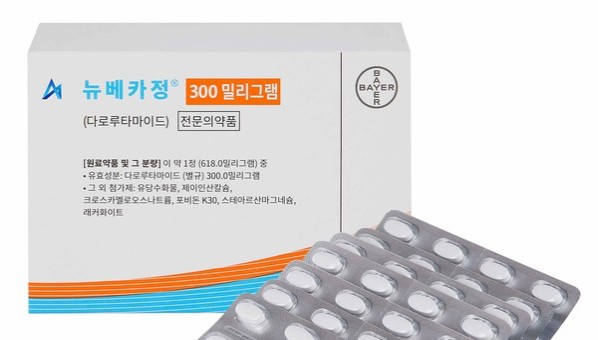
- Bayer Korea's prostate cancer therapy Nubeqa (darolutamide) has failed to reach a pricing agreement with the National Health Insurance Service (NHIS) and is unlikely to pursue another attempt at securing reimbursement in Korea.The reimbursement environment has become increasingly competitive due to the expiration of the patent for Nubeqa’s competitor Xtandi (enzalutamide), and the following mass launch of its generics last month.The entry of lower-priced Xtandi generics alongside Erleada and Xtandi has made reimbursement price negotiations for Nubeqa even more challenging.According to industry sources on the 10th, Nubeqa, which received a positive reimbursement recommendation from the Drub Reimbursement Evaluation Committee (DREC) in March for the treatment of metastatic hormone-sensitive prostate cancer (mHSPC), ultimately failed to reach a final agreement with the NHIS on pricing.A Bayer representative said, "We made every effort to improve patient access to Nubeqa, but were ultimately unable to reach an agreement." The company added that, considering the current market environment in Korea, it has no plans to resubmit the reimbursement application.At the March DREC meeting, Nubeqa was deemed eligible for reimbursement if the drug is priced below the committee's assessed value for use ▲in combination with androgen deprivation therapy (ADT) or ▲with docetaxel plus ADT for the treatment of patients with mHSPC.The major competitors in the mHSPC market are Erleada (apalutamide) and Xtandi. As a later entrant, Nubeqa has been closely chasing the two established therapies.Although Nubeqa cleared the Cancer Drug Deliberation Committee (CDDC) in December last year and the DREC in March this year, negotiations reportedly stalled over details of the Risk Sharing Agreement (RSA), including the reimbursement rate.Erleada has continued to expand its market presence, generating KRW 53.3 billion in prescription sales last year, up 71% from the previous year. The product is also seeking reimbursement expansion for high-risk non-metastatic castration-resistant prostate cancer (nmCRPC).Although its reimbursement expansion failed after price negotiations in February, the company has indicated that it intends to resubmit the application.Xtandi recorded KRW 38 billion in prescription sales last year, a 26% increase year over year. However, with 9 companies having launched generic versions, the competitive landscape is expected to undergo a significant transformation.

- Company
- ERP wave hits major multinational pharmas in Korea
- by Son, Hyung Min Jul 15, 2026 08:49am
- AI-generated imageMajor multinational pharmaceutical companies in Korea are carrying out a series of organizational restructuring initiatives to realign their local operations.The voluntary early retirement programs (ERPs) launched by Bristol Myers Squibb (BMS), Takeda, and MSD reflect how strategic shifts in the innovative drug portfolios of their global headquarters are influencing the structure of their Korean affiliates.According to industry sources on July 15, BMS Korea recently launched an ERP targeting commercial employees with 10 years or more of tenure. Eligible employees include those in sales, marketing, wholesale management, business development (BD), and other commercial functions.The compensation package is reportedly based on "2N+8 (years of service x 2 + 8 months of salary)', with additional individual severance pay added.BMS Korea said the organizational changes are part of its broader global portfolio strategy.A BMS official said, "We have continuously evolved our portfolio through strategic prioritization and resource allocation to deliver innovative therapies to patients with serious diseases more quickly. This organizational change also reflects a comprehensive assessment of our Korean portfolio, patient needs, and market environment, and represents a strategic decision to establish a more agile and sustainable operating model."In recent years, BMS has expanded its pipeline in neuroscience, radiopharmaceuticals (RPTs), and oncology through acquisitions of Karuna Therapeutics, RayzeBio, Mirati Therapeutics, and SystImmune. At the same time, the company has been pursuing cost-efficiency measures to prepare for patent expirations of its major products such as ‘Eliquis (apixaban)’ and ‘Revlimid (lenalidomide).’Although the company has launched several innovative products in Korea, including Zeposia (ozanimod), Sotyktu (deucravacitinib), and Camzyos (mavacamten), none has yet matched the commercial impact of its flagship immuno-oncology therapy ‘Opdivo (nivolumab).’ As a result, the company's commercial organization is also being restructured to reflect its evolving product portfolio.Takeda Korea has likewise recently launched an ERP. The program targets employees designated by the company, with compensation reportedly following the same 2N+8 formula plus additional severance payments. For employees with 15 years of tenure, the total severance package is reportedly around KRW 150 million.The company has been streamlining its organization and improving cost efficiency under the direction of its Japanese headquarters. The company had also recently appointed a new head for its Korean affiliate. Industry observers believe the company's Korean operations are being adjusted in line with its global business restructuring strategy.MSD and Novartis also conduct ERP…reorganizes around future growth areasMSD Korea completed its ERP program for its Human Health division last week. The Human Health organization consists of prescription medicines, vaccines, commercial operations, and external affairs functions.The company emphasized that the ERP was not driven by the performance or patent expiration of individual products, but rather formed part of a broader organizational restructuring to support future product launches and business expansion.An MSD Korea representative said, “While continuing our growth in oncology, we are preparing to expand our portfolio into cardiovascular and metabolic diseases, infectious diseases, immunology, and ophthalmology. The ERP was implemented as part of our transition toward a more agile and innovative organization capable of supporting launches across these therapeutic areas."The representative added, "The ERP is designed to support employees who voluntarily choose to pursue new career opportunities. Ultimately, we seek to strengthen the organization's execution capabilities and operational efficiency to support future growth and long-term sustainability."“We will continue delivering new treatment and prevention options through science-driven innovation while keeping the health of Korean patients as our highest priority.”Meanwhile, Novartis Korea is also reportedly undergoing organizational restructuring. Industry sources believe the changes are somewhat related to the recent downsizing of its cardiovascular (CV) business unit.Novartis has steadily adjusted its domestic business portfolio in recent years, including discontinuing its respiratory business in 2022 and transferring its ophthalmology business to Santen Pharmaceutical last year. The latest organizational changes are likewise viewed as part of the company's broader strategy to focus resources on higher-growth therapeutic areas.Recent ERP programs among multinational pharmaceutical companies are increasingly aimed at reorganizing local operations to align with changes in their global innovative drug portfolios, rather than simply reducing costs. While streamlining off-patent product businesses, companies are reallocating resources toward growth areas such as oncology, immunology, cardiovascular and metabolic diseases, and radiopharmaceuticals (RPTs), with corresponding adjustments to their Korean organizations.For example, Pfizer previously undertook a similar global restructuring following declining sales of its COVID-19 vaccine and antiviral treatment. Such organizational restructuring among Korean affiliates is expected to continue as multinational pharmaceutical companies continue shifting toward innovation-driven portfolios.A multinational pharmaceutical company official said, "In the past, ERP programs were largely aimed at reducing costs or responding to weak business performance. Today, they are increasingly focused on reorganizing companies around their future business strategies and innovative drug portfolios. We're seeing more cases where strategic changes at global headquarters are directly reflected in the organizational structure of Korean affiliates."
