
- LOGIN
- MemberShip
- 2026-09-08 06:22:51
- Policy
- Criticism mounts over request easing telemedicine first-visit rules
- by Lee, Jeong-Hwan Aug 18, 2026 08:54am
- Rep. Chil-seung Kwon held a policy forum on the 13th at the National Assembly Members’ Office Building to discuss subordinate regulations under the Medical Service Act for telemedicine.With the full-scale implementation of telemedicine about 4 months away, the medical and pharmacy groups are pushing back against the platform industry's request that the "limit on prescription days for first-time patients" should be left to "the physicians' discretion" rather than legal and administrative standards.Healthcare groups argue that the platform industry's request amounts to a belated attempt to neutralize safeguards against the adverse effects of telemedicine that were agreed upon after months of deliberation in the National Assembly, where multiple bills were consolidated and reviewed. In effect, the medical and pharmacuetical industry’s criticism is that the proposal disregards both the National Assembly's legislative authority and the government's administrative authority.The platform industry says it neither opposes nor rejects the principles of the Medical Service Act passed by the National Assembly to formalize telemedicine. Rather, it is asking policymakers to consider that an outright restriction, such as limiting first-visit prescriptions to seven days, could unintentionally infringe on the rights of physicians and patients and even threaten the viability of the telemedicine industry itself.Even after subordinate regulations under the Medical Service Act set a limit on prescription duration for first-time patients, the industry is asking for exceptions that would give physicians discretion to prescribe beyond that limit when patients consent to the disclosure of their medication or medical history.According to medical and pharmacy groups on the 14th, calls at a National Assembly policy forum the previous day to give physicians discretion over prescription duration for first-time telemedicine patients have drawn criticism as a demand that "disregards and undermines the intent of the Medical Service Act, the governing statute."“Limits on first-visit prescription duration is a closed discussion…undermining the legislative intent right before implementation.'"During deliberations on the Medical Service Act amendment, lawmakers from both ruling and opposition parties, the Ministry of Health and Welfare, and relevant professional groups reached a consensus on establishing clear guidelines for the safe implementation of telemedicine. These included ▲limits on eligible first-time patients and prescription duration, ▲restrictions on certain drugs with potential for abuse, and ▲limited permission for medication delivery. Given the nature of telemedicine and its greater potential for misuse than in-person care, clearly defining legal and administrative restrictions on prescription duration and the types of drugs that can be prescribed to first-time patients was a key premise of the legislative process.At the recent forum, however, Professor Hun-sung Kim of Seoul St. Mary's Hospital, Catholic University of Korea College of Medicine, who gave a presentation, and the Korea Telemedicine Industry Council argued that prescription duration for first-time patients should not be uniformly restricted but instead left entirely to physicians' discretion and responsibility.Medical and pharmacy groups have objected, saying “the proposal seeks to reverse an issue that has already reached the final stage through the legislative process without additional consultation or an administrative basis.”Healthcare groups are concerned that removing legal standards for telemedicine and relying solely on individual physicians' discretion could dismantle the minimum safeguards intended to prevent misuse and abuse.A medical industry official said, "Physicians' autonomy, discretion and responsibility must be exercised within a legal framework designed to protect patient safety. Calling for changes to standards reached after extensive review and agreement during the National Assembly's legislative process, with only 4 months left before implementation, shows disregard not only for the Assembly's legislative authority but also for the government's administrative authority."The pharmacy community also expressed similar concerns. "Limiting prescription duration for first-time patients is the minimum legal safeguard needed to prevent drug misuse and adverse effects in telemedicine. Without administrative restrictions, the consequences of drug misuse will ultimately fall on the public. Given that various problems involving telemedicine and platforms have already been identified during the pilot program, calls to ease restrictions on first-visit prescriptions are inappropriate."KTIC, “We are asking for exceptions when patients share their medical data”As controversy grew, the Korea Telemedicine Industry Council said its proposal was not a call for unconditional deregulation or opposition to the Medical Service Act, but rather a request to establish specific exceptions based on the availability of patient medical data.The association argues that if subordinate regulations uniformly limit first-visit prescriptions to seven days, the full-scale telemedicine program could end up being more restrictive than the pilot program, infringe upon the medical and medication rights of doctors and patients, and further lead to the collapse of the telemedicine industry itself.Seul Lee, co-chair of KTIC, said, "First of all, we are not denying or opposing the principles of the telemedicine provisions in the Medical Service Act passed by the National Assembly. However, even if prescription duration for first-time patients is limited to 7 days, as in Japan, flexible exceptions should be established so that physicians can prescribe for longer than 7 days when patients consent to disclosing their previous medication or medical history."Lee added, "When a patient's medical data are available, allowing room for physicians to exercise their own judgment rather than imposing an unconditional, uniform restriction would better protect physicians' right to provide care and improve patient convenience. If implementation of the Medical Service Act results in a full-scale program that regresses from the pilot program, it could cause considerable inconvenience for physicians and patients and negatively affect the telemedicine industry."Full-scale rollout 4 months away…debate over subordinate regulations likely to continueWith the full-scale implementation of the telemedicine program approaching, renewed controversy over prescribing authority for first-time patients is expected to complicate the Ministry of Health and Welfare's task of drafting subordinate regulations and detailed guidelines.However, because the issue was already discussed extensively at the National Assembly level, attempts to ease legal restrictions in the name of "physician discretion" are likely to face strong opposition from medical and pharmacy groups as well as criticism that they undermine the intent of the legislation.The ministry is reportedly planning to gather opinions from the platform industry, medical community, and pharmacy groups before issuing an advance notice of the legislation of the proposed subordinate regulations under the Medical Service Act in early September.
- Company
- CAR-T ’Carvykti’ has been submitted for multiple myeloma reimb listing
- by Son, Hyung Min Aug 14, 2026 08:46am
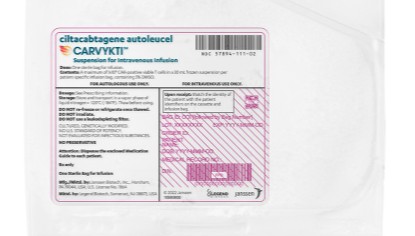
- Product photo of Carvykti'Carvykti,' a personalized cell therapy for frequently relapsing multiple myeloma, is set to secure insurance reimbursement in South Korea. It has been seven months since approval for an expanded indication in November of last year. According to industry sources, Janssen Korea submitted an application to health insurance authorities for the reimbursement listing of Carvykti in early June.Carvykti was the first drug approved in South Korea for the treatment of multiple myeloma and remains the only CAR-T cell therapy authorized for a multiple myeloma indication to date. Following its initial domestic approval in March 2023, Carvykti secured an expanded indication approval in November 2025 for "the treatment of adult patients with relapsed or refractory multiple myeloma who have received at least one prior line of therapy, including a proteasome inhibitor (PI) and an immunomodulatory agent (IMiD), and are refractory to lenalidomide."Notably, among CAR-T therapies developed by global pharmaceutical companies, Carvykti is one of the few treatments with clinical evidence that includes South Korean patients. While CAR-T therapies are typically developed through single-arm Phase 1/2 trials, the efficacy and safety of Carvykti were evaluated in a direct comparator Phase 3 trial, CARTITUDE-4, which included a control arm.The trial results, analyzed at a median follow-up of 33.6 months, demonstrated that Carvykti reduced the risk of death by 45% in overall survival (OS) and reduced the risk of disease progression or death by 71% in progression-free survival (PFS) compared with standard-of-care therapies (PVd or DPd). Based on this clinical evidence, Janssen Korea is reportedly pursuing reimbursement listing by demonstrating cost-effectiveness through a formal pharmacoeconomic evaluation. Given that high-cost, "one-shot" curative therapies have traditionally entered reimbursement via the economic evaluation exemption track, this approach is interpreted as reflecting the company's strong confidence in Carvykti's clinical value and cost-effectiveness.A Janssen Korea official stated, "Janssen Korea submitted the reimbursement application so that multiple myeloma patients in South Korea can receive treatment with Carvykti starting from their first relapse, thereby easing the burden of long-term, repeated therapies. We hope Carvykti secures reimbursement as quickly as possible so that patients can receive timely, effective treatment and swiftly regain their health and daily lives. Janssen Korea will give its full effort throughout this process."
- Company
- Medtronic’s nears ₩500 billion milestone… ends 2 year sales decline
- by Hwang, byoung woo Aug 14, 2026 08:46am
- MedtronicMedtronic Korea has ended its 2 consecutive years of declining sales, recovering to nearly KRW 500 billion in annual revenue.Unlike the previous fiscal year, which was affected by the prolonged conflict between the healthcare sector and the government in 2024 due to the physician walkout, the normalization of clinical practice has helped restore overall business performance. The domestic rollout of the Hugo robotic-assisted surgery system also contributed to the recovery.Despite the higher burden of cost, the company improved selling and administrative expense efficiency, leading to a rebound in operating profit.Sales recover to KRW 495.1 billion…highest in 4 yearsAccording to filings with the Financial Supervisory Service, Medtronic Korea recorded KRW 495.1 billion in revenue for its 26th fiscal year (May 2025–April 2026), up 17.4% from KRW 421.7 billion a year earlier.Revenue had declined for 2 consecutive years, falling from KRW 468.6 billion in FY23 to KRW 441.4 billion in FY24 and KRW 421.7 billion in FY25. Because FY24 covered May 2023–April 2024 and FY25 covered May 2024–April 2025, the impact of the 2024 healthcare disruption was reflected across both fiscal years.In FY26, the company not only recovered all of the lost revenue but also exceeded its FY23 performance by 5.7%, marking its strongest sales over the past 4 fiscal years.Operating profit increased 17.7% to KRW 25.5 billion from KRW 21.7 billion, while net profit rose 50.8% to KRW 13.0 billion from KRW 8.6 billion.5-year Performance of Medtronic Korea (Source: FSS, Unit: KRW 100 million) Green: Revenue Blue: Operating ProfitAlthough both revenue and earnings improved, the cost of sales also grew. Cost of sales rose 21.0%, from KRW 278.5 billion to KRW 337.1 billion, outpacing revenue growth. As a result, the gross profit margin declined from 33.9% to 31.9%.However, this decline was offset by improved SG&A efficiency. Selling, general and administrative expenses increased only 9.1%, from KRW 121.4 billion to KRW 132.5 billion, reducing the SG&A ratio from 28.8% to 26.8% of revenue.As a result, the operating margin rose slightly from 5.1% to 5.2%, as improved SG&A efficiency offset the lower gross margin.Among SG&A items, advertising and promotional expenses rose 41.2%, from KRW 5.5 billion to KRW 7.7 billion, reflecting expanded sales and marketing activities as the healthcare environment stabilized and new products were introduced.By contrast, salaries increased only 5.8%, from KRW 42.4 billion to KRW 44.8 billion, while sales commissions rose 7.3%, from KRW 20.5 billion to KRW 22.0 billion, indicating that overall cost growth remained below the pace of revenue growth despite increased commercial activity.Next growth phase hinges on new product portfolioWhile FY26 confirmed Medtronic Korea's recovery, the key question for the next fiscal year is how much its new product portfolio can sustain future growth.In surgery, the Hugo robotic-assisted surgery system continues to expand its presence in Korea. Since its first installation at Seoul National University Hospital in May 2025, Hugo has broadened its use across urology, gynecology, and general surgery.In February this year, Medtronic also launched LigaSure RAS, an energy device designed specifically for Hugo. The addition extends Medtronic's established energy-device portfolio from conventional open and laparoscopic surgery into robotic-assisted procedures, further enhancing Hugo's clinical utility.Hugo's business model extends beyond equipment sales, encompassing dedicated instruments and consumables, physician training and technical support. As more hospitals install the system and surgical volumes increase, recurring demand for surgical instruments is expected to grow alongside equipment sales.Medtronic has introduced a new portfolio in 2026, raising expectations of reaching the KRW 500 billion sales mark(clockwise from the left) Micra 2, Hugo robotic surgery, TAVI Evolut FX Plus, Spinal portfolio KanghuiIn cardiovascular care, Medtronic has also begun rolling out new products.In March, the company launched the next-generation Evolut FX Plus transcatheter aortic valve implantation (TAVI) system in Korea. In April, it introduced Micra 2, a leadless pacemaker featuring longer battery life and improved atrioventricular synchrony.Because both products were launched just before the close of FY26, their financial contribution is expected to become more visible in the next fiscal year. Future growth will depend on replacing existing products while expanding patient eligibility and hospital adoption.Reimbursement changes for PFA and TAVI may provide additional momentumPolicy changes implemented after the fiscal year ended could also support future growth.Pulsed field ablation (PFA) entered the National Health Insurance reimbursement system in May this year. Medtronic is preparing to enter the atrial fibrillation treatment market with the PulseSelect PFA System and the dual-energy Affera Mapping and Ablation System.Reimbursement criteria for TAVI were also revised in June. Previously, reimbursement was limited to patients aged 80 years or older or those at high surgical risk. Under the revised criteria, patients who are not only at high risk but also unanimously deemed in need of TAVI by the entire interdisciplinary heart team may also become eligible. If the broader reimbursement criteria lead to increased procedure volumes, the newly launched Evolut FX Plus could benefit.However, challenges remain. Hugo must secure additional hospital installations and build recurring procedural volume amid competition from established robotic surgery platforms. Likewise, reimbursement alone will not automatically drive sales of PFA and TAVI products; hospital adoption, physician training, and accumulated clinical experience will also be essential.Even so, the company's FY26 sales recovery is viewed positively because it was driven by broad improvement across its existing businesses rather than dependence on a single new product. If Medtronic Korea can build on its nearly KRW 500 billion revenue base with Hugo, new cardiovascular products and expanded reimbursement coverage, the rebound achieved in FY26 could prove sustainable.

- Policy
- Price cuts loom over 3 or fewer same-class listed drugs
- by Jung, Heung-Jun Aug 14, 2026 08:45am
- Industry concerns are growing that lowering reimbursement prices under the price cuts applied to already-listed drugs—including products manufactured by three or fewer companies—could worsen medicine supply shortages.Some stakeholders have proposed exempting products made by three or fewer manufacturers from the reassessment process until a fourth manufacturer enters the market, at which point the price reduction could be applied.According to industry sources on the 13th, discussions are increasing over products with three or fewer manufacturers ahead of the implementation of reimbursement price cuts under the reassessment of already-listed drugs.The industry is requesting that products with three or fewer manufacturers be excluded from the reassessment program, which is scheduled to continue over the next 10 years beginning this yearThe concern is that as many of these products are already unprofitable, discouraging new market entrants, further price reductions could prompt existing manufacturers to discontinue production.Industry representatives note that when the government implemented across-the-board drug price cuts in 2012, it introduced preferential pricing for products with three or fewer manufacturers to help ensure a stable supply.Since then, original drugs in this category have received a 70% premium, while generics have received a 59.5% premium.One pharmaceutical industry official said, "Products manufactured by three or fewer companies should be excluded from uniform price reductions. Reassessment could simply be postponed until a fourth manufacturer enters the market, allowing a stable supply system to be maintained."Another industry source added, "If a product continues to have fewer than 3 manufacturers over time, it indicates that other companies have chosen not to enter because the market is not commercially viable. If one or two of the remaining manufacturers discontinue production, supply disruptions could occur. There is sufficient justification for exempting these products from reassessment."The issue was also raised during the working-level consultative body on drug pricing reform, but discussions have so far focused only on exempting products with a single listed manufacturer from reassessment.Expanding the exemption to products made by three or fewer manufacturers would reduce the scope of the reassessment compared with the government's original plan and would require further discussions with the authorities.Nevertheless, the industry argues that preventive measures are needed to avoid supply disruptions after the reassessment begins.An industry official said, "About 8,000 active ingredients are currently listed for reimbursement. Roughly half are supplied by only a single manufacturer. Among the remaining products, those produced by three or fewer companies—apart from certain central nervous system drugs with high market entry barriers—are generally low-profit, low-attractiveness products. If reimbursement prices are reduced further, production discontinuations could become a reality."

- InterView
- [Reporter’s View] Regarding the NHIS Special Judicial Police Act
- by Jung, Heung-Jun Aug 14, 2026 08:45am
- Legislation granting the National Health Insurance Service (NHIS) special judicial police authority is now just one step away from final passage in the National Assembly.Recent data submitted by the NHIS to Office of Rep. Jin-sook Jeon of the National Assembly's Health and Welfare Committee highlight the scale of financial losses caused by illegally established healthcare institutions. Uncollected losses to the National Health Insurance system from illegal medical institutions, including so-called "straw-owner hospitals" and pharmacies operating under borrowed pharmacist licenses, have reached KRW 2.65 trillion.Of the approximately KRW 2.9 trillion in reimbursement recovery orders issued, only about 9% has actually been recovered. In the case of license-rental pharmacies, 92.2% of the approximately KRW 705.6 billion ordered for recovery remains uncollected. These figures demonstrate the limitations of the current investigative framework and underscore the urgent need to grant the NHIS special judicial police authority.Recent amendments to the Criminal Procedure Act will eliminate prosecutors' supervisory authority over special judicial police officers. Some critics argue that, without prosecutorial oversight, granting such authority to the NHIS could lead to excessive investigations.Others have raised concerns about the legal expertise and investigative experience of NHIS personnel, warning of potential abuse stemming from insufficient professionalism.However, arguing that the proposal should be abandoned entirely simply because prosecutorial supervision is being eliminated or because investigators may lack experience is an overstatement. Leaving more than KRW 2.6 trillion in health insurance losses unchecked is not an acceptable option.The NHIS, for its part, must also make every effort to address these concerns. It has already established a dedicated task force and secured approval from fiscal authorities to add 31 investigative personnel, effectively completing the necessary organizational hardware.The next step is ensuring that current concerns never become reality. The NHIS must demonstrate its transparency and professionalism by establishing robust investigative guidelines that prevent human rights violations and abuse of authority, while providing intensive and ongoing legal and ethics training for investigators.The National Assembly has also begun strengthening the legislative framework, presenting a bill (Rep. Seo Mi-hwa) that would clarify investigative jurisdiction over illegally established and operated pharmacies.The National Assembly should no longer delay passage of the legislation because of peripheral concerns. Every delay simply allows further financial losses caused by illegal hospital and pharmacy operators.It is time to end the unproductive debate, pass the bill promptly, and close the loophole through which health insurance funds continue to leak. After that, it will be up to the NHIS—through thorough preparation—to prove that it can exercise its new authority responsibly.
- Company
- 'Oxlumo’ for PH1 has entered the final stage of the reimb listing process
- by Eo, Yun-Ho Aug 14, 2026 08:45am
- 'Oxlumo (lumasiran),' a treatment for primary hyperoxaluria type 1 (PH1), is entering the final stage for insurance reimbursement listing. According to industry sources, the Ministry of Health and Welfare (MOHW) recently issued an order to the National Health Insurance Service (NHIS) to initiate price negotiations for Medison Pharma Korea's Oxlumo (lumasiran).Consequently, attention is focused on whether Medison Pharma will succeed in listing its second in-licensed drug, following "Amvuttra (vutrisiran)."Oxlumo was selected for the Ministry of Food and Drug Safety's (MFDS) 'Global Innovative products on Fast Track (GIFT)' program last year, designated as an orphan drug in October of the same year, and secured final approval in November. The drug is an RNA interference (RNAi) therapy for Primary Hyperoxaluria Type 1 (PH1), a rare renal disease, that received approval from the U.S. Food and Drug Administration (FDA) and the European Medicines Agency (EMA) in 2020. RNAi is recognized as a next-generation drug technology within a class of gene therapies. It has the advantage of enabling targeted approaches against specific genetic mutations. PH1 is a rare genetic disease caused by the hepatic overproduction of oxalate. The symptoms include the deposition of calcium oxalate or potassium oxalate crystals in the kidneys and urinary tract. As the disease progresses, kidney damage ensues, necessitating dialysis. Ultimately, it can only be treated by liver or kidney transplantation. As Oxlumo received approval in 2020, a pharmacotherapeutic option for treating PH1 became available. Oxlumo is an RNAi therapeutic targeting hydroxyacid oxidase 1 (HAO1), the gene encoding glycolate oxidase (GO), an enzyme involved in oxalate production. It works by lowering oxalate by silencing HAO1, thereby reducing GO synthesis. Meanwhile, the efficacy of Oxlumo was confirmed in a Phase 3 clinical trial evaluating 39 patients aged 6 and older with PH1. The Oxlumo-treated group demonstrated a 65.4% reduction in urinary oxalate levels compared to the placebo group. Furthermore, 84% of patients receiving Oxlumo achieved urinary oxalate levels close to the normal range, with 52% achieving full normalization.

- Policy
- Subordinate regulations for telemedicine first visits in progress
- by Lee, Jeong-Hwan Aug 13, 2026 08:59am
- With telemedicine set to become a formal healthcare service in December, the government has begun working-level consultations with the medical community, pharmacists and intermediary platform operators to prepare amendments to subordinate regulations.The discussions mark the start of efforts to reconcile sharply differing views among professional groups over some of the most contentious issues, including geographic restrictions for first-time patients, limits on prescription duration and restrictions on drugs that may be prescribed remotely.According to the medical community on the 12th, the Ministry of Health and Welfare (MOHW) has met with the Korean Medical Association (KMA), the Korean Pharmaceutical Association (KPA) and the Korea Telemedicine Industry Association, among others, to gather views on key issues that must be addressed in the subordinate regulations before the full-scale launch of the system.The biggest points of contention are how to set geographic restrictions for first-time patients, how many days of medication may be prescribed upon a single visit for such patients, and which drug categories should be prohibited from remote prescribing.For geographic restrictions, one issue is whether remote first visits should be permitted only near the patient’s residence – when the medical institution providing telemedicine is located within the same city, county or district.Some have argued that a patient’s real-time location, based on GPS data, should instead be used to determine whether a remote first visit may be provided.The National Assembly and the MOHW agreed on the broad principle that first-time patients with no prior in-person treatment history should receive telemedicine only from medical institutions located within their area of residence. The Medical Service Act was amended accordingly to prevent patient concentration at major hospitals in the Seoul metropolitan area or at certain telemedicine-focused clinics, while also ensuring a safety net for emergency referrals to in-person care.The medical community and pharmacists’ association have also supported regional restrictions on first visits, deeming such safeguards necessary to prevent telemedicine from disrupting the ecosystem of frontline medical institutions and pharmacies.The platform industry, however, has opposed overly restrictive regional rules, arguing that more than 60% of users seek care from clinics in other regions when their usual hospitals are closed or during nights and holidays, and that excessively tight geographic restrictions would undermine the effectiveness of the system.There are also significant differences over limits on prescription duration for first-time patients. The medical community, pharmacists, and platform operators hold differing views on how many days of medication should be allowed for patients with no prior in-person treatment history, amid concerns over misuse and adverse events associated with long-term prescriptions issued remotely.The medical community and pharmacists argue that prescription duration should be kept as short as possible for patient safety. Their position is that telemedicine should be permitted only as a supplement to in-person care.Platform operators and some users, however, pointed to the irony of how even patients with chronic diseases who are already taking medication are classified as first-time patients when they change hospitals. They contend that setting blanket limits on prescription duration would increase the financial and time burden by stimulating more frequent medical visits.Restrictions on non-reimbursed medicines with high potential for misuse, including obesity and hair-loss treatments, are another major issue. The parties remain divided over whether remote prescribing should be restricted not only for existing prohibited categories such as narcotics, psychotropic drugs, drugs with misuse or abuse concerns (including erectile dysfunction treatments), and emergency contraceptives, but also for non-reimbursed drugs such as GLP-1 obesity treatments and hair-loss medicines.Against this backdrop, the National Assembly plans to hold a policy forum to seek broader social consensus on subordinate regulations for telemedicine.Rep. Chil-seung Kwon of the Democratic Party of Korea, a member of the National Assembly’s Health and Welfare Committee, will hold a policy forum at the National Assembly Members’ Office Building on the 13th under the title “Policy Forum on Subordinate Regulations under the Medical Service Act for Telemedicine (subtitle: Directions for Designing Subordinate Regulations to Support the Successful Introduction, Development and Safe Expansion of Telemedicine).”The MOHW plans to combine the views collected through working-level consultations with opinions presented at the National Assembly forum, refine the detailed criteria, and finalize the subordinate regulations in time for the amended Medical Service Act to take effect.A medical industry official said, “The key to transitioning telemedicine to a full-scale system is to guarantee public access to healthcare while minimizing the risks of drug misuse and medical accidents. It is the ministry’s responsibility to fully gather the views of the medical community, pharmacists and industry through working-level consultations and establish reasonable detailed guidelines, but a consensus may not be easy because the parties maintain sharply different stances.”
- Company
- Romiplate receives reimbursement in Korea
- by Son, Hyung Min Aug 13, 2026 08:59am
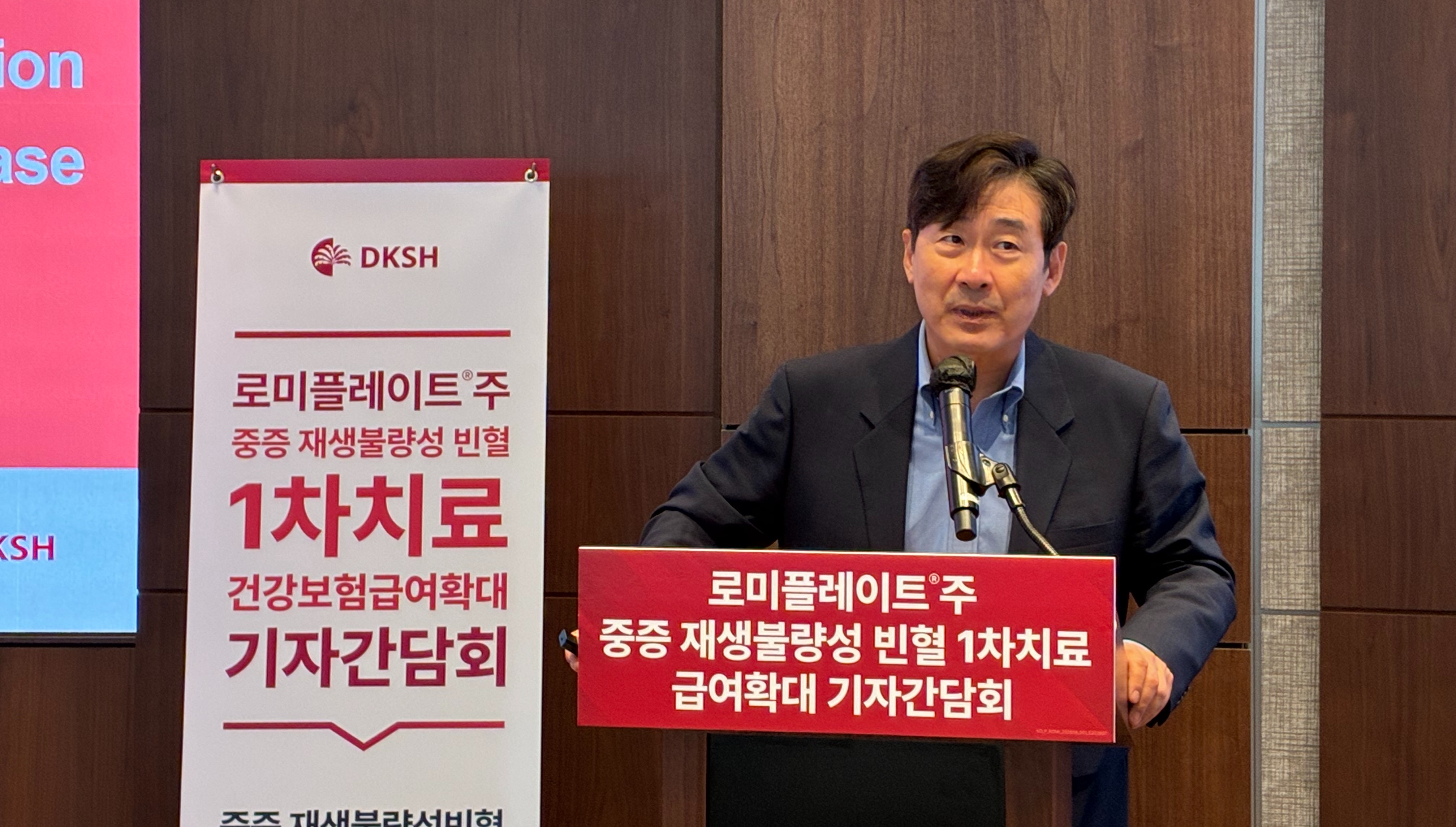
- The expansion of National Health Insurance reimbursement for Romiplate to first-line treatment is expected to change initial treatment strategies for patients with severe aplastic anemia.Previously, reimbursement was primarily available for patients who failed to respond to immunosuppressive therapy or were refractory to it. Under the revised criteria, treatment-naive patients can now also receive Romiplate (romiplostim) in combination with standard immunosuppressive therapy from the outset.On Aug. 12, DKSH Korea’s Healthcare Business Unit held a press conference at the Park Hyatt Seoul in Samseong-dong to discuss the clinical significance of Romiplate’s first-line reimbursement for severe aplastic anemia and future treatment strategies.Professor Jun Ho Jang, Department of Hemato-Oncology, Samsung Medical CenterPer a notice issued by the Ministry of Health and Welfare, Romiplate has been reimbursed since Aug. 1 in combination with antithymocyte globulin (ATG) and cyclosporine (CsA) for patients with severe aplastic anemia who are unable to undergo allogeneic hematopoietic stem cell transplantation or who do not have a suitable donor. Reimbursement is available for up to 6 months of treatment.Previously, reimbursement mainly applied to adults with severe aplastic anemia who were refractory to immunosuppressive therapy or were unable to receive such treatment. The revised criteria therefore allow patients to receive Romiplate combination therapy from the initial stage of treatment rather than waiting until conventional therapy fails.Romiplate is a thrombopoietin receptor agonist (TPO-RA) that promotes platelet production. It acts on hematopoietic stem and progenitor cells in the bone marrow to help restore hematopoietic function.Originally used to treat chronic immune thrombocytopenia, Romiplate has gradually expanded its role into severe aplastic anemia. In July 2024, its indication was expanded to include first-line use in combination with immunosuppressive therapy in treatment-naive patients with severe aplastic anemia.Accumulating evidence for first-line combination therapy in clinical studiesAplastic anemia is a disorder in which impaired bone marrow function results in insufficient production of red blood cells, white blood cells, and platelets. In patients with severe disease, the risks of infection and bleeding are high, making rapid hematologic recovery a major treatment goal.Treatment is selected based on factors such as patient age and the availability of a hematopoietic stem cell donor, with options including hematopoietic stem cell transplantation (HSCT) and immunosuppressive therapy. In patients who are not candidates for transplantation, combination immunosuppressive therapy with ATG and CsA has been a mainstay of treatment.However, a persistent issue remained, as not all patients achieve an adequate hematologic response with immunosuppressive therapy alone. More recently, strategies incorporating a TPO-RA from the initial treatment stage have been used to improve hematologic response.The first-line evidence for Romiplate is based on this approach. In the Phase 2/3 531-003 study conducted in Asian patients with aplastic anemia and reported last year, the combination of Romiplate + ATG + CsA demonstrated efficacy.At Week 27, the overall hematologic response rate, combining complete and partial responses, was 76.5%. The company said this represented an improvement compared with the approximately 50% response rate previously reported with conventional rabbit ATG (rATG) + CsA immunosuppressive therapy.Long-term follow-up data are also accumulating. In a long-term follow-up study presented at the 2025 American Society of Hematology (ASH) Annual Meeting, treatment-naive patients with aplastic anemia were followed for up to 5 years after receiving Romiplate combination therapy.Among 15 enrolled participants from the 531-003 study who received rATG, CsA, and Romiplate, the hematologic response rate at two years was 93.3%. Patients showed sustained response thereafter, while the proportion of patients dependent on transfusions was lower at the final follow-up than at baseline.In terms of safety, increased bone marrow reticulin was observed in some patients, but only at Grade 1. No new chromosomal abnormalities or progression to acute myeloid leukemia (AML) or myelodysplastic syndrome (MDS) were observed in the study.Jun Ho Jang, Professor of Hemato-Oncology at Samsung Medical Center, said, “Achieving a rapid and sufficient hematologic response during initial treatment is important in severe aplastic anemia. With Romiplate now available in combination with immunosuppressive therapy from the outset, physicians can consider a more proactive treatment strategy from the early stage rather than waiting until patients fail to respond to conventional therapy.”The allowance of proactive reimbursement in Korea…”expected to drive a treatment paradigm shift”The key significance of the reimbursement expansion is that Romiplate can now be used at an earlier stage, shifting from treatment after failure of existing therapies to initial treatment.In aplastic anemia, an insufficient hematologic response after initial therapy can lead to repeated transfusions and continued risks of infection and bleeding. Increasing the likelihood of hematopoietic recovery from the time of diagnosis is therefore considered important in reducing the subsequent treatment burden.In particular, Romiplate does not replace conventional immunosuppressive therapy, but is added to ATG and CsA, effectively providing an additional option within the existing treatment framework.Professor Jang said, “This reimbursement expansion has broadened treatment options for severe aplastic anemia in Korea, including transplantation. As Korea has moved proactively to provide reimbursement in this space, we are looking forward to changes in the domestic treatment paradigm.”

- Policy
- Will multiple-product listing rule apply to 14th drug transfers?
- by Jung, Heung-Jun Aug 13, 2026 08:59am
- Will the multiple-product listing management rule apply when a product belonging to the same-ingredient group that already exceeds 14 listed products is transferred before August next year?The answer is no. Because the multiple-product listing management rule did not exist under the previous regulations, it will not affect the reimbursement price of a transferred product.According to the Health Insurance Review and Assessment Service (HIRA) and industry sources on Aug. 12, products that already exceed the 14-product threshold will be exempt from the multiple-product listing management rule when ownership is transferred before Aug. 1 next year, as implementation of the revised reimbursement recalculation rule for transfers has been deferred until then..The multiple-product listing management system was newly introduced through this month's revision to the relevant notice. Under the system, drugs in a same-ingredient group that exceeds 14 listed products will have their reimbursement prices reduced to 85% of the lowest price one year later.Based on the rule, one may assume that a product beyond the 14th listing would become subject to the multiple-product listing management rule if it is transferred.However, until August next year, when the previous transfer rules continue to apply, the multiple-product listing management provision will not be applied.Under the previous rules governing transfers, “the reimbursement price was to be set at the lower of the final ceiling price and the amount calculated under Item 2.” At the time, however, Item 2 (Pricing calculation criteria) did not include any provision on multiple-product listing management.A HIRA official said, “The reimbursement price must be determined under the rules that were in effect before the revised provisions take effect, and those rules contained no provisions on multiple-product listing management. The previous rules did not require comparison with a revised calculated price incorporating the multiple-product listing management rule, so the rule has no bearing on such transfers.”In other words, products belonging to groups that already exceed the 14-product threshold may be transferred until August next year without concern that the transfer itself will trigger a price reduction under the multiple-product listing management system.How, then, will the rule apply to product transfers after August next year? A transfer made while a same-ingredient group contains 13 listed products (the 13th product) will still avoid the impact of multiple-product listing management.So if a large number of additional products are listed and the group exceeds 14 products at the time the 13th-listed product is transferred, the transferred product will remain exempt from the rule. This is because it retains its status as the 13th product in the listing order at the time of transfer, meaning the multiple-product listing management rule does not apply.
- Company
- Obesity drugs developed in KOR are now entering the mkt
- by Choi Da Eun Aug 13, 2026 08:59am
- South Korea's anti-obesity drug market is becoming competitive. While Hanmi Pharma is set to launch the country's first domestic anti-obesity drug, HK inno.N and JW Pharmaceutical are accelerating commercialization through ongoing Phase 3 clinical trials. Meanwhile, companies such as Daewoong Pharmaceutical, Dongkook Pharmaceutical, Dong-A ST, Ildong Pharmaceutical, and Chong Kun Dang (currently in Phase 1/2 or preclinical development) are aiming to dominate future market share, demonstrating differentiated formulations and mechanisms of action distinct from existing GLP-1 therapies.According to industry sources, Hanmi Pharm's GLP-1 class anti-obesity drug 'efpeglenatide' submitted a marketing authorization application to the Ministry of Food and Drug Safety (MFDS) last December and is currently under review. With a market launch expected in the second half of the year, it is likely to become South Korea's first domestic anti-obesity treatment. While efpeglenatide demonstrated a body weight reduction rate of approximately 9.75%, Hanmi applied its long-acting platform technology, 'LAPSCOVERY,' to mitigate gastrointestinal side effects and completed a global cardiovascular outcomes trial (CVOT) involving approximately 4,000 patients. The company's strategy is to establish a solid prescription base by leveraging price competitiveness and first-market-entry advantages. (AI-generated image) The current status of obesity drug development in South Korea: Hanmi Pharm's GLP-1 class anti-obesity drug 'efpeglenatide'; HK inno.N is conducting a domestic Phase 3 clinical trial for 'ecnoglutide'; JW Pharmaceutical recently licensed 'bofanglutide'; Daewoong Pharmaceutical is developing 'DWRX5003'; Dongkook Pharmaceutical is developing 'DKF-MB501'; Ildong Pharmaceutical is developing 'ID110521156'; Chong Kun Dang is advancing 'CKD-514'Follow-on developers HK inno.N and JW Pharmaceutical are also raising commercial expectations in late-stage clinical development. HK inno.N is conducting a domestic Phase 3 clinical trial for 'ecnoglutide,' a GLP-1 class anti-obesity candidate licensed from Sciwind Biosciences in China. In global clinical studies, ecnoglutide demonstrated a body weight reduction rate of up to 15.1% and has already secured marketing approval in China. Having completed patient recruitment for its domestic Phase 3 trial in South Korea, the company has initiated full-scale commercialization preparation. JW Pharmaceutical recently licensed 'bofanglutide,' a GLP-1 receptor agonist, from Gan & Lee Pharmaceuticals in China. This candidate is administered once every two weeks, differentiating it from conventional once-weekly formulations. In a Chinese Phase 2b trial, bofanglutide demonstrated strong competitiveness by achieving an average body weight reduction of 17.29% over 30 weeks of administration. Early-stage developers are prioritizing platform and formulation innovation over weight loss efficacy competition. Differentiation via patch and long-acting formulationsDaewoong Pharmaceutical is developing 'DWRX5003,' a microneedle patch-based anti-obesity candidate. Currently in Phase 1 clinical trials, it is a once-weekly transdermal patch that delivers the drug as microscopic needles dissolve upon application to the skin. The key differentiator is its ability to reduce administration burden and enhance patient treatment compliance by eliminating direct needle injections. Daewoong's strategy is to introduce a novel administration route into a market currently dominated by injectable formulations. Dongkook Pharmaceutical is developing 'DKF-MB501,' a long-acting anti-obesity drug candidate incorporating its proprietary drug delivery platform 'DK-LADS.' The goal is to engineer conventional once-weekly GLP-1 class therapeutics into a long-acting once-monthly formulation. This strategy aims to capture the next-generation long-acting market while improving administration convenience for obesity patients requiring long-term care. Competition to dominate the oral therapy marketBeyond injectables, competition to develop oral anti-obesity therapeutics is intensifying. Ildong Pharmaceutical is developing 'ID110521156,' an oral GLP-1 class candidate targeting obesity and diabetes concurrently. The development focuses on maximizing manufacturing efficiency and oral dosing convenience relative to traditional peptide injectables. Identifying oral therapeutics as an emerging market driver, Ildong is nurturing this asset as a next-generation growth engine. Chong Kun Dang is advancing 'CKD-514,' an oral GLP-1 receptor agonist (GLP-1RA) candidate. According to preclinical data presented at ObesityWeek (US Obesity Society) last year, CKD-514 demonstrated high oral bioavailability in large animal models. It confirmed statistically significant body weight reduction at lower doses compared to Eli Lilly's global oral competitor, orforglipron. Industry observers anticipate the anti-obesity drug market will rapidly expand beyond injectables into oral modalities, drawing keen attention to the mid-to-long-term competitiveness of companies securing oral delivery platforms. In addition, Dong-A ST is developing the novel anti-obesity candidate 'DA-1726' through its US Nasdaq-listed subsidiary, MetaVia. DA-1726 is an oxyntomodulin analog dual agonist that co-activates both GLP-1 and glucagon receptors. By concurrently suppressing appetite and increasing energy expenditure, it aims to differentiate itself from conventional mono-mechanism GLP-1 therapies. MetaVia is currently conducting high-dose administration cohorts at 48mg and 64mg in Part 3 of its Phase 1 trial. Top-line 16-week results are anticipated for announcement in the fourth quarter of this year. Primary evaluation metrics include body weight reduction rates, waist circumference, cardiovascular and metabolic parameters, and high-dose safety. Previously, the 48mg dosing cohort demonstrated a mean body weight reduction of 9.1% at 8 weeks. While late-stage clinical developers are preparing for commercialization leveraging efficacy and administration convenience, early-stage developers are establishing competitive edges through technological differentiation, including transdermal patches, long-acting monthly formulations, oral therapeutics, and dual agonists. Furthermore, the anti-obesity drug market is rapidly expanding beyond mere weight loss into managing diverse metabolic disorders, including type 2 diabetes, cardiovascular disease, chronic kidney disease (CKD), and metabolic dysfunction-associated steatohepatitis (MASH). Consequently, R&D competition among domestic pharmaceutical companies is projected to intensify further.An industry insider stated, "The anti-obesity drug market is expanding beyond simple body weight reduction rate competitions toward administration convenience, long-acting durability, and next-generation platforms," and added, "Latecomer drugmakers are similarly driving up market valuation through differentiation strategies such as transdermal patches, once-monthly formulations, oral delivery, and dual agonists." The industry insider added, "Leading global therapies such as Wegovy and Mounjaro are expanding the market by broadening indications beyond obesity into cardiovascular and renal diseases," and concluded, "Market interest will increasingly focus not only on dosing convenience and long-term safety, but also on whether companies can expand therapeutic indications to broaden prescription areas."
