
- LOGIN
- MemberShip
- 2026-09-09 18:17:47
- Policy
- First Edarbi generic emerges, ahead of patent expiry next March
- by Lee, Tak-Sun Sep 09, 2026 12:26pm
- Korea's first generic for the domestic market has finally emerged in the market for Edarbi (azilsartan medoxomil potassium), an angiotensin II receptor blocker (ARB) hypertension drug that generates more than KRW 10 billion in annual prescriptions.According to the Ministry of Food and Drug Safety (MFDS), Huons received marketing authorization on Sept. 7 for Hudarbi Tab. 80 mg, a generic version of Edarbi. Whanin Pharmaceutical previously obtained approval for an export-only product in 2024, but Huons is the first company to secure approval for an azilsartan generic intended for sale in the Korean market.Edarbi was developed by Takeda Pharmaceutical and approved in Korea in May 2017. The drug gained a foothold in the market by emphasizing its strong blood pressure-lowering effect as well as low blood pressure variability, allowing stable blood pressure control throughout the day.After Celltrion acquired the Asia-Pacific commercial rights from Takeda, Celltrion Pharm has been responsible for distribution. Following a previous co-promotion arrangement with Dong-A ST, Daewon Pharmaceutical joined the co-promotion effort this year to further expand sales. According to pharmaceutical market research firm UBIST, annual outpatient prescriptions for Edarbi amount to approximately KRW 11 billion.While the latest approval has opened the door to generic competition, a full commercial launch is expected only next spring, as the patent covering “benzimidazole derivatives and uses thereof” listed for Edarbi is set to expire on March 26, 2027. Industry observers expect Huons to commercialize its product upon patent expiry in an effort to secure an early foothold in the market.Korea's hypertension drug market, estimated at around KRW 2.5 trillion, is highly competitive as prescriptions increasingly shift toward fixed-dose combination therapies. Until now, however, no same-ingredient generic has been available in the azilsartan monotherapy market, leaving little room for follow-on competitors.An industry official said, “Edarbi is a solid product that has maintained stable prescription sales as a monotherapy. Now that Huons has opened the field by securing the first approval for a domestic-market generic, more Korean pharmaceutical companies are likely to enter the race to develop generic and combination products as the patent expiration approaches.”
- Company
- Expectations and concerns around 'Opakalim,' in-licensed at KRW 1T
- by Cha, Ji-Hyun Sep 09, 2026 12:26pm
- SK BiopharmaceuticalsExpectations and concerns have surfaced around Opakalim, an epilepsy drug candidate that SK Biopharmaceuticals has in-licensed for about KRW 1 trillion. While it is projected to surpass $2 billion in net sales by 2042 following a 2029 U.S. launch, SK Biopharmaceuticals must pay sales royalties post-commercialization to both its contracting counterpart, Biohaven, and the original developer, Knopp Biosciences.According to the biotech industry on the 8th, SK Biopharmaceuticals valued the assets it evaluated during the in-licensing of the epilepsy drug candidate 'Opakalim (BHV-7000),' potassium channel (Kv7) activator compounds, and the Kv7 discovery platform at $909.6 million (KRW 1.2581 trillion). This is about 14% higher than the maximum deal value SK Biopharmaceuticals signed.The valuation was conducted by calculating free cash flow after deducting cost of goods, research and development (R&D) expenses, selling, general and administrative (SG&A) expenses, and working capital from projected revenues generated by Opakalim, and then discounting it to present value by reflecting clinical success probabilities and the time value of money. It incorporated the risks of drug development failure on top of the standard discounted cash flow (DCF) model.Previously, on the 26th of last month, SK Biopharmaceuticals signed an agreement with Biohaven Bioscience Ireland to secure exclusive worldwide development and commercialization rights for Opakalim, Kv7 activator compounds, and the Kv7 drug discovery platform. The total contract value is up to $795 million (KRW 1.0995 trillion), including a non-refundable upfront payment of $400 million (KRW 553.2 billion KRW). Royalties based on product sales are separate.Summary of the epilepsy drug candidate 'Opakalim (BHV-7000)': mechanism of action-Kv7.2 and Kv7.3 potassium channels regulating neuronal excitability in the brain, indication-adult patients with focal seizures, clinical stage-undergoing global 'RISE2' and 'RISE3' Phase 2/3 clinical trials, Original developer-Knopp Biosciences.Opakalim is an oral anti-seizure candidate that selectively activates Kv7.2 and Kv7.3 potassium channels regulating neuronal excitability in the brain. Its mechanism of action stabilizes hyperexcited neurons to suppress seizures. Unlike certain conventional anti-seizure medications, it has relatively little influence on gamma-aminobutyric acid (GABA) receptors, and its potential to reduce central nervous system (CNS) side effects is cited as a competitive advantage.Knopp Biosciences in the United States originally developed Opakalim. Biohaven acquired the Kv7 platform and Opakalim by signing an agreement to acquire Knopp's subsidiary, Channel Biosciences, in February 2022 and completing the transaction in April of the same year. Knopp received $35 million in cash and $65 million worth of Biohaven shares, totaling $100 million in initial consideration. The deal also included milestone payments tied to development and regulatory approval, along with sales royalties.Currently, Opakalim is undergoing global 'RISE2' and 'RISE3' Phase 2/3 clinical trials in adult patients with focal seizures. RISE3 completed patient enrollment last June and is slated to announce top-line results in the second half of this year. In an open-label extension (OLE) study evaluating long-term efficacy and safety after the preceding Phase 2 trial, 54% of patients treated with the 75 mg dose showed a 50% or greater reduction in seizure frequency over six consecutive months.Shinhan Accounting Corporation, an external valuation firm, estimated future revenue and cash flows to calculate the asset value, assuming Opakalim successfully navigates clinical trials and regulatory approvals to launch in the United States in 2029. It assumed the compound annual growth rate of 2.6% in total U.S. focal seizure prescriptions from 2016 to 2025 would continue. Opakalim's market share was projected to rise from 0.1% in 2029, its first year of launch, to 0.4% in 2030, 1.9% in 2035, and 2.9% in 2040. The prescription price was estimated to increase by 4.6% annually from a baseline of $1,550.30, reflecting a 20.0% premium over the 2025 average price of four comparable products. Factoring in rebates and various discounts, actual net revenue was modeled at 52.0% of the prescription price.Based on these assumptions, Opakalim was projected to generate $21.14 million in net sales in its initial U.S. launch year in 2029 and peak at $2.07913 billion in U.S. net sales in 2042, the 14th year post-launch. Subsequently, reflecting loss of exclusivity (LOE) in 2043, market share was projected to decline to 1.6% and net sales to decrease to $1.06173 billion. Applying a cumulative probability of 71.9% for clinical development and marketing approval success through commercialization, alongside a discount rate of 14.4%, yielded the final asset valuation.Notably, projections that Opakalim will achieve operating profit margins exceeding 70% from the mid-post-launch period onward also drew attention. Shinhan Accounting Corporation anticipated that Opakalim's operating margin would reach 71.5% in 2040, 71.6% in 2041, and 72.3% in 2042. This is more than 30 percentage points higher than SK Biopharmaceuticals' operating profit margin of 39.3% recorded in the first half of this year.This high profitability reflects a low-cost structure. Shinhan Accounting Corporation applied 10.9% of sales to cost of goods sold and 17.3% to SG&A expenses, based on averages of comparable U.S. biotechs. The rationale is that because SK Biopharmaceuticals has already established a dedicated local sales organization of about 150 personnel and a distribution infrastructure through cenobamate, it can co-commercialize Opakalim without significantly increasing overhead costs.Analysis suggests that SK Biopharmaceuticals' move to secure rights to Opakalim —investing an upfront payment that approached nearly three times its annual operating profit from last year (KRW 203.9 billion)—was a strategic decision based on commercialization feasibility, revenue growth potential, and high profitability. This indicates that SK Biopharmaceuticals valued Opakalim as a high-margin blockbuster asset capable of exceeding $2 billion in annual sales while delivering operating profit margins in the 70% range.The two companies also entered into a mutual non-compete clause. SK Biopharmaceuticals and Biohaven agreed to restrictions prohibiting either party from independently developing, manufacturing, or commercializing competing Kv7 activator compounds, or supporting third-party research related thereto, in global markets for several years following the first commercial sale of the product.Currently, Xenon Pharmaceuticals is leading the Kv7 class with 'azetukalner'. Xenon announced Phase 3 clinical results for azetukalner last March and is scheduled to submit a marketing application to the U.S. Food and Drug Administration (FDA) in the third quarter of this year. If azetukalner is approved as planned, it will become the first Kv7-class therapy in the field of epilepsy. With azetukalner leading commercialization, this provision is interpreted as a safeguard to preserve the market value of the latecomer Opakalim and to support follow-on Kv7 pipeline candidates.SK Biopharmaceuticals must pay a separate mid-single-digit royalty to Knopp Pharmaceuticals. (source: Biohaven's Current Report (Form 8-K))However, contractual royalty obligations will increase as Opakalim succeeds in commercialization and scales revenue, which could burden future profitability.According to Biohaven's Current Report (Form 8-K) and the original license agreement filed with the U.S. Securities and Exchange Commission (SEC) on the 26th of last month, when SK Biopharmaceuticals sells Opakalim and certain anti-seizure products in the United States, it must pay Biohaven running royalties ranging from the mid-teens to low twenties across net sales tiers. For sales outside the United States, it pays a mid-single-digit royalty rate.In addition, the share owed to the original developer, Knopp, is separate. As SK Biopharmaceuticals assumed Biohaven's existing contractual obligations, it must pay a separate mid-single-digit royalty to Knopp on worldwide net sales of Kv7 products. This royalty is independent of the royalties paid to Biohaven and cannot be offset.In summary, when Opakalim generates revenue in the United States, SK Biopharmaceuticals must pay royalties in the mid-teens to low twenties to Biohaven, while simultaneously paying a separate mid-single-digit royalty to the original developer, Knopp. Together, the royalties SK Biopharmaceuticals must pay to both companies each time the drug is sold after commercialization could reach the mid-to-high 20% range. In this case, concerns are raised that even if Opakalim surpasses $2 billion in annual U.S. sales under the valuation scenario, the double royalty burden could reduce the actual profit margin to less than anticipated.
- Company
- Ildong, Pfizer Korea sign co-promotion deal for migraine drug Nurtec
- by Kim, Jin-Gu Sep 09, 2026 12:26pm
- Ildong Pharmaceutical announced on the 8th that it has signed a domestic distribution and co-promotion agreement with Pfizer Korea for the novel migraine treatment Nurtec ODT (rimegepant).Under the agreement, Ildong will be responsible for domestic distribution of Nurtec ODT and will begin joint promotional activities with Pfizer Korea this month. Based on their partnership, the two companies plan to strengthen the provision of product information to healthcare professionals and contribute to improving the treatment environment for migraine patients in Korea.Nurtec ODT is a prescription drug containing rimegepant, a calcitonin gene-related peptide (CGRP) receptor antagonist. It is indicated for ▲the acute treatment of migraine with or without aura in adults and for ▲ the preventive treatment of episodic migraine in adults.In a clinical study evaluating Nurtec ODT for the acute treatment of migraine in adults, the proportion of patients experiencing pain relief was significantly higher in the rimegepant group than in the placebo group beginning one hour after administration, with the pain-relieving effect sustained for up to 48 hours.In a separate clinical study of the preventive treatment of episodic migraine in adults, rimegepant administered every other day reduced mean monthly migraine days (MMDs) by 4.3 days from baseline during Weeks 9 through 12, a significantly greater improvement than the 3.5-day reduction observed with placebo. In a subsequent open-label long-term extension study, the reduction was maintained at an average of 6.2 days through Month 16.Ildong Pharmaceutical CEO Jae-joon Lee said, “We have high expectations for expanding our partnership with Pfizer Korea through Nurtec ODT. We aim to achieve our shared objectives, combining the product's competitiveness with our marketing capabilities in the central nervous system (CNS) field.”Dong-wook Oh, Country Manager of Pfizer Korea, said, “This agreement represents a collaboration aimed at delivering the value of Nurtec ODT to migraine patients in Korea. We will do our utmost to improve patient access and contribute to enhancing their quality of life in Korea.
- Policy
- GLP-1 misuse/abuse drug designation delayed into 2H
- by Lee, Tak-Sun Sep 09, 2026 12:26pm
- AI-generated imageThe designation of glucagon-like peptide-1 (GLP-1) obesity treatments as drugs of concern for misuse or abuse, which was expected to be completed by the end of August, has been pushed into September and is now facing regulatory review.The Ministry of Food and Drug Safety (MFDS) is currently undergoing a regulatory review by the Regulatory Reform Committee under the Office for Government Policy Coordination. It plans to complete the revision of the relevant notification within this month.However, pharmaceutical companies and medical professionals are strongly opposing the move, warning that higher prescribing hurdles and greater psychological barriers could create a “balloon effect,” driving patients back to more addictive psychotropic obesity drugs or toward illegally distributed and counterfeit medicines online.From CPAC review to June advance notice…internal review completed, now to be submitted to the Regulatory Reform CommitteeThe process of designating GLP-1 obesity drugs as drugs of concern for misuse or abuse gained momentum in April this year. At the time, the MFDS Central Pharmaceutical Affairs Council endorsed the designation, citing soaring demand for major obesity drugs including Wegovy (semaglutide), Mounjaro (tirzepatide) and Saxenda (liraglutide), as well as a concentration of supplies in areas exempt from Korea's prescription-dispensing separation system.The MFDS subsequently issued an advance administrative notice from June 5 to 26 on a proposed partial revision to the “Regulations on the Designation of Drugs of Concern for Misuse or Abuse.” The proposal calls for newly designating products containing three active ingredients, liraglutide, semaglutide and tirzepatide, for obesity treatment as drugs of concern for misuse or abuse.Once designated, the products would be required to carry the wording “drug of concern for misuse or abuse” on their containers and packaging. Pharmacies in areas exempt from the prescription-dispensing separation system would also be prohibited from dispensing or selling the products without a physician's prescription.The MFDS regulatory impact assessment originally set Aug. 31, 2026, as the start of the regulatory review period, leading to widespread expectations that the notification would be revised and take effect immediately by the end of August. However, the target has since been pushed back to September as the government's regulatory review process has taken longer than expected.The proposal is currently under review by the Regulatory Reform Committee under the Office for Government Policy Coordination. Responding recently to questions from pharmaceutical trade media, the MFDS said, “We have completed the regulatory review by our internal regulatory review committee, and the proposal is currently under review by the Regulatory Reform Committee under the Office for Government Policy Coordination. We are proceeding intending to revise the notification in September, depending on the regulatory review schedule.”However, the agency declined to disclose the number of comments submitted by pharmaceutical companies, importers and medical groups during the advance-notice period or the specific issues raised. “We are reviewing the matter while taking the submitted opinions into comprehensive consideration, and it is difficult to provide detailed responses at this stage.”The MFDS intends to maintain the scope of products covered under the original advance notice. Regarding Mounjaro in particular, which is approved for both diabetes and obesity, the agency clarified that “products containing the three ingredients for obesity treatment will be required to display the wording ‘drug of concern for misuse or abuse’ on their containers and packaging.”The MFDS also emphasized the need for tighter distribution controls in prescription-dispensing exemption areas: “In joint inspections with local governments during the first quarter of this year covering 632 sites, we identified six violations, including four pharmacies in exemption areas that sold drugs without prescriptions and two medical institutions where medicines were used by physicians themselves.”Industry warns “designation could stigmatize drugs and restrict treatment opportunities”On the other hand, the pharmaceutical industry and related academic groups are strongly opposing the regulation, arguing that it could distort the obesity treatment environment and lead to unintended consequences.One of the industry's biggest concerns is a potential “balloon effect” toward conventional psychotropic obesity drugs. If GLP-1 therapies are stigmatized by a regulatory label associated with “misuse and abuse” and access to prescriptions becomes more restricted, patients could turn back to controlled appetite suppressants such as phentermine and phendimetrazine, which are relatively inexpensive and easier to obtain. They say this would create a contradiction in which excessive restrictions are imposed on newer drugs with comparatively well-established safety profiles even though psychotropic drugs carry substantially greater risks, including dependence, hallucinations and cardiovascular adverse effects due to their stimulant effects on the central nervous system.Concerns that tighter access through legitimate channels could fuel the distribution of “counterfeit drugs” and drive the market underground are another major argument against the measure. Counterfeit injections have already circulated through social media and illicit markets worldwide amid surging demand for Wegovy and Mounjaro, prompting warnings from the World Health Organization. The industry warns that placing misuse and abuse warnings on packaging and raising barriers to legitimate prescriptions could drive patients toward overseas online purchases or underground distribution channels, potentially resulting in serious safety incidents involving unverified counterfeit medicines.Critics also argue that the measure would stigmatize obesity treatment and restrict patient access in Korea, running counter to global guidelines that regard obesity as a “chronic metabolic disease requiring lifelong management.”With the MFDS seeking to push through the notification revision in September, attention is now focused on how the Regulatory Reform Committee will balance health authorities' argument that the designation is needed to block prescription-free sales in exemption areas against industry warnings that it could drive patients back to psychotropic drugs and expand the black market for counterfeit medicines.
- Company
- Cost-saving immunotherapy 'Tevimbra' nears expanded reimb
- by Eo, Yun-Ho Sep 09, 2026 12:26pm
- Product photo of TevimbraA large- scale expansion of National Health Insurance reimbursement standards for the cost-saving immuno-oncology drug 'Tevimbra' is expected.According to reports, BeOne Medicines recently closed drug price negotiations with the National Health Insurance Service (NHIS) for five additional indications of its PD-1 inhibitor Tevimbra (tislelizumab).The specific indications include ▲first-line combination therapy in patients with unresectable, locally advanced, or metastatic esophageal cancer ▲first-line combination therapy in patients with unresectable or metastatic HER2-negative gastric or gastroesophageal junction adenocarcinoma ▲two first-line combination therapies and one second-line monotherapy for non-small cell lung cancer.Consequently, attention is focused on whether Tevimbra will change the prescription landscape for immuno-oncology drugs.Successful drug price negotiations for Tevimbra are significant beyond the market entry of a new drug. While reimbursement for immuno-oncology drugs has recently expanded across multiple indications, increasing the fiscal burden on National Health Insurance, Tevimbra is considered a candidate that could provide cost savings through intra-class substitution.Currently, claims for immuno-oncology therapies, centered around 'Keytruda (pembrolizumab),' are estimated to be nearing KRW 1 trillion annually, with lung cancer and gastric cancer reportedly accounting for more than half of that total. If Tevimbra achieves meaningful substitution across these indications, fiscal savings of at least tens of billions of won are projected to grow as utilization increases.While immuno-oncology drugs are typically a high-cost drug class, intensified intra-class competition could lower drug prices.The company's strategy for obtaining reimbursement for Tevimbra is a phased expansion. It is structured to first secure marketing approval and reimbursement in second-line esophageal cancer, where unmet medical need was high due to the lack of reimbursed immuno-oncology drugs, and then expand into major indications such as lung cancer and gastric cancer.Tevimbra's clinical utility is also well established. Global treatment guidelines have already confirmed Tevimbra's therapeutic standing. Major guidelines such as the National Comprehensive Cancer Network (NCCN) and the European Society for Medical Oncology (ESMO) recommend Tevimbra as a treatment option on par with previously launched immuno-oncology therapies.Furthermore, this drug has a mechanistic distinction: an engineered structure that inhibits binding to Fcγ receptors, minimizing T-cell clearance and exhaustion. It is also highlighted as a potential 'improved PD-1' that is not merely a substitute drug.Meanwhile, Tevimbra received approval late last year for perioperative (neoadjuvant·adjuvant) therapy in non-small cell lung cancer and nasopharyngeal carcinoma, therapeutic areas where existing immuno-oncology drugs have been limited. It is expected to continue expanding therapeutic presence.
- Company
- 'Anzupgo' for CHE advances in obtaining reimbursement
- by Son, Hyung Min Sep 08, 2026 09:02am
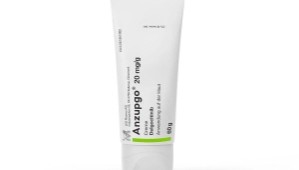
- As the new chronic hand eczema (CHE) drug Anzupgo nears National Health Insurance reimbursement, it is emerging as an option that can bridge the treatment gap between conventional topical corticosteroids and systemic therapy.Until now, when chronic hand eczema did not achieve an adequate response to topical corticosteroids, patients had to consider systemic therapies such as phototherapy or oral alitretinoin. Because long-term non-steroidal topical options were limited, reimbursement for Anzupgo could expand access to treatment.According to the pharmaceutical industry on the 8th, LEO Pharma's topical Janus kinase (JAK) inhibitor Anzupgo (delgocitinib) recently received reimbursement appropriateness from the Pharmaceutical Reimbursement Evaluation Committee (PREC) of the Health Insurance Review and Assessment Service (HIRA). Consequently, the drug will proceed toward National Health Insurance listing following subsequent procedures, including drug price negotiations with the National Health Insurance Service (NHIS).Anzupgo secured reimbursement appropriateness from the PREC after demonstrating cost-effectiveness through a pharmacoeconomic evaluation.Recurrent hand eczema…Burden of long-term treatment increasestopical Janus kinase (JAK) inhibitor 'Anzupgo'Chronic hand eczema is a chronic inflammatory skin disease accompanied by pruritus, pain, and skin fissures. Because the hands are used continuously in daily routines and occupational activities, recurring symptoms substantially affect work performance and quality of life.Conventional treatment has primarily followed a stepwise approach, starting with basic skin care, including moisturizers, then moving to topical corticosteroids, and finally escalating to phototherapy or oral alitretinoin.However, long-term use of topical corticosteroids carries the burden of adverse effects such as skin atrophy, and oral alitretinoin also has limitations in continuous application across all patients due to adverse events like headache and dyslipidemia, as well as restrictions on its use in women of childbearing potential.In clinical practice, the issue of patients who do not respond adequately to topical corticosteroids repeatedly receiving the same treatment, thereby delaying the transition to systemic therapy, has particularly been highlighted as an unmet medical need.In fact, a study analyzing approximately 4,000 Danish patients with chronic hand eczema revealed that it took more than eight years for approximately 44% of all patients to reach their first systemic therapy.Experts argue that rather than repeating topical corticosteroid therapy that is ineffective, clinicians need a strategy to transition to the next step of treatment based on disease severity and response.A new option between topical therapy and systemic TreatmentAnzupgo is a non-steroidal topical pan-JAK inhibitor that inhibits JAK1, JAK2, JAK3, and TYK2. In South Korea, it was approved in September last year to treat adult patients with moderate-to-severe chronic hand eczema who have had an inadequate response to topical corticosteroids or for whom such treatments are inappropriate.Compared with existing treatments, Anzupgo is a new topical treatment option that can be used before transitioning to systemic therapy in patients who do not respond adequately to topical corticosteroids.In the global Phase 3 DELTA 1 and DELTA 2 studies, which served as the basis for Anzupgo's approval, administration for 16 weeks in adult patients with moderate-to-severe chronic hand eczema resulted in Hand Eczema Severity Index (HECSI) 75% or greater improvement (HECSI-75) rates of 49.2% and 49.5%, respectively.The proportion of patients achieving an improvement of 4 points or more in itch score was also 47.1% in DELTA 1 and 47.2% in DELTA 2, outperforming the vehicle/placebo arm rates of 23.0% and 19.9%, respectively. Pain reduction was also confirmed compared to placebo, and therapeutic efficacy and safety were maintained for up to 52 weeks in the DELTA 3 extension study.Anzupgo is currently prescribed as a non-reimbursed drug in Korea. The pharmacy acquisition price per 60 g tube is approximately KRW 690,000. The final non-reimbursed price set by healthcare institutions is around KRW 800,000.However, the actual duration of use varies widely depending on the extent of the patient's lesions. When applied thinly twice daily to affected areas of the hands and wrists, a single 60 g tube typically lasts about two months for patients with localized lesions.Under the current non-reimbursed status, patients may face drug expenses of hundreds of thousands of won per month, depending on individual usage. Once reimbursement is granted, the financial burden on patients requiring long-term treatment is expected to decrease.

- Policy
- Mifegyne approval gains momentum... initial in-hospital dispensing
- by Lee, Jeong-Hwan Sep 08, 2026 09:01am
- The domestic approval and prescribing of Mifegyne, a medication used for pregnancy termination, appears to be drawing closer, with President Jae-myung Lee laying out a detailed roadmap for its introduction in Korea.According to the roadmap, the drug would initially be prescribed and dispensed within hospitals for 2 years following approval by the Ministry of Food and Drug Safety (MFDS). After the 2 years, the system would shift to hospital prescribing and dispensing at community pharmacies.The government is now moving toward establishing an approval and safety management framework for Mifegyne, after Lee went beyond his public directive in July to actively consider introducing the drug and specified how it should be prescribed and dispensed, as well as the timing of the transition.Still, several issues remain unresolved, including the continued legislative vacuum surrounding pregnancy termination and persistent opposition from some political and religious groups.According to political sources on the 7th, Lee recently addressed the introduction of Mifegyne during a meeting with civil society representatives at the presidential office. He said, “The Ministry of Health and Welfare and women's groups are discussing the matter, and the general direction is to have the drug prescribed and dispensed in hospitals for 2 years, followed by hospital prescribing and dispensing at outside pharmacies thereafter.”Under this approach, prescriptions and dispensing would initially take place entirely within medical institutions to strengthen safety management. Once the system is established, patients would receive prescriptions from physicians and have them filled at community pharmacies, as is generally the case with prescription medicines.During a Cabinet meeting on July 14th, Lee had previously instructed relevant ministries to actively consider introducing Mifegyne to Korea.The intention was to stop overlooking the current situation in which unapproved abortion pills are purchased through unofficial channels overseas, and devise a way to ensure safe use of the drug within Korea’s medical system. The Ministry of Health and Welfare, the Ministry of Gender Equality and Family, and the MFDS have been discussing potential approaches to introducing the drug thereafter.With the president outlining a specific prescribing and dispensing model, as well as a timeline for the transition thereafter, momentum toward its introduction has accelerated further.Despite the government's increasingly clear intention to introduce Mifegyne, a legislative vacuum remains, as follow-up legislation has yet to establish matters such as the gestational age limit for pregnancy termination, permitted methods and procedures for medication abortion.This has also been one reason the MFDS has maintained a cautious stance on approving abortion medications. In addition to reviewing Mifegyne itself for safety and efficacy, authorities must establish safety management standards governing issues such as the gestational age through which it may be used, which medical institutions and healthcare professionals may prescribe it, and how patients would be linked to medical care in the event of adverse outcomes such as bleeding or incomplete abortion.The president's proposal to require in-hospital prescribing and dispensing for the first 2 years after approval before transitioning to community-pharmacy dispensing also appears intended to address these safety concerns. Under the approach, the drug's use and adverse events could initially be managed within medical institutions, with dispensing later expanded outside hospitals once a safety management system has been established.Although Lee has proposed 2 years of in-hospital prescribing and dispensing following approval, opposition lawmakers have argued that approving an abortion medication before a complete legal framework is in place would be irrational.It also remains unclear whether Lee’s timeline has been finalized among the relevant government ministries or whether the proposal is directly linked to the abortion medication currently under review by the MFDS."Arbitrarily discussing its use while the legal grounds for the prescription, dispensing, and post-use safety management of abortion pills are not yet complete can be unreasonable. There is also no precedent for specifying the approval method and prescription/dispensing methods for prescription drugs based solely on a presidential directive."
- Company
- Novartis and Yuhan to co-promote Rhapsido in Korea
- by Son, Hyung Min Sep 08, 2026 09:01am
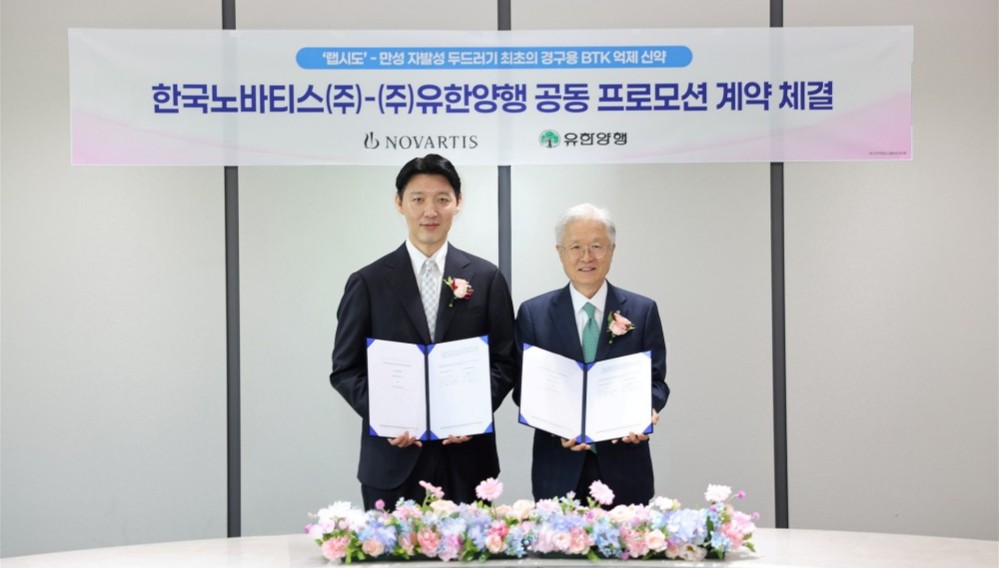
- Novartis Korea and Yuhan Corp will jointly market ‘Rhapsido’Novartis Korea (Country President: Byung-Jae Yoo) announced that the company has signed a strategic partnership agreement with Yuhan Corp for the domestic distribution, sales, and promotion of Rhapsido (remibrutinib), the first oral BTK inhibitor for the treatment of chronic spontaneous urticaria (CSU). The two companies held a ceremony on the 34rd to mark the signing of the final agreement.The agreement made this time was a strategic distribution and promotion partnership. In the partnership, Yuhan will take sole responsibility for distributing Rhapsido in Korea. Novartis Korea will handle promotional activities at general hospitals, with Yuhan being responsible for promotion at clinics.Through close collaboration, the two companies plan to effectively communicate the value of Rhapsido to patients with CSU and healthcare professionals in Korea.Byung-Jae Yoo, Country President of Novartis Korea, said, “Our partnership with Yuhan, which has extensive experience and a deep understanding of dermatology practice in the clinic setting, marks an important milestone in bringing Rhapsido closer to the patients who need it. By combining the expertise and capabilities of our two companies, we hope to provide new treatment opportunities to more patients and contribute to advancing the treatment environment for CSU in Korea.”Wook-je Cho, President and CEO of Yuhan, said, “We believe Rhapsido is an innovative therapy that can provide a new treatment option for patients with CSU. Drawing on Yuhan's sales and marketing capabilities and nationwide distribution network, we will do our utmost to effectively communicate the value of Rhapsido to healthcare professionals and patients and contribute to improving the treatment environment.”Rhapsido is an oral inhibitor targeting Bruton's tyrosine kinase (BTK). It was approved in Korea in April for the treatment of adults with CSU that is inadequately controlled with H1 antihistamines.CSU is a condition characterized by recurrent wheals, angioedema, and itching caused by histamine and other inflammatory mediators released during mast cell activation. Rhapsido works by highly selectively inhibiting BTK, which is involved in this process, thereby reducing the release of inflammatory mediators. While conventional antihistamines are used to control symptoms by blocking histamine receptors, Rhapsido offers a different treatment approach by targeting BTK, which is involved in the activation of mast cells and basophils.The approval of Rhapsido was based on results from the global Phase III REMIX-1 and REMIX-2 trials. At Week 12, Rhapsido produced significantly greater improvements from baseline in weekly Urticaria Activity Score (UAS7) versus placebo (REMIX-1: −20.0 vs. −13.8; REMIX-2: −19.4 vs. −11.7; P<0.001 for both), with the observed treatment effect remaining consistent through Week 24.In the 52-week analysis, improvements in itch and wheals were observed as early as Week 1 in the Rhapsido group and were sustained through Week 52. The safety profile over the 52-week treatment period was also consistent with that observed in the 24-week analysis.

- Opinion
- [Desk’s View] An 'Exeption’ for drug price cuts must be approved
- by Lee, Tak-Sun Sep 08, 2026 09:01am
- It is difficult to understand the operation of the government's drug price reduction system. This is because countless variables and conditions are intertwined, including eligibility criteria for targeted drugs, implementation timelines, price reduction rates, and the number of products containing identical active pharmaceutical ingredients.The Ministry of Health and Welfare's (MOHW) decision to schedule the drug price cut for currently listed drugs for April next year likely reflects the friction and difficulty of applying complex calculation formulas across tens of thousands of items en masse.The real issue is that even if the government and pharmaceutical companies fine-tune the granular details, unfairly affected products will inevitably fall through the cracks of the current system. Without a reasonable exception and relief mechanism, the industry will have no choice but to be dragged into litigation once again, followed by greater administrative voids and market disruption.The recent appellate court ruling in favor of Mother's Pharmaceutical, overturning the first-instance decision in its lawsuit seeking cancellation of the drug price-reduction administrative disposition filed against the Ministry of Health and Welfare (MOHW), is highly suggestive. The Seoul High Court ruled that the 15% price cut disposition imposed on three of Mother's Pharmaceutical's herbal medicine formulations, including 'Sto M Tab.', was unjust.The prices of the items in question were slashed during the 2021 criteria-based drug price re-evaluation due to "failure to demonstrate in-house bioequivalence". However, their failure to provide proof stemmed from a structural flaw rather than negligence by the pharmaceutical manufacturer. Even the competent regulatory authority, the Ministry of Food and Drug Safety (MFDS), failed to establish protocols for demonstrating equivalence in herbal medicinal preparations, publicly announcing the equivalence re-evaluation only after the price-reduction disposition had already been issued. In essence, prices were reduced for failing to provide proof when no criteria for proof existed. The court's finding that the disposition lacked rationality and validity is an entirely commonsense judgment.If the Supreme Court finalizes this ruling, it will lead to the conclusion that the existing price-reduction dispositions imposed on herbal drug formulations subject to MFDS equivalence re-evaluations were fundamentally unlawful. However, pharmaceutical companies that could not endure the price reductions and have already withdrawn from the market have no recourse for compensation anywhere.There is no guarantee that the same catastrophe will not recur in this large-scale re-evaluation of currently listed drugs, conducted for the first time in five years. If one judges all pharmaceutical products under the same standard, blind spots like the Mother's Pharmaceutical case will inevitably emerge at some point.If the administration cannot flexibly accommodate exceptional circumstances, resolving disputes will ultimately fall to the judiciary. Unnecessary litigation expenses and wasted administrative resources translate directly into societal costs. Before applying a conventional review to this round of drug price re-evaluations for currently listed drugs, a mechanism must be implemented to screen and review, in advance, exceptional items that suffer from systemic contradictions.
- Company
- 14 drugs apply for ‘100-day fast-track listing’
- by Eo, Yun-Ho Sep 08, 2026 09:01am
- The number of pharmaceutical companies throwing their hats into the ring for the pilot program aimed at listing rare disease drugs within 100 days, has exceeded expectations.According to Dailypharm's coverage, a number of multinational pharmaceutical companies, including Leo Pharma Korea, Ipsen Korea, Novartis Korea, AstraZeneca Korea, MSD Korea and CSL Behring Korea, as well as Korean drugmakers G and S, submitted applications to participate in the pilot program by last month's deadline. Applications for a total of 14 products were confirmed to have been submitted.Under the original plan, only 5 of the 14 products would be selected for the pilot. However, health authorities are reportedly considering selecting additional products if they meet the eligibility criteria.The pilot program sets a target of 100 days for completing the reimbursement listing. It allows eligible drugs to be listed upfront without a pharmacoeconomic evaluation or price negotiation. Even negotiations over projected reimbursement claims are waived, with the initial reimbursement price set at around 90% of the lowest adjusted price among the A8 countries.In other words, once a valid application is submitted and coordination with the government is completed, the system can enable drugs to obtain reimbursement listing substantially faster.However, many had expected participation in the pilot to be limited, as several of its conditions were considered difficult for pharmaceutical companies to accept.The biggest concern was the post-listing evaluation based on newly generated evidence. The government planned to establish real-world registries to generate real-world evidence (RWE) on clinical outcomes. At the 5-year mark, following reassessment, a drug could retain its existing reimbursement status, face a partial price reduction, or be switched to full out-of-pocket payment.With debate over the reliability and use of RWE data still unresolved, a drug could therefore effectively lose reimbursement coverage after 5 years depending on the assessment outcome. For multinational companies, this raises the possibility of the Korean government effectively attaching an official label to one of their products suggesting that it ‘lacks efficacy.’Furthermore, the newly introduced requirement to submit a ‘patient treatment continuity assurance plan’ was something never previously been part of Korea's reimbursement listing system. With no detailed guidance yet available, the unfamiliar requirement has added to companies' hesitation. There are also concerns over expenditure caps, given that the pilot is for rare disease therapies, whose patients generally have longer life expectancies than cancer patients.Against this backdrop, applications for 14 products represent an encouraging result. Drugmakers appear to have been attracted primarily by the benefit of upfront reimbursement listing, while also placing expectations on how the program may evolve when it is rolled out on a full scale.“Simply expressing our intention to participate in the pilot can help demonstrate our commitment to the government,” an official at one applicant company said. “It may also allow us to actively provide input as the program is refined and help find common ground that is acceptable to both the government and industry.”
