
- LOGIN
- MemberShip
- 2026-07-22 03:12:21
- Company
- Samjin joins Faslodex generic race
- by Hwang, byoung woo Jul 14, 2026 08:03am
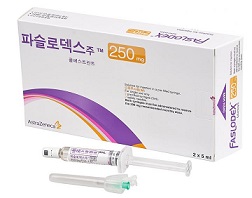
- Samjin Pharmaceutical has entered the competition for generic versions of AstraZeneca's breast cancer therapy Faslodex (fulvestrant), raising attention on whether this may expand the overall market for fulvestrant products in Korea.(from the left) Faslodex, Fulvet, FulveserdAccording to the Health Insurance Review and Assessment Service (HIRA), Dongkook Pharmaceutical's Fulverant Prefilled Inj (0.5 g/pack) and Samjin Pharmaceutical's Fulveserd Inj (0.5 g/pack) have been listed for reimbursment, effective as of July 1.Fulvestrant is a selective estrogen receptor degrader (SERD) that works by degrading and eliminating estrogen receptors, allowing it to remain effective even in patients who have developed resistance to hormone therapy.The drug is indicated for patients with hormone receptor-positive (HR+), HER2-negative advanced or metastatic breast cancer, a population that accounts for approximately 70% of breast cancer cases in Korea.The Korean fulvestrant market first opened to generic competition in 2022, when Boryung's Fulvet became the first reimbursed generic following the original drug Faslodex. In February 2025, Korus Korea’s Elbracan was subsequently added to the reimbursement list.While Samjin officially entered the market following reimbursement approval, Dongkook Pharmaceutical has not announced a commercial launch schedule yet.However, market conditions remain challenging. Faslodex recorded approximately KRW 3.3 billion in import value in 2024. This is half the level seen after 2023. Boryung's Fulvet imports recorded only KRW 500 million during the same period.According to IQVIA, Faslodex generated KRW 6.1 billion in sales last year, while Fulvet recorded approximately KRW 800 million. Korus Korea’s Elbracan has yet to generate meaningful sales.Although the market has grown in 2025 compared with 2024, the entire fulvestrant segment still remains below KRW 10 billion.In such a context, later entrants are expected to focus not only on gaining market share from competitors but also on expanding the overall size of the market.Since receiving reimbursement in 2019, the original Faslodex has undergone a series of reimbursement price cuts following the entry of generic competitors and the expiration of applicable pricing premiums. After signing a Flexible Pricing Agreement with the National Health Insurance Service (NHIS) in June, Faslodex's current listed price stands at KRW 974,917.The reimbursement price for the earlier generics, Fulvet and Elbracan, is KRW 288,194. By comparison, Samjin's Fulveserd received a lower reimbursement price of KRW 244,965, while Dongkook chose the same reimbursement price as the existing generics.NHIS resultsAccordingly, Samjin is expected to compete by leveraging its relatively lower reimbursement price.Boryung, however, emphasized that Fulvet should be viewed in the context of sales synergies with the company’s broader oncology portfolio rather than as a standalone product.A Boryung representative said, "As a leading domestic oncology company, we developed and supply the first fulvestrant generic to provide patients with a broader range of treatment options. We also expect meaningful synergies with our existing breast cancer portfolio."As Samjin Pharmaceutical is also developing a generic version of Ibrance (palbociclib), it put forward the diversification of its breast cancer portfolio and the improvement of patient access as key strategic priorities.A Samjin representative said, “Like Petra (letrozole), which we already commercialized, we expect Fulveserd to also establish itself successfully in Korea’s market. We also plan to sequentially introduce additional breast cancer generics, including palbociclib, as well as innovative therapies in Korea."The representative added, "By maximizing our capability to manufacture active pharmaceutical ingredients in-house, Samjin aims to become a reliable partner capable of providing healthcare professionals and patients with a broad range of treatment options at more affordable prices through a stable supply chain."

- Policy
- Fintepla enters pricing negotiations through parallel review
- by Jung, Heung-Jun Jul 14, 2026 08:03am
- Fintepla (fenfluramine), one of the drugs selected for the government's second pilot program for the parallel operation of approval, reimbursement evaluation, and price negotiation (parallel Approval–Evaluation–Negotiation pilot program), has recently entered reimbursement price negotiations with the National Health Insurance Service (NHIS).Fintepla was selected for the second pilot program in December 2024, alongside Winrevair and Rimqarto. Following its Korean marketing authorization in December 2025, the drug entered price negotiations approximately seven months later.According to industry sources on July 13, UCB Korea's antiepileptic drug ‘Fintepla,’ Astellas Korea's targeted cancer therapy ‘Vyloy (zolbetuximab),’ and Janssen Korea's ‘Rybrevant (amivantamab)’ all began pricing negotiations with the NHIS this month.All three products were reviewed by the Drug Reimbursement Evaluation Committee (DREC) in June and were deemed eligible for reimbursement.Fintepla received a positive reimbursement recommendation as ‘adjunctive therapy for the treatment of seizures associated with Dravet syndrome in patients aged two years and older,’ approximately 18 months after being selected for the second pilot program.The parallel Approval–Evaluation–Negotiation pilot program allows the Ministry of Food and Drug Safety (MFDS), the Health Insurance Review and Assessment Service (HIRA), and the NHIS to conduct regulatory approval, reimbursement assessment, and price negotiations concurrently, shortening the overall time required for reimbursement listing. Eligible products include therapies for cancer and rare diseases with limited life expectancy, particularly those that address unmet medical needs by demonstrating superior clinical benefit or for which only a few alternative treatments exist.Fintepla received marketing authorization in Korea in December 2025 and has also been designated an orphan drug. With only the completion of reimbursement price negotiations remaining, the product is one step closer to reimbursement listing. Among the drugs included in the second parallel review pilot program, Fintepla has progressed the furthest toward reimbursement.Another product in the second pilot program, Curocell's CAR-T therapy Rimqarto (anbalcabtagene autoleucel), recently had its reimbursement criteria established by the Cancer Drug Deliberation Committee (CDDC) and is expected to undergo DREC review.Meanwhile, Jassen Korea’s Rybrevant (amivantamab) is currently in price negotiations after receiving a positive reimbursement recommendation from DREC as monotherapy for ‘adults with locally advanced or metastatic non-small cell lung cancer harboring EGFR exon 20 insertion mutations whose disease has progressed during or after platinum-based chemotherapy.’Likewise, Astellas' Vyloy 100 mg and 300 mg received a positive reimbursement recommendation for first-line treatment, in combination with fluoropyrimidine- or platinum-based chemotherapy, for ‘patients with CLDN18.2-positive, HER2-negative, unresectable locally advanced or metastatic gastric or gastroesophageal junction adenocarcinoma,’ leaving only price negotiations before reimbursement listing.Because all of these products are high-priced oncology drugs, they are expected to be listed through the Risk Sharing Agreement (RSA) scheme. Accordingly, negotiations will focus not only on reimbursement pricing and budget impact, but also on determining the appropriate RSA type and refund rate.
- Company
- Novo Nordisk's Alhemo approved in Korea
- by Son, Hyung Min Jul 14, 2026 08:03am
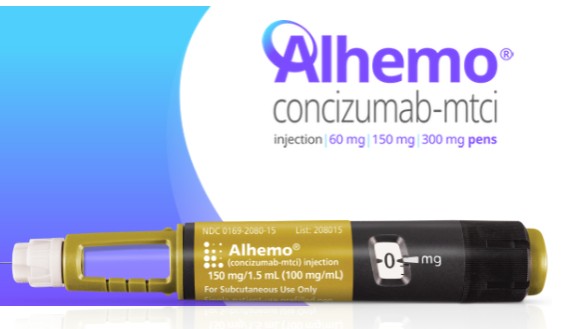
- Novo Nordisk’s ‘Alhemo’Novo Nordisk Korea announced that the Ministry of Food and Drug Safety (MFDS) has approved Alhemo (concizumab) for routine prophylaxis to prevent bleeding episodes in patients aged 12 years and older with hemophilia.Alhemo can be used in patients with both hemophilia A and B, regardless of the presence of factor VIII (FVIII) or factor IX (FIX) inhibitors.Notably, it is the first once-daily subcutaneous prophylactic therapy available for patients with hemophilia B who have developed factor IX inhibitors, a population that previously had limited treatment options.Concizumab, the active ingredient in Alhemo, prevents bleeding by blocking tissue factor pathway inhibitor (TFPI), thereby increasing thrombin generation.Its Korean approval was based on results from the global Phase III explorer7 and explorer8 clinical trials.The explorer7 study evaluated prophylactic efficacy in patients with hemophilia A or B who had developed factor VIII or IX inhibitors. Results showed that patients receiving Alhemo prophylaxis had an annualized bleeding rate (ABR) of 1.7 for treated spontaneous and traumatic bleeding episodes, representing an approximately 86% reduction compared with 11.8 in the non-prophylaxis control group.In addition, 63.6% of patients receiving prophylaxis achieved zero bleeding, experiencing no bleeding episodes requiring treatment over a 24-week period. The median annualized treated bleeding rate was zero.Long-term follow-up demonstrated that plasma concizumab concentrations remained stable, and no new thromboembolic events were reported through 56 weeks after the clinical trials resumed. Alhemo is administered using Novo Nordisk's prefilled pen device, designed with patient convenience in mind. The device also allows individualized maintenance dose adjustments based on the patient's body weight and plasma concentration.Kasper Roseeuw Poulsen, General Manager of Novo Nordisk Korea, said, "Alhemo offers a new prophylactic treatment option for patients with hemophilia B and factor IX inhibitors, an area where treatment options have been limited. We expect its convenience in administration and bleeding prevention effect to improve the patients’ treatment experience.”

- Company
- "Era of precision therapy for lung cancer"… Leclaza-based treatment strategy
- by Cha, Ji-Hyun Jul 14, 2026 08:03am
- Professor Tae-Hwan Kim of Ajou University Hospital·Professor Ji-Youn Han of the National Cancer Center (from left)The therapeutic paradigm for epidermal growth factor receptor (EGFR) mutant non-small cell lung cancer (NSCLC) is shifting. While treatment was previously centered on third-generation EGFR tyrosine kinase inhibitor (TKI) monotherapy, the introduction of combination therapies such as Leclaza plus Rybrevant, alongside integrated local consolidative therapies like radiation, has shifted the clinical approach toward modulating treatment intensity based on individual patient risk profiles.In particular, as Leclaza expands its clinical utility from a frontline monotherapy to a foundational component of combination regimens, a personalized treatment paradigm is becoming established. This approach simultaneously addresses long-term survival, resistance mitigation, and the management of central nervous system (CNS) metastases. Professor Ji-Youn Han of the Department of Hematology-Oncology at the National Cancer Center and Professor Tae-Hwan Kim of the Department of Medical Oncology and Hematology at Ajou University Hospital shared their insights into the evolving dynamics of Leclaza-based treatment strategies, patient selection criteria, and optimal protocols for managing CNS metastases.Leclaza is a third-generation EGFR TKI that was approved as South Korea's 31st novel drug in January 2021. Subsequently, in August 2024, the combination of Leclaza + Rybrevant secured approval from the U.S. Food and Drug Administration (FDA) as a first-line treatment for adult patients with locally advanced or metastatic NSCLC harboring EGFR exon 19 deletions or exon 21 L858R substitution mutations.The starting point of this shift in the EGFR-mutant lung cancer landscape is the use of multifaceted, customized therapeutic approaches in the first-line treatment setting. Previously, the clinical utility of third-generation agents was limited to patients who developed the T790M resistance mutation after progression on first- or second-generation targeted therapies. Today, clinicians can evaluate various combination strategies anchored by a third-generation EGFR TKI right from initial diagnosis.Professor Han stated, "The advanced care began when third-generation therapeutics became accessible as a first-line treatment for all patients confirmed with EGFR mutations," and added, "With the clinical efficacy of combination therapies now robustly validated, the current therapeutic approach focuses on stratifying treatment strategies based on specific patient risk factors.The introduction of third-generation EGFR TKIs has allowed clinicians to design therapeutic strategies aimed at long-term overall survival rather than merely extending progression-free intervals. Professor Kim said "Previously, many patients lost subsequent therapeutic opportunities before ever receiving a third-generation agent if they failed to demonstrate the T790M resistance mutation post-progression," and he emphasized that "Using third-generation agents as a first-line intervention reduces these treatment gaps and establishes a baseline survival expectation of over 3 years. It is a profoundly meaningful clinical advancement in real-world practice.Recently, the treatment paradigm has advanced further, moving away from using monotherapy approach for all patients toward differentiating between monotherapy and combination therapies based on baseline disease severity. This shift is supported by data from the MARIPOSA and FLAURA2 trials, which indicate that combination strategies have the potential to further optimize progression-free survival (PFS) and overall survival (OS) compared with third-generation EGFR TKI monotherapies.Professor Han said, "Third-generation EGFR TKIs should not be viewed as the definitive endpoint of EGFR-mutant lung cancer therapy, but rather as the foundational starting point," and added, "While monotherapy outcomes have improved, combination therapies must be actively considered for patient cohorts characterized by persistent unmet medical needs, such as those presenting with baseline brain or liver metastases and the EGFR L858R mutation.In real-world clinical settings, the primary criteria for prioritizing combination therapy are baseline brain and liver metastases, the EGFR L858R mutation, and a high baseline tumor burden. Patients with detectable circulating tumor DNA (ctDNA) in their blood profile are also stratified into the high tumor-burden category. Clinical consensus indicates that for patients presenting with these distinct risk factors, upfront combination regimens should take precedence over single-agent interventions.Rybrevant offers a distinct mechanistic advantage as a bispecific antibody simultaneously targeting EGFR and MET, concurrently inhibiting both downstream signaling pathways. Professor Han explained that "While the MARIPOSA study did not present a granular analysis stratified by specific EGFR co-mutations, separate literature identifies MET activation as a critical therapeutic target within the EGFR L858R mutant population," and added, "Despite the necessary financial considerations, the Leclaza + Rybrevant combination therapy represents a highly tailored clinical choice for patients in whom MET signaling plays a dominant pathological role, such as those with liver metastases or L858R mutations.Conversely, Leclaza monotherapy remains an essential standard of care for elderly patients, those with compromised performance status, or individuals facing a high baseline burden of comorbidities and potential adverse events. Professor Kim pointed out that "While combination therapy yields high efficacy, it requires patients to visit clinical sites every two to three weeks for intravenous infusions, expanding the overall toxicity management burden," and added, "In contrast, stable monotherapy allows clinicians to extend outpatient follow-up intervals up to 3-4 months, offering distinct advantages regarding patient quality of life and long-term treatment persistence."Then, how can cumulative toxicities be managed during long-term Leclaza monotherapy?Clinicians utilize dose titration to manage treatment-induced side effects. For instance, if a patient experiences severe peripheral neuropathy while on the standard 240mg dose, the daily intake is down-titrated to 160mg to maintain treatment continuity. Professor Kim said, "Retrospective data indicate limited evidence of significant efficacy loss following programmatic dose reductions", adding that "The clinical community has accumulated extensive experience in maintaining long-term therapeutic durability through customized dose adjustments.The CNS metastases is a critical variable in overall treatment intensity. Approximately 25% to 30% of EGFR-mutant lung cancer patients present with brain metastases at initial diagnosis, and even when successfully controlled via upfront therapy, a significant proportion experience intracranial disease progression during long-term follow-up. In a pooled analysis of 64 patients with baseline CNS metastases from the LASER201 and LASER301 trials, the median intracranial progression-free survival (iPFS) with Leclaza was 27.7 months. Among patients with measurable baseline CNS lesions, the intracranial objective response rate (iORR) reached 92%, accompanied by a disease control rate (DCR) of 96%.For patients presenting with limited metastases, a strategy combining Leclaza monotherapy with localized radiation is frequently deployed. Professor Kim explained that "For oligometastatic patients presenting with fewer than five intracranial lesions, clinicians can utilize a strategy that pairs oral Leclaza with stereotactic body radiotherapy (SBRT) rather than initiating systemic combination infusions," and adding that "This combined approach effectively sustains clinical efficacy while successfully mitigating the burden of frequent hospital visits and combination-induced systemic toxicities."The clinical scope of Leclaza-based treatment strategies is projected to broaden further through ongoing Investigator-Initiated Trials (IITs) within South Korea. These trials are actively validating the drug's therapeutic potential across niche clinical segments that were underrepresented in registration trials, including T790M-negative cohorts, active brain and leptomeningeal metastases, and uncommon atypical EGFR mutations. Professor Han said, "IITs have been a critical role in developing real-world clinical strategies and establishing standards of care, and they will continue to serve as the engine for advancing novel therapeutic pathways in populations with high unmet needs."Professor Han emphasized the necessity of optimizing clinical efficacy as well as expanding patient access to the market. Professor Han explained that even when a novel therapeutic demonstrates exceptional clinical value, patients cannot derive real-world benefits if health insurance reimbursement is delayed or if long-term treatment generates unsustainable financial toxicity. Yuhan Corporation operated a nationwide Early Access Program (EAP) to provide the drug compassionately before formal national reimbursement and has recently implemented price reductions to systematically lower the long-term economic burden on patients with chronic conditions.Professor Han concluded by noting that "Given the limited pipeline of innovative, domestically developed innovative oncology agents in South Korea, Yuhan Corporation’s successful development of Leclaza presents a highly significant milestone for the domestic pharmaceutical industry," and added, "We hope that the company will draw its century-long corporate legacy to continue evolving into a global biopharmaceutical leader, driving innovation in foreign drug discovery."
- Company
- Fabhalta submitted for expanded reimb for rare kidney disease
- by Eo, Yun-Ho Jul 14, 2026 08:03am
- Product photo of FabhaltaAn oral complement inhibitor 'Fabhalta' is under review for expanding national health insurance reimbursement for the rare kidney disease C3 glomerulopathy (C3G).According to industry sources, Novartis Korea recently submitted an application to expand reimbursement for its Factor B inhibitor, Fabhalta (iptacopan), targeting the indication. Fabhalta was approved last November as the first therapeutic option for C3G, a disease that had lacked targeted therapies for 12 years since its clinical definition was established in 2013. C3G is a rare chronic glomerulonephritis caused by abnormal overactivation of the alternative complement pathway. C3G causes excessive C3 cleavage and activation of the C3 protein in the bloodstream, resulting in the accumulation of its byproducts within the renal glomeruli and triggering subsequent inflammation and tissue injury. The most common symptoms include proteinuria, hematuria, edema, hypertension, and fatigue, with approximately 50% of diagnosed patients progressing to end-stage renal disease (ESRD) within 10 years. Even following kidney transplantation, recurrence rates reach up to 66.7%, and post-recurrence data indicate a median time to allograft loss of 6.4 years. Previously, the therapeutic approach has relied heavily on non-specific supportive care, such as managing proteinuria and blood pressure, alongside certain conventional immunosuppressive agents. As an oral complement inhibitor, Fabhalta is a first-in-class agent that selectively binds to Factor B, a critical protein in the alternative complement pathway. It blocks activation of the pathway cascade and effectively reduces glomerular C3 deposition. The clinical efficacy of this drug was confirmed through the Phase 3 APPEAR-C3G study. This trial evaluated biopsy-confirmed C3G patients receiving Fabhalta 200 mg orally twice daily, assessing its therapeutic capacity to reduce proteinuria via the 24-hour urine protein-to-creatinine ratio (UPCR) and to stabilize renal function, as measured by estimated glomerular filtration rate (eGFR). In the APPEAR-C3G study, the primary endpoint, change in UPCR at 6 months relative to baseline, was -30.2% in the Fabhalta cohort and +7.6% in the placebo group. The Fabhalta group demonstrated statistically significant 35.1% reduction compared to the control group. Furthermore, the proportion of patients achieving the composite renal endpoint at 6 months was markedly higher in the Fabhalta group (30%) than in the placebo group (6%). At 12 months, the success rate in the Fabhalta group escalated further to 45%.Meanwhile, Fabhalta was added to the national health insurance reimbursement list in July 2025 as a treatment for paroxysmal nocturnal hemoglobinuria (PNH).
- InterView
- [Desk’s View] OS still reigns supreme in reimb review
- by Eo, Yun-Ho Jul 13, 2026 09:28am
- Overall survival (OS) continued to reign supreme. Two CDK4/6 inhibitors were reviewed at the same Cancer Drug Deliberation Committee (CDDC) meeting, yet they received very different outcomes. Verzenio, backed by OS data, passed reimbursement review, while Kisqali, which has yet to demonstrate mature OS data, failed to secure reimbursement criteria.“No OS data, no CDDC approval” has effectively become an unwritten rule, especially in solid tumors. The debate over whether to recognize a class effect or uphold the primacy of overall survival (OS) ultimately appeared to end in favor of preserving OS as the decisive standard. Although the Ministry of Health and Welfare (MOHW) and the Health Insurance Review and Assessment Service (HIRA) continue to state that their decisions are based on a comprehensive assessment of clinical benefit, societal need, and budget impact, an analysis of the CDDC outcomes over the past three years suggests otherwise.The latest decision also raises another important question. Unlike Verzenio, Kisqali sought reimbursement not only for node-positive patients but also for high-risk node-negative (N0) patients, making the outcome worthy of further discussion.In early breast cancer, lymph node metastasis has long been regarded as one of the most important prognostic factors. However, the latest treatment paradigms no longer assess recurrence risk based solely on nodal status. The current standards evaluate multiple pathological risk factors, including tumor size (T stage), histologic grade, and the Ki-67 proliferation index, to determine an individual's risk of recurrence.Indeed, some patients with high-risk N0 disease are known to have recurrence risks comparable to those of N1 patients with 1-3 positive lymph nodes. In other words, the absence of lymph node metastasis does not necessarily indicate a low risk of recurrence.This change is already being reflected in major clinical trials. The NATALEE study evaluated adjuvant Kisqali therapy not only in node-positive patients but also in high-risk N0 patients, illustrating the shift in early breast cancer treatment from staging-based decisions toward more individualized and sophisticated assessments of recurrence risk.Of course, OS will remain an important standard in the decision-making process. Long-term follow-up from adjuvant studies in early breast cancer continues to produce increasingly mature survival data. However, the objective of adjuvant therapy is not simply to prolong overall survival. It also aims to reduce recurrence, prevent distant metastasis, and keep patients from progressing to advanced breast cancer.In this regard, the CDDC decision extends beyond reimbursement for a single drug and once again highlights the issue of treatment access for high-risk N0 patients. Because adjuvant therapy inherently requires longer follow-up to generate mature OS data, patients at high risk of recurrence may also face prolonged delays in accessing potentially beneficial treatment.The European Society for Medical Oncology's Magnitude of Clinical Benefit Scale version 2.0 (ESMO-MCBS v2.0) allows improvements in disease-free survival (DFS) to be considered clinically meaningful in the adjuvant setting even before mature OS data become available. This does not diminish the importance of OS; rather, it acknowledges that preventing recurrence is itself a meaningful therapeutic benefit for patients.The CDDC therefore continues to face an important challenge. While OS remains a critical source of evidence, can it alone fully capture a therapy's clinical value? Given that DFS is already recognized as a meaningful measure of clinical benefit in major assessment frameworks for adjuvant therapy, it is worth considering whether restricting patient access until mature long-term OS data become available truly represents the best policy decision.When it takes years for OS data to mature, can patients afford to wait, and can we be certain that letting them wait is really the right answer?
- Policy
- Vocinti and Vocinti follow-ons being price talks in Korea
- by Jung, Heung-Jun Jul 13, 2026 09:28am
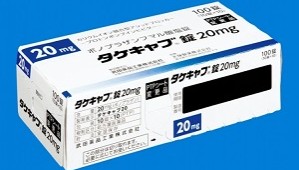
- Takeda’s P-CAB class drug that is marketed in Japan (brand name in Korea: Vocinti)Takeda Pharmaceuticals’ potassium-competitive acid blocker (P-CAB) Vocinti (vonoprazan) has entered reimbursement price negotiations with the National Health Insurance Service (NHIS).However, with two salt-modified products entering negotiations simultaneously, the road to commercialization is expected to be fraught with legal disputes.According to industry sources on July 10, the Ministry of Health and Welfare recently ordered the NHIS to begin reimbursement negotiations for Vocinti, Vonokhan (Kyongbo Pharmaceutical), and Vono-M (Mothers Pharmaceutical). Both follow-on products contain vonoprazan tosylate.In May, the Drug Reimbursement Evaluation Committee (DREC) determined that the three products were eligible for reimbursement for four indications, including gastric ulcer, provided the manufacturers accepted a price below the committee's assessed amount.In such cases, reimbursement prices are generally negotiated at 90% of the weighted average price of comparator products, meaning the final price is expected to be in the upper KRW 800 range.It is uncommon for the original drug and salt-modified follow-on products to enter reimbursement negotiations simultaneously. However, a bigger issue lies beyond the negotiations- the lingering possibility of legal disputes after reimbursement listing and commercial launch.Vocinti's patent is scheduled to remain in force until November 17, 2028 at the latest. However, the salt-modified manufacturers may have concluded that, if they successfully avoid the patent-term extension, the relevant patent protection would instead expire on August 29, 2026.This is why a legal dispute with Takeda is likely if Kyongbo Pharmaceutical and Mothers Pharmaceutical launch their products in August or September after obtaining reimbursement listing.Industry sources believe the two companies likely completed their legal assessments before filing for reimbursement and are pursuing early commercialization with full awareness of the associated litigation risks.Because a legal challenge from Takeda was always a foreseeable scenario, each company is believed to have carefully evaluated the commercialization risks before submitting its reimbursement application.Although the NHIS typically reaches agreements on stable product supply during reimbursement negotiations, it is not expected to independently assess the products' launchability, given that they have already passed the DREC review and received formal negotiation orders from the MOHW.Even if the companies successfully list and launch their products, with Takeda expected to pursue litigation or other legal actions, commercialization could still be delayed or halted depending on the outcome of the legal proceedings.
- Company
- Keytruda expands bladder and ovarian cancer indications
- by Son, Hyung Min Jul 13, 2026 09:28am
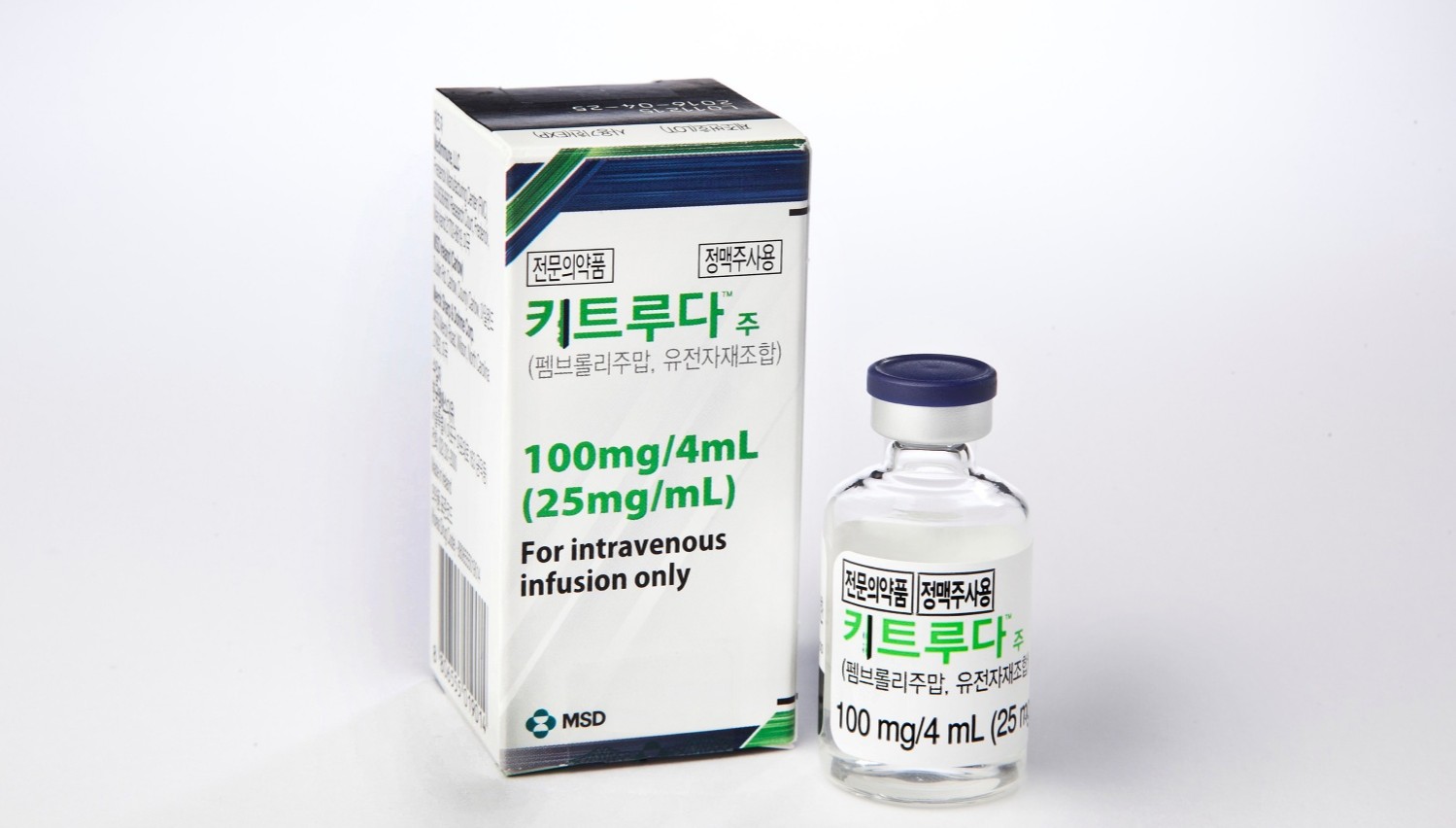
- Immuno-oncology drug KeytrudaMSD's immuno-oncology therapy Keytruda (pembrolizumab) has secured additional approvals in South Korea for the treatment of muscle-invasive bladder cancer (MIBC) and platinum-resistant ovarian cancer.The approval carries significance as it provides a new perioperative treatment option for bladder cancer patients who are ineligible for cisplatin-based chemotherapy, as well as an additional immunotherapy option for patients with platinum-resistant ovarian cancer, where treatment choices have been limited.MSD Korea announced on July 8 that the Ministry of Food and Drug Safety (MFDS) expanded Keytruda’s indication to muscle-invasive bladder cancer (MIBC) and platinum-resistant ovarian cancer.First, Keytruda was approved as neoadjuvant therapy in combination with enfortumab vedotin prior to surgery, followed by adjuvant therapy after radical cystectomy, for patients with muscle-invasive bladder cancer who are ineligible for cisplatin-containing chemotherapy.The drug also received approval, with or without bevacizumab, in combination with paclitaxel for patients with PD-L1-positive (CPS ≥1), platinum-resistant epithelial ovarian cancer, fallopian tube cancer, or primary peritoneal cancer who have previously received one or two lines of systemic therapy.According to data released by the Korea Central Cancer Registry (KCCR) in 2026, bladder cancer predominantly affects older adults, with more than half of patients aged 70 years or older.Among these patients, muscle-invasive bladder cancer is particularly aggressive, with nearly half eventually developing metastatic disease. Once distant metastasis occurs, the five-year relative survival rate falls to 13.2%, compared with 86.3% for localized disease.Although cisplatin-based chemotherapy before radical cystectomy remains the recommended standard of care, many elderly patients and those with impaired renal function are not eligible for the therapy, creating a substantial unmet need for new perioperative treatment strategies.Keytruda demonstrated clinical benefit in this population when administered as perioperative immunotherapy before and after radical cystectomy.The approval was based on the Phase III KEYNOTE-905 study, in which patients received neoadjuvant Keytruda plus enfortumab vedotin, underwent radical cystectomy, and then received adjuvant treatment with the same combination. After a median follow-up of 25.6 months, the regimen demonstrated statistically significant improvements in event-free survival (EFS), overall survival (OS), and pathological complete response (pCR) compared with the control group.The combination reduced the risk of an event by 60% in the EFS analysis and lowered the risk of death by 50% in the OS analysis compared with the control arm. It also achieved a 48.3 percentage-point higher pathological complete response rate than the control arm.KEYNOTE-B96 expands Keytruda as a treatment option in platinum-resistant ovarian cancerOvarian cancer remains an aggressive disease for which neither a definitive cause nor an effective screening method has been established. Even after appropriate first-line chemotherapy, approximately 70% to 80% of patients experience relapse.Platinum-based chemotherapy is the standard first-line treatment. However, approximately 25% of patients are platinum-refractory, showing little or no response to platinum-based chemotherapy from the outset. Even patients who initially respond often experience recurrence and eventually develop platinum-resistant disease. Until now, treatment for these platinum-resistant patients has largely consisted of non-platinum chemotherapy, with or without bevacizumab, but these regimens have not demonstrated a meaningful reduction in mortality.Keytruda demonstrated efficacy in the Phase III KEYNOTE-B96 trial involving patients with PD-L1-positive (CPS ≥1), platinum-resistant recurrent ovarian cancer (n=643) who had previously received one or two lines of systemic therapy.Participants were randomized 1:1 to receive either Keytruda or placebo, in combination with paclitaxel, with or without bevacizumab. In a PFS analysis of patients with CPS ≥1, the Keytruda regimen reduced the risk of disease progression or death by 28%. The regimen also reduced the risk of death by 24% in the OS analysis, demonstrating a statistically significant benefit. Median OS was 18.2 months.Heesung Lee, Oncology Business Unit Director at MSD Korea, said, “This indication expansion is particularly meaningful in that it provides new treatment options for patients with platinum-resistant ovarian cancer and muscle-invasive bladder cancer, two areas with significant unmet medical needs. We will continue working to expand treatment possibilities for even more patients through Keytruda."With these approvals, Keytruda now holds 5 approved indications in bladder cancer and 2 in ovarian cancer, bringing its total to 37 approved indications across 18 different cancer types in South Korea.
- Company
- Generic Equfina entry intensifies…high-dosage·unlisted patent challenge
- by Kim, Jin-Gu Jul 13, 2026 09:28am
- Product photo of 'Equfina'Review of generic approval applications for Eisai Korea’s Parkinson’s disease therapeutic, Equfina (safinamide) has officially commenced. Given that administrative issues do not arise during the Ministry of Food and Drug Safety (MFDS)'s marketing authorization review process, the filing companies are expected to secure a Prioritized Marketing Authorization.As the commercialization timeline draws closer, industry interest is focusing on the distinctive differentiation strategies deployed by Bukwang Pharmaceutical, Myung In Pharmaceutical, and Samil Pharmaceutical, the three domestic players competing in the Equfina generic market. The companies have played completely different strategic cards, including introducing a high-dose formulation that is absent from the innovator product portfolio and preemptively overcoming unlisted patents.Four products submitted to notified drug registry…'100mg high-dose' variable emerges According to the MFDS list of notified drug applications released on the 10th, four products containing safinamide mesylate have been submitted for marketing authorization. The three domestic companies finalized their regulatory filings within just two days after the innovator's Post-Marketing Surveillance (PMS) block expired on the 23rd of last month.Notably, a 100mg high-dose formulation has emerged as a major variable. The original product, Equfina, is currently commercialized exclusively as a single 50mg dosage strength. While three of the four filings on the notified drug list match the reference product's 50mg strength, the remaining application seeks authorization for a 100mg formulation. Analysis suggests that one of the three manufacturers filed for an expanded dosage strength to differentiate itself from the original drug by offering enhanced dosing convenience and improved patient compliance. Bukwang, Myung In, and Samil previously secured victories in negative scope-of-right confirmation trials targeting an Equfina formulation patent (Patent No. 10-1491541) slated to expire in 2028. Having already satisfied two key regulatory prerequisites for First Generic Exclusivity, namely the "first-to-file trial claim" and "trial victory", the companies will secure a 9-month market exclusivity period once the current review of their "first-to-file marketing authorization applications" is finalized.Samil successfully overcomes unlisted patent…preemptively disarms patent riskIndependent of the generic exclusivity timeline, one specific manufacturer has explored a distinct competitive pathway by preemptively mitigating its legal risk and patent exposure. Among the three generic competitors, Samil Pharmaceutical acted independently to file separate patent challenges against Equfina’s unlisted patents, securing an affirmative trial decision in April. Through this move, Samil became the first player to dismantle potential post-launch patent litigation risks.Equfina is known to have two underlying patents that are not registered in the MFDS Drug Patent List. While unlisted patents do not impede marketing authorization or the acquisition of First Generic Exclusivity, launching a generic product without invalidating or evading them exposes the generic sponsor to future patent infringement lawsuits or substantial damages claims from the innovator company.These three companies include CNS portfolios…target post-launch portfolip synergiesBecause all three companies undergoing regulatory review have commercial expertise within the Central Nervous System (CNS) therapeutic area, the market battle is expected to center on driving portfolio synergies with their existing neurodegenerative disease pipelines post-launch.This strategic interplay stems from Equfina's clinical positioning as an adjunctive therapy to 'levodopa'-containing therapy for Parkinson's disease patients experiencing end-of-dose motor fluctuations.In its existing portfolio, Myung In Pharmaceutical has a comprehensive portfolio of levodopa-based Parkinson’s therapies, including 'Myungdopar' (levodopa·benserazide), 'Perkin (levodopa·carbidopa)', and 'Trilevo (levodopa·carbidopa·entacapone)'. At the same time, Samil Pharmaceutical markets 'Onedopa (levodopa·benserazide)'. Conversely, Bukwang Pharmaceutical lacks a direct levodopa formulation. Still, it has aggressively invested in its CNS portfolio following the domestic commercial launch of its novel atypical antipsychotic 'Latuda (lurasidone)' for schizophrenia and bipolar disorder last year.Meanwhile, Equfina is a third-generation MAO-B (monoamine oxidase type B) inhibitor with a dual mechanism of action targeting both dopaminergic and non-dopaminergic signaling pathways. Since its launch as a reimbursed drug by Eisai Korea in February 2021, the product's domestic import volume has grown more than fourfold over three years, rising from $770,000 (approximately KRW 1.2 billion) in 2021 to $3.28 million (approximately KRW 5 billion) in 2024.
- Company
- Multiple myeloma indication added to 'Darzalex'
- by Son, Hyung Min Jul 13, 2026 09:28am
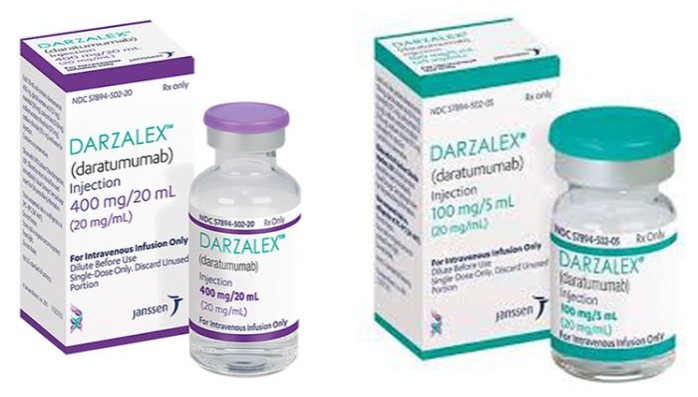
- Multiple myeloma treatment 'Darzalex'The scope of use of 'Darzalex' has expanded in multiple myeloma treatments.Following the expansion of combination therapy indications, from first-line treatment to relapsed·refractory settings, clinically validated Darzalex-based therapeutic strategies can now be utilized more broadly.According to industry sources, the Ministry of Food and Drug Safety (MFDS) recently approved expanded indications for combination therapy containing Darzalex (daratumumab) subcutaneous (SC) Inj. Developed by Johnson & Johnson, Darzalex is a targeted monoclonal antibody that binds to the CD38 glycoprotein, highly expressed on the surface of multiple myeloma cells.Following this regulatory approval, the DVRd quadruple combination therapy, which adds Darzalex SC into the conventional standard-of-care VRd triple combination therapy (bortezomib + lenalidomide + dexamethasone), has secured first-line therapeutic indications for both transplant-eligible (TE) and transplant-ineligible (TIE) patients.Additionally, the DPd triple combination therapy, combining Darzalex with pomalidomide and dexamethasone, has been newly authorized for patients with relapsed or refractory multiple myeloma (RRMM) who have received prior therapies including a proteasome inhibitor (PI) and an immunomodulatory drug (IMiD).First-line DVRd quadruple combination therapy confirmed improved progression-free survival (PFS) The clinical efficacy of the DVRd therapy was validated through the pivotal Phase 3 PERSEUS clinical trial.The PERSEUS trial evaluated and compared the efficacy and safety profiles of the DVRd therapy versus the standard VRd therapy in patients with newly diagnosed multiple myeloma (NDMM) aged 18 to 70 years.The study was designed so that following DVRd induction and consolidation therapy, patients in the experimental group transitioned to a maintenance therapy combining lenalidomide and Darzalex SC. In contrast, the control group received lenalidomide monotherapy maintenance.Trial results at 48-month analysis showed that the progression-free survival (PFS) rate was 84.3% in the DVRd group whereas 67.7% in the VRd control group. The data demonstrated a statistically significant reduction in the risk of disease progression or death with the DVRd therapy compared with the VRd group. The most prevalent Grade 3 or higher adverse events reported in the DVRd group were neutropenia (62.1%), followed by thrombocytopenia (29.1%), diarrhea (10.5%), pneumonia (10.5%), and febrile neutropenia (9.4%). Overall, the incidence of severe toxicities was higher in the DVRd group than in the baseline VRd control group.In a PFS extrapolation analysis using data from the PERSEUS trial and another Phase 3 study, CEPHEUS, the best-fit model projected a median progression-free survival of approximately 17.1 years for the transplant-eligible group (PERSEUS) receiving the DVRd therapy. Currently, the National Comprehensive Cancer Network (NCCN) Guidelines designate the Darzalex SC-containing quadruple combination therapy (DVRd) as a preferred option for the first-line treatment of newly diagnosed, transplant-eligible (TE) multiple myeloma patients.Effectiveness of first-line DVRd therapy in transplant-ineligible multiple myelomaThe therapeutic utility of the DVRd therapy in transplant-ineligible (TIE) patients, or those for whom first-line autologous stem cell transplantation is not planned, was robustly established in the Phase 3 CEPHEUS clinical trial.This study evaluated multiple myeloma patients with no prior treatment history, as well as those who were either transplant-ineligible or did not intend to undergo upfront transplantation, and directly compared the long-term clinical benefits of DVRd therapy versus VRd therapy under a continuous treatment strategy.At a median follow-up of 58 months, the DVRd group demonstrated a significantly reduced risk of disease progression or mortality compared to the VRd control group.The primary endpoint of overall minimal residual disease (MRD) negativity rate (10⁻⁵) was significantly higher in the DVRd group (60.9%) than in the VRd group (39.4%).Furthermore, the proportion of patients who achieved a sustained MRD-negative response lasting 12 months or longer was substantially higher in the DVRd group (48.7%) than in the VRd control group (26.3%).The safety profile of the DVRd group reported in the CEPHEUS clinical trial was consistent with the established parameters previously documented for these individual agents.The NCCN Guidelines recommend Darzalex-containing combination therapies, such as DVRd, as a preferred first-line treatment option for transplant-ineligible patient populations, contingent upon individual patient performance status.Relapsed·refractory patients experiencing two or more incidences, expanded therapeutic options via the DPd RegimenAdditionally, regulatory approval was granted for a Darzalex SC-based triple combination therapy combining pomalidomide and dexamethasone (DPd). This therapy is designated for patients with relapsed or refractory multiple myeloma whose disease progressed following a first-line treatment and who have exposure to prior lines of therapy containing both a proteasome inhibitor and an immunomodulatory drug.Consequently, treatment options have expanded to consider this Darzalex SC-containing combination therapy as a primary therapeutic alternative for relapsed or refractory multiple myeloma patients previously managed with PIs and IMiDs.The clinical efficacy and safety of the DPd therapy were established through the Phase 3 APOLLO trial. This APOLLO trial is a Phase 3 clinical trial evaluating the therapeutic outcomes of the DPd therapy versus the Pd in patients with relapsed or refractory multiple myeloma who had received at least one prior line of therapy, including previous exposure to lenalidomide and a proteasome inhibitor.Primary analysis at a median follow-up of 16.9 months demonstrated that the median progression-free survival in the DPd group was 12.4 months, compared with 6.9 months in the Pd control group, indicating a significantly lower risk of disease progression or mortality.The current NCCN Guidelines recommend the DPd therapy as a preferred therapy for patients who have relapsed or become refractory following prior lines of therapy consisting of lenalidomide and a proteasome inhibitor.As Darzalex SC-based combination therapies secure indications in first-line and second- or later-line settings, calls to broaden therapeutic access are intensifying within the medical community.Professor Sung-Hoon Jung of the Department of Hematology at Chonnam National University Hwasun Hospital remarked, "The MFDS approval of these Darzalex-based combination therapies allows the domestic clinical community to align their multiple myeloma treatment strategies directly with established global guidelines. Given the high demand among clinicians for access to modern standards of care, it is imperative to initiate policy discussions to enhance patient access through national health insurance reimbursement or co-payment support frameworks."
