
- LOGIN
- MemberShip
- 2026-09-08 06:22:51
- Company
- Nemluvio emerges as new force in global atopic dermatitis market
- by Son, Hyung Min Aug 26, 2026 10:16am
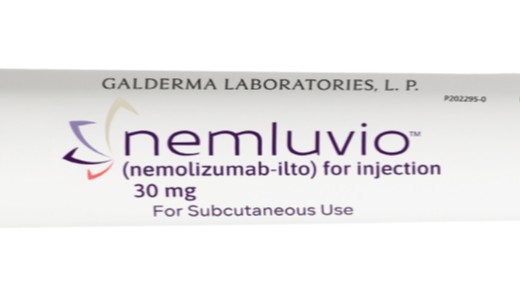
- Signs of change are emerging in the global atopic dermatitis treatment market. Galderma’s biologic ‘Nemluvio (nemolizumab)’ is rapidly gaining ground with its novel IL-31-targeting mechanism in a market long dominated by IL-4 and IL-13 inhibitors.According to Galderma on the 25th, Nemluvio generated sales of USD 433 million (approximately KRW 600 billion) in the first half of this year, representing year-on-year growth of 230.5%. Since its US approval in 2024, the drug has posted cumulative sales of USD 908 million in approximately 2 years.Backed by rapid itch relief and convenient dosing, Nemluvio is seeking reimbursed launch in Korea in the first half of next year. Its arrival is expected to affect the domestic treatment landscape for severe atopic dermatitis and prurigo nodularis.Galderma more than doubles US sales forecast for NemluvioGalderma reported record first-half sales of USD 3.14 billion (approximately KRW 4.34 trillion) in 2026. Nemluvio was a major driver of this performance.Sales in Galderma’s prescription medicine business surged 67.9% year on year to USD 848 million (approximately KRW 1.17 trillion). Nemluvio alone accounted for half (51.1%) of the division’s sales.Changes in Nemluvio Sales (Unit: USD 1 million)US prescribing of Nemluvio, the approved monoclonal antibody to target IL-31, is also expanding rapidly. Based on new prescriptions in the United States during June and July, Nemluvio captured approximately 42% of the prurigo nodularis market and approximately 9% of the atopic dermatitis market.The principal approved treatments for prurigo nodularis are limited to Dupixent (dupilumab) and Nemluvio. In contrast, the atopic dermatitis market is intensely competitive, with multiple biologics including Dupixent, Ebglyss (lebrikizumab) and Adtralza (tralokinumab) as well as Janus kinase (JAK) inhibitors. Despite these differences in the competitive landscape, Nemluvio has rapidly established a presence in the atopic dermatitis market.Dr. Flemming Ørnskov, CEO of Galderma, expressed confidence in Nemluvio’s blockbuster potential, projecting that “the product’s US sales alone would exceed USD 1 billion (KRW 1.417 trillion) in 2026.” Galderma has consequently more than doubled its forecast for Nemluvio’s peak annual sales to over USD 4 billion (approximately KRW 5.668 trillion).An FDA review is currently underway to expand Nemluvio’s indication to include children aged 2 to 11 years with atopic dermatitis, potentially providing further room for growth.Directly inhibits IL-31, a key driver of itch…delivers improvement within 48 hoursThe principal factor differentiating Nemluvio from existing treatments is its mechanism of action. Although several biologics target itching, Nemluvio is the only one that targets IL-31, a key cytokine that directly transmits itch signals. This distinguishes it from existing biologics that inhibit the IL-4 or IL-13 pathways involved in immune and inflammatory responses. Nemluvio is designed to interrupt at its source the itch–scratch cycle that causes the greatest distress to patients with atopic dermatitis and prurigo nodularis.The clinical benefits of targeting IL-31 were demonstrated in the large-scale global Phase III ARCADIA 1 and 2 trials in atopic dermatitis and the OLYMPIA 1 and 2 trials in prurigo nodularis.In atopic dermatitis, 44% of patients treated with Nemluvio achieved at least a 75% improvement in skin lesions at Week 16, as measured by EASI-75, compared with 29% in the placebo group. Itching was significantly reduced versus placebo beginning 48 hours after administration. In prurigo nodularis, 38% of patients receiving Nemluvio achieved clear or almost clear skin, defined as IGA 0 or 1, at Week 16, more than three times the 11% rate in the placebo group. In both indications, the drug demonstrated a significant reduction in itching compared with placebo within just 48 hours of administration.Nemluvio prefilled penAnnual injections reduced by 81%...2-year long-term safety demonstrated, ‘strongly recommended’ in guidelinesNemluvio is also considered competitive in terms of treatment convenience as well. For atopic dermatitis, it is initially administered once every 4 weeks. Patients who demonstrate a clinical response at Week 16 can subsequently transition to maintenance treatment once every 8 weeks.By reducing the annual number of injections to approximately 10, Nemluvio has been credited with decreasing the burden of treatment and hospital visits by approximately 81% compared with therapies administered every 2 weeks (26 times per year).Its efficacy was sustained in long-term extension studies lasting approximately 2 years. Among patients with atopic dermatitis, more than 85% achieved EASI-75, and more than 58% achieved IGA 0 or 1 at Week 104.Based on SCORAD visual analog scale (VAS) scores that measure itch severity, approximately 85% of patients achieved an improvement of at least 4 points at Week 104, while around 70% reached a level at which itching was absent or nearly absent.Among patients with prurigo nodularis, 73% achieved IGA 0 or 1 at Week 100, while more than 70% achieved absent or almost absent itch ((PP-NRS<2). Also, no new safety signals were observed, suggesting that Nemluvio could serve as a new treatment option offering sustained efficacy and a consistent safety profile in both diseases that inevitably require long-term treatment.Based on its rapid efficacy and convenience in administration, the American Academy of Dermatology (AAD) recommended Nemluvio in its updated 2025 atopic dermatitis treatment guidelines for use in combination with topical therapies in adults with moderate to severe disease.Korean launch draws near…with reimbursement targeted for first half of next yearGalderma Korea is also accelerating Nemluvio’s entry into the Korean market. In January this year, the drug received approval from the MFDS for the treatment of moderate to severe atopic dermatitis in patients aged 12 years and older, and for prurigo nodularis in adults, when topical prescription therapies do not provide adequate control or are not recommended.The drug is currently undergoing the reimbursement listing process, with the company seeking a reimbursed launch for atopic dermatitis in the first half of 2027.Nemluvio is the only biologic approved in Korea that targets the IL-31 receptor. Its introduction is expected to broaden the focus of atopic dermatitis treatment in Korea, which was previously centered on improving skin lesions and controlling inflammation, to include rapid itch relief and improved quality of life through once-every-8-week dosing.
- Company
- Expanding indication for 'Besremi' to treat ET in KOR
- by Son, Hyung Min Aug 26, 2026 10:15am
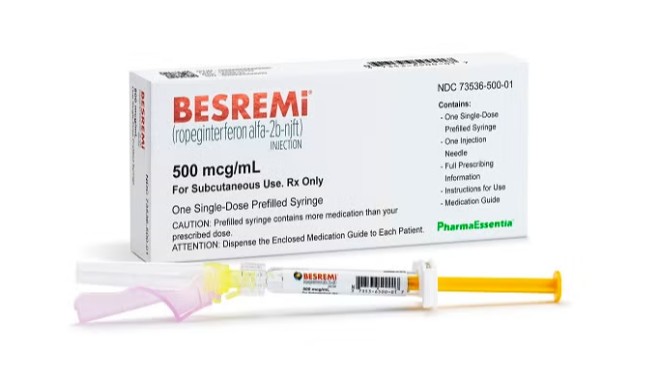
- PharmaEssentia's 'Besremi'The treatment area of Besremi (ropeginterferon alfa-2b), a treatment for polycythemia vera (PV), is expanding to include essential thrombocythemia (ET).While an approval decision is expected in the United States by the end of this month, PharmaEssentia Korea plans to submit a domestic marketing authorization application that can also be submitted for the US-approved indication. Because South Korean patients participated in the global Phase 3 clinical trial, the domestic indication expansion is also projected to accelerate.According to industry sources on the 22nd, the U.S. Food and Drug Administration (FDA) is reviewing a supplemental Biologics License Application (sBLA) to add the ET indication for Besremi. The FDA-designated Prescription Drug User Fee Act (PDUFA) decision date is August 30, local time.An official from PharmaEssentia Korea said, "The application submitted to the FDA is for patients with essential thrombocythemia requiring cytoreductive therapy," adding, "The company plans to file with the Ministry of Food and Drug Safety (MFDS) in accordance with the FDA-approved indication."Besremi is a long-acting interferon formulation currently used in South Korea to treat polycythemia vera. In October 2021, it was approved for the treatment of polycythemia vera without symptomatic splenomegaly in low-risk patients requiring cytoreductive therapy and in high-risk patients, subsequently entering National Health Insurance reimbursement in September of last year.If ET indication is added, Besremi will secure its second approved indication to treat myeloproliferative neoplasm (MPN) disease.Essential thrombocythemia is a chronic myeloproliferative neoplasm characterized by the overproduction of platelets in the bone marrow. As platelet counts rise, the risk of thrombosis or hemorrhage can increase. In some cases, patients progress to myelofibrosis or acute leukemia.In patients at high risk of thrombosis, cytoreductive therapy is utilized to lower platelet counts. Hydroxyurea (HU) is predominantly used, and when patients do not respond sufficiently or cannot sustain treatment because of adverse reactions, alternatives such as Anagrelide or interferon may be considered. According to PharmaEssentia, no new therapeutic agent has been approved for ET in the United States since Anagrelide in 1997.Superiority over Anagrelide in patients who are HU-refractory or intolerantThe primary clinical basis for the FDA regulatory submission is the global Phase 3 SURPASS-ET trial.The SURPASS-ET trial is a randomized clinical trial directly comparing the efficacy and safety of Besremi and Anagrelide in 174 patients with ET who are refractory or intolerant to hydroxyurea.In South Korea, seven institutions participated in the trial, including Seoul National University Hospital, Severance Hospital, Soonchunhyang University Seoul Hospital, Samsung Medical Center, Seoul St. Mary's Hospital, Korea University Guro Hospital, and Daegu Catholic University Medical Center.The primary endpoint was the proportion of patients maintaining a response according to modified European LeukemiaNet (ELN) criteria at 9 and 12 months.In the study, the sustained response rate in the Besremi treatment group was 42.9%, significantly higher than the 6.0% observed in the anagrelide group.Specifically, 56.0% of patients achieved platelet control at or below 400×10⁹/L and leukocyte control below 9.5×10⁹/L in the Besremi group, compared with 6.0% in the anagrelide group.The proportion of patients with improvement or stabilization in disease-related symptoms was 71.4% in the Besremi group, higher than 33.7% in the anagrelide group. The rate of splenomegaly improvement or stabilization was 87.9% in the Besremi group versus 54.2% in the anagrelide group.Divergence was also observed in thrombosis-related outcomes. Major thrombotic events associated with ET occurred in 1 patient (1.1%) in the Besremi group, whereas 7 patients (8.8%) reported events in the anagrelide group.The JAK2 V617F allele burden, which reflects changes in disease-driving clones, also declined after Besremi administration. In the Besremi group, the mean allele burden decreased from 33.7% at baseline to 25.3% at 12 months, whereas the anagrelide group showed a smaller change, from 39.7% to 37.3%.In terms of safety, the rate of treatment discontinuation due to adverse events was 5.5% in the Besremi cohort compared to 18.8% in the anagrelide cohort, while treatment-related serious adverse events were recorded at 2.2% and 10.0%, respectively.Expanding clinical evidence to treatment-naïve patientsFollowing the SURPASS-ET trial, PharmaEssentia is evaluating Besremi's potential across a broader range of ET patients.The Phase 2b EXCEED-ET trial conducted in North America enrolled both treatment-naïve and previously treated patients. In this study, the durable objective response rate with Besremi was 60.2%.Overall analysis results released this year also confirmed hematologic and molecular responses regardless of prior lines of therapy, race, or specific driver mutation subtypes such as JAK2, CALR, and MPL.Long-term follow-up data also suggested disease control benefits in patients initiating Besremi at an earlier stage. In a 2-year analysis of the SURPASS-ET trial, the estimated 24-month progression-free survival (PFS) rate for patients receiving frontline Besremi reached 76.9%, exceeding the 43.1% recorded in patients who switched to Besremi following anagrelide treatment.Based on these clinical trial outcomes, PharmaEssentia plans to propose a therapeutic strategy in ET that extends beyond basic platelet count control to reducing disease-associated clones.

- Company
- Multinational pharmas get leaner as restructuring accelerates
- by Son, Hyung Min Aug 26, 2026 10:15am
- Multinational pharmaceutical companies are changing the way they structure their organizations. As global headquarters reshape their business portfolios, their Korean affiliates have repeatedly implemented early retirement programs (ERPs), while increasingly transferring the management of existing businesses and products to external partners.While organizational restructuring in the past largely focused on headcount reductions and cost efficiency, companies are now reassessing which businesses and functions should remain in-house. They are concentrating personnel on high-growth new drugs and core therapeutic areas, while scaling back organizations for products that have lost patent protection or fallen in strategic priority and outsourcing some functions, including sales and distribution.An analysis of 15 major multinational pharmaceutical companies in Korea found that their combined workforce declined by 420 (8.4%) from 5,011 employees in 2020 to 4,591 in 2025.The trend, however, varied by company. Employee numbers declined at MSD Korea, Sanofi-Aventis Korea and Novartis Korea, among others, while some companies actually expanded their workforces alongside new drug launches and business expansions.Rather than uniformly downsizing across the board, multinational pharmaceutical companies are seeing their organizational size and composition shift in accordance with global business priorities.Most see workforce declines…but workforce trends vary widely by companyWorkforce changes among multinational pharmaceutical companies in Korea have varied significantly over the past 5 years.MSD Korea’s workforce fell by 215 (30.5%) from 706 employees in 2020 to 491 last year. Over the same period, Sanofi-Aventis Korea reduced its workforce by 118 (24.0%) from 492 to 374, while Novartis Korea saw a decline of 78 (14.6%) from 534 to 456.Pfizer Korea’s workforce also declined by 36 (8.8%) from 411 to 375. Kyowa Kirin Korea, which underwent a sweeping restructuring of its Asia-Pacific operations, reduced its workforce by 78.1%, from 73 to 16 employees.Companies with particularly large workforce reductions shared a common feature: significant changes to their business portfolios.MSD Korea has continued to restructure its organization since transferring its domestic ‘Januvia (sitagliptin)’ diabetes pipeline to Chong Kun Dang. Most recently, it conducted an ERP targeting its Human Health organization.Sanofi-Aventis Korea has also repeatedly adjusted its domestic organization in line with global business restructuring. With the exception of 2021, the company conducted ERPs every year from 2020 through 2025.By contrast, some companies significantly increased their workforce as their businesses expanded. AbbVie Korea grew its organization after its 2020 acquisition of Allergan, adding aesthetics and neuroscience to its existing immunology and oncology businesses.Novo Nordisk has also substantially expanded its workforce over the past 5 years. As GLP-1 products such as Ozempic (semaglutide) and Wegovy (semaglutide) grew rapidly worldwide, the company aggressively expanded production and commercialization personnel, with its Korean workforce also increasing alongside expansion of its GLP-1 business.Shifting global priorities reshape Korean businesses and organizationsThe key feature of recent organizational changes is not simply reducing overall headcount, but deciding where to retain or reduce personnel in line with changes in global portfolios.BMS has pursued cost reductions in response to patent expirations of major products while stepping up investment in new technologies including radiopharmaceuticals, antibody-drug conjugates (ADCs) and targeted protein degraders. In 2024, it announced plans to cut around 2,200 jobs, equivalent to roughly 6% of its global workforce.Novartis has also been carrying out major restructuring since 2022. It integrated its oncology and OTC organizations and shifted its R&D focus toward core therapeutic areas including cardiovascular, immunology, neuroscience and oncology. While streamlining its existing organization, it has continued investing in advanced manufacturing and research.Pfizer launched a global cost realignment program in response to declining COVID-19 vaccine and treatment sales post-pandemic, while Takeda has also pursued restructuring in line with changes in its financial performance and R&D portfolio.These global changes have directly and indirectly affected the companies’ Korean affiliates, contributing to repeated ERPs and organizational restructuring at companies including Sanofi, Pfizer, Novartis, BMS, Takeda and MSD over the past 5 years.BMS Korea, for example, continues to restructure its organization. Its immunology business unit in particular is understood to have undergone workforce adjustments that included management positions such as the unit head and sales managers.The performance of its domestic immunology portfolio is believed to have played a significant role. BMS has sought to expand its immunology business with products including plaque psoriasis treatment Sotyktu (deucravacitinib) and ulcerative colitis treatment Zeposia (ozanimod), but the products are understood to have fallen short of initial expectations in Korea.The restructuring is particularly notable as Sotyktu and Zeposia need to be developed as new growth drivers following patent expirations of the company’s established key products. It illustrates how companies are adjusting personnel and organizational structures even for newer drugs according to actual market performance and future growth potential, rather than maintaining dedicated organizations simply because new products have been launched.Products stay, but organizations shrink…companies increase outsourcingWhen a product declines in strategic significance, companies are increasingly opting to keep it on the market while transferring commercial rights, sales and marketing, or distribution to external partners rather than withdrawing it altogether.Sanofi’s oncology drug Taxotere (docetaxel) is one typical example. Approved by the US FDA in 1995, Taxotere has been used to treat various solid tumors, but declining sales following generic entry led Sanofi to classify it as a non-core global asset.Sanofi transferred the global rights to Taxotere to Boryung. As a result, Sanofi-Aventis Korea included oncology sales employees in its ERP, while offering some employees assistance in seeking positions at Boryung or transferring to office-based roles.Kyowa Kirin Korea took a more direct approach during its Asia-Pacific restructuring. While conducting an ERP covering employees outside its rare disease business, the company transferred promotion and distribution of established prescription products including Nesp (darbepoetin alfa) and Neulasta (pegfilgrastim) to DKSH.Kyowa Kirin was generating stable sales in Korea at the time. The move therefore appears to have been less about abandoning the Korean market because of poor performance and more about reallocating resources globally from established businesses toward newer areas such as antibodies and cell/gene therapies.Novartis has followed a similar path. After winding down its respiratory business and transferring its ophthalmology business externally, it is now restructuring the relevant organization as it transfers the Korean businesses for hypertension treatments Diovan (valsartan) and Exforge (valsartan/amlodipine) to DKSH Korea.AstraZeneca’s hypertension treatments Atacand (candesartan) and Atacand Plus have likewise shifted to a model in which an external partner manages the domestic business.These products have one thing in common. They already have an established prescription base in the market. Companies are increasingly concluding that they can maintain product sales without necessarily retaining their own dedicated sales and marketing organizations.In the past, owning a product generally meant maintaining an internal organization dedicated to it. More recently, separating products from the organizations that commercialize them and entrusting off-patent brands to external partners has emerged as a viable option.Core new drugs stay in-house…other functions are shared with external partnersThe growing use of external partners also reflects changes in multinational pharmaceutical companies’ new drug portfolios.Multinational pharmaceutical companies are increasingly concentrating R&D and commercialization resources on high-growth areas such as oncology, rare diseases, immunology, and cell and gene therapies.On the other hand, rather than maintaining a separate organization for existing brands whose patents have expired or with limited growth potential, companies can leverage external firms that already possess sales and distribution infrastructure. This structure allows internal personnel to focus on new drugs and core businesses, while legacy brands are managed through external partners.The roles required within pharmaceutical organizations are also changing.Oncology and rare disease therapies generally target relatively limited patient populations and prescriber groups, and clinical trial results, biomarkers, and treatment guidelines play a major role in treatment selection. This has increased the importance not only of traditional large-scale sales organizations but also of medical functions such as medical science liaisons (MSLs), who engage healthcare professionals on clinical evidence, and Market Access functions responsible for reimbursement and pricing.This does not mean that sales organizations are disappearing or that MSLs are replacing sales representatives. Rather, changes in product portfolios are altering the priority given to the functions pharmaceutical companies need to maintain directly in-house.At the same time, bringing new drugs to market is becoming increasingly complex. After regulatory approval, companies must develop reimbursement and pricing strategies, prepare pharmacoeconomic evaluation data, respond to policy changes and legal issues, and manage communications with healthcare professionals and patients.While the scope of necessary work is expanding, companies have less need to maintain full in-house teams for every individual function. Instead, pharmaceutical companies can retain responsibility for core decision-making and strategy while drawing on outside partners such as consulting firms, PR agencies and law firms for pharmacoeconomic evaluations, policy response, external communications and legal advice.Ultimately, the recent restructuring of multinational pharmaceutical companies is no longer simply a question of how many employees to cut. It has evolved into a process of redefining what should remain in-house and which functions should be shared with external partners based on business priorities.As outside partners become involved in a wider range of activities, from commercialization of off-patent products to support for new drug market entry, the broader ecosystem surrounding pharmaceutical companies is also changing. This is also why pharmaceutical service industries, including PR, consulting, and law firms, are gaining a greater presence alongside the organizational restructuring of multinational drugmakers.
- Policy
- Drugs discussed last NA audit face loss of orphan drug status
- by Lee, Tak-Sun Aug 26, 2026 10:15am
- AI-generated imageMajor injectable immunostimulants whose efficacy was questioned during last year’s National Assembly audit now face the possible ‘revocation of their orphan drug designation,’ the first step toward being subject to clinical reassessment.The Ministry of Food and Drug Safety (MFDS) convened an advisory meeting of the Central Pharmaceutical Affairs Council (CPAC) on the 21st to review the matter, focusing on whether the products will ultimately be subject to clinical reassessment.The discussions covered injectable products containing viscum album (40 products marketed by LB Abnoba, Dalim Biotech and Hospi Care) and immunocyanin (2 products marketed by Biosyn Korea) which are currently designated as orphan drugs. Along with thymosin alpha-1 products (approved for 26 companies), the two agents have received criticism during both the health technology reassessment by the National Evidence-based Healthcare Collaborating Agency (NECA) and the NA audit for excessive non-reimbursed prescribing and insufficient evidence of efficacy.Under current regulations, orphan drugs are excluded from clinical reassessment. The MFDS therefore sought advice from CPAC on revoking the designation, determining that the prevalence of the diseases for which the two ingredients are indicated exceeds the ‘20,000 patient’ threshold set for orphan drug designation.However, it remains unclear whether the council will actually recommend revocation. Companies involved are visibly tense, as the council’s conclusion could determine whether the clinical reassessment proceeds.The MFDS is proceeding cautiously. Skepticism also exists within the ministry over the rationality of reassessing officially approved indications as a means of curbing off-label use, such as non-reimbursed prescriptions for cancer patients, because the administrative objective does not appear aligned with the regulatory measure being considered.Although the ministry initially considered reassessment in response to criticism raised during the NA audit, some observers believe the ministry does not appear particularly intent on pushing the measure forward.Opposition from the pharmaceutical industry and the possibility of legal action also weigh heavily on the ministry. The industry argues that ordering companies to redemonstrate a drug’s already approved efficacy through costly clinical trials, while leaving the KRW 200 billion non-reimbursed prescribing market left unchecked, violates the principle of proportionality.Industry officials believe that if the MFDS pushes forward with revoking the orphan drug designation and ordering clinical reassessment based on the council’s conclusion, the dispute is highly likely to escalate into a full-scale legal battle involving applications for injunctions to suspend enforcement and administrative lawsuits, echoing the earlier choline alfoscerate case.The industry is therefore closely watching how the CPAC will ultimately formalize its decision.

- InterView
- [Reporter’s View] Hanmi lands big deals after a long-term R&D commitment
- by Cha, Ji-Hyun Aug 25, 2026 08:55am
- News reporting the management control dispute at Hanmi Pharmaceutical, which spanned over two years, required meetings with numerous stakeholders. Although each individual had different rationales and strategic directions, they shared one principle: the 'Sung-ki Lim legacy.' Each claimed a commitment to upholding the vision of the late founding chairman Sung-ki Lim, at the core of which lay the ambition to develop innovative novel drugs through research and development (R&D) and build a pharmaceutical powerhouse.Examining Hanmi's recent history offers a clearer view of what this internally emphasized 'Sung-ki Lim legacy' represents. Even amid the ongoing management conflict, Hanmi sustained its R&D investments and did not halt progress on its core pipeline assets. Although the corporate governance dispute persisted, the company ultimately instituted a professional executive management structure, establishing a framework to refocus on novel drug development.The outcomes of this R&D focus are now shining. On the 24th, Hanmi concluded its second mega out-licensing agreement of the year. After out-licensing the long-acting GLP-2 analog 'sonepeglutide' to Eli Lilly in May, the company licensed its novel obesity and metabolic disease candidate 'HM17321' to Roche Group's Genentech. The combined deal value of the two transactions exceeds KRW 5 trillion.Notably, the upfront payments are substantial. The upfront payment for the Genentech deal amounts to $190 million (KRW 262.9 billion), representing 8.2% of the total deal value. In its earlier agreement with Eli Lilly, Hanmi Pharm also secured $75 million (KRW 112.9 billion) upfront, accounting for approximately 6.0% of that contract. In this year alone, the upfront fees Hanmi secured across the two transactions have reached $265 million (KRW 375.8 billion). This upfront total surpasses Hanmi's entire operating profit for last year (KRW 257.8 billion) by 45.8%.Royalty and licensing sales also serve as financial resources for follow-on drug development. Last year, Hanmi's R&D expenditure reached KRW 229.0 billion. This represented 14.8% of Hanmi's total revenue and was the second-highest investment level among traditional domestic pharmaceutical companies, after Yuhan Corp. Backed by this R&D commitment, the company is also anticipating the commercialization of South Korea's first domestic GLP-1 class anti-obesity therapeutic, 'efpeglenatide,' in the second half of this year. In effect, Hanmi has established a virtuous cycle: reinvesting funds generated from out-licensing back into R&D to drive subsequent clinical and commercial milestones.In particular, Hanmi's latest mega-deal extends beyond positive news for an individual enterprise. The domestic pharmaceutical and biotech sector has been struggling with subdued investor sentiment and capital constraints. Moreover, as the market concentrated heavily on large-cap semiconductor equities, biotech shares were pushed out of the spotlight. Hanmi's case, where prolonged R&D commitment led to validation by global Big Pharma and substantial capital inflows, presents as a welcome signal for the broader industry.Hanmi has faced some difficult times over the past decade. After a successful domestic pharmaceutical out-licensing deal with Eli Lilly in 2015, the company endured painful setbacks, including discontinued clinical programs and returned asset rights. Nevertheless, it used these setbacks as a springboard to rebuild, generating new milestones along the way. Perhaps the 'Sung-ki Lim legacy' has been translated into this continued drive to challenge obstacles. Expectations remain high that Hanmi will carry this vision forward and achieve even greater results.
- Company
- Hanmi licenses obesity drug candidate to Genentech
- by Kim, Jin-Gu Aug 25, 2026 08:54am
- Hanmi Pharm is licensing its internally developed obesity and metabolic disease drug candidate ‘HM17321 (LA-UCN2)’ to Roche Group subsidiary Genentech. The deal value is expected to reach USD 2.305 billion (approximately KRW 3.5 trillion), including an upfront payment of USD 190 million (approximately KRW 260 billion).Hanmi Pharm announced on the 24th that it had signed an exclusive licensing agreement with Genentech for the research and development, manufacturing, and commercialization of HM17321. The agreement covers all territories worldwide except South Korea.Under the agreement, Hanmi will receive an upfront payment of USD 190 million (approximately KRW 262.9 billion) from Genentech. It will also be eligible to receive up to an additional USD 2.115 billion in milestone payments tied to clinical development, regulatory approvals, and commercialization. Following the product’s launch, Hanmi will receive tiered royalties based on annual net sales.HM17321 is a long-acting UCN2 (urocortin-2) analog that selectively activates the CRF2 receptor. Hanmi has been developing the candidate as a therapy that aims to simultaneously reduce body weight and improve body composition through a mechanism distinct from that of existing incretin-based obesity therapies.Hanmi said preclinical studies showed that HM17321 reduced body weight while preserving or increasing lean body mass. According to the company, HM17321 also demonstrated weight-loss and body-composition benefits when used in combination with GLP-1-based therapies.Hanmi has therefore said HM17321 may have future potential for use in fixed-dose combination (FDC) products or combination regimens with incretin-based treatments.HM17321 received approval from the US Food and Drug Administration in November 2025 for its Phase I investigational new drug (IND) application. The ongoing clinical study is evaluating the safety, tolerability, pharmacokinetics, and pharmacodynamics of HM17321 in healthy volunteers and individuals with obesity.Following completion of the Phase I trial by Hanmi, Genentech will take over development beginning with Phase II. Under the agreement, Genentech obtains exclusive rights to research, develop, manufacture, and commercialize HM17321 worldwide, excluding South Korea.Hanmi emphasized that HM17321 is being developed as a novel non-incretin approach to obesity treatment. In particular, given that existing obesity treatments can lead to loss of lean body mass along with weight reduction, the candidate is designed to reduce fat mass while preserving or increasing muscle mass.In-Young Choi, Senior Executive Vice President of Hanmi Pharm, said, "The paradigm of obesity treatment is evolving beyond simple weight reduction toward improving body composition and restoring metabolic health. We are very pleased that the HM17321’s differentiated scientific mechanism and development potential have been recognized by the global market.”Boris L. Zaïtra, head of Roche Corporate Business Development, said, “By bringing in this next-generation candidate with first-in-class potential from Hanmi Pharm, Roche and Genentech will pursue a differentiated therapeutic strategy that selectively reduces fat mass while improving muscle mass and muscle function.”

- Product
- Complex stone treatment advances, but reimb remains a challenge
- by Hwang, byoung woo Aug 25, 2026 08:54am
- Treatment for urinary stones is evolving beyond extracorporeal shock wave lithotripsy to increasingly incorporate endoscopic and laser technologies, but a gap remains between the clinical need for new technologies and their use on site.Large or multiple stones, as well as stones that are anatomically difficult to access, can prolong procedure times and increase the likelihood of repeat procedures. This is why technologies that minimize stone movement and improve fragmentation efficiency are necessary.Dailypharm spoke with Woojin Bang, Professor of Urology at Hallym Sacred Heart Hospital (Insurance Affairs Director of the Korean Urological Association), about changes in urinary stone treatment and policy measures needed to improve access to new technologies.Beyond stone removal to recurrence prevention... management tailored to underlying causes becomes more importantWoojin Bang, Professor of Urology at Hallym Sacred Heart HospitalUrinary stones are notorious for causing severe pain, but treatment does not end simply because the pain subsides. In patients with urinary tract infections or underlying conditions such as diabetes, infection may even progress to sepsis.Professor Bang said, “There is a widespread perception that urinary stones are a condition for which patients seek medical attention only when they experience pain. Many patients also underestimate the condition, believing that ‘drinking plenty of water will flush them out,’ ‘beer will help,’ or ‘shock wave treatment will take care of everything.’”More recently, treatment has evolved beyond simply removing stones. Physicians increasingly analyze stone composition and conduct metabolic testing to identify underlying causes before recommending individualized drug therapy and lifestyle modifications. Given the high recurrence rate, post-treatment management is becoming an increasingly important part of care.Treatment varies depending on the size and location of the stone and whether pain or infection is present. Small stones may pass spontaneously with medication, while extracorporeal shock wave lithotripsy or ureteroscopic stone removal may be considered when pain cannot be controlled, or the stone is too large to pass naturally.Professor Bang said, “In general, spontaneous passage can be expected for stones measuring around 4–5 mm, but active treatment is often considered once the stones exceed 5 mm. For stones of 1 cm or larger, multiple sessions of shock wave treatment may be required, so endoscopic treatment is being increasingly used.”An option to address the limitations of endoscopic treatment... a role in complex stone casesEndoscopic procedures involve directly visualizing stones and fragmenting and removing them using a laser or other device. Although stone-free rates are relatively high, stones may be pushed back toward the kidney during surgery, making removal more difficult and, in some cases, necessitating another procedure.In the past, when an upper ureteral stone migrated into the kidney, surgery sometimes had to be discontinued because no endoscope was available to follow it. The introduction of flexible ureteroscopes has made it possible to track migrated stones, but stones in difficult-to-access locations or multiple stones scattered across different sites can still pose a substantial treatment burden.One option available to physicians in these cases is Boston Scientific’s MOSES technology. It uses two laser pulses: the first creates a pathway for energy transmission through water, while the second delivers energy to the stone. The technology is designed to reduce retropulsion and improve fragmentation efficiency.Bang said, “With MOSES technology, stones tend to remain near the laser fiber, reducing the need to continually chase them during fragmentation. Clinical studies have reported that stone fragmentation time was reduced by approximately one-third with MOSES.”Patients who may be considered for the technology include those with stones 1 cm or larger or stones expected to be particularly hard, multiple small stones at different sites, stones in unfavorable locations, or anatomical abnormalities.Procedure time is another consideration when selecting treatment technology. In urinary stone surgery, irrigation pressure and procedure duration can affect infection risk, so procedures expected to last more than 60 minutes may be divided into multiple sessions.Bang said, “Trying to remove a large stone in a single prolonged procedure can increase the risk of infection or sepsis. If stones can be removed more quickly and treatment completed in a single procedure, it may help reduce complications and the likelihood of repeat surgery.”Advances in treatment technology outpace reimbursement... first need to allow selective accessAlthough mechanisms exist to select patients who need these new technologies, reimbursement remains the biggest barrier to their use.According to Bang, laser fibers used in urinary stone surgery are expensive single-use devices, but their cost is bundled into the surgical procedure fee rather than reimbursed separately as treatment materials. The actual cost of a dedicated MOSES laser fiber is 7-8 times the relevant procedure fee, making its use financially impractical unless hospitals absorb the loss.Bang explained, “Even when a technology could benefit patients, it is difficult for it to become established in clinical practice if hospitals lose money every time they use it. One option would be to introduce it selectively for patients with large stones, those at high risk of infection, or those with a high likelihood of requiring repeat surgery.”Medical societies and physicians are also calling first for a pathway that would allow such technologies to be used, rather than seeking full reimbursement across the board. They propose setting separate fees for expensive treatment materials through mechanisms such as recognized non-covered services or selective reimbursement, and allowing patients who need them to choose these options.Bang believes that if use itself remains restricted, it will be difficult to accumulate clinical cases and treatment outcomes, leaving insufficient evidence for subsequent cost-effectiveness assessments. He argued that evaluations should consider not only the difference in material costs for a single procedure but also costs across the entire course of treatment, including repeat procedures and complications.A similar issue exists with single-use flexible ureteroscopes. Reusable scopes are extremely thin and prone to damage, resulting in substantial maintenance and repair costs. Disposable scopes offer advantages in terms of equipment failure and infection control, but their use remains limited because they are not reimbursed separately.Bang emphasized, “We need to first open a pathway for patients with the greatest need to access new technologies and then accumulate real-world clinical outcomes for subsequent evaluation. What matters is ensuring that patients are not denied access to technologies they may need.”

- Policy
- Regulations regarding non-face-to-face treatment still in draft form
- by Lee, Jeong-Hwan Aug 25, 2026 08:54am
- Ahead of the official institutionalization (nationwide program) of non-face-to-face treatment in December, the expansion of prescription drug delivery has become a central point of dispute, driving conflicts among government ministries, pharmacy associations, and the platform industry to an extreme.The confrontation between these stakeholders has spread to the drafting of subordinate statutes, specifically enforcement decrees and enforcement rules, under the amended Medical Service Act being prepared for the launch of the permanent program, indicating the potential for deepening conflict.On the 24th, the Ministry of Health and Welfare (MOHW) drafted subordinate statutes under the amended Medical Service Act to institutionalize non-face-to-face treatment.In addition, the MOHW formalized discussions on supplementary legislation to fully expand prescription drug delivery with the Ministry of SMEs and Startups, the Office for Government Policy Coordination, and the platform industry; however, these efforts have stalled after the Korean Pharmaceutical Association decided to stage a full boycott.Under the current framework of the amended Medical Service Act, drug delivery is scheduled to be permitted only on a restricted basis to specific populations, such as residents of island or remote regions and vulnerable groups, but the government intends to deliberate measures to permit universal prescription drug delivery for all non-face-to-face treatment users.Pharmacy groups do not conceal their concerns that if the principle of in-person medication counseling collapses, regulatory control mechanisms over non-reimbursed prescription pharmaceuticals, narcotics, and drugs prone to misuse could disappear, potentially exacerbating the concentration of prescriptions into specific pharmacies.Conversely, platform industry groups, including the Non-face-to-face Treatment Industry Association, maintain that institutionalizing non-face-to-face treatment without drug delivery would result in an incomplete half-measure. They argue that prescription delivery is essential because public convenience can be maximized only when care flows seamlessly as a one-stop process from consultation to prescription and medication intake.As tensions between pharmacy associations and the platform industry escalate rapidly, observers note that rifts may also disrupt discussions on detailed clauses within the subordinate statutes intended for the permanent program's launch in December.This is because physicians' and pharmacists' views differ directly from those of platform operators on every major agenda item.The central point of contention is the restriction on prescription durations for first-visit non-face-to-face treatment patients. The Korean Medical Association and the Korean Pharmaceutical Association maintain that prescription days for initial non-face-to-face treatment consultations must be strictly capped between 3 and 7 days to prevent drug misuse and overuse.In contrast, the platform industry argues that physicians should set prescription lengths based on clinical judgment and responsibility to ensure continuity of care for patients using non-face-to-face treatment services.Regulations concerning pharmacies dedicated to non-face-to-face treatment, as well as daily dispensing volume limits, are another important issue to consider. To prevent pharmacies from operating exclusively for remote consultations, the MOHW is considering capping daily remote dispensing volumes, such as limiting them to within 30% of total dispensing volume or to 25 cases per day. Because stakeholder interests diverge sharply regarding pharmacy choice and patient access, close attention is fixed on the ministry's final decision.Over restricted prescription lists for non-reimbursed pharmaceuticals, such as alopecia and acne treatments, pharmacy groups demand stricter controls, while the platform industry calls for deregulation.While the government plans to continue gathering feedback through an inter-ministerial public-private consultative body, the wide disparity in perspectives between professional associations and industry groups over drug delivery increases the likelihood of prolonged friction during subordinate statute negotiations ahead of the December rollout.The MOHW said, "The MOHW will work through the public-private consultative body to support the stable integration of non-face-to-face treatment services and create an environment where the public can safely receive their medications."Nevertheless, pharmacy associations plan to oppose government ministries' administrative measures by boycotting the ministry's consultative body and insisting on strictly adhering to the principle of restricted home delivery for non-face-to-face treatment prescriptions.
- Company
- Remsima KRW 12B·Onbevzi KRW 8.7B…biosimilar competition
- by Chon, Seung-Hyun Aug 24, 2026 09:14am
- Celltrion's Remsima and Samsung Bioepis' Onbevzi are in close competition for the top rank in the South Korean biosimilar market. After returning to the No. 1 sales position in the third quarter of last year, Remsima sales have led for four consecutive quarters. Meanwhile, quarterly Onbevzi sales have approached KRW 10 billion, narrowing the sales gap with Remsima.According to the Financial Supervisory Service (FSS) on the 22nd, domestic sales of Celltrion's Remsima increased 25.0% year-over-year (YoY) in the second quarter to KRW 12.0 billion, leading overall biosimilar sales. After Remsima sales exceeded those of Onbevzi by KRW 2.0 billion, with KRW 12.5 billion in sales, in the third quarter of last year, the product has held the top sales position for four consecutive quarters. Samsung Bioepis' Onbevzi recorded second-quarter sales of KRW 8.7 billion, down 16.0% YoY resulting in a KRW 3.4 billion gap with Remsima.AI-generated image. Sales trend analysis of Remsima and Onbevzi by year (unit: KRW 1 million; source: FSS). ORANGE: Remsima, BLUE: OnbevziThe figures were compiled based on sales disclosures by Celltrion Pharm and Boryung, which distribute Celltrion's and Samsung Bioepis' biosimilar products, respectively.Remsima is a biosimilar referencing the autoimmune disease therapeutic Remicade. In 2012, it was approved as South Korea's first domestically developed antibody biosimilar. Remsima is indicated for the treatment of conditions including Crohn's disease, ankylosing spondylitis, ulcerative colitis, and rheumatoid arthritis.Onbevzi is a biosimilar referencing the oncology therapeutic Avastin. It is an anticancer agent indicated for metastatic colorectal cancer, metastatic breast cancer, non-small cell lung cancer, advanced or metastatic renal cell carcinoma, glioblastoma, epithelial ovarian cancer, fallopian tube cancer, primary peritoneal cancer, and cervical cancer.Although the Korean biosimilar market was previously led by its first commercial drug, Remsima, Onbevzi sales expanded rapidly after its entry, establishing a race between two leading pharmaceuticals.Remsima remained the top-selling domestically developed biosimilar for a decade following its commercial launch. In the first quarter of 2023, Onbevzi's quarterly sales surpassed Remsima's for the first time, reaching KRW 9.2 billion and leading by KRW 1.0 billion. While Remsima's sales returned to the lead in the second quarter of 2023 at KRW 13.4 billion, exceeding Onbevzi by KRW 3.3 billion, Onbevzi's sales held the top ranking from the third quarter of 2023 through the third quarter of 2024. Although Remsima sales reclaimed the top position in the fourth quarter of 2024, Onbevzi sales led again in the first and second quarters of last year.Remsima sales exceeded Onbevzi's by KRW 2.0 billion, with KRW 12.5 billion in sales in the third quarter of last year, maintaining the lead for four consecutive quarters through the second quarter of this year. While Remsima's sales margin surpassed Onbevzi by KRW 5.9 billion in the fourth quarter of last year, the gap narrowed to KRW 4.2 billion in the first quarter and KRW 3.4 billion in the second quarter of this year, respectively.In the Avastin market, Samsung Bioepis launched Onbevzi in September 2021, followed by subsequent market entries from Celltrion and Alvogen Korea. Market analysis suggests that Onbevzi maximized commercial synergies through its first-pharma entry into the biosimilar market and its specialized commercial capabilities. Immediately following domestic regulatory approval for Onbevzi, Samsung Bioepis signed an exclusive domestic distribution agreement with Boryung. Boryung is recognized as one of Korea's leading pharmaceutical companies, with established commercial strength in oncology.After surpassing KRW 10.0 billion in quarterly sales for the first time in the second quarter of 2023, sales of Onbevzi exceeded KRW 10.0 billion for consecutive quarters. However, they dropped below KRW 10.0 billion starting in the fourth quarter of last year. Sales in the second quarter of this year decreased by 26.2% compared to two years prior.In recent years, traditional pharmaceutical companies have increasingly entered the biosimilar market. Domestic biopharmaceutical developers have successfully commercialized 26 biosimilar products across 15 therapeutic markets.Following Celltrion's regulatory approval for Remsima in 2012, domestic biopharmaceutical companies aggressively targeted the biosimilar market. Celltrion has secured marketing authorizations from the Ministry of Food and Drug Safety (MFDS) for biosimilars referencing Herceptin, MabThera, Humira, Avastin, Eylea, Stelara, Xolair, Prolia, Xgeva, and Actemra.Samsung Bioepis received its first biosimilar approval in 2015 with Etoloce, referencing the originator biologic Enbrel. Samsung Bioepis has successfully commercialized biosimilar products across multiple therapeutic spaces, including Remicade, Humira, Herceptin, Avastin, Lucentis, Soliris, Eylea, Stelara, Prolia, and Xgeva.LG Chem obtained approval for its Enbrel biosimilar Eucept in 2018 and secured authorization for a Humira biosimilar in 2023. Chong Kun Dang has introduced biosimilars targeting the Nesp and Lucentis markets.Initially, Samsung Bioepis commercialized its Enbrel biosimilar Etoloce and Remicade biosimilar Remaloce via MSD Korea in 2015 and 2016, respectively, before transferring domestic commercial rights for both products to Yuhan Corp in 2017. Yuhan also acquired the rights to Adalloce, Samsung Bioepis' Humira biosimilar, in 2021. However, since March of last year, Samsung Bioepis has established its own internal sales division and transitioned to direct commercialization of these three autoimmune disease therapeutics.In 2017, Samsung Bioepis designated Daewoong Pharmaceutical as its commercial partner for Samfenet, but transferred its distribution partnership to Boryung in 2021. After domestic approval of its Avastin biosimilar Onbevzi in 2021, Samsung Bioepis signed an exclusive domestic marketing agreement with Boryung. Samsung Bioepis also selected Samil Pharmaceutical as its distribution partner for its ophthalmic biosimilars referencing Lucentis and Eylea.Samsung Bioepis selected Hanmi Pharm as its commercialization partner for its Prolia biosimilar, Obodence. Developed by Amgen, Prolia inhibits osteoclast activity to prevent bone resorption and increase bone mineral density. The drug prevents bone loss and lowers fracture risk in postmenopausal women, while also reducing complications in cancer patients by suppressing bone metastases and preserving skeletal integrity. As the developer of the Prolia biosimilar, Samsung Bioepis oversees manufacturing and supply, while both companies jointly manage marketing and sales in South Korea.Daewoong Pharmaceutical entered into a co-promotion and distribution agreement with Celltrion Pharm to launch domestic sales of Celltrion's Prolia biosimilar, Stoboclo. Daewoong Pharmaceutical will co-promote Stoboclo nationwide across general hospitals and outpatient clinics alongside Celltrion Pharm. Previously, Celltrion sold its biosimilars in the domestic market exclusively through its subsidiary Celltrion Pharm. Stoboclo sales mark the first time a pharmaceutical company other than Celltrion Pharm distributes a Celltrion biosimilar. Daewoong Pharmaceutical has also joined the commercialization of LG Chem's Humira biosimilar, Xelenka.
- Policy
- Roche Korea’s Polivy likely to gain reimb next month
- by Jung, Heung-Jun Aug 24, 2026 09:14am
- Roche Korea’s diffuse large B-cell lymphoma (DLBCL) treatment ‘Polivy Inj (polatuzumab vedotin)’ is expected to gain reimbursement coverage next month.The anticipated listing comes 5 years after the company first sought reimbursement in 2021. Polivy passed the Drug Reimbursement Evaluation Committee (DREC) in May this year and entered price negotiations with the National Health Insurance Service (NHIS) in June.According to industry sources on the 21st, Roche’s Polivy recently cleared the price negotiation stage and is expected to be added to the reimbursement list next month. The reimbursement comes after 3 attempts over the past 5 years.As a high-priced drug, the company is known to have entered into a flexible pricing agreement for Polivy, under which its actual price differs from its listed price.It is reportedly among the drugs subject to flexible pricing agreements alongside new drugs from multinational pharmaceutical companies being listed this month, including Fintepla and Breztri Aerosphere.Polivy’s path to reimbursement has not been smooth. In 2020, the drug was approved in Korea in combination with bendamustine and rituximab for adult patients with relapsed or refractory DLBCL who were not candidates for hematopoietic stem cell transplantation and had failed at least one prior therapy.Roche applied for reimbursement in 2021, but Polivy failed to pass the Cancer Disease Deliberation Committee review. The drug subsequently gained an additional indication ▲in combination with rituximab, cyclophosphamide, doxorubicin and prednisone/prednisolone (R-CHP) for adult patients with previously untreated DLBCL.Roche then made its next reimbursement attempt in 2023 based on the expanded indication, but the drug again failed to clear the Cancer Disease Deliberation Committee in 2024.The company immediately made its third attempt. In July last year, the committee ultimately established reimbursement criteria for only the latter of the drug’s two indications.In May this year, the DREC recognized Polivy as appropriate for reimbursement in combination with rituximab, cyclophosphamide, doxorubicin and prednisone/prednisolone in adult patients with previously untreated DLBCL.Polivy is currently designated as an orphan drug in Korea. With the drug set to enter the reimbursement list 6 years after approval, reimbursement is expected to improve the treatment environment for patients with rare diseases.
