
- LOGIN
- MemberShip
- 2026-09-24 02:01:42
- Policy
- Ziihera fails to obtain orphan drug designation for gastric cancer
- by Lee, Tak-Sun Sep 23, 2026 08:38am
- 'Ziihera (active ingredient: zanidatamab, BeOne Medicines)', a next-generation HER2 bispecific antibody drawing attention, did not pass the hurdle for orphan drug designation as a first-line treatment for gastric cancer in South Korea.The company sought various policy benefits, including a maximum 10-year exclusive data protection period. However, the BeOne Medicines' commercialization timeline and reimbursement strategy are expected to change.According to the minutes of the Central Pharmacist Review Committee (CPAC) disclosed by the Ministry of Food and Drug Safety (MFDS) on the 22nd, the agenda on the 'validity of orphan drug designation of the ingredient under review for locally advanced or metastatic HER2-positive gastric, gastroesophageal junction, or esophageal adenocarcinoma' was ultimately rejected as 'not valid' in the written deliberation by the drug policy subcommittee held from August 3 to 5.Most of the 10 participating committee members opposed the designation. Ziihera obtained the first domestic product approval as a second-line treatment for biliary tract cancer last March. Based on results from the global phase 3 clinical trial (HERIZON-GEA-01), the company applied for orphan drug designation by expanding the indication to first-line treatment for gastric cancer, but suffered a bitter defeat.Lacking a 'head-to-head' comparison with 'Keytruda'The key reason the committee members concluded the designation to be impossible is that this drug failed to meet the legal requirement for 'significant improvement in efficacy or safety compared to existing alternative drugs.'Ziihera showed meaningful improvements in progression-free survival (PFS) and overall survival (OS) in a head-to-head clinical trial against trastuzumab (product name: Herceptin) + chemotherapy. However, it did not submit direct comparison data against the triple combination group of 'pembrolizumab (product name: Keytruda) + trastuzumab + chemotherapy', which has become the standard of care (SoC) in the clinical field.One committee member pointed out, "There is no direct comparison data to prove superiority over existing alternative drugs, and it relies only on indirect comparison," adding, "Because indirect comparison makes it difficult to adjust for differences in patient group characteristics, follow-up periods, and subsequent treatments, the level of evidence is insufficient to recognize a significant improvement."It also did not receive a positive safety evaluation. This is because the clinical trial results showed that the incidence frequencies of gastrointestinal toxicity, including grade 3 or higher diarrhea, decreased left ventricular function, and infusion-related reactions (IRR), were higher in the Ziihera-administered group compared to the control group.The review committee members gathered their opinions, stating, "Safety improvement has not been proven as grade 3 or higher adverse events, such as diarrhea, were reported higher than in the existing treatment group," and, "It is inappropriate to apply an orphan drug designation in a state where significant improvement has not been established in both efficacy and safety."In addition, criticisms were raised stating, "Gastric cancer is a market where effective alternative treatments and new drug developments are already actively taking place, and it is not a neglected disease lacking development incentives," and, "Giving rare disease benefits by fragmenting a common disease by detailed biomarkers or lines of treatment could undermine the original intent of the system and hinder equity with existing marketed drugs."Did not obtain maximum 10-year exclusivity and economic evaluation exemption…difficulties in obtaining approval and drug pricing expectedWith this decision, the pharmaceutical company has suffered a considerable blow. If designated as an orphan drug, it could have secured a clinical trial data protection period (market exclusivity) of a maximum of 10 years, which is longer than that for regular new drugs (6 years); however, as it now has to follow the standard track for adding an indication, the exclusivity period has been drastically reduced.A red light has also turned on for the speed of commercialization and entry into the reimbursement list. Because it cannot use the expedited review (GIFT) track and must go through the standard change-approval review, the approval period is expected to increase. There is also a high possibility that strict demands for supplementary data regarding the limitations of indirect comparison and toxicity management will continue during the Ministry of Food and Drug Safety (MFDS)'s review process.In particular, the biggest barrier is 'drug price negotiation.' Because it has become difficult to benefit from the 'economic evaluation exemption' under orphan drug status, Ziihera is expected to undergo price listing through the standard new drug track. Therefore, it must prove cost-effectiveness to the Cancer Disease Review Committee and the Pharmaceutical Reimbursement Evaluation Committee of the Health Insurance Review and Assessment Service (HIRA).In particular, the committee noted that if it fails to prove a head-to-head comparative advantage over the existing standard therapy, it will be difficult to secure a high drug price, which could delay reimbursement listing.The CPAC member concluded, "At present, it is more valid to strictly review the efficacy and safety through the standard new drug approval procedure rather than an orphan drug designation that provides regulatory exceptions."

- InterView
- [Reporter's View] Rising new drug prices, increased reimb challenges for mild diseases
- by Son, Hyung Min Sep 23, 2026 08:37am
- When we think of 'high-priced new drugs,' we tend to think of anticancer agents or severe disease treatments. To date, discussions of patient access have centered on severe or rare diseases. However, recent changes in the global drug pricing landscape are broadening the group of patients that require such discussion. This is because new drugs are emerging one after another that offer better efficacy than existing treatments or more convenient administration for diseases that are not life-threatening but require long-term treatment. The United States’ Most-Favored-Nation (MFN) prescription drug pricing policy is one variable that could accelerate these changes. If the United States transitions to lower drug prices by referencing other countries' lower prices, global pharmaceutical companies would face a greater burden of accepting low prices in a particular country.If South Korea adopts lower drug prices, it would not only affect the domestic market but also influence other countries’ drug-pricing decisions, including the United States.The non-reimbursed pricing of several new drugs introduced in South Korea is rising to the point where patients cannot bear the burden of long-term treatment. Even the cost of a single treatment, or a particular duration of treatment, for pharmaceuticals that do not fall under severe and rare disease treatments is substantial. Therefore, concerns have been raised that decision to receive treatment is determined by a patient’s economic status rather than the need for treatment.The bigger problem is that the pricing impact is beyond a temporary non-reimbursement burden. When the initial price is substantially high, the pricing range widens during the process of determining national health insurance reimbursement. Furthermore, both a pharmaceutical company and an insurance recipient would struggle to meet reimbursement standards for diseases with many existing treatments and large patient populations.For anticancer agents, policy foundations are relatively established, and reimbursement can continue despite high prices if endpoints clearly show patient benefits, such as improved overall survival. For rare and severe diseases, different systems, such as special cases, risk-sharing agreements (RSA), and exemptions from economic evaluation, can improve patient access. However, for new drugs, if many existing treatments are available and patient numbers are high, high pricing is difficult to achieve, even with higher efficacy than existing treatments. The same applies when patient burdens are lowered, such as significantly reduced administration or extended therapeutic intervals. It is difficult to resolve this matter by limiting potential recipients of reimbursement.In certain cancers, administration targets can be clearly identified based on specific genetic mutations, biomarkers, or treatment stages. In contrast, for most chronic diseases, it's difficult to pre-select patients who would benefit, such as dermatological diseases or allergies.Patient groups can be divided by symptom severity or response to prior treatment; however, it is difficult to narrow reimbursement targets based on price alone. This is because symptom severity and impact on daily life differ among patients, even within the same disease.This creates a situation where it is challenging to accept high pricing while also applying reimbursement restrictively by carefully screening patient groups.In such cases, patients’ realistic choice is to stay on previous treatments. Even when a new drug shows superior efficacy or improved dosing convenience, treatment options in real-world clinical settings can remain limited because alternative therapies are already available. Furthermore, even if a new drug is approved, it may be accessible only to a select few patients who can afford its high cost.If the gap between the domestic launch price and the price recognized during the national health insurance reimbursement process becomes excessively wide, pharmaceutical companies may face reduced incentives to pursue reimbursement while enduring massive price cuts. In particular, if the price is linked to pricing strategies in other markets, such as the United States, it becomes even harder for them to accept an isolated lower price solely in the domestic market.The issue of patient access to high-priced new drugs cannot be viewed as confined exclusively to severe diseases. Even when disease severity is relatively low, some patients may not achieve sufficient efficacy with standard treatments or may be unable to access superior therapeutic options because of prohibitive costs.Blind spots in patient access do not occur solely in life-threatening, severe diseases. We must also examine patient populations excluded from the clinical benefits of novel therapies because of high prices and institutional limitations, despite clear medical need.As the global drug pricing landscape rapidly evolves, domestic drug pricing and reimbursement policies must also move beyond an approach centered heavily on severe and rare diseases and decide how to incorporate the clinical value of new drugs and patient access in a balanced manner.
- Company
- Korea key to Gilead’s new drug development
- by Hwang, byoung woo Sep 23, 2026 08:37am
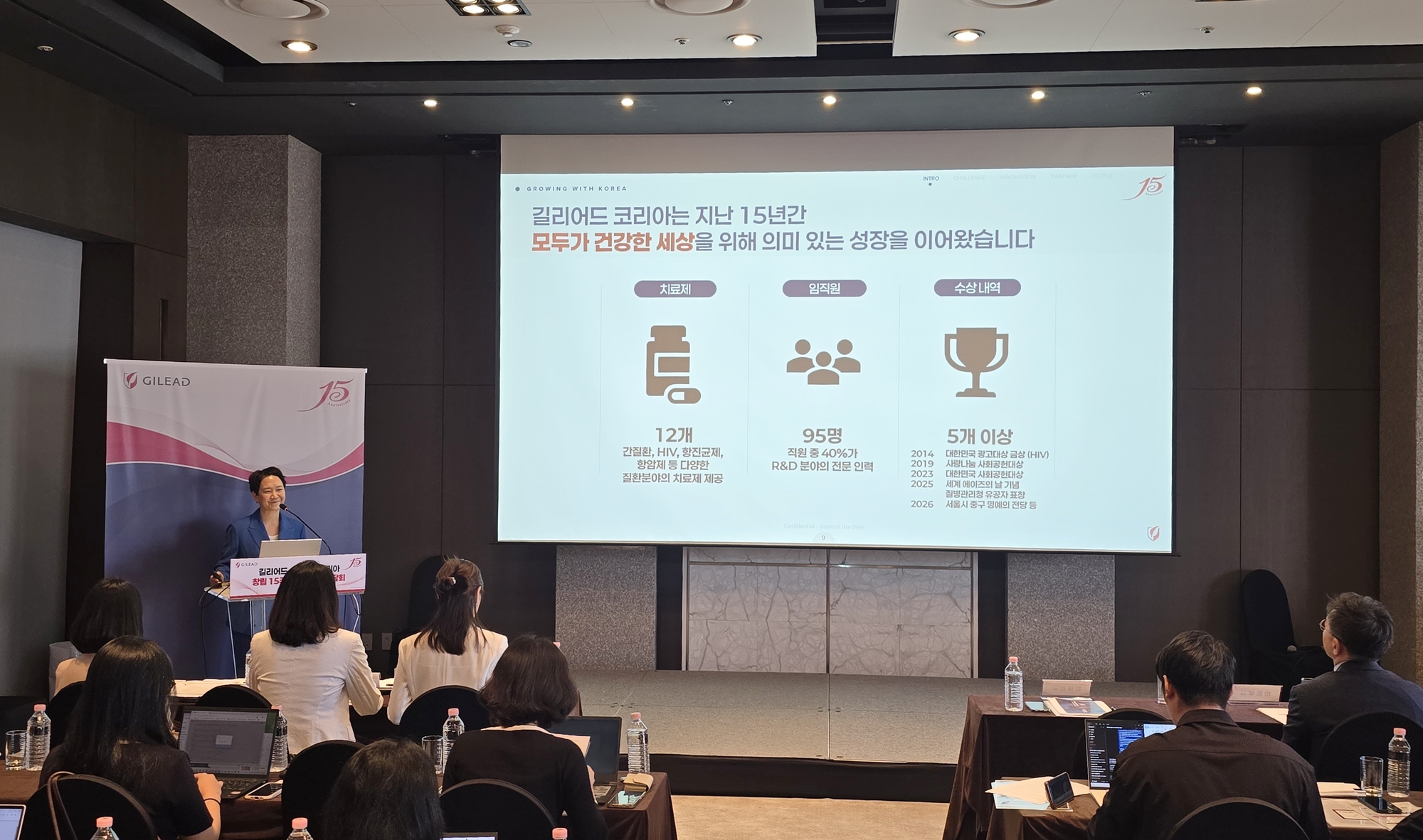
- Korea takes part in 6 out of every 10 global oncology clinical trials conducted by Gilead.Marking its 15th anniversary, Gilead’s Korean affiliate plans to expand the participation of Korean investigators and patients in clinical research while continuing to build partnerships needed to bring new medicines to patients.Gilead Sciences Korea held a press conference on Sept. 22 to review its achievements in Korea and outline its future R&D direction. The company said its focus is on developing new options for diseases where existing treatments fall short and improving patient access to treatment.From Hepatitis and HIV to Oncology...Targeting areas with limited treatment optionsSince its establishment in 2011, Gilead Sciences Korea has introduced 12 treatments in Korea across liver diseases, HIV, fungal infections and oncology. Its R&D efforts, which began with viral diseases, have expanded into oncology, while development is also underway in inflammatory diseases with limited treatment options.In HIV, the shift from regimens requiring multiple medications taken at different doses and times to single-tablet regimens was highlighted as an advance that has reduced the treatment burden.Joo-yeon Lee, Country Medical Director at Gilead Sciences Korea, said, “Patients faced a considerable burden because they had to take multiple medications, each according to its own dose, administration instructions and schedule, HIV, which was once a life-threatening disease, is now regarded as a manageable chronic condition.”Excerpt from Gilead Sciences Korea presentationIn hepatitis, the company highlighted the advent of curative treatment for hepatitis C and advances in overcoming drug resistance and reducing the risk of long-term complications in hepatitis B.Lee said, “In the past, treatment goals for hepatitis B centered on changes in liver function markers or serum markers. Today, treatment has evolved toward reducing liver-related events such as liver cancer.”In oncology, the company highlighted triple-negative breast cancer and relapsed or refractory diffuse large B-cell lymphoma (DLBCL). In triple-negative breast cancer, antibody-drug conjugates (ADCs) have opened the way for a new targeted approach that delivers anticancer agents directly to cancer cells.For DLBCL, CAR-T therapy was presented as offering a new treatment opportunity for patients whose disease has relapsed or failed to respond to existing therapies.Lee said, “With a single administration, we can even hope to achieve a cure, We cannot say that every patient will be cured, but this represents a change that has improved the potential for cure and survival compared with what was previously possible.”Korea takes part in drug development and supply...emphasizes clinical trials and manufacturing partnershipsJae-yeon Choi, General Manager of Gilead Sciences Korea, identified tackling diseases with limited treatment options and changing existing standards of care as key drivers of the company’s growth. She also described improving the treatment environment for patients and people living with infectious diseases, as well as their families and communities, as part of the company’s role.Choi said, “We made a commitment to break through in some of the most challenging therapeutic areas, where treatment options are most limited. We have continued to take on the challenge of going beyond existing therapies and changing the standard of care.”The Korean affiliate has steadily expanded its participation in Gilead’s global drug development programs. According to company figures, Korea participates in about 43% of Gilead’s global clinical trials, enabling Korean investigators and patients to take part in new drug research from the development stage.Excerpt from Gilead Sciences Korea presentationChoi said, “More than 40% of our workforce of fewer than 100 employees consists of professionals dedicated to R&D. In oncology, Korea participates in 60% of our clinical trials.”Manufacturing partnerships in Korea predate the establishment of the local affiliate. According to Choi, Gilead has worked with Yuhan in the active pharmaceutical ingredient (API) field for more than 30 years, while Samsung Biologics supplies antibodies used in the production of oncology ADCs.The company also emphasized collaboration with healthcare professionals and patient communities in getting treatments to patients after development and manufacturing. The aim is not simply to supply medicines, but also to address the challenges patients and their families face throughout the treatment journey.Jae-yeon Choi, General Manager of Gilead Sciences KoreaChoi said, “Even after all the work that goes into developing a treatment, bringing it to patients requires partnerships across many fronts. We have long contemplated how we can create a better treatment environment, from the families of patients and people living with infectious diseases to the broader community.”The company’s publication of a children’s book for children with family members undergoing cancer treatment also grew out of these efforts. The initiative is intended to ease the anxiety and emotional difficulties children may experience during a family member’s treatment and help families and their broader communities navigate the treatment journey together.In HIV, the company identified changing public perceptions of people living with HIV as another priority. Gilead continues to work with multiple partners on its Red Period campaign, aimed at reducing misconceptions and stigma surrounding people living with HIV.Choi said, “If the past 15 years were about expanding what is possible in treatment through scientific innovation and collaboration with a wide range of partners, the next 15 years will be about more firmly translating the benefits of that innovation into better treatment and meaningful changes in the lives of more patients.”
- Company
- Scemblix’s reimbursement for first-line therapy under review
- by Eo, Yun-Ho Sep 23, 2026 08:37am
- Scemblix, a fourth-generation treatment for chronic myeloid leukemia (CML), is set to undergo review for expanded reimbursement as a first-line therapy.According to industry sources, Novartis Korea’s Scemblix (asciminib) is expected to be placed on the agenda of the Health Insurance Review and Assessment Service’s Cancer Disease Review Committee on Sept. 30 for its first-line indication in Philadelphia chromosome-positive chronic myeloid leukemia (Ph+ CML).Scemblix is currently reimbursed only in the third-line setting. Although its first-line indication was approved in Korea in February 2025, it is yet to be covered by Korea’s National Health Insurance.As treatment goals in CML have evolved beyond long-term survival to achieving rapid, deep molecular responses early and maintaining them over time, greater importance is being placed on selecting a treatment from the outset based on each patient’s characteristics and long-term treatment goals.Novartis is understood to have prepared a price reduction proposal in advance to ease the budget impact of expanding Scemblix reimbursement to first-line treatment. Notably, the company has come to the cancer committee review with a plan to address the financial implications of broader coverage, rather than relying on the drug’s clinical value alone.If Scemblix clears the cancer committee, Novartis is expected to continue discussions on financial arrangements through subsequent stages, including the Pharmacoeconomic Evaluation Subcommittee and Drug Reimbursement Evaluation Committee.Therefore, attention is now on whether Scemblix can secure first-line reimbursement on the back of its proposed pricing terms.Meanwhile, in the Phase III ASC4FIRST trial involving 405 patients with newly diagnosed CML, Scemblix achieved a major molecular response (MMR) rate of 67.7% at Week 48, compared with 49.0% with investigator-selected TKIs. At Week 96, the rates were 74.1% and 52.0%, respectively.Molecular responses continued to deepen through 144 weeks of follow-up. At Week 144, the MMR rate was 77.1% with Scemblix versus 53.4% with investigator-selected TKIs. Compared specifically with second-generation TKIs, the rates were 75.0% and 59.8%, respectively.In particular, the gap in MR4.5 achievement rates between Scemblix and second-generation TKIs widened over time, from 26.0% versus 23.5% at Week 96, a 2.5 percentage-point difference, to 41% versus 29% at Week 144, a 12 percentage-point difference.

- Opinion
- "Wegovy, health benefits outweigh concerns about muscle loss"
- by Son, Hyung Min Sep 22, 2026 08:56am
- A professional opinion suggests that there is no need to be concerned about muscle loss related to the obesity treatment 'Wegovy'.Professor William Timothy Garvey of the Department of Nutrition Sciences at the University of Alabama at Birmingham (UAB) recently met with Daily Pharm and said, "There is no need to be concerned about muscle loss from GLP-1 agents," adding, "The health benefits gained from weight loss can be much greater, and healthier weight loss is possible if accompanied by protein intake, resistance training, and lifestyle improvements."Professor William Timothy Garvey of the Department of Nutrition Sciences at the University of Alabama at Birmingham (UAB)In addition, Professor Garvey said it is difficult to interpret the decrease in lean body mass that occurs during weight loss as identical to actual muscle loss. He argues that researchers must evaluate not only body composition changes but also treatment benefits, such as improvements in cardiovascular and metabolic diseases.Professor Garvey, who recently visited South Korea to attend the International Congress on Obesity and Metabolic Syndrome (ICOMES 2026) hosted by the Korean Society for the Study of Obesity, is an expert who has long researched obesity, insulin resistance, and cardiometabolic diseases.Professor Garvey also directly participated in major clinical trials of Wegovy (semaglutide). He served as the senior author on STEP 3 study, which evaluated the combined effects of an intensive lifestyle modification program and Wegovy, and as the lead author on STEP 5 study, which examined the long-term weight-loss effects of Wegovy over two years. Professor Garvey also served as senior author on the recently announced high-dose study, the STEP UP study.Professor Garvey's point in these studies is not simply how much weight was lost. His perspective is that one must closely observe which tissues decrease during weight loss, whether physical functions are maintained, and how cardiometabolic risk factors such as blood sugar, blood pressure, and lipids, as well as obesity-related complications, change.Professor Garvey also noted that much of the existing data on muscle loss relies on measurement methods that make it difficult to distinguish lean body mass from actual muscle. In recent MRI-based analyses, the extent of actual muscle reduction was smaller than previous estimates. In the STEP UP study, about 84% of the weight loss came from adipose tissue.Professor Garvey believes Wegovy should not be limited to weight loss alone. He explained that evidence of improvements in cardiovascular and metabolic risk factors is accumulating alongside weight loss, and that obesity must also be approached as a chronic disease requiring long-term treatment and management, much like diabetes or hypertension.Decrease in lean body mass is different from actual muscle loss… fat-centered weight loss confirmed in MRIProfessor Garvey pointed out that when interpreting the controversy over muscle loss with GLP-1 class obesity treatments, one must first examine how body composition is measured.To date, dual-energy X-ray absorptiometry (DXA) has been used primarily in related studies. While this method is highly accurate in measuring bone mass and fat mass, it has limitations in measuring lean body mass. Lean body mass includes not only muscle but also body fluids, bones, and organ tissues altogether.Professor Garvey explained, "The proportion of actual muscle among the lean body mass measured by DXA may only be a maximum of 50%," adding, "Just because there is a result showing that one-third of the weight loss is lean body mass, the entirety of that cannot be viewed as muscle loss."Recently, studies using MRI to evaluate changes in actual muscle and surrounding tissues more closely have increased.According to Professor Garvey, some studies have shown that the proportion of actual muscle reduction during weight loss is around 10%, rather than the previously discussed 30% range. The remaining significant portion was attributed to decreases in intramuscular glycogen or adipose tissue surrounding the muscles.Professor Garvey added, "This is a result showing the possibility that actual muscle loss is not as large as the DXA-based estimates," and, "Additional data is needed to further investigate."The STEP UP study also conducted a body composition sub-analysis using MRI to evaluate the effects of high-dose (7.2mg) Wegovy.The analysis results showed that approximately 84% of the weight lost after Wegovy administration originated from adipose tissue. Adipose tissue and visceral abdominal fat decreased by more than 30%, and lean body mass decreased by about 10%.Despite the changes in body composition, no deterioration in muscle function was observed. In the 30-second sit-to-stand test, muscle function in the Wegovy-administered group was maintained or slightly improved, with no significant worsening even compared with the placebo group.Professor Garvey pointed out, "Regardless of the method used to lose weight, fat generally decreases first and in greater amounts, and some reduction in muscle mass may also occur," adding, "The important thing is whether the reduced muscle mass is at a level that causes practical harm to the patient."Professor Garvey continued, "While visiting South Korea, I felt that concerns about muscle loss are emerging among many patients and the media," adding, "Considering both expected benefits and potential side effects together before starting treatment is a sound and critical attitude."Professor Garvey remarked, "There is no need to be overly concerned about muscle loss," adding, "The health benefits gained from weight loss can be much greater, and healthier weight loss is possible if reduced food intake is supplemented mainly with protein while accompanied by resistance training and lifestyle improvements."However, Professor Garvey noted that older adults and postmenopausal women require more careful management.Professor Garvey recommended, "Postmenopausal women are already experiencing changes in body composition, such as an increase in body fat and a decrease in lean body mass," adding, "It is necessary to increase the dosage slowly and adequately maintain protein, iron, and calcium intake while simultaneously engaging in resistance training."Managing cardiometabolic risks beyond weight loss… focus on complication-centered treatmentProfessor Garvey urged that the significance of second-generation obesity treatments, including Wegovy, should not be found solely in the simple extent of weight reduction.If the average weight loss from obesity treatments used before 2014 was generally less than 10%, second-generation treatments such as Wegovy show an average weight loss of around 15%, allowing more patients to reach clinically meaningful weight-loss goals.Such a change was also evident in studies accompanied by lifestyle modifications. In STEP 3, adding Wegovy 2.4mg to intensive dietary, exercise, and behavioral counseling resulted in an average weight loss of 16.0% at 68 weeks. The placebo group averaged 5.7%, and about one-third of the Wegovy group lost more than 20% of their body weight.Professor Garvey presented this result as evidence that additional weight-loss effects can be expected when lifestyle modifications and drug therapy are combined.He also cited improvements in obesity-related complications.Professor Garvey said, "The reason for classifying Wegovy as a second-generation treatment is not solely because of the average 15% level of weight loss," adding, "It is important that one can simultaneously expect health benefits that lower the risk of various complications associated with obesity and improve metabolic health."In the STEP clinical trials, along with weight loss, researchers confirmed improvements in fasting blood sugar, fasting insulin, insulin sensitivity, triglycerides, blood pressure, and CRP, an inflammatory marker.In the SELECT study, which evaluated the cardiovascular benefits of Wegovy, approximately 17,600 non-diabetic overweight and obese patients with a history of cardiovascular disease were tracked for about four years. As a result, the risk of major adverse cardiovascular events was about 20% lower compared to the placebo group.Professor Garvey interpreted this as evidence demonstrating that the evaluation criteria for obesity treatment are shifting from weight loss to complication management.Professor Garvey stated, "The purpose of obesity treatment lies in elevating the patient's quality of life and lowering mortality and hospitalization rates by preventing and improving related complications," adding, "Recently, clinical trials are also changing toward setting complication improvement as a primary endpoint, moving beyond simply how much weight was lost."In addition to obesity and cardiovascular diseases, Wegovy's active ingredient, semaglutide, is accumulating clinical evidence in cardiometabolic areas such as metabolic dysfunction-associated steatohepatitis (MASH) and diabetic kidney disease.Professor Garvey evaluated, "If obesity and insulin resistance persist, they can lead to cardiovascular diseases, diabetes, and chronic kidney disease by passing through prediabetes, metabolic syndrome, hypertension, dyslipidemia, and fatty liver," adding, "Semaglutide has shown the possibility of managing multiple cardiometabolic risk factors within a single treatment strategy.""Yo-yo effect, not a matter of willpower"… obesity, requires long-term managementProfessor Garvey believes that, even with Wegovy, maintaining the effects matters more than short-term weight loss.When weight decreases, the human body responds physiologically to return to its previous weight. As satiety signals weaken and appetite signals strengthen, the likelihood of weight regain increases if treatment is discontinued.Professor Garvey stressed that such weight regain should not be viewed as a lack of willpower on the patient's part.Professor Garvey emphasized, "Gaining weight again is not the patient's fault, but a phenomenon related to the pathophysiology of the disease called obesity," adding, "Just as one does not arbitrarily discontinue diabetes or hypertension medications just because their condition has improved, obesity must also be approached as a chronic disease requiring continuous treatment and management."Long-term follow-up studies also supported this perspective.In STEP 5, after 104 weeks of Wegovy treatment, patients maintained an average weight loss of approximately 15.2%. The proportion of patients who achieved a weight loss of 5% or more was tabulated at 77.1% in the Wegovy group and 34.4% in the placebo group.Experts said it is difficult to decide whether to continue treatment, adjust the dosage, or discontinue it based solely on weight changes. The intention is that metabolic indicators such as blood sugar, blood pressure, and lipids, as well as comorbidities and the patient's treatment goals, must be considered comprehensively.Professor Garvey predicted that, as obesity treatments develop, increasing treatment persistence will become important.Currently, the development of long-acting formulations with extended administration intervals, oral medications, and treatments combining multiple mechanisms such as amylin, glucagon, GIP, and PYY, in addition to GLP-1, is continuing.Professor Garvey suggested, "One of the biggest challenges in obesity treatment is patients prematurely discontinuing treatment," adding, "Technological advancements that extend administration intervals or expand oral medication options can help increase the treatment persistence rate."High doses and diverse formulations are introduced… treatments tailored to each patient are also specifiedAs the choices for obesity treatments increase, future treatment strategies are expected to become further segmented according to the patient's weight loss goals and comorbidities.Professor Garvey noted that even within the same Wegovy treatment, dosage selection can vary depending on individual patient responses and the required level of weight loss. This means that high-dose treatment can become another option for patients who do not achieve sufficient effects with the existing 2.4mg or who require additional weight loss.The study that examined this possibility is STEP UP. It compared the effects of Wegovy 2.4mg with a once-weekly high dose of 7.2mg.In the study, the average weight loss in the Wegovy 7.2mg group was approximately 21%, based on an analysis assuming continued treatment. The 2.4mg group was 17.5%, and the placebo group was 2.4%. The proportion who lost 25% or more of their body weight also differed: 33.2% in the 7.2mg group, 16.7% in the 2.4mg group, and 0% in the placebo group.Professor Garvey said, "As there are individual differences in drug responses for each patient, it is meaningful in that a new option has emerged for patients who require a higher dose."Professor Garvey suggested that, even when selecting medications, clinicians should use an approach based on individual patient characteristics rather than uniformly applying the treatment that showed the greatest weight-loss effect.This means that patients who have a high BMI and mobility difficulties, thus requiring a large amount of weight loss, and patients with specific comorbidities such as cardiovascular disease or diabetes, may have different necessary treatment strategies.Professor Garvey concluded with the anticipation that "If a patient has a history of cardiovascular diseases such as myocardial infarction or stroke, or has accompanying diabetes, there is sufficient basis to consider a medication like semaglutide that has proven efficacy in related clinical trials," adding, "A personalized approach of selecting a treatment that fits the patient's condition and treatment goals among various treatment options will become important."

- Company
- ‘Jelly formulations to drive global push…results targeted for 1H 2027’
- by Hwang, byoung woo Sep 22, 2026 08:56am
- RP Bio has set out to directly export jelly formulations built on its soft capsule manufacturing expertise. In addition to indirect exports through its Korean clients, the company plans to expand its business by developing and supplying products directly to overseas companies.It aims to target rising demand in the kids’ and inner-beauty segments with jelly formulations that offer better taste and ease of consumption, while focusing on turning discussions with overseas buyers into actual contracts.Dailypharm met with RP Bio Executive Director Mi-sun Noh to discuss the company’s rationale for pursuing direct exports, its formulation strengths, and its strategy for securing overseas clients.Developing products directly with overseas clients…expanding collaboration beyond manufacturingMi-sun Noh, Executive Director, RP BioRP Bio’s direct-export strategy involves securing overseas companies as clients and providing direct development and supply.The company aims to move beyond supporting the overseas sales of Korean clients by proposing its formulation technologies to local companies and working with them from the early stages of development.Noh said, “With indirect exports through Korean clients, buyers are often drawn by the client’s brand. In direct dealings, however, the product itself takes center stage, allowing us to prove its competitiveness and better showcase our technological capabilities.”The company believes direct collaboration also makes it easier to reflect local regulations, climate, intake methods, and taste preferences in product design. For this, the company is focusing on accelerating the market application of new technologies while protecting its proprietary formulation technology and process know-how.Noh said, “We plan to collaborate directly with global buyers from the early stages of R&D and marketing to reflect local requirements in formulation design. By providing integrated development solutions, we aim to secure medium- to long-term business relationships.”Its initial target markets are Thailand, Vietnam and China. The company has set local pharmaceutical and healthcare brands and major health and beauty (H&B) distribution channels as its key customer groups. At the recent Vitafoods Asia, RP Bio showcased jelly sticks, blister jellies and jelly formulations to gauge demand for product development.Noh said, “We believe taste and texture have to be experienced firsthand, so we offered a lot of samples at the exhibition. Many visitors who tried the products then sat down at tables inside the booth and continued discussions with us.”Since the exhibition, the company has been following up on requests for samples and product concept materials. It has prioritized prospective clients based on their size, business history and local activities, as well as their interest in the products and willingness to engage in discussions.Jelly formulations built on soft capsule know-how…differentiated by taste and convenience.While soft capsules provide the technological foundation for its overseas business, RP Bio has put jelly formulations at the forefront of its efforts to secure new clients. The company determined that it needed a formulation that could demonstrate its differentiation in addition to soft capsules, which are supplied by many manufacturers.Noh said, “Many companies manufacture soft capsules, so we plan to focus more on the new jelly formulations we are introducing. We believe these formulations are suitable not only for kids’ products but also for inner-beauty, diet and skincare products sought by younger women.”Products that drew particular attention at the exhibition included Easy Chew, a blister jelly formulation, Neo Chew, a jelly formulation, and jelly sticks.RP Bio has focused on reducing the unpleasant taste and odor of functional ingredients and discomfort when chewing. Easy Chew reduces the characteristic fishy odor of oils and improves portability through individual packaging, while its jelly formulations are designed to reduce the sensation of sticking to the teeth. The company plans to offer customized products to overseas clients by also reflecting local consumers’ taste and texture preferences.The company also plans to showcase its soft capsule technology for hot and humid environments and long-distance transportation. RP Bio said it has commercialized the pharmaceutical New Neosol and health functional food New Neogel as soft capsules, reducing shell hardening and deformation and enabling a 36-month shelf life. It plans to apply its technologies for adjusting formulations, shell composition, drying and packaging conditions to overseas product development as well.“We saw interest in premium children’s products during meetings with buyers from Thailand and Vietnam, and many asked whether these formulations could also be applied to the inner-beauty segment. Through the exhibition, we were able to reaffirm the potential for our jelly formulations to gain traction overseas.”Turning discussions into contracts…strengthening customized development and regulatory support.RP Bio’s contract development and manufacturing organization (CDMO) services encompass the entire process from product planning and formulation design, local regulatory and approval consulting, packaging and labeling support, to manufacturing, customs clearance and shipping. The company also plans to leverage the quality-control experience it has accumulated through the development and production of pharmaceutical products including MagB.Noh said, “We plan to provide customized products by combining the concepts clients want with the functional ingredients and other ingredients we can incorporate. As buyers want quick feedback, we also work to respond rapidly.”Because exchanging samples takes longer overseas, the company plans to improve the efficiency of initial proposals and development by utilizing formulations it has already secured. It is currently providing prototypes and formulation proposals in stages in line with each country’s import requirements.Noh said, “Contracts and other procedures mean it will take longer than in Korea, but we are preparing to deliver results in the first half of next year,” Noh said.The company aims to sign its first direct-export supply contract and generate sales within 2027 after reviewing local ingredient specifications, completing regulatory approval and stability testing. Rather than undertaking major new capacity expansion, it plans to respond by improving automation efficiency at existing plants and adjusting work shifts and the production mix.The organization will be expanded in stages as contracts progress. Alongside overseas R&D and sales, the company sees regulatory affairs (RA) capabilities supporting country-specific approval requirements and export documentation as particularly important.Noh said, “Each country requires different documents, and the approval process also takes time. What matters is determining with local partners how to navigate the approval process and shorten the timeline.”Its medium- to long-term goal is to establish itself as a CDMO partner in the Asia-Pacific region offering patented formulations, quality control and customized development. The company also plans to reflect needs identified through discussions between its head of research, who attended the exhibition, and buyers’ R&D personnel in follow-up development.She added, “The opportunity to showcase our technology reaffirmed our confidence in our capabilities, while also pushing us to take the next step. We will continue to advance our technology rather than remain satisfied with where we are today.”

- Company
- GLP-1 vision loss debate resurfaces as lawsuits mount
- by Son, Hyung Min Sep 22, 2026 08:56am
- Concerns over optic neuropathy associated with GLP-1 therapies are resurfacing in the US.Patients who developed non-arteritic anterior ischemic optic neuropathy (NAION) after using GLP-1 therapies, including Wegovy (semaglutide) and the diabetes treatment Ozempic, which contains the same active ingredient, have filed lawsuits alleging that the drugs caused their condition and subsequent vision loss.Evidence on the association between semaglutide and NAION, however, remains conflicting. The European Medicines Agency (EMA) last year classified NAION as a “very rare adverse effect” of semaglutide, while a retrospective cohort study involving more than 1.2 million patients found no increased risk.The US Food and Drug Administration (FDA) is also investigating a potential association, bringing renewed attention to the ocular safety of GLP-1 therapies.Vision loss alleged after GLP-1 treatmentAccording to industry sources on the 21st, US patients who used GLP-1 therapies have filed lawsuits against Novo Nordisk and Eli Lilly, alleging that they developed NAION and suffered vision loss after treatment.NAION occurs when blood flow to the optic nerve is suddenly reduced, resulting in damage to the nerve. It can cause sudden visual field defects or loss of vision, and the resulting impairment may not fully recover.However, the drugs involved in the lawsuits cannot be interpreted as carrying the same level of evidence regarding this potential safety risk.The FDA is investigating a potential association between GLP-1 therapies and NAION. To date, semaglutide is the only active ingredient for which a regulatory authority has formally recognized NAION as an adverse effect. Wegovy and Ozempic contain semaglutide, whereas Zepbound contains tirzepatide and differs in its mechanism of action.Novo Nordisk and Lilly maintain that a causal relationship between their therapies and NAION has not been established. They note that differences in study populations, comparator groups and follow-up methods may contribute to the varying findings across studies.EMA recognizes adverse effect…review also underway in KoreaImage source: Clipart KoreaThe potential association between semaglutide and NAION began drawing significant safety attention in 2024.Following observational studies reporting a higher incidence of NAION among semaglutide users, regulatory authorities began reviewing the available evidence.After reviewing nonclinical and clinical data, post-marketing safety reports and epidemiological studies in June last year, the EMA’s Pharmacovigilance Risk Assessment Committee (PRAC) concluded that the evidence was sufficient to support a causal association between semaglutide and NAION.The committee subsequently recommended adding NAION as an adverse reaction to the product information for semaglutide-containing medicines, including Wegovy, Ozempic and Rybelsus.The frequency was classified as very rare, affecting up to 1 in 10,000 people. Some large epidemiological studies reviewed by the EMA found that adults with type 2 diabetes exposed to semaglutide had approximately twice the risk of developing NAION compared with those not exposed to the drug.In absolute terms, this corresponded to approximately one additional case of NAION per 10,000 patients treated with semaglutide for 1 year. Clinical trial data also showed a slight increase in incidence compared with placebo.The EMA recommended that patients promptly contact a healthcare professional if they experience sudden loss of vision or rapidly worsening eyesight while receiving semaglutide and that treatment be discontinued if NAION is confirmed.Related safety measures are also under review in Korea.The Ministry of Food and Drug Safety said last month that it is monitoring domestic and international adverse-event reports and considering whether to add information on NAION to the labeling of semaglutide products.No increased risk in 1.21 million patients…evidence remains mixedHowever, large-scale evidence that does not support an association between semaglutide and NAION also exists.A retrospective cohort study published last year in the international journal Military Medicine found no increased risk of NAION associated with semaglutide use.The study analyzed 1,212,775 adults treated within the US Military Health System between December 2017 and September 2023.The cohort included approximately 970,000 patients with type 2 diabetes and 240,000 patients with overweight or obesity, with 2,447 cases of NAION identified overall.After adjustment for comorbidities, patients with type 2 diabetes who were prescribed semaglutide had a 64% lower risk of developing NAION than those treated with non-GLP-1 medications.No statistically significant association between semaglutide use and NAION was identified among overweight or obese patients. Based on these findings, the researchers concluded that concerns over NAION alone did not warrant ruling out semaglutide as a treatment option.The findings contrast with earlier observational studies that reported an increased risk.Determining causality is further complicated by the fact that NAION itself is associated with conditions common among patients treated with semaglutide, including diabetes, obesity, hypertension and sleep apnea.As a result, findings from observational studies may depend in part on how effectively the impact of semaglutide exposure can be separated from patients’ underlying risk factors.Gap between regulatory assessment and clinical evidence…attention rises on FDA reviewTaken together, the available evidence has generated a regulatory safety signal for a potential association between semaglutide and NAION, but studies continue to differ on the magnitude of the risk.The EMA has formally classified NAION as an adverse effect of semaglutide after reviewing multiple sources of evidence. At the same time, data showing no increased risk, including the study of more than 1.2 million patients, continue to accumulate.In the US in particular, the regulatory assessment remains ongoing.The FDA is reviewing a potential association between NAION and GLP-1 therapies, including semaglutide, but has not yet required a specific NAION warning comparable to that adopted in Europe.With related lawsuits now mounting in the US, attention is expected to focus on the FDA’s safety assessment and whether it ultimately requires changes to product labeling.Given the low absolute incidence of NAION and the inconsistent findings across studies, however, the available evidence does not support treating the risk of optic neuropathy as uniform across the entire GLP-1 class.An industry official said, “NAION occurs very rarely, so it would be difficult to draw definitive conclusions about the safety of semaglutide from any single study or, conversely, to recommend across-the-board discontinuation of treatment. Given the conflicting findings to date, treatment decisions should take into account each patient’s individual risk factors, including diabetes, hypertension and sleep apnea.”
- Policy
- Equivalence guidelines for complex generics set for release
- by Jung, Heung-Jun Sep 22, 2026 08:56am
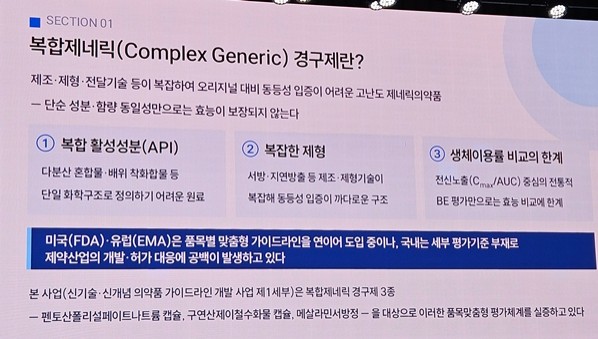
- Draft guidelines for equivalence assessment of complex generics, intended to provide standards for the development and regulatory review of products that are difficult to evaluate, could be unveiled as early as October.The guidelines are expected to provide specific testing methods tailored to products for which equivalence with the reference drug is difficult to demonstrate using conventional approaches such as equivalence studies.Na-young Yoon, senior researcher at the National Institute of Food and Drug Safety EvaluationNa-young Yoon, senior researcher at the National Institute of Food and Drug Safety Evaluation, said at the Korean Society of Pharmaceutical Sciences and Technology’s Pharmaceutical Technology Workshop on the 18th that draft guidelines on equivalence assessment for complex generics are scheduled to be released in October or November.Guidelines are currently under development in three areas: ▲clinical, nonclinical, and quality assessment of drugs incorporating new technologies and concepts; ▲equivalence assessment of complex generics; and ▲advanced and biopharmaceutical products.The session focused on the equivalence guidelines for complex generics. In this context, “complex generics” does not refer to generic combination drugs containing two or more active ingredients.Rather, the term refers to generics for which demonstrating equivalence with the reference product is particularly challenging due to complex manufacturing processes, formulations or drug-delivery technologies, or the inherent characteristics of the active ingredient.The guidelines are being developed in response to limitations in applying existing pharmaceutical equivalence assessment standards to the development and review of these products. Drugmakers have faced difficulty anticipating which tests and data will be required during development, while reviewers have lacked detailed criteria tailored to individual product characteristics.Yoon said, “Drugs incorporating new technologies and concepts have sometimes faced delays in approval and review because they cannot be adequately assessed under existing standardized guidelines. Those delays have translated into additional development costs and time for the industry.”She added, “Existing guidelines have also often been difficult to apply appropriately to complex generics, and reviewers have struggled because of the lack of specific criteria. While the existing guidelines are broad in scope, we expect the new ones to provide greater detail and be more readily applicable in practice.”The goal is to develop equivalence assessment guidelines for 10 complex generic products this year. About KRW 2 billion has been allocated to the project, which covers 4 categories: oral drugs, injectables, inhaled drugs and ophthalmic products.In the oral drug category, assessment methods are being studied for three products, including pentosan polysulfate sodium, ferric citrate hydrate capsules and mesalamine extended-release tablets. The injectable category includes products for which conventional equivalence assessment has been challenging, such as paliperidone palmitate extended-release injections.For ophthalmic products, equivalence guidelines are being developed for brinzolamide ophthalmic suspension and prednisolone acetate ophthalmic suspension.Yoon explained, “Our approach is based on the idea that allowing equivalence to be demonstrated through in vitro testing wherever possible could help facilitate generic drug development.”Development of product-specific guidelines for complex generics is expected to expand after the initial 10 this year. More than 30 additional guidelines are planned between 2027 and 2029, reflecting demand from the pharmaceutical industry.Priority candidates are expected to include products for which there is development demand but complex equivalence requirements pose a high barrier to entry. Products approaching patent expiry with potential demand for generic development, as well as those for which existing testing methods are difficult to apply during pharmaceutical equivalence reassessment, could also be included.Yoon said, “If there are products that companies want to develop but find too difficult under the existing equivalence assessment framework, we encourage them to let us know. We will give such requests serious consideration,” welcoming broader input from the industry.
- Policy
- Need for an "ultra-innovative pharmaceutical company" track
- by Lee, Jeong-Hwan Sep 22, 2026 08:56am
- As the government announced a reform plan for the innovative pharmaceutical company certification system, dividing the certification into a "leading type" and a "leap forward type," the pharmaceutical industry is calling for the creation of an "ultra-innovative pharmaceutical company" with stronger incentives.Offering preferential treatment, such as permanent drug price discounts and exemptions from post-market price reductions, can encourage pharmaceutical companies to invest in research and development. This support goes beyond the existing temporary price incentives and helps ensure the survival of companies focused on developing new drugs.Recently, the Ministry of Health and Welfare (MOHW) pre-announced a reform plan that provides customized support by dividing innovative pharmaceutical companies into a "leading type" and a "leap forward type" based on their R&D scale and capabilities.The goal is to adjust the certification criteria to suit the scale and characteristics of companies, such as large pharmaceutical companies and biotech ventures, by categorizing them into the leading type for evaluation scores of 65 or higher and the leap-forward type for those below, based on criteria such as the ratio of new drug R&D to sales revenue.While the industry supports the MOHW's reform to address the pharmaceutical industry's dissatisfaction with the inadequacies of the current innovative pharmaceutical company certification system, demands are also emerging for greater preferential treatment for top-tier pharmaceutical companies.The argument is that the R&D tax benefits, government project bonus points, and some temporary drug price preferences provided by the current system are insufficient to offset the risks of developing blockbuster new drugs, which require massive capital and more than 10 years.In particular, in a situation where the traditional cash cows of domestic pharmaceutical companies have sharply contracted due to the government's recent continuous stance on generic drug price reductions and the expansion of post-management drug price reduction mechanisms, concerns are growing that it is difficult to expand investment in new drug development with only the existing level of support measures."Permanent drug price preferential treatment and post-management reduction exemption"… calls for the need for an 'ultra-innovative type'Accordingly, voices are growing within the industry that an 'ultra-innovative pharmaceutical company' designation track must be newly established for companies that have proven the highest level of innovation capabilities and R&D investment proportion, going beyond the leading and leap-forward type systems.The core of the ultra-innovative pharmaceutical company support demanded by the pharmaceutical industry is 'substantial and sustainable drug price compensation.' Specifically, top-tier pharmaceutical companies want the introduction of a permanent drug price preferential treatment system and an exemption from the post-management drug price reduction system.This means guaranteeing permanent and perpetual drug price preferential treatment that fully preserves the value of new drugs, instead of a temporary drug price premium that ends after a certain period, and excluding or significantly easing overlapping drug price reduction mechanisms caused by actual transaction price investigations, the price-volume agreement (PVA), and the expansion of the scope of use.In such a scenario, revenue obtainable upon successful development would be higher, creating an environment where pharmaceutical companies can more actively and aggressively jump into new drug R&D projects.An official from a top-tier domestic pharmaceutical company said, "When R&D financial resources based on domestic demand have decreased due to generic drug price reductions, the new drug development risk that companies must bear has grown much larger than in the past," and added, "There is a need to structure unprecedented economic incentives beyond merely relaxing a few regulations by adding criteria for ultra-innovative pharmaceutical companies."Another official also stated, "For the innovative pharmaceutical company certification system to be a tool for fostering the national biohealth industry, there is a need for a government-level 'selection and concentration' administration that intensively fosters top-tier innovative companies leading global clinical trials and open innovation," and added, "In addition to dividing innovative and semi-innovative criteria, we hope that support measures for top-tier pharmaceutical companies reflecting the realistic demands of the industry will be reviewed."
- InterView
- [Desk’s View] What’s next for NIP?
- by Eo, Yun-Ho Sep 21, 2026 09:12am
- Korea has exceeded the 80% mark. In other words, most Koreans aged 65 and older are already vaccinated against influenza. With free vaccination being provided every year through the National Immunization Program (NIP), the program has made an impressive track record, at least in terms of vaccination coverage.Having vaccinated so many people, it is now time to look at how well they are actually protected. Vaccination itself is not the goal. As the term suggests, the purpose is to “prevent” disease.That is why influenza vaccination in older adults deserves a closer look. Age-related changes in the immune system, known as immunosenescence, can weaken immune responses to vaccination. Older adults are also more likely to have multiple chronic conditions, putting them at relatively greater risk of hospitalization, severe illness, and death following influenza infection.In one study involving 8 university hospitals in Korea, influenza vaccine effectiveness among adults aged 65 and older during the 2023–2024 season was estimated at 13.5%. Results from a single season cannot be generalized to the entire older population, but they underscore the need to examine how much protection the current vaccination system actually provides.However, 80% vaccination coverage and 13.5% effectiveness result cannot be directly compared. They measure different things and are calculated differently. Still, the contrast is hard to ignoreEnhanced influenza vaccines, including high-dose and adjuvanted vaccines, were developed with the weaker immune responses of older adults in mind. High-dose vaccines contain 4 times as much antigen as standard-dose vaccines to induce a stronger immune response. In a randomized trial involving about 32,000 adults aged 65 and older, a high-dose vaccine showed 24.2% greater relative efficacy against influenza than a standard-dose vaccine.Other countries have already adopted approaches that take age and risk among older adults into account. The U.S. preferentially recommends high-dose, recombinant or adjuvanted influenza vaccines for adults aged 65 and older. Japan, after reviewing clinical utility and cost-effectiveness, plans to include high-dose influenza vaccination in its national immunization program for people aged 75 and older beginning this October.Although the eligible ages and populations differ, these approaches share a common principle: public support begins with groups that need priority protection based on their level of risk. With phased introduction also under discussion in Korea, overseas cases could help inform decisions on priority groups and the direction of future expansion.Related discussions are already underway in Korea. In its 2023 adult immunization recommendations, the Korean Society of Infectious Diseases recommended high-dose or adjuvanted influenza vaccines for adults aged 65 and older. More recently, the Korean Senior Citizens Association, medical groups and the National Assembly have raised the need for vaccination strategies that account for age and risk among older adults, as well as government support for high-immunogenicity vaccines.The government has also begun reviewing the issue. At a National Assembly policy forum on innovative influenza prevention strategies for older adults in a super-aged society, Tong-ryoung Jung, director general for healthcare safety and prevention at the Korea Disease Control and Prevention Agency, recently said that “although there are some limitations in securing domestic data, the clinical superiority of high-immunogenicity vaccines is clear,” agreeing on the need to shift toward vaccines better suited to the diminished immune responses of older adults.Ultimately, the issue comes down to funding. Clinical evidence alone cannot determine whether a new vaccine should be added to the NIP. Cost-effectiveness and fiscal capacity must also be considered, along with who should receive priority within a limited budget. If a phased introduction is pursued, what criteria should guide it? Beyond selecting priority groups, concrete discussions are also needed on when and how broadly eligibility should subsequently be expanded.As noted, more than 8 in 10 older adults already receive influenza vaccination. But people aged 65 and older do not all face the same risks in terms of age, underlying conditions, or progression to severe disease after infection. Vaccination coverage alone cannot capture the level of protection across older adults with different risk profiles.An 80% vaccination rate is a significant achievement for the NIP. With this milestone secured, it is time to focus on the next measure of success.
