
- LOGIN
- MemberShip
- 2026-07-22 05:44:54
- Policy
- ’Social consensus is key’ to hair loss drug reimb in Korea
- by Lee, Jeong-Hwan Jun 22, 2026 09:22am
- MOHW Director Jung-Min YooDiscussions on expanding National Health Insurance (NHI) reimbursement coverage for hair loss treatments are expected to gain momentum, following Health and Welfare Minister Eun-kyeong Jeong’s announcement of the public collection of opinion on reimbursment for hair loss medications, one of President Jae-myung Lee’s campaign pledges, as a major policy priority in the second half of this year.The Ministry of Health and Welfare (MOHW) appears to have already established much of the practical framework for various scenarios, including eligibility criteria, reimbursement methods, and financing, so that the policy can be implemented immediately without administrative delays once a social consensus is reached.Jung-min Yoo, Director of the MOHW’s Insurance Benefits Division, recently outlined the ministry’s preparations and future plans regarding insurance coverage for hair loss medications during a meeting with healthcare reporters.Following Minister Jung’s announcement that the government will gather public opinion on the issue, the citizen-participation forum ‘Everyone’s Forum,’ hosted by the Ministry of the Interior and Safety on July 4, is expected to be a critical turning point in determining whether insurance coverage for hair-loss treatments will be available.“Hair loss is not merely a cosmetic issue, but a disease”… Focus on intergenerational equity in insurance contributionsThe discussion is rooted in President Lee’s comments regarding “intergenerational equity in health insurance contributions” and the recognition of hair loss as a medical condition.Yoo said, “The perceived benefits of health insurance reimbursement differ among social classes. Hair loss is not purely a cosmetic concern. It has a diagnostic disease code, and dermatology societies already have assessment tools to evaluate disease severity.”Due to its clear disease characteristics, the ministry intends to determine whether the public insurance budget should be allocated to hair loss based on the outcome of broader social discussions.Yoo emphasized, “We have set up simulations so that regardless of the direction of public consensus, the ministry’s internal reviews do not become a source of delay. We have already reviewed multiple options and financial scenarios so that the policy can be launched immediately once the reimbursement scope and coverage method are determined.”Biggest issue lies in ‘eligibility and criteria’…”Practical review already completed”Some healthcare experts have argued that the greatest challenge in reimbursing hair loss treatments would be in ‘defining eligible patients and reimbursement criteria.’ Even if public demand exists, determining patient coinsurance levels and treatment scope remains a complex task.In response, Yoo cited the example of ‘dental implant reimbursement,’ which was initially limited to individuals aged 65 and older. Yoo explained that a direction has been set for its reimbursement after extensive discussions with academic societies under President Lee’s direction last December.Yoo said, “Androgenetic alopecia has an established disease code, and academic societies possess age-specific prevalence data. Drug prices have declined significantly compared with when the campaign pledge was first announced, and some hair loss medications are already reimbursed for prostate disease treatment. We have considered these factors comprehensively and completed the practical groundwork.”Public forum to engage without a fixed budget cap… key issue will be manufacturers’ reimbursement applicationsThe ministry does not plan to predetermine the budget by setting an upper limit such as “within KRW 1 trillion.” Instead, it intends to consider all possibilities.Based on pre- and post-forum surveys and in-depth discussions conducted during the July forum, the government plans to assess public consensus and then determine the final scope of coverage and funding.However, gaining active participation from pharmaceutical companies will also be an important task. While the government can directly decide reimbursement for medical procedures, drug reimbursement requires manufacturers to submit applications for listing and propose an appropriate reimbursement ceiling price before reimbursement evaluations can even begin.Yoo said, “Procedural requirements cannot be skipped. However, if public opinion favors swift implementation, there will be no delays on MOHW’s part during subsequent stages, including division-level discussions and deliberations by the Health Insurance Policy Deliberation Committee once manufacturers submit their applications.”

- Policy
- Concerns mounting over RWE for cutting reimb
- by Jung, Heung-Jun Jun 22, 2026 09:22am
- The Ministry of Health and Welfare (MOHW) announced that while it aims to accelerate patient access to critical therapies through its expedited listing pathway, subsequent fiscal management via reimbursement adjustments based on post-marketing evaluations remains unavoidable.Addressing pharmaceutical industry anxieties regarding data limitations in Real-World Evidence (RWE)-driven post-listing price adjustments, the MOHW emphasized that "fiscal management is a core responsibility of the government."The MOHW noted that while expanding patient access to breakthrough treatments is vital, managing the national health insurance budget is an equally binding statutory duty, thereby underscoring the necessity of adjusting reimbursement during post-evaluation.During an RWE symposium hosted by the Health Insurance Review and Assessment Service (HIRA) at the aT Center on June 19, industry representatives proposed leveraging RWE to refine patient sub-populations rather than to enforce outright reimbursement cuts.They explained that pharmacoeconomic evaluations utilizing RWE face inherent limitations regarding data reliability, making them sub-optimal for driving definitive pricing and coverage adjustments.Park Seon-eun, coordinator at the Korea Pharmaceutical and Bio-Pharma Manufacturers Association (KPBMA), stated, "We fully align with the policy direction of prioritizing patient access to therapy first and subsequently accumulating additional clinical evidence from real-world practice. However, the industry harbors significant concerns regarding the prospect of utilizing accumulated RWE for ex-post pharmacoeconomic evaluations to recalculate drug prices."Park emphasized, "RWE has significant value in identifying which specific patient subgroups derive the greatest clinical benefit, thereby allowing for a more sophisticated delineation of eligible reimbursement criteria."Park further pointed out international precedents, noting that even in Europe, multiple attempts have been made to execute economic evaluations utilizing national registries, but decision-makers frequently failed to utilize the data due to fundamental gaps in data reliability."Re-calculating the prices of novel therapies using RWE collected to resolve initial clinical uncertainty risks chilling the core legislative intent and policy objective of the expedited listing framework, which is to expand patient access," Park expressed concerns.Conversely, the MOHW stated that utilizing RWE for reimbursement adjustments under the expedited listing and post-evaluation scheme is unavoidable, though it conceded the necessity of establishing clear frameworks to ensure the transparency and credibility of RWE methodologies.The MOHW explained that post-marketing evaluations leveraging RWE possess clear advantages, such as ▲reflecting unique domestic patient phenotypes ▲capturing local clinical environments ▲validating long-term therapeutic outcomes.Lee Eun-joo, a section chief from the Pharmaceutical Benefits Division at the MOHW, stated, "Once a drug enters the expedited listing track, the evaluative paradigm shifts toward confirming whether the actual clinical value justifies the continuous infusion of health insurance funds. RWE will serve as the foundational data for executing these post-marketing evaluations and act as a critical performance indicator for real-world outcomes."Lee added, "The government maintains a firm commitment to reducing structural delays that compromise patient access to therapies for rare and severe diseases when treatments exist. However, simultaneously, the government has an obligation to fulfill its role and responsibility in fiscal management, given that the National Health Insurance system is funded by the public."Representatives from patient advocacy groups participating in the panel discussion highlighted the critical importance of upfront contracts to prevent friction during post-evaluation coverage adjustments.Ahn Sang-ho, representative of the Korea Congenital Heart Disease Patient Association, said, "To prevent these concerns from turning into reality, we must establish a structural framework where evaluation commences concurrently with the listing," and added, "Data collection methodologies, post-evaluation price reductions, refund rate adjustments, and modifications to reimbursement criteria must be codified as pre-contractual conditions. We can mitigate conflicts and safeguard the national health insurance budget through this method."
- Opinion
- [Desk’s View] The hair loss coverage mirage
- by Lee, Seok-Jun Jun 22, 2026 09:22am
- The government has announced that it will review expanding National Health Insurance (NHI) reimbursement to hair loss drugs. The market responded immediately. Hair loss-related stocks surged, and some even hit the daily upper limit.What followed was a familiar scene. Companies marketing hair loss treatments rushed to issue press releases. Existing products were thrust back into the spotlight. Production facilities and raw-material supply capabilities secured years ago were once again put forward.It is natural for companies to promote themselves when market interest rises. The problem is that, in the process, the line between expectation and reality becomes unclear.The phrase appearing most frequently in the market these days is “hair loss beneficiaries.” However, a company that possesses a hair loss treatment is not necessarily the same as a company that will emerge as a winner in the hair loss market. Likewise, a company related to hair loss and a company that will benefit from hair loss reimbursement are not synonymous. The market is treating the two as though they belong to the same category. That is where the illusion begins.Currently, South Korea’s hair loss treatment market is woven around generic versions of finasteride and dutasteride. Numerous pharmaceutical companies are already competing in this space.If reimbursement does expand to these treatments, the market itself may grow. Patient access may also improve. However, market expansion does not automatically translate into improved profitability for every company.The generic drug market is ultimately a battle for market share. Even if the number of patients increases, the number of competitors remains unchanged. Price competition also remains unchanged. For that reason, the argument that a company’s value should be re-evaluated simply because it sells hair loss drugs is unreasonable at best.Even more concerning is the level of excessive optimism. The policy remains under review. The scope of reimbursement has not been determined. Eligibility criteria have not been finalized. Budget projections have not yet entered full-scale discussion. Nevertheless, the market is already behaving as though hair loss treatments are being reimbursed.In reality, this is not the first time such a phenomenon has occurred. Whenever a new theme emerges, whether COVID-19 treatments, obesity drugs, or artificial intelligence (AI)-based drug development, similar patterns have emerged. Companies emphasized their connection to the trend, and investors reflected future expectations in stock prices.The problem arises when expectations run ahead of implementation. Recently, generic products that have been on the market for years are once again being packaged as growth stocks, while manufacturing facilities established long ago are being introduced as though they represent entirely new business opportunities. The fact is, no new approvals have been granted. No breakthrough technologies have emerged. No business models have fundamentally changed. The only thing that has changed is policy expectations. No finalized policy. No increased earnings.True competitive advantages lie elsewhere.Next-generation formulation technologies, such as long-acting injectable therapies, capabilities in developing treatments based on novel mechanisms of action, global clinical-development expertise, manufacturing platforms, and production competitiveness, are the factors that can genuinely enhance corporate value. Merely possessing a single hair loss treatment product is unlikely to justify the same level of valuation.Markets often react to specific keywords. Corporate value, however, is determined by competitiveness, not keywords.The government’s reimbursement review for hair loss treatments is surely a significant step. It is an issue that requires consideration of both patients’ quality of life and the role of the national health insurance system. Investment decisions, however, are a separate matter.There remains a considerable distance between selling a hair loss drug and becoming a winner in the hair loss market. What the market needs now is not promotion that fuels expectations. It is not the heat responding to the word 'hair loss,' but the verification of corporate competitiveness. Policy expectations will eventually fade, but a company's true capability remains, ultimately reflected in its performance and numbers.

- Policy
- Accelerated listing reshapes RWD evaluation
- by Jung, Heung-Jun Jun 22, 2026 09:22am
- Regulations governing full-cycle management using real-world data (RWD) are expected to be strengthened as part of the pilot program for expedited listing of rare disease treatments.Because a new framework linking evaluation outcomes to reimbursement adjustments will be established, the Health Insurance Review and Assessment Service (HIRA) plans to gather stakeholder feedback and incorporate related standards and procedures into its internal regulations.On June 19, HIRA held a symposium on real-world evidence (RWE) at the Yangjae AT Center, presenting a roadmap for enhancing the substance of pharmaceutical benefit evaluations.During the event, Ra-won Kang, Head of Health Insurance Reimbursement and Assessment Service’s Rare and Severe Disease Performance Assessment Department, reviewed the current status of pharmaceutical performance assessment and emphasized the need for changes resulting from the accelerated-listing/post-evaluation pilot program.At present, pharmaceutical performance assessments are conducted for risk-sharing agreement (RSA) drugs that lack evidence and require RWD collection.There are two main types of pharmaceutical performance assessments. One is the ‘performance-based refund type,’ under which a manufacturer provides refunds at a predetermined rate if treatment outcomes fail to meet agreed targets for individual patients. The other is the ‘drug-level outcomes evaluation type,’ in which reimbursement is granted on the condition that additional evidence is generated. From 2022 through June 2026, HIRA conducted performance evaluations on a total of 32 drugs.However, because the basis and mechanisms for reimbursement adjustments following data collection have remained unclear, there have been limitations in translating evaluation results into actual reimbursement adjustments.Kang explained, “Performance-based risk-sharing arrangements are reaching a turning point. The 5-year risk-sharing agreements for Kymriah and Zolgensma will expire next year, meaning their re-evaluation period is approaching. At the same time, the expedited listing for rare disease treatments will be implemented in earnest. A system is being established to reflect accumulated evidence in post-listing evaluations, and registries centered on eligible drugs will be prepared.”With the need for pharmaceutical benefit assessment using Real-World Data (RWD) rising, Kang explained that the system itself must be strengthened. This includes establishing plans in advance for how evaluation results will be utilized, disclosing evaluation outcomes, and clearly defining standards and procedures for linking those results to reimbursement adjustments.Furthermore, regarding performance assessment, Kang noted that areas including ▲insufficient feedback following post-listing evaluations, ▲increased burden of generating evidence, ▲patient access to treatment, and ▲governance and decision-making required improvement.Kang said, 'Management is necessary to prevent delays in new drug listing, and safeguard plans must be established so that patients already receiving treatment do not face discontinuation, even when the assessment results are unfavorable.'"Full-cycle management is necessary. We are reviewing tasks to standardize the methodology for listing, data collection, monitoring, assessment, disclosure of results, and feedback. Once a draft is prepared, we will seek stakeholder input and refine it into a reasonable framework.”Kang also emphasized, 'If the public sector takes the lead in building a platform with the participation of the medical and industrial sectors, data can be utilized in various ways to generate value. For the generation and utilization of RWD, collaboration among institutions and governance structures involving relevant stakeholders will be necessary.”
- Policy
- Olumiant reimbursed for severe alopecia next month
- by Jung, Heung-Jun Jun 21, 2026 02:49pm
- The government will establish new reimbursement criteria to cover treatments of severe alopecia areata in adults. In addition, reimbursement coverage for Korea's 37th domestically developed new drug, Zaquovo (zastaprazan), will be expanded to include the gastric ulcer indication.On June 18, the Ministry of Health and Welfare (MOHW) made an administrative notice regarding its proposed revisions to the "Detailed Standards for the Application and Methods of National Health Insurance Benefits." The revised standards are scheduled to take effect on July 1.Reimbursment for Eil Lilly Korea’s JAK inhibitor Olumiant (baricitinib) will be expanded to cover adults with severe alopecia areata.To qualify, patients must have received conventional therapies such as systemic corticosteroids or cyclosporine for at least three months without achieving a reduction of 30% or more in the Severity of Alopecia Tool (SALT) score, or must be unable to continue treatment due to adverse effects.In addition, reimbursement will apply only to patients who either have a ▲SALT score of 50 or higher or a ▲SALT score between 20 and 50 accompanied by complete loss or clearly visible interruption of both eyebrows and eyelashes.Meanwhile, Onconic Therapeutics' Zaquovo is expected to broaden its prescribing scope through reimbursement expansion for gastric ulcer treatment, following its existing coverage for erosive gastroesophageal reflux disease (GERD).The expansion comes one year after the drug received regulatory approval for the gastric ulcer indication in June of last year. Among P-CAB therapies, Zaquovo became the second product to obtain a gastric ulcer indication in Korea.In addition, 29 products including Chong Kun Dang's third-generation epilepsy treatment Briveta Tab (brivaracetam), will be newly listed for reimbursement next month. Notably, they will gain reimbursement coverage before UCB Korea’s original product, Briviact.Epilepsy drugs from 7 pharmaceutical companies will be listed simultaneously, which includes Daewoong Pharmaceutical's Brivatop Tab, Bukwang Pharmaceutical's Brivafil Tab, Whanin Pharm’s Briva Tab, Samjin Pharmaceutical's Bricetam Tab, Myung In Pharm’s Buripam Tab, and Hyundai Pharm's Brilact Tab, in addition to Chong Kun Dang's Briveta Tab.Patients whose seizures are not adequately controlled at the maximum dose of monotherapy or when dose escalation is limited by adverse effects may consider combination therapy with agents of different mechanisms. Up to four concomitant antiepileptic drugs will be reimbursed for patients with refractory epilepsy and similar conditions. Prescribers must submit a treatment justification report if more than four agents are used concurrently.The reimbursement criteria for dry eye syndrome therapies will also be revised following the reimbursement listing of Cyspol Ophthalmic Solution from Unimed Pharm next month. Polyethylene glycol 400 plus propylene glycol has been added to the list of tear substitute agents among single-use artificial tear products.In addition, reimbursement rules for long-term prescribing of GSK Korea's severe asthma drug Nucala (mepolizumab) and the Nucala Autoinjector will be tightened to align with standards applied to other biologic therapies. Following hospital discharge, outpatient prescriptions will be limited to a maximum of 4 weeks. For patients who remain free of adverse effects after 6 months of treatment, the reimbursable long-term prescription period will be reduced to a maximum of 8–12 weeks, approximately half of the previous allowance.
- Company
- ‘Bimzelx sets new goals in psoriasis treatment’
- by Son, Hyung Min Jun 21, 2026 02:49pm
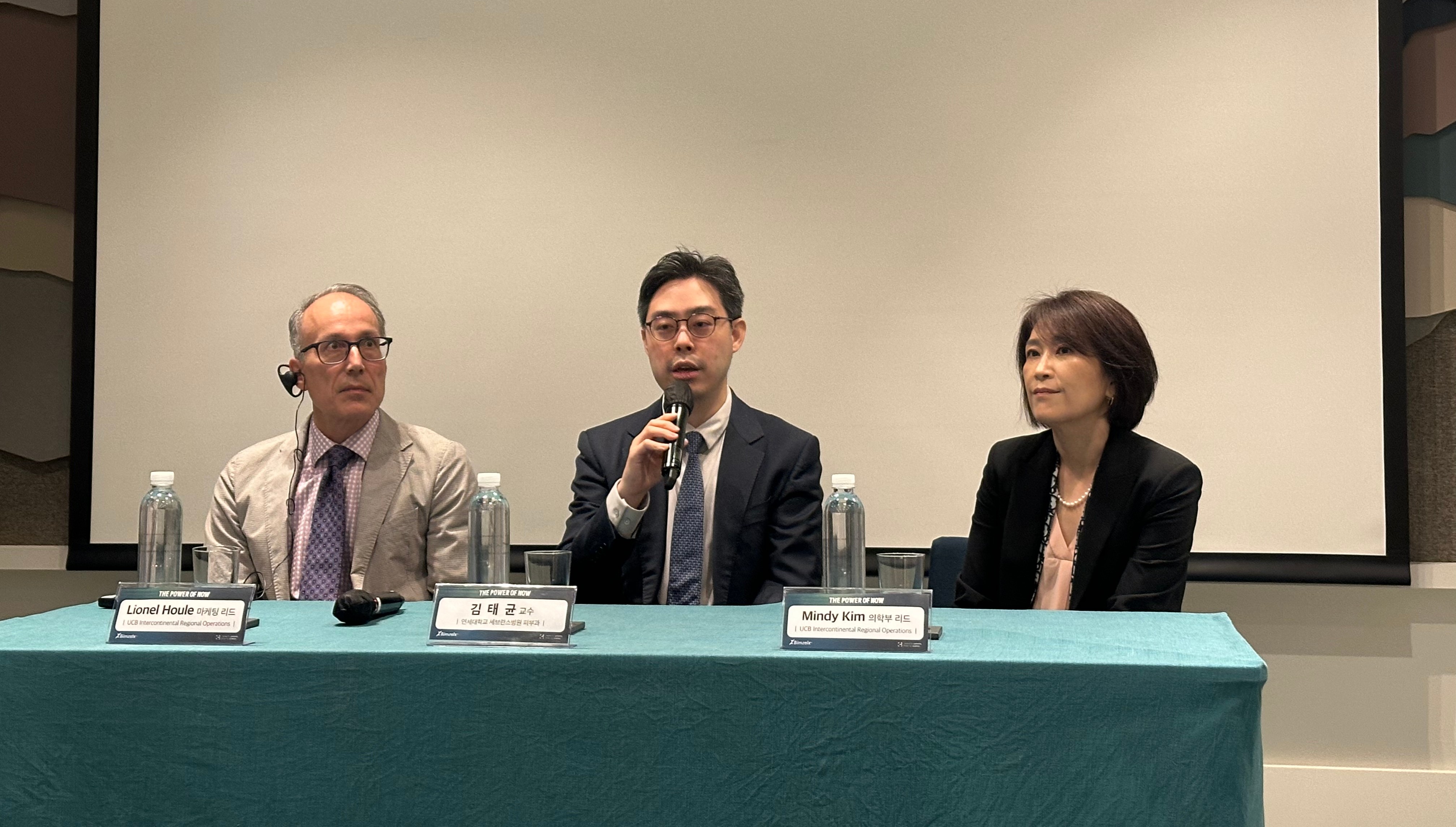
- Advances in high-efficacy biologics are pushing the boundaries of psoriasis treatment. The therapeutic goals for psoriasis are being redefined by the emergence of high-efficacy biologic therapies.In the past, achieving PASI 75 (75% improvement in the Psoriasis Area and Severity Index) was considered the primary treatment goal. More recently, however, treatment expectations have evolved beyond PASI 90 to PASI 100, reflecting growing aspirations for complete skin clearance.On June 18, UCB Korea held a press conference at the Andaz Hotel in Seoul to commemorate the first anniversary of reimbursement coverage for its psoriasis treatment Bimzelx (bimekizumab).From the left: Lionel Houle (Marketing Lead, UCB), Tae-Gyun Kim (Dermatology, Severance Hospital), Mindy Kim (Dermatology and HS Medical Lead, UCB)Bimzelx is the first and only dual-inhibition biologic that simultaneously blocks interleukin (IL)-17A and IL-17F. The therapy received Korean approval in August 2024 for the treatment of moderate-to-severe plaque psoriasis and was launched with reimbursement in June last year.Psoriasis is a chronic inflammatory disease characterized by recurrent cycles of exacerbation and remission, necessitating long-term treatment and continuous management. Beyond being a skin disorder, it is associated with a variety of systemic conditions, including psoriatic arthritis, hypertension, diabetes, and dyslipidemia, rendering proactive disease management essential.As psoriasis patients are known to face a 1.5- to 2.5-fold higher risk of developing systemic diseases than the general population, treatment strategies increasingly emphasize not only improvement of skin symptoms but also long-term disease control and quality-of-life enhancement.Bimzelx demonstrated robust efficacy in the Phase III BE READY study.At Week 16, the PASI 90 response rate reached 90.8%, while the PASI 100 response rate, indicating complete clearance of skin lesions, was 68.2%. In addition, the Investigator's Global Assessment (IGA) 0/1 success rate was 92.6%, significantly higher than the placebo group's 1.2%.Bimzelx also demonstrated superior results in head-to-head studies against other biologics. Bimzelx demonstrated statistically significant superiority in PASI 100 response rates compared with Stelara (ustekinumab), Humira (adalimumab), and Cosentyx (secukinumab).Long-term sustained effect of Bimzelx was also confirmed. According to findings from the open-label extension study BE BRIGHT, Bimzelx's high PASI 100 response rates were maintained consistently over 3 years.Dosing convenience is another distinguishing feature. Among IL-17 biologics currently available in Korea, Bimzelx is the only therapy that allows maintenance dosing to be conducted every eight weeks.Dr.Tae-Gyun Kim, Professor of Dermatology at Severance Hospital, said, “In the past, PASI 75 was often considered an acceptable treatment goal, but today the goal has shifted to PASI 90 and even PASI 100. Bimzelx is a treatment option that allows for these higher therapeutic goals."He added, "Its dual mechanism of action targeting both IL-17A and IL-17F offers the mechanistic advantage of more broadly suppressing psoriasis-related inflammatory pathways. Based on its strong skin clearance efficacy and durable long-term response, Bimzelx is establishing a new benchmark in psoriasis treatment."

- Opinion
- [Reporter's View] Will Nth National Bio Innovation Committee yield any results?
- by Kim, Jin-Gu Jun 21, 2026 02:49pm
- The President Lee Jae Myung administration’s National Bio Innovation Committee hosted an inaugural consultative meeting with the leadership board of the Korea Pharmaceutical and Bio-Pharma Manufacturers Association (KPBMA) on June 15. This official meeting marks the first formal communication channel opened since the committee’s launch in April. With chief executives from major domestic pharmaceutical and biotech companies, the list of requests handed to the government was extensive. Long-standing industry priorities, from refining the R&D investment climate, cultivating a sustainable drug development ecosystem, to securing a stable supply of essential medicines, filled the agenda.The opening of a communication channel to reinforce public-private cooperation between the government and the pharmaceutical sector is encouraging. However, reviewing the specific agendas exchanged during this initial dialogue inevitably evokes a distinct sense of déjà vu. Previously, successive administrations have routinely established independent committees under the repeated pledge to nurture the pharmaceutical and biotech industries as a future economic growth engine. Yet, without exception, none of these bodies managed to deliver tangible results that companies could realistically feel on the ground. Compared to their highly publicized, glamorous inauguration ceremonies, their final exits during political transitions were insignificant.'The Special Committee on Biotech', established by the Park Geun-hye administration in 2016, was an organ designed to coordinate fragmented biotech-R&D roadmaps across various ministries. However, it remained functionally limited as a specialized sub-committee under the National Science and Technology Council, chaired not by a minister-level official but by the First Vice Minister of the Ministry of Science, ICT and Future Planning. Carrying a mere vice-ministerial mandate, the head of the committee found it structurally difficult to overcome regulatory barriers heavily guarded by competing ministries, such as the Ministry of Health and Welfare’s drug pricing frameworks or the Ministry of Food and Drug Safety’s marketing authorization pathways. Before taking office, the Moon Jae-in administration proposed creating a presidential-level pharmaceutical and bio-innovation committee as a core campaign pledge. Yet, following the inauguration, intense wars over institutional leadership among ministries ultimately scuttled the establishment of an independent body. As a compromise, the Special Committee on Bio-Health was created within the Presidential Committee on the Fourth Industrial Revolution. However, it primarily served as a formal communication forum. The organization was ultimately unable to overcome the inherent operational limitations of a purely advisory body devoid of statutory enforcement power or budgetary allocation authority. The Yoon Suk Yeol administration similarly voiced a strong commitment to industrial promotion, launching the Bio-Health Innovation Committee under the Prime Minister and the National Bio Committee directly under the President. Rather than concentrating state capabilities, this dual-track governance structure led to overlapping responsibilities and functional redundancies. With the centralized command center effectively fractured, administrative momentum was diluted; while sweeping macroeconomic master plans flourished, the concrete regulatory overhauls demanded by the industry stagnated. Upon taking office, the Lee Jae Myung administration immediately prioritized solving this administrative governance. To resolve the systematic inefficiencies of the preceding dual-track framework, the government dissolved and consolidated the existing committees in March, subsequently launching the unified National Bio Innovation Committee under the chairmanship of the Prime Minister in April.The National Bio Innovation Committee commenced its operations after witnessing the comprehensive 'error logs' of its pas committees, including low administrative status, deficient independence, and fragmented operational inefficiencies. Even so, the overarching slogans and macroeconomic directions advanced by the current committee remain fundamentally indistinguishable from those of past administrations. Ultimately, the differentiating factors separating success from failure are not a collection of grand blueprints, but relentless executive execution. Through the historical rise and fall of prior committees, the pharmaceutical industry has learned that even the most well-formulated strategies are rendered obsolete if they fail to transition into concrete action. The time has come to move beyond the conceptual design phase and deliver swift, impactful measures that commercial enterprises can experience on the ground. Industry attention remains focused on whether this newly formed committee will repeat the unsuccessful paths of previous political regimes to fade out as yet another impotent advisory organ, or successfully institutionalize. Having unified the administrative baseline, the National Bio Innovation Committee now enters its true proving ground. The biotech-health sector expects this specific committee to demonstrate its institutional existence by delivering concrete, definitive outcomes.

- Company
- Lotte Biologics Songdo Plant 1 near completion
- by Hwang, byoung woo Jun 21, 2026 02:49pm
- Lotte Biologics Songdo BiocampusLotte Biologics’ global CDMO business strategy is taking shape along with the near completion of the company’s Songdo Plant 1 at its Songdo Bio Campus.Lotte Biologics, which has continued order acquisition activities from its Syracuse Bio Campus in the US, plans to fully launch a “dual-site” operating system connecting North America and Asia upon completion of its Songdo Plant 1.Songdo Plant 1 in approval of use process… Production base becomes realityLotte Biologics is known to have recently completed construction of Plant 1 at its Songdo Bio Campus in Incheon and applied for use approval with the Incheon Free Economic Zone Authority. Plant 1, which is located in Block Ki20 of Songdo International City District 11, is a 120,000L antibody drug production facility.Once the use approval process is completed, Lotte Biologics will have a total production capacity of 160,000L, which includes its existing 40,000L biopharmaceutical production plant in Syracuse, U.S.The broader picture for the Songdo Bio Campus is also becoming more concrete. Lotte Biologics is pursuing plans to build two additional production facilities in Songdo of the same scale as Plant 1. If all three plants are built as planned, the company will secure a total production infrastructure of 400,000L, including the Syracuse plant’s capacity.However, completion of the plant does not immediately mean commercial production. After use approval, the company must go through production preparation steps, including trial runs, validation, and quality system checks, before responding to regulatory on-site inspections and client technical due diligence audits. The company had previously set the first half of 2027 as its target for commercial production, and with the recent acceleration of the completion schedule, it appears to be speeding up subsequent preparation procedures as well.Industry observers believe the visible progress toward completion of Songdo Plant 1 will become a meaningful turning point for Lotte Biologics’ business development activities. Previously, the Songdo plant had been introduced mainly as a mid- to long-term investment plan or through renderings, but the company has now entered a stage where it can hold discussions with customers based on the plant’s actual production facilities and process configurations.First real-world Songdo marketing activities held at BIO USALotte Biologics plans to highlight this momentum at the 2026 BIO International Convention (BIO USA) to be held in San Diego, US, this month. The company has participated in BIO USA for five consecutive years since 2022.This year’s independent exhibition booth will include private meeting rooms for discussions with global customers and networking spaces for visitors.Notably, the company plans to disclose actual photo and video content showcasing its Songdo Bio Campus Plant 1. It will introduce the production process, floor-by-floor structure, and key equipment, directly demonstrating its large-scale commercial production capabilities and manufacturing competitiveness for customer-specific solutions.Lotte Biologics BIO International 2026 booth overviewFor the company, this year’s BIO USA is expected to serve as an opportunity to leverage the Songdo plant as a tangible asset rather than a simple investment plan. While the Songdo plant had previously been described as a future production base to potential clients, the company can now provide prospective clients with a detailed look at the plant’s facility and equipment, facilitating more concrete production discussions.The dual-site strategy is also becoming clearer, in which Syracuse will serve as a one-stop CDMO hub centered on antibodies and ADCs, and Songdo as a large-scale production base. The ability to utilize both a North American manufacturing base and an Asian large-scale manufacturing base could serve as a differentiating point in global customer acquisition.Workforce expands in line with operational preparationsPreparations for plant operation are also understood to lead to workforce expansion. Lotte Biologics has proactively secured production, quality, and operations personnel during the construction period of Songdo Plant 1. This is because once the physical plant is complete, initial operating personnel must be in place for the company to immediately proceed with trial runs, equipment qualification, and quality system checks.According to industry sources, Lotte Biologics is expected to continue hiring through the end of the year. If preparations for Songdo Plant 1 operation are followed by construction of additional plants, demand for production, quality, and engineering personnel is expected to increase further.This year’s contract wins also support this trend. In January, Lotte Biologics signed a biopharmaceutical contract manufacturing agreement with Rakuten Medical for the global clinical and commercial production of a photoimmunotherapy-based head and neck cancer treatment. The contract includes the provision of bioconjugation services using the company’s ADC facility in Syracuse.Also, in April, the company signed a CDMO contract with a US-based oncology biotech company for antibody drug substance production and process development. Lotte Biologics agreed to support production of antibody materials needed for late-stage global clinical trials and large-scale process optimization at its Syracuse Bio Campus.In May, it also signed an additional antibody drug production contract with the UK biotech company Ottimo Pharma. The agreement expands the scope of cooperation following a contract signed in June last year and includes not only the production of drug substance for Ottimo Pharma’s new drug Jankistomig, but also process development.Lotte Biologics’ next task is how quickly it can convert Songdo Plant 1 into a production facility capable of responding to regulatory inspections and customer audits after use approval. Given the nature of the CDMO business, a new plant cannot secure order competitiveness through physical completion alone. Production equipment qualification, quality operating systems, experience responding to regulatory authorities, and the ability to handle customer technical audits must all be in place.Using the Songdo plant as a smart factory, the company aims to strengthen production efficiency and quality management systems. It also plans to secure process flexibility to respond to diverse production needs from potential global customers. Expansion of production and quality personnel is also being conducted in line with plant operation preparations.Lotte Biologics has previously stated its goal of reaching KRW 1.5 trillion in sales by 2030 and becoming one of the world’s Top 10 CDMO companies. With the visible completion of Songdo Plant 1 and its participation in BIO USA, the company appears to be expanding global customer touchpoints to support that goal.A Lotte Biologics official said, “With the completion of Songdo Bio Campus Plant 1 imminent, we are now able to introduce our competitive production capabilities to potential global customers. Based on our dual-site operating system connecting Syracuse and Songdo, we will further strengthen our global CDMO competitiveness.”
- Company
- Public petition for 'Imdelltra' reimbursement surpasses 50,000
- by Eo, Yun-Ho Jun 21, 2026 02:49pm
- Interest in health insurance reimbursement listing of the bispecific antibody anticancer drug 'Imdelltra' has been rising.According to industry sources, a public petition for reimbursement of Amgen Korea's Imdelltra (tarlatamab), a treatment for relapsed or refractory extensive-stage small cell lung cancer (SCLC), recently surpassed 50,000 signatures, satisfying the requirement for a National Assembly petition.The speaker of the National Assembly will report the agenda to the parliamentary Health and Welfare Committee, where it will be formally selected. The Health and Welfare Committee will review the petition and, if necessary, can request the Ministry of Health and Welfare (MOHW) and Health Insurance Review and Assessment Service (HIRA) to examine or implement corresponding institutional improvements.However, given precedent, even if a petition satisfies the submission criteria, it often remains in the National Assembly or fails to lead to reimbursement determinations. Amgen resubmitted its reimbursement application for Imdelltra at the end of February, immediately after receiving a non-reimbursement determination from the HIRA's Cancer Disease Review Committee in January, which failed to establish initial reimbursement criteria. Despite the resubmission, a definitive schedule for this drug’s re-evaluation on the committee's schedule has not yet been confirmed.Given the relatively small patient population associated with small-cell lung cancer, which is classified as a rare malignancy, almost 50,000 petition signatures represents an exceptionally rare demonstration of collective advocacy compared to other disease groups. It remains to be seen whether this public petition will inject renewed momentum into the ongoing reimbursement discussions for Imdelltra. Meanwhile, Imdelltra was approved in South Korea in May of last year. This drug is a bispecific antibody therapeutic targeting delta-like ligand 3 (DLL3), an antigen expressed in 85% to 96% of patients with small cell lung cancer. While the DLL3 antigen is typically intracellular in healthy cells, it is aberrantly expressed on the surface of malignant cells in neuroendocrine tumors, including small cell lung cancer.Imdelltra demonstrated clinical efficacy in the DeLLphi-301 clinical study. The DeLLphi-301 trial was a Phase II clinical study evaluating adult patients presenting with extensive-stage small cell lung cancer whose disease had progressed following at least two or more prior lines of therapy, including a platinum-based chemotherapy regimen.According to the study results, Imdelltra demonstrated a meaningful objective response rate. Among 100 patients treated with Imdelltra 10 mg, the confirmed objective response rate reached 40%, with 58% of responding patients (n=23/40) maintaining a durable response lasting six months or longer. Furthermore, the median overall survival in the 10 mg group was 14.3 months, while the median progression-free survival (PFS) was 4.9 months. Treatment-related adverse events documented in the 10 mg treatment group were predominantly low-grade, with Grade 3 or higher events observed in 29% of participants across Parts 1 and 2 of the clinical program and in 15% of patients enrolled in Part 3.
- Company
- Hepatitis B clinical practice guidelines revised in Korea
- by Son, Hyung Min Jun 18, 2026 03:36pm
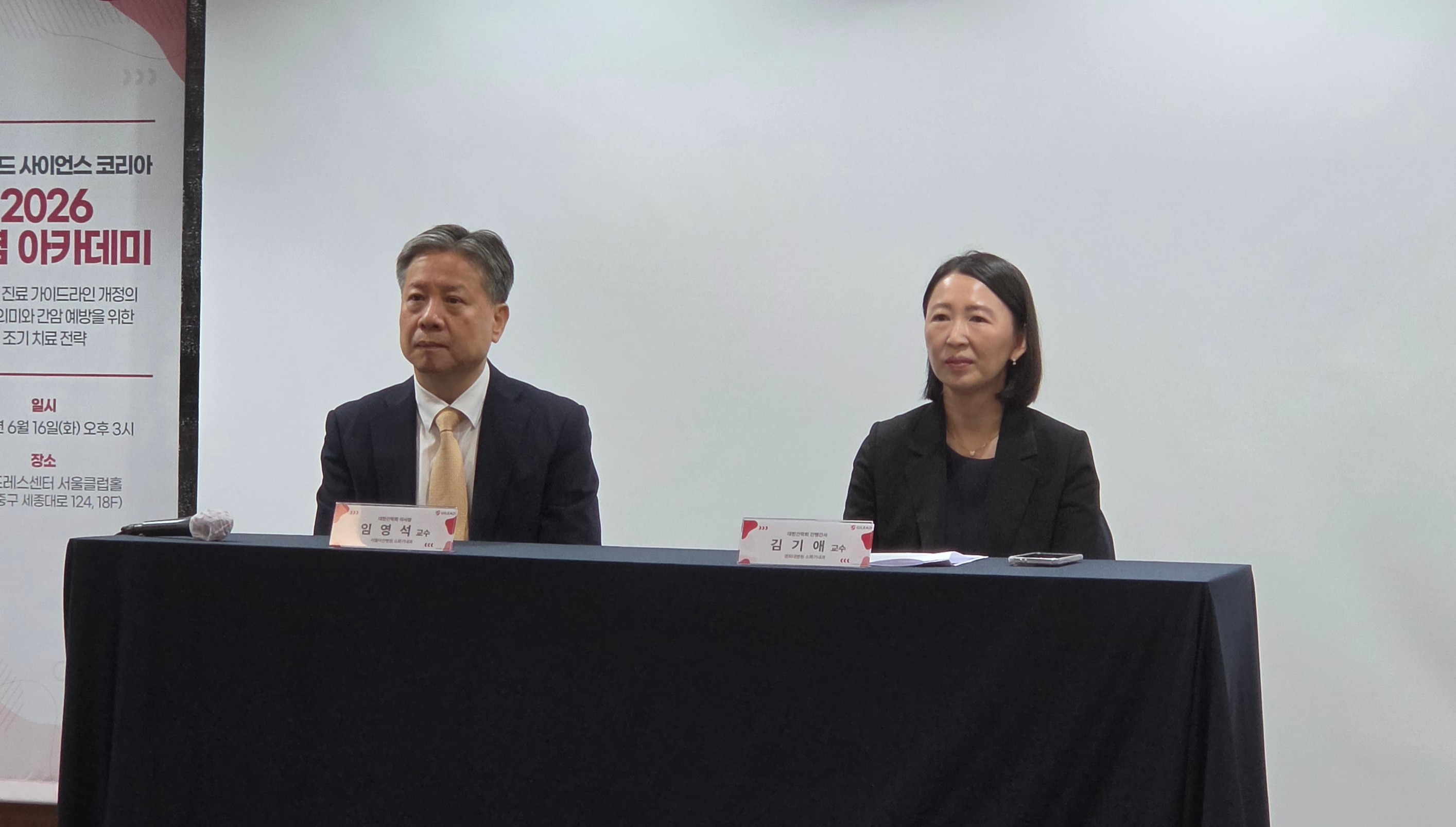
- The Korean Association for the Study of the Liver (KASL) has recently revised its hepatitis B clinical practice guidelines, signaling a potential shift in the treatment paradigm for chronic hepatitis B in Korea.The key change in the revised guidelines is a reorganization of the treatment framework away from the traditional alanine aminotransferase (ALT)-based approach toward expanding treatment eligibility based on disease risk assessment that uses HBV DNA levels.In particular, attention is rising on early intervention strategies for liver cancer prevention, as treatment recommendations have been strengthened for so-called ‘gray-zone’ patients who previously required treatment but often did not receive appropriate intervention under existing criteria.On the 16th, Gilead Sciences Korea hosted the ‘2026 Hepatitis Academy,’ where experts discussed the significance and clinical evidence behind KASL’s revised hepatitis B treatment guidelines.From the left: Young-suk Lim (Gastroenterology, Asan Medical Center), Gi-Ae Kim (Gastroenterology, Kyunghee University Hospital)The most significant change in the revised guidelines is the reclassification of the natural history of chronic hepatitis B based primarily on hepatitis B virus (HBV) DNA levels.Previous Korean guidelines recommended antiviral treatment for patients with ALT levels persistently exceeding twice the upper limit of normal or in cases where liver fibrosis had been confirmed. Under the guidelines, patients with high HBV DNA levels but normal ALT levels were often excluded from treatment, creating a persistent unmet need in clinical practice.According to Korean studies, 64% of all liver cancer cases occurred outside the current National Health Insurance reimbursement criteria. Also, patients with moderate viremia, defined as HBV DNA levels of 4–8 log10 IU/mL, were reported to have the highest risk of developing liver cancer.Reflecting these findings, KASL reclassified the natural history of chronic hepatitis B into four categories: ▲high viremia (HBV DNA >8 log10, ▲HBeAg-positive moderate viremia, ▲low viremia (HBV DNA <2000 IU/mL), and ▲HBeAg-negative moderate viremia.In particular, the treatment recommendations were expanded to include antiviral therapy for patients with moderate viremia regardless of ALT levels.ATTENTION study provides evidence for a previously underserved treatment populationThe revised guideline was largely supported by findings from the ATTENTION study, led by Korean investigators.The ATTENTION study was a multicenter, randomized, clinical trial involving 734 chronic hepatitis B patients without cirrhosis and with HBV DNA levels of 4–8 log10 IU/mL. Patients were assigned either to treatment with Vemlidy (tenofovir alafenamide, TAF) or to an untreated observation group.Professor Young-suk Lim (Gastroenterology, Asan Medical Center)After a median follow-up of 17.7 months, major clinical events, such as hepatocellular carcinoma (HCC), liver function deterioration, liver transplantation, and death, occurred in 2 patients in the TAF group (both HCC), 9 patients in the observation group (7 HCC, 1 liver function deterioration, and 1 death).Treatment benefits were also confirmed across secondary endpoints. The proportion of patients achieving HBV DNA suppression below 10 IU/mL was 91% in the TAF group and 31% in the observation group. ALT normalization rates were 80% in the TAF group and 62% in the observation group. Among patients who had elevated ALT levels at baseline, ALT normalization rates were 73% in the TAF group and 50% in the observation group.Professor Young-suk Lim of the Department of Gastroenterology at Asan Medical Center (President of KASL) stated, “Liver cancer is one of the leading causes of cancer-related death in Korea, and a substantial proportion of cases are associated with chronic hepatitis B. Although liver cancer risk is closely linked to HBV DNA levels, which reflect the degree of viral replication, previous treatment criteria have relied heavily on whether ALT levels were elevated.”Professor Lim added, “The ATTENTION study provides evidence supporting the clinical value of early antiviral treatment in patients who were previously left in a treatment blind spot. We expect these findings to play an important role in shaping future clinical guidelines and treatment practices.Professor Gi-Ae Kim (Gastroenterology, Kyunghee University Hospital)Experts emphasized that this revision is not merely an adjustment of criteria, but a shift in the treatment paradigm, while also noting that further discussion on improving reimbursement criteria is necessary for its practical implementation in clinical settings.Professor Gi-Ae Kim of Kyung Hee University Hospital (Secretary of the KASL Publications Committee) stated, “The core of this revision is the shift toward evaluating disease progression and establishing treatment strategies based on HBV DNA levels rather than ALT levels. This change is consistent with the direction of global clinical guidelines.”Professor Kim added, “Patients with moderate viremia have been shown to carry the highest risk of hepatocellular carcinoma, so we revised the guideline to recommend treatment regardless of ALT levels. This represents a fundamental change from the previous treatment paradigm.”Kim also noted, “For these newly proposed recommendations to translate into actual patient care, discussions regarding expanded treatment access and revisions to reimbursement criteria will be necessary. Managing healthcare expenditures associated with the broader treatment population and improving long-term treatment adherence will also be important challenges moving forward.”
