
- LOGIN
- MemberShip
- 2026-07-22 06:53:41
- Opinion
- [Reporter’s View] Should hair loss be covered?
- by Choi Da Eun Jun 18, 2026 03:36pm
- Discussions on extending National Health Insurance coverage to hair loss treatment have become a topic of political debate. Supporters argue that coverage is necessary to improve the quality of life for younger people, while critics question whether limited health insurance resources should be used for conditions that are not directly life-threatening.The impact of hair loss on individuals is far from trivial. Beyond the stress of physical appearance, concerns about looks have a profound impact on social interactions, interpersonal relationships, and overall mental well-being. For younger people who are particularly sensitive to appearance, hair loss may be a quality-of-life issue rather than simply a cosmetic concern.However, the National Health Insurance system is fundamentally a social safety net designed to protect life and health rather than improve the quality of life. If resources were unlimited, coverage could be expanded to include hair loss and many other conditions, but in real life, financial resources are constrained.According to the National Assembly Budget Office, the National Health Insurance system is expected to move into deficit this year, with the deficit projected to reach KRW 39 trillion by 2035. And expenditures continue to rise due to population aging and the introduction of innovative medicines. Ultimately, the insurance system must decide what to prioritize.From this perspective, the frustration felt by patients with severe and rare diseases is understandable. Cancer patients and those with rare diseases often miss optimal treatment windows due to delayed reimbursement decisions or pay hundreds to thousands of dollars out of pocket every month for non-reimbursed therapies. Many are forced to discontinue treatment because of financial burdens.Dozens of petitions calling for expanded reimbursement coverage of treatments for severe and rare diseases have been submitted over the past year through the National Assembly's petition platform and the government's Petition24 system. Patients and their families continue appeals for better access to life-saving therapies. As a result, when the government signaled that it would prioritize reviewing reimbursement coverage for hair loss treatment, criticism quickly emerged, saying, “Why is hair loss drug coverage being prioritized when review for life-saving treatments continues to be delayed due to budget constraints?”Of course, there is no reason to unconditionally oppose reimbursement for hair loss treatments. However, what we need right now is not poll results or political popularity, but a social consensus on the principles that the national health insurance must uphold.Health insurance resources are limited, and priorities must be clear. Strengthening coverage for life-saving therapies and ensuring that patients with severe and rare diseases are not forced to abandon treatment should come first. Only after those priorities are addressed should discussions move toward expanding coverage for quality-of-life improvements.This is not to suggest that hair loss is unimportant. Rather, it is a reminder to reconsider the fundamental purpose of the National Health Insurance system. The question the government must answer is not “We should support hair loss because patients suffer,” but rather “Who should be helped first with the finite amount of resources?”Once the priorities of the National Health Insurance system begin to blur, the greatest harm may ultimately fall on those patients who most urgently need reimbursement support.
- Policy
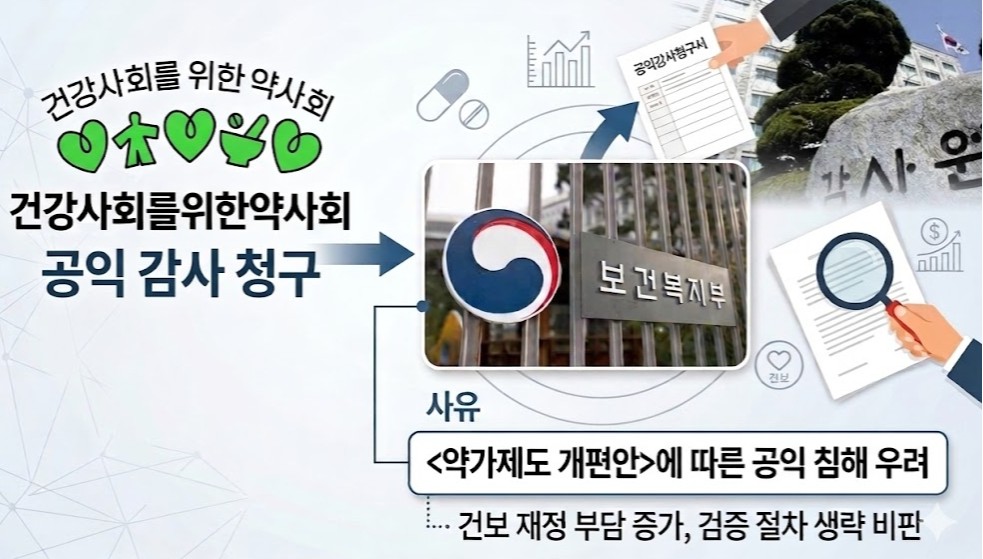
- Drug pricing reform faces public interest audit petition
- by Jung, Heung-Jun Jun 18, 2026 03:35pm
- The Ministry of Health and Welfare's (MOHW) proposed drug pricing reform has run into an unexpected hurdle, a public interest audit request. Regardless of whether the Board of Audit and Inspection (BAI) chooses to formally accept the request, administrative and procedural conflict is expected in the regulatory overhaul.The Association of Pharmacists is filing a formal public interest audit request with the BAI today (June 17th) targeting the core provisions of the pricing reform. The association previously initiated a similar audit against the MOHW and the Health Insurance Review and Assessment Service (HIRA) in 2019, surrounding the controversial reimbursement re-evaluation of choline alfoscerate.Under current statutory guidelines, a public interest audit can be requested by civic organizations possessing more than 300 members, provided there are reasonable grounds to suspect that an administrative action by a public entity compromises the broader public interest. The Association of Pharmacists is filing a formal public interest audit request with the Board of Audit and Inspection (BAI) on June 17. AI-generated imageThe Association of Pharmacists is scheduled to officially submit the petition to the audit bureau on the morning of June 17th. The central premise of their challenge is that, while the revised pricing policies will heavily inflate national health insurance expenditures, the ministry entirely bypassed mandatory regulatory verification procedures, including the preliminary feasibility studies prescribed under the National Finance Act.The audit petition primarily focus on clauses projected to drive up healthcare spending, including ▲preferential pricing policies for generic medications ▲ fast-track expedited listing pathways ▲upward adjustments to the Incremental Cost-Effectiveness Ratio (ICER) thresholds ▲flexible drug pricing contract systems. The group deliberately curated its petition to isolate elements deemed most detrimental to the long-term fiscal sustainability of the national insurance fund. "While certain generic price reductions will be carried out, our internal assessment suggests those savings remain capped at a few hundred billion KRW, whereas measures like fast-track listings and elevated ICER ceilings will increase the net financial burden," stated Lee Dong-geun, Vice Chairman of the association. Criticizing the lack of robust economic impact assessments, Lee added, "If a policy demands vast additional public expenditure, it is imperative to rigorously simulate and disclose the cost-benefit dynamics before implementation." The association noted that despite persistent warnings regarding these structural vulnerabilities, the health ministry has consistently stonewalled industry feedback and pushed forward with the execution of the policy package.Currently, the MOHW is implementing pricing reform through a phased reduction. A draft revision of the "Criteria for Determination and Adjustment of Pharmaceutical Benefits," which includes explicit price premiums for designated "innovative" and "semi-innovative" pharmaceutical firms, is currently undergoing an administrative notice window to gather public and industry comments through July 13th.Furthermore, the Health Insurance Policy Review Committee resolved during its March session to stagger implementation dates, scheduling the upward expansion of the ICER threshold for 2027 and the implementation of fast-track drug registration systems for 2028. The expedited listing mechanism for orphan drugs treating rare diseases will be launched via an initial pilot framework before expanding to broader therapeutic categories."Because the MOHW’s unilateral policy decisions and administrative procedures currently lack formal regulatory checks and balances, an official audit request was our sole mechanism to force structural oversight," Lee emphasized. Lee asserted that any structural flaws identified within the currently noticed administrative texts must be corrected before final promulgation. Although the probability of the BAI fully accepting the public interest audit remains modest, the audit petition succeeds in turning public focus toward fiscal exposure, establishing an enduring pressure point for the health ministry as it continues the pricing modifications.

- Opinion
- "Rapid symptom relief"…'Rhapsido' a new treatment option for CSU
- by Son, Hyung Min Jun 18, 2026 03:35pm
- "Chronic spontaneous urticaria (CSU) is not simply a dermatological condition. A significant number of patients remains inadequately controlled with existing treatments. There is a significant medical need for novel therapeutic options." During a recent joint interview with DailyPharm, Dr. Sarbjit Saini, a professor of the Division of Allergy & Clinical Immunology at Johns Hopkins University School of Medicine, and Dr. Jeong-Hee Choi, a professor of the Department of Pulmonology and Allergy at Hallym University Dongtan Sacred Heart Hospital evaluated the unmet medical needs in CSU and the strategic significance of emerging treatments. The therapeutic landscape for CSU is undergoing a new shift. Patients remain highly symptomatic despite standard antihistamine treatments. Therefore, attention is drawn to domestic approval of Novartis’s Rhapsido (remibrutinib), the first oral Bruton’s tyrosine kinase (BTK) inhibitor indicated for this patient population. This drug has been demonstrated to provide rapid symptom relief.CSU is a chronic inflammatory skin disease characterized by recurrent wheals and angioedema persisting for six weeks or longer without specific triggers. Although urticaria is commonly dismissed as a transient allergic reaction, CSU is differentiated from typical acute urticaria by its long-term recurrence and highly unpredictable patterns of exacerbation and remission.The overall disease burden carried by patients is substantial. Recurrent pruritus and wheals frequently lead to sleep disorders and fatigue, and when accompanied by facial or lip edema, significantly compromise interpersonal relationships and social activities. The persistent anxiety surrounding sudden symptom exacerbation serves to restrict patients' daily routines. In real-world clinical practice, patients routinely complain of itching, sleep deprivation, impaired concentration, and diminished work efficiency; however, the disease itself still tends to be misperceived as a basic skin condition.Dr. Sarbjit Saini, a professor of the Division of Allergy & Clinical Immunology at Johns Hopkins University School of Medicine, and Dr. Jeong-Hee Choi, a professor of the Department of Pulmonology and Allergy at Hallym University Dongtan Sacred Heart Hospital Current CSU management utilizing standard second-generation antihistamines serves as the first-line therapy, with additional interventions, such as dose escalation or the introduction of biologic agents, considered if symptom control remains insufficient. Nevertheless, more than half of the patient is reported to experience inadequate symptom control despite undergoing antihistamine therapy.For patients who continue to present with pruritus and wheals following antihistamine dose escalation, available therapeutic options are highly restricted. Although clinical guidelines recommend a staged escalation of treatment, real-world execution is frequently hindered by a combination of low disease awareness, limited treatment access, financial constraints, and the logistical burden of frequent hospital visits.Certain patients rely on short-term pharmacological interventions during acute flares or repeatedly cycle through treatments with heavy long-term burdens, such as systemic corticosteroids. However, medical experts point out that because CSU requires chronic management, a purely reactive approach focused on mitigating acute exacerbations is insufficient to adequately alleviate the cumulative disease burden.Under these circumstances, Rhapsido is being evaluated as an option capable of introducing new dynamics to the established treatment paradigm. As the inaugural oral BTK inhibitor indicated for CSU, Rhapsido selectively inhibits BTK, an enzyme involved in the upstream activation pathways of mast cells and basophils, a mechanism designed to directly block the secretion of histamine and secondary co-inflammatory mediators.While conventional antihistamines operate by blocking already secreted histamine from binding to its receptors, Rhapsido works by modulating the upstream signaling pathways of the histamine release cascade. This targeted therapeutic approach is drawing considerable interest, particularly for addressing the complex autoallergic and autoimmune pathways concurrently involved in CSU.Dosing convenience represents another key differentiator. Administered as a twice-daily oral medication, Rhapsido offers a novel alternative for patients who feel burdened by injectable therapies like 'Xolair (omalizumab)' or face difficulties accommodating regular hospital visits. Given that the CSU patients features a high proportion of young, socially active individuals, the arrival of an oral targeted option carries substantial clinical weight.In clinical trials, Rhapsido demonstrated rapid improvement of symptoms. In the REMIX-1 and REMIX-2 studies, Rhapsido demonstrated measurable improvements in pruritus and wheals starting from week 1 of administration, and significantly improved the weekly Urticaria Activity Score (UAS7) compared to placebo at week 12. In certain patients, a complete resolution of both itching and hives was documented alongside overall disease control.Recently updated international urticaria guidelines establish complete symptom control as the ultimate therapeutic objective, integrating Rhapsido as a validated targeted option to be considered following antihistamine therapy. This global regulatory momentum is anticipated to influence domestic clinical guidelines during future revision processes.However, industry specialists note that maximizing real-world clinical utility will require the accumulation of additional prescriptive experience and the securing of treatment access. As a therapeutic agent featuring a novel mechanism of action, the process of collecting localized user experiences and long-term safety data within domestic cohorts remains vital, with pricing pressures and reimbursement status serving as core variables dictating patient access.Both experts assessed that "Rhapsido is an orally accessible, novel targeted therapeutic option that offers a meaningful alternative for patients who remain uncontrolled on conventional regimens," and added, "As real-world treatment experience and clinical evidence accumulate, we anticipate significant realignments in established CSU management strategies."Q. What specific clinical and daily challenges have been experienced by CSU patients whose symptoms were difficult to control using existing treatments alone?Dr. Sarbjit Saini, a professor of the Division of Allergy & Clinical Immunology at Johns Hopkins University School of Medicine[Dr. Saini] The single greatest challenge is that symptom onset and acute flares manifest in a highly unpredictable manner.Even when baseline disease activity has decreased, a sudden, severe exacerbation of angioedema causing facial and lip swelling can induce immense panic in patients, driving an immediate demand for medical intervention. Ultimately, this creates deep anxiety that stems from the perception of being unable to self-manage the disease.Although antihistamines are used to regulate the symptoms and overall severity of CSU patients, the practical therapeutic efficacy that could be expected has faced clear limitations.For individuals experiencing persistent, inadequate symptom control, clinicians have ultimately had to rely on interventions like systemic corticosteroids. However, while corticosteroids deliver rapid short-term efficacy, their well-documented adverse event profile makes them a highly unfavorable maintenance option. Consequently, prior to the recent emergence of these novel therapies, the available treatment choices were exceptionally limited.[Dr. Choi] Non-responsiveness to high-dose antihistamines has been reported in as few as 20% to as many as 50% of patients, while approximately 20% remain refractory to Xolair. In the past, various immunomodulators, including antimalarials, were attempted, and the subsequent introduction of the biologic agent Xolair established a safer and more effective therapeutic alternative. However, Xolair still carries the logistical burden of requiring patients to visit the clinic once a month for injections.Above all, the intense pruritus associated with CSU is an exceptionally difficult symptom for patients to tolerate. When symptoms worsen, patients demand therapeutic options that offer superior convenience and rapid responsiveness. While currently developing therapeutics target complete disease control, whether these agents can fundamentally alter the long-term course of the disease requires further observation. Rhapsido carries significant potential and high expectations as a treatment option featuring a novel mechanism of action.Q. What is the mechanistic significance of BTK inhibitors within the therapeutic management of CSU?[Dr. Choi] The pathophysiology of urticaria is fundamentally understood to be driven by immunoglobulin E (IgE) cross-linking and mast cell activation. While Xolair directly inhibits circulating IgE molecules, BTK inhibitors differentiate themselves by blocking the downstream intracellular signaling cascades required for mast cell activation following that receptor binding event.The pathophysiology of urticaria is fundamentally understood to be driven by immunoglobulin E (IgE) cross-linking and mast cell activation. While Xolair directly inhibits circulating IgE molecules, BTK inhibitors differentiate themselves by blocking the downstream intracellular signaling cascades required for mast cell activation following that receptor binding event.[Dr. Saini] The BTK inhibitor Rhapsido acts directly upon mast cells and basophils, which secrete symptom-inducing inflammatory compounds like histamine, thereby directly suppressing the actual exocytosis of the inflammatory mediators responsible for triggering pruritus, swelling, and angioedema. It also modulates B-cells, which are immune cells responsible for antibody production, a pathway believed to potentially exert an effect on the underlying autoantibody responses driving CSU symptom expression.Q. How do you evaluate the efficacy and safety data confirmed for Rhapsido in clinical studies? Which data are significant?[Dr. Saini] From an efficacy standpoint, Rhapsido demonstrated a comparatively rapid onset of symptom relief. The Rhapsido-treated cohorts exhibited measurable symptom separation from the placebo arm at an early juncture, with tangible symptom improvements manifesting as early as week 1 of administration. This Phase III program enrolled severe patients whose disease was inadequately controlled on antihistamines, many of whom had carried a heavy disease burden for extended durations, with a mean disease duration of approximately six years. Furthermore, about one-third of the participants were patients who remained uncontrolled despite extensive prior experience with existing advanced therapies.The initial 24 weeks of the study followed a double-blind, placebo-controlled design, after which the placebo-assigned patients crossed over to active Rhapsido therapy. Upon switching, these crossover patients likewise demonstrated rapid disease control. Moreover, the 52-week long-term analysis confirmed that this therapeutic efficacy was stably and durably maintained over extended administration.Regarding safety, the oncology sector has already established a baseline level of experience with early-generation BTK inhibitors, and subsequent generations have continually optimized molecular selectivity. Rhapsido similarly demonstrated clinical efficacy without triggering pronounced or elevated signals for the adverse events historically associated with older BTK inhibitors.Dr. Jeong-Hee Choi, a professor of the Department of Pulmonology and Allergy at Hallym University Dongtan Sacred Heart Hospital [Dr. Choi] In my opinion, the clinical trial results for Rhapsido is highly positive. Initially, there were baseline concerns within the medical community that the mechanism of BTK inhibition might induce overly broad systemic suppression of immune responses. However, Rhapsido's highly selective mechanism has been consistently demonstrated, and the actual clinical datasets continue to show highly stable outcomes.In the clinical perspective, attention is drawn to the speed of symptom improvement. Xolair often shows varying response times across distinct patient subsets, and parameters such as baseline IgE levels are sometimes used to predict treatment responsiveness. In contrast, Rhapsido's capacity to induce rapid improvements in pruritus and urticarial lesions independent of these biological variables was highly impressive.The current lack of extensive comparative trials against Xolair limits direct cross-trial conclusions. Nonetheless, evaluating the data package compiled to date suggests that this oral small molecule can deliver efficacy comparable to that of established standard-of-care biologic agents.Q. Given Rhapsido's rapid symptom improvement, which specific patient subpopulations do you anticipate will benefit most in real-world clinical practice?[Dr. Choi] The primary candidates will be patients who require advanced step-up interventions due to inadequate disease control on optimized antihistamine regimens. Additionally, the option can be strategically considered during the treatment selection process for patients who cannot tolerate continuous high-dose antihistamines due to side effects, individuals facing logistical hurdles that restrict regular clinic visits for injections, and patients harboring a strong aversion or resistance to injectable therapies.[Dr. Saini] Priority consideration can be given to patients maintaining high baseline disease activity despite cycling through multiple antihistamines and various advanced therapies mandated by prior tiers of established clinical guidelines.It can also deliver distinct benefits in clinical scenarios requiring rapid stabilization, such as patients with severe edema or angioedema who frequently present to emergency departments. Furthermore, it represents a viable alternative for individuals currently dependent on oral corticosteroids due to a lack of alternative options, patients experiencing dose-limiting toxicities such as somnolence from legacy antihistamine choices, and individuals undergoing immunosuppressive therapies like cyclosporine that necessitate rigorous, ongoing laboratory safety monitoring.Q. Despite its recent regulatory clearance, Rhapsido was swiftly integrated into international guidelines. How do you evaluate this rapid academic adoption?[Dr. Saini] The relatively rapid inclusion of Rhapsido into global guidelines indicates that international medical societies, steering committees, and researchers concluded that the product's clinical value had been robustly validated through its clinical data package.To date, approximately six to seven months of commercial real-world user experience has been compiled in the United States, alongside a broader experience across diverse patient cohorts via clinical trial extensions. Our perspective on this real-world clinical feedback is highly positive.The rapid onset of symptom relief documented in controlled trials is being directly mirrored in clinical practice, with clinicians frequently recording instances where patients explicitly report rapid, tangible improvements. For patients, directly experiencing this rapid therapeutic validation serves as a powerful driver that reinforces long-term treatment adherence and persistence.[Dr. Choi] Its prompt integration as a primary scond-line therapy within international consensus guidelines carries significant weight. While the domestic medical community will naturally look to expand its localized clinical experience, this international endorsement provides a solid foundation of clinical confidence for South Korean prescribers.Because Korean experts had already established expectations and early familiarity through participation in global clinical programs, the broader medical community is viewing this rapid guideline integration with substantial optimism.Q. How do you project the long-term evolution of the CSU commercial and clinical landscape moving forward?[Dr. Choi] When Xolair initially entered the marketplace, there was a baseline level of clinical hesitation toward adopting a novel mechanism, which gradually dissolved as extensive real-world safety registries expanded. Today, it stands as a trusted, routine intervention, and I anticipate Rhapsido will chart a highly identical trajectory of market assimilation.There is currently strong consensus within the medical community on the need to update South Korea's localized CSU clinical consensus guidelines. The revision process is slated to commence late this year with completion targeted for next year, during which Rhapsido's positioning will be evaluated in depth.From a policy and structural standpoint, bolstering market access and affordability remains imperative, as refractory chronic urticaria continues to receive insufficient public health attention relative to its severe daily disease burden. Nevertheless, the ongoing diversification of the advanced therapeutic arsenal marks a clearly meaningful shift for patient care.In the future, we must collaborate to establish an ecosystem that supports sustained, optimized treatment pathways, necessitating synchronized public health advocacy and pricing policy discussions.[Dr. Saini] I anticipate robust, expansive prescription adoption of Rhapsido globally. The product addresses a critical commercial white space by offering patient-centric dosing convenience while drastically shortening the time-to-resolution, fundamentally elevating the standard of care for patients suffering from refractory CSU.Beyond urticaria, the asset possesses significant pipeline expansion potential across broader allergic indications. Early-stage data packages in food allergy have already demonstrated promising outcomes, where the molecule rapidly attenuated hypersensitivity reactions in peanut- and tree-nut-sensitive cohorts, signaling its utility in mitigating anaphylactic risks during accidental allergen exposures.The mechanism could similarly be utilized within the drug allergy sector. In clinical scenarios where a patient presents with a known allergy to an indispensable, non-substitutable therapeutic agent, co-administration of a highly selective BTK inhibitor could, in theory, provide a vital protective buffer, opening new avenues for safe desensitization protocols.
- Company
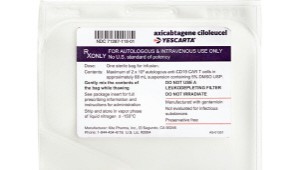
- Yescarta shifts focus to second-line reimbursement
- by Eo, Yun-Ho Jun 18, 2026 03:35pm
- Gilead Sciences Korea has decided to take one step back in order to move two steps forward with its CAR-T therapy, ‘Yescarta.’According to Dailypharm coverage, Gilead Sciences Korea has decided not to accept the condition proposed by the Drug Reimbursement Evaluation Committee (DREC) in May, requiring acceptance of a reimbursement price below the committee’s assessed value for Yescarta (axicabtagene ciloleucel) in the third-line treatment setting for relapsed or refractory diffuse large B-cell lymphoma (DLBCL).Instead, the company plans to pursue reimbursement for the drug’s second-line indication rather than the third-line setting. Industry observers believe the application could be submitted as early as July.DLBCL is known to have rapidly worsening outcomes with each successive line of treatment, and the second-line stage is considered a critical period where a cure can be expected.Currently, reimbursed second-line treatment options for relapsed or refractory DLBCL in Korea primarily consist of older salvage cytotoxic chemotherapy regimens. Patients who fail first-line therapy or relapse within one year have a two-year survival rate of only around 20%, even with aggressive second-line treatment.For patients who are unlikely to achieve sufficient benefit from existing therapies, it is important to create an environment in which treatment options with the potential to improve long-term survival can be used at the right time.Yescarta is indicated for adult patients with DLBCL that is refractory to or relapses within 12 months after first-line chemoimmunotherapy, and adult patients with relapsed or refractory DLBCL after two or more lines of systemic therapy.A Gilead official stated, “We aim to provide patients in the second-line setting, who have the highest unmet need, with access to innovative treatment at the time when it can deliver the greatest benefit. We will continue to work closely with stakeholders to ensure that second-line reimbursement is realized in a sustainable manner.”
- Policy
- Rush to apply for generic marketing authorization…"indication splitting"
- by Lee, Tak-Sun Jun 17, 2026 04:31pm
- AbbVies Rinvoq Extended-Release tabletsKorean pharmaceutical companies are splitting implications to launch generics of AbbVie Korea’s blockbuster autoimmune treatment, Rinvoq (upadacitinib) Extended-Release tablets. This strategy is to partially neutralize the extended enforcement period of the original brand's core patent for its substance. If this strategy succeeds, the launch timeline for these generic versions could be accelerated by two years, from May 2032 to December 2030. According to industry sources on June 15, multiple pharmaceutical companies submitted marketing authorization applications for upadacitinib formulations to the Ministry of Food and Drug Safety (MFDS) on June 4. The filings were scheduled on the immediate day following the June 3 expiration of Rinvoq’s data protection (re-examination) window.According to the tracking data disclosed by the MFDS, unlike the multi-indicated original brand, these developers applied for marketing authorization of three indications: ▲atopic dermatitis ▲ulcerative colitis ▲Crohn's disease. This strategy directly aligns with the legal rationale underpinning ongoing patent trials challenging the extension of the substance patent duration. By narrowing their focus to the highly marketable fields of atopic dermatitis and inflammatory bowel disease (IBD), the generic companies intend to challenge the unextended patent window.If the generic companies secure a favorable final ruling on their patent circumvention claims, they would launch their products as early as December 1, 2030. This move would bring the market entry timeline forward by approximately 18 months ahead of the extended substance patent’s expiration date in May 2032.In March of this year, the Intellectual Property Trial and Appeal Board (IPTAB) ruled in favor of 16 domestic pharmaceutical companies, including Daewoong Pharmaceutical, Samjin Pharmaceutical, Chong Kun Dang, Huons, Dong-A ST, Ildong Pharmaceutical, and GC Biopharma, in a negative scope-of-confirmation trial targeting Rinvoq's crystalline form patent, which is set to expire on October 17, 2036.These companies had previously filed their initial trial petitions between August 19 and September 2 of last year, successfully satisfying a key administrative prerequisite to secure Priority Marketing Authorization rights. Consequently, the most prolonged patent wall blocking market entry until 2036 has been dismantled. After that, the challenge shifted to the primary substance patent, which is protected through May 16, 2032. Initiated by Dongkoo Bio & Pharma, as well as 12 other companies, including Daewoong Pharmaceutical and Samjin Pharmaceutical, filed trial petitions between April 30 and May 14 to contest the regulatory extension of the substance patent's term.This strategy aims for an "indication splitting". While Rinvoq currently has six approved clinical indications, including rheumatoid arthritis, atopic dermatitis, ulcerative colitis, and Crohn's disease, the generic companies argue that although the originator secured a term extension due to regulatory review delays, the enforcement of this extension should apply exclusively to rheumatoid arthritis, the target indication of the initial clinical trials. If this succeeds, generics could lawfully launch for the remaining indications immediately following December 1, 2030, which marks the baseline expiration date of the substance patent before its regulatory extension. In addition to legal debate, companies are filing applications for marketing authorization.A pharmaceutical industry insider said, "Now, the strategy of domestic firms to select highly competitive indications like atopic dermatitis and IBD for an expedited commercial launch is being realized rapidly," and added, "MFDS's approval and IPTAB’s upcoming rulings on the substance patent extension will serve as a market shifter, shifting the competitive landscape of the domestic autoimmune market."According to UBIST data, Rinvoq generated approximately KRW 36.2 billion in domestic outpatient prescription sales last year.
- Policy
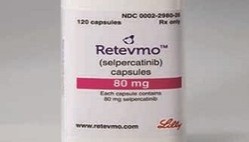
- RET-targeted Retevmo re-enters price negotiations after 3yrs
- by Jung, Heung-Jun Jun 17, 2026 04:31pm
- Eli Lilly Korea's RET-targeted cancer therapy ‘Retevmo (selpercatinib)’ has entered reimbursement price negotiations for the second time since 2023.Approximately 5 years after becoming the first RET-targeted therapy approved in Korea, the drug is now closer than ever to securing reimbursement coverage.According to industry sources on the 15th, Retevmo, which recently received a positive reimbursement recommendation from the Drug Reimbursement Evaluation Committee (DREC), immediately entered price negotiations with the National Health Insurance Service (NHIS).The DREC recognized Retevmo’s reimbursement as adequate for ▲locally advanced or metastatic RET fusion-positive non-small cell lung cancer (NSCLC) and ▲advanced or metastatic RET-mutant medullary thyroid cancer that requires systemic therapy.Abnormal activation of the RET gene, such as through fusion mutations in receptor tyrosine kinase involved in cell development, can lead to cancer.Following the withdrawal of Roche Korea's Gavreto (pralsetinib) from the Korean market, Retevmo is currently the only RET-targeted therapy available in Korea. However, despite receiving regulatory approval nearly 5 years ago, the drug has remained available only through non-reimbursed prescriptions, leading patients to repeatedly raise concerns over the high out-of-pocket cost.Last year, public interest intensified when a national petition calling for expedited reimbursement listing surpassed 50,000 signatures.Lilly has pursued reimbursement for Retevmo three times since obtaining approval. In 2022, reimbursement criteria were established following two reviews by the Cancer Disease Deliberation Committee (CDDC), and the drug subsequently passed the DREC in 2023. However, reimbursement efforts stalled when price negotiations with the NHIS collapsed later that year.A gap of over a year and a half followed, during which patient advocacy efforts calling for rapid reimbursement continued.Lilly resubmitted its reimbursement application in April of last year. Unlike previous submissions, the new application included Phase III clinical data and strengthened pharmacoeconomic evidence. The company ultimately cleared DREC review once again and has now entered a second round of NHIS price negotiations.Given the absence of alternative RET-targeted therapies and the improved pharmacoeconomic evaluation data, industry observers believe Retevmo is significantly closer to reimbursement approval than in previous attempts. However, the final outcome is expected to depend largely on negotiations surrounding the Risk-Sharing Agreement (RSA) type and implementation.
- Policy
- Sanofi's 'Nexviazyme' for Pompe disease in shortage
- by Lee, Tak-Sun Jun 17, 2026 04:31pm
- Product photo of NexviazymeFollowing concerns about a supply shortage of Sanofi-Aventis Korea’s orphan drug 'Nexviazyme (avalglucosidase alfa)', South Korean health authorities have initiated a review to support it. Given that this drug is an essential medicine with no alternative, health authorities aim to preemptively address clinical gaps for patients.Sanofi-Aventis Korea officially announced the supply deficit of Nexviazyme to the Ministry of Food and Drug Safety (MFDS) on June 12.The company attributed supply shortage to "global manufacturing capacity deficits relative to rising international demand, as well as by shipping and logistics delays stemming from geopolitical conflicts in transit regions through the Middle East."Nexviazyme is an enzyme replacement therapy (ERT) indicated for patients diagnosed with Pompe disease, a rare hereditary metabolic disorder. Pompe disease is a condition caused by a deficiency of the enzyme required to break down glycogen, leading to abnormal intracellular accumulation of glycogen in muscle tissue. This condition triggers progressive systemic skeletal muscle atrophy, loss of ambulation, and respiratory insufficiency, which can lead to mortality in severe clinical cases. Notably, Nexviazyme is the latest medicine with enhanced cellular drug uptake compared to existing standard-of-care agents, thereby demonstrating clinically meaningful improvements in patients' respiratory parameters and ambulatory functions. In South Korea, it is categorized as an irreplaceable essential medication with no therapeutic alternatives available in the market. Sanofi reported concerns through its shortage notification, stating that "Regular monthly supply and strict adherence to the dosing regimen are ncessary for this product. Any supply disruption could expose patients to a rapid, quantitative decline in their six-minute walk test (6MWT) scores, a prognostic indicator," and added, "Enzyme deficiencies in active myocytes trigger irreversible skeletal muscle damage and atrophy, which directly correlate with deterioration in overall clinical status and the loss of autonomy in activities of daily living."Currently, Sanofi Korea has activated an emergency import protocol. Although the company expedited an import of 1,200 vials on June 12, this volume remains insufficient to satisfy regional demand, leaving the drug vulnerable to an early out-of-stock (OOS) scenario. Consequently, while Sanofi Korea plans to import an additional 1,700 vials by July 20, it is concurrently exploring regulatory channels to directly introduce foreign-labeled packaging (global packs) to bridge the temporary inventory gap.The MFDS has begun assessing the current situation and implement administrative support measures to protect patient access. An MFDS official stated, "While the Middle Eastern war may not seem a direct contributing factor, avoiding a therapeutic gap remains the MFDS's top priority," and added, "Based on feedback from the manufacturer, the MFDS is actively considering administrative fast-tracking, including granting exemptions from localized Korean labeling requirements for imported product lots originally destined for other countries to facilitate expedited customs clearance.Nexviazyme has been covered under the National Health Insurance system since September 1, 2023. It requires an intravenous infusion of 20 mg per kilogram of body weight every two weeks; a patient weighing 60 kg requires a 1,200 mg dose. With the insurance price set at KRW 1,436,600 per 100-mg vial, bi-weekly treatment costs reach KRW 17.16 million. However, because eligible individuals qualify for the rare disease copayment exemption program, patients are responsible for only 10% of the total treatment cost out of pocket.

- Company
- How to address the growing backlog of non-reimbursed therapies
- by Son, Hyung Min Jun 17, 2026 04:30pm
- So, is there a solution? The reality that the number of non-reimbursable anticancer drugs is piling up as advanced new drugs increase is causing frustration for patients.However, the regulatory authorities also have their woes, as the faster innovative cancer therapies are developed, the greater the burden placed on Korea's National Health Insurance system.With the introduction of new classes of oncology treatments, including immunotherapies, antibody-drug conjugates (ADCs), bispecific antibodies, radiopharmaceuticals, and gene therapies, cancer survival outcomes have steadily improved. In some cancers, discussions have progressed beyond long-term survival to the possibility of a cure. For the National Health Insurance Service, however, the advances have come with rapidly increasing financial pressure as treatment costs often reach hundreds of thousands of dollars per patient.The core problem is that Korea's reimbursement system has struggled to keep pace with the speed of drug development and regulatory approval. Even therapies that have become global standards of care often require years to obtain reimbursement, leaving patients waiting long after approval until they can actually benefit from treatment.According to the Korea Alliance of Patients Organization, the average time from regulatory approval to reimbursement listing for 32 oncology drugs listed between 2021 and 2025 was 659 days, which is approximately 1 year and 10 months.Against this backdrop, attention is rising on whether the government's ongoing drug-pricing reform could provide part of the solution. The government ultimately plans to improve patient access to innovative medicines through the generic drug pricing reform, which includes measures to improve financial efficiency, accelerate reimbursement for rare-disease and severe-disease treatments, introduce flexible pricing agreements, and expand risk-sharing agreements."It's not just about money, it's about value"…Consensus forms on the need to change the reimbursement evaluation systemThe medical community criticized that reimbursement decisions for cancer drugs should not be viewed solely as financial issues. However, clinicians continue to believe that budget impact remains one of the most influential variables in reimbursement decisions.One medical oncologist commented, “In many recent reimbursement reviews, projected claims amount seems to carry more weight than treatment effectiveness. Particularly in cancers that affect many patients, reimbursement discussions can drag on simply because of the anticipated financial burden, regardless of how strong the clinical benefit may be.""Paradoxically, the more patients who could benefit from a treatment, the harder it sometimes becomes to obtain reimbursement. Even therapies with proven survival benefits may face access barriers because of financial concerns."One expert involved in CDRC discussions described the reimbursement process as “not a process of calculating costs, but a process of putting a price tag on value."According to the expert, "Cost-effectiveness is not simply about whether a drug is expensive or inexpensive. It is about determining how much society is willing to pay for extended survival, improved quality of life, and the possibility of a cure. Although discussions are made using Korea’s per-capita GDP of approximately USD 36,000 as a benchmark, for severe diseases and oncology treatments, society may need to consider doubled thresholds, those exceeding USD 70,000.“Below USD 36,000, treatments are generally viewed as more acceptable, and the burden becomes much greater when the threshold exceeds USD 70,000. Between those levels, the question is ultimately about which values society chooses to prioritize. That is less a scientific judgment than a social choice."There are also growing calls for improving the predictability and transparency of the current reimbursement evaluation system. At present, the results of the Cancer Disease Deliberation Committee (CDDC) are disclosed in forms such as reimbursement criteria established, reimbursement criteria not established, or reconsideration. However, it is not possible to determine which specific factors influenced the decision.One pharmaceutical industry official said, “Only the result -- ‘reimbursement criteria not established’ -- is disclosed, so it is difficult to determine whether the decision was due to insufficient clinical evidence, cost-effectiveness issues, or budget impact. From a company’s perspective, it is not easy to predict what needs to be supplemented in order to expect a positive outcome at the next review.”The official continued, “We agree that reimbursement evaluation is a process of finding a balance between financial sustainability and patient access. If there is insufficient explanation of the decision-making process, acceptance of the outcome may also be reduced. There is also a need for discussions on sharing evaluation criteria and the rationale behind making decisions more transparently.”Generic drug pricing reform… Whether the cost savings are reinvested in innovative drugs is keyThe drug pricing system reform being pursued by the government can also be viewed as part of the search for an answer to the same question. If the financial resources secured through generic drug price cuts lead to improved access to innovative medicines, and if the reimbursement system becomes able to reflect treatment value more flexibly, this reform could become not merely a cost-saving policy but the starting point of a patient-centered system reform.Recently, the Ministry of Health and Welfare finalized a plan to lower the price calculation rate for generics and off-patent medicines from 53.55% to 45%. At the same time, it established a structure that provides pricing incentives for innovative and quasi-innovative pharmaceutical companies with high levels of R&D investment.Through this, the government aims to improve the generic-centered market structure and encourage a transition toward an R&D-driven industry.One industry official explained, “This reform has more of the character of industrial restructuring than a simple drug price reduction policy. The expectation is that companies with insufficient R&D investment will naturally lose competitiveness, while the industry is reorganized around companies with strong innovative drug development capabilities.”Another industry official said, “It is important to create a virtuous cycle in which the financial resources secured through price reductions are reinvested into innovative medicines and R&D. If only the cost-saving effect is emphasized but does not lead to actual improvements in access, the justification for the reform could weaken.”In other words, the financial resources secured through drug price reductions should not merely remain as industry support but should be directed toward areas that the public can directly benefit from, such as improved access to innovative medicines and strengthened stability of essential medicine supply.RSA Expansion and flexible pricing agreements… Can they improve patient access?Experts are turning their attention to the expansion of risk-sharing agreements (RSA) and more flexible drug pricing contracts.A risk-sharing agreement allows the government and pharmaceutical companies to share the financial burden associated with high-cost innovative drugs. In Korea, many oncology drugs and rare disease treatments have already entered the reimbursement system through this mechanism.However, experts believe that the current refund-based RSA model alone has limitations.One industry official said, “The current structure tries to complete almost all evaluations before a drug enters the reimbursement system. As a result, patients wait longer, and the system spends a great deal of time trying to reduce uncertainty.”The official continued, “A more realistic approach may be to embrace a certain level of uncertainty, secure patient access first, and then evaluate effectiveness using real-world data before adjusting the drug price. Going forward, post-listing management is likely to become more important than pre-listing review.”Discussions are also continuing regarding evaluation criteria in terms of clinical usefulness. In the past, overall survival (OS) was considered the most important clinical endpoint. More recently, however, there have been increasing calls to consider a broader range of values, including long-term survival, recurrence prevention, and improvements in quality of life.In fact, many innovative new drugs have demonstrated the potential for long-term survival benefits even before mature OS data become available, through improvements in progression-free survival (PFS), positive trends in PFS2, and invasive disease-free survival (iDFS).One medical oncologist said, “OS remains an important endpoint in solid tumors, but in the current oncology treatment environment, it is often difficult to explain all of a therapy’s value using OS alone. As the number of long-term survivors increases and subsequent treatment options become more diverse, interpreting OS itself has become more complex than in the past.”The physician continued, “Difficult-to-treat cancers and rare cancers have small patient populations and poor prognoses, rendering generating OS data difficult. If OS is applied as an absolute standard without considering disease characteristics and unmet medical needs, patients may have to wait even longer before gaining access to new treatment opportunities.”Recently, there have also been calls for greater flexibility in the existing reimbursement system, particularly for immuno-oncology drugs and antibody-drug conjugates (ADCs), where indication expansion is occurring rapidly. For example, Keytruda currently has 35 approved indications in Korea alone. In effect, a single product is functioning as dozens of different therapies.The problem is that reimbursement reviews are repeated every time a new indication is added. If one indication remains under discussion at the CDDC or DREC stage for an extended period, subsequent indications must wait their turn for review. As the gap between the pace of innovative new drug development and the pace of reimbursement review widens, patient access issues are likely to persist.This is also why the Korean Research-based Pharmaceutical Industry Association (KRPIA) has advocated the introduction of Indication-Based Pricing (IBP). Under the current system, a drug is reimbursed at the same price regardless of how many indications it has. In practice, however, treatment effectiveness, patient population size, and cost-effectiveness of a single drug can vary significantly by indication.Recently, there have also been calls to expand beyond simple refund-based agreements and adopt outcome-based risk-sharing agreements. At present, most RSA arrangements in Korea are based on claims refunds or expenditure caps. Overseas, however, outcome-based agreements, in which pharmaceutical companies bear part of the cost if real-world treatment outcomes fail to meet expectations, are becoming the trend.Ultimately, discussions surrounding reimbursement for innovative oncology drugs are not simply about adjusting drug prices. The key challenge going forward will be whether the system can adequately reflect emerging treatment values, including extended survival, the possibility of cure, and improved patient access.One industry official emphasized, “In the past, the most important issue was whether a new drug received regulatory approval. Today, the more important question is how quickly patients can actually benefit from treatment. The reimbursement system also needs to evolve in a direction that improves flexibility and predictability in line with changes in the treatment environment.”
- Company
- Will generics be reimbursed before the original drug?
- by Kim, Jin-Gu Jun 16, 2026 08:33am
- Competition to launch generic versions of the neuropathic pain treatment Taleaje (mirogabalin) appears to be intensifying in Korea.Because the original product remains non-reimbursed, if generic drugs successfully launch their drugs early, their companies may obtain reimbursement independently and effectively take control of a largely untapped market for mirogabalin-based neuropathic pain treatments.According to industry sources on June 15, the Intellectual Property Trial and Appeal Board recently ruled in favor of Daewoong Pharmaceutical, Samjin Pharmaceutical, and Kyungdong Pharmaceutical in passive scope confirmation trials against Daiichi Sankyo Korea regarding Taleaje’s salt and formulation patent.Last month, Dong-A ST, JW Pharmaceutical, and Huons also succeeded in circumventing the same patent. Excluding HK Inno.N, Dongwha Pharmaceutical, and BC World Pharmaceutical, which voluntarily withdrew their challenges last year, every company that pursued patent litigation has now secured a first-instance victory.Taleaje is protected by three listed patents. It has been protected by the salt/formulation patent (expires April 2034) that the 6 companies had succeeded in circumventing this time, as well as a compound patent (expires June 2031), and a formulation patent (expires March 2036)Among these, generic manufacturers have already cleared the salt/formulation patent hurdle and are now expected to target the remaining formulation patent, with the goal of launching products immediately upon expiration of the compound patent in 2031.One particularly noteworthy aspect of the case is that the original Taleaje product still lacks reimbursement coverage. Daiichi Sankyo obtained approval for four strengths (2.5 mg, 5 mg, 10 mg, and 15 mg) in January 2020. However, the reimbursement listing failed after price negotiations with health authorities broke down. The company has been selling the drug as a non-reimbursed therapy ever since.If domestic companies succeed in launching generics before reimbursement is secured for the original product, they could potentially establish a market led by generic products rather than the original brand.Generic manufacturers have already satisfied key requirements for first generic exclusivity, including being among the first to challenge the patent and successfully prevailing in those challenges. In January this year, the Ministry of Food and Drug Safety received 19 generic applications for mirogabalin products, including one application for the 2.5 mg strength and six applications each for the 5 mg, 10 mg, and 15 mg strengths. Industry observers believe the 6 patent challengers likely filed their applications simultaneously, with only 1 company seeking approval for the lowest-dose product.If these companies also succeed in overcoming the remaining formulation patent and launch in 2031, analysts believe the situation could mirror the case of Otezla (apremilast).In 2021, Korean generic manufacturers successfully challenged patents covering Amgen’s Otezla, which had never been launched in Korea. After reimbursement negotiations failed, Amgen withdrew the original product from the Korean market in June 2022.Generic manufacturers subsequently obtained approvals in 2024 and independently pursued reimbursement listing, eventually launching products into what was effectively an uncontested market. Currently, Dong-A ST, Daewoong Pharmaceutical, and DongKoo Bio & Pharma market apremilast products in Korea.Industry experts believe Taleaje generics may have even greater commercial potential than Otezla generics. Unlike the psoriasis market, which has seen numerous new therapies emerge following Otezla, the neuropathic pain market has seen few innovative treatments introduced in recent years.The Korean neuropathic pain market is currently estimated at approximately KRW 200 billion annually. Current treatment is dominated by reimbursed products containing ‘pregabalin (Lyrica)’ and ‘gabapentin (Neurontin).’ Taleaje could also compete with COX-2 inhibitors such as celecoxib (Celebrex) and SNRI antidepressants such as duloxetine (Cymbalta).One of Taleaje’s key advantages is its lower incidence of drowsiness and dizziness compared with existing therapies, rendering it a positive option for physicians treating neuropathic pain. The drug has also demonstrated favorable pain-reduction outcomes in patients with diabetic peripheral neuropathic pain (DPNP).As a result, Taleaje generated approximately KRW 3.7 billion in sales (as of 2024) without reimbursement. Given that level of commercial performance without reimbursement coverage, industry observers believe patent challenges and first-generic exclusivity rights remain highly valuable opportunities for generic manufacturers.
- Policy
- Minister Jeong Eun-kyeong, alopecia reimb·convenience store OTC discussions
- by Lee, Jeong-Hwan Jun 16, 2026 08:33am
- Attention is drawn to the Ministry of Health and Welfare (MOHW) as Minister Jeong Eun-kyeong announces a policy push on previously postponed healthcare agendas, marking the first anniversary of the current administration. Minister Jeong has unveiled key strategic priorities for the second half of the year.Industry analysis suggests that the policy push on highly contentious regulatory issues represents a strategic measure by Minister Jeong to avoid criticisms regarding a perceived deficit in impactful policy performance occasionally raised within political circles and the presidential office.On June 14, Minister Jeong brought major industry discussions by incorporating high-stakes agendas to the forefront of the ministry’s second-half project, explicitly outlining plans to expand national health insurance reimbursement for ▲alopecia treatments ▲broaden the retail formulary for over-the-counter (OTC) drugs in convenience stores ▲scale up home delivery frameworks for prescription medications under the non-face-to-face treatment system. Notably, attention is drawn to the expansion of National Health Insurance coverage for anti-alopecia therapeutics, a high-profile campaign pledge championed by President Lee Jae Myung that previously triggered intense public discourse.President Lee had previously committed to the reimbursement expansion by addressing the discomfort by the younger male demographic, arguing that alopecia extends far beyond aesthetic concerns to induce depression, social anxiety, and diminished self-esteem, thereby qualifying it as a clinically treatable condition impacting foundational health.However, the MOHW maintained a neutral stance amid fierce counterarguments questioning the fiscal rationale for subsidizing alopecia treatments, given that finite state reimbursement reserves are chronically underfunded to cover high-priority oncology and orphan drugs for rare, intractable diseases. Minister Jeong announced that the MOH and the Ministry of the Interior and Safety will host the inaugural 'Public Deliberation Forum' on July 4 to examine the integration of alopecia drugs into the health insurance system.This forum represents an official public consultation process. Expert presentations will precede extensive citizen-led focus panels to gauge broader societal consensus. Minister Jeong confirmed that "internal financial impact assessments evaluated the required fiscal expenditures from the national health insurance budget have already been completed. "Government insiders interpret this aggressive signaling as a calculated alignment with the presidential office, elevating the execution of key campaign pledges to the top of the second-half ministerial project to showcase decisive executive momentum.Furthermore, Minister Jeong addressed both convenience-store OTC drug availability and remote prescription delivery initiatives, two highly volatile portfolios in which the MOHW had maintained a cautious approach amid heavy pushback from influential pharmacist advocacy groups. For retail OTC drug distribution, Minister Jeong explicitly committed to a second-half legislative push to expand the current 11-item convenience store formulary to a maximum of 20 products, while concurrently lowering operational barriers, such as the mandatory 24-hour business requirement for participating convenience stores.With relevant revisions currently stalled in the National Assembly’s Health and Welfare Committee, the Minister's explicit public backing is expected to push strong legislative momentum to clear the subcommittee review phase during the latter half of the year.Regarding non-face-to-face treatments scheduled for implementation on December 26, the policy blueprint specifically mandated the 'stabilization and expansion of prescription drug delivery system'.This indicates that the administration intends to leverage the promulgation of enforcement decrees to radically broaden the eligibility criteria for home medication delivery, which is currently restricted to highly isolated island residents and designated rare disease cohorts.Industry insiders view the sudden escalation of multiple systemic flashpoints, guaranteed to provoke fierce blowback from the medical and pharmaceutical professions, as a decisive move to remove the ministerial 'underperformance' label that has previously shadowed the Minister's tenure. A political insider commented, "Minister Jeong is shifting from a cautious defensive posture to articulating unambiguous stances on structural reforms," and added, "Amid raised speculation regarding a potential cabinet reshuffle, this serves as a calculated tactical play to project external policy achievements by aggressively prioritizing presidential priorities."Furthermore, "This coincides with the presidential office's intensive audit of ministerial operational metrics and separate tracking of campaign pledge execution timelines," and added, "It functions as a direct response to the ruling party's demands for tangible milestones, while allowing Minister Jeong to project decisive legislative breakthrough capacity over stagnant healthcare files."
