
- LOGIN
- MemberShip
- 2026-05-04 10:36:28
- Opinion
- [Reporter's View] Insight into reimb of high-priced drugs
- by Eo, Yun-Ho Jul 30, 2024 05:52am
- How should we consider the reimbursement coverage of 'preventive' drugs that are not used to treat disease or improve symptoms? This is not a new concept. Individuals have taken medicines for 'management' rather than treatment for chronic diseases. Medicines such as coagulants are primarily preventive care. However, it has become an issue as more high-priced drugs are on the market, expanding reimbursement coverage to anticancer drugs. Various new anticancer drugs are being studied to secure and add indication for use as pre- and post-operative adjuvant therapy. Numerous next-generation new drugs, including cancer immunotherapy, targeted cancer therapy, and antibody-drug conjugate (ADC), now have expanded indications for adjuvant therapies. In other words, there are plenty of indications. However, an issue arises with adjuvant therapy. The challenge is the price. As most people know, cancer can relapse even if initially diagnosed as fully recovered. Depending on different cancer types, the recurrence rate can be up to 80%. Prescribing anticancer drugs as adjuvant therapy and allowing those to be reimbursed burdens the Ministry of Health and Welfare (MOHW). It is uncommon for adjuvant therapy to be reimbursed in South Korea. Furthermore, academics also pay attention to the benefits of adjuvant therapy. Guidelines by notable international academic organizations have started to include adjuvant therapy and assign the highest grade. The Korean market must stop looking the other way. Relevant parties must carefully assess the necessity of adjuvant therapy and consider its benefits rather than viewing it as an unwarranted 'burden.' Administering adjuvant therapy to relapsed patients can be less cost-effective. The number of pharmaceuticals acquiring indications for adjuvant therapy and maintenance therapy is increasing. Rather than considering only the loss and benefits, pharmaceutical characteristics and patients' circumstances must be considered. Efforts from all relevant parties are required to reach an agreement that considers the National Health Insurance system and the pharmaceutical industry's stances.
- Company
- First patient dosing with Pluvicto imminent in Korea
- by Moon, sunh-ho Jul 30, 2024 05:52am
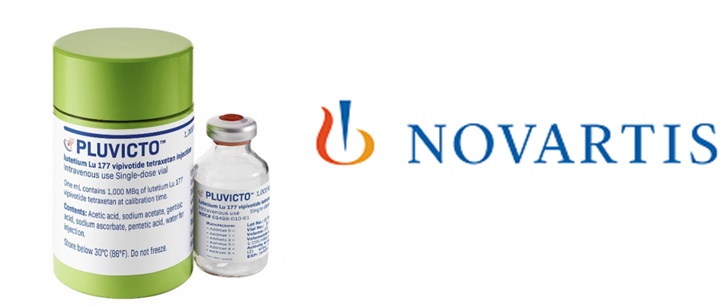
- Novartis Korea's prostate cancer drug Pluvicto, which has been in the spotlight since its approval by the Ministry of Food and Drug Safety, is gaining further attention as the company prepares to administer the first dose to patients in Korea. Pluvicto is a blockbuster drug that generated more than KRW 1 trillion in global sales last year and is considered to have ushered in the era of so-called ‘radiopharmaceutical missiles’ in oncology. # Unlike Bayer's Xofigo, which was licensed as a radioactive therapeutic agent in 2014 but was ignored by the market, Pluvicto opened a new era making noteworthy performance. As a result, global pharmaceutical companies are rushing to develop radiopharmaceuticals after witnessing the success, intensifying competition among domestic pharmaceutical and biotech companies. According to the medical and pharmaceutical industry on the 27th, the first patient is expected to be treated at one of the largest general hospitals in Korea in late August, after the Ministry of Food and Drug Safety’s approval of Novartis Korea's prostate cancer drug Pluvicto (lutetium Lu 177 vipivotide tetraxetan) in late May. Pluvicto is a radioligand therapy that binds the radioactive isotope lutetium (177Lu) to prostate-specific membrane antigen (PSMA), which is overexpressed in prostate cancer, to kill cancer cells. The treatment was acquired by Novartis through its acquisition of US-based Endocyte in 2018. Radioligands are therapeutic agents that combine a therapeutic radioisotope with a ligand (which targets specific cancer cells). When the radioligand binds to the target cell, it releases the therapeutic radioisotope, inhibiting cancer cell proliferation. Its May approval was based on the Phase III VISION trial. The trial evaluated the efficacy and safety of Pluvicto versus standard-of-care monotherapy in 831 patients with PSMA-positive metastatic castration-resistant prostate cancer (mCRPC). Results showed that the the primary endpoint of radiologic progression-free survival (rPFS) was 8.7 months in the Pluvicto arm, which was longer compared to 3.4 months in the control arm. Median overall survival (OS) was 15.3 months in the Pluvicto arm and 11.3 months in the control arm. The risk of radiographic progression or death was reduced by 60% with the use of Pluvicto. Since the drug was approved by the MFDS, Novartis Korea has been working to start treating patients at the largest hospitals in Korea. In order for medical institutions to introduce the radiopharmaceutical Pluvicto, the institutions need to have a PSMA PET-CT dedicated to prostate cancer and have a separate room for dispensing, quality control, and patient administration of radioactive therapeutic agents. Currently, 15 medical institutions nationwide, including the largest hospitals in Korea, are equipped with PSMA PET-CT for testing. Novartis is currently in discussions with 11 of these medical institutions, including Asan Medical Center in Seoul, to provide Pluvicto to prostate cancer patients. With the first patient expected to be treated without reimbursement as early as August, Novartis Korea is considering introducing a patient program to address the high price of the drug. For reference, the recommended dose of Pluvicto is 7.4 GBq (200 mCi), administered intravenously up to 6 times every 6 weeks (±1 week), and it is expected that tens of millions of won will be spent per dose without reimbursement in clinical sites. "From the HCP’s point of view, we believe the introduction of Pluvicto will have a positive impact in that it increases the number of weapons available for prostate cancer, and is a proven treatment with no significant side effects," said Dr. In-Keun Park, Professor of Oncology at Asan Medical Center. "The problem is that it is expensive and there are only a limited number of institutions that can perform PSMA PET-CT, rendering its administration equally limited." "Because it is a radioactive therapeutic agent, it requires a separate space for its administration rather than a general hospital room. Like Kymriah, Pluvicto is also produced through pre-orders," said a representative from Novartis Korea, "So it takes a considerable process to produce the drug in Europe and deliver it to patients in Korea." "We are reviewing the possibility of introducing a patient program. However, due to the nature of radioactive therapeutic agents, it is quite expensive. This is because it utilizes lutetium, a radioactive isotope," the representative added, "We are also discussing the possibility of applying for insurance reimbursement." With the use of Pluvicto nearing on-site, the competition among domestic pharmaceutical and biotech companies to develop radiopharmaceuticals is also heating up. Currently, FutureChem is at the forefront in the area. In mid-May, FutureChem began dosing its first patient in the U.S. for a Phase IIa clinical trial of FC705, a prostate cancer drug for castration-resistant metastatic patients. FC705 is a radiopharmaceutical that targets PSMA, which is overexpressed on the surface of prostate cancer cells. It kills cancer cells by introducing a therapeutic isotope into a peptide that binds to the PSMA protein. In a Phase I clinical trial, an objective response rate (ORR) and disease control rate (DCR) were confirmed in all patients who were administered FC705. In addition to the U.S. clinical trial, FutureChem is also conducting Phase II in Korea, including at Seoul St. Mary's Hospital, and is reportedly discussing technology transfer negotiations with China. In addition, AbTis, a subsidiary of Dong-A ST, is working with CellBion to develop a new radiopharmaceutical. The two companies signed a joint development agreement last month and will utilize AbTis’ linker platform technology AbClick and CellBion's radiopharmaceutical lab linker technology to develop a new Antibody-Radionuclide Conjugate (ARC) drug targeting stomach and pancreatic cancer. Recently, SK Biopharmaceuticalsentered into a license-in technology transfer agreement with Full-Life Technologies to acquire global development and commercialization rights to FL-091, a radiopharmaceutical candidate targeting neurotensin receptor 1 (NTSR1), from Full-Life Technologies. FL-091 small-molecule radioligand vector designed to deliver actinium-225 (225Ac), a next-generation radioisotope capable of killing cancer cells by selectively binding to NTSR1, a receptor protein, which is selectively overexpressed in various types of solid tumors, including colorectal cancer, prostate cancer, and pancreatic cancer. SK Biopharm has been discussing introducing radiopharmaceuticals into its pipeline since last year as the next step after its epilepsy drug cenobamate (U.S. brand name: Xcopri). The company acquired global-level Targeted Protein Degradation (TPD) technology through the acquisition of ProteoVant Sciences last year. The TPD technology seeks to overcome the limitations of existing therapeutics by degrading and removing target proteins and solving the causes of diseases. "This license agreement is the most concrete achievement we have made since the announcement of our entry into the field of radiopharmaceutical therapeutics last year," said Dong-hoon Lee, CEO of SK Biopharmaceuticals. "We plan to unveil a more specific business plan for the entire radiopharmaceutical business this year and accelerate clinical development and commercialization."
- Opinion
- [Reporter's View] Pharmas rethink bio venture investments
- by Lee, Seok-Jun Jul 30, 2024 05:51am
- Multiple pharmaceutical companies have made significant investments in promising bio ventures, spending a substantial amount to acquire shares. Some have become the largest shareholder, and those holding over 5% of the share are involved in the management. Through the investment, companies anticipate sharing R&D results in the future. However, such expectations pose challenges. First, ventures require regular funding. Venture pipelines are mostly in early clinical stages. They must secure costs for the later phase of clinical trials. However, it is uncommon for ventures to generate sales regularly. As they advance to later phases of clinical trials, they may quickly need funds. Listed ventures depend on exterior funds, such as recapitalization and convertible bonds (CB). This process works by issuing new stock to raise funds. Pharmaceutical companies investing in ventures want to secure liquidity through clinical trials. However, the percentage of shares owned by pharmaceutical companies decreases with new stocks. Some companies have complained that unnotified funding disrupts their business plans. Pharmaceutical company A owner complained, "We have invested in Venture A by acquiring over 5%. However, our stock share reduced to 3% after Venture A received multiple funding. Frequent funding of Venture A caused a market liquidation signal, leading to decreased stock prices. Unnotified funding has resulted in a setback for our business plan. We are reconsidering whether to hold the share." Moreover, pharmaceutical companies are also concerned about the gap between the venture's plan for clinical trials before going public and the present. In this case, a decrease in stock prices could result in a reduction in stock share value. In the fifth year of listing, most pipelines of TiumBio did not reach the originally planned clinical stage or achieve technology transfers. Their accumulated net loss is over KRW 100 billion. Before being listed on the KOSDAQ at the end of 2019, TiumBio expected to turn a net profit from 2022, anticipating generating a net profit of KRW 54.1 billion by 2023. However, the company has been in deficit. The company also expected to raise operating revenue of KRW 81.5 billion in 2023 but realized operating revenue amounted to KRW 4.9 billion instead. During this time, TiumBio's market capitalism plunged by one-fourth over three years and a half. Consequently, pharmaceutical companies are withdrawing their venture investment shares because of frequent funding and differences in their investment plan compared to the venture's listing. Companies like D and W have retrieved their principal, leaving only the rest of the shares, and another company sold the entire second-quarter stock. Of course, pharmaceutical companies invest in ventures at high-risk and high return because they have invested in the potential R&D of those ventures. However, ventures must also take some responsibility. Ventures must not defend that frequent funding is prerequisite for clinical trials. They must notify all investment partners before raising funds. Additionally, ventures must explain the differences between expected gain and realized loss. They should not argue that delays in earning profits are anticipated outcomes of clinical studies. Many venture companies receive frequent funding, and their outcomes are different from their initial plan before going public. Pharmaceutical companies that have invested in these venture companies are reconsidering their investments. If this trend continues, it may disrupt the virtuous circle of investment between pharmaceutical companies and venture technology.
- Policy
- GSK receives administrative disposition in KOR
- by Lee, Hye-Kyung Jul 30, 2024 05:51am
- The global pharmaceutical company GlaxoSmithKline (GSK) has received administrative dispositions for failing to report changes to the specifications of the main ingredient of its active pharmaceutical ingredient and for issues relating to the drug containers. The Ministry of Food and Drug Safety recently imposed a fine of KRW 52.2 million in substitution of the 15-day suspension on the sale of ‘Duac Gel 5%,’ a 6-month import suspension on ‘Flixoteide Junior Evohaler 50 micrograms,’ and a 6-month import suspension on ‘Seretide 100-250-500 Diskus.’ Duac Gel is a gel-type mild-to-moderate treatment for acne that contains clindamycin phosphate and benzoyl peroxide. It is prescribed as an alternative that can alleviate concerns about the development of resistance that may arise from the use of antibiotics. However, an investigation by the MFDS found that the direct containers of the drug were imported and sold with the lot numbers and expiration dates switched with each other. As a result, the MFDS announced it will suspend the sales of Duac Gel 5% from August 1. Also, 1 item, which was suspended for six months, and 3 items, for which the company decided to pay fines instead of the suspension, were found to have failed to report changes in the specifications of the active pharmaceutical ingredient in the drug substance. The company will pay a fine of KRW 52.2 million for 3 items - Seretide 100 Diskus, Seretide 250 Diskus, and Seretide 500 Diskus - imposed in place of the 6-month suspension. Sales of Flixoteide Junior Evohaler 50 micrograms, a preventive treatment for asthma, are suspended for 6 months from August 1 to January 31, 2025.
- Company
- Pfizer's MM drug Elerexfio seeks reimb in KOR
- by Eo, Yun-Ho Jul 29, 2024 05:48am
- Pfizer is attempting reimbursement listing of its new multiple myeloma drug ‘Elerexfio’ in Korea. According to industry sources, Pfizer Korea recently submitted a reimbursement application for its relapsed-refractory multiple myeloma (RRMM) treatment q (elranatamab). The company promptly started its listing process after receiving approval on May 30. Elerexfio previously received approval as the fourth drug to be designated as a Global Innovative products on Fast Track (GIFT) by the MFDS. GIFT is an accelerated review support system operated by the MFDS to promptly introduce highly innovative medicines, such as treatments for life-threatening or serious diseases, to the market and patients. Elerexfio is a subcutaneously delivered B-cell maturation antigen (BCMA)-CD3-directed bispecific antibody (BsAb) immunotherapy used to treat patients with relapsed or refractory multiple myeloma (RRMM). BCMA is commonly expressed in multiple myeloma patients, selectively expressed in plasma cells, and overexpressed in myeloma cells. Elerexfio binds to BCMA on myeloma cells and CD3 on T-cells to enhance the immune response. The treatment is administered weekly from Week 2 through Week 24 of treatment following a step-up dosing schedule, with patients who achieve a response after at least 24 weeks of treatment switching to a 2-week interval beginning at Week 25. It is available in a single-dose vial for immediate outpatient administration and is administered by subcutaneous injection only. The approval was based on the global Phase II MagnetisMM-3 study, which included 123 patients who had never received a BCMA-targeted therapy. In patients with multiple myeloma who have already received at least 3 treatment regimens (including a proteasome inhibitor, an immunomodulatory agent, and an anti-CD38 monoclonal antibody) and have no prior treatment experience with a BCMA-targeted therapy, Elerexfio achieved a primary endpoint objective response rate (ORR) of 61.0% in patients, with 56.1% of responders achieving a very good partial response (VGPR) or better. In responders, the median time to response (TTR) was 1.2 months, and the median time to complete response (CR) was 6.1 months. In addition, the probability of maintaining ≥CR at 9 months was 89.0%, with a progression-free survival of 50.9% at 15 months. Meanwhile, according to the World Health Organization's ‘Global Cancer Observatory’ report that was published in 2022, approximately 187,000 new cases of multiple myeloma were newly diagnosed worldwide. Multiple myeloma is the second most common type of blood cancer, with a 5-year relative survival rate of 50.1% in Korea in 2021. According to the annual report of the National Cancer Registry, 2018 cases were diagnosed in Korea in 2021.
- Company
- Eylea biosimilar 'Afilivu' will be prescribed
- by Eo, Yun-Ho Jul 29, 2024 05:48am
- Product photo of Samsung Bioepis Samsung Bioepis' Eylea biosimilar 'Afilivu' is becoming available for prescription at general hospitals. Industry sources said that Afilivu (aflibercept), a macular degeneration treatment, has passed the drug committees (DC) of medical centers, including Seoul National University Hospital and Seoul National University Bundang Hospital. Afilivu is a biosimilar referencing Eylea, a blockbuster product generating KRW 12 trillion in global sales. In February, it obtained approval from the Ministry of Food and Drug Safety (MFDS), and in May, it received approval from the FDA under the product name of 'Opuviz.' Afilivu's active ingredient, aflibercept, works by inhibiting vascular endothelial growth factor (VEGF), preventing abnormal blood vessel growth in the eye. By blocking VEGF, Aflibercept is used to treat macular maculation, slowing macular damage and preserving vision. Macular degeneration is an eye disease that occurs due to aging and inflammation of the macula, located in the central region of the retina. Samil Pharmaceutical, which signed an exclusive domestic distribution and sales agreement with Samsung Bioepis, officially launched 'Afilivu' on May 1st. Within the first month of its launch, the drug reached sales of KRW 1 billion, achieving significant success. Meanwhile, Samsung Bioepis conducted phase 3 trials for Eylea. From June 2020 to March 2022, the trial enrolled 449 patients with Neovascular Age-related Macular Degeneration (nAMD) from 10 countries, including the United States and South Korea. The final data from the phase 3 trial were presented at the Association for Research in Vision and Ophthalmology (ARVO) conference in April last year. The trial confirmed the clinical equivalence of the drug to the original medicine, including its efficacy and safety.
- Company
- GC accelerates global entry…targets China and Vietnam
- by Her, sung-kyu Jul 29, 2024 05:48am
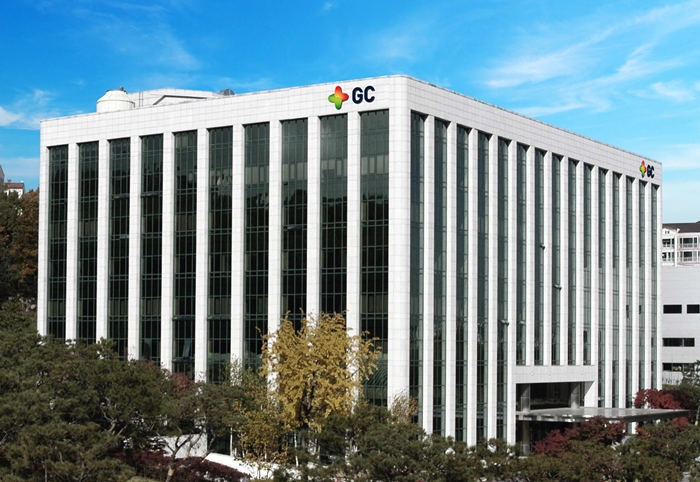
- The GC group accelerating its global market entry after exporting Alyglo to the U.S., seeking to expand its business to China and Vietnam. In particular, it chose to cooperate with China's CR Pharmaceutical Group after selling its Chinese subsidiary, and the company is also seeking to enter Southeast Asia by collaborating with local companies in Vietnam. #On the 19th, GC (Green Cross Holdings) announced that it would enter the Vietnamese healthcare market in cooperation with Phenikaa Group. The plan is for GC Labs to build a diagnostic laboratory using the organization's long-standing know-how, and GC iMED, a comprehensive health checkup agency, to establish a premium health checkup center for the Vietnamese middle-and-upper class. In addition, GC plans to expand into the Southeast Asian market after entering the Vietnamese healthcare market. The entry into the Vietnamese market is particularly noteworthy because it demonstrates the company's plan for rapid global expansion following its entry into the U.S. market. Along with the U.S. market, GC Biopharma is accelerating its expansion into markets such as China and Vietnam in cooperation with local companies. The company obtained U.S. FDA's approval for its blood product Alyglo late last year. Alyglo is a 10% immunoglobulin liquid for intravenous administration used for primary humoral immunodeficiency (PI), also known as congenital immunodeficiency. In 2020, the company conducted a Phase III clinical trial in North America in patients with primary immunodeficiency and met the efficacy and safety endpoints in compliance with FDA guidelines, but due to delays in on-site inspections among others due to COVID-19, the company obtained approval late last year. Since then, GC Biopharma has continued its efforts with its U.S. subsidiary to register the drug on the formulary and made its first shipment to the U.S. on the 8th of this month. Along with this entry into the U.S. blood product market, GC has been expanding its global reach to China and other countries. First of all, the GC Group sold its Chinese subsidiaries, including the Hong Kong subsidiary, and is seeking to enter the Chinese market in cooperation with local companies. In fact, the company signed a stock purchase agreement (SPA) with CR Boya, a subsidiary of China’s state-owned CR Pharmaceutical Group, to sell all shares of its Hong Kong subsidiary. In addition, the company entered into a separate Distribution Agreement with CR to distribute GC Biopharma-GC Wellbeing's main products in China. In the process, GC secured approximately KRW 350 billion through the sale of 6 companies, including GC China, its wholly-owned subsidiary in China. Through the agreements, GC plans to enhance its financial health and utilize the funds to make strategic investments for future businesses. In addition, GC Biopharma is seeking to maximize the efficiency of its blood product production by exporting immunoglobulin, one of the main derivatives produced in the process of manufacturing its blood products, to the U.S., and albumin to China. The company’s strategy is interpreted as an attempt to reorganize its business and focus on its strengths. In other words, in addition to selling different products by country, the company is organizing its underperforming subsidiaries to increase efficiency while addressing concerns about the relationship between the U.S. and China. Currently, the US is in the process of enacting the Biosecure Act, which aims to restrict Chinese biotech companies from operating in the US. In this context, GC will continue to pursue business in the US through its subsidiaries, while targeting the Chinese markets through cooperation with local groups rather than entering the market on its own. In addition, the company’s plan to expand cooperation with local companies in Vietnam is also interpreted as a strategy to reduce its risk of entering the Southeast Asian market.
- Policy
- Daewoong secures generic Xigduo through a transfer
- by Lee, Tak-Sun Jul 29, 2024 05:48am
- Daewoong Pharmaceutical has secured a generic version of the diabetes treatment Xigduo XR Tab (metformin hydrochloride/dapagliflozin propanediol hydrate) through a transfer and acquisition deal. The drug will be covered by reimbursement and introduced to the market in August. With the addition of generic Xigduo XR Tab, Daewoong Pharmaceutical now completes the product lineup, as its generic Forxiga 10 mg (dapagliflozin propanediol hydrate) is listed for reimbursement this month. According to industry sources on July 26th, Daewoong Pharmaceutical's Forxilomet XR Tab 10/1000mg, Forxilomet XR Tab 10/500mg, and Forxilomet XR Tab 5/500mg will be listed for reimbursement starting in August. These products' upper-limit prices are KRW 435, KRW 402, and KRW 342, respectively. Daewoong Pharmaceutical acquired these products already on the reimbursement listing through a transfer and acquisition deal. Daewoong Pharmaceutical acquired products from Jinyang Pharm and Huons. As a result, these products are manufactured by different contract manufacturing organization (CMO) sites. Kukje Pharm manufactures Forxilomet XR Tab 5/500mg and Forxilomet XR Tab 10/500mg, and Samik Pharmaceutical manufactures Forxilomet XR Tab 10/1000mg. Dongkoo Bio&Pharma manufactures Daewoong Pharmaceutical's monotherapy Forxilo tab 5mg and 10mg. Most pharmaceutical companies have listed their products immediately after the substance patent expiration on April 7th last year, but Daewoong Pharmaceutical was unable to do so. At the time, Daewoong was in a joint-sales agreement with the original company, AstraZeneca, to sell Forxiga and Xigduo. From 2018 to the end of last year, Daewoong Pharmaceutical was jointly selling Forxiga and Xigduo. As Forxiga is set to discontinue sales in South Korea, it was canceled for approval and deleted from the reimbursement listing. HK inno.N has been jointly selling Xigduo with AstraZeneca under a joint sales agreement since January. The ceiling price of Xigduo has been reduced by mandate since July 20th, after the introduction of generics. It was reduced after a year and three months after the generic entry. Although delayed, the price of Xigduo was reduced after AstraZeneca withdrew from filing a suit to cancel the mandatory reduction. Following a price reduction, sales reduction is inevitable. Therefore, AstraZeneca and HK inno.N as a team will likely put more effort into marketing. As a result, they are expected to compete fiercely against Daewoong Pharmaceutical. Although Boryung and Hanmi Pharm are now leading the generic market for dapagliflozin, Daewoong Pharmaceutical's entry will likely intensify competition among companies vying for the top spot. Companies aiming to dominate the market, including HK inno.N, which gained Forxiga's indication, are set to begin.

- Policy
- P3T for new insomnia drug will be conducted in KOR
- by Lee, Hye-Kyung Jul 29, 2024 05:47am
- New drug candidate for insomnia The Swiss biotechnology company Idorsia will conduct a Phase III clinical trial in Korea for ACT-541468 (daridorexant), its new drug candidate for insomnia. The Ministry of Food and Drug Safety (MFDS) approved Nxera Pharma Korea's application for a "multicenter, randomized, double-blind, placebo-controlled, parallel-group, Phase III clinical trial to evaluate the efficacy and safety of ACT-541468 (daridorexant) in adults and older adults with insomnia disorders” on the 26th. Daridorexant was previously approved by the U.S. FDA on January 10, 2022, and the European Commission on May 3, 2022, for the treatment of adult patients with insomnia who have difficulty initiating and maintaining sleep. In the second half of 2022 alone, the company reported sales of approximately KRW 100 billion in the U.S. and Europe. The FDA approval was based on an extensive clinical program involving 1,854 adult insomnia patients across 18 countries worldwide. Unlike existing therapies, daridorexant treats insomnia by blocking the binding of orexin, which promotes wakefulness, thereby inhibiting excessive wakefulness. This reduces the inconvenience of daytime sleepiness in daily life. Insomnia is a prevalent condition that affects up to 10% of all adults worldwide. It is defined as a symptom of hyperarousal that is characterized by dissatisfaction with sleep and its negative impact on daytime functioning. A person is classified as having insomnia if he or she is dissatisfied with their sleep and experiences difficulty falling asleep or staying asleep at night at least 3 times per week for at least 3 months. Daridorexant induces sleep by reducing arousal without altering the rate of sleep cycles. The recommended dose consists of a 50 mg tablet taken orally within 30 minutes before bedtime in the evening. However, in certain cases, such as patients with moderate hepatic impairment or those taking CYP3A4 inhibitors, a 25 mg dose may be recommended.
- Company
- Samsung Bioepis’ 3mth operating profit exceeds last year's
- by Chon, Seung-Hyun Jul 26, 2024 05:47am
- Samsung Bioepis posted the largest Q2 revenue in its history. The company recorded twice as much revenue as in its previous record, and its operating income surpassed what it earned in the entire year last year. This is due to the large influx of milestones, receiving a series of approvals for biosimilars in the U.S. and Europe. According to Samsung BioLogics on the 25th, Samsung Bioepis posted revenue of KRW 529.9 billion in Q2, up 107.1% from the KRW 259.9 billion a year earlier, and an operating profit of KRW 257.1 billion, up more than six times from the KRW 41.9 billion a year earlier. Both revenue and operating profit are the largest ever. Samsung Bioepis' Q2 revenue was 89.2% higher than the company’s previous record of KRW 288.9 billion it had made in Q4 last year. Operating profit more than doubled from the KRW 101.5 billion it had recorded in Q3 2021. In just 3 months, the company posted more operating profit than the KRW 205.4 billion it earned in the entire year last year. As a result, the company’s operating profit margin in Q2 reached 48.5%. Samsung Bioepis Smooth sales of biosimilars overseas, and new biosimilar approvals in the U.S. and Europe brought in large milestones. Samsung Bioepis received approval for a total of 3 biosimilars in Europe and the U.S. in Q2 this year. Last month, Samsung Bioepis received marketing authorization from the European Commission for the Stelara biosimilar Pyzchiva. Stelara is an autoimmune disease treatment developed by Janssen that is prescribed for plaque psoriasis, psoriatic arthritis, Crohn's disease, and ulcerative colitis. It inhibits the activity of interleukin (IL)-12,23, a class of inflammatory cytokines involved in the immune response. The drug has made annual global sales of KRW 14 trillion. Samsung Bioepis received marketing authorization from the U.S. Food and Drug Administration (FDA) to sell Pyzchiva in the U.S. In May, Samsung Bioepis received approval from the U.S. Food and Drug Administration (FDA) for Opuviz, a biosimilar of the macular degeneration treatment Eylea. Eylea, which was developed by Regeneron, has indications for wet (neovascular) age-related macular degeneration. Eylea generated global sales of approximately KRW 13 trillion last year. Sandoz has been marketing the newly approved Stelara biosimilar in the U.S. and Europe. The Eylea biosimilar is marketed by Biogen. The new approvals in Europe and the U.S. have led to an influx of milestone payments from its partners. Considering how Samsung Bioepis' Q2 sales and operating income increased by KRW 249.8 billion and KRW 219 billion from the previous quarter, respectively, the milestone inflow in Q2 is expected to have been around KRW 200 billion. View of the Samsung Bioepis building Sales of Samsung Bioepis' existing biosimilar products also continued to grow steadily. Samsung Bioepis has received approval for 8 biosimilars each in Europe and the U.S. In Europe, Samsung Bioepis has biosimilars of Enbrel, Remicade, Humira, Herceptin, Avastin, Lucentis, Soliris, Stelara. In the U.S., the company has neared commercialization of its Remicade, Herceptin, Enbrel, Humira, Lucentis, Eylea, Stelara, and Soliris biosimilars. Samsung Bioepis' licensed biosimilars are marketed by Biogen, Organon, and Sandoz in the global market. Biogen is in charge of 3 biosimilars of autoimmune disease treatments in Europe, including Enbrel, Remicade, and Humira. Biogen also markets Samsung Bioepis' Lucentis biosimilar in the U.S. market. Organon markets 3 biosimilars of Enbrel, Remicade, and Humira in the global market outside of Europe and South Korea. Organon also markets 3 autoimmune disease treatments in the U.S. and 2 anticancer drugs, Herceptin and Avastin biosimilars, outside of Europe and Korea.
