
- LOGIN
- MemberShip
- 2026-05-07 18:03:07
- Policy
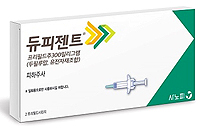
- AD drug Dupixent’s fails 1st negotiations for RSA renewal
- by Lee, Tak-Sun Oct 12, 2023 05:37am
- The first round of negotiations to renew the risk-sharing agreement (RSA) contract for the severe atopic dermatitis treatment ‘Dupixent (dupilumab, Sanofi)’ has fallen through. The company and the National Health Insurance Service plan to discuss Dupixent’s RSA renewal through additional negotiations. According to the industry on the 11th, the first round of negotiations for Dupixent's RSA renewal fell through. Dupixent was listed for reimbursement through the RSA in 2020. Three types of RSA - refund type for initial treatment, refund type, and expenditure cap type, were applied for reimbursement. At the time, the Ministry of Health and Welfare explained, "The pharmaceutical company signed an agreement to refund a part of the amount administered for a certain period of time, and then refund a certain percentage of the drug claims amount to the NHIS while limiting the total expenditure amount." Accordingly, the first biological drug used to treat severe atopic dermatitis was listed with reimbursement in Korea. At the time of the initial reimbursement listing, its subjects were limited to adult patients with moderate-to-severe atopic dermatitis who are not adequately controlled with topical treatments or for whom these treatments are not recommended. However, starting in April of this year, a new reimbursement category was added to reimburse the drug for the treatment of severe atopic dermatitis in children and adolescents aged 6 to 17. Dupixent’s sales rose vividly after the reimbursement listing. Based on IQVIA, it posted sales of KRW 72.2billion in 2021, and KRW 105.2 billion in 2022, As the treatment of pediatrics and adolescent are now also covered and the company is seeking to expand coverage to include severe asthma and atopic dermatitis in infants and toddlers, the amount of health insurance claims are likely to only increase further. Therefore, price cuts and refund rate adjustments are inevitable during RSA contract renewal. With the RSA term expiring by the end of this year, the NHIS and Sanofi were unable to reach an agreement in the first round of negotiations that began at the end of July. However, as additional negotiations are legally granted, it is expected that an agreement will be reached before the end of the RSA term. So far, no final breakdown has occurred during RSA contract renewal negotiations. If the RSA contract is not renewed, the drug will be converted to non-reimbursed status.
- Policy
- 75% of patients who administered Kymriah is not effective
- by Lee, Jeong-Hwan Oct 11, 2023 05:37am
- More than 75% of patients who received the ultra-high-priced drug Kymriah, which costs 360 million won in one dose, did not have an improvement effect. On the 6th, Kim Young-joo, a member of the National Assembly Health and Welfare Committee (the Democratic Party, Yeongdeungpo Gap) received data from the Health Insurance Review and Assessment Service on the 'Current status of administration of ultra-high-value drugs such as Kymriah and Zolgensma and patient response evaluation'. The world's first CAR-T treatment drug, Kymria,h has an indication for the treatment of adult patients with ▲post-transplant recurrence or secondary recurrence and subsequent recurrence or impresistible B cell-grade lymphoma in children and young adult patients under the age of 25 ▲reactive or non-resistible large B-cell lymphoma (DLBCL) after two or more systemic treatments. Since April 2022, health insurance benefits have been applied, and the patient's copayment has been reduced to a maximum of about 6 million won. Zolgensma, a treatment for spinal muscular atrophy (SMA), costs 1.98 billion won for a single dose of non-paid. Zolgensma was reimbursed in July 2022. Since December 2022, the HIRA has been operating a 'high-drug management system' that monitors the dosing information of ultra-high-drug patients such as Kimlia and Jolgensmaju and the evaluation of the response to drugs after administration. Kymriah had 146 patients who were dosed after reimbursement. Of these, there were 21 cases of pediatric leukemia and 125 patients with megabloid B-cell lymphoma. Their salary contract cost was 52.6 billion won. Jolgensmaju was dosed by 12 people and the cost of the payroll was 23.8 billion won. The cost-effectiveness of these ultra-high-securing new drugs is unclear, so it is implementing a 'patient-based risk-based risk-sharing system' so that the pharmaceutical company will refund a certain percentage of the amount to the healthcare company according to the contract if it is ineffective by tracking the treatment performance of each patient. According to the HIRA, as of August this year, 130 patients with lymphoma who had been treated with Kymriah for 6 months had submitted a response evaluation, of which 99 were classified as eligible for refunds. This means that more than 75% of Kymriah patients did not have a significant improvement effect. Only 1 out of 9 patients who submitted the results were eligible for reimbursement, and more than 88% of patients who received Zolgensma had the treatment effect. Health insurance and pharmaceutical companies negotiate to set the refund ratio, but the refund ratio is kept private. In the case, it is known that the refund rate is less than 50% even if there is no medicinal effect, and the refund rate is more than 50% for Jolgensmaju. The problem is that hundreds of billions of dollars are spent on medicines with low treatment performance. Rep. Kim Young-joo suggested, "In order to prevent blind spots, the target of the benefit should be expanded to patients who need ultra-high-paying treatment, such as Kymriah and Zolgensma. However, it is necessary to increase the refund rate of pharmaceutical companies if there is no treatment effect by strengthening the risk-sharing agent for the sustainable benefits of ultra-high-high-high-high-mouth new drugs." In addition, he emphasized, "The system should be improved so that patients can receive a certain part of the refund if there is no treatment effect because the patient's own burden is high even after paying," he emphasized.
- Policy
- ‘Little progress for NIP support of 9-valent HPV vaccines'
- by Lee, Jeong-Hwan Oct 11, 2023 05:36am
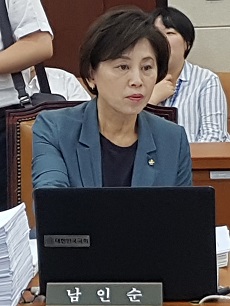
- The number of patients receiving treatment for head and neck cancer and oropharyngeal cancer, both of which are caused by HPV (human papillomavirus), is on the rise. In just a decade, from 2013 to last year, the number of head and neck cancer patients increased by 41.6%, and the number of oropharyngeal cancer patients increased by 56%. In this situation, voices have been raised on how President Suk-Yeol Yoon should actively and promptly fulfill its pledge to ‘expand the subject of HPV vaccination to males and provide support’ through relevant policies. On the 10th, Rep. In-Soon Nam of the Democratic Party of Korea, announced so after analyzing the ‘Patients Treated for Head and Neck Cancer and Oropharyngeal Cancer' data that was submitted by the Health Insurance Review and Assessment Service. The number of head and neck cancer patients increased by 41.6% from 302,960 in 2013 to 429,054 in 2022, and oropharyngeal cancer increased by 56% from 3,847 in 2013 to 6,003 in 2022. By gender, of the 429,054 patients with head and neck cancer, 104,881 (24.4%) were men and 324,173 (75.6%) were women. Among the 6,003 patients with oropharyngeal cancer, 4,890 were men. 81.5%), and 1,113 (18.5%) were women. The national HPV (human papillomavirus) vaccination program began for girls aged 12 in 2016 and then was expanded to include female adolescents aged 12 to 17 and low-income women aged 18 to 26 since 2022. The vaccines provided with national support are bivalent and quadrivalent vaccines, and 9-valent vaccines were not included. Rep. Nam said, “President Yoon, who had been a candidate back then, promised he would extend insurance coverage to Gardasil 9-valent vaccine during his’59-second shorts’ pledge. Also, the People Power Party’s presidential election policy pledge contains ‘Free national HPV vaccination for men starting from the age of 12. However, the expansion of HPV vaccine vaccination to men and support for vaccination has not been implemented.” Meanwhile, according to the 'HPV National Vaccination Status in OECD Countries' data submitted by the Korea Disease Control and Prevention Agency, only 7 countries, including Japan and Mexico, support bivalent or quadrivalent vaccines for female adolescents only like Korea. 18 countries including the United States, Canada, and France provide support for the use of the 9-valent vaccine for both men and women. Rep. Nam said, “The recent HPV vaccine cost-effectiveness analysis report concluded that expanding the target population or converting to a 9-valent vaccine is not agreeable in the current domestic situation. HPV is not only responsible for cervical cancer, but also head and neck cancer, oropharyngeal cancer, and anal cancer. This is why many OECD countries are actively administering HPV vaccines. cost-effectiveness studies. As we are promoting reconducting the cost-effectiveness research, I hope the government will also abide by its word and actively engage in the provision of 9-valent vaccines.”
- Policy
- Eisai’s Jyseleca completes negotiations with NHIS for reimb
- by Lee, Tak-Sun Oct 11, 2023 05:36am
- Eisai Korea has completed negotiations with the National Health Insurance Service for its JAK inhibitor ‘Jyseleca Tab (filgotinib).’ As a result, Jyseleca is now on the verge of being listed for reimbursement in Korea. This drug is the 5th JAK inhibitor introduced to Korea. It has a mechanism of action that selectively inhibits JAK1, the main treatment target for rheumatoid arthritis. JAK1 is a substance that transmits inflammatory cytokine signals. Results of the global FINCH Phase 3 study showed that the drug improved arthritis symptoms by more than 20% at 12 weeks when administered to patients with moderate-to-severe active RA (rheumatoid arthritis) despite continued methotrexate (MTX) treatment. When evaluating the response rate during the 12-week period during which patients showed no response to methotrexate, 66% of patients responded to Jyseleca, and symptom improvement was observed. Last July, HIRA’s Drug Reimbursement Evaluation Committee approved conditional reimbursement for the drug in treating rheumatoid arthritis and ulcerative colitis. At the time, DREC judged reimbursement was adequate when the company accepted a price below the assessed amount. Eisai Korea appears to have accepted a price below the assessed value. In particular, it is said that the company skipped negotiations on the insurance price ceiling that is set with the National Health Insurance Service by accepting a price that is below 90% of the weighted average price of its alternative. Negotiations with the NHIS on the expected claims amount were also recently completed. Accordingly, this drug is expected to be listed for reimbursement after being reported to the Ministry of Health and Welfare’s Health Insurance Policy Deliberation Committee. Other JAK inhibitors that were previously introduced to Korea include Pfizer’s ‘Xeljanz,’ Lilly’s ‘Olumiant,’ ‘Abbove’s ‘Rinvoq,’ and Pfizer’s ‘Cibinqo.’
- Policy
- Hyaluronic acid eye drops, start to revise the standard
- by Lee, Tak-Sun Oct 11, 2023 05:36am
- The HIRA has started to revise the standards to limit the use of Hyaluronic acid sodium eye drops. It is known that the revision of standards will be completed as early as the end of the year, and will be implemented from next year. According to an industry example on the 10th, the HIRA has entered a review of the revision of the standards for sodium hyaluronic acid eye drops at the request of the Ministry of Health and Welfare. Therefore, we plan to hold an expert advisory meeting soon to continue related discussions. Earlier, the Pharmaceutical Benefit Evaluation Committee held on the 6th of last month recognized the benefit of endogenic diseases for Hyaluronic acid eye drops that have been reassessed. Exogyneutic disease is caused by post-surgery, pharmaceutical, trauma, wearing of content lenses, etc. Endogenic diseases include Sjogren's syndrome, skin blemish syndrome (Steven's Johnson syndrome), and dry eye syndrome. The main indication of hyaluronic acid eye drops is an endogenic disease, so related companies sighed with relief. However, instead of recognizing the benefit of endogenic diseases, the drug review committee put a clue that it is necessary to set the prescribed amount per patient's visit and the total annual prescription amount per patient in the standard for proper use. As a result, it is more likely to affect sales due to the revision of standards. During the discussion of the re-evaluation, it was known that a plan to limit 1 bottle of 60 to 4 per year was also considered. It is said that the HIRA reported the results of the drug level to the Ministry of Health and Welfare, and the Ministry of Health and Welfare requested a revision of the salary standard. Therefore, it is expected to speed up the revision of salary standards through expert advisory meetings, etc. Since the results of this year's benefit decent revaluation will be reflected from January next year, it is known that the discussion on the revision of the salary standard of the Hyaluronic acid drop system will be completed within this year and implemented at the same time as the results of the reassessment in January next year. An official from a related company explained, "If you limit the amount of use, even if the benefit is recognized for endogenic diseases, damage to sales is inevitable." The three-year average claim amount of hyaluronic acid eye drops is 231.5 billion won, and about 400 items are listed as reimbursement.
- Company
- Pricing negotiations for Koselugo’s reimb start after 2 yrs
- by Eo, Yun-Ho Oct 11, 2023 05:36am
- Koselugo, which is a treatment for pediatric patients with neurofibromatosis, has entered its last gateway to receiving reimbursement in Korea. According to industry sources, AstraZeneca has recently started drug pricing negotiations with the National Health Insurance Service to set the insurance price for its new neurofibromatosis drug, Koselugo. Whether Koselugo, which passed the Health Insurance Review and Assessment Service’s Drug Reimbursement Evaluation Committee review on the 7th of last month after 3 attempts, will be able to settle on a final drug price during negotiations and be listed for reimbursement remains to be seen. This drug has remained non-reimbursed for 2 years now. It has only been able to enter the NHIS negotiation stage after much trouble. Koselugo, which was designated as the first drug subject to fast-track review in October 2020, obtained marketing authorization from the Ministry of Food and Drug Safety on May 28, 2021, and submitted an application for its reimbursement in May 2021, but failed to pass the DREC gateway in March last year. The company quickly supplemented the data and restarted discussions in April this year, bringing the situation to what it has become now. Until now, patients had to rely only on symptomatic treatment for neurofibromatosis due to the lack of an appropriate treatment option. Neurofibromatosis is a rare disease. 85% of the patients with neurofibromatosis have neurofibromatosis type 1 (NF1), which is caused by a mutation in the neurofibromin tumor suppressor gene located on chromosome 17. The incidence of NF1 is approximately 1 in 3,000. Its first symptom is café-au-lait spots 1 to 3 centimeters in diameter early in life. Since then, the patients have experienced Optic nerve gliomas (brain tumor) at age 6, and scoliosis around age 6-10. In adulthood, lisch nodules, or iris hamartomas, occur predominantly in patients with NF1. If possible, treatment includes surgical removal of affected sites or chemotherapy and radiation therapy. However, most recur even after surgery, and as the patient must undergo a major operation, its treatment puts an immense burden on both the medical staff and the patient. Recurrence is even more frequent among pediatric patients, which means the patients must live with painkillers and often suffer from speech and movement disorders even after receiving several operations. Koselugo was jointly developed by AstraZeneca and MSD. The drug blocks the activation of MEK to inhibit the growth of cell lines. In the Phase II SPRINT study that became the basis for Koselugo’s approval, Koselugo reduced tumor size by over 20% in 68% of the patients who received Koselugo and achieved its primary endpoint of ORR. Also, 82% of the patients who showed a partial response had sustained responses lasting at least 12 months. In contrast to the non-treated patients, half of whom experienced disease progression 1.5 years after diagnosis, only 15% of patients using Koselugo showed disease progression at year 3.

- Company
- Trajenta, unregistered patent challenge spreads
- by Kim, Jin-Gu Oct 10, 2023 05:27am
- Challenges to Trajenta's unlisted patents have expanded further. The number of patents targeted by generic companies increased from 8 to 11. According to the pharmaceutical industry on the 5th, Kukje Pharmaceutical recently requested a passive rights scope confirmation trial for three Trajenta-Duo formulation patents. These three formulation patents were previously outside the scope of patent challenges by generic companies. These include ▲10-1775942, ▲10-1763659, and ▲10-1611314, which expire in April 2029, respectively. Kukje Pharmaceutical found three new cases that were not listed in the Ministry of Food and Drug Safety's patent catalog and took on the challenge. Challenges to Trajenta and Trajenta Duo's unregistered patents have continued steadily since the end of last year. Last September, Genuine Science requested a passive rights scope confirmation trial for the Trajenta formulation patent (10-2051281). Korea United Pharmaceutical, Shinil Pharmaceutical, Hutecs, Hanlim, Aprogen Biologics, Ilhwa, and Kukje Pharmaceutical requested the same judgment. In October last year, an invalidity trial was requested for three Tragenta use patents (10-1558938, 10-1806786, and 10-1655754). Genuonesciences, Boryung, Mothers Pharmaceutical, Kukje Pharmaceutical, GC Pharma, and Dongkoo took up the challenge. In the same month, Genuonesciences filed a request for invalidation of the Trajenta manufacturing method patent (10-1541791). In April of this year, Shinil Pharmaceutical, Korea Hutex Pharmaceutical, Hallym Pharmaceutical, and Daewon Pharmaceutical filed a series of requests for invalidation trials and passive rights scope confirmation trials for two Trajenta pharmaceutical patents (10-2051281 and 10-1855323). In the same month, a passive rights scope confirmation trial was requested for another pharmaceutical patent (10-1710881). Shinil Pharmaceutical, Korea Hutex Pharmaceutical, Hallym Pharmaceutical, Korea United Pharmaceutical, Aprogen Biologics, Ilhwa, and Kukje Pharmaceutical took up the challenge. Then, in June of this year, Genuine Science, Kukje Pharmaceutical, and Kyungbo Pharmaceutical filed a request for invalidation of the Trajenta use patent (10-2427380). With the recent addition of 3 cases to the situation where evasion and invalidation trials were requested for 8 previously unlisted patents, the total number of unlisted patents for Trajenta and Trajenta Duo that have become targets of generic companies has expanded to 11. An unregistered patent is a patent that has been registered with the Korean Intellectual Property Office but is not listed in the Ministry of Food and Drug Safety's patent catalog. Since it is not listed in the patent catalog, it is cumbersome for patent challengers to have to search patent information one by one, discover unlisted patents, and request a trial. Furthermore, even if a product is released after overcoming various unlisted patents, unlisted patents that have not yet been found may hinder the product launch. If a product is released in this state, there is a high possibility that the generic company will be interpreted as infringing on the patent. Applications for temporary injunctions to ban product sales due to patent infringement and lawsuits for damages may follow.
- Policy
- Tepmetko attempts reimb again in KOR
- by Lee, Tak-Sun Oct 10, 2023 05:27am
- Merck is reattempting reimbursement listing of its MET-targeted anticancer therapy ‘Tepmetko (tepotinib)’ in Korea. The drug was unable to pass the Health Insurance Review and Assessment Service’s Cancer Disease Deliberation Committee review in February. The company voluntarily withdrew its reimbursement process at the time. The company had later reorganized the data to reapply for reimbursement. According to the industry on the 6th, Merck Korea recently applied to request a reimbursement decision for its Tepmetko to HIRA. Tepmetko is a treatment for locally advanced or metastatic non-small cell lung cancer with confirmed MET exon 14 skipping mutations. It was approved in Korea in November 2021. Afterward, Tabrecta Tab (capmatinib), a same-class drug, also sought reimbursement in Korea. MET exon 14 skipping mutation is a rare type of cancer that is present in approximately 3-4% of patients with non-small-cell lung cancer (NSCLC). Due to the lack of suitable treatments, expectations had been high for anticancer drugs targeting the disease. However, both drugs are having difficulty being listed for reimbursement. Tepmetko failed to set reimbursement standards at the Cancer Disease Deliberation Committee meeting that was held in February this year. Tabrecta also failed to pass HIRA review. The HIRA's Drug Reimbursement Evaluation Committee decided not to reimburse Tabrecta, saying there was insufficient evidence to judge its clinical usefulness. Despite such delays in reimbursement, Tepmetko has landed in major general hospitals in Korea and became available for prescription. This is proof that its need is well recognized in the field. Tepmetko’s efficacy was evaluated through the VISION study, which enrolled the largest number of patients among clinical trials targeting NSCLC patients with MET exon 14 skipping mutations. Results showed a significant life extension effect with a median progression-free survival (PFS) of 15.3 months and an objective response rate (ORR) of 56.8%. Also, the median duration of response (DoR) was 46.4 months, and the median overall survival (OS) was 25.9 months, showing continuous antitumor activity in the long term. With its need in the medical field rising, expectations are also rising for the second time to be the charm for Tepmetko’s reimbursement.
- Company
- Disadvantages of effective ADC anticancer drugs
- by Oct 10, 2023 05:27am
- It has been shown that patient accessibility to antibody-drug conjugates (ADCs) introduced in Korea has been significantly reduced due to high non-reimbursed drug prices. The price of non-reimbursed Trodelvy, which was approved in Korea last May, is about 1.6 million won per vial. Converted into one cycle (21 days, 2 administrations), the cost is approximately 9.3 million won, which is close to 10 million won. Enhertu’s non-reimbursed drug price is also high. The non-reimbursed price of Enhertu, which requires three vials per cycle for an average patient is about 7 million won. If you participate in the Patient Assistant Program (PAP) run by the company, the price drops to the high 5 million won range, but it is still a burden for the patient. ADC has recently emerged as a hot keyword in the anticancer drug market. Newly introduced ADC anticancer drugs in Korea, such as Daiichi Sankyo Enhertu and Gilead Trodelvy, are effective against a variety of cancer types, not just one cancer type. Enhertu, which was approved in Korea last year as a treatment for human epidermal growth factor receptor type 2 (HER2) positive breast and stomach cancer, showed superior results compared to existing treatments in clinical data such as PFS and OS. Enhertu is also showing effectiveness in clinical trials targeting patients with HER2-low-expressing breast cancer, non-small cell lung cancer, colon cancer, ovarian cancer, and biliary tract cancer. Trodelvy, which targets TROP-2 protein, is also seeking to secure various indications. Currently, it has been approved as a treatment for triple-negative breast cancer in Korea, but its efficacy and safety are also being checked for HR+/HER2- breast cancer and non-small cell lung cancer. Accordingly, various domestic companies are also taking on the challenge of ADC development. This is because, if development is successful, there is a high possibility of securing various indications. Currently, not only traditional pharmaceutical companies such as Samjin Pharmaceutical, Anguk Pharmaceutical, and Chong Kun Dang, but also bio companies such as Celltrion, Samsung BioLogics, Lotte BioLogics, and LegoChem Bio have declared their participation in the ADC market. ADCs have the advantage of securing excellent therapeutic effects and a variety of indications, but the high drug price is an obstacle to prescription. As a result, some patients are giving up treatment. This is because patient copayment occurs even with actual cost insurance. In particular, the longer the treatment period for Enhertu and Trodelvy, which showed an advantage in PFS compared to existing treatments, the greater the burden on patients. Professor Kyeong-Hwa Park of the Department of Oncology at Korea University Anam Hospital (Chairman of the Korean Cancer Society) said, “ADCs are effective even in cancer types that have had poor treatment results so far, so there are many patients who want to use them, but the non-reimbursed drug price is an obstacle,” adding, “It has a large impact on the family economy.” In addition to ADCs, there are also situations where a general anticancer drug is switched. “Even patients with actual cost insurance face a significant burden as they incur a 20% copayment per month,” the professor said. However, he explained that there is a reason why ADC non-reimbursed drug prices are high. Unlike existing anticancer drugs, ADC's manufacturing process is different from general chemical principles. Professor Park said, “ADC has a high manufacturing cost because it involves a process of generating antibodies and linking the payload. In the case of Kadcyla, a first-generation ADC, it is known that 10 molecules of Herceptin must be reacted to obtain one molecule. “It is understandable that non-reimbursed drug prices are high,” he said, adding, “I sympathize with the positions of both the government, which wants to reduce health insurance finances, and the company, which must protect development costs, but I hope that an agreement will be reached as soon as possible and the reimbursement will be passed.” He continued, “I hope that in the future, not only overseas pharmaceutical companies but also domestically will succeed in developing ADCs and contribute to stabilizing health insurance finances by lowering drug prices.”
- Company
- GSK’s momelotinib receives orphan drug designation in KOR
- by Eo, Yun-Ho Oct 10, 2023 05:26am
- The new myelofibrosis drug momelotinib has been designated as an orphan drug in Korea. The Ministry of Food and Drug Safety announced so through an orphan drug designation notice issued on the 6th. Momelotinib is a treatment for myelofibrosis that blocks the major signaling pathways for JAK1, JAK2, and activin A receptor type 1 (ACVR1). The drug was a candidate drug for Sierra Oncology, but was acquired by GSK last year for USD 1.9 billion (KRW 2.56 trillion) and recently received final approval from the US Food and Drug Administration. Based on its mechanism of action, momelotinib is known to improve systemic symptoms and splenomegaly (enlarged spleen) by inhibiting JAK1 and JAK2, while directly inhibiting ACVR1 to reduce the level of circulating hepcidin, which contributes to anemia. Results of the Phase III MOMENTUM trial conducted on patients with myelofibrosis that was published in the global medical journal, The Lancet, showed that the drug demonstrated significant results in myelofibrosis patients with anemia, where treatment limitations had previously existed. The MOMENTUM study investigated momelotinib versus danazol in 195 patients with myelofibrosis who were symptomatic and anemic and had been previously treated with an approved JAK inhibitor at 107 sites in 21 countries. The primary endpoint was the total symptom score response (≥50% reduction from baseline) rate assessed through MFSAF(Myelofibrosis Symptom Assessment Form). Study results showed that 25% of patients treated with momelotinib met the primary endpoint as compared with 9% in the danazol arm. Also, at 24 weeks, 40% of patients in the momelotinib arm achieved a spleen volume reduction of at least 25% from baseline at week 24, 35% of which did not require transfusion at week 24. The levels were 6% and 17% respectively for the danazol arm. Meanwhile, myelofibrosis is a disease in which fibrous scar tissue replaces blood-producing cells in the bone marrow, and is characterized by abnormally shaped red blood cells, anemia, and an enlarged spleen.
