
- LOGIN
- MemberShip
- 2026-05-07 16:19:34

- Company
- 5th JAK inhibitor released…heats up competition
- by Kim, Jin-Gu Nov 01, 2023 05:40am
- (clockwise from the upper left) Jyseleca, Cibinqo, Rinvoq, Olumiant, Xeljan The fifth product was released in the market for JAK inhibitors, an oral autoimmune disease treatment drug. The JAK inhibitor market, which has continued rapid growth recently, is expected to grow more rapidly due to the addition of the new product. Competition among products is also expected to intensify. While Olumiant (baricitinib), Xeljanz (tofacitinib), and Rinvoq (upadacitinib) are competing for the lead, the new entrants, Cibinqo (abrocitinib) and Jyseleca (filgotinib), are also heralding their pursuit. Quarterly prescriptions exceed KRW 10 billion… Olumiant, Xeljanz, Rinvoq in a fierce battle for the lead Industry sources revealed that Eisai Korea released Jyseleca on the 1st. With the addition of Jyseleca, a total of 5 JAK inhibitors are currently available in the Korean market. Following the release of Pfizer Xeljanz in 2015, Lilly’s Olumiant was released in 2019, and AbbVie’s Rinvoq in 2021. In July this year, Pfizer's second JAK inhibitor, Cibinqo, was launched, and then Eisai’s Jyseleca. JAK inhibitors are used for autoimmune diseases such as rheumatoid arthritis and atopic dermatitis. Its mechanism of action blocks inflammation, pain, and cell activation by suppressing inflammatory cytokines. The domestic JAK inhibitor market has been expanding rapidly. According to the pharmaceutical market research institution UBIST, outpatient prescriptions of domestic JAK inhibitors in Q3 this year reached KRW 10.7 billion, a 24% increase in a single year compared to the KRW 8.6 billion made in the same period last year. In particular, quarterly prescriptions exceeded KRW 10 billion for the first time in Q3. At this pace, the total outpatient prescriptions this year are expected to expand and exceed KRW 40 billion. Quarterly outpatient prescription of JAK inhibitors (Unit: KRW 100 million, Data: UBIST) The battle for the lead is also fierce. While sales of Xeljanz, which has kept the lead for a long time, have slowed down somewhat, Olumiant has jumped to the lead since Q2 this year. In Q3, Olumiant posted prescriptions worth KRW 3.7 billion. This is a 28% increase from the KRW 2.9 billion in Q3 last year. During the same period, Xeljanz’s prescriptions increased by 2% from KRW 3.6 billion to KRW 3.7 billion. However, the difference between Olumiant and Xeljanz prescriptions is less than KRW 40 million in Q3, making it unclear which will rise to the top again. On top of that, the third entrant Rinvoq, has also quickly increased its prescription performance and joined in the leading competition. In the third quarter, Rinvoq posted prescriptions worth KRW 3.1 billion. This is a 45% YoY increase from the KRW 2.1 billion posted in Q3 last year. fifth drug ‘Jyseleca’ is released…JAK inhibitor market expected to continue to grow The addition of Cibinqo and Jyseleca to the market is expected to further intensify competition in the JAK inhibitor market. Cibinqo was released with reimbursement in July to treat atopic dermatitis. In the first 3 months of its launch, prescription sales amounted to approximately KRW 260 million. Jyseleca was newly released on the 1st of this month. It is an adenosine triphosphate (ATP)-competitive and reversible inhibitor that selectively inhibits JAK1. Quarterly major JAK inhibitor prescriptions (Unit: KRW 100 million, Data: UBIST) The JAK inhibitor market is expected to continue its high growth for some time due to the expansion of indications and the addition of new products. After first receiving approval as a treatment for rheumatoid arthritis, Xeljanz additionally received indications for psoriatic arthritis, ankylosing spondylitis, and ulcerative colitis. Olumiant first received approval as a treatment for rheumatoid arthritis, then added indications for atopic dermatitis and alopecia areata. Rinvoq was also first approved for rheumatoid arthritis and then added indications for psoriatic arthritis, ankylosing spondylitis, atopic dermatitis, and ulcerative colitis. Cibinqo indicates atopic dermatitis. However, unlike other products, it can be used not only by adults but also by teenagers over the age of 12. The fifth product, Jyseleca, has indications for rheumatoid arthritis and ulcerative colitis.
- Company
- Gilead aims for reimbursement of COVID-19 tx Veklury
- by Eo, Yun-Ho Nov 01, 2023 05:40am
- COVID-19 treatment Veklury is aiming to be listed on insurance benefits. According to related industry sources, Gilead Sciences Korea submitted an application for Veklury's benefit last month. As with Pfizer Korea's Paxlovid, the government plans to end the current free support system from the first half of next year, so it is believed that the reimbursement registration process will be followed accordingly. The government announced that it will pursue the registration of Paxlovid insurance benefits within the first half of 2024 in accordance with the plan to ease the COVID-19 crisis level adjustment roadmap. This measure is due to the fact that COVID-19 treatments, which are currently being supplied free of charge, are about to be converted to being supplied for a fee like general medicines. When stage 2 of the COVID-19 crisis level adjustment roadmap, which further relaxes the quarantine system, is implemented next month, COVID-19 will transform into a level 4 infectious disease like influenza (flu). In other words, the incorporation of medicines such as Veklury and Paxlovid into the general medical system becomes inevitable. The government said that even if the second stage roadmap is implemented, it will provide oral COVID-19 treatments free of charge for the time being, but it is unclear how long the free provision will last. Meanwhile, Veklury has a wider range of indications than Paxlovid. This drug was first approved in Korea in July 2020, and based on the current indications, it can be prescribed for children and adults, from mild to moderate patients at high risk of progressing to severe disease to patients with severe pneumonia requiring supplemental oxygen treatment. do. Gilead's application for reimbursement was also made for all currently approved indications for Remdesivir.
- Policy
- HIRA ‘Will advance CDDC result disclosure within the year'
- by Lee, Jeong-Hwan Oct 31, 2023 05:35am
- The Health Insurance Review and Assessment Service announced that it will pursue systemic advancement within the year so people can gain access to details such as the reasons for the evaluations made by the Cancer Disease Review Committee. HIRA also revealed plans to review the scope, method, and timing of disclosure of the details of the meeting results, on how they will only be disclosed when it has a ingsingificant impact on the Ministry of Health and Welfare's reimbursement policy or reimbursement order. In addition, the authorities announced that they will include experts recommended by consumer and patient groups as members in the next committee composition stage set for the end of the year. On the 27th, HIRA responded so to the criticism raised by the National Assembly’s Health and Welfare Committee at the NA audit. Rep. Jeoung-ae Han of the Democratic Party of Korea urged the committee to disclose the results of the CDDC meeting in more detail and prepare ways to better reflect patient opinion in the committee's decision-making process. HIRA responded that CDDC, which reviews the standards and methods to apply reimbursement to anticancer drugs prescribed and administered to seriously ill patients, has been disclosing the deliberation results on its website immediately after its meeting since 2021 in response to the rising social interest. However, the authorities also added that specific details are not being disclosed due to regulations that restrict their disclosure, including sensitive information such as the pharmaceutical company’s trade secrets or when follow-up procedures are in progress. Instead, HIRA promised to advance the system within the year to broaden the disclosed details such as specific evaluation stages and reasons for evaluation of applicants to improve the predictability of CDDC's review results. After advancing the system, HIRA will consult the MOHW to review ways to expand the disclosure of cancer information and improve it so that experts recommended by patient groups can participate in the committee. Regarding the composition of the committee, 4 experts recommended by consumer and patient groups can be added out of the total quota of 45, but only 1 expert is currently participating in the committee due to the insufficient number of recommendations made from related organizations when composing the current committee in 2021. So the improved system will seek to address this problem as well. HIRA said, “We will review the scope, method, and timing of disclosure of the meeting details, but only for those whose reimbursement standards have not been set, and their disclosure is met with a high level of social interest and has relatively little impact on the Ministry of Health and Welfare’s reimbursement policy or order. We will fill the quota of recommended experts by allowing consumer and patient groups to recommend cancer-related experts regardless of the relevant cancer type to fill the quota of recommended experts when forming the next committee.”
- Policy
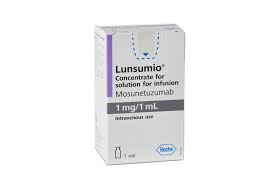
- Roche Lunsumio, domestic approval imminent
- by Lee, Hye-Kyung Oct 31, 2023 05:35am
- According to the pharmaceutical industry on the 30th, the Ministry of Food and Drug Safety completed the safety and effectiveness review of Lunsumio. Completing this review means that the product approval process will soon begin. Lunsumio was designated as a GIFT item as the urgency of its introduction to expand patient treatment opportunities was recognized as the target disease is relapsed or refractory follicular lymphoma and is a drug for which there is no existing treatment. When designated as a GITF target, the review period is shortened by at least 25% (e.g. 120 → 90 working days), the rolling review is applied to review prepared materials first, close communication between reviewers and developers through product briefing sessions and supplementary briefing sessions, and regulatory-related expertise. You will receive a variety of support for rapid productization, including consulting. Lunsumio was designated as a GITF on November 29th of last year, and it is understood that it would take about 11 months from review to approval if the approval announcement is made as early as the end of this month or at the latest in early November. The Ministry of Food and Drug Safety emphasized that the time taken may vary from pharmaceutical company to pharmaceutical company when requesting supplementary data as the reason why it took longer than the originally targeted shortened review period. There are a total of 17 items designated as GIFT targets, and GIFT approvals are expected to continue one after another, starting with the first, Lunsumio. Lunsumio was approved by the U.S. FDA in December last year as a treatment for adult patients with relapsed or refractory follicular lymphoma (FL) after receiving two or more systemic treatments. This drug is a bispecific antibody that engages CD20xCD3 T cells and has a mechanism to connect immune cells and cancer cells by selectively binding to T cells and malignant B cells, which are immune cells that attack cancer cells. Lunsumio confirmed its potential through Lunsumio's phase 2 clinical trial GO29781 study conducted on patients with follicular lymphoma. The study found that Lunsumio's ORR was 80% (72/90), with the majority (57%) having responses that lasted at least 18 months. The proportion of patients who achieved a complete response was 60% (54/90), and the mDOR of response for patients who responded to treatment was 22.8 months.
- Company
- Global biosimilar market worth KRW 3.9 tril…Pfizer vs Amgen
- by Kim, Jin-Gu Oct 31, 2023 05:35am
- Prospects of the global biosimilar market have shown that the global biosimilar market, which is currently worth USD 28.62 billion (about KRW 39 trillion), will expand rapidly to reach USD 76.51 billion (about KRW 102 trillion) by 2028. On the 30th, the Korea Biotechnology Industry Organization made the forecast, citing biosimilar market data from global market research firm Frost & Sullivan (F&S). According to KoreaBIO, the global biosimilar market is expected to grow 17.8% a year until 2028. In particular, market size is expected to grow in earnest with the release of Humira (adalimumab) biosimilars this year. The global market size is expected to expand to USD 42 billion by next year, to USD 50 billion in 2025, to USD 60 billion in 2027, then to USD 70 billion in 2028. This is because the patents of global blockbuster drugs will be successively expiring during the period. The patents for Eylea, Stelara, Victoza, and Humira will expire this year, the patents for Xolair and Simponi in 2024, the patents for Prolia, Soliris, and Yervoy in 2025, the patents for Perjeta and Cyramza in 2026, then the patents for Trulicity in 2027. In 2028, patents for Keytruda, Opdivo, and Cosentyx are also set to expire. Currently, more than 400 companies are competing in the global biosimilar market. As of last year, the top 5 companies' share in the global biosimilar market reached 22.1%. Pfizer accounts for 8.4%, Amgen 4.9%, Eli Lilly 3.6%, Biogen 2.7%, and Teva 2.6%. In addition, Merck, Boehringer Ingelheim, Fresenius Kabi, Sandoz, Mylan, Biocon, Novo Nordisk, Celltrion, and Samsung Bioepis are competing with the top 5 companies in the North American and European markets. In the largest markets - the US and Europe - 40 and 64 biosimilars were approved, respectively, as of last year. In the case of Humira biosimilars that are attracting attention, 9 of the 10 companies that received approval released their biosimilar products in the U.S. market. In Europe, 10 companies have received approval for their Humira biosimilars. In Europe, in addition to Humira, biosimilar competition is fierce for Avastin (bevacizumab), Neulasta (pegfilgrastim), and Neupogen (filgrastim). 8 companies were approved for their Avastin and Neulasta biosimilars, and 7 companies were approved for their Neupogen biosimilars. Korea and Japan are leading the biosimilar approval and manufacturing in the Asian market, with India and China rapidly catching up. India has the most number of approved biosimilars in the world, with the count currently at 127. This surpasses the number of those approved in Germany and the United States. China has also emerged as a major country in biosimilar R&D recently. Currently, more than 60 pharmaceutical companies in China are developing biosimilars.
- Company
- Public opinion grows on if PO kidney tx should be covered
- by Nho, Byung Chul Oct 31, 2023 05:35am
- Bayer chronic kidney disease treatment Kerendia. This drug is a disease-related disease that has emerged for the first time in 20 years As first-in classes related to kidney disease are blocked by insurance registration review barriers, it seems urgent to improve the system through social consensus. A drug related to this is Kerendia, Bayer's chronic renal failure treatment that was newly introduced for the first time in 20 years. Renal anemia that occurs due to abnormal kidney function can be mentioned, including the recently approved AstraZeneca Evrenzo (2021), JW Pharmaceutical Eronai (2022), and Mitsubishi Danabe Vadanem (2023). The reasons why a rapid registration process for innovative new drugs related to kidney disease is required are to expand patient treatment options and reduce health insurance finances. According to the NHIS data, the number of chronic kidney disease patients in Korea increased by 36.9% from 206,061 in 2017 to 282,169 in 2021, and in particular, those in their 80s surged by 82.8%. The number of hemodialysis patients is also showing an exponential increase, and the health insurance budget currently spent on approximately 100,000 patients is close to 3 trillion won. Compared to existing renal anemia treatments that are distributed only as injections, it is expected that patient compliance will also significantly increase because it is in the form of an oral pill. The news that Kerendia has been submitted to the pharmaceutical review committee provides some hope for the insurance listing of these drugs related to comprehensive kidney disease. This is a result of approximately one and a half years after approval (May 2022) due to the expression of opinions from all directions, including not only the developer, but also the nephrology society, the National Assembly, and patient groups. Therefore, discussions on drug price negotiation for Kerendia, which was recognized as appropriate for coverage of chronic kidney disease with type 2 diabetes at the 11th pharmaceutical reimbursement evaluation committee, are gaining momentum, giving strength to the justification for listing renal anemia treatment drugs. The reason why health authorities actively reviewed the adequacy of Kerendia's benefits was to reduce social costs. When chronic kidney disease progresses to end-stage renal failure, treatment progresses to hemodialysis, peritoneal dialysis, kidney transplantation, and surgery, which costs around 30 million won per year, which goes against public opinion to overcome this by actively intervening in drug therapy in the process. We are doing it together. AstraZeneca, JW Pharmaceutical, and Mitsubishidanabe obtained approval from the Ministry of Food and Drug Safety for tablet-type renal anemia treatments Evrenzo, Eronai Tablet, and Badanem in 2021, 2022, and 2023, respectively. These drugs are expected to have equivalent effects compared to injectable drugs and contribute to reducing health insurance costs but are still pending HIRA review As can be seen in the Kerendia case, tablet-type renal anemia treatments also require an emphasis on drug efficacy and cost-effectiveness and a quick reimbursement process is required. It is known that tablet-type renal anemia treatment drugs can achieve financial savings of about 10 to 20% compared to existing injection drugs, based on clinical data on anemia treatment in dialysis patients, even if patients with general kidney disease are excluded. Some are concerned about issues related to blood clots, but according to the industry, existing drugs appear to be in a similar situation, so it is almost a logical contradiction to use this as an issue to put a brake on drug price negotiations. The only treatment for renal anemia is EPO, which was developed about 30 years ago, and recently, even third-generation injectable drugs with extended administration intervals have been released. As the number of patients who do not respond to existing medications is gradually increasing, new treatment mechanisms are required due to side effects such as blood pressure changes and nausea and vomiting. It is understood that JW Pharmaceutical's Eronai and Mitsubishi Badanem are attempting to be listed at the average price among alternative drugs. AstraZeneca Evrenzo appears to have virtually suspended all proposals for PE and alternative drug weighted average prices based on the headquarters' high orphan drug price policy.
- Company
- Zavicefta nears final negotiations for reimb in KOR
- by Eo, Yun-Ho Oct 31, 2023 05:35am
- Whether the next-generation antibiotic ‘Zavicefta’ will be successfully listed for reimbursement is gaining attention. Under the Ministry of Health and Welfare’s order to proceed to drug pricing negotiations, Pfizer Korea is soon set to begin pricing discussions for ‘Zavicefta’ (ceftazidime-avibactam). The drug passed the Health Insurance Review and Assessment Service’s Drug Reimbursement Evaluation Committee review last September. However, unlike other drugs that almost immediately started negotiations, the company wasn’t able to start drug pricing negotiations for the drug right away. With the negotiations soon to begin, it remains to be seen whether a new antibiotic drug will be listed in an area where no other drug than MSD Korea's Zerbaxa (ceftolozane-tazobactam) has brought results. Zavicefta was developed to address the urgent need for new antibiotics in severe infections that cause serious problems such as multidrug-resistant pseudomonas aeruginosa or carbapenem-resistant gram-negative Enterobacteriaceae and extended-spectrum-lactamase (ESBL) producing intestinal bacteria. Zavicefta is used to treat adult patients suffering from complicated intra-abdominal infections (cIAI); complicated urinary tract infections (cUTI), including pyelonephritis; hospital-acquired pneumonia (HAP); and the treatment of aerobic Gram-negative infections in adult patients who have limited treatment options. Zavicefta was originally developed by AstraZeneca. In 2016, Pfizer acquired the drug while acquiring AstraZeneca’s antibiotic business. Securing a new treatment alternative for carbapenem is a global health issue publicized by the WHO. Multidrug-resistant Gram-negative bacteria are increasing worldwide and have recently become a serious problem in healthcare-associated infections. This is why the WHO had designated carbapenem-resistant Pseudomonas aeruginosa as a Priority 1: Critical pathogen that requires research and development of new antibiotics. Korea’s pseudomonas aeruginosa resistance rate to carbapenems is 30.6%, the second highest among the surveyed countries after Greece. Also, the ESBL (extended-spectrum beta-lactamases)-producing Enterobacteriaceae are also showing resistance to cephalosporin antibiotics that are effective against a wide range of gram-negative bacteria. Currently, new antibiotics available in Korea include MSD’s anti-infective Zerbaxa (ceftolozane-tazobactam) and Pfizer’s antifungal ‘Cresemba (isavuconazonium).’
- Company
- Jyseleca to be launched in earnest next month
- by Eo, Yun-Ho Oct 30, 2023 05:30am
- A fifth entrant has joined the competition in the JAK inhibitor market. The Japanese pharmaceutical company, Eisai Korea’s ‘Jyseleca’ will be listed for reimbursement starting next month (November). Its first reimbursed indication is rheumatoid arthritis and moderate to severe active rheumatoid arthritis. Patients eligible for reimbursement are those aged 65 or older who do not respond adequately to or are intolerant to existing treatments or those who show inadequate response or are intolerant to TNF-α inhibitors. Jyseleca received a conditional reimbursement decision for rheumatoid arthritis and ulcerative colitis indications from HIRA’s Drug Reimbursement Evaluation Committee in July. At the time, DREC judged that reimbursement was adequate if the company accepted a price less than the evaluated amount. As such, Eisai Korea appears to have accepted a price below the assessed value. The company skipped negotiations on the insurance price ceiling that requires negotiation with the National Health Insurance Service by accepting a price that is below 90% of the weighted average price of its alternative, thereby jumping into the JAK inhibitor drug competition. JAK inhibitors currently available in Korea are Xeljanz (tofacitinib), Olumiant (baricitinib), and Rinvoq (upadacitinib).’ These drugs have received a lot of attention upon introduction as the first oral drug options to demonstrate equivalence to anti-TNF agents in the field of autoimmune diseases. These drugs have been steadily expanding their indications and reimbursement standards since their launch. Xeljanz, which was the first to be developed, secured additional indications for ulcerative colitis and psoriatic arthritis last year, and later entrants, including Rinvoq, have also been expanding their prescriptions to autoimmune diseases such as atopic dermatitis, Crohn's disease, and ankylosing spondylitis. Meanwhile, Jyseleca (filgotinib) is an adenosine triphosphate (ATP) a competitive and reversible inhibitor that selectively inhibits JAK1. JAK1 is a substance that transmits inflammatory cytokine signals and is considered a major treatment target for rheumatoid arthritis. Some of the recent treatments inhibit JAK2 or JAK3 by indication, but there is some opinion that both mechanisms are involved in immune cell proliferation and homeostasis regulation, and may cause adverse reactions. The drug's efficacy was demonstrated through Phase III trials, including FINCH1, FINCH2, and FINCH3. In the FINCH1 study, the drug improved arthritis symptoms by more than 20% at 12 weeks when administered to patients with moderate-to-severe active RA (rheumatoid arthritis) despite continued methotrexate (MTX) treatment.
- Company
- Heart failure drug Entresto continues to grow rapidly
- by Kim, Jin-Gu Oct 30, 2023 05:30am
- Entresto Novartis' heart failure treatment Entresto continues to grow rapidly thanks to increased benefits. Although it has been six years since it was launched in Korea, prescriptions are increasing by more than 30% every quarter compared to last year. However, Entresto faces challenges from several successor products. Recently, Verquvo, a new heart failure drug with a new mechanism, was released, and SGLT-2 inhibitor diabetes treatments are expanding their indications to the heart failure area. Additionally, generic companies are actively challenging Entresto's patent evasion and invalidation. Quarterly prescription volume approaching 15 billion won, still growing rapidly 6 years after launch. According to UBIST, a pharmaceutical market research firm, on the 28th, Entresto's out-of-hospital prescriptions in the third quarter were KRW 14.8 billion. It increased by 36% in one year compared to 10.9 billion won in the third quarter of last year. Six years have passed since its release in the fourth quarter of 2017, but it is still showing high growth. It grew by more than 30% every quarter compared to the same period last year. It exceeded 5 billion won in the first quarter of 2020, and expanded to more than 10 billion won in the second quarter of 2022. If the current trend continues, it is expected to exceed 15 billion won in the fourth quarter of this year. The analysis is that there was no suitable treatment for heart failure before the launch of Entresto and that the company was able to quickly increase prescriptions by enjoying a monopoly position without competing drugs after the product launch. The steady expansion of the salary range is also considered a factor in maintaining high growth. Entresto's coverage has been expanded to 'first-line treatment of HFrEF with a left ventricular ejection fraction of 40% or less' since July of this year. Domestic chronic heart failure patients can now use Entresto from the first treatment, even if they do not take a stable dose for more than 4 weeks in combination with standard treatment such as ACE inhibitors or ARBs. In March last year, coverage was expanded to primary treatment for hospitalized patients with acute decompensated heart failure. For patients who were hemodynamically stabilized after hospitalization for acute decompensated heart failure, benefits were recognized when administered Entresto even if ACE inhibitors or ARB drugs were not administered. Competition is expected with follow-up new drugs, SGLT-2 diabetes drugs, generic drugs, etc. However, opinions differ on how long this growth trend will continue in the future. This is because we face challenges from a variety of competing products. First of all, Verquvo, another heart failure treatment from Bayer, was released last September with insurance coverage. It is expected that full-fledged prescriptions will be made once the drug passes the Pharmacist Committee (DC) at major general hospitals. Verquvo is a treatment for chronic heart failure with a new mechanism. It is a mechanism that promotes the synthesis of cyclic guanoic acid monophosphate (cGMP) within cells. Unlike existing ACE I or β-blockers, which suppress the activation of the neuro-hormonal system due to myocardial and vascular dysfunction, it improves myocardial and vascular function by directly stimulating sGC to promote cGMP synthesis. In the pharmaceutical industry, as it is a treatment option with a new mechanism that has emerged for the first time in a long time since Entresto, it is predicted that prescriptions will rapidly expand in clinical settings in the future. SGLT-2 inhibitor-type diabetes treatments such as Forxiga and Jardiance are also expected to pose a challenge. Both drugs recently received approval for expanded indications for heart failure. Subsequently, an application was made to expand benefits based on efficacy and effectiveness. Forxiga was applied for reimbursement for heart failure with reduced cardiac output and chronic renal failure, and Jardiance was applied for heart failure with reduced cardiac output and heart failure with preserved left ventricular ejection fraction. In the case of Forxiga, as it has also obtained indications for heart failure with preserved left ventricular ejection fraction and reduced mildness, it is expected that applications for reimbursement in this area will continue in the future. Last year, related academic societies in the United States and Korea successively recommended Forxiga and Jardiance as treatments for heart failure. The American College of Cardiology (ACC), American Heart Association (AHA), and Heart Failure Society of America (HFSA) jointly recommended SGLT-2 inhibitors, such as Farxiga, as a treatment for mild or preserved heart failure in the 2022 revised heart failure guidelines (recommendation level) 2a). The Korean Society of Heart Failure also recommended SGLT-2 inhibitors in patients with preserved ejection fraction, regardless of the presence or absence of diabetes (recommendation grade 1). Entresto is also facing patent challenges from generics. (From left) Product photos of Verquvo, a new heart failure drug, and Forxiga and Jardiance, SGLT-2 inhibitor diabetes drugs. All three products are evaluated as competitors to Entresto Domestic pharmaceutical companies, including Hanmi Pharmaceutical, Chong Kun Dang, Samjin Pharmaceutical, Hana Pharmaceutical, and Angook Pharmaceutical, are pursuing lawsuits to avoid the Entresto patent. Last year, Hanmi Pharmaceutical was the first to succeed in capturing all five Entresto-related patents. Afterward, 9 additional companies won. Novartis disagreed with the first trial result and appealed. We are currently awaiting the patent court's ruling. The Patent Court announced November 9 as the date for the second trial of the Entresto crystalline patent lawsuit. The verdict was originally scheduled to be handed down in September but was postponed for about two months. In the case of two pharmaceutical patents expiring in 2029, the first trial victory for generic companies has been confirmed. If the patent challengers win in the second trial and succeed in neutralizing the remaining patents, the launch of the generic Entresto is expected to come closer.
- Policy
- Dupixent receives the green light for reimb extensions
- by Lee, Tak-Sun Oct 30, 2023 05:30am
- The insurance authorities showed a positive stance on expanding coverage of Dupixent (dupilumab, Sanofi), which is available for patients with severe atopic dermatitis from 6 years of age, to critically ill infants and toddlers from 6 months to 5 years of age. Depending on the cost-effective review results, the reimbursement process may gain momentum in the future. In addition, it appears that the authorities are also reviewing reimbursing the drug for another indication, asthma. The Health Insurance Review and Assessment Service recently revealed so in response to a written inquiry they received at the NA audit. Last April, Sanofi applied HIRA to expand reimbursement so that infants and young children with symptomatic atopic dermatitis from 6 months to 5 years of age can also receive reimbursement for the drug.”. Dupixent obtained the relevant indication from the Ministry of Food and Drug Safety on November 3 last year. The indication was approved based on the results of a Phase III clinical trial (LIBERTY AD PRESCHOOL) that was conducted on atopic dermatitis patients aged 6 months to 5 years of age, which confirmed a significant improvement in AD lesions compared to the placebo group. HIRA subsequently held an expert advisory meeting and reported the review plan to the Ministry of Health and Welfare to secure the feasibility of expanding Duppixent’s reimbursement to infants and toddlers. A full-scale cost-effectiveness evaluation will be conducted accordingly. Regarding the application of reimbursement for the asthma indication, the agenda is also expected to enter the cost-effectiveness evaluation stage soon. It is said that the reimbursement standards were set after two expert advisory meetings held to prepare the reimbursement standards. Dupixent is indicated for severe eosinophilic asthma and oral corticosteroid-dependent severe asthma in adults (aged 18 and older) and adolescents (aged 12 to 17). At the expert advisory committee that took place last July, the members decided that the reimbursement standards should be set, but undergo additional expert advice on the unification of terminology and detailed standards with other drugs in the process of being listed for reimbursement for the same indication. Additional expert advice and opinion collection were conducted thereafter. Based on this, if a reimbursement standard plan is prepared and reported to the Ministry of Health and Welfare, a cost-effectiveness evaluation for the indication will also begin, similar to the case of AD in infants and toddlers. As Cinqair Inj and Nucala Inj, which are biological asthma drugs, have recently succeeded in being reimbursed, the possibility of Dupixent's successful reimbursement expansion has also been increasing. Of course, it takes a considerable amount of time to evaluate cost-effectiveness and it is not easy to pass, so it is currently impossible to predict when the reimbursement expansion will take place. Nevertheless, as the feasibility of expanding the salary standard has been recognized, it is expected that the reimbursement process can accelerate if pharmaceutical companies are willing to present appropriate cost-sharing plans. In addition to the reimbursement extension, Dupixent is also in the process of renewing its risk-sharing contract. After the first round of RSA renewal negotiations broke down, it seems highly likely that a contract renewal will be agreed upon in the second round of negotiations. Attention is being paid to whether Dupixent's Sanofi will be able to kill two birds with one stone, by expanding reimbursement and renewing the risk-sharing agreement, remains to be seen. Based on IQVIA, Dupixent posted sales of KRW 105.2 billion in 2022. As claims are expected to increase further this year due to reimbursement extension to children and adolescents, there is a possibility that the pharmaceutical company's share of the burden will increase with the renewal of the risk-sharing system.
