
- LOGIN
- MemberShip
- 2026-05-11 15:36:38
- Company
- TB treatment Dovprela lands in general hospitals in Korea
- by Eo, Yun-Ho Mar 29, 2023 06:02am
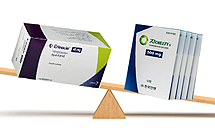
- ‘Dovprela,’ the first new drug introduced in the field of tuberculosis in half a century can now be prescribed at general hospitals in Korea. Viatris Korea's multidrug-resistant tuberculosis treatment Dobprela (pretomanid) passed the Drug Committees (DCs) of Seoul National University Hospital and Seoul Asan Medical Center. Dovprela, which was first approved in September 2019 in the US and in October 2021 in Korea, is indicated in combination with bedaquiline and linezolid to treat adult patients with extensively drug-resistant (XDR), or treatment-intolerant or nonresponsive multidrug-resistant (MDR) pulmonary tuberculosis (TB). Pretomanid is the first new drug introduced in the field in 50 years. The field of TB has been neglected by front-line pharmaceutical companies due to its lack of economic feasibility. In fact, Viatris developed the drug in collaboration with a non-profit organization, ‘TB Alliance,’ rather than a general pharmaceutical company. Multi-drug resistant tuberculosis is a type of TB that cannot be treated with two or more TB treatments due to intolerance including isoniazid and rifampicin, the two most effective anti-TB treatments. Its cause can be divided into primary resistance and acquired resistance. Primary resistance develops when a patient is infected with drug-resistant MTB or during the course of treatment due to arbitrary discontinuation of treatment or irregular administration, etc. The treatment success rate of multi-drug resistant tuberculosis is around 50%, therefore, the condition's treatment efficiency is low, and an increased number of adverse events occur with their use in the second-line compared to first-line drugs. Moreover, due to its longer treatment period of 18 to 24 months, its cost burden is high and may even require surgical operations to remove lesions. Also, the seven-drug combination therapy that includes bedaquiline (Bdq) that is used as the current standard treatment for multidrug-resistant tuberculosis is not well used in Korea due to its high drug resistance rate and long treatment period of 9 to 12 months. Due to the long treatment period, the 7-drug combination is difficult to manage and has a high failure rate. Meanwhile, Dovprela demonstrated its efficacy through the Phase III Nix-TB trial. Dovprela, in combination with bedaquiline and linezolid (BPaL), demonstrated 92% effect in patients with treatment-intolerant or nonresponsive multidrug-resistant TB and an 89% effect in patients with extensively drug-resistant TB within 6 months and demonstrated its potential as a new short-term combination therapy in the field. Also, it reduced the treatment period from 18-24 months to 6 months, and almost all patients with treatment-intolerant or nonresponsive multidrug-resistant TB and extensively drug-resistant TB were found to be sputum culture-negative within 16 weeks. As the first ready-to-use combination that consists solely of oral treatments, the BPaL regimen reported a 90% cure rate in patients with extensively drug-resistant tuberculosis when used for 6 months compared to the standard treatment that recommends the use of at least 4 drugs in the initial intensive phase.
- Policy
- 87.5% of anticancer/rare drugs, evaluated as drugs w/o PE
- by Lee, Tak-Sun Mar 29, 2023 06:01am
- Yoo Mi-yeong, head of the HIRAAs the PE drug standard expands, the HIRA is seeking a reasonable management plan. This year, we plan to improve and supplement the PE system by deriving detailed plans through research services. Yoo Mi-young, head of the Pharmaceutical Management Office at the Health Insurance Review and Assessment Service, explained this at a meeting with the Professional Reporters Association held on the 28th. "In the case of anti-cancer drugs and rare disease drugs that were listed as new drugs last year, 87.5% of the total were evaluated as drugs without PE," said Director Yoo. We plan to prepare management plans based on this.” The research service is planned to start in April and end around the end of the year, and it is a policy to come up with a reasonable plan to improve health insurance financial sustainability and patient accessibility. The system that allows PE data submission to be omitted began in May 2015 with drugs for treating rare diseases for which there is no alternative or that threatens survival, and anticancer drugs, and in October 2020, it was expanded to drugs for tuberculosis, antibacterial drugs, and emergency antidotes among essential national medicines. From January of this year, it has been applied to drugs that have been proven to improve the quality of life of pediatric patients with rare diseases. Accordingly, CRYSViTA, a pediatric rickets treatment, falls under this category, passed the HIRA review stage without PE, and is currently negotiating with the NHIS. This PE omission system is being used to advance the drug evaluation period in order to increase patient access to treatment. Starting in the second half of this year, full-scale pilot projects linking permission-evaluation-negotiation For the same purpose, the MFDS, the HIRA, and the NHIS are starting this year to shorten the registration period for treatments for severe diseases such as cancer and rare diseases. are promoting Director Yoo explained, "We are currently in discussions with the MFDS related departments on target selection and related procedures to promote the pilot project." However, since the three institutions have different evaluation methods and conditions, and the beneficiary pharmaceutical companies also have burdens in preparing data at the same time, it is expected that only a few pharmaceutical companies will actually benefit from the system. Participation in the NHIS Pharmaceutical Evaluation Committee, there are concerns that fairness and objectivity issues may be raised. On the 7th, Lee Sang-il, executive director of the NHIS, said at a Korea Special Press Association meeting, “Secure the benefit adequacy and consistency of financial impact when listing a new drug, and evaluate the uncertainty of risk-sharing new drugs through organic linkage of negotiations. In order to support the decision, participation in the Pharmaceutical Reimbursement Evaluation Committee of the NHIS is necessary, so we plan to review a plan for NHIS members to participate in the Pharmaceutical Reimbursement Evaluation Committee through consultation with the Ministry of Health and Welfare and related organizations such as the HIRA." Director Yoo said, "Currently, the NHIS attends and monitors every meeting, and regularly holds meetings with the Ministry of Health and Welfare and the NHIS to discuss the contents of the committee's deliberations and issues for each individual agenda, and shares related data from time to time." Negative views were made on the need for NHIS to participate in the committee.
- Policy
- Erleada is listed
- by Lee, Tak-Sun Mar 28, 2023 05:56am
- Janssen Erleada, a new drug for the treatment of prostate cancerJanssen Korea, which succeeded in listing Erleada, a new prostate cancer treatment drug, voluntarily lowers the upper limit on Zytiga, an existing prostate cancer treatment drug. The industry believes that another so-called 'trade-off' case appeared last year when MSD lowered the upper limit on its drug while expanding reimbursement for the immuno-oncology drug 'Keytruda'. According to the industry on the 22nd, Janssen Erleada will be listed next month at a marked price of 20,045 won as a risk-sharing agreement (RSA) reimbursement type. In terms of the market price alone, it is slightly cheaper than the competing drug, Xtandi, which costs 20,882 won. However, it is evaluated that Erleada is economical for patients in that Xtandi is a selective benefit with a co-payment of 30%, while Erleada is a mandatory benefit with a co-payment of 5%. Some predicted that Erleada would not be easy to apply for benefits while receiving PE, unlike Xtandi. In fact, Erleada and Xtandi passed the HIRA in February of last year, but Xtandi, which omitted PE and accepted selective benefits, applied for benefits in August of that year, but Erleada had to pass the year. As a result, Erleada's benefit is also evaluated as a strategic success on the part of Janssen. It is interpreted as suggesting a trade-off as one of the strategies. It appears that the company negotiated with the insurance authorities by lowering the upper limit on Zytiga, an existing prostate cancer treatment, as a condition for Erleada's insurance coverage. Zytiga will cut 4.7% from next month from 17,606 won to 16,780 won. An industry insider said, “Trade-off negotiations in the form of drug price cuts for existing treatments through new drug reimbursement are gradually expanding following Keytruda last year.” It can be seen as a kind of trade-off negotiation in that it is intertwined with
- Company
- Daewoong succeeds in Entresto's unregistered patent
- by Kim, Jin-Gu Mar 28, 2023 05:56am
- A generic company succeeded in invalidating the unregistered patent of Novartis' heart failure treatment 'Entresto'. This patent was one of the hurdles that must be overcome for the early release of generics. As such, it is analyzed that generic companies are one step closer to the release of generic for Entresto. According to the pharmaceutical industry on the 23rd, the Intellectual Property Trial and Appeals Board made a ruling on the invalidation of the Entresto salt/hydrate patent recently filed by Daewoong Pharmaceutical against Novartis. This patent is not listed in the Ministry of Food and Drug Safety patent catalog. However, from the perspective of generic companies, it was a patent that must be overcome in order to release later drugs early. Novartis obtained approval for the crystalline form of sacubitril/valsartan, the main ingredient of Entresto, as '2.5 hydrates'. In the patent catalog, only 2.5 hydrates, which are directly related, are listed. Generic companies supplied crystalline raw materials as 'trihydrate' and 'tetrahydrate' instead of 2.5 hydrates. The problem is that Novartis did not register it in the patent catalog, but separately registered the trihydrate patent with the Korean Intellectual Property Office. From the perspective of a generic company, the unregistered patent trihydrate patent must be avoided or invalidated in order to release a trihydrate-based generic. In response, Daewoong Pharmaceutical filed an invalidation trial on this unregistered patent in April 2021. Afterwards, Erison Pharmaceuticals and Hanmi Pharmaceuticals joined by requesting the same judgment. The Intellectual Property Tribunal sided with Daewoong Pharmaceutical. It is expected that the same result will come out in the judgment of Hanmi Pharmaceutical and Erison Pharmaceutical, which has not yet been concluded. As a result, generic companies have succeeded in overcoming 5 out of 6 patents related to Entresto. The remaining patent that has not yet been overcome is 'Use Patent 2' related to heart failure, which preserves the ejection fraction, which Novartis registered after generic companies applied for product approval. Since Novartis registered the patent a step later, it does not have a big impact on the early release of generics by patent challengers. Generic companies have already applied for Entresto generic product approval since April of last year. In addition, in December of last year, Novartis' request for an injunction to ban the sale of generics was also rejected by the court. The remaining risk factor is the second trial of the patent dispute with Novartis. Novartis appealed to the Patent Court in December 2021 after a first-instance defeat for the crystalline patent. Then, in July of last year, after losing in the first trial related to patents, the case was similarly brought to the second trial. No conclusion has been reached yet. If generic companies win the second trial following the first trial, the timing of the release of Entresto's generics is expected to accelerate. According to UBIST, a pharmaceutical market research institute, Entresto's outpatient prescription performance last year was 40.6 billion won. Since its launch in 2017, Entresto's prescription performance has soared from 6.3 billion won in 2018 to 15 billion won in 2019, 23.5 billion won in 2020, and 32.3 billion won in 2021.
- Company
- Sam Chun Dang Pharm’s biosimilar equivalent to Eylea
- by Nho, Byung Chul Mar 28, 2023 05:56am
- On the 27th, Sam Chun Dang Pharm announced that it had received the final result report for its Phase III trial for SCD411 (Eylea biosimilar). The results are from a global phase III clinical trial that had been conducted on 576 patients at 132 hospitals in 14 countries from September 2020 to September 2022. Through the global Phase III trial, the company demonstrated the equivalence of SCD411 to the original Eylea in terms of efficacy (primary endpoint & secondary endpoint), safety, tolerance, effectiveness, and immunogenicity. The primary outcome measure, change from baseline in BCVA (best corrected visual acuity) measured from baseline to Week 8, fell within the equivalence limit interval set by the US FDA (Food and Drug Administration), EMA (European Medicines Agency), and Japan’s PDMA (Pharmaceuticals and Medical Devices Agency) compared to the original. UF FDA set the equivalence limit interval as a confidence interval of 90% with a treatment difference with the original between -3.0 to 3.0 characters, Europe’s EMA and Japan’s PMDA as a confidence interval of 95%, and a difference between -3.8 to 3.8 characters. The results of the primary outcome measure analysis showed that the differences in effect were between -1.6 to 0.9 characters under the US standards, and between -1.8 to 1.1 characters under the European and Japanese standards. Based on the results, Sam Chun Dang Pharm plans to apply for marketing approval of SCD411 in major countries such as the United States, Europe, and Japan and will supply and market the products through its partners as soon as it receives authorization.
- Company
- Erleada's reimb and lower coinsurance rate raise issue
- by Eo, Yun-Ho Mar 28, 2023 05:56am
- Most latecomer drugs are priced at a lower level than first-comer. This is an essential element in Korea's reimbursement listing system. However, a rare occasion occurred where patients are complaining over the lower price set for a latecomer drug. The drugs that arose as an issue were Janssen Korea’s prostate cancer treatment ‘Erleada (apalutamide),’ and Astellas Korea’s ‘Xtandi (enzalutamide)’ which was listed for reimbursement before Erleada. The situation goes as follows. The price difference (list price) between the two drugs is not large. However, the problem lies in the listing registration system the two drug companies selected and the patient's coinsurance. In August of last year, reimbursement for Xtandi was extended through a selective reimbursement system. Xtandi was first listed in 2014 as a treatment for metastatic castration-resistant prostate cancer (mCRPC). The selective reimbursement system is a system for listed drugs that authorities determine is urgent to expand coverage. To rapidly extend the scope of reimbursement for such drugs, the authorities waive the economic feasibility evaluation process but differentiate the copayment rate for the drug. Xtandi met the purpose of the system for the 'metastatic hormone-sensitive prostate cancer (mHSPC)' indication, which was why Astellas chose to receive reimbursement through the system. However, the situation was different for Erleada. As a newly listed new drug, Erleada did not have the option to choose selective reimbursement, therefore, it had to undergo the essential reimbursement processes, including the pharmacoeconomic evaluation process. This was why the time to the listing of the two drugs differed significantly. The two drugs passed review by the Cancer Disease Review Committee of the Health Insurance Review and Assessment Service in February last year, but Erleada is only being listed for reimbursement starting next month. Applying selective reimbursement to new drugs has remained a long-cherished desire in the industry. The different reimbursement tracks taken by the two companies led to the difference in the amount paid by patients as coinsurance. Xtandi’s coinsurance rate under the selective reimbursement system is 30%, whereas the rate is a mere 5% for Erleada which is applied essential reimbursement and special calculation of exemptions. If so, it would seem that existing patients can opt to use the cheaper Erleada, but it is impossible for patients taking Xtandi to switch to Erleada under the current reimbursement standards. In other words, dissatisfaction is arising among patients as existing patients could not benefit from the use of a cheaper drug option that became available. However, no one is to blame for the situation. Aside from the company's strategy, Astellas quickly offered a reimbursed treatment option in mHSPC through the selective benefit system. Janssen also has no fault. The prevailing view had been that it would be difficult for anticancer drugs with the mHSPC indication to be listed for reimbursement in Korea. This was why the news that Janssen completed final negotiations and successfully receive reimbursement after receiving pharmacoeconomic evaluations was received with surprise in the industry. Also, a solution does exist. The gap caused by the difference in coinsurance rates can be resolved if Xtandi also receives pharmacoeconomic evaluations and switches to an essential reimbursement like Erleada. However, it is unclear whether such a decision can be made quickly due to the nature of multinational pharmaceutical companies. A pricing official in the industry said, “Although it is uncommon, we should not overlook the fact that this can happen again in the future. Institutional improvement is needed to resolve the out-of-pocket burden that occurs with the entry of latecomers for selective benefit-applied items.”
- Opinion
- [Reporter's view] The goal of global new drug development
- by Hwang, Jin-joon Mar 28, 2023 05:54am
- When the government announced the 'Third Five-Year Comprehensive Plan to Foster and Support the Pharmaceutical Bio Industry', it was emphasized that it would create three new blockbuster drugs that record global sales of more than 1 trillion won by 2030. For this purpose, strategic R&D investment was selected as a key task. In the development of new drugs, it is planned to significantly increase public and private R&D investment. Looking at the detailed support measures, the government plans to promote R&D investment of a total of 25 trillion won jointly with the private sector for 5 years with 10 global new drug development goals. The government also expects to invest 4 trillion won in government R&D and 21 trillion won in private R&D from this year to 2027. Based on the national new drug development project that inherited the results of the pan-governmental new drug development project from 2011 to 2020, a joint public-private investment of 2.2 trillion won was invested to develop one new blockbuster drug and three new drugs by 2035. A plan for development was also established. The government's will to foster the industry is positive, but the problem with new drug development is that speed is not important. As of last year, there were zero blockbuster new drugs recognized by the government. The government expects to secure two by 2027. Under the current circumstances, only Yuhan's non-small cell lung cancer drug Leclaza and SK Biopharmaceuticals' epilepsy drug Xcopri appear to be the only drugs developed by domestic biopharmaceutical companies by 2027 that have the potential to become global blockbusters. Leclaza was transferred from Genosco/Oscotec to Yuhan Corporation in July 2015 when preclinical development was underway. In November 2018, the technology was transferred from Yuhan to Janssen, a subsidiary of J&J, a global pharmaceutical company. Yuhan received conditional approval for Leclaza as a treatment for secondary mutations in non-small cell lung cancer in Korea in 2021. In other words, it took five and a half years from preclinical trials to conditional approval. It seems that it will take more time for Leclaza to rise to prominence as a global blockbuster. Janssen, which holds the global copyright, is conducting a phase 3 trial of Leclaza alone and Rybrevant as an indication for non-small cell lung cancer. Cenobamate started with basic research in 2001, went through clinical trials and licensing, and was approved by the U.S. Food and Drug Administration (FDA) in 2019. It took 18 years from the first research to enter the large-scale US pharmaceutical market. Last year, US sales of Cenobamate more than doubled from the previous year to 169.2 billion won, but it will take more time to get on the list of global blockbuster new drugs. Moderna's Corona 19 mRNA vaccine, which recorded $18.4 billion in sales last year, was praised for succeeding in developing it in about a year, but the actual situation is different. Moderna's COVID-19 mRNA vaccine is the product of 30 years of RNA research, 20 years of LNP development that protects mRNA, and 10 years of Moderna's own research and development. The government recognized the biopharmaceutical industry as a 'future food in a low-growth period', a 'key field for securing jobs', and an 'essential national strategic industry for overcoming infectious diseases and other diseases and guaranteeing public health'. In order to realize this, not only R&D support measures such as active support for global clinical trials but also support measures for basic research fields such as chemistry and biotechnology from a long-term perspective must be prepared.
- Opinion
- [Reporter's view] Tagrisso's first benefit
- by Mar 27, 2023 05:56am
- AstraZeneca's lung cancer drug Tagrisso has begun receiving benefits for first-line treatment. After 5 challenges, he passed the HIRA Cancer Disease Review Board. After adding the first treatment indication in December 2018, Tagrisso actively tried to expand benefits but was rejected by the review committee every time. The reason was that looking at the data of the phase 3 sub-analysis, the effect of improving overall survival in Asians could not be confirmed. The controversy over the efficacy of Tagrisso was started by Japan and ended by Japan. In the phase 3 FLAURA clinical trial, Japan had the greatest impact in making the OS values of Asians insignificantly different from those of the control group. The medical environment where drug switching is free is a crazy aftermath. The real damage was seen by Korean patients. In Japan, the first benefit is applied regardless of the results of the sub-analysis, but in Korea, because of this data, they had to receive treatment without benefit for more than 4 years. It is also Japan that has quelled OS doubts in Asia. Last year, Japan's large-scale real-world data came out. Real-world data is not clinical in a controlled environment, so it is generally less effective than data from clinical practice. However, Tagrisso showed a longer progression-free survival period and an overall survival period of more than 3 years compared to the phase 3 trial in the Japanese real world. There is no longer any need to argue over phase 3 sub-data. Already, the first-line Tagrisso therapy has fully established itself as a global trend for EGFR-mutated non-small cell lung cancer. A German professor of hemato-oncology whom I met in an interview last year expressed some disapproval at the reporter's question, "What do you think of the sequential treatment that uses the first and second generations first and then the third generation?" This is because I had never thought about sequential therapy after Tagrisso. His answer was, "I heard that even in Germany, a small number of hospitals choose sequential treatment. However, since Tagrisso has already become the clear first-line standard treatment, to be honest, I have never thought about sequential treatment. I'm sorry I couldn't give you an answer. it was" It will take a little longer for Tagrisso to become the standard first-line therapy in Korea. Concern about cancer is just the beginning of reimbursement for anticancer drugs, and in the future, drug price negotiations with the HIRA and the NHIS, and the Ministry of Health and Welfare must all pass. Now it's a speed battle. Depending on how long it stays on the drug rating, the Tagrisso benefit expansion could be over the year or within the year. First of all, AstraZeneca has a very high will to cooperate with the government as much as possible and expedite the process. The HIRA also has many new drugs to review for reimbursement adequacy. But it's only 4 years. The fact that the first petition for Tagrisso's salary exceeded 50,000 people can be said to have reached its maximum level of desperation. I hope that their wait will not exceed 5 years.
- Company
- Pfizer Korea dividend KRW 12.48M, net profit KRW 119.5B
- by Chon, Seung-Hyun Mar 27, 2023 05:56am
- Despite posting record-breaking performance last year, Pfizer Korea’s dividend was set at only KRW 12.48 million. The company adhered to its dividend policy of ’20% preferred stock’ regardless of its performance. According to the Financial Supervisory Service (FSS), Pfizer Korea set its dividend payout for the last year as KRW 12.48 million. With the decision, the company’s dividend payout has now remained the same at 12.48 million for five consecutive years. # i1 The dividend was calculated at the same level as before even though Pfizer Korea’s performance improved significantly due to sales of COVID-19 drugs last year. Pfizer Korea’s sales increased 90.4 YoY from KRW 1.694 trillion to KRW 3.225 trillion last year. Its operating profit more than doubled from the previous year to reach KRW 120.1 billion. Sales of its COVID-19 vaccines and treatments raised the company’s sales performance. Its sales had risen over fourfold in two years from KRW 391.9 billion in 2020, and profitability also improved significantly from its operating loss of KRW 7.2 billion in 2020. The company’s net profit also increased 24.0% YoY to reach KRW 119.5 billion. In general, companies pay out dividends to shareholders proportionate to their increase in net profit. However, Pfizer’s dividend remained the same at KRW 12.48 million as in the previous year, and its dividend payout ratio was a mere 0.01%. Pfizer Korea calculated its dividend by applying a 20% dividend rate to its preferred stock capital. Pfizer Korea’s total capital is KRW 922.92 million. Among them, the common stock capital (172,104 shares) is KRW 860.52 million, and the preferred stock capital (12,480 shares) is KRW 62.4 million. Therefore, with a 20% preferred stock, the dividend was set at 20% of the KRW 62.40 million, at KRW 12.48 million. Pfizer Korea’s largest shareholder is Pfizer’s Dutch subsidiary, 'PF OFG South Korea 1 B.V,’ which owns 99.99% of the shares. Therefore, PF OFG South Korea 1 B.V., which owns all of the company’s preferred stock, will be receiving a dividend of KRW 12.8 million. Pfizer Korea had paid dividends of KRW 12.48 million based on the same standard of '20% preferred stock' for all but two occasions over the past 20 years since 2003. In 2017, its dividends were set at KRW 79.79 billion, which was higher than its net profit. At that time, the dividend rate was set at 660% of the face value of KRW 5,000 for both its common stocks (2,455,520 shares) and preferred stocks (12,480 shares), increasing dividends. In 2008, the dividend was set at KRW 190 billion. Even though the company recorded a deficit of KRW 600 million at the time, the high dividend was determined based on a dividend rate of 3045% compared to face value. Over the past 20 years, these two were the only occasions the company set high dividends, and it upheld its small dividend policy of KRW 12.48 million during the rest of the period.
- Policy
- Jeil Pharmaceutical discontinued Actos co-promotion
- by Lee, Tak-Sun Mar 27, 2023 05:56am
- Actozon 15mgJeil, which has already launched sales of the generic drug Actozone 15mg and the combination drug Actozonemet 15/850mg from 4Q last year, is expected to launch Actozon 30mg in the reimbursement market in April. According to the industry on the 26th, Actozon 30mg will be listed at the upper limit of 940 won from April 1st. There are still fewer than 19 generic drugs listed, and Jeil Pharmaceutical succeeded in calculating the same price as the highest price by meeting all the standard requirements. Previously, when Actozon 15mg was re-listed in January of last year, it was difficult to calculate the highest price as there were more than 20 generics. Accordingly, Actozon 15mg has been listed at the lowest price of 359 won for the same product. Actozonemet was also listed at the highest price of 714 won when it was re-listed in August of last year, as fewer than 19 identical drugs were listed. In terms of drug price, apart from 15mg, single drugs 30mg, and combination drugs maintain the highest price, and it is evaluated that they did well even though they entered the generic market belatedly. Jeil entered the generic market belatedly because the co-promotion of the original Actos and Actos met, which had been sold since the second half of last year, was discontinued. Best has sold Actos since 2013. At the time, it signed a co-promotional contract with Takeda. Jeil had to end 9 years of original sales as Celltrion Pharm took over the Asia-Taeyang region rights for Takeda products including Actos last year and started selling them alone from the second half of the year. Jeil immediately put generics into the market. In January of last year, Actozon 15mg, which had been removed from reimbursement, was listed again on the list of benefits, and in August of that year, Actozonemet was also listed again. Then, from the fourth quarter of last year, generic drugs were sold in earnest. Actozon 30mg was additionally approved in January. From April, it is expected to enter the market in earnest with a full lineup of pioglitazone capacities. As Jeil secured a large number of customers by selling the original Actos, it is expected that the relationship with customers lost due to the suspension of product sales in the generic business will be restored in the short term. The three-drug regimen including Metformin + SGLT2 will be covered from April for Glitazone drugs, which is also positive for sales recovery. An official in the pharmaceutical industry said, “As Jeil has a long experience in selling Actos, it is highly likely that it will quickly settle into the market as a generic drug.” He explained, "Therefore, other generic companies are also watching Jeil's movements."
