
- LOGIN
- MemberShip
- 2026-05-07 20:36:43
- Policy
- Generics for Janumet competition begins in earnest in Oct.
- by Lee, Tak-Sun Sep 21, 2023 05:23am
- MSD DPP-4 inhibitory diabetes treatment The diabetes treatment market is expected to remain active in October. This is because salt-modifying complex drugs that were not registered in September are hitting the market all at once. According to the industry on the 20th, generics of MSD's DPP-4 inhibitory diabetes combination drug 'Janumet and Janumet XR' will be listed in large numbers next month. These are salt-modifying drugs, and due to the calculation criteria, they were not released when the patent expired on September 2nd. This is because salt-modified complex drugs can only be calculated if a single salt-modified drug with the same ingredient is registered first. Sitagliptin hydrochloride hydrate complex drugs are scheduled to be registered in October. On the 2nd of this month, 134 single products were registered. There are 304 combination drugs on the approved list that combine Sitagliptin HCl and Metformin. If there are no production issues, most of these are expected to be registered in October. A combination drug combining Sitagliptin phosphate and Metformin is expected to be released in October. Accordingly, the follow-up drugs of Janumet and Janumet XR are expected to enter into full-scale competition starting in October. Looking at last year's outpatient prescriptions based on UBIST, Januvia's single drug was 40.5 billion won, Janumet and Janumet XR combination drugs were 68.9 billion won and 48.2 billion won, respectively, totaling 117.1 billion won, forming a much larger market than single drugs. The key appears to be the speed with which Hanmi Pharmaceutical and Chong Kun Dang can dominate the market. Both companies were the only ones to list Janumet and Janumet XR generics on September 2nd. This was possible because only both companies obtained generic for exclusivity as a generic with the same ingredient. The entry speed of other generics is expected to be determined by how well the two companies with large sales forces dominate the market within a month. An official in the pharmaceutical industry said, "In the Janumet and Janumet XR generics market, only Hanmi and Chong Kun Dang had the opportunity to dominate the market due to the salary standards, and other generic companies entered the market a month late." He explained, “The key for other generic companies is how much of the overall market share the two companies that released a month early have taken.”
- Opinion
- [Reporter’s View] Industry suffers from ‘Re-eval Neurosis'
- by Kim, Jin-Gu Sep 20, 2023 05:36am
- The era of reevaluations has dawned on Korea. Reevaluation of reimbursement adequacy, clinical reevaluations, and generic drug pricing reevaluations are being carried out simultaneously. The Ministry of Health and Welfare and its affiliated organizations appear to be scrambling to reevaluate and reduce drug pricing expenditures as if they have received orders from somewhere. The reevaluation of the reimbursement adequacy began with choline alfoscerate preparations in 2020, and then reviewed 4 ingredients including silymarin and avocado-soya in 2021, then 7 ingredients including streptokinase in 2022, and then 8 ingredients including hyaluronic acid eye drops, and rebamipide this year. In addition, the reimbursement adequacy of 7 ingredients, including sarpogrelate and mosapride will be reevaluated next year. At the same time, the Ministry of Food and Drug Safety is conducting its clinical reevaluations. Clinical safety and efficacy reevaluation of choline alfoscerate, acetyl L-carnitine, oxiracetam, streptokinase, and streptodornase has been conducted or is in progress. Not long ago, reevaluations on the reimbursement ceiling price of drugs, also known as the reevaluation of generic drug prices, had been carried out. This reevaluation was conducted to apply the new drug pricing system implemented in July 2020 to already listed generics. More than 20,000 items were subject to reevaluation. As a result, as of the 5th of this month, the prices of 7,355 generic drugs were reduced by up to 28%. Due to so many items being reevaluated at the same time, much confusion has been occurring in the field. The biggest problem pointed out was the redundancy of reevaluation targets. Choline alfoscerate, streptokinase, streptodornase, acetyl L-carnitine, and oxiracetam were selected simultaneously as subjects for clinical reevaluation and the reevaluation of reimbursement adequacy. As a result, acetyl L-carnitine and oxiracetam were withdrawn from the market after failing to prove clinical utility and were naturally excluded from receiving reevaluation on their reimbursement adequacy. In the case of streptokinase, some indications that failed to prove clinical usefulness were removed, and there is a high possibility that the remaining indications will also be deleted following the other reevaluations. Employees in charge of related affairs express extreme fatigue caused by the excessive and redundant reevaluations. Although the government claims that the legal basis and purpose of each reassessment are clearly different, the pharmaceutical industry's criticism is that there is no significant difference in the methods each uses to select subject drugs, assess the adequacy of reimbursement, and prove clinical usefulness. In addition, the officials had to painstakingly reevaluate the prices of 20,000 generic drugs. Even though these drugs were legally approved and listed for reimbursement, the pharmaceutical industry had no choice but to conduct bioequivalence tests for the sole purpose of maintaining drug prices. Even though the generic drug pricing re-evaluation is not complete, pharmaceutical industry officials say they have no time to rest. This is because a bigger wave of ‘overseas drug price comparison reevaluation’ is expected to land soon. The MOHW had announced that it will conduct a reevaluation and compare the price of listed drugs with their overseas prices next year. The MOHW plans to finalize the reevaluation criteria within the year, report it to the Health Insurance Policy Deliberation Committee, and implement it in earnest next year. This means that next year, in addition to the ongoing reimbursement adequacy reevaluations and clinical reevaluations, a reevaluation for comparison with overseas drug prices will also be carried out simultaneously. In particular, anxiety appears to be rising as the scope and range of drug price cuts are expected to be larger than that made by the existing reevaluations. In addition to anxiety, uncertainty is also rising due to repeated reevaluations every year and the various accompanying measures that follow. But above all, constant reevaluations are serving as the largest barrier. Complaints are rising constantly on how so many reevaluations are taking place simultaneously. The data that must be submitted amounts to hundreds or thousands of pages. Some have been cynically joking that a department dedicated to reevaluation should be established. And so it seems fair to say that the pharmaceutical industry is indeed suffering from reevaluation neurosis.
- Policy
- High-priced drugs need adjustment from the approval stage
- by Lee, Tak-Sun Sep 20, 2023 05:36am
- He also explained that he would conduct a pilot project to curb multi-drug prescriptions to reduce usage. Chairman Jeong made this announcement at a press conference for a health magazine held at a restaurant in Gwanghwamun, Seoul on the 15th. He said, “It is true that as income increases, prescriptions switch to more expensive drugs even if they have similar efficacy.” He said, “Moreover, doctors prefer original drugs with extensive research rather than generic drugs that have only received BA evaluation.” He said, "The authorities are continuing to set prices for generic drugs and are using a savings policy of refunding half of the money after verifying the efficacy of expensive drugs for a year, but I personally believe that the trend of rising drug prices is inevitable." Accordingly, as a policy to suppress drug prices, he emphasized that adjustments must be made from the start of approval. Chairman Jeong explained, “In the past, there were many high blood pressure medicines priced at 5 won, but now the old, cheap medicines that are no longer used are naturally being eliminated, and their place is being filled by expensive medicines.” He emphasized, “Therefore, there must be coordination from the start of approval with the Ministry of Food and Drug Safety and HIRA.” This was also said to be the reason for participating in the HIRA Pharmaceutical Reimbursement Evaluation Committee. Chairman Jeong said, "If NHIS participates in the drug evaluation committee, the listing period can be shortened through prompt negotiations linked to evaluation, and insurance finances can be reduced by preemptively reviewing the financial impact." He added, "Patient groups also believe that NHIS is for this reason. “I understand that they expressed the opinion that there is a need to participate in the committee,” he explained. “Although NHIS did not participate in this 9th committee, we will continue to discuss this issue with HIRA and the Ministry of Health and Welfare for the benefit of the public,” he said. “We will strengthen the public’s access to medicines through smooth communication and mutual cooperation, including data sharing with related organizations.” “We will strive to manage drug costs more efficiently,” he emphasized. Chairman Jeong emphasized that he will make various efforts to ensure the sustainability of health insurance and that he will pay particular attention to encouraging appropriate treatment. He said, "The Ministry of Health and Welfare, NHIS, and HIRA will cooperate to reduce medical expenses by establishing 'standard treatment guidelines' to prevent citizens from receiving unnecessary excessive tests or treatment," and added, "In order to prevent leakage of health insurance funds, a special judicial police officer system will be introduced in NHIS." “We will strengthen the detection of illegally opened institutions.” In addition, in order to prevent foreign dependents from entering the country for medical purposes, the plan is to strengthen subscription criteria, such as stipulating a 'required period of stay (6 months)' for health insurance applications. Chairman Jeong emphasized, "We will fundamentally work to normalize the fee structure and establish a proper medical delivery system to address the shortage of doctors and improve the labor intensity of medical staff." Chairman Jeong was inaugurated as the 10th Chairman of NHIS last July. He graduated from Seoul National University and served as Chairman of the Academic Research Committee of Hallym University Medical Center, Director of Hallym University Sacred Heart Hospital, and Director of Hallym University Medical Center. He also served as Director of the Korea Centers for Disease Control and Prevention. In this administration, he served as the head of the COVID-19 Special Response Team and contributed to the transition to routine management of COVID-19.
- Policy
- The NHIS begins negotiations to increase the size of PSE
- by Lee, Tak-Sun Sep 20, 2023 05:36am
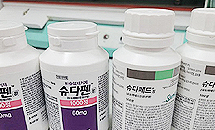
- The NHIS has started negotiations to adjust the drug price increase for the ingredient formulation of the nose cold medicine Pseudoephedrine (PSE), which is struggling with supply and demand. The deadline for this negotiation is 60 days, but it is said to be targeting an agreement this month. If this month's negotiations are signed, it is highly likely that the drug prices raised from next month will be applied. According to the NHIS and the industry on the 18th, the NHIS has been negotiating a drug price adjustment with manufacturers of 60 mg of Pseudoephedrine HCl since last week. This ingredient was recognized for the validity of the adjustment of the drug price increase by the Pharmaceutical Benefits Evaluation Committee of the HIRA held on the 6th. Soon after that, the Ministry of Health and Welfare reportedly issued a negotiating order. The deadline for negotiations is 60 days. However, the government aims to speed up adjustment negotiations like acetaminophen, which was a drug price increase last year. The Acetaminophen adjustment negotiations were completed in about 20 days. If this month's negotiations is completed as targeted and a resolution from the Ministry of Health Insurance Policy Review Committee at the end of the month is received, the adjusted drug price will be applied from the 1st of next month. Currently, manufacturers are said to want to double the current drug price. Currently, the upper limit is 20 won for one item, and the remaining 3 items are all 23 won. Kolon , Sam-A , Samil, and Shinil are selling it. The key to negotiating speed is a cost analysis. It is analyzed that if the two opinions differ in the cost analysis, the negotiation is likely to be longer. Pharmaceutical companies are reportedly doing a cost analysis using the cost of production opportunities early in the negotiations. However, the NHIS is of the opinion that cost analysis should be done through more practical data. Pseudoephedrine HCl formulation has been a supply problem since last year due to COVID-19. Therefore, in May, the Pharmaceutical Society also provided an equal supply of one bottle per pharmacy to solve the supply and demand instability. The industry argues that a drug price increase is essential for additional production power.
- Company
- A new drug for optic shylomyelitis is necessary
- by Eo, Yun-Ho Sep 20, 2023 05:35am
- Professor Kim, Ji-eun Off labels refer to the act of prescribing a medicine for an indication other than a use approved by the Ministry of Food and Drug Safety. In general, the use of the drug has been determined by the health authorities, and the question may arise as to why it is necessary. However, there is an area of disease where this Off label prescription is covered by insurance benefits. It is NMOSD. Currently, the immunosuppressant Azathioprine is used for primary maintenance treatment for optic vesical schomyelitis, and Mycophenolate or Mapthera are prescribed as the second treatment after the failure of Azachioprine treatment. Mycophenolate and Rituximab Offlabel drugs that do not have indications for optic nerve lingualism. The cause is simple.These drugs did not formally obtain indications through clinical studies of optic severe, but were confirmed to be effective through presumed efficacy and long-term accumulated prescription experience. However, there is a more bizarre situation in the area of optic sever. Immediately through phase 3 clinical trials, its effectiveness is confirmed, and officially approved new drugs are not eligible. Dailypharm met with Kim Ji-eun, the insurance director of the Korean Neurological Society (Professor of Neurology at Eo University Seoul Hospital), and heard about the current treatment environment of optic scurveitis and the need for new drugs. The drug used in the treatment of the optic sbellomyelitis category is known as an off label drug. I wonder if there are any side effects to the use of these drugs, and what their characteristics are. Of course, it must be the necessary medicines. However, as it is not a drug that has been proven to be effective and safe in the disease based on systematic clinical research, there are concerns in terms of side effects and effects. In particular, there are many reports that the primary treatment, Azathioprine, is low compared to other drugs, along with the risk of side effects such as bone marrow suppression, elevated liver levels, and increased cancer incidence during long-term use. In fact, about 50% of patients who used Azathioprine stopped treatment due to side effects within 18 months of treatment, of which 15% were due to lack of effects such as recurrence, and 62% were due to side effects of the drug. When following the current domestic benefit standards, Rituximab is used as a tertiary drug if there is a recurrence in the primary and secondary drugs. In the case of Rituximab, it is off label, but compared to other drugs, it has a better recurrence effect, and it is excellent in terms of effectiveness and safety, so in some patients with severe severity, it is increasingly skipping the first and second drug and administering it right away. In some countries abroad, Rituximab can be used as a primary treatment. The effect of Rituximab is not bad, but do we still need a new drug? It's excellent compared to existing drugs. There are patients who still have a relapse even after using Rituximab, so a new drug is needed for them. It is reported that about 10% of patients experience recurrence even after using Rituximab and as the accessibility of new drugs is reduced, these patients have no choice but to maintain their existing treatment even after recurrence. New drugs include monoclonal antibodies that directly act on the main inflammatory immune response targets of optic spondylomyelitis pathology, such as Soliris, Enspring and Uprizuna. Some of them are currently in the process of applying their benefit. Eculizumab is a prote suppressant, and Enspryngg is an interleukin-6 resuppressant with other mechanisms, so that patients who have recurrent in existing drugs can have the opportunity for treatment without being marginalized. In particular, these new drugs are very effective against conventional drugs, and in the case of ekulizumab, it has been found to reduce the risk of recurrence by 94%. - Among the drugs to be said, Soliris and Enspryngg are going through the process. However, there is a disagreement between the pharmaceutical company and the government over the standard, so I know it is not easy to discuss. After prescribing all the drugs that can be used now, it is the direction to recognize the benefit only at the back end (4th or more). The desperate thing for the medical staff is to first offer a new treatment option to patients who don't have a treatment option, and then the best treatment option to prevent irreversible recurrence. However, new drugs are somewhat expensive, and considering the social costs, I think that even patients who have failed to treat ritukshimab need urgent benefits. -As the drug price is high and the non-reimbursed status continues, the expiration date of the drug's PMS is getting closer. If the PMS is not completed under the regulations, the permit will be withdrawn. These new drugs are not enough to come in or not to come in. It was a disease that had not been diagnosed before, but it became possible to diagnose it through anti-quaporin-4 antibody tests, etc., and treatment that can reduce the disorder through drugs became possible. I hope that access to drugs will improve as soon as possible so that patients in need can receive treatment. Have you ever given an opinion to the government at the society level? The conference has also submitted several submissions of opinions on new drugs so that alternative options can be quickly arranged, and it continues to be of interest. I hope the benefit will be made quickly so that even a small number of patients can provide treatment options to those who really need it. Also, the disease itself has a very big impact on the patient's life. In addition, we hope that various new drugs targeting various mechanisms will be available in clinical practice as soon as possible so that an environment where customized treatment can be created for patients can be created.

- Policy
- Reimbursement imminent for some anticancer drugs in KOR
- by Lee, Tak-Sun Sep 20, 2023 05:35am
- Jeperli Inj (dostarlimab, GSK) and Braftovi Cap 75mg (encorafenib, Ono), which passed the Drug Reimbursement Evaluation Committee meeting last month, are currently in drug price negotiations with the National Health Insurance Service. According to industry sources on the 19th, the National Health Insurance Service recently updated the list of drugs receiving new drug pricing negotiations. According to the update, the drugs currently subject to negotiation are the asthma antibody treatment Cinqair Inj (Teva), Braftovi Cap 75mg, and Jeperli Inj. On the other hand, ‘Evrysdi Dry Syrup (risdiplam, Roche)', a spinal muscular atrophy (SMA) treatment that had been under negotiation for some time, was removed from the list after its company and the NHIS reached an agreement. Drug pricing negotiations with the NHIS are usually conducted for 60 days. Braftovi and Jemperli were deemed adequate for reimbursement by the Health Insurance Review and Assessment Service’s Drug Reimbursement Review Committee held on the 3rd of last month and entered the price negotiation stage with the NHIS thereafter. Braftovi is an anticancer drug used for metastatic colorectal cancer with a confirmed BRAF V600E mutation and is used in combination with Erbitux (cetuximab). In the Phase III BEACON CRC, the Braftovi+cetuximab combination demonstrated a statistically significant overall survival (OS) improvement to the irinotecan+ cetuximab combination (HR 0.60, p=0.0003). Median OS was 8.4 months for Braftovi and 5.4 months for the control group. Jemperli is used to treat mismatch repair deficient (dMMR) recurrent or advanced endometrial cancer. It is the third PD-1 inhibitor to be approved in Korea, following Opdivo (nivolumab, Ono·BMS), and Keytruda (pembrolizumab, MSD). However, among these immuno-oncology drugs, Jemperli is the first to be approved for endometrial cancer and is expected to greatly benefit patients in Korea. Jemperli’s approval was based on the cohort A1 analysis results of the Phase I multicohort GARNET trial. As a result of analyzing a total of 108 patients for a median follow-up period of 16.3 months, Jemperli demonstrated durable antitumor activity with a manageable safety profile, and the ORR of the Jemperli group was 43.5%
- Company
- Pricing & reimbursement specialist introduced as a new job
- by Kang, Shin-Kook Sep 20, 2023 05:35am
- New occupations such as ‘Pricing & reimbursement specialist’ and ‘biopharmaceutical candidate substance researcher’ were added as new occupations in the bio and pharmaceutical industry. On the 19th, the Korea Employment Information Service (President Young-Jun Kim) announced it had added 156 new occupations in the fields of life sciences, chemistry, energy and environment, construction, agriculture, forestry, and fisheries that emerged as new occupations due to factors such as the development of medical technology to accommodate the aging population and the integration of Intelligent information Technology, into the Korean Dictionary of Occupation. First, a Pricing & reimbursement specialist was introduced as a new job. In the dictionary, pricing & reimbursement specialist is defined as one who sets the price of new drugs that will be sold on the market and has the role of negotiating drug prices for new prescription drugs with the health authorities. A clinical data manager manages and supports clinical data for the overall progress of the clinical trial, including clinical data management plan development, database structure development, data entry, inconsistent data checking, logical error checking, medical coding, and data locking. Also, the patient safety & quality coordinator was listed as a new occupation. The patient safety & quality coordinator performs tasks related to patient safety and medical quality improvement in medical institutions and performs a series of patient safety activities to prevent and manage patient safety-related accidents. Also, ▲ Biopharmaceutical candidate substance researcher and ▲ Biopharmaceutical process development researcher were newly listed, due to increased new investment in new biopharmaceutical development such as cell therapy products, boosting the biopharmaceutical industry and incorporating data-based artificial intelligence technology. In addition, ▲Biopharmaceutical clinical/non-clinical researcher ▲Biopharmaceutical quality assurance technician ▲Biopharmaceutical quality tester ▲Biochemical strain management researcher ▲Biochemical product culture researcher ▲Biopharmaceutical culture researcher ▲Biopharmaceutical isolation and purification manager were added as new occupations. .Also, in addition to the ▲advanced life-sustaining treatment directive counselors, which have risen as an issue due to the rise of the super-aging society, ▲self-reliance support managers, and ▲consumer financial protection experts who support youth independence and the rights of financial consumers, were newly listed .Joong-Jin Kim, a researcher at the Korea Employment Information Service, said, “Digital information technologies such as data-based artificial intelligence, the Internet of Things, and Digital Twins are driving changes in the world of work by being applied to all industries, including life, construction, and agriculture .New occupations have been appearing in line with the establishment of various legislations to support the happy and safe life of the public, so it is necessary to pay attention to these jobs in terms of career preparation.” Meanwhile, the Employment Information Service has been systematically researching and analyzing the rapidly changing occupation world and publishing the Korean Dictionary of Occupation to support people's career choices and utilize it in the government's job policy .Newly registered occupations according to the survey can be searched in the 'Korean Dictionary of Occupation’ under the 'Vocational Path’ menu at Worknet (www.work.go.kr).
- Company
- No news after passing the cancer screening
- by Eo, Yun-Ho Sep 20, 2023 05:35am
- Xospata's progress in expanding insurance benefits, which seemed to be going smoothly, appears to have stopped. According to related industries, Astellas Korea Pharmaceutical's FLT3 mutation-positive recurrence or Acute Myeloid Leukemia treatment Xospata was not submitted during the three HIRA Pharmaceutical Reimbursement Evaluation Committee meetings held from July to September. Expectations were high when an application for benefit expansion was submitted in February and passed the Cancer Disease Review Committee in May, but it is believed that differences of opinion regarding finances arose during the subsequent procedures. As Xospata is a PE-exempt drug, the NHIS drug price negotiation process must be completed in case of expanded coverage. Therefore, the application of benefit expansion can be assessed depending on whether it is submitted to the committee in the future and when it is passed. This drug has been approved as monotherapy for patients with FLT3 mutation-positive relapse or Acute Myeloid Leukemia, but the current reimbursement standard only allows up to 4 cycles for patients eligible for allogeneic hematopoietic stem cell transplantation. Aside from financial issues, there are no specific reasons to limit the dosing cycle of Xospata. Looking at the ADMIRAL clinical study of this drug, it was designed with no limitation on the administration period, and the NCCN guidelines also recommend it as 'Category 1' with no limitation on the period. Currently, the best treatment for patients with Acute Myeloid Leukemia is hematopoietic stem cell transplantation, but the risk of recurrence is high and many patients are elderly, making transplantation difficult. However, for patients who cannot undergo hematopoietic stem cell transplantation and who are excluded from the current reimbursement standards, there is no suitable treatment alternative other than Xospata, so they are currently stuck with chemotherapy developed 40 years ago. Xospata is a drug that targets both FLT3 mutations, which are divided into two mutation types, FLT3-ITD and FLT3-TKD. As a monotherapy that is taken orally once a day, it is possible to self-medicate at home without frequent hospital visits, and clinical trials have shown higher effectiveness and safety compared to existing chemotherapy.
- Company
- Korea United Pharm signs export agreement with Vietnam TAK
- by Nho, Byung Chul Sep 19, 2023 05:42am
- From the left, Won-Ho Kang, co-CEO of Korea United Pharm, and Thi Tuyet Nga, CEO of Thanh An Khang Pharmaceutical On the 18th, Korea United Pharm (CEO Duk-Young Kang) attended the 2023 Global Bio& Pharma Plaza (GBPP) 2023 and forged close relationships with over 20 overseas buyers. The company announced that it had accelerated its global expansion by signing export contracts for Vietnam and the Philippines on the day of the event. Korea United Pharm attended the GBPP 2023 event on the 14th as one of the major companies carrying out various global business projects in Korea, such as the export voucher business overseas branching businesses, and the Medi-star Initiative with KOTRA. Duk-Young Kang, CEO of Korea United Pharm also attended the preliminary VIP meeting that was held before the contract signing ceremony and shared ideas on global cooperation with key members of the event, including Yong-Pil Lee, Director-General for High Technology Industry, Jeong-Yeol Yu, President of KOTRA, and Seung Ryel Baek, Chairman of Korea Pharmaceutical Traders Association, and expressed the company’s determination to expand its reach in the global market. On this day, Korea United Pharm held an export contract signing ceremony with Vietnam and the Philippines. Specifically, the company signed a contract with Vietnam's Thanh An Khang Pharmaceutical (hereinafter referred to as TAK) to export Newbutin SR Tab among others, and plans to actively target the relevant local market together with TAK, which has strengths in the area of digestives in Vietnam. In addition, the company signed a contract with One Pharma in the Philippines to export Cilostan CR Tab and Clanza CR Tab, thereby laying the foundation for the entry of IMDs into the Philippines. In addition, Korea United Pharm set up a booth at the event to discuss local expansion and export opportunities with 20 overseas buyers and established a close cooperation system. Won-Ho Kang, co-CEO of Korea United Pharm, said, “We plan to strengthen our product competitiveness through continuous R&D and innovation to accelerate our entry into ASEAN, Central and South America, and the Middle East, and seek ways to enter major countries such as the U.S. and Europe.” GBPP is a global business event held by the Ministry of Trade, Industry and Energy, KOTRA, and the Korea Pharmaceutical Traders Association to support the export of Korean pharmaceutical and bio companies. About 100 buyers from 31 countries around the world, including the United States, India, and Brazil, participated in the event and forged export cooperation relationships with domestic companies.
- Policy
- MFDS starts review on phenylephrine after FDA advisory decis
- by Lee, Hye-Kyung Sep 19, 2023 05:42am
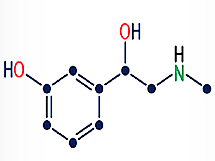
- Syrup formulation of phenylephrine that is being used as a cold medicine With the Nonprescription Drug Advisory Committee (NDAC) concluding that the nasal decongestant ‘phenylephrine’ is not effective, Korea’s Ministry of Food and Drug Safety is also preparing to conduct its review. An MFDS official said, “We will decide on future measures after a comprehensive review, including discussion with experts, based on data on domestic use experience of medicines that contain the relevant ingredient. We do not know what sanctions the FDA will announce in the future, whether it will be banned or used, but we plan to conduct our review at the Ministry of Food and Drug Safety level.” The controversy over the effectiveness of phenylephrine arose after the results of the FDA’s advisory committee NDAC’s meeting which was held on the 11th and 12th, was disclosed. Phenylephrine is an ingredient that has been known to be effective for nasal congestion. It stimulates sympathetic nerve receptors in the nasal mucosa to constrict dilated blood vessels in the nasal mucosa. In the United States, experts have continuously pointed out problems regarding the effectiveness of phenylephrine, and have been evaluating data on its efficacy since 2007. After discussing the data evaluation and clinical trial results at the recent NDAC meeting, all committee members unanimously agreed that phenylephrine is no more effective than a placebo (fake medicine). The result applies to oral formulations, not to the other formulations such as nasal sprays or eye drops, and although there are no safety issues, the committee concluded that the drug lacks evidence in terms of effectiveness. According to NDAC meeting data, 242 million phenylephrine drugs were sold in the United States last year. Its sales amounted to $1.76 billion (about KRW 2.34 trillion). In Korea, 118 over-the-counter drugs contain phenylephrine as the main ingredient, including Kolon Pharmaceutical's 'Komi Syrup,’ Daewoo Pharmaceutical's ‘Coben Syrup,’ GSK’s ‘Theraflu Nighttime Dry Syrup,’ and Dong Wha Pharm’s ‘Pancol A.’
