
- LOGIN
- MemberShip
- 2026-07-23 06:25:34

- Company
- MSD seeks to expand NIP subjects for Gardasil
- by Hwang, Byung-woo Jun 28, 2024 04:33am
- With the aim of expanding coverage of its human papillomavirus (HPV) vaccine within the National Immunization Program (NIP), MSD Korea has been working to improve its vaccine awareness. Expanding NIP coverage of the HPV vaccine is one of the hot topics on the government's agenda. In fact, it was ranked the third-most important task in the 'Establishing a Mid- to Long-term Plan for the National Immunization Program' study. MSD KoreaHowever, the fact that the government has set limits on the cost and subject is acting as an obstacle. According to the study, the issues discussed expanding NIP coverage to 'vaccination of girls under 12 years of age with Gardasil 9' and 'vaccination of boys under 12 years of age'. In the study, expanding vaccination of Gardasil 9 to 12-year-old girls ranked third in the overall priority list. However, vaccinating 12-year-old boys with Gardasil 9 was set as the sixth priority. The researchers differentiated the priority for the same vaccine by subject. Against this backdrop, MSD Korea has been emphasizing the need for HPV vaccination in both boys and girls At a conference held in late May, MSD Korea mentioned that 33 out of the 38 Organization for Economic Co-operation and Development (OECD) countries (as of April 24, 2014) have introduced NIP for male HPV vaccinations. Sei-Young Lee, Professor of Otolaryngology and Head-and-Neck Surgery at Chung-Ang University Hospital, said, "In men, HPV-related cancers and diseases on the rise globally, and their effect in increasing disease burden and reducing the quality of life are being undermined. Korea's male HPV vaccination rate is in the single digits, which is far below that of Australia and the United Kingdom, which have been actively carrying out HPV prevention programs." In this situation, MSD Korea is trying to build awareness of the need through social media activities. In addition to the top-down approach of emphasizing the need for HPV vaccination through pharmaceutical companies and academic communities, MSD is also working on a bottom-up approach, increasing awareness of the need for Garadsil’s coverage through NIP amongst vaccine recipients. The company has been promoting the need for HPV vaccination through social media outlets that are occupied by young people during the back-to-school season, coming-of-age day, etc. The key message is that both men and women need to be vaccinated. Pic of Gardasil 9An industry official said, "The ultimate aim for most vaccines is to be included in the NIP, so MSD Korea is constantly knocking on the door for expanded NIP coverage for Gardasil 9. Awareness-raising activities can be cumbersome as even social media posts are subject to advertising review, but the company seems to have recognized the need to increase awareness." According to the drug research institution IQVIA, Gardasil 9’s sales grew to KRW 72.6 billion in 2021, and to KRW 117 billion in 2022, then fell to KRW 106.4 billion last year. If the NIP is only applied to HPV vaccines vaccinated to women, and the product is switched to Gardasil 9, its sales could further decrease due to lowered supply prices. In other words, apart from including male HPV vaccinations in the NIP, the company would need to build awareness of its needs. An industry insider said, "If Gardasil 9 is included in the NIP, the government’s supply price will have to be lower than the current market price. If the NIP vaccination covers boys, the reduced price will be offset by the increased coverage. Even if MSD's best-case scenario of expanding coverage to both genders does not become realized, improving awareness would be essential for sales."
- Company
- Spinraza tops Q1 revenue in SMA mkt with KRW 17.7 billion
- by Nho, Byung Chul Jun 28, 2024 04:32am
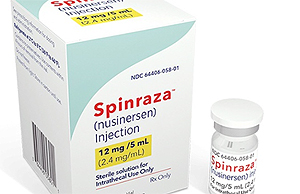
- (From the left) Spinraxa Inj, Zolgensma Inj, and Evrysdi for spinal muscular atrophy Biogen Korea's Spinraza remains the No. 1 drug for spinal muscular atrophy (SMA) in the KRW 80 billion market. However, its performance has been somewhat sluggish due to the launch of competitors such as Roche Korea’s Evrysdi and Novartis’s Zolgensma. In terms of drug distribution performance, Spinraza's sales in Q1 of this year were KRW 17.7 billion, 9 to 14 times higher than that of Zolgensma (KRW 1.8 billion) and Evrysdi (KRW 1.2 billion). Sales of Spinraza (nusinersen sodium) were in the range of KRW 72.2 billion, KRW 61.2 billion, KRW 62.3 billion, and KRW 58.9 billion, in 2020, 2021, 2022, and 2023, respectively. Zolgensma (onasemnogene abeparvovec), which was approved in Korea in 2021 sold KRW 16.2 billion and KRW 14.4 billion in 2022 and 2023, respectively. Evrysdi (risdiplam), which was approved by the MFDS in 2020 generated KRW 600 million and KRW 1.123 billion during the same period. What is unusual is that Zolgensma exceeded last year's sales in just the first quarter of this year, while Evrysdi’s sales tend to be somewhat sluggish in terms of quarterly results alone. Spinraza (5m), Evrysdi (80ml), and Zolgensma (1 kit) are all ultra-high-priced orphan drugs and are priced at KRW 92.35 million, KRW 9.52 million, and KRW 1.98172 billion, respectively. . Spinraza can be administered directly to the central nervous system, where motor neurons are located, through intrathecal injection to deliver the treatment at the source of the disease. It can also be administered in multiple doses, making it easier to monitor clinical outcomes. Based on clinical study data and real-world evidence (RWE) accumulated over up to 8 years of treatment, the treatment has confirmed sustained efficacy and safety profile across all ages and types of patients. In addition, its reimbursement extension to patients with Type 3 SMA who have developed symptoms after the age of 3 is working in favor of the drug. As a one-shot treatment, Zolgensma works by inserting a functional replacement copy of the SMN1 gene into a carrier called a vector and delivering it to motor neuron cells in the body via intravenous infusion. The disadvantage is that it is difficult to administer multiple doses to patients who cannot be treated with a single dose.

- Company
- 'Increased' competitiveness in autoimmune diseases
- by Son, Hyung-Min Jun 27, 2024 05:47am
- The Korean biopharmaceutical industry is successfully signing license agreements of drugs for autoimmune diseases. HK inno. N, IMBiologics, and Y-Biologics have signed license agreements for their jointly developed novel drug candidates. AprilBio has also signed a license agreement for a novel drug candidate that has shown efficacy in a phase 1 trial. This is not the first time Korean companies have successfully entered into license agreements for novel drugs for autoimmune diseases. LG Chem, Voronoi, Hanall Biopharma, and Daewoong have also completed technology transfers overseas. Even after out-licensing, these treatments have demonstrated efficacy, confirming South Korea’s R&D capacity. Autoimmune diseases occur when the body’s immune system attacks healthy cells after mistakenly recognizing them as antigens rather than exterior antigens, such as germs and viruses. Since the cause of these diseases is still unknown, targeted treatments are not available. As a result, there is an unmet need for more new treatment options. According to industry sources on June 25th, HK inno. N signed a license agreement with Navigator Medicines, a U.S. new drug development company, for 'IMB-101,' a novel drug candidate for the treatment of autoimmune diseases. The contract totaled US$940 million (approximately KRW 1.3 trillion), including an up-front payment of US$20 million (KRW 27.6 billion). Navigator Medicines secured global development and sales rights through this agreement, excluding Asia. IMB-101 was jointly developed by HK inno. N and Y-Biologics in 2016, and it was transferred to IM Biologics in 2020. The current agreement was led by IM Biologics, a bioventure company established by people who worked at HK inno.N. IMB-101 is a novel bispecific antibody candidate that is designed to target both OX40L and TNF, simultaneously modulating adaptive and innate immune responses. OX40L pathway is involved in activating T cells, and TNF is a cell signaling protein involved in immune responses. Until now, no novel drugs have targeted both OX40L and TNF. IBM-101 and Sanofi’s SAR442970, in a phase 2 trial, are the only two novel drug candidates that have entered clinical trials. IM Biologics received approval from the U.S. Food and Drug Administration (FDA) to conduct Phase 1 trials for 'IMB-101' in August of last year. The company is currently conducting a Phase 1 trial. Phase 1 trial will evaluate the safety and drug tolerance of the drug in healthy adults and in patients with autoimmune diseases. AprilBio has also successfully signed a license agreement with Evommune, a novel drug development company in the United States, for 'APB-R3,' a novel drug candidate for the treatment of autoimmune diseases. The deal was valued at a total amount of up to US$475 million (approximately KRW 655 billion), including a non-refundable up-front payment of US$15 million (KRW 20.7 billion). The sales royalty will be paid separately. APB-R3 is a biologics candidate targeting interleukin (IL)-18. So far, there are no commercialized products with similar mechanisms of action. Once APB-R3 is commercialized, it will become the first-in-class. AprilBio has confirmed the drug tolerance and safety of APB-R3 in a phase 1 trial. Evommune plans to conduct a phase 2 trial of APB-R3 in the first half of next year. This marks the second time AprilBio has signed a license agreement for novel drug candidates for treating autoimmune diseases. In 2021, it out-licensed APB-A1 to Danish pharmaceutical company Lundbeck for US$448 million (approximately KRW 540 billion). APB-A1 is a novel drug candidate that inhibits CD40L.. CD40L is commonly expressed in activated T-cells due to inflammations. When T Cells’ CD40L binds to CD40 of natural killer cells, large quantities of cytokines are released. APB-A1 works by targeting CD40, inhibiting the formation of cytokine-releasing antibodies through B cells and natural killer cells. Now, UCB’s dapirolizumab and the U.S. biotech company Horizon Therapeutics’ Dazodalibep are under development with mechanisms of action similar to APB-A1. Increased out-licensing of novel drugs for autoimmune diseases…clinical trials are making good progress Clinical trials conducted by companies that have developed novel drug candidates for autoimmune diseases are going well. Hanall Biopharma is developing a subcutaneous formulation of a drug candidate for FcRn antibody therapy batoclimab (HL161). In 2017, Hanall Biopharma out-licensed HL161, a drug candidate for the treatment of autoimmune diseases, to Roivant Sciences, a Swiss company that also owns Immunovant. The company is investigating the potential of batoclimab for treating various autoimmune diseases, including myasthenia gravis (MG), thyroid eye disease (TED), immune thrombocytopenic purpura (ITP), neuromyelitis optica (NMO), and chronic inflammatory demyelinating polyradiculoneuropathy (CIDP). The efficacy of batoclimab has been confirmed in a phase 2 trial, and it is currently undergoing multinational phase 3 trials. Hanall Biopharma plans to present its top-line results within this year. LG Chem is developing an autoimmune disease pipeline, ‘LC510255.’ In 2021, the company successfully out-licensed the pipeline to China’s TransThera Biosciences. The drug is undergoing a phase 2 trial involving patients with ulcerative colitis and atopic dermatitis. The drug tolerance and satey of LC510255 have been confirmed in a phase 1 trial. Daewoong Pharmaceutical is developing a novel drug called 'DWP213388' for the treatment of autoimmune diseases. DWP213388 has a bispecific mechanism of inhibiting both BTK and ITK, which are involved in activating immune cells such as B cells and T Cells. The phase 1 trial is being conducted in the United States. Daewoong Pharmaceutical has proven its potential by signing a global license agreement with Vitalli Bio of the United States for DWP213388 at the Korea-U.S. Digital and Bio-Health Business Forum, which was held in Boston, U.S., last year. The agreement amounted to US$477 million, including an up-front payment of US$11 million, excluding a royalty payment.
- Company
- New drug 'Mylotarg' for AML makes another attempt at reimb
- by Eo, Yun-Ho Jun 27, 2024 05:47am
- Pfizer Korea’s Mylotarg (gemtuzumab ozogamicin), a treatment for acute myeloid leukemia (AML). A new drug 'Mylotarg' for the treatment of acute myeloid leukemia (AML) is making another attempt to obtain insurance reimbursement listing. According to industry sources, Pfizer Korea has recently reapplied for reimbursement review for Mylotarg (gemtuzumab ozogamicin), a treatment for acute myeloid leukemia (AML). In May 2022, Mylotarg was considered for review by the Cancer Disease Review Committee of the Health Insurance Review and Assessment Service (HIRA). However, it received a decision of unestablished reimbursement criteria. It passed the Cancer Disease Review Committee review in October last year, but the subsequent decision was canceled. It is to be watched whether Mylotarg, which previously failed, will successfully acquire the listing this round. This drug is an antibody-drug conjugate (ADC) that can be used for the first-line treatment of newly diagnosed adult patients with CD33-positive AML. Mylotarg received approval in South Korea in December 2021. It is an ADC made of a CD33-targeting monoclonal antibody and calicheamicin. Mylotarg works in CD33-antigen-expressing cells found in 90% of all AML patients. The drug blocks the cancer cell growth and induces cell death through this mechanism. The basis of Mylotarg was a clinical trial involving 271 AML patients, aged between 50 and 70 years, who had not received any treatment before and were newly diagnosed. ALFA-0701 clinical trial of Mylotarg was conducted as an open-label, randomized, multi-center Phase 3 trial. The trial compared the conventional chemotherapy of daunorubicin plus cytarabine to the combination therapy of Mylotarg plus daunorubicin plus cytarabine. The result showed that the Mylotarg plus daunorubicin plus cytarabine combination therapy group had a median event-free survival (EFS) of 17.3 months, which was 7.8 months longer than 9.5 months of the daunorubicin plus cytarabine combination therapy group. It also reduced the risks of induction failure, relapse, or death by approximately 44%. The Mylotarg plus daunorubicin plus cytarabine combination therapy group had a median relapse-free survival (RFS) of 28.0 months, whereas the daunorubicin plus cytarabine combination therapy group had an RFS of 11.4 months, showing a significant difference of approximately 16.6 months. Furthermore, the Mylotarg plus daunorubicin plus cytarabine combination therapy group had an overall survival (OS) of 27.5 months, whereas the daunorubicin plus cytarabine combination therapy group had an OS of 21.8 months, indicating no statistical significance.
- Company
- SGLT-2 diabetes drug Jardiance outsells mkt leader Forxiga
- by Nho, Byung Chul Jun 26, 2024 05:47am
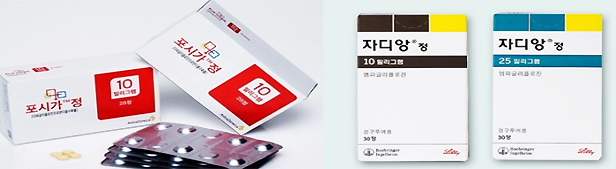
- Boehringer Ingelheim's Jardiance and AstraZeneca's Forxiga are striving for mastery of the KRW 110 billion SGLT-2 inhibitor class single-agent diabetes drug market in Korea. In the first quarter of this year, Jardiance and Forxiga generated sales in the range of KRW 11.1 billion and KRW 8.0 billion, respectively. Notably, this is a reversal of fortune for Forxiga, which had held the lead SGLT-2 class drug market for the past 5 years. In 2020-2021-2022-2023, Forxiga was ahead of second-place Jardiance with sales of KRW 32.2 billion, KRW 38.1 billion, KRW 45.4 billion, and KRW 49.9 billion, but in the first quarter of this year, Jardiance outperformed Forxiga by nearly KRW 3 billion. This is likely due to the rumor of AstraZeneca’s market withdrawal of Forxiga in Korea. While news that AstraZeneca's diabetes combinations, including Xigduo (dapagliflozin-metformin) and Sidapvia (dapagliflozin-sitagliptin), will replace the single-agent Forxiga has been around for over 2 years, Forxiga had remained the market leader. If the anticipated withdrawal of Forxiga takes place, sales of its competitor Jardiance will rise, as well as that of less-selling dapagliflozin products. Among dapagliflozin drugs, Forxiga is followed by Boryung’s Trudapa and Hanmi Pharmaceutical's Dapalon, which generated sales of KRW 2.1 billion and KRW 1.6 billion respectively last year. The reimbursement extension granted for Jardiance is also gaining attention. If Forxiga is withdrawn from the market, Jardiance will be the only product that owns 3 indications - diabetes, heart failure, and kidney - among the original drugs. If Jardiance were to gain reimbursement for chronic kidney disease, this would further expand its share in the SGLT-2 inhibitor market. However, AstraZeneca has granted HK Inno.N Forxiga’s clinical data in chronic heart failure and chronic kidney disease. In April, the indication for HK Inno.N's Dapa N Tab was extended to include chronic heart failure and chronic kidney disease. However, the outlook for Jardiance’s performance is not so rosy. A number of domestic pharmaceutical companies are developing a generic version of Jardiance with the goal of releasing it within the first half of next year. Astellas Korea, which generated sales of about KRW 3.7 billion last year, also reported to the MFDS that it will stop supplying its drug in mid-August for business reasons. In March, MSD Korea reported to the MFDS that it would supply Steglatro Tab 5 mg (ertugliflozin L-pyroglutamic acid) until May. The decision was based on declining market demand. SGLT-2 inhibitors inhibit glucose reabsorption in the kidneys, allowing sugar to be excreted in the urine, and have the advantages of being able to control blood sugar while not stimulating the pancreas, and reducing the risk of heart failure. The downside is that as sugar is excreted in the urine, patients become more prone to hypoglycemia and urinary tract infections, both of which are less common. Clinical studies have shown that dapagliflozin-based agents like Forxiga, etc. were associated with a 39% reduction in the composite efficacy endpoint, which was defined as the risk of death from worsening renal function, cardiovascular and renal disease, compared with placebo. Dapagliflozin also reduced cardiovascular death and heart failure exacerbation in chronic heart failure patients with reduced left ventricular systolic function with or without type 2 diabetes. Chronic kidney disease is a severe and progressive disease with a high risk of heart failure and cardiovascular events, and the results above indicate the potential of dapagliflozin as a new treatment option in the area. Jardiance and other empagliflozin drugs have been shown in clinical studies to reduce the incidence of cardiovascular death and hospitalization for heart failure in patients with heart failure with preserved ejection fraction who were receiving standard of care. The study is regarded as the first to show empagliflozin’s effect in patients with heart failure with preserved ejection fraction.
- Company
- Another anticancer drug 'Augtyro' set to be launched in KOR
- by Eo, Yun-Ho Jun 26, 2024 05:46am
- Augtyro (repotrectinib), an anticancer drug effective regardless of cancer types. A ROS-1 targeting lung cancer treatment called 'Augtyro' is entering the Korean market. According to the industry sources, Bristol Myers Squibb (BMS) Korea has recently applied for market approval from the Ministry of Food and Drug Safety (MFDS) for its Augtyro (repotrectinib), an anticancer drug effective regardless of cancer types. This drug has been designated as an orphan drug by the MFDS in early June. Augtyro is specifically indicated for ▲the treatment of patients with ROS-1 positive topical advanced or metastatic non-small cell lung cancer (NSCLC) ▲the treatment of patients with NTRK(Neurotrophic tyrosine receptor kinase) fusions in topical advanced, metastatic solid cancer or who have a high likelihood of severe morbidity upon surgical removals. Augtyro initially received U.S. FDA approval for the treatment of NSCLC in November of last year. Its indication for the treatment of solid cancer accompanying NTRK fusions is being processed for approval after having been designated for expedited review in February. The drug’s efficacy was confirmed through multinational Phase 1/2 TRIDENT-1 studies. The results showed that 71 patients who had not previously received TK1 treatments had an objective response rate (ORR), which was the primary endpoint, of 79% after Augtyro treatment. Progression-free survival (PFS) doubled compared to conventional targeted therapy. The ORR was defined by the percentage of patients showing decreased tumor sizes (partial response) or no more cancer symptoms (complete response) during the specified treatment period. The median duration of response (DOR) was 34.1 months. 56 patients who had previously undergone ROS1 TK1 therapy and no chemotherapy had an ORR of 38% and a median DOR of 14.8 months. The study also demonstrated the drug’s effectiveness in patients who had developed drug tolerance to previously administered targeted therapies. 56 patients with drug tolerance had an ORR of 38% and a PFS of 9 months. Notably, 17 patients who acquired G2032R mutation had an ORR of 59% and a PFS of 9.2 months. TRIDENT-1 study was published in the New England Journal of Medicine (NEJM, IF 176.082) with Byoung Chul Cho (Director of the Lung Cancer Center at Yonsei Cancer Hospital) as the corresponding author. Meanwhile, lung cancers with ROS1 mutation account for 2% of all lung cancers. Conventional therapy includes targeted anticancer therapies that target the mutated gene. The common drugs are 'crizotinib' and 'entrectinib.' 'Repotrectinib' is gaining attention as the next-generation drug.
- Company
- Returned license-outs for new drugs one after another
- by Kim, Jin-Gu Jun 26, 2024 05:46am
- Korean biopharmaceutical companies have been receiving termination notifications from their partnering companies for their licensed-out new drug candidates one after another. Olix Pharmaceuticals and Curacle recently received notifications of contract terminations from France’s Thea Open Innovation. Voronoi’s license-out agreement for its new anticancer candidate was terminated in April. In the past two months, three accounts of license-out of new drug candidates were returned. The industry views this as a result of changes in the development strategies of contracting companies. Companies that had their rights returned rights are planning to change their strategies to in-house development. Olix Pharmaceuticals, Curacle, and Voronoi received termination notifications of their license-out agreements in the past two months Olix Pharmaceuticals announced that they received termination notifications of their licensed-out agreement for 'OLX301A,' which was under development for the treatment of dry and wet age-related macular degeneration, on June 24th. In March 2019, Olix Pharmaceuticals signed a license-out agreement with France’s Thea Open Innovation for its OLX301A. In October 2020, the company expanded the contract for OLX301A and added a license-out agreement for 'OLX301D,' a candidate for the treatment of wet age-related macular degeneration and subretinal fibrosis. Both contracts amounted to 166.95 million euros (approximately KRW 230 billion). In 2019, Olix Pharmaceuticals received an upfront payment of 2 million euros (approximately KRW 3 billion). In 2020, the upfront payment from the company expanded to 5.3 million euros (approximately KRW 7.9 billion). Then, the company additionally received milestone technology fees in 2022 and 2023, amounting to 1.33 million euros (approximately KRW 2 billion) and 400,000 euros (approximately KRW 600 million), respectively. The total amount that Olix Pharmaceutical received from the contract with Thea Open Innovation amounts to 7.03 million euros (approximately KRW 10.4 billion). This amount is non-refundable. Olix Pharmaceuticals, Curacle, and Voronoi received termination notifications of their license-out agreements in the past two months. Last month, Curacle was notified of the licensing return. Curacle announced that the company received notification of the return of the license for 'CU06,' which was under development for the treatment of diabetic macular edema and wet age-related macular degeneration. Curacle received the return of the rights from France’s Thea Open Innovation, just like Olix Pharmaceutical. In October 2021, Curacle had signed a licensing agreement with Thea Open Innovation for a contract totaling US$163.50 million (approximately KRW 190 billion). As part of the agreement, Curacle received a non-refundable upfront payment of US$6 million (approximately KRW 7 billion). In April, Voronoi also received notification of the return of the technology from METiS Therapeutics, a biotech company in the United States. In September 2022, Voronoi entered into a contract to transfer its technology of a pan-RAF inhibitor targeting solid cancers. The total contract amount was up to US$482.2 million (approximately KRW 670 billion), and Voronoi received US$1.7 million (approximately KRW 2.4 billion) cash up front, including the research milestone. Licenses were returned…K-bio will overcome via an in-house development strategy Companies that have had their license-outs returned are aiming to overcome this through in-house developments. These companies have explained that the return of licensed-out products is a result of the partnering companies' shift in development strategies, rather than a failure to demonstrate the efficacy of these candidates. Therefore, the companies are considering either continuing the development in-house or seeking another licensing opportunity. Olix Pharmaceutical said, “We will internally develop technology and conduct clinical trials in the future.” OLX301A obtained U.S. FDA approval for an IND for a phase 1 trial in August 2022. OLX301D is currently in the preclinical phase. Curacle also stated, “We will regain all the rights of CU06’s global licensing and clinical trial development in the future.” They explained, “Regardless of the licensing returns, we plan to conduct further clinical trials without delays.” Curacle explained, “We confirmed the vision improvement effects and safety of the drug through our recently completed CU06 Phase 2a trials.” And added, “During the researchers meeting at the ‘Association for Research in Vision and Ophthalmology (ARVO)’ conference in the United States, we received a lot of advice regarding the vision improvement effects. As a result, we plan to conduct further develop CU06 without any delays.” Voronoi stated, “We will review the development data and decide on future development.”
- Company
- Trelegy 200 Ellipta may be prescribed at tertiary hospitals
- by Eo, Yun-Ho Jun 25, 2024 05:46am
- The double dose Trelegy Ellipta, which received approval in Korea for asthma, not COPD, may now be prescribed at general hospitals in Korea. According to industry sources, GSK Korea's Trelegy Ellipta (fluticasone furoate/umeclidinium/vilanterol) has passed the drug committees (DCs) of the Big 5 tertiary hospitals in Korea, including Samsung Medical Center, Seoul National University Hospital, Seoul Asan Medical Center, and Sinchon Severance Hospital. Trelegy 200 Ellipta, which was listed for reimbursement since March this year, may be prescribed to treat patients with "severe asthma that is not adequately controlled with a maintenance combination of a medium or high dose of an inhaled corticosteroids (ICS) and long-acting inhaled beta-2 agonists (LABA). As such, it remains to be seen whether GSK will be able to expand the indication beyond COPD to asthma in the near future. The efficacy of Trelegy 200 Ellipta was verified through the Phase III CAPTAIN study, which evaluated Trelegy 200 Ellipta versus a two-drug combination of fluticasone furoate/vilanterol (FF/VI) in 2,436 adult asthma patients aged 18 years and older whose symptoms were not controlled despite maintenance ICS/LABA therapy. The primary efficacy endpoint of the study measured the change in FEV1 (Forced Expiratory Volume in 1 second) in each arm after 24 weeks of treatment. Results demonstrated statistical significance, with the Trelegy 200 Ellipta arm showing a 110 mL improvement over FF/VI Also, the safety profile of Trelegy 200 Ellipta in treating asthma was comparable to what was previously seen with the active ingredient and the existing combination products. The most common adverse reactions were nasopharyngitis (13-15%), headache (5-9%), and upper respiratory tract infection (3-6%), and serious adverse reactions occurred similarly across all treatment arms. Professor Jaewon Jeong from Inje University Paik Hospital said, “Asthma is a chronic respiratory disease that requires lifelong management. This is why patients who experience asthma exacerbations need to receive appropriate treatment.” Jeong added, "Major asthma practice guidelines also recommend triple combination therapy that adds LAMA to ICS/LABA before starting oral corticosteroid therapy as the optimal treatment regimen for patients with severe asthma whose symptoms are not controlled by the two-drug ICS/LABA combination therapy."
- Company
- 'Camzyos' receives DREC’s reconsideration decision
- by Eo, Yun-Ho Jun 25, 2024 05:46am
- BMS Korea’s Camzyos (mavacamten). The final decision was not reached on the first attempt. The path to getting 'Camzyos,' the first novel drug for obstructive hypertrophic cardiomyopathy (oHCM), listed for reimbursement seems to be challenging. According to the industry sources, BMS Korea’s Camzyos (mavacamten), a novel drug used to treat obstructive hypertrophic cardiomyopathy (oHCM), was considered for review by the Drug Reimbursement Evaluation Committee (DREC) of Health Insurance Review and Assessment Service (HIRA) but received a 'reconsideration' decision. After clearing the Economic Evaluation Committee of Health Insurance Review, it was rapidly considered for the DREC review. However, as the drug is the first-in-class treatment option for the disease, it is likely not to have received a decision at the first attempt. Yet, since the government is making efforts to improve the value estimation of new drugs, including providing preferential measures for innovative new drugs, it is to be watched how these measures will affect the assessment of Camzyos in the upcoming DREC review. Camzyos is the only drug that selectively inhibits cardiac myosin-actin cross-bridge formation, which is the cause of oHCM. Its underlying mechanism involves dissociating myosin from actin, relaxing overstimulated heart muscle, and thereby improving left ventricular outflow tract (LVOT) structure and LVOT outflow obstruction. Because no treatments have been available to treat oHCM for a long time, Off-label medications were used to manage symptoms. Because of Camzyos, the European Society of Cardiology (ESC) updated its guidelines for managing cardiomyopathy for the first time in about nine years. Previously, the guidelines for HCM were based on evidence limited to small-scale monitoring data, retrospective analysis results, and consensus opinion. However, Camzyos has completely changed this situation. Two large-scale, phase 3 clinical trials conducted as randomized controlled trial (RCT) have confirmed the significant effect of Camzyos. Consequently, ESC guidelines recommend Camzyos with the highest evidence level A for the first time in treatment options. American College of Cardiology (ACC) and the American Heart Association (AHA) are preparing to update their guidelines. Furthermore, based on this phase 3 trial evidence, the U.S. FDA granted Camzyos Breakthrough Therapy Designation (BTD) and approval. Considering these factors, Camzyos appears to have met the criteria of an innovative new drug, announced by the government last year: ▲There are no alternative products, therapeutically equivalent products, or therapies available ▲Extending the survival period significantly and showing clinically meaningful improvements ▲Has been approved for MFDS’ GIFT (priority review designation), U.S. FDA’s BTD, or Europe’s EMA expedited review (PRIME). Meanwhile, Camzyos demonstrated efficacy through Phase 3 EXPLORER-HCM trials. In this trial, Camzyos improved primary endpoints, the patient’s symptoms (NYHA classification) and exercise capacity measured with peak oxygen uptake (pVO2), by more than twofold compared to the placebo. 20% of the Caymzyos treatment group met NYHA classification and pVO2 improvements. It also reduced the LVOT outflow obstruction index by fourfold after exercise. 10 out of 7 patients who received Camzyos treatment had improved indexes and ended up not considering surgery, and they maintained the effect for 30 weeks.
- Company
- K-Bios make bid into pancreatic cancer treatment environment
- by Son, Hyung-Min Jun 24, 2024 05:47am
- The domestic pharmaceutical and bio-industry has made a bid into the development of new drugs for pancreatic cancer through the use of combination therapy. Despite the development of various treatments to date, the five-year survival rate of pancreatic cancer has remained the lowest among the top 10 cancers, at 12.6%. Pancreatic cancer is difficult to detect early due to its organ location and is known for its poor prognosis. Domestic pharma and biotech companies have chosen 'combination therapy' as a strategy to improve the treatment effect of its pancreatic cancer treatments while reducing the side effects of existing platinum-based chemotherapy. Currently, NeoImmuneTech, CG Invites, MedPacto, and Prestige Biopharma have started development of new drugs for pancreatic cancer. Companies pursue new drug development as combination therapy…many enter clinical trials According to industry sources on the 22nd, NeoImmuneTech recently disclosed the results of its Phase IIa clinical trial that evaluated its new drug candidate NT-I7 in combination with Keytruda. NT-I7 is a treatment that amplifies T-cells and is currently being tested in patients with poor response to immuno-oncology drugs. The study evaluated the efficacy and safety of NT-I7 plus Keytruda in 50 patients with previously treated metastatic colorectal cancer and 48 patients with pancreatic cancer. Results showed that 3 of the 48 pancreatic cancer patients achieved a partial response (PR). The median overall survival (OS) was 11.1 months. In addition, NeoImmuneTech plans to investigate the feasibility of combining NT-I7 with an anti-cancer vaccine. CG Invites has finalized the dose and begun dosing patients in its Phase II clinical trial of ivaltinostat, which it is developing for pancreatic cancer. The company received investigational new drug (IND) approval from the U.S. Food and Drug Administration (FDA) to initiate its Phase Ib/II trial in 2022. Ivaltinostat is an HDAC histone deacetylase (HDAC) inhibitor class anticancer drug. This new drug candidate binds to HDAC inhibits tumor cell activity and regulates the expression of oncogenes, inducing cancer cell death. Ivaltinostat is known to inhibit HDACs 1, 2, 3, 6, and 10. The Phase II trial evaluated the efficacy of the ivaltinostat plus capecitabine combination in 52 patients with advanced or metastatic pancreatic cancer whose disease has not progressed after receiving folfirinox therapy. Medpacto is identifying potential new medicines for pancreatic cancer by combining its vactosertib with FOLFOX therapy, and with a protein arginine methyltransferase 5 (PRMT5) inhibitor, ‘T1-44.’ PRMT5 is an enzyme that promotes cancer growth and shows increased expression in a variety of cancers, including pancreatic cancer Vactosertib selectively inhibits the transforming growth factor-beta (TGF-β) signaling pathway, which impairs the therapeutic effect of immuno-oncology drugs. Medpacto plans to maximize its treatment effect by combining its use with a PRMT5 protein inhibitor, which inhibits the enzyme known to promote cancer growth. The recently published preclinical results showed that vactosertib plus T1-44 showed anticancer activity in a mouse model with pancreatic cancer. Specifically, the combination of vactosertib and T1-44 increased mouse model survival by 60% compared to T1-44 alone. The combination also showed changes in genes involved in apoptosis and the extracellular matrix processes. Prestige Biopharma has initiated a clinical trial for its antibody-drug candidate PBP1510 in the US. PBP1510 neutralizes the Pancreatic adenocarcinoma up-regulated factor (PAUF) protein, a target for the treatment of pancreatic cancer. Prestige Biopharma plans to confirm the safety and tolerability of PBP1510 in combination with gemcitabine in a Phase 1 clinical trial. In addition, GC Cell is investigating the combination of its anticancer immune cell therapy Immunecell-LC with gemcitabine as a potential new drug for pancreatic cancer. GC Cell is also looking to expand the indication for Immunecell-LC, which is currently approved for liver cancer. The company received approval to initiate a Phase III clinical trial in 2021 and began dosing patients.
