- LOGIN
- MemberShip
- 2026-07-22 13:19:43
- Preventive RSV antibody shot poised for NIP inclusion
- by Son, Hyung Min | translator | 2025-12-26 08:41:58
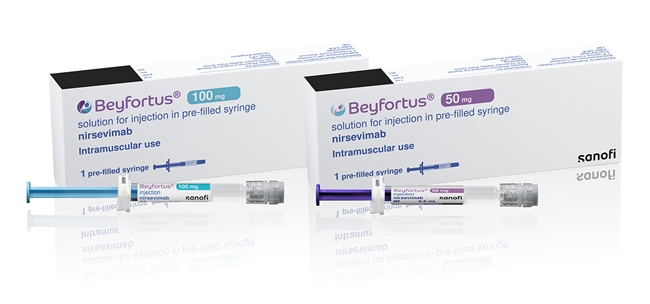
The need to include the RSV preventive antibody injection Beyfortus, which began immunization in Korea this February for infants and young children, in the National Immunization Program (NIP) is being raised.
As the inclusion of a new category, ‘preventive antibodies,’ within the traditionally vaccine-focused NIP system emerges as a key policy issue, economic evaluation and cost-effectiveness have emerged as key decision-making criteria.
According to industry sources on the 26th, a recent policy discussion forum held at the National Assembly to improve management measures for respiratory infections in infants and young children highlighted cases from major countries that have already incorporated RSV preventive antibodies for infants into their NIP frameworks. The discussions emphasized the significant disease burden RSV imposes on infants and young children.
At the forum, Young-rae Sohn, Director General of the Department of Healthcare Safety and Immunization at the Korea Disease Control and Prevention Agency (KDCA), stated, “We plan to review its support in Korea based on economic evaluation and cost-effectiveness analysis. As this could become the first case of including a preventive antibody as a new category within the National Immunization Program, we are discussing it with particular caution.”
This stance was reaffirmed during the National Assembly audit in October. Seung-kwan Lim, Commissioner of the KDCA, noted that there is growing social demand and academic support for RSV preventive antibodies, adding that the agency plans to assess priorities and the necessity of introducing such preventive measures into next year’s immunization program.
To this end, the KDCA has secured research funding to generate scientific evidence evaluating RSV disease characteristics, efficacy of preventive antibodies, and cost-effectiveness, with results expected by the end of next year.
A consistent theme across these discussions is the importance of economic evaluation and cost-effectiveness analysis. Such assessments are essential for allocating limited NIP budgets efficiently and serve as foundational evidence for policy decisions aimed at protecting all newborns and infants from RSV. The need for rigorous analysis is particularly pronounced when considering the inclusion of new preventive modalities in a national program.
The RSV preventive antibody currently under consideration for NIP inclusion is Sanofi’s Beyfortus (nirsevimab), which began administration in Korea earlier this year. Beyfortus is a monoclonal antibody indicated for all newborns and infants entering their first RSV season, as well as high-risk children up to 24 months of age, offering broad preventive coverage. A single injection provides protection for at least five months, effectively covering an entire RSV season.
Results from research evaluating the cost-effectiveness of Beyfortus have already been reported in Korea.
According to the study, the Beyfortus prevention strategy for infants entering or in their first RSV season and for infants and young children during their second RSV season (up to 24 months of age) proved more efficient than existing prevention strategies in terms of reducing healthcare costs and caregiver productivity loss.
Notably, over 90% of the overall health improvement benefits were observed in full-term infants under 1 year of age, providing evidence supporting the validity of a universal RSV prevention strategy for all infants. This economic evidence is expected to serve as a key resource in future discussions regarding the introduction of Beyfortus into the National Immunization Program (NIP).
Internationally, countries that have already introduced Beyfortus into their NIPs have reported reductions in the risk of RSV-related hospitalizations.
Chile, the first country in the Southern Hemisphere to adopt Beyfortus into a nationwide NIP, published real-world evidence based on data from 157,709 infants. The study showed a 76.41% reduction in hospitalization risk due to RSV lower respiratory tract infection and an 84.94% reduction in ICU admission risk. Importantly, while 13 RSV-related infant deaths were recorded during the same period in the previous year, no RSV-related deaths occurred among infants who received Beyfortus.
Similar outcomes were confirmed in Galicia, Spain, the first region globally to introduce Beyfortus into its NIP. Interim analysis results published in The Lancet medical journal last May found that the RSV hospitalization rate among infants under 6 months who received Beyfortus decreased by 82% compared to the unvaccinated group.
Regarding this, Professor Soo-han Choi of the Department of Pediatrics at Pusan National University Hospital stated, “While the World Health Organization (WHO) has previously issued vaccination policy recommendations centered on vaccines, in May 2025, it proposed that all countries adopt prevention strategies including preventive antibodies for infant RSV prevention.”
He added, “While Korea's National Immunization Program (NIP) policies have primarily focused on vaccines, the recent initiation of discussions on incorporating RSV preventive antibodies into the NIP is highly encouraging. If RSV preventive antibodies are included in the NIP, universal preventive benefits will be provided to all infants, leading to a substantial reduction in the national burden of RSV disease.”
-

- 0
댓글 운영방식은
댓글은 실명게재와 익명게재 방식이 있으며, 실명은 이름과 아이디가 노출됩니다. 익명은 필명으로 등록 가능하며, 대댓글은 익명으로 등록 가능합니다.
댓글 노출방식은
댓글 명예자문위원(팜-코니언-필기모양 아이콘)으로 위촉된 데일리팜 회원의 댓글은 ‘게시판형 보기’와 ’펼쳐보기형’ 리스트에서 항상 최상단에 노출됩니다. 새로운 댓글을 올리는 일반회원은 ‘게시판형’과 ‘펼쳐보기형’ 모두 팜코니언 회원이 쓴 댓글의 하단에 실시간 노출됩니다.
댓글의 삭제 기준은
다음의 경우 사전 통보없이 삭제하고 아이디 이용정지 또는 영구 가입제한이 될 수도 있습니다.
-
저작권·인격권 등 타인의 권리를 침해하는 경우
상용 프로그램의 등록과 게재, 배포를 안내하는 게시물
타인 또는 제3자의 저작권 및 기타 권리를 침해한 내용을 담은 게시물
-
근거 없는 비방·명예를 훼손하는 게시물
특정 이용자 및 개인에 대한 인신 공격적인 내용의 글 및 직접적인 욕설이 사용된 경우
특정 지역 및 종교간의 감정대립을 조장하는 내용
사실 확인이 안된 소문을 유포 시키는 경우
욕설과 비어, 속어를 담은 내용
정당법 및 공직선거법, 관계 법령에 저촉되는 경우(선관위 요청 시 즉시 삭제)
특정 지역이나 단체를 비하하는 경우
특정인의 명예를 훼손하여 해당인이 삭제를 요청하는 경우
특정인의 개인정보(주민등록번호, 전화, 상세주소 등)를 무단으로 게시하는 경우
타인의 ID 혹은 닉네임을 도용하는 경우
-
게시판 특성상 제한되는 내용
서비스 주제와 맞지 않는 내용의 글을 게재한 경우
동일 내용의 연속 게재 및 여러 기사에 중복 게재한 경우
부분적으로 변경하여 반복 게재하는 경우도 포함
제목과 관련 없는 내용의 게시물, 제목과 본문이 무관한 경우
돈벌기 및 직·간접 상업적 목적의 내용이 포함된 게시물
게시물 읽기 유도 등을 위해 내용과 무관한 제목을 사용한 경우
-
수사기관 등의 공식적인 요청이 있는 경우
-
기타사항
각 서비스의 필요성에 따라 미리 공지한 경우
기타 법률에 저촉되는 정보 게재를 목적으로 할 경우
기타 원만한 운영을 위해 운영자가 필요하다고 판단되는 내용
-
사실 관계 확인 후 삭제
저작권자로부터 허락받지 않은 내용을 무단 게재, 복제, 배포하는 경우
타인의 초상권을 침해하거나 개인정보를 유출하는 경우
당사에 제공한 이용자의 정보가 허위인 경우 (타인의 ID, 비밀번호 도용 등)
※이상의 내용중 일부 사항에 적용될 경우 이용약관 및 관련 법률에 의해 제재를 받으실 수도 있으며, 민·형사상 처벌을 받을 수도 있습니다.
※위에 명시되지 않은 내용이더라도 불법적인 내용으로 판단되거나 데일리팜 서비스에 바람직하지 않다고 판단되는 경우는 선 조치 이후 본 관리 기준을 수정 공시하겠습니다.
※기타 문의 사항은 데일리팜 운영자에게 연락주십시오. 메일 주소는 dailypharm@dailypharm.com입니다.

- Samoh Pharm’s expansion after Voxzogo reimb…orphan drug portfolio
- Reporter's view | Hwang, byoung woo
- “7-year Lorviqua data reshape trt strategy for ALK-positive lung cancer”
- Reporter's view | Son, Hyung Min