- LOGIN
- MemberShip
- 2026-09-17 18:06:22
- Security elaboration/ ultra-high-priced new drug coverage
- by Kim, Jung-Ju | translator Kang, Shin-Kook | 2022-08-05 06:04:37

However, due to the development of innovative new drugs, limited funding of health insurance is a problem to catch up with the ultra-high price trend of anticancer drugs and rare disease treatments.
The challenge of overcoming the sustainability issue remains a challenge.
As Zolgensma, a treatment for Spinal Muscle Atrophy (SMA), called "ultra-high-priced one-shot treatment," was listed on the benefit starting this month, the government considered ways to improve accessibility from the basic definition of expensive new drugs.
The procedure for registering new drug benefits in Korea is carried out sequentially by applying for benefits from pharmaceutical companies, deliberating and evaluating the HIRA, negotiating drug prices between the NHIS and companies, and deliberating and voting by the Health Insurance Policy Review Committee.
However, it has been pointed out that the accessibility of drugs requiring urgent benefits is disrupted as HIRA deliberation and evaluation usually takes 120 days, 150 days for RSA targets, 60 days for drug price negotiations, and 30 days for review by the Health Insurance Policy Review Committee.
The biggest problem is by far the price.
The problem of price has been a constant obstacle even in the 2010s, when social needs were not heavily reflected.
Since the government and the insurance authorities judged whether or not the salary was paid and the price was the top priority, there were many problems with the appearance of high-priced new drugs.
Starting with the introduction of RSA in 2014, the government introduced a permit-evaluation linkage system in the same year and introduced a new economic evaluation data submission system and a drug price negotiation system in 2015 to improve accessibility to high-priced new drugs.
With the listing of Zolgensma, the government announced plans to create a definition of expensive drugs that it has been preparing and expand the mechanism for shortening negotiations, while strengthening follow-up management and monitoring.
The government will actively adopt a patient-level performance-based model by improving RSA, which used to be a financial base, but strengthen follow-up monitoring to utilize a payment method suitable for treatment effects and improve PVA in operation.
In addition, it was decided to prepare a pre-approved standard operating procedure (SOP) before taking ultra-high-priced drugs.
In addition, the National Assembly's legislative investigation office says it is desirable to discuss the introduction of a "pre-entry and post-evaluation" method as a new benefit pharmaceutical companies by paying the cost or evaluating the effectiveness of treatment after administration when claiming treatment expenses exceeding the set total benefit.
This is the way that related academia and patient organizations have suggested so far, and it can be said that it belongs to the same context in the large framework as RSA's performance-based model.
In order to make it common, the authorities and insurers should consider weakening the insurer's bargaining power and devices for effective operation in the process of negotiating drug prices.
In addition, the National Assembly also suggested the need to set up a separate fund to solve financial problems that will be affected by strengthening the guarantee of expensive new drugs.
This can be referenced in that advanced insurance countries such as the United Kingdom operate various types of drug funding systems as a mechanism for salary exceptions in consideration of uncertainties that arise when there is not enough data to evaluate the value of drugs.
The government plans to subdivide the management method and registration process by lowering the speed and evaluation barrier of the benefit entry stage, increasing follow-up monitoring and evaluation, and improving the reference criteria for foreign drug price adjustment in the future.
It is important to pay attention to how much more sophisticated the new drug guarantee policy will become in the future, so it is also important to pay attention to the parliamentary audit in the second half.
-

- 0
댓글 운영방식은
댓글은 실명게재와 익명게재 방식이 있으며, 실명은 이름과 아이디가 노출됩니다. 익명은 필명으로 등록 가능하며, 대댓글은 익명으로 등록 가능합니다.
댓글 노출방식은
댓글 명예자문위원(팜-코니언-필기모양 아이콘)으로 위촉된 데일리팜 회원의 댓글은 ‘게시판형 보기’와 ’펼쳐보기형’ 리스트에서 항상 최상단에 노출됩니다. 새로운 댓글을 올리는 일반회원은 ‘게시판형’과 ‘펼쳐보기형’ 모두 팜코니언 회원이 쓴 댓글의 하단에 실시간 노출됩니다.
댓글의 삭제 기준은
다음의 경우 사전 통보없이 삭제하고 아이디 이용정지 또는 영구 가입제한이 될 수도 있습니다.
-
저작권·인격권 등 타인의 권리를 침해하는 경우
상용 프로그램의 등록과 게재, 배포를 안내하는 게시물
타인 또는 제3자의 저작권 및 기타 권리를 침해한 내용을 담은 게시물
-
근거 없는 비방·명예를 훼손하는 게시물
특정 이용자 및 개인에 대한 인신 공격적인 내용의 글 및 직접적인 욕설이 사용된 경우
특정 지역 및 종교간의 감정대립을 조장하는 내용
사실 확인이 안된 소문을 유포 시키는 경우
욕설과 비어, 속어를 담은 내용
정당법 및 공직선거법, 관계 법령에 저촉되는 경우(선관위 요청 시 즉시 삭제)
특정 지역이나 단체를 비하하는 경우
특정인의 명예를 훼손하여 해당인이 삭제를 요청하는 경우
특정인의 개인정보(주민등록번호, 전화, 상세주소 등)를 무단으로 게시하는 경우
타인의 ID 혹은 닉네임을 도용하는 경우
-
게시판 특성상 제한되는 내용
서비스 주제와 맞지 않는 내용의 글을 게재한 경우
동일 내용의 연속 게재 및 여러 기사에 중복 게재한 경우
부분적으로 변경하여 반복 게재하는 경우도 포함
제목과 관련 없는 내용의 게시물, 제목과 본문이 무관한 경우
돈벌기 및 직·간접 상업적 목적의 내용이 포함된 게시물
게시물 읽기 유도 등을 위해 내용과 무관한 제목을 사용한 경우
-
수사기관 등의 공식적인 요청이 있는 경우
-
기타사항
각 서비스의 필요성에 따라 미리 공지한 경우
기타 법률에 저촉되는 정보 게재를 목적으로 할 경우
기타 원만한 운영을 위해 운영자가 필요하다고 판단되는 내용
-
사실 관계 확인 후 삭제
저작권자로부터 허락받지 않은 내용을 무단 게재, 복제, 배포하는 경우
타인의 초상권을 침해하거나 개인정보를 유출하는 경우
당사에 제공한 이용자의 정보가 허위인 경우 (타인의 ID, 비밀번호 도용 등)
※이상의 내용중 일부 사항에 적용될 경우 이용약관 및 관련 법률에 의해 제재를 받으실 수도 있으며, 민·형사상 처벌을 받을 수도 있습니다.
※위에 명시되지 않은 내용이더라도 불법적인 내용으로 판단되거나 데일리팜 서비스에 바람직하지 않다고 판단되는 경우는 선 조치 이후 본 관리 기준을 수정 공시하겠습니다.
※기타 문의 사항은 데일리팜 운영자에게 연락주십시오. 메일 주소는 dailypharm@dailypharm.com입니다.


-
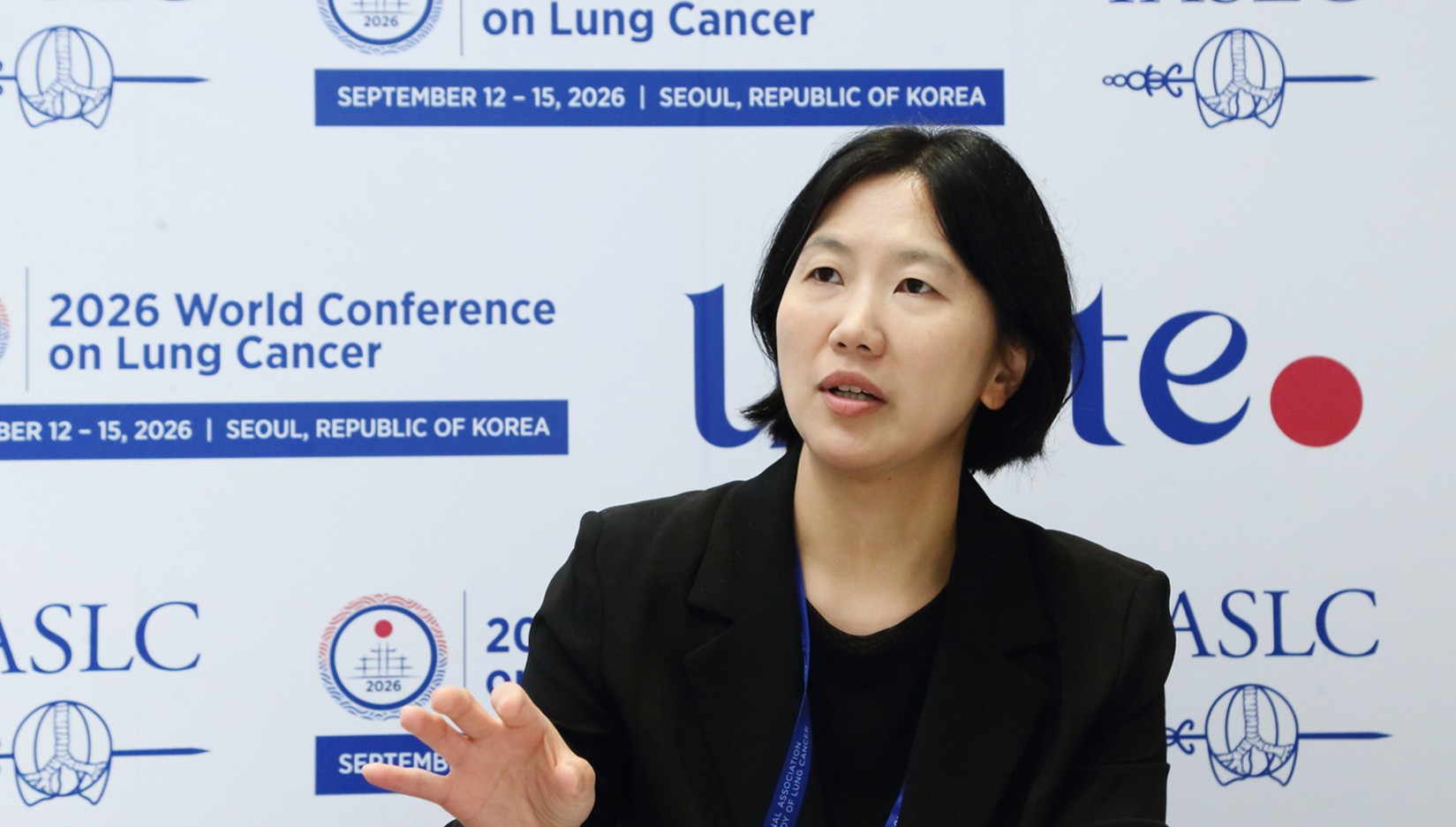
- "Leclaza, the best first-line option…expanded reimb will increase accessibility"
- PALOMA-2 recorded an objective response rate (ORR) of 90 and the 3-year overall survival (OS) rate of 70%…mOS has not yet been reached