
- LOGIN
- MemberShip
- 2026-07-23 07:29:59
- Policy
- Premium pricing for 11 linagliptin products ends on the 9th
- by Lee, Tak-Sun Jun 04, 2025 06:19am
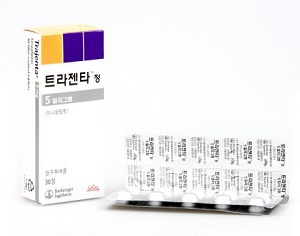
- As one year has passed since the entry of generic versions of the DPP-4 inhibitor diabetes treatment Trajenta (linagliptin), the price ceiling of 11 products that received pricing premiums will be adjusted on the 9th. Three products that entered the market in March following the expiration of the first generic exclusivity period will also have their prices reduced. According to industry sources on the 3rd, the price premiums set for the original linagliptin and 11 generic products will expire on the 9th, as 1 year has passed since the entry of its generics. The original Trajenta Tab (Boehringer Ingelheim Korea), which had been adjusted to 70% of the highest price due to the entry of generics, will be reduced from KRW 525 to KRW 402. Additionally, Hanmi Pharmaceutical's “Linaglo Duo Tab,” DongKoo Bio&Pharma’s “Linatop Tab 5mg,” and Daewon Pharmaceutical's “Tralitin Tab,” which received drug pricing premiums as products from innovative pharmaceutical companies, will also be adjusted from KRW 510 to KRW 402. Furthermore, the following products, which met all the 3 criteria and have received the first generic exclusivity premium, will have their price ceiling reduced from KRW 447 to KRW 402: Kukje Pharma’s ‘Tradi-M Tab 5mg,' Kyung Dong Pharma’s ‘Litagin Tab,’ Sinil Pharm’s ‘Tragliptin Tab,' Huons' ‘Linadipo Tab 5mg,' Jeil Pharmaceuticals 'Linatin Tab,,' Aprogen Biologics’ 'Linahana Tab,' and Genuone Science's ‘Tra-K Tab.' The first 15 Trajenta generics were listed for reimbursement on June 9 last year after successfully challenging the original drug’s patent and the expiry of the original drug’s remaining patents. At that time, 61 generic items were approved, but 15 items obtained the first generic exclusivity through successful patent challenges and initial approval applications, so the remaining items were listed for reimbursement at the time. And on March 8, after the 9-month first generic exclusivity period ended, 12 companies, including Hanmi Pharmaceutical, were able to enter the market. The list of products whose premium pricing has ended includes three products, including Hanmi Pharmaceutical's ‘Linaglo Tab,’ which was listed in March. Due to the patent issue, the market entry of the three drugs was delayed, so the premium pricing benefit for the drugs ended after only three months. Pharmaceutical companies whose premium pricing has ended are currently notifying their business partners of the price changes. This is a measure to minimize confusion during billing and return processing. Trajenta generics have been gradually increasing their market share upon their launch. According to UBIST, the outpatient prescription sales of generic versions of Trajenta (including Trajenta Duo) reached KRW 3.1 billion in the first quarter, accounting for 13% of the total linagliptin market. Starting this month, with the expiration of the pricing premiums, the original and generic versions will be priced identically, intensifying market competition. It remains to be seen whether the original product, now with improved price competitiveness, will mount a counterattack against the generics.

- InterView
- "Livtencity offers new CMV trt for transplant patients"
- by Whang, byung-woo Jun 04, 2025 06:19am
- "Cytomegalovirus (CMV) infection is worse than a simple viral infection in patients with solid organ transplant (SOT), but existing treatments have limitations. Reimbursement of new medicines is meaningful in terms of extending treatment options." Livtencity (maribavir), which can be prescribed to post-transplant patients who have had limited treatment options, is receiving a favorable assessment. It can be used following initial treatment. Livtencity, as a second-line treatment, was approved for reimbursement in April 2024 for patients who experienced an inadequate response to conventional antiviral agents or discontinued treatment due to serious adverse events. Dr. Sang-Oh Lee, a professor at Seoul Asan Medical Center's Department of Infectious Diseases, who has the latest expertise in related fileds, emphasized that reimbursement approval of Livtencity elevated the flexibility of treatment strategy. "Introduction of second-line treatment for CMV is receiving favorable assessment" Cytomegalovirus (CMV) is a virus for which approximately 95% of Korean adults already possess antibodies. While it typically causes almost no symptoms in individuals with normal immune systems, it can progress to a severe illness in post-transplant patients who must take immunosuppressants. Dr. Sang-Oh Lee, professor at Seoul Asan Medical CenterDr. Lee explained, "About 60% of solid organ transplant patients in Korea experience CMV infection, and approximately 13.7% of these progress to severe CMV disease." Dr. Lee added, "CMV disease is divided into CMV syndrome associated with systemic viral activation and localized infections affecting specific organs, with gastrointestinal involvement accounting for about 75% of these cases." According to Dr. Lee, the risk of CMV infection varies depending on the type of transplanted organ. The risk of CMV viremia is highest in lung transplant patients, at around 10%, followed by heart and liver transplant patients at approximately 7-8%, and kidney transplant patients at approximately 5%. Dr. Lee said, "When CMV DNA levels in a patient's blood rise above a certain threshold, even without symptoms, preemptive treatment is initiated. However, treatment sustainability often declined due to side effects of existing treatments, such as myelosuppression or nephrotoxicity." Existing CMV treatments like ganciclovir and valganciclovir, despite their potent antiviral effects, caused adverse reactions such as myelosuppression, posing clinical limitations for immunocompromised transplant patients. Furthermore, patients showing resistance or are refractory to these drugs had to use foscarnet or cidofovir, but these agents were limited in use due to severe nephrotoxicity concerns. Livtencity is a novel drug that emerged to overcome the limitations of existing treatments. As an antiviral agent with a novel mechanism that targets the UL97 protein kinase, it has a lower burden of myelosuppression and nephrotoxicity compared to existing therapies. Its oral administration significantly improved patient convenience and treatment sustainability. Dr. Lee stated, "Livtencity demonstrated superior efficacy in clinical studies in patient groups who developed resistance or refractoriness to previous treatments," and added, "Since its reimbursement approval last year, favorable responses have continued to be reported in clinical practice." Dr. Lee has directly prescribed Livtencity to about 10 patients since its introduction, observing substantial treatment effects, including a stable decrease in CMV DNA levels in most treated patients. Asan Medical Center in Seoul performs approximately 500 liver transplants and numerous lung transplants annually. The number of CMV disease cases among these patients is estimated to be around 40 per year. Livtencity is particularly regarded for demonstrating outstanding efficacy in various clinical situations, including liver and lung transplant patients, such as CMV hepatitis and chronic graft-versus-host disease (GVHD). "The efficacy of Livtencity treatment is adequate, but reimbursement criteria need to be improved" Notably, Dr. Lee particularly gave high marks for Livtencity's safety and treatment sustainability observed in clinical practice. Dr. Lee said, "Livtencity has a superior safety profile compared to existing antiviral drugs, showing high patient satisfaction in terms of treatment sustainability in clinical settings. Since its use, there have been no cases of severe adverse reactions warranting treatment discontinuation, and its treatment sustainability is overwhelmingly superior to existing drugs." However, Dr. Lee proposed that the current reimbursement criteria for Livtencity in Korea may need some improvement. Currently, Livtencity's reimbursement criteria are set for cases where 'treatment has failed after using existing antiviral drugs (ganciclovir, valganciclovir) for at least 2 weeks, or severe side effects have occurred, or resistance has been confirmed.' Dr. Lee views that while the current criteria are reasonable to a certain degree, they can be improved for actual clinical practice, as the reimbursement criteria are limited to solid organ transplant (SOT) and hematopoietic stem cell transplant (HSCT) patient populations. Dr. Lee emphasized, "Currently, Livtencity's reimbursement criteria are limited to cases where refractoriness is confirmed after at least 2 weeks of treatment with existing therapies," and added, "This is a somewhat long period for high-risk patients, and since CMV can be worsened in a short time, more flexible and rapid reimbursement application criteria are needed." Additionally, for transplant patients, Dr. Lee proposed that institutional improvements are necessary to extend reimbursement coverage to other severely immunocompromised patient groups, such as those with hematologic cancers, where CMV treatment is urgently needed. Finally, Dr. Lee concluded, "The introduction of Livtencity has brought a substantial change to the CMV infection treatment environment in Korea. However, more improvement of related systems and policies is essential so that even more flexible and patient-customized approaches are available in the future."
- Company
- UCB Korea launches psoriasis drug Bimzelx with reimb
- by Whang, byung-woo Jun 04, 2025 06:18am
- Pic of Bimzelx On June 2, UCB Korea (CEO Sujin Hwang) announced that its psoriasis treatment Bimzelx (bimekizumab) was launched on June 1 with reimbursement coverage under the national health insurance system. In line with the Ministry of Health and Welfare (MOHW) notification, Bimzelx is reimbursed as a treatment for moderate-to-severe plaque psoriasis in adult patients who require phototherapy or systemic therapy. The treatment is indicated for adult patients aged 18 years or older with chronic moderate-to-severe plaque psoriasis that has persisted for 6 months or longer, meeting one of the following criteria: ▲ plaque psoriasis covering 10% or more of the total body surface area, or ▲ a Psoriasis Area and Severity Index (PASI) score of 10 or higher, despite 3 months of treatment with methotrexate or cyclosporine, or inability to continue treatment due to adverse effects, or ▲ PUVA or UVB therapy for at least 3 months with no response or side effects that prevent continued treatment. In addition, if PASI is reduced by 75% or more in the evaluation after 16 weeks of Bimzelx prescription, an additional 6 months of administration is granted reimbursement, and thereafter, if the initial evaluation results are maintained during evaluation every 6 months, continued administration with reimbursement is approved. In addition, in the case of switching, if the patient’s previous drug is ineffective or cannot be continued due to side effects, or if there is a need to improve medication compliance, the patient may substitute Bimzelx. Bimzelix is the first and only (as of May 2025) next-generation plaque psoriasis treatment that simultaneously and dually inhibits interleukin-17A and 17F. Last August, it was approved by the Ministry of Food and Drug Safety as a treatment for moderate-to-severe plaque psoriasis in adult patients who require phototherapy or systemic therapy. In particular, unlike existing interleukin inhibitors that target and block only one trigger, such as interleukin-17A or 23, Bimzelx has a mechanism of action that simultaneously and dually inhibits interleukin-17A and 17F. By blocking both interleukin-17A and 17F simultaneously, it has been confirmed that Bimzelx is more effective in suppressing inflammation than existing interleukin-17A inhibitors. The reimbursement of Bimzelx was based on BE VIVID14, BE SURE15, and BE RADIANT16, which are comparative clinical trials with other biological drugs whose safety and efficacy have been confirmed. In these studies, the percentage of patients who achieved completely clear skin (PASI 100) at Week 16 was 59% in the Bimzelx group and 21% in the ustekinumab group in BE VIVID; and 60.8% in the Bimzelx group and 23.9% in the BE SURE study. Yong-Beom Choi, President of the Korean Society for Psoriasis (Department of Dermatology, Konkuk University Medical Center), said, “Psoriasis is an intractable disease that recurs and improves repeatedly, and the quality of life of patients with severe psoriasis in particular tends to deteriorate significantly, affecting their mental health. Therefore, the reimbursement and launch of Bimzelx, which has been proven to be highly effective, is very meaningful for both medical professionals and patients.” He added, “Based on its next-generation mechanism of action, Bimzelx is expected to be an excellent treatment option for both new patients and those who have not seen sufficient results with existing treatments.”
- Company
- "U.S. MFN drug policy will impact KOR's new drug companies"
- by Kim, Jin-Gu Jun 04, 2025 06:17am
- Analysis suggests that the Korean pharmaceutical and biotech industry may be significantly impacted if the U.S. government institutes a 'most-favored-nation (MFN)' policy on drug prices. Sejin Lee, CEO of Acadia Pharmaceuticals, presented the potential impact of U.S. drug price policy changes on the Korean pharmaceutical industry during the 'U.S. Pharmaceutical and Biotech Market Entry Webinar' hosted by the Korea Pharmaceutical and Bio-Pharma Manufacturers Association (KPBMA) on May 30. Lee warned that "MFN policy may structurally impact sales, new drug value, and global entry strategies of Korean companies. PART II: U.S. Trump Administration revives "most-favored-nation (MFN)" drug price policy. The second Trump administration revived the MFN policy and announced that it would implement the lowest drug price after conducting a drug price comparison. Earlier this month, U.S. President Donald Trump signed an executive order reducing prescription drug prices within the U.S. to the lowest among advanced nations (MFN). The proposal is to compare drug prices with those of OECD countries where the GDP per capita is 60% or more of that of the United States and then lower U.S. drug prices to the lowest among these compared countries. The MFN policy will be applied to items without biosimilars and generics. The U.S. Department of Health and Human Services (HHS) aims to induce voluntary drug price reductions from pharmaceutical companies initially, then plans to mandatorily lower drug prices. If the MFN policy is fully implemented, the prices of new drugs launched in the U.S. are expected to be set lower than in other countries, such as the EU and Canada. This process raises concerns that U.S. drug prices for Korean pharmaceutical companies may decrease automatically. Lee anticipated that the MFN policy would significantly impact new drug development companies. It is predicted that if drug prices in the U.S. fall to European or Canadian levels, pharmaceutical companies' projected revenues will decrease, and the asset value of new drug licenses will decline. Companies that out-licensed might also receive less licensing revenue than initially expected. Furthermore, global big pharma companies could launch products only in the U.S. or delay launches in major countries to circumvent the MFN policy. However, biosimilar and generic drug companies are not expected to experience a direct impact, as the MFN policy targets items without generic and biosimilar alternatives. However, the profitability of these products could still come under pressure in the future. Specifically, if original drug prices decrease, the standard prices for biosimilar products could also be lowered, potentially reducing sales incentives. Lee explained, "For new drug development companies, U.S. sales are substantial, so a drop in drug prices directly translates to a decrease in corporate value," and added, "Considering patient access and distribution structures, Korean companies with high-cost, high-risk pipelines could be more significantly impacted." "If price distortions between countries intensify, pharmaceutical companies might choose specific countries as priority suppliers, leading to supply imbalances," Lee pointed out. "Ultimately, a global supply shortage phenomenon could become extended." "It is unlikely that the executive order issued by President Trump will be fully implemented as is due to legal issues within the U.S. However, there is a possibility that it could be enacted into law by the U.S. Congress. In that case, the impact would be immense," Lee emphasized. "The Korean government may need to conduct a preliminary scenario analysis and formulate a communication strategy with the U.S."
- Opinion
- [Reporter's View] Biotech policy must be consistent
- by Jun 04, 2025 06:17am
- What's the most critical factor in corporate management? It's challenging to pinpoint whether it's capital, talent, or technology. However, for all these elements to function, a prerequisite must be established: predictability. A company must be able to foresee the future to invest and endure risks to recruit and conduct R&D. South Korea is often evaluated as lacking predictability in its systems and policies. Industrial nurturing strategies and regulatory directions change dramatically with every government, and policy consistency between different ministries also tends to be inconsistent. It's common to see ministries offering different interpretations of the same issue or administrative decisions varying depending on the timing and the official in charge. The biotech industry is no exception. The Yoon Suk Yeol government began establishing control towers by launching organizations directly under the Prime Minister and the President; however, there some criticized that these two committees lost momentum after the presidential impeachment. A similar problem is found in the capital market, which drives the growth of the biotech industry. Listing criteria for public offerings change with every government transition. Such uncertainty is particularly detrimental to industries like biotech that require long-term investment. For companies, it becomes difficult to formulate long-term plans. Attracting investment is challenging when regulations and policies frequently change. Cases where existing strategies must be revised due to policy shifts also arise, and the efficiency of budget allocation and human resource management decreases. Ultimately, companies are but to adopt a conservative management approach, which leads to a slowdown in the overall pace of innovation within the domestic biotech industry. In the long term, there is a high probability of a downturn in the industrial ecosystem and weakened competitiveness in the global market. In other words, the lack of trust in policies and systems hinders the potential for industrial growth. The world has entered competition centered on 'biotech sovereignty.' China is rapidly expanding its presence on the global stage by investing massive national budgets. In response, the United States has moved to strengthen regulations, including securing domestic production capabilities. It's now imperative for South Korea to establish a system that allows biotech policies, separate from politics, to be pursued long-term within a neutral and stable structure. A new government will be launched. The government must promise consistency and predictability in policies not only to the public but also to the business sector. While governments may change, the principles and strategies for viewing the industry should remain consistent. These elements will establish the foundation for foreign companies to trust Korea and for domestic companies to develop long-term visions, ultimately sustaining the competitiveness of Korea's biotech industry.
- Company
- Multiple myeloma drug Elrexfio seeks reimb again in KOR
- by Eo, Yun-Ho Jun 02, 2025 05:51am
- The new multiple myeloma drug Elrexfio is again seeking insurance reimbursement coverage in Korea. Pfizer Korea recently submitted a reimbursement application for Elrexfio (elranatamab) and is aiming to receive the Health Insurance Review and Assessment Service's Cancer Disease Deliberation Committee review. Following its rejection by CDDC in February, the company swiftly regrouped and is now proceeding with the necessary procedures required for Elrexfio’s reimbursement. Elrexfio has been designated by the Ministry of Food and Drug Safety as a Global Innovative Products on Fast Track (GIFT) and received fast-track approval. Therefore, it remains to be seen whether the company’s second attempt will be successful. Elrexfio is a fourth-line immunotherapy composed of two monoclonal antibodies - one targeting the antigen specific to multiple myeloma and the other engaging T cells. Bispecific antibody therapies are a form of immunotherapy composed of two monoclonal antibodies—one that recognizes a target antigen of multiple myeloma and another that binds to T cells. Typically, they are structured as bispecific IgG2 kappa antibodies that recognize BCMA (B-cell maturation antigen), the primary target antigen in multiple myeloma, and CD3. These therapies represent a novel approach that directly targets cytotoxic T cells to multiple myeloma cells expressing BCMA. Multiple myeloma, a cancer of plasma cells in the bone marrow, is a type of hematologic malignancy that primarily affects older adults. It is a disease where prolonged treatment can bring extended survival. Although various new therapies are being developed for the disease, monoclonal antibodies and bispecific antibody therapies are currently typically used in practice. In particular, the bispecific antibody mechanism is regarded as a safe and effective treatment for relapsed and refractory multiple myeloma, in which resistance increases with each treatment cycle, shortening the remission period and reducing the available treatment options. Since multiple myeloma is a disease where extended survival is achievable through continuous treatment, it is essential to have various therapeutic options available at each stage of treatment. This is why extending reimbursement coverage to fourth-line and later therapies remains an urgent priority. Currently, bispecific antibody therapies such as Elrexfio, Tecvayli (teclistamab), and Talvey (talquetamab) are approved in Korea, but none are granted reimbursement. Amid the failed discussions over coverage of a series of bispecific antibody drugs in the early stages, whether any drug will be granted reimbursement and improve patient access is gaining attention. Meanwhile, Elrexfio was designated by the Ministry of Food and Drug Safety as a GIFT item and was approved as a monotherapy for adult patients who have received more than three lines of treatment, including proteasome inhibitors, immunomodulators, and anti-CD38 monoclonal antibodies, in May last year. The US FDA has also designated it as an innovative drug and granted accelerated approval for the drug. Elrexfio’s efficacy was demonstrated through the Phase II MagnetisMM-3 trial, an open-label, multicenter, non-randomized study that was conducted on 123 who had not received prior BCMA-directed therapy (i.e., BCMA-naïve patients). Results of Cohort A showed that the drug recorded an objective response rate (ORR) of 61.0% and a complete response (CR) of 37.4%. The progression-free survival (PFS) period was 17.2 months, and the overall survival (OS) period was 24.6 months, demonstrating an unprecedented long-term treatment effect. The data demonstrated that Elrexfio provided long-term survival benefits and slowed down disease progression to improve the quality of life of patients who had no other treatment options.

- Company
- Vocabria+Rekambys for HIV lands in more hospitals in KOR
- by Eo, Yun-Ho Jun 02, 2025 05:51am
- More general hospitals are securing prescriptions for the long-acting HIV treatment combination therapy Vocabria+Rekambys. According to industry sources, the combination therapy of GSK Korea’s Vocabria (cabotegravir) and Janssen Korea’s Rekambys (rilpivirine) has recently been approved by the drug committees (DCs) of several major hospitals, including the "Big 5" HIV treatment centers—National Medical Center, Seoul National University Hospital, and Kyungpook National University Hospital—as well as Korea University Anam Hospital and Chung-Ang University Hospital. The combination has been gradually expanding its prescription areas before and after the reimbursement listing last month. The upper insurance price ceiling for Vocabria 30mg is KRW 16,303 per tablet and KRW 991,882 per vial. The Vocabria+Rekambys combination was approved by the Ministry of Food and Drug Safety in February 2022 as a combination therapy for the treatment of HIV-1 infection in adult patients who are virologically suppressed, have no history of virological failure, and have no known or suspected resistance to cabotegravir or rilpivirine. The advantage of this combination therapy is undoubtedly its convenience in administration. While existing HIV treatments require patients to take a tablet formulation once a day, the two injectable drugs will reduce the frequency of administration to once a month or once every two months with intramuscular injections, increasing satisfaction and reducing the burden on patients. The two drugs were originally developed as oral medications and then were developed into injectable drugs. While this long-acting injectable drug cannot cure HIV infection, it is a treatment that targets white blood cells to help lower and maintain the level of the AIDS virus. The Vocabria+Rekambys combination demonstrated non-inferior viral suppression efficacy compared to the existing three-drug oral regimen (BIC/FTC/TAF) in the SOLAR Phase III clinical trial, with a treatment failure rate of 1% over 12 months. During the same period, the rate of maintaining HIV RNA levels below 50 copies/mL was 90% in the injection group and 93% in the oral medication group. In terms of safety, there were no significant differences between the two groups other than injection site reactions. According to a treatment satisfaction survey released by GSK, 90% of HIV-infected individuals who had been taking existing oral medications reported higher satisfaction after switching to the injection therapy, with 85% citing “convenience of not having to take medication daily” and 75% highlighting “reduced HIV exposure concerns” as key benefits. Meanwhile, the Vocabria+Rekambys regimen demonstrated efficacy and safety in clinical trials where it was administered every 4 weeks or every 8 weeks as combination therapy and received approval in Europe in December 2020. Recently, its treatment indication was expanded to include adolescent patients in Europe.
- Company
- Samsung Bioepis’ Xgeva biosimilar approved in KOR
- by Chon, Seung-Hyun Jun 02, 2025 05:50am
- Samsung Bioepis announced on the 30th that it has received approval from the Ministry of Food and Drug Safety for its biosimilar Xbryk, a bone disease treatment. Xbryk, which contains denosumab, is used to prevent skeletal complications in cancer patients and treat tumor diseases such as giant cell tumor of bone. Prolia, which contains the same ingredient, has been approved as a treatment for endocrine disorders such as postmenopausal osteoporosis. Last year, the combined global sales of Prolia and Xgeva reached USD 6.599 billion (approximately KRW 10 trillion). The domestic market prescription volume amounted to approximately KRW 187 billion. Samsung Bioepis has pursued separate product approvals for each indication, just like the original medications. In April, it received approval for the Prolia biosimilar Obodence, and this time, it has added approval for the Xgeva biosimilar. With the approval, Samsung Bioepis has received 11 product approvals in Korea. All of the company’s biosimilars in its pipeline that have completed global clinical trials have reached the commercialization stage in Korea. Byoungin Jung, Vice President and Regulatory Affairs Team Leader at Samsung Bioepis, said, “The marketing authorization for both Obodence and Xbryk in the domestic market following global approval is significant as it enables us to broaden treatment opportunities for patients with bone diseases by offering more cost‑effective therapeutic options.”
- Company
- Janssen attempts Darzalex’s reimb for AL amyloidosis in KOR
- by Eo, Yun-Ho May 30, 2025 05:58am
- Darzalex, which has been expanding its insurance coverage to multiple myeloma, is now seeking to receive reimbursement for amyloidosis in Korea. According to Dailypharm coverage, Janssen Korea recently applied for reimbursement expansion of Darzalex SC (daratumumab) in combination with cyclophosphamide, bortezomib, and dexamethasone (CyBorD). The amyloidosis indication was approved by the US FDA in 2021 and the Ministry of Food and Drug Safety in 2024. In the indication, the Darzalex combination has shown a dramatic improvement, increasing the hematological response rate in patients with amyloidosis by nearly threefold. The efficacy of Darzalex in amyloidosis has been demonstrated in the Phase III ANDROMEDA study. Amyloidosis is a disease characterized by the accumulation of amyloid—a special type of fibrous glycoprotein—in various tissues throughout the body. The study primarily focused on patients newly diagnosed with AL (amyloid light-chain) amyloidosis. Darzalex is the first human monoclonal antibody approved for multiple myeloma. Its active ingredient, daratumumab, targets and binds directly to CD38, a surface glycoprotein overexpressed on multiple myeloma cells. The ANDROMEDA study evaluated the efficacy and safety of adding Darzalex SC to the existing CyBorD combination therapy in patients with AL amyloidosis in comparison with the CyBorD monotherapy group. In the study, 71% of patients had cardiac involvement and 59% had renal involvement, with 65% of patients having involvement in two or more organs. The primary endpoint, hematologic complete response rate, was 53% in the Darzalex combination group, nearly three times higher than the 18% in the CyBorD monotherapy group. In addition, the overall reported hematological response rate was 92% in the Darzalex combination group and 77% in the CyBorD monotherapy group. The very good partial response rate also showed a clear difference at 79% and 49%, respectively. The company has been continuing to expand Darzalex’s reimbursement coverage in Korea. In February, a four-drug combination therapy (DVTd therapy: Darzalex, bortezomib, thalidomide, and dexamethasone) was approved for reimbursement as a first-line treatment, and recently, the DVd therapy (Darzalex, bortezomib, and dexamethasone was approved by the Health Insurance Review and Assessment Service's Cancer Disease Review Committee as a second-line treatment.

- Policy
- Unveiling pledges of 2021 presidential election candidates
- by Lee, Jeong-Hwan May 30, 2025 05:58am
- Lee Jae-myung (Candidate No.1), the presidential candidate of the Democratic Party of Korea, and Kim Moon-soo (Candidate No.2), the presidential candidate of the People Power PartyAhead of South Korea's 21st presidential election, two candidates from main political parties have unveiled their key election pledges in the areas of public healthcare·biopharma·national healthcare insurance. Lee Jae-myung (Candidate No.1), the presidential candidate of the Democratic Party of Korea, and Kim Moon-soo (Candidate No.2), the presidential candidate of the People Power Party, have promise success of medical reform, focusing on strengthening regional and essential healthcare, amid ongoing dispute between medical community and the government. They have also proposed pledges to resolve drug shortage issues. However, their detailed pledges slightly differed. They have proposed similar but slightly differing pledges in strengthening the areas of the biopharma industry and the national health insurance finances and coverage. Given the nature of the healthcare and biopharma industries, it is difficult for dramatically different policy directions to emerge. Furthermore, with the presidential impeachment leading to a rapid entry into an early presidential election, it is assessed that the two major parties had insufficient time to design pledges with significant distinctions. The following is a closer look at the pledges of candidate Lee Jae-myung and candidate Kim Moon-soo, as of May 28, on the healthcare, pharmaceutical industry, and national health insurance Healthcare Reform, Drawing a Line from the Yoon Suk Yeol Administration Since declaring their presidential candidacies, both candidates have repeatedly expressed that they will not repeat the policy failures of the Yoon Suk Yeol administration, which led to the collective resignations of medical residents and mass leaves of absence by medical students due to the forceful implementation of the 2,000-person increase in medical school admissions quota. Accordingly, they proposed ways to prevent a repeat of medical-government conflicts. These include candidate Lee Jae-myung's proposal for a new 'National-Centered Medical Reform Deliberation Committee' and candidate Kim Moon-soo's proposal for a new 'Presidential Committee for Future Healthcare with Medical Student Participation.' Effectively, the commonality between the two candidates is the establishment of a new public-private collaborative national body to develop a blueprint for healthcare reform, including the policy to increase medical school quota. However, the difference lies in the Democratic Party's emphasis on 'people' and the People Power Party's detailed focus on 'medical students.' Depending on the presidential election results, the new body is expected to determine a detailed plan for healthcare reform in Korea. Highlighting notable pledges, Candidate Lee proposed strengthening interprofessional cooperation among healthcare professionals and establishing a primary care system centered on regular clinics-pharmacies. Candidate Kim, on the other hand, announced the enactment of laws to foster essential medical care and resolve regional healthcare disparities, along with a pilot project for primary care innovation. Candidate Lee's pledge to strengthen interprofessional cooperation among healthcare professionals appears to indicate a commitment to legal and policy efforts to resolve disputes over licensing rights and conflicts in scopes of practice among various healthcare professions, such as doctors, traditional Korean medicine practitioners, pharmacists, and nurses. The pledge to establish a local primary care system centered on regular clinics- pharmacies is likely to lead to the revitalization of the primary care ecosystem and local pharmacies, aiming to normalize the disrupted healthcare delivery system. Candidate Kim chose to resolve disparities in essential and regional medical care through legislation. The specific legislative framework has not been disclosed. The 'Primary Care Innovation Pilot Project' is a policy that the Ministry of Health and Welfare (MOHW) has announced as part of its healthcare reform initiatives. It reflects a commitment to fostering primary care that focuses on the prevention, management, and treatment of chronic diseases, such as diabetes, hypertension, and hyperlipidemia. Solving Drug Shortages, National Management from Raw Materials to Distribution Regarding solving the unstable supply of pharmaceuticals, both candidates' pledges generally aim to strengthen government intervention and support, from the manufacturing of active pharmaceutical ingredients (APIs) to their distribution and management, which are the primary causes of drug shortages. Similarities between the two candidates include support for production facilities and the expanded stockpiling of essential·discontinuation-prevention drugs, along with incentives for finished drugs using domestic raw materials (Candidate Lee) and support for the automation of essential drug production and manufacturing facilities, as well as the expansion of national stockpile drug items and quantities (Candidate Kim). However, Candidate Lee made a somewhat unconventional pledge to selectively allow generic name prescribing limited to drugs experiencing recurring supply instability. This is interpreted as a plan to create administrative and legal grounds for designating frequently short-supplied drugs and allowing generic name prescribing based on the experience of acetaminophen shortages during the COVID-19 pandemic. However, since generic name prescribing is an issue of licensing conflict with doctors opposing and pharmacists supporting it if Candidate Lee is elected, seeking ways to minimize conflict will likely be necessary. Candidate Kim's pledges did not include addressing drug shortages through the use of generic names. Kim stated a policy to manage patient inconvenience with drug shortages by establishing a public electronic prescription system. Biopharma Industry Pledges, Converging on Advanced Drug Pricing Systems Both Candidate Lee and Candidate Kim proposed various pledges to foster the biopharma industry, ultimately converging on establishing policies to improve the current drug pricing system or expanding drug price incentives to encourage new drug development. Candidate Lee plans to enhance benefits by improving the innovative pharmaceutical company certification system and increasing opportunities for pharmaceutical companies to contribute to society. Notably, Candidate Lee's pledge also includes the 'establishment of a new drug R&D investment-linked drug price compensation system,' which would provide drug price incentives proportional to a pharmaceutical company's investment in new drug research and development (R&D). Candidate Kim also promised government support, including improving the R&D innovative new drug price compensation system, establishing a new drug development incentive system, setting up a drug pricing system that reflects the value of innovative new drugs, and strengthening incentives for essential pediatric and geriatric drugs. A distinguishing point between Candidate Lee and Candidate Kim is Kim's proposals for promoting various drug reimbursement models, such as implementing a high-priced drug pre-listing·post-evaluation system, creating a separate fund for severe·rare disease drugs, and utilizing multi-year·multi-indication contracts and indication-specific drug pricing systems. These pledges are evaluated as being able to significantly lower the barrier to national health insurance reimbursement for new drugs for rare and intractable diseases, which are expensive and have limited patient accessibility. Non-face-to-face treatment, Differences in Perspectives on Healthcare and Industry Promotion Both Candidate Lee and Candidate Kim pledged to formalize the pilot project for non-face-to-face treatment. Both candidates share a vision of establishing a non-face-to-face treatment model that combines safety and efficacy while also prohibiting dedicated medical institutions and implementing management·regulatory mechanisms for intermediary platforms. However, a closer examination of the detailed content reveals some differences. Candidate Lee placed more emphasis on institutionalizing non-face-to-face treatment as a means to supplement the healthcare system. At the same time, Candidate Kim expressed an intention to leverage the institutionalization of non-face-to-face treatment also to benefit the promotion of the digital healthcare industry. Specifically, Candidate Lee plans to legalize non-face-to-face treatment as a supplementary means to in-person consultations and halt indiscriminate non-face-to-face treatment pilot projects. Candidate Lee stated that he would establish rational scopes and standards for non-face-to-face treatment and prevent prescription forgery, alteration, or misuse by introducing a public electronic prescription system. Candidate Kim promised to enhance healthcare accessibility for patients residing in medically underserved areas like rural regions, elderly individuals with mobility issues, and chronic disease patients through non-face-to-face treatment while simultaneously targeting the cultivation of digital healthcare companies by easing R&D support and regulations. Notably, he also announced plans to promote the delivery of prescription drugs via non-face-to-face treatment for patients residing in medically underserved areas. Healthcare professionals and those in the biopharma industry state that it is challenging to predict future-specific policy models based solely on the pledges of the two-party candidates. However, based on the reflection of their respective policy proposals, they express their intent to proceed with the concretization of detailed policies after the new president is elected. A pharmaceutical industry official said, "The new drug R&D ratio-drug pricing linkage system requested by domestic pharmaceutical companies and the diversification of the rapid national health insurance reimbursement system for high-priced drugs, requested by multinational pharmaceutical companies, are proposed by both candidates' pledges." He added, "Healthcare and biopharma pledges inherently find it difficult to have entirely different directions depending on the political party. Detailed policies will emerge during public-private consultations after the presidential election results are announced."
