
- LOGIN
- MemberShip
- 2026-09-08 04:26:44

- Company
- Multinational pharmas get leaner as restructuring accelerates
- by Son, Hyung Min Aug 26, 2026 10:15am
- Multinational pharmaceutical companies are changing the way they structure their organizations. As global headquarters reshape their business portfolios, their Korean affiliates have repeatedly implemented early retirement programs (ERPs), while increasingly transferring the management of existing businesses and products to external partners.While organizational restructuring in the past largely focused on headcount reductions and cost efficiency, companies are now reassessing which businesses and functions should remain in-house. They are concentrating personnel on high-growth new drugs and core therapeutic areas, while scaling back organizations for products that have lost patent protection or fallen in strategic priority and outsourcing some functions, including sales and distribution.An analysis of 15 major multinational pharmaceutical companies in Korea found that their combined workforce declined by 420 (8.4%) from 5,011 employees in 2020 to 4,591 in 2025.The trend, however, varied by company. Employee numbers declined at MSD Korea, Sanofi-Aventis Korea and Novartis Korea, among others, while some companies actually expanded their workforces alongside new drug launches and business expansions.Rather than uniformly downsizing across the board, multinational pharmaceutical companies are seeing their organizational size and composition shift in accordance with global business priorities.Most see workforce declines…but workforce trends vary widely by companyWorkforce changes among multinational pharmaceutical companies in Korea have varied significantly over the past 5 years.MSD Korea’s workforce fell by 215 (30.5%) from 706 employees in 2020 to 491 last year. Over the same period, Sanofi-Aventis Korea reduced its workforce by 118 (24.0%) from 492 to 374, while Novartis Korea saw a decline of 78 (14.6%) from 534 to 456.Pfizer Korea’s workforce also declined by 36 (8.8%) from 411 to 375. Kyowa Kirin Korea, which underwent a sweeping restructuring of its Asia-Pacific operations, reduced its workforce by 78.1%, from 73 to 16 employees.Companies with particularly large workforce reductions shared a common feature: significant changes to their business portfolios.MSD Korea has continued to restructure its organization since transferring its domestic ‘Januvia (sitagliptin)’ diabetes pipeline to Chong Kun Dang. Most recently, it conducted an ERP targeting its Human Health organization.Sanofi-Aventis Korea has also repeatedly adjusted its domestic organization in line with global business restructuring. With the exception of 2021, the company conducted ERPs every year from 2020 through 2025.By contrast, some companies significantly increased their workforce as their businesses expanded. AbbVie Korea grew its organization after its 2020 acquisition of Allergan, adding aesthetics and neuroscience to its existing immunology and oncology businesses.Novo Nordisk has also substantially expanded its workforce over the past 5 years. As GLP-1 products such as Ozempic (semaglutide) and Wegovy (semaglutide) grew rapidly worldwide, the company aggressively expanded production and commercialization personnel, with its Korean workforce also increasing alongside expansion of its GLP-1 business.Shifting global priorities reshape Korean businesses and organizationsThe key feature of recent organizational changes is not simply reducing overall headcount, but deciding where to retain or reduce personnel in line with changes in global portfolios.BMS has pursued cost reductions in response to patent expirations of major products while stepping up investment in new technologies including radiopharmaceuticals, antibody-drug conjugates (ADCs) and targeted protein degraders. In 2024, it announced plans to cut around 2,200 jobs, equivalent to roughly 6% of its global workforce.Novartis has also been carrying out major restructuring since 2022. It integrated its oncology and OTC organizations and shifted its R&D focus toward core therapeutic areas including cardiovascular, immunology, neuroscience and oncology. While streamlining its existing organization, it has continued investing in advanced manufacturing and research.Pfizer launched a global cost realignment program in response to declining COVID-19 vaccine and treatment sales post-pandemic, while Takeda has also pursued restructuring in line with changes in its financial performance and R&D portfolio.These global changes have directly and indirectly affected the companies’ Korean affiliates, contributing to repeated ERPs and organizational restructuring at companies including Sanofi, Pfizer, Novartis, BMS, Takeda and MSD over the past 5 years.BMS Korea, for example, continues to restructure its organization. Its immunology business unit in particular is understood to have undergone workforce adjustments that included management positions such as the unit head and sales managers.The performance of its domestic immunology portfolio is believed to have played a significant role. BMS has sought to expand its immunology business with products including plaque psoriasis treatment Sotyktu (deucravacitinib) and ulcerative colitis treatment Zeposia (ozanimod), but the products are understood to have fallen short of initial expectations in Korea.The restructuring is particularly notable as Sotyktu and Zeposia need to be developed as new growth drivers following patent expirations of the company’s established key products. It illustrates how companies are adjusting personnel and organizational structures even for newer drugs according to actual market performance and future growth potential, rather than maintaining dedicated organizations simply because new products have been launched.Products stay, but organizations shrink…companies increase outsourcingWhen a product declines in strategic significance, companies are increasingly opting to keep it on the market while transferring commercial rights, sales and marketing, or distribution to external partners rather than withdrawing it altogether.Sanofi’s oncology drug Taxotere (docetaxel) is one typical example. Approved by the US FDA in 1995, Taxotere has been used to treat various solid tumors, but declining sales following generic entry led Sanofi to classify it as a non-core global asset.Sanofi transferred the global rights to Taxotere to Boryung. As a result, Sanofi-Aventis Korea included oncology sales employees in its ERP, while offering some employees assistance in seeking positions at Boryung or transferring to office-based roles.Kyowa Kirin Korea took a more direct approach during its Asia-Pacific restructuring. While conducting an ERP covering employees outside its rare disease business, the company transferred promotion and distribution of established prescription products including Nesp (darbepoetin alfa) and Neulasta (pegfilgrastim) to DKSH.Kyowa Kirin was generating stable sales in Korea at the time. The move therefore appears to have been less about abandoning the Korean market because of poor performance and more about reallocating resources globally from established businesses toward newer areas such as antibodies and cell/gene therapies.Novartis has followed a similar path. After winding down its respiratory business and transferring its ophthalmology business externally, it is now restructuring the relevant organization as it transfers the Korean businesses for hypertension treatments Diovan (valsartan) and Exforge (valsartan/amlodipine) to DKSH Korea.AstraZeneca’s hypertension treatments Atacand (candesartan) and Atacand Plus have likewise shifted to a model in which an external partner manages the domestic business.These products have one thing in common. They already have an established prescription base in the market. Companies are increasingly concluding that they can maintain product sales without necessarily retaining their own dedicated sales and marketing organizations.In the past, owning a product generally meant maintaining an internal organization dedicated to it. More recently, separating products from the organizations that commercialize them and entrusting off-patent brands to external partners has emerged as a viable option.Core new drugs stay in-house…other functions are shared with external partnersThe growing use of external partners also reflects changes in multinational pharmaceutical companies’ new drug portfolios.Multinational pharmaceutical companies are increasingly concentrating R&D and commercialization resources on high-growth areas such as oncology, rare diseases, immunology, and cell and gene therapies.On the other hand, rather than maintaining a separate organization for existing brands whose patents have expired or with limited growth potential, companies can leverage external firms that already possess sales and distribution infrastructure. This structure allows internal personnel to focus on new drugs and core businesses, while legacy brands are managed through external partners.The roles required within pharmaceutical organizations are also changing.Oncology and rare disease therapies generally target relatively limited patient populations and prescriber groups, and clinical trial results, biomarkers, and treatment guidelines play a major role in treatment selection. This has increased the importance not only of traditional large-scale sales organizations but also of medical functions such as medical science liaisons (MSLs), who engage healthcare professionals on clinical evidence, and Market Access functions responsible for reimbursement and pricing.This does not mean that sales organizations are disappearing or that MSLs are replacing sales representatives. Rather, changes in product portfolios are altering the priority given to the functions pharmaceutical companies need to maintain directly in-house.At the same time, bringing new drugs to market is becoming increasingly complex. After regulatory approval, companies must develop reimbursement and pricing strategies, prepare pharmacoeconomic evaluation data, respond to policy changes and legal issues, and manage communications with healthcare professionals and patients.While the scope of necessary work is expanding, companies have less need to maintain full in-house teams for every individual function. Instead, pharmaceutical companies can retain responsibility for core decision-making and strategy while drawing on outside partners such as consulting firms, PR agencies and law firms for pharmacoeconomic evaluations, policy response, external communications and legal advice.Ultimately, the recent restructuring of multinational pharmaceutical companies is no longer simply a question of how many employees to cut. It has evolved into a process of redefining what should remain in-house and which functions should be shared with external partners based on business priorities.As outside partners become involved in a wider range of activities, from commercialization of off-patent products to support for new drug market entry, the broader ecosystem surrounding pharmaceutical companies is also changing. This is also why pharmaceutical service industries, including PR, consulting, and law firms, are gaining a greater presence alongside the organizational restructuring of multinational drugmakers.
- Company
- Hanmi licenses obesity drug candidate to Genentech
- by Kim, Jin-Gu Aug 25, 2026 08:54am
- Hanmi Pharm is licensing its internally developed obesity and metabolic disease drug candidate ‘HM17321 (LA-UCN2)’ to Roche Group subsidiary Genentech. The deal value is expected to reach USD 2.305 billion (approximately KRW 3.5 trillion), including an upfront payment of USD 190 million (approximately KRW 260 billion).Hanmi Pharm announced on the 24th that it had signed an exclusive licensing agreement with Genentech for the research and development, manufacturing, and commercialization of HM17321. The agreement covers all territories worldwide except South Korea.Under the agreement, Hanmi will receive an upfront payment of USD 190 million (approximately KRW 262.9 billion) from Genentech. It will also be eligible to receive up to an additional USD 2.115 billion in milestone payments tied to clinical development, regulatory approvals, and commercialization. Following the product’s launch, Hanmi will receive tiered royalties based on annual net sales.HM17321 is a long-acting UCN2 (urocortin-2) analog that selectively activates the CRF2 receptor. Hanmi has been developing the candidate as a therapy that aims to simultaneously reduce body weight and improve body composition through a mechanism distinct from that of existing incretin-based obesity therapies.Hanmi said preclinical studies showed that HM17321 reduced body weight while preserving or increasing lean body mass. According to the company, HM17321 also demonstrated weight-loss and body-composition benefits when used in combination with GLP-1-based therapies.Hanmi has therefore said HM17321 may have future potential for use in fixed-dose combination (FDC) products or combination regimens with incretin-based treatments.HM17321 received approval from the US Food and Drug Administration in November 2025 for its Phase I investigational new drug (IND) application. The ongoing clinical study is evaluating the safety, tolerability, pharmacokinetics, and pharmacodynamics of HM17321 in healthy volunteers and individuals with obesity.Following completion of the Phase I trial by Hanmi, Genentech will take over development beginning with Phase II. Under the agreement, Genentech obtains exclusive rights to research, develop, manufacture, and commercialize HM17321 worldwide, excluding South Korea.Hanmi emphasized that HM17321 is being developed as a novel non-incretin approach to obesity treatment. In particular, given that existing obesity treatments can lead to loss of lean body mass along with weight reduction, the candidate is designed to reduce fat mass while preserving or increasing muscle mass.In-Young Choi, Senior Executive Vice President of Hanmi Pharm, said, "The paradigm of obesity treatment is evolving beyond simple weight reduction toward improving body composition and restoring metabolic health. We are very pleased that the HM17321’s differentiated scientific mechanism and development potential have been recognized by the global market.”Boris L. Zaïtra, head of Roche Corporate Business Development, said, “By bringing in this next-generation candidate with first-in-class potential from Hanmi Pharm, Roche and Genentech will pursue a differentiated therapeutic strategy that selectively reduces fat mass while improving muscle mass and muscle function.”
- Company
- Remsima KRW 12B·Onbevzi KRW 8.7B…biosimilar competition
- by Chon, Seung-Hyun Aug 24, 2026 09:14am
- Celltrion's Remsima and Samsung Bioepis' Onbevzi are in close competition for the top rank in the South Korean biosimilar market. After returning to the No. 1 sales position in the third quarter of last year, Remsima sales have led for four consecutive quarters. Meanwhile, quarterly Onbevzi sales have approached KRW 10 billion, narrowing the sales gap with Remsima.According to the Financial Supervisory Service (FSS) on the 22nd, domestic sales of Celltrion's Remsima increased 25.0% year-over-year (YoY) in the second quarter to KRW 12.0 billion, leading overall biosimilar sales. After Remsima sales exceeded those of Onbevzi by KRW 2.0 billion, with KRW 12.5 billion in sales, in the third quarter of last year, the product has held the top sales position for four consecutive quarters. Samsung Bioepis' Onbevzi recorded second-quarter sales of KRW 8.7 billion, down 16.0% YoY resulting in a KRW 3.4 billion gap with Remsima.AI-generated image. Sales trend analysis of Remsima and Onbevzi by year (unit: KRW 1 million; source: FSS). ORANGE: Remsima, BLUE: OnbevziThe figures were compiled based on sales disclosures by Celltrion Pharm and Boryung, which distribute Celltrion's and Samsung Bioepis' biosimilar products, respectively.Remsima is a biosimilar referencing the autoimmune disease therapeutic Remicade. In 2012, it was approved as South Korea's first domestically developed antibody biosimilar. Remsima is indicated for the treatment of conditions including Crohn's disease, ankylosing spondylitis, ulcerative colitis, and rheumatoid arthritis.Onbevzi is a biosimilar referencing the oncology therapeutic Avastin. It is an anticancer agent indicated for metastatic colorectal cancer, metastatic breast cancer, non-small cell lung cancer, advanced or metastatic renal cell carcinoma, glioblastoma, epithelial ovarian cancer, fallopian tube cancer, primary peritoneal cancer, and cervical cancer.Although the Korean biosimilar market was previously led by its first commercial drug, Remsima, Onbevzi sales expanded rapidly after its entry, establishing a race between two leading pharmaceuticals.Remsima remained the top-selling domestically developed biosimilar for a decade following its commercial launch. In the first quarter of 2023, Onbevzi's quarterly sales surpassed Remsima's for the first time, reaching KRW 9.2 billion and leading by KRW 1.0 billion. While Remsima's sales returned to the lead in the second quarter of 2023 at KRW 13.4 billion, exceeding Onbevzi by KRW 3.3 billion, Onbevzi's sales held the top ranking from the third quarter of 2023 through the third quarter of 2024. Although Remsima sales reclaimed the top position in the fourth quarter of 2024, Onbevzi sales led again in the first and second quarters of last year.Remsima sales exceeded Onbevzi's by KRW 2.0 billion, with KRW 12.5 billion in sales in the third quarter of last year, maintaining the lead for four consecutive quarters through the second quarter of this year. While Remsima's sales margin surpassed Onbevzi by KRW 5.9 billion in the fourth quarter of last year, the gap narrowed to KRW 4.2 billion in the first quarter and KRW 3.4 billion in the second quarter of this year, respectively.In the Avastin market, Samsung Bioepis launched Onbevzi in September 2021, followed by subsequent market entries from Celltrion and Alvogen Korea. Market analysis suggests that Onbevzi maximized commercial synergies through its first-pharma entry into the biosimilar market and its specialized commercial capabilities. Immediately following domestic regulatory approval for Onbevzi, Samsung Bioepis signed an exclusive domestic distribution agreement with Boryung. Boryung is recognized as one of Korea's leading pharmaceutical companies, with established commercial strength in oncology.After surpassing KRW 10.0 billion in quarterly sales for the first time in the second quarter of 2023, sales of Onbevzi exceeded KRW 10.0 billion for consecutive quarters. However, they dropped below KRW 10.0 billion starting in the fourth quarter of last year. Sales in the second quarter of this year decreased by 26.2% compared to two years prior.In recent years, traditional pharmaceutical companies have increasingly entered the biosimilar market. Domestic biopharmaceutical developers have successfully commercialized 26 biosimilar products across 15 therapeutic markets.Following Celltrion's regulatory approval for Remsima in 2012, domestic biopharmaceutical companies aggressively targeted the biosimilar market. Celltrion has secured marketing authorizations from the Ministry of Food and Drug Safety (MFDS) for biosimilars referencing Herceptin, MabThera, Humira, Avastin, Eylea, Stelara, Xolair, Prolia, Xgeva, and Actemra.Samsung Bioepis received its first biosimilar approval in 2015 with Etoloce, referencing the originator biologic Enbrel. Samsung Bioepis has successfully commercialized biosimilar products across multiple therapeutic spaces, including Remicade, Humira, Herceptin, Avastin, Lucentis, Soliris, Eylea, Stelara, Prolia, and Xgeva.LG Chem obtained approval for its Enbrel biosimilar Eucept in 2018 and secured authorization for a Humira biosimilar in 2023. Chong Kun Dang has introduced biosimilars targeting the Nesp and Lucentis markets.Initially, Samsung Bioepis commercialized its Enbrel biosimilar Etoloce and Remicade biosimilar Remaloce via MSD Korea in 2015 and 2016, respectively, before transferring domestic commercial rights for both products to Yuhan Corp in 2017. Yuhan also acquired the rights to Adalloce, Samsung Bioepis' Humira biosimilar, in 2021. However, since March of last year, Samsung Bioepis has established its own internal sales division and transitioned to direct commercialization of these three autoimmune disease therapeutics.In 2017, Samsung Bioepis designated Daewoong Pharmaceutical as its commercial partner for Samfenet, but transferred its distribution partnership to Boryung in 2021. After domestic approval of its Avastin biosimilar Onbevzi in 2021, Samsung Bioepis signed an exclusive domestic marketing agreement with Boryung. Samsung Bioepis also selected Samil Pharmaceutical as its distribution partner for its ophthalmic biosimilars referencing Lucentis and Eylea.Samsung Bioepis selected Hanmi Pharm as its commercialization partner for its Prolia biosimilar, Obodence. Developed by Amgen, Prolia inhibits osteoclast activity to prevent bone resorption and increase bone mineral density. The drug prevents bone loss and lowers fracture risk in postmenopausal women, while also reducing complications in cancer patients by suppressing bone metastases and preserving skeletal integrity. As the developer of the Prolia biosimilar, Samsung Bioepis oversees manufacturing and supply, while both companies jointly manage marketing and sales in South Korea.Daewoong Pharmaceutical entered into a co-promotion and distribution agreement with Celltrion Pharm to launch domestic sales of Celltrion's Prolia biosimilar, Stoboclo. Daewoong Pharmaceutical will co-promote Stoboclo nationwide across general hospitals and outpatient clinics alongside Celltrion Pharm. Previously, Celltrion sold its biosimilars in the domestic market exclusively through its subsidiary Celltrion Pharm. Stoboclo sales mark the first time a pharmaceutical company other than Celltrion Pharm distributes a Celltrion biosimilar. Daewoong Pharmaceutical has also joined the commercialization of LG Chem's Humira biosimilar, Xelenka.
- Company
- New era of targeted therapy begins for TED...'Tepezza' launches in KOR
- by Son, Hyung Min Aug 24, 2026 09:14am
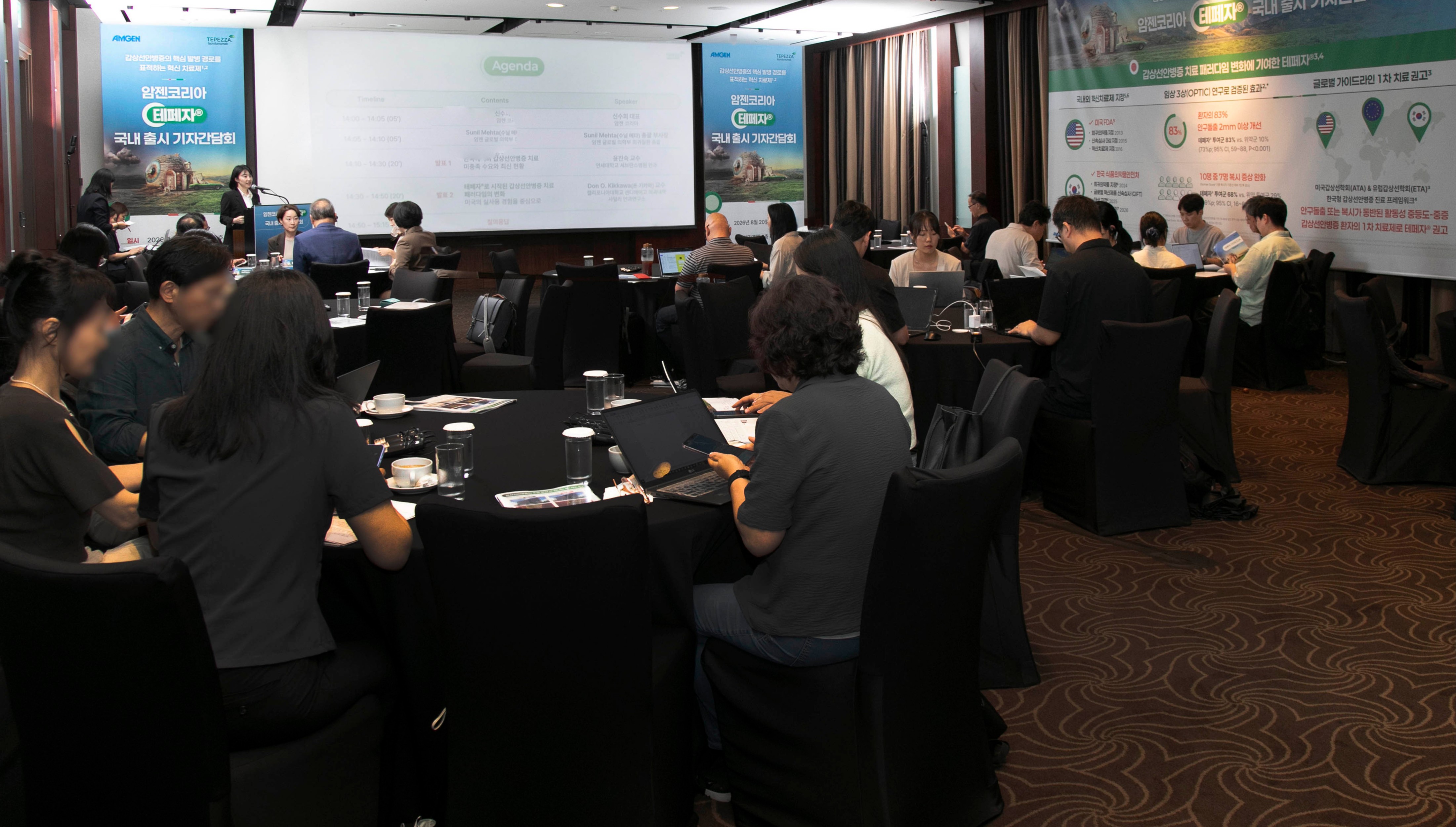
- Press conference was held to discuss 'Tepezza,' a treatment for thyroid eye disease (TED).A targeted therapy that improves structural symptoms such as proptosis and diplopia in patients with thyroid eye disease (TED) has officially launched in South Korea.Until now, clinical practice has primarily utilized steroids to suppress inflammation, while considering surgical intervention if proptosis or diplopia persisted. With the addition of a drug that directly reduces proptosis by targeting the specific pathway involved in disease pathogenesis, treatment options for patients with moderate-to-severe disease are expected to broaden.On the 20th, Amgen Korea held a press conference at The Shilla Seoul to mark the domestic launch of the thyroid eye disease treatment 'Tepezza (teprotumumab),' presenting current domestic and international clinical landscapes and the drug's clinical value.Tepezza was approved by the Ministry of Food and Drug Safety (MFDS) on April 30 as a treatment for adult patients with moderate-to-severe thyroid eye disease. It is the first insulin-like growth factor-1 receptor (IGF-1R)- targeted therapy approved in South Korea for thyroid eye disease.Thyroid eye disease is an autoimmune condition causing inflammation and structural remodeling in orbital tissues, such as extraocular muscles and retrobulbar fat. Symptoms may include proptosis, diplopia, ocular pain, erythema, and edema, and severe cases can also impair visual acuity.Expanding beyond inflammation inhibition to proptosis reduction… "A 2 mm reduction is clinically significant"Professor Jin Sook Yoon, Department of Ophthalmology, Severance HospitalConventional pharmacotherapy for thyroid eye disease has largely focused on suppressing inflammation and immune responses.Although steroid-based therapies have been used for active moderate-to-severe patients, structural symptoms such as proptosis and diplopia can persist even after inflammation subsides. In such cases, surgical options such as orbital decompression or strabismus surgery are considered depending on the patient's condition.Tepezza is a monoclonal antibody targeting IGF-1R, which is involved in the pathophysiology of thyroid eye disease. This drug is differentiated from conventional immunosuppressive therapies by blocking IGF-1R signaling to inhibit orbital tissue inflammation and expansion.Professor Jin Sook Yoon of the Department of Ophthalmology at Severance Hospital highlighted the clinical significance of the proptosis reduction demonstrated with Tepezza therapy.Professor Yoon said, "Reducing proptosis by 2 mm previously required surgical interventions like orbital decompression," adding, "Broader surgical extents accompany risks of complications and may even induce de novo diplopia."Professor Yoon explained that "Achieving a 2 mm reduction in proptosis with injectable pharmacotherapy alone is a significant metric."In the global Phase 3 OPTIC trial, Tepezza's therapeutic efficacy was evaluated over 24 weeks in patients with active, moderate-to-severe thyroid eye disease.The primary endpoint of proptosis response was defined as a reduction in proptosis of at least 2 mm from baseline without a corresponding worsening of 2 mm or more in the fellow eye.At week 24, the proptosis response rate was 83% in the Tepezza group compared to 10% in the placebo group. The mean reduction in proptosis differed significantly, measuring 2.82 mm in the Tepezza group versus 0.54 mm in the placebo group.Improvements were also observed in diplopia. Among patients presenting with diplopia at baseline, 68% in the Tepezza group improved by at least one grade, compared to 29% in the placebo group. The Tepezza group also demonstrated greater improvements in quality-of-life scores assessing the impact of visual function and aesthetic changes in TED patients.Tepezza is administered via intravenous infusion once every three weeks for a total of eight doses. In clinical trials, proptosis improved as early as six weeks after the initial dose, with therapeutic effects increasing throughout the treatment period.Application in moderate-to-severe patients… "Adverse reactions are manageable"Professor Don Kikkawa, Shiley Eye Institute, UC San Diego School of MedicineWith Tepezza's domestic introduction, determining which patient populations should receive priority treatment is expected to become a primary focus in real-world clinical practice.This is because individual TED patients present with differing degrees of proptosis, diplopia, and inflammation, as well as variations in disease activity and duration.Tepezza has been utilized in real-world clinical practice in the United States since its FDA approval in 2020. While initial adoption centered on patients with active moderate-to-severe thyroid eye disease, clinical experience and therapeutic use have progressively expanded to encompass chronic cases.Professor Don Kikkawa of the Shiley Eye Institute at the UC San Diego School of Medicine evaluated Tepezza as a key therapeutic option for moderate-to-severe patients requiring functional and structural improvement due to proptosis or diplopia.Professor Kikkawa said, "Tepezza is administered to patients seeking improvements in diplopia or proptosis," adding, "It is an exceptionally useful therapeutic option for moderate-to-severe thyroid eye disease patients."Professor Kikkawa added, "Adverse reactions during treatment are clinically manageable in practice. The vast majority of adverse events can be adequately addressed."Adverse events in the OPTIC study were predominantly mild to moderate, and key safety management parameters for Tepezza include hyperglycemia, muscle spasms, diarrhea, and hearing-related adverse events.Amgen is also continuing the development of a subcutaneous formulation to enhance administration convenience.In a recent global Phase 3 study evaluating the subcutaneous formulation delivered via an on-body injector, the 24-week proptosis response rate was 76.7% in the Tepezza group versus 19.6% in the placebo group. The mean proptosis reductions were 3.17 mm and 0.80 mm, respectively.Currently, only the intravenous formulation is approved in South Korea. Securing National Health Insurance reimbursement remains a key challenge for improving practical clinical access.Attention is focused on whether Tepezza can become a new treatment option for patients who previously had to consider surgical intervention due to residual proptosis and diplopia after controlling inflammation with conventional therapies.Suhee Shin, General Manager of Amgen Korea, stated that "While moderate-to-severe thyroid eye disease is a severe, rare autoimmune disease that profoundly impacts patients' daily and social lives through physical disfigurement and visual deterioration, therapeutic options had remained severely limited," and concluded by adding, "We hope that Tepezza's launch in South Korea would serve as a turning point for patients to reclaim their daily lives, affirming. Amgen will continue its efforts to establish a clinical setting where Korean patients can receive timely and appropriate care."
- Company
- Nemluvio enters final stage of reimbursement in Korea
- by Eo, Yun-Ho Aug 23, 2026 12:43pm
- The IL-31 inhibitor Nemluvio (nemolizumab) has entered the final stage of the reimbursement listing process in Korea.According to DailyPharm coverage, Galderma Korea recently began price negotiations with the National Health Insurance Service (NHIS) for its atopic dermatitis treatment Nemluvio (nemolizumab).Last month, Galderma accepted the conditions set by the Health Insurance Review and Assessment Service’s Drug Reimbursement Evaluation Committee, agreeing to a ‘price at or below the appraised amount.’Nemluvio is a monoclonal antibody that inhibits the IL-31 signaling pathway, which is identified as a major cause of itchiness. It was approved in Korea in January for the treatment of atopic dermatitis and prurigo nodularis. Nemluvio is the first biologic to target these diseases by inhibiting IL-31.IL-31 is known as a key pathway in the 'itch-scratch cycle' that directly stimulates sensory nerves to transmit itch signals and induces repetitive scratching behavior. Furthermore, it acts through a complex mechanism involving inflammatory responses, epidermal barrier dysfunction, and even skin fibrosis, making it a major factor that exacerbates the disease.Nemluvio demonstrated statistically significant improvement in itch relief versus placebo within 48 hours of administration in both patients with atopic dermatitis and those with prurigo nodularis. It also met all major endpoints when used in combination with topical corticosteroids (TCS) or topical calcineurin inhibitors (TCI).In atopic dermatitis, the proportion of patients achieving at least a 75% improvement in the Eczema Area and Severity Index (EASI-75) was significantly higher than with placebo. In prurigo nodularis, the proportion achieving an Investigator’s Global Assessment (IGA) score of 0 or 1, indicating clear or almost clear skin, at Week 16 was more than three times that of the placebo group.Long-term follow-up studies also showed sustained efficacy and safety. Interim analyses of the long-term extension studies in atopic dermatitis (ARCADIA LTE, 104 weeks) and prurigo nodularis (OLYMPIA LTE, 100 weeks) found that improvements in skin lesions, itch, sleep, and overall quality of life were consistently maintained for around two years or longer, with no new adverse events observed.Based on this evidence, combination therapy with Nemluvio was included in the 2025 U.S. atopic dermatitis treatment guidelines.Jungeun Kim, Professor of Dermatology at Eunpyeong St. Mary’s Hospital, said, “Among approved biologics, Nemluvio has shown the fastest improvement in itch. It also offers an advantage in terms of safety, as no increase was observed in adverse events such as conjunctivitis that have been raised as concerns with existing treatments.”
- Company
- KHF2026 highlights digital technology
- by Hwang, byoung woo Aug 20, 2026 09:23am
- The Korea Hospital & Health Tech Fair (KHF 2026) is held from August 19 to 21.The focus in hospital innovation is shifting from the standalone adoption of individual digital technologies toward system interoperability and clinical adoption.This shift was evident throughout the exhibition floor at the Korea Hospital & Health Tech Fair (KHF 2026), which opened on the 19th at COEX in Seoul.Daewoong Pharmaceutical united 12 digital health companies under a single alliance. The newly introduced Digital Pathology Special Pavilion showcased an integrated ecosystem connecting slide scanners, artificial intelligence (AI), and pharmaceutical and diagnostic enterprises.Hosted by the Korean Hospital Association and organized by Messe Esang and the Future Medical Industry Council, KHF 2026 is held through August 21 under the theme "Hospital Innovation Driven by the Intelligent Hospital-AX and Robotics." This year's exhibition marked its largest scale to date, featuring approximately 400 participating companies.The exhibition floor featured five dedicated pavilions: Digital Pathology, Hospital Automation & Robotics, Hospital AI & Security, Digital Healthcare, and Inno Health Lab. While last year's event focused heavily on showcasing the core functions and future potential of medical AI, this year demonstrated a much sharper emphasis on how to integrate and operationalize these technologies within actual hospital workflows.Daewoong brought together 12 companies...Transitioning from individual technologies to an ecosystemOne of the exhibition's biggest highlights was the Daewoong Alliance Pavilion, established jointly by Daewoong Pharmaceutical and domestic digital health companies. Spanning roughly 20 booths, the space brought together 12 companies to showcase technologies across diagnosis, patient monitoring, chronic disease management, digital therapeutics (DTx), and rehabilitation in a unified setting.Participating companies included Seers Technology, Sky Labs, Medical AI, AI Arck, Korea TR, Puzzle AI, iKooB, Promedius, EverEx, Orthocare, Hurotics, and Exosystems.A diverse range of technologies converged in one space, from wearable ECGs, cuffless blood pressure monitoring, and cardiovascular screening AI to electronic medical record (EMR) voice automation, musculoskeletal digital therapeutics (DTx), and gait rehabilitation robotics. Daewoong Pharmaceutical also hosted 34 expert lectures and hands-on technology demonstrations throughout the event.The exhibition emphasized connecting individual solutions rather than simple co-promotion. The overarching strategy is to assemble technologies spanning disease prediction, prevention, diagnosis, treatment, and follow-up care, and combine them with Daewoong Pharmaceutical’s established hospital sales and marketing channels to broaden clinical adoption.Daewoong Pharmaceutical provided opportunities for individual companies to showcase their technology alongside marketing boothsA Daewoong Pharmaceutical official stated, "While bringing companies together in this integrated manner has been rare, we participated jointly under the Daewoong Alliance banner," adding, "Ultimately, we must evaluate system interoperability and synergies, which requires strengthening our partnerships and moving forward collaboratively."The pavilion was organized into five distinct zones rather than a simple listing of corporate booths ▲Prediction & Prevention ▲Diagnosis ▲Treatment ▲Monitoring & Aftercare ▲Clinical Workflow Optimization.From the participating startups' perspective, leveraging a pharmaceutical firm's hospital network allowed them to engage a broader, more diverse pool of visitors compared to exhibiting independently.An EverEx representative noted, "When participating in a standalone booth, most visitors are already familiar with the company, but this time, people interested in Daewoong Pharmaceutical are also visiting our space," adding, "There is clear synergy in terms of foot traffic compared to last year."The structure, which lets visitors explore diverse technologies at the Alliance Pavilion and then test hardware at individual company booths, also stood out. In addition to the Daewoong Alliance booth, Hurotics set up a standalone booth in the Robotics Pavilion to demonstrate wearable robotics designed for gait rehabilitation.Daewoong Pharmaceutica’s booth had five sections and introduced companies.A Hurotics official remarked, "Because our technology requires hands-on experience, we set up an independent booth alongside the Daewoong Alliance space to expand touchpoints," adding, "Along with direct visitors to our booth, many visitors came after developing an interest at the Daewoong pavilion."If joint exhibitions serve as a gateway for broad visibility, standalone booths act as touchpoints to demonstrate specific clinical workflows and target patient populations. For the Daewoong Alliance to evolve from a collection of products into a functional commercial ecosystem, generating real-world hospital adoption cases and establishing cross-company data interoperability will be crucial.First 'Digital Pathology Pavilion'...Industry transition amid bBig pharma and diagnostics EntryThe newly established Digital Pathology Special Pavilion at KHF served as another major pillar of the exhibition. The pavilion brought together companies holding technologies in whole-slide scanners, pathology AI, data integration platforms, and companion diagnostics (CDx).Historically, pathology rarely had high external visibility because pathologists do not interact directly with patients, despite playing a vital diagnostic role. However, with digital transformation and AI integration linking pathology data to therapy selection, drug discovery, and patient prognosis prediction, the industry's standing is undergoing a dramatic shift.Chi-Sung Ahn, President of the Korean Digital Pathology Association, stated, "Pathology has historically operated out of the spotlight since pathologists do not meet patients directly, but its importance in patient treatment is expanding significantly," adding, "This special pavilion holds immense meaning as a platform to publicly promote the clinical and industrial value of pathology and digital pathology to both patients and the healthcare sector."At the event, the digital pathology conference commenced alongside the Digital Pathology Special Pavilion.Recent global mergers and acquisitions (M&A) underscore the industry's shift. As diagnostic and pharmaceutical giants directly acquire pathology AI firms, digital pathology has advanced beyond a simple interpretation-assistance tool into a foundational platform connecting companion diagnostics, biomarker discovery, and drug development.This global evolution was clearly reflected in the pavilion's booth lineup. The pavilion showcased the full digital pathology continuum, from whole-slide scanners that convert tissue slides into high-resolution digital images to open platforms that integrate external AI algorithms, biomarker quantification, and patient prognostic prediction technologies.At the Vieworks and Leica Biosystems booths, they emphasized the foundational digital infrastructure needed before deploying AI. They explained that AI analysis and data utilization become possible only when slide images are reliably acquired and the end-to-end pathology workflow,f rom staining and scanning to diagnostic reading, is seamlessly integrated.A Vieworks representative explained, "Because launching digital pathology begins with image acquisition, scanners serve as the cornerstone hardware," adding, "Building a truly integrated digital pathology environment requires subsequently connecting AI analytics and hospital information systems."KHF2026 featured the first Digital Pathology Special Pavilion, capturing the attention of attendees.Leica Biosystems focused on end-to-end workflow connectivity across pathology operations rather than the standalone specifications of individual devices. The company noted that even in hospitals that pioneered digital transformation, manual steps often remain, requiring further operational transitions to achieve complete end-to-end digitization.A Leica Biosystems representative stated, "Adopting hardware alone does not mean the entire pathology workflow is digitized. What matters is establishing an environment that connects slide preparation, staining, and scanning, and subsequently enables the seamless utilization of diverse AI analysis software."In medical institutions that have already advanced their digital transitions, strategic focus is pivoting from 'how to digitize' to 'how to utilize the acquired data.'Roche Diagnostics showcased NAVIFY Digital Pathology, which allows integration with external AI algorithms, and NAVIFY Clinical Hub, which aggregates multimodal clinical data, including pathology, medical imaging, and genomics, to support multidisciplinary care teams. Roche presented an open architecture leveraging accumulated datasets for large tertiary hospitals, alongside subscription-based models to lower initial adoption barriers for smaller medical centers lacking infrastructure.A Roche Diagnostics official remakred, "While the focus in the past was on digitizing glass slides, the core challenge now is how to operationalize digitized data within actual clinical workflows," adding, "Rather than treating digital transformation and AI transformation sequentially, we must address reimbursement policies and infrastructure issues in tandem."AI Digital Healthcare Pavilion was featured at this year’s event again, demonstrating ongoing AI trend in the medical fieldBeyond diagnosis to treatment and rehabilitation...Expanding the scope of healthcare AXThe exhibition also confirmed that digital transformation is no longer confined to diagnosis and image interpretation. Digital health companies have broadened their technological applications beyond identifying patient conditions into active treatment, rehabilitation, and post-discharge management.EverEx showcased DTx solutions supporting therapeutic exercise and rehabilitation for patients with musculoskeletal disorders, while Hurotics unveiled wearable robotics designed to assist gait rehabilitation in mobility-impaired patients. The exhibition also featured wearable devices for continuous vital sign monitoring, inpatient clinical surveillance systems, and rehabilitation assessment tools.AITRICS and Coreline Soft, both actively expanding their operational footprint, also participated in the AI Digital Healthcare Pavilion to present their proprietary clinical AI technologies.This shows that the competitive benchmark for medical AI and digital health is shifting from standalone accuracy and algorithmic performance to how seamlessly solutions embed into clinical workflows. Connecting disparate datasets scattered across diagnosis, monitoring, treatment, and rehabilitation is essential to enabling true full-lifecycle patient management.Hurotics set up a standalone booth in the Robotics Pavilion to demonstrate wearable robotics, alongside Daewoong Pharmaceutical (reporter Hwang, byoung woo) However, significant hurdles remain before widespread real-world adoption. Industry insiders pointed out disparities in digital infrastructure across hospitals and the lack of a sufficient medical reimbursement tariff system to compensate for the adoption of novel technologies. In digital pathology, high-capacity image storage and infrastructure deployment costs remain major financial burdens for medical institutions.Ultimately, KHF 2026 confirmed not merely the emergence of more digital tools, but the concrete integration and practical application of interconnected technologies. The Daewoong Alliance, uniting digital health companies into an integrated ecosystem, and the Digital Pathology Pavilion, which links hardware, AI, and pharma, reflect this broader trend.Translating the interconnected frameworks showcased at the exhibition into real-world clinical practice will require solving reimbursement, clinical infrastructure, and real-world evidence validation alongside software interoperability. Whether technologies can transform the end-to-end patient journey beyond isolated tasks will determine the pace of hospital AX.
- Company
- Competition for first-line HER2-mutant lung cancer
- by Son, Hyung Min Aug 19, 2026 08:57am
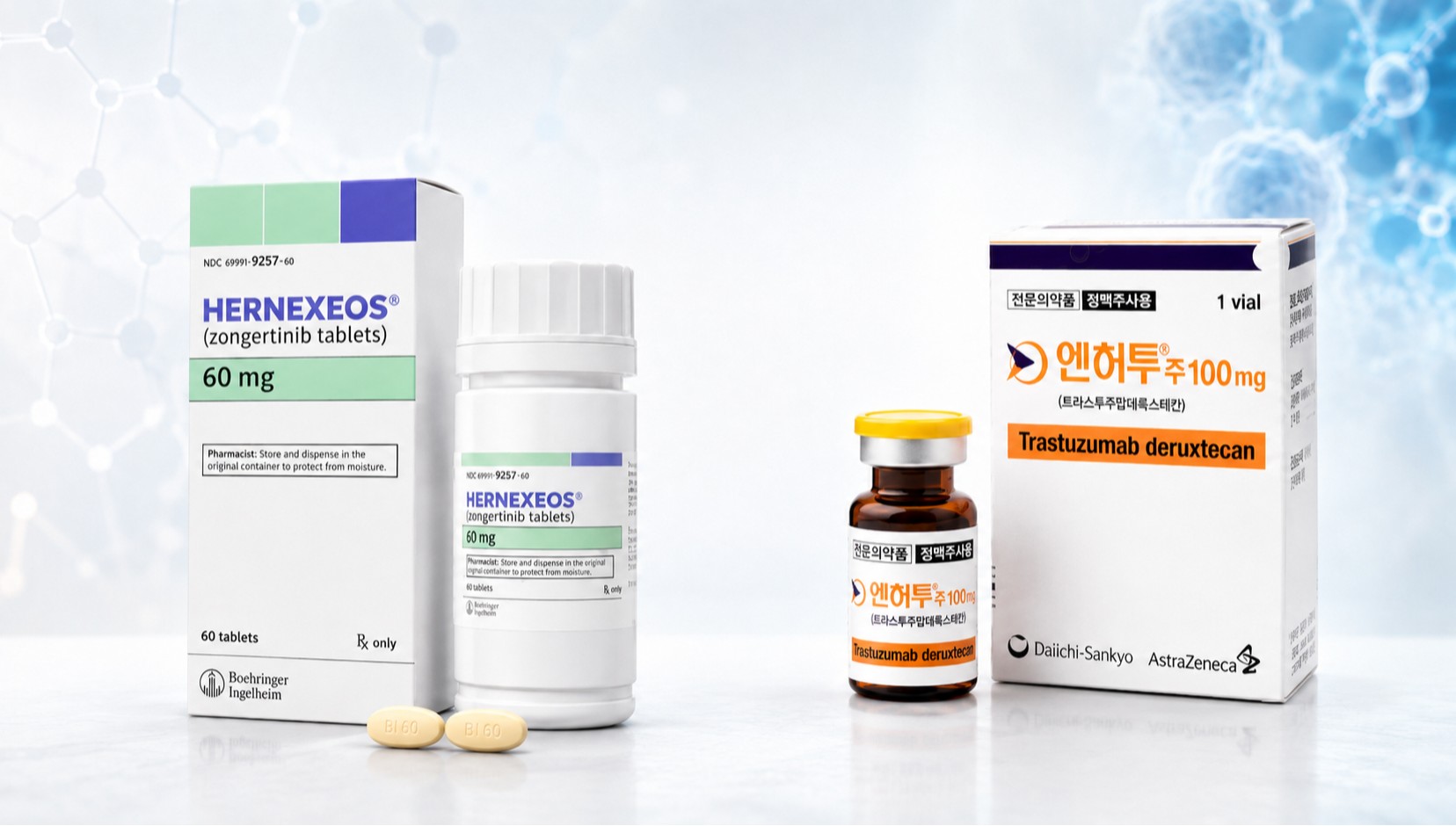
- The competition surrounding targeted therapy for HER2-mutated non-small cell lung cancer (NSCLC), a mutation found in a small subset of lung cancer patients, is rapidly shifting toward first-line treatment. Previously, the conventional treatment paradigm for HER2-mutated lung cancer involved treating patients with immune checkpoint inhibitors and chemotherapy as first-line treatment, followed by HER2-targeted agents upon disease progression.Recently, the therapeutic landscape has shifted as both antibody-drug conjugates (ADCs) and oral tyrosine kinase inhibitors (TKIs) continue to deliver positive clinical outcomes earlier in treatment.ADC drug 'Enhertu'According to industry sources on the 19th, AstraZeneca recently unveiled high-level results from its pivotal global Phase 3 clinical trial, DESTINY-Lung04, evaluating the efficacy of 'Enhertu (trastuzumab deruxtecan).' DESTINY-Lung04 is a head-to-head study directly comparing Enhertu against the standard of care, 'Keytruda (pembrolizumab)' + platinum-based chemotherapy, in patients with unresectable, locally advanced, or metastatic HER2-mutated non-squamous NSCLC. The trial enrolled 454 patients with HER2 exon 19 or 20 mutations. Patients were randomized 1:1 to receive either Enhertu or standard chemotherapy plus immunotherapy. The primary endpoint was progression-free survival (PFS) assessed by blinded independent central review (BICR). Trial results demonstrated that Enhertu achieved a statistically significant and clinically meaningful improvement in PFS compared with the standard-of-care regimen. Specific median PFS values and hazard ratios (HR) have not yet been disclosed. This study is clinically significant as the first Phase 3 trial in which a HER2-targeted therapy demonstrated superior PFS over the global standard of care in the first-line treatment of these patients. Overall survival (OS) evaluation remains ongoing. The safety profile was broadly consistent with previously established data for Enhertu, with no new safety signals observed. The company will present detailed study findings at an upcoming medical congress. Later-line treatment 'Enhertu' to first-line…HER2-targeted therapy advancesEnhertu may help move targeted therapy earlier in the disease course for HER2-mutated lung cancer. Currently, first-line treatment of HER2-mutated metastatic NSCLC relies primarily on the combination of immunotherapy and platinum-based chemotherapy. HER2 mutations are identified in approximately 2% to 4% of all NSCLC cases. HER2-mutated lung cancer is recognized as a molecular subtype predominantly observed in younger female patients and non-smokers, with a relatively high reported incidence of brain metastases. This mutation is biologically distinct from HER2 protein overexpression or gene amplification. Both Enhertu and the oral TKIs entering the first-line treatment race specifically target patients harboring activating HER2 mutations.Before the entry of Enhertu, therapeutic options utilizing direct HER2-targeted agents in this patient population were severely limited. After Enhertu's successful establishment in later lines of therapy, the emergence of oral targeted agents has fueled intense therapeutic development competition.Notably, this competition is shifting from pretreated patients to treatment-naïve first-line treatment cohorts.As Enhertu demonstrated superiority over chemoimmunotherapy in a randomized Phase 3 trial, anticipated regulatory approvals are expected to bolster the strategy of deploying targeted therapies immediately upon biomarker confirmation of HER2 mutations.However, because mature OS outcomes and detailed PFS data have yet to be disclosed, thorough evaluation of the granular dataset will be necessary to fully gauge the magnitude of clinical benefit over current standard therapies.Not limited to ADCs...Oral TKIs join the first-line treatment competitionBoehringer Ingelheim's 'Hernexeos (zongertinib)'Oral TKIs have also entered the first-line treatment area for HER2-mutated lung cancer. The first agent to secure first-line approval is Boehringer Ingelheim's 'Hernexeos (zongertinib).'In February, the U.S. Food and Drug Administration (FDA) approved an expanded indication for Hernexeos in adult patients with unresectable or metastatic non-squamous NSCLC harboring HER2 (ERBB2) tyrosine kinase domain (TKD) activating mutations, allowing its use regardless of prior systemic therapy. Hernexeos' indication expanded to first-line treatment just six months after its initial U.S. approval in August of last year for previously treated patients.The 'Beamion LUNG-1 trial,' which supported the first-line treatment expansion, included 72 treatment-naïve patients with HER2 TKD mutations.In the study, Hernexeos demonstrated an objective response rate (ORR) of 76%. Among responding patients, 64% maintained their response for at least 6 months, and 44% maintained it for 12 months or longer.Its once-daily oral administration distinguishes Hernexeos, dosed at 120 mg or 180 mg based on patient body weight.Bayer's 'Hyrnuo (sevabertinib)' is closely pursuing this space. Hyrnuo received accelerated approval from the U.S. FDA in November of last year for patients with HER2 TKD-mutated locally advanced or metastatic non-squamous NSCLC who had received prior systemic therapy. It is an oral TKI administered twice daily. Bayer has since advanced clinical development to broaden its indication to treatment-naïve patients. In May, the FDA granted priority review designation to Hyrnuo's supplemental application for the first-line setting, supported by findings from the SOHO-01 trial, which enrolled treatment-naïve patients. Concurrently, Bayer is conducting the 'SOHO-02' trial, a Phase 3 trial comparing Hyrnuo against standard-of-care therapy in treatment-naïve patients with HER2-mutated NSCLC, which serves as the confirmatory study to verify the clinical benefit underlying its accelerated approval.Consequently, competition among distinct formulations of HER2-targeted agents in the first-line treatment of HER2-mutated lung cancer is set to intensify.Enhertu is an antibody-drug conjugate (ADC) designed to bind HER2 on tumor cells and deliver a potent cytotoxic topoisomerase I inhibitor payload. In contrast, Hernexeos and Hyrnuo are oral small-molecule TKIs that selectively and directly inhibit oncogenic signaling driven by HER2 mutations. In the future, once Enhertu is approved for first-line treatment and Hyrnuo clears regulatory review, establishing optimal treatment sequencing strategies, specifically the order of administering ADCs versus oral TKIs, will emerge as a central clinical challenge.Notably, therapeutic strategy is expected to be guided by key factors such as duration of response, efficacy against central nervous system (CNS) and brain metastases, safety and tolerability profiles, and real-world clinical outcomes observed with sequential use of ADCs and TKIs.Although HER2-mutated lung cancer represents a rare molecular subtype with a relatively small patient population, the sequential emergence of targeted therapies into commercial reality, initiated by Enhertu and followed by oral TKIs, is rapidly establishing an upfront, biomarker-driven treatment paradigm akin to EGFR- and ALK-mutated NSCLC.
- Company
- Ofev’s renewed bid for IPF reimbursement sees little progress
- by Eo, Yun-Ho Aug 19, 2026 08:57am
- The process of expanding health insurance reimbursement for ‘Ofev’ to idiopathic pulmonary fibrosis (IPF) appears to be making little progress.Boehringer Ingelheim Korea secured reimbursement for Ofev’s progressive pulmonary fibrosis (PPF) indication in May last year and submitted an application in the second half of the year to expand reimbursement to idiopathic pulmonary fibrosis (IPF). However, no notable progress has been made during reimbursement discussions to date.The main cause of the sluggish progress is deemed to be the gap in stances between the government and the pharmaceutical company regarding the financial impact of expanding health insurance coverage for Ofev to IPF, which has not been narrowed.Ofev was approved in Korea in October 2016, but reimbursement discussions were delayed several times due to differences between the government and the company over pricing. Ofev is now off patent in Korea, with multiple generic products also on the market.However, an unmet need remained even after Ofev first gained reimbursement last year, as the government did not recognize reimbursement eligibility for the IPF indication, citing insufficient cost-effectiveness data.When Boehringer Ingelheim reapplied for IPF reimbursement, it submitted additional real-world data on patients who had failed treatment with ‘Pirespa (pirfenidone),’ currently used as first-line therapy (including patients who discontinued treatment because of adverse events). However, the reimbursement process is still facing difficulties.Therefore, attention is now focused on whether an agreement can be reached to expand reimbursement for Ofev to IPF.Meanwhile, IPF has the highest mortality rate among rare diseases in Korea. It is a rare, intractable disease in which interstitial tissue in the lungs progressively becomes fibrotic and stiffens without a known cause. As the lung structures responsible for oxygen exchange are damaged, patients develop chronic cough and shortness of breath, eventually progressing to respiratory failure.The disease also progresses rapidly. While lung function in healthy adults declines by around 10–20 cc per year, patients with IPF lose 150–250 cc annually, equivalent to roughly 10% of their lung function each year.Acute exacerbations, which occur in around 10% of patients annually, are particularly life-threatening. When this rapid deterioration of the lungs occurs in just a matter of weeks, approximately half of affected patients die. Patients with IPF also face a five- to seven-fold higher risk of lung cancer than the general population and frequently experience serious complications including cardiovascular disease, stroke and depression.
- Company
- "Overcoming immuno-oncology limits with Salmonella"...CNCure
- by Hwang, byoung woo Aug 18, 2026 08:54am
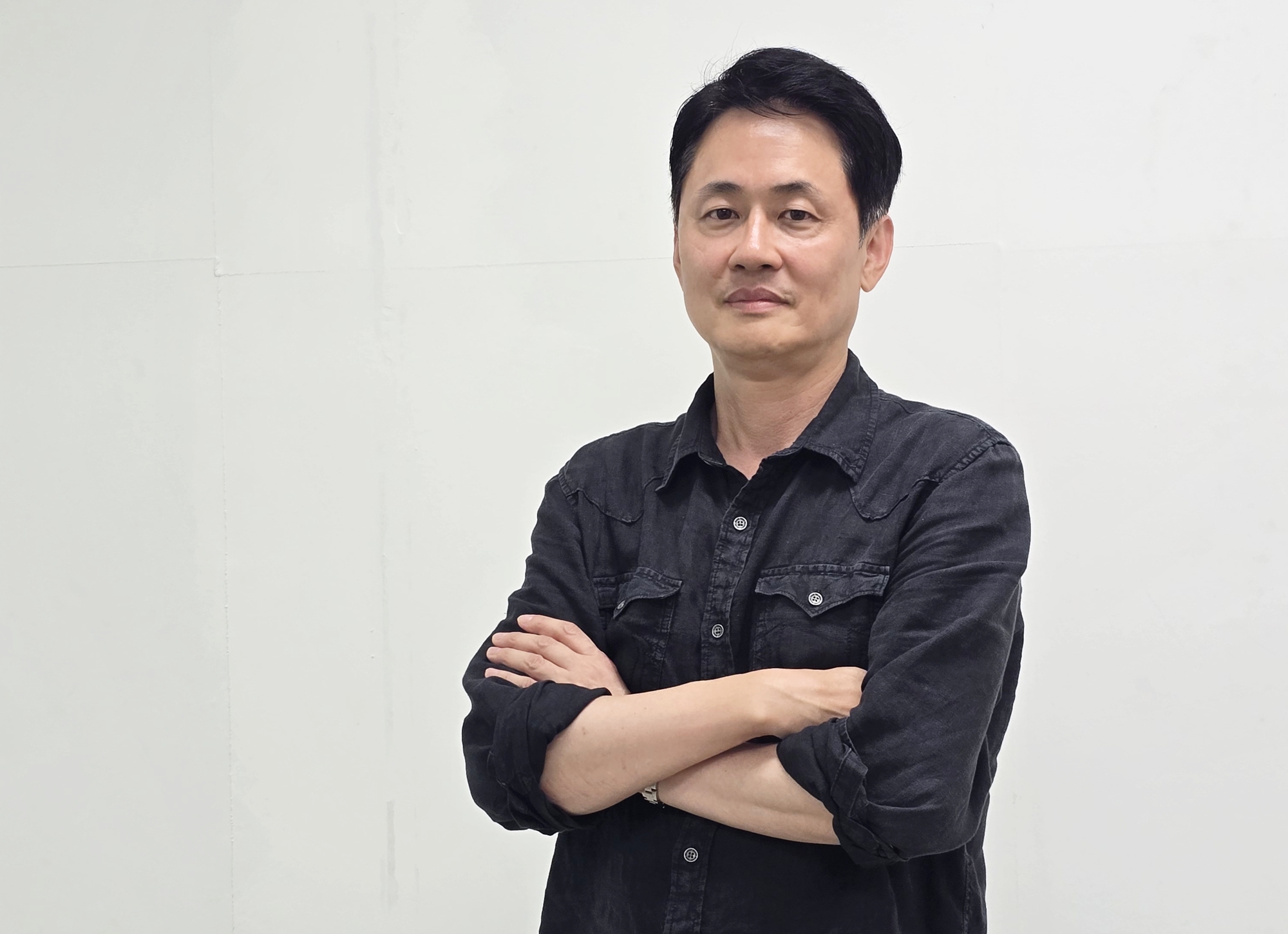
- One factor in determining the efficacy of immuno-oncology therapeutics is the degree of immune cell infiltration into a tumor. In 'cold tumors,' which lack infiltrating immune cells, therapeutic response can remain limited even when immunosuppressive signaling pathways are blocked.CNCure is a biotechnology company aiming to overcome this limitation using Salmonella. The company's strategy is to infect tumors with attenuated Salmonella to activate immune cells and remodel the environment so conventional immune checkpoint inhibitors can function effectively. DailyPharm met with Joong Gon Park (56), CEO of CNCure, to discuss the mechanism of action of its Salmonella-based anticancer therapeutics, strategies for ensuring clinical safety, and commercialization roadmaps after clinical trials.Recruiting immune cells into "cold" tumors…The role of SalmonellaCNCure CEO Joong Gon ParkFounded in 2019, CNCure is a novel anticancer drug development company. Co-CEO Jung-Joon Min, a professor of Nuclear Medicine at Chonnam National University Medical School, leads research and development. Co-CEO Joong Gon Park oversees executive management and business development (BD). The company established the Synthetic Anticancer Microbe (SAM) platform, based on more than two decades of bacterial oncology research led by Co-CEO Min. It is currently developing its lead pipeline asset, CNC-101, alongside a follow-on pipeline candidate, CNC-105. Bacteria-based oncology therapeutics use the inherent properties of attenuated Salmonella to penetrate and colonize the hypoxic, immunosuppressive tumor microenvironment selectively. As host immune cells congregate to eliminate the bacteria, the therapeutics convert immunologically "cold tumors" into "hot tumors" that have an activated antitumor immune response. CEO Park explained, "CNC-101 selectively penetrates tumors to activate both innate and adaptive immunity," and added, "The goal is to convert cold tumors, which lack infiltrating immune cells, into hot tumors, thereby enhancing response rates in combination therapies." CNCure confirmed potential antitumor synergy when combining CNC-101 with an anti-PD-L1 antibody in colorectal cancer animal models. Because the program is currently in preclinical stages, clinical validation in patients will be required to confirm safety and combination effectiveness. Deleting 73 virulence genes…Intravenous safety has been securedAdministering live bacteria intravenously requires preserving tumor-penetrating capabilities while minimizing infection risks in healthy non-target tissues.CNCure engineered CNC-101 by deleting 73 genes associated with Salmonella virulence. This includes knocking out gene clusters involved in the type III secretion system (T3SS), the mechanism by which bacteria deliver effector toxins into host cells, thereby structurally minimizing the potential for normal cell invasion. CEO Park stated, "Safety is one of the key factors in the development of bacterial oncology therapeutics. CNC-101 significantly attenuates toxicity and pathogenicity by eliminating 73 genes related to Salmonella virulence." Preclinical biodistribution studies also confirmed that CNC-101 selectively penetrated tumors over normal tissues. The company's strategy is to achieve both safety and immune activation through an engineered attenuated strain that selectively targets tumors and recruits immune effector cells. To transition the research strain into a clinical-grade investigational drug product, CNCure partnered with a US contract development and manufacturing organization (CDMO). After executing the contract in April 2022, the company completed culture scale-up, process optimization, and stability testing to manufacture a cGMP-compliant investigational drug product (DP). Initial safety validation via monotherapy…Expanding into checkpoint combinationsCNCure plans to initiate the early-stage clinical development of CNC-101 as a monotherapy. After evaluating safety, tolerability, and the recommended dose in patients with advanced solid tumors, the development scope will broaden to evaluate combinations with immune checkpoint inhibitors. Target indications include colorectal cancer, melanoma, and breast cancer. In particular, the trials will evaluate whether the therapeutic can successfully remodel the tumor microenvironment in patients who are refractory or have developed resistance to prior immuno-oncology therapies.CNCure aims to enter a Phase 1 clinical trial in Australia in the second to third quarter of 2027, after completing additional preclinical safety evaluations and securing additional data packages.CEO Park considered first-in-human safety data as the key turning point for commercialization. Park noted that even with positive preclinical results, proving safe administration in human subjects is essential to initiating serious partnering discussions with global pharmaceutical companies. Park said, "Global pharmaceutical companies demand human safety data," and added, "They argue that regardless of how promising preclinical packages look, discussions can begin once safety is demonstrated in human administration."Once safety is established, the company plans to pursue co-development and out-licensing partnerships with multinational pharma holding immune checkpoint inhibitor pipelines. Beyond combination therapy to drug delivery…Expanding follow-on pipelinesThe follow-on pipeline candidate CNC-105 is a drug delivery-oriented bacterial oncology platform engineered to express therapeutic payloads on top of CNC-101. It is designed to express cytotoxic and immunostimulatory proteins directly within the tumor, attacking cancer cells while inducing antitumor immune responses. CEO Park explained, "While CNC-101 is being developed as a combination therapy to enhance the efficacy of existing immuno-oncology agents, CNC-105 is designed as a next-generation pipeline asset expanding into monotherapy therapeutic potential."The company is planning not only single-candidate out-licensing deals, but also indication-specific co-development of CNC-101 and novel pipeline development utilizing the SAM platform. CNCure is pursuing a Series B funding round to support its global clinical programs. Of its KRW 7.0 billion goal, KRW 1.5 billion has been paid, and the secured funds will be prioritized for CNC-101's subsequent preclinical and clinical development. Radiopharmaceuticals are another long-term expansion platform. By utilizing diagnostic tracer CNC-201 to delineate malignant melanoma lesions and target patient populations, the company envisions connecting to therapeutic radiopharmaceuticals to evolve into a theranostics company.CEO Park stated, "CNCure plans to grow into a core player driving the global field of bacteria-based cancer therapeutics, beyond simply increasing corporate valuation.
- Company
- CAR-T ’Carvykti’ has been submitted for multiple myeloma reimb listing
- by Son, Hyung Min Aug 14, 2026 08:46am
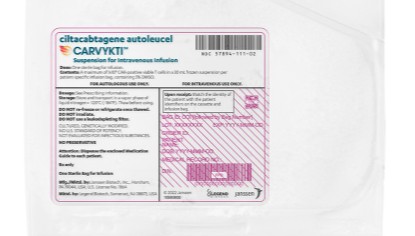
- Product photo of Carvykti'Carvykti,' a personalized cell therapy for frequently relapsing multiple myeloma, is set to secure insurance reimbursement in South Korea. It has been seven months since approval for an expanded indication in November of last year. According to industry sources, Janssen Korea submitted an application to health insurance authorities for the reimbursement listing of Carvykti in early June.Carvykti was the first drug approved in South Korea for the treatment of multiple myeloma and remains the only CAR-T cell therapy authorized for a multiple myeloma indication to date. Following its initial domestic approval in March 2023, Carvykti secured an expanded indication approval in November 2025 for "the treatment of adult patients with relapsed or refractory multiple myeloma who have received at least one prior line of therapy, including a proteasome inhibitor (PI) and an immunomodulatory agent (IMiD), and are refractory to lenalidomide."Notably, among CAR-T therapies developed by global pharmaceutical companies, Carvykti is one of the few treatments with clinical evidence that includes South Korean patients. While CAR-T therapies are typically developed through single-arm Phase 1/2 trials, the efficacy and safety of Carvykti were evaluated in a direct comparator Phase 3 trial, CARTITUDE-4, which included a control arm.The trial results, analyzed at a median follow-up of 33.6 months, demonstrated that Carvykti reduced the risk of death by 45% in overall survival (OS) and reduced the risk of disease progression or death by 71% in progression-free survival (PFS) compared with standard-of-care therapies (PVd or DPd). Based on this clinical evidence, Janssen Korea is reportedly pursuing reimbursement listing by demonstrating cost-effectiveness through a formal pharmacoeconomic evaluation. Given that high-cost, "one-shot" curative therapies have traditionally entered reimbursement via the economic evaluation exemption track, this approach is interpreted as reflecting the company's strong confidence in Carvykti's clinical value and cost-effectiveness.A Janssen Korea official stated, "Janssen Korea submitted the reimbursement application so that multiple myeloma patients in South Korea can receive treatment with Carvykti starting from their first relapse, thereby easing the burden of long-term, repeated therapies. We hope Carvykti secures reimbursement as quickly as possible so that patients can receive timely, effective treatment and swiftly regain their health and daily lives. Janssen Korea will give its full effort throughout this process."
