
- LOGIN
- MemberShip
- 2026-07-22 21:00:42
- Policy
- MOHW and MOJ oppose legislating mandatory INN prescribing
- by Lee, Jeong-Hwan Nov 13, 2025 06:08am
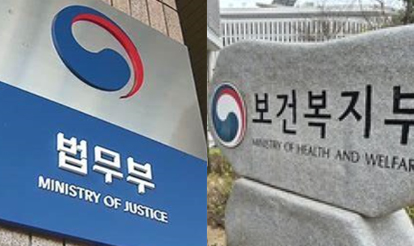
- The Ministry of Health and Welfare and the Ministry of Justice have expressed reluctance toward a bill that would only partially mandate and enforce physician international non-proprietary name (INN) prescribing for government-designated drugs with unstable supply. Despite this being President Jae-Myung Lee’s presidential election pledge and national policy task to eliminate public inconvenience and confusion over recurring drug shortages, the Ministry of Health and Welfare and the Ministry of Justice have issued a ‘careful review’ opinion. They cited the ongoing conflict between medical and pharmaceutical groups and emphasized the need to gather broader public consensus from patients (medical consumers) and society before moving forward. The Ministry of Justice specifically expressed concern that mandating INN prescribing for drugs designated by the Ministry of Health and Welfare as having unstable supply, instead of brand names, could eliminate pharmacists' obligation to inform patients—unlike in cases of substitution dispensing—thereby restricting patients' right to know and potentially posing significant risks to public health. It also added that the post-prescription accountability remains unclear. This conclusion stems from reviewing the opinions submitted on the 11th by the Ministry of Health and Welfare and the Ministry of Justice regarding the bill mandating INN prescribing for drugs with unstable supply (partial amendments to the Medical Service Act and the Pharmaceutical Affairs Act), proposed by Representative Jong-tae Jang of the Democratic Party of Korea. Rep. Jang's bill mandates that when prescribing drugs designated as having unstable supply under the Pharmaceutical Affairs Act, the active ingredient name must be written instead of the brand name, as an exception to the current law requiring the brand name on prescriptions. The bill also includes penalty provisions stipulating that violating the active ingredient name prescription requirement for supply-unstable drugs is punishable by up to one year of imprisonment or a KRW 10 million fine for noncompliance. Ministry of Health and Welfare·Ministry of Justice “Careful Review” Both the Ministry of Health and Welfare and the Ministry of Justice, the main ministries responsible for the bill, submitted opinions calling for careful review. Their view is that caution must be exercised in legislation, separate from the fact that it is a presidential election pledge and a national policy task of the Lee administration. The Ministry of Health and Welfare expressed sympathy with the intent of introducing INN prescribing, which aims to ensure continuity of patient treatment during drug supply disruptions like shortages. However, it stated that disagreements between doctors' and pharmacists' professional organizations regarding the safety and efficacy of INN prescribing must be taken into account. This is the fundamental response the Ministry has repeatedly given in past statements regarding INN prescribing. The Ministry further stated that criteria for defining drug supply instability, measures to ensure safety and efficacy of INN prescribing, and effective implementation methods for INN prescribing must first be reviewed. The intent is to further discuss whether to introduce mandatory INN prescribing for physicians or adopt an indirect approach, such as providing incentives to prescribers who use INN prescribing. The Ministry also raised concerns about the bill's penalty provisions. It cautioned that criminalizing doctors by imposing criminal penalties for not following INN prescribing when prescribing drugs with unstable supply is an approach that requires careful consideration. The Ministry of Justice provided more specific reasons for playing caution regarding the bill. First, it stated that designating a drug as having an unstable supply would force doctors to prescribe by INN instead of brand name, which would have the effect of broadly permitting substitution dispensing regulated by the Pharmaceutical Affairs Act. The current Pharmaceutical Affairs Act’s substitution dispensing provisions require informing the patient of the substitution and obtaining prior consent from the prescribing physician or providing post-notification within one day. The Ministry of Justice opined that under Rep Jong-tae Jang’s bill, the obligation to inform patients would disappear for designated unstable-supply drugs, and the requirement to obtain prior physician consent or provide post-notification would also vanish, potentially creating problems. The Ministry pointed out, “There would be no need to inform patients, and as notification or prior consent from physicians is not required, this may potentially be a significant risk to public health. This restricts patients' right to know and also leaves unclear whether prescribers would bear responsibility after the fact.” KMA·KHA “Oppose”…KPA “Favor” The Korean Medical Association (KMA) and the Korean Hospital Association (KHA) voiced strong opposition. The KMA argued that mandating INN prescriptions is excessive legislation, as it cannot be a fundamental solution to unstable drug supply issues, yet it stipulates penalties of up to 1 year in prison or fines of up to KRW 10 million for non-compliance. It further argued that forcing doctors to INN prescribe drugs with unstable supply without considering patient conditions disregards public health rights. The KMA also contended that mandating INN prescribing undermines patient safety and treatment continuity, completely infringes on physicians' prescribing rights, and violates the fundamental principle of separating medical and pharmaceutical practices. The KMA stated, “A physician's diagnosis and prescription constitute a professional medical act that comprehensively considers individual patient characteristics, including disease status, underlying conditions, presence of drug allergies, past drug reactions, and ease of administration. When prescribing drugs, physicians select specific products—including the most suitable dosage form, strength, excipients, and coating technology—based on the specific disease and patient characteristics. Forcing INN prescribing hinders patient treatment, infringes on physicians' prescribing rights, and undermines the principle of separation of medical and pharmaceutical services." The KHA also opposed the measure, stating that instability in drug supply arises from multiple causes, such as raw material shortages, production plant issues, distribution problems, pricing, and increased demand due to specific disease outbreaks. KHA argued that legally mandating INN prescribing would be insufficient to resolve the problem and could potentially infringe on physicians' prescribing rights. The KHA emphasized that establishing comprehensive national policies would be necessary to create an environment enabling a stable drug supply. It further pointed out that penalizing non-compliance with INN prescribing, even when physicians may unknowingly prescribe by brand name due to difficulties in quickly and accurately assessing drug supply situations, violates the principle of proportionality. The KHA stated, “Long-term, fundamental measures must be established, such as creating a management system to prevent supply instability in advance. The penalties are excessive sanctions compared to other violations subject to the same penalties under current law, relative to the risk and illegality of the act.” The Korean Pharmaceutical Association (KPA) countered that INN prescribing is the most effective solution to respond swiftly to drug supply instability issues. The association's rationale for supporting the bill is that this legislation will reduce the social and economic waste caused by drug shortages and enable timely dispensing and medication services for patients. Specifically, the association argued that it is irrational for pharmacies to wait solely for a specific brand (product) to arrive when equivalent generic alternatives are available. It also expects the bill to alleviate the burden on pharmacies, which must stock medications from multiple pharmaceutical companies to accommodate individual prescriptions from different medical institutions, even for the same active ingredient. The KPA stated that Representative Jang’s bill does not contradict the existing legal framework, as the Medical Service Act and its enforcement regulations already permit INN prescribing. It also argued that distrusting or claiming differing efficacy for generics approved and registered by the Ministry of Food and Drug Safety (MFDS) is unscientific. The KPA emphasized, “When an INN prescription is issued, even if the supply of a specific pharmaceutical company's drug is unstable, the same active ingredient medication needed by the patient can be dispensed on time, preventing treatment gaps. This allows patients to obtain their prescribed medication anywhere, strengthening public access to medicines and their right of choice.” Welfare Committee expert committee presents divergent views on generic efficacy equivalence The National Assembly Health and Welfare Committee’s expert committee acknowledged that legislation has a valid aspect, as mandatory INN prescribing could help stabilize drug supply. However, it also presented points to consider during legislation. Unlike substitution dispensing, INN prescribing eliminates the need for prior physician consent or post-dispensing notification by pharmacists. In this sense, the expert committee noted that the differing opinions surrounding the therapeutic equivalence of identical-ingredient drugs (generics) must be examined. The expert committee stated, “Those affirming the therapeutic equivalence of identical-ingredient drugs maintain that generics undergo the Ministry of Food and Drug Safety's strict approval and review system, thereby ensuring recognized bioequivalence. “Conversely, those who deny equivalence argue that even with the same active ingredient, differences exist between products in formulation, dosage, excipients, coating technology, etc. They contend that when patients take a different product than before, it increases the potential for drug side effects and may lead to uncertainty in treatment efficacy.” The expert committee also pointed out that the Ministry of Health and Welfare recently clarified the requirement for post-substitution notification. It noted that the revised Pharmaceutical Affairs Act, which aims to enhance information sharing between doctors and pharmacists, passed the National Assembly, was submitted to the government, and was promulgated. Finally, it stated that the penalty clause, which imposes imprisonment for up to one year or a fine of up to KRW 10 million for violations, should also be examined for potential excessiveness. The expert committee stated, “Recently, concerns have been raised that imposing excessive penalties for administrative violations burdens criminal justice agencies and creates a large number of citizens with criminal records. Consequently, legislative reforms are underway to convert fines for minor administrative law violations into administrative penalties. In the exceptional situation where INN prescribing is mandated for unstable supply drugs, it is necessary to examine whether imposing criminal penalties for prescribing by brand name due to lack of awareness constitutes excessive punishment for violating administrative order.”
- Company
- "Life-cycle prevention system completed with Prevenar 20"
- by Son, Hyung Min Nov 13, 2025 06:07am
- "As pneumococcal infections occur in both adults and children, the need to establish a full-life-cycle prevention is growing. Especially given the high mortality rates in children, the elderly, and chronic disease patients, prevention-centered management is considered important. With the recent launch of 'Prevenar 20,' the 20-valent pneumococcal conjugate vaccine (PCV20), in Korea, a vaccination strategy that does not vary by age is once again drawing attention." On November 12, Pfizer Korea held a press conference at its headquarters in Jung-gu, Seoul, to commemorate the domestic launch of the pneumococcal vaccine Prevenar 20, emphasizing the vaccine's utility. Prevenar 20 is the first new pneumococcal vaccine introduced by Pfizer in approximately 15 years since Prevenar 13. The vaccine includes the 13 serotypes common to the existing Prevenar 13, plus 7 additional serotypes (8, 10A, 11A, 12F, 15B, 22F, 33F). Prevenar 20 was officially launched on the market approximately one year after receiving domestic approval last November. Comparison table for different serotypes in various pneumococcal vaccines. Prevenar 20 can be used for ▲the prevention of invasive disease, pneumonia, and acute otitis media caused by pneumococcus (serotypes 1, 3, 4, 5, 6A, 6B, 7F, 8, 9V, 10A, 11A, 12F, 14, 15B, 18C, 19A, 19F, 22F, 23F, 33F) in infants, children, and adolescents aged 6 weeks to under 18 years ▲the prevention of invasive disease and pneumonia caused by pneumococcus in individuals aged 18 and older. Among these serotypes, 10A and 15B are the most common causes of invasive pneumococcal disease in Korean children. According to a study tracking IPD in 20 domestic hospitals between 2016 and 2023, serotypes 10A and 15B were the most frequently isolated vaccine serotypes, and those serotypes included in Prevenar 20 accounted for over half (54%) of all pediatric infections. Professor Dong Hyun Kim of the Department of Pediatrics at Inha University Hospital A pneumococcal serotype analysis study conducted by the Korea Disease Control and Prevention Agency (KDCA) from July 2018 to July 2021 confirmed the same results. Of the total 67 pediatric infection cases, 36 cases (approx. 54%) were due to the 10A and 15B serotypes included in Prevenar 20. The 20 serotypes included in Prevenar 20 also accounted for approximately 51% of adult cases during the same period. Professor Dong Hyun Kim of the Department of Pediatrics at Inha University Hospital explained, "In pediatric infection cases, the 10A and 15B serotypes are most prevalent, and this trend continues into adult infections. " NIP inclusion reduces 'Infection Blind Spots' With Prevenar 20 recently included in the National Immunization Program (NIP), the infection management system is shifting. While the existing 13-valent vaccine focused on pediatric prevention, the expanded serotype coverage now enables protection across all generations. According to the healthcare big data of Health Insurance Review & Assessment Service (HIRA), the number of patients with pneumococcal pneumonia increased about 9-fold, from 1,063 in 2021 to 10,191 in 2024. Of these, over half (51.9%, or 5,292 cases) were in infants and young children under the age of five, indicating that the primary infection remains in the pediatric population. Pneumococcus is a bacterium that can reside in the upper respiratory tract of healthy people and is a major cause of bacteremia, meningitis, pneumonia, and otitis media in infants and young children. It also acts as a primary cause of secondary bacterial infections following influenza, playing a significant role in other respiratory viral infections. The KDCA expects that this NIP inclusion will achieve both higher pediatric vaccination rates and reduced community infections. Since the introduction of the 13-valent vaccine previously resulted in an approximate 70% reduction in the incidence of invasive disease, the vaccination effect of this 20-valent vaccine is also expected to appear quickly. Pfizer Korea held a press conference to commemorate the launch of Prevenar 20 in South Korea. Song Chan-woo, Vice President of Pfizer Korea, said, "Pneumococcus is an infectious disease that has a fatal impact not only on the elderly but also on healthy children," and emphasized, "Prevenar 20 is an integrated solution that offers expected preventive efficacy regardless of age, and will contribute to enhancing the efficiency of infection management at the national level." Professor Kim said, "Over half of the confirmed invasive pneumococcal infections in Korea are caused by serotypes included in Prevenar 20," and emphasized, "Ultimately, vaccination itself is more important than distinguishing by age." Professor Kim explained, "While a 21-valent vaccine has also been developed recently, it is difficult to determine which one is superior in terms of efficacy as sufficient clinical data have not yet been accumulated," and said, "Although the vaccination schedule was changed during the COVID-19 pandemic, some aspects are not yet fully reflected in the epidemiological analysis."
- Company
- Former AZ Director Do to lead New Business at Lilly Korea
- by Eo, Yun-Ho Nov 13, 2025 06:07am
- AstraZeneca Commercial Director David H. Do Former AstraZeneca Commercial Director David H. Do (39) has taken on a new leadership role at Lilly Korea. According to industry sources, Lilly Korea recently appointed AZ Commercial Director Do to lead its newly launched Neurology Business Division. .As a result, Director Do will oversee sales and marketing for Lilly's neurology product portfolio, including ‘donanemab,’ a next-generation Alzheimer's treatment gaining global attention .Director Do joined AstraZeneca Korea in 2020 as Executive Director of External Affairs, where he led negotiations with the Korean government during the early stages of the COVID-19 pandemic, successfully securing the supply of vaccines and antibody therapies .He also contributed to stabilizing the global supply chain through a manufacturing partnership with SK Bioscience .His contributions were recognized with the Minister of Health and Welfare Award .From 2023, Director Do worked at AstraZeneca’s global headquarters in Cambridge, UK, where he helped establish the Vaccines & Immune Therapies Division and developed strategies for the GLP-1 portfolio, playing a key role in the development and commercialization of next-generation therapies .Before entering the pharmaceutical industry, Do served as a Project Leader at the Boston Consulting Group (BCG), where he led numerous projects across the technology and healthcare sectors, including new business development, performance improvement, and due diligence .Do holds a Bachelor’s degree in Neuroscience from King’s College London, a Master’s degree from Imperial College London, and a Ph.D .in Clinical Medicine (Endocrinology & Diabetes) from the University of Oxford.
- Company
- UCB Korea appoints Edward Lee as new GM
- by Son, Hyung Min Nov 13, 2025 06:07am
- Edward Lee, new General Manager of UCB Korea UCB Korea announced that Edward Lee has been appointed as its new General Manager, effective November 1. Edward Lee is an expert with over 15 years of experience in the global pharmaceutical industry, in areas ranging from Market Access, Medical Affairs, to Health Economics & Outcomes Research (HEOR). Lee has a strong background in driving patient-centered innovation and advancing sustainable healthcare ecosystems. Since joining UCB in 2016, Lee has held key leadership positions at the US and UK subsidiaries, as well as at the Intercontinental Headquarters. Most recently, he served as Head of Access, Sustainability, and External Engagement at the Intercontinental Headquarters, where he led strategies to improve healthcare access and promote health equity. Prior to joining UCB, he worked at Astellas and Boehringer Ingelheim, leading multiple drug value assessment and patient access initiatives. He earned a Doctor of Pharmacy degree from the University of Illinois at Chicago and completed a Health Economics and Outcomes Research (HEOR) program through a joint fellowship with Thomas Jefferson University and Daiichi Sankyo. The new GM said, “UCB Korea will continue to advance change and innovation by enhancing access to innovative therapies based on patient-centric principles and building a sustainable healthcare ecosystem. We will strengthen collaboration with patients, healthcare professionals, the government, and various partners throughout the approval and reimbursement listing processes for new products, to ensure Korean patients can benefit from new treatments as quickly as possible.” UCB Pharma is the Korean subsidiary of UCB, a global biopharmaceutical company headquartered in Belgium, which is dedicated to continuous research and development in neurology and immunology. Recently, the company obtained local approvals for Bimzelx (for plaque psoriasis), Zilbrysq, and Rystiggo (for generalized myasthenia gravis). Its treatment for Dravet syndrome, an extremely rare and severe pediatric intractable disease, was designated as the 30th GIFT (Global Innovative product on Fast Track) item in May 2024. It was also selected for the Approval-Evaluation-Negotiation pilot program in December of the same year and is currently undergoing the domestic approval process and reimbursement review by the Health Insurance Review and Assessment Service (HIRA).
- Company
- Korea’s bio-industry production hits ₩22.9 trillion
- by Kim, Jin-Gu Nov 12, 2025 06:19am
- Last year, the domestic bio industry's production scale reached KRW 22.9216 trillion, a 9.8% increase compared to the previous year. Exports rose 17.1% year-on-year, driven by existing key export items such as antibody drugs and CMO for biopharmaceuticals. R&D investment increased by 3.2%. The Ministry of Trade, Industry and Energy, in collaboration with the Korea Biotechnology Industry Association, announced the results of the ‘2025 Domestic Bioindustry Status Survey’ on the 11th. The survey includes the status of production, exports/imports, employment, and investment in the bio industry as of 2024. According to the survey results, the domestic bio industry's production scale reached KRW 22.9216 trillion, a 9.8% increase compared to the previous year. By year, the figures were KRW 17.1983 trillion in 2020, KRW 21.3971 trillion in 2021, KRW 23.8160 trillion in 2022, and KRW 20.8713 trillion in 2023, showing a sustained high average annual growth rate of 7.4% over the last 5 years. The biopharmaceutical sector holds the largest share of production scale. As of 2024, the biopharmaceutical sector's production scale reached KRW 8.4305 trillion, accounting for 36.8% of the total biotechnology industry production scale. This is followed by the bio-food sector (including health functional foods and fermented foods) at 20.0%, and the bio-service sector (including contract manufacturing and bio-analysis) at 17.4%. The production scale of the biopharmaceutical sector increased by 33.2% from KRW 6.3313 trillion in 2023. By specific product category, therapeutic antibodies and cytokine preparations led the production expansion, growing 53.7% year-on-year to KRW 4.8645 trillion. Additionally, biomanufacturing and contract services recorded KRW 3.2179 trillion, a 5.2% increase from the previous year. Biotech exports grew by 17.1% from KRW 11.7081 trillion in 2023 to KRW 13.7109 trillion in 2024. During the same period, imports increased by 10.4% from KRW 3.3452 trillion to KRW 3.6917 trillion. Growth in the biopharmaceutical sector was particularly notable in exports. Biopharmaceutical exports, which were KRW 4.2978 trillion in 2023, increased by 46.0% to KRW 6.2740 trillion last year. Therapeutic antibodies and cytokine preparations, in particular, showed an increase of KRW 1.5939 trillion won over one year. The workforce in the biotech industry reached 65,818 people in 2024, a 1.5% increase from the previous year. Compared to 52,297 people in 2020, this represents an average annual growth rate of 5.9% over the past 5 years. By job type, research positions increased by 1.8% from 19,432 to 19,877. Production roles grew by 1.9% from 21,746 to 22,151. Sales, management, and other positions rose by 0.8% to 23,879. Total investment in 2024 reached KRW 5.4821 trillion, a 46.1% increase compared to KRW 3.752 trillion in 2023. During this period, R&D expenses rose 3.2% from KRW 2.6188 trillion to KRW 2.7024 trillion, while facility investment costs surged approximately 2.5-fold from KRW 1.1332 trillion to KRW 2.7797 trillion. Woo-hyuk Choi, Director-General for Advanced Industry Policy at the Ministry of Trade, Industry and Energy, stated, “Despite the uncertain global trade environment, the bio industry is recovering its growth momentum. We will strengthen support for companies to boost their R&D, production, and exports so that the sector can make an even greater contribution to our economy and employment.”
- Company
- Biotech firms with net loss overestimate their performance
- by Cha, Jihyun Nov 12, 2025 06:19am
- While Korean biotech and healthcare companies are using the Technology Exception Listing system to challenge the Initial Public Offering (IPO) market, there have been concerns over their valuation methods. Critics argue that some companies are excessively inflating their valuations by presenting overly optimistic estimates of future performance or by selecting comparables that are significantly larger and established at the public offering price. All 2024 listed biotech companies are in deficit, but the futue estimated earnings used for IPO price show tens of billions in surplus According to the Financial Supervisory Service (FSS) on the 12th, a total of 10 biotech and healthcare companies have been listed through the Technology Exception Listing system this year. Starting with Orum Therapeutics in February, OrganoidSciences, ROKIT Healthcare, ImmuneOncia, and IntoCell were listed in May. GC Genome debuted on the stock market in June, followed by Neurofit and Protina in July. G2GBIO and Graphy entered the KOSDAQ market in August. Other companies are also pursuing listings through the Technology Exception Listing system, with Curiosis, AimedBio, Rznomics, QuadMedicine, and LivsMed having submitted IPO registration statements to the Financial Services Commission. The Technology Exception Listing system is a regulatory measure designed to lower the listing barrier for companies with technology and growth potential but that lack profitability. It is considered the primary IPO channel for biotech companies that invest massive amounts in new drug development without clear revenue streams. Most companies listed via the Technology Exception Listing system use the Relative Valuation Method to calculate their public offering price. The prevalent method involves applying the Price-to-Earnings Ratio (PER) of comparable listed companies in the same industry to the listing applicant's estimated future earnings. The PER, calculated by dividing the stock price by earnings per share, is an index that comprehensively reflects a company's profitability, risk, and market valuation from its operating activities. Thus, future growth potential, rather than current earnings, becomes the core criterion for the public offering price. However, the problem is that the public offering price is often calculated higher than its actual value due to questionable practices in estimating future earnings and selecting comparable companies. An analysis of the registration statements of 15 biotech and healthcare companies that listed or are pursuing listing via the Technology Exception Listing system this year showed that not a single company was profitable in 2024. All 15 surveyed companies were in a net loss position. Despite this, most of these companies projected they could achieve a net profit of KRW 10-90 billion within 2-3 years. They claim significant results can be achieved through early technology exports from underdeveloped pipelines, product approvals, and product sales. "2025 Biotech and healthcare companies that were listed using the Technology Exception Listing system. Their estimated profit and the actual net profit when listed"; COLUMN1 (COMPANIES): Orum Therapeutics, OrganoidSciences, ROKIT Healthcare, ImmuneOncia, IntoCell, GC Genome, Neurofit, Protina, G2GBIO, Graphy, Curiosis, AimedBio, Rznomics, QuadMedicine, and LivsMed; COLUMN2 (2024 NET PROFIT in KRW 100M); COLUMN3 (FUTURE ESTIMATED NET PROFIT). (source: Financial Supervisory Service) AimedBio reported the highest future estimated net profit, projecting KRW 87.1 billion by 2029. This is an aggressive target, considering AimedBio recorded a consolidated net loss of KRW 3.3 billion last year. LivsMed, which recorded a consolidated net loss of KRW 13.9 billion last year, projected an estimated net profit of KRW 71 billion by 2027. Rznomics, which recorded a separate net loss of KRW 18.9 billion last year, projected net profits of KRW 35.3 billion in 2027, KRW 2.9 billion in 2028, and KRW 67.2 billion in 2029. G2GBIO showed the largest gap between current earnings and future estimates. G2GBIO reported a separate net loss of KRW 83.3 billion last year, yet the company projected a net profit of KRW 40 billion by 2029. ImmuneOncia projected KRW 51.7 billion by 2028; Neurophit projected KRW 9.1 billion in 2027 and KRW 28.9 billion in 2028; and IntoCell projected KRW 24 billion in net profit by 2027, all of which were used as bases for calculating their public offering prices. Orum Therapeutics was the only surveyed company that reflected actual earnings, not future estimates, in its public offering price calculation. The company calculated its corporate value using net profit based on its Last Twelve Months (LTM) ending Q3 2024 (which combined performance from Q4 2023 to Q3 2024). This allowed the company to set its public offering price based on actual earned revenue, primarily driven by technology fees from a large-scale technology export agreement with a global big pharma, rather than on mere projections. However, whether the proceeds from technology exports are one-time or sustainable still needs to be assessed. Although not included in the public offering price calculation, Orum Therapeutics projected it could achieve KRW 75.2 billion in sales and KRW 34.7 billion in net profit in 2026. This calculation is based on the premise of securing additional technology export agreements alongside the inflow of milestones from existing contracts. Comparison to big pharma, multi-trillion-won global firms included...overvaluation has been pointed out Analysis suggests that not only are the future earnings projections presented by the listing companies overly optimistic, but the selection of comparable companies also lacks justification. A review of the similar companies selected by the 15 surveyed firms shows a high proportion of major pharmaceutical companies like Hanmi Pharmaceutical, Chong Kun Dang, and Daewoong Pharmaceutical. Unlike the pre-listing companies, which are not generating profit, these comparables boast annual revenues exceeding KRW 1 trillion. A significant number of firms also presented overseas companies as comparables. GC Genome, the genomics analysis affiliate of Green Cross Group, selected four comparable companies, including the domestic firm Boditech Med, along with Revvity, Hologic, and Diasorin. Except for KOSDAQ-listed Boditech Med, the other three companies in GC Genome's peer group are overseas-listed global diagnostic firms with annual revenues in the trillions of KRW. Protina also included Danaher and Revvity in its peer group, and Graphy selected all overseas firms as comparables, including Align Technology, Straumann Holding AG, and Modern Dental Group. Curiosis and LivsMed also included a large number of major global companies with net profits in the trillions of KRW in their comparable groups. Comparables and PER discount rate of biotech and healthcare companies listed in 2025 using the Technology Exception Listing system. COLUMN1 (COMPANIES): Orum Therapeutics, OrganoidSciences, ROKIT Healthcare, ImmuneOncia, IntoCell, GC Genome, Neurofit, Protina, G2GBIO, Graphy, Curiosis, AimedBio, Rznomics, QuadMedicine, and LivsMed; COLUMN4 (per-share valuation calculation). (source: Financial Supervisory Service) The inclusion of conglomerate companies in the comparable groups also led to higher PERs in the per-share valuation calculation. LivsMed's calculated PER, based on the market value of its peer group, was 45.5 times, the highest applicable PER among the 15 surveyed companies. This was followed by Rznomics (29.6 times), Graphy (29.0 times), G2GBIO (28.1 times), and QuadMedicine (27.5 times). Emerging-technology companies cannot set the public offering price on their own. The estimated earnings and comparable companies are determined through consultation between the company and the listing underwriter, based on a comprehensive consideration of the listing applicant's technology and market outlook. Furthermore, the final public offering price is confirmed only after a second step involving institutional investor demand forecasting, followed by applying a discount rate to the estimated earnings to determine the desired public offering price range. However, the market assessment is that the public offering prices for biotech and healthcare companies are being set at an excessively unrealistic level. Indeed, the majority of emerging-technology biotech companies fail to achieve the earnings estimates presented in the public offering price calculation. Experts commonly point out that biotech companies, which lack visible earnings such as sales or profits, are more likely to overestimate their public offering price than conventional companies.
- Company
- Celltrion completes review for acquiring Lilly pharma plant
- by Choi, Da-eun Nov 12, 2025 06:19am
- Celltrion announced on the 11th that it has completed the merger review process under the Premerger Notification Office (PNO) of the U.S. Federal Trade Commission (FTC) for its acquisition of Eli Lilly's manufacturing facility in Branchburg, New Jersey, USA. This is the final regulatory step, following the merger approval from the Irish government on October 31st (local time). With this approval, all necessary regulatory reviews for the factory acquisition have been finalized. The merger review process evaluates whether an acquisition restricts competition. Celltrion was subject to review in the U.S. under the Hart-Scott-Rodino Act (HSR Act) as well as in Ireland due to meeting certain revenue thresholds. With the completion of this procedure, Celltrion plans to finalize the 'Deal Closing' within the year as scheduled. Immediately upon completion of the deal, Celltrion will commence the Post-Merger Integration (PMI) process to achieve rapid organizational unification without disruption to operations. The company will also implement customized programs to support local employees. This acquisition secures three major strategic advantages for Celltrion: △resolving tariff risks through establishing a U.S. production hub △mitigating geopolitical uncertainties △expanding its U.S. Contract Manufacturing Organization (CMO) business. Notably, by centering its operations at the Branchburg facility, Celltrion expects to meet the growing CMO demand in the U.S. and generate revenue immediately upon acquisition through its existing CMO contract with Eli Lilly. The Branchburg plant is a large campus spanning approximately 45,000 pyeong. Celltrion plans to invest an additional KRW 700 billion or more in the 11,000 pyeong of idle land within the facility, expanding its production capacity to 1.5 times the size of its Plant 2 in Songdo, Incheon. Celltrion employee stated, "Celltrion has completed all necessary regulatory processes to acquire the U.S. facility, securing a stepping stone for challenging the global market," and added, "We plan to put efforts into company growth and enhance shareholder value by strengthening the competitiveness of global pharmaceutical production."
- Policy
- Yuhan–Janssen join forces to tackle lung cancer
- by Jung, Heung-Jun Nov 12, 2025 06:19am
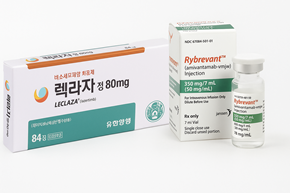
- As Yuhan Corporation and Janssen Korea join forces to co-promote their lung cancer treatments, securing reimbursement for the combination therapy has emerged as the next major hurdle to fully realize their market synergy. Janssen Korea’s non-small-cell lung cancer drug Rybrevant (amivantamab) was granted reimbursement as monotherapy by the Cancer Disease Deliberation Committee (CDDC) in September, but its combination with carboplatin or lazertinib did not receive reimbursement approval. According to industry sources on the 10th, Janssen Korea has submitted a request for reconsideration to the CDDC regarding the unestablished reimbursement criteria. At that meeting, Rybrevant’s reimbursement was not established for use in ▲combination with carboplatin and pemetrexed as first-line therapy for adults with locally advanced or metastatic EGFR exon 20 insertion-positive NSCLC, and in ▲combination with lazertinib for adults with EGFR exon 19 deletion or exon 21 (L858R) substitution mutation-positive NSCLC. However, Janssen Korea applied for a reimbursement re-evaluation for the combination therapy with carboplatin and pemetrexed 3 weeks after the CDDC decision. A cost-effectiveness review is underway for the re-evaluation. Also, with its combined use with Leclaza, which is also accumulating clinical evidence, the company’s attempts for reimbursement listing are expected to continue. Recently, the National Comprehensive Cancer Network (NCCN) also prioritized the combination therapy of Leclaza + Rybrevant as a first-line treatment for EGFR-positive non-small cell lung cancer. Given Rybrevant’s high price, public demand for its reimbursement had been strong, with a national petition for reimbursement gathering over 50,000 signatures, leading to formal discussion in the National Assembly earlier this year. During the latest NA audit, multiple lawmakers again raised questions about its reimbursement timeline. Rep. Nam-Hee Kim (Democratic Party of Korea) specifically urged the Ministry of Health and Welfare (MOHW) to establish reimbursement criteria for first-line treatment and expedite insurance coverage. In response, the Ministry stated, “The pharmaceutical company has applied for a re-evaluation of reimbursement criteria for the first-line treatment indication that had not been set the last time. We plan to proceed with the process and determine reimbursement eligibility.” Meanwhile, Janssen Korea, the domestic pharmaceutical subsidiary of Johnson & Johnson, announced on the 10th a joint promotion plan with Yuhan Corporation for the combination therapy of ‘Leclaza (lazertinib)’ + ‘Rybrevant (amivantamab)’.
- Company
- HanAll, ‘US Immunovant’s HL161 development is on track'
- by Kim, Jin-Gu Nov 12, 2025 06:18am
- HanAll Biopharma’s US partner Immunovant announced the clinical progress of its autoimmune disease treatment candidate ‘HL161’ in a financial report released on November 10 (local time). HL161 is an autoimmune disease treatment candidate developed by Hanall Biopharma. It licensed out the technology to Roivant Sciences, the parent company of Immunovant, which is currently developing HL161 in two distinct pipelines: batoclimab (Immunovant code name IMVT-1401) and imeroprubart (Immunovant code name IMVT-1402). The next-generation FcRn inhibitor imeroprubart is being clinically developed across six autoimmune indications — Graves' disease (GD), difficult-to-treat rheumatoid arthritis (D2T RA), myasthenia gravis (MG), chronic inflammatory demyelinating polyneuropathy (CIDP), Sjögren's syndrome (SjD), and cutaneous lupus erythematosus (CLE) — with all studies progressing as planned. In 2026, it plans to sequentially release early data from the pivotal rheumatoid arthritis trial and topline results from the Proof-of-Concept (PoC) trial for cutaneous lupus erythematosus (CLE). In 2027, it will release topline results from the pivotal trials for refractory rheumatoid arthritis, Graves' disease, and myasthenia gravis. Immunovant is conducting 2 Phase III trials of batoclimab for thyroid eye disease (TED). The company stated that the first trial is expected to be completed as scheduled within December this year. However, it plans to announce the combined data from both trials in the first half of next year, rather than releasing the first trial results at year-end. The second trial is expected to be completed before the first half of next year. HanAll Biopharma plans to announce topline results as each clinical dataset becomes available, following close discussions with Immunovant. Seungwon Jeong, CEO of HanAll Biopharma, stated, “We will transparently share the results of our clinical programs through collaboration with our partners. Based on the thyroid eye disease data, we plan to continue preparations for the commercialization of batoclimab in Japan.”
- Company
- Eun Jin Bae appointed Director of Sanofi’s Global MA team
- by Eo, Yun-Ho Nov 11, 2025 06:09am
- Eun Jin Bae, Sanofi Korea Eun-jin Bae (44), MCO Head of Market Access at Sanofi Korea, has been promoted to the global headquarters Market Access team. According to industry sources, Bae, who previously served as MCO Head of Market Access for Korea and the Australia/New Zealand cluster, was officially appointed Director of Sanofi’s Global Market Access team as of October. This appointment is drawing attention as it was achieved through individual initiative rather than Sanofi Group's internal promotion process. Bae is a seasoned marketing access expert with 17 years of experience since beginning her pharmaceutical career in 2010 at Roche Korea. Since 2021, she has led Sanofi Korea’s Market Access division, spearheading reimbursement listings for various products, including the atopic dermatitis treatment Dupixent. Bae earned her Bachelor of Pharmacy from Kyung Hee University and a Master’s degree in Pharmacoeconomics/Public Policy from Sookmyung Women’s University’s Graduate School of Clinical Pharmacy.
