
- LOGIN
- MemberShip
- 2026-05-11 20:25:56
- Company
- Monthly sales of OTC Allegra rise 30% on average
- by Jung, Sae-Im Feb 28, 2023 05:52am
- Sales of Sanofi’s third-generation antihistamine drug ‘Allegra’ has risen 30% on average per month ever since it entered the over-the-counter (OTC) drug market. According to the market research institution IQUVA, sales of the OTC Allegra have risen 29% on average per month, ever since its release in March to the allergy season in October of the same year. Since its launch, 44% of pharmacies nationwide have been supplying Allegra. Allegra’s sales had risen significantly during the spring and fall season when allergic rhinitis worsens. Its sales, which had been in the KRW 20 million range in the first month of March of last year, had risen over fivefold to KRW 120 million in April. Even in the non-allergy season, its sales had been in the KRW 60 million range. And after entering fall, in September and October, its sales recorded KRW 200 million and 140 million each. Allegra is an antihistamine OTC that contains fexofenadine as the active ingredient. Most third-generation antihistamine drugs are ethical drugs (ETCs) that can only be prescribed at hospitals, but the 120mg dose of Allegra was approved as an OTC. The release of the OTC and ETC versions has created a synergy effect and positively impacted prescription sales of Allegra as well. According to the company, prescription sales of Allegra last year reached KRW 7.5 billion, which is a 16% increase from the previous year. Allergic rhinitis is an inflammatory autoimmune disease that is commonly confused with the cold. Typical symptoms include sneezing, stuffy nose, runny nose, and itchy eyes. Although a series of first and second-generation antihistamine drugs have been released to treat symptoms of allergic rhinitis, side effects such as drowsiness have been cited as an issue. Allegra is a third-generation fexofenadine drug that is an improved version of the first and second-generation antihistamine drugs. It has fewer side effects of drowsiness as it does not pass through the blood-brain barrier or bind to histamine cortical H1 receptors with a quicker effect. The OTC Allegra contains 10 tablets per pack, and one tablet (120mg) should be taken once daily before meals with plenty of water. It relieves symptoms of allergic rhinitis within 60 minutes the effect lasts for 24 hours after intake. With this improved convenience in intake and undergoes minimal hepatic metabolism, the drug can be taken with less concern. Sanofi has been paying close attention to the tangible results brought by Allegra in the ETC and OTC markets over the past year. As the drug enters the second year of release this year, the company aims to actively conduct diverse campaigns to increase and expand demand. For this, Sanofi plans to promote the various strengths of Allegra by carrying out a Spring digital campaign in March of this year. For the campaign, the company will prepare an advertisement that points out the various causes of allergic rhinitis that people may easily encounter in daily life. By portraying how Allegra relieves the symptoms quickly without concern over drowsiness, the company will emphasize the key message of how Allegra is 'a third-generation antihistamine allergy medication that is effective and lasts for 24 hours that can be taken with less concern over drowsiness.’ The advertisement will not only be broadcasted on TV but be available online via YouTube and Naver. A Sanofi official said, “As we enter the second year of Allegra’s release, we plan to spur up brand awareness-raising activities. We will conduct broad marketing activities to make known the efficacy and effect of third-generation antihistamines.”
- Policy
- Negotiations on the Brukinsa price have begun
- by Lee, Tak-Sun Feb 28, 2023 05:52am
- Crysvita and Dupixent are also negotiating drug prices. It has been found that Chinese pharmaceutical company BeiGene Korea has entered into drug price negotiations with the NHIS for Brukinsa capsules 80mg sold domestically. When the NHIS drug price negotiation is completed, the drug will be covered through a report to the Health Insurance Policy Deliberation Committee of the Ministry of Health and Welfare. According to the industry on the 27th, The NHIS recently disclosed this fact on its website. Since April 2019, The NHIS has been disclosing the drugs ordered by the Ministry of Health and Welfare to NHIS for drug price negotiations on its website for the public's right to know. According to the Ministry of Health and Welfare's negotiation order, the drug price negotiations will be carried out within 60 days between the NHIS and pharmaceutical companies. At the HIRA held on the 9th, this drug was judged to be eligible for reimbursement for WM. WM is a rare blood cancer in which the bone marrow produces many abnormal white blood cells that crowd out healthy blood cells. Previously, the US FDA approved Brukinsa as a WM treatment in September 2021. Meanwhile, the NHIS said Crysvita 10, 20, and 30mg were also included in the drug price negotiations. This drug also passed the committee on the 9th, and the negotiation period was shortened from 60 days to 30 days after prior consultation with The NHIS as a drug to improve the quality of life for children. Crysvita is used for 'FGF23-associated hypophosphatemic rickets and osteomalacia'. The NHIS also said that drug price negotiations are underway for Dupixent, which passed the committee in January. Dupixent, which is currently receiving reimbursement for adult atopic dermatitis, is undergoing reimbursement procedures for pediatric atopic dermatitis.
- Company
- Will Tagrisso finally be reimbursed with public support?
- by Eo, Yun-Ho Feb 28, 2023 05:52am
- The D-day has finally been revealed. Will the lung cancer treatment ‘Tagrisso’ finally succeed in extending reimbursement to the first line? According to industry sources, AstraZeneca’s EGFR mutation-positive non-small cell lung cancer (NSCLC) treatment Tagrisso will be deliberated at the Health Insurance Review and Assessment Service’s Cancer Disease Deliberation Committee meeting on March 22. A dire need had long existed. The public petition urging for the extension of reimbursement benefits to the first line for Tagrisso that had been filed earlier this year had received consent from 50,000 people. Patients desperately want it, but doctors are saying no to it. Under such strange circumstances, Rep. Jung-Sook Suh of the People Power Party had pointed to the need to extend reimbursement, upon which the Ministry of Health and Welfare expressed intent on its review. The pharmaceutical company had also expressed its strong will to extend Tagrisso’s reimbursement to the first line, by accepting the financial-sharing plan proposed by the authorities. Four years have already passed. Tagrisso, which added its first-line indication in December 2018 in Korea, attempted to extend its reimbursement to the indication in 2019. However, upon review by the Cancer Disease Deliberation Committee in October, the committee decided to defer the decision until the full data from the Phase 3 FLAURA trial that studied the overall survival (OS) of Tagrisso in NSCLC patients in the first-line was disclosed. Although AstraZeneca submitted the full FLAURA data and expressed their will to accept most of the financial-sharing plan proposed by the government, the reimbursement fell through due to opposition from committee members (specialists) that raised an issue over the drug’s clinical efficacy. At the time, the largest obstacle that impeded Tagrisso’s reimbursement in the first line was the Asian subgroup analysis results of the FLAURA trial. Tagrisso’s overall survival (OS) in the trial was 38.6 months, a significant extension of 6.8 months over its first-generation comparators ‘Iressa (gefitiniib)’ and ‘Tarceva (erlotinib)’. The results were encouraging, considering how Tagrisso was the first EGFR TKI to demonstrate efficacy in the first line and that crossover prescriptions were allowed for research ethics in patients with confirmed T790 mutations while receiving treatment with its first-generation comparators. However, the issue was the hazard ratio (HR) of the Asian subgroup analysis. HR was 0.995 when separately analyzing Asian patients that received Tagrisso. An HR of 0.995 means that the difference between Tagrisso and the control group is 0.005, which could be interpreted as that there is virtually no difference between Tagrisso and its comparator. This was why the academic society raised the opinion that ‘Tagrisso’s OS in Asians, including Koreans, was not reliable in the first line,’ and the opinion had a dominant influence on the results of the CDDC review. Many others have expressed different views on the subgroup analysis results. A primary efficacy endpoint exists for all trials, and subgroup analysis results are only presented as a reference only when the trials satisfy the primary efficacy endpoint. This is the universally accepted concept in virtually all academia beyond medicine. However, the expert committee pointed to the subgroup analysis as the key reason for the non-reimbursement even though the trial succeeded in demonstrating the OS, which was the purpose of the trial. Regardless of what happened in the past, the agenda is again awaiting CDDC review. Tagrisso has reinforced support with drug price cuts and real-world data that was announced last year. In other words, the company has strengthened grounds for support from the financial and effect aspect. Therefore, the industry’s attention is on whether Tagrisso will be able to produce a different result this time. Meanwhile, the real-world study evaluated the effect of Tagrisso in the first-line in clinical practice in 660 NSCLC patients with EGFR mutations from 2018 to 2020. 583 of the patients received Tagrisso in the first line, and the other 76 received another EGFR-targeted cancer therapy. Actual measurement was taken every 6 months in the 583 patients that received Tagrisso. The median follow-up period was 24.6 months. Results of the study showed that the median progression-free survival (mPFS) in patients that were administered Tagrisso was 20.0 months. This is even longer than the mPFS of 18.9 months that had been identified in the global Phase III trial of Tagrisso. By mutation, Tagrisso’s mPFS in patients with exon19 deletions was 23.5 months. In those with L858R mutations, the PFS was 17.0 months. In terms of OS, the median OS was 33.1 months in the Tagrisso arm, 7.4 months longer than the 25.7 months in the control group, reaffirming Tagrisso’s overall survival of over 3 years.
- Company
- Daiichi Sankyo Korea appoints Jeongtae Kim as new CEO
- by Eo, Yun-Ho Feb 27, 2023 05:57am
- Kim Jeong-tae, new presidentDaiichi Sankyo Korea appointed Vice President Kim Jung-tae (49) as the new CEO. Daiichi Sankyo announced on the 20th that it will appoint Vice President Kim Jeong-tae as the new CEO and President Kim Dae-jung will retire on March 31. Accordingly, from April 1st, President Kim Dae-jung will support the company as an advisor, and new President Kim Jung-tae will be inaugurated as the representative. President Kim Jeong-tae graduated from the College of Pharmacy at Sungkyunkwan University, obtained an MBA from Korea University, and has accumulated extensive experience and expertise by holding various positions at Daiichi Sankyo Korea and Daiichi Sankyo Headquarters. He started his career in 2008 at Daiichi Sankyo Korea's Pharmacy Team (Regulatory Affairs, Pricing, and Reimbursement), and has led the process of business restructuring and vision establishment for Daiichi Sankyo Korea through management planning and business development. Since 2017, he has been in charge of strategic planning in the Daiichi Sankyo Headquarters Business Promotion Department after marketing for the ASCA (Asia, South & Central America) region of Daiichi Sankyo. After returning to Daiichi Sankyo Korea in 2020, he led the Marketing MR General Department, which oversees marketing and sales operations.
- Product
- Daewoong/Novartis promise to cooperate
- by Kim JiEun Feb 27, 2023 05:57am
- On the 22nd, the Korea Pharmaceutical Association (Chairman Choi Kwang-Hoon) disused stock medicine return TF (Team Leader Jung Hyeon-cheol) held a meeting with Daewoong Pharmaceutical and Novartis Korea regarding the return of unused stock medicine and announced that they had agreed to actively cooperate in a settlement. In the case of Daewoong Pharmaceutical, through a meeting with the pharmaceutical society, wholesale shipments are 100%, returns are collected from base logistics within 1 month after being received, the balance is deducted for the settlement method, and a separate settlement rate is deducted for other return processing conditions. It was confirmed that there is no criterion. In addition, at the meeting with the Pharmacy Association, Novartis Korea explained that the return of unused medicines in stock is carried out only when the Pharmacy Association returns business is implemented, and regarding the practice guidelines for return work, 100% of the wholesale shipment price is collected in the reverse order of wholesale transactions, and the settlement method is warehousing. Explained how to deduct the balance within 3 months after The Pharmaceutical Association said at this meeting that these pharmaceutical companies explained that there were some setbacks due to the fact that the contents of the Pharmacy Returns Project were not clearly communicated to practitioners. The pharmacist association agreed to increase contact with pharmaceutical companies in the future and seek ways to coexist at the same time and explained that through this meeting, they had a meaningful time listening to pharmaceutical companies' difficulties related to the promotion of the pharmacists' return business and discussing solutions. Jeong Hyeon-cheol, head of the return TF team, said, “We will continue to hold meetings with pharmaceutical companies that have not participated in the return business in March to do our best to achieve the best results among all unused inventory drug return businesses.” Team leader Jeong also said, “The unwanted inventory drug return TF will continue to cooperate with pharmaceutical companies and distributors so that all returns from pharmacies can be collected without a hitch by the end of March, and settlement can be made sequentially from April.” said. Meanwhile, through this meeting, 143 pharmaceutical companies agreed to cooperate with the pharmacist association's return business, and 102 pharmaceutical companies confirmed detailed guidelines such as settlement rates. The association plans to provide related data to local branches or distribution associations at the end of this month, along with interim aggregated data for entering pharmacy returns.
- Company
- Sales of 26-year-old Gemzar·Zyprexa show rebound
- by Kim, Jin-Gu Feb 27, 2023 05:57am
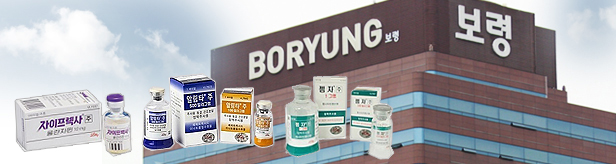
- The anticancer drug ‘Gemzar‘ and schizophrenia drug ‘Zyprexa' Boryung Pharmaceutical had acquired domestic sales and licensing lights of have enjoyed a rebound in sales. Sales of both drugs had been on a downfall prior to Boryung’s acquisition. Therefore, the analysis is that Boryung’s active portfolio expansion strategy and license acquisition activities have been effective. ◆Gemzar’s sales rise 33% after Boryung’s acquisition...plays a central role in Boryung’s oncology business According to the pharmaceutical market research institution IQVIA on the 25th, Gemzar raised KRW 19.1 billion in sales last year. Gemzar is a first-generation cytotoxic agent that contains gemcitabine. It was released in 1997. Gemzar’s sales have been on a decline until 2020. Its sales, which had reached KRW 14.5 billion in 2018, had fallen to KRW 14.3 billion by 2020. However, sales started rising in earnest starting in 2021. This is an unprecedentedly rare case for a drug that has been on the market for over 25 years. Gemzar’s sales are analyzed to have made a solid rebound after Boryung’s acquisition of its domestic rights in Korea. The company newly established the ONCO (Oncology) division in May 2020. At the time, the company had acquired rights to Gemzar in Korea from Eli Lilly. Quarterly sales of Gemzar (Unit: KRW 100 mil, Source: IQVIA) Building on Gemzar, the company’s oncology business has made rapid growth. Gemzar’s rising sales are analyzed to have driven sales growth of Boryung’s existing oncology drugs, including Campto, Oxalitin, Ditaxel1. In fact, sales of the three drugs had risen 2-9% last year. In the process, Boryung’s oncology business arose as the company's new growth engine. In Q4 last year, Boryung’s oncology business raised sales of KRW 46.4 billion and exceeded the KRW 45 billion made by the company’s existing key hypertension and hyperlipidemia treatment business during the same period. ◆ Zyprexa’s sales show signs of rebound...”Aims to record KRW 50 billion in CNS sales by 2025” Zyprexa’s sales are also showing signs of a rebound since Boryung’s acquisition. Last year, Zyprexa’s sales increased 2% from KRW 14.1 billion in 2021 to KRW 14.4 billion. Zyprexa, the olanzapine-containing schizophrenia treatment market had been released in 1997. Like Gemza, Zyprexa’s sales also was on a continuous decline until Boryung’s acquisition. Its sales, which had been KRW 16.8 billion in 2018, had declined to KRW 14.1 billion in 2021. Quarterly sales of Zyprexa (Unit: KRW 100 mil, Source: IQVIA) However, its sales first made a rebound last year. Boryung acquired all sales and licensing rights for Zyprexa in Korea from Lilly in October last year. Afterward, its quarterly sales had first declined to KRW 3.3 billion in Q2 last year, then made a rebound to and raised to KRW 3.9 billion by Q4. KRW 3.9 billion is the most quarterly sales the product has made since 2019 Q4. With the acquisition, the company announced plans to reinforce its CNS (central nervous system) treatment portfolio around Zyprexa. The company’s goal is to raise its CNS sales to ₩50 billion by 2025. ◆Will the company succeed in raising sales of Alimta as it had for Gemzar and Zyprexa?... Interest rises on whether the company will acquire additional sales rights Currently, the industry's attention is focused on another product Boryung acquired in October last year, Alimta. Boryung acquired the domestic rights for Alimta from Eli Lilly in October last year for KRW 100 billion (USD 70 million). Three products Boryung acquired domestic rights for. (from the left) Alimta, Gemzar, Zyprexa Alimta is a treatment for non-small-cell lung cancer that was approved in 2005. It is used as a chemotherapy for non-squamous NSCLC, and also used in combination with Keytruda. It had raised sales of KRW 21 billion last year. If the company succeeds in raising sales of Alimta as it had for Gemzar and Zyprexa, the company’s Legacy Brands Acquisition (LBA) strategy is expected to gain momentum. LBA is the strategy of acquiring original drugs after patent expiry. Boryung announced it plans to additionally introduce a product in Oncology and one other area this year, and another product in CNS by next year. The industry has been predicting that the company’s plans may be to introduce products through the acquisition of domestic rights through LBA.
- Opinion
- [Reporter's view] Implications of Lucentis biosimilar
- by Lee, Tak-Sun Feb 27, 2023 05:57am
- The domestic prescription drug market is not a market where prices can operate with competitiveness. This is because paying patients do not have the option to choose a product, and doctors who have the option do not have a margin on sales of insurance drugs, so there is little incentive to prescribe low-priced products. Because of this, even generics that sell products with the same ingredients want a higher insurance limit. However, in the product market where treatment costs are high and the number of products is small, price competition sometimes takes place. A good example is Lucentis biosimilar, a treatment for macular degeneration. Only two companies, Chong Kun Dang and Samsung Bioepis, entered the market for Lucentis biosimilars in January. Both companies put pressure on the original Lucentis by setting an upper limit that was less than the calculated amount. Chong Kun Dang's generic price is 300,000 won per bottle, which is only 36.6% of the original price limit of 820,636 won. Samsung Bioepis Amelivu was listed at 463,773 won, 56% of the original 828,166 won. In the case of biosimilars, you can receive an upper limit of 80% of the original amount, but the two companies were listed at a lower price than this in consideration of price competitiveness. Samsung Bioepis Amelivu will lower the price again in March. It will be reduced by about 24.5% from the existing 463,773 won to 350,000 won. Some analyze that they were conscious of the lowest price Chong Kun Dang products. Such voluntary cut competition is very welcome from the perspective of health insurance authorities. This is because companies can see the effect of reducing insurance financial expenditures as a result of voluntary cuts. Drugs that are cheaper than the calculated amount play a role in reducing finances, but there is no great benefit either. Products with scheduled sales prices that are lower than the calculated amount may also be subject to a drug price reduction by applying PVA. If the upper limit is not lowered during the PVA monitoring period, it will be subject to the same follow-up management as other products. There are also few government incentives to enhance the market competitiveness of low-cost drugs. Although there is a policy that provides incentives to pharmacists if they substitute cheaper drugs among the same-component drugs, it is not easy for pharmacists who do not have the right to choose prescription drugs. It is difficult for patients as well as medical staff to compete for low-cost drugs in a situation where the reliability of originals is much higher than that of latecomers such as generics or biosimilars. Therefore, low-price competition is entirely the responsibility of pharmaceutical companies. Doctors who have the right to choose products should be persuaded of the justification for choosing low-cost drugs. We hope that the low-price strategy of the two pharmaceutical companies will lead to success in the Lucentis biosimilar market. It is hoped that price cuts will be activated through the appearance of low-cost drugs that are rare and competitive in the domestic market, and that this will serve as an opportunity to increase the reliability of generics. The government should also promote the positive function of generics to the market by implementing more aggressive incentive policies for pharmaceutical companies that sell low-cost drugs.
- Company
- Will Luxturna will be deliberated by DREC for reimb?
- by Eo, Yun-Ho Feb 27, 2023 05:56am
- Industry attention is focused on whether progress will be made in discussions for the reimbursement of the one-shot retinal dystrophy treatment Luxturna. It was found that it is highly likely that Novartis Korea’s Inherited Retinal Dystrophy (IRD) treatment Luxturna (voretigene neparvovec) will be presented as an agenda for deliberation by the Health Insurance Review and Assessment Service’s Drug Reimbursement Evaluation Committee next month (March). Although the company applied for reimbursement of the drug in September 2021, no progress had been made on its listing since then. Being a high-priced one-shot treatment for a non-life-threatening condition, these factors have acted as a barrier to the reimbursement listing until now. By replacing the defective or defective RPE65 gene - one of the causes of IRD - with a normal gene, Luxturna restores the visual function of an IRD patient with a single administration. In other words, the drug provides a fundamental cure for IRD. Therefore, the passage depends on how well the company conveys the value of Luxturna in preventing blindness to the authorities. In the U.S., the drug was granted a Breakthrough Therapy Designation by the FDA in 2014, the drug was approved as an orphan drug in 2016, then granted priority review and a fast-track designation in 2017. IRD is a rare intractable disease in which vision loss occurs due to mutations in genes responsible for the structure and function of retinal photoreceptors. In addition to over 20 ophthalmologic diseases, there are currently over 300 genes that have been identified as being associated with IRD. IRD, which is caused by the mutation in the RPE65 gene, causes abnormalities in the visual cycle of the retina that converts visual information into a neural signal and delivers it to the brain. The mutation in the RPE65 gene reduces the RPE65 protein essential to the visual cycle and destroys the retinal cell, gradually narrowing the field of vision to eventually result in blindness. Meanwhile, the efficacy of Luxturna was demonstrated through a Phase III trial that was conducted on IRD patients with confirmed biallelic RPE65 mutations. Study results showed that the group of patients that received Luxturna demonstrated statistically significant improvements in their functional vision compared to the control group at one year of treatment. Using the mean score of the multi-luminance mobility test (MLMT), which evaluates the ability to complete the obstacle course at low light levels by recreating the daily walking environment, as the primary endpoint at one year of treatment, the MLMT score change in the Luxturna treatment group was 1.8 points, which was 1.6 points higher than the 0.2 points in the control group.
- Policy
- The value of pharmaceutical bio innovation is reflected
- by Lee, Jeong-Hwan Feb 24, 2023 05:53am
- Second Vice Minister Park Min-sooSecond Vice Minister of Health and Welfare Park Min-soo promised to support the biopharmaceutical sector by implementing drug pricing policies that reflect innovative values and improving the certification system for innovative pharmaceutical companies. Vice Minister Park also asked biopharmaceutical companies to make efforts to create blockbuster new drugs and jobs through bold technology development investment and open innovation. Vice Minister Park made this announcement at the '78th KPBMA regular general meeting' held at the KPBMA on the 21st. Vice Minister Park said, “The biopharmaceutical industry is at a very important juncture in leaping into the global market by having the capacity to develop innovative new drugs and to produce and export high-quality, large-scale medicines.” “We will support our biopharmaceutical industry to grow to the level of sixth in the global market through the establishment of mid- to long-term strategies such as a roadmap for regulatory innovation in the health sector and manpower training plans,” he said. Vice Minister Park said, "We will strive to improve related systems such as drug prices and innovative pharmaceutical company certification systems to appropriately compensate for the value of corporate innovation and ensure a stable supply of essential medicines." Please create blockbuster-level new drugs and create more jobs." Afterward, Vice Minister Park presented the Minister of Health and Welfare Commendation to five people of merit and expressed gratitude for their hard work in the pharmaceutical bio industry.
- Opinion
- [Reporter’s View] Decide whether to offer free HCV testing
- by Jung, Sae-Im Feb 24, 2023 05:53am
- Eight years have passed since discussions began on adding hepatitis C (HCV) screening as a free item in Korea’s national health examination program. Despite various supporting evidence that was produced during the period, including the feasibility study that started in 2016, and an analysis that showed that it was cost-effective to include HCV as a national health examination item, as well as the results of the pilot project, the government's intentions are still unclear. Recently, more feasibility analyses and follow-up management measures have also been released on the matter. One of the major reasons why the government was reluctant to introduce HCV screening to the national health examination was its prevalence rate. The first principle among the five conditions that must be satisfied for items to be added to the system is for the disease to be a ‘serious health condition,’ which is evaluated by whether the prevalence rate is 5% or higher. However, the prevalence rate of HCV is around 1%, therefore being unable to satisfy the condition. Its highest prevalence rate is in the 1.7% range for those aged in their 70s. Although the global prevalence rate of HCV remains below 1%, the World Health Organization has a different view on the gravity of the situation. The WHO had set the goal of eradicating HCV by 2030 and urged governments to actively implement policies on their part to achieve this goal. This goal was set as HCV can be easily cured with early diagnosis with the development of treatments, but also carries an increased risk of developing severe diseases such as liver cirrhosis or liver cancer when left untreated. The direct-acting antiviral (DAA) medications that were introduced to the field led to the era of curing HCV. Also, a retreatment option exists for the 1% of patients who fail treatment. This is why the WHO defined HCV as the next disease that can be eradicated after the smallpox virus. Even so, Korea is still stuck on the prevalence rate. An official from the Ministry of Health and Welfare who had attended the ‘32nd Conference of the Asian Pacific Association for the Study of Liver 2023 (APASL 2023),’ mentioned the prevalence rate of HCV in Korea, saying “Korea has a national health examination system in place for all citizens. Therefore, adding HCV screening as an item to the system can have a serious impact, and items should be careful and conservatively added in strict compliance with the set principles.” The remark seems to have been made to imply the authorities' stance on whether HCV screening, which has a low prevalence rate, should be included in the health examination system that is for the entire Korean population. If the prevalence rate was going to be a barrier in the first place, the government wasted more than KRW 1.3 billion in research funds on a concluded issue. No matter how cost-effective the introduction of hepatitis C screening is, all discussions become meaningless if the government raises prevalence as an absolute requirement. But diseases with a prevalence rate of less than 5% are already included for screening in the national health examination system. Therefore, the prevalence rate cannot be an absolute criterion for introducing items in the national health examination system. The government will soon be reviewing the research results that were newly presented this year. If it mentions the prevalence rate again this time, it would be safe to interpret their stance as saying, “Actually, the prevalence is just an excuse and the government has no intention of investing money in HCV." After 8 years of false hope, now is the time to draw a conclusion already.
