
- LOGIN
- MemberShip
- 2026-07-23 02:15:45

- Company
- KIPO, IPTAB to introduce ‘advance invalidation notice’
- by Hwang, byoung woo Sep 09, 2025 06:13am
- The Korean Intellectual Property Office (KIPO) and the Intellectual Property Trial and Appeal Board (IPTAB) announced a reform plan introducing a pre-announcement system for invalidation decisions (“advance invalidation notice”) in patent invalidation trials, dividing opinions within the pharmaceutical industry. Led by the Korea Pharmaceutical and Bio-Pharma Manufacturers Association (KPBMA), the domestic pharmaceutical companies expressed concern that this system could inadvertently delay the launch of domestic generic drugs, hindering market competition. Conversely, the Korean Research-based Pharmaceutical Industry Association (KPBMA), led by multinational pharmaceutical companies, welcomes the change, viewing it as a positive step toward strengthening patent holders' defense rights. Amid these conflicting views, IPTAB recently held an industry meeting to hear the pharmaceutical sector's concerns and is considering supplementary measures, including new exception clauses. Notably, it is considering exceptions for the link between drug approvals and patents. Patent trials to institutionalize additional correction opportunities, pharmaceutical industry on high alert In April, KIPO and IPTAB introduced improvements to the ‘advance invalidation notice’ system. This procedure informs parties in advance of the final decision outcome, aiming to strengthen patent holders' defense rights by granting them one more opportunity for correction (patent amendment). By ensuring patent holders sufficient time to defend themselves during the trial process, the reliability and stability of patents will be enhanced. KIPO emphasized that this change will “contribute to creating ‘premium patents’ that enjoy broad exclusive rights for high-value innovative technologies, with clear rights that are also effective against third parties.” In current practice, when a patent is ruled invalid, the patent holder has to separately file a lawsuit to overturn the decision or request a correction trial afterward. However, under the new system, if the trial division finds grounds to invalidate the patent, it will not immediately finalize the decision but will instead issue a prior notice stating it ‘will issue an invalidation decision’. Upon receiving this notice, the patent holder gains an additional opportunity to supplement the patent through a correction request within a specified period. In essence, it offers one more chance to save the patent. This is interpreted as part of the recently emphasized policy to foster premium patents, an effort to protect high-quality patents and support the technological competitiveness of domestic companies. The IPTAB also stated it will enhance the burden of proof for petitioners and improve procedural aspects like strict adherence to evidence submission deadlines, aiming to operate patent disputes more transparently and predictably. Domestic pharmaceutical companies express concern, “Generic launch delays... may be disadvantageous when obtaining first patent exclusivity ” The system for notifying patent invalidation decisions is not going to be implemented by the industry sector. However, while the domestic pharmaceutical industry agrees with the system's intent, it maintains that the unique characteristics of the pharmaceutical sector must be considered. Particularly, it is pointed out that if this system interacts with the drug approval-patent linkage system, it could cause critical delays for domestic pharmaceutical companies (generic manufacturers). Under the current approval-patent linkage system, the first generic company to successfully challenge a patent is granted a 9-month exclusive marketing authorization right (first generic exclusivity). However, during the patent dispute, the original drug’s company can apply for a sales ban to block the generic's launch for up to 9 months. If the generic company obtains a favorable ruling, such as patent invalidation, within the 9-month period, the sales ban is immediately lifted, allowing the early launch of generics. However, if no favorable ruling is obtained, the generic company must wait up to 9 months until the ban is lifted. Domestic firms believe that an advance invalidation notice may critically affect this timing. The original drug’s companies may amend patents at the last moment to avoid invalidation, which could rob generic drug manufacturers of their exclusivity, delay market entry by up to a year, and allow originals to maintain higher drug prices longer. The head of the patent team at domestic pharmaceutical company A pointed out, “This system could create an unreasonable situation where a generic drug that could have been approved and sold immediately ends up being released a year later. There is also the potential for some original drug companies to exploit this to maintain their drug prices for an extra year.” Such concerns were raised at an explanatory session held by IPTAB with the Korea Pharmaceutical and Bio-Pharma Manufacturers Association, leading to additional discussions. Domestic companies also raise concerns about the fairness of the system's application. This is because the advance invalidation notice system is highly likely to effectively favor multinational pharmaceutical companies. They argue that while domestic pharmaceutical companies hold fewer patents and have grown through generic patent challenges, multinational pharmaceutical companies hold numerous new drug patents in Korea. An industry insider stated, “While we agree with the intent, if implemented without exception clauses considering the unique characteristics of the pharmaceutical and biotech industry, domestic companies could be at a relative disadvantage.” Multinational pharmaceutical companies, “Expanded opportunity to amend patents... Expect it to enhance rights protection” Global pharmaceutical companies are welcoming the move. According to KRPIA, which represents multinational pharmaceutical companies, the introduction of the advance invalidation notice system is viewed as a positive measure that further strengthens the patent holder's right to defend. KRPIA assessed, “Receiving advance notice of the decision and being granted an additional opportunity for correction can clearly work to the patent holder's advantage.” Under the current Patent Act, opportunities for amendment requests are limited, mostly only possible during the early stages of invalidation trials (such as when submitting the first response). Consequently, there have been cases where patents were invalidated because amendments couldn't be made when clear issues emerged later in the proceedings. In such cases, patent holders were forced to bear the cost and time burden of filing a lawsuit to overturn the decision and separately requesting a correction trial. The introduction of the advance notice system would allow them to rectify the situation immediately during the trial stage through additional corrections, making the process more efficient. A KRPIA official stated, “Even a single opportunity for additional amendments could become a highly significant strategic option for patent holders in their defense. Receiving advance notice of the anticipated decision from the IPTAB to prepare tailored amendments will also substantially aid in protecting rights.” However, multinational companies also anticipate that the effectiveness will vary depending on the detailed design of the system. KRPIA stated, “We must await the final system design to judge, but if the structure provides an additional unconditional amendment opportunity after the anticipated decision notice, it is highly likely to positively impact patent holder rights protection. The precise effect can only be assessed upon reviewing the specific details of the system design to be released later.” IPTAB shares concerns with the pharmaceutical industry...reviews supplementary measures The IPTAB stated it is discussing the creation of new exception clauses as a supplementary measure to address concerns from the domestic pharmaceutical industry. In response to Dailypharm's inquiry regarding this matter, the IPTAB’s Adjudication Policy Division stated, “We have internally discussed measures to provide exceptions to prevent domestic pharmaceutical companies from suffering disadvantages.” Specifically, it is reviewing a proviso clause that would allow the omission of the advance notice-and-hearing procedure for invalidation trials related to the Ministry of Food and Drug Safety's approval-patent linkage system. Given that swift rulings are particularly crucial in pharmaceutical patent disputes, the plan is to allow the trial division to issue a ruling immediately without the notice procedure upon request by interested parties, after assessing the nature of the case. The IPTAB stated that it plans to explicitly include these details in the upcoming Patent Act amendment. If such an exception clause is introduced, the procedure for issuing immediate decisions will be maintained in patent disputes that could affect the future launch of generic drugs, as was previously the case. An IPTAB official emphasized, “We will ensure the intent established by other statutes is not undermined,” stressing that the implementation of the notice system will be harmoniously designed so as not to undermine the principle of concluding trials under the approval-patent linkage system within 9 months. In practice, the MFDS and the IPTAB have long operated systems like advance trials to harmonize generic drug approvals and patent disputes. This time, they are expected to refine the scope and requirements for applying exceptions through inter-agency consultations. The IPTAB official added, “We will supplement the system by reflecting field feedback, but we will find a balance point that does not derail the system's implementation itself.”
- Opinion
- [Reporter's View] Interest Rate Cuts and Investment Revival
- by Kim, Jin-Gu Sep 09, 2025 06:13am
- Will the long wait finally come to an end? With growing expectations that the U.S. Federal Reserve will lower its benchmark interest rate, optimism is rising that frozen investor sentiment could finally thaw. The Korean pharmaceutical and biotech sector, particularly bio-ventures with strained finances, has endured severe challenges. As external funding dried up in the wake of the COVID-19 endemic, many companies were forced to let go of researchers, sell off facilities and patents, and, in many cases, shut down entirely. Even as of September 2025, numerous firms remain on the brink of survival. Investment in actual biotech ventures peaked in 2021 and has sharply contracted since. According to the Korea Venture Capital Association, domestic venture investment in the bio-medical sector, which reached KRW 1.677 trillion in 2021, shrank to KRW 1.1058 trillion in 2022 and KRW 884.4 billion in 2023. Although it rebounded to KRW 1.0695 trillion last year, it remains at the 2019 level (KRW 1.1033 trillion). Analysts attribute this investment contraction to the prolonged period of high interest rates. The U.S. Federal Reserve's tightening stance has dampened the investment environment globally and across all industries, squeezing the lifeblood of biotech ventures with weak funding capabilities. However, the situation is shifting as strong signals for U.S. interest rate cuts emerge. Recent wobbles in U.S. economic indicators have bolstered financial market expectations that the Fed will lower its benchmark rate by 25-50 basis points this month. Major investment institutions, including Morgan Stanley, also strongly anticipate rate cuts within the year. Of course, a reduction in the U.S. Federal Reserve's benchmark rate does not immediately guarantee a flood of new investment capital into domestic pharmaceutical and biotech companies. A clear time lag is expected before the waves of the global macroeconomy reach Korea. Time is also needed for investor confidence to recover. Even if investment sentiment does recover, the likelihood of funds flowing into companies that have yet to prove their performance remains limited. Still, even a modest easing of funding pressures that have strangled biotech R&D would be highly meaningful. For ventures and mid-sized firms caught at the crossroads of survival, it may provide the breathing room needed to continue both research and operations. The darkest hour comes before the dawn. As signs of recovery emerge from an investment environment battered by high rates, an opportunity for renewed growth is approaching. The capabilities honed through enduring harsh times will fuel the upcoming leap. Pushing through just a little further now could turn past perseverance into tangible results. It is this reporter’s hope that the Korean pharmaceutical and biotech industry seizes this change as an opportunity to make a new leap forward.
- Company
- Interest in Wegovy and Mounjaro rises at KSSO conference
- by Kim, Jin-Gu Sep 09, 2025 06:12am
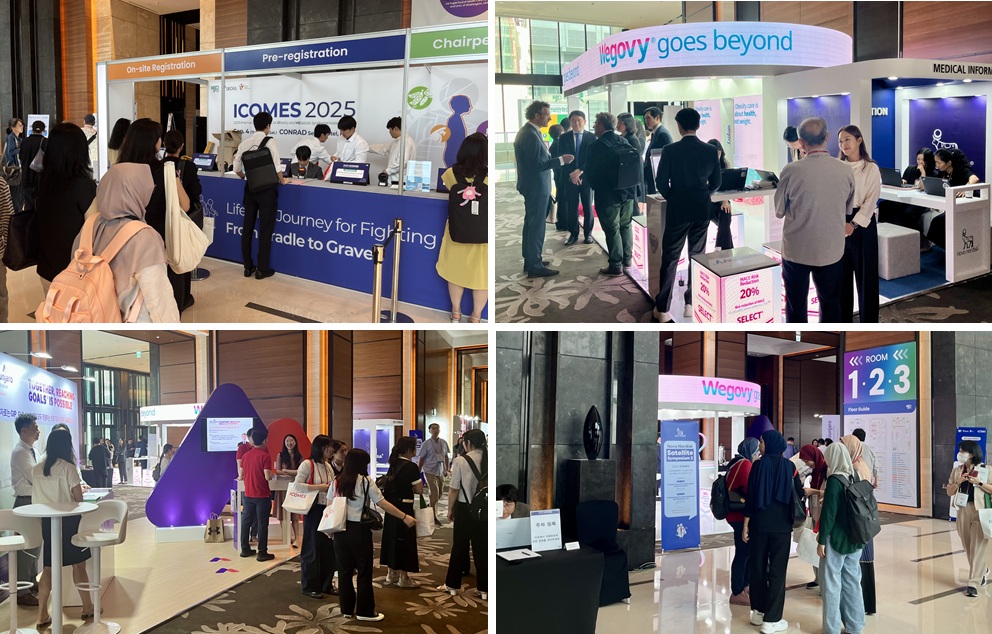
- On the morning of September 5 at Conrad Hotel, Yeongdeungpo, Seoul, a long line formed in front of the registration desk for the Autumn Conference of the Korean Society for the Study of Obesity (KSSO). With more than 1,000 pre-registered attendees, the conference drew continuous interest from healthcare professionals from the very first day. The surge of interest reflects the recent launches of the GLP-1 class obesity drugs Wegovy (semaglutide) and Mounjaro (tirzepatide). According to a conference official, “This is the first time we’ve had over 1,000 pre-registrants. When including on-site registration, more than 1,500 people are expected to attend.” Given the high turnout, Novo Nordisk and Eli Lilly engaged in a fierce competition to capture physicians’ attention through large promotional booths. Novo Nordisk secured the most prominent location near the entrance and set up the largest booth among all participating companies. It was the second year in a row that Novo Nordisk operated a Wegovy booth, but this year, with Lilly’s Mounjaro newly launched, their promotional efforts were even more aggressive. The Wegovy booth emphasized three key clinical benefits - ▲Over 20% body weight reduction, ▲20% reduction in major adverse cardiovascular events, ▲up to four years of long-term follow-up data- which were displayed prominently on the booth walls, drawing attention from healthcare professionals. Novo Nordisk organized an interactive event where conference attendees selected the most important message and placed a ball into a transparent box. The booth naturally drew large crowds, and participants intuitively grasped Wegovy's three key benefits. A Novo Nordisk representative stated, “As the pioneer that opened the GLP-1 obesity treatment market, we focused on communicating Wegovy's clinical value. We will do our utmost to further grow and lead the obesity treatment market.” The company also promoted Wegovy’s indication expansion plans. Currently approved for adult obesity, Novo Nordisk is seeking to expand the indication to include adolescents and has already submitted a related application to the Ministry of Food and Drug Safety. Right next to Novo Nordisk, Lilly set up its Mounjaro booth. Emphasizing its dual mechanism of action on both GIP and GLP-1 receptors, Lilly highlighted the strong weight-loss efficacy of Mounjaro. A Lilly representative commented, “This is our first time setting up a Mounjaro booth. With the autumn academic conference season underway, we plan to establish booths at other events, such as the Korean Academy of Family Medicine and the Society for Korean Obesity and Metabolism Studies, to promote the product.” The representative added, “Many attendees asked us to compare the strengths of competing products. As the market grows, both Wegovy and Mounjaro will benefit. Rather than competition, we aim for joint growth through cooperation.” The sponsorship tiers at the conference also reflected the two companies’ weight. Among 46 participating firms, Novo Nordisk was a Diamond sponsor, the highest tier. Lilly joined Hanmi Pharmaceutical and Chong Kun Dang as Platinum sponsors. Alvogen, Daewoong Pharmaceutical, Yuhan Corporation, and HK inno.N participated as Gold sponsors, while Dong-A ST, AstraZeneca, LG Chem, and Celltrion Pharm were among the Silver sponsors. On-site, physicians naturally gravitated toward the two major booths. One family medicine specialist remarked, “It was helpful to compare weight-loss effects and safety profiles. Beyond the brochures, the booth staff answered questions directly, which made it much easier to understand.”
- Company
- "Effect of Bavencio on long-term survival confirmed"
- by Son, Hyung Min Sep 09, 2025 06:12am
- Professor Jae-lyun Lee of Seoul Asan HospitalAt the conference held in Korea, Bavencio's real-world data (RWD) have been unveiled, extending beyond its initial trial that served as the basis for approval. Bavencio maintenance therapy has been shown to prolong the lives of patients with urothelial carcinoma in multiple countries, including Korea, Japan, France, and the U.S. Notably, the sequential treatment results with an antibody-drug conjugate (ADC), a global R&D trend, have also been positive. Global RWD Shows OS Surpassing 40 Months...ADC Combination Strategy Yielded Results At the annual meeting of the Korean Society of Medical Oncology (KSMO) held on September 5, long-term survival outcomes for Bavencio (avelumab), a treatment for advanced or metastatic urothelial carcinoma, were unveiled. The key result was that the latest result from a real-world clinical setting surpassed the overall survival (OS) observed in Bavencio's approval trial, JAVELIN Bladder 100 (JB 100) trial. The platinum-based chemotherapy previously used for patients with metastatic urothelial carcinoma shows high response rates. However, its toxicity and lack of durability made long-term treatment difficult, with survival benefits lasting only 12-15 months. Even with a response, 70% of patients relapsed within a year, patients and doctors having to endure treatment gaps. Bavencio recorded a median OS of 29.7 months in the JB 100 trial, an improvement of over 9 months. This effect was consistently confirmed in global RWD involving over 5,100 patients from the U.S., Europe, Japan, and Korea, with some cohorts even reporting superior results. The value of an anti-cancer drug depends on whether its clinical trial outcomes can be reproduced in a real-world setting. While clinical trials are conducted under limited conditions, real patient populations are far more complex. RWD is considered a key piece of evidence that bridges this gap and validates the efficacy and safety of a treatment. Professor In-Ho Kim of Seoul St. Mary's Hospital's Division of Medical Oncology, who presented on the changes in metastatic urothelial carcinoma (mUC) treatment in Korea and the significance of first-line maintenance therapy, stated Bavencio's outstanding tolerability as a key strength. The advantage of this drug enables patients to continue treatment stably for an extended period. Professor In-Ho Kim of Seoul St. Mary Professor Kim explained, "The results confirmed in Bavencio's clinical trials are being directly replicated in real-world clinical setting. Specifically, it has been demonstrated that toxicity issues, which were effectively managed under strict monitoring in clinical trials, can also be adequately controlled in a real-world setting. Thanks to these characteristics, We believe Bavencio is not just a new treatment option for patients but is setting a criteria for long-term treatment." For example, the PATRIOT-II study in the U.S., which analyzed the medical records of 160 patients, showed a median OS of 30.5 months from the start of chemotherapy and 24.4 months from the beginning of maintenance therapy. The JAVEMACS study conducted in Japan showed that the long-term survival effect was also replicated in an Asian patient population, with a median OS of 38.9 months from the start of chemotherapy and 31.8 months from the beginning of maintenance therapy. The AVENANCE study conducted in France is also notable. In a subgroup of 55 patients who received Bavencio maintenance therapy after first-line chemotherapy and then received the ADC enfortumab vedotin as a second-line therapy, the median OS reached 41.5 months. This contrasts with the median OS of just 24.5 months in a group of patients with similar conditions who received a platinum-based chemotherapy again. Such results demonstrate that the possibility of treatment sequence of 'platinum chemotherapy-Bavencio-ADC' as a long-term survival regimen. Furthermore, it is significant that the study included over 15% of patients with a performance status of ECOG 2 or higher, proving its efficacy even in a more realistic patient population. Korea data have also supported these results. An analysis of an Expanded Access Program (EAP) involving 30 patients from five Korean hospitals between 2021 and 2023 showed that the median progression-free survival (PFS) from the start of Bavencio was 7.9 months, surpassing the 5.5 months in the JB 100 trial. The complete response (CR) rate was 20%, with a median duration of CR of 17.8 months. The fact that these results were consistent with global outcomes, despite a challenging patient population where 67% were Stage 4 at diagnosis and 40% had visceral metastases, is significant. This is also the reason why Bavencio quickly became the standard of care for first-line maintenance therapy soon after its approval for reimbursement. Professor Jae-lyun Lee of Seoul Asan Hospital's Department of Oncology, who chaired the session, emphasized, "Bavencio is a treatment that fundamentally overturned the previous 12-15 month survival median with a median OS of 29.7 months." Lee added, "The fact that the survival benefit confirmed in the clinical trials has been replicated in RWD shows that long-term survival is no longer just an expectation but a reality." Bavencio is also supported by evidence of effortless side effect management and improved quality of life. In both clinical trials and RWD, adverse reactions were mild or manageable, and treatment discontinuation was rare. Long-term administration was possible even in elderly patients and those with comorbidities, and it yielded positive results in terms of quality of life indicators. A post-hoc analysis using the Q-TWiST index showed that Bavencio-treated patients had, on average, 4.2 months longer time without toxicity than those in a standard-of-care group. Based on this various clinical trial and RWD evidence, Bavencio is currently recommended as a standard-of-care for first-line maintenance therapy in metastatic urothelial carcinoma by organizations including the National Comprehensive Cancer Network (NCCN), the European Society for Medical Oncology (ESMO), and the European Association of Urology (EAU). In particular, it is designated as a Category 1 treatment in the NCCN guidelines. In Korea, patient access has also significantly improved following Bavencio approval in 2021 and reimbursement in August 2023. Professor Hongsik Kim of Chungbuk National University Hospital Professor Hongsik Kim of Chungbuk National University Hospital's Department of Hematology and Oncology, who presented on the topic of 'The Treatment Journey for Metastatic Urothelial Carcinoma,' said, "Bavencio can be safely administered to elderly patients and those with chronic kidney disease. The fact that this drug can provide long-term and sustained responses makes it clinically very significant. Although immune-related adverse events (irAEs) may occur during immunotherapy, it is important to maintain careful clinical judgment and not prematurely discontinue treatment." Professor Kim added, "irAEs can occur even more than a year after treatment, making careful long-term monitoring essential. Considering all these factors, We believe Bavencio is an option that can reliably provide patients with long-term treatment opportunities in a real-world clinical setting." Finally, Professor Lee added, "While various options are emerging in the urothelial carcinoma treatment market, it is rare to find a drug like Bavencio with proven long-term follow-up data and broad RWD." Lee concluded, "With the clinical efficacy, safety, and health insurance reimbursement of Bavencio, it has become a standard-of-care in Korea."
- Company
- Bispecific Ab 'Epkinly' for DLBCL available at gen hospitals
- by Eo, Yun-Ho Sep 08, 2025 06:17am
- Product photo of Epkinly'Epkinly,' a new innovative drug that is a T-cell-engaging bispecific antibody, is now available for prescription at general hospitals. According to industry sources, AbbVie Korea's Epkinly (epcoritamab), the treatment of relapsed or refractory diffuse large B-cell lymphoma (DLBCL), passed the drug committees (DC) of tertiary general hospitals, including Samsung Medical Center, Seoul National University Hospital, Asan Medical Center, and Seoul St. Mary's Hospital, as well as medical institutes, including Seoul National University Bundang Hospital, Yeouido St. Mary's Hospital, Wonju Severance Christian Hospital, Jeonbuk National University Hospital, Chungnam National University Hospital, and Chonnam National University Hwasun Hospital. As Epkinly is under review for insurance reimbursement and has passed the Health Insurance Review & Assessment Service (HIRA)'s Cancer Disease Review Committee, it is expected to be available for prescription once it is included in the listing. Epkinly, approved in Korea last June, was also designated as an orphan drug by the Ministry of Food and Drug Safety. Epkinly is a type of immunoglobulin 1-based bispecific antibody that simultaneously binds to CD3 on T-cells and CD20 on B-cells, with a mechanism that induces T-cell-mediated killing of lymphoma B-cells. The drug recently received approval from the U.S. FDA through an accelerated approval program, and the Phase 1/2 EPCORE NHL-1 study served as the basis for approval. The study enrolled 148 patients with CD20-positive DLBCL. Of these patients, 86% had unspecified DLBCL, 27% had DLBCL transformed from indolent lymphoma, and 14% had high-grade B-cell lymphoma. As a result, Epkinly showed an objective response rate of 61%, a complete response rate of 38%, and a median duration of response of 15.6 months in relapsed or refractory DLBCL patients who had received an average of three prior treatments. Professor Deok Hwan Yang of Chonnam National University Hwasun Hospital's Department of Hematology said, "Epkinly, a bispecific antibody treatment, showed a complete response rate similar to that of CAR-T therapies. Furthermore, it can be administered to patients immediately at a medical institution without a separate manufacturing period. As it targets a different antigen from CAR-T therapies, which target CD19, it also has the advantage of being usable in patients who have failed CAR-T therapy."
- Company
- Competitiveness of K-anticancer drugs reaffirmed
- by Son, Hyung Min Sep 08, 2025 06:17am
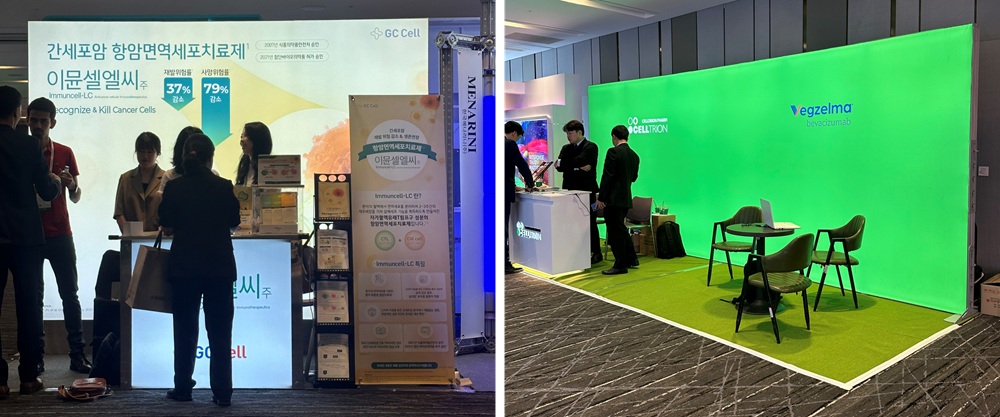
- Korean pharmaceutical companies gathered in one place to show off their anti-cancer pipelines, including both in-house developed and imported new drugs. At the Korean Society of Medical Oncology 2025 International Conference (KSMO 2025), which was held over three days from September 3 at Walkerhill Hotel in Seoul, major domestic pharmaceutical companies showcased their oncology pipelines, including both self-developed and in-licensed drugs. Companies such as Yuhan, Boryung, GC Cell, Jeil Pharmaceutical, and Celltrion highlighted their therapies, including Lazertinib, Zepzelca, Immuncell-LC, Lonsurf, and Vegzelma, covering a wide range of solid and hematologic cancers. Domestic companies focus on promoting self-developed drugs and biosimilars Yuhan spotlighted its non-small cell lung cancer (NSCLC) therapy, Lazertinib. Lazertinib was approved as Korea’s 31st novel homegrown drug approved in in January 2021. The technology of the drug, which was originally developed by Genosco (a subsidiary of Oscotec) was transferred to Yuhan in 2015. Yuhan later signed a USD 1.4 billion out-licensing deal with Janssen in November 2018. Janssen confirmed Lazertinib’s efficacy compared with Tagrisso monotherapy, the current standard of care. Through the MARIPOSA Phase III trial, In August 2023, the U.S. FDA approved Lazertinib as a combination therapy as a first-line treatment for EGFR-positive NSCLC. The combo regimen is expected to extend overall survival (OS) by more than a year versus existing therapies. With over half of the patient group still alive, the trial is expected to reveal further significant improvements as new data emerges. (from the left) GC Cell and Celltrion GC Cell promoted Immuncell-LC, an autologous cell therapy originally developed by InnoCell (the predecessor of GC Cell). The therapy uses mononuclear cells extracted from a cancer patient’s blood, cultured for over two weeks with anti-CD3 and IL-2 stimulation. The activated immune cells target and eliminate cancer cells in the body. Immuncell-LC functions by inducing activated T-lymphocytes and autologous cytokine-induced killer cells (CIK) to seek out and eliminate cancer cells within the body. In a nine-year extended follow-up study of a Phase III trial in hepatocellular carcinoma, Immuncell-LC showed recurrence-free survival (RFS) of 43.5 months, compared with 27.4 months for the control group, with cancer-specific survival (CSS) not yet reached in either group. Hanmi Pharmaceutical showcased Rolontis, a neutropenia drug that was approved in Korea in 2021 as the 33rd novel homegrown drug. Marketed as Rolvedon in the U.S., it generates over KRW 20 billion in quarterly revenue. Hanmi has been working to strengthen Rolontis’s competitiveness through a same-day administration trial. Unlike existing drugs such as Neulasta, which require administration 24 hours post-chemotherapy, Rolontis allows for same-day dosing, reducing hospital stays and improving convenience. Celltrion highlighted Vegzelma, a biosimilar to Roche’s Avastin (bevacizumab). Now launched across Korea, the U.S., and Europe, Vegzelma has become the top-selling bevacizumab biosimilar in Europe. (clockwise from the upper left) Jeil Pharmaceutica, Yuhan Corp, Boryung, and Hanmi PharmaceuticalIntense Competition in In-Licensed Oncology Drugs Boryung emphasized its portfolio of in-licensed drugs, including Gemzar and Alimta. Boryung acquired Korean rights to the cytotoxic anticancer drug for NSCLC and pancreatic cancer, Gemzar (originally by Eli Lilly), in October 2020, later adding the NSCLC drug Alimta’s rights in 2022 and transitioning from imports to in-house production. Boryung also pinned hopes on the SCLC drug Zepzelca (developed by Spanish company PharmaMar), for which it holds exclusive sales rights in Korea. A symposium on the Phase III IMforte study on its use in combination with the immunotherapy drug Tecentriq was also being held, focusing efforts on establishing Zepzelca as the standard of care. Zepzelca is a novel drug developed by the Spanish pharmaceutical company PharmaMar, and is already being marketed in North America by Jazz Pharmaceuticals. Boryung holds exlclusive right to its sales and distribution in Korea. Zepzelca inhibits DNA transcription in cancer cells and reduces tumor-associated macrophage (TAM) activity, thereby blocking cancer cell proliferation, immune evasion, and angiogenesis. Zepzelca is being tested in the IMforte Phase III trial as a first-line option for small-cell lung cancer in combination with the immunotherapy Tecentriq (atezolizumab). Early results show survival benefits compared with Tecentriq alone. Jeil Pharmaceutical presented Lonsurf, which the company licensed from Japan’s Taiho. Approved in the U.S. in 2015 and now in 75 countries, Lonsurf is indicated for metastatic colorectal cancer and, since 2021, for metastatic gastric cancer.
- Company
- Kerendia+Jardiance combo demonstrates early benefit
- by Hwang, byoung woo Sep 08, 2025 06:16am
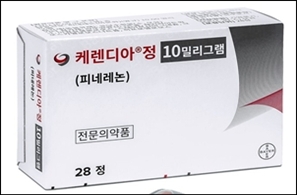
- Kerendia (finerenone), a treatment for chronic kidney disease, has strengthened its clinical presence by demonstrating efficacy in combination with the SGLT-2 inhibitor Jardiance (empagliflozin). Pic of Kerendia Kerendia is the first non-steroidal mineralocorticoid receptor antagonist (MRA), with a novel mechanism of action that directly suppresses inflammation and fibrosis in the kidney. In June, results from the CONFIDENCE study drew attention by confirming the benefit of early combination therapy with SGLT-2 inhibitors. The trial included 818 patients with type 2 diabetes and CKD (eGFR 30–90 mL/min/1.73m², urine albumin-to-creatinine ratio [UACR] ≥100–
- Policy
- Six strengths of obesity drug Mounjaro Quick Pen approved
- by Lee, Hye-Kyung Sep 08, 2025 06:16am
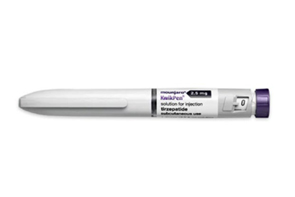
- Following its launch in Korea, Eli Lilly has expanded the product lineup of its obesity treatment Mounjaro (tirzepatide) by receiving approval for the Mounjaro QuickPen formulation. On September 5, the Ministry of Food and Drug Safety approved 6 QuickPen doses: 2.5 mg/0.6 ml, 5 mg/0.6 ml, 7.5 mg/0.6 ml, 10 mg/0.6 ml, 12.5 mg/0.6 ml, and 15 mg/0.6 ml. Mounjaro is a once-weekly injectable single molecule that selectively binds to and activates both the GIP and GLP-1 receptors. Treatment is initiated at 2.5 mg (step 1) and increased in increments after at least four weeks. Unlike Saxenda and Wegovy, which are only available as single-pen formulations, Mounjaro is offered in multiple formulations — beginning with pre-filled syringes, now QuickPens, and vials in the pipeline. In the case of the pre-filled formulation, one pen contains one dose, requiring four pens per month. In the case of the Quickpen that was approved this time, one pen now contains four doses, covering an entire month, similar to Saxenda and Wegovy. The vial formulation, which is pending approval, is administered via syringe and needle. While this is less convenient, it is expected to be more affordable. Meanwhile, Mounjaro has faced nationwide shortages within just three weeks of launch, particularly for the starter 2.5 mg dose. Lilly Korea is also pursuing reimbursement for its diabetes indication. In Korea, Mounjaro is approved for glood glucose control in adults with type 2 diabetes (monotherapy or combination therapy); chronic weight management in adults with obesity or overweight with at least one weight-related comorbidity; and adjunctive therapy to diet and exercise for obesity with moderate-to-severe obstructive sleep apnea in adults.
- Opinion
- [Reporter's View] Approval-to-reimbursement takes only 6 mth
- by Lee, Hye-Kyung Sep 08, 2025 06:15am
- The Ministry of Food and Drug Safety (MFDS) has been operating the 'Global Innovative products on Fast Track (GIFT)' since 2022. GIFT is a 'Program Supporting the Expedited Review of Global Innovative Products' launched by the MFDS, aiming to quickly launch medicines for life-threatening diseases, such as cancer, and rare diseases, as well as those demonstrating innovativeness. It is intended to deliver these medicines to patients quickly. According to the MFDS, 55 items have been designated as GIFT over the past three years. Significant achievements have been made; for example, 39 items among these were approved. Notably, GIFT-designated products, which are treatments for severe and rare diseases, are a good fit for the 'concurrent approval-evaluation-negotiation pilot program' led by the Ministry of Health and Welfare since 2023 and are generating synergistic effects. The 'concurrent approval-evaluation-negotiation pilot program' is a system that supports expedited National Health Insurance listing by conducting MFDS product approval, Health Insurance Review & Assessment Service (HIRA) reimbursement evaluation, and National Health Insurance Service (NHIS) drug price negotiation in parallel. Previously, the process from approval to reimbursement took over 300 days: 120 days for MFDS approval, 150 days for HIRA evaluation, and 60 days for NHIS negotiation. This pilot program has shown that such procedure was cut by about half. Candidates for the pilot program must meet specific criteria, such as treatments for cancer or rare diseases with a life expectancy of less than one year, a small patient population, the absence of alternative treatments, and demonstrated superior efficacy with over two years of survival. As such, GIFT-designated products are the optimal candidates. All five products selected for the pilot program so far have been GIFT products: Recordati Korea's Qarziba (dinutuximab beta), Ipsen Korea's Bylvay (Odevixibat), Curocell's LimKato (anbasel), UCB's Fintepla (fenfluramine), and MSD's Winrevair (sotatercept). Currently, Qarziba, Bylvay, and Winrevair have received expedited approval. Qarziba, in particular, was reimbursed from December 1, 2024, completing the process from approval to drug pricing in just six months. In terms of results, both the GIFT program and the 'concurrent approval-evaluation-negotiation pilot program' are welcome developments for the industry and for improving patient access. However, even though the systems have been in operation for two to three years, their scope remains limited, and there are concerns for broader implementation. While the GIFT program has established a preferential drug pricing regulation for new drugs developed by innovative pharmaceutical companies, only five products (2.6%) that received expedited review under GIFT have been approved. The selection criteria for the 'concurrent approval-evaluation-negotiation pilot program' are also so stringent that it is difficult to select more products, even from the GIFT list. Although the government is aware of the need for expanded operation based on the systems' records, there is a perception that many issues still need to be resolved regarding staffing and inter-ministerial communication. As the necessity of these systems is proven by their results, there may be a need to focus on expanding the expedited review and 'concurrent approval-evaluation-negotiation pilot program.'

- Policy
- Savings of KRW 32.6B expected from 2025 'Type-Da' PVA nego
- by Lee, Tak-Sun Sep 05, 2025 06:20am
- The National Health Insurance expenditure is expected to see a savings effect of approximately KRW 32.6 billion due to this year's negotiation for the 'Type-Da' Price-Volume Agreement. This year's negotiated items total 110, comprising 48 active ingredients. The ceiling price of these items has been adjusted as of September 1. Items subjected to one-time reimbursement instead of drug price reduction are also included in this list. According to the National Health Insurance Service (NHIS), on September 4, National Health Insurance expenditure is anticipated to be reduced due to the adjusted ceiling price (including one-time reimbursement cases) resulting from the successful negotiation of the 'Type-Da' Price-Volume Agreement. Items included in 'Type-Da' list are those that do not meet criteria for 'Type-Ga' or 'Type-Na.' When a drug has been listed for four years or more, its ceiling price is adjusted through negotiations with the National Health Insurance Service if the claim amount for the same product group increases by more than 60% compared to the previous claim amount, or by more than 10% and exceeds KRW 5 billion. This year, a total of 110 items comprising 48 ingredients were subject to negotiations. This includes several blockbuster products such as Hanmi Pharmaceutical's Rosuzet Tab, Yuhan's Rosuvamibe Tab, Celltrion's Remsima Inj, Organon's Atozet Tab, and Janssen's Concerta OROS Tab. Analysis suggests that the National Health Insurance finances are expected to see savings of approximately KRW 32.6 billion from this year's PVA negotiation. This figure decreased from last year's savings of KRW 52.1 billion, as last year's Type D negotiations included 207 items comprising 63 product types, which was more than this year. Meanwhile, eight drugs, including Daewon Pharmaceutical's Codaewon S Syrup, were signed up for one-time reimbursement instead of a price cut due to temporary usage increases resulting from unavoidable circumstances, such as the COVID-19 pandemic. The one-time refund contract was introduced to promote the stable supply of medicines. Additionally, 12 items from innovative pharmaceutical companies were selected as negotiation targets three or more times within a five-year period, resulting in a 30% reduction in the price cut rate. The NHIS has been implementing this reduction plan since last year to enhance the sustainability of the pharmaceutical ecosystem.
