
- LOGIN
- MemberShip
- 2026-07-22 03:12:16
- Opinion
- Samoh Pharm’s expansion after Voxzogo reimb…orphan drug portfolio
- by Hwang, byoung woo Jul 20, 2026 08:50am
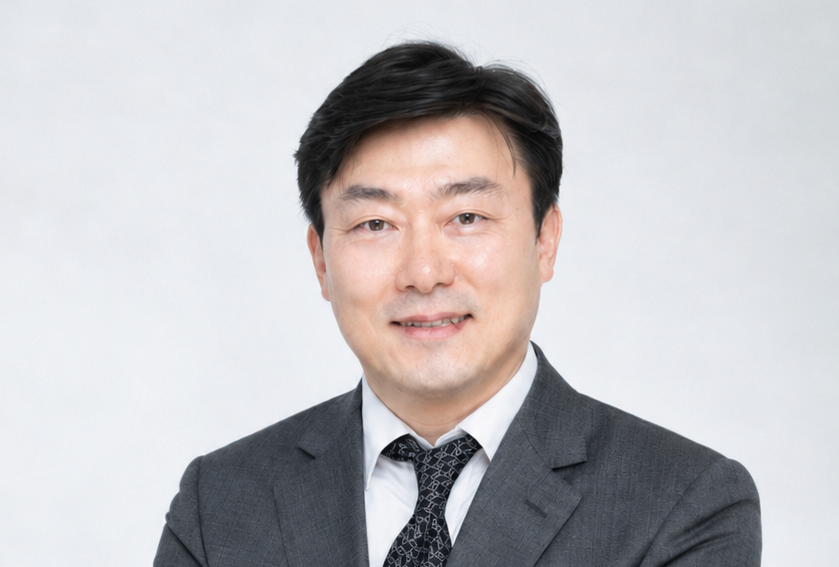
- The reimbursement of 'Voxzogo (vosoritide),' the first treatment for pediatric achondroplasia in South Korea, under the national health insurance has opened a new treatment option for patients. At the same time, it has provided a turning point for Samoh Pharm to expand its rare disease business, spanning over 20 years, to the next level.Chang-Deok Ji, Managing Director of the Orphan Drug Business Unit at Samoh Pharm, who spearheaded the domestic introduction and launch of Voxzogo, sought to establish a new commercialization model through this project, connecting global innovative therapeutics with the domestic healthcare environment.DailyPharm met with Ji from Samoh Pharm's Orphan Drug Business Unit to discuss the significance of the Voxzogo launch, the company's rare-disease business strategy, and its future vision."Voxzogo is a project that takes our accumulated experience to the next level"Chang-Deok Ji, Managing Director of the Orphan Drug Business Unit at Samoh PharmDirector Ji evaluated Voxzogo as a project with a distinctly different nature from previous rare-disease drug launches.Over the past 20 years, Samoh Pharm has accumulated specialized expertise by introducing and supplying a range of orphan drugs in South Korea, including treatments for Fabry disease, Gaucher disease, Pompe disease, mucopolysaccharidosis (MPS), and phenylketonuria (PKU).Ji explained that while Voxzogo is an extension of this trajectory, its significance lies in the fact that it served as an opportunity to upgrade the company's business operations and commercialization capabilities rather than simply adding a new product to the portfolio."Rather than just being a single new product, Voxzogo is part of a project that implements our accumulated experience and know-how in a new way, and it marks a turning point for our rare disease business to leap forward to the next level," Ji said.Voxzogo is the first pharmacological treatment option approved in South Korea for pediatric patients with achondroplasia aged 4 months and older whose growth plates are not yet closed. It is recognized as an innovative therapeutic that regulates the FGFR3 signaling pathway through a CNP analog mechanism."While being the country's first treatment option is important, the greater significance lies in offering patients and caregivers the possibility that 'treatment is now a choice,'" Ji said. "Since achondroplasia accompanies not only short stature but also recurrent surgeries and various complications, we can expect long-term health management and improved quality of life beyond just growth enhancement.""Rare disease business is about creating a treatment setting, not just selling a product"Ji has built a 25-year career in the pharmaceutical industry, dedicating more than 15 years to the rare disease sector. He has led organizational setup and new product launches at global rare-disease enterprises, executing a range of commercialization projects. The Voxzogo project is an example of how to optimize and apply this extensive experience in the domestic medical landscape."Our role is to connect globally accumulated innovation with the domestic healthcare environment so that it translates into patient treatment," he explained.The Voxzogo business was implemented through close collaboration with BioMarin Pharmaceutical. The structure leverages BioMarin's R&D capabilities and global experience, alongside Samoh Pharm's domestic execution capabilities, to successfully integrate the innovative therapeutic into local clinical practice.However, Ji emphasized that the core of the rare disease business lies in building a comprehensive therapeutic environment rather than the product itself."The rare disease sector is not an area where a market is formed simply by launching a single product. From patient identification and diagnosis to the initiation of treatment and long-term management, every stage must be organically linked for the therapy to reach the patient successfully," Ji noted.Based on this philosophy, Ji established an operational framework within the Orphan Drug Business Unit that seamlessly connects medical affairs, marketing, and patient support functions."What matters more than the size of the organization is expertise and execution," Ji said. "Our competitiveness lies in providing rapid and sophisticated support to healthcare providers and patients based on a lean yet powerful organization.""Voxzogo is not the end, but a greater beginning"Ji assessed that the impact of Voxzogo extends beyond the performance of a single product, serving as a blueprint for the future direction of the rare disease business."What we confirmed through Voxzogo was not merely the market potential of a single innovative therapeutic," he shared. "Rather, it proved that we could realize a patient-centric rare disease commercialization model by establishing a sophisticated Pricing and Reimbursement (P&R) process based on a Risk Sharing Agreement (RSA), creating a performance evaluation framework utilizing Real-World Data (RWD), and securing agile execution through a lean and robust organization."Based on this milestone, Samoh Pharm plans to expand its commercialization capabilities by leveraging its accumulated rare disease expertise across its broader ethical drug (ETC) portfolio and pipeline.Furthermore, the company envisions continuously developing an integrated collaboration model that connects medical professionals, patients, the government, academic societies, and global partners.Ji said, "In the rare disease business, the process of connecting patients with treatment opportunities holds far greater meaning than short-term financial performance," and added, “We will continue collaborating with global partners so that more patients can gain access to innovative treatments."Ji concluded by noting, ”The very moment a patient begins their treatment is when our role begins,” and added, “Voxzogo is not just a single project, but a starting point for our new therapeutic opportunities for an even broader population of rare disease patients."

- Opinion
- “7-year Lorviqua data reshape trt strategy for ALK-positive lung cancer”
- by Son, Hyung Min Jul 15, 2026 08:49am
- "The clinical data from the CROWN trial for Lorviqua demonstrated significant differences in progression-free survival, which is incomparable to existing ALK-targeted therapies. These results indicate that rather than debating the optimal sequence of treatments, clinicians should select the most effective therapeutic agent from the very beginning."Professor Byoung Chul Cho of the Division of Medical Oncology at Yonsei Cancer CenterDuring a recent meeting with DailyPharm, Professor Byoung Chul Cho of the Division of Medical Oncology at Yonsei Cancer Center shared his assessment of the 7-year long-term follow-up results from the global Phase 3 CROWN study of 'Lorviqua (lorlatinib).’Professor Cho assessed that with Lorviqua demonstrating durable long-term disease control and robust intracranial efficacy, the treatment paradigm for ALK-positive non-small cell lung cancer (NSCLC) is rapidly shifting from a 'sequential therapy' model to a focus on 'optimal first-line treatment'.ALK-positive NSCLC is a rare subtype accounting for approximately 3% to 5% of all NSCLC cases. It frequently presents in relatively younger patient populations and is heavily characterized by a high incidence of brain metastasis at initial diagnosis.Approximately 20% to 40% of these patients present with brain metastases at the time of initial diagnosis, and central nervous system (CNS) progression occurs frequently throughout the course of treatment, making it a representative lung cancer subtype that threatens both patient survival and quality of life.Consequently, in recent years, key endpoints in ALK-positive NSCLC treatment have shifted from objective response rate (ORR), which measures tumor shrinkage, toward how long a therapy can delay disease progression and protect the brain.Lorviqua, a third-generation ALK inhibitor specifically designed to cross the blood-brain barrier (BBB) effectively, is recognized as a primary driver of this therapeutic paradigm shift. According to the 7-year follow-up data from the global Phase 3 CROWN study, the median progression-free survival (PFS) in the Lorviqua cohort has still not been reached, and 55% of patients maintained progression-free at 84 months of treatment. Furthermore, Lorviqua demonstrated an 81% reduction in the risk of disease progression or death compared to the first-generation ALK inhibitor 'Xalkori (crizotinib).' Approximately 79% of patients who achieved stable disease control during the first two years of treatment remained progression-free through the 7-year mark. The long-term effect on suppressing brain metastases was also sustained over extended periods. At the 7-year mark, the proportion of patients who remained free of intracranial disease progression was 92% in the Lorviqua cohort and 16% in the crizotinib cohort. Additionally, 96% of patients without baseline brain metastases remained free of new intracranial lesions. Even among patients with preexisting brain metastases, 83% continued their treatment without experiencing intracranial disease progression.Major clinical guidelines, including the National Comprehensive Cancer Network (NCCN), the American Society of Clinical Oncology (ASCO), and the European Society for Medical Oncology (ESMO), recommend the third-generation inhibitor Lorviqua as a first-line treatment option for ALK-positive NSCLC.In South Korea, the clinical utility of Lorviqua has expanded significantly since national health insurance reimbursement was granted for the first-line treatment of ALK-positive metastatic NSCLC last year.Professor Cho evaluated that “These 7-year long-term follow-up results do not merely confirm survival extension; rather, they provide robust evidence supporting the clinical importance of a strategy that maximally suppresses disease progression and brain metastases at the earliest therapeutic intervention.”Professor Cho explained, “As long-term disease control becomes achievable for a subset of patients, the ultimate goal of ALK-positive NSCLC management is expanding from short-term tumor response to chronic, long-term disease management.Q. What was notable about the 7-year follow-up results from the CROWN study?The therapeutic efficacy demonstrated in this dataset is so significant that it is difficult to draw comparisons to existing ALK-targeted therapies. Even at the 7-year follow-up, the median PFS in the Lorviqua cohort has not yet been reached. In contrast, the median PFS in the control arm hovered around 9.1 months, representing an exceptionally wide clinical gap. The hazard ratio is remarkably low at 0.19. In EGFR-mutant lung cancer, the efficacy gap between first- and second-generation agents, or between first- and third-generation agents, was relatively narrow, allowing ongoing debate regarding treatment sequencing and cost-effectiveness. In contrast, the CROWN data show such a profound differences in therapeutic efficacy that it renders those sequencing debates virtually obsolete.The fact that 55% of patients in the Lorviqua cohort remained progression-free at 84 months is also a meaningful clinical outcome. While nearly all patients in the control group experienced disease progression before this landmark, more than half of the patients receiving frontline Lorviqua remained entirely free of progression. Data demonstrating this magnitude of therapeutic benefit are exceptionally rare in clinical oncology, and I believe these results will fundamentally reshape paradigms in real-world clinical practice.Q. How do you interpret the plateau observed in the PFS curve after 2-years in the 7-year follow-up data?The most intriguing aspect of this dataset is the 2-year landmark analysis. Irrespective of the therapeutic agent deployed, there always exists a cohort of high-risk patients who experience early disease progression, and approximately 30% of patients on Lorviqua progressed within the first two years. However, after crossing the 2-year threshold, the rate of disease progression declined sharply, with only about 15% of patients experiencing further progression through the 7-year mark. This resulted in the Kaplan-Meier curve forming a distinct plateau.With typical targeted therapeutics, the PFS curve continues to decline steadily over time. In this study, however, the majority of patients who surpassed the initial phase maintained stable disease control for an extended period. This pattern is highly unusual for a tyrosine kinase inhibitor and closely resembles the "tail plateau" or tail effect commonly observed with cancer immunotherapies. However, unlike immunotherapies, Lorviqua requires continuous, ongoing administration to sustain this effect.Currently, we cannot fully explain which specific patient types are predisposed to this long-term durable response, beyond the established clinical understanding that patients with concurrent TP53 mutations or other co-mutations face a heightened risk of early progression. The fact that long-term disease control is maintained among patients who survive beyond 2 years represents the most significant clinical takeaway from this 7-year dataset.Q. How should the objective response rate (ORR) and complete response (CR) data be interpreted in real-world clinical practice?The ORR is not a metric that reveals stark contrasts among first-, second-, and third-generation ALK inhibitors. Most ALK TKIs elicit a similar initial tumor response, whereas Lorviqua's true therapeutic strength lies in its ability to sustain that response over extended timelines. Therefore, rather than focusing heavily on ORR or CR, clinicians analyzing this dataset should prioritize median PFS, long-term PFS rates, and durable long-term disease control. Notably, the CROWN study demonstrated consistent therapeutic benefits across all prespecified patient subgroups. The regimen showed particularly outstanding efficacy in the high-risk cohort with baseline brain metastases, yielding a hazard ratio of 0.08 in patients with baseline brain lesions and 0.23 in those without. Typically, patients presenting with brain metastases experience poorer treatment outcomes, but these results demonstrate an inverse trend, which underscores the profound clinical value of the drug.Consequently, the core significance of these results lies not in simple, short-term tumor shrinkage, but in the therapy's capability to sustain clinical responses over the long term while delivering consistent efficacy even in patient cohorts with historically poor prognoses.Q. How do you evaluate the long-term brain metastases suppression efficacy and long-term follow up results?Brain metastasis is exceptionally common in ALK-positive NSCLC, with approximately 40% of patients presenting with intracranial lesions at initial diagnosis, and a high proportion of patients developing new brain metastases while on first-generation ALK inhibitors. Consequently, protecting the brain stands as one of our most critical therapeutic priorities.The CROWN study is highly meaningful as it is the first trial to conduct regular, protocol-specified brain MRIs for all enrolled patients, regardless of whether they had baseline brain metastases. Patients underwent brain MRIs every 8 weeks for the first 5 years and every 16 weeks thereafter. This rigorous protocol allowed for a highly reliable and systematic assessment of intracranial PFS and intracranial ORR.The most notable finding from this 7-year analysis is the durability of the brain-protective effect. Among patients without baseline brain metastases, approximately 96% remained free of intracranial progression at the 2-year mark, and this rate remained virtually unchanged at 96% at the 7-year mark. This indicates that almost no patients developed new brain metastases during the subsequent 5 years of follow-up. Even among those with baseline brain metastases, very few experienced further intracranial progression after the 2-year mark, demonstrating that Lorviqua is an exceptionalltherapeutic for long-term CNS protection.Q. What is your clinical assessment of Lorviqua’s safety profile?The adverse events associated with Lorviqua include peripheral edema, hyperlipidemia, and cognitive effects. Cognitive side effects can present as mood swings or depressive symptoms, and psychiatric adverse events have been reported in rare instances. However, in real-world clinical practice, severe psychiatric toxicities are exceptionally rare, and the vast majority of cases are Grade 1 or 2 events that are highly manageable.Hyperlipidemia is primarily detected through routine laboratory monitoring and is easily managed using standard lipid-lowering therapies. In daily practice, most patients manage this successfully by obtaining standard lipid prescriptions from local clinics, with very few experiencing severe clinical complications.Crucially, the 7-year dataset confirms that dose reduction due to treatment-induced adverse events does not result in a clinically significant loss of therapeutic efficacy. Therefore, even when Grade 3 or higher toxicities arise, clinicians can confidently adjust the dosage to maintain long-term treatment continuity, confirming that Lorviqua is highly tolerable over extended, multi-year timelines.Q. Following the approval of first-line reimbursement for Lorviqua, how has clinical decision-making evolved, and does the concept of sequential therapy across ALK TKIs still hold relevance?Since the implementation of first-line reimbursement, Lorviqua became our primary frontline option, dramatically reducing the historical instances in which it was restricted to a select few due to cost or access barriers. With the therapy now broadly accessible, the clinical decision-making framework has evolved from "selecting among available drugs" to identifying which agent will deliver the most powerful, upfront disease suppression.In ALK-positive NSCLC, disease progression post-recurrence is frequently accompanied by a rapid decline in performance status or severe CNS progression, which heavily restricts subsequent clinical options. Consequently, clinical consensus increasingly emphasizes that delaying initial progression is far more critical than planning subsequent salvage lines of therapy. For this reason, the historical sequential model of utilizing first → second → third-generation agents is increasingly viewed as offering limited overall survival utility.Because the median PFS achieved with second-line therapies is generally modest (around 6 to 8 months) and disease recurrence severely compromises patient eligibility for subsequent interventions, the broader therapeutic strategy has decisively shifted from 'designing sequential treatment lines' to 'maximizing upfront clinical suppression.' Such changes are the primary background, solidifying Lorviqua's position as the preferred first-line standard of care.Q. Given these 7-year long-term follow-up results, do you consider that ALK-positive NSCLC can now be classified as a chronic, long-term, manageable condition for certain patients?The most notable finding of the 7-year follow-up data is the flattening or stabilization of the progression curve following the initial treatment phase. While a certain proportion of patients experience disease progression within the first two years, the progression curve remains remarkably flat thereafter, indicating that the vast majority of remaining patients maintain stable disease control over several years. This pattern is fundamentally distinct from conventional chemotherapy models, where disease control steadily deteriorates over time. Instead, it suggests that for a specific subsegment of patients, the disease trajectory can be transformed into a highly stable, long-term clinical state. Therefore, while this does not apply uniformly to all individuals, it is clinically reasonable to approach a subset of patients with the expectation that their condition will be managed as a long-term chronic disease.Ultimately, the most significant advancement in ALK-positive NSCLC is not merely the extension of survival, but the fundamental alteration of the disease progression pattern in a substantial proportion of patients. This paradigm shift represents the clinical significance of the 7-year CROWN data.

- Opinion
- "Kerendia for integrated management of kidney and heart health"
- by Son, Hyung Min Jul 09, 2026 08:55am
- "Chronic kidney disease associated with diabetes must be treated from the moment proteinuria is confirmed. Intervening early while kidney function is still sufficiently intact can make a difference in a patient's long-term lifetime prognosis."Professor Brendon Neuen, a nephrologist at Royal North Shore Hospital in Australia, shared this clinical insight during a recent meeting with DailyPharm, emphasizing that the management of chronic kidney disease (CKD) is rapidly shifting toward an integrated approach that simultaneously protects both the heart and the kidneys.Professor Brendon Neuen, a nephrologist at Royal North Shore Hospital in AustraliaAccording to Professor Neuen, the emergence of novel therapeutic options, such as 'Kerendia (finerenone),' has expanded therapeutic goals beyond merely slowing the decline of renal function to managing cardiovascular risk. From now, he anticipates that personalized, risk-based strategies that modulate treatment intensity according to individual patient risk profiles will establish themselves as the new standard of care.The therapeutic landscape for CKD has evolved over recent years. Previously, management relied on renin-angiotensin system (RAS) inhibitors to regulate systemic blood pressure and manage proteinuria. The subsequent introduction of SGLT2 inhibitors introduced a new paradigm, establishing concurrent renal protection and cardiovascular risk reduction as primary clinical endpoints.The emergence of Kerendia, a non-steroidal mineralocorticoid receptor antagonist (MRA), has enabled clinicians to directly target and modulate both inflammation and fibrosis. Overactivation of the mineralocorticoid receptor is known to drive pathological changes across the heart, vasculature, and kidneys. Kerendia is particularly effective in disrupting this cascade by actively suppressing inflammation and fibrotic progression.The paradigm shift is driven by high disease burden associated with diabetic kidney disease. Diabetes remains the leading etiology of CKD worldwide, and its clinical complications extend far beyond progressive renal decline. Patients who have concurrent diabetes and CKD face elevated risks of cardiovascular events, such as heart failure and myocardial infarction, alongside the risk of end-stage renal disease (ESRD). Notably, a significant proportion of this patient cohort succumbs to cardiovascular mortality before ever progressing to maintenance dialysis.Consequently, the Cardiovascular-Kidney-Metabolic (CKM) framework has emerged as a dominant therapeutic paradigm, treating renal decline and cardiovascular risk as interconnected pathologies.Because diabetes, CKD, and heart failure affect once another, accelerating disease progression and elevating mortality risk, clinical consensus strongly favors integrated, multi-organ management over isolated, organ-specific interventions. Reflecting this trend, major international clinical practice guidelines have shifted toward holistic cardio-renal protection and risk-stratified therapeutic intensification.Meanwhile, Kerendia is expanding its clinical areas. Based on the FIDELIO-DKD and FIGARO-DKD trials, which demonstrated significant reductions in renal decline and major adverse cardiovascular events (MACE) in patients with CKD and type 2 diabetes, the FIDELITY analysis further confirmed the drug's consistent therapeutic efficacy. More recently, Kerendia has expanded its clinical application into broader fields, including heart failure, non-diabetic CKD, and combination therapy paradigms, through ongoing and subsequent trials such as FINEARTS-HF, FIND-CKD, and CONFIDENCE.As a leading investigator in the CKM field, Professor Neuen has served as a co-author on the core FIDELIO-DKD, FIGARO-DKD, and FIDELITY trials and currently serves on the Steering Committee for the FIND-CKD trial.He is recognized as an expert leading the CKM paradigm shift through his extensive research into integrated cardio-renal management and risk-based treatment strategies.Professor Neuen said, "Recently presented clinical data have significantly broadened both the target patient populations and the strategic boundaries of CKD management," and added "The future standard of care will center on risk-stratified, personalized medicine that manages both the heart and kidneys.Q. What is the optimal stage for initiating early therapeutic intervention in patients with diabetic kidney disease?The ideal window for early detection and intervention occurs when the estimated glomerular filtration rate (eGFR) is maintained above 90, or at the very least above 60, signifying relatively well-preserved baseline renal function. The critical objective is to identify and treat patients at this early, preserved stage when kidney function remains intact but the initial signal of structural damage, such as proteinuria, is detected.A vast number of patients globally, including in South Korea, remain unaware that they present with persistent proteinuria despite showing normal standard serum creatinine or eGFR metrics. An elevation in proteinuria represents the definitive primary biomarker of progressive renal injury. If a patient is diagnosed only at an advanced stage, when renal function is largely depleted, and eGFR drops below 30, the residual functional nephron mass is severely diminished, meaning that even optimal therapeutic interventions will have significantly limited clinical utility.Q. Could you elaborate on the clinical necessity of integrated management across cardiovascular, renal, and metabolic diseases?The physiological interconnectedness of cardiovascular, renal, and metabolic pathologies is not a new concept. The co-occurrence of cardiac abnormalities in patients with established renal disease was first documented over two centuries ago. However, this axis has recently entered mainstream clinical discourse due to two major developments. First, our understanding of shared pathophysiological pathways and reciprocal mechanisms has deepened significantly, and second, we now possess therapeutic agents capable of modifying multiple disease pathways simultaneously. For example, GLP-1 receptor agonists and SGLT2 inhibitors. Most recently, Kerendia has demonstrated the capacity to simultaneously mitigate the risk of heart failure hospitalizations and renal progression, while additionally lowering the incidence of new-onset type 2 diabetes. The emergence of these multi-disease therapeutics allows clinicians to diagnose and treat patients from a more systemic perspective. This requires specialists across nephrology, cardiology, and endocrinology to break down clinical siloes, evaluate patient risk profiles through a broader lens, and deploy integrated treatment regimens.Crucially, these organ systems affect one another. An exacerbation of heart failure accelerates the progression of underlying kidney disease, while a deterioration in renal function conversely destabilizes cardiac output and worsens heart failure. Ultimately, these conditions form a pathological feedback loop, driving mutual deterioration through shared metabolic and hemodynamic risk factors.Q. What are your primary criteria for patient selection, and how do you evaluate therapeutic response?In terms of patient selection, my primary focus centers on whether a patient exhibits persistent residual albuminuria or proteinuria despite receiving optimized, maximum-tolerated background therapy with a standard RAS inhibitor and an SGLT2 inhibitor. Persistent protein excretion serves as an objective sign that progressive renal injury is actively continuing despite standard intervention. Therefore, if a patient continues to demonstrate elevated urine albumin-to-creatinine ratios under an optimized baseline regimen, I proactively initiate combination therapy by adding Kerendia.The reason for prioritizing combination therapy is that complex, multifaceted, and redundant biological pathways drive CKD progression. Effectively disrupting this disease process and securing optimal patient outcomes requires the simultaneous blockade of these distinct pathogenic streams.In fact, data from the FIND-CKD trial demonstrate that this combination approach can be the standard of care even in non-diabetic CKD populations, where historical therapeutic options have been highly constrained. Synthesizing recent FIND-CKD data with data from the CONFIDENCE trial, which evaluates the upfront combination of Kerendia and an SGLT2 inhibitor in patients with CKD and type 2 diabetes, makes it clear that combination regimens will assume a pivotal role in concurrently managing both renal attrition and systemic cardiovascular risk.Q. As a researcher for the FIND-CKD trial, could you explain the core findings of the study?The FIND-CKD trial was a randomized clinical study that enrolled 1,584 patients with non-diabetic chronic kidney disease to evaluate the efficacy of Kerendia in suppressing renal progression. While Kerendia's ability to delay renal decline and reduce cardiovascular events in patients with type 2 diabetes was already firmly established, whether these precise clinical benefits would translate to a non-diabetic CKD cohort had remained unverified.The trial data revealed that patients randomized to the Kerendia group experienced a significant deceleration in the chronic eGFR slope, with the annual rate of decline slowing from 4.0 mL/min per year in the control arm to 3.3 mL/min per year. While an absolute difference of 0.7 mL/min per year might appear modest on the surface, it culminated in a substantial 23% risk reduction in the primary composite endpoint, which aggregated the incidence of kidney failure, a sustained eGFR decline of 57% or greater, hospitalization for heart failure, and cardiovascular mortality.Notably, this therapeutic benefit remained remarkably consistent regardless of the underlying etiology of kidney disease, baseline renal function metrics, or concurrent baseline use of SGLT2 inhibitors. From a safety perspective, although the incidence of laboratory-monitored hyperkalemia was higher in the Kerendia cohort compared to the placebo group, clinically significant hyperkalemia events resulting in permanent treatment discontinuation or acute hospitalization were exceptionally rare.It is significant that approximately half of the total cohort across the 24 participating nations consisted of Asian patients, with South Korean patients accounting for roughly 10% of the overall study population. This substantial regional representation provides highly actionable, high-value evidence directly generalizable to real-world clinical practice across Asia and South Korea.Q. How do you evaluate the overall clinical value proposition of these findings?It is significant that Kerendia's established efficacy in diabetic kidney disease extends consistently into the non-diabetic CKD patients.It demonstrates that Kerendia can effectively address a broad patient demographic characterized by a severe, historical lack of treatment options. Anchored by the findings of FIND-CKD alongside the broader clinical trial portfolio, the molecule has demonstrated its potential to solidify its position as an essential, foundational therapeutic axis for both diabetic and non-diabetic CKD management.Kerendia's renal-protective benefit was consistently demonstrated across diverse clinical etiologies and baseline sub-segments, and the safety profile confirmed excellent overall tolerability that aligned with investigator expectations. When these findings were officially unveiled at the international congress, the atmosphere among the attending delegates reflected a shared consensus that we were witnessing a milestone advancement in renal medicine. It was the moment the medical community collectively recognized that Kerendia could serve as a core cornerstone of long-term kidney disease management.Q. What direction should chronic kidney disease management take?Personally, I believe the management of kidney disease is systematically transitioning toward a strict "risk-based approach." Under this paradigm, when a patient presents with heavily elevated baseline proteinuria and is stratified into a high-risk category, clinicians must initiate intensive combination therapy as early as possible within the treatment algorithm.Data from the CONFIDENCE trial provide strong evidence for an upfront, simultaneous initiation strategy using both an SGLT2 inhibitor and Kerendia on top of a foundational RAS inhibitor. For patients identified as high risk, our clinical mandate should be to deploy the full complement of validated, disease-modifying therapeutics with the utmost clinical urgency.Q. How are real-world prescribing trends shifting, and how do you project the future of the CKM integrated framework?There has been a rapid escalation in the clinical adoption and real-world uptake of GLP-1 receptor agonists, SGLT2 inhibitors, and Kerendia. For example, in recent clinical trial settings, the baseline utilization rate of SGLT2 inhibitors has climbed to 50%-60%. Compared with the 10% to 15% adoption rate observed when we initiated the FIND-CKD trial in 2020, clinical penetration within controlled study environments has progressed at an impressive pace.There has been a rapid escalation in the clinical adoption and real-world uptake of GLP-1 receptor agonists, SGLT2 inhibitors, and Kerendia. For example, in recent clinical trial settings, the baseline utilization rate of SGLT2 inhibitors has climbed to 50%-60%. Compared with the 10% to 15% adoption rate observed when we initiated the FIND-CKD trial in 2020, clinical penetration within controlled study environments has progressed at an impressive pace.

- Opinion
- "We must discuss the protective efficacy of flu shots for seniors"
- by Son, Hyung Min Jul 07, 2026 08:58am
- "Given that the current policy's strength lies in expanding vaccination rates, the future challenge is to enhance protective efficacy. It is now time to discuss not only vaccination coverage but also focus on which vaccines can provide more substantial protection for the elderly; in other words, discussing the 'quality of protection'."Professor Min Joo Choi of the Division of Infectious Diseases at Korea University Guro Hospital Professor Min Joo Choi of the Division of Infectious Diseases at Korea University Guro Hospital proposed this direction for influenza immunization policies for the elderly.Influenza is a major respiratory infectious disease, causing 3 to 5 million cases of severe illness and up to 650,000 deaths globally each year. In particular, older adults aged 65 and above are classified as a high-risk group facing the highest jeopardy of hospitalization, severe complications, and mortality. In South Korea, approximately 70% of influenza-related hospitalizations and over 80% of associated deaths are concentrated among the elderly, whose healthcare expenditure burden also ranks as the highest across all age demographics.Despite high vaccination rates, the disease burden among older adults remains significant. Due to immunosenescence, the antibody-producing capacity of the elderly post-vaccination is known to range from 40% to 80% of that seen in healthy adults. This implies that conventional standard-dose vaccines may fail to elicit a sufficient immune response in this cohort.Major developed countries, including the United States, the United Kingdom, and Australia, already preferentially recommend adjuvanted or high-dose influenza vaccines over standard-dose formulations for individuals aged 65 and older. The Korean Society of Infectious Diseases (KSID) also aligned with this direction in its 2023 adult immunization guidelines.Related to this issue, Professor Choi conducted a comparative study evaluating the cost-effectiveness of an MF59-adjuvanted quadrivalent influenza vaccine (aQIV) among older adults aged 65 and older in South Korea and Taiwan. The findings were recently published in the international peer-reviewed journal Vaccine. The study carries significant clinical and economic weight as a domestic research study concurrently evaluating the clinical efficacy and pharmaco-economic profiles of advanced senior vaccine strategies. Cost-effectiveness and health benefits…what's the significance of this economic analysis?Regarding the implications of the economic analysis spanning cost-effectiveness and health utilities, the study revealed that although the adjuvanted vaccine incurs higher upfront acquisition and administration costs than standard-dose options, it represents a highly cost-effective intervention when accounting for downstream medical cost savings from reductions in influenza-related hospitalizations, complications, and mortality.Notably, transitioning from standard-dose to adjuvanted vaccines yielded an Incremental Cost-Effectiveness Ratio (ICER) of $2,200 per Quality-Adjusted Life-Year (QALY). This figure sits vastly below the standard domestic willingness-to-pay (WTP) threshold, which is typically tied to South Korea's per capita Gross Domestic Product (GDP) of approximately $36,130. This demonstrates that the derived health utilities significantly outweigh the incremental vaccination expenditures."Our analysis indicates that while acquisition costs increase compared to standard-dose vaccines, a substantial portion of this incremental cost is offset by the mitigation of downstream expenses associated with hospitalizations, complications, and deaths," Professor Choi stated. "We have confirmed that the health benefits gained relative to the added expenditure are highly substantial." Cost-effectiveness analysis does not simply compare acquisition prices across vaccine products; rather, it is a health economics methodology that evaluates the holistic value of an immunization strategy by incorporating medical cost offsets alongside quality-of-life improvements derived from a lower burden of preventable infections, clinical complications, hospitalizations, and deaths.This study included the specific demographic structures, vaccine coverage rates, and healthcare utilization patterns of the elderly cohorts in both South Korea and Taiwan, confirming the stability and robustness of the outcomes through exhaustive sensitivity and scenario analyses. The parameters exerting the greatest influence on the final health economic outcomes were relative vaccine effectiveness (rVE) and vaccine pricing."Even within our sensitivity analyses, relative vaccine effectiveness emerged as the most critical variable, while vaccine cost also exerted a major influence on the overall economic outcomes," Professor Choi explained.However, Professor Choi urged caution when interpreting comparisons against high-dose influenza formulations."Although our current study reports the adjuvanted vaccine as a cost-saving strategy, evidence directly comparing the two enhanced formulations remains limited," Professor Choi noted. "Any comparative projections against the high-dose vaccine should be viewed as purely exploratory. The significance of this research lies in validating the distinct clinical and economic value proposition of the adjuvanted vaccine over standard-dose options."Analysis expands beyond disease burden to economic viabilityThis analysis serves as a sequential follow-up expanding upon the senior influenza immunization strategy research published by Professor Choi in 2022.In that preceding study, the clinical burden of disease, including total infections, complications, hospitalizations, and deaths, was compared across standard-dose quadrivalent, high-dose quadrivalent, and adjuvanted quadrivalent vaccine strategies targeting the domestic elderly population aged 65 and above. Historical data demonstrate that immunization strategies using enhanced-immunogenicity formulations can substantially reduce the clinical burden of disease in older adults.To discuss an actionable immunization policy, evidence that extends beyond isolated clinical efficacy is required. To integrate an advanced vaccine strategy into national public health frameworks such as the National Immunization Program (NIP), a robust pharmaco-economic evaluation is concurrently mandatory to substantiate the health utilities generated relative to the incremental fiscal investment."At the time of our 2022 study, real-world clinical experience with adjuvanted and high-dose vaccines within South Korea was highly constrained, and there was significant uncertainty surrounding product pricing, which is a critical variable in any health economic assessment," Professor Choi stated. "As a result, executing a highly reliable cost-effectiveness analysis was technically challenging back then."Professor Choi added, "As these advanced formulations subsequently became commercially accessible in South Korea, we were able to establish highly realistic pricing assumptions, which ultimately provided the foundation for this comprehensive study."The study's distinguishing feature is conducting parallel analyses of both South Korea and Taiwan. While historical economic models have predominantly focused on Western populations across North America and Europe, this research actively incorporates the specific demographic architecture and healthcare realities of two prominent Asian nations transitioning into super-aged societies."Although South Korea and Taiwan present distinct variations in senior demographics, influenza epidemiology, and healthcare utilization patterns, both nations share the critical commonality of being super-aged societies," Professor Choi evaluated. "This study bridges the gap in Western-centric data, providing concrete evidence to guide immunization policies that reflect the unique epidemiological characteristics and healthcare environments of the Asian region." The need to expand immunization strategies centering around elderlyProfessor Choi clarified that, because the research evaluated the general senior population aged 65 and older, the outcomes are not limited to narrow sub-segments of ultra-high-risk patients. However, she noted that these baseline analytical insights for the broader elderly cohort can serve as a foundational benchmark for future discussions regarding risk-stratified or risk-based vaccination paradigms."The strategic center of gravity for public health policies must transition from merely boosting raw coverage rates toward preventative strategies that actively minimize hospitalizations and severe clinical complications," she emphasized. "Over the long term, we require immunization frameworks that evaluate chronological age in tandem with individual patient risk profiles."She further noted, "If the defining achievement of our current policy is vaccination expansion, our upcoming project must be the optimization of protective efficacy. We have reached a critical junction where public health discussion should extend past quantitative uptake metrics to focus on qualitative clinical protection; specifically, identifying which vaccine platforms offer sufficient protection for our aging population." To date, South Korea’s elderly influenza immunization policy has achieved significant operational success in terms of quantitative coverage. Driven by the National Immunization Program (NIP), vaccine accessibility for older adults aged 65 and above has been significantly enhanced, maintaining high population-wide uptake rates.However, elevated coverage rates do not automatically eliminate the clinical burden of disease among seniors. Due to immunosenescence, older individuals frequently exhibit suboptimal immune responses following vaccination, leaving them vulnerable to post-vaccination breakthrough infections, influenza-related hospitalizations, and secondary complications. Public health experts confirm that despite robust clinical uptake, the burden of severe morbidity and hospitalization within the senior demographic remains a critical public health challenge. Professor Choi suggested that policymakers could explore a phased expansion of the prioritized immunization cohort to include adults aged 50 to 64. This specific demographic represents a lifecycle phase in which the prevalence of chronic underlying comorbidities begins to climb, making early reinforcement of preventive strategies prior to advanced age a highly rational policy consideration.In addition, Professor Choi proposed integrating adult vaccinations within the formal National Health Insurance (NHI) reimbursement as a key long-term project.Professor Choi noted, "Currently, systematically tracking adult vaccination rates alongside real-world effectiveness remains challenging. We must establish a tracking infrastructure utilizing national health insurance claims databases to evaluate immunization status and clinical real-world outcomes continuously." Professor Choi concluded by suggesting that "We need to design precision-targeted adult immunization policies based on accumulated real-world data."

- Opinion
- [Reporter’s View] Bio USA: Time to show results
- by Hwang, byoung woo Jul 06, 2026 10:48am
- Every year after the BIO International Convention (BIO USA) concludes, Korean biotechnology companies release a wave of press statements. They announce that they held dozens of meetings with global pharmaceutical companies, expanded partnerships, and confirmed strong interest in licensing deals for their products.However, what the market wants to know is not who they met at the conference. It wants to know how far the discussions have progressed.To be fair, the public releases are not mere publicity stunts. BIO USA remains one of the world's premier partnering events, and for Korean biotech companies, consistently participating and maintaining dialogue with global pharmaceutical companies is meaningful in itself.New drug development is not an industry where results emerge overnight. Discussions with multinational pharmaceutical companies rarely translate directly into licensing agreements. Even when negotiations are progressing well, confidentiality agreements, additional on-site inspections, data reviews, and internal decision-making processes often make it impossible to disclose developments publicly.Even so, the optimistic language that follows BIO USA each year deserves closer scrutiny. If every conference is followed by familiar phrases such as "strong global interest," "expanded partnering discussions," or "enhanced licensing opportunities," it is only natural that the market's questions shift to what comes next.More important than claiming to have attracted interest is explaining what discussions followed. More important than announcing a meeting is demonstrating whether tangible progress has been made. Whether participation in BIO USA represents a one-time event or part of a long-term business development strategy ultimately becomes evident through the company’s move after the conference.Likewise, global pharmaceutical companies evaluate far more than a company’s promising technology. They assess not only the potential of an individual pipeline candidate but also the scalability of the underlying platform, the strength of follow-on pipelines, clinical development capabilities, and the company's ability to build sustained relationships with global partners.That is precisely why continuity is highly valued in global partnering discussions.From the perspective of biotechnology companies, the situation can also be frustrating. Although the market demands rapid results, technology licensing and collaborative research agreements rarely progress on speed alone. It is not uncommon for discussions to continue for several months, or even more than a year, after an initial meeting. The absence of an immediate announcement following BIO USA does not necessarily mean the meetings produced no meaningful outcome.At the same time, however, the industry should be cautious about treating attendance itself as an achievement. Simply meeting with multinational pharmaceutical companies does not, by itself, validate a company's technological competitiveness. The number of partnering meetings held is less important than the quality of those discussions, and the real measure of success lies not in initial reactions at the conference but in subsequent validation.There is no doubt that BIO USA has helped Korean biotechnology companies strengthen their presence on the global stage. At a time when capital markets for the biotech sector remain weak, and scrutiny has intensified following technology-special listing reforms, expanding relationships with overseas partners carries significant implications for both corporate value and long-term survival. Dialogue with multinational pharmaceutical companies can also help companies better understand the competitiveness of their technologies and refine future development directions.However, the industry has now reached a point where results must accumulate alongside the rhetoric. It is time to ask whether ‘expanded discussions’ led to additional meetings, whether ‘strong interest’ resulted in requests for data or joint evaluations, and whether ‘strengthened partnerships’ evolved into lasting relationships that continue at later conferences.BIO USA is an annual event. That is precisely why the venue is important. More important than participating once is demonstrating more mature data the following year, continuing deeper discussions with the same partners, and ultimately delivering on the commitments made to the market. The company’s true success from BIO USA is realized only after the event concludes.

- Opinion
- "Shifting hypertension management…'indapamide'-based triple comb"
- by Son, Hyung Min Jul 03, 2026 09:03am
- The standard of care in hypertension treatment is shifting.The recently announced 2026 Guidelines for Hypertension have strengthened target blood pressure goals to below 130/80 mmHg for high-risk cardiovascular patient populations while actively recommending the implementation of upfront combination therapies. As achieving these blood pressure targets relies heavily on dual and triple regimens alongside Single-Pill Combinations (SPCs), changes to treatment strategies are anticipated.Professor Kwang-il Kim of the Department of Geriatric Medicine at Seoul National University Bundang HospitalThis revision expands beyond a simple numeric adjustment of blood pressure targets. Its significance lies in integrating proactive blood pressure-lowering strategies validated by recent landmark clinical trials, including STEP, ESPRIT, and BPROAD. These studies confirmed that intensive blood pressure control directly correlates with a reduced risk of major cardiovascular and cerebrovascular events and mortality.According to the revision, the target blood pressure for hypertensive patients with concomitant diabetes has been systematically lowered to below 130/80 mmHg. Similarly, for patients with chronic kidney disease (CKD), a strict target below 130/80 mmHg is now recommended regardless of proteinuria status, with instructions to consider a systolic blood pressure (SBP) target below 120 mmHg if tolerated by the patient. Furthermore, the SBP target for patients with a history of stroke has been intensified from the conventional threshold of below 140 mmHg to below 130 mmHg.In contrast, the target blood pressure for elderly hypertensive patients and general patients presenting with uncomplicated hypertension remains at the previous threshold of below 140/90 mmHg. This differentiation reflects clinical evidence showing clear prognostic benefits from aggressive blood pressure reduction in high-risk cohorts, contrasted against insufficient data supporting additional clinical benefits for intensive lowering in low-to-moderate risk populations.Professor Kwang-il Kim of the Department of Geriatric Medicine at Seoul National University Bundang Hospital, who also serves as the Chairman of the Korean Society of Hypertension, discussed these shifting paradigms. During a meeting with DailyPharm, Kim said, "Managing systolic blood pressure down to 130 mmHg is significantly different from managing to 140", and added, "Because target blood pressure metrics have lowered, patients will likely require the addition of one or more therapeutic intervention, requiring active treatment."Professor Kim emphasized that "Lowering blood pressure targets in high-risk patient populations is not merely shifting metrics, but a foundational clinical approach to reducing overall cardiovascular event risk and improving long-term prognosis."Early intervention using second-line treatment is highlightedHypertension remains a primary risk factor driving critical cardiovascular sequelae, including myocardial infarction, stroke, heart failure, and chronic kidney disease. For patients with preexisting metabolic or structural comorbidities like diabetes, CKD, or a history of cardiovascular events, even marginal elevations in baseline blood pressure can exponentially increase the risk of an acute cardiovascular event, necessitating rigid clinical control. Consequently, the updated guidelines indicate the importance of early use of combination therapy alongside tighter blood pressure targets.Previously, standard clinical practice followed a stepped-care approach, initiating monotherapy and only escalating dosages or adding secondary classes if a patient failed to achieve target ranges. However, real-world clinical environments have long struggled with therapeutic inertia, where physicians fail to intensify treatment regimens despite patients missing their therapeutic targets. This has been criticized as a major barrier to improving blood pressure control rates.Professor Kim explained, "Clinical tendencies among healthcare providers and patient medication adherence represent are the primary reasons for blood pressure control failure," and added, "To rapidly achieve and sustainably maintain target blood pressure over long-term timelines, initiating appropriate combination therapies early in the treatment algorithm is essential, adding that deploying these regimens as fixed-dose SPCs is highly preferable."To support the clinical adoption of SPCs, the 2026 guidelines have introduced a modernized classification framework that categorizes these formulations into ultra-low-, low-, standard-, and high-dose combinations. The Korean Society of Hypertension formally positions SPCs as therapeutically superior to loose-dose multi-pill combinations, particularly in terms of blood pressure reduction rates and long-term treatment persistence.Professor Kim highlighted that South Korea possesses a distinct competitive advantage given its highly developed pipeline of diverse SPC formulations and dosage configurations, noting that this wide selection significantly enhances prescribing flexibility for clinicians.Guidelines introduced the category of intractable hypertension…has expanded the importance of triple combination therapyThe updated guidelines have also newly introduced the diagnostic and therapeutic approach for patients presenting with difficult-to-treat hypertension.Most notably, the guidelines have officially introduced the clinical definition of 'intractable hypertension,' expanding upon the traditional concept of resistant hypertension. Intractable hypertension classifies cases where patients fail to reach their target blood pressure goals despite the concurrent utilization of two or more antihypertensive drug classes, including a mandatory diuretic component. This expanded categorization integrates both resistant and refractory hypertension, thereby establishing more systematic diagnostic and therapeutic algorithms in real-world clinical practice.When intractable hypertension is suspected, the guidelines advise clinicians against blindly escalating pill burdens. Instead, providers are directed to first verify patient medication compliance and validate the accuracy of blood pressure measurements. Clinicians must rule out white-coat hypertension by using home blood pressure monitoring (HBPM) or ambulatory blood pressure monitoring (ABPM), while thoroughly evaluating secondary hypertension etiologies, lifestyle factors, and concomitant medications that may inadvertently elevate blood pressure.Professor Kim emphasized that "Unadjusted high blood pressure readings do not automatically indicate absolute drug resistance," and added, "Poor compliance, measurement errors, or white-coat effects frequently skew clinical metrics." "Once these confounding variables are resolved, a more intensive pharmacotherapeutic strategy must be applied to patients who remain uncontrolled."Specifically, the guidelines highlight the therapeutic importance of a triple combination regimen anchored by an ACE inhibitor or Angiotensin Receptor Blocker (ARB), a Calcium Channel Blocker (CCB), and a diuretic.Because the pathogenesis of hypertension involves multifaceted, overlapping systems, such as renin-angiotensin system activation, peripheral vasoconstriction, and volume expansion, a triple combination addressing these separate pathways simultaneously is recognized as a highly effective clinical strategy.Professor Kim stated, "Targeting a single physiological pathway rarely yields sufficient blood pressure lowering," and added, "Transitioning to triple combination therapy may be a highly efficient approach when dual combination therapies fail." "The clinical importance of triple combination therapy will expand significantly as high-risk patients require additional agents to meet tighter blood pressure targets," Professor Kim added.Industry focuses on indapamide-based triple combination therapiesIn line with these shifting treatment environments, diverse triple combination therapies are being introduced to the domestic market. Indapamide-based triple combination therapies, such as Ankook Pharmaceutical’s 'Levosartan Plus' (a fixed-dose combination of valsartan, S-amlodipine, and indapamide), are attracting significant industry attention amid the clinical push for tighter blood pressure goals and expanded SPC utility.Indapamide is recognized not only for its diuretic effect, which reduces fluid volume, but also for its direct vasodilatory properties. As a representative thiazide-like diuretic, it has a long-established clinical history, demonstrating blood pressure-lowering efficacy and a favorable metabolic safety profile.Professor Kim said, "Long-term cardiovascular prognostic benefits have been firmly established for thiazide-like diuretics like indapamide and chlorthalidone across landmark clinical trials, including the HYVET study," and added, "Indapamide offers a distinct clinical advantage due to its minimized risk of metabolic adverse events."Global guidelines similarly recommend prioritizing thiazide-like diuretics over conventional thiazide diuretics. S-amlodipine is attracting clinical interest in light of the updated guidelines. Professor Kim suggested that switching to S-amlodipine represents a viable therapeutic strategy for patients experiencing CCB-induced side effects, such as peripheral edema.Professor Kim suggested that "S-amlodipine maintains robust blood pressure lowering efficacy while significantly reducing the incidence of peripheral edema compared to conventional amlodipine," and added, "It could be a major alternative for patients whose medication adherence drops due to swelling."Professor Kim concluded by stating, "Valsartan is an ARB with extensive prognostic evidence, and indapamide is a clinically proven thiazide-like diuretic," and added, "This combination represents a highly effective, optimized therapeutic option for high-risk patients requiring intensive blood pressure reduction."

- Opinion
- [Reporter's View] CSO Association set to receive official legal status
- by Kim, Jin-Gu Jun 29, 2026 09:42am
- Amid President Lee Jae Myung's administration designating illicit rebate eradication as a governmental 'national normalization project' and warning of rigorous enforcement, the Ministry of Health and Welfare (MOHW) has confirmed that it is reviewing the authorization for the incorporation of the Contract Sales Organization (CSO) Association. This indicates that the MOHW has shifted to a proactive stance in reviewing the application, which had been rejected twice previously. The MOHW's shift in stance signifies more than merely granting official recognition to an organization. It serves as a signal for shifting CSO from being long viewed in the shadows as conduits for bypassing anti-rebate regulations to the mainstream, and for recognizing them as official dialogue partners within the regulatory framework. For the CSO Association, which has remained a temporary organization for 4 years, and forCSO companies envisioning a clean sales ecosystem, this presents a critical window to enter the formal regulatory framework. While the government has laid down a path toward normalization, a fierce 'commission rate war' continues on the front lines of sales operations. Even as the government launches comprehensive status surveys on CSOs and weighs measures such as a "statutory commission rate cap", the competition over commission fees is intensifying. Recently, six to seven mid-tier and small-scale pharmaceutical companies implemented a wave of hikes for specific products, raising CSO commission rates by 5 to 20 percentage points. For certain hypertension combination therapies, commission rates for new prescriptions have skyrocketed to an astronomical 75%. It is a highly distorted structure where generating KRW 100 million in prescription sales results in paying out KRW 75 million to the sales agency. So-called "100:100 promotions," which pay out the full prescription value as a commission, also remain active. This is the outcome of an alignment of interests. Pharmaceutical manufacturers are desperate to finalize prescription accounts before the implementation of generic drug price reductions scheduled for the second half of the year. At the same time, CSOs seek to offset their mounting regulatory compliance costs. The industry’s duplicity, demanding integration into the formal regulatory framework while simultaneously engaging in distorted commission betting that reaches 75% to 100%, lacks credibility. It is difficult to accept the industry's assertion that it is "specialized sales organizations independent of illicit rebates," while leaving unaddressed a structural dynamic in which most revenue flows through agency fees. If this overactivation on the ground persists and fails to pass the MOHW's Non-Profit Corporation Review Committee, it will only lend further justification to mandatory interventions currently under executive review, such as the statutory commission rate cap system. Regulatory intervention is inevitably required when a market loses its capacity for self-regulation. Now that the government has opened the door to legalization and extended an entry path via the 'review of incorporation approval,' it is the absolute golden hour for the CSO industry to demonstrate its internal control and baseline corporate value. Ahead of electing its new chairman this summer, what the CSO Association must prepare is more than supplementing administrative paperwork. It must monitor its member firms to halt the mutually destructive race toward hyper-elevated commission rates and demonstrate tangible self-policing capabilities by expelling rogue, fragmented sub-agents that distort the market. Will CSOs successfully transition into the mainstream regulatory framework and emerge as legitimate partners in the pharmaceutical industry? Or will they remain blinded by short-term profits, trapped as an underground channel for illicit rebates? The government has unlocked the door. Proving that they are worthy of accepting it now depends entirely on the CSO industry.

- Opinion
- "CHE, limitations of steroids…attention is now focused on 'Anzupgo'"
- by Son, Hyung Min Jun 26, 2026 09:45am
- In the treatment of chronic hand eczema (CHE), treatment strategies are shifting toward to match individual patient conditions, moving away from the repeated topical corticosteroid (TCS) use.With the introduction of LEO Pharma's 'Anzupgo (delgocitinib),' a non-steroidal topical pan-Janus kinase (JAK) inhibitor, clinical experts evaluate that a viable therapeutic option for use before advancing to systemic therapy is now available.Professor Margitta Worm, Department of Dermatology and Allergy, Charité – Universitätsmedizin Berlin, GermanyDuring a meeting with DailyPharm, Professor Margitta Worm emphasized the critical importance of "timely intervention" in treating chronic hand eczema.Professor Worm explained that rather than cycling through ineffective topical corticosteroid treatments, shifting the therapeutic strategy at the right clinical window based on the patient's disease severity is essential to mitigating long-term disease progression and functional decline.Chronic hand eczema (CHE) is a chronic inflammatory skin condition characterized by itching and pain. It causes a heavy socioeconomic burden, including absenteeism, reduced productivity, impaired hand function, occupational limitations, and diminished quality of life (QoL). Because the hands are the most actively utilized body parts in both daily routines and professional activities, persistent symptoms disrupt work performance, interpersonal relationships, and general daily living. The disease burden is particularly pronounced among professions that require repetitive hand use, such as healthcare professionals, hairdressers, chefs, and manufacturing workers, often making career retention difficult. In real-world clinical practice, we often see identical TCS regimens repeated or to delay transitions to systemic therapy, even for patients who fail to respond adequately to initial topical corticosteroids. This therapeutic delays is cited as a major driver of chronic disease persistence and relapses. Consequently, "timely treatment," modifying the therapeutic strategy at the optimal juncture, is emerging as a new core management principle.The topical JAK inhibitor Anzupgo is leading the shift in the therapeutic landscape. Anzupgo cream was developed for use across various clinical subtypes of chronic hand eczema by targeting the JAK-STAT signaling pathway to modulate multiple inflammatory cytokines, rather than suppressing a single pathway.In the global Phase 3 DELTA 1 and DELTA 2 clinical trials, one in two patients achieved a 75% or greater improvement in symptoms (HECSI-75) after 16 weeks of treatment. The long-term efficacy and safety profiles were further validated in the DELTA 3 open-label extension study, which followed patients for up to 52 weeks. Furthermore, the investigator-initiated trial (IIT) known as the 'Del-Bi study' demonstrated upregulation of key structural proteins responsible for maintaining the skin barrier. This has drawn significant industry attention to the drug's potential for restoring the skin barrier beyond simple symptomatic relief.Professor Worm emphasized, "A substantial number of chronic hand eczema patients miss the optimal therapeutic window by repeatedly relying on topical corticosteroids when they actually require stepped-up therapy. If initial efficacy is inadequate, clinicians should pivot the therapeutic strategy promptly rather than waiting, thereby preventing long-term disease exacerbation and deterioration of the patient's quality of life."Q.Delayed treatment remain the primary issue in chronic hand eczema management. Delayed diagnosis and treatment are currently recognized as critical clinical challenges in CHE. A Danish cohort study involving approximately 4,000 patients found that a significant proportion of patients with chronic hand eczema experience prolonged delays before initiating systemic therapy.Notably, approximately 44% of the total patients required more than 8 years to reach their first systemic treatment line. While clinical timelines vary by patient severity, these findings suggest that at least 50% of moderate-to-severe CHE patients are essentially candidates for immediate transition to stepped-up therapy.During these periods of delayed treatment, patients typically undergo multiple cycles of repeated topical corticosteroid (TCS) applications. While TCS remains the foundational first-line therapy for chronic hand eczema, there is a distinct clinical tendency to cycle through identical or similar TCS regimens repeatedly without transitioning to higher-tier therapies at the appropriate time aligned with disease severity.Q. Given the disease burden of CHE, what is the clinical significance of having this new therapeutic option available?Chronic hand eczema severely impacts a patient's life. It not only disturbs individual daily routines but also compromises overall workplace operational capabilities, while severe pain and pruritus significantly degrade health-related quality of life (HRQoL). If adequate therapy is not initiated promptly, the condition inevitably worsens over time. Crucially, the affected patient group is not confined to the elderly but includes a significant proportion of the young and working-age population. In these cases, the negative impact reverberates across individual labor capacity, career longevity, and the broader macroeconomic landscape, translating into a societal economic burden driven by absenteeism and lost productivity. Chronic hand eczema absolutely demands appropriate therapeutic intervention, and fortunately, dedicated treatments are now available. With the advent of novel therapeutics driven by innovative R&D, it is vital to actively leverage these safer, more effective clinical options for patients. Existing topical corticosteroids carry risks of adverse events that can paradoxically worsen the patient's skin condition over the long term, particularly by further degrading the critical skin barrier function. In this regard, a novel alternative was a highly anticipated clinical unmet need. Q. What changes have been brought to the CHE treatment landscape since the introduction of Anzupgo cream?The emergence of a novel topical agent capable of controlling the disease while reducing dependence on topical corticosteroids (TCS) represents a significant paradigm shift in the treatment landscape of chronic hand eczema.Previously, the standard clinical pathway was to transition directly to systemic therapies if symptoms remained uncontrolled despite TCS use. Now, clinicians have an additional, highly effective topical option to use before that escalation step. Consequently, this provides a new clinical window to pursue a safer, more effective treatment before deploying systemic regimens, thereby curbing the overreliance on topical corticosteroids.Q. What are the reasons for Anzupgo cream to be applicable across diverse clinical subtypes, and what are its key clinical advantages?A clinical strength of this agent is its excellent local tolerability. Both in clinical trials and real-world experience, adverse events related to local skin irritation were rarely reported, demonstrating a highly favorable local tolerability profile. This encourages high patient compliance and supports long-term adherence without treatment resistance or aversion. Another critical differentiator is its rapid onset of action and sustained long-term efficacy. Pruritus, a hallmark symptom that severely compromises patient quality of life, demonstrates marked improvement as early as Day 1 of application. Statistically significant reductions in pain are also observed within days of initiation, specifically by Day 3 in clinical trials. Clinical data show that this rapid initial efficacy and disease control are overall sustained in long-term studies extending up to 1 year (approximately 52 weeks). This swift symptomatic relief, combined with durable efficacy, directly drives high patient satisfaction and encourages treatment persistence. While some patients respond well and experience delayed recurrence even after temporary discontinuation, others experience a relatively rapid return of symptoms post-cessation. For the latter group who experience swift recurrence, long-term maintenance therapy can be evaluated based on the 52-week long-term safety and efficacy data established in the DELTA 3 study.Q. Could you elaborate on the background, key findings, and clinical implications of the 'Del-Bi study,' an investigator-initiated trial (IIT)?The Del-Bi study was specifically designed to evaluate whether Anzupgo cream triggers downstream physiological changes within the skin barrier beyond superficial symptom suppression. The trial enrolled active, working-age patients with chronic hand eczema, with a mean age of approximately 43.Following a 12-week treatment regimen, skin tissue biopsies revealed a statistically significant upregulation of key structural proteins essential for maintaining the skin barrier compared with baseline. These findings suggest that Anzupgo cream goes beyond simply resolving visible lesions; it actively contributes to the structural repair and restoration of the damaged skin barrier. This can potentially mitigate the penetration of external irritants and lower the risk of subsequent inflammatory flares, providing meaningful clinical evidence for stable, long-term disease management. Q. What are the key advantages of Anzupgo cream that clinicians can anticipate in real-world practice?Even with topical formulations, there are often clinical apprehensions regarding systemic drug absorption leading to systemic exposure issues. However, even in the 52-week long-term extension study, Anzupgo cream did not exhibit clinically significant or elevated systemic concentrations in blood samples.Consequently, there is no need for routine blood monitoring or laboratory testing, which is a significant advantage for both patients and healthcare providers. From a patient convenience standpoint, this agent alleviates the burden of unnecessary diagnostic testing, while also positively impacting healthcare economics by reducing ancillary medical expenditures. Furthermore, in terms of clinical efficacy, Anzupgo cream demonstrated consistent therapeutic outcomes across the various chronic hand eczema subtypes. This uniform efficacy represents a major practical advantage in real-world settings, allowing clinicians to use the treatment broadly without having to strictly categorize patients into rigid clinical subgroups. Overall, the successful development and availability of such an innovative therapeutic agent is highly encouraging,

- Opinion
- "Cosentyx is shifting the treatment paradigm for hidradenitis suppurativa"
- by Son, Hyung Min Jun 22, 2026 09:23am
- "Previously, the therapeutic option for hidradenitis suppurativa was limited to systemic antibiotics and salvage surgical interventions. However, the introduction of advanced biological agent is shifting clinical goals."In a recent interview with DailyPharm, Professor Hee Jung Lee of the Department of Dermatology at Cha University Bundang Medical Center evaluated that the introduction of the interleukin-17A (IL-17A) inhibitor 'Cosentyx (secukinumab)' has opened new therapeutic opportunitiess for patients who are non-responsive to conventional standards of care.Professor Hee Jung Lee of the Department of Dermatology at Cha University Bundang Medical Center Hidradenitis suppurativa (HS) is a debilitating, chronic inflammatory skin disease characterized clinically by recurrent, deep-seated nodules, abscesses, fistulas (sinus tracts), and progressive fibrotic scarring. It occurs in inverse, high-friction anatomical zones such as the axillae, inguinal folds, and gluteal regions. Due to persistent purulent discharge, intense pain, and malodor, the disease imposes an extraordinary physical and psychosocial burden on patients.In its initial stages, HS frequently mimics acne vulgaris, folliculitis, or localized cutaneous infections, resulting in significant diagnostic delays. Global clinical literature indicates that patients experience an average diagnostic latency of 7 to 10 years. During this prolonged window, individuals routinely visit multiple medical departments or undergo repetitive, short-term incision and drainage (I&D) procedures without receiving a definitive diagnosis.The problem is that the consequence of delayed therapeutic intervention result in increased patient burden. While early-stage presentation is confined to transient inflammatory nodules, unmanaged disease progression triggers the formation of deep, interconnected subcutaneous sinus tracts and extensive, irreversible tissue distortion. In advanced stages, severe chronic pain compromises basic mobility, such as walking or sitting, and necessitates continuous complex wound care, profoundly impairing patients' professional and social functionality.Recently, treatment approaches have been shifting as more patients view HS as a systemic, immune-mediated chronic inflammatory disease. The updated European S2k Guidelines for Hidradenitis Suppurativa advocate for an integrated management matrix that delineates between inflammatory and non-inflammatory lesions. The guidelines emphasizes the importance of early intervention with biologics in moderate-to-severe cohorts to arrest disease activity before irreversible structural tissue damage occurs.Amid this shifting landscape, the IL-17A inhibitor Cosentyx is garnering significant attention. Marking the first novel biological mechanism introduced to the HS market in approximately 8 years, Cosentyx secured regulatory approval in South Korea in 2023, followed by the expansion of national health insurance reimbursement for severe adult HS late last year.Data from a recent domestic Medical Access Program (MAP) evaluating the real-world performance of secukinumab demonstrated that at week 16, Cosentyx recorded HiSCR achievement of 86.9%, IHS4-55 achievement of 78.3%, and NRS-30 (Skin Pain Reduction) of 81.8%, confirming significant treatment effects in real-world clinical landscape. HiSCR (Hidradenitis Suppurativa Clinical Response) is defined as a 50% reduction in abscess and inflammatory nodule count, with zero increase in abscesses or draining tunnels.Professor Kim said, "While clinicians previously faced limited treatment choices outside of antibiotic prescription or highly morbid surgeries, the commercialization of biologics is shifting the baseline expectations for severe HS management," and added, "Given that secukinumab confirmed its real-world efficacy within patient populations in South Korea, it is being established as a critical core therapy in clinical practice."Q. What is Hidradenitis Suppurativa (HS)?HS is classified as a rare chronic inflammatory dermatosis in Korea. Based on Health Insurance Review and Assessment Service (HIRA) data, approximately 12,000 patients were documented last year, though epidemiological prevalence studies estimate the baseline rate at 0.06% to 0.1%. This indicates a domestic patient number of roughly 30,000 to 40,000 individuals, suggesting a significant volume of undiagnosed cases. In the clinic, it is common to encounter patients who have endured unmanaged symptoms for 10 to 20 years.The disease manifests in areas where skin-on-skin friction occurs, such as armpits, groin and bottom. Clinical suspicion is warranted when painful, inflammatory lesions exceeding 1 cm recur at least twice within a six-month window. If active lesions are accompanied by palpable sinus tracts in these hallmark anatomical zones, a definitive diagnosis can be readily established.Recenty, disease awareness has risen substantially in recent periods. We are seeing increased self-referrals driven by high-profile public health disclosures, such as by singer Lee Hong-gi, and targeted medical education content across digital media.Q. Why is early, specialized dermatological intervention critical for this patient group?Due to the anatomical distribution of acute abscesses in the gluteal and inguinal areas, patients overwhelmingly present first to general surgery or colorectal clinics for emergent incision and drainage. Consequently, many individuals arrive in our dermatology departments exhibiting extensive, cross-hatched surgical scarring across the buttocks from dozens of historical operations. While acute drainage mitigates immediate pressure and pain, it fails to address the underlying immunological driver and degrades the patient's long-term quality of life.International clinical guidelines mandate an initial baseline course of targeted systemic combination antibiotics for at least 3 months. A pervasive challenge in real-world practice, however, is poor patient compliance; patients frequently discontinue the regimen after a single week once acute drainage subsides. Because HS is a deep-seated, chronic immunologic process, short-term antibiotic pulses are structurally ineffective. If a patient exhibits an inadequate response or therapeutic intolerance to first-line systemics, the protocol dictates an escalation to alternative systemics, subsequently changing to biologics or planned radical margin surgeries if control is not achieved.Q. How has the clinical introduction of secukinumab reshaped the advanced treatment matrix?While tumor necrosis factor-alpha (TNF-alpha) inhibitors previously represented the sole biological standard, a distinct subpopulation of patients either demonstrated primary or secondary nonresponse or had to discontinue therapy due to class-specific adverse events. The emergence of secukinumab, an IL-17A antagonist, has substantially diversified our advanced therapeutic options. Notably, IL-17 inhibitors have a robust, decade-long safety database across highly populated indications such as plaque psoriasis and psoriatic arthritis, which substantially lowers patients' psychological resistance to initiating advanced systemic therapy. While certain patients hesitate to initiate traditional TNF-alpha blockers due to class warnings regarding systemic malignancies, including cutaneous cancers, or complex immunogenicity profiles, IL-17A inhibition provides a highly reassuring, differentiated safety profile that enhances clinical onboarding.Q. What was the background for conducting clinical studies in South Korea, and what were the most significant result?Domestic HS phenotypes differ from the global clinical, necessitating localized validation. Globally, HS exhibits a strong female predominance. However, in South Korea, males comprise approximately 75% of the patient population. Furthermore, while Western cohorts present predominantly with axillary and inguinal involvement, domestic patients present with a distinct predilection for severe gluteal disease. This epidemiological divergence is hypothesized to stem from lower baseline obesity rates in Korea alongside distinct genetic variances.In the domestic MAP analysis, secukinumab delivered exceptionally robust outcomes, with specific response metrics trending higher than those documented in the global Phase III program. The clinical significance lies in the holistic efficacy demonstrated across multiple concurrent endpoints, including HiSCR, IHS4-55, and objective pain reduction (NRS-30). Furthermore, concurrent transcriptomic analyses verified that key upstream pro-inflammatory pathways were directly down-regulated at the molecular level post-treatment, correlating perfectly with clinical resolution.Q. Following the health insurance reimbursement for secukinumab, what are the cases regarding patient quality of life in real-world clinical practice?The secukinumab reimbursement has created new treatment options for patients who previously failed TNF-alpha inhibition or had no options due to tolerability issues. It has also optimized the treatment pathway for transitional age groups; young patients who spent years unable to access advanced biological interventions due to regulatory constraints can now safely initiate a highly selective IL-17A inhibitor immediately upon turning 18.We have observed multiple cases of improved patient quality of life in real-world clinical practices. Generally, a therapeutic intervention is deemed successful if it achieves 50% symptom reduction. At the 4-month clinical evaluation checkpoint, our center recorded a 0% discontinuation rate due to lack of efficacy, underscoring high patient retention and satisfaction.Q. With the emergence of a biological agent, can we project a "cure" for HS?The domestic regulatory framework for the Specialized Copayment Exemption Program was recently updated. Previously, the system strictly limited registration to end-stage patients exhibiting extensive, irreversible fibrotic scarring or massive structural distortion. The revised criteria now capture patients presenting with high-intensity, active inflammatory burdens, enabling significantly earlier access to biologics. Consequently, we are documenting clinical cases where high-inflammation patients achieve complete clinical clearance of all active lesions.However, for advanced patients who already present with extensive, irreversible structural tissue architecture destruction, a complete cure remains clinically unrealistic. In these severe cohorts, stabilizing the disease to achieve a sustained 50% reduction in inflammatory lesions and restoring basic daily function represent a major therapeutic victory. Managing these structural challenges continuously reinforces the pharmaceutical and clinical imperative for early, aggressive biologic intervention.Q. Regarding the system, which areas need improvement?There are two points. First, expanding therapeutic access for pediatric and adolescent cohorts. While early intervention is universally recognized as vital to prevent irreversible tracking, a severe therapeutic gap persists for teenage patients due to a lack of local pediatric indications. The US FDA proactively expanded the label for this agent to include adolescent HS patients by bridging established safety data from other pediatric indications, despite the absence of an HS-specific adolescent trial. Conversely, domestic teenage patients are forced to cycle through repetitive, sub-optimal antibiotic courses and painful surgical drainages, effectively waiting until they turn 18 to qualify for biological therapies.Second, the restructuring of the surgical system. Advanced, recalcitrant HS demands highly complex, wide-margin radical excisions coupled with complex reconstructive flap surgeries. However, the current national medical fee rate fails to accurately compensate for the technical complexity and the significant resource allocation required for these specialized procedures. Establishing distinct criteria is imperative for patients to receive necessary treatments.
- Opinion
- [Desk’s View] The hair loss coverage mirage
- by Lee, Seok-Jun Jun 22, 2026 09:22am
- The government has announced that it will review expanding National Health Insurance (NHI) reimbursement to hair loss drugs. The market responded immediately. Hair loss-related stocks surged, and some even hit the daily upper limit.What followed was a familiar scene. Companies marketing hair loss treatments rushed to issue press releases. Existing products were thrust back into the spotlight. Production facilities and raw-material supply capabilities secured years ago were once again put forward.It is natural for companies to promote themselves when market interest rises. The problem is that, in the process, the line between expectation and reality becomes unclear.The phrase appearing most frequently in the market these days is “hair loss beneficiaries.” However, a company that possesses a hair loss treatment is not necessarily the same as a company that will emerge as a winner in the hair loss market. Likewise, a company related to hair loss and a company that will benefit from hair loss reimbursement are not synonymous. The market is treating the two as though they belong to the same category. That is where the illusion begins.Currently, South Korea’s hair loss treatment market is woven around generic versions of finasteride and dutasteride. Numerous pharmaceutical companies are already competing in this space.If reimbursement does expand to these treatments, the market itself may grow. Patient access may also improve. However, market expansion does not automatically translate into improved profitability for every company.The generic drug market is ultimately a battle for market share. Even if the number of patients increases, the number of competitors remains unchanged. Price competition also remains unchanged. For that reason, the argument that a company’s value should be re-evaluated simply because it sells hair loss drugs is unreasonable at best.Even more concerning is the level of excessive optimism. The policy remains under review. The scope of reimbursement has not been determined. Eligibility criteria have not been finalized. Budget projections have not yet entered full-scale discussion. Nevertheless, the market is already behaving as though hair loss treatments are being reimbursed.In reality, this is not the first time such a phenomenon has occurred. Whenever a new theme emerges, whether COVID-19 treatments, obesity drugs, or artificial intelligence (AI)-based drug development, similar patterns have emerged. Companies emphasized their connection to the trend, and investors reflected future expectations in stock prices.The problem arises when expectations run ahead of implementation. Recently, generic products that have been on the market for years are once again being packaged as growth stocks, while manufacturing facilities established long ago are being introduced as though they represent entirely new business opportunities. The fact is, no new approvals have been granted. No breakthrough technologies have emerged. No business models have fundamentally changed. The only thing that has changed is policy expectations. No finalized policy. No increased earnings.True competitive advantages lie elsewhere.Next-generation formulation technologies, such as long-acting injectable therapies, capabilities in developing treatments based on novel mechanisms of action, global clinical-development expertise, manufacturing platforms, and production competitiveness, are the factors that can genuinely enhance corporate value. Merely possessing a single hair loss treatment product is unlikely to justify the same level of valuation.Markets often react to specific keywords. Corporate value, however, is determined by competitiveness, not keywords.The government’s reimbursement review for hair loss treatments is surely a significant step. It is an issue that requires consideration of both patients’ quality of life and the role of the national health insurance system. Investment decisions, however, are a separate matter.There remains a considerable distance between selling a hair loss drug and becoming a winner in the hair loss market. What the market needs now is not promotion that fuels expectations. It is not the heat responding to the word 'hair loss,' but the verification of corporate competitiveness. Policy expectations will eventually fade, but a company's true capability remains, ultimately reflected in its performance and numbers.
