
- LOGIN
- MemberShip
- 2026-07-22 20:21:50
- Company
- Will topical JAK inhibitors be launched?
- by Son, Hyung Min Mar 25, 2025 05:57am
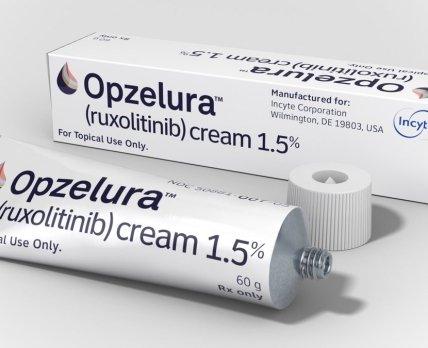
- Topical formulation of Janus kinase (JAK) inhibitors with the substantial advantage of administration convenience is entering the market for atopic dermatitis. Unlike oral formulations, a topical drug formulation can be directly applied to the skin. Thus, it has significantly improved treatment convenience. To date, Incyte's Opzelura is the only JAK inhibitor approved by the U.S. Food and Drug Administration (FDA). Leo Pharma's delgocitinib is waiting for approval. HK inno.N has entered the Phase 3 trial in South Korea. HK inno.N is conducting a Phase 2 trial of topical JAK inhibitor…first in South Korea According to industry sources on March 22, the Ministry of Food and Drug Safety (MFDS) has recently approved an Investigational New Drug (IND) application of the Phase 2 trial of HK inno.N's new drug candidate, 'IN-115314.' The clinical trial will evaluate the efficacy and safety of IN-115314 in adult patients with mild-to-moderate atopic dermatitis. The trial's clinical research organization is the Korean University Ansan Hospital, and it will be investigated by Professor Sang Wook Son in the Department of Dermatology. IN-115314 is a topical JAK inhibitor under development by HK inno.N. This new drug candidate works by topically applied to the inflammatory areas and selectively inhibits JAK-1 kinase. HK inno.N believes that IN-115314 has a lower amount of whole-body absorption than conventional drugs, thus presenting a low risk of side effects. JAK inhibitors that are currently approved have various indications, including atopic dermatitis, ulcerative colitis, rheumatoid arthritis, and alopecia areata. Considering the nature of externally applied drugs, companies focus on developing skin disorder products. Notably, domestically approved JAK inhibitors, including AbbVie's Rinvoq, Lilly's Olumiant, Pfizer's Xeljanz, and Eisai's Jyseleca, have been developed exclusively as oral formulations. Consequently, a topical formulation could offer significant advantages regarding dosing convenience. In a Phase 1 clinical trial involving healthy adults, IN-115314 demonstrated favorable safety, tolerability, and pharmacokinetic profiles compared to the calcineurin inhibitor 'pimecrolimus' ointment, which is conventionally used in atopic dermatitis treatment. HK inno.N plans to conduct a Phase 2 clinical trial as a correct-dose finding study in adult patients with atopic dermatitis. Topical JAK inhibitor successfully commercialized…follow-up products are being actively developed Several topical JAK inhibitors overcome regulatory authority hurdles, so overseas companies are actively developing products. IncyteIn 2021, the FDA approved U.S.-based Incyte's 'Opzelura' for the treatment of atopic dermatitis. The active ingredient ruxolitinib in Opzelura cream was previously used under the product name Jakafi for treating cancer patients with conditions such as myelofibrosis, polycythemia vera, and chronic graft-versus-host disease. Incyte successfully developed Opzelura as a treatment for atopic dermatitis based on Jakafi's JAK inhibitory mechanism. Opzelura has been shown to alleviate inflammation and pruritus when applied topically in atopic dermatitis patients aged 12 and older. In 2022, Insight secured U.S. approval for Opzelura not only for atopic dermatitis but also for vitiligo. Clinical development of Opzelura is ongoing, with Incyte currently conducting a Phase 3 trial in infants and children with atopic dermatitis. The trial met its primary endpoints, including overall treatment success as assessed by the investigators. Denmark's pharmaceutical company, LEO Pharma, has entered the competitive market by unveiling the latest clinical data for its topical JAK inhibitor delgositinib. The company, specializing in dermatological drug development, successfully commercialized the biologic treatment 'Adtralza' for atopic dermatitis. LEO PharmaLEO Pharma is developing a topic formulation of delgositinib that targets JAK1, JAK2, JAK3, and TYK2. TYK2 plays a critical role as a central link in the interleukin (IL)‑23 signaling pathway, which is pivotal in developing skin disorders such as psoriasis. Last November, delgositinib received European marketing authorization under the brand name 'Anzupgo' for the treatment of chronic hand eczema (CHE), and it is currently awaiting FDA approval. Delgositinib demonstrated exceptional improvement in clinical studies in patients with moderate-to-severe chronic hand eczema. According to research presented at the American Academy of Dermatology earlier this month, in the clinical trials designated DELTA 1 and DELTA 2, 48% of patients achieved a deep response within 16 weeks, over 24% exhibited a consistent response, and 33% maintained their response even after discontinuing treatment. Professor April Armstrong, affiliated with the David Geffen School of Medicine at UCLA, who presented the clinical results, said, "Delgositinib demonstrated approximately threefold higher efficacy than conventionally used treatments," adding, "Notably, the trial achieved significant advancement in difficult-to-treat patients with CHE."
- Company
- Adempas’s nears reimb nearly 10 years after approval
- by Eo, Yun-Ho Mar 25, 2025 05:54am
- The reimbursement of the pulmonary arterial hypertension drug 'Adempas' is near in Korea, 10 years after its approval. The National Health Insurance Service is currently negotiating with Bayer Korea for its Adempas (riociguat). However, the negotiations are expected to be concluded and the drug listed soon. The negotiations for Adempas are not over its insurance ceiling price but about its amount of use. Bayer accepted a price below 100% of the weighted average price (WAP) of its alternative drug and passed review by the Health Insurance Review and Assessment Service’s Drug Reimbursement Evaluation Committee in February. In other words, it is a drug that is eligible for the ‘drug price negotiation exemption.’ As a result, the drug is likely to be listed in the first half of the year. Adempas was approved in Korea as an orphan drug in June 2014 and is available in 5 dosage forms. It is indicated for: ▲Improvement of exercise capacity in adult patients with chronic thromboembolic pulmonary hypertension (CTEPH, WHO Group 4) who are unable to undergo surgery or who have persistent or recurrent symptoms after surgery ▲Improvement of exercise capacity in adult patients with pulmonary arterial hypertension (WHO Group 1) who are classified as having functional class II or III. In particular, it was known as the first new drug for CTEPH. CTEPH is caused by patients who develop chronic pulmonary embolism, which leads to fibrotic stenosis and occlusion, resulting in pathological vascular remodeling and increased resistance in the pulmonary artery. CTEPH is a chronic disease that causes progressive dyspnea and right heart dysfunction, which weakens the heart. Symptoms include dyspnea, fatigue, chest pain, dizziness, peripheral edema, cough, and hemoptysis, which reduces the patient’s quality of life. Ultimately, it can progress to heart, kidney, and liver failure, which can lead to death. Meanwhile, Adempas is a stimulator of soluble guanylate cyclase (sGC), an enzyme found in the heart and lungs, and its efficacy has been confirmed in two Phase III clinical trials in patients with chronic thromboembolic pulmonary hypertension. Results showed improvement in exercise capacity, which was the primary endpoint, and good tolerability. No unexpected adverse reactions were reported. In the CHEST-1 study, when comparing the 6-minute walking test (6MWT) results after 16 weeks with the baseline, results showed that the group of patients who received riociguat showed statistically significant improvement compared to the group of patients who received placebo. In the PATENT-1 study, the change in the 6MWT score after 12 weeks of treatment, showed statistically significant improvement in the riociguat arm compared to placebo, meeting the primary endpoint.

- Company
- HLB shares plummet upon 2nd FDA rejection of rivoceranib
- by Cha, Jihyun Mar 25, 2025 05:54am
- The shares of HLB Group affiliates plummeted as HLB's new drug for liver cancer failed to enter the US market again. The total market capitalization of HLB Group stocks evaporated by over KRW 3 trillion in a single day. However, this did not cause a simultaneous drop in domestic bio stocks. HLB Group's 10 listed affiliates evaporate by KRW 3 trillion in a single day upon receiving a second Complete Response Letter (CRL) According to the Korea Exchange on the 22nd, HLB closed at KRW 46,500 on the 21st. This is a 29.97% drop from the previous trading day. The day before, HLB's share price plunged to the price floor immediately after the opening and remained at this price until the closing time. The market capitalization evaporated by KRW 2.6147 trillion in a single day as the stock price hit the floor. HLB's market capitalization was KRW 8.7241 trillion based on the closing price on the 20th, but it plunged to KRW 6.1095 trillion based on the closing price on the 21st. HLB's share price fell sharply after its new drug for liver cancer failed to enter the US market. HLB said on its official YouTube channel at 3 a.m. on the 21st that it had received a CRL from the US Food and Drug Administration (FDA) for its rivoceranib+camrelizumab. In May last year, the company received a CRL completed the supplementary work, and submitted the required documents for a second review, but received another CRL. Upon the news of HLB’s CRL receipt was announced, the share prices of HLB Group’s stocks fell across the board. HLB Global, HLB Life Sciences, HLB Pharma, and HLB PanaGene all recorded the lowest opening price on the 21st. The opening prices of HLB affiliates on the 21st were KRW 2,535 for HLB Global, KRW 5,990 for HLB Life Sciences, KRW 17,100 for HLB Pharma, and KRW 1,665 for HLB PanaGene, down 29% from the previous trading day. HLB bioStep and HLB Innovation also opened at a price 26% lower than the previous day's closing price. HLB Genex and HLB Science opened at a price 21% and 15% lower than the previous day's closing price. The ten HLB Group’s listed affiliates showed a downward trend throughout the day. HLB (-29.97%), HLB Life Sciences (-29.94%), and HLB Pharma (-29.92%) closed at the floor price. HLB Global (-18.09%), HLB Genex (-15.54%), HLB Science (-14.95%), HLB bioStep (-14.71%), HLB PanaGene (-14.32%), HLB Therapeutics (-7.37%), and HLB Innovation (-6.60%), also closed at a low price. As a result, KRW 3.3226 trillion of the total market capitalization of HLB Group shares was lost in a single day. As of the closing price on the 20th, the market capitalization of the 10 listed affiliates of HLB Group totaled KRW 12.924 trillion. As of the closing price on the 21st, the total market capitalization of these affiliates was KRW 8.7698 trillion. As of the closing price on the 21st, KRW 8 trillion of the market capitalization of HLB Group stocks had evaporated compared to the end of last month. The stock prices of HLB Group's listed affiliates suddenly soared on the 27th of last month. The analysis was that the rise was the result of the combined expectations for new drug approvals and the successive stock purchases of HLB Group Chairman Yang-gon Jin, the owner. At the time, the total market capitalization of HLB Group stocks reached KRW 16.5843 trillion. A similar situation occurred last year when the company received its first CRL. The total market capitalization of the 9 HLB Group’s listed affiliates, excluding HLB Genex, which the company acquired at the end of last year, fell by KRW 5.274 trillion from the previous day on May 17 last year, when the news of the failure to obtain approval for the use of rivoceranib+camrelizumab was announced. At an online press conference on the morning of the 21st regarding the CRL notification, Chairman Yang-gon Jin said, “I think that the shareholders as well as our employees at HLB Group are disappointed by the receipt of this CRL. I would like to express my regrets about this and will actively communicate through meetings after the shareholders' meeting.” However, HLB’s situation did not affect the domestic bio-sector. On the 21st, Sam Chun Dang Pharm, Kolon TissueGene, and LigaChem Biosciences showed a strong trend despite the news of the CRL for rivoceranib+camrelizumab. On the 21st, the closing price of Sam Chun Dang Pharm was KRW 188,800, up 7.64% from the previous day. The closing prices of Kolon TissueGene and LigaChem Biosciences on the 21st also rose 6.88% and 1.72%, respectively, from the previous day. Peptron (+4.29%), PharmaResearch (+2.35%), and Hugel (+1.21%) also closed up. This is in contrast to a past case in which the failure of a company to receive approval for a new drug dampened investment sentiment in the entire biotech industry. Domestic biotech stocks fell in tandem shortly after the announcement of the suspension of the clinical trial of SillaJen's liver cancer treatment 'Pexa-Vec' in 2019 and the failure of its clinical trial on Helixmith's diabetic neuropathy (DPN) gene therapy ‘Engensis' (VM202) in 2020. As a result, investor sentiment froze, and biotech stocks experienced dark ages for a while. Acquired from Bukwang Pharmaceutical in 2018, final data released at ASCO last year demonstrated OS extension Rivoceranib is an oral targeted anticancer drug of the vascular endothelial growth factor receptor 2 (VEGFR2) inhibitor class, which is involved in the formation of new blood vessels in tumors. The drug was developed in 2005 when US-based Elevar Therapeutics bought the global rights to rivoceranib from the Advenchen Laboratories. Bukwang Pharmaceutical, which recognized the potential of rivoceranib, secured the rights to sell the drug in Korea, Europe, and Japan from Elevar Therapeutics in 2009. HLB Life Sciences acquired the development rights to rivoceranib from Bukwang Pharmaceutical in 2018 for KRW 40 billion. HLB then acquired the product patent rights for rivoceranib in 2020 and capitalized on it as its material. HLB has been developing a rivoceranib+camrelizumab combination therapy with Jiangsu Hengrui Pharmaceuticals as a treatment for liver and stomach cancer. Camrelizumab, which was developed by Jiangsu Hengrui Pharmaceuticals, is an immuno-oncology drug that inhibits the PD-1 protein expressed on the surface of immune cells (T cells), preventing them from binding to the PD-L1 receptor on the surface of cancer cells and activating immune cells. HLB applied for an NDA to the FDA in May 2023 for the rivoceranib+camrelizumab combination as a first-line treatment for liver cancer. The results of the Phase III CARES-310 study, which was presented by HLB and Jiangsu Hengrui Pharmaceuticals at the 2022 European Society for Medical Oncology (ESMO) Congress, were presented as grounds for its approval. The clinical trial was conducted to compare the efficacy and safety of lenvatinib and camrelizumab with that of Bayer's Nexavar, which is the current standard of care for liver cancer. In the study, rivoceranib+camrelizumab recorded a median overall survival (mOS) of 22.1 months, showing improved results compared to Nexavar’s 15.4 months. This result showed a longer OS than the 19.2 months found with Roche's combination therapy of the immuno-oncology drug Tecentriq and the targeted-oncology drug Avastin, which has been approved as a first-line treatment for liver cancer, and the OS of 16.4 months for AstraZeneca's combination therapy of the immuno-oncology drug Imfinzi and Imjudo. The clinical trials for the combinations comparing the respective combinations with Nexavar monotherapy. The progression-free survival (PFS) of rivoceranib+camrelizumab was 5.6 months, and the objective response rate (ORR) was 33.1%. HLB also released final results that were even better than the clinical phase III trial results previously announced at the American Society of Clinical Oncology (ASCO) meeting last year. According to the results announced by HLB at the ASCO Annual meeting in May last year, the OS of rivoceranib+camrelizumab was 23.8 months, which was longer than the previous results of 22.1 months. HLB has included the additional improved data during re-submission to the FDA.
- Company
- The first RSV vaccine 'Arexvy' to launch in May in Korea
- by Whang, byung-woo Mar 25, 2025 05:54am
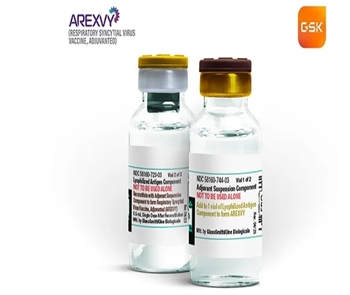
- As the launching date of Arexvy, known as the first respiratory syncytial virus vaccine, has been announced, the company aims to challenge a market share. Product photo of ArevyAccording to industry sources on March 22, GSK Korea has confirmed the launching date of the RSV-LRTD vaccine, Arexvy, as May. Arexvy received approval from the Ministry of Food and Drug Safety (MFDS) at the end of December 2024 for the 'Prevention of lower respiratory tract disease (LRTD) caused by RSB in adults over 60 years of age and older.' Approval of Arexvy was based on results from two Phase 3 studies, 'RSV OA=ADJ-006' and 'RSV OA=ADJ-004,' involving adults 60 years of age and older. The study results showed that during the first RSV season, Arexvy significantly lowered the RSV-LRTD risk by 82.6% and severe RSV-LRTD risk by 94.1% in participants 60 years of age and older compared to placebo. Furthermore, the efficacy of the vaccine regarding RSV-A-associated LRTD increases and RSV-B-associated LRTD increases were 84.6% and 80.9%, respectively. Arexvy has quickly secured the rank as the blockbuster product in the global market based on its first-in-class RSV vaccine title. The drug's influence in South Korea is gaining attention. If Arexvy launches in May, vaccination using the drug will likely begin in June, considering hospital landing settings. The remaining issue is how much the health authority considers RSV disease burden in seniors. Health authorities in major countries recommend RSV vaccination. However, the Center For Disease Control (CDC)'s Advisory Committee on Immunization Practices (ACIP) has narrowed the scope of vaccination. Previously, ACIP recommended vaccination in all adults of 60 years and older after consulting doctors. The ACIP has recently reduced the scope to adults 75 years and older or adults 60 to 74 years who have a high possibility of developing severe symptoms. In South Korea, some view that people would be less interested in Arexvy than the antibody injection for young children, Beyfortus (nirsevimab). Professor A from a department of infectious disease at one of the tertiary general hospitals in Seoul said, "Theoretically, RSV may likely affect those who are immune-compromised or older age. However, vaccines may not likely gain attention like those for newborns and young children," adding, "An additional investigation and evaluation may be needed to determine the potential impact since an adequate evaluation on disease burden has not been thoroughly established yet." In other words, even if a RSV vaccine targeting seniors are released, it may not immediately expand market compared to those targeting young children. Yet, potential demand may increase after the introduction of vaccine, as there has been little interest in the RSV vaccine for seniors. Considering these factors, GSK Korea will likely focus on raising awareness of RSV prevention along with Arexvy's launch. Hyunji Kwon, GSK Korea's Vaccine Business Unit Head, said, "RSV infection poses a significant physical and economic burden on high-risk groups, such as seniors. GSK will put efforts into preventing adult infections and relieving the disease burden of Korean patients after the successful launch of Arexvy."
- Company
- 'Xeljanz' reimbursed for juvenile idiopathic arthritis
- by Eo, Yun-Ho Mar 24, 2025 05:52am
- Product photo of Xeljanz'Xeljanz' has become the first JAK inhibitor to be reimbursed for the treatment of juvenile idiopathic arthritis. The Ministry of Health and Welfare (MOHW) has recently announced on the administrative notification board regarding the 'The Criteria and Scope of National Health Insurance (Pharmaceuticals)' that the reimbursement criteria for Pfizer Korea's Xeljanz (tofacitinib) will be expanded from April. Xeljanz can be used to treat children (age 2 to 17) diagnosed with juvenile idiopathic arthritis according to the ILAR criteria (2001 revision), including ▲Polyarticular arthritis that affects five or more joints ▲Extended oligoarthritis ▲Psoriatic arthritis ▲Those who discontinued treatments due to inadequate response to one or more biological agent or side effects. After 6 months of usage, an additional 6-month usage will be approved if an assessment indicates a decrease of over 30% in the number of inflammatory joints compared to the initial administration timepoint. After that, the evaluation will be carried out every 6 months, and when the assessment result in the first 6 months is maintained, consistent administration will be approved. This reimbursement approval is the first among the JAK inhibitors. To date, 'Olumiant (baricitinib)' secured the same indication in September last year but is still non-reimbursed. Similarly, 'Rinvoq (upadacitinib)' has not been domestically approved for treating idiopathic arthritis. Following the patent expiration of Xeljanz, Pfizer has made efforts to increase product competitiveness by changing formulations in many ways. In 2020, the company launched an extended-release formulation with fewer administrations for various arthritis treatments. In 2023, Pfizer also launched a syrup formulation that is more convenient to administer to pediatric patients. It is to be watched whether Xeljanz, with an opportunity to take the market share, prescription will increase in the idiopathic arthritis area. Meanwhile, the efficacy of Xeljanz was demonstrated through the Phase 3 'JIA-I' trial. The study compared the effectiveness and safety of the drug to a placebo in 225 patients aged 2 years and above and those aged 18 years and below. In the study, Xeljanz tablet or syrup formulation (dosage depending on the weight range; 5 mg was administered less than twice a day) was administered for 18 weeks. Patients (142 individuals) who reached the JIA ACR 30 (symptom improvement over 30%) were divided into Xeljanz and placebo groups. The results at week 44 confirmed that the symptom worsening in the Xeljanz group (29%, 72 individuals) was significantly lower than those in the placebo group (53%, 70 individuals). During the same period, the rate of reaching the JIA ACR30∙50∙70 (30∙50∙70% symptom improvement) was higher in the Xeljanz group. Physical function measured by the Childhood Health Assessment Questionnaire (CHAQ) also confirmed significant improvement in the Xeljanz group (-0.11) compared to the placebo group (0.00).
- Company
- RSV vaccine Beyfortus lands in Big 5 Hospitals in Korea
- by Eo, Yun-Ho Mar 24, 2025 05:52am
- The respiratory syncytial virus (RSV) preventive antibody injection ‘Beyfortus’ has landed in the Big 5 tertiary hospitals in Korea. According to industry sources, Sanofi Korea's Beyfortus (nirsevimab) has passed the drug committees (DCs) of the Big 5 tertiary hospitals in Korea, including Samsung Medical Center, Seoul National University Hospital, Asan Medical Center, and Severance Hospital. In addition, the drug has also landed at medical institutions such as Gangnam Severance Hospital, Korea University Anam Hospital, Korea University Ansan Hospital, Bundang Severance Hospital, and Pusan National University Yangsan Hospital. Also, Beyfortus vaccination has begun at local clinics since February. SK Bioscience is in charge of Beyfortus’s promotional activities for medical institutions at the clinic level. Beyfortus is an RSV preventive antibody injection that received approval from the Ministry of Food and Drug Safety in May last year and can be administered to all newborns and infants who are entering their first RSV season. Also, children up to 24 months of age who remain at risk of severe RSV disease through their second RSV season may receive Beyfortus. Previously, RSV prevention products for infants and toddlers in Korea were only administered to high-risk infants and toddlers, such as premature babies, who are at high risk of severe RSV disease. However, Beyfortus is different in that it can be administered to all infants and toddlers. According to the Phase III MELODY trial, which was the basis for the approval of Beyfortus, RSV lower respiratory tract infections were reduced by 74.5% in the Beyfortus-administered arm. This study evaluated the efficacy of Beyfortus against RSV infection with medical management up to 150 days after administration in 3,012 infants born after 35 weeks of gestation in their first RSV season. In addition, according to the interim results of the national vaccination program being implemented in Galicia, Spain, real-world evidence of Beyfortus, hospitalizations due to RSV in infants under 6 months of age who received Beyfortus were reduced by 82% compared to infants who did not receive Beyfortus. Ki-Wook Yoon, a Professor at Seoul National University Hospital, said, “RSV can infect people of all ages, but 90% of infants under the age of 2 are infected. When infected, it can lead to mild cold symptoms to hospitalization due to lung infection. Infants whose bronchial tubes are not fully mature can have more severe symptoms when they are infected with RSV, which can cause losses not only for family members but also to the society and economy.” He added, “Until now, RSV prevention was limited to personal hygiene practices, showing a clear unmet demand for RSV. However, we expect that active RSV prevention will become possible with the introduction of the preventive antibody injection.”
- Company
- Bispecific multiple myeloma drug 'Talvey' can be prescribed
- by Eo, Yun-Ho Mar 21, 2025 06:00am
- Product photo of Talvey New bispecific multiple myeloma drug 'Talvey' can now be prescribed at general hospitals. According to industry sources, Janssen Korea's Talvey (talquetamab) has passed the drug committees (DC) of tertiary general hospitals, including Samsung Medical Center and Seoul National Univeristy Hospital, and medical institutes, including Pusan National University Hospital and Chung-Ang University Hospital. Talvey was approved by the Ministry of Food and Drug Safety (MFDS) as a monotherapy for adult patients with relapsed or refractory multiple myeloma who have received over three prior lines of treatments, including proteasome inhibitors, immune modulators, and anti-CD38 monoclonal antibody. Multiple myeloma is a type of cancer with the number of patients increased by over 60% in the past 10 years. Many patients with multiple myeloma experience relapse. According to a cohort study, multiple myeloma patients who had received more than three types of treatments, including anti-CD38 monoclonal antibody, demonstrated an overall response rate (ORR) of below 30%, with short life expectancy and poor prognosis. Consequently, patients needed a treatment option with a new mechanism. Talvey is a first-in-class bi-specific antibody drug approved in South Korea, targeting CD3 receptor and G protein-coupled receptor class C group 5 member D (GPRC5D). It can be administered to patients who had previously used proteasome inhibitors, immune modulators, or anti-CD38 monoclonal antibodies. The efficacy of Talvey was demonstrated through the global clinical trial, 'MonumenTAL-1 study.' The study results showed that 143 patients who do not have prior treatment experience with T-cell redirecting therapy were treated with Talvey 0.4 mg/kg every week. The patients treated with Tarvey had an ORR of 74.1% and a stringent complete response (sCR) of 24%. Patients demonstrated 10% complete response (CR) and 26% very good partial response (VGPR). Meanwhile, bispecific antibody drugs are immune cell therapy consisting of two monoclonal antibodies that recognize targeted antigens and T cells of multiple myeloma. For instance, bispecific IgG2 kappa antibody, consisting of two monoclonal antibodies that recognize B-cell maturation antigen (BCMA) and CD3 antigens, is commonly used. It is a new therapy that directly delivers cytotoxicity-triggering T-cells into multiple myeloma cells expressing BCMA. Bispecific antibodies approved in South Korea include Pfizer's 'Elrexfio (elranatamab)' and Janssen's 'Tecvayli (teclistamab),' and Talvey. These drugs remain as non-reimbursed drugs.
- Company
- Prevnar 20 added to the National Immunization Program
- by Whang, byung-woo Mar 21, 2025 05:59am
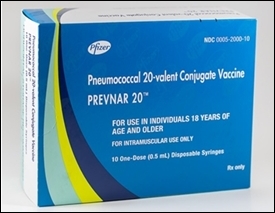
- Pfizer is signaling full-fledged competition with the addition of its new pneumococcal vaccine, Prevnar 20, to the National Immunization Program (NIP) for children. 프리베나20 제품사진According to industry sources on the 21st, the Korea Disease Control and Prevention Agency recently reviewed the introduction of PCV20 NIP for children during the 1st Korea Expert Committee on Immunization Practices meeting. As a result, the committee decided that PCV20 would be introduced under the NIP, for the same target population and standard immunization schedule as for PCV13 and PCV15, which were already covered through the NIP. Initially, it was widely believed that the entry of Prevnar 20 into the NIP would be delayed to next year because the Public Procurement Service announced a plan to execute a tender for the purchase of Prevnar 13, but discussions progressed with Pfizer compromising its price with the government. At the meeting, the committee allowed the cross-vaccination of Prevnar 20 as an exception for the additional immunization after completing basic immunization with Prevnar 13. Currently, the vaccine price and immunization practice for pneumococcal vaccines are fully covered by the government for children under the age of 12. Both Prevnar 13 and Prevnar 20 are administered once to adults aged 18 or older, but infants and those who have not received the basic vaccination are required to receive multiple doses at regular intervals depending on the number of months. For example, Prevnar 13 is administered 3 times at 0.5 mL per dose at 2, 4, and 6 months of age in infants up to 6 months of age, so those who started this vaccination with Prevnar 13 may receive subsequent vaccination with Prevnar 20. In fact, Prevnar 20 is indicated for “Infants, children, and adolescents who have received at least 1 dose of Prevnar/Prevnar 13 may switch to Prevnar 20.” Prevnar 20 is a new pneumococcal vaccine that Pfizer has introduced in 14 years, and it is a vaccine that adds 7 serotypes (serotypes 8, 10A, 11A, 12F, 15B, 22F, and 33F) to the previously supplied Prevenar13. The industry believes that although Prevnar 13 is already on the market, the weight will naturally shift to using Prevnar 20. Pfizer is expected to accelerate preparations for the launch as the pediatric NIP, which had been a concern for the launch, has been resolved. The industry expects the launch of Prevnar 20 to take place in April, and the sales of Prevnar 20 for infants and toddlers will be maintained by Korea Vaccine, which was previously in charge of sales of Prevnar 13. The company is likely to employ a sales strategy that naturally absorbs the market share of its predecessor, Prevnar 13. In the case of Vaxneuvance, the company’s strategy is important as its competitor entered the market just one year after its launch. It is predicted its company will seek opportunities in the timing when people switch from Prevenar 13 to another vaccine. During the media seminar that was held last year for Vaxneuvance, Jaeyoung Cho, Executive Business Unit Director of Vaccines at MSD, said, “The number of infants and toddlers receiving their initial dose of the pneumococcal vaccine, which is covered through NIP, as well as those switching from the existing 13-valent vaccine to Vaxneuvance have been increasing.” “Like Vaxneuvance, which was also applied to the NIP upon its release, we expect Prevnar 20 to quickly expand its influence in the market,” said a vaccine industry official. ”Since both Prevnar 13 and 20 are Pfizer vaccines, the switching hurdle is relatively low, so MSD would likely be considering countermeasures.”

- Company
- "Leclaza combo improves survival than Tagrisso monotherapy"
- by Son, Hyung Min Mar 21, 2025 05:58am
- It has been reported that the Leclaza plus Rybrevant combination therapy demonstrated improved overall survival (OS), in addition to progression-free survival (PFS), than Tagrisso. According to industry sources on March 20, the European Society for Medical Oncology made abstracts available for the 'European Lung Cancer Congress 2025(ELCC 2025),' which is scheduled to be held in Paris, France, for four days from March 26. One of the most anticipated study results at the ELCC 2025 is the Phase 3 'MARIPOSA' trial, evaluating the efficacy of Leclaza plus Rybrevant combination therapy. Leclaza, developed by Yuhan, is a new drug for EGFR-positive non-small cell lung cancer (NSCLC). It is a third-generation tyrosine kinase inhibitor (TKI) targeting exon 19 and exon 21 (L858R). Johnson & Jonhson acquired global sales rights of Leclaza and is conducting the MARIPOSA clinical trial, evaluating the efficacy of the drug in combination with Rybrevant, targted treatment option for mutations in exon 20 and MET. Previously, Leclaza plus Rybrevant combination therapy demonstrated efficacy regarding the primary endpoint of PFS. However, only a favorable trend of the combination therapy was shown in terms of the secondary endpoint of OS. The final OS data of Leclaza plus Rybrevant combination therapy were presented at this conference. PFS indicates how long a new treatment can delay the cancer progression, while OS shows data on how long it can extend overall survival. YuhanThe clinical trial compared the efficacy and safety of Leclaza plus Rybrevant combination therapy to Tagrisso monotherapy in 1074 patients with NSCLC harboring exon 19 and L858R mutations who do not have prior treatment experience. Leclaza monotherapy was included to evaluate the contribution component. Patients were randomly assigned at a 2:2:1 ratio to Leclaza plus Rybrevant combination therapy group (429 individuals), Tagrisso group (429 individuals), and Leclaza group (216 individuals). During the median value of 37.9 months, Leclaza plus Rybrevant combination therapy group had a statistically significant improvement in survival rate compared to Tagrisso group. In detail, the median OS of Leclaza plus Rybrevant combination therapy group could not be estimated (42.9-NE), whereas Tagrisso group had an OS of 36.7 months. Considering the survival rate index distribution of the two groups, Leclaza plus Rybrevant combination therapy group is expected to extend an OS over at least 12 months. Furthermore, at 36 months follow-up, Leclaza plus Rybrevant combination therapy group had a 60% survival rate, whereas Tagrisso group had a 51%. "The Leclaza plus Rybrevant combination therapy is the first therapy in patients with progressive NSCLC harboring EGFR mutation that significantly lowered the death risk compared to Tagrisso. The latest clinical trial showed the potential of the drug as the new standard therapy. The study results indicate that the combination therapy can improve survival rate by at least 12 months compared to Tagrisso," the research team remarked. The study results of the MARIPOSA clinical trial will be orally presented by Professor James Chih-Hsin Yang, Department of Oncology at the National Taiwan University, on March 26.
- Company
- Hanmi and Samsung Bioepis join forces to sell Prolia similar
- by Cha, Jihyun Mar 20, 2025 06:01am
- Jae-hyun Park, CEO of Hanmi Pharmaceutical (right), and Kyung-ah Kim, CEO of Samsung Bioepis (left), are taking a commemorative photo after signing a joint sales agreement. (Source: Hanmi Pharmaceutical, Samsung Bioepis) Hanmi Pharmaceutical and Samsung Bioepis announced on the 19th that they had signed a joint sales agreement on the 18th for the domestic launch of the osteoporosis treatment Prolia biosimilar (Project name: SB16, ingredient name: denosumab) in Korea. Under the agreement, Samsung Bioepis is responsible for the production and supply of the product as the developer of the Prolia biosimilar. Afterward, both companies will jointly be in charge of domestic marketing and sales activities. Prolia is an osteoporosis treatment developed by Amgen. As of 2024, its global sales neared approximately KRW 6.5 trillion. According to IQVIA, the size of its domestic market sales in 2024 is expected to be approximately KRW 174.9 billion. Currently, Samsung Bioepis is in the process of obtaining approval for the Prolia biosimilar in Korea. It was approved in the US and Europe, by the respective regulatory authorities in February. Hanmi Pharmaceutical and Samsung Bioepis plan to establish a close cooperative relationship and strive to provide patients with the opportunity to use biopharmaceuticals at more reasonable prices. “Based on our development capabilities and Hanmi Pharmaceutical's sales and marketing expertise, we will work closely together to ensure that Korean patients can experience more benefits from the prescription of our biosimilar,” said Kyung-ah Kim, CEO of Samsung Bioepis. “Hanmi Pharmaceutical is a ready partner that has already established a foothold in the musculoskeletal treatment market,” said Jae-hyun Park, CEO of Hanmi Pharmaceutical. ”Through this partnership, we aim to create innovative results that will enable mutual growth for both companies and will continue to work closely together.”
