
- LOGIN
- MemberShip
- 2026-07-22 18:08:37
- Company
- Global pharmas race to introduce bispecific antibodies
- by Son, Hyung Min Jun 05, 2025 06:10am
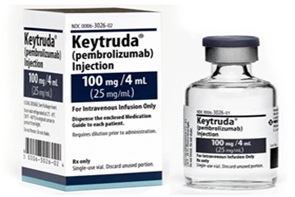
- Major global pharmaceutical companies are challenging the throne held by the immunotherapy Keytruda with their respective bispecific antibodies. Recently, BMS signed a partnership agreement with Germany's BioNTech to develop a new bispecific antibody, while Pfizer successfully introduced a bispecific antibody from China's 3SBio last month. MSD also secured bispecific antibodies from a Chinese pharmaceutical company in preparation for the post-Keytruda era. According to data released by KoreaBIO on the 4th, BMS recently secured the development rights for BioNTech's bispecific antibody candidate “BNT327.” Under the agreement, BMS will pay BioNTech a contract fee of USD 1.5 billion (approximately KRW 2 trillion) and an additional USD 2 billion in unconditional milestone payments by 2028. The total deal value, including milestones and the upfront payment, amounts to USD 11.1 billion (approximately KRW 15.3 trillion). MSDBNT327 is a new bispecific antibody that combines two complementary mechanisms of action proven in oncology into a single molecule. This new drug candidate targets both PD-1, the biomarker targeted by the existing Keytruda, and vascular endothelial growth factor (VEGF)-A. By inhibiting VEGF-A, BNT327 is expected to reverse the immune-suppressive effects of tumors in the tumor microenvironment and block the supply of blood and oxygen to tumor cells, thereby preventing tumor growth and proliferation. BNT327 is currently being developed as a first-line treatment for small cell lung cancer and non-small cell lung cancer. According to BioNTech, more than 1,000 clinical trial patients have been treated with the drug to date. BioNTech said in a statement, “Our major global partners are working to set new treatment standards in the anticancer drug market dominated by immunotherapies like Keytruda.” Pfizer also signed a partnership agreement with China's 3Sbio last month to secure SSGJ-707, a bispecific antibody candidate targeting PD-1 and VEGF-A. The upfront payment is USD 1.25 billion, with the total contract value reaching USD 4.8 billion (KRW 6.6 trillion) upon achievement of key milestones. Currently, SSGJ-707 is under clinical trials in China targeting various solid tumors, including non-small cell lung cancer, colorectal cancer, and gynecological cancers. MSD, the developer of Keytruda, has also secured a PD-1 and VEGF-A bispecific antibody candidate. Last November, MSD acquired the new drug candidate LM-299 from China's LaNova Medicine for up to USD 3.3 billion. The contract price was USD 588 million. LM-299 is currently under Phase I clinical trial in China. Will competition intensify for the global sales lead Keytruda? Major global pharmaceutical companies are targeting the market for Keytruda, the global No.1 top-selling drug. Last year, Keytruda's sales reached USD 29.482 billion (approximately KRW 43 trillion), an 18% increase from 2023. Last year, the total sales of major immunotherapy drugs amounted to USD 51.723 billion (approximately KRW 75 trillion), with Keytruda holding 57% of the market share. Keytruda first surpassed USD 10 billion in sales in 2019 and continued to grow, reaching USD 20.937 billion in 2022, successfully breaking the USD 20 billion mark for the first time. Immunotherapies like Keytruda target the PD-1/PD-L1 biomarker expressed in major solid tumors. As a result, their indications are being expanded to various types of solid tumors, leading to a surge in sales. In addition to their efficacy, immunotherapies have the advantage of having fewer side effects. Compared to first-generation cytotoxic anticancer drugs and second-generation targeted anticancer drugs, cancer immunotherapies are known to have fewer side effects. These drugs reinforce the body's own immune system to achieve anticancer effects, resulting in relatively mild side effects such as hair loss, nausea, vomiting, diarrhea, and bone marrow suppression. The industry attributes the growth in Keytruda’s sales to the expansion of indications for Keytruda and its demonstrated efficacy in combination with antibody-drug conjugates (ADCs). Recently, Keytruda has demonstrated efficacy as a combination therapy for first-line treatment of non-small cell lung cancer, leading to a steady increase in prescriptions. Positive clinical results are also emerging for various solid tumors, including breast cancer, stomach cancer, lung cancer, and melanoma. In the domestic market, Keytruda continues to hold the lead in overall pharmaceutical sales.

- Company
- "Effect of Camzyos confirmed in Korean patients with oHCM"
- by Son, Hyung Min Jun 05, 2025 06:09am
- Hyung-Kwan Kim, Professor of Seoul National University "After Camzyos was introduced to Korea, patients with obstructive hypertrophic cardiomyopathy (oHCM) and doctors have high treatment satisfaction. Notably, realworld data showed that Camzyos administration had a comparable effect to confirmatory clinical trial." During a recent meeting with Daily Pharm, Hyung-Kwan Kim, Professor of Seoul National University's Department of Internal Medicine, evaluated that the obstructive hypertrophic cardiomyopathy (oHCM) Camzyos showed a similar level of improving symptom compared to confirmatory clinical trial. oHCM is a condition where the left ventricular muscle abnormally thickens, obstructing the left ventricular outflow tract (LVOT) and preventing the heart from effectively pumping blood. More than 70% of all hypertrophic cardiomyopathy patients have the obstructive form. oHCM's key problem is 'excessive cardiac contractility.' Unlike typical heart failure patients, the hearts of oHCM patients contract excessively. This phenomenon occurs due to an abnormal over-binding of proteins called actin and myosin within the myocardial cells. This leads to excessive left ventricular contraction, blood flow obstruction, and patients experiencing shortness of breath during exercise, chest pain, and fainting. In severe cases, it can lead to heart failure, atrial fibrillation, and sudden death. Professor Kim pointed out, "Until now, treatment involved lowering the heart rate with beta-blockers or calcium channel blockers to alleviate symptoms. If necessary, alcohol septal ablation or surgical myectomy to remove muscle had to be considered. However, these were not treatments that controlled the fundamental mechanism of the disease." BMS's Camzyos is a treatment that works by reducing the excessive cross-bridge formation between actin and myosin within the heart muscle, which is the cause of oHCM. This allows the excessively contracted heart muscle to relax. Additionally, this treatment demonstrated a myocardial remodeling effect, improving not only the heart's function but also its structure. In December 2024, Camzyos received national health insurance reimbursement in Korea. This means that patients with oHCM in Korea now have access to a targeted treatment option other than surgery. Many patients are also being treated with Camzyos at Seoul National University Hospital. Professor Kim said, "In the case of a male patient in his 60s who hadn't responded to previous medications, his shortness of breath disappeared within three months of Camzyos administration, and his exercise capacity significantly improved." He added, "His quality of life reached a completely different level." 1-year Real-World Evidence (RWE) data released for Korean oHCM patients In the EXPLORER-HCM clinical trial, Camzyos significantly improved the primary endpoint, which considered both symptom severity and exercise capacity, compared to the placebo group. Furthermore, Camzyos's efficacy has been confirmed in Korean patients. In March of this year, the first Real-World Evidence (RWE) study results on the effectiveness and safety of Camzyos over one year in Korean oHCM patients were published. The study showed that in 46 symptomatic (NYHA class II-III) oHCM patients in Korea who received Camzyos, more than half (58.1%) experienced an improvement of at least one NYHA class. LVOT pressure gradients also decreased to 40.1 mmHg at rest and 68.1 mmHg during the Valsalva maneuver (a breathing technique of holding one's breath and applying pressure to the chest in a specific way). Significant improvements were also demonstrated in cardiac hypertrophy-related indicators such as left ventricular wall thickness and left atrial volume. This study holds significant meaning as it is the first to evaluate Camzyos's RWE not only in Korea but across Asia. Professor Kim stated, "Camzyos demonstrated an effect in the domestic clinical setting comparable to what was confirmed in its previous confirmatory clinical trials, and no concerning adverse reactions were observed. It is particularly impressive that despite Korean patients having higher clinical severity, with greater LVOT pressure gradients than participants in the global confirmatory trial, the domestic real-world data showed almost the same level of efficacy as the confirmatory clinical trial." Professor Kim added, "Concerns have been raised that Asian patients might have a higher risk of adverse reactions or require lower doses during Camzyos treatment due to lower activity of the CYP2C19 enzyme involved in drug metabolism compared to Western patients. This RWE study has alleviated such concerns." Another notable finding from this study is the confirmation that N-terminal pro-brain natriuretic peptide (NT-proBNP) levels alone can be used to monitor the treatment response to Camzyos. NT-proBNP is a biomarker used to assess the severity of heart failure and determine prognosis, increasing when myocardial cells in heart failure patients experience excessive load, such as ventricular stretching. According to Professor Kim, in the U.S. and Europe, patients must undergo echocardiography monthly for the first three months of Camzyos administration, and then every three months thereafter, posing a somewhat burdensome follow-up management process. However, Professor Kim explained that this RWE study confirmed that changes in NT-proBNP levels could be easily monitored through blood tests, without echocardiography, to assess LVOT pressure gradient reduction and Camzyos treatment response. Professor Kim evaluated, "We are currently preparing follow-up data for a larger number of patients, and a trend of approximately 1-2 mm reduction in left ventricular thickness and improvement in diastolic function is being observed after Camzyos treatment. Both medical professionals and patients who have experienced Camzyos treatment are showing high satisfaction." Camzyos efficacy proven..."More patient pool required" Despite the emergence of targeted treatment options like Camzyos, diagnosing oHCM remains challenging. According to Professor Kim, while approximately 70% of all HCM patients in the U.S. are diagnosed with oHCM, the proportion of oHCM patients in Korea is low, at around 20%. Professor Kim stated, "I believe that the low oHCM diagnosis rate is partly due to the lack of active utilization of exercise stress tests and echocardiography. For instance, many patients show no particular abnormalities or symptoms at rest, but significant issues are discovered during exercise stress tests or echocardiography." Furthermore, "I anticipate that a considerable number of patients currently diagnosed with non-obstructive HCM could be reclassified as oHCM if additional exercise stress tests or echocardiography are performed. Therefore, I believe there is an absolute need for national-level awareness campaigns and public relations regarding the necessity of exercise stress tests and echocardiography." oHCM patients who experience persistent symptoms such as shortness of breath or chest pain tend to increasingly avoid exercise. This leads to a higher risk of developing various complications as they age, including adult diseases like obesity, diabetes, and hypertension, as well as coronary artery disease. Professor Kim said, "If Camzyos is administered early to these patients, improving their symptoms and restoring their condition to a level where exercise is possible, it can help prevent weight gain and other complications. I believe this contributes not only to the individual patient's health but also, in the long term, to reducing indirect healthcare expenditures caused by HCM on the national health insurance finances." Professor Kim stressed, "Since the introduction of Camzyos, patients' symptom control has become stable, and the approach to HCM treatment in Korea is gradually changing. Based on actual clinical experience, all patients treated with Camzyos have shown symptom improvement, so I believe Camzyos can establish itself as an option to avoid surgery, which is often the last resort." Finally, Professor Kim said, "In conclusion, Camzyos is an option that can provide various direct and indirect benefits to patients, and its role is expected to expand further in the future. In my opinion, I strongly recommend active treatment for patients diagnosed with oHCM who are candidates for Camzyos."

- Company
- K-Bios eye US’s reintroduction of the Biosecure Act
- by Cha, Jihyun Jun 04, 2025 06:21am
- The U.S. is pushing ahead with its Biosecure Act that restricts transactions with Chinese biotech companies. According to the Korea Biotechnology Industry Organization (KoreaBIO) on the 2nd, U.S. Democrat Senator Gary Peters recently announced at a Brookings Institution event that he would soon reintroduce the Biosecure Act, which restricts transactions with certain Chinese biotech companies. The Biosecure Act was designed to protect the U.S. biotech industry and national security by restricting transactions with Chinese companies that could threaten U.S. security. The bill was introduced in January last year and passed the U.S. House of Representatives in just nine months, but failed to pass the Senate in December of the same year and was not included in the year-end budget resolution. If enacted, the Biosecure Act would require the U.S. to cease transactions with Chinese companies subject to regulation by 2032. Chinese biotech companies such as BGI, MGI, WuXi AppTec, and WuXi Biologics have been designated as “biotech companies of concern.” Senator Peters, a member of the Senate Homeland Security and Governmental Affairs Committee, said, “The new bill will also apply to foreign consultants and other companies may be added to the list of ‘biotech companies of concern.’ We are continuing to work on this bill and are in discussions with the administration.” Senator Peters also mentioned three additional legislative proposals addressing international competition in the biotech industry. First, Senator Peters emphasized that he is preparing a bill focused on gain-of-function research in collaboration with Republican Senator Rand Paul. Gain-of-function research involves artificially manipulating the genes or characteristics of organisms in the fields of biology and virology to give them new functions. Last month, President Trump issued an executive order suspending the use of federal funds for gain-of-function research conducted by China and other countries of concern or by government agencies without proper oversight. Senator Peters stated, “We are preparing a bill focused specifically on gain-of-function research ‘right now,’” adding, “The core of this bill is to establish an independent committee to decide whether dangerous research or gain-of-function research should be conducted.” He also mentioned that he is preparing legislation related to expanding investment in the biotech industry and protecting genetic information. Peters said, “We want to make broader investments in biotech,” and expressed support for a biotech bill similar to the CHIPS and Science Act, which aims to revitalize domestic technology industries. Additionally, Senator Peters mentioned that he is working with Senator Bill Cassidy, chairman of the Senate Committee on Health, Education, Labor, and Pensions (HELP), on a bill to establish protective measures allowing individuals to retrieve genetic information they have provided. This bill aims to address concerns raised by the recent bankruptcy of 23andMe, the world's largest genetic testing company, and the lack of control over the data it collected. It seeks to ensure that individuals have the right to retrieve or control their genetic information after providing it. The domestic pharmaceutical and biotech industry is closely monitoring the U.S.'s moves to counter China. Experts analyze that if the Biosecure Act is passed again, the global bio industry supply chain will be reorganized. Some believe that the Biosecure Act could present a positive opportunity for domestic bio companies that occupy a neutral position in the global bio supply chain. As the U.S. government strengthens its restrictions, domestic companies such as Samsung Biologics, Celltrion, and ST Pharm are expected to benefit from the situation, particularly those engaged in contract development and manufacturing (CDMO). In fact, ST Pharm was selected as the supplier of a blockbuster small molecule chemical synthesis drug that recorded annual sales of trillions of won last year. ST Pharm took over contracts previously supplied by China, thereby benefiting from the introduction of the Biosecure Act.
- Company
- More treatment options for PNH…entry of 'Piasky' imminent
- by Eo, Yun-Ho Jun 04, 2025 06:19am
- The entry 'Piasky,' a new PNH drug, into the Korean market is imminent. According to industry sources, Roche Korea's Piasky (crovalimab), a treatment for paroxysmal nocturnal hemoglobinuria (PNH), is undergoing final review for approval by the Ministry of Food and Drug Safety (MFDS). It is expected to be officially approved in the second half of this year. Piasky received the U.S. Food and Drug Administration (FDA) approval in June 2024. Then, it was commercialized in Europe in August of the same year. In February 2024, Piasky was designated as an orphan drug in South Korea. Discovered by Japan's Chugai Pharmaceutical and developed by Roche, crovalimab is a type of new anti-complement (C5) antibody. Low-dose subcutaneous administration every four weeks enables circulation of the drug in the blood, thereby repeatedly inhibiting the complement. Piasky's potential was confirmed based on the Phase 3 COMMODORE 2 study, which directly compared the drug to AstraZeneca's 'Soliris (eculizumab).' The study results showed that subcutaneously injected crovalimab provides disease control. The safety of the drug was non-inferior compared to Soliris, a standard therapy that is administered intravenously every two weeks. In the clinical study, adverse reactions occurred in 78% of the crovalimab group and 80% of the eculizumab group. The most common adverse reactions were infusion-related reactions. Based on the efficacy and the safety data secured from a separately conducted Phase 3 COMMODORE 1 study, patients with PNH who switched from complement C5 inhibitors that are approved and in use to crovalimab also showed a stable effectiveness profile. Meanwhile, competition in the market for PNH is expected to intensify. AstraZeneca has launched Ultomiris (ravulizumab) as a follow-up drug to Soliris. The European patent for Soliris expired in 2023, while the U.S. patents are set to expire in 207. Unlike Soliris, which is intravenously injected every two weeks, Ultomiris offers an expanded administration interval of once every eight weeks. Novartis obtained the U.S. approval of 'Fabhalta (iptacopan),' an orally administered treatment for PNH. Fabhalta is a Factor B inhibitor that acts proximally in the immune system's alternative complement pathway, providing comprehensive control of red blood cell (RBC) destruction. Fabhalta is currently undergoing drug price negotiations with the National Health Insurance Service (NHIS). Once an agreement is reached, this drug will be included in the national health insurance list. Additionally, 'Epysqli,' Samsung Biepis' biosimilar to Soliris, has been commercialized in South Korea. It was the first case of Soliris biosimilars to receive domestic approval, and Samsung Bioepis also obtained approval in Europe last year. Dr. Jang Jun Ho, professor at Samsung Medical Center Seoul, said, "When C5 inhibitors were introduced, experts viewed that it would bring a paradigm shift to the PNH treatment. However, C5 inhibitors are limited in controlling extravascular hemolysis (EVH). Thus, we have high hopes for new treatment options."
- Company
- UCB Korea launches psoriasis drug Bimzelx with reimb
- by Whang, byung-woo Jun 04, 2025 06:18am
- Pic of Bimzelx On June 2, UCB Korea (CEO Sujin Hwang) announced that its psoriasis treatment Bimzelx (bimekizumab) was launched on June 1 with reimbursement coverage under the national health insurance system. In line with the Ministry of Health and Welfare (MOHW) notification, Bimzelx is reimbursed as a treatment for moderate-to-severe plaque psoriasis in adult patients who require phototherapy or systemic therapy. The treatment is indicated for adult patients aged 18 years or older with chronic moderate-to-severe plaque psoriasis that has persisted for 6 months or longer, meeting one of the following criteria: ▲ plaque psoriasis covering 10% or more of the total body surface area, or ▲ a Psoriasis Area and Severity Index (PASI) score of 10 or higher, despite 3 months of treatment with methotrexate or cyclosporine, or inability to continue treatment due to adverse effects, or ▲ PUVA or UVB therapy for at least 3 months with no response or side effects that prevent continued treatment. In addition, if PASI is reduced by 75% or more in the evaluation after 16 weeks of Bimzelx prescription, an additional 6 months of administration is granted reimbursement, and thereafter, if the initial evaluation results are maintained during evaluation every 6 months, continued administration with reimbursement is approved. In addition, in the case of switching, if the patient’s previous drug is ineffective or cannot be continued due to side effects, or if there is a need to improve medication compliance, the patient may substitute Bimzelx. Bimzelix is the first and only (as of May 2025) next-generation plaque psoriasis treatment that simultaneously and dually inhibits interleukin-17A and 17F. Last August, it was approved by the Ministry of Food and Drug Safety as a treatment for moderate-to-severe plaque psoriasis in adult patients who require phototherapy or systemic therapy. In particular, unlike existing interleukin inhibitors that target and block only one trigger, such as interleukin-17A or 23, Bimzelx has a mechanism of action that simultaneously and dually inhibits interleukin-17A and 17F. By blocking both interleukin-17A and 17F simultaneously, it has been confirmed that Bimzelx is more effective in suppressing inflammation than existing interleukin-17A inhibitors. The reimbursement of Bimzelx was based on BE VIVID14, BE SURE15, and BE RADIANT16, which are comparative clinical trials with other biological drugs whose safety and efficacy have been confirmed. In these studies, the percentage of patients who achieved completely clear skin (PASI 100) at Week 16 was 59% in the Bimzelx group and 21% in the ustekinumab group in BE VIVID; and 60.8% in the Bimzelx group and 23.9% in the BE SURE study. Yong-Beom Choi, President of the Korean Society for Psoriasis (Department of Dermatology, Konkuk University Medical Center), said, “Psoriasis is an intractable disease that recurs and improves repeatedly, and the quality of life of patients with severe psoriasis in particular tends to deteriorate significantly, affecting their mental health. Therefore, the reimbursement and launch of Bimzelx, which has been proven to be highly effective, is very meaningful for both medical professionals and patients.” He added, “Based on its next-generation mechanism of action, Bimzelx is expected to be an excellent treatment option for both new patients and those who have not seen sufficient results with existing treatments.”
- Company
- "U.S. MFN drug policy will impact KOR's new drug companies"
- by Kim, Jin-Gu Jun 04, 2025 06:17am
- Analysis suggests that the Korean pharmaceutical and biotech industry may be significantly impacted if the U.S. government institutes a 'most-favored-nation (MFN)' policy on drug prices. Sejin Lee, CEO of Acadia Pharmaceuticals, presented the potential impact of U.S. drug price policy changes on the Korean pharmaceutical industry during the 'U.S. Pharmaceutical and Biotech Market Entry Webinar' hosted by the Korea Pharmaceutical and Bio-Pharma Manufacturers Association (KPBMA) on May 30. Lee warned that "MFN policy may structurally impact sales, new drug value, and global entry strategies of Korean companies. PART II: U.S. Trump Administration revives "most-favored-nation (MFN)" drug price policy. The second Trump administration revived the MFN policy and announced that it would implement the lowest drug price after conducting a drug price comparison. Earlier this month, U.S. President Donald Trump signed an executive order reducing prescription drug prices within the U.S. to the lowest among advanced nations (MFN). The proposal is to compare drug prices with those of OECD countries where the GDP per capita is 60% or more of that of the United States and then lower U.S. drug prices to the lowest among these compared countries. The MFN policy will be applied to items without biosimilars and generics. The U.S. Department of Health and Human Services (HHS) aims to induce voluntary drug price reductions from pharmaceutical companies initially, then plans to mandatorily lower drug prices. If the MFN policy is fully implemented, the prices of new drugs launched in the U.S. are expected to be set lower than in other countries, such as the EU and Canada. This process raises concerns that U.S. drug prices for Korean pharmaceutical companies may decrease automatically. Lee anticipated that the MFN policy would significantly impact new drug development companies. It is predicted that if drug prices in the U.S. fall to European or Canadian levels, pharmaceutical companies' projected revenues will decrease, and the asset value of new drug licenses will decline. Companies that out-licensed might also receive less licensing revenue than initially expected. Furthermore, global big pharma companies could launch products only in the U.S. or delay launches in major countries to circumvent the MFN policy. However, biosimilar and generic drug companies are not expected to experience a direct impact, as the MFN policy targets items without generic and biosimilar alternatives. However, the profitability of these products could still come under pressure in the future. Specifically, if original drug prices decrease, the standard prices for biosimilar products could also be lowered, potentially reducing sales incentives. Lee explained, "For new drug development companies, U.S. sales are substantial, so a drop in drug prices directly translates to a decrease in corporate value," and added, "Considering patient access and distribution structures, Korean companies with high-cost, high-risk pipelines could be more significantly impacted." "If price distortions between countries intensify, pharmaceutical companies might choose specific countries as priority suppliers, leading to supply imbalances," Lee pointed out. "Ultimately, a global supply shortage phenomenon could become extended." "It is unlikely that the executive order issued by President Trump will be fully implemented as is due to legal issues within the U.S. However, there is a possibility that it could be enacted into law by the U.S. Congress. In that case, the impact would be immense," Lee emphasized. "The Korean government may need to conduct a preliminary scenario analysis and formulate a communication strategy with the U.S."
- Company
- Multiple myeloma drug Elrexfio seeks reimb again in KOR
- by Eo, Yun-Ho Jun 02, 2025 05:51am
- The new multiple myeloma drug Elrexfio is again seeking insurance reimbursement coverage in Korea. Pfizer Korea recently submitted a reimbursement application for Elrexfio (elranatamab) and is aiming to receive the Health Insurance Review and Assessment Service's Cancer Disease Deliberation Committee review. Following its rejection by CDDC in February, the company swiftly regrouped and is now proceeding with the necessary procedures required for Elrexfio’s reimbursement. Elrexfio has been designated by the Ministry of Food and Drug Safety as a Global Innovative Products on Fast Track (GIFT) and received fast-track approval. Therefore, it remains to be seen whether the company’s second attempt will be successful. Elrexfio is a fourth-line immunotherapy composed of two monoclonal antibodies - one targeting the antigen specific to multiple myeloma and the other engaging T cells. Bispecific antibody therapies are a form of immunotherapy composed of two monoclonal antibodies—one that recognizes a target antigen of multiple myeloma and another that binds to T cells. Typically, they are structured as bispecific IgG2 kappa antibodies that recognize BCMA (B-cell maturation antigen), the primary target antigen in multiple myeloma, and CD3. These therapies represent a novel approach that directly targets cytotoxic T cells to multiple myeloma cells expressing BCMA. Multiple myeloma, a cancer of plasma cells in the bone marrow, is a type of hematologic malignancy that primarily affects older adults. It is a disease where prolonged treatment can bring extended survival. Although various new therapies are being developed for the disease, monoclonal antibodies and bispecific antibody therapies are currently typically used in practice. In particular, the bispecific antibody mechanism is regarded as a safe and effective treatment for relapsed and refractory multiple myeloma, in which resistance increases with each treatment cycle, shortening the remission period and reducing the available treatment options. Since multiple myeloma is a disease where extended survival is achievable through continuous treatment, it is essential to have various therapeutic options available at each stage of treatment. This is why extending reimbursement coverage to fourth-line and later therapies remains an urgent priority. Currently, bispecific antibody therapies such as Elrexfio, Tecvayli (teclistamab), and Talvey (talquetamab) are approved in Korea, but none are granted reimbursement. Amid the failed discussions over coverage of a series of bispecific antibody drugs in the early stages, whether any drug will be granted reimbursement and improve patient access is gaining attention. Meanwhile, Elrexfio was designated by the Ministry of Food and Drug Safety as a GIFT item and was approved as a monotherapy for adult patients who have received more than three lines of treatment, including proteasome inhibitors, immunomodulators, and anti-CD38 monoclonal antibodies, in May last year. The US FDA has also designated it as an innovative drug and granted accelerated approval for the drug. Elrexfio’s efficacy was demonstrated through the Phase II MagnetisMM-3 trial, an open-label, multicenter, non-randomized study that was conducted on 123 who had not received prior BCMA-directed therapy (i.e., BCMA-naïve patients). Results of Cohort A showed that the drug recorded an objective response rate (ORR) of 61.0% and a complete response (CR) of 37.4%. The progression-free survival (PFS) period was 17.2 months, and the overall survival (OS) period was 24.6 months, demonstrating an unprecedented long-term treatment effect. The data demonstrated that Elrexfio provided long-term survival benefits and slowed down disease progression to improve the quality of life of patients who had no other treatment options.

- Company
- Vocabria+Rekambys for HIV lands in more hospitals in KOR
- by Eo, Yun-Ho Jun 02, 2025 05:51am
- More general hospitals are securing prescriptions for the long-acting HIV treatment combination therapy Vocabria+Rekambys. According to industry sources, the combination therapy of GSK Korea’s Vocabria (cabotegravir) and Janssen Korea’s Rekambys (rilpivirine) has recently been approved by the drug committees (DCs) of several major hospitals, including the "Big 5" HIV treatment centers—National Medical Center, Seoul National University Hospital, and Kyungpook National University Hospital—as well as Korea University Anam Hospital and Chung-Ang University Hospital. The combination has been gradually expanding its prescription areas before and after the reimbursement listing last month. The upper insurance price ceiling for Vocabria 30mg is KRW 16,303 per tablet and KRW 991,882 per vial. The Vocabria+Rekambys combination was approved by the Ministry of Food and Drug Safety in February 2022 as a combination therapy for the treatment of HIV-1 infection in adult patients who are virologically suppressed, have no history of virological failure, and have no known or suspected resistance to cabotegravir or rilpivirine. The advantage of this combination therapy is undoubtedly its convenience in administration. While existing HIV treatments require patients to take a tablet formulation once a day, the two injectable drugs will reduce the frequency of administration to once a month or once every two months with intramuscular injections, increasing satisfaction and reducing the burden on patients. The two drugs were originally developed as oral medications and then were developed into injectable drugs. While this long-acting injectable drug cannot cure HIV infection, it is a treatment that targets white blood cells to help lower and maintain the level of the AIDS virus. The Vocabria+Rekambys combination demonstrated non-inferior viral suppression efficacy compared to the existing three-drug oral regimen (BIC/FTC/TAF) in the SOLAR Phase III clinical trial, with a treatment failure rate of 1% over 12 months. During the same period, the rate of maintaining HIV RNA levels below 50 copies/mL was 90% in the injection group and 93% in the oral medication group. In terms of safety, there were no significant differences between the two groups other than injection site reactions. According to a treatment satisfaction survey released by GSK, 90% of HIV-infected individuals who had been taking existing oral medications reported higher satisfaction after switching to the injection therapy, with 85% citing “convenience of not having to take medication daily” and 75% highlighting “reduced HIV exposure concerns” as key benefits. Meanwhile, the Vocabria+Rekambys regimen demonstrated efficacy and safety in clinical trials where it was administered every 4 weeks or every 8 weeks as combination therapy and received approval in Europe in December 2020. Recently, its treatment indication was expanded to include adolescent patients in Europe.
- Company
- Samsung Bioepis’ Xgeva biosimilar approved in KOR
- by Chon, Seung-Hyun Jun 02, 2025 05:50am
- Samsung Bioepis announced on the 30th that it has received approval from the Ministry of Food and Drug Safety for its biosimilar Xbryk, a bone disease treatment. Xbryk, which contains denosumab, is used to prevent skeletal complications in cancer patients and treat tumor diseases such as giant cell tumor of bone. Prolia, which contains the same ingredient, has been approved as a treatment for endocrine disorders such as postmenopausal osteoporosis. Last year, the combined global sales of Prolia and Xgeva reached USD 6.599 billion (approximately KRW 10 trillion). The domestic market prescription volume amounted to approximately KRW 187 billion. Samsung Bioepis has pursued separate product approvals for each indication, just like the original medications. In April, it received approval for the Prolia biosimilar Obodence, and this time, it has added approval for the Xgeva biosimilar. With the approval, Samsung Bioepis has received 11 product approvals in Korea. All of the company’s biosimilars in its pipeline that have completed global clinical trials have reached the commercialization stage in Korea. Byoungin Jung, Vice President and Regulatory Affairs Team Leader at Samsung Bioepis, said, “The marketing authorization for both Obodence and Xbryk in the domestic market following global approval is significant as it enables us to broaden treatment opportunities for patients with bone diseases by offering more cost‑effective therapeutic options.”
- Company
- Janssen attempts Darzalex’s reimb for AL amyloidosis in KOR
- by Eo, Yun-Ho May 30, 2025 05:58am
- Darzalex, which has been expanding its insurance coverage to multiple myeloma, is now seeking to receive reimbursement for amyloidosis in Korea. According to Dailypharm coverage, Janssen Korea recently applied for reimbursement expansion of Darzalex SC (daratumumab) in combination with cyclophosphamide, bortezomib, and dexamethasone (CyBorD). The amyloidosis indication was approved by the US FDA in 2021 and the Ministry of Food and Drug Safety in 2024. In the indication, the Darzalex combination has shown a dramatic improvement, increasing the hematological response rate in patients with amyloidosis by nearly threefold. The efficacy of Darzalex in amyloidosis has been demonstrated in the Phase III ANDROMEDA study. Amyloidosis is a disease characterized by the accumulation of amyloid—a special type of fibrous glycoprotein—in various tissues throughout the body. The study primarily focused on patients newly diagnosed with AL (amyloid light-chain) amyloidosis. Darzalex is the first human monoclonal antibody approved for multiple myeloma. Its active ingredient, daratumumab, targets and binds directly to CD38, a surface glycoprotein overexpressed on multiple myeloma cells. The ANDROMEDA study evaluated the efficacy and safety of adding Darzalex SC to the existing CyBorD combination therapy in patients with AL amyloidosis in comparison with the CyBorD monotherapy group. In the study, 71% of patients had cardiac involvement and 59% had renal involvement, with 65% of patients having involvement in two or more organs. The primary endpoint, hematologic complete response rate, was 53% in the Darzalex combination group, nearly three times higher than the 18% in the CyBorD monotherapy group. In addition, the overall reported hematological response rate was 92% in the Darzalex combination group and 77% in the CyBorD monotherapy group. The very good partial response rate also showed a clear difference at 79% and 49%, respectively. The company has been continuing to expand Darzalex’s reimbursement coverage in Korea. In February, a four-drug combination therapy (DVTd therapy: Darzalex, bortezomib, thalidomide, and dexamethasone) was approved for reimbursement as a first-line treatment, and recently, the DVd therapy (Darzalex, bortezomib, and dexamethasone was approved by the Health Insurance Review and Assessment Service's Cancer Disease Review Committee as a second-line treatment.
