
- LOGIN
- MemberShip
- 2026-09-08 09:16:02

- Company
- Homegrown drug powers SK Biopharm to 39% operating margin
- by Cha, Ji-Hyun Aug 06, 2026 05:25pm
- SK Biopharmaceuticals maintained an operating margin of approximately 39% in Q2, once again demonstrating the profitability of its homegrown innovative drug business. Despite lower one-off licensing revenue and increased marketing investment, the company continued to grow earnings on the strength of epilepsy drug sales alone, highlighting the improving quality of its earnings.According to the Financial Supervisory Service on Aug. 5, SK Biopharmaceuticals posted KRW 97.1 billion in consolidated operating profit for Q2, up 56.9% year over year. Revenue rose 40.3% year over year to KRW 247.4 billion. The operating margin remained stable at 39.2%, compared with 39.4% in the previous quarter.The company's epilepsy treatment cenobamate (marketed as Xcopri in the U.S.) drove earnings growth. Cenobamate is an innovative epilepsy drug independently developed and commercialized by SK Biopharmaceuticals, with the company taking charge of the entire process from discovery and clinical development to regulatory approval and commercialization. The company obtained U.S. Food and Drug Administration (FDA) approval in November 2019 and has marketed the drug directly in the United States through its subsidiary SK Life Science since May 2020.Q2 U.S. sales of cenobamate reached KRW 224.4 billion, up 45.6% from the same period last year. Cumulative U.S. sales for the first half totaled KRW 422.1 billion. Prescription growth also continued. Total prescriptions (TRx) in the United States increased 8.4% quarter over quarter to approximately 143,000 in the second quarter, while new-to-brand prescriptions (NBRx) remained above 1,800 per month on average. Monthly prescriptions reached a record 49,155 in June.Change in quarterly SK Biopharmaceuticals performance (Source: SK Biopharmaceuticals)The company said the latest results were particularly meaningful because earnings growth was achieved without one-off gains. Profit growth was sustained solely through the sales of Xcopri, even in a situation where the contribution of technology fee revenues decreased, and expenses increased.In Q1, one-off milestone payments related to overseas approvals of cenobamate contributed KRW 17.1 billion in service revenue. No comparable milestone revenue was recognized in Q2, resulting in a KRW 7.4 billion sequential decline in service revenue.Selling and administrative expenses also increased during the quarter. SG&A expenses rose 9.3% from the previous quarter to KRW 135.3 billion, reflecting expanded marketing activities, including the resumption of direct-to-consumer (DTC) advertising in April and the launch of a new DTC campaign in June.SK Biopharmaceuticals attributed its strong profitability to operating leverage. While fixed costs associated with establishing its U.S. commercial infrastructure and sales organization were substantial during the early launch period, rapidly increasing prescriptions have driven revenue growth while SG&A and other fixed costs have remained relatively stable. As a result, incremental revenue has translated directly into earnings growth, allowing profits to increase faster than sales.During the company's earnings conference call held the same day, Hyungrae Cho, Head of Communications at SK Biopharmaceuticals, said, "The fact that operating profit increased despite the absence of one-off milestone revenue and higher SG&A expenses once again demonstrates that expanding U.S. sales of cenobamate directly translate into earnings growth.”In addition to seeking sales growth of cenobamate, SK Biopharmaceuticals is also accelerating development of its pipeline.First, the company is seeking to expand the presence of cenobamate in the global market through label expansions across additional indications and age groups. A New Drug Application (NDA) for an oral suspension formulation of cenobamate was submitted to the FDA in March. The liquid formulation is expected to improve treatment convenience for patients who have difficulty swallowing tablets, including pediatric patients. The company anticipates its approval in early 2027.The company also plans to submit a supplemental NDA (sNDA) later this year to expand indications to include primary generalized tonic-clonic seizures (PGTC) and pediatric patients. In Asia, cenobamate has already been approved in Korea and launched in China. The regulatory process for its approval is ongoing in Japan, with approval targeted for within the year. In Latin America, launches have already taken place in Peru and Chile, with Brazil scheduled to follow this month.SK Biopharmaceuticals’ early-stage pipeline review (Source: SK Biopharmaceuticals)The company is also actively working to secure its next growth engine. Beyond cenobamate, SK Biopharmaceuticals is building its next-generation pipeline around three strategic areas: central nervous system (CNS) small molecules, radiopharmaceutical therapy (RPT), and targeted protein degradation (TPD).In RPT, the company is pursuing both in-licensed assets and internally discovered candidates. SKL35501 (FL-091), an Actinium-225-based NTSR1-targeted radiopharmaceutical, is currently in a Phase I clinical trial in the United States. Another candidate, SKL37321 (WT-7695), a Lutetium-177-based CA9-targeted radiopharmaceutical, is undergoing preclinical development with an Investigational New Drug (IND) application planned for 2027. The company is also developing its proprietary Noble Chelator platform, designed to overcome the stability and scalability limitations of existing chelators while enabling compatibility with a broader range of radioisotopes and targeting molecules. The platform is intended to support repeated generation of multiple RPT candidates rather than a single candidate.In TPD, SK Biopharmaceuticals is advancing SKT-18416, a selective p300 degrader. This TPD is designed to target the p300 protein involved in cancer cell growth and survival. Unlike conventional dual p300/CBP inhibitors, which have raised safety concerns such as thrombocytopenia because they inhibit both proteins simultaneously, SKT-18416 is designed to selectively degrade p300 while minimizing effects on CBP. An IND submission is targeted for the first half of 2027.The company has also established MOPED, a molecular glue discovery and analysis platform, to generate additional TPD pipeline candidates. In June, SK Biopharmaceuticals entered into an AI-driven drug discovery collaboration with Insilico Medicine, aiming to shorten early-stage candidate discovery timelines, reduce development costs, and improve the probability of success.Cho said, “Insilico Medicine signed AI-based drug discovery partnerships with global top-tier pharmaceutical companies for other disease areas in both March and July this year. By combining our in-house AI drug discovery platform with our collaboration with Insilico Medicine, we expect to significantly reduce both the time and cost required for early-stage candidate discovery."Cho added, “The company plans to provide updates on pipeline progress and R&D achievements over the first 9 months of the year during our Q3 earnings announcement in early November. We will continue reinforcing a virtuous cycle in which cash generated from cenobamate funds development costs and risks, with the resulting returns reinvested into future innovative drug development."
- Company
- Olumiant receives reimbursement for severe alopecia areata
- by Hwang, byoung woo Aug 06, 2026 05:25pm
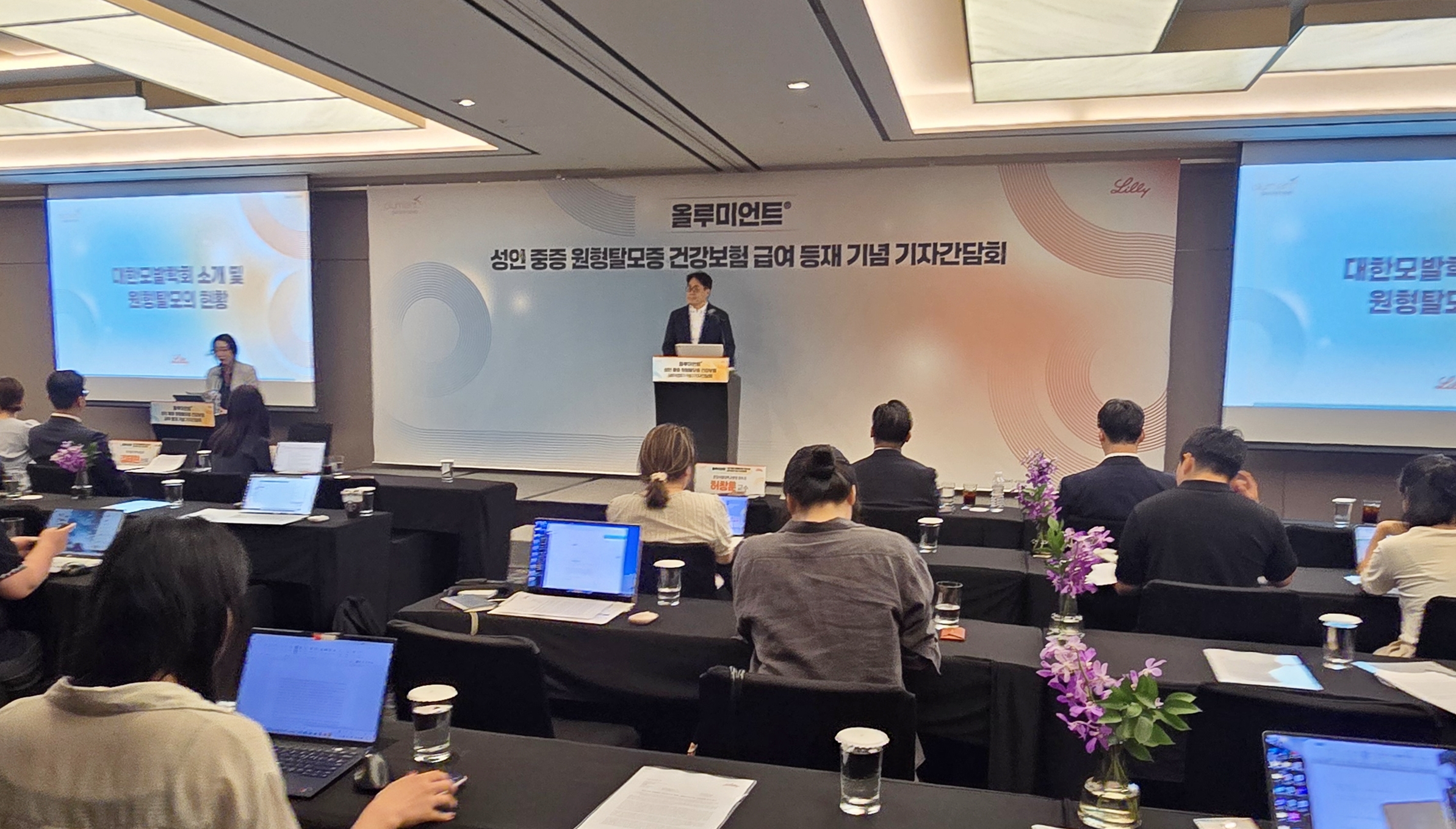
- For the first time, patients with severe alopecia areata have gained access to an evidence-based targeted therapy reimbursed by Korea's National Health Insurance system.With reimbursement now granted for Eli Lilly Korea's Janus kinase (JAK) inhibitor Olumiant (baricitinib), the treatment landscape is expected to shift away from reliance on conventional immunosuppressants and non-reimbursed therapies.However, given the chronic, relapsing nature of alopecia areata, several issues remain unresolved, including the two-year reimbursement limit, reimbursement eligibility requirements for patients previously using non-reimbursed treatments, and coverage for adolescents.Lilly Korea held a press conference on the 5th to mark the reimbursed launch of Olumiant for adults with severe alopecia areata. The drug was granted National Health Insurance reimbursement from July 1 for severe alopecia areata.(from the left) Chang Hoon Huh (Dermatology, Seoul National University Bundang Hospital); Sang Seok Kim (Dermatology, Kangdong Sacred Heart Hospital); Yong Hyun Jang (Dermatology, Kyungpook National University Hospital)Alopecia areata is an autoimmune disease, not a cosmetic condition… marks first step for reimbursement of targeted therapiesAlopecia areata is an autoimmune disease in which immune privilege around hair follicles collapses, allowing immune cells to attack the follicles. The disease follows an unpredictable course, with repeated cycles of relapse and remission.In severe cases, patients may lose not only scalp hair but also eyebrows, eyelashes and body hair. The resulting changes in appearance often lead to reduced self-esteem, social withdrawal and difficulties in daily life.Chang Hoon Huh, Professor of Dermatology at Seoul National University Bundang Hospital (President of Korean Hair Research Society), said, "Reimbursement for alopecia areata treatment has been one of the Korean Hair Research Society's key priorities for many years. Olumiant’s reimbursement marks an important first step."Sang Seok Kim, Professor of Dermatology at Kangdong Sacred Heart Hospital (Secretary General, KHRS), also highlighted the limitations of existing treatments. Systemic corticosteroids and cyclosporine, which have long been used for severe cases, lack robust large-scale clinical evidence specifically in alopecia areata and are associated with significant safety concerns during long-term use.JAK inhibitors are targeted therapies that block intracellular signaling pathways involved in the pathogenesis of alopecia areata. Professor Kim said, "The introduction of JAK inhibitors is changing the treatment paradigm for severe alopecia areata. Olumiant’s reimbursement opened an opportunity for patients to reduce financial burden."Under the reimbursement criteria, coverage is available for patients whose Severity of Alopecia Tool (SALT) score has not improved by at least 30% after three months or more of treatment with systemic corticosteroids or cyclosporine, or for those unable to continue treatment because of adverse events.Eligible patients generally include those with SALT scores of 50 or higher, indicating at least 50% scalp hair loss. Patients with SALT scores between 20 and 50 may also qualify if they show eyebrow or eyelash loss, or obvious interruption of hair growth.Yong Hyun Jang, Professor of Dermatology at Kyungpook National University Hospital, said, “In most countries, reimbursement is limited to patients with SALT scores of 50 or above. Korea's decision to include patients with SALT scores between 20 and 50 who also have eyebrow or eyelash loss is particularly meaningful," he added.Clinical benefits continue beyond 36 weeks… support long-term treatmentThe clinical evidence supporting Olumiant comes from the Phase III BRAVE-AA1 and BRAVE-AA2 trials in adults with severe alopecia areata.More than half of participants had lost over 95% of their scalp hair. The mean SALT score was 96, and the average disease duration was approximately 12 years, indicating that most participants had long-standing, severe disease.At Week 36, the proportion of patients achieving SALT 20 or lower, corresponding to no more than 20% scalp hair loss, was 38.8% in BRAVE-AA1 and 35.9% in BRAVE-AA2 among patients receiving Olumiant 4 mg. Hair regrowth was also observed in the eyebrows and eyelashes.Treatment responses continued to improve beyond Week 36. While some patients responded early, others experienced gradual improvement or showed meaningful responses after Week 36.Professor Jang said, "Because hair regrowth takes time, some patients show better outcomes at Week 52 than at Week 36. We need reimbursement criteria that allow both early and late responders to continue receiving treatment."Reimbursement is only the beginning, not the end… 2-year limit and progress rules remain challengesSeveral challenges remain following reimbursement approval. To maintain reimbursement, patients must achieve a SALT score of 20 or below at Week 36. Treatment response is then reassessed every 6 months, and reimbursement is currently limited to a maximum of 2 years.The concern is that alopecia areata is a chronic disease characterized by repeated relapses and remissions. Even after successful hair regrowth, discontinuing treatment may lead to renewed hair loss, meaning some patients could require therapy beyond the current reimbursement period of 2 years.Professor Jang argued that extending reimbursement for patients who continue to respond is unlikely to place a substantial additional burden on the healthcare budget, given that treatment effectiveness is already reassessed every 6 months. He said a formal pathway is needed to allow continued reimbursement beyond 2 years for patients who maintain treatment benefit.The transition rules for patients already using non-reimbursed Olumiant were also identified as an issue. To receive reimbursement, these patients must objectively demonstrate through historical medical records, photographs, and SALT assessments that they met the current reimbursement criteria when treatment began. Patients treated for more than 36 weeks must also submit their Week 36 evaluation results.However, before reimbursement criteria existed, neither physicians nor patients had any reason to collect or preserve such documentation. Patients who have already responded to treatment may find it difficult to prove the severity of their previous condition based on their current clinical status, while those who changed hospitals may struggle to obtain earlier records.Professor Jang said, "Applying today's reimbursement criteria to treatment that began before those criteria existed and requiring historical documentation is problematic. The evidentiary requirements should be relaxed, and a separate pathway must be established to ensure that patients who have already improved are not excluded from coverage."Expanding reimbursement to adolescents also remains an outstanding issue. Although Olumiant's indication was recently extended to include patients aged 12 years and older with severe alopecia areata, reimbursement currently applies only to adults. Experts also noted that as additional JAK inhibitors enter the alopecia areata market, reimbursement criteria should allow physicians to switch therapies based on individual patient response and safety profiles.Professor Jang said, "Reimbursement for Olumiant should not be the final improvement; rather, it should be the starting point for improving treatment in alopecia areata. Future efforts should focus on enabling continued treatment beyond 2 years, extending reimbursement to adolescents, improving transition rules for existing patients and providing greater flexibility in treatment selection."
- Company
- Voranigo under review for reimbursement in Korea
- by Eo, Yun-Ho Aug 06, 2026 05:24pm
- Voranigo, the first new brain tumor therapy approved in nearly two decades, is making progress toward National Health Insurance reimbursement listing in Korea.According to industry sources, Voranigo (vorasidenib), Servier Korea's treatment for IDH-mutant diffuse glioma, is expected to be reviewed by the Cancer Disease Deliberation Committee (CDDC) of the Health Insurance Review and Assessment Service (HIRA) on Aug. 19.After being granted marketing authorization in January, Servier launched Voranigo as a non-reimbursed treatment in May and submitted its reimbursement application during the same month.As a result, attention is rising on whether the first IDH-targeted therapy for low-grade glioma will become available under the national reimbursement system.Voranigo is indicated for adolescents aged 12 years and older who weigh at least 40 kg, and for adults with grade 2 astrocytoma or oligodendroglioma harboring an IDH1 or IDH2 mutation.Low-grade glioma is a slowly growing brain tumor that carries a high risk of recurrence and can eventually progress to a high-grade malignant tumor. The disease is often first detected following seizures, and surgical resection has long been the standard treatment.However, complete tumor removal is frequently not feasible, while subsequent radiotherapy and chemotherapy are associated with substantial risks of cognitive impairment and neurological adverse effects, leaving significant unmet treatment needs.IDH mutations are recognized as a key biomarker in approximately 80% of patients with grade 2 glioma. Both the World Health Organization (WHO) and the National Comprehensive Cancer Network (NCCN) now recommend testing for IDH mutations as part of the diagnostic workup.The efficacy of Voranigo was demonstrated in the Phase III INDIGO trial, which enrolled patients with low-grade IDH-mutant glioma who had undergone surgery but had not yet received radiotherapy or chemotherapy.Study results showed that Voranigo reduced the risk of disease progression or death by 65% compared with placebo. Median progression-free survival (PFS) was 11.4 months in the placebo group, whereas the median was not reached in the Voranigo group. Voranigo also significantly delayed time to next intervention (TTNI). In addition, the annual seizure rate during treatment was reduced by 64% compared with placebo.Jong Hee Chang, Professor of Neurosurgery at Severance Hospital. said, "Voranigo is the first newly approved brain tumor therapy since temozolomide was approved for glioblastoma in 2006. The arrival of Voranigo represents a major advance, given that most drugs have failed development because they were unable to adequately cross the blood-brain barrier (BBB).”
- Company
- Is there a separate 'drug price premium' track for companies other than innovative firms?
- by Kim, Jin-Gu Aug 05, 2026 01:17pm
- Following the adjustment of the generic drug price calculation rate from 53.55% to 45%, the 'drug price calculation system' is emerging as a critical exit strategy for the pharmaceutical industry to defend profitability.The drug price bonus tracks under the revised drug pricing system are broadly divided into 'company-level premium' and 'product-level premiums.' While the pharmaceutical industry's focus was previously concentrated on company-level premiums, such as for Innovative Pharmaceutical Companies, the 'in-house API production' premium track granted to individual products is recently surfacing as a new mechanism for price defense. According to the pharmaceutical industry on the 4th, supplier-based company-level premiums determine the generic price caps for a given company across the board depending on whether specific eligibility criteria are met. Companies certified as Innovative Pharmaceutical Companies based on metrics such as R&D investment relative to revenue receive a premium rate of 60%, while semi-innovative pharmaceutical companies receive 50%. Additionally, pharmaceutical manufacturers maintaining a designated threshold of essential/low-profit drugs (anti-withdrawal drugs) are categorized as supply-stabilization leader companies, qualifying for a 50% price calculation rate premium. During discussions surrounding the reform of the drug pricing system, these company-level premiums drew significant attention from the pharmaceutical industry. Frontline drugmakers deployed exit strategies such as re-evaluating their R&D investment ratios and restructuring research and development expense line items on their financial statements.68% Price Cap + Up to 10 Years… Why the Pharma Industry Is Focusing on "In-House API Production"Recently, in addition to securing eligibility for company-level premiums, interest is mounting in "product-level premiums" tailored to the specific characteristics of individual drugs.Product-level premiums are granted based on individual product attributes, such as drugs utilizing ▲in-house manufactured APIs, ▲national essential drugs using domestic APIs, ▲injectable antibiotics and essential pediatric medications, and ▲designated pharmaceuticals to resolve supply instability. The underlying objective is to provide preferential pricing benefits for products that contribute to health security and pharmaceutical supply chain stability. Among these, the track attracting the most focus from the pharmaceutical industry is 'in-house API production.' The government has agreed to guarantee a drug price equivalent to 68% of the original price cap for a baseline period of 5 years if a generic is produced by directly synthesizing active pharmaceutical ingredients in the manufacturer's own facility. Furthermore, if eligibility conditions are continuously met, an additional 5-year extension is granted, allowing drugmakers to maintain elevated drug prices for up to 10 years or more (5 years + 5 years + α).AI-generated image.Under the previous drug pricing system, the premium duration was limited to just 1 year, yielding minimal practical benefits. However, under the new pricing framework, sentiment has shifted dramatically, as the premium period has been expanded to 10 years and the premium rate is applied at the highest level (68%). Because companies can secure a price 23 percentage points higher than the baseline calculation rate (45%) over an extended timeframe, certain products can yield even higher profitability than the Innovative Pharmaceutical Company premium rate (60%). Of course, for companies lacking internal API manufacturing infrastructure, the in-house API production premium track is not an easy path. It requires equipping in-house manufacturing plants with chemical synthesis facilities compliant with ICH Q11 standards, and it consumes substantial time, capital, and administrative resources for manufacturing process development and marketing authorization variations. The government also strictly enforces criteria for recognizing in-house API production, limiting eligibility strictly to "production within the marketing authorization holder's (drugmaker's) own manufacturing site," while excluding facilities owned by parent companies, subsidiaries, or affiliates.Nevertheless, analysts suggest that the ability to maintain a 68% price cap over an extended duration in an environment where the baseline generic pricing rate has dropped to 45% offsets these entry barriers.'10-Year Rule' and 'Cost Burden' Variables… Targeting Products with Patent Expirations in 2 to 3 YearsIndeed, drug pricing managers across numerous domestic pharmaceutical companies are reportedly engaging in meticulous return-on-investment calculations regarding entry into the in-house API production track.The single biggest variable is the 'timing of the first generic listing.' Under the regulations, the starting point for the 10-year premium period is calculated based on the 'listing date of the first generic in the market,' rather than the 'listing date of the company's own product.'For instance, for hypertension and hyperlipidemia active ingredients where generics were already listed en masse in the mid-2010s, the 10-year limit following the first generic listing has either already passed or is imminent. Even if a drugmaker invests billions of KRW immediately to establish an API synthesis process, there is little practical benefit, as the premium duration has already expired or has only a few months remaining.Conversely, the situation is different for molecules whose patents expired within the last two to three years or where the generic market has just opened. A prime example is the diabetes treatment market for DPP-4 inhibitors or SGLT-2 inhibitors, where major originator patents expired in or after 2023. Because the timing of the first generic listing in the market is recent, there remains a window of mathematically 7 to 10 years to receive the 68% drug price premium. This structure allows companies to recover facility investment costs and enhance profitability.Another variable is the "cost burden." Pharmaceutical companies must meticulously weigh the manufacturing cost of using lower-cost Chinese or Indian APIs against the operational and maintenance costs of running their own synthesis facilities versus the profit yielded by the 68% drug price premium.Under this current structure, rather than indiscriminately applying the in-house API production track to all products, drugmakers are evaluating a selective-and-focused strategy—targeting API synthesis investments specifically toward major products with recently expired patents. This represents a two-track strategy: defending overall generic pricing through company-level premiums like Innovative or Semi-Innovative status, while evaluating in-house API production premiums for core flagship products.An official from a major pharmaceutical company explained, "If company-level premiums serve as a track to defend the baseline drug prices across the entire company, in-house API production is a targeted strategy to maximize revenue for key products," and added, "The practical benefits of the in-house API production track will be substantially greater for pharmaceutical companies with a high revenue reliance on specific products."A drug pricing manager at another pharmaceutical company also noted, "For major chronic disease products whose patents have recently expired, we judge that defending a 68% drug price cap for several years is advantageous," and concluded, "We are currently evaluating whether to apply the in-house API production track centered around our key major products."
- Company
- Bertis introduces SURF platform at MSD Summit
- by Hwang, byoung woo Aug 05, 2026 01:17pm
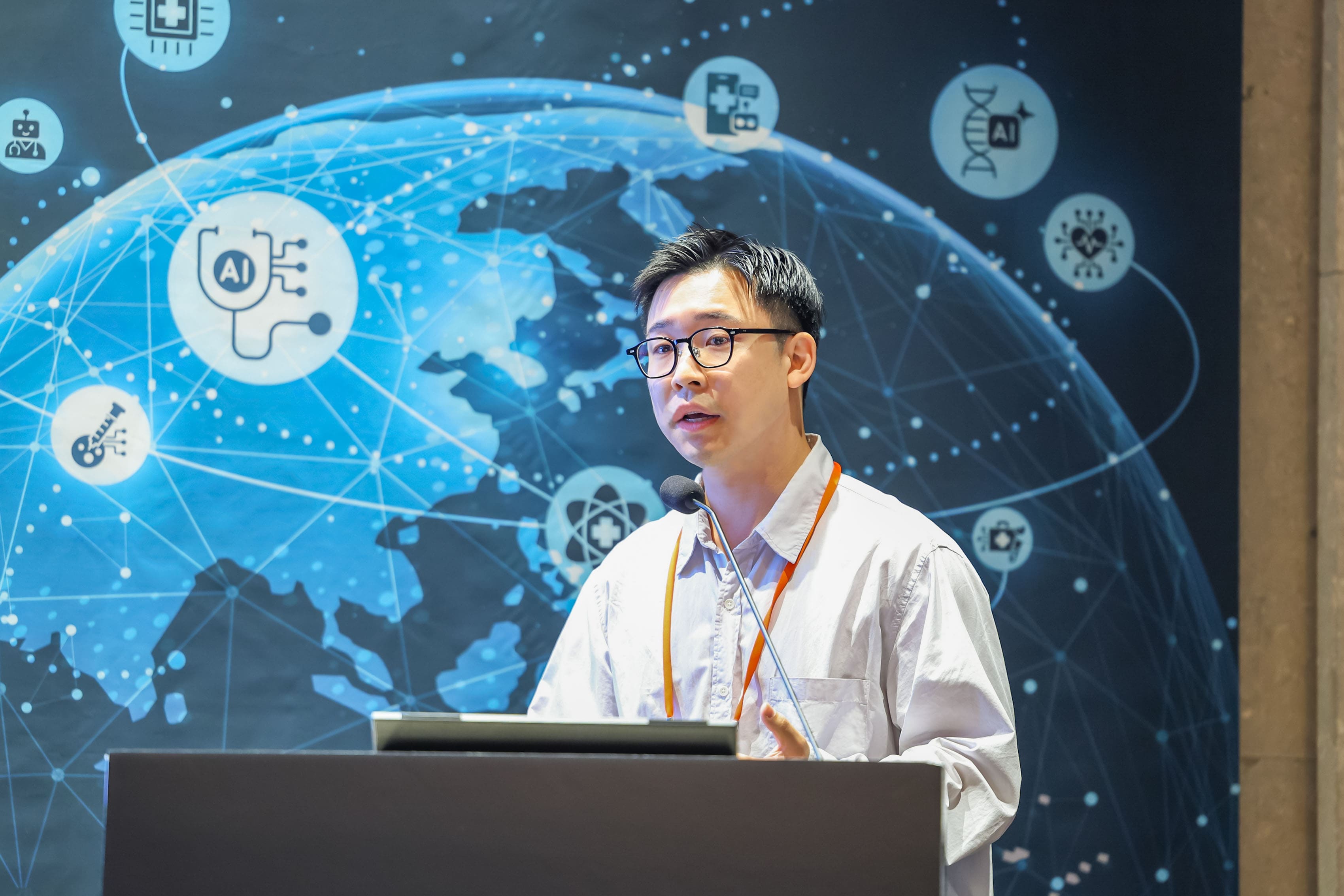
- Bertis has demonstrated the global partnering potential of its AI-powered drug target discovery platform, SURF, by being selected as a finalist at the MSD Health Innovation Summit.Bertis, a proteomics technology platform company co-led by CEOs Dong-young Noh and Seung-man Han, announced on Aug. 4 that it had been selected as one of the judges' award recipients at the MSD Health Innovation Summit, jointly hosted by the Korea Health Industry Development Institute (KHIDI) and MSD Korea.At the event, the company unveiled its AI-based drug target discovery and validation platform SURF for the first time. Among eight companies selected through a preliminary review to deliver presentations, Vertis was named one of three companies selected by the judging panel.According to the company, Vertis was the only drug target discovery platform that was selected for the award. The company was recognized for presenting a platform that leverages its proteomics expertise, built through its cancer diagnostic solutions and protein analysis services, to improve the efficiency and success rate of drug development.The summit, held on July 14 under the theme “Next-generation healthcare powered by evidence-based AI: From prevention to personalized care," brought together experts from KHIDI, MSD Korea, the MSD Global Health Innovation Fund, MSD Asia-Pacific's innovation team IDEA Studio, and the global healthcare innovation platform HITLAB as members of the judging panel.SURF is a platform designed to generate and analyze data on cell surface and surface-adjacent proteins to identify novel therapeutic targets. It is structured to materialize these into new drug target packages capable of collaborative research or technology transfer through AI analysis and experimental validation.Rather than focusing solely on previously identified targets, the platform is designed to discover novel therapeutic targets. By mapping cell surface and neighboring proteins, SURF comprehensively evaluates target surface accessibility, disease relevance, expression in normal tissues, and suitability for specific therapeutic modalities of candidate targets for prioritization.The company said the platform provides target discovery and validation solutions that can support next-generation therapeutic modalities, including antibody-drug conjugates (ADCs) and bispecific antibodies. Bertis emphasized that SURF is a hybrid platform that complements purely in silico prediction approaches by integrating experimental data generation, AI-based analysis and biological validation.Target discovery focused on the cell surface proteome has become an area of growing interest for global pharmaceutical companies. In January this year, Disco Pharmaceuticals signed a licensing agreement with Amgen covering novel surface protein targets, while InduPro entered into a collaboration with Eli Lilly to develop multispecific antibody cancer therapies.Bertis plans to combine its proprietary AI analytics engine, proteomics data-generation capabilities and clinical sample-based validation expertise to expand from target discovery to comprehensive target packages suitable for collaborative research and technology licensing.Seung-man Han, co-CEO of Bertis, said, "It is particularly meaningful that the innovation of our proteomics-based drug target discovery platform has been recognized by global pharmaceutical companies and investment and research experts.”He added, " Having confirmed the strong industry interest in surface protein target discovery, we will continue to expand collaborative research and licensing partnerships with global pharmaceutical and biotechnology companies through the SURF platform."
- Company
- Fintepla to receive rapid reimbursement listing in Korea
- by Eo, Yun-Ho Aug 05, 2026 01:17pm
- ‘Fintepla,’ one of the drugs included in the second phase of Korea's Approval–Assessment–Negotiation Parallel Review Pilot Program, is expected to enter the National Health Insurance reimbursement system at an accelerated pace.According to industry sources, UCB Korea recently reached a final agreement with the National Health Insurance Service (NHIS) on the reimbursement price for Fintepla (fenfluramine), a treatment for Dravet syndrome. Given that negotiations began in early July, the process has been completed within the program's targeted 30-day timeline.The only remaining step is deliberation by the Health Insurance Policy Deliberation Committee (HIPDC). Barring any unexpected developments, Fintepla is expected to be listed for reimbursement in September.After being approved in Korea in December last year, Fintepla was designated an orphan drug and selected for the second phase of the government's Approval–Assessment–Negotiation Parallel Review Pilot Program. The statutory timeline for NHIS drug price negotiations (60 days) is reduced to 30 days for drugs subject to the program.Dravet syndrome is an ultra-rare, intractable childhood epilepsy that typically begins during infancy. According to experts, approximately 80% of cases are caused by mutations in the SCN1A gene.The disease usually develops around 12 months of age, and up to 15% of patients die during infancy or adolescence. Patients face an increased risk of numerous neurological and developmental comorbidities, including tonic-clonic seizures, delayed language development, autism, intellectual disability, and attention-deficit/hyperactivity disorder (ADHD).The disease also places a substantial burden on caregivers, as they are required to provide around-the-clock care while coping with career disruption and loss of income, resulting in high caregiving stress and reduced quality of life.Frequent seizures occurring over a long period in patients with Dravet syndrome not only degrade the quality of life for patients and caregivers but also carry the risk of sudden unexpected death in epilepsy (SUDEP), making reducing or stopping seizures the primary treatment goal.However, substantial unmet medical needs remain in Korea as there are limitations in controlling seizures with currently used antiepileptic drugs alone, and some therapies even exacerbate seizures. Fintepla is regarded as a valuable treatment option because it not only reduces seizure frequency but also has the potential to achieve seizure freedom in some patients.Meanwhile, Fintepla demonstrated its clinical value through three randomized Phase III trials (STUDY 1–3).In a pooled analysis of Study 1, which enrolled 119 patients, and Study 3, which included subsequently enrolled patients, treatment with Fintepla reduced monthly convulsive seizure frequency (MCSF) by 62.3% and 64.8%, respectively. Notably, near-complete seizure freedom was observed only in patients treated with Fintepla.In Study 2, patients receiving standard therapy with stiripentol (plus clobazam and/or valproate) were randomized 1:1 to receive either Fintepla or placebo during a 15-week study consisting of a six-week baseline period, a three-week titration period, and a 12-week maintenance period. The study showed that 54% of patients receiving Fintepla achieved at least a 50% reduction in monthly convulsive seizure frequency from baseline, compared with 5% in the placebo group.

- Company
- InBody accumulates clinical evidence from hospitals…targeting GLP-1 mkt
- by Hwang, byoung woo Aug 04, 2026 10:50am
- InBody, a body composition analysis company, is rapidly expanding into the market for GLP-1 obesity therapeutics, based on its accumulated clinical research and data in medical settings.The company's strategy extends beyond equipment sales, broadening its application scope as a clinical monitoring tool for treatment progress while driving new demand through body composition data analysis and strategic collaborations with global pharmaceutical companies. Accumulated body composition data from InBody devices worldwide has now surpassed 200 million cases.Installed machines translating into clinical researchInBody's core strength lies in its extensive installed base established across medical institutions. Even without direct corporate involvement, independent researchers frequently utilize InBody devices to conduct clinical studies, allowing the company to build a diverse track record of research and development achievements.InBody highlighted fluid management in emergency dialysis and heart failure patients as representative clinical projects undertaken jointly by its internal clinical team and external research groups. The company is also actively expanding its research support overseas.According to quarterly financial filings, over 10,000 academic papers have utilized InBody devices or cited its test results. Clinical adoption is further backed by specialized medical equipment, such as the BWA (Body Water Analyzer), which measures body water in dialysis and lymphedema patients, and research-grade systems that analyze localized impedance variations.The scope of research is also expanding beyond weight management and obesity into areas such as sleep disorders. Recently, a joint research team from Ilsan Paik Hospital, Samsung Medical Center, and KAIST developed I-SLEEPS, an artificial intelligence model designed to screen for sleep disorder risks using skeletal muscle index (SMI) and fat-free mass index (FFMI) measured via InBody.The research team evaluated data from 3,291 patients who underwent both polysomnography and InBody measurements, followed by external validation on an additional cohort of 195 patients. The predictive accuracy for complex sleep disorders reached up to 97%. These findings demonstrate that body composition data can serve as a critical clinical variable for stratifying high-risk patient groups beyond basic health screening.I-SLEEPS: InBody-based sleep disorder prediction modelCapturing early muscle loss in initial treatment via GLP-1 dataGLP-1 obesity therapeutics sit at the center of InBody's recent market expansion. As adoption of these therapies grows rapidly, clinical demand is surging to evaluate specific changes in body fat and skeletal muscle mass rather than merely tracking overall weight reduction.InBody analyzed 38,331 body composition datasets from domestic users of GLP-1 anti-obesity drugs. The analysis revealed that 70.6% of subjects underwent two or more tests, repeatedly monitoring longitudinal shifts in body composition throughout their treatment course.Over 16 weeks, female patients experienced an average weight loss of 7.06 kg, while male patients lost 8.36 kg. Over the same timeframe, skeletal muscle mass decreased by 1.3 kg in females and 1.4 kg in males, with relatively pronounced losses observed within the first four weeks following baseline testing. These findings highlight the clinical necessity of concurrently monitoring muscle mass and body fat kinetics from the earliest stages of weight loss.Clinical evidence and data are directly translating into commercial opportunities. InBody's Chinese subsidiary initiated supplies of its professional body composition analyzer, the InBody260S, after participating in a weight management clinic project operated by a global pharmaceutical company through a local pharmacy franchise.InBody GLP-1 webinar, evaluating 2026 GLP-1 marketThis collaboration is expanding beyond retail pharmacies into hospital environments. InBody contracted to supply its InBody770CH-N and InBody270 models to hospital-based weight management clinics operated by global pharma. The devices will be used to assess pre- and post-treatment changes in body fat, muscle mass, and body water under GLP-1 therapy, as well as to support clinical obesity consultations.InBody recorded first-quarter sales of KRW 68.4 billion this year, representing a 23.1% year-over-year increase. Professional body composition and body water analyzers accounted for 71% of total sales, with overseas markets generating 87% of revenue.Ultimately, the key challenge is transforming research achievements beyond hardware supply into a sustainable framework for recurring patient management.If standardized protocols are established determining when body composition should be measured during GLP-1 therapy and how results should be integrated into clinical care, InBody is anticipated to expand from a complementary diagnostic tool sold alongside obesity medications into a core medical infrastructure that actively manages therapeutic progress.
- Company
- Next-gen therapies expand options in multiple myeloma
- by Son, Hyung Min Aug 03, 2026 05:19pm
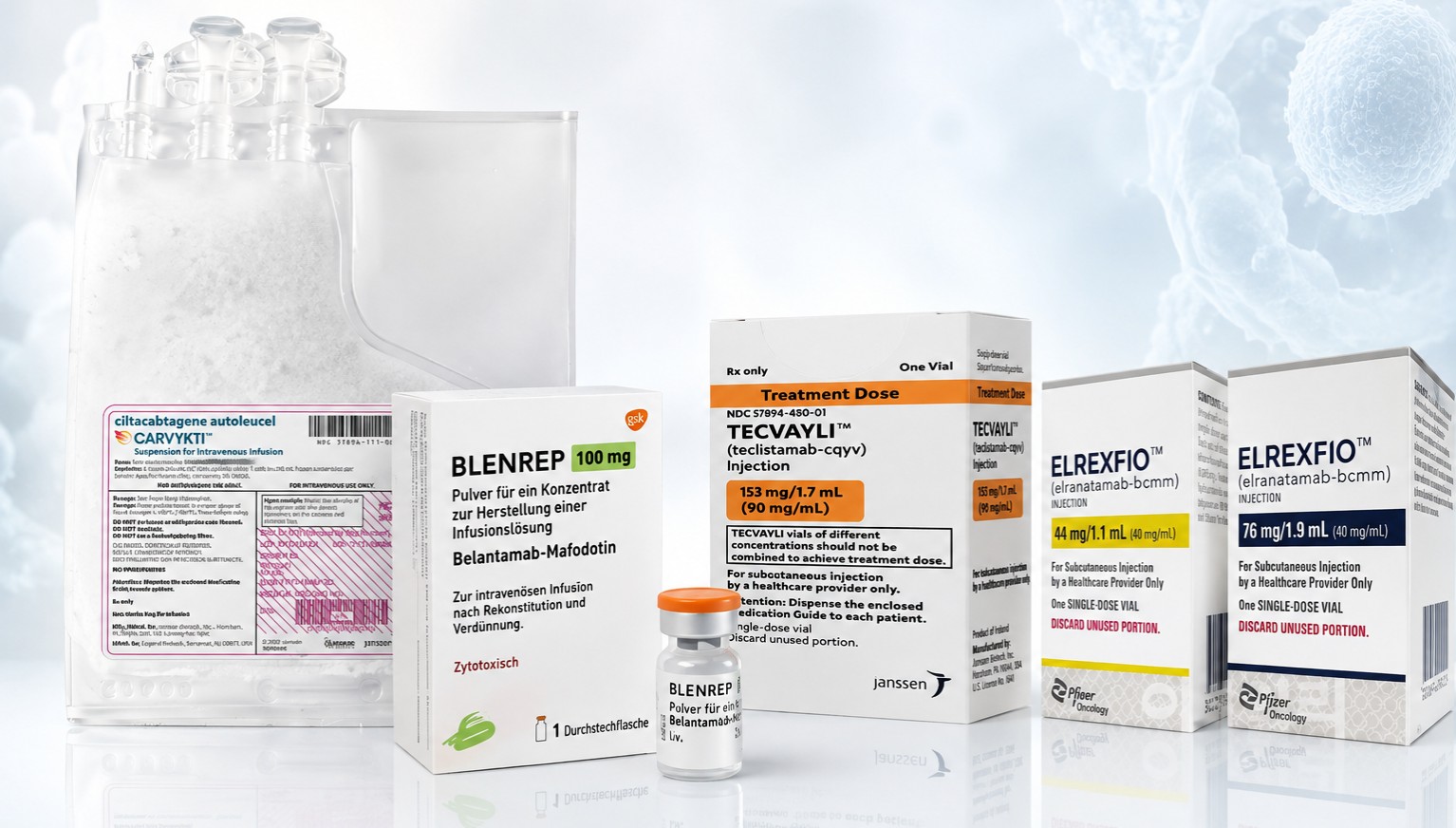
- The treatment landscape for multiple myeloma is evolving rapidly.With the introduction of therapies based on novel mechanisms of action, including antibody-drug conjugates (ADCs), bispecific antibodies and chimeric antigen receptor T-cell (CAR-T) therapies, treatment options have expanded significantly in Korea.As competition shifts from regulatory approvals to National Health Insurance reimbursement, patient access to these next-generation therapies is emerging as a key factor shaping the future treatment landscape for multiple myeloma.ADC oncology drug ‘Blenrep’According to industry sources, GSK Korea is currently pursuing reimbursement for its BCMA-targeting ADC Blenrep (belantamab mafodotin).In December last year, Blenrep was approved in Korea for use in combination with bortezomib and dexamethasone (BVd) in patients with relapsed or refractory multiple myeloma who had received at least one prior therapy.It is also approved in combination with pomalidomide and dexamethasone (BPd) for patients who received at least one prior therapy including lenalidomide.Under the Korean label, both combination regimens are indicated for patients who have received one or more prior therapies, and can be used beginning in the second-line setting. Accordingly, a key issue in reimbursement discussions is whether coverage will likewise begin from second-line treatment.The approved indication differs from that in the United States. In October last year, the US Food and Drug Administration approved Blenrep in combination with BVd for patients with relapsed or refractory multiple myeloma who had previously received at least two therapies including a proteasome inhibitor and an immunomodulatory agent.While the US indication effectively targets third-line or later treatment, as in Europe, Korea permits use beginning in the second line. Depending on the extent to which domestic reimbursement criteria are set, the actual therapeutic position of Blenrep may also vary.Initial treatment strategies for multiple myeloma vary depending on whether a patient is eligible for hematopoietic stem cell transplantation.Transplant-eligible patients typically receive induction therapy to reduce tumor burden, followed by autologous stem cell transplantation and maintenance therapy. Patients who are ineligible for transplantation, or who are not scheduled for transplant during initial treatment, generally continue drug therapy in consideration of each individual’s age, overall health, and comorbidities.More recently, first-line treatment has increasingly incorporated combination regimens containing anti-CD38 monoclonal antibodies regardless of transplant status, reflecting a strategy aimed at achieving deeper responses from the outset.In April, Johnson & Johnson's subcutaneous Darzalex (daratumumab) received an expanded indication allowing its use in the four-drug DVRd regimen (daratumumab, bortezomib, lenalidomide and dexamethasone) in both transplant-eligible and transplant-ineligible patients.Lenalidomide remains a cornerstone therapy in both frontline combination regimens and maintenance treatment. Consequently, many patients have already become refractory to lenalidomide by the time they require second-line therapy following disease relapse.Multiple myeloma is characterized by repeated cycles of relapse and treatment, and the duration of disease control generally becomes shorter with each successive line of therapy, increasing the need for therapies with novel mechanisms early in the relapsed setting.This is one reason Blenrep is seeking reimbursement as a second-line treatment. In particular, the BPd regimen is indicated for patients previously treated with lenalidomide, closely reflecting current real-world treatment patterns in multiple myeloma.Treatment sequence more important than mechanism…Reimbursement will reshape the marketCAR-T therapy ‘Carvykti’Johnson & Johnson's CAR-T therapy Carvykti (ciltacabtagene autoleucel) is also reshaping treatment strategies by expanding into earlier stages of relapsed disease.Carvykti is a personalized cell therapy in which a patient's own T cells are collected, genetically modified to recognize myeloma cells, and then reinfused. It is currently the first and only CAR-T therapy approved in Korea for multiple myeloma.It is indicated for patients with relapsed or refractory multiple myeloma who are refractory to lenalidomide after receiving at least one prior regimen that included both a proteasome inhibitor and an immunomodulatory agent.In the CARTITUDE-4 study, Carvykti reduced the risk of disease progression or death by 71% compared with standard therapy. At a median follow-up of 33.6 months, the median progression-free survival had not yet been reached in the Carvykti group, compared with 11.8 months in the standard-of-care group.Carvykti also reduced the risk of death by 45% in the overall survival analysis. The overall response rate was 85% in the Carvykti arm versus 67% with standard therapy, while complete response or stringent complete response rates were 77% and 24%, respectively.Experts believe CAR-T therapy is likely to become one of the major treatment pillars for relapsed or refractory multiple myeloma.Because patients with multiple myeloma typically undergo long-term sequential treatment, repeated drug administration imposes not only a physical burden but also increasing demands associated with hospital visits and treatment costs.CAR-T therapy has limitations in that it requires time for cell collection and manufacturing before treatment can begin. However, because durable responses may be achieved following a single administration, it has the potential to reduce the burden associated with prolonged, repeated treatment.Although no specific reimbursement timetable has yet been confirmed for Carvykti, the need for discussions on reimbursement is being raised, given its high treatment cost and the limited number of centers capable of administering the therapy.Meanwhile, bispecific antibodies are moving through the reimbursement process for patients in a more advanced setting.Johnson & Johnson's Tecvayli (teclistamab) and Pfizer's Elrexfio (elranatamab) had reimbursement criteria established by the Health Insurance Review and Assessment Service's Cancer Disease Deliberation Committee in November last year.(from the left) Bispecific antibodies ‘Tecvayli,’ ‘Elrexfio’Both therapies simultaneously bind to BCMA expressed on myeloma cells and CD3 on T cells, directing the patient's immune system to attack cancer cells.However, their approved populations are limited primarily to heavily pretreated patients with relapsed or refractory disease. Elrexfio is indicated for patients who have received at least three prior lines of therapy, including a proteasome inhibitor, an immunomodulatory agent and an anti-CD38 monoclonal antibody. Tecvayli is similarly intended for later-line patients previously treated with a proteasome inhibitor, an immunomodulatory agent, and an anti-CD38 antibody.A key advantage of bispecific antibodies is that they are off-the-shelf therapies that can be administered immediately without the need to collect and manufacture a patient's own cells.This enables rapid treatment for patients with rapidly progressing disease or those unable to wait for CAR-T cell manufacturing. Unlike CAR-T therapy, however, bispecific antibodies require repeated administration over time rather than relying on a single treatment.
- Company
- Pharmaceutical distributors wary of drug price cuts
- by Kim, Jin-Gu Aug 03, 2026 05:18pm
- With the drug price reform taking effect, Korea’s pharmaceutical distribution industry has requested drug manufacturers not to reduce distribution margins in relation to the price reductions.According to the pharmaceutical and distribution industries on the 3rd, the Korea Pharmaceutical Distribution Association(KPDA) recently sent an official letter titled “Request for Cooperation on Distribution Margin Policies Related to Drug Price Cuts” to the CEOs and executives of major pharmaceutical companies responsible for wholesale operations.In the letter, the association noted that “Even in difficult environments such as a prolonged economic recession, instability in the supply and demand of pharmaceuticals, rising logistics costs, and labor shortages, pharmaceutical wholesalers and distributors have continued to supply pharmaceuticals to healthcare institutions. With large-scale drug price cuts being implemented, a deterioration in the profitability of the distribution industry sector has become unavoidable.”It added, “Reducing distribution margins or shifting the financial burden to distributors under the pretext of drug price cuts could strain the cooperative relationship between pharmaceutical companies and distributors. We ask pharmaceutical companies to work together with distributors to ensure mutual growth.The association’s request reflects not only concerns over shrinking distribution margins but also the growing administrative and logistical burden associated with the implementation of drug price cuts.Although the price reductions have already taken effect, uncertainty remains over which products should be recalled, how compensation should be determined, and what settlement procedures should be followed, creating confusion on site.Healthcare institutions face additional administrative work, including identifying products subject to price reductions, sorting inventory and reviewing items eligible for return. These tasks inevitably require additional personnel and time beyond routine medical treatment and dispensing activities. Similarly, the pharmaceutical distribution industry is experiencing an increase in the burden of logistics and management costs as cascading practical procedures such as collection and inspection, inventory management, and settlement increase.Distribution industry representatives also point out that for products subject to only modest price reductions, the social cost of processing returns and settlements could exceed the actual savings generated by the lower prices. They argue that the government should take the lead in introducing measures to minimize disruption.A distribution industry official said, “The government and pharmaceutical companies should promptly establish clear standards for product returns, compensation and operational procedures so that healthcare providers and distributors do not experience unnecessary confusion. There is an urgent need for practical measures that minimize the social costs arising during implementation of the new pricing policy.”
- Company
- J&J Vision targets presbyopia and astigmatism market with Acuvue MAX
- by Hwang, byoung woo Jul 31, 2026 08:50am
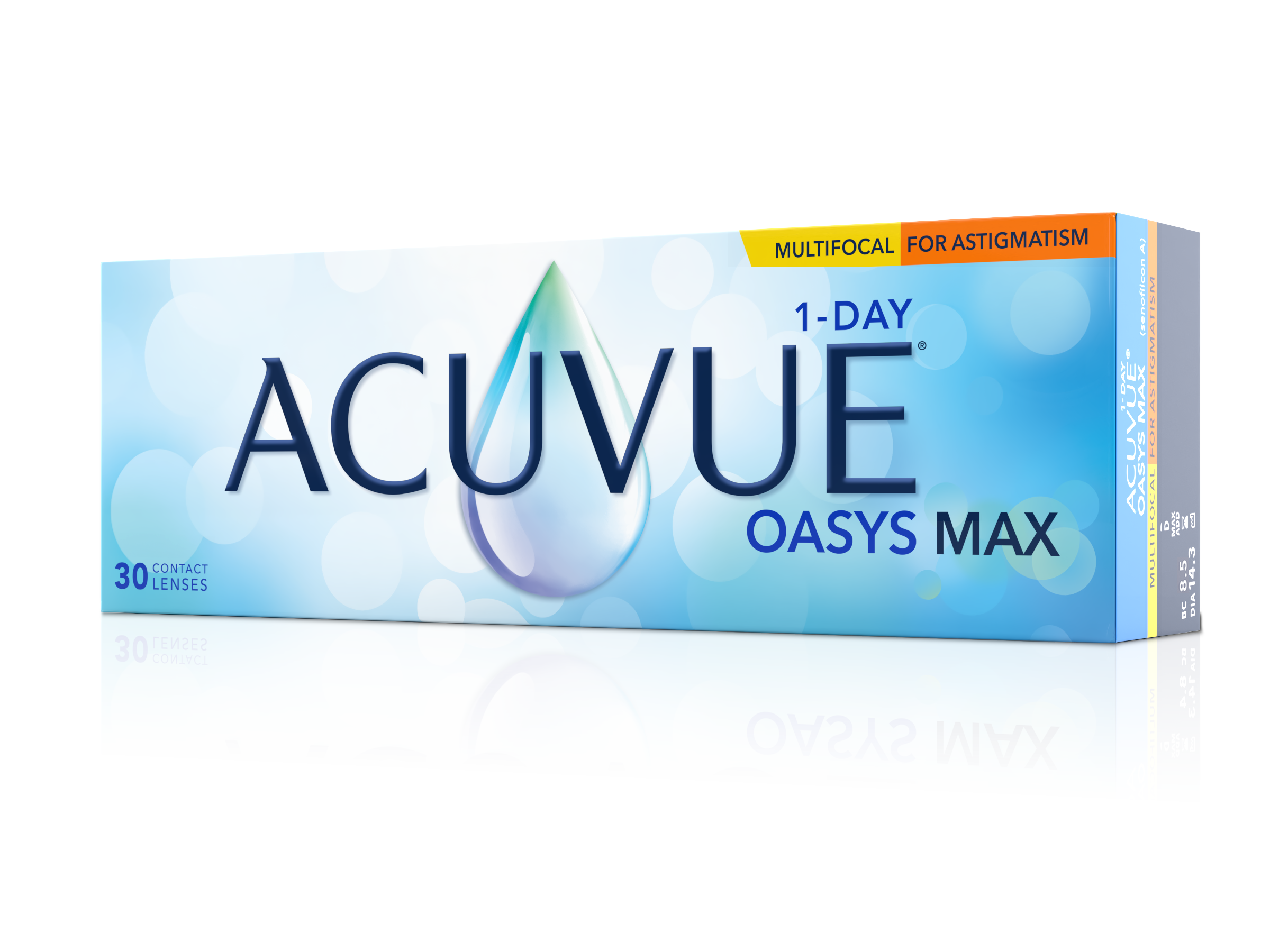
- ACUVUE® OASYS MAX 1-Day Multifocal for AstigmatismJohnson & Johnson Vision Korea is expanding its multifocal contact lens portfolio with the launch of a new daily disposable lens designed to correct both presbyopia and astigmatism.The company said on the 30th that it has launched Acuvue Oasys MAX 1-Day Multifocal for Astigmatism, a daily disposable contact lens capable of correcting both conditions.The new product is aimed at consumers who experience presbyopia and astigmatism simultaneously. According to the company, it is the only daily disposable contact lens available in Korea that corrects both conditions.Presbyopia generally becomes more pronounced after the age of 40, and around 1 in 2 people with presbyopia are also known to have astigmatism. When astigmatism is present, patients may experience discomfort with both near and distance vision. Until now, however, options addressing both conditions have been limited in Korea’s daily disposable contact lens market.Acuvue Oasys MAX 1-Day Multifocal for Astigmatism incorporates Acuvue’s optical and material technologies into a single lens. It uses a 1.00 D cylinder design and is engineered to correct up to 1.75D of astigmatism. The product is intended to provide stable vision from near to far even as the degree of astigmatism increases.Four core technologies are incorporated into the lens: Accelerated Stabilization Design, TearStable Technology, OptiBlue Light Filter, and 183 Pupil-Optimized Designs.The Accelerated Stabilization Design uses four stabilization zones to reduce lens rotation and support the stable vision required for astigmatism correction. TearStable Technology is designed to improve wearing comfort by evenly distributing the wetting agent polyvinylpyrrolidone across both the front and back surfaces of the lens. The technology uses an enhanced PVP distribution method based on a dual-sided light-curing process.OptiBlue technology is intended to provide clearer vision by filtering blue-violet light and reducing light scatter. The 183 Pupil-Optimized Designs take into account variations in pupil size according to age and refractive power, supporting a more natural visual experience across different distances.With the launch, Johnson & Johnson Vision Korea has strengthened its Acuvue Oasys MAX 1-Day portfolio in the domestic market. The company expects eye care professionals, including opticians and ophthalmologists, to be able to recommend a wider range of products tailored to consumers’ vision correction needs.Korea’s multifocal contact lens market is growing amid population aging and an increase in active older consumers. As more people seek to maintain active lifestyles involving travel, sports and cultural activities, interest is also increasing in visual quality and wearing convenience among presbyopia correction products.Johnson & Johnson Vision Korea will also continue working with brand ambassador and golf coach Seri Park as part of the launch. The company plans to expand consumer engagement with the Acuvue multifocal brand through digital campaigns, trial programs and professional education.Elizabeth Jung Lee, Country Manager of Johnson & Johnson Vision Korea, said, “Presbyopia cannot be defined as a single condition because it presents with a combination of symptoms, and many consumers experience both presbyopia and astigmatism.”She added, “Acuvue Oasys MAX 1-Day Multifocal for Astigmatism was designed to correct these two major vision problems simultaneously. It will help eye care professionals provide more personalized vision correction solutions and allow consumers to maintain the lifestyles they want regardless of age.”
