
- LOGIN
- MemberShip
- 2026-09-08 04:26:45
- Company
- Maternal immunity can help protect early-stage infants
- by Son, Hyung Min Aug 11, 2026 03:16pm
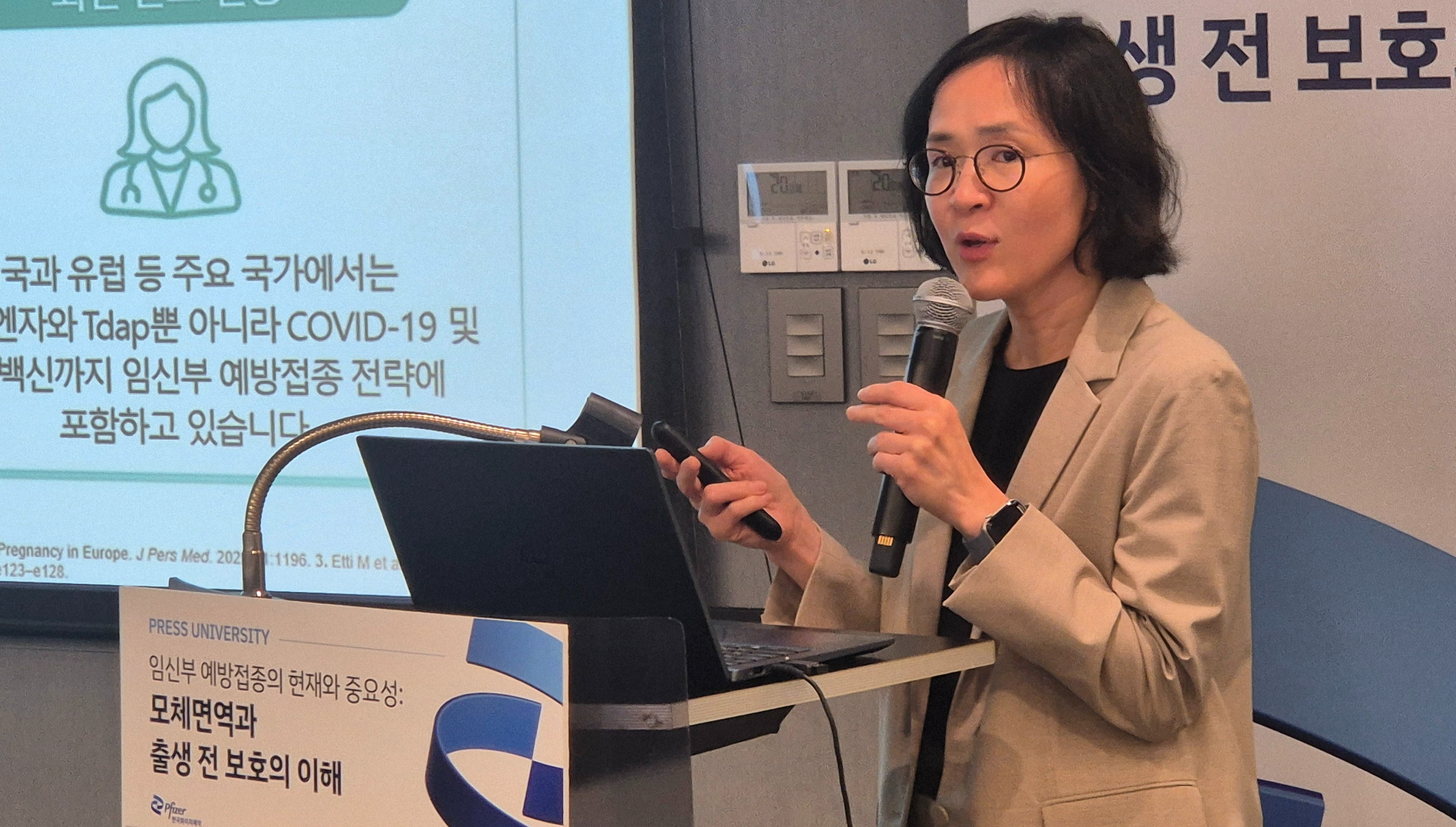
- Attention is drawn to maternal immunization as a strategy that extends beyond preventing maternal infections to complement the immune gap in infants immediately after birth.Leading experts believe that transferring maternal antibodies generated during pregnancy to the fetus via the placenta can help protect early-stage infants, whose immune systems are not yet fully mature, from infectious diseases.On the 10th, Pfizer Korea hosted the '2026 Pfizer Press University' under the theme "Current State and Importance of Maternal Immunization: Understanding Maternal Immunity and Antenatal Protection."Professor Ja Young Kwon, Department of Obstetrics and Gynecology, Severance HospitalAt the event, Professor Ja Young Kwon of the Department of Obstetrics and Gynecology at Severance Hospital and Professor Hyun-Joo Seol of the Department of Obstetrics and Gynecology at Korea University Guro Hospital presented the principles of vaccination during pregnancy, real-world clinical application, and the medical significance of infant protection through maternal immunity.During pregnancy, various physiological changes occur across the immune, respiratory, and cardiovascular systems. Consequently, when infections occur, the risk of disease severity, hospitalization, or severe complications can increase. Furthermore, inflammatory responses driven by severe infections can adversely affect pregnancy outcomes, such as preterm birth or stillbirth. Professor Kwon stated, "Maternal immunization not only protects the mother herself, but also holds vital significance in protecting the fetus and the newborn after birth."Although newborns are exposed to various pathogens immediately after birth, their immune systems remain insufficiently mature. Even following vaccination, establishing adequate immunological memory requires repeated doses and time. According to Professor Kwon, newborns have a high proportion of naive immune cells that have not encountered antigens at birth, and their capacity to rapidly differentiate into memory B cells, which govern long-term immunity following antigen exposure, is limited compared to adults. Consequently, a vulnerable 'immune gap' susceptible to infection can occur during early infancy.Utilizing maternal antibodies to bridge the postbirth vulnerability windowMaternal immunity serves as a key strategy to bridge this immune gap in early life. Because it takes time for infants to develop sufficient immunity, a vulnerable window for infection inevitably arises in early life. Experts explain that elevating maternal antibody levels through vaccination during pregnancy directly increases the volume of antibodies transferred to the fetus. When a pregnant woman generates antibodies via vaccination, immunoglobulin G (IgG) antibodies cross the placenta to the fetus. The infant can then utilize these maternally derived antibodies after birth to respond to infection.Gestational timing also impacts antibody transfer. The expression of Fc receptors responsible for IgG transport across the placenta increases progressively toward late pregnancy. Professor Kwon noted that transplacental transfer of maternal IgG becomes highly active starting around 28 to 32 weeks of gestation, with fetal antibody concentrations rising toward late pregnancy. Accordingly, administration is timed during late pregnancy based on specific vaccine characteristics to align peak maternal antibody response with optimal transplacental transfer windows. Professor Kwon explained, "If we elevate maternal antibody levels through vaccination before transfer, the infant can start life with high antibody titers from the moment of birth," and added, "Even as antibody levels gradually wane later on, the baby can remain protected over a longer duration."She added, "Maternal immunization delivers a triple benefit: protecting the mother, protecting the fetus, and ultimately protecting the newborn."Accumulating clinical evidence for maternal vaccines… Global expansion of target populationsSeol, Department of Obstetrics and Gynecology, Korea University Guro HospitalMaternal immunization is already widely utilized in real-world clinical practice, primarily centered on influenza and pertussis.Professor Hyun-Joo Seol emphasized that influenza vaccination reduces infection risks and disease severity in mothers while concurrently helping prevent infections in infants during early life.In particular, influenza vaccination holds significant medical value in bridging the immune gap before 6 months of age, when infants are not yet eligible for direct vaccination. Citing domestic and international real-world data, Professor Seol added that maternal vaccination reduced maternal influenza infection and hospitalization risks, while protective efficacy against infection was also confirmed in infants. Pertussis vaccination carries a distinct objective of infant protection. While pertussis often presents with mild severity in adults, it can cause severe complications such as apnea or lead to mortality in infants under 1 year of age, particularly those under 2 months.Consequently, administering the Tdap vaccine during pregnancy to transfer maternal antibodies to the fetus serves as an established strategy to protect infants until they receive their primary pediatric immunization.Recently, the application of maternal immunity has expanded to include respiratory syncytial virus (RSV). While RSV infection often manifests as a mild cold in adults, it can precipitate severe lower respiratory tract infections, such as bronchiolitis and pneumonia, in infants and young children. It is regarded as a critical target for prophylaxis due to the heavy clinical burden of hospitalizations and ICU admissions in infants under 1 year old. Professor Seol highlighted that unlike conventional maternal vaccines, the RSV vaccine was designed from its initial clinical development stage with the primary objective of protecting infants via maternal passive immunity.Professor Seol noted, "While influenza and COVID-19 vaccines were originally developed for the general population and subsequently accumulated clinical data in pregnant women, the maternal RSV vaccine differs in that it was specifically engineered from inception to protect infants through maternal passive immunity."Globally, more countries are integrating maternal RSV immunization into public health policy.According to Professor Seol, several countries have incorporated maternal RSV vaccines into their National Immunization Programs (NIPs). At the same time, guidance in the United States recommends late-pregnancy vaccination to prevent RSV-associated lower respiratory tract disease in infants after birth.Professor Seol stated, "Maternal vaccination represents a critical passive immunization strategy that protects the mother while bridging the immune gap in infants immediately after birth," and concluded, "From now on, when applying novel vaccines to pregnant women, providing robust evidence and accurate communication regarding gestational safety alongside clinical efficacy will be crucial."
- Company
- Emerging 'triple comb therapies for diabetes'...up 59% in the first half
- by Kim, Jin-Gu Aug 10, 2026 08:43am
- In the first half of this year, the South Korean triple-combination diabetes drug market expanded to KRW 6 billion, a 59% year-over-year (YoY) increase. Analysis suggests that the market is at its height, as products featuring various active ingredients and combinations have joined the market since the second half of last year.Furthermore, market growth is expected to accelerate as major pharmaceutical players, including Chong Kun Dang, Dong-A ST, Boryung, LG Chem, and Handok, add their respective triple-combination therapies to the market.Triple-combination therapies expand since H2 last year… Up 59% YoYAccording to pharmaceutical market research firm UBIST on the 8th, outpatient prescription sales in the domestic triple-combination diabetes drug market reached KRW 6 billion in the first half of this year, up 59% from KRW 3.8 billion in the first half of last year.Quarterly prescription sales of triple combination diabetes therapies (unit: KRW 100 million, source; UBIST)The market for triple-combination diabetes therapies formed in early 2023, following consecutive patent expirations of major DPP-4 inhibitors and SGLT-2 inhibitors, alongside the expansion of health insurance reimbursement coverage for triple combination therapy.Hanmi Pharm and Daewon Pharmaceutical joined. In the third quarter of 2023, they launched 'Sildapa M' and 'Dapasita M,' respectively, combining dapagliflozin + sitagliptin + metformin. In the first quarter of the following year, Dong-A ST launched 'Sugatree,' combining dapagliflozin and metformin with its proprietary novel drug Suganon (evogliptin).However, initial growth remained modest as only three companies had entered the market at the time. Led by these three products, quarterly prescription sales in the triple-combination diabetes market stayed below KRW 2 billion through the fourth quarter of 2024.The dynamic shifted starting in the second half of 2025 as follow-on products featuring similar active ingredients and combinations aggressively entered the market. During this period, Chong Kun Dang's 'Emsiformin,' Zenuone Sciences' 'Forxita M,' and GC Pharma's 'Sitadapam M' officially joined the market. Entering this year, additional latecomers, including KyungDong Pharma, joined. Currently, 47 products across 14 pharmaceutical companies have obtained approval as triple-combination diabetes drugs.Throughout this expansion, the prescription market for triple-combination diabetes drugs grew significantly. In the second quarter of this year, the market grew to KRW 3.3 billion, indicating that commercial growth is now in full gear. Industry projections suggest that if this trajectory continues, the market will expand beyond KRW 10 billion W by the end of this year.Major players (Chong Kun Dang, Dong-A, Boryung, LG Chem, and Handok) signal competition in the triple-combination therapy areaThe pharmaceutical industry anticipates that the growth trajectory of the triple-combination diabetes market will steepen further, driven by expectations that major manufacturers holding novel originator molecules will add their own triple-combination drugs to the market.For Chong Kun Dang, 'Duviempol,' formulated around its proprietary novel drug Duvie (lobeglitazone), was added to the reimbursement listing in June. The product combines lobeglitazone with empagliflozin and metformin, marking the first triple-combination therapy to pair an SGLT-2 inhibitor + TZD + metformin.Chong Kun Dang's diabetes treatment portfolio expands to 20 products, including Duvie and Januvia. Among these, three are triple-combination therapies: Duviempol, Duvimet-S (sitagliptin / lobeglitazone / metformin), and Emsiformin (empagliflozin / sitagliptin / metformin).Boryung received product approval for 'Truempa LM' in June and is preparing for its market launch. The drug is a combination of empagliflozin + linagliptin + metformin. Boryung's diabetes portfolio expands to 14 products, with two triple-combination therapies: Truempa LM and True DSM (dapagliflozin / sitagliptin / metformin).Dong-A ST has also announced the addition of another triple-combination drug. Building around its proprietary drug Suganon (evogliptin), Dong-A ST already markets Sugatree (dapagliflozin / evogliptin / metformin) and is expected to add "Suganova" (empagliflozin / evogliptin / metformin) to its lineup. Dong-A ST applied for product approval for Suganova in March.Additionally, LG Chem and Handok are reportedly developing triple-combination therapies based on their own proprietary novel drugs.In September of last year, LG Chem received Phase 1 clinical trial approval for "Zemidapamet," a triple-combination therapy combining Zemiglo (gemigliptin) with dapagliflozin and metformin. Handok has similarly conducted clinical trials evaluating a triple combination therapy combining its in-house drug Tenelia (teneligliptin) with empagliflozin and metformin.
- Company
- Flexible pricing contracts drive apparent surge in prescription sales
- by Kim, Jin-Gu Aug 10, 2026 08:43am
- Prescription sale data of several homegrown new drugs, including Fexuclue (fexuprazan), a P-CAB treatment for gastroesophageal reflux disease (GERD), and Envlo (enavogliflozin), an SGLT-2 inhibitor for diabetes, appeared to soar by as much as sixfold within a single month. Industry observers, however, analyzed that the spike is just an optical illusion that reflects the introduction of Korea's new flexible drug pricing contract system, rather than an explosive increase in actual prescriptions.Fexuclue sales double to KRW 15.1 billion, Envlo jumps nearly sixfoldAccording to the market research institution UBIST on the 7th, Daewoong Pharmaceutical's Fexuclue recorded KRW 15.1 billion in prescription sales in June, up 115% year over year from June last year (KRW 7.0 billion) and 113% month over month from May (KRW 7.1 billion).Since July 2024, Fexuclu had consistently generated monthly prescription sales of around KRW 7–8 billion. However, its June figure more than doubled.Prescription sales of Daewoong Pharmaceutical's SGLT-2 inhibitor Envlo rose even more sharply. After posting steady monthly sales of KRW 900 million to KRW 1.1 billion, Envlo recorded KRW 5.3 billion in June alone, roughly equivalent to its combined prescription sales over the previous 5 months.Monthly prescriptions of Fexuclue (top) and Envlo (bottom) (Unit: KRW 100 million, Source: UBIST)Similar trends were also observed with products containing the same active ingredient as Fexuclue. Daewoong Bio's GERD treatment Wecab generated KRW 1.9 billion in June prescription sales, up 214% year-on-year and 93% from the previous month.HanAll Biopharma's ‘Abcito,’ which had consistently posted KRW 200–300 million in monthly prescription sales, reached KRW 600 million in June. IN Therapeutics' ‘Velox Cab’ also nearly doubled its monthly prescription sales.Flexible pricing scheme behind the apparent surge…an optical illusion rising due to the raised list priceIndustry observers note that all 5 products were included in the government's flexible drug pricing scheme. The government recently introduced the scheme as part of broader drug pricing reforms. Under the system, a product's list price and actual transaction price can differ. The policy aims to improve patient access to innovative medicines while strengthening the global competitiveness of homegrown new drugs.The first project included 12 products from eight companies. Korean products selected were Fexuclue, Envlo, Wecab, Abcito, and Velox Cab. Daewoong Pharmaceutical adopted the flexible pricing scheme to strengthen competitiveness while expanding exports to Latin America, India, and other overseas markets. For Envlo, the strategy was adopted to preserve export pricing while competing globally against products such as Forxiga (dapagliflozin) and Jardiance (empagliflozin).Industry sources estimate that Fexuclue's list price roughly doubled, while Envlo's list price increased about fivefold. Fexuclue's list price was determined based on the highest adjusted A8-country price of its comparable drug ‘Vocinti (vonoprazan).’ Under the flexible pricing scheme, list prices are generally set within the highest adjusted price among the A8 countries (the United States, United Kingdom, Germany, France, Italy, Switzerland, Japan, and Canada). For homegrown new drugs that are not yet listed in A8 countries, comparable products are used as reference.Among multinational pharmaceutical products, ‘Xtandi (Astellas Korea),’ ‘Pergoveris (Merck),’ ‘Faslodex (AstraZeneca Korea),’ and ‘Skyrizi (AbbVie Korea)’ have also been included in the scheme. However, because these products account for very little outpatient prescribing, the impact was not significant in UBIST prescription data.More products are expected to adopt the flexible pricing track. Beginning in July, ‘Rinvoq (AbbVie Korea),’ ‘Xultophy (Novo Nordisk Korea),’ and ‘Scemblix (Novartis Korea)’ were additionally included. Also, drugs in the same class as Fexuclue, ‘K-CAB (tegoprazan, HK Inno.N),’ and ‘Vocinti (vonoprazan, Takeda Pharmaceuticals Korea)’ are being discussed as candidates. ‘Jaqbo (zastaprazan, Onconic Therapeutics)’ is also a potential candidate.However, pharmaceutical distributors and pharmacies say the monthly addition of new products to the scheme is creating significant administrative confusion. Although the government allows paperwork-based returns to reduce administrative burdens, settlement procedures for price differences remain complicated, and reimbursement timelines vary, resulting in a growing workload for frontline stakeholders.
- Company
- Jaqbo wins first overseas approval in India
- by Choi Da Eun Aug 09, 2026 04:04pm
- Onconic Therapeutics announced on Aug. 6 that its treatment for erosive gastroesophageal reflux disease (GERD), Jaqbo (zastaprazan), was granted manufacturing and marketing authorization from India's Central Drugs Standard Control Organization (CDSCO).The approval marks Jaqbo’s first regulatory approval outside Korea. Authorized as ‘Zastaprazan Citrate Tablets 20 mg,’ the product can now be manufactured and marketed in India as a treatment for erosive GERD.Jaqbo completed its Phase III clinical trial in India in June and filed a New Drug Application shortly thereafter. The company received regulatory approval approximately 2 months later.Last year, Onconic Therapeutics entered into an exclusive licensing agreement with a local Indian pharmaceutical company for Jaqbo. Under the agreement, the local partner is responsible for development, regulatory affairs, manufacturing and commercialization of Jaqbo in India. Following the approval, the company plans to move forward with launch preparations, including post-marketing surveillance (PMS), product registration, packaging, manufacturing and distribution.Onconic believes the approval marks the transition of the company’s overseas business from technology transfer and development to commercialization. Under the agreement, the approval is expected to trigger milestone payments. Once commercial sales begin in India, the company also expects to generate royalty income based on local sales performance.With a population of more than 1.4 billion, India is one of the world's largest pharmaceutical markets. Demand for GERD treatments has been on the rise alongside economic development and changing dietary habits. While proton pump inhibitors (PPIs) have traditionally dominated the market, potassium-competitive acid blockers (P-CABs) have recently emerged as an important new treatment option because of their rapid and sustained acid suppression.Since its launch in Korea in October 2024, Jaqbo has continued to expand its prescription volume. The drug generated KRW 21.2 billion in prescriptions in Q1 this year, followed by KRW 25.6 billion in Q2. It is currently pursuing regulatory approvals and commercialization across 27 countries, including China, India and Latin America.An Onconic Therapeutics official said, Following the successful completion of the Phase III trial in India and the submission of our marketing application in June, we secured manufacturing and marketing approval in just about 2 months, bringing the local launch into clear view. We will work closely with our partner to ensure a successful launch in India and translate it into global sales growth and royalty revenue."

- Company
- Mundipharma appoints former Novartis executive as new head
- by Eo, Yun-Ho Aug 09, 2026 04:03pm
- Mundipharma Korea has appointed a new head of its local operations.According to industry sources, Mundipharma Korea has named Yeon-Jin Cho, former Executive Director of the Rare Disease Business Unit at Novartis Korea, as its new Country Lead following the resignation of Sungwoon Cho. The new head is scheduled to officially assume the role on Aug. 10.Yeon-Jin Cho began her pharmaceutical career at Pfizer Korea in 2006, where she spent approximately 15 years building expertise in pharmaceutical marketing.At Pfizer, she served in several leadership positions, including Group Product Manager, Head of Multichannel Marketing, and Head of the Urology Business Team. In 2017, she took charge of rare disease marketing before being appointed Rare Disease Lead in December 2018, where she oversaw the company's rare disease business in Korea until July 2021.She joined Novartis Korea in July 2021 as Executive Director of the Cardiovascular and Rare Disease Business Unit, where she led both therapeutic areas, drawing on her extensive experience in rare disease marketing and business operations.Meanwhile, Mundipharma Korea completely withdrew from the prescription drug (ETC) business in 2024 by out–licensing its product sales rights to a domestic partner, currently shifting its focus entirely to consumer health (OTC).
- Company
- "Streamlining researchers' tedious tasks"...Pluto Labs envisions AI expansion
- by Hwang, byoung woo Aug 06, 2026 05:25pm
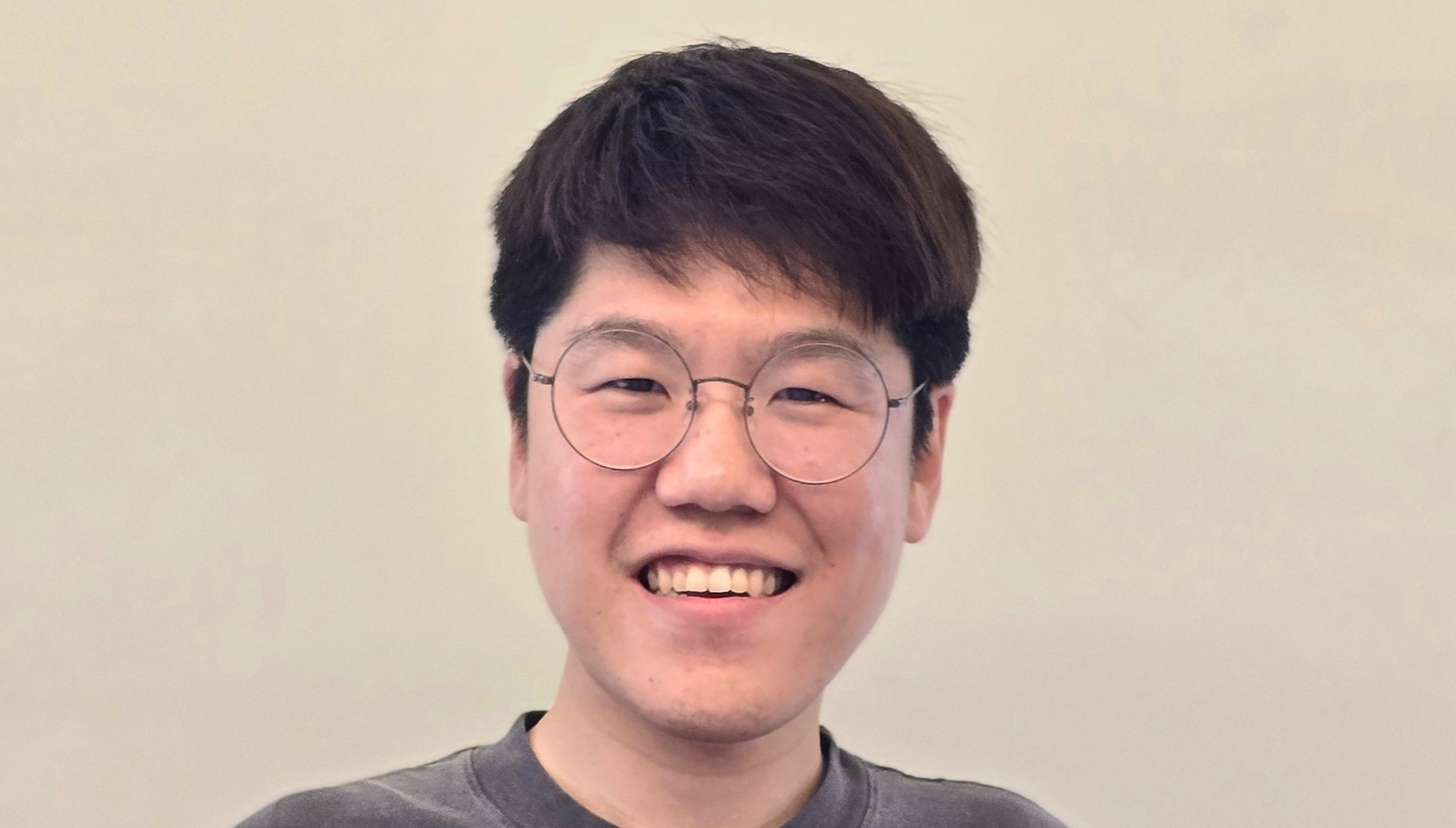
- While a researcher's competitiveness is in formulating new hypotheses, a significant portion of research time is spent searching for published research articles, categorizing prior studies, and verifying experimental methods. Pluto Labs, an artificial intelligence (AI)-driven academic technology startup, aims to address this repetitive workload. The company aims to extend beyond searching articles to supporting research topic identification, hypothesis formulation, and experimental validation, thereby expanding researchers' execution capacity. DailyPharm met with Junseon Yoo (38), CEO of Pluto Labs, to discuss the story behind the company's founding, the key differentiators of its research-support AI, and its strategy for expanding into the pharmaceutical and biotech sectors.The startup began with frustrations over research article searchJunseon Yoo, CEO of Pluto LabsPluto Labs originated from the personal frustration CEO Yoo experienced while directly engaging in academic research.Having majored in Industrial Engineering at POSTECH, Yoo participated in authoring research papers in mechanical engineering before expanding his research focus into AI and computer science. Throughout this process, Yoo realized that searching for relevant papers and data consumed as much time as conducting the actual experiments. Yoo began developing the service as a project in 2017 and incorporated the company in 2019. CEO Yoo remarked, "When conducting research, I experienced much greater frustration while trying to find existing information created by others than in formulating hypotheses and running experiments. Pluto Labs is the company founded specifically to solve that problem.”Pluto Labs' core technology relies on analyzing citations and categorizing research areas.Papers within the same discipline repeatedly utilize similar keywords. Simple keyword searches often retrieve papers with entirely different methodologies or research questions. Pluto Labs overcomes this by analyzing how papers cite one another, clustering them according to specific research topics and methodological approaches. Pluto Labs' leading service, Scinapse, analyzes field-specific research trends so that users can search for literature and researchers. Scinapse AI is currently expanding into supporting the process from initial literature reviews to generating and evaluating research hypotheses. Currently, its primary paying customers are universities and research institutions. The platform is utilized in the early planning phase to help researchers identify viable research topics tailored to their existing technologies and equipment, or to check unaddressed research gaps in existing literature. CEO Yoo explained, "The service helps researchers identify which problems will yield the highest impact given their available technologies and equipment, and pinpoints remaining research gaps in a given field," and added, "It functions less like a simple paper search tool and more as a strategic roadmap generator for research direction."Research that can be performed immediately over "Nature-Level" hypothesesGlobal corporates are also entering the AI market for research hypotheses and planning. CEO Yoo cited DeepMind's Co-Scientist as an example attempting to solve problems similar to Pluto Labs. However, Pluto Labs focuses less on generating the highest-level hypotheses for top-tier publication and more on presenting options that most researchers can realistically execute within their current resources and timeframe. Yoo stated, "No matter how exceptional a proposed hypothesis or research plan may be, if it requires unavailable equipment or experiments that take two to three years, it is unusable for a researcher who needs to publish a paper this year," and added, "Pluto Labs focuses on identifying the best possible choices researchers can execute under their present constraints." The company considers securing a leading position advantage in the research institution market as a competitive strategy. Universities and research institutes rarely adopt duplicate software solutions for the same function and instead use established platforms for a long period. Yoo stated, "Institutions and universities are a conservative market that rarely replaces tools once adopted," and added, "Securing domestic paid contracts and overseas pilot projects early on creates a strong barrier to entry." Following the release of Scinapse AI in October 2025, Pluto Labs secured two paid contracts in South Korea within three months. The company is currently running over six pilot projects, including overseas trials. In South Korea, POSTECH officially adopted the service, while KAIST initiated a pilot implementation.Enterprise software targeting universities and research institutes typically involves long sales cycles aligned with institutional fiscal years and budget allocations. Yoo analyzed that securing paid contracts and pilot programs immediately post-launch was a significant milestone proving early market viability.Yoo said, "Institutional research tools operate in a market where sales cycles are estimated at a minimum of one year, yet we secured domestic paid contracts within three months of launch," and added, "Considering this product targets academic institutions, expansion is progressing at a remarkably fast pace."From pipeline analysis to experimental AI agentsPluto Labs is also actively expanding its university and research institute-centric services into the pharmaceutical and biotech industries.The company's AI agent currently under development analyzes information embedded in research literature, such as corporate affiliations, investigators, and funding sources, to map out competitive drug discovery landscapes. The goal is to identify companies researching specific targets or modalities and global pharma firms investing in related fields, thereby supporting business development (BD) strategy formulation. Currently, the company is validating market demand through AI-generated report offerings, with plans to later deliver this functionality as a standalone software tool for direct researcher use. Pluto Labs is also developing an agent designed to minimize trial and error in experimental execution. By analyzing existing literature and quantitative datasets, it evaluates hypothesis relevancy while identifying potential outliers or noise within experimental data. The focus of this AI agent is preventing scenarios where researchers belatedly discover flawed experimental conditions or missing variables, forcing redundant trials. The company aims to unveil this service officially this fall. Yoo noted, "Identifying a drug target does not automatically yield a therapeutic. One needs an experimental design to validate whether the target is truly viable, and the iterative trial cycles consume the most time," and added, "Ultimately, our goal is to build products that reduce repetitive experimental cycles and compress the overall R&D timeline."In the long run, the vision encompasses utilizing not only published literature but also unpublished internal datasets and negative and failed experimental logs accumulated within research institutions.Yoo observed that current Large Language Models (LLMs) face inherent limitations in comprehending numerical data and domain-specific contexts. Even identical quantitative values hold vastly different implications depending on the research field and experimental setup. Nuanced language-centric models struggle to differentiate this sufficiently.Yoo remarked, "A difference of 20 may be negligible in one discipline, but massive in another," and added, "Academic research centers around numbers and symbols, but current models struggle to guarantee sufficient intuition or reliability regarding numerical values."Yoo concluded by noting that "There are tasks that are important yet tedious, and tasks that are minor yet tedious," and added, "I want Pluto Labs to be remembered as a company that resolves these bottlenecks, expanding the scope of what researchers can transform from imagination into research works."
- Company
- Yorvipath for chronic hypoparathyroidism, addressing limited trt options
- by Lee, Jeong-Hwan Aug 06, 2026 05:25pm
- Product photo of YorvipathThere is an urgent need to raise social and medical awareness of chronic hypoparathyroidism, a rare disease caused by parathyroid hormone (PTH) deficiency.The recent emergence of Yorvipath (palopegteriparatide), an innovative drug that directly replaces parathyroid hormone, is driving a paradigm shift in treatment for patients who previously relied solely on high-dose calcium supplements and active vitamin D due to the lack of disease-modifying therapies. The need to improve disease awareness is also being highlighted.Developed by Denmark-based Ascendis Pharma, Yorvipath obtained marketing approvals in Europe in 2023, the U.S. in 2024, and Japan in 2025, and subsequently obtained orphan drug designation in South Korea for the active ingredient palopegteriparatide this past March.Currently, Kolon Pharma, which entered into an exclusive domestic distribution agreement with Ascendis Pharma, submitted a marketing authorization application to the Ministry of Food and Drug Safety (MFDS) in May, and as of the 4th, Yorvipath is undergoing the MFDS approval review process.Chronic hypoparathyroidism is a rare condition that often suffers from a lack of awareness about the disease, leaving patient diagnosis and treatment in a blind spot. Chronic hypoparathyroidism is a rare endocrine disorder where deficient secretion or impaired function of parathyroid hormone (PTH) leads to severe hypocalcemia and hyperphosphatemia.Patients suffer from various physical and mental symptoms, including numbness and tingling in the extremities, muscle cramps, tetany, extreme fatigue, and cognitive impairment. However, low awareness of the disease among both the public and healthcare professionals often leads to initial symptoms being dismissed as simple fatigue, eye twitching, or nutritional imbalance, failing to lead to proper specialized diagnosis.Medical experts advise, "If left untreated, chronic hypoparathyroidism can progress to life-threatening severe hypocalcemic crises or chronic complications, making proactive outreach and heightened disease awareness a priority."Until now, the standard of care for chronic hypoparathyroidism has involved daily administration of active vitamin D and high-dose calcium supplements. However, these symptomatic treatments fail to replace the deficient PTH hormone itself and impose a heavy pill burden on severe patients, who must ingest dozens of calcium and active vitamin D tablets daily.A greater issue involves long-term complications. While administering excessive calcium and active vitamin D under PTH-deficient conditions may temporarily maintain serum calcium levels, it fails to restore PTH's role in regulating renal calcium reabsorption, potentially leading to hypercalciuria (excessive urinary calcium excretion). If persistent, this significantly elevates the risk of severe secondary renal damage, including nephrolithiasis, nephrocalcinosis, and chronic kidney disease (CKD).Disease-modifying drug Yorvipath, a paradigm shift via 24-hour physiological hormone replacementYorvipath, developed by global biopharmaceutical company Ascendis Pharma, has been evaluated as opening a new era in the treatment of chronic hypoparathyroidism.Yorvipath is a PTH replacement therapy engineered to continuously provide active PTH(1-34) within physiological ranges over 24 hours. Administered once daily via subcutaneous injection, it is designed to physiologically address the underlying PTH deficiency, the underlying cause of hypoparathyroidism, by maintaining continuous systemic exposure to active PTH.In the pivotal global Phase 3 PaTHway trial, a randomized, double-blind, placebo-controlled study in adult patients with chronic hypoparathyroidism, 79% (48/61) of patients in the Yorvipath arm met the primary composite endpoint at 26 weeks, maintaining albumin-adjusted serum calcium within normal ranges and maintaining a stable Yorvipath dose while achieving independence from conventional therapy. Furthermore, 93% (57/61) of Yorvipath-treated patients achieved independence from conventional calcium and active vitamin D therapy.Additionally, the Yorvipath group demonstrated improvements in estimated glomerular filtration rate (eGFR) from baseline and achieved normalization of mean 24-hour urinary calcium excretion levels (250 mg/day or lower). This suggests the potential to substantially reduce the risk of nephrocalcinosis and progression to chronic kidney disease, which remain major concerns under conventional care.Moreover, assessments using the Hypoparathyroidism Patient Experience Scale (HPES) demonstrated significant reductions in physical symptom burden alongside marked improvements in overall quality of life.To date, Chronic hypoparathyroidism has been a neglected disease where patients had to ingest large amounts of calcium supplements at the risk of renal complications due to the absence of hormone replacement therapy. As Yorvipath has demonstrated clinical efficacy and safety, calls to raise disease awareness and prioritize public health policy support are growing.Healthcare experts stress that to ensure patients with chronic hypoparathyroidism receive timely, accurate diagnoses and benefit from advanced hormone replacement therapies like Yorvipath, efforts must concurrently focus on ▲public and primary care disease awareness campaigns, ▲dissemination of accurate diagnostic guidelines, and ▲institutional support to enhance treatment access.A representative from Kolon Pharma stated, "Chronic hypoparathyroidism has represented a major unmet medical need where patients had no choice but to manage symptoms via calcium and active vitamin D supplementation due to the lack of hormone replacement therapy directly treating the root cause of PTH deficiency," and added, "We will do our utmost to secure marketing authorization and reimbursement for palopegteriparatide inj so that it can be supplied to patients as swiftly as possible."

- Company
- Homegrown drug powers SK Biopharm to 39% operating margin
- by Cha, Ji-Hyun Aug 06, 2026 05:25pm
- SK Biopharmaceuticals maintained an operating margin of approximately 39% in Q2, once again demonstrating the profitability of its homegrown innovative drug business. Despite lower one-off licensing revenue and increased marketing investment, the company continued to grow earnings on the strength of epilepsy drug sales alone, highlighting the improving quality of its earnings.According to the Financial Supervisory Service on Aug. 5, SK Biopharmaceuticals posted KRW 97.1 billion in consolidated operating profit for Q2, up 56.9% year over year. Revenue rose 40.3% year over year to KRW 247.4 billion. The operating margin remained stable at 39.2%, compared with 39.4% in the previous quarter.The company's epilepsy treatment cenobamate (marketed as Xcopri in the U.S.) drove earnings growth. Cenobamate is an innovative epilepsy drug independently developed and commercialized by SK Biopharmaceuticals, with the company taking charge of the entire process from discovery and clinical development to regulatory approval and commercialization. The company obtained U.S. Food and Drug Administration (FDA) approval in November 2019 and has marketed the drug directly in the United States through its subsidiary SK Life Science since May 2020.Q2 U.S. sales of cenobamate reached KRW 224.4 billion, up 45.6% from the same period last year. Cumulative U.S. sales for the first half totaled KRW 422.1 billion. Prescription growth also continued. Total prescriptions (TRx) in the United States increased 8.4% quarter over quarter to approximately 143,000 in the second quarter, while new-to-brand prescriptions (NBRx) remained above 1,800 per month on average. Monthly prescriptions reached a record 49,155 in June.Change in quarterly SK Biopharmaceuticals performance (Source: SK Biopharmaceuticals)The company said the latest results were particularly meaningful because earnings growth was achieved without one-off gains. Profit growth was sustained solely through the sales of Xcopri, even in a situation where the contribution of technology fee revenues decreased, and expenses increased.In Q1, one-off milestone payments related to overseas approvals of cenobamate contributed KRW 17.1 billion in service revenue. No comparable milestone revenue was recognized in Q2, resulting in a KRW 7.4 billion sequential decline in service revenue.Selling and administrative expenses also increased during the quarter. SG&A expenses rose 9.3% from the previous quarter to KRW 135.3 billion, reflecting expanded marketing activities, including the resumption of direct-to-consumer (DTC) advertising in April and the launch of a new DTC campaign in June.SK Biopharmaceuticals attributed its strong profitability to operating leverage. While fixed costs associated with establishing its U.S. commercial infrastructure and sales organization were substantial during the early launch period, rapidly increasing prescriptions have driven revenue growth while SG&A and other fixed costs have remained relatively stable. As a result, incremental revenue has translated directly into earnings growth, allowing profits to increase faster than sales.During the company's earnings conference call held the same day, Hyungrae Cho, Head of Communications at SK Biopharmaceuticals, said, "The fact that operating profit increased despite the absence of one-off milestone revenue and higher SG&A expenses once again demonstrates that expanding U.S. sales of cenobamate directly translate into earnings growth.”In addition to seeking sales growth of cenobamate, SK Biopharmaceuticals is also accelerating development of its pipeline.First, the company is seeking to expand the presence of cenobamate in the global market through label expansions across additional indications and age groups. A New Drug Application (NDA) for an oral suspension formulation of cenobamate was submitted to the FDA in March. The liquid formulation is expected to improve treatment convenience for patients who have difficulty swallowing tablets, including pediatric patients. The company anticipates its approval in early 2027.The company also plans to submit a supplemental NDA (sNDA) later this year to expand indications to include primary generalized tonic-clonic seizures (PGTC) and pediatric patients. In Asia, cenobamate has already been approved in Korea and launched in China. The regulatory process for its approval is ongoing in Japan, with approval targeted for within the year. In Latin America, launches have already taken place in Peru and Chile, with Brazil scheduled to follow this month.SK Biopharmaceuticals’ early-stage pipeline review (Source: SK Biopharmaceuticals)The company is also actively working to secure its next growth engine. Beyond cenobamate, SK Biopharmaceuticals is building its next-generation pipeline around three strategic areas: central nervous system (CNS) small molecules, radiopharmaceutical therapy (RPT), and targeted protein degradation (TPD).In RPT, the company is pursuing both in-licensed assets and internally discovered candidates. SKL35501 (FL-091), an Actinium-225-based NTSR1-targeted radiopharmaceutical, is currently in a Phase I clinical trial in the United States. Another candidate, SKL37321 (WT-7695), a Lutetium-177-based CA9-targeted radiopharmaceutical, is undergoing preclinical development with an Investigational New Drug (IND) application planned for 2027. The company is also developing its proprietary Noble Chelator platform, designed to overcome the stability and scalability limitations of existing chelators while enabling compatibility with a broader range of radioisotopes and targeting molecules. The platform is intended to support repeated generation of multiple RPT candidates rather than a single candidate.In TPD, SK Biopharmaceuticals is advancing SKT-18416, a selective p300 degrader. This TPD is designed to target the p300 protein involved in cancer cell growth and survival. Unlike conventional dual p300/CBP inhibitors, which have raised safety concerns such as thrombocytopenia because they inhibit both proteins simultaneously, SKT-18416 is designed to selectively degrade p300 while minimizing effects on CBP. An IND submission is targeted for the first half of 2027.The company has also established MOPED, a molecular glue discovery and analysis platform, to generate additional TPD pipeline candidates. In June, SK Biopharmaceuticals entered into an AI-driven drug discovery collaboration with Insilico Medicine, aiming to shorten early-stage candidate discovery timelines, reduce development costs, and improve the probability of success.Cho said, “Insilico Medicine signed AI-based drug discovery partnerships with global top-tier pharmaceutical companies for other disease areas in both March and July this year. By combining our in-house AI drug discovery platform with our collaboration with Insilico Medicine, we expect to significantly reduce both the time and cost required for early-stage candidate discovery."Cho added, “The company plans to provide updates on pipeline progress and R&D achievements over the first 9 months of the year during our Q3 earnings announcement in early November. We will continue reinforcing a virtuous cycle in which cash generated from cenobamate funds development costs and risks, with the resulting returns reinvested into future innovative drug development."
- Company
- Olumiant receives reimbursement for severe alopecia areata
- by Hwang, byoung woo Aug 06, 2026 05:25pm
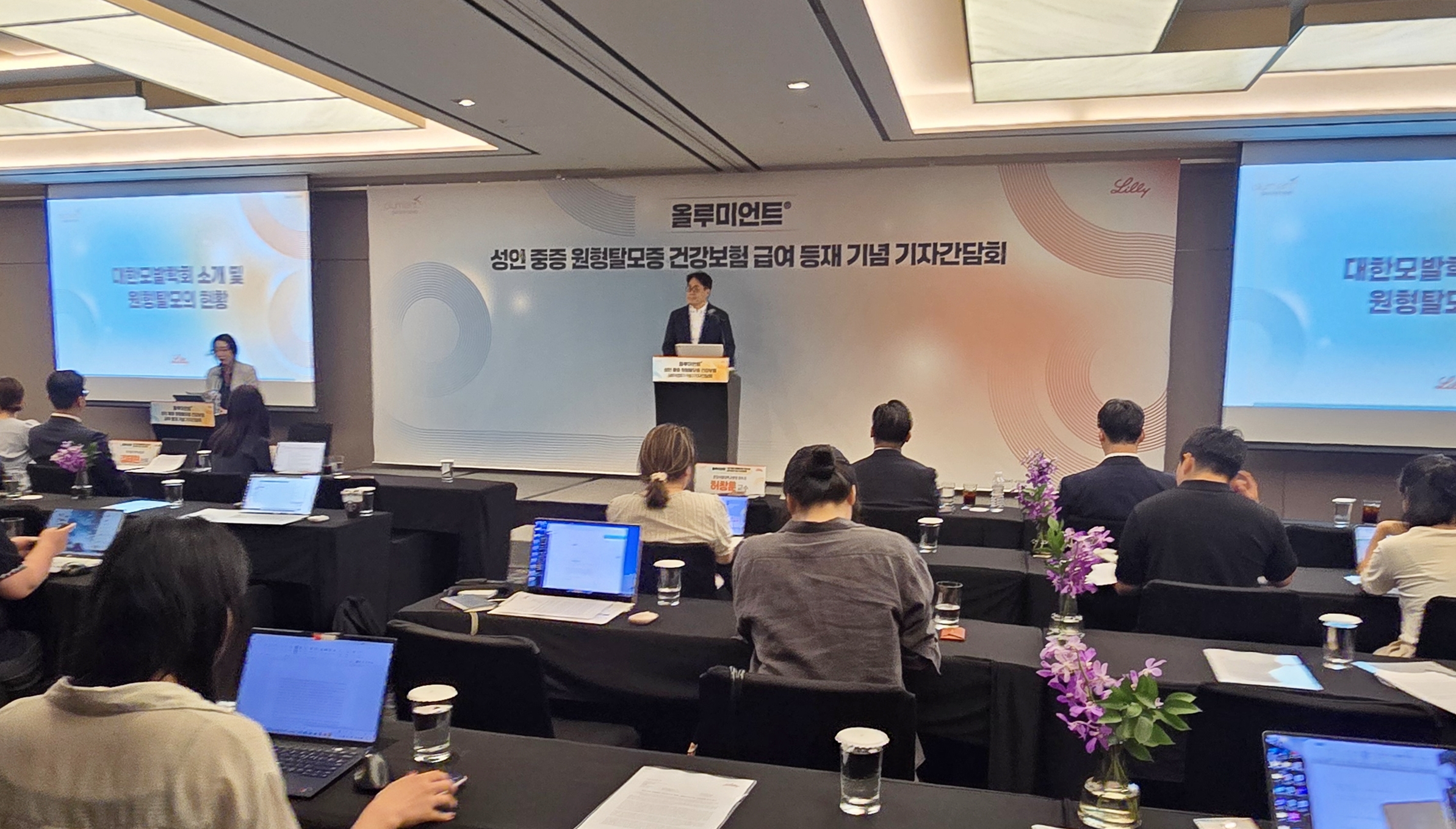
- For the first time, patients with severe alopecia areata have gained access to an evidence-based targeted therapy reimbursed by Korea's National Health Insurance system.With reimbursement now granted for Eli Lilly Korea's Janus kinase (JAK) inhibitor Olumiant (baricitinib), the treatment landscape is expected to shift away from reliance on conventional immunosuppressants and non-reimbursed therapies.However, given the chronic, relapsing nature of alopecia areata, several issues remain unresolved, including the two-year reimbursement limit, reimbursement eligibility requirements for patients previously using non-reimbursed treatments, and coverage for adolescents.Lilly Korea held a press conference on the 5th to mark the reimbursed launch of Olumiant for adults with severe alopecia areata. The drug was granted National Health Insurance reimbursement from July 1 for severe alopecia areata.(from the left) Chang Hoon Huh (Dermatology, Seoul National University Bundang Hospital); Sang Seok Kim (Dermatology, Kangdong Sacred Heart Hospital); Yong Hyun Jang (Dermatology, Kyungpook National University Hospital)Alopecia areata is an autoimmune disease, not a cosmetic condition… marks first step for reimbursement of targeted therapiesAlopecia areata is an autoimmune disease in which immune privilege around hair follicles collapses, allowing immune cells to attack the follicles. The disease follows an unpredictable course, with repeated cycles of relapse and remission.In severe cases, patients may lose not only scalp hair but also eyebrows, eyelashes and body hair. The resulting changes in appearance often lead to reduced self-esteem, social withdrawal and difficulties in daily life.Chang Hoon Huh, Professor of Dermatology at Seoul National University Bundang Hospital (President of Korean Hair Research Society), said, "Reimbursement for alopecia areata treatment has been one of the Korean Hair Research Society's key priorities for many years. Olumiant’s reimbursement marks an important first step."Sang Seok Kim, Professor of Dermatology at Kangdong Sacred Heart Hospital (Secretary General, KHRS), also highlighted the limitations of existing treatments. Systemic corticosteroids and cyclosporine, which have long been used for severe cases, lack robust large-scale clinical evidence specifically in alopecia areata and are associated with significant safety concerns during long-term use.JAK inhibitors are targeted therapies that block intracellular signaling pathways involved in the pathogenesis of alopecia areata. Professor Kim said, "The introduction of JAK inhibitors is changing the treatment paradigm for severe alopecia areata. Olumiant’s reimbursement opened an opportunity for patients to reduce financial burden."Under the reimbursement criteria, coverage is available for patients whose Severity of Alopecia Tool (SALT) score has not improved by at least 30% after three months or more of treatment with systemic corticosteroids or cyclosporine, or for those unable to continue treatment because of adverse events.Eligible patients generally include those with SALT scores of 50 or higher, indicating at least 50% scalp hair loss. Patients with SALT scores between 20 and 50 may also qualify if they show eyebrow or eyelash loss, or obvious interruption of hair growth.Yong Hyun Jang, Professor of Dermatology at Kyungpook National University Hospital, said, “In most countries, reimbursement is limited to patients with SALT scores of 50 or above. Korea's decision to include patients with SALT scores between 20 and 50 who also have eyebrow or eyelash loss is particularly meaningful," he added.Clinical benefits continue beyond 36 weeks… support long-term treatmentThe clinical evidence supporting Olumiant comes from the Phase III BRAVE-AA1 and BRAVE-AA2 trials in adults with severe alopecia areata.More than half of participants had lost over 95% of their scalp hair. The mean SALT score was 96, and the average disease duration was approximately 12 years, indicating that most participants had long-standing, severe disease.At Week 36, the proportion of patients achieving SALT 20 or lower, corresponding to no more than 20% scalp hair loss, was 38.8% in BRAVE-AA1 and 35.9% in BRAVE-AA2 among patients receiving Olumiant 4 mg. Hair regrowth was also observed in the eyebrows and eyelashes.Treatment responses continued to improve beyond Week 36. While some patients responded early, others experienced gradual improvement or showed meaningful responses after Week 36.Professor Jang said, "Because hair regrowth takes time, some patients show better outcomes at Week 52 than at Week 36. We need reimbursement criteria that allow both early and late responders to continue receiving treatment."Reimbursement is only the beginning, not the end… 2-year limit and progress rules remain challengesSeveral challenges remain following reimbursement approval. To maintain reimbursement, patients must achieve a SALT score of 20 or below at Week 36. Treatment response is then reassessed every 6 months, and reimbursement is currently limited to a maximum of 2 years.The concern is that alopecia areata is a chronic disease characterized by repeated relapses and remissions. Even after successful hair regrowth, discontinuing treatment may lead to renewed hair loss, meaning some patients could require therapy beyond the current reimbursement period of 2 years.Professor Jang argued that extending reimbursement for patients who continue to respond is unlikely to place a substantial additional burden on the healthcare budget, given that treatment effectiveness is already reassessed every 6 months. He said a formal pathway is needed to allow continued reimbursement beyond 2 years for patients who maintain treatment benefit.The transition rules for patients already using non-reimbursed Olumiant were also identified as an issue. To receive reimbursement, these patients must objectively demonstrate through historical medical records, photographs, and SALT assessments that they met the current reimbursement criteria when treatment began. Patients treated for more than 36 weeks must also submit their Week 36 evaluation results.However, before reimbursement criteria existed, neither physicians nor patients had any reason to collect or preserve such documentation. Patients who have already responded to treatment may find it difficult to prove the severity of their previous condition based on their current clinical status, while those who changed hospitals may struggle to obtain earlier records.Professor Jang said, "Applying today's reimbursement criteria to treatment that began before those criteria existed and requiring historical documentation is problematic. The evidentiary requirements should be relaxed, and a separate pathway must be established to ensure that patients who have already improved are not excluded from coverage."Expanding reimbursement to adolescents also remains an outstanding issue. Although Olumiant's indication was recently extended to include patients aged 12 years and older with severe alopecia areata, reimbursement currently applies only to adults. Experts also noted that as additional JAK inhibitors enter the alopecia areata market, reimbursement criteria should allow physicians to switch therapies based on individual patient response and safety profiles.Professor Jang said, "Reimbursement for Olumiant should not be the final improvement; rather, it should be the starting point for improving treatment in alopecia areata. Future efforts should focus on enabling continued treatment beyond 2 years, extending reimbursement to adolescents, improving transition rules for existing patients and providing greater flexibility in treatment selection."
- Company
- Voranigo under review for reimbursement in Korea
- by Eo, Yun-Ho Aug 06, 2026 05:24pm
- Voranigo, the first new brain tumor therapy approved in nearly two decades, is making progress toward National Health Insurance reimbursement listing in Korea.According to industry sources, Voranigo (vorasidenib), Servier Korea's treatment for IDH-mutant diffuse glioma, is expected to be reviewed by the Cancer Disease Deliberation Committee (CDDC) of the Health Insurance Review and Assessment Service (HIRA) on Aug. 19.After being granted marketing authorization in January, Servier launched Voranigo as a non-reimbursed treatment in May and submitted its reimbursement application during the same month.As a result, attention is rising on whether the first IDH-targeted therapy for low-grade glioma will become available under the national reimbursement system.Voranigo is indicated for adolescents aged 12 years and older who weigh at least 40 kg, and for adults with grade 2 astrocytoma or oligodendroglioma harboring an IDH1 or IDH2 mutation.Low-grade glioma is a slowly growing brain tumor that carries a high risk of recurrence and can eventually progress to a high-grade malignant tumor. The disease is often first detected following seizures, and surgical resection has long been the standard treatment.However, complete tumor removal is frequently not feasible, while subsequent radiotherapy and chemotherapy are associated with substantial risks of cognitive impairment and neurological adverse effects, leaving significant unmet treatment needs.IDH mutations are recognized as a key biomarker in approximately 80% of patients with grade 2 glioma. Both the World Health Organization (WHO) and the National Comprehensive Cancer Network (NCCN) now recommend testing for IDH mutations as part of the diagnostic workup.The efficacy of Voranigo was demonstrated in the Phase III INDIGO trial, which enrolled patients with low-grade IDH-mutant glioma who had undergone surgery but had not yet received radiotherapy or chemotherapy.Study results showed that Voranigo reduced the risk of disease progression or death by 65% compared with placebo. Median progression-free survival (PFS) was 11.4 months in the placebo group, whereas the median was not reached in the Voranigo group. Voranigo also significantly delayed time to next intervention (TTNI). In addition, the annual seizure rate during treatment was reduced by 64% compared with placebo.Jong Hee Chang, Professor of Neurosurgery at Severance Hospital. said, "Voranigo is the first newly approved brain tumor therapy since temozolomide was approved for glioblastoma in 2006. The arrival of Voranigo represents a major advance, given that most drugs have failed development because they were unable to adequately cross the blood-brain barrier (BBB).”
