
- LOGIN
- MemberShip
- 2026-09-08 04:26:44
- Company
- Medtronic’s nears ₩500 billion milestone… ends 2 year sales decline
- by Hwang, byoung woo Aug 14, 2026 08:46am
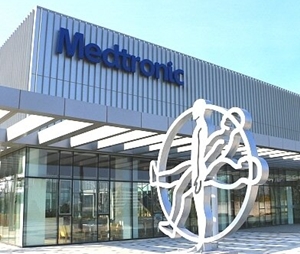
- MedtronicMedtronic Korea has ended its 2 consecutive years of declining sales, recovering to nearly KRW 500 billion in annual revenue.Unlike the previous fiscal year, which was affected by the prolonged conflict between the healthcare sector and the government in 2024 due to the physician walkout, the normalization of clinical practice has helped restore overall business performance. The domestic rollout of the Hugo robotic-assisted surgery system also contributed to the recovery.Despite the higher burden of cost, the company improved selling and administrative expense efficiency, leading to a rebound in operating profit.Sales recover to KRW 495.1 billion…highest in 4 yearsAccording to filings with the Financial Supervisory Service, Medtronic Korea recorded KRW 495.1 billion in revenue for its 26th fiscal year (May 2025–April 2026), up 17.4% from KRW 421.7 billion a year earlier.Revenue had declined for 2 consecutive years, falling from KRW 468.6 billion in FY23 to KRW 441.4 billion in FY24 and KRW 421.7 billion in FY25. Because FY24 covered May 2023–April 2024 and FY25 covered May 2024–April 2025, the impact of the 2024 healthcare disruption was reflected across both fiscal years.In FY26, the company not only recovered all of the lost revenue but also exceeded its FY23 performance by 5.7%, marking its strongest sales over the past 4 fiscal years.Operating profit increased 17.7% to KRW 25.5 billion from KRW 21.7 billion, while net profit rose 50.8% to KRW 13.0 billion from KRW 8.6 billion.5-year Performance of Medtronic Korea (Source: FSS, Unit: KRW 100 million) Green: Revenue Blue: Operating ProfitAlthough both revenue and earnings improved, the cost of sales also grew. Cost of sales rose 21.0%, from KRW 278.5 billion to KRW 337.1 billion, outpacing revenue growth. As a result, the gross profit margin declined from 33.9% to 31.9%.However, this decline was offset by improved SG&A efficiency. Selling, general and administrative expenses increased only 9.1%, from KRW 121.4 billion to KRW 132.5 billion, reducing the SG&A ratio from 28.8% to 26.8% of revenue.As a result, the operating margin rose slightly from 5.1% to 5.2%, as improved SG&A efficiency offset the lower gross margin.Among SG&A items, advertising and promotional expenses rose 41.2%, from KRW 5.5 billion to KRW 7.7 billion, reflecting expanded sales and marketing activities as the healthcare environment stabilized and new products were introduced.By contrast, salaries increased only 5.8%, from KRW 42.4 billion to KRW 44.8 billion, while sales commissions rose 7.3%, from KRW 20.5 billion to KRW 22.0 billion, indicating that overall cost growth remained below the pace of revenue growth despite increased commercial activity.Next growth phase hinges on new product portfolioWhile FY26 confirmed Medtronic Korea's recovery, the key question for the next fiscal year is how much its new product portfolio can sustain future growth.In surgery, the Hugo robotic-assisted surgery system continues to expand its presence in Korea. Since its first installation at Seoul National University Hospital in May 2025, Hugo has broadened its use across urology, gynecology, and general surgery.In February this year, Medtronic also launched LigaSure RAS, an energy device designed specifically for Hugo. The addition extends Medtronic's established energy-device portfolio from conventional open and laparoscopic surgery into robotic-assisted procedures, further enhancing Hugo's clinical utility.Hugo's business model extends beyond equipment sales, encompassing dedicated instruments and consumables, physician training and technical support. As more hospitals install the system and surgical volumes increase, recurring demand for surgical instruments is expected to grow alongside equipment sales.Medtronic has introduced a new portfolio in 2026, raising expectations of reaching the KRW 500 billion sales mark(clockwise from the left) Micra 2, Hugo robotic surgery, TAVI Evolut FX Plus, Spinal portfolio KanghuiIn cardiovascular care, Medtronic has also begun rolling out new products.In March, the company launched the next-generation Evolut FX Plus transcatheter aortic valve implantation (TAVI) system in Korea. In April, it introduced Micra 2, a leadless pacemaker featuring longer battery life and improved atrioventricular synchrony.Because both products were launched just before the close of FY26, their financial contribution is expected to become more visible in the next fiscal year. Future growth will depend on replacing existing products while expanding patient eligibility and hospital adoption.Reimbursement changes for PFA and TAVI may provide additional momentumPolicy changes implemented after the fiscal year ended could also support future growth.Pulsed field ablation (PFA) entered the National Health Insurance reimbursement system in May this year. Medtronic is preparing to enter the atrial fibrillation treatment market with the PulseSelect PFA System and the dual-energy Affera Mapping and Ablation System.Reimbursement criteria for TAVI were also revised in June. Previously, reimbursement was limited to patients aged 80 years or older or those at high surgical risk. Under the revised criteria, patients who are not only at high risk but also unanimously deemed in need of TAVI by the entire interdisciplinary heart team may also become eligible. If the broader reimbursement criteria lead to increased procedure volumes, the newly launched Evolut FX Plus could benefit.However, challenges remain. Hugo must secure additional hospital installations and build recurring procedural volume amid competition from established robotic surgery platforms. Likewise, reimbursement alone will not automatically drive sales of PFA and TAVI products; hospital adoption, physician training, and accumulated clinical experience will also be essential.Even so, the company's FY26 sales recovery is viewed positively because it was driven by broad improvement across its existing businesses rather than dependence on a single new product. If Medtronic Korea can build on its nearly KRW 500 billion revenue base with Hugo, new cardiovascular products and expanded reimbursement coverage, the rebound achieved in FY26 could prove sustainable.
- Company
- 'Oxlumo’ for PH1 has entered the final stage of the reimb listing process
- by Eo, Yun-Ho Aug 14, 2026 08:45am
- 'Oxlumo (lumasiran),' a treatment for primary hyperoxaluria type 1 (PH1), is entering the final stage for insurance reimbursement listing. According to industry sources, the Ministry of Health and Welfare (MOHW) recently issued an order to the National Health Insurance Service (NHIS) to initiate price negotiations for Medison Pharma Korea's Oxlumo (lumasiran).Consequently, attention is focused on whether Medison Pharma will succeed in listing its second in-licensed drug, following "Amvuttra (vutrisiran)."Oxlumo was selected for the Ministry of Food and Drug Safety's (MFDS) 'Global Innovative products on Fast Track (GIFT)' program last year, designated as an orphan drug in October of the same year, and secured final approval in November. The drug is an RNA interference (RNAi) therapy for Primary Hyperoxaluria Type 1 (PH1), a rare renal disease, that received approval from the U.S. Food and Drug Administration (FDA) and the European Medicines Agency (EMA) in 2020. RNAi is recognized as a next-generation drug technology within a class of gene therapies. It has the advantage of enabling targeted approaches against specific genetic mutations. PH1 is a rare genetic disease caused by the hepatic overproduction of oxalate. The symptoms include the deposition of calcium oxalate or potassium oxalate crystals in the kidneys and urinary tract. As the disease progresses, kidney damage ensues, necessitating dialysis. Ultimately, it can only be treated by liver or kidney transplantation. As Oxlumo received approval in 2020, a pharmacotherapeutic option for treating PH1 became available. Oxlumo is an RNAi therapeutic targeting hydroxyacid oxidase 1 (HAO1), the gene encoding glycolate oxidase (GO), an enzyme involved in oxalate production. It works by lowering oxalate by silencing HAO1, thereby reducing GO synthesis. Meanwhile, the efficacy of Oxlumo was confirmed in a Phase 3 clinical trial evaluating 39 patients aged 6 and older with PH1. The Oxlumo-treated group demonstrated a 65.4% reduction in urinary oxalate levels compared to the placebo group. Furthermore, 84% of patients receiving Oxlumo achieved urinary oxalate levels close to the normal range, with 52% achieving full normalization.
- Company
- Romiplate receives reimbursement in Korea
- by Son, Hyung Min Aug 13, 2026 08:59am
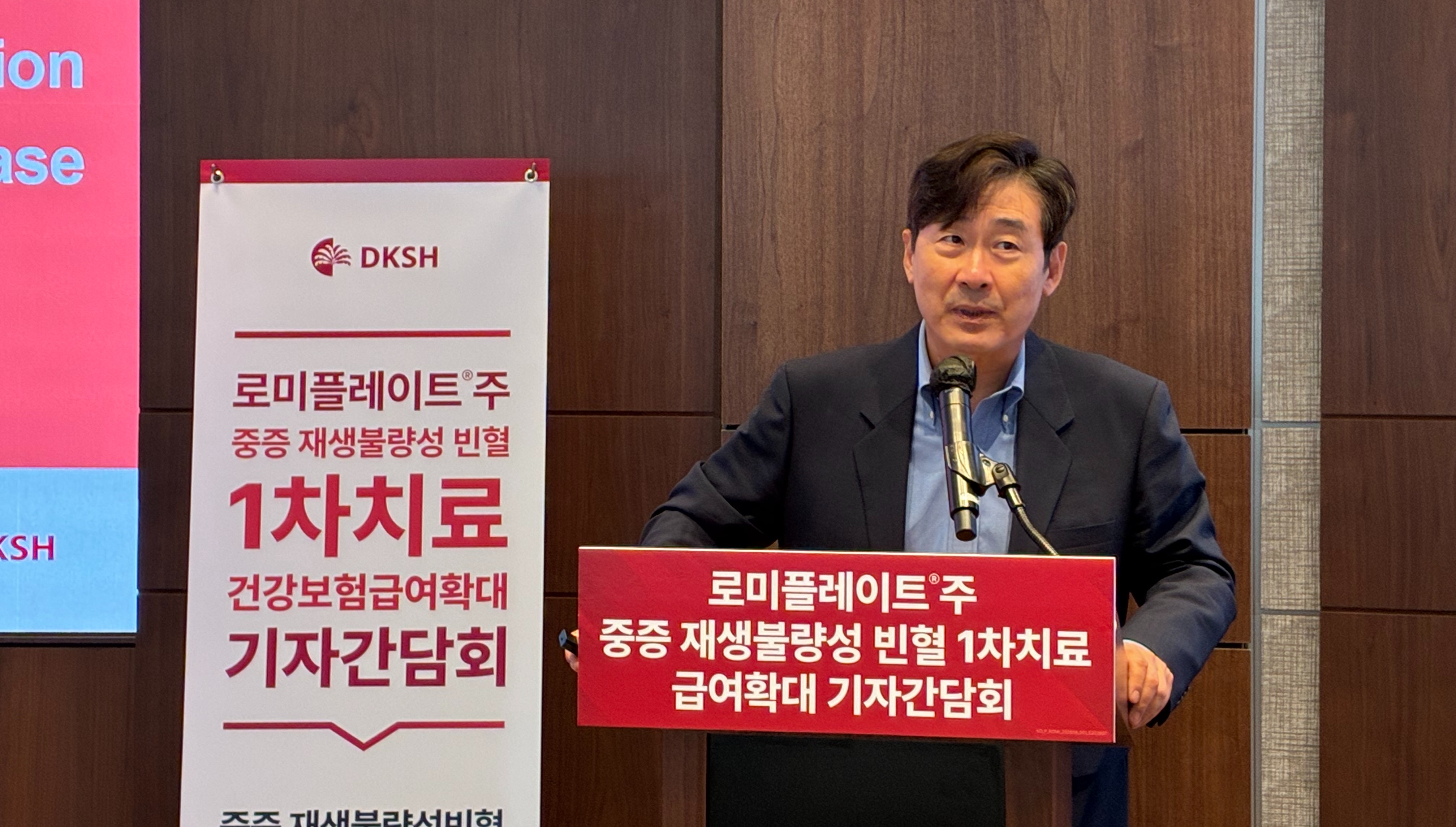
- The expansion of National Health Insurance reimbursement for Romiplate to first-line treatment is expected to change initial treatment strategies for patients with severe aplastic anemia.Previously, reimbursement was primarily available for patients who failed to respond to immunosuppressive therapy or were refractory to it. Under the revised criteria, treatment-naive patients can now also receive Romiplate (romiplostim) in combination with standard immunosuppressive therapy from the outset.On Aug. 12, DKSH Korea’s Healthcare Business Unit held a press conference at the Park Hyatt Seoul in Samseong-dong to discuss the clinical significance of Romiplate’s first-line reimbursement for severe aplastic anemia and future treatment strategies.Professor Jun Ho Jang, Department of Hemato-Oncology, Samsung Medical CenterPer a notice issued by the Ministry of Health and Welfare, Romiplate has been reimbursed since Aug. 1 in combination with antithymocyte globulin (ATG) and cyclosporine (CsA) for patients with severe aplastic anemia who are unable to undergo allogeneic hematopoietic stem cell transplantation or who do not have a suitable donor. Reimbursement is available for up to 6 months of treatment.Previously, reimbursement mainly applied to adults with severe aplastic anemia who were refractory to immunosuppressive therapy or were unable to receive such treatment. The revised criteria therefore allow patients to receive Romiplate combination therapy from the initial stage of treatment rather than waiting until conventional therapy fails.Romiplate is a thrombopoietin receptor agonist (TPO-RA) that promotes platelet production. It acts on hematopoietic stem and progenitor cells in the bone marrow to help restore hematopoietic function.Originally used to treat chronic immune thrombocytopenia, Romiplate has gradually expanded its role into severe aplastic anemia. In July 2024, its indication was expanded to include first-line use in combination with immunosuppressive therapy in treatment-naive patients with severe aplastic anemia.Accumulating evidence for first-line combination therapy in clinical studiesAplastic anemia is a disorder in which impaired bone marrow function results in insufficient production of red blood cells, white blood cells, and platelets. In patients with severe disease, the risks of infection and bleeding are high, making rapid hematologic recovery a major treatment goal.Treatment is selected based on factors such as patient age and the availability of a hematopoietic stem cell donor, with options including hematopoietic stem cell transplantation (HSCT) and immunosuppressive therapy. In patients who are not candidates for transplantation, combination immunosuppressive therapy with ATG and CsA has been a mainstay of treatment.However, a persistent issue remained, as not all patients achieve an adequate hematologic response with immunosuppressive therapy alone. More recently, strategies incorporating a TPO-RA from the initial treatment stage have been used to improve hematologic response.The first-line evidence for Romiplate is based on this approach. In the Phase 2/3 531-003 study conducted in Asian patients with aplastic anemia and reported last year, the combination of Romiplate + ATG + CsA demonstrated efficacy.At Week 27, the overall hematologic response rate, combining complete and partial responses, was 76.5%. The company said this represented an improvement compared with the approximately 50% response rate previously reported with conventional rabbit ATG (rATG) + CsA immunosuppressive therapy.Long-term follow-up data are also accumulating. In a long-term follow-up study presented at the 2025 American Society of Hematology (ASH) Annual Meeting, treatment-naive patients with aplastic anemia were followed for up to 5 years after receiving Romiplate combination therapy.Among 15 enrolled participants from the 531-003 study who received rATG, CsA, and Romiplate, the hematologic response rate at two years was 93.3%. Patients showed sustained response thereafter, while the proportion of patients dependent on transfusions was lower at the final follow-up than at baseline.In terms of safety, increased bone marrow reticulin was observed in some patients, but only at Grade 1. No new chromosomal abnormalities or progression to acute myeloid leukemia (AML) or myelodysplastic syndrome (MDS) were observed in the study.Jun Ho Jang, Professor of Hemato-Oncology at Samsung Medical Center, said, “Achieving a rapid and sufficient hematologic response during initial treatment is important in severe aplastic anemia. With Romiplate now available in combination with immunosuppressive therapy from the outset, physicians can consider a more proactive treatment strategy from the early stage rather than waiting until patients fail to respond to conventional therapy.”The allowance of proactive reimbursement in Korea…”expected to drive a treatment paradigm shift”The key significance of the reimbursement expansion is that Romiplate can now be used at an earlier stage, shifting from treatment after failure of existing therapies to initial treatment.In aplastic anemia, an insufficient hematologic response after initial therapy can lead to repeated transfusions and continued risks of infection and bleeding. Increasing the likelihood of hematopoietic recovery from the time of diagnosis is therefore considered important in reducing the subsequent treatment burden.In particular, Romiplate does not replace conventional immunosuppressive therapy, but is added to ATG and CsA, effectively providing an additional option within the existing treatment framework.Professor Jang said, “This reimbursement expansion has broadened treatment options for severe aplastic anemia in Korea, including transplantation. As Korea has moved proactively to provide reimbursement in this space, we are looking forward to changes in the domestic treatment paradigm.”
- Company
- Obesity drugs developed in KOR are now entering the mkt
- by Choi Da Eun Aug 13, 2026 08:59am
- South Korea's anti-obesity drug market is becoming competitive. While Hanmi Pharma is set to launch the country's first domestic anti-obesity drug, HK inno.N and JW Pharmaceutical are accelerating commercialization through ongoing Phase 3 clinical trials. Meanwhile, companies such as Daewoong Pharmaceutical, Dongkook Pharmaceutical, Dong-A ST, Ildong Pharmaceutical, and Chong Kun Dang (currently in Phase 1/2 or preclinical development) are aiming to dominate future market share, demonstrating differentiated formulations and mechanisms of action distinct from existing GLP-1 therapies.According to industry sources, Hanmi Pharm's GLP-1 class anti-obesity drug 'efpeglenatide' submitted a marketing authorization application to the Ministry of Food and Drug Safety (MFDS) last December and is currently under review. With a market launch expected in the second half of the year, it is likely to become South Korea's first domestic anti-obesity treatment. While efpeglenatide demonstrated a body weight reduction rate of approximately 9.75%, Hanmi applied its long-acting platform technology, 'LAPSCOVERY,' to mitigate gastrointestinal side effects and completed a global cardiovascular outcomes trial (CVOT) involving approximately 4,000 patients. The company's strategy is to establish a solid prescription base by leveraging price competitiveness and first-market-entry advantages. (AI-generated image) The current status of obesity drug development in South Korea: Hanmi Pharm's GLP-1 class anti-obesity drug 'efpeglenatide'; HK inno.N is conducting a domestic Phase 3 clinical trial for 'ecnoglutide'; JW Pharmaceutical recently licensed 'bofanglutide'; Daewoong Pharmaceutical is developing 'DWRX5003'; Dongkook Pharmaceutical is developing 'DKF-MB501'; Ildong Pharmaceutical is developing 'ID110521156'; Chong Kun Dang is advancing 'CKD-514'Follow-on developers HK inno.N and JW Pharmaceutical are also raising commercial expectations in late-stage clinical development. HK inno.N is conducting a domestic Phase 3 clinical trial for 'ecnoglutide,' a GLP-1 class anti-obesity candidate licensed from Sciwind Biosciences in China. In global clinical studies, ecnoglutide demonstrated a body weight reduction rate of up to 15.1% and has already secured marketing approval in China. Having completed patient recruitment for its domestic Phase 3 trial in South Korea, the company has initiated full-scale commercialization preparation. JW Pharmaceutical recently licensed 'bofanglutide,' a GLP-1 receptor agonist, from Gan & Lee Pharmaceuticals in China. This candidate is administered once every two weeks, differentiating it from conventional once-weekly formulations. In a Chinese Phase 2b trial, bofanglutide demonstrated strong competitiveness by achieving an average body weight reduction of 17.29% over 30 weeks of administration. Early-stage developers are prioritizing platform and formulation innovation over weight loss efficacy competition. Differentiation via patch and long-acting formulationsDaewoong Pharmaceutical is developing 'DWRX5003,' a microneedle patch-based anti-obesity candidate. Currently in Phase 1 clinical trials, it is a once-weekly transdermal patch that delivers the drug as microscopic needles dissolve upon application to the skin. The key differentiator is its ability to reduce administration burden and enhance patient treatment compliance by eliminating direct needle injections. Daewoong's strategy is to introduce a novel administration route into a market currently dominated by injectable formulations. Dongkook Pharmaceutical is developing 'DKF-MB501,' a long-acting anti-obesity drug candidate incorporating its proprietary drug delivery platform 'DK-LADS.' The goal is to engineer conventional once-weekly GLP-1 class therapeutics into a long-acting once-monthly formulation. This strategy aims to capture the next-generation long-acting market while improving administration convenience for obesity patients requiring long-term care. Competition to dominate the oral therapy marketBeyond injectables, competition to develop oral anti-obesity therapeutics is intensifying. Ildong Pharmaceutical is developing 'ID110521156,' an oral GLP-1 class candidate targeting obesity and diabetes concurrently. The development focuses on maximizing manufacturing efficiency and oral dosing convenience relative to traditional peptide injectables. Identifying oral therapeutics as an emerging market driver, Ildong is nurturing this asset as a next-generation growth engine. Chong Kun Dang is advancing 'CKD-514,' an oral GLP-1 receptor agonist (GLP-1RA) candidate. According to preclinical data presented at ObesityWeek (US Obesity Society) last year, CKD-514 demonstrated high oral bioavailability in large animal models. It confirmed statistically significant body weight reduction at lower doses compared to Eli Lilly's global oral competitor, orforglipron. Industry observers anticipate the anti-obesity drug market will rapidly expand beyond injectables into oral modalities, drawing keen attention to the mid-to-long-term competitiveness of companies securing oral delivery platforms. In addition, Dong-A ST is developing the novel anti-obesity candidate 'DA-1726' through its US Nasdaq-listed subsidiary, MetaVia. DA-1726 is an oxyntomodulin analog dual agonist that co-activates both GLP-1 and glucagon receptors. By concurrently suppressing appetite and increasing energy expenditure, it aims to differentiate itself from conventional mono-mechanism GLP-1 therapies. MetaVia is currently conducting high-dose administration cohorts at 48mg and 64mg in Part 3 of its Phase 1 trial. Top-line 16-week results are anticipated for announcement in the fourth quarter of this year. Primary evaluation metrics include body weight reduction rates, waist circumference, cardiovascular and metabolic parameters, and high-dose safety. Previously, the 48mg dosing cohort demonstrated a mean body weight reduction of 9.1% at 8 weeks. While late-stage clinical developers are preparing for commercialization leveraging efficacy and administration convenience, early-stage developers are establishing competitive edges through technological differentiation, including transdermal patches, long-acting monthly formulations, oral therapeutics, and dual agonists. Furthermore, the anti-obesity drug market is rapidly expanding beyond mere weight loss into managing diverse metabolic disorders, including type 2 diabetes, cardiovascular disease, chronic kidney disease (CKD), and metabolic dysfunction-associated steatohepatitis (MASH). Consequently, R&D competition among domestic pharmaceutical companies is projected to intensify further.An industry insider stated, "The anti-obesity drug market is expanding beyond simple body weight reduction rate competitions toward administration convenience, long-acting durability, and next-generation platforms," and added, "Latecomer drugmakers are similarly driving up market valuation through differentiation strategies such as transdermal patches, once-monthly formulations, oral delivery, and dual agonists." The industry insider added, "Leading global therapies such as Wegovy and Mounjaro are expanding the market by broadening indications beyond obesity into cardiovascular and renal diseases," and concluded, "Market interest will increasingly focus not only on dosing convenience and long-term safety, but also on whether companies can expand therapeutic indications to broaden prescription areas."
- Company
- 'Augtyro' can be prescribed in 'Big 5' tertiary gen hospitals
- by Eo, Yun-Ho Aug 13, 2026 08:59am
- 'Augtyro (repotrectinib),' a ROS1-targeted anticancer therapy, has been added to general hospital prescription networks. According to industry sources, Bristol Myers Squibb (BMS) Korea's Augtyro (repotrectinib) has passed the Drug Committees (DCs) of the 'Big 5' medical institutions in South Korea, including Samsung Medical Center, Seoul National University Hospital, Asan Medical Center, Seoul St. Mary's Hospital, and Severance Hospital.However, Augtyro is still a reimbursed drug. Although the health insurance reimbursement review process last year for indications covering ▲adult patients with ROS1-positive locally advanced or metastatic non-small cell lung cancer (NSCLC) ▲adult and pediatric patients aged 12 and older with NTRK fusion-positive solid tumors, progress has not been made since clearing the Cancer Disease Review Committee under the Health Insurance Review and Assessment Service (HIRA) last December. Augtyro, which is classified as a next-generation tyrosine kinase inhibitor (TKI) designed to overcome the limitations of existing therapies, was approved based on data from four cohorts in the Phase 1/2 TRIDENT-1 trial, which evaluated ROS1-positive and NTRK-fusion-positive patients stratified by prior TKI treatment history. The ROS1 clinical data were published in The New England Journal of Medicine (NEJM), with updated follow-up trial results presented at the World Conference on Lung Cancer (WCLC) this September. Notably, Asian patients accounted for 58% (41 out of 71 patients) of the TKI-naïve cohort and 41% (23 out of 56 patients) of the TKI-pretreated cohort enrolled in the study. In the TRIDENT-1 trial, Augtyro demonstrated clinically meaningful efficacy in both first-line and second-line treatment settings for ROS1-positive NSCLC. Encouraging clinical outcomes were reported, showing a median progression-free survival (PFS) of 31.1 months and a median overall survival (OS) of 74.6 months in ROS1 TKI-naïve patients, alongside a median PFS of 8.6 months and a median OS of 25.1 months in patients previously treated with a ROS1 TKI. Due to its molecular structure, which is favorable for crossing the blood-brain barrier (BBB), Augtyro demonstrated efficacy in patients with brain metastases. In the first-line ROS1-targeted therapy, the 12-month PFS rate reached 91%, while in the second-line therapy, it showed an intracranial response rate of 38% and a 12-month intracranial progression-free survival rate of 82%. Although derived from a single-arm trial, indirect comparisons against previously approved agents in TKI-naïve, ROS1-positive advanced NSCLC also revealed that Augtyro statistically significantly improved objective response rate (ORR), duration of response (DOR), and PFS compared with existing therapies. Meanwhile, based on these clinical results, Augtyro is strongly recommended as both a first-line and second-line treatment option for patients with ROS1-positive NSCLC across major clinical practice guidelines, including NCCN, ESMO, and ASCO.
- Company
- Samsung Bioepis files for first Keytruda biosimilar approval in KOR
- by Hwang, byoung woo Aug 12, 2026 09:23am
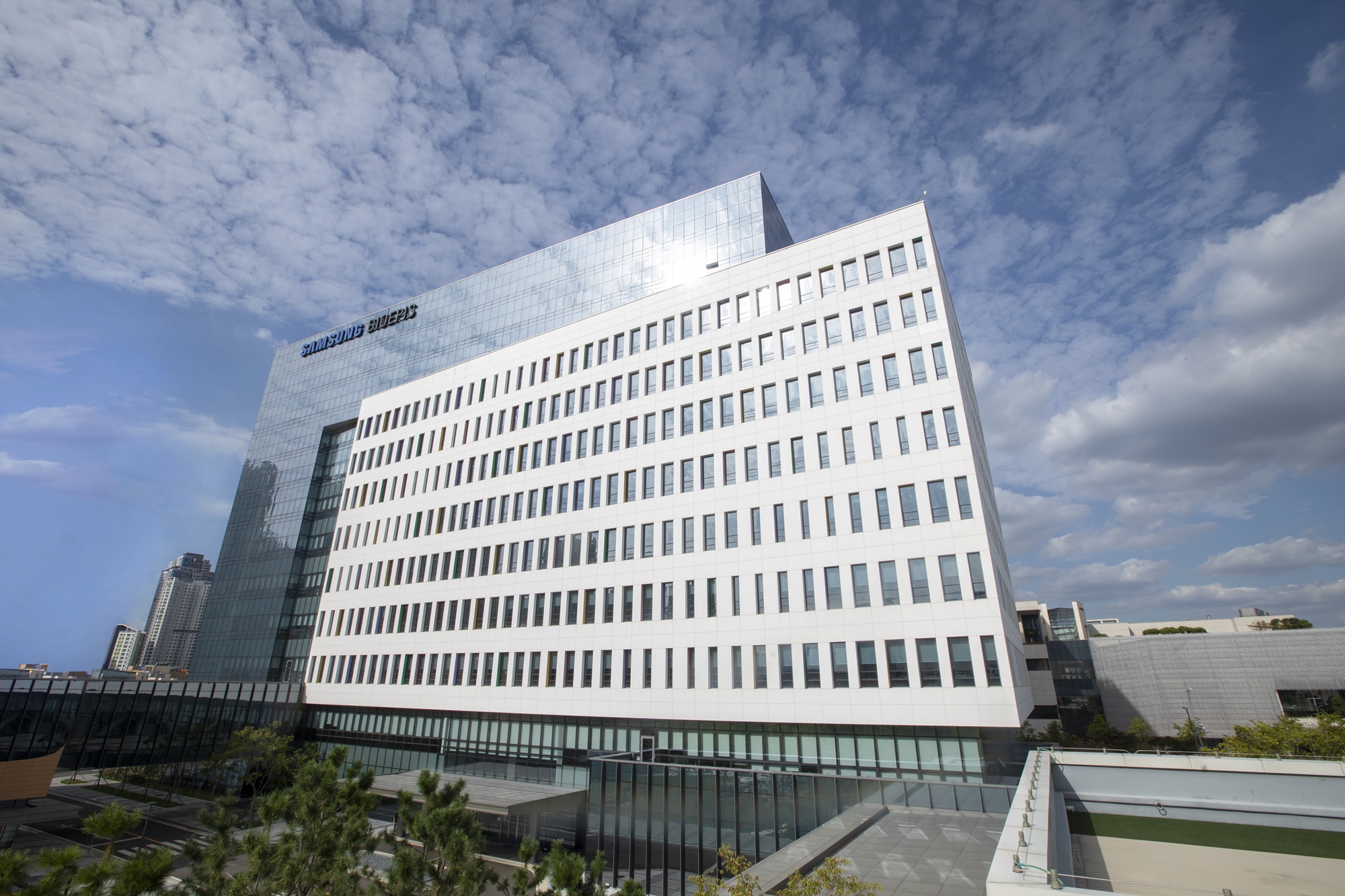
- Samsung Bioepis headquartersSamsung Bioepis has entered the domestic regulatory process for its Keytruda biosimilar candidate. As competition to develop biosimilars of immuno-oncology drugs intensifies, SB27 is the first such candidate to enter the regulatory process in Korea.Samsung Bioepis announced on Aug. 10 that it had submitted a marketing authorization application to the Ministry of Food and Drug Safety (MFDS) for SB27, its biosimilar candidate referencing Keytruda.The original product, Keytruda, is an immuno-oncology drug developed by MSD. It binds to the immune checkpoint PD-1 receptor, suppressing cancer cells’ ability to evade the immune response and helping the body’s immune system attack tumor cells.Keytruda is a global blockbuster with a broad range of indications across multiple cancer types. Last year, its global sales reached approximately USD 31.7 billion (KRW 46 trillion).The SB27 application covers a total of 16 indications, including melanoma, non-small cell lung cancer and head and neck cancer. Samsung Bioepis has therefore moved ahead of rivals in entering the Korean regulatory process as competition in Keytruda biosimilar development gathers pace.Samsung Bioepis has evaluated the equivalence of SB27 and the reference product through global Phase I and Phase III trials conducted since 2024. The Phase I study enrolled 163 patients in four countries, while the Phase III study involved 555 patients across 14 countries.In the Phase I trial, the primary pharmacokinetic endpoint was the area under the blood concentration-time curve (AUC). The results met the predefined criteria, confirming pharmacokinetic equivalence between SB27 and the reference original product.In the Phase III trial, the primary endpoint was the objective response rate (ORR), defined as the proportion of patients with tumors that shrank by at least a specified amount after 24 weeks of treatment. The company explained the analysis also confirmed equivalent efficacy versus the original drug.In terms of safety, the rates of overall treatment-emergent adverse events and serious adverse events were also similar to those observed with the reference product.The marketing authorization application marks the company’s entry into Korea’s immuno-oncology biosimilar drug market. The company plans to present the research and development results for SB27 and proceed with the required regulatory steps during the review process.Donghoon Shin, Executive Vice President and Head of Clinical Sciences Division at Samsung Bioepis, said, “We will fully present the research and development results for SB27 during the marketing authorization review process and carry out the related procedures without disruption.”He added, “We will strive to bring immuno-oncology treatment options to patients in Korea as quickly as possible.”
- Company
- Atorvastatin/ezetimibe prescriptions top ₩200 billion in 1H
- by Chon, Seung-Hyun Aug 12, 2026 09:23am
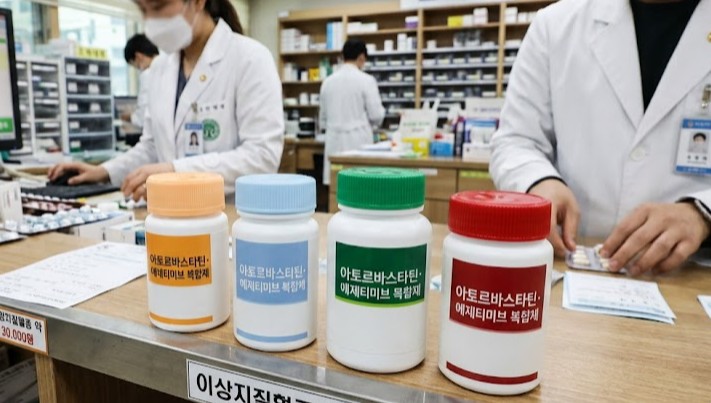
- The prescription market for atorvastatin/ezetimibe combination products continues to post strong growth. Driven by rising demand for combination therapies for hyperlipidemia and the indiscriminate influx of generics, the market has grown more than threefold compared with five years ago, with quarterly prescription value surpassing KRW 100 billion. Generic products manufactured by Chong Kun Dang, which entered the market 1 month ahead of competitors, captured a 24% market share, posing a serious challenge to Atozet. Industry observers say Chong Kun Dang has expanded its market influence and secured tangible commercial gains through its early entry into the generic market and its contract manufacturing strategy.Atorvastatin/ezetimibe prescriptions exceed KRW 200 billion in H1… generics drive fourfold market growth in 5 yearsAccording to market research institution UBIST on the 11th, outpatient prescriptions for atorvastatin/ezetimibe combination products totaled KRW 207.3 billion in the first half of the year, up 14.0% from the same period last year. Prescriptions reached KRW 101.5 billion in Q1, up 13.9% year over year, and KRW 105.8 billion in A2, representing another 14.0% increase.Outpatient prescriptions of atorvastatin/ezetimibe combinations in Korea (Unit: KRW 100 million, Source: UBIST, AI-generated image)The prescription market for atorvastatin/ezetimibe combinations has expanded rapidly, growing from KRW 50.2 billion in the 1H 2021 to more than four times that level in just five years. Quarterly, prescriptions rose from KRW 20.1 billion in Q1 2021 to over KRW 100 billion, representing more than fivefold growth over the same period.Demand for atorvastatin/ezetimibe combinations has increased sharply as statin/ezetimibe combinations have demonstrated excellent efficacy in lowering low-density lipoprotein cholesterol (LDL-C), driving rapid expansion of the market.Organon Korea’s Atozet is the original atorvastatin/ezetimibe combination product. Beginning in 2021, more than 100 domestic pharmaceutical companies entered the atorvastatin/ezetimibe market almost simultaneously with generic products, accelerating market growth.In October 2020, Chong Kun Dang obtained approval for Lipilouzet, a combination product containing the same ingredients as Atozet, after demonstrating equivalence in a clinical trial. At the same time, 22 companies received approval for authorized generics based on Lipilouzet, and those products were added to the National Health Insurance reimbursement list in April 2021.Beginning in February 2021, 88 additional companies received approval for Atozet generics, which were listed for reimbursement in May, one month later than the Lipilouzet authorized generics. Two more companies obtained approval in June 2021, bringing the total number of domestic companies participating in the Atozet market to 113.Both Atozet and generic products posted strong growth.In Q2, Atozet generated KRW 33.9 billion in prescriptions, up 7.2% from the same period last year. Compared with KRW 22.3 billion in Q2 2021, prescriptions increased 51.9% over five years. During Q2, generic products generated combined prescriptions of KRW 71.9 billion, accounting for 67.9% of the atorvastatin/ezetimibe combination market.Among the leading generics, Jeil Pharmaceuticals’ Lipitor Plus stood out with KRW 13.2 billion in Q2 prescriptions, up 13.9% year over year. Viatris, which markets the atorvastatin monotherapy Lipitor, joined the marketing effort for Lipitor Plus, creating commercial synergies in the market.Yuhan Corp's Atovamibe and Daewoong Pharmaceutical's Litorvazet ranked among the leading generics with Q2 prescriptions of KRW 6.9 billion and KRW 5.7 billion, respectively. Atovamibe is manufactured by Yuhan, while Litorvazet is produced under contract by Jinyang Pharm.Chong Kun Dang-manufactured products record KRW 24.9 billion in Q2 prescriptions, capturing a 23.5% market share…company’s return of Atozet rights proves commercially advantageous.When Atozet generics are grouped by contract manufacturer, products manufactured by Chong Kun Dang account for the largest market share.Among the 113 companies that entered the atorvastatin/ezetimibe combination market, only 11 manufacture products themselves: Dasan Pharmaceutical, DongKoo Bio & Pharma, Aprogen Pharmaceuticals, Withus Pharmaceutical, Yuhan Corp, Ildong Pharmaceutical, Genuone Sciences, Jeil Pharmaceutical, Chong Kun Dang, GL Pharma, and Jinyang Pharm. The remaining 102 companies entered the market through contract manufacturing.Jinyang Pharm and Chong Kun Dang each manufacture Atozet generics for more than 20 client companies.Jinyang Pharm manufactures products for Ahn-Gook New Pharm, Daewon Pharmaceutical, Ari Pharmaceutical, Samick Pharm, CMG Pharmaceutical, Kolon Pharma, Daewoong Bio, iCure, PMG Pharm, Daehwa Pharmaceuticals, KyungDong Pharm, Dongwha Pharmaceutical, Dongkwang Pharmaceutical, Huons, Alison Pharmac, BCWorld Healthcare, Whan In Pharm, Korea Biochem Pharm, HanAll Biopharma, Humedix, and Huons Meditech.Chong Kun Dang manufactures atorvastatin/ezetimibe combination products for Pharmgen Science, Ahn-Gook Pharmaceutical, Il-Yang Pharm, Celltrion Pharm, Arlico Pharmaceutical, Hana Pharm, Alvogen Korea, Sam Chun Dang Pharm, Dongkook Pharmaceutical, Korea Prime Pharm, Kyongbo Pharmaceutical, Hwail Pharm, Kukje Pharm, Korea United Pharm, Boryung, Yungjin Pharmaceutical, Yuyu Pharma, HK inno.N, and SK Chemicals. DongKoo Bio & Pharma and Dasan Pharmaceutical manufacture generics for 12 and six client companies, respectively.Ai-generated imageProducts manufactured by Chong Kun Dang generated a combined KRW 24.9 billion in prescriptions in Q2. That represents nearly a fivefold increase from KRW 5.1 billion in 2021, reflecting continued strong growth. Chong Kun Dang-manufactured products accounted for 23.5% of the atorvastatin/ezetimibe combination market in Q2, narrowing the gap with the original product Atozet, which held a 32.1% share, to just 8.6 percentage points.Among Atozet generics alone, Chong Kun Dang-manufactured products accounted for 34.6% of prescriptions, meaning that more than one-third of prescriptions for domestic Atozet generics were supplied by Chong Kun Dang.Chong Kun Dang had co-promoted Atozet with Organon since 2016, but Boryung became the new marketing partner this month. From Chong Kun Dang's perspective, focusing on manufacturing and marketing generics may have been more commercially advantageous, given that its generic portfolio has achieved a market share approaching that of the original product. In general, self-manufactured products carry substantially lower production costs than innovative drugs introduced and marketed on behalf of multinational pharmaceutical companies.Chong Kun Dang's own atorvastatin/ezetimibe combination product, Lipilouzet, posted KRW 1.1 billion in Q2 prescriptions, up 38.9% year over year, maintaining a clear upward trend. Among products manufactured by Chong Kun Dang, HK inno.N's Zepitor and Boryung's L50 also stood out, recording KRW 3.4 billion and KRW 3.3 billion in Q2 prescriptions, respectively.Generics manufactured by Jinyang Pharm generated KRW 16.5 billion in prescriptions during Q2, accounting for 15.6% of the atorvastatin/ezetimibe combination market. Among Jinyang-manufactured products, those marketed by Daewoong Pharmaceutical, KyungDong Pharm, Jinyang Pharm, and Dongwha Pharmaceutical each generated more than KRW 1 billion in quarterly prescriptions.Yuhan’s Atovamibe and GC Biopharma’s's Azet Duo generated a combined KRW 7.7 billion in Q2 prescriptions, representing a 7.3% market share. Products manufactured by Withus Pharmaceutical, Dasan Pharmaceutical, and DongKoo Bio & Pharma each accounted for less than 2% of the Atozet generic market.
- Company
- ’Takhzyro’ for HAE can be prescribed at the Big 5 tertiary gen hospitals
- by Eo, Yun-Ho Aug 12, 2026 09:22am
- TakhzyroTakhzyro, a novel hereditary angioedema (HAE) therapy added to the reimbursement list after five years, is now available for prescription in general hospital prescription networks.According to industry sources, Takeda Korea's HAE treatment Takhzyro (lanadelumab) has cleared the Drug Committees (DCs) of major "Big 5" tertiary general hospitals, including Samsung Medical Center, Seoul National University Hospital, Asan Medical Center, and Seoul St. Mary's Hospital.In addition, the drug is now available for prescription at other major medical institutes, including Pusan National University Hospital, Ajou University Hospital, and Ewha Womans University Mokdong Hospital.Takhzyro was listed on the national health insurance reimbursement schedule this past March, roughly five years after receiving marketing approval from the Ministry of Food and Drug Safety (MFDS) in February 2021.This drug can be reimbursed for patients who ▲experienced an average of 3 or more attacks per month over the past 6 months requiring Firazyr (icatibant acetate) administration despite receiving the androgen therapy 'danazol' for at least 6 months ▲required emergency treatment an average of 3 or more times per month in the 6 months before treatment initiation when danazol is banned or cannot be administered due to adverse effects.HAE is a rare genetic disorder characterized by recurrent, severe swelling in the face, extremities, abdomen, and particularly the airway, caused by a deficiency·dysfunction of the C1 esterase inhibitor. It is characterized by painful swelling without urticaria or pruritus, and laryngeal edema carries a risk of fatal asphyxiation. Takhzyro is a treatment used for the routine prophylaxis of HAE symptoms. It works by selectively inhibiting plasma kallikrein (pKal), the enzyme responsible for generating bradykinin, thereby preventing angioedema attacks. The efficacy and safety of the drug were confirmed through the global Phase 3 HELP study. The study was conducted in 125 patients with Type I and Type II HAE who experienced an average of 3.7 acute swelling attacks per month. Clinical results demonstrated that the Takhzyro 300 mg every-two-weeks dosing group achieved an 83% reduction in moderate-to-severe acute attacks and an 87% reduction in acute attacks requiring acute treatment compared to placebo.Furthermore, in the HELP open-label extension study, which tracked 212 patients for approximately 30 months, a mean 87.4% reduction in acute attacks from baseline was maintained. No new safety signals were identified during long-term administration.Professor Kyung-Min Ahn of the Department of Allergy and Clinical Immunology at Ewha Womans University Seoul Hospital stated, "Prophylaxis-centered therapies are the standard of care in major regions such as the United States and Europe. As acute rescue medications and prophylactic therapies are reimbursed, personalized treatments are available. The reimbursement listing of Takhzyro is significant as it aligns domestic clinical practice with global therapeutic strategies."
- Company
- Takeda Korea appoints Miseung Kim as new Country Head
- by Eo, Yun-Ho Aug 11, 2026 03:17pm
- Takeda Korea has appointed a new country head, filling the position that remained vacant for nearly 2 monthsAccording to industry sources, Takeda Korea has appointed Miseung Kim, head of its Oncology Business Unit, as its new Country Head.Kim earned a bachelor's degree in Pharmacy from Chung-Ang University and later completed the Global Executive MBA program jointly offered by Sungkyunkwan Graduate School of Business and the Indiana University Kelley School of Business, strengthening her expertise in strategic planning and cross-functional collaboration in complex business environments.Before joining Takeda, Kim worked at Novartis Korea and Amgen Korea, where she was responsible for oncology marketing. She joined Takeda Korea as head of the Oncology Business Unit in April 2025.Meanwhile, following the official appointment of Julie Kim as Takeda's President and global chief executive officer (CEO) in June, the company carried out a major organizational restructuring, during which former Takeda Korea president KwangGyu Park’s stepped down. Since then, the Korean affiliate has been operating under a business unit (BU)-based management structure.
- Company
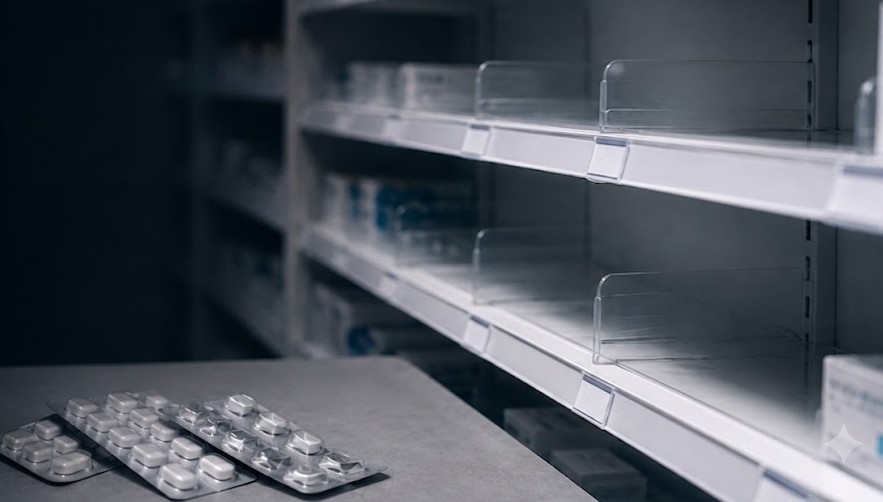
- Supply shortages of mycin antibiotics persist amid impurity concerns
- by Kim, Jin-Gu Aug 11, 2026 03:16pm
- Supply shortage of mycin antibiotics continue (AI-generated image)Supply shortages of macrolide antibiotics are showing signs of becoming prolonged. Ongoing shortages of clarithromycin throughout the first half of the year, coupled with impurity inspections involving roxithromycin, have continued to disrupt supply into August. The pharmaceutical industry is also raising concerns about the possibility of widespread shortages ahead of the fall seasonal transition, when demand for macrolide antibiotics typically surges.According to pharmaceutical distributors on the 10th, four pharmaceutical companies announced shortages of clarithromycin products this month. The affected products include Kyongbo Pharmaceutical's ‘Limaclo Tab (30T),’ Daehan Nupharm's ‘Clamacin Tab 250 mg,’ Hanwha Pharma’s ‘Clomycin Tab 500 mg,’ and Arlico Pharm’s ‘Clorid Tab 250 mg.’Kyongbo Pharmaceutical expects Limaclo Tab to be restocked in October. Arlico Pharm is expected to resume supply by the third week of September. Daehan Nupharm and Hanwha Pharmaceutical plan to replenish inventories around Aug. 20, although it remains uncertain when normal supply will fully resume.Supply conditions are also unfavorable for roxithromycin, a potential alternative to clarithromycin. Daehan Pharmaceutical's ‘Roxitirocin Tab,’ which contains roxithromycin, remains under long-term shortage. Withus Pharmaceutical's ‘Loxoron Tb 150 mg’ has also been added to the shortage list, while Ildong Pharmaceutical's ‘Ildong Roxithromycin Tab’ continues to face unstable supply.The shortage of such mycin antibiotics is also reflected in pharmacy inventory alert data. According to BRPInsight, which is issued by the pharmaceutical data analytics company BRP Connect, numerous mycin antibiotics rank among the most frequently requested products in pharmacy stock notification alerts.Daewoong Bio’s ‘Daewoong Bio Clarithromycin Tab 250 mg’ has remained in short supply since May. Other products experiencing unstable supply include ▲Ahn-Gook Pharm’s ‘Shuclari Tab 500 mg,’ ▲HLB Pharmaceutical's ‘Clarid Tab 250 mg and 500 mg,’ ▲Daehan Nupharm's ‘Clamacin Tab’, ▲Daewon Pharmaceutical's ‘Clasin Tab,’ ▲Genu Pharma's Claycin Tab,’ and ▲Arlico Pharm’s ‘Clorid Tab.’Industry observers say shortages of individual products are triggering a "shortage domino effect." When supplies of one product are interrupted, prescriptions rapidly shift to other products containing the same or similar active ingredients, resulting in broader supply instability across the market.Tighter quality control blamed for shipment delays…rise in autumn demand raises concerns over expanded shortageThe pharmaceutical industry cites stricter quality control requirements as one of the key factors behind the current shortages. Following the Ministry of Food and Drug Safety (MFDS) directive to strengthen nitrosamine impurity inspections and testing for mycin antibiotics—including clarithromycin and roxithromycin—during the first half of the year, manufacturers have faced increasingly rigorous quality verification procedures.In January, following the detection of impurities in active pharmaceutical ingredients imported from India, the MFDS instructed manufacturers of finished clarithromycin products to submit batch-specific testing data. Quality verification requirements continued throughout the first half of the year, including a June order requiring 76 roxithromycin manufacturers to submit impurity test results. In the case of clarithromycin, however, the situation has eased somewhat after the impurity was classified as non-mutagenic and therefore lacking genotoxicity.Analysts believe that the strengthening of in-house impurity testing and compliance determination procedures for each manufacturing batch may have affected supplies of mycin antibiotics. The addition of monitoring processes to confirm the safety of impurities before shipment has lengthened the time required to release finished products, disrupting their supply and distribution.The issue is that the autumn respiratory infection season is only about a month away. Ear, nose and throat (ENT) clinics and pediatric practices typically experience a surge in upper and lower respiratory tract infections from mid-September onward. With the MFDS deadline for submission of roxithromycin impurity testing results near (Sept. 28), industry observers warn that the overlap between regulatory testing requirements and seasonal demand could trigger more severe, large-scale supply shortages.Most clarithromycin products distributed in Korea are manufactured under consignment by a limited number of companies, including Daewon Pharmaceutical, Boryung, DongKoo Bio & Pharma, Genu Pharma, and HLB Pharmaceutical. Given this contract manufacturing structure, production bottlenecks or shipment delays at a single manufacturer can quickly spread throughout the market. As prescription demand increases during the autumn season beginning in mid-September, industry officials caution that supply disruptions could become even more pronounced.
