
- LOGIN
- MemberShip
- 2026-07-22 10:08:44
- Company
- Support for official academic conferences begins in July
- by Kim, Jin-Gu Jan 12, 2026 03:58pm
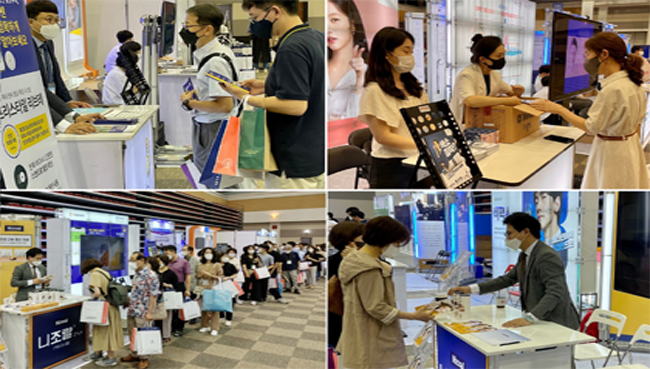
- Support for name-only 'international academic conferences' will be blocked. Starting in July, support will only be available for conferences recognized by professional associations, including the Korean Medical Association and the Korean Pharmaceutical Association.When supporting an academic conference, the overlapping provision of additional food and beverages, booth rentals, and advertisements is prohibited. Promotional materials at booths are limited to pens and notepads valued at KRW 10,000 or less. Exposing product names is prohibited, while exposing company names is permitted.The Korea Pharmaceutical and Bio-Pharma Manufacturers Association (KPBMA) recently received approval from the Fair Trade Commission for 'Code of Fair Competition for Pharmaceutical Trade (5th revision).' The revised Fair Competition Code focuses on blocking various 'pseudo-academic conferences' that pose as academic meetings and on the practice of indirect support. Evaluations suggest that this revision has clarified the boundaries between academic conferences, product presentations, and exhibitions·advertisements, effectively putting the brakes on support methods that utilize product presentations and satellite symposia during academic conferences.◆Blocking formality-only international events = The revised Fair Competition Code has established a new definition for 'internationally held academic conferences in Korea.' To use the title of an international academic conference, the event must pass the screening criteria set by medical and pharmaceutical associations. The screening criteria must include: ▲ number of foreign participants ▲ the level of internationalization of the conference program ▲ the number of annual applications, and ▲ the level of substance in the conference program.Additionally, the event must be held in Korea as an international-scale conference for at least 2 days, with on-site attendance from at least five countries and 50 or more foreign healthcare professionals (excluding those whose attendance is supported by the organizer or invited speakers). Furthermore, budget and settlement details must be submitted to the KPBMA. However, international conferences on rare diseases need only meet either the five-country or the 50-person requirement.The KPBMA will give prior notice requiring the submission of cost settlement details and other supporting documents within 90 days after the event ends to verify whether the international conference held in Korea was conducted in accordance with the plan. If the conference organizing body refuses, the KPBMA is authorized to suspend the conference support process.As there have been many cases that seemed international conferences but were in fact closer to domestic academic events, the codification of these standards is interpreted as a mechanism to filter out formality-only or expedient international events.◆Prohibition of splitting support for academic conferences = Methods for supporting the hosting and operation of academic conferences have also become stricter. When a pharmaceutical company sponsors a conference, it cannot provide overlapping ▲ donations ▲ food and beverages ▲ booth rentals ▲ advertisements related to that conference.Product presentations held during an academic conference are not recognized as 'separate events.' The new code clarifies that product presentations held during a conference are considered part of the conference and must be supported by Articles 8 and 9, which govern academic conferences.Accordingly, it has become virtually impossible to separate and provide independent support for satellite symposia or luncheon sessions held during the conference period as product presentations.This is interpreted as an intent to block overlapping or roundabout support during the conference period. Organizations hosting academic conferences must apply for support to the KPBMA at least 90 days before the event. If there is a potential violation, the KPBMA can demand an explanation or correction, and if not implemented, it can suspend the support process.◆New standards for booth fees limiting 'maximum KRW 3 million' = New standards regarding the operation of exhibition and advertising booths have been established. Booth fees for academic conferences hosted by academic societies range from KRW 2 million to 3 million per instance. In comparison, conferences hosted by medical institutions are set at KRW 500,000 to KRW 1 million per instance. However, booth fees may be adjusted considering inflation rates, etc., in which case they must undergo prior review by the Fair Trade Commission.Academic conferences eligible for booth fee payments are limited to events that provide three or more medical·pharmaceutical continuing education credits (minimum 3 hours) and are attended by 50 or more healthcare professionals (25 for rare disease societies).◆Promotional materials limited to 'pens and notepads' = Standards for promotional materials related to a company's own product presentations have also been strengthened. In principle, no items of value other than food and beverages can be provided. As an exception, only pens and notepads are permitted.In this case, the combined value of the pen and notepad cannot exceed KRW 10,000, in accordance with Appendix 2 of the Enforcement Rule of the Pharmaceutical Affairs Act. Labeling product names on pens and notepads is prohibited. However, company names may be labeled.◆Clarifying meal and transportation costs = Standards for meal and transportation costs for conference participants have become clearer. For domestic conferences, support for up to 3 meals per day can be provided, depending on the number of days attended. Receipts for payments made with a personal card or in cash at restaurants within the hosting region must be provided as evidence. The support limit per meal is KRW 50,000, with actual cost reimbursement.For overseas conferences, meal costs have been fixed by grade and country and city in accordance with the REGULATIONS ON TRAVEL EXPENSES FOR PUBLIC OFFICIALS. They are categorized into Grade A (KRW 100,000 per day), Grade B (KRW 80,000), Grade C (KRW 60,000), and Grade D (KRW 50,000).Standards for supporting local transportation costs for overseas conferences have also changed. Previously, up to KRW 150,000 could be supported based on actual travel costs, such as airport-to-hotel or accommodation-to-venue. Following the revision, a fixed amount of KRW 100,000 can be supported per academic conference.The blocking of formality-only international events, the prohibition on split support for conferences, and the new standards for booth fees will take effect on July 1 of this year. The limitation of promotional materials to pens and notepads, as well as the details regarding meal and transportation costs, have been in effect since January 1 of this year.In addition, this revision reflects new content regarding CSOs and the expenditure report system following revisions to related laws. A new provision requires pharmaceutical companies to prepare and disclose expenditure reports on the details of economic benefits provided to pharmacists, Asian pharmacists, medical professionals, founders of medical institutions, or employees of medical institutions within three months after the end of the fiscal year, and to retain the relevant expenditure reports, ledgers, and supporting data for five years.The definition of pharmaceutical sales promoters now includes not only pharmaceutical suppliers as defined in the Pharmaceutical Affairs Act (i.e., those who have received pharmaceutical product licenses, importers, or pharmaceutical wholesalers) but also "those entrusted with pharmaceutical sales promotion business and those sub-entrusted by them." It has been specified that CSO companies entrusted with sales representation by pharmaceutical companies or wholesalers can also be subject to the promotion business regulations of the Fair Competition Code.
- Company
- Average finished product output rises, but fewer products
- by Chon, Seung-Hyun Jan 12, 2026 03:58pm
- The average finished drug production value of pharmaceutical companies is showing a continued upward trend. With an increase of more than 20% compared to four years ago, average output per company has now surpassed KRW 70 billion. At the same time, the average number of products manufactured by each company has declined, suggesting that firms are gradually moving away from a “department-store-style” business model based on mass small-volume production. Companies with production volumes under KRW 10 billion accounted for half of the total, indicating a significant proportion of small-scale pharmaceutical firms.According to the 2025 Food and Drug Statistical Yearbook released by the Ministry of Food and Drug Safety (MFDS) on January 10, 403 pharmaceutical companies produced KRW 28.4623 trillion worth of finished drugs in 2024, with average production per company reaching KRW 71.2 billion.Average finished drug production value (left, KRW million) and number of products (right, %) (Source: MFDS)The average production value per pharmaceutical company has risen every year.In 2014, pharmaceutical companies produced an average of KRW 47.8 billion worth of products, expanding by 49.0% over the decade. The average production value per company has increased for four consecutive years since reaching KRW 53.2 billion in 2020. Over the past four years, it rose by 33.7%, surpassing KRW 70 billion for the first time.This expansion in average production value is analyzed as a result of the pharmaceutical industry's sustained growth as a whole. Total finished drug production value increased by 99.3%, from KRW 14.2805 trillion in 2014 to KRW 28.4623 trillion in 2024. During the same period, the number of finished drug manufacturers increased by 33.8%, from 299 to 400. As production growth far outpaced the increase in the number of companies, average output per company expanded significantly.In contrast, the number of finished drug products manufactured per company has clearly declined.In 2024, pharmaceutical companies produced an average of 51.3 finished drug products each, down 2.1 products from the previous year. The average stood at 53.4 products in both 2022 and 2023.In 2014, companies manufactured an average of 61.4 products, meaning the figure has fallen by more than 10 products over the past decade. This suggests that firms are gradually moving away from a “department-store-style” business model based on numerous low-revenue products and are instead pursuing structural reform.In 2024, the average production value per finished drug product reached KRW 1.387 billion, up 11.0% year-on-year. Over the past 10 years, the figure has increased by 80.1% from KRW 778 million in 2014. Industry observers interpret this as evidence that pharmaceutical companies are restructuring their product portfolios and pursuing a strategy of selection and concentration, reducing the number of products while improving profitability—marking a clear shift toward structural reform.Number of companies by finished drug production scale (Source: MFDS)Looking at the status of companies by finished drug production scale, small pharmaceutical companies with annual production value under KRW 10 billion accounted for a large proportion.In 2024, 205 companies recorded annual production of less than KRW 10 billion, representing 51.3% of all manufacturers. This represents an increase of 85 companies from the 140 companies below KRW 10 billion in 2014, with their share rising by 4.5 percentage points from 46.8%. In 2019, companies with production value below KRW 10 billion numbered 181, accounting for 51.9%.As of 2024, the largest group consisted of companies with annual production of less than KRW 1 billion, totaling 121 firms. This was followed by 56 companies with production between KRW 1 billion and KRW 5 billion, and 28 companies with production between KRW 5 billion and KRW 10 billion.The number of companies producing less than KRW 1 billion annually more than doubled over the past decade, rising from 51 firms in 2014. However, this segment peaked at 137 companies in 2020 before declining by 12 companies over the following four years.In contrast, large pharmaceutical companies have shown a steady increase. Firms with annual finished drug production of KRW 500 billion or more were just five in 2014, but more than doubled to 13 companies over the past decade. The number of companies with production exceeding KRW 500 billion remained at five through 2017, increased to six in 2018 and 2019, rose to eight in 2021, and surpassed ten from 2022 onward. In 2022, 11 companies recorded production of more than KRW 500 billion, with one additional company added each year for two consecutive years.
- Company
- Isturisa, first and only Cushing's syndrome drug, prescribed
- by Eo, Yun-Ho Jan 12, 2026 03:57pm
- The new treatment for Cushing's syndrome 'Isturisa' is becoming available for prescription at general hospitals. According to industry sources, Isturisa (osilodrostat), Recordati Korea's treatment for adult Cushing’s disease, has passed the Drug Committees (DC) reviews at several medical institutions, including Sinchon Severance Hospital, Ajou University Hospital, and Chonnam National University Hwasun Hospital.Additionally, the landing process is underway at other major tertiary hospitals, such as Samsung Medical Center, Seoul National University Hospital, Seoul St. Mary's Hospital, and Asan Medical Center.Following its inclusion on the insurance reimbursement list last December, the drug appears to be gradually expanding its prescription areas.Cushing's disease is a rare and chronic hormonal disorder caused by a benign pituitary tumor that secretes excessive amounts of adrenocorticotropic hormone (ACTH).If a patient is exposed to high cortisol levels over a long period due to excessive ACTH secretion, morbidity and mortality increase, and various systemic symptoms such as cardiovascular and metabolic diseases, psychiatric disorders, fractures, and osteoporosis occur.The main treatment goals for patients with Cushing's disease are the rapid and sustained normalization of cortisol levels to improve physical signs and comorbidities and to enhance the patient's quality of life.However, about one in three patients with Cushing's disease experiences recurrence or is not fully cured even after pituitary surgery, necessitating additional treatment. For these patients with persistent or recurrent Cushing's disease, drug therapy to lower cortisol levels is recommended, and Isturisa is currently the only drug approved in Korea for the treatment of Cushing's disease.Isturisa demonstrated efficacy through the LINC3 and LINC4 Phase 3 studies, which involved patients with persistent or recurrent Cushing's disease who had previously relapsed after pituitary surgery or radiation therapy, or for whom surgery was not possible.As a result of the research, in the LINC3 study, 86% of patients who continued Isturisa administration at week 34 achieved a complete response (CR) with mUFC levels below the ULN. In comparison, only 29% of patients who switched to placebo after 24 weeks of Isturisa administration achieved a CR.In the LINC4 study, 77% of the Isturisa group and 8% of the placebo group achieved CR at week 12. Furthermore, in the LINC3 extension study, 81% of patients who were administered Isturisa up to week 72, and in the LINC4 extension study, 72.4% of patients who were administered Isturisa up to weeks 72 to 96, consistently achieved CR.A Recordati official stated, 'Recordati is actively promoting the landing of Isturisa in major medical institutions so that Korean Cushing's disease patients, who have struggled to regulate their cortisol levels within the normal range, can receive the treatment benefits of Isturisa quickly, as it is the only drug approved in Korea for the treatment of Cushing's disease.'
- Company
- Atopic dermatitis drug 'Ebglyss' enters tertiary hospitals
- by Eo, Yun-Ho Jan 09, 2026 08:36am
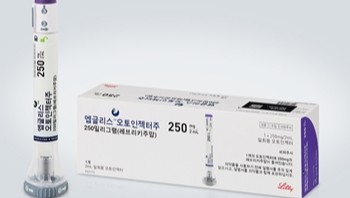
- Ebglyss (lebrikizumab)'Ebglyss,' a new atopic dermatitis treatment, has entered the 'Big 5' tertiary generic hospitals.According to industry sources, Lilly Korea's interleukin (IL)-13 inhibitor Ebglyss (lebrikizumab) has passed the drug committees (DC) of tertiary general hospitals, including Samsung Medical Center, Seoul National University Hospital, Seoul St. Mary's Hospital, Asan Medical Center in Seoul, and Sinchon Severance Hospital, as well as medical institutes, including Korea University Anam Hospital and Seoul National University Bundang Hospital.After Ebglyss was included in the insurance reimbursement listing in July, the prescription areas for this drug have expanded rapidly.Ebglyss is a new biologic that selectively blocks cytokine IL-13, a primary cause of atopic dermatitis. Ebglyss was approved in August 2024 for the treatment of moderate-to-severe atopic dermatitis in adults and adolescents aged 12 years and older (weight over 40kg) who are not adequately controlled by topical therapies or for whom these therapies are not recommended.Existing atopic dermatitis treatments include Dupixent, which inhibits IL-4 and IL-13, JAK inhibitors like Rinvoq, and Adtralza, which targets IL-13. The emergence of Ebglyss further expands the range of treatment options. As atopic dermatitis is a chronic disease that is difficult to cure and requires long treatment periods, a wide range of therapeutic options is essential.The efficacy and safety of Ebglyss have been confirmed through Phase 3 clinical studies, including ADvocate-1, ADvocate-2, and ADhere.In ADvocate-1 and ADvocate-2, which evaluated Ebglyss monotherapy, the Ebglyss group showed Eczema Area and Severity Index (EASI)-75 rates of 58.2% and 52.1%, respectively, during the induction period (weeks 0-16), representing an improvement over the placebo group (16.2% and 18.1%). EASI-90 rates for the Ebglyss groups were 38.3% and 30.7%, respectively, while placebo groups remained at 9% and 9.5%. EASI is the percentage improvement in eczema severity.Furthermore, after one year of maintenance therapy, the Ebglyss group's EASI-75 achievement rate at week 52 was 81.7%, and the EASI-90 rate was 66.4%. These figures were higher than those of the placebo group, at 66.4%.According to Korea's atopic dermatitis guidelines, systemic treatment is strongly recommended for patients with moderate-to-severe atopic dermatitis. However, while the proportion of moderate-to-severe atopic dermatitis patients in Korea increased from 30.9% to 39.7% between 2002 and 2019, the prescription rate of systemic immunosuppressants in this patient group remained at only 5%.
- Company
- Rep. Soo-jin Choi, ‘Why lower drug prices for usage increases?’
- by Kim, Jin-Gu Jan 09, 2026 08:36am
- Rep. Soo-jin Choi of the People Power Party (member of the National Assembly’s Science, ICT, Broadcasting and Communications Committee) sharply criticized the price-volume linkage system at the pharmaceutical industry’s New Year reception.She pointed out that a structure lowering drug prices solely because usage increased is far removed from alleviating the public's medical expense burden and could instead undermine the supply base for generic drugs and the foundation of Korea’s pharmaceutical and biotech industry.Choi made these remarks while delivering a New Year's address at the 2026 Pharmaceutical New Year's Reception hosted by the Korea Pharmaceutical and Bio-Pharma Manufacturers Association (KPBMA) on the 7th. She began, “I'd like to take this opportunity to say this. I still don't understand why drug prices are linked to usage volume.”She continued, “The drugs that can be supplied to the public without burden are affordable generics. New drugs, on the other hand, are truly expensive. Setting generic drug prices below KRW 100 is essentially telling manufacturers not to produce them.”She also assessed that the price reduction tied to increased usage is overly driven by fiscal logic.Choi criticized, “Lowering prices even for medicines whose increased usage allows them to be supplied more affordably to the public is an approach that looks only at numbers and National Health Insurance finances.”She emphasized, “If the industry cannot develop solely because of fiscal consolidation, the Korean pharmaceutical industry will ultimately lose its competitiveness. Drug price reductions must be approached very cautiously and from a holistic perspective.”Regarding institutional reform, she urged the government to conduct a thorough review, adding, “It is time to form an expert panel and build a realistic system that allows high-quality medicines to be supplied to the public at appropriate prices.”
- Company
- Diverging views on pricing reform surface at New Year gathering
- by Kim, Jin-Gu Jan 09, 2026 08:36am
- The 2026 Pharmaceutical New Year's Reception was held with the attendance of approximately 200 key figures from the government, National Assembly, and pharmaceutical industry. Amidst New Year's greetings and presentations of industry visions, differing perspectives on the government's ongoing drug pricing system reform were once again evident throughout the event.The Korea Pharmaceutical and Bio-Pharma Manufacturers Association (KPBMA) and the Korean Pharmaceutical Association (KPA) expressed concerns about the potential industrial impact and on-site confusion resulting from the drug pricing system reform. In contrast, the government and ruling party reaffirmed the fundamental direction of the drug pricing system reform and stated their commitment to pushing forward its implementation.In his welcome address, KPBMA Chair Yunhong Noh identified the drug pricing reform as a pending issue that may seriously affect the entire industry.Noh stated, “The drug pricing system reform is an issue that could shake the very foundation of Korea's pharmaceutical and biotech industry. Rather than pushing ahead the government's set schedule, the reform must be redesigned through consultation with industry stakeholders to strike a balance between public health, industrial growth, and pharmaceutical expenditure.” His remarks were interpreted as a clear call for adjusting the pace of reform and supplementing or recalibrating the system.The Korean Pharmaceutical Association also expressed concern over confusion in the field. Young-hee Kwon, President of the Korean Pharmaceutical Association, said, “Large-scale drug price cuts implemented earlier this year are expected to cause significant confusion across pharmacies. To reduce recurring confusion and improve policy effectiveness, the government must prepare clear institutional alternatives. Practical adjustments are necessary, such as addressing inventory claims and settlement issues.”The Ministry of Health and Welfare explained the direction of the drug pricing system reform as ‘rewarding innovation and ensuring stable supply,’ and reaffirmed its commitment to continue the push.Hyung-hoon Lee, Vice Minister of Health and Welfare, stated, “We will pursue improvements to the drug pricing system to sufficiently reward the value of innovation and ensure the stable supply of essential medicines. We will support the pharmaceutical and biotech industry’s evolution into a more innovation-oriented ecosystem.”Meanwhile, Yu-kyoung Oh, Minister of Food and Drug Safety (MFDS), pledged regulatory support amid a changing regulatory environment. Oh said, “This year will mark the first year of a major transformation in pharmaceutical regulatory services. We will increase the speed and efficiency of reviews by expanding review personnel and introducing an AI-based review support system.”Ruling party lawmakers largely defended the policy direction of drug pricing reform.Yoon Kim, a lawmaker from the Democratic Party of Korea, emphasized, “Drug pricing reform should not be viewed simply as a policy aimed at cutting prices to reduce National Health Insurance spending. It is part of a broader effort to transform the pharmaceutical and biotech industry into an innovative ecosystem that has global competitiveness.”Kim added, “Of course, I am fully aware that there are significant concerns raised in the field. However, if we share the common goal of elevating Korea's pharmaceutical industry to a global level, we can sufficiently discuss and adjust the pace and details of the system. At the National Assembly level, we will reflect the voices from the field and play our role to ensure that the drug price adjustment policy leads to industrial innovation.”Rep. Young-seok Seo, also of the Democratic Party of Korea, remarked, “While various institutional challenges exist, the ultimate criterion for judgment is the public's right to health. We must find solutions within the broader framework of public health.”Opposition lawmakers were generally more critical of both the current pricing system and the government’s reform direction.Rep. Soo-jin Choi of the People Power Party, referring to the price-volume linkage system, pointed out, “The drugs that can be supplied to the public without burden are affordable generics. Setting generic drug prices below KRW 100 is effectively telling manufacturers not to produce them.”Choi further emphasized, “Lowering the price of drugs that can be supplied more cheaply to the public simply because they are high-volume is an approach focused solely on numbers and the NHIS budget. If industry development is sacrificed solely for fiscal soundness, Korea’s pharmaceutical industry will ultimately lose competitiveness. Drug price reductions must be approached very cautiously and from a comprehensive perspective.”Rep. Jia Han of the People Power Party also emphasized, “The system cannot outperform reality on the ground,” calling for system design that reflects industrial realities. Rep. Joo-yeon Lee of the Reform Party also expressed concern, stating, “Without concurrent regulatory improvements and creation of an investment-friendly environment, we risk falling behind in global competition.”There was also discussion of international non-proprietary name (INN) prescribing and generic substitution. KPA President Kwon noted that an amendment to the Pharmaceutical Affairs Act, which simplifies post-notification requirements for substitution, has passed the National Assembly and is scheduled to take effect in February. It has been a long-standing aspiration since the introduction of the drug dispensing separation system.”Kwon also cited specific figures regarding INN prescribing, stating, “According to research by the Korea Institute for Pharmaceutical Policy Affairs, INN prescribing could generate total savings of KRW 9 trillion, including drug costs and broader social costs.” She added that public consensus and media attention on INN prescribing are growing.Rep. Young-seok Seo mentioned the legislative progress on generic substitution, noting that “some long-standing goals of public-sector pharmacists, including the generic substitution simplification law and pay raises, have been partially achieved.” However, regarding the broader system, Seo added that “many challenges still remain.”

- Company
- Multiple sclerosis drug Ocrevus lands in Big 5 Hospitals
- by Eo, Yun-Ho Jan 08, 2026 07:31am
- The new multiple sclerosis (MS) drug Ocrevus (ocrelizumab) may now be prescribed at top tertiary hospitals in Korea.According to industry sources, Roche Korea’s relapsing multiple sclerosis (MS) drug Ocrevus (ocrelizumab) has passed drug committee (DC) reviews at major medical institutions nationwide, including Korea’s “Big 5” general hospitals: Samsung Medical Center, Seoul National University Hospital, Asan Medical Center, Seoul St. Mary's Hospital, and Severance Hospital.Since its reimbursement listing in March 2025, Ocrevus has rapidly expanded its prescribing base. With the recent domestic approval of a subcutaneous (SC) formulation, its influence in the MS treatment landscape is expected to continue to grow further.Ocrevus targets CD20-expressing B cells that affect the demyelinating process that causes neurological disorders in MS patients.MS is a chronic disease in which myelin is damaged by an autoimmune inflammatory response. Damage to the myelin sheath causes symptoms such as muscle weakness, fatigue, and vision impairment, and can lead to non-traumatic disability. As of 2022, an estimated 2,674 patients in Korea are known to be suffering from MS, with those in the 20s to 40s age group accounting for more than 62% of the total patient population.Antibody therapies such as Tysabri (natalizumab), Gilenya (fingolimod), and Mabthera (rituximab) have been used for the disease, but there has been a persistent call for additional high-efficacy drugs.Various new drugs have been developed overseas, including Novartis' Kesimpta (ofatumumab) and TG Therapeutics' Briumvi (ublituximab), but Roche's Ocrevus is the only one introduced in Korea.Ocrevus also offers an advantage in dosing convenience. Ocrevus can be administered once every 6 months, which is more convenient than Kesimpta (administered once every month).The approval was based on the Phase III OPERA-I and II studies. The studies evaluated the efficacy and safety of Ocrevus versus Biogen's interferon therapy Plegridy (interferon beta-1a) in patients with relapsing MS.In the trial, Ocrevus reduced the annualized relapse rate (ARR) by nearly half compared to Plegridy. Specifically, in the OPERA I study, the ARR was 0.156 for 96 weeks of Ocrevus versus 0.292 for the control arm, and in OPERA II, the ARR was 0.155 for 96 weeks of Ocrevus versus 0.290 for the control arm.Ocrevus also showed efficacy in the Phase III ORATORIO study in patients with primary progressive MS. In this study, Ocrevus reduced the risk of confirmed disability progression (CDP) by 24% over 12 weeks compared to the control group.Ho Jin Kim, professor of Neurology at the National Cancer Center, said, “In MS, even small differences in the early stages can have huge cumulative consequences. This is why the benefits of early access to highly effective therapies are significant. Such treatments will not only improve patients' quality of life but also help reduce the social and economic burden costs. Ocrevus is highly versatile because it has secured sufficient data not only on efficacy but also on long-term treatment administration.”
- Company
- Companies banned from displaying product names on souvenirs
- by Chon, Seung-Hyun Jan 08, 2026 07:31am
- Pharmaceutical companies are now prohibited from displaying product names on promotional material such as pens and notebooks provided to healthcare professionals at product briefing sessions; only the company name may be displayed.According to industry sources on the 7th, the Korea Pharmaceutical and Bio-Pharma Manufacturers Association (KPBMA) received Fair Trade Commission approval for the 5th revision of its ‘Fair Competition Code for Pharmaceutical Transactions’ and ‘Detailed Operational Standards for the Fair Competition Code.Among the newly added provisions, the scope of promotional items provided to healthcare professionals has been more clearly restricted.Previously, during product briefings conducted during visits to individual medical institutions, pharmaceutical companies were permitted to provide healthcare professionals with food and beverages, as well as low-value promotional items bearing either the company name or product name.Under the revised rules, companies are now allowed to provide pens and notebooks bearing only the company name strictly for the purpose of delivering medical and pharmaceutical information at on-site briefings. Product names are explicitly prohibited from being printed on these items. Additionally, commemorative gifts may not be provided, and the combined value of the pens and notebooks must fall within the scope of ‘commemorative gifts valued at KRW 50,000 or less’ as specified in the scope of economic benefits permitted under the Enforcement Rules of the Pharmaceutical Affairs Act.The revised code also introduces a new requirement mandating that pharmaceutical companies prepare and disclose an expenditure report detailing economic benefits provided to pharmacists, Korean medicine pharmacists, medical professionals, founders of medical institutions, or employees of medical institutions within 3 months after the end of each fiscal year. Companies must retain the expenditure report, related accounting records, and supporting documentation for 5 years.The definition of pharmaceutical sales promoters has also been expanded. In addition to pharmaceutical suppliers as defined under the Pharmaceutical Affairs Act (i.e., marketing authorization holders, importers, and wholesalers), the scope now explicitly includes “entities entrusted with pharmaceutical sales promotion and those re-entrusted by them.” This clarification means that CSOs (Contract Sales Organizations) acting on behalf of pharmaceutical companies or wholesalers are also subject to the Fair Competition Code's regulations on promotional activities.The revised code also newly stipulates that when pharmaceutical companies support domestic academic conferences or international academic conferences held in Korea, they must not provide any additional financial or in-kind benefits related to the same conference, such as donations, food and beverage offerings, booth rentals, or advertising.New sanctions have also been introduced for companies found to have illegally supported academic conferences.Under the revised provisions, if it is confirmed through a court ruling, administrative action, or investigation by KPBMA that a pharmaceutical company supported the hosting or operation of an academic conference for improper purposes, the Association is prohibited from approving that company’s support for any academic conference hosting or operation for a period of two years from the date the fact of supporting the hosting or operation for improper purposes is confirmed.

- Company
- Prescription drug approvals·BE testing slowing down
- by Chon, Seung-Hyun Jan 08, 2026 07:31am
- The entries of pharmaceutical companies into the prescription drug market continued to slow last year. Approval numbers for new products have dropped by more than 80% compared to six years ago, when generic approvals were at their peak. Creating new revenue streams has become increasingly difficult due to tightened regulatory hurdles, such as restrictions on joint development and the implementation of a tiered drug pricing system. The number of bioequivalence trial approvals related to generic development continues to decline. Concerns are arising that upcoming pricing reforms next year, which will lower generic prices further, may completely extinguish the drive for pharmaceutical companies to enter new markets.Number of prescription drug approvals dropped 82% compared to 6 years ago...generic launch slowed down due to strengthened regulations of approvals and drug pricingAccording to data released by the Ministry of Food and Drug Safety (MFDS) on January 6, 747 prescription drugs were approved last year. There is a 29% increase from the 579 approvals in 2024, but this is an 18% decrease compared to the 915 approvals in 2023.The number of prescription approvals dropped by 33% over the past three years, from 1,118 approvals recorded in 2022.The downward trend has continued since approvals fell 38% from 4,195 in 2019 to 2,616 in 2020. Comparing last year's figures to 2019, the volume of prescription drug approvals has diminished by 82% in just six years.Number of prescription drug approvals by month (unit: number, source: MFDS)Industry analysts believe this slowdown in new generic entries has become solidified due to shifts in pricing and approval systems.Since July 2020, a tiered pricing system has been in implemented, where the ceiling price decreases the later a product is listed for reimbursement. If more than 20 generics of a specific ingredient are already listed, new entries can only receive a ceiling price as low as 85% of the existing lowest price. Furthermore, unless a pharmaceutical company develops the generic internally and conducts its own bioequivalence trials, the price drops significantly. This structure has led to a sharp decrease in approvals for generics that rely on contracted manufacturing.Higher regulatory approval barriers have contributed to diminished drive to market entries. Following the implementation of reform to the Pharmaceutical Affairs Act in July 2021, the number of incrementally modified drugs and generics that can be approved based on a single clinical trial has been limited. The new regulation, the so-called '1+3' rule, limits the number of incrementally modified drugs and generics that can be approved based on a single clinical trial. Specifically, a company that conducts its own trial can only share its data with three other products. Previously, multiple companies could receive approval for 'consigned generics' using the same data set. This regulation effectively made it impossible for 'unlimited generic replication.'The number of prescription drug approvals has shown robust growth since 2018, followed by a steady decline after 2020.In 2018, 1,562 prescription drugs were approved, averaging 130 per month. This figure surged more than twofold in 2019 to 4,195 approvals, or an average of 350 per month. In May 2019 alone, the number of approvals reached 584.From October 2018 to July 2020, over 100 prescription drugs were released every month. However, in August 2020, for the first time in 23 months, monthly approvals fell below 100. Following the approval of 216 items in January 2023, the monthly figure has remained below 100 for nearly three years, with the sole exception of July last year, when 118 approvals were recorded.The surge in 2019 and 2020 was attributed by the government’s movement toward stricter regulations. In 2018, 175 hypertension treatments containing the active ingredient valsartan were banned due to excessive impurities. In response, the MOHW and the MFDS formed a 'consultative body to improve the generic drug system' and limit the oversaturation of generics.As the government showed plans for these regulatory tightening measures, pharmaceutical companies moved ahead to secure generic product approvals, leading to a temporary spike. Since the actual implementation of these institutional reforms, the momentum for new market entries has slowed significantly.Bioequivalence trial approvals down 61% from 4 years ago…diminished new entries of generics·underlying effects of drug pricing re-evaluationRecent attempts to conduct bioequivalence trials for generic market entry have also stagnant.Last year, the number of bioequivalence trial plan approvals stood at 199, unchanged from 197 in 2023. This is a sharp decline from the 505 approvals recorded in 2021. Compared to four years ago, attempts at bioequivalence trials have decreased by 61%.On the surface, new generic entry attempts by pharmaceutical companies have significantly decreased. Industry experts diagnose this as a result of a lack of major generic market openings and the loss of momentum for latecomers following the implementation of the tiered drug pricing system.Number of bioequivalence testing plan approvals by year (unit: number, source: MFDS)The recent decline also reflects an underlying effect from the conclusion of the government's generic price re-evaluation.In June 2020, the Ministry of Health and Welfare (MOHW) announced a plan to re-evaluate pharmaceutical ceiling prices, maintaining existing prices only for generics that submitted proof of internal 'bioequivalence testing' and the use of 'registered drug master files (DMF)' by early 2023.The generic drug price re-evaluation is a policy that applies the new pricing system, which took effect in July 2020, to previously listed generic products. Under the reformed system, a generic product can receive the maximum price only if it meets both criteria, outlining that the manufacturer must conduct its own bioequivalence trial and use registered drug master files (DMFs).To avoid price cuts, pharmaceutical companies launched bioequivalence trials for generics that had already received approval. This strategy involved reformulating existing generics, conducting trials to prove equivalence, and obtaining modified approvals to maintain their current pricing. A common tactic was to switch from outsourced manufacturing to in-house production, thereby satisfying the 'conducted bioequivalence trial' requirement to evade price reductions.Consequently, approvals for bioequivalence trial plans, which recorded at 259 in 2019, rose by 24.7% to 323 in 2020 following the announcement of the re-evaluation. By 2021, this number doubled to 505 cases in just two years. Analysts suggest that with the conclusion of the price re-evaluation, the unusual phenomenon of conducting trials for already-approved generics has vanished, causing trial approval numbers to return to a downward trend.Pharmaceutical companies have already experienced significant losses due to these re-evaluations. In September 2023, the first round of generic price re-evaluations resulted in price cuts of up to 28.6% for 7,355 items. In March 2024, a second round saw prices for 948 items drop by as much as 27.9%. Additional cuts were also imposed on newly categorized products that require equivalence testing, such as sterile preparations like injectables.Pharmaceutical companies anticipate that another reform of the pricing system this year will further dampen market entry.In the reform scheduled for this July, the calculation base for generic prices is expected to drop from 53.55% of the pre-patent-expiration price of the original drug to the 40% range, with 40%-45% as the most likely target. Mathematically, if the maximum generic price falls from 53.55% to 40%, it represents a 25% deterioration in profitability.Entry barriers to late-stage generics are expected to rise as the government increases penalties for failing to meet maximum price requirements.Under the July 2020 reform, a generic price is reduced by 15% for each criterion not met. If both are not met, the price is cut by 27.75%. Currently, failing one criterion drops the 53.55% base to 45.52%, and failing both drops it to 38.69%.Under the upcoming reform, the reduction rate for failing a criterion will increase from 15% to 20%. If the new base is set at 45%, a generic failing one requirement will drop to 36%, and one failing both will fall to 28.8%. If the base is set at 40%, these figures drop further to 32.0% and 25.9%, respectively. In this scenario, a generic failing one requirement would see its price reduced by 20.9% compared to current levels. A generic failing two requirements would see its price reduced by 25.6%.If the criteria are set to 40% , a generic that relies on contracted manufacturing without conducting its own bioequivalence trial would be capped at 32.0% of the original drug's pre-patent price. This is a 29.7% decrease from the current 45.52%. Compared to the era before the 2020 ceiling price requirements were introduced, generic prices would be cut by more than 40% (from 53.55% to 32.00%). For those failing both requirements, the cap would be 25.6%, a 33.8% drop from the current 38.69%.The drive for latecomers to enter the market is expected to shrink further as the tiered pricing system is strengthened. The MOHW has proposed a plan to apply five percentage-point reductions, starting with the 11th generic entry of the same formulation, a significant tightening from the current 21st-entry regulation. Under the reformed system, this additional price cut measure will trigger much earlier, effectively lowering price standards across the entire generic sector.
- Company
- ‘No intention to manufacture APIs despite incentives’
- by Kim, Jin-Gu Jan 08, 2026 07:31am
- The pharmaceutical industry has assessed that the “supply-stability incentive” system, which is included in the government’s drug pricing reform plan, lacks sufficient appeal to drive actual production expansion.Seven out of ten CEOs of pharmaceutical and biotech companies responded that even if the premium is applied, they have no intention of engaging in active pharmaceutical ingredient (API) production or the manufacture of nationally essential medicines. Industry leaders pointed out that the incentive level is insufficient to offset rising costs and risks, becoming a temporary measure rather than a structural solution.7 in 10 CEOs: “Supply-stability incentive ineffective; no intention to expand production”On the 7th, the ‘Emergency Countermeasure Committee for Pharmaceutical Price System Reform to Promote the Development of the Pharmaceutical and Bio Industry’ (Emergency Committee) released the results of an urgent survey conducted among CEOs of pharmaceutical and biotech companies. Fifty-nine pharmaceutical and biotech companies participated in this survey.When asked if they were willing to produce APIs themselves to receive the ‘supply stability incentive,’ 69.5% (41 companies) responded ‘”no.”Similarly, a majority of respondents expressed reluctance to manufacture national essential medicines using domestically produced APIs, with 59.3% (35 companies) answering “no,” while only 35.6% (21 companies) said “yes.”Negative views also dominated assessments of the eligibility criteria and incentive rates associated with the supply-stability surcharge. 52.5% (31 companies) said the current framework was “not reasonable.”Key reasons cited included: ▲Surcharge levels insufficient to cover costs ▲Need for structural stability measures like permanent price cap increases rather than temporary surcharges ▲ Need to consider expanding incentives even for non-essential medicines when using domestic APIs.The Emergency Committee views that if the supply stability surcharge fails to function as a production incentive, it may also limit the policy goal of securing supply stability. The pharmaceutical industry consistently points out that the uncertainty is too high to justify additional investment solely to meet the incentive eligibility requirements.“Market-linked actual transaction pricing system may intensify non-voluntary price competition”Concerns were also raised regarding the market-linked actual transaction price system.When asked about the potential impact on corporate competition and distribution strategies if the market-linked actual transaction price system is introduced and the incentive payment rate is expanded from the current 20% to 50% (multiple responses allowed), 91.5% of respondents (54 companies) answered that “profitability will deteriorate due to intensified involuntary price competition.”Additionally, many responded that changes in sales and distribution strategies would be inevitable, such as ▲the strengthening of healthcare institutions' unilateral bargaining power due to the expanded incentive payments and ▲the increased use of CSOs.Regarding “Innovation incentives”… “Innovation incentives will decrease in practice” concerns ariseRegarding whether the innovation incentive would provide a meaningful preferential benefit, the most common response was ‘preferential treatment will actually decline’ at 49.2% (29 companies).Companies giving this response cited reasons including: ▲ Not qualifying for innovation criteria, ▲ Benefits dropping to the 40% range after the incentive period ends, resulting in minimal benefit, ▲ Narrowing of eligibility from the previous 68% incentive group to only the top 30% of companies by R&D spending ratio, ▲ Incentives being temporary, with benefits immediately reduced if R&D investment levels change.Regarding the validity of the ‘classification criteria and validity of the innovation preferential rate,’ 72.9% (43 companies) answered “not valid.’Reasons cited included: ▲unreasonable differential application of incentives ▲need to judge innovation criteria based not only on R&D spending ratio but also on the quality of overall research outcomes (e.g., new drug pipelines).As for improvements needed in the current Innovative Pharmaceutical Company designation criteria, respondents suggested including facility investment, venture investment, number of clinical trials, technology transfers, and patent registrations in the calculation of R&D expenditures.Additionally, regarding the appropriate bonus period, 32.2% (19 companies) responded ‘3+3 years’.Policy improvements: flexibility in innovation criteria, funds, and tax supportIn response to an open-ended question on additional government support measures needed beyond the current drug pricing reform to promote R&D investment and innovation across the pharmaceutical and biotech ecosystem, the most frequently cited proposal was greater flexibility in the criteria for designating innovative pharmaceutical companies (25 companies).Additionally, many companies highlighted the need for: ▲Expanding funds and R&D tax credits ▲Supporting investments in manufacturing facilities and quality control ▲Providing preferential treatment for suppliers of essential medicines and exit-prevention drugs, along with support for companies addressing supply instability.Finally, 50 companies opposed the inclusion of generic drugs in the price-volume agreement negotiations.Reasons cited included: ▲Generics already have sufficiently low prices, making further reductions double regulation ▲Expanding generic use already contributes to health insurance cost savings ▲Inconsistency with systems in major overseas countries that only apply such measures to new drugs.
