
- LOGIN
- MemberShip
- 2026-09-08 02:14:32
- Policy
- MOHW shortens rare disease drug review from 240 to 100 days
- by Lee, Jeong-Hwan Jul 01, 2026 09:17am
- The Ministry of Health and Welfare (MOHW) is preparing to launch the ‘Pilot program for fast-track listing of rare disease drugs’ designed to improve patient access to treatments for rare diseases by reducing the National Health Insurance reimbursement listing period for rare disease drugs from the current 240 days to as little as 100 days.The ministry announced on June 30 that it will accept applications from pharmaceutical companies between July 1 and August 31 for the pilot program, which introduces a ‘list first, evaluate later’ approach, to enable patients to receive eligible therapies at the right time.The core of the pilot program is the deferral of pre-listing assessments and the simplification of reimbursement negotiations. Cost-effectiveness analyses, which are currently mandatory before reimbursement listing, will instead be conducted after listing based on real-world clinical outcomes collected from patients receiving the therapy.The negotiations over reimbursement price and expected pharmaceutical expenditure, which take the most time, will also be streamlined by applying pre-established contractual terms. Under the pilot program, selected products will receive a reimbursement price set at 90% of the lowest adjusted price among the eight reference countries (A8). The initial projected claims amount will be based on the manufacturer's proposed amount, up to KRW 30 billion. Companies may also opt to use Korea's flexible pricing agreement system, if desired.Eligibility criteria will be strictly managed. Candidate products must be designated for reimbursement as a rare disease therapy for special exemption of calculation and must either already have marketing authorization or currently be under regulatory review. They must also apply for a reimbursement decision by Dec. 31 of this year. In addition, only products that are publicly reimbursed and have confirmed reimbursement prices in at least three of the eight A8 countries, including the United States, the United Kingdom, Germany and Japan, will qualify for the pilot program.After the application period closes, the MOHW will comprehensively evaluate candidate products based on factors such as the availability of alternative therapies, disease severity, budget impact, and post-listing evaluation plans before selecting up to 5 products in September. The Health Insurance Review and Assessment Service (HIRA) will facilitate the collection of real-world clinical outcome data for the selected therapies.Pharmaceutical companies wishing to participate must submit an application form and post-listing evaluation materials by 6:00 p.m. on Aug. 31 via email to the designated HIRA contact (jar117@hira.or.kr). Additional inquiries regarding pricing and submission requirements may be directed to HIRA's New Pharmaceutical Benefits Listing Division or the National Health Insurance Service's New Drug Management Division.Byung-ki Kwon, Director-General of the Health Insurance Policy Bureau at the MOHW, said, "This initiative is intended to substantially shorten the reimbursement listing period for rare disease therapies so that patients can gain earlier access to treatment. It is particularly significant because it reflects a long-standing request from patients with rare diseases."
- Policy
- New pediatric brain tumor drug enters expedited review in KOR
- by Lee, Tak-Sun Jun 30, 2026 09:21am
- ‘Ojemda (tovorafenib),’ a long-awaited breakthrough therapy for pediatric brain tumor, has finally entered Korea’s expedited review pathway. The progress comes approximately two years after the drug received approval from the U.S. Food and Drug Administration (FDA).The Ministry of Food and Drug Safety (MFDS) has officially designated Ipsen Korea’s pediatric low-grade glioma (pLGG) drug Ojemda as a product eligible for Korea’s Global Innovative products on Fast Track (GIFT) program. The designation was granted on June 24. Ojemda is being reviewed for the treatment ofPediatric low-grade glioma is one of the most common brain tumors in children. Although the term ‘low-grade’ may mistakenly suggest a relatively mild disease, these tumors frequently develop in critical areas such as the optic pathway or the center of the brain, making surgical removal impossible in many cases. They can cause lifelong neurological complications including paralysis and vision loss due to brain damage and may progressively become life-threatening.Until now, treatment has largely relied on conventional chemotherapy agents such as carboplatin and vincristine. However, tumors often develop resistance and begin growing again after 1-2 years of treatment. Children have also had to endure severe treatment-related adverse events, including hair loss, impaired growth, and neuropathy.Ojemda is regarded as the first highly effective treatment capable of overcoming these limitations. It is a ‘selective Type II RAF kinase inhibitor’ specifically designed to penetrate the central nervous system and target abnormal signaling within the MAPK (mitogen-activated protein kinase) pathway, which drives tumor cell growth.Whereas previously available therapies achieved response rates (tumor shrinkage percentage) of only 20-30% in patients with recurrent disease, Ojemda demonstrated response rates of approximately 50-60% and attracted widespread attention from the global medical community. In Korean clinical trials, encouraging outcomes were observed, including cases in which tumors shrank markedly in children who were progressively losing their vision and another in which a pediatric patient with leptomeningeal metastasis (terminal stage), who had been diagnosed with a limited life expectancy, has survived for 3 to 4 years with brain and spinal tumors having almost completely disappeared.The drug has already gained recognition for its innovativeness from major global regulatory authorities. The FDA granted it Breakthrough Therapy Designation (BTD) before approving it on April 23, 2024, while the European Medicines Agency (EMA) approved the therapy through its Conditional Marketing Authorization (CMA) pathway on April 22, 2026.In Korea, however, delays in the regulatory process left pediatric patients unable to benefit even from humanitarian compassionate-use programs and to continue receiving highly toxic chemotherapy. Clinical experts have repeatedly urged the MFDS to expedite the review, noting that “large-scale clinical trials are inherently difficult in rare pediatric diseases because of the limited number of patients. Even delays of one or two months caused by administrative procedures could result in children losing their vision—or even their lives.”With the MFDS’s GIFT designation, Ojemda will be eligible for an expedited review process that can shorten the formal review period by up to 25%. In Korea, the indication is for the treatment of recurrent or refractory pediatric low-grade glioma harboring a BRAF fusion, rearrangement, or BRAF V600 mutation in patients aged six months or older who have previously received systemic therapy.Although the drug has now taken the first step toward commercialization in Korea by entering the expedited review pathway, pediatric patients must still overcome another major hurdle before they can access the treatment without significant financial burden—National Health Insurance reimbursement.A medical official said, "Expedited review is tremendously encouraging news for children with rare brain tumors who have no alternative treatment options. However, the reimbursement review process must also reflect the unique characteristics of pediatric diseases and the realities of clinical practice. Flexible reimbursement criteria should allow treatment to be resumed without unnecessary restrictions after temporary interruptions due to adverse events, so that these children are no longer left in a therapeutic blind spot."
- Policy
- Hanmi expands domestic reimbursement lineup for Rolontis
- by Jung, Heung-Jun Jun 30, 2026 09:21am
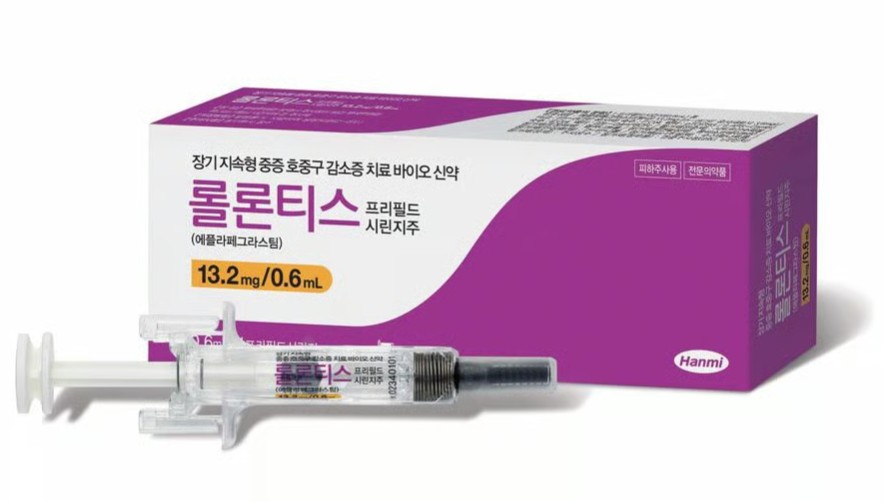
- Hanmi Pharmaceutical's biologic therapy for severe neutropenia, Rolontis (eflapegrastim), will expand its reimbursed product lineup next month with the addition of an autoinjector formulation.The autoinjector is a pen-type device in which the needle remains hidden from view, offering greater convenience for self-administration than the existing prefilled syringe (PFS) formulation.As Rolontis has continued to post solid sales growth in both domestic and overseas markets, the expanded formulation lineup is expected to further boost sales.According to industry sources on June 29, Rolontis Autoinjector Inj. 3.6 mg/0.6 mL will be added to the National Health Insurance reimbursement list next month. The product received approval from the Ministry of Food and Drug Safety (MFDS) in April.Rolontis is Hanmi Pharmaceutical's first novel biologic that was launched in Korea in 2021. The drug became eligible for National Health Insurance reimbursement in July 2024.The newly reimbursed autoinjector formulation delivers the drug by deploying a concealed needle once the device is pressed firmly against the injection site. Although the existing prefilled syringe can also be self-administered, the new formulation is designed to offer greater ease of use.The reimbursement price for Rolontis Autoinjector Inj. has been set at KRW 484,283, the same as the existing prefilled syringe formulation. The broader treatment lineup and improved ease of administration are expected to enhance patient access to the therapy.The new formulation lineup is also expected to support sales growth in both domestic and overseas markets. Rolontis is marketed under the brand name Rolvedon in the United States. Hanmi licensed the product to Spectrum Pharmaceuticals (now acquired by Assertio Holdings) in 2012.U.S. sales began in the second half of 2022 and have continued to grow, reaching USD 55.6 million in 2023 and USD 60.1 million in 2024.In addition to its U.S. commercialization as Rolvedon, Hanmi signed a supply agreement with Middle Eastern partner Tabuk in September last year to expand exports of the finished product to additional countries.The product has also maintained strong growth in Korea. According to IQVIA data, domestic sales increased from KRW 3.3 billion in 2022 to KRW 11.4 billion in 2023, reaching KRW 16.5 billion in 2024.With improved convenience in self-administration and expanded prescribing options, Rolontis’s domestic sales are expected to continue to increase in the second half of this year.
- Policy
- MOHW abruptly drops debate on hair loss drug reimbursement
- by Lee, Jeong-Hwan Jun 30, 2026 09:21am
- The Ministry of Health and Welfare (MOHW) has abruptly halted plans to conduct a ppublic forum on expanding National Health Insurance coverage for hair loss treatments, a highly controversial issue. The ministry has decided not to proceed with the planned public forum.The decision comes just before the forum, which had been scheduled for early July. Some observers speculate that the ministry may have reconsidered its plans, pressured by intensifying debate.Although the MOHW has canceled the Ministry of the Interior and Safety-led 'Everyone's Forum,' it stated that it will continue exploring policies to strengthen National Health Insurance coverage, particularly for younger people.On the 29t the MOHW abruptly issued a press release explaining that “Discussions on expanding insurance coverage for hair loss treatment would not be pursued through the public debate forum.”The MOHW explained that it decided to take more time for review, considering that various opinions have been presented and diverse perspectives on expanding health insurance coverage for hair loss treatment have been sufficiently raised ahead of the forum.The MOHW stated only its general stance, saying, 'Even though the forum will not be held, we plan to continue our efforts to develop policies aimed at resolving health issues for the public, including young people, and strengthening the coverage of national health insurance."
- Policy
- Competition for Faslodex generics intensify in Korea
- by Jung, Heung-Jun Jun 29, 2026 09:42am
- Competition among generics targeting AstraZeneca's breast cancer therapy Faslodex (fulvestrant) is set to intensify in the second half of the year. With Dongkook Pharmaceutical and Samjin Pharmaceutical’s generic versions set to enter Korea's reimbursement market next month, a four-way competition landscape will be formed, alongside Boryung and Korus Korea.According to industry sources on the 26th, Dongkook's Fulverant Prefilled Inj (0.5 g/1 pack) and Samjin's Fulveserd Inj (0.5 g/1 pack) will be added to the national reimbursement list next month.Generic competition began in 2022 when Boryung's ‘Fulvet Inj’ obtained reimbursement. Korus Korea’s ‘Elbracan Inj’ followed in February last year.Dongkook received marketing approval for Fulverant Prefilled Inj in October last year and is expected to secure reimbursement listing 9 months later.Samjin's Fulveserd is manufactured under consignment by Dongkook Pharmaceutical. Depending on whether reimbursement pricing requirements are met, Fulverant Prefilled Inj is expected to receive a reimbursement price of KRW 288,194, while Fulveserd is expected to be priced at KRW 244,965.The original product, Faslodex, was approved in Korea in 2007 but was not granted reimbursement until 2019.Following the entry of generics, reimbursement prices have undergone several adjustments. Prices were first reduced after the listing of Boryung's Fulvet, and additional reductions followed after Korus Korea’s Elbracan entered the market, bringing premium pricing to an end.AstraZeneca even sought an injunction to prevent the price cuts but ultimately lost the legal battle, resulting in a substantial reimbursement price reduction in February this year.Following the reimbursement price cut, speculation emerged that AstraZeneca might withdraw Faslodex from the Korean market. However, the company is continuing supply. Moreover, the company signed a Flexible Pricing Contract with the National Health Insurance Service in June. As a result of the agreement, its listed reimbursement price increased to KRW 974,917 last month, which is more than a threefold increase.Faslodex recorded approximately KRW 3.3 billion in import sales in 2024, roughly half the level seen in 2023. Meanwhile, Boryung's Fulvet, the first generic, posted import sales of approximately KRW 500 million in 2024.Fulvestrant injections have been designated as essential medicines in Korea. The addition of more follow-on products is expected to help ease concerns over potential supply shortages.
- Policy
- "100-day health insurance listing period for rare disease drugs"
- by Lee, Jeong-Hwan Jun 26, 2026 09:45am
- The Minister of Health and Welfare, Jung Eun Kyeong, is briefing on the administrative transformation of medical fees.The Ministry of Health and Welfare (MOHW) will substantially shorten the health insurance listing period for rare disease therapeutics and will establish a "Korea-centric primary care model" where local clinics assume full responsibility for patient prevention and management.On June 25, the MOHW convened the 12th Health Insurance Policy Review Committee to deliberate on and discuss the ▲Implementation of the expedited listing pilot program for rare disease therapeutics and ▲Revised plan for the community primary care innovation pilot program.With this decision, therapeutic access for patients with severe and rare diseases will be significantly improved, and the primary care sector anticipates a shift in the reimbursement framework from being disease treatment-centric to "management-centric."'100-Day Fast-Track Listing' for rare disease novel drugs...underperforming drugs face price cuts or delisting after 5 yearsInstead of drastically shortening the health insurance listing period for rare disease therapeutics, the MOHW will implement a "conditional reimbursement" system that rigorously evaluates real-world clinical performance within 5 years post-listing to adjust drug prices. Commonly referred to as the "List-First, Evaluate-Later" policy, this mechanism grants reimbursement proactively, but revokes reimbursement if clinical efficacy or health insurance efficiency cannot be verified during post-marketing assessments.The intent behind this administrative action is to enhance patient access through expedited listings while ensuring the fiscal efficiency of the national health insurance fund through rigorous post-marketing management.The core of the policy involves applying a mandatory five-year post-marketing evaluation cycle and differentially adjusting drug prices, ranging from maintaining the price to enforcing full out-of-pocket patient payment, depending on therapeutic performance outcomes.According to the detailed plan disclosed, rare disease therapeutics subject to expedited listing will be managed under a "conditional reimbursement" form, undergoing post-marketing evaluation and reimbursement adjustments within five years.Years 1 to 3 represent the data collection period. Led by the Health Insurance Review and Assessment Service (HIRA), a domestic real-world data (RWD) registry will be established to generate real-world evidence (RWE).Year 4 begins the post-marketing evaluation period. The evaluation will focus primarily on HIRA's RWE, along with a comprehensive review of domestic and international clinical trials and real-world evidence materials submitted by the pharmaceutical company. Economic evaluations will also accompany the process for drugs amenable to such analysis or upon the manufacturer's request.Year 5 is when the reimbursement adjustment takes place. Reimbursement will be adjusted based on the clinical outcome evaluation or economic evaluation results, followed by negotiations with the National Health Insurance Service (NHIS).Notably, the criteria for reimbursement adjustments based on post-marketing evaluations are classified into four tiers and applied very strictly.The condition for maintaining the drug price applies only to Grade 1 cases, where definitive superiority is proven across key clinical endpoints, resulting in recognition of "substantial or significant improvement."A 10% price reduction is applied to Grade 2 cases in which only "general improvement" is confirmed, such as significant improvement in surrogate endpoints, a reduction in common adverse events, or significant improvement in convenience, or when the size of the benefit cannot be quantified due to statistical limitations.A 20% price reduction, or a similar adjustment, applies to Grade 3 cases that receive a "no improvement (non-inferiority)" determination due to clinical utility comparable to alternative therapies; these will be adjusted to the weighted-average price of alternative therapies or reduced by 20%.Transitioning to full out-of-pocket payment applies to Grade 4 cases, which are determined to have "inferior" clinical utility due to lower clinical efficacy or a higher risk of adverse events compared to alternative therapies; these will be excluded from reimbursement status and shifted entirely to full patient self-pay.A refund procedure will also be established for any additional financial expenditures incurred after the conditional reimbursement window (from listing up to 5 years) to account for potential evaluation or negotiation delays.Pilot program to launch in the second half…clinical evidence expected to be accumulated by 2027The "Expedited Listing Pilot Program for Rare Disease Therapeutics," which applies this post-marketing evaluation framework, will be rapidly advanced starting in the second half of this year. While the specific budget has not yet been finalized as target candidate drugs are currently being selected, the projected financial impact per therapeutic asset will be submitted for the Committee's review in the near future.The detailed timeline for plans includes a public notice of target candidate drugs for the pilot program between July and August of this year.In September, applications will be reviewed for eligibility to select the final target drugs, and starting in October, legal agreements will be established with participating medical institutions to officially drive the expedited listing process forward.From 2027 to 2032, clinical evidence data will be accumulated over the next five years, followed by the execution of post-marketing evaluations and reimbursement adjustment procedures.The government intends to establish policy grounds based on the operational status and performance analysis of this first pilot phase and, if necessary, launch a second pilot program in sequence. A "utility-centered" operation of the NHI fund, which significantly broadens access to novel drugs directly linked to patient survival while decisively offloading therapies lacking proven clinical efficacy, is anticipated to face a critical testing ground.Total 1.6% increase in clinic-level medical fees for 2027..."Concentrating compensation on essential healthcare"The 2027 conversion factor (medical fee) growth rate for clinic-level providers, which had previously fallen through during negotiations with the National Health Insurance Service in May, has been finalized at 1.6%.However, the increase will not be applied uniformly. The MOHW decided to reflect only 0.9% of the total 1.6% directly into the conversion factor adjustment (setting the unit price per point at KRW 96.5), while allocating the remaining 0.7% to increase the Relative Value Units (RVUs) for essential healthcare and undervalued medical acts, such as basic consultation fees. The detailed plan for this relative value adjustment will be finalized through a subsequent Health Committee session.An official from the MOHW explained, "By linking the conversion factor with relative value modifications, we can enhance policy acceptance at the clinical site and ensure appropriate compensation is funneled directly into critically needed areas of essential medicine."Clinic-centered Korea-centric primary care physician...introduction of 'Integrated Medical Fee System'The "Community Primary Care Innovation Pilot Program," which enables patients with multiple comorbidities to receive structured health management services at local clinics, will enter full implementation in September.The defining characteristic of this pilot program is the introduction of an "Integrated Medical Fee System." Deviating from the traditional "Fee-for-Service" model, where consultations, laboratory tests, and procedures are billed individually, a comprehensive, integrated bundled fee will now be applied based on Hierarchical Condition Category (HCC) risk adjustment scores, accounting for the patient's age, sex, and underlying comorbidities.Korea-centric Primary Care: A multidisciplinary team of physicians, nurses, physical therapists, and others delivers comprehensive health management services (prevention, education, counseling, and care coordination).Optional compensation will also follow. Medical institutions can choose between the integrated medical fee system and the existing fee-for-service model based on their operational capacity. Clinics selecting the integrated medical fee path will be granted additional financial incentives, such as premium fee markups and performance rewards. Furthermore, even if the hospital reimbursement model changes, the patient's out-of-pocket copayment structure will remain unchanged from the legacy system."Anticipating a Structural Transformation in Primary Care"The MOHW expects this pilot program to transform the current fragmented clinical culture, which focuses heavily on episodic disease treatment, into an approach centered on prevention and longitudinal management. The ministry plans to call for institutional applications between July and August, with selected clinics officially deploying services starting in September.Meanwhile, during the session, the Health Committee finalized the 2027 clinic-level National Health Insurance reimbursement cost growth rate, agreeing to tie a portion of the financial allocation to enhanced compensation for essential medical sectors.A ministry official stated, "Beyond simple disease management, we will solidify the institutional foundations to ensure citizens can access high-quality primary care directly within their local communities. We will gather extensive feedback from the field to guide stable policy establishment."
- Policy
- Expanded Olumiant coverage still falls short of patient expectations
- by Jung, Heung-Jun Jun 26, 2026 09:45am
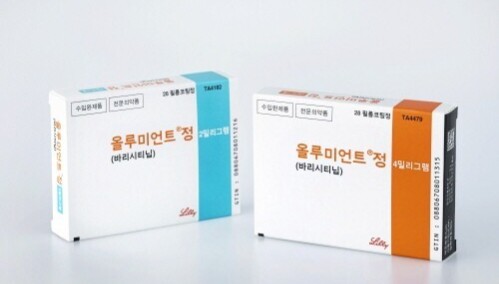
- Although Lilly Korea’s Olumiant (baricitinib) has achieved broader reimbursement coverage for severe alopecia areata, the criteria remain a point of contention among patients, who argue that the current guidelines require more reasonable adjustments.The medical community also warns that many patients who have long awaited reimbursement coverage may still face limited access to the high reimbursement standards.According to industry sources on June 24, numerous patient complaints were submitted during the public comment period on Olumiant’s proposed reimbursement criteria for severe alopecia areata, which concluded on June 22.Under the proposed reimbursement criteria, patients must satisfy two requirements to qualify for insurance coverage. First, they must have received at least three months of treatment with conventional therapies such as systemic corticosteroids or cyclosporine without achieving at least a 30% reduction in disease severity, as measured by the Severity of Alopecia Tool (SALT), or they must have been unable to continue treatment because of adverse effects.To qualify as having severe disease, patients must either have a SALT score of 50 or higher, or have both eyebrows and eyelashes completely absent or clearly interrupted with a SALT score between 20 and less than 50.To maintain reimbursement, patients must achieve a SALT score of 20 or lower at the initial assessment conducted at Week 36.Thereafter, reimbursement eligibility will be reassessed every six months to confirm maintenance of the initial treatment response, with reimbursement limited to a maximum of 2 years.Patients argue that because severe alopecia areata is a chronic autoimmune disease with a high likelihood of recurrence, limiting reimbursement to two years is insufficient.One patient who submitted an opinion during the public consultation stated, “Rather than imposing a uniform two-year limit, reimbursement should be extended based on periodic evaluations of SALT scores and patients' clinical status.”Previously non-reimbursed patients face 2 reimbursement criteria barriersThe proposed policy also includes transitional provisions for patients who have been receiving Olumiant at their own expense. However, these patients must demonstrate that they met the current reimbursement criteria when treatment was initiated. To do so, they must provide evidence such as prior treatment history and photographs documenting disease severity.The issue is that patients must satisfy both requirements: ▲prior treatment history and ▲ disease severity. Patients who began Olumiant based solely on severity without prior treatment, or those who underwent prior treatment but lack adequate documentation of disease severity at that time, would not qualify for reimbursement.Critics argue that satisfying both requirements is excessively burdensome for the patients because patients with autoimmune diseases often experience interruptions in treatment over several years or receive care at multiple medical institutions.Another patient who submitted comments stated, “The policy is essentially telling patients to stop treatment, wait until their condition worsens again, and then receive reimbursement for retreatment,” and criticized the proposal as being out of touch with reality.The medical community also expressed concern that the proposed reimbursement criteria could substantially restrict patient access.Professor Chang-Hun Huh of the Department of Dermatology at Seoul National University Bundang Hospital said, “Patients with severe forms of alopecia like alopecia totalis and alopecia universalis were in such desperate need as they have exhausted all known treatment options. It is disheartening for us as medical professionals because the current reimbursement criteria may actually limit the benefits for patients that have long awaited reimbursmenet, especially to those who have already been receiving treatment.
- Policy
- MOHW acknowledge need for 'CSO Association' establishment
- by Lee, Jeong-Hwan Jun 25, 2026 09:04am
- The Ministry of Health and Welfare (MOHW)As the President Lee Jae Myung administration designates the eradicating illegal Contract Sales Organizations (CSOs) and illicit pharmaceutical rebates as a core national normalization agenda, the Ministry of Health and Welfare (MOHW) is preparing to review the temporary CSO Association's authorization as an official legal association.Following the legalization of the mandatory CSO registration system, the MOHW acknowledges the need for an official communication channel with the CSO industry. This channel is deemed essential for addressing the proliferation of illegal CSOs and curbing expedient, unhealthy distribution and sales practices, such as illicit rebates.The CSO Association, whose previous two applications for incorporation were rejected, is expected to undergo an official regulatory review process once it submits the required documentation, including updated business plans, to the MOHW.On June 24, an official from the MOHW’s Division of Pharmaceutical Policy stated, "With an increasing number of pressing issues related to CSO advancement and rebate eradication, such as conducting investigative surveys on CSO practices and refining relevant systems, we recognize the need to establish an association to serve as an official communication channel with the CSO sector."The MOHW had previously rejected the temporary CSO Association's applications for incorporation during the document screening phase. The rationale for the rejections was reportedly a lack of industry representativeness and insufficient detail in the association's business plans to warrant official legal-entity status. Consequently, the organization has operated as a temporary entity for approximately 4 years, focusing on enhancing transparency in CSO operations.The regulatory momentum shifted significantly after the MOHW finalized its drug-pricing reform plan, which includes reductions in generic drug prices. This policy shift amplified the urgent need to eliminate CSO-mediated rebates as a critical follow-up measure.As the government continues to monitor unhealthy distribution, sales, and prescribing practices in which certain pharmaceutical companies or medical institutions exploit CSOs, blocking illegal CSOs entirely has become crucial. This aligns with the government's broader goals for the domestic pharmaceutical industry, which is to accelerate global market expansion and shift the industrial ecosystem toward blockbuster novel drug development.Currently, the MOHW, in collaboration with the Korea Pharmaceutical and Bio-Pharma Manufacturers Association (KPBMA), is developing a robust regulatory framework to ensure a transparent drug distribution environment following CSO registration. This initiative will kick off with a comprehensive status survey on CSO consignment and re-consignment practices.The establishment of the CSO Association is garnering significant attention because it will provide the MOHW with a direct, centralized stakeholder to consult on advancing CSO regulatory policies.The approval process for establishing a legal association involves the CSO Association submitting an application to the MOHW. Once the MOHW reviews and passes the documentation, the proposal is referred to the 'Non-Profit Corporation Review Committee' for final approval.A MOHW official explained, "An official channel for communicating with the CSO industry is necessary, which is why we agree on the need for the association's establishment." And added, "Once they supplement the previously missing documentation and reapply, we will review it in accordance with relevant regulations."Accordingly, the incorporation process is expected to accelerate once the temporary CSO Association meticulously prepares and submits the necessary paperwork to the MOHW.Meanwhile, the association plans to elect a new president at its upcoming board meeting this summer to expedite the administrative procedures required for official approval.
- Policy
- Celltrion’s Omlyclo takes aim at Xolair’s with pen formulation
- by Jung, Heung-Jun Jun 25, 2026 09:03am
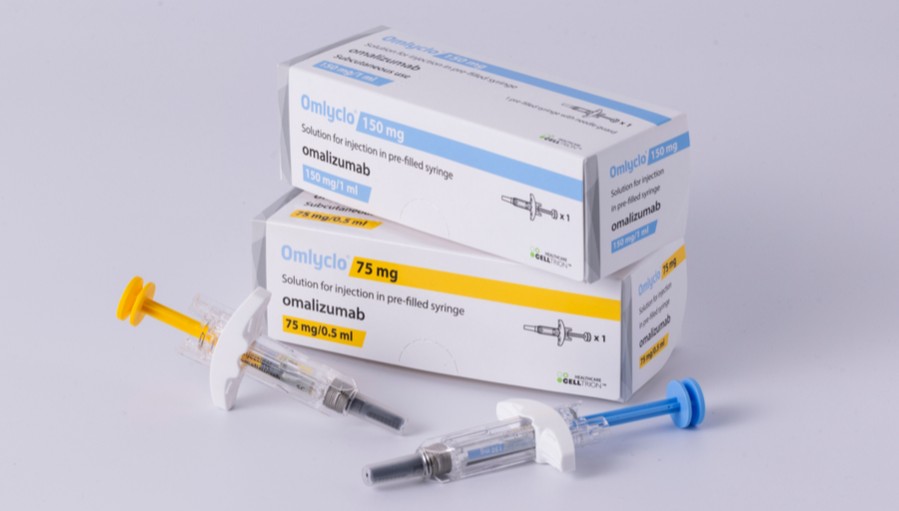
- Celltrion is pursuing differentiation with its Xolair biosimilar Omlyclo (omalizumab) through reimbursement listing of a pen formulation that is not available with the original product.With Novartis Korea withdrawing the vial formulation of Xolair and shifting its focus to the prefilled syringe (PFS) formulation, Celltrion is expected to chase Xolair using its proprietary pen device.According to industry sources on June 23, Omlyclo Pen Inj (0.15 g/1 mL), an allergy and asthma treatment approved in Korea in December last year, is scheduled to be added to the reimbursement list next month.The original product, Xolair, generates annual sales of approximately KRW 20 billion in Korea and more than KRW 5 trillion globally. Celltrion entered the market in September 2024 with its biosimilar Omlyclo and has since been competing with Xolair.Until now, Celltrion has sought to penetrate the market by offering a lower price than the original product. While Xolair PFS 0.15 g is priced at KRW 216,755, Omlyclo PFS of the same strength is priced roughly 20% lower, at KRW 173,404,In the case of the 0.3 g PFS formulation, Xolair is priced at KRW 360,356, compared with KRW 252,200 for Omlyclo, a difference of approximately KRW 110,000.Xolair’s market in Korea is centered on its PFS formulation. The original vial formulation of Xolair is undergoing marketing authorization withdrawal procedures and is expected to be removed from the reimbursement list in January next year.Following the reimbursement listing of Omlyclo PFS 0.3 g in April this year, Celltrion will add Omlyclo Pen Injection 0.15 g to the reimbursement list beginning in July. The reimbursed price of the pen formulation will be the same as that of the corresponding PFS formulation, at KRW 173,404.Unlike the prefilled syringe, the pen formulation does not expose the needle, and therefore has the advantage of being less intimidating due to the concealed needle, while also offering greater ease of administration.Celltrion is therefore expected to accelerate its market expansion efforts in the second half of the year by leveraging both lower pricing and a new formulation as key differentiators.Competition is also expected to intensify outside Korea. Onlyclo has already been launched across several European markets, including Germany, Spain, Denmark, and the Netherlands, where it continues to expand market share. The company is also preparing its U.S. launch in the second half of this year.
- Policy
- MFDS grants GIFT to 'rusfertide,' no records of any global approvals
- by Lee, Tak-Sun Jun 24, 2026 09:19am
- A new drug that would be a novel treatment option for patients with polycythemia vera (PV), a type of rare hematologic malignancy, has entered the fast-track review of the regulatory agency in South Korea. Notably, as this drug has not yet received final approval even in major global markets such as the United States and Europe, the medical community is closely watching its domestic approval and launch timeline.The Ministry of Food and Drug Safety (MFDS) announced that it has designated 'rusfertide' a polycythemia vera treatment under development by Takeda Pharmaceuticals Korea, as the 71st product under the Global Innovative Products Fast-Track (GIFT) program. The designation date was June 10.The MFDS specified that rusfertide's GIFT designation falls under the category of "no existing treatment." This decision is an outcome of a high evaluation of the drug's potential to improve efficacy and safety in a rare disease area characterized by significant unmet medical needs or where conventional therapies fail to provide adequate clinical outcomes.'Polycythemia vera (PV)', the target indication for rusfertide, is a chronic myeloproliferative neoplasm (a rare blood cancer) in which red blood cells proliferate uncontrollably in the bone marrow. An excess of red blood cells increases blood viscosity abnormally, exponentially elevating the risk of thrombosis (blood clots) that can lead to fatal complications such as stroke, myocardial infarction, and pulmonary embolism. Furthermore, it is a debilitating disease that severely compromises patients' quality of life through symptoms like chronic fatigue, generalized pruritus, and enlarged spleen.Previously, patients had to rely on therapeutic phlebotomy, requiring periodic hospital visits to draw large volumes of blood to reduce elevated red blood cell counts. However, this approach has been a significant burden, causing physical and psychological distress to patients.Rusfertide is a novel therapeutic developed to address the limitations of these conventional treatments fundamentally. It mimics hepcidin, an endogenous hormone that regulates iron metabolism in the human body. Inhibiting ferroportin, a protein that exports iron from cells into the bloodstream, blocks the iron supply required for bone marrow to produce red blood cells, thereby preventing the overproduction of erythrocytes. According to clinical studies, the drug reduces the frequency of phlebotomy sessions, significantly improving patients' quality of life.Notably, rusfertide is still an 'early-stage novel drug' that has not yet secured final regulatory approval from any major global regulatory agency.According to the expedited review report, rusfertide's innovativeness was recognized early on in the global market, receiving Fast Track (FT) and Breakthrough Therapy Designation (BTD) from the US Food and Drug Administration (FDA) and being admitted into the European Medicines Agency's (EMA) PRIME (PRIority MEdicines) program. It has also been granted Orphan Drug Designation (ODD) across South Korea, the US, and Europe. However, its official approval date remains listed as 'Not Applicable' across all global regulatory agencies, including the US, Europe, and Japan, meaning it is currently an unapproved agent undergoing regulatory review.An industry insider said, "It is both unusual and encouraging that an innovative novel drug, which has not yet achieved final approval even from leading regulatory bodies like the US FDA, has been designated under the Korean GIFT program. Thanks to the MFDS's Fast Track review support, domestic patients are expected to access this innovative therapeutic benefit relatively quickly compared to its global launch timeline."Meanwhile, based on the GIFT designation, the MFDS plans to promptly initiate its review upon submission of the marketing authorization application for rusfertide. However, the MFDS added, "The exact indications, efficacy, and safety profile will be finalized following a review during the main regulatory approval procedure."
