
- LOGIN
- MemberShip
- 2026-09-08 03:15:05
- Policy
- Initiation of review for Mifegyne use standard·reimb of obesity drugs
- by Lee, Jeong-Hwan Jul 21, 2026 08:25am
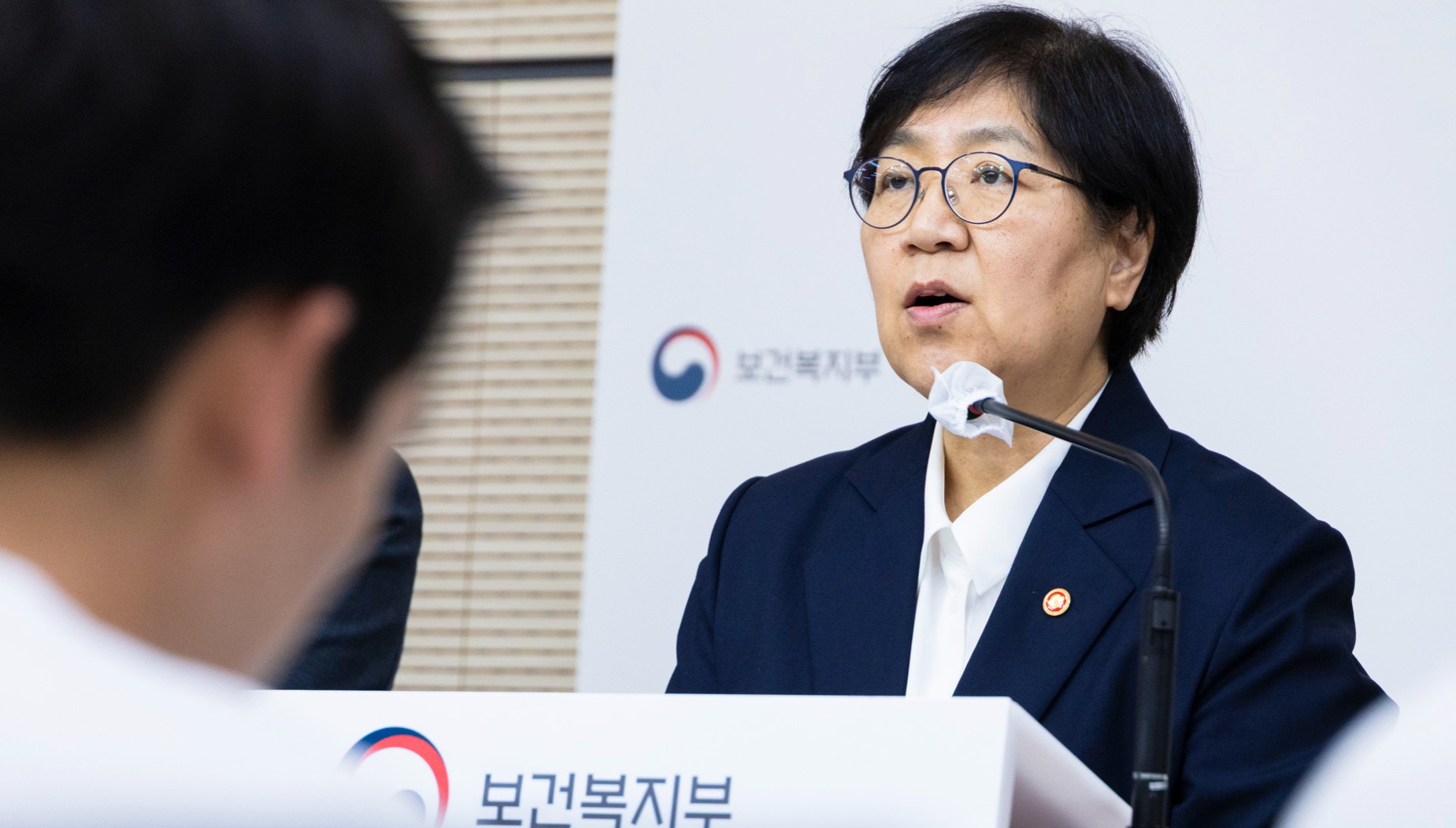
- Product photos of Mifegyne and Mounjaro[데일리팜=이정환 기자] 보건복지부가 인공임신The Ministry of Health and Welfare (MOHW) plans to establish safety use standards for abortion pills following domestic approval, through consultations with the medical community.Regarding reimbursement under the national health insurance for severe obesity treatments such as Wegovy and Mounjaro, it has decided to continue reviewing their feasibility.Minister of Health and Welfare Jeong Eun Kyeong, who recently concluded her presidential work report, presented the policy direction for the second half of the year regarding abortion pills and severe obesity treatment injections during a pre-briefing held at the Sejong Government Complex the day before the report.This briefing reveals the administrative work regarding the domestic introduction of the abortion pill Mifegyne, mentioned by President Lee Jae Myung, and the reimbursement for Wegovy and Mounjaro, drugs that continue to show popularity.Regarding Mifegyne, the Ministry plans to establish criteria for its safe use and to communicate with medical professionals once the relevant legal amendments and approvals from the Ministry of Food and Drug Safety (MFDS) are completed.During the work report briefing regarding Mifegyne, Minister Jeong explained, "There was a constitutional nonconformity ruling regarding abortion related to pregnancy termination drugs, and a request was made for legislation overhaul. The government feels a sense of responsibility regarding the current lack of legislation,” and adding, “We will proceed by discussing necessary aspects such as the amendment of data and the Mother and Child Health Act with the National Assembly."Minister Jeong added, "In the event of domestic introduction, we are preparing to establish safety use standards, and we will formulate safe use standards, including clinical practice guidelines, in cooperation with the medical community so that patients can use them safely."Regarding health insurance reimbursement for severe obesity treatments, Minister Jeong stated that feasibility will be reviewed. However, Jeong made it clear that the priority is strengthening health insurance coverage for patients with rare and intractable diseases.Minister Jeong emphasized, “We continue to review the feasibility and necessity of coverage for severe obesity treatments, which are in high demand,” and added,”We are currently preparing measures to strengthen health insurance coverage. Furthermore, we plan first to announce plans to strengthen coverage for urgent, severe, rare, and intractable diseases."Minister Jeong added, "As there are demands for reimbursement of emerging health issues such as hair loss and severe obesity, we are preparing our approach through a comprehensive judgment."
- Policy
- Reimb expansion for Tevimbra’s five indications under drug price negotiations
- by Jung, Heung-Jun Jul 20, 2026 08:51am
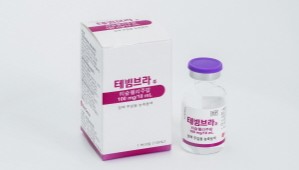
- Product photo of Tevimbra BeOne Medicines Korea’s immunotherapy, Tevimbra Inj (tislelizumab), has entered drug price negotiations with the National Health Insurance Service (NHIS) to expand reimbursement coverage for five indications.Additionally, Roche Korea’s immunotherapy Tecentriq Inj (atezolizumab) has also entered negotiations for adjuvant therapy in non-small cell lung cancer (NSCLC).According to industry sources, on July 19, the Ministry of Health and Welfare (MOHW) issued price negotiation orders to the NHIS for Tecentriq and Tevimbra. These medications were recognized for their appropriateness for reimbursement expansion during the recent 5th and 6th Pharmaceutical Reimbursement Evaluation Committee (PREC) meetings.Tevimbra is the product that has secured the highest number of approved indications among the pharmaceuticals reviewed for reimbursement expansion during the 1st to 7th PREC meetings this year.The company is seeking to expand reimbursement across five indications, including monotherapy and combination therapy for non-small cell lung cancer, as well as first-line combination therapies for gastric cancer and esophageal cancer.Currently, the only reimbursed indication for Tevimbra is second-line combination therapy for esophageal cancer. In April last year, it successfully secured its initial reimbursement listing for esophageal cancer ahead of other immunotherapies with the same mechanism of action, such as Keytruda and Opdivo.Once this indication expansion is implemented, competition with blockbuster drugs like Keytruda and Opdivo is expected to intensify. Patient access to treatment is anticipated to strengthen as additional therapeutic options become available.However, price negotiations for multi-indication immunotherapies, which pose a heavy burden on the national health insurance budget, are rarely easy. Given that the share of oncological drugs within overall pharmaceutical expenditures is rising substantially, detailed negotiations regarding the application of complex Risk Sharing Agreements (RSAs) and refund rates will be the key determining factors.Yet, during its initial reimbursement listing last year, Tevimbra was well-received for enhancing patient access to a reasonably priced drug. As market competition intensifies, it can positively impact the insurance budget, a favorable factor in upcoming price negotiations.Product photo of TecentriqIf BeOne successfully clears the hurdle of NHIS negotiations, it is expected to proceed with a listing in the fourth quarter of this year.Roche Korea’s immunotherapy Tecentriq has also recently commenced price negotiations. In May, the PREC approved reimbursement expansion appropriateness as an "adjuvant therapy following resection and platinum-based chemotherapy in patients with early-stage non-small cell lung cancer."Tecentriq garnered significant attention in 2022 as the first immunotherapy to receive regulatory approval for adjuvant therapy in early-stage non-small cell lung cancer. It is now awaiting a reimbursement expansion after approximately four years.
- Policy
- Celltrion seeks Cosentyx biosimilar approval without pediatric indication
- by Lee, Tak-Sun Jul 20, 2026 08:51am
- AI-generated imageCelltrion has adopted an “independent strategy” to circumvent the original drug’s exclusivity as it prepares to launch a biosimilar of the blockbuster autoimmune disease therapy, Cosentyx (secukinumab), in Korea.Rather than seeking approval for all of the original Cosentyx's approved indications, the company has applied only for the core adult indications, excluding pediatric indications and hidradenitis suppurativa (HS).According to the Ministry of Food and Drug Safety (MFDS), a marketing authorization application for a secukinumab biosimilar that references Cosentyx products registered in Korea (Cosentyx SensoReady Pen and Cosentyx Prefilled Syringe, etc) was submitted on June 26. The reference product is believed to be a Cosentyx biosimilar in development by Celltrion.A notable aspect of the filing is Celltrion's move immediately prior to the application. On June 25, one day before submitting its application, Celltrion filed a scope confirmation trial with the Patent Court against Novartis, the holder of Cosentyx's patents.The move is viewed as a strategic step to secure first generic exclusivity under Korea's drug approval-patent linkage system. To obtain an exclusive sales period for a biosimilar, a company must both be the ‘first to challenge the patent’ and be the ‘first to submit a marketing authorization application.’The most notable aspect is the company’s decision to omit several of the original drug’s approved indications. The original Cosentyx is approved for adults with plaque psoriasis, psoriatic arthritis, ankylosing spondylitis, non-radiographic axial spondyloarthritis, and hidradenitis suppurativa, as well as for pediatric plaque psoriasis and juvenile idiopathic arthritis.However, the biosimilar application includes only three core adult indications: ▲Plaque psoriasis, ▲Psoriatic arthritis, and ▲Axial spondyloarthritis (including ankylosing spondylitis and non-radiographic axial spondyloarthritis). The application excludes adult hidradenitis suppurativa and all pediatric indications of the original drug.The move is regarded as an effort to avoid the original drug's remaining patents. The hidradenitis suppurativa and pediatric indications were added relatively recently, meaning their re-examination periods or patent terms still have considerable time remaining. Celltrion therefore appears to have opted to target the core adult indications that would enable the earliest market entry in Korea.Instead of seeking approval for a broader range of indications, Celltrion is taking the remaining key patents head-on. The patents Celltrion challenged on June 25 are Cosentyx's core patents.Cosentyx currently holds a method-of-use patent for the "treatment of psoriasis using an IL-17 antagonist," which is set to expire on October 7, 2031, and a formulation patent for "pharmaceutical products and stable liquid formulations of IL-17 antibodies," which is set to expire on December 21, 2035.In particular, the liquid formulation patent expiring in 2035 is considered a barrier that must be overcome to produce an injectable biosimilar. Through the scope confirmation trial, Celltrion plans to focus on demonstrating that its independently developed protein composition and formulation technology do not fall within the scope of the original drug’s patent.An industry official said, "Celltrion's application filing suggests that it intends to work around the patents essential to launching the product (psoriasis treatment method and formulation patents) through the patent trial, and launch the product immediately after the original’s substance patent expires on February 27, 2028, in an effort to gain a first-mover advantage in the Korean market."
- Policy
- President Lee calls for review of Mifegyne approval
- by Kang, Shin-Kook Jul 16, 2026 08:52am
- President Lee Jae-myung speaks during a Cabinet meeting on July 14President Jae-myung Lee has instructed relevant ministries to prepare a balanced approach to the approval of the abortion medication Mifegyne (mifepristone).During a cabinet meeting on July 14, President Lee mentioned Mifegyne, stating, “The current ban has led women who need the drug to purchase it through overseas direct purchases, exposing them to safety risks. It does not seem right to neglect the situation as is.”President Lee asked the Ministry of Food and Drug Safety (MFDS), the Ministry of Gender Equality and Family, and the Ministry of Government Legislation for detailed information on actual use patterns and developments following the Constitutional Court's ruling. Lee said, "The appropriate standard may vary depending on a woman's health condition. It doesn’t seem that setting a strict legal cutoff by gestational week needs to be a definitive standard. Entrusting the decision to physicians' conscience and professional judgment could also be one option,” calling on the ministries to explore a pragmatic compromise.Prime Minister Seong-sook Han responded that the matter is highly sensitive and said the government would prepare an agenda in consultation with the relevant ministries before revisiting the issue.President Lee's remarks immediately drew opposition from medical groups.The Korean Association of Obstetricians & Gynecologists (KAOG) issued a statement on July 14 criticizing the President's directive to seek practical solutions for introducing Mifegyne into Korea. In the statement, KAOG stated, “Introducing the drug without supporting legislation and adequate medical safety verification would threaten women's health. If the policy is pushed forward, the association will launch a strong campaign, including a nationwide refusal movement.”KAOG added, “If the drug is distributed without sufficient preparation, women could face severe bleeding, infections, and incomplete abortions requiring emergency surgery. Permitting early access before establishing safety guidelines and a proper distribution system would effectively turn the public into subjects of a dangerous medical experiment.”In contrast, public health advocacy groups welcomed the President's comments. The Korean Pharmacists for Democratic Society (President: Kyung-Lim Jeon) said, “President Lee has repeatedly expressed support for the need to introduce medical abortion drugs and included the issue among his 123 national policy initiatives, yet the Ministry of Health and Welfare and the MFDS have made little progress toward approval. As a result, women requiring abortion care have been left in a regulatory gray area.”“Simply approving abortion medication would not be sufficient to enable the practical approach emphasized by the President. We welcome the President's position, and the discussion should move beyond punishment and focus instead on protecting sexual and reproductive health and rights.Mifegyne is an oral medical abortion drug developed by the French pharmaceutical company Exelgyn. It received an essential medicine designation from the World Health Organization (WHO) and is currently approved in more than 80 countries. In Korea, however, it has yet to receive marketing approval.Hyundai Pharm previously secured Korean commercialization rights for the combination product ‘Mifegymiso Tab’ from the UK's LinePharma and has pursued marketing approval with the MFDS. However, the application process has repeatedly stalled for years because of unclear regulatory requirements and requests for additional data, resulting in multiple voluntary withdrawals and resubmissions.
- Policy
- Korean CSO organization aims to officialize this year
- by Lee, Jeong-Hwan Jul 15, 2026 08:49am
- South Korea’s pharmaceutical contract sales organizations (CSOs) are drawing industry attention after outlining a structured action plan to secure official incorporation as legal entities under the Ministry of Health and Welfare (MOHW) this year.The Korea Contract Sales Organization Association (KCSOA), which currently operates as a temporary body, plans to recruit founding members, secure an initial milestone of 1,000 member companies, conduct nationwide briefing sessions, and ultimately secure 2,000 member companies before submitting its formal application for regulatory approval.The KSCSOA aims to emerge from the shadows of grey-market operations and establish itself as a legitimate, self-reliant partner dedicated to advancing the domestic pharmaceutical distribution system.On the 14th, a KCSOA official stated, "Given that the MOHW has explicitly highlighted the necessity of a formalized CSO association to establish robust regulatory and administrative frameworks for a fair drug distribution structure, we plan to gather industry opinions and pursue official incorporation within this year."Roadmap for KCSOA's incorporation in 2026. KCSOA aims to secure the MOHW's official authorization between November and December.Industry experts emphasize that the success of KCSOA's incorporation will hinge entirely on representativeness. Whether the association can legitimately represent the collective interests of over 10,000 registered CSOs nationwide, and whether it possesses the practical operational capabilities to drive domestic pharmaceutical development, including promoting compliant drug distribution, will directly linked to the MOHW’s final administrative decision.Consequently, KCSOA intends to recruit founding members, reach the 1,000-member milestone, and secure dedicated physical office space. The association will host nationwide meetings through August to explain the incorporation process, followed by an aggressive, highly focused membership campaign.Securing 2,000 member companies is the objective the association aims to achieve before filing its official application.Upon achieving the initial milestone of 1,000 members and subsequently scaling up to 2,000 through its regional briefing sessions, the association will immediately file for official corporate body status. Marking its third attempt, KCSOA expects to submit the application before October of this year.Under its projected timeline, KCSOA aims to secure the MOHW's official authorization between November and December, followed by its formal corporate launch and the unveiling of its strategic business roadmap for 2027.This drive within the CSO sector serves as clear evidence of its desire to bring transparency to an industry historically relegated to the fringes of pharmaceutical marketing, and to reposition itself as an equal partner in the growth of the broader healthcare ecosystem.Amid the government’s intensifying crackdowns on illegal CSO rebates and a rapidly evolving regulatory environment, securing credible, legally incorporated status is essential for the association to project a unified, authoritative voice to the MOHW and the National Assembly.If the association successfully clears this third regulatory hurdle as planned, it will officially be incorporated in November or December, commencing as a formalized entity with an actionable 2027 business plan.As KCSOA accelerates its timeline toward incorporation with a concrete target of 2,000 member companies, the wider biopharmaceutical industry is closely watching whether these efforts will culminate in final ministerial approval.A CSO industry official remarked, "The KCSOA is currently aiming for its incorporation bid through internal restructuring, including the election of a new chairperson this summer, alongside expanding membership," and added, "Because the MOHW is demanding robust evidence of industry representation and concrete, detailed operational plans, the KCSOA will gather the collective opinion of regional CSOs through its nationwide meetings before submitting its third application."
- Policy
- Pricing negotiations for Bayer’s Nubeqa fall through
- by Jung, Heung-Jun Jul 15, 2026 08:49am
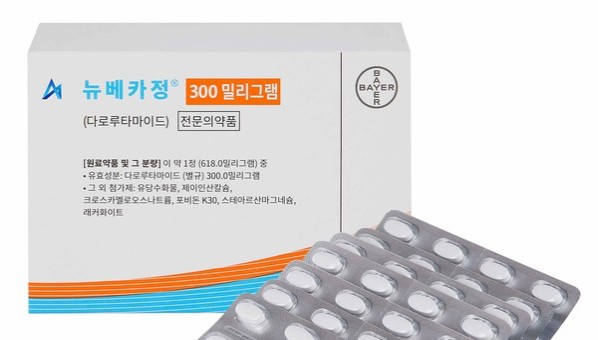
- Bayer Korea's prostate cancer therapy Nubeqa (darolutamide) has failed to reach a pricing agreement with the National Health Insurance Service (NHIS) and is unlikely to pursue another attempt at securing reimbursement in Korea.The reimbursement environment has become increasingly competitive due to the expiration of the patent for Nubeqa’s competitor Xtandi (enzalutamide), and the following mass launch of its generics last month.The entry of lower-priced Xtandi generics alongside Erleada and Xtandi has made reimbursement price negotiations for Nubeqa even more challenging.According to industry sources on the 10th, Nubeqa, which received a positive reimbursement recommendation from the Drub Reimbursement Evaluation Committee (DREC) in March for the treatment of metastatic hormone-sensitive prostate cancer (mHSPC), ultimately failed to reach a final agreement with the NHIS on pricing.A Bayer representative said, "We made every effort to improve patient access to Nubeqa, but were ultimately unable to reach an agreement." The company added that, considering the current market environment in Korea, it has no plans to resubmit the reimbursement application.At the March DREC meeting, Nubeqa was deemed eligible for reimbursement if the drug is priced below the committee's assessed value for use ▲in combination with androgen deprivation therapy (ADT) or ▲with docetaxel plus ADT for the treatment of patients with mHSPC.The major competitors in the mHSPC market are Erleada (apalutamide) and Xtandi. As a later entrant, Nubeqa has been closely chasing the two established therapies.Although Nubeqa cleared the Cancer Drug Deliberation Committee (CDDC) in December last year and the DREC in March this year, negotiations reportedly stalled over details of the Risk Sharing Agreement (RSA), including the reimbursement rate.Erleada has continued to expand its market presence, generating KRW 53.3 billion in prescription sales last year, up 71% from the previous year. The product is also seeking reimbursement expansion for high-risk non-metastatic castration-resistant prostate cancer (nmCRPC).Although its reimbursement expansion failed after price negotiations in February, the company has indicated that it intends to resubmit the application.Xtandi recorded KRW 38 billion in prescription sales last year, a 26% increase year over year. However, with 9 companies having launched generic versions, the competitive landscape is expected to undergo a significant transformation.
- Policy
- Fintepla enters pricing negotiations through parallel review
- by Jung, Heung-Jun Jul 14, 2026 08:03am
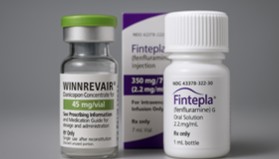
- Fintepla (fenfluramine), one of the drugs selected for the government's second pilot program for the parallel operation of approval, reimbursement evaluation, and price negotiation (parallel Approval–Evaluation–Negotiation pilot program), has recently entered reimbursement price negotiations with the National Health Insurance Service (NHIS).Fintepla was selected for the second pilot program in December 2024, alongside Winrevair and Rimqarto. Following its Korean marketing authorization in December 2025, the drug entered price negotiations approximately seven months later.According to industry sources on July 13, UCB Korea's antiepileptic drug ‘Fintepla,’ Astellas Korea's targeted cancer therapy ‘Vyloy (zolbetuximab),’ and Janssen Korea's ‘Rybrevant (amivantamab)’ all began pricing negotiations with the NHIS this month.All three products were reviewed by the Drug Reimbursement Evaluation Committee (DREC) in June and were deemed eligible for reimbursement.Fintepla received a positive reimbursement recommendation as ‘adjunctive therapy for the treatment of seizures associated with Dravet syndrome in patients aged two years and older,’ approximately 18 months after being selected for the second pilot program.The parallel Approval–Evaluation–Negotiation pilot program allows the Ministry of Food and Drug Safety (MFDS), the Health Insurance Review and Assessment Service (HIRA), and the NHIS to conduct regulatory approval, reimbursement assessment, and price negotiations concurrently, shortening the overall time required for reimbursement listing. Eligible products include therapies for cancer and rare diseases with limited life expectancy, particularly those that address unmet medical needs by demonstrating superior clinical benefit or for which only a few alternative treatments exist.Fintepla received marketing authorization in Korea in December 2025 and has also been designated an orphan drug. With only the completion of reimbursement price negotiations remaining, the product is one step closer to reimbursement listing. Among the drugs included in the second parallel review pilot program, Fintepla has progressed the furthest toward reimbursement.Another product in the second pilot program, Curocell's CAR-T therapy Rimqarto (anbalcabtagene autoleucel), recently had its reimbursement criteria established by the Cancer Drug Deliberation Committee (CDDC) and is expected to undergo DREC review.Meanwhile, Jassen Korea’s Rybrevant (amivantamab) is currently in price negotiations after receiving a positive reimbursement recommendation from DREC as monotherapy for ‘adults with locally advanced or metastatic non-small cell lung cancer harboring EGFR exon 20 insertion mutations whose disease has progressed during or after platinum-based chemotherapy.’Likewise, Astellas' Vyloy 100 mg and 300 mg received a positive reimbursement recommendation for first-line treatment, in combination with fluoropyrimidine- or platinum-based chemotherapy, for ‘patients with CLDN18.2-positive, HER2-negative, unresectable locally advanced or metastatic gastric or gastroesophageal junction adenocarcinoma,’ leaving only price negotiations before reimbursement listing.Because all of these products are high-priced oncology drugs, they are expected to be listed through the Risk Sharing Agreement (RSA) scheme. Accordingly, negotiations will focus not only on reimbursement pricing and budget impact, but also on determining the appropriate RSA type and refund rate.
- Policy
- Vocinti and Vocinti follow-ons being price talks in Korea
- by Jung, Heung-Jun Jul 13, 2026 09:28am
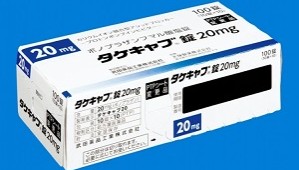
- Takeda’s P-CAB class drug that is marketed in Japan (brand name in Korea: Vocinti)Takeda Pharmaceuticals’ potassium-competitive acid blocker (P-CAB) Vocinti (vonoprazan) has entered reimbursement price negotiations with the National Health Insurance Service (NHIS).However, with two salt-modified products entering negotiations simultaneously, the road to commercialization is expected to be fraught with legal disputes.According to industry sources on July 10, the Ministry of Health and Welfare recently ordered the NHIS to begin reimbursement negotiations for Vocinti, Vonokhan (Kyongbo Pharmaceutical), and Vono-M (Mothers Pharmaceutical). Both follow-on products contain vonoprazan tosylate.In May, the Drug Reimbursement Evaluation Committee (DREC) determined that the three products were eligible for reimbursement for four indications, including gastric ulcer, provided the manufacturers accepted a price below the committee's assessed amount.In such cases, reimbursement prices are generally negotiated at 90% of the weighted average price of comparator products, meaning the final price is expected to be in the upper KRW 800 range.It is uncommon for the original drug and salt-modified follow-on products to enter reimbursement negotiations simultaneously. However, a bigger issue lies beyond the negotiations- the lingering possibility of legal disputes after reimbursement listing and commercial launch.Vocinti's patent is scheduled to remain in force until November 17, 2028 at the latest. However, the salt-modified manufacturers may have concluded that, if they successfully avoid the patent-term extension, the relevant patent protection would instead expire on August 29, 2026.This is why a legal dispute with Takeda is likely if Kyongbo Pharmaceutical and Mothers Pharmaceutical launch their products in August or September after obtaining reimbursement listing.Industry sources believe the two companies likely completed their legal assessments before filing for reimbursement and are pursuing early commercialization with full awareness of the associated litigation risks.Because a legal challenge from Takeda was always a foreseeable scenario, each company is believed to have carefully evaluated the commercialization risks before submitting its reimbursement application.Although the NHIS typically reaches agreements on stable product supply during reimbursement negotiations, it is not expected to independently assess the products' launchability, given that they have already passed the DREC review and received formal negotiation orders from the MOHW.Even if the companies successfully list and launch their products, with Takeda expected to pursue litigation or other legal actions, commercialization could still be delayed or halted depending on the outcome of the legal proceedings.
- Policy
- Tecartus and Ianalumab receive GIFT designation
- by Lee, Tak-Sun Jul 10, 2026 08:45am
- AI-generated imageThe Ministry of Food and Drug Safety (MFDS) has designated two innovative rare disease therapies attracting global attention for its Global Innovative products on Fast Track (GIFT) program, accelerating efforts to expand treatment options for patients in Korea.According to the MFDS in July, Gilead Sciences Korea's CAR-T therapy Tecartus Inj (brexucabtagene autoleucel) and Novartis Korea's investigational Sjögren's disease treatment ianalumab have been designated as the 73rd and 74th GIFT products, respectively. The designation qualifies both products for expedited regulatory review during the marketing authorization process.‘Tecartus Inj,’ which has also been designated an advanced biopharmaceutical, is indicated for adults with relapsed or refractory mantle cell lymphoma (MCL) and B-cell acute lymphoblastic leukemia (ALL). The MFDS granted GIFT designation after determining that the therapy offers substantially improved efficacy and safety compared with existing treatment options. Tecartus received regulatory approval from both the US Food and Drug Administration (FDA) and the European Medicines Agency (EMA) in 2020.Novartis Korea's ianalumab is a monoclonal antibody currently being developed for adults with moderate to severe Sjögren's disease. The drug targets the BAFF receptor, inhibiting B-cell survival. Given the lack of adequate treatment options for the disease, the MFDS granted GIFT designation on the basis that ‘no available therapy’ currently exists. The product has also received Fast Track designation from the US FDA.Both products have already been designated as orphan drugs in Korea and will undergo the MFDS's expedited review process for their approved indications and marketing authorization.Products designated under the GIFT program benefit from a review period approximately 25% shorter than that of the standard review process. Sponsors are also eligible for ‘rolling review,’ under which completed portions of the application are reviewed as they become available, as well as tailored consultations with dedicated reviewers before submitting a marketing application. These measures are expected to significantly accelerate the introduction of innovative therapies into the Korean market.An MFDS official said, "Through GIFT designation, we expect to accelerate the introduction of innovative medicines developed by both pharmaceutical companies in Korea and abroad, thereby providing patients with rare and intractable diseases with faster access to new treatment options."
- Policy
- Lixiana generics to be reimbursed in 2H
- by Jung, Heung-Jun Jul 10, 2026 08:45am
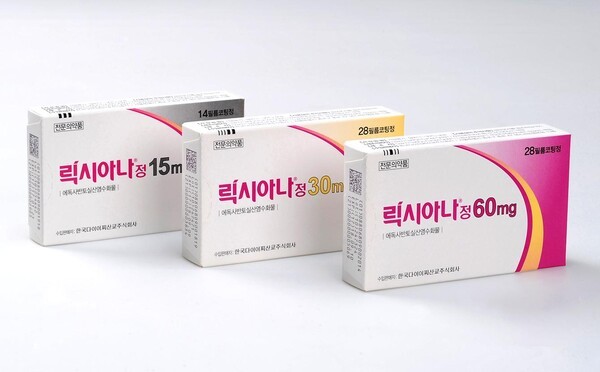
- With the expiration of the compound patent for Lixiana (edoxaban) set for later this year, a large number of generic products are expected to enter Korea's reimbursement list in the second half of 2026. However, the government's new multi-product listing management policy, which takes effect next month, is expected to serve as a key variable.In addition, recent changes to pricing premiums for Innovative Pharmaceutical Companies, Quasi-Innovative Pharmaceutical Companies, and Supply Stability Leading Companies are expected to result in different reimbursement prices depending on each company’s designation status.According to industry sources on the 8th, the new multi-product listing management system, which is scheduled to take effect next month, will apply to Lixiana generics set to be listed for reimbursement in November.According to pharmaceutical market research institute UBIST, Daiichi Sankyo's anticoagulant Lixiana generated KRW 121.8 billion in sales last year, up approximately 4% from KRW 117.5 billion the previous year.A large number of follow-on manufacturers have already obtained marketing authorization in preparation for reimbursement listing immediately upon patent expiry.As of this month, 28 generic products from 14 companies containing the same active ingredient as the original Lixiana, ‘edoxaban tosilate,’ have received regulatory approval. Because these products are expected to enter the reimbursement market simultaneously, they will become subject to the multi-product listing management system one year later.The multi-product listing management policy is a new drug pricing mechanism introduced under the government's drug pricing reform. Under the system, once the number of products with the same formulation reaches 14 or more, reimbursement prices for products entering the market will be reduced after one year, with the pricing rate set to fall from 45% to 38.25%.However, reimbursement prices will also vary depending on whether a company is certified as an Innovative or Quasi-Innovative Pharmaceutical Company. Innovative companies receive a 60% pricing premium, while Quasi-Innovative companies receive a 50% premium. Companies designated as Supply Stability Leading Companies are also eligible for a 50% premium. The premium remains in effect for a total of four years (1+3 years)Accordingly, if an Innovative (or Quasi-Innovative) Pharmaceutical Company or a Supply Stability Leading Company is subject to the multi-product listing management policy, its 50–60% premium will be maintained for four years, after which the pricing rate will be adjusted to 38.25%.As a result, companies such as Boryung, HK inno.N, and Dongkook Pharmaceutical will be able to retain the 60% premium for a certain period, while companies that do not qualify as Innovative Pharmaceutical Companies or Supply Stability Leading Companies will see their pricing rate reduced to 38.25% after one year, widening the reimbursement price gap.An official at a domestic pharmaceutical company A said, "Apart from Lixiana, there are unlikely to be many cases subject to the multi-product listing management policy. It remains to be seen how companies will respond if the reimbursement price gap between products receiving premiums and those that do not becomes substantial."Another key uncertainty is the implementation schedule for the Quasi-Innovative Pharmaceutical Company certification program, which has yet to be finalized. The government has only indicated that the program will be introduced after revisions to the Innovative Pharmaceutical Company framework are completed, leading industry observers to only expect the certification criteria and procedures to be finalized soon.However, it will be physically impossible to complete the Quasi-Innovative certification process before the Health Insurance Policy Deliberation Committee decides on reimbursement listings for Lixiana generics at the end of October.Another industry official from domestic pharmaceutical company B commented, "The criteria for Quasi-Innovative Pharmaceutical Companies are somewhat simpler than those for Innovative Pharmaceutical Companies because they mainly focus on sales, R&D requirements, and rebate-related issues. Fewer than 20 companies are expected to qualify. If the government issues the necessary notification and moves quickly, certification could be completed by the end of the year."
