- LOGIN
- MemberShip
- 2026-09-01 14:31:53
- Roche Diagnostics Korea published PBRTQC research in an intl journal
- by Hwang, byoung woo | translator Hong, Ji Yeon | 2026-09-01 09:51:27
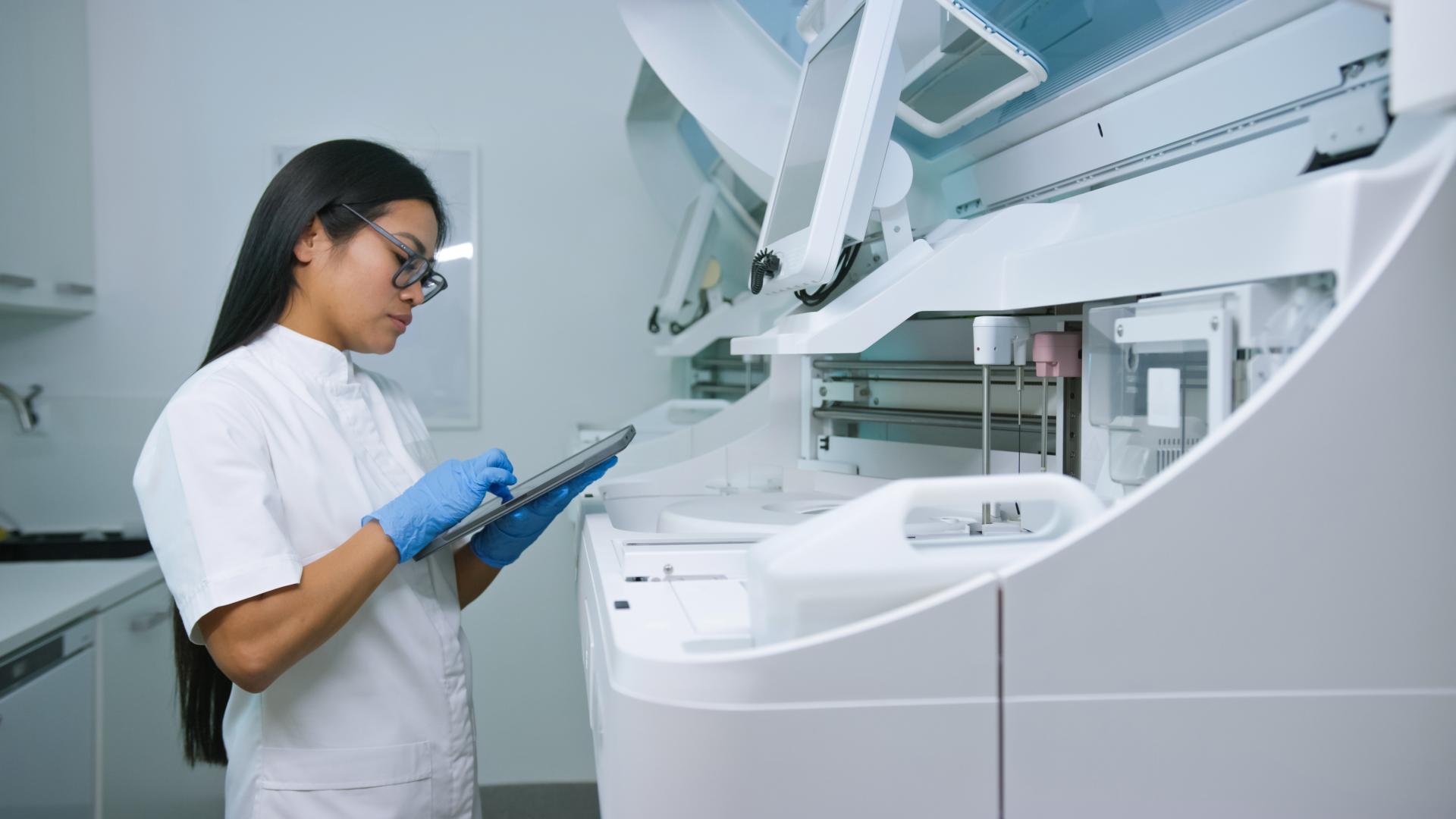
Roche Diagnostics Korea announced on the 31st that findings from a collaborative study on patient-based real-time quality control (PBRTQC), conducted with the research team in the Department of Laboratory Medicine at Samsung Medical Center, were published in Clinical Chemistry and Laboratory Medicine (CCLM), an international journal dedicated to laboratory medicine.
This study evaluated the feasibility of applying patient-based real-time quality control to domestic clinical settings to continuously monitor shifts in testing quality using real-world patient test results.
Patient-based real-time quality control is a quality assurance methodology that continuously analyzes statistical patterns in real patient test data to detect changes in testing quality.
While conventional internal quality control (IQC) involves measuring specialized control materials at predefined intervals to verify testing system status, patient-based real-time quality control focuses on examining patient test data streams between scheduled checks to enable the early detection of subtle shifts or anomaly signals.
Previously, relevant research had largely accumulated in overseas settings, leaving limited evidence evaluating its implementation and utility in South Korea's real-world clinical environment. This study is significant because it conducted prospective, real-time monitoring and event-based performance validation within the clinical laboratory of a domestic tertiary general hospital.
The research teams from Samsung Medical Center and Roche Diagnostics Korea used Roche Diagnostics' laboratory automation, specimen analysis platforms, and digital solutions to establish analytical protocols tailored to Samsung Medical Center's patient population and testing environment.
The investigators analyzed 217,372 moving-average quality control values generated from 14 PBRTQC parameter sets. During this process, 1,599 statistical alarms were generated and consolidated into 300 evaluation events, which the investigators then compared with repeat testing results from actual patient specimens and conventional IQC outcomes.
The study confirmed the feasibility of detecting test result shifts between scheduled IQC runs for select analytes, including calcium, sodium, chloride, and outpatient creatinine.
Notably, for calcium testing, an analytical shift signal was captured 1 hour and 43 minutes earlier than with conventional IQC. This example shows that patient-based real-time quality control can bridge the temporal gap between routine checks and be used to detect subtle variations in assay quality early.
Roche Diagnostics Korea explained the study showed the potential for data-driven quality control methods to complement conventional laboratory quality management systems. The company stated that optimizing test items and parameters in alignment with laboratory environments and patient population characteristics enables more continuous quality monitoring.
Professor Hyung-Doo Park, PI of the Department of Laboratory Medicine at Samsung Medical Center, said, "PBRTQC can be used effectively in clinical laboratories if analyte selection and parameter optimization are tailored to institutional patient demographics and testing environments."
Professor Park added, "As the technology advances and is evaluated, PBRTQC is expected to work alongside conventional IQC to strengthen laboratory quality control systems and support continuous quality assurance amid evolving clinical settings."
Kit Tang, General Manager of Roche Diagnostics Korea, said, "This study was possible because of the collaboration between Roche Diagnostics Korea and Samsung Medical Center under the shared objective of advancing diagnostic testing quality control."
Tang added, "The value of digital technology is in turning data into actionable insights for laboratory specialists and supporting more reliable test results and patient care beyond simple automation."
Tang noted, "Roche Diagnostics Korea will continue collaborating with medical institutions and experts to ensure data-driven innovations foster a safe, smart diagnostic environment and ultimately provide benefits to patients."
-

- 0
댓글 운영방식은
댓글은 실명게재와 익명게재 방식이 있으며, 실명은 이름과 아이디가 노출됩니다. 익명은 필명으로 등록 가능하며, 대댓글은 익명으로 등록 가능합니다.
댓글 노출방식은
댓글 명예자문위원(팜-코니언-필기모양 아이콘)으로 위촉된 데일리팜 회원의 댓글은 ‘게시판형 보기’와 ’펼쳐보기형’ 리스트에서 항상 최상단에 노출됩니다. 새로운 댓글을 올리는 일반회원은 ‘게시판형’과 ‘펼쳐보기형’ 모두 팜코니언 회원이 쓴 댓글의 하단에 실시간 노출됩니다.
댓글의 삭제 기준은
다음의 경우 사전 통보없이 삭제하고 아이디 이용정지 또는 영구 가입제한이 될 수도 있습니다.
-
저작권·인격권 등 타인의 권리를 침해하는 경우
상용 프로그램의 등록과 게재, 배포를 안내하는 게시물
타인 또는 제3자의 저작권 및 기타 권리를 침해한 내용을 담은 게시물
-
근거 없는 비방·명예를 훼손하는 게시물
특정 이용자 및 개인에 대한 인신 공격적인 내용의 글 및 직접적인 욕설이 사용된 경우
특정 지역 및 종교간의 감정대립을 조장하는 내용
사실 확인이 안된 소문을 유포 시키는 경우
욕설과 비어, 속어를 담은 내용
정당법 및 공직선거법, 관계 법령에 저촉되는 경우(선관위 요청 시 즉시 삭제)
특정 지역이나 단체를 비하하는 경우
특정인의 명예를 훼손하여 해당인이 삭제를 요청하는 경우
특정인의 개인정보(주민등록번호, 전화, 상세주소 등)를 무단으로 게시하는 경우
타인의 ID 혹은 닉네임을 도용하는 경우
-
게시판 특성상 제한되는 내용
서비스 주제와 맞지 않는 내용의 글을 게재한 경우
동일 내용의 연속 게재 및 여러 기사에 중복 게재한 경우
부분적으로 변경하여 반복 게재하는 경우도 포함
제목과 관련 없는 내용의 게시물, 제목과 본문이 무관한 경우
돈벌기 및 직·간접 상업적 목적의 내용이 포함된 게시물
게시물 읽기 유도 등을 위해 내용과 무관한 제목을 사용한 경우
-
수사기관 등의 공식적인 요청이 있는 경우
-
기타사항
각 서비스의 필요성에 따라 미리 공지한 경우
기타 법률에 저촉되는 정보 게재를 목적으로 할 경우
기타 원만한 운영을 위해 운영자가 필요하다고 판단되는 내용
-
사실 관계 확인 후 삭제
저작권자로부터 허락받지 않은 내용을 무단 게재, 복제, 배포하는 경우
타인의 초상권을 침해하거나 개인정보를 유출하는 경우
당사에 제공한 이용자의 정보가 허위인 경우 (타인의 ID, 비밀번호 도용 등)
※이상의 내용중 일부 사항에 적용될 경우 이용약관 및 관련 법률에 의해 제재를 받으실 수도 있으며, 민·형사상 처벌을 받을 수도 있습니다.
※위에 명시되지 않은 내용이더라도 불법적인 내용으로 판단되거나 데일리팜 서비스에 바람직하지 않다고 판단되는 경우는 선 조치 이후 본 관리 기준을 수정 공시하겠습니다.
※기타 문의 사항은 데일리팜 운영자에게 연락주십시오. 메일 주소는 dailypharm@dailypharm.com입니다.