- LOGIN
- MemberShip
- 2026-08-18 21:40:06
- Pfizer’s Abrysvo approved in Korea…sparks competition
- by Lee, Tak-Sun | translator Alice Kang | 2026-08-18 08:54:29
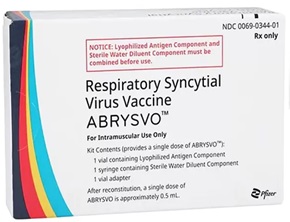
Pfizer Korea’s respiratory syncytial virus (RSV) vaccine ‘Abrysvo Inj’ has received approval from the Ministry of Food and Drug Safety (MFDS), completing a competitive lineup spanning both adult and infant RSV prevention in Korea.
The MFDS granted marketing authorization for Abrysvo on Aug. 13. With this approval, the competition in South Korea's RSV prevention market is expected to intensify further, featuring a three-way battle for adult vaccines, alongside a showdown between preventive monoclonal antibody injections and maternal vaccines for infants and young children.
The adult RSV vaccine market has become a three-way race, with Pfizer’s Abrysvo joining GSK and Moderna, which had already established a presence in the market.
GSK’s ‘Arexvy,’ the first to enter the market, recently expanded its indication to include high-risk adults aged 18 to 49. The company has strengthened its market position with data from the Phase III AReSVi-006 trial and long-term follow-up studies, demonstrating 94.6% efficacy in people with underlying medical conditions and sustained protection over three RSV seasons.
Moderna is also competing with its mRNA-based mRESVIA, approved for adults aged 60 and older. The company is seeking to expand the indication to younger high-risk adults, leveraging the mRNA technology validated through its COVID-19 vaccine.
Pfizer’s newly approved Abrysvo secured indications not only for adults aged 60 and older but also for high-risk adults aged 18 to 59, positioning it as a strong competitor in the adult market.
The infant RSV prevention market, meanwhile, is developing a distinct competitive landscape involving two strategies that differ in both timing and method of administration.
Until now, infant RSV prevention has been led by monoclonal antibody injections administered directly to infants after birth. Sanofi's ‘Beyfortus’ opened the market as a long-acting antibody injection providing five months of protection with a single dose. It was followed by MSD's ‘Enflonsia,’ which entered the market emphasizing the convenience of a single fixed 105 mg dose regardless of body weight.
Pfizer’s Abrysvo, by contrast, introduces Korea’s first maternal immunization strategy. The vaccine is administered to pregnant women between 28 and 36 weeks of gestation, allowing antibodies generated in the mother to be transferred to the fetus through the placenta. According to the Phase III MATISSE trial, maternal vaccination with Abrysvo reduced the risk of severe RSV lower respiratory tract disease in infants by 81.8% through 90 days after birth.
In the field, physicians expect the two approaches, direct antibody administration to infants after birth (Beyfortus or Enflonsia), and maternal vaccination during pregnancy (Abrysvo), to provide immunity from birth and to be used complementarily depending on factors such as maternal vaccination status, timing of birth and the infant’s risk of severe disease.
While prevention options have expanded, calls are growing on the need for the government’s financial support to facilitate broader uptake in clinical practice.
RSV can progress to severe lower respiratory tract disease, including bronchiolitis and pneumonia, particularly in infants and older adults. According to Korea’s National Health Insurance claims data, 44.7% of children under age 5 with RSV required hospitalization, while infants aged 6 to 11 months accounted for 57.3% of RSV patients admitted to intensive care units, underscoring the substantial disease burden.
Given the nature of government health policy, discussions on public support for RSV prevention are likely to prioritize infants before older adults. However, the appropriate policy framework has yet to be established.
Preventive antibody injections such as Sanofi’s Beyfortus and MSD’s Enflonsia are intended to prevent infection but are classified as ‘monoclonal antibody drugs’ rather than ‘conventional vaccines.’ Therefore, their coverage, whether they should be supplied through the National Immunization Program (NIP) or prescribed with reimbursement through National Health Insurance, is being reviewed. With the approval of Abrysvo adding a maternal immunization vaccine to the available options, policy discussions over infant RSV prevention are expected to materialize further.
An industry official said, “RSV is one of the leading causes of hospitalization among infants and young children, but due to its non-reimbursement, there had been an urgent need for government support. Now that multiple preventive options are available, the pace of discussions over NIP inclusion and reimbursement serves as a key factor determining the future of Korea’s RSV market.”
-

- 0
댓글 운영방식은
댓글은 실명게재와 익명게재 방식이 있으며, 실명은 이름과 아이디가 노출됩니다. 익명은 필명으로 등록 가능하며, 대댓글은 익명으로 등록 가능합니다.
댓글 노출방식은
댓글 명예자문위원(팜-코니언-필기모양 아이콘)으로 위촉된 데일리팜 회원의 댓글은 ‘게시판형 보기’와 ’펼쳐보기형’ 리스트에서 항상 최상단에 노출됩니다. 새로운 댓글을 올리는 일반회원은 ‘게시판형’과 ‘펼쳐보기형’ 모두 팜코니언 회원이 쓴 댓글의 하단에 실시간 노출됩니다.
댓글의 삭제 기준은
다음의 경우 사전 통보없이 삭제하고 아이디 이용정지 또는 영구 가입제한이 될 수도 있습니다.
-
저작권·인격권 등 타인의 권리를 침해하는 경우
상용 프로그램의 등록과 게재, 배포를 안내하는 게시물
타인 또는 제3자의 저작권 및 기타 권리를 침해한 내용을 담은 게시물
-
근거 없는 비방·명예를 훼손하는 게시물
특정 이용자 및 개인에 대한 인신 공격적인 내용의 글 및 직접적인 욕설이 사용된 경우
특정 지역 및 종교간의 감정대립을 조장하는 내용
사실 확인이 안된 소문을 유포 시키는 경우
욕설과 비어, 속어를 담은 내용
정당법 및 공직선거법, 관계 법령에 저촉되는 경우(선관위 요청 시 즉시 삭제)
특정 지역이나 단체를 비하하는 경우
특정인의 명예를 훼손하여 해당인이 삭제를 요청하는 경우
특정인의 개인정보(주민등록번호, 전화, 상세주소 등)를 무단으로 게시하는 경우
타인의 ID 혹은 닉네임을 도용하는 경우
-
게시판 특성상 제한되는 내용
서비스 주제와 맞지 않는 내용의 글을 게재한 경우
동일 내용의 연속 게재 및 여러 기사에 중복 게재한 경우
부분적으로 변경하여 반복 게재하는 경우도 포함
제목과 관련 없는 내용의 게시물, 제목과 본문이 무관한 경우
돈벌기 및 직·간접 상업적 목적의 내용이 포함된 게시물
게시물 읽기 유도 등을 위해 내용과 무관한 제목을 사용한 경우
-
수사기관 등의 공식적인 요청이 있는 경우
-
기타사항
각 서비스의 필요성에 따라 미리 공지한 경우
기타 법률에 저촉되는 정보 게재를 목적으로 할 경우
기타 원만한 운영을 위해 운영자가 필요하다고 판단되는 내용
-
사실 관계 확인 후 삭제
저작권자로부터 허락받지 않은 내용을 무단 게재, 복제, 배포하는 경우
타인의 초상권을 침해하거나 개인정보를 유출하는 경우
당사에 제공한 이용자의 정보가 허위인 경우 (타인의 ID, 비밀번호 도용 등)
※이상의 내용중 일부 사항에 적용될 경우 이용약관 및 관련 법률에 의해 제재를 받으실 수도 있으며, 민·형사상 처벌을 받을 수도 있습니다.
※위에 명시되지 않은 내용이더라도 불법적인 내용으로 판단되거나 데일리팜 서비스에 바람직하지 않다고 판단되는 경우는 선 조치 이후 본 관리 기준을 수정 공시하겠습니다.
※기타 문의 사항은 데일리팜 운영자에게 연락주십시오. 메일 주소는 dailypharm@dailypharm.com입니다.

- [Reporter's View] Surgical robotics, What is needed to export domestic tech?
- Reporter's view | Hwang, byoung woo