- LOGIN
- MemberShip
- 2026-09-09 18:20:47
- Hepatitis B clinical practice guidelines revised in Korea
- by Son, Hyung Min | translator Alice Kang | 2026-06-18 15:36:23
The Korean Association for the Study of the Liver (KASL) has recently revised its hepatitis B clinical practice guidelines, signaling a potential shift in the treatment paradigm for chronic hepatitis B in Korea.
The key change in the revised guidelines is a reorganization of the treatment framework away from the traditional alanine aminotransferase (ALT)-based approach toward expanding treatment eligibility based on disease risk assessment that uses HBV DNA levels.
In particular, attention is rising on early intervention strategies for liver cancer prevention, as treatment recommendations have been strengthened for so-called ‘gray-zone’ patients who previously required treatment but often did not receive appropriate intervention under existing criteria.
On the 16th, Gilead Sciences Korea hosted the ‘2026 Hepatitis Academy,’ where experts discussed the significance and clinical evidence behind KASL’s revised hepatitis B treatment guidelines.
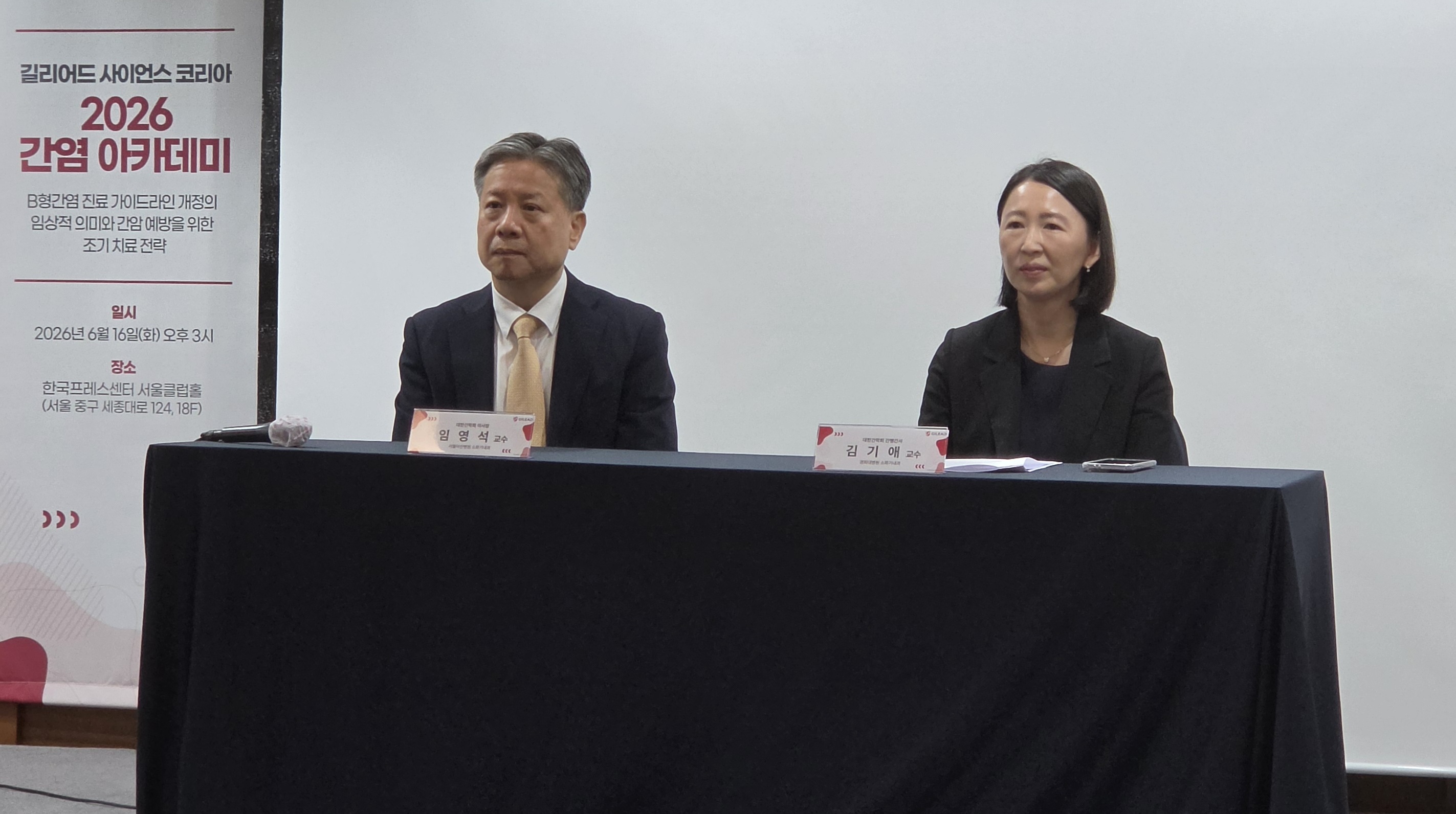
The most significant change in the revised guidelines is the reclassification of the natural history of chronic hepatitis B based primarily on hepatitis B virus (HBV) DNA levels.
Previous Korean guidelines recommended antiviral treatment for patients with ALT levels persistently exceeding twice the upper limit of normal or in cases where liver fibrosis had been confirmed. Under the guidelines, patients with high HBV DNA levels but normal ALT levels were often excluded from treatment, creating a persistent unmet need in clinical practice.
According to Korean studies, 64% of all liver cancer cases occurred outside the current National Health Insurance reimbursement criteria. Also, patients with moderate viremia, defined as HBV DNA levels of 4–8 log10 IU/mL, were reported to have the highest risk of developing liver cancer.
Reflecting these findings, KASL reclassified the natural history of chronic hepatitis B into four categories: ▲high viremia (HBV DNA >8 log10, ▲HBeAg-positive moderate viremia, ▲low viremia (HBV DNA <2000 IU/mL), and ▲HBeAg-negative moderate viremia.
In particular, the treatment recommendations were expanded to include antiviral therapy for patients with moderate viremia regardless of ALT levels.
ATTENTION study provides evidence for a previously underserved treatment population
The revised guideline was largely supported by findings from the ATTENTION study, led by Korean investigators.
The ATTENTION study was a multicenter, randomized, clinical trial involving 734 chronic hepatitis B patients without cirrhosis and with HBV DNA levels of 4–8 log10 IU/mL. Patients were assigned either to treatment with Vemlidy (tenofovir alafenamide, TAF) or to an untreated observation group.
After a median follow-up of 17.7 months, major clinical events, such as hepatocellular carcinoma (HCC), liver function deterioration, liver transplantation, and death, occurred in 2 patients in the TAF group (both HCC), 9 patients in the observation group (7 HCC, 1 liver function deterioration, and 1 death).
Treatment benefits were also confirmed across secondary endpoints. The proportion of patients achieving HBV DNA suppression below 10 IU/mL was 91% in the TAF group and 31% in the observation group. ALT normalization rates were 80% in the TAF group and 62% in the observation group. Among patients who had elevated ALT levels at baseline, ALT normalization rates were 73% in the TAF group and 50% in the observation group.
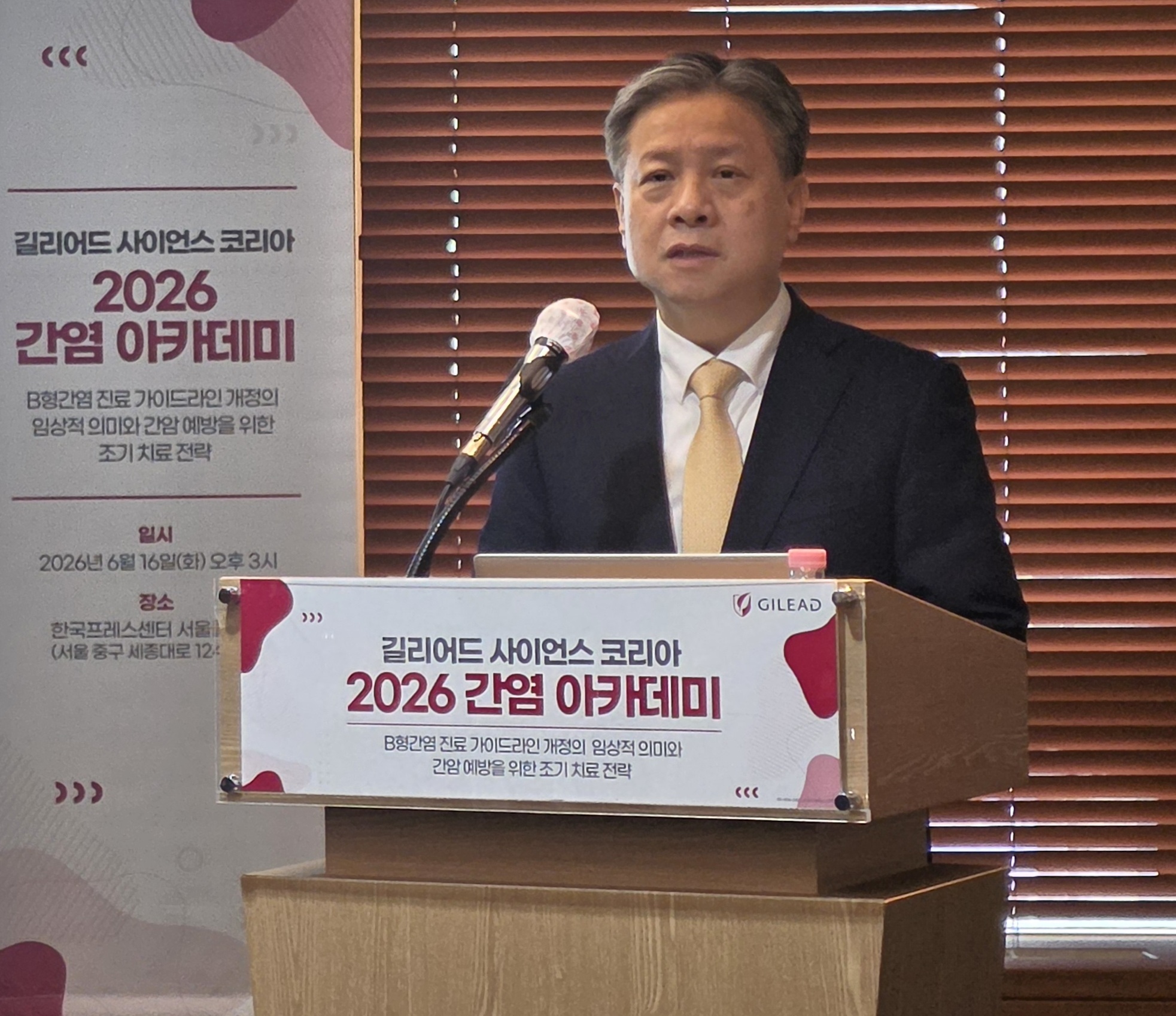
Professor Young-suk Lim of the Department of Gastroenterology at Asan Medical Center (President of KASL) stated, “Liver cancer is one of the leading causes of cancer-related death in Korea, and a substantial proportion of cases are associated with chronic hepatitis B. Although liver cancer risk is closely linked to HBV DNA levels, which reflect the degree of viral replication, previous treatment criteria have relied heavily on whether ALT levels were elevated.”
Professor Lim added, “The ATTENTION study provides evidence supporting the clinical value of early antiviral treatment in patients who were previously left in a treatment blind spot. We expect these findings to play an important role in shaping future clinical guidelines and treatment practices.
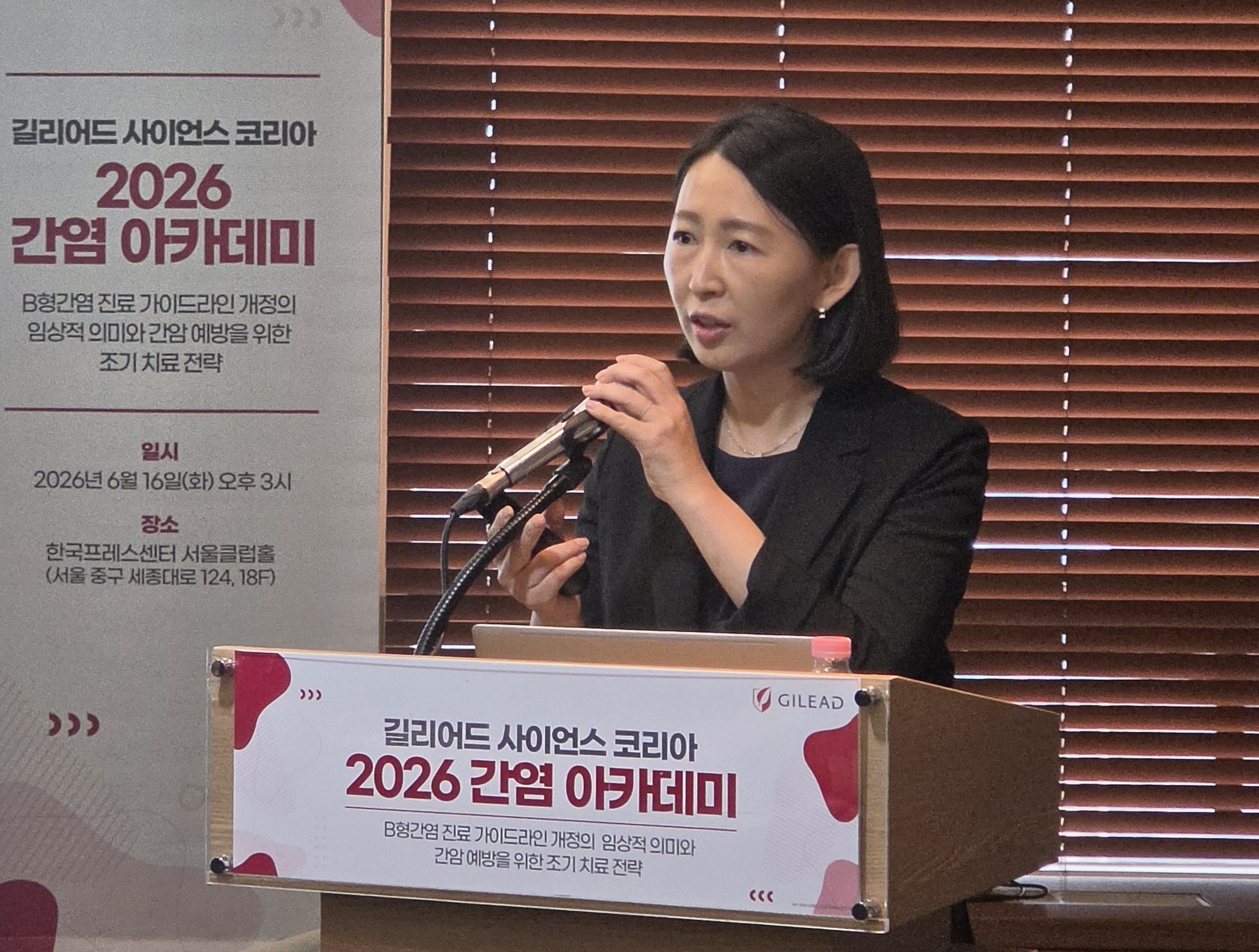
Experts emphasized that this revision is not merely an adjustment of criteria, but a shift in the treatment paradigm, while also noting that further discussion on improving reimbursement criteria is necessary for its practical implementation in clinical settings.
Professor Gi-Ae Kim of Kyung Hee University Hospital (Secretary of the KASL Publications Committee) stated, “The core of this revision is the shift toward evaluating disease progression and establishing treatment strategies based on HBV DNA levels rather than ALT levels. This change is consistent with the direction of global clinical guidelines.”
Professor Kim added, “Patients with moderate viremia have been shown to carry the highest risk of hepatocellular carcinoma, so we revised the guideline to recommend treatment regardless of ALT levels. This represents a fundamental change from the previous treatment paradigm.”
Kim also noted, “For these newly proposed recommendations to translate into actual patient care, discussions regarding expanded treatment access and revisions to reimbursement criteria will be necessary. Managing healthcare expenditures associated with the broader treatment population and improving long-term treatment adherence will also be important challenges moving forward.”
-

- 0
댓글 운영방식은
댓글은 실명게재와 익명게재 방식이 있으며, 실명은 이름과 아이디가 노출됩니다. 익명은 필명으로 등록 가능하며, 대댓글은 익명으로 등록 가능합니다.
댓글 노출방식은
댓글 명예자문위원(팜-코니언-필기모양 아이콘)으로 위촉된 데일리팜 회원의 댓글은 ‘게시판형 보기’와 ’펼쳐보기형’ 리스트에서 항상 최상단에 노출됩니다. 새로운 댓글을 올리는 일반회원은 ‘게시판형’과 ‘펼쳐보기형’ 모두 팜코니언 회원이 쓴 댓글의 하단에 실시간 노출됩니다.
댓글의 삭제 기준은
다음의 경우 사전 통보없이 삭제하고 아이디 이용정지 또는 영구 가입제한이 될 수도 있습니다.
-
저작권·인격권 등 타인의 권리를 침해하는 경우
상용 프로그램의 등록과 게재, 배포를 안내하는 게시물
타인 또는 제3자의 저작권 및 기타 권리를 침해한 내용을 담은 게시물
-
근거 없는 비방·명예를 훼손하는 게시물
특정 이용자 및 개인에 대한 인신 공격적인 내용의 글 및 직접적인 욕설이 사용된 경우
특정 지역 및 종교간의 감정대립을 조장하는 내용
사실 확인이 안된 소문을 유포 시키는 경우
욕설과 비어, 속어를 담은 내용
정당법 및 공직선거법, 관계 법령에 저촉되는 경우(선관위 요청 시 즉시 삭제)
특정 지역이나 단체를 비하하는 경우
특정인의 명예를 훼손하여 해당인이 삭제를 요청하는 경우
특정인의 개인정보(주민등록번호, 전화, 상세주소 등)를 무단으로 게시하는 경우
타인의 ID 혹은 닉네임을 도용하는 경우
-
게시판 특성상 제한되는 내용
서비스 주제와 맞지 않는 내용의 글을 게재한 경우
동일 내용의 연속 게재 및 여러 기사에 중복 게재한 경우
부분적으로 변경하여 반복 게재하는 경우도 포함
제목과 관련 없는 내용의 게시물, 제목과 본문이 무관한 경우
돈벌기 및 직·간접 상업적 목적의 내용이 포함된 게시물
게시물 읽기 유도 등을 위해 내용과 무관한 제목을 사용한 경우
-
수사기관 등의 공식적인 요청이 있는 경우
-
기타사항
각 서비스의 필요성에 따라 미리 공지한 경우
기타 법률에 저촉되는 정보 게재를 목적으로 할 경우
기타 원만한 운영을 위해 운영자가 필요하다고 판단되는 내용
-
사실 관계 확인 후 삭제
저작권자로부터 허락받지 않은 내용을 무단 게재, 복제, 배포하는 경우
타인의 초상권을 침해하거나 개인정보를 유출하는 경우
당사에 제공한 이용자의 정보가 허위인 경우 (타인의 ID, 비밀번호 도용 등)
※이상의 내용중 일부 사항에 적용될 경우 이용약관 및 관련 법률에 의해 제재를 받으실 수도 있으며, 민·형사상 처벌을 받을 수도 있습니다.
※위에 명시되지 않은 내용이더라도 불법적인 내용으로 판단되거나 데일리팜 서비스에 바람직하지 않다고 판단되는 경우는 선 조치 이후 본 관리 기준을 수정 공시하겠습니다.
※기타 문의 사항은 데일리팜 운영자에게 연락주십시오. 메일 주소는 dailypharm@dailypharm.com입니다.


-

- "SpaceOAR reduces rectal bleeding…major shift in radiation therapy"
- Prostate cancer is the most common cancer diagnosed in men…treatment demand increases among elderly patients