- LOGIN
- MemberShip
- 2026-09-08 17:31:06
- Obesity drugs likely to be designated as drugs at risk of misuse or abuse
- by Lee, Jeong-Hwan | translator Alice Kang | 2026-04-10 08:26:12
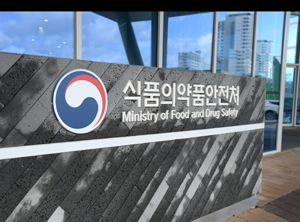
The Ministry of Food and Drug Safety’s Central Pharmaceutical Affairs Council has issued an advisory opinion that GLP-1-based obesity treatments such as Wegovy and Mounjaro should be designated as drugs at risk of misuse and abuse.
As GLP-1 obesity injections have gained popularity nationwide, indiscriminate prescribing and sales in areas exempt from the separation of prescribing and dispensing, as well as a sharp increase in pediatric prescribing, are said to have influenced the recommendation.
According to the pharmaceutical industry on the 9th, following discussions on the validity of designating obesity treatments as drugs of concern for misuse or abuse, the Central Pharmaceutical Affairs Council agreed on the need to designate GLP-1 injectables as such.
If regulations are finalized in line with the council’s recommendation, GLP-1 injections are expected to be designated as drugs of concern for misuse or abuse in the near future.
Industry sources say that this decision was driven by a sharp rise in cases where GLP-1 obesity drugs are prescribed and sold for cosmetic purposes beyond obesity treatment, by exploiting areas exempt from the separation of prescription and dispensing, as well as growing risks associated with off-label prescriptions for children without approved indications.
In fact, the Ministry of Health and Welfare has been working with the MFDS since last year to address misuse and abuse of newer obesity injections such as Wegovy and Mounjaro.
To regulate indiscriminate prescriptions for cosmetic purposes, they have established an administrative policy to discuss designating these drugs as “drugs of concern for misuse or abuse” and to strengthen crackdowns on in-house dispensing by medical institutions that violate the principle of separation of prescribing and dispensing.
GLP-1 obesity drugs have been associated with adverse effects ranging from relatively mild gastrointestinal side effects such as nausea, vomiting, and diarrhea to severe complications, including pancreatitis and intestinal obstruction.
In particular, some medical institutions have also been criticized during NA audits for undermining the prescribing-dispensing separation principle by directly selling GLP-1 injections within hospitals through irregular in-house dispensing practices.
If GLP-1 injectables are designated as drugs of concern for misuse or abuse in the future, they will be subject to much stricter distribution, prescription, and sales regulations compared to general prescription drugs.
First, GLP-1 injectables will no longer be sold without a prescription, even in areas exempt from the separation of prescription and dispensing.
In addition, product containers, package inserts, and outer packaging will be required to clearly display wording indicating that they are drugs at risk of misuse and abuse, so that consumers and healthcare professionals can immediately recognize the risk.
Distribution oversight and surveillance will also be strengthened. The MFDS and the Ministry of Health and Welfare will more closely monitor distribution records among pharmaceutical companies, wholesalers, medical institutions, and pharmacies. If abnormal bulk purchases or prescribing patterns are identified, entities may face administrative penalties following intensive on-site inspections.
A pharmaceutical industry official stated, “As Wegovy, Mounjaro, and similar agents have become extremely popular, usage has risen sharply, and GLP-1 prescriptions surged in conjunction with telemedicine during the early stages when regulations were absent. Even now, telemedicine continues to serve as a conduit linking medical institutions with patients seeking GLP-1 obesity prescriptions. In this context, the Central Pharmaceutical Affairs Council appears to have concluded that designation as drugs with a risk of misuse or abuse is unavoidable in order to control adverse effects.”
Meanwhile, drugs designated as being at risk of misuse and abuse have so far included erectile dysfunction treatments such as sildenafil and tadalafil, premature ejaculation treatment dapoxetine, diuretics, and anabolic steroids. No obesity drug has previously been designated.
-

- 0
댓글 운영방식은
댓글은 실명게재와 익명게재 방식이 있으며, 실명은 이름과 아이디가 노출됩니다. 익명은 필명으로 등록 가능하며, 대댓글은 익명으로 등록 가능합니다.
댓글 노출방식은
댓글 명예자문위원(팜-코니언-필기모양 아이콘)으로 위촉된 데일리팜 회원의 댓글은 ‘게시판형 보기’와 ’펼쳐보기형’ 리스트에서 항상 최상단에 노출됩니다. 새로운 댓글을 올리는 일반회원은 ‘게시판형’과 ‘펼쳐보기형’ 모두 팜코니언 회원이 쓴 댓글의 하단에 실시간 노출됩니다.
댓글의 삭제 기준은
다음의 경우 사전 통보없이 삭제하고 아이디 이용정지 또는 영구 가입제한이 될 수도 있습니다.
-
저작권·인격권 등 타인의 권리를 침해하는 경우
상용 프로그램의 등록과 게재, 배포를 안내하는 게시물
타인 또는 제3자의 저작권 및 기타 권리를 침해한 내용을 담은 게시물
-
근거 없는 비방·명예를 훼손하는 게시물
특정 이용자 및 개인에 대한 인신 공격적인 내용의 글 및 직접적인 욕설이 사용된 경우
특정 지역 및 종교간의 감정대립을 조장하는 내용
사실 확인이 안된 소문을 유포 시키는 경우
욕설과 비어, 속어를 담은 내용
정당법 및 공직선거법, 관계 법령에 저촉되는 경우(선관위 요청 시 즉시 삭제)
특정 지역이나 단체를 비하하는 경우
특정인의 명예를 훼손하여 해당인이 삭제를 요청하는 경우
특정인의 개인정보(주민등록번호, 전화, 상세주소 등)를 무단으로 게시하는 경우
타인의 ID 혹은 닉네임을 도용하는 경우
-
게시판 특성상 제한되는 내용
서비스 주제와 맞지 않는 내용의 글을 게재한 경우
동일 내용의 연속 게재 및 여러 기사에 중복 게재한 경우
부분적으로 변경하여 반복 게재하는 경우도 포함
제목과 관련 없는 내용의 게시물, 제목과 본문이 무관한 경우
돈벌기 및 직·간접 상업적 목적의 내용이 포함된 게시물
게시물 읽기 유도 등을 위해 내용과 무관한 제목을 사용한 경우
-
수사기관 등의 공식적인 요청이 있는 경우
-
기타사항
각 서비스의 필요성에 따라 미리 공지한 경우
기타 법률에 저촉되는 정보 게재를 목적으로 할 경우
기타 원만한 운영을 위해 운영자가 필요하다고 판단되는 내용
-
사실 관계 확인 후 삭제
저작권자로부터 허락받지 않은 내용을 무단 게재, 복제, 배포하는 경우
타인의 초상권을 침해하거나 개인정보를 유출하는 경우
당사에 제공한 이용자의 정보가 허위인 경우 (타인의 ID, 비밀번호 도용 등)
※이상의 내용중 일부 사항에 적용될 경우 이용약관 및 관련 법률에 의해 제재를 받으실 수도 있으며, 민·형사상 처벌을 받을 수도 있습니다.
※위에 명시되지 않은 내용이더라도 불법적인 내용으로 판단되거나 데일리팜 서비스에 바람직하지 않다고 판단되는 경우는 선 조치 이후 본 관리 기준을 수정 공시하겠습니다.
※기타 문의 사항은 데일리팜 운영자에게 연락주십시오. 메일 주소는 dailypharm@dailypharm.com입니다.


-

- "SpaceOAR reduces rectal bleeding…major shift in radiation therapy"
- Prostate cancer is the most common cancer diagnosed in men…treatment demand increases among elderly patients