
- LOGIN
- MemberShip
- 2026-09-08 09:15:33

- InterView
- [Reporter's View] Drug pricing reform outruns certification
- by Jung, Heung-Jun Jul 15, 2026 08:49am
- The government's drug pricing reform for newly listed generic drugs is set to take effect next month without a single company having obtained a "Quasi-Innovative Pharmaceutical Company” certification.The Ministry of Health and Welfare concluded the public consultation yesterday (July 13) on proposed revisions to the ‘Criteria for Decision and Adjustment of Pharmaceutical Drugs,’ which include changes to generic drug pricing and pricing premiums. The revised rules are scheduled to take effect on August 1.Fostering a new drug development ecosystem has been one of the key objectives of Korea’s drug pricing reform. Creating a more innovation-oriented pharmaceutical industry was also identified as the foremost goal at the Health Insurance Policy Deliberation Committee (HIPDC) meeting in March.Measures introducing pricing premiums and preferential measures for “quasi-innovative” companies had also been introduced in this aspect. However, despite the nearing implementation date, not a single company has yet received the Quasi-Innovative certification, which remains a major disappointment.Some in the industry argued that implementation should be postponed several months until certification procedures for both Innovative and Quasi-Innovative Pharmaceutical Companies are completed. The government, however, is reportedly firm in its determination to proceed as scheduled.One might ask, "Why not select the target companies after first preparing the preferential drug pricing plan for quasi-innovative new companies?" However, the reality is not so simple.Although estimates differ between the government and industry, 10 to 20 pharmaceutical companies are expected to qualify as Quasi-Innovative Pharmaceutical Companies. Until they obtain certification, these companies will receive a 45% generic pricing rate. Once certified, the rate increases to 50%, with the pricing premium remaining in effect for up to four years.Under the revised pricing system, the premium is determined not by the characteristics of an individual product but by the innovative status of the company itself. In other words, whether or not a company has obtained the Quasi-Innovative certification directly determines the maximum reimbursement price its generic products can receive.Although the financial impact will vary depending on market conditions for each product, the combination of a 5 percentage-point increase in the pricing rate and a four-year premium period could have a significant effect on sales.As a result, the 10 to 20 pharmaceutical companies that may qualify for Quasi-Innovative certification will have to reconsider the timing of generic launches until certification is granted.The same applies to the few companies that would seek to receive the Innovative Pharmaceutical Company certification in December. Because newly certified Innovative Pharmaceutical Companies become eligible for a 60% pricing premium for four years, some companies may decide to postpone generic reimbursement listings for approximately five months until certification is complete.The government may argue that companies should simply decide their launch timing based on their own economic interests.The government may say that companies should decide the timing of generic drug launches based on their own economic interests. However, that is hardly the right approach when the pricing reform itself is meant to initiate gradual change across the pharmaceutical industry.That objective necessarily requires consideration of how well the reforms can be accepted and implemented by the industry. From that perspective, it is regrettable that the government is moving ahead with the pricing reform before adequate preparations have been completed.
- InterView
- [Desk’s View] OS still reigns supreme in reimb review
- by Eo, Yun-Ho Jul 13, 2026 09:28am
- Overall survival (OS) continued to reign supreme. Two CDK4/6 inhibitors were reviewed at the same Cancer Drug Deliberation Committee (CDDC) meeting, yet they received very different outcomes. Verzenio, backed by OS data, passed reimbursement review, while Kisqali, which has yet to demonstrate mature OS data, failed to secure reimbursement criteria.“No OS data, no CDDC approval” has effectively become an unwritten rule, especially in solid tumors. The debate over whether to recognize a class effect or uphold the primacy of overall survival (OS) ultimately appeared to end in favor of preserving OS as the decisive standard. Although the Ministry of Health and Welfare (MOHW) and the Health Insurance Review and Assessment Service (HIRA) continue to state that their decisions are based on a comprehensive assessment of clinical benefit, societal need, and budget impact, an analysis of the CDDC outcomes over the past three years suggests otherwise.The latest decision also raises another important question. Unlike Verzenio, Kisqali sought reimbursement not only for node-positive patients but also for high-risk node-negative (N0) patients, making the outcome worthy of further discussion.In early breast cancer, lymph node metastasis has long been regarded as one of the most important prognostic factors. However, the latest treatment paradigms no longer assess recurrence risk based solely on nodal status. The current standards evaluate multiple pathological risk factors, including tumor size (T stage), histologic grade, and the Ki-67 proliferation index, to determine an individual's risk of recurrence.Indeed, some patients with high-risk N0 disease are known to have recurrence risks comparable to those of N1 patients with 1-3 positive lymph nodes. In other words, the absence of lymph node metastasis does not necessarily indicate a low risk of recurrence.This change is already being reflected in major clinical trials. The NATALEE study evaluated adjuvant Kisqali therapy not only in node-positive patients but also in high-risk N0 patients, illustrating the shift in early breast cancer treatment from staging-based decisions toward more individualized and sophisticated assessments of recurrence risk.Of course, OS will remain an important standard in the decision-making process. Long-term follow-up from adjuvant studies in early breast cancer continues to produce increasingly mature survival data. However, the objective of adjuvant therapy is not simply to prolong overall survival. It also aims to reduce recurrence, prevent distant metastasis, and keep patients from progressing to advanced breast cancer.In this regard, the CDDC decision extends beyond reimbursement for a single drug and once again highlights the issue of treatment access for high-risk N0 patients. Because adjuvant therapy inherently requires longer follow-up to generate mature OS data, patients at high risk of recurrence may also face prolonged delays in accessing potentially beneficial treatment.The European Society for Medical Oncology's Magnitude of Clinical Benefit Scale version 2.0 (ESMO-MCBS v2.0) allows improvements in disease-free survival (DFS) to be considered clinically meaningful in the adjuvant setting even before mature OS data become available. This does not diminish the importance of OS; rather, it acknowledges that preventing recurrence is itself a meaningful therapeutic benefit for patients.The CDDC therefore continues to face an important challenge. While OS remains a critical source of evidence, can it alone fully capture a therapy's clinical value? Given that DFS is already recognized as a meaningful measure of clinical benefit in major assessment frameworks for adjuvant therapy, it is worth considering whether restricting patient access until mature long-term OS data become available truly represents the best policy decision.When it takes years for OS data to mature, can patients afford to wait, and can we be certain that letting them wait is really the right answer?
- InterView
- [Reporter's View] Healthcare bills should put patients first
- by Lee, Jeong-Hwan Jul 10, 2026 08:46am
- With negotiations between the ruling and opposition parties over the leadership of the second half of the 22nd National Assembly at a standstill, it remains unclear which party will chair the Health and Welfare Committee.Although the ruling Democratic Party of Korea (DPK) has agreed to relinquish the committee chairmanship it held during the first half of the Assembly to the People Power Party (PPP), the PPP rather insisted that the DPK must give up the chairmanship of the Legislation and Judiciary Committee, calling for renewed negotiations over committee assignments.According to political sources, the PPP is even considering giving up all seven committee chairmanships allocated to it unless the DPK reverses its unilateral appointment of chairs for 11 standing committees, including the Legislation and Judiciary Committee.As a result, there is now a possibility that the DPK, rather than the PPP, could ultimately retain the chairmanship of the Health and Welfare Committee during the second half of the Assembly.Because the committee chair has significant influence over the progress and outcome of major healthcare bills currently pending in the National Assembly, medical associations, pharmacists' organizations, and government agencies are closely monitoring the progress.One question naturally arises. Should we accept the current situation, where Korea’s healthcare legislation, which deeply affects the health and lives of the public and Korea’s healthcare environment as a whole, is determined by the political balance between the ruling and opposition parties or by the influence of particular professional groups such as physicians and pharmacists, as fate?Rather than functioning as a legislature centered on the public interest, the National Assembly often appears to operate according to the competing interests and lobbying power of political parties and professional organizations. Shouldn’t greater efforts be made to change this reality?Lawmakers and professional organizations alike should reflect on the fact that the fate of major healthcare legislation can turn 180 degrees depending on which party controls the Health and Welfare Committee or how many physicians and pharmacists sit on it.If a legislative proposal genuinely benefits public health and strengthens the financial sustainability of the National Health Insurance system, the National Assembly should function in a way that enables the most rational outcome regardless of political affiliation or professional background.The situation surrounding the ‘Limited INN Prescribing Bill (Generic Prescribing Bill),’ which was introduced to help address drug shortages, illustrates this concern, as its prospects are likely to depend on whether the ruling or opposition party chairs the Health and Welfare Committee during the second half of the current National Assembly.The PPP and physicians argue that even limited international non-proprietary name prescribing should never be permitted because it could undermine physicians' prescribing authority. In contrast, the DPK and pharmacists contend that limited INN prescribing should be introduced as soon as possible to address shortages of essential medicines and improve the financial sustainability of the National Health Insurance system.The National Assembly's legislative process is essentially being swayed by the political calculations of ruling and opposition parties and the vested interests of specific professional groups, such as doctors and pharmacists. As a result, genuine people-centered policymaking has become increasingly difficult to find.The National Assembly is the sanctuary of the people's will. Only when lawmakers move beyond partisan politics and professional self-interest to focus on protecting public health, improving Korea's healthcare system, and ensuring the sustainability of the National Health Insurance system will the Assembly truly fulfill its purpose.While politicians weigh the interests of the medical and pharmaceutical sectors and calculate political gains and losses, the voices of ordinary citizens, the practical beneficiaries of healthcare policy, are too often left out. The goal of legislation should never be measured by whether it strengthens or weakens a particular political party or professional group.Regardless of which party ultimately chairs the Health and Welfare Committee or how physicians and pharmacists are represented on the committee, legislative review should proceed in a manner that preserves consistency in national healthcare policy and upholds the principle of putting the public first.
- InterView
- [Reporter’s View] Paradox of Korea's drug pricing reform
- by Kim, Jin-Gu Jul 09, 2026 08:55am
- As Korea prepares for a sweeping overhaul of its drug pricing system, pharmaceutical and biotech companies are increasingly seeking advice not in Sejong, the nation's administrative capital, but at major law firms in Seocho-dong and Gwanghwamun in Seoul. Domestic pharmaceutical companies are assessing whether they qualify as Innovative or Quasi-Innovative companies under the new pricing framework in an effort to minimize financial losses. Meanwhile, Korean affiliates of multinational drugmakers are busy identifying legal gray areas surrounding the Flexible Pricing Agreement system and post-listing management rules.Given the scale of the reforms, many companies say it is virtually impossible to respond adequately relying solely on internal capabilities. The industry broadly agrees on the need for mid- to long-term improvements to the drug pricing system. However, reforms introduced at a pace the market struggles to absorb are also producing unintended consequences. Ironically, large law firms are the only ones reaping the benefits between the government, which sets the policies, and the pharmaceutical and biotech companies, which are subject to them.Over the past several years, law firms have evolved beyond simply providing legal advice to become key players in the pharmaceutical industry. As regulations grow more complex and policy predictability declines, their influence has expanded accordingly. They help develop legal arguments to ensure industry perspectives are reflected during legislative and regulatory revisions, interpret increasingly complicated regulations, and formulate compliance strategies. They also design defense strategies against administrative actions such as drug price cuts or marketing authorization revocations. In areas where regulation and administrative enforcement intersect, it has become difficult to find issues in which law firms are not involved.In this context, it is somewhat disheartening to see major law firms aggressively recruiting former officials from the Ministry of Health and Welfare and other government agencies.From the industry's perspective, there is an undeniable need for experts who understand the rationale behind complicated regulatory changes and can provide response measures. Likewise, it is only natural for law firms to recruit professionals with the expertise demanded by the market. Nor should individuals be criticized simply for pursuing post-retirement careers that make use of their professional experience. If they have passed the required government ethics reviews, there is no legal issue.However, looking beyond legal formalities reveals a troubling contradiction. Officials who only recently designed the framework of these policies, emphasized the public interest of the pharmaceutical industry, and tightened regulatory standards are now, after retirement, standing on the opposite side and advising companies on how to circumvent or defend against those very same regulations.The government announces new policies, and individuals who directly or indirectly helped design those policies later develop legal defense strategies at private law firms. Companies then pay substantial fees to purchase that expertise. As policy changes become more frequent, this unusual ecosystem only becomes more firmly entrenched.An even greater concern is how companies allocate their resources. Money and manpower that should be invested in research and development or productivity are repeatedly diverted to regulatory compliance and legal reviews. This is hardly beneficial for strengthening the competitiveness of Korea’s pharmaceutical and biotech industry. If government policy encourages companies to compete over regulatory strategy rather than innovation, then the fundamental design of those policies also deserves renewed scrutiny.The ultimate goal of drug pricing reform is to ensure the long-term sustainability of Korea's National Health Insurance system while fostering a healthy pharmaceutical and biotech ecosystem. However, if the greatest beneficiaries of these reforms are not pharmaceutical companies' R&D organizations but large law firms, it is worth asking once again whether both the design of the reform and the manner in which it has been implemented are truly appropriate.

- InterView
- [Reporter's View] Connecting the dots btwn minister replacement rumors
- by Lee, Jeong-Hwan Jun 25, 2026 09:04am
- Rumors of a replacement of the Minister of Health and Welfare, Jung Eun Kyeong, have surfaced. The apparent reasons cited are the delayed execution of President Lee Jae Myung’s national agenda and insufficient policy performance.However, it remains difficult to discern whether these replacement rumors are based on an objective evaluation of the ministry's operational and policy performance, or if they are a political maneuver reflecting the administration's mid-term impatience.Notably, as rumors of the minister's replacement circulated, the controversial proposal to expand National Health Insurance (NHI) coverage for hair loss therapeutics has emerged rapidly. This raises critical questions about the rationality and validity of the current administration’s policy-making approach.Healthcare and welfare administration is a highly specialized domain that must simultaneously safeguard public health and life expectancy while ensuring the fiscal sustainability of the national health insurance fund financed by public premiums. Therefore, Minister Jung’s performance cannot be judged solely by the timeline demanded by the Presidential Office.The core of the criticism of Minister Jung’s "insufficient performance" centers on her perceived lack of momentum in aggressively advancing the Lee Jae Myung administration's core campaign promises.However, from the ministry’s perspective, rushing mid- to long-term projects that require massive financial resources without meticulous simulations risks intense criticism for ignoring societal priorities.Given that the NHI fund is projected to shift into deficit, it would be unreasonable for Minister Jung to allocate hundreds of billions of won annually to a non-life-threatening condition like alopecia.Before holding the minister accountable, there must first be objective verification that the "execution speed" demanded by the Presidential Office falls within a rational range that today's society and administrative systems can actually absorb.As replacement opinions are rising, it is highly problematic that the Ministry of Health and Welfare (MOHW) suddenly accelerated the hair loss reimbursement policy by announcing a public opinion collection process. The administrative ministry cannot escape criticism that it is making a sharp policy shift under pressure from the presidential term, rather than conducting a rational and valid review grounded in fiscal soundness and the public's right to health and life.This explains external assessments that the sudden replacement of Sue-ran Lee, the First Vice Minister of Welfare, just one year into her appointment, has put intense pressure on Minister Jung and Hyung Hoon Lee, the Second Vice Minister of Health, to deliver policy results immediately.The national health insurance fund is not unlimited. Its resources are finite. When setting reimbursement priorities within limited budgets, the primary criteria must strictly be 'disease severity' and 'fatality.' Even if pledged during the presidential campaign, decisions that undermine the foundational pillars of insurance prioritization should not be made lightly. Such steps inevitably pit patient advocacy groups against each other, driving social chaos, friction, and conflict.Isn't the root cause of this confusion and social friction the malfunctioning or total absence of mutual consultation and coordination channels between the Presidential Office and the MOHW?While the politically driven motives of the Presidential Office and the risk-management administration of the ministry, which oversees fiscal health and public safety, may naturally clash on specific issues, a head-on collision must be averted through robust, frequent communication between the ruling administration and the ministry.A decision-making process in which the Presidential Office determines and the ministry blindly designs and enforces administrative implementation is not a rational policy-making process for South Korea. Unilateral mandates from the executive branch, coupled with implicit pressure to replace a minister who fails to comply rather than cross-organizational communication, is a system that the informed Korean public will not accept.'People's government' recognized by the public can be realized only when a permanent·continuous communication system is established or restored to horizontally reconcile the administration's political agenda with the ministry's administrative expertise, ensuring that health insurance reimbursement policies are designed·implemented based on rational evidence and meticulous coordination.
- InterView
- ‘Imfinzi used as perioperative gastric cancer treatment’
- by Son, Hyung Min Jun 24, 2026 09:19am
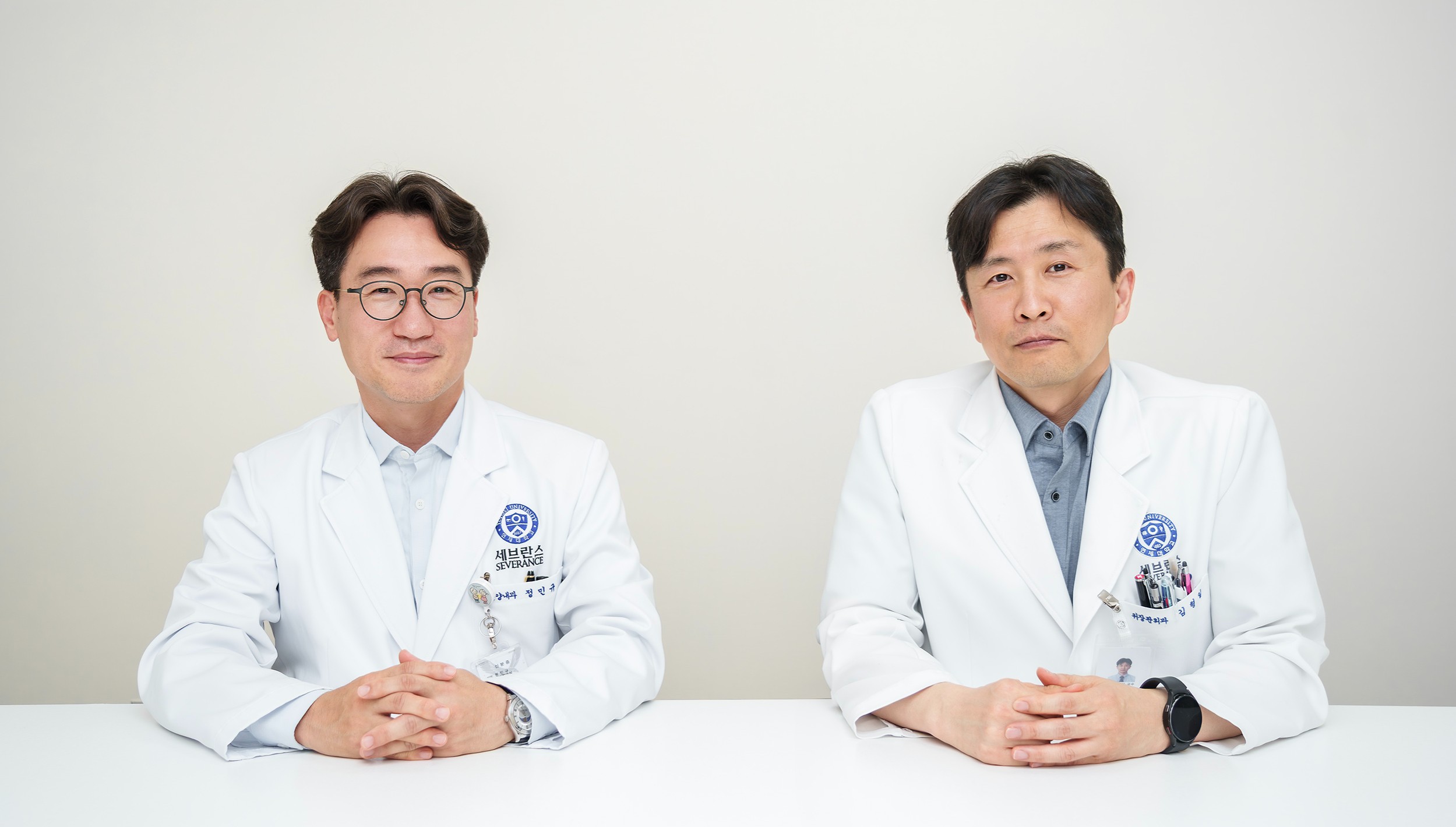
- “Surgical outcomes in gastric cancer have steadily improved, but recurrence remains the biggest challenge in patients with stage 2 and 3 disease. It is time to adopt a therapeutic strategy that addresses micrometastasis even before surgery.”Professor Hyoung-il Kim of the Division of Gastrointestinal Surgery and Professor Minkyu Jung of Medical Oncology at Severance Hospital recently explained so in an interview with DailyPharm, noting that perioperative therapy based on ‘Imfinzi (durvalumab)’ could become a new option for managing recurrence in gastric cancer.(From the left) Professor Minkyu Jung of Medical Oncology and Professor Hyoung-il Kim of the Division of Gastrointestinal Surgery at Severance HospitalGastric cancer is one of the most common cancers in Korea. Although overall survival is on the rise with the increased early detection through the National Cancer Screening Program, in patients with advanced-stage disease, recurrence remains the biggest factor determining long-term prognosis.In particular, patients with resectable stage 2 or 3 gastric cancer still face a considerable risk of recurrence even after curative surgery and postoperative adjuvant chemotherapy. In real-world clinical practice, approximately 20% to 30% of stage 2 patients and more than half of stage 3 patients are known to experience recurrence.In many cases, cure is often difficult once recurrence is confirmed. For this reason, how well recurrence can be reduced during the initial treatment phase is considered a key determinant of treatment success.Experts point to micrometastasis as a major cause of such recurrence, as it is difficult to detect with conventional imaging tests. Micrometastasis refers to minimal residual disease (MRD), in which tumor cells have already spread systemically through the bloodstream or lymphatic system at the time of diagnosis but remain undetectable with existing imaging tests. In other words, cancer cells too small to be detected by preoperative CT or laparoscopic examination may already have spread via the blood or lymphatic vessels, eventually causing the cancer to recur after the operation.Until now, the standard treatment for resectable gastric cancer has been surgery followed by postoperative chemotherapy. Although postoperative chemotherapy has helped reduce recurrence risk, concerns have continued that it has limitations in sufficiently controlling micrometastasis in patients at high risk of recurrence.Against this backdrop, interest is rising in strategies that begin treatment before surgery, when tumor burden is relatively low and immune function is preserved to suppress micrometastasis early. In particular, the rising potential of perioperative immunotherapy has influenced the gastric cancer treatment paradigm.In March this year, AstraZeneca’s immunotherapy ‘Imfinzi (durvalumab)’ obtained an indication as perioperative therapy for patients with resectable gastric cancer and gastroesophageal junction adenocarcinoma. The treatment strategy involves administering Imfinzi in combination with perioperative FLOT chemotherapy (5-fluorouracil, leucovorin, oxaliplatin, and docetaxel) in patients with resectable gastric cancer or gastroesophageal junction adenocarcinoma, followed by maintenance treatment with Imfinzi monotherapy.In the global Phase III MATTERHORN trial, which served as the basis for approval, perioperative therapy with Imfinzi reduced the risk of disease progression, recurrence or death by 29% compared with existing treatment. In the overall survival (OS) analysis, it also reduced the risk of death by 22%, demonstrating a survival benefit. It also showed significantly improved results versus the control group across key endpoints, including event-free survival (EFS) and pathological complete response (pCR).Surgery remains the cornerstone of curative treatment for gastric cancer. However, both in Asia and globally, there is growing recognition that surgery alone is insufficient to achieve cure in many gastric cancer patients. The MATTERHORN trial showed that administering immunotherapy plus FLOT before surgery, followed by curative resection and additional treatment, can meaningfully improve long-term treatment outcomes.The two professors said, “The goal of treating resectable gastric cancer is not simply to complete surgery successfully, but to reduce recurrence and improve long-term survival. Imfinzi perioperative therapy is meaningful in that it enables early management of micrometastasis, and we expect its use in real-world clinical practice to expand based on appropriate patient selection and multidisciplinary care.”They added, “In particular, for stage 2 and 3 patients at high risk of recurrence, the clinical value of a new treatment option is significant. Ultimately, reimbursement needs to be set so that patients can timely recieve treatment opportunities.”Q. For high-risk patients, strategies to enhance the completeness of surgery appear to be crucial. From this perspective, what are the current gaps in gastric cancer treatment strategies that require improvement?"[Professor Hyoung-il Kim]: The core goal of gastric cancer surgery is to precisely remove cancer tissue and lymph nodes while minimizing damage to normal tissue. In recent years, advances in laparoscopy, fluorescence-guided technology, and robotic surgery have continued to improve surgical precision.However, no matter how many advances are made in terms of surgical techniques, there are areas that cannot be addressed by surgery alone. The most significant recent shift in addressing these limitations is the emergence of perioperative therapy based on immunotherapy. While chemotherapy was historically aimed at delaying recurrence, the current focus has evolved toward reducing the recurrence rate itself and increasing the likelihood of long-term survival.Q. In the MATTERHORN trial, Imfinzi perioperative therapy significantly improved the primary endpoint of event-free survival (EFS). How do you think these results could change patient prognosis in practice?Professor Minkyu Jung of Medical Oncology at Severance Hospital[Professor Minkyu Jung]: Various studies of immunotherapy-based perioperative therapy have been conducted in gastric cancer, but some did not produce results as strong as expected.By contrast, the global Phase III MATTERHORN trial was encouraging, as it is the first study to demonstrate clinical benefit of immunotherapy-based perioperative therapy in patients with resectable gastric cancer.The combination of Imfinzi and FLOT significantly improved EFS by reducing the risk of disease progression, recurrence, or death from any cause by 29%, and also showed a meaningful improvement in OS.I also consider it important that pCR was approximately 2.7 times higher than in the control group. It is highly significant that the preoperative administration of the Imfinzi-FLOT combination has led to a pCR rate of approximately 19.2% by effectively managing invisible micrometastases and minimal residual disease before surgery.As patients who achieve pCR are generally considered to have the best treatment response, a favorable long-term prognosis can also be expected. Another point worthy of attention is that a relatively consistent treatment effect was observed, regardless of PD-L1 expression status.Q. A multidisciplinary strategy seems very important in perioperative therapy. How are treatment decisions made at Severance Hospital?Professor Hyoung-il Kim of the Division of Gastrointestinal Surgery at Severance Hospital[Professor Hyoung-il Kim]: With the introduction of perioperative therapy, changes are needed across the entire treatment process. For perioperative therapy to be applied effectively, it is important to accurately determine which patients are most likely to benefit from this treatment.To do this, a system must be in place to identify patients who need preoperative immunotherapy at the right time, refer them from surgery to medical oncology, and ensure that preoperative treatment and surgery proceed in an integrated manner. In this process, multidisciplinary care plays a very important role, as specialists from surgery, medical oncology, radiology, pathology, and other fields need to jointly evaluate the patient’s stage and recurrence risk to determine the optimal treatment sequence.From the patient’s perspective, it may feel unfamiliar to come to the hospital for surgery and then be told to receive immunotherapy before surgery. Therefore, the process of building trust with the patient by clearly explaining the need for treatment and its expected benefits through multidisciplinary collaboration is also important for successful treatment.Q. When applying Imfinzi perioperative therapy in practice, it seems important to determine which patients should be prioritized. Beyond simple resectability, what factors are comprehensively assessed when deciding whether and how to treat patients?[Professor Minkyu Jung]: In Korea and Japan, gastric cancer is often detected relatively early, so preoperative treatment does not need to be applied to all patients. Representative high-risk groups include patients whose tumors are shown on imaging to have deeply invaded the gastric wall or patients suspected of having lymph node metastasis.These patients have a higher risk of recurrence and may be more likely to benefit from preoperative treatment. In addition, the need for preoperative treatment may be greater in gastroesophageal junction cancer, as surgery can be complex and complete resection may be difficult due to anatomical characteristics.Q. What is your view on the need for reimbursement for Imfinzi perioperative therapy?[Professor Hyoung-il Kim]: Since this perioperative approach has confirmed its meaningful clinical benefits in a Phase III study, it is well worth reviewing its reimbursement coverage. In particular, because nearly half of patients with stage 3 gastric cancer experience recurrence even after surgery, rapid reimbursement coverage is needed so that high-risk patients can be identified first and given timely treatment opportunities.[Professor Minkyu Jung]: At present, there are no reimbursed treatment options that can be used as perioperative therapy in patients with resectable gastric cancer. Especially in high-risk patient groups, even when a treatment has demonstrated clinical value, treatment choices may be limited due to financial burden. Therefore, I believe institutional support that reflects clinical need is necessary so that patients do not miss treatment opportunities due to economic burden.Q. What efforts do you think are needed to improve Korea’s gastric cancer treatment outcomes?[Professor Minkyu Jung]: Korea has a well-established system for early detection of gastric cancer through the national screening program, but blind spots still exist. Patients who have not undergone regular screening and visit the hospital only after symptoms appear are often diagnosed at stage 3 or 4. I think finding these high-risk groups more effectively will be an important task going forward. In addition, as new treatment options such as immunotherapies and targeted therapies continue to emerge, research is also needed to develop personalized treatment strategies tailored to each patient’s characteristics.[Professor Hyoung-il Kim]: In gastric cancer, treatment goals differ depending on the timing of detection and disease stage. For patients detected early, maintaining quality of life as much as possible after treatment is important. For patients detected at an advanced stage, reducing recurrence and improving survival are the key challenges. Surgical techniques continue to evolve through robotic surgery, fluorescence-guided surgery, and other advances, but recently, the importance of drug therapy has grown in areas that were difficult to address with surgery alone. Should effective drug therapies continue to advance, we may be able to bring patients previously deemed unsuitable for surgery into the range of surgical treatment.

- InterView
- [Reporter's View] What is lacking in the trend of AI pathology?
- by Hwang, byoung woo Jun 24, 2026 09:18am
- Personally, I first encountered the topic of digital pathology in 2019 while entering the healthcare sector. At the time, the Korean Society of Pathologists was labeled of being a specialty avoided by medical residents, prompting intense discussions on restructuring training paradigms while simultaneously exploring ways to integrate artificial intelligence (AI).The primary objective was to overcome the stereotype of pathology being a legacy specialty destined to fall behind in the AI era, and to establish a robust foundation for big data collection and research through virtualization. Furthermore, these discussions extended to securing health insurance reimbursement for digital pathology implementation.Back then, the major hurdle to digital pathology adoption was hospital demand. In the absence of a dedicated reimbursement code, only a handful of large medical institutions could afford to acquire such expensive hardware and software systems. Even the major tertiary hospitals, the so-called 'Big 5' in South Korea, were highly conservative about implementation.As the "Major AI Transition" topic spread, "AI" naturally became the first word that came to mind when discussing digital pathology. It easily conjures images of glass slides being digitized into high-resolution images, AI identifying malignant cells, and algorithms assisting pathologists in their readings. Medical AI developers frequently pitch their technological competitiveness using words such as lesion detection, biomarker analysis, and support for companion diagnostics (CDx).However, field reports on digital pathology indicate that industry insiders still place far greater emphasis on Digital Transformation (DX) than on AI Transformation (AX). In other words, before moving to the stage of using AI for lesion detection and diagnostic support, the foundational pathology workflow must be re-engineered to fit a digital environment.For pathology AI to function optimally, certain prerequisites must be met. The entire pathology lifecycle, from specimen accessioning, slide preparation, scanning, and storage to interpretation, reporting, and hospital information system (HIS) integration, must be digitally structured. Merely scanning glass slides into image files is insufficient. There must be full traceability of how a specimen was processed and how that processing correlates with specific images and diagnostic outcomes.Unlike radiology, which underwent digital transformation relatively early, backed by PACS (Picture Archiving and Communication System), the field of pathology remains heavily dependent on analog processes. Pathology images are large, and color reproduction and standardization pose significant technical challenges. Furthermore, interoperability suffers when equipment and software architecture vary across different hospital networks. Compounded by high initial capital expenditures (CapEx), ongoing maintenance costs, a lack of institutional reimbursement, and friction with staff adaptation, transitioning to digital pathology is far from a straightforward decision for hospital leadership.Skipping this foundational gap to focus prematurely on AI disrupts the industry. If AI solutions are pushed forward without sufficient digital infrastructure deployed at the clinical site, their real-world utility will inevitably be constrained. No matter how advanced an AI algorithm is, it cannot be sustained in clinical practice if the input data remains disperse, unstructured, and disconnected from the hospital’s operational workflow.The CEO of a digital pathology company I recently interviewed similarly defined the starting point as workflow integration. It means that hospitals must first establish internal, functional baseline digital pathology capabilities before scaling up to AI-powered analytics and precision medicine.Global players are moving in the same direction. In May of this year, Roche signed a definitive agreement to acquire PathAI, a company specializing in digital pathology and AI-powered pathology technologies. The deal is valued at up to $1.05 billion, including upfront payments and bio-buck milestones. Rather than a transaction aimed purely at short-term revenue, this acquisition serves as clear evidence that pathology data and AI-based diagnostic capabilities are increasingly viewed as indispensable infrastructure for the era of precision medicine.Indeed, industry consensus holds that the value of pathology data will inevitably grow exponentially in the precision oncology and personalized medicine space. However, this transition will not happen automatically. Hospitals need clear financial incentives to invest in digital pathology, and pathology departments must be willing to adopt entirely new operational systems. Inter-system interoperability and data standardization are mandatory baselines. Furthermore, validation and accountability frameworks must be established to safely translate AI-generated insights into clinical care.To discuss the future of digital pathology, we must focus on Digital Transformation (DX) before AI Transformation (AX). Only when the pathology workflow shifts entirely to digital, data becomes standardized, and systems connect seamlessly with broader hospital networks can AI truly become the language of clinical practice. The starting point for pathology AI is not the algorithm, but the infrastructure.

- InterView
- [Reporter's View] New policy required to facilitate drug discovery
- by Jung, Heung-Jun Jun 14, 2026 12:13pm
- The Korean government is pursuing an industrial restructuring of the pharmaceutical industry by relaxing the scale of mandatory drug price reductions and expanding preferential pricing incentives. However, if the government aims to drive healthcare innovation, these pricing overhauls must be integrated with highly granular, targeted support mechanisms designed specifically to facilitate novel drug discovery.In other words, in addition to achieving administrative completion of pricing system reforms, state agencies and industry must maintain a consultative bodies dedicated to formulating long-term new-drug development strategies.The core feature of the revised drug pricing policy centers on providing financial and pricing premiums to pharmaceutical companies that aggressively allocate capital to R&D. This strategy contains an intent to eliminate or consolidate marginalized drugmakers that have historically neglected research and development.The initiative is fundamentally viewed as a structural attempt to consolidate the broader industrial landscape around entities that demonstrate a genuine commitment and high technical capability for innovative pipeline cultivation.The question is will a mere increase in the number of pharmaceutical firms possessing revenue thresholds sufficient to underwrite high-risk drug discovery naturally result in an expansion of domestically developed novel therapies?Even if forecasting positively regarding the pricing reform’s capacity to achieve industrial consolidation, anticipating that this administrative shift will trigger robust pipeline vitalization or position South Korea as a global pharmaceutical powerhouse represents an excessive leap of optimism.Of course, in addition to pricing reforms, the government is actively developing support mechanisms to build a resilient R&D ecosystem. A pan-governmental National Growth Fund valued at KRW 150 trillion is being deployed, with a strategic allocation of KRW 11.6 trillion specifically for the biopharmaceutical and vaccine sectors. Additionally, the Ministry of Health and Welfare has established a KRW 150 billion specialized fund dedicated to late-stage clinical trials, alongside plans to scale up the K-Bio-Vaccine Fund,w hich has been operational since 2023, to a cumulative volume of KRW 1 trillion by 2027. State agencies are also advancing financial funding models tailored for domestic enterprises executing open innovation partnerships with global industry leaders. While the government's current funding measure appear highly sophisticated, for these financial resources to function as a stepping stone for innovation, the administration must actively capture the feedback of drug developers at the early stages of discovery and translate those insights into parallel institutional modernizations.Earlier this year, the Korea Health Industry Development Institute highlighted the perspectives of the pharmaceutical R&D community in an analytical report that audited the major developmental milestones of domestic novel therapeutics.The document proposed a diverse suite of actionable recommendations, including streamlining and expediting Investigational New Drug (IND) approval pathways, establishing intermediate preliminary evaluations during mid-stage clinical milestones, modernizing regulations to address shortages in specialized technical talent, expanding patient data utilization for scientific research, offering continuous non-severable R&D funding, and introducing reimbursement-based Phase III investment structures linked to commercial revenue generation.Ministries like the Ministry of Health and Welfare and the Ministry of Food and Drug Safety must collaborate, and a combined consultative body with industry participants must be formalized. Policymakers must engineer an end-to-end lifecycle cultivation framework that tightly overlooks the entire drug development stages.By employing this strategy, the current drug pricing overhaul can avoid being criticized as a blunt instrument for industrial downscaling and secure a re-evaluation as the foundational cornerstone that effectively nurtured global novel drug development?

- InterView
- [Reporter's View] A key to the virtuous cycle of open innovation
- by Son, Hyung Min Jun 11, 2026 09:24am
- Recently, collaboration between global pharmaceutical companies and Korean biotech companies has expanded beyond technology in-licensing to joint research and development, platform technologies, and early-stage asset discovery. The partnership landscape is shifting, moving away from its historical focus on late-stage clinical assets that had already undergone substantial validation toward increasingly diversified collaborative models.Eli Lilly recently in-licensed a GLP-2-based novel drug candidate from Hanmi Pharmaceutical. Last year, the company also signed licensing agreements with domestic biotech firms for novel drug candidates, including ABL Bio, Rznomics, and OliX.Multiple global pharmaceutical giants, including MSD, Roche, Pfizer, Novartis, Bayer, AstraZeneca, and Amgen, are also expanding joint research initiatives and promising biotech discovery programs in South Korea. This shift indicates that domestic biotech companies' technological capabilities are gaining significant recognition globally.Global pharmaceutical companies review numerous candidate molecules and platform technologies every year. They make investment decisions only after comprehensively assessing R&D probability of success, clinical competitiveness, and commercial viability. While a technology transfer or co-development agreement does not automatically guarantee the ultimate success of a novel drug, it at least signifies that the technology has secured an opportunity to validate its competitiveness in the global market.The South Korean government is also emphasizing open innovation as a core pillar of its biotech industry growth strategy. The objective is to enhance the probability of success in developing innovative new drugs by blending domestic R&D capabilities with the development and commercialization expertise of global pharmaceutical companies. Even if a technology discovered by a domestic company is advanced into a novel drug through collaboration with a global pharmaceutical company, it faces evaluations focused on clinical utility and cost-effectiveness when entering the Korean market.This is a reasonable principle. National health insurance finances are finite, and marketing authorizations and reimbursement decisions must be adjudicated on the basis of objective evidence. A product cannot receive preferential treatment simply because it was developed by a specific company or within a particular country. However, given that the government is actively pursuing open innovation and nurturing the biotech industry as a key national strategy, discussions are necessary on how to evaluate the value of innovation generated by the domestic R&D ecosystem within the current institutional framework. When a technology discovered by a domestic firm proves its competitiveness in the global market through collaboration with a multinational pharmaceutical company, careful consideration is necessary as to whether it is appropriate to view the achievement as parallel to other imported novel drugs.In fact, several domestic technologies successfully entered global standard-of-care treatment areas through partnerships with global pharma, considerable time remains before domestic patients can tangibly experience those benefits. This is because the process of settling globally recognized innovation within local clinical practices requires clearing an entirely separate set of regulatory and pricing hurdles.Of course, this does not imply that marketing authorization or reimbursement criteria should be relaxed. The core principle of cost-effectiveness and clinical value must be rigidly maintained.However, if the state is politically incentivizing the vitalization of open innovation and the promotion of the bio-industry, discussions must simultaneously take place on how to adequately reflect the value of the innovation generated through that very process.There are clear limitations to evaluating the outcomes of open innovation solely by total contract size for technology exports or by the volume of upfront payments. The virtuous cycle is truly completed only when innovation discovered domestically undergoes global development and ultimately returns to contribute to the treatment of patients in South Korea.The government labels the biotech sector as a future growth engine. Global pharmaceutical companies are also competing to seek out the technologies of South Korean enterprises. Now is the time to take a step beyond merely exporting technology and deliberate on structural frameworks that ensure these achievements extend seamlessly to the Korean market and patients.
- InterView
- [Reporter’s View] More regulations for CSO rebates
- by Lee, Jeong-Hwan Jun 10, 2026 08:41am
- The Office for Government Policy Coordination has designated the eradication of illegal rebates between pharmaceutical companies and contract sales organizations (CSOs) as a government-wide ‘national normalization task.’ The announcement came shortly after the Ministry of Health and Welfare declared its intention to improve the fundamental structure of the domestic pharmaceutical and biotech industry through a reform of the drug pricing system, signaling administrative action that is expected to have a significant impact on the industry.The move reflects the Lee Jae-myung administration’s strong commitment to achieving its key policy objectives of ‘fostering a globally competitive pharmaceutical and biotechnology industry’ and creating ‘blockbuster innovative drugs.’ However, contrary to the blueprint expected by the government's policy, variant forms of CSO (Contract Sales Organization) rebates are still prevalent in the field of drug prescriptions.With generic drug price reductions decisively introduced to improve the financial sustainability of the National Health Insurance system and shift the industry toward innovation-driven growth, dishonest CSOs are exploiting regulatory blind spots and hindering the advancement of Korea’s pharmaceutical sector. Reports of some illegal CSOs even taking advantage of preferential criteria in the Ministry’s pricing reform plan, such as R&D investment requirements for innovative drugs, to proactively offer disguised rebate schemes to pharmaceutical companies, underscore the need for both the government and the National Assembly to accelerate regulatory measures through administrative and legislative action.Another ongoing problem involves medical institution directors establishing CSOs under the names of their children or relatives and receiving excessive kickbacks or fictitious service fees disguised as sales agency commissions. CSOs, which should be growing alongside efforts to modernize the pharmaceutical industry, have instead continued to evolve in undesirable ways that undermine the healthcare ecosystem.One encouraging sign is that many CSOs advocate greater industry transparency and promote a division-of-labor model in which pharmaceutical companies focus on drug discovery and regulatory approval while CSOs carry out dedicated sales and marketing. While the direction is appropriate, the reality is that pharmaceutical companies still have little trust in CSOs, highlighting the need for broader industry reform and self-reflection.It is now the time when stronger self-regulation by the industry, coupled with follow-up regulations by the government and NA beyond the recently introduced mandatory CSO reporting system, is required to become free from the criticism that it is difficult to find a ‘clean CSO free of rebate practices’ that pharmacuetical companies can reliably outsource sales activities to.The time has come to address the long-overdue task of transforming CSOs, which have become synonymous with indirect rebate channels, into legitimate and transparent organizations. Although discussions regarding commission rate controls or licensing systems may raise constitutional concerns or be difficult to implement immediately, policymakers should immediately contemplate, establish, and implement a realistic next-stage regulatory track to elevate the currently proliferating, fragmented CSO (Contract Sales Organization) structures to a more advanced level.One example of a tangible regulatory proposal is legislation introduced by Representative Jin-sook Jeon of the Democratic Party of Korea, a member of the National Assembly’s Health and Welfare Committee. The bill would require CSOs to submit proof of their business location when filing reports and establish stricter management standards capable of objectively demonstrating that they are legitimate organizations engaged in lawful pharmaceutical sales activities.The Ministry of Health and Welfare should use the ongoing CSO surveys and comprehensive investigations as a starting point to proactively formulate additional measures aimed at eliminating CSO-related rebates and work closely with both ruling and opposition parties to advance those efforts.The pharmaceutical industry must also seize this opportunity to break the cycle of illegal rebate supply and demand. Beyond formal compliance training, stakeholders should strengthen measures such as the certification system for medical representatives (MRs) to help CSOs develop into true specialists, while jointly reforming the ‘multi-product generic environment’ that encourages the mechanical misuse and abuse of CSOs as rebate channels.Greater transparency in pharmaceutical distribution is an irreversible trend. Blockbuster innovative drugs with global competition capability cannot be created through sales practices built on illegal rebates. Now that the government has declared its commitment to restoring normality, the 22nd National Assembly should, upon completing its second-half organizational setup, work with the government to introduce comprehensive measures that both legitimize CSOs and advance Korea’s pharmaceutical industry, enabling Korean pharma and biotech to evolve to the next level.
