
- LOGIN
- MemberShip
- 2026-07-22 07:43:56
- InterView
- “30-year-old Novarsc is our pride”
- by Eo, Yun-Ho Nov 17, 2020 06:26am
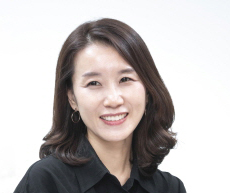
- Norvasc (amlodipine) is not the world’s first calcium channel blocker (CCB). However, it is undisputedly the most famous CCB. Launched in 1990s, Norvasc was not the first-in-class but it instigated a notable change in the market with the first once-daily administration. Some say the drug marked the early beginning of the present convenient administration marketing. A key hypertension drug market presence Novarsc is now celebrating its 30 year anniversary of marketing approval in South Korea. Surely it is an old drug, but it still has its high reputation firmly built around ceaseless evolution. In 2017, Norvasc T was released to the market for the patients, who need amlodipine and telmisartan simultaneously. The company also introduced an improved bottle packaging to enhance the convenience of patients and healthcare providers storing and managing Norvasc T and to absorb the moisture of telmisartan. And besides the existing line of 5 mg and 10 mg tablets, the brand also launched 2.5 mg tablet for children from age six to 17, which was the first among all CCB original drugs for hypertension. From then on, Novarsc has been offering necessary dosage options to effectively bring down blood pressure in patients ranging from six years of age to elderly. Prior to next week’s launch of Viatris, Daily Pharm interviewed Pfizer Upjohn Regional Sales Manager Lim Hye-sook and a rookie Sales Executive Lee Chang-hwan, who have been in charge of Novarsc sales. Regional Sales Manager Lim Hye-sook-Please, give us a short instruction Lim Hye-sook (Lim): I started from the Clinic Team when I joined Pfizer in 2005, and the first product was Novarsc. Although I’m the youngest out of all regional sales managers, I was still the last one Pfizer Upjohn Korea appointed before we spilt as Viatris. It has been 15 years since I joined the company, and I still manage Novarsc sales. The drug is basically an old pal now, keeping me company for all these years. Lee Chang-hwan (Lee): Ever since I was young, I had an admiration for the company Pfizer. I had to apply for the job for seven times to get it. Because my father was a doctor, I was familiar with the name from early on. After learning that the company is the biggest pharmaceutical company in the world, I dreamed of joining the company since then. -Managing the Novarsc brand for 15 years, you must be particularly attached to the brand? Lim: Of course. I’m not sure about the rookies these days, but when I was managing private clinics, I was frequently recognized as the ‘Novarsc Account Executive.’ I still remember the days when I had to take quizzes every three months on the product. The entire sales department had to retake the quiz on their own products when they failed. Because Novarsc had a vast amount of clinical data, I had to cram in quite a bit of information. -I assume there were also bad days on the job Lim: When managing the hospitals, defending the Novarsc code was very difficult. At a hospital-level healthcare institute, your role as a salesperson is significantly narrowed when you lose the code. It is a challenge for any salesperson. Then again, there is nothing more exhilarating to see your product’s code getting registered. While I became a regional sales manager and celebrating the 30 years of Novarsc, a new 2.5 mg tablet was released. I was grateful to see the 2.5-mg tablet registered at multiple general hospitals. Three decades could be a long time for some, but it could be a new beginning for some. When we introduced the 2.5-mg tablet, the healthcare providers commented that Novarsc is still trying new things. Sales Account Executive Lee Chang-hwan -Let’s hear from the rookie now. When did you actually felt that Novarsc has the worthy fame? Lee: A new account, any hospital or clinic, or even a doctor who has never heard of the drug was still prescribing at least a case of Novarsc. At the moment I’m managing seven products, and the Novarsc brand gives me a leverage to introduce other products’ code to a hospital. That’s the time I can see that everyone knows, uses and prescribes Novarsc. -What are some hardships you face amid COVID-19? Lee: Due to COVID-19, the sales had to work from home for about three months. When we came back to in-person work, I initially though it is not easy coming back. But it seems like everything I have done so far is coming through in this time of darkness. As in-person meeting became risky, the sales who did not get to build rapport with existing clients face limitations. But for those who have been earnestly doing their job, the work seems to be easier amid COVID-19. It almost seems like we have less competitors. As for the regional sales manager, what would like to say as a word of encouragement to your fellow colleagues? Lim: I’ve mention of my 15-year experience here, but there are employees who have been with the company for 30 years. Just like Novarsc has been with us for three decades, I wish we can together see the 40 and 50 year anniversary of the brand. -What would you like to do next as a second-year account executive? Lee: I came to the company, because I desperately wanted to try the pharmaceutical sales. I’m managing clinic accounts at the moment, but I also want to move on and experience other general hospital channels as well. And if I get a chance, I also want to make decisions in marketing strategy at the marketing team. -Soon, Novarsc would start a new beginning under Viatris. How do you feel about the new beginning? Lim: We have prepared for it for a long time. I was a part of taskforce team last year and I’ve been anticipating it. Knowing that it’s just next week, I can’t wait any longer. I have big expectations for the changes I would experience in Viatris. As I handled other changes so far, I’m hoping the upcoming changes would be positive. Lee: As I said before, I came to the company with my admiration for Pfizer. So I didn’t know how to react to the news of splitting off as Viatris. But starting off as a new company and joining the first starting member of a new business model intrigued me. So far, Pfizer has been topping the ETC industry. I do not fear anything about joining Viatris, as I would still be with the colleagues, products and amazing culture that enabled Pfizer to maintain the reputation. Now I’m just looking forward to it. I just want to say, “Thank you, Pfizer. Let’s go, Viatris!”
- InterView
- Pfizer in the center of autoimmune disease treatment scene
- by Eo, Yun-Ho Oct 08, 2020 06:24am
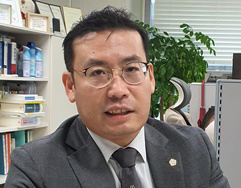
- I&I Business Unit Lead Kim Hee-yeon Shifting the paradigm in autoimmune disease, tumor necrosis factor (TNF)-α inhibitors have taken root as major treatment option not only for rheumatoid arthritis, but also for other various areas including ankylsoing spondylitis, psoriasis, and psoriatic arthritis. Regardless, there are still patients struggling with unmet needs as they fail to control the diseases with TNF-α inhibitors. As a result of many pharmaceutical companies jumping into developing alternatives of TNF-α inhibitors, other options like Janus kinase (JAK) inhibitor and interleukin (IL) inhibitors have emerged. Considering the change in treatment scene, Pfizer is a key player in the autoimmune disease area. The company owns a conventional TNF-α inhibitor Enbrel (etanercept), but also it launched a first-in-class JAK inhibitor Xeljanz (tofacitinib). The company is also in process of seeking approval on the Xeljanz follow-up drug ‘abrocitinib.’ Daily Pharm interviewed Pfizer Korea’s Inflammation & Immunology (I&I) Business Unit Lead Kim Hee-yeon on the trend in autoimmune disease drug and marketing strategies. -Please tell us about your experience in the industry. Currently, I am leading the I&I unit in Pfizer Korea. From 2001 when I joined Pfizer Korea, I have acquired a wide variety of drug marketing and sales experiences in internal medicine, pain, respiratory and I&I areas. While managing numerous drugs’ commercial strategies, I was in charge of launching Caduet (amlodipine), Eliquis (apixaban) and Viviant (bazedoxifene) in South Korea, and also leading the off-patent marketing strategy for Lyrica (pregabalin) in seven countries as a regional marketing director in Pfizer Asia. -The I&I unit consists of two key products. What are the respective strengths of those products? Enbrel, launched in South Korea in 2003, has over 16 years of a long history. As a first TNF-α inhibitor in the treatment area, it has been evaluated to have changed the paradigm of rheumatoid arthritis treatment. More than anything, the drug was able to maintain the market leadership with even a specific patient group dedicated to it as it is a TNF-α inhibitor without anti-drug antibodies (ADAs). And its trustworthy safety profile is its one of best strengths. Xeljanz has also proposed a new treatment paradigm in rheumatoid arthritis. A first JAK inhibitor used in rheumatoid arthritis, Xeljanz was listed for reimbursement in 2017 as a first-line therapy after it was released in South Korea in 2014. -The two drugs have an overlapping indication, which could put them in competition. As a business unit, what are the marketing strategies like? Rather than competitors, the two drugs are actually in mutually beneficial relationship. Except for the rheumatoid arthritis, Enbrel and Xeljanz do not share other common indications. Enbrel is indicated to treat patients with ankylsoing spondylitis, and it has been concentrating on the juvenile idiopathic arthritis (juvenile polyarthritis, extended oligoarthritis, psoriatic arthritis, and enthesitis) with healthcare reimbursement expanded last year. Especially, the patients and healthcare providers were exhilarated about the access to the treatment as the juvenile idiopathic arthritis market had highly unmet medical needs. On the contrary, Xeljanz is focused on rheumatoid arthritis and ulcerative colitis treatment area. Xeljanz may have more overlapping indications with Enbrel in the future as the drug is also constantly expanding its indication, but currently they are not competing against each other. -In terms of South Korean healthcare provider, there seems to be a barrier to prescribe JAK inhibitor. Because of that, it seems questionable if the drug would be able to expand its share in rheumatoid arthritis market. I agree. South Korea still tends to prefer conventional therapy. Despite the accumulating evidences highly recommending early treatment, the country’s healthcare providers seem to linger on using the conventional treatment. There could be many factors, but the patients’ stress on getting injections could be one of them. However, an oral JAK inhibitor like Xeljanz would be able to play a positive role in creating a new rheumatoid arthritis treatment environment. And it would also play a significant role in creating an encouraging environment for healthcare providers to assertively proceed with the treatment. -JAK inhibitor market competition is getting heated up. More competitors are emerging and generics are getting closer to challenge the original as it is a small molecule drug. Within the rheumatoid and digestive system disease treatment areas, Xeljanz would continue to expand its indication to provide as much medical benefit as possible to patients with inflammation and immune diseases. In fact, Xeljanz has the most number of indications for a JAK inhibitor, including rheumatoid arthritis, ulcerative colitis and psoriatic arthritis. Xeljanz is a top drug leading the JAK development program Pfizer is heavily engaged with. The company has already accumulated a vast amount of data on efficacy and safety of the drug tested with various groups of patients. The real world data (RWD) based on a wide array of patient groups is consolidating the healthcare providers’ trust in Xeljanz. As different JAK inhibitors have unique molecule structure, collecting such long-term safety data would also be very unique to Xeljanz. -What is the value of administration convenience in terms of autoimmune disease? Because autoimmune disease require a life-long management, consistent use of the needed drug is essential. Particularly, the company has been seeking for means to provide convenient treatment option to the patients as South Korean patients tend to shun injection and get scared of injections easier than patients in other countries. While Xeljanz has been embodying administration convenience itself, Enbrel—initially launched with pre-filled syringe—introduced a pen type called “MyClic” for patients to conveniently self-inject the treatment. The company also distributes an ambient package to store the injection at a room temperature and a E-base tool to keep 90-degree angle when self-injecting with minimum pain free of charge. -As a Business Unit Lead, what were the difficulties experienced when communicating with stakeholders like healthcare providers or government officials? Pfizer is putting much effort into developing and providing innovative pharmaceuticals in areas with highly unmet medical needs for the patients. Pfizer Korea is also endeavoring to introduce these innovative drugs to the Korean market, and to provide treatment benefits to the patients. However, new drugs like first-in-class drugs are facing a number of limitations when pursuing approval and reimbursement. It is gratifying when cooperating with various stakeholders like healthcare providers and government officials to resolve these limitations, but I also contemplate a lot on how to enhance access to innovative pharmaceuticals even faster for those patients fighting against their diseases in pain.
- InterView
- The corporation separation is started from Employee rights
- by Sep 07, 2020 06:12am
- Kyungrak Kim, CEO of Daesang Labor CorporationBusiness divisions of large foreign pharmaceutical companies such as Pfizer and MSD are actively in progress. Pfizer separated the patent-expired drug business unit into Pfizer Upjohn last year, and MSD is working to spin off the women's health, patent-expired drug, and biosimilar business divisions into a new corporation called Organon & Co. with the aim of the first half of next year. The division of the division itself has a good purpose. By becoming an independent incorporation, it can be specialized in specialized fields, and the management efficiency of the company is increased. Regardless of the will of some employees, their company name changes. The affiliation will change from one of the world's leading companies to an unknown company overnight. The change of affiliation also affects credit loans and visa issuance. The biggest reason why employees are more anxious about moving to a divided corporation is that there is a high concern that they will take steps to sell the so-called 'non-profitable business' to another company altogether. The 'carve-out deal', which sells off non-core businesses after physically splitting them, is an active M&A method. In fact, Pfizer announced the news of the merger with Mylan two months after Pfizer Upjohn was separated. It has been changed to Viatris, which is named after the existing one. Although Mylan and Pfizer are jointly controlled, Pfizer Upjohn employees think it is actually Pfizer's ‘Exit’. There are concerns that MSD's Organon & Co. will eventually follow the same procedure. Employees say that they move personnel such as sales and marketing, but do not move related R&D personnel, and that an organon office is set up in WeWork, a shared office that does not require long-term contracts. Kyungrak Kim, CEO of Daesang Labor Corporation, a former MSD salesman who specializes in the pharmaceutical industry in a meeting with Dailypharm, said, "In the case of the past, employees are more sensitive because there is a high possibility of the company’s sale." He said, "Pfizer and MSD are among the leading companies in the pharmaceutical industry, so depending on what kind of examples they set, they can have a big impact on other pharmaceutical companies in the future." Unlike Europe, where social security system is strong, and the United States, where horizontal movement is flexible, general administrative and sales positions are not easy to move in Korea, except for specialized fields such as research. He said that there is a large supply of manpower for the sales and marketing jobs, which account for the largest portion of pharmaceutical companies, but the current demand for those jobs that can be absorbed by the pharmaceutical industry is limited. Even if they move to a domestic company, they often come out without adapting to a completely different culture. Also he added they have no choice but to actively respond to issues such as division of a corporation. Currently, Pfizer's management and the union are negotiating over the issue of compensation due to the division and merger of corporations, and MSD is expected to proceed with negotiations in earnest when executives and staff members to move to Organon & Co. are announced in October. In relation to Hyundai Green Food in 2013, the Supreme Court did not recognize the 'opt out right', which allowed workers to choose or refuse a place of work when a company was divided. In other words, in the current situation, it is a favorable situation for companies only when it comes to case law. However, he expressed the opinion that It can be developed in a new way now. "In this case, following the decision of the National Labor Relations Commission, both the first and second trials acknowledged workers' right to veto to transfer companies, and in the current situation that advocates a labor-respecting society, so another judgment could come out." Hyundai Green Food’s case is too far to be compared with the current corporate division of foreign companies, so it is judged that there is a high probability of a fight in the future.” He continued, "In the issue of division and sale of a corporation, the management of the Korean branch only repeats the position that it is the decision of the global headquarters. If the division and sale is an unavoidable procedure according to the company's policy, employees should also actively respond to seek rights."
- InterView
- KRPIA “Narrowing the gap with gov. on appropriate pricing"
- by Eo, Yun-Ho Aug 31, 2020 05:57am
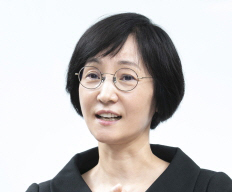
- CEO Lee Youngshin Surely, the number one value of the pharmaceutical industry is ‘new drug.’ And the multinational pharmaceutical companies’ interests are more focused on the ‘adequate value of new drug’ than ever. As the age of ‘high-cost drug’ has emerged, the government and the pharmaceutical industry’s discrepancy when viewing the drug pricing is increasingly widening. Korean Research-based Pharmaceutical Industry Association (KRPIA), an organization representing the multinational companies in South Korea, is raising its voice to narrow the discrepancy. The two parties also have had points they agree on. Last year, the South Korean health authority has expanded scope of risk sharing agreement (RSA) subjects and also announced a plan to further extend the RSA system on follow-on drugs and widen the pharmacoeconomic evaluation (PE) exemption system this year. Nevertheless, they have a mountain of tasks to work on as well. Recently, KRPIA had a conflict with National Health Insurance Service (NHIS) when it presented the revised drug pricing negotiation guideline. The government and the industry still have many issues to talk over, such as adding more drugs subject to negotiation and authorized pricing reduction, adding drugs approved with Phase III clinical evidence in development as subject for RSA, and amending detailed operational guideline for negotiating price-volume agreement (PVA). Daily Pharm met with KRPIA CEO Lee Youngshin, as she celebrates one year anniversary of her appointment, and got to listen to her opinions up close on what KRPIA sees in the age of high expectation and changes. -Based on the organization structure and member companies of KRPIA, its relationship with stakeholders tend to change time to time. For the past one year, which part did the organization concentration on? Each member company has different priority, but we are more focusing on common issues we all face instead of their respective interest. Currently, the organization has about 50 active groups, consisting of seven committees and various TF teams and working groups. With various agenda on the table, we are constantly discussing on solutions for the companies to mutually advance forward. A clear advantage is having conversations with committees formed with respective expertise. The collective expertise helps us find good solutions. The organization is trying to create a communicational platform taking in account not only for the industry, but also for other various stakeholders. -The common denominator that resonates with all stakeholders and priority, we assume, would be the ‘drug pricing.’ Let’s hear the organization’s wider perspective on the drug pricing and relevant issues. Besides KRPIA, many of stakeholders put the drug pricing first on the agenda. When the government creates regulation and environment that does not acknowledge the value of new drug by claiming the logic of drug pricing is keeping them low, the Korean pharmaceutical companies would also struggle to develop new drugs. For a single new drug to be developed, a company has to invest trillions of wons along with that many of human resources for over a decade of time. An appropriate drug pricing should be guaranteed to generate a positive cycle of constantly investing and seeking for innovative new drugs. South Korea’s national income per capita has exceeded USD 30,000, and also by growing out as a developing country, the country has consolidated its position as an advanced country. When Korea’s pharmaceutical and bio companies develop and export their new drugs, we would wish for them to be priced at an appropriate pricing in other advanced countries. There could be various opinions on what is an appropriate pricing for a drug, but for advanced countries like South Korea, using the OECD average pricing would be a reasonable answer. -It seems like the government and companies should narrow the gap between different notions of an ‘appropriate drug pricing.’ Now that the ultra expensive drugs are released to the market, the health authority’s concerns are deepening. Highly expensive drugs capable of shaking up the whole market are emerging. These expensive drugs would continue to make their ways to the market. The traditional drugs have bloomed from chemicals, but the cost of these drugs would grow further as they are branching out from new technologies in bio, cell and gene therapies. KRPIA also wishes to supply treatments with inexpensive pricing. Considering the innovativeness and social needs of a new drug, we need to have further discussion on flexibly applying ICER threshold value. In other words, RSA is the answer to mutually benefit everyone—the government, company and patients. KRPIA wants the RSA system to operate in more flexible manner, as an improved framework of RSA could have the government and companies meet eye to eye on highly expensive drugs. -As the ‘drug pricing’ has become the key agenda KRPIA deals with, the expertise in ‘government affairs’ with related government bodies are now ever so crucial. But concerned voices are growing as Vice-chairman Lee Sang Suk has left the organization, followed by Senior Director Sean Kim of Market Access and Healthcare Policy. The organization has been consistently working on government affairs. The time when KRPIA’s Senior Director Sean Kim of Market Access and Healthcare Policy Committee left the organization overlapped with the time when Health Insurance Review and Assessment Service’ (HIRA) major personnel transfer happened. And because the government has been on overdrive amid COVID-19, many of the work could not progress as we hoped to. Regardless, the organization is still engaging with the government bodies to provide them our perspectives and recommendations. Fortunately, we have recently decided on the successor of former Senior Director Sean Kim. The organization newly appointed Senior Director Kim Minyoung, a senior manager at Amgen Asia. The senior director is an excellent specialist with 25 years of expertise in market access and healthcare regulations. As she has impeccable network with the government officials, we have high hopes on her. -The headquarters of multinational companies have been lately involved with so many corporate M&A or split-up cases. And they have caused some problems in job security within the working environment. In some extreme cases, there were a couple of suicide cases within the member companies. Shouldn’t the organization step in and address the issue? The decisions on corporate M&As are made by the headquarters. Such cases have happened before, and they would stay the same in the future. Comparatively, the Korean companies tend not to go through that many M&A cases. The cultures in the headquarter countries and Korea have seem to differ from each other. In last year, the organization newly formed HR Committee. For the organization to handle the labor union issues, we have legal restrictions. However, for the relevant company management to have open conversations as much as possible, we would seek for opportunities to provide any sort of help possible. -When speaking of drug pricing and financial cost, many of the experts argue the drug pricing structure should be changed to enhance the patients’ access to new drugs. While promoting the use of generics, some say the unnecessary expenditure on pharmaceuticals, like on chronic diseases, should be reduced. But KRPIA seems to reserve its opinion on generic. That would be correct. The organization has never issued an official statement on it. It would be inappropriate for the organization to have a say in the sensitive topic affecting other stakeholders, as generics are a big part of Korean pharmaceutical companies. Generics have been the foundation of the Korean pharmaceutical industry, and it serves as a major income source of the Korean companies. One of the biggest strength the Korean pharmaceutical industry has is that every company has their own manufacturing facility. In a wider sense, we need to seek opportunities to export more Korean-made generics to the global market. -Recently, KRPIA had a dispute with NHIS. Sources say the organization submitted official statement regarding problems in NHIS meeting operation, lack of transparency in guideline revision, and illogic in pricing negation procedure. After having a meeting with NHIS, the participants were gravely disappointed in the government body. Despite our request, NHIS handed out the revised guideline at the meeting and collected them back immediately, only allowing the organization representatives to talk about limited opinions. As the guideline would work as a practical regulation to affect upper-level standards and statutes, NHIS should clearly disclose the guideline and finalize the legislation process after accepting all opinions. We welcome the government body’s decision to hold regular quarterly meetings, but we would advise NHIS to contemplate with the organization to draw up prospective improvements at the meeting. -We had sources reporting the organization having conversations on recommending different drug pricings for each indication. Setting different pricing for different indication in same substance drugs is essential to enhance patients’ treatment access. Australia and many other countries have adopted the system and we have submitted relevant recommendation to HIRA and NHIS. Although it would be challenging to implement the indication-basis drug pricing in Korea, where a single pricing is given to a single drug, the organization would continue to work with the government to introduce the system.
- InterView
- AlphaGo will lead the development of new drugs
- by Nho, Byung Chul Jul 14, 2020 06:12am
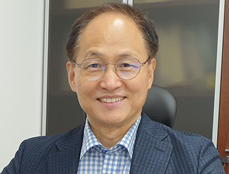
- The director, Hwa Jong Kim "The future vision of the Center for AI-based New Drug Development Facilitation is the development of a global first in class drug that combines artificial intelligence and medical data." For Hwa Jong Kim (62 years old, director), the direction of organizational management of the Center for AI-based New Drug Development Facilitation is to present a new technological innovation paradigm and create a success model in the pharmaceutical bio industry, the country's new future. New drug development is an area of cutting-edge convergence technology that requires harmonious fusion of biology, chemistry, medicine, pharmacy, computer science, and business administration. The director Kim was in charge of establishing the Electronic Medical Record (EMR) at Kangwon National University Hospital from 2007 to 2011, and is a leading figure who led the successful Ubiquitous business of the Gangwon Provincial Government during a similar period. He is currently a professor of computer science at Kangwon National University and an adjunct professor at the Korea Advanced Institute of Science and Technology (KAIST). He is a top leader in the domestic convergence big data field. The Center for AI-based New Drug Development Facilitation, launched in March of last year, has eight employees, including six developers and two administrative office workers. In the near future, it is expected that it will finish the work of the foundation and successfully attract large-scale investments, including government and pharmaceutical bio companies. He said, “The key to the future project is to explore first in class drug candidates based on government and institutional and open health care databases with the center as the focal point. Although it is still difficult to disclose, the MOHW, the Ministry of Science, ICT and Future Planning, and the Ministry of Economy and Finance are also showing great interest in the development of new AI drugs, and are expected to successfully attract national research funds.” The reason why the government is showing interest in new drug development projects using artificial intelligence is to achieve tangible and effective results. Launched in March 2019, the Center for AI-based New Drug Development Facilitation provided practical training that combines deep learning and new drug development, and trainees experienced the substance discovery process with a personal laptop by accessing the Google Colab cloud services. Recently, 29 public databases have been downloaded to successfully organize similarity metrics for genes, drugs, and diseases. Most notably, the Center conducted convergence research among AI program developers, pharmaceutical companies, Korea Research Institute of Chemical Technology, Social Security Information Service, the HIRA, the NHIS, Daegu Gyeongbuk Medical Innovation Foundation, Osong Medical Innovation Foundation, and research-oriented hospital. Currently, the Center for AI-based New Drug Development Facilitation has formed a 'Artificial Intelligence New Drug Development Experts Association' with 25 pharmaceutical bio companies such as Hanmi, Daewoong, and SK Biopharm, and is conducting various brainstorming. It is also noteworthy that some companies are showing rapid results that are entering the final stage of candidate selection. The era in which artificial intelligence predicted by IT experts goes beyond human intelligence and recognizes and learns for itself is about the next 30 years. Therefore, as A.I new drug development enters the stage of this transformation, the government, industry, and academia should prepare for future strategies. In particular, in the United States, fast track is being applied to new drugs for artificial intelligence development for rare diseases, so Korea is also in need of actively responding to these system improvements. He said, "We plan to do our best to develop organic and systematic AI drugs through network and communication by forming an industry-university alliance. In addition, we are sharing various innovations with leading global companies and artificial intelligence conferences as well as open innovation research and cases. We will do our best to provide the latest knowledge." Meanwhile, he has been consulting with the Ministry of Science and ICT, the Ministry of the Interior and Safety, and the Korea Communications Commission, and has published books on the introduction of data science and big data business. Recently, LG Electronics, Korea Electric Power Corporation, LS Group, Doosan, and KB Financial are leading the cultivation of 'data scientists' necessary for corporate AI introduction and digital transformation of existing businesses.
- InterView
- Post-corona KSC academic conference finds answer in hybrid
- by An, Kyung-Jin Jul 08, 2020 05:37am
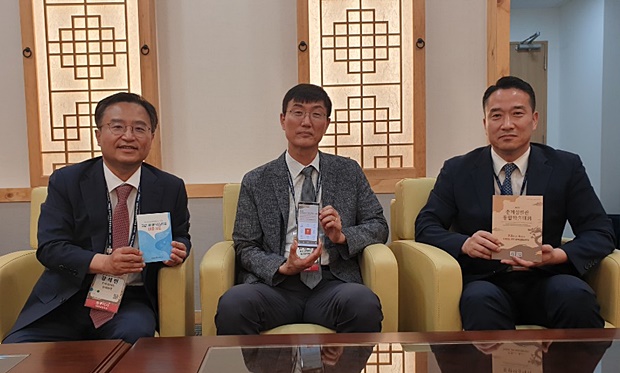
- (From left) KSC Secretary General Kang Seokmin, Academic Director Gwon Hyeon Cheol and Head of Convention Service team at Gyeongju Hwabaek International Convention Center, Park Seo-Joon. The Korean medical academy scene also took a hit from the novel coronavirus (COVID-19). Still not contained COVID-19 pandemic had affected the spring academic conference and other events, which left the academic event coordinators in a tight spot. So what is it like to have an academic conference in the day and age of ‘Post-coronavirus?’ The executives of Korean Society of Cardiology (KSC) say they found the answer in ‘hybrid.’ They concluded both online and offline events have to be simultaneously conducted to continue exchange academic findings and network while joining the movement to stop the spread of COVID-19. KSC Secretary General Kang Seokmin (Cardiovascular Department at Severance Hospital) and Academic Director Gwon Hyeon Cheol (Cardiology Division at Samsung Medical Center) at ‘2020 Annual Spring Scientific Conference of KSC with Affiliated Cardiac Societies’ claimed, “Simultaneously convening offline and online events would become the standard style of academic conferences post-coronavirus.” The academic society intends to share the tips they have learned from organizing the spring conference with other societies and to overcome the tough time together. ◆From special guideline to simulation, a month in making Only a month ago, KSC had decided to convene the annual spring conference in the first week of July at Gyeongju Hwabaek International Convention Center. Considering a large number of frontline healthcare providers of COVID-19 response had to participate, the society had internal dispute over having a complete virtual event. But some argued back it would diminish the level of networking and academic exchange and result in long-term loss. The executives pondered on the subject and finally found the solution; a hybrid event with an offline event strictly following the disease control guideline combined with the real-time presentation streaming online. Professor Kang Seokmin elaborated, “The annual spring conference is a massive scale of an event, where seven academic societies, including KSC, Korean Heart Rhythm Society, Korean Pediatric Heart Society, Korean Society of Heart Failure, Korean Society of Interventional Cardiology, Korean Society of Cardiometabolic Syndrome, Korean Society of Echocardiography and Korean Society of Lipid and Atherosclerosis, come together. As the participation of world renowned scholars was canceled, the invited professors were disappointed in losing a chance to expand their network.” Event staffs usher in conference participants to a lecture hall after checking their body temperature The executive committees of KSC had to struggle for a month to make an exemplary event amid COVID-19 pandemic. Professor Kang personally drafted the COVID-19 Response Guideline and edited eight times. The final version of the guideline reviewed by Korean Society of Infectious Diseases (KSID) defined the infection of COVID-19 and specified the floor plan and entrance management of the conference venue, management of the venue surroundings, management of relevant staffs, enforcement of disease prevention rules in participating members and operating the conference, and management of the event planning agency staffs. A day before the conference, the professor convened the convention center service team to conduct a simulation on contacting the public health center in case of spotting a suspected case of COVID-19 and transferring the patient. Professor Kang said, “The number of pre-registered members exceeded 1,700, and 900 of them participated in the morning of the first day. Keeping the safe distances in the seating arrangement, many had to listen to the live-streamed lecture from the lounge area,” and “We are grateful for the event staffs and participants complying with the guideline and safely and successfully closing the event.” ◆Hybrid academic conference with advantages of online and offline events to become a norm While the executive directors were busy organizing a safe event, academic committees were also hectic as well. They collected presentation material and voice or video recording of the foreign speakers unable to participate, and set up an online streaming system for the academic society members to conveniently use. By analyzing the pros and cons of international and domestic conferences convened online recently, the committees were able put up the basic framework of the event. As the spring conference was postponed over two months, the committees also simultaneously worked on the fall conference to come in three months time. As a result, they developed a system to watch lectures streaming from seven conference halls by simply clicking on a Smartphone app. The voice and video recordings from the foreign speakers were played from respective conference halls in a set order. Professor Kang demonstrates the real-time streaming lecture video on a Smartphone appProfessor Gwon Hyeon Cheol explained, “According to respective hospital guideline, many of the members are not allowed to participate in the conference unless they are speaker, mediator, or a panel,” and “Insisting on convening a virtual event would bring a serious impact on academic activity and networking.” The professor says the hybrid style of academic conference that fully embraces the advantages of both online and offline events would get more prevalent in the future. Professor Gwon also stated ultimately the executives of those academic societies hosting an academic event and the government should contemplate together on further improving the hybrid academic conference on more intricate level. The professor plans to create a system that enables real-time two-way feedback for question and answer session with the foreign speakers for the next conference. Professor Gwon advised, “The government also seems to have a lot to think about on setting the sponsorship standard as the conferences are changing their forms. Hopefully, they would also talk of setting detailed standard for the hybrid style with both online and offline events,” and “They should seek the most idealistic platform together with the relevant stakeholders to reflect their opinions”.
- InterView
- EASY-ON opens up new opportunity to Xarelto amid COVID-19
- by Eo, Yun-Ho Jun 19, 2020 06:24am
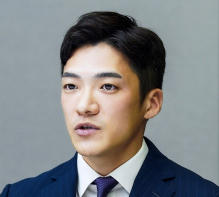
- PM Jung Changho COVID-19 has brought dramatic changes to our lives. Witnessing these changes, scholars stress the importance of responding and planning for the prospective changes in the post-coronavirus era. And many pharmaceutical companies are also seeking for new changes in business model amid COVID-19 pandemic. For the pharmaceutical industry, the novel infectious disease has been increasingly limiting the conventional sales activity, which highlighted the importance of non-contact multi-channel marketing. Now the online-based marketing tools are emerging as an answer, and companies are taking the cue to expand various non-contact sales channels like one-on-one detailing service, web symposium and e-catalogue. In March, when COVID-19 was spreading fast in Korea, Bayer Korea launched non-contact detailing service ‘EASY-ON’ and swiftly tackled on the changes in the society’s trend. EASY-ON is an online video consulting solution that provides latest clinical findings and anti-coagulant prescription related medical information for primary healthcare institutes like private clinics to better manage chronic atrial fibrillation. The program has specialized nurse with clinical experience as a consultant to engage with the healthcare providers. .Daily Pharm interviewed Product Manager (PM) Jung Changho, who led the EASY-ON project launch, for the story of the present and future of non-contact sales .Bayer -Please give us a short introduction to yourself for the readers Started as a medical representative in the cardiovascular sector since 2009, I joined the Xarelto sales division in 2016 .Currently, I am in charge of planning and operating the EASY-ON project in the marketing team, and it has been over a year being the PM for Xarelto team .-Marketing and sales around the world are largely obstructed by the COVID-19 pandemic .What kind of changes have you experienced after the outbreak, and how is the Xarelto team responding to the situation ? The non-contact marketing and sales back in the day used to lack the drive .Of course, many pharmaceutical companies have been continuously working on remote multi-channel marketing before, but after the outbreak, the companies are more eager to diversify the communication channels and try them in real life .As the conventional sales are deeply rooted in face-to-face engagement, I was always skeptical of other channels and their effect .But, with the recent incident, I have learned the clients are more ready to accept the new system than how we expected, and that they are more open and positive to review a new communication channel .-Apparently, EASY-ON program launch was planned before the COVID-19 ? Actually, the plan for EASY-ON predates the COVID-19 outbreak—it was initially planned to improve the atrial fibrillation patient management .And the project took the momentum as the outbreak started in the time of the launch .The objective of the EASY-ON is to inform private clinic healthcare providers to adequately manage atrial fibrillation patients, and to fixed imbalanced information caused when using an anticoagulant .Unlike general hospitals, private clinics have contacted the company through various channels to query prescription related information, which shows the information asymmetry between the two .And this is how EASY-ON came about .The ultimate goal of the project is to educate the healthcare providers for patients to truly benefit from treatment options .-How is the program generally operated ? The first and the most important benefit of EASY-ON is having seasoned specialist nurse to give consultation via video conference call .The second benefit is that the program focuses on atrial fibrillation, which tends to require more intricate care and treatment compared to other chronic disease .The healthcare providers can access relevant in-depth information, because EASY-ON specializes in atrial fibrillation and relevant treatment information, .About three months since the launch in March, approximately 200 healthcare providers have joined the program so far .It constantly provides scheduled consulting service to the members .The EASY-ON platform offers overall ten basic learning materials based on basic information of the health condition, which is accessible on demand after the consulting session .-General hospital and private clinic healthcare providers are torn between the prescription options of non-Vitamin K antagonist oral anticoagulants (NOAC) like Xarelto and initial care .Between the two clientele, which does Bayer tries to put more focus on ? Most importantly, no patient should be left behind by any one of them .So both are very important channels we need to take care of .At the moment, general hospitals are encouraging patients to be diagnosed at general hospital and to manage the condition at clinics .And clinics anticipate contributing in the initial anticoagulant treatment in atrial fibrillation patients .Bayer’s biggest mission is to have the patients with atrial fibrillation to receive adequate treatment, regardless of general hospital or clinic, and to manage the condition properly .-Any memorable anecdote with the EASY-ON to share ? A private clinic in a hard to access remote region gave a quite memorable feedback .Despite the needs for the anticoagulant treatment information, the healthcare provider there did not have a good and efficient access to the information .But in the end they expressed gratitude for our EASY-ON program when basic information and key information needed for seeing a patient were provided through a video call platform .-What’s next for EASY-ON ? The project is aiming to secure 2,000 members within this year .Although the service has been reactively responding, the company is preparing a channel to academically engage with general hospital professors in real time for their unmet needs .For the EASY-ON clients, web symposium consisting of specialized consulting webinars would be organized to talk about differences in each clinical trial and solution in each case .And other informative materials like FAQ or newsletter would be disseminated to the EASY-ON members to answer their queries on NOAC .
- InterView
- Why is Metformin’s investigation expanded?
- by Lee, Tak-Sun Jun 12, 2020 06:11am
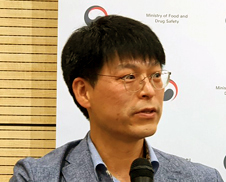
- Namsu Kim, the chief explains the progress of NDMA in Metformin investigation in a briefing with reporters held at the MFDS in Osong on the 9thThe "detection of NDMA in metformin preparations" published by the MFDS is different from the previous cases. In particular, the difference is that NDMA was not detected in the raw materials. ertain raw materials were a problem in the case of Valsartan or Nizatidine. And, NDMA was also detected in raw materials in the case of Ranitidine. However, in the case of Metformin, Nothing was found among 970 commercially available raw materials. Nevertheless, the MFDS prohibits the manufacture and sale of 31 drug products that have been detected in excess of NDMA by investigating the drugs. In response, a briefing with reporters held at the Osong headquarters on the 9th, Nam-soo Kim, the chief of the Food and Drug Administration, said, "We inevitably tested imported products that had no raw materials in the country and expanded our investigation to domestic finished products due to cases of substandard NDMA detection." He said, "In fact, in the case of finished drugs, it was difficult to investigate all because the number of lots reached almost 15,000," he added, "Once we screened (exactly inspected) about 970 raw materials on the market, there were no major problems with the raw materials." However, there were no raw materials for imported pharmaceuticals in Korea. Moreover, it was difficult to import raw materials from overseas. For this reason, it was inevitable to conduct a test inspection on imported finished products, not raw materials. "NDMA in imported finished products is within the standard, but it has been partially detected, and accordingly, domestic pharmaceutical products have been investigated," said Kim. "Singapore authorities and the United States FDA also investigated both raw materials and finished products." He said that the investigation had to be expanded. If the investigation was stopped on raw materials, NDMA would not have been detected in the finished drugs. However, this decision confirmed the detection in the finished product, which made it possible to estimate that Metformin was incorporated into NDMA in the manufacturing process of finished drugs. However, it was not a complete investigation of the entire lots of the drug product. According to Kim, the total number of finished pharmaceutical products in circulation was 15,000. The MFDS collected three lots of 228 items on the market and conducted an investigation. Some critics pointed out that the accuracy of the survey results is not as good as some. In response, Kim explained, "If three items of finished products were collected and investigated, NDMA was detected uniformly by lot for the same item. "There was a so-called border line, and I think it would be better if it was managed more." However, Metformin's NDMA detection is only an estimate that it will be incorporated in the drug product manufacturing process. No specific cause has been identified. "If you submit data about the parts that companies think would be the cause of their own, we will discuss with external experts and consider improving the process for reshipment," said Kim. "In the case of metformin preparation, we had to do a lot of screening, so the inspection agency had a lot of trouble testing it for 5 months," said Kim. "FDA also screened all distribution items as quickly as the results detected in the finished product, not raw materials."
- InterView
- Improvement is urgent for many generic drugs
- by Lee, Tak-Sun May 22, 2020 06:16am
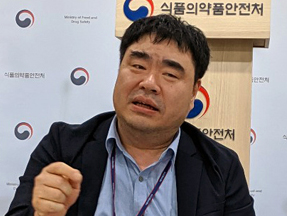
- Chae Gyu-han, the section chief of the MFDSAfter the Regulatory Reform Committee recommended the withdrawal of the joint bioequivalence test restriction policy in April, the Ministry of Food and Drug Safety's first reaction was to respect the recommendation to withdraw, but said that there was still a problem with the issue of generic restructuring. In a briefing with reporters on the 19th, Chae Gyu-han, the section chief of the MFDS, commented on the recommendation to withdraw the joint bioequivalence test restriction policy that everyone will agree that there is a need to somehow solve many of the generic drugs in the market, and one of them was the joint bioequivalence test restriction policy. We respect the recommendation to withdraw from the Regulatory Reform Committee, but that doesn't mean we have given up on the problem itself. There is no change in the policy direction itself to prevent generic insufficiency. In addition, he added that domestic generic drugs should have international competitiveness and contribute to public health. The public-private council for the competitiveness of generic drugs is expected to operate for the first time at the end of April, and plan to improve for two months. Some improvements have already been made. Until the comprehensive review of the consigned generics by the evaluation agency, the consigned generics are so-called 'bundled permission management' without separate examination. Because this system is aimed at efficiency in generic screening, some people were interested in amendments to the contents of submitting three batches of production data when the entrusted generic license was announced in November last year. In terms of efficiency, it is from the perception that this system is not necessary. However, Chae Gyu-han, the section chief said, “We have opinions through legislative notices, and final regulatory review is required. But, there is no change at this time.” In addition, Mr. Chae said, "There are some agreements in the public-private council. For example, discussions to strengthen the labeling system to give more consumer information and to implement a licensing system centered on complete pharmaceuticals with a bundled licensing system. It's being negotiated well," he said. "However, it is difficult to find a way to secure export competitiveness." Reinforcing the labeling of generic drugs is discussed not only on the product packaging by borrowing ICT technology, but also on how to communicate information through a prescription preparation system or a drug safety country. "I think it is the responsibility of the Ministry of Food and Drug Safety to satisfy the information the general public needs to know," said Chae. Regarding the investigation of impurities such as NDMA of Metformin, a diabetes treatment that is currently in progress, he briefly responded that he would pursue policy decisions in the direction of minimizing public inconvenience. Meanwhile, this briefing was meaningful in that it was the first policy communication position with the reporters after the COVID-19 incident.
- InterView
- I tried to make the KOEDC 'Social butterfly '
- by Lee, Jeong-Hwan May 08, 2020 06:34am
- The KOEDC (President Young-mi Yoon)“The KOEDC (Korea Orphan & Essential Drug Center) is the place where the government and the public need attention more than any other institution. I wanted to increase the utilization of the public by spreading the awareness to the society that it is a place to supply medicines that are essential for the treatment of incurable patients and that the social supply of essential medicines does not stop. I hope that the government's support for the center's operating budget will increase significantly, and that the capacity to contribute to society will increase rapidly.” 'Inssa (Insider, Social butterfly)', which stands for social and organizational mainstream and friendly person, is a word that seems somewhat distant from the KOEDC. This is because the KOEDC is dedicated to rare and incurable disease drugs that have a relatively small number of patients or have relatively low social awareness and are less likely to receive social attention. In a way, the KOEDC seems to have no choice but to support the supply and treatment of remedies for incurable patients who are prone to alienation in society, taking on a task close to Assa (Outsider, not social). However, President Young-mi Yoon (51, Dongduk University of Pharmacy), who has led the KOECD for the past two years, made efforts to imprint rare disease and the existence of the center by making the center from outsider to insider and beyond to a social bufferfly. Director Yoon's term for the center ended on the 22nd of last month, but the appointment of the next president has not been completed, and the term has been temporarily extended without a new leader being decided. If the next president is decided, she will be officially retired. Specifically, Director Yoon is in many ways, including nurturing rare proceeds that have been solidified through 20 years of practice, advancing delivery of orphan drugs through regional centers and base pharmacy projects, and improvement of purchasing treatment hemp oil, led the improvement of the system by communicating with the National Assembly. This is the background of last year's national audit that raised the center's profits and improved the efficiency of budget support for the MFDS. Director Yoon suggested that the center's operation would be normalized based on the increase in the budget-to-government support rate for the newly appointed director's main job. The detailed work is the president's intrinsic competency and authority, but she believes that the lack of budget should not continue to do what the center has to do for the society and patients. "Unfortunately, in the past two years, we haven't completed the budget support problem for normal operation of the center, the expenditure of money, and the delivery of courier services," she said. In the end, it resulted in the issue of budget support from the MFDS and remained as the next president's homework. ” "In order to solve the safety issues of biological products that require temperature-controlled shipping and courier delivery with illegality, it is a consignment delivery pilot project, and at the same time, we have worked hard to establish a safe supply process for orphan drugs as a regional base center and base pharmacy. "The system is not complete, but I think this is the way the future center should go," she said. When asked what led the center to focus on, President Yoon responded, "I wanted to improve the utilization of the center by greatly increasing the interest of the people and society in the center." The intention is to make the KOEDC that is unfamiliar to the general public a social butterfly . "To inform the existence of the KOEDC, we needed to innovate in the center's hardware and software as a whole," said Yoon. "We moved the office to the city hall to build facilities such as pharmacies and drug warehouses in the center. This is why we created a process that minimizes supply and demand inconvenience. " Director Yun suggested that the center should plan to enhance the accessibility and safety of orphan drugs. In particular, it is said that it is the path for the country and patients to minimize the probability that the center will fall into the supply of orphan drugs even in extreme situations by closely analyzing the current situation in which the domestic supply of orphan drugs in the world is struggling due to the COVID-19 crisis. "There are more than 20,000 orphan drugs that the center supplies per year. The importance and social needs of orphan drugs are getting bigger every day," she said. Nevertheless, the center still needs to be improved in terms of facilities, management, accounting and operating systems. "It is the KOEDC that can reveal the willingness of the nation to somehow care for the underprivileged," she said. "We need to constantly monitor which pharmaceutical companies around the world are developing, producing and distributing what kind of pharmaceutical companies in the world and check the distribution line in real time so that we can have the bargaining power to supply domestic patients' drugs," said the Center. It is time to further advance the system to increase social utilization, "she suggested. “I took the job as a general manager and worked every day, at least once a week, hoping that the KOEDC would be known in the media,” said she. The center faces the challenge of formulating a budget for the MFDS for normal operation. We ask for your continued interest and support to ensure that the Center plays a role in the national health defense frontier.
