
- LOGIN
- MemberShip
- 2026-07-22 07:43:56
- InterView
- "The reason why BI is the ‘Crown Jewel’ among all MNCs"
- by Eo, Yun-Ho May 10, 2021 06:22pm
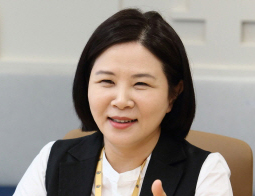
- Bom-Mai Park, Head of HR/HRBP at Boehringer Ingelheim Korea Multinational pharmaceutical companies are a dream job for many workers in the industry. With its high salary, good welfare, and smart business system, many multinational pharmaceutical companies have all the requirements that office workers desire. Even among these multinational pharmaceutical companies, Boehringer Ingelheim is considered to be top tier. Headquartered in Ingelheim, Germany, the company has maintained its ‘family-operated system' for over 100 years. Since its establishment in 1976, its Korean subsidiary, Boehringer Ingelheim Korea, has also been known as an ‘employee-oriented company that you can work for until retirement.’ Like other companies, Boehringer Ingelheim Korea had also implemented the Early Retirement Program (ERP) in 2014 and 2018 and made reductions in its workforce. However, its downsizing scale and frequency were much smaller and less than other subsidiaries in Korea. The company also showed an encouraging response to the current situation where COVID-19 had swept the world, changing everyone’s daily lives. Boehringer Ingelheim Korea took 'Our FOCUS' and 'Future of Work' as their key message to drive change to fit the new era with their employees. DailyPharm met with Bom-Mui Park (52), VP of Boehringer Ingelheim Korea who heads Human Resources (HR), to hear about the company’s vision and strengths. -What are Boehringer Ingelheim Korea’s strengths in HR? There are official strengths, and those I personally consider as strengths. Officially, the company considers the employee-company relationship in the long term. The policies HQ took during the COVID-19 crisis that broke out last year are a good example. The company made policies to preserve the level of income for employees in sales, such as MRs, who had suffered economic damage due to reduced incentives, etc. from COVID-19. Also, the company provided paid leave for employees who went to do volunteer activities related to COVId-19. I was moved by the immediate response to crisis and rewards provided for employees by the company. Personally, I believe the strength of Boehringer Ingelheim Korea lies in the provision of an ‘environment that allows learning from mistakes.’ Our company has a forgiving nature that allows employees to grow with feedback rather than being punished for a single mistake. Also, as Boehringer Ingelheim is a limited liability company that pursues long-term performance and value creation, it is relatively more stable than the other companies that I have previously worked for. -On the other hand, the company’s ‘forgiving’ culture could be abused and be considered an ‘easy company’ to work for, allowing employees to become lax in their work. I disagree. Those who make mistakes are those who made attempts. Employees who do nothing are the bigger threat to a company. Boehringer Ingelheim has a well-established organizational culture that silently pressures those who do nothing. In other words, our organizational culture is established so that everyone must do their part. The roles and responsibilities of each employee are clearly set, and the evaluation standards for assessing each employee’s performance are also set quite high. In these aspects, Boehringer Ingelheim is not an easy company to work for. Also, our system is constantly evolving to fit the changes, and our employees grow in line with the changes. -What is the ‘Future of Work’ that the company has newly implemented? The Future of Work was implemented in our headquarters to establish a flexible work culture and create a good environment for employees to work for which actively embraces the internal and external changes seen in the current era of change. We worked hard to change the role of the office, which was just a mandatory space for work, into a space for cooperation and innovation. In line with the efforts, Boehringer Ingelheim Korea also opened a smart office on April 5th. The newly transformed office was designed to maximize collaboration, work efficiency, creativity, and employee’s health and well-being based on the company’s vision of ‘creating value through innovation.’ The office is no longer a mandatory workspace, but rather a place of collaboration and innovation which may be selected according to an employee’s nature of work and personal preferences. Our new space has various kinds of meeting rooms and an Innovation Zone, as well as a Quite Zone where employees could focus on their work. We also offer telecommuting, so employees may work at the office or from home. The new office was designed so that all employees and executives may work efficiently and creatively without spatial constraints. - What kind of talents do Boehringer Ingelheim Korea seek for its employees? We have a very specific type of talent we desire in our employees. We want responsible individuals that are alert to change and have entrepreneurship, and not fear innovation or taking risks. This is not limited to Boehringer Ingelheim Korea; it is what Boehringer Ingelheim wants for all its employees and is what we strive to become. With work these days being conducted non-face-to-face and a leaner culture being set within the organization, the work culture in Korea as well has well moved away from the apprenticeship method. In other words, employees nowadays need to lead their own work independently as soon as they enter the company. Of course, feedback is provided; however, the learning curve has also become shorter than in the past, and employees must become on-set quickly. So, we need people who do not feel burdened by learning. We need learners with positive minds that say, ‘I will learn if I don’t know,’ that can strictly manage themselves. -What kind of organization does Boehringer Ingelheim Korea wish to become in the future? Much has changed with COVID-19. The biggest change that occurred is the non-face-to-face work through digital. At first, I had my concerns. But in fact, the flow now is better than expected. We had experienced changes every year, but after COVID-19, we started to consider how to engage and immerse employees in the non-face-to-face environment. In the past, I believed team-building was only possible face-to-face. But I changed my mind after working non-face-to-face. I now believe it is more about the vision set by the company. The vision itself should make the employee's heart beat faster, and a goal needs to be set so the employees can bond over and take pride in its achievement.
- InterView
- "Embrace precision medicine and tumor-agnostic therapy"
- by Eo, Yun-Ho Apr 30, 2021 06:12am
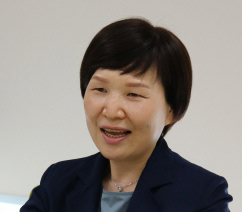
- 박경화 교수 “It’s our turn to adjust to tumor-agnostic therapies." HER2, ALK, EGFR, ROS1. These are keywords that frequently catch our eye in news about anticancer drugs. Times have changed. Effective treatment for patients these days depends on the genetic mutation of each patient. With treatments that target personalized genes continue being introduced, the development of precision medicine has heralded the shift in the field of anticancer treatment from ‘disease-based' to ‘gene-based' treatment. For example, Roche’s Neurotrophic tyrosine receptor kinase (NTRK) ‘Rozlytrek (entrectinib)’ has already been approved as a tumor-agnostic anticancer drug in Korea. Also, MSD’s PD-1 inhibitor immunotherapy ‘Keytruda (pembrolizumab)’ has been adding various indications in patients with microsatellite instability-high (MSI-H) tumors. Dailypharm met with Dr. Kyong-Hwa Park, Professor of Oncology and Hematology at Korea University Anam Hospital, an authority in the field of precision medicine in Korea who also runs the K-Master program, to hear about the currently accessible yet unfamiliar world of personalized treatment, and the paradigm shifts that have occurred in anticancer treatment with the introduction of precision medicine. -Precision medicine has become an inevitable trend. Please tell us about the K-Master project, its progress, and outcome.. Initially, our 5-year goal was to file genome sequencing of 10,000 patients with solid cancer and to launch 20 clinical trials. Based on the data, we wanted to provide new treatment opportunities to patients and create grounds to expand treatment indications. We are in our fifth year, and our project will close on December 31st this year. Since we already have registered and secured genome sequencing data on 9,000 cases, I think we will be able to easily reach our goal. We are also currently conducting 20 trials. Due to the characteristics of precision medicine, the 20 clinical trials could not be initiated all at once, so we needed to sequentially proceed on with our research. In other research areas, we could have started all the trials in the first year. However, precision medicine differs from other areas because of its unmet needs, as well as its unique timeline of drug development that depends on the discovery of new genes. -What is the K-Master program’s strength in conducting clinical trials? Our role model was the NCI (National Cancer Institute)-Match trial. Based on the trial and its limitations, we complemented and improved our project from its initial stages. When 50 institutions under the Korean Cancer Study Group send sample tissues, Central conducts NGS sequencing; however, if the sample tissues do not pass QC, the process of recollecting the tissues take long, and in some cases result in the non-registration of those patients. For our project, we increased the registration success rate by profiling the samples via a liquid biopsy platform to allow the use of blood samples for genome sequencing of patients whose tissues are unavailable or do not pass QC. - Two drugs, including Rozlytrek, were approved in Korea. These tumor-agnostics targeted therapies seem like typical examples of how ‘personalized medicine’ and ‘precision medicine’ are entering our society. What changes do you expect to see in Korea with the introduction of such medicines? The method of how we classify cancer has changed with the introduction of precision medicine. If cancer was classified by location in the past, like lung cancer, colorectal cancer, breast cancer, etc., now it is divided by pathway. So we can now classify cancer as those with HER2 overexpression, HER2 mutation, NTRK mutation, etc. Patients with such cancers are very rare, but doctors now know what to prescribe when such cases arise because we have research and findings on such cases. We can therefore use various methods to find the NTRK-mutations such as DNA sequencing, RNA sequencing, at the protein level or by FISH, etc. As DNA NGS has low sensitivity, we would be lucky to find the mutation at that level. However, for suspected patients, doctors can also order FISH or IHC tests. -Reimbursement remains an obvious issue. Reimbursing tumor-agnostic treatments must be a burden from the government’s perspective. When treatment for rare cancer types that occur in specific genes are granted evidence-based approval in the market, reimbursement should also be considered. I believe the higher-priced drugs can be reimbursed as rare cancer patients have a shorter life expectancy. Less than 1% of all solid cancer patients in Korea fall into the rare cancer patient category that can benefit from such advanced treatments. Considering our diagnostic efficiency, this amounts up to less than 200 patients. We are talking about providing treatment benefits to these very rare patients. If reimbursement is possible, it should be provided. Rare cancer patients typically do not respond to standard treatments. For example, breast cancer patients that do not respond to standard of care therapies show NTRK mutations. As these patients benefit a very short time from standard treatment, reimbursement of NTRK inhibitors for this population should also be possible. Overall, we need to devise a separate reimbursement track for precision medicine. With the introduction of Keytruda in MSI-H and Rozlytrek, there is a pressing need to prepare a separate reimbursement review standard for tumor-agnostic treatments that suits our current situation. If precision medicine is available according to a patients' NGS screening result, they should not be left to feel the immense deprivation of not being able to use the drug due to accessibility issues.
- InterView
- KRPIA will introduce advanced new drugs and seek co-growth
- by Eo, Yun-Ho Apr 26, 2021 05:52am
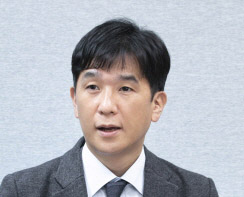
- Dong-Wook Oh, Chairman of KRPIA The Korean Research-based Pharmaceutical Industry Association (KRPIA), which represents the multinational pharmaceutical companies that are considered the key source for the supply of new drugs, welcomed a new leader last February. KRPIA’s newly appointed Chairman Dong-Wook Oh (51) has been leading Pfizer Pharmaceuticals Korea since 2015. Oh's appointment has brought on various changes within the organization. For the first time in three years, KPRIA has appointed a Korean to head its organization. Demand for the appointment of a Korean leader had been rising as it would enable better communication with relevant ministries, as the access and supply of new drugs is the primary objective of multinational pharmaceutical companies Moreover, with the pipeline of multinational companies weighing towards high-priced drugs, the ability to communicate with the government and list such drugs is being emphasized. In fact, related ministries, such as the Ministry of Health and Welfare (MoHW ) also tend to prefer Korean leaders. Former chairman Avi BenShoshan (former CEO of MSD Korea) was the first foreigner to be elected in 7 years since 2011, after the appointment of the former CEO of Pfizer Dong-Soo Lee (58), former CEO of GSK Korea Jin-Ho Kim (70), and former CEO of Janssen Korea Ok-Yeon Kim. The rise of the dominance of Korean leaders cannot be welcomed without reservations. However, from KRPIA’s perspective, there is no doubt that now is more important than ever. With Oh’s appointment, a new board of directors (BOD) has launched, including a new Vice-Chair and Director. Also, Min-Young Kim (51) joined KRPIA as a policy executive, a position that was left vacant for 6 months after executive director Seong-Ho Kim (63) resigned from his post last April. Dailypharm Korea met with Chairman Dong-Wook Oh, who is leading the change at KRPIA, to hear about the assosication's future direction and challenges. -Regardless of rights and wrongs, a difference certainly exists between companies led by a Korean and a foreigner. As the new chairman, how are you planning to run KRPIA? The trend these days is to pursue a win-win model in which Korean society, Korean patients, and business companies can coexist. In special circumstances like the current COVID-19 outbreak, promptly introducing vaccines to Korea was an extremely difficult task as the whole world needed vaccines. However, KRPIA and branch offices of multinational pharmaceutical companies were dedicated to securing a stable supply of the vaccine, persuading their headquarters, and cooperating with the government. The COVID-19 vaccine case is a perfect example of the efforts made by pharmaceutical companies to support the local community by persuading their headquarters and cooperating with the government. The win-win model is also important in terms of economic contribution. In the age of the 4th industrial revolution, barriers to entering the biopharma industry are higher than in other industries because the know-how and technology transfer of leading global companies is very extremely important. KRPIA has been acting as the bridge connecting domestic companies to form partnerships with global pharmaceutical companies through open innovation so that these companies may grow to establish themselves as leaders in the field by developing their own know-how and capabilities based on partnerships with the global companies. - As you have mentioned, it is encouraging that multinational companies were able to persuade their headquarters to improve Korea’s treatment and prevention environment. However, advanced new drugs that ㅊcannot be properly handled under Korea’s current healthcare system are pouring in right now. Persuading company headquarters may get more and more difficult in this aspect. That is true. With the development of advanced technology, ‘cures’ are now emerging. In other words, ‘one-shot treatment’ technologies that can fundamentally treat diseases caused by genetic defects are currently being developed. The key issue is whether the insurance models established in the past may embrace these innovative treatments. Although the drugs are good news for the patients, as it is an unprecedented technological advance, new financing methods and insurance models need to be introduced to allow the innovative drugs to be included in Korea's systems and policies. The government has also made much effort to deal with this challenge, such as by implementing the ‘Safety and Support Act for Advanced Regenerative Medicine and Advanced Biopharmaceuticals.' From now on, it will be important to bring together the relevant organizations, government, and various stakeholders to create an appropriate model for the introduction of advanced treatments. At this stage, it is too early to decisively point to a certain model and follow its direction. With no precedents available, I believe much social discussion will be needed in the future. - More countries, including the U.S. and China, have been referencing Korea's drug prices for more than just advanced new drugs. It seems ironic that the transparency of our system, which has led to more companies referencing Korea's prices, may ultimately cause supply difficulties in Korea. The phenomenon may seem positive. in terms of sharing information and in verifying that Korea's position in the global market has risen to the level where other countries wish to refer to Korea's prices. However, considering that Korea's drug prices are referenced in large overseas markets such as the US and China, and the influence power of Korea's price will continue to increases gradually, the dreaded situation of drugs being not released at all in Korea may really become a reality. In other words, I am very concerned about the 'Korea passing phenomenon,' in which the introduction of new drugs to Korea becomes delayed due to Korea's reference pricing system. KRPIA feels grateful the government made the decision to implement systems like RSA (Risk Sharing Agreement) as a means to overcome such situations. Currently, drugs eligible for RSA are limited, therefore continuous support is required for the system to expand flexibly and to allow more drugs to overcome such difficulties by devising various models. -‘Clinical investment’ cannot be left out when discussing the contributions made by multinational pharmaceutical companies. However, research investment in Korea is undoubtedly concentrated on Phase 3 research. Does KRPIA have plans to expand its funding to basic research? The association has been actively promoting and taking interest in domestic clinical trials and investment, as well as in the investment trend in the high value-added Phase 1 and 2 research. According to an annual R&D investment status survey conducted by KRPIA, in addition to the overall size of the field, the field of basic research has also been growing continuously recently. Discussions have been held to attract more early-phase clinical trials, and we encourage our members to also do so. KRPIA expects to expand investment to basic clinical studies and will continue to make further efforts in the future. - WIth regards to the direction discussed for KRPIA in the future, What is KPRIA's top priority challenge? Tackling challenges in the drug pricing system to allow the smoother introduction of new drugs is a priority. Also, our key objective is to find ways to transparently and reasonably improve various systems to allow the approval, distribution, and introduction of new drugs. More specifically, we need to find reasonable methods to flexibly expand the application of beneficial systems like the RSA and to utilize the scope, methodology, and real-world data in the PE exemption system.

- InterView
- “Amgen knows how to do it right in Korea”
- by Eo, Yun-Ho Mar 25, 2021 05:59am
- Amgen knows the game in the industry. Besides the title of the ‘Number One Global Bio Company,’ Amgen Korea knows how to be versatile in South Korea. Since opening the South Korean office in 2015, Amgen listed all six products—antiarthritis Prolia (denosumab) and Evenity (romosozumab), skeletal-related events preventing drug Xgeva (denosumab), high cholesterol treatment Repatha (evolocumab), acute lymphoblastic leukemia (ALL) treatment Blincyto (blinatumomab) and multiple myeoloma treatment Kyprolis (carfilzomib)—for the National Health Insurance (NHI) reimbursement. Considering the NHI system, listing each product was not the easiest job. However, Amgen Korea’s determination and concentration drove the negotiation with the government to the conclusion. Currently, all six products are leading the respective markets. Surely their products are ‘good,’ but also Amgen Korea can play the game the right way. Daily Pharm interviewed General Manager Noh Sang-kyung, who has been overseeing the Korean office from the start to date, for his insight and know-how. -Seeking for coverage on every product could not have been easy. Each product developed by pharmaceutical companies has its own unique quality and strengths. And as listing a drug for coverage in South Korea requires to raise awareness of the unmet medical needs, it is crucial, for the reimbursement negotiation process, to provide data to prove how much of benefit the treatment can give to patients. The ‘Value Access’ division staffs in charge of drug pricing in the company analyze and compile a vast amount of data to survey the unmet medical needs in South Korean clinical scene, and support the company to convince the government to fully understand and relate with the said needs through the provided data. -Amgen’s global pipeline seems to be actively working on biosimilars. Do you plan to release the biosimilar products in South Korea as well? About two years ago, we had a relevant discussion, and Amgen Korea has decided to not launch any biosimilar for now. As a leading biotechnology company emphasizing the value of ‘science,’ Amgen’s has a goal to provide innovative treatment in the areas with unmet medical needs for patients. The further option could be considered in the future, but there is no immediate plan. -Amgen is expected to receive the U.S. Food and Drug Administration’s (FDA) approval on currently investigating KRAS treatment sotorasib. Do you think the approval process in South Korea would be swift? South Korea’s Ministry of Food and Drug Safety (MFDS) makes the decision according to their review, so I cannot give you detailed schedule. But as the health authority is well aware of the highly unmet medical needs in KRAS targeted therapy for patients with non-small cell lung cancer, the company aims to do its best to accelerate the process. -As mentioned above, all six products have been listed. Now seems to be the time to think of expanding the coverage. Chronic disease patients may not have immediate risk of urgent health issue, even if they do not get treated right now. But if they are left untreated, the condition could cause severe health issue. Unfortunately in South Korea, I personally think the introducing the new paradigm in managing osteoporosis, cardiovascular diseases and other chronic diseases is far over due. Only in this country, the patients with osteoporosis have to suspend treatment due to the one-year limit on the coverage. -While negotiating with the headquarters regarding the drug pricing, have you ever felt the chance of so-called ‘Korea Passing?’ I have not felt the threat, yet. But I do feel that the drug pricing discussion with the headquarters would get tougher in the future. Already China and Canada have officially stated they would include South Korea as one of pricing reference countries, and the U.S. also said it would refer to all OECD member countries including South Korea for the drug pricing. Calculating the drug pricing in South Korea against GDP, it is considered the lowest among the world. So if the pricing here eventually affects the pricing in the U.S., we may face some difficulties in the future. -In November last year, Amgen Korea also formed a labor union. How do you plan to handle negotiation with the labor union? When a labor union is created in a company, both parties need some time to build the relationship together. I think the union was formed due to the uncertainty in employment amid COVID-19, where the sales activities were restricted and the risk of infectious disease was wearing them down too long. Personally, the forming of the labor union ultimately means the employees want to talk to the management. The labor union mostly shares common objectives with the management. So the company is attentively listening to their opinions and frequently open conversations. -Recently, Amgen Global announced a downsizing plan. How is it affecting Amgen Korea? The U.S. headquarters announced a downsizing plan. But the company has only started the business in APAC region five to six years ago, and it still has strong determination to expand the investment in the region. Clearly, the current employees do not have to stress about the downsizing.
- InterView
- “High pressure and hopes in the policy affairs at KRPIA"
- by Eo, Yun-Ho Mar 11, 2021 06:07am
- Director Kim Minyoung Some say this is the era where policy comes first than an academy, and pricing is more important than an approval. The top priority for pharmaceutical companies in South Korea supplying new drug is the National Health Insurance (NHI) coverage. The era of highly expensive drug has emerged, while the government and pharmaceutical industry are struggling to see eye-to-eye on drug pricing. And now the reimbursement listing and its timing became the deciding factor for the success of a new drug. The Korean Research-based Pharmaceutical Industry Association (KRPIA), representing the multinational pharmaceutical companies in South Korea, has appointed Kim Minyoung as a new Market Access and Policy Director after the position was vacant for about six months since a former Senior Director Sean Kim left the organization last April. Kim was in charge of Market Access (MA) at Korean branch of Eli Lilly and Sanofi-Aventis, and until last year, he was leading the MA within JAPAC region at Amgen Asia. Now at KRPIA, the director is to oversee internal and external activities in regards to the ‘adequate value of new drug’ the industry tries to resolve for a long time. KRPIA’s MA committee and Policy Committee would be managed by Director Kim from now on. “Started off with marketing and sales job, I have worked in policy and drug pricing related work at pharmaceutical companies for 25 years. And I have finally joined KRPIA. When I was working at Amgen Korea, I vaguely thought of drawing up a bigger picture of it all when I go back to South Korea, regardless of my humble experience. And I feel now I have a grip on a good opportunity. It’s burdening, but I also have big hopes for it.” But the pressure on Director Kim is real. The pressure of increased drug price entails delay in listing. Although the government is also trying to versatile with risk sharing agreement (RSA) and pharmacoeconomic evaluation (PE) exemption, their effort can hardly catch up with the speed of new drug development. And it casts a dark shadow on multinational pharmaceutical companies. Especially, at the movement KRPIA is considered to be missing personnel with former government affiliation. “I am aware of the raised concerns. But because we do not have staffs with previous government affiliation, it does not necessary mean the organization is incapable of operating policy related work. The organization does not operate only with the office staff, but with incorporated participation by 44 member companies at respective committees. Particularly, the Policy Committee consists of experts with various backgrounds from the National Assembly, government and media. The committee can assert the variety of opinions by the stakeholders.” Besides the MA and Policy Committees, he noted the importance of the Government Affairs staffs. Technically, the MA and GA within the industry have been ambiguously categorized, and the government affairs were limited to directly relevant institutes like the Ministry of Health and Welfare (MOHW), the Health Insurance Review and Assessment Service (HIRA), and the National Health Insurance Service (NHIS). Many companies have their MA staffs to also cover GA tasks. Director Kim said, “As the public’s interest is heightening not only in patients but also in new drugs, we are suddenly faced with more stakeholders to engage with like the National Assembly, civic groups and patient groups. To reflect the needs, the Policy Committee must be invigorated. This is one of our key agenda for the year.” If vitalizing the Policy Committee is the last piece of puzzle to achieve the goal, the policy recommendation would be outcome. KRPIA has to be nimble to improve the industry’s access to pipeline currently concentrated to rare disease area. Multinational pharmaceutical companies are taking steps to market targeted therapy, immunotherapy and gene therapy like CAR-T. Director Kim carefully mentioned of HIRA and NHIS regarding the core process in reimbursement listing. “As for HIRA, we could talk about the reimbursement standard expansion procedure. Previously, the Expert Committee used to deliberate clinical adequacy of reimbursement anticancer treatments, but now the agency demands for financial impact evidences besides clinical efficacy report. Financial impact can be reviewed once the clinical adequacy deliberation is completed. It would be wonderful if they could streamline the committee operation and deliberation process.” “And for NHIS, the fundamental predicament the industry faces regarding the negotiation procedure is largely the asymmetry in financial impact related information. NHIS has said the revised system would demand the negotiating company to confirm the financial impact evidences. As an industry representative, we welcome the agency’s decision and hope the system works as expected.”

- InterView
- There is still an unmet demand for antiviral drugs
- by Eo, Yun-Ho Mar 03, 2021 06:26am
- CEO Seung-Woo LeeCurrently, vaccines developed by AstraZeneca, Pfizer and others are a hot issue, but in the first half of last year, Remdesivir was ranked first as a keyword related to COVID-19. Gilead, the developer of Veklury (Remdesivir), is a pharmaceutical company specializing in antiviral drugs. It is leading and has pipelines in a variety of fields, from hepatitis B and C to HIV. Last year, the company is expanding its anticancer treatment portfolio by acquiring Forty Seven, an anticancer drug company, and Immunomedics, an ADC development company. This is the story of Lee Seung-woo ( 64 years old), CEO of Gilead, who has both'the original good and the latest trend' like killing two birds with one stone, celebrating the 10th anniversary of the foundation of the Korean subsidiary. -You've been very busy in 2020 with Remdesivir? Last year, as an antivirus company, I felt a great sense of responsibility and mission from the beginning of COVID-19. Upon receiving the news of the 'Wuhan virus' in January of last year, a clinical trial of Remdesivir in the headquarters' Asset Library began. At the same time, we developed and expanded production in a short time, taking all risks. Researchers have participated in various clinical studies in Korea, and many researchers around the world have contributed to the derivation of meaningful research results. Based on these results, we have obtained approvals in various countries such as the United States and Korea, and in Korea, we are grateful that the MFDS, the KCDA, and other related ministries and medical staff have worked together to ensure smooth supply. -Are there any problems with supply of Remdesivir? It is still supplying through consultation with the KCDA. The situation has improved a lot since last October, but treatment is still important because the vaccine supply is not smooth yet. Although there are difficulties due to the continuing pandemic, we will do our best to cooperate with the KCDA to provide a smooth supply. -Remdesivir also had price issues In the early days, it was supplied free of charge to many countries, including Korea. In the process of commercialization, fast supply was more important than anything else. Accordingly, advanced countries, including Korea, are supplying them at the most reasonable price. During the period designated by the WHO as a pandemic, it has been supplied to developing countries such as India and 129 low-income countries according to two price policies, which are provided at a low price without a license fee. -Gilead is recognized as an antiviral company. It has powerful pipelines such as Viread, Sovaldi, Harvoni, and Truvada. However, diseases such as hepatitis B, hepatitis C, and HIV are now well managed The company believes that there is still unmet demand for the diseases mentioned. Viread improved the quality of life of hepatitis B patients and improved prognosis, but has not yet reached a cure. Gilead is not satisfied with the current treatment options, and is still undergoing clinical trials aiming to cure hepatitis B in many countries, including Korea. There are good treatments for HIV as well, but they are investing more in research and thinking more about ways to cure them like hepatitis C. It is also preparing to build a new pipeline. In addition, in the anticancer field, it is carrying out various R&D through mergers and acquisitions of several specialized companies. In addition, they are continuously working on research and development in areas such as inflammatory drugs and NASH. -Is there an anticancer drug pipeline that is imminent for commercialization? Yescarta, which was introduced through the acquisition of Kite Pharma, is showing excellent treatment results based on good data. This treatment is also under consideration for introduction to Korea. Trodelvy, a breast cancer treatment acquired through the acquisition of Immunomedics, is also a breakthrough treatment, and Magrolimab, obtained through Forty Seven last year, is still in the clinical stage, but has high potential in the field of blood cancer. -It seems that Gilead's drugs have not been postponed in registration of insurance benefits in Korea. When communicating with the global headquarters, are there any cases of crisis such as Korea Passing? Any company has a global pricing policy, and I think it is important to create a balance for accessibility. So far, drugs for hepatitis B, hepatitis C, and HIV have been well listed according to the domestic price policy. And we will try to coordinate the products that will come in the future so that there is no disruption in the supply. There are many good things about the domestic medical system, but there are also some difficulties in setting prices for new drugs. I think the industry and the government should work together.
- InterView
- Genexine Licenses out immuno-cancer Drug Technology
- by Kim, Jin-Gu Feb 22, 2021 06:17am
- Genexine announced on the 18th that it has signed a technology transfer contract worth ₩1.2 trillion with KG BIO, a subsidiary of Indonesian pharmaceutical company Kalbe Farma, for GX-17, an immune anticancer drug candidate. KG BIO is a joint venture established in 2016 by Kalbe Farma, the largest pharmaceutical company in Southeast Asia, and Genexine. Under this contract, KG BIO took over the copyright of GX-17 to ASEAN countries, the Middle East, Australia, New Zealand, India and Africa. The down payment is $27 million (approximately ₩30 billion), and additional milestones that can be received according to phased schedules such as clinical progress, approval, and commercialization are $1,073 million. Separately, it was decided to receive 10% royalties when GX-17's sales were generated. KG BIO is said to be owned by Kalbe Farma (64%), Genexine (20%), and US investor General Atlantic (15%). GX-17 is a candidate substance for Genexine's anticancer drug. In phase 1b·2 clinical trials conducted in combination with Keytruda, another anticancer drug last year, the objective response rate (ORR) was 5 times higher than that of Keytruda.
- InterView
- Takeda's evolution continues
- by Eo, Yun-Ho Feb 16, 2021 06:08am
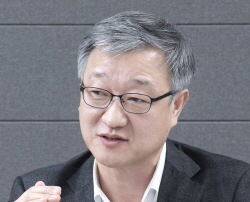
- Moon Hee-seok, CEO It is difficult to stop what is going well. Even more so if it is a company's business. Takeda sold its diabetes and over-the-counter (OTC) business to Celltrion, a domestic company, last year. Takeda's Actos is a TZD-family drug that persisted in the Avandia outbreak, while Whituben and Albothyl are famous OTCs that everyone knows, meaning they sold the products that symbolized the company. Takeda has carried out a total of four mergers and acquisitions: Millenium Pharmaceutical in 2008, Nycomed in 2012, ARIAD Pharmaceuticals in 2017, and Shire in 2018. Pipelines have been reinforced in the areas of anticancer drugs, rare diseases, and gastrointestinal diseases. The situation is rapidly keeping pace with the rapidly changing market environment. There were also difficulties. As a follow-up to the sale of the division, Takeda reduced the number of employees. Along with the labor-management conflict, items that used to be cash cows disappeared, resulting in a change in the sales structure. Dailypharm met Hee-Seok Moon (56 yrs old), CEO of Takeda Korea, who had been through an eventful year, and heard the story of the past and the future direction of the company. -There were many issues such as merger and sale. It feels like a completely different company over the years. Takeda was founded in 1781 and celebrated its 240th anniversary this year. It has been a traditional pharmaceutical company. However, since the early 2000s, we have tried to become a global company, and there have been many concerns. As a result of these concerns and efforts, the anticancer drug pipeline has been strengthened since the mid-2000s, and through the merger of Millenium Pharmaceutical and Shire, the company focused on specialty care. Takeda is trying to obtain approval for new products in the fields of anti-cancer, gastrointestinal diseases, rare diseases, nervous system diseases, and vaccines, which are key treatment fields. In the future, Takeda aims to achieve a sales volume of over ₩50 trillion by 2030, and has a pipeline that divides into products that are ready to be released within the next five years (Wave 1) and products scheduled to be released after that (Wave 2). -Although drastic change in business model is desirable and necessary to some extent, employment issues are a problem with this sale. Didn't the company actually suffer a lot from this? Currently, the sale and all circumstances resulting from it have ended. We considered what the best efforts would be for the employees who were inevitably forced to leave Takeda, and made efforts to provide maximum opportunities and support through continuous discussions with the headquarters. It looks like it's almost finished systematically, and as we have spent a difficult time together, we will continue to think about the future together. -Wave 1 and Wave 2 products were prepared. Do you have a keynote or strategy when introducing new drugs such as anticancer drugs or treatments for rare diseases? Product strategy is important from the early stages of development. Takeda Korea is also making efforts to include Korea in clinical research when developing new products. Takeda Development Center Asia, which oversees drug development in Asia, and TDC Asia are located in China, and recently hired a Korea Development Leader from TDC Asia. When a product included in Wave 1 is introduced in Korea, a staff member who is a doctor is working in Korea to know how to conduct clinical trials and to speed up the clinical process. It will be able to influence even more by belonging to TDC Asia. We are considering ways to help patients as quickly as possible before listed, such as the EAP (Early Access Program). -There seems to be a lot of worries about domestic insurance benefits. Is the government's conservative attitude toward Zejula's indication? In the case of anticancer drugs or rare diseases, the drug price is very expensive and accessibility is low, making it difficult. However, I think the accessibility of patients with anticancer drugs has improved a lot over the past two to three years through the registration. Nevertheless, it is unfortunate that the Cancer Disease Review Committee still seems to consider a lot of conservative and economic aspects. It would be better if looking at it in terms of more scientific evidence and patient accessibility. In the case of rare diseases, there is still a need for improvement in terms of patient accessibility compared to anticancer drugs. In many cases, it is difficult to compare with alternative drugs, and because the ICER value is also low, it is very difficult to prove by economic evaluation. The government is currently conservative on the drug exempt from economic evaluation track. -Do you have any experience in receiving orders for Korea Passing from the head office due to domestic drug prices? Takeda is fully aware that the domestic situation is not easy because it has a good understanding of the Korean market. We are operating so that we can set drug prices appropriate for the Korean situation. Due to the Chinese drug price reference system, it may be launched in China first, but the release has never been canceled.
- InterView
- “34 years in drug industry, but now as a law firm advisor"
- by Eo, Yun-Ho Jan 28, 2021 05:59am
- Advisor Kwon Jaehong A new advisor at Kang Han Law, Kwon Jaehong has 34 years of a long experience in the pharmaceutical industry. After joining JW Pharmaceutical sales department in 1998, Kwon moved to Bristol Myers Squibb (BMS) Korea in 1998 and was leading the Government Affairs and Market Access businesses until last August. But as he retired, he left the corporate boundary. And from this January, he wide opened the door to a law firm. While law firm recruiting a pharmaceutical industry specialist is becoming a latest trend, a global pharmaceutical company’s former government affair director joining a law firm holds a greater level of significance. Daily Pharm interviewed Advisor Kwon at Kang Han Law office in Seoul. “I do not think I would do ‘something groundbreaking.’ But I have been in the center of the communication among pharmaceutical company, government, patient group and healthcare providers for over two decades, which gave me a deeper insight on their perception gap and problem solving measures. Based on those experiences, I want to contemplate on what role I could play here.” Behind his humble words, there were prudence and aspiration. In fact, the law firm has a clear agenda in specifically recruiting him. It is quite different from recruiting a high-level government officer as an advisor from the Ministry of Health and Welfare (MOHW) and the Ministry of Food and Drug Safety (MFDS). These days, South Korean law firms are concentrating on offering a ‘total consulting service for drug pricing,’ covering drug approval, reimbursement application, pharmacoeconomic evaluation (PE) designing, risk sharing agreement (RSA) and PE exemption. Advisor Kwon’s expertise surely meets the need. When he was at BMS, he participated in the National Health Insurance (NHI) listing procedure for blockbuster new drugs. He led the talks on the NHI reimbursement listing and expansion on a blockbuster hepatitis B virus treatment Baraclude, a “super-Gleevec” Sprycel, and a novel oral anticoagulant Eliquis. Also he handled a blockbuster antiplatelet drug Plavix, a first-in-class oral hepatitis C virus treatment Daklinza-Sunvepra, and an immunotherapy Opdivo. As a representative from Korean Research-based Pharmaceutical Industry Association (KRPIA), he also participated in talks for major regulatory reform changes in reimbursement listing and drug pricing, such as introduction of positive listing, selective listing, RSA, PE exemption and lump-sum pricing reduction. “I don’t want to limit myself to pharmaceutical reimbursement listing. The regulations are ever changing. Projecting and preparing for prospective changes takes a vast part of pharmaceutical business. I could provide a help in the process and each phase of adapting to the change, and also I could set up blueprints for now my colleagues and fellow advisers to better understand the industry.” Technically, Kang Han Law is not a major law firm like Kim & Chang and Lee & Co. Also the firm does not even have a team entirely dedicated for healthcare. But as a law firm specialized in healthcare, it has been handling administrative law suit related to the healthcare authority regarding drug pricing. “As I would be working alongside with expert attorneys and advisors, I’m positive we would be able to create a synergy effect. The healthcare sector is directly related to patients, but its regulations are tight and often it finds various variables, which makes it quite interesting. I would do my best to strive for positive outcomes along with my competent colleagues.”
- InterView
- “PARP inhibitor as backbone in ovarian cancer treatment”
- by Eo, Yun-Ho Dec 09, 2020 10:54am
- Dr. Kim Byoung Gie (left) and Dr. Kim Jae Won Disease with limited treatment options tends to simplify the treatment pattern itself. But an emergence of a new treatment mechanism can open doors to various treatment strategies. A poly ADP-ribose polymerase (PARP) inhibitor is the new mechanism opening the new doors to the ovarian cancer treatment scene. PARP inhibitors that target BRCA gene like Lynparza (olaparib) and Zejula (niraparib) are indicated as a monotherapy for the maintenance treatment in patients with epithelial ovarian, fallopian tube, or primary peritoneal cancer who are in response (complete or partial) to first and second -line platinum-based chemotherapy, and also as a fourth-line monotherapy in patients, who have been treated with third and later-line chemotherapy. Beyond treating the BRCA mutation-positive patients, the medicine has expanded to a new biomarker like homologous repair deficiency (HRD). Especially, Zejula won an all-comer indication after proving its efficacy at all lines of treatments regardless of the gene mutation. Recently, a number of studies are confirming the effects of chemotherapy, Avastin (bevacizumab) and immunotherapy in combination with PARP inhibitor as a backbone. Daily Pharm interviewed Dr. Kim Byoung Gie, an obstetrics and gynecology professor at Samsung Medical Center and Dr. Kim Jae Won, an obstetrics and gynecology professor at Seoul National University Hospital about the current status of PARP inhibitor use and their future strategies in ovarian cancer treatment. -What does a PARP inhibitor mean in regards to the ovarian cancer treatment scene? Dr. Kim Byoung Gie Dr. Kim Byoung Gie (“KB:”): The search for a new treatment option in ovarian cancer has continued since two decades ago, but there was no noteworthy progress. But finding the PARP inhibitor for treating an ovarian cancer was the biggest breakthrough in last decade. While the existing standard of care Avastin for ovarian cancer is also effective in treating other types of cancer, PARP inhibitor has been actively conducting biomarker researches and entered the ovarian cancer treatment market as a result. Dr. Kim Jae Won (“KJ”): At a global gynecologic oncology society seminar a few years ago, we had a discussion on the “game changer” in ovarian cancer. I personally think the PARP inhibitor would be the game changer for ovarian cancer patients. Unlike before, the overall survival for the patients has been extended. -Other than BRCA gene mutation, PARP inhibitor also targets HRD as another biomarker. Please elaborate on the efficacy and value of HRD as a biomarker? KB: Based on the clinical findings so far, PARP inhibitor monotherapy demonstrates the best treatment effect in BRCA mutation-positive patients. The next in line is HRD group, where the medicine confirmed its effect through clinical studies. However, the problem was ‘how to define HRD?’ The BRCA mutation could be dichotomously divided into positive or negative mutation, but HRD is rather scaled by the level of severity. Therefore, the cut-off line for diagnosing the patients became crucial. No clear standard was set to determine score the severity of HRD that categorizes the patients. And as the standard could change depending on the PARP inhibitor and the line of treatment, more studies should follow in the future. KJ: I agree. It is great news that PARP inhibitor prescription can now cover both BRCA and HRD groups. But HRD diagnosis has to be developed further as it is not a clear dichotomy, but a spectrum. Then, does that mean there is no consensus on the clear cut-off line to define the HRD group at the moment? KB: There is a consensus agreed upon each drug. The PRIMA study on Zejula as a first-line treatment was conducted by dividing the patient group by the HRD cut-off score set at 42 points. Zejula’s efficacy was confirmed in all patients, regardless of biomarker, but the study divided the HRD group, because the prognosis has to be observed in different patient groups. Another PARP inhibitor candidate ‘veliparib’ by AbbVie has conducted a trial based on cut-off score of 33 points. Dr. Kim Jae Won -As mentioned just now, Zejula has an all-comer indication. But the South Korean government is conservative on granting the insurance benefit on BRCA or HRD-negative patients. Do you think the coverage should be provided for all types of ovarian cancer patients? KJ: With the launch of Zejula, a patient group who are homologous recombination proficient (HRp) can use a maintenance therapy, which can significantly raise the survival rate. And a first-line maintenance therapy and a second or later-line therapy showed a vast difference. Obviously, using the drug earlier boosts the survival rate. Personally, the first-line maintenance therapy should be covered with insurance for all patients, if possible.” JB: But the fairness among other types of cancer is important, and it would also require concrete evidence related to efficacy and survival rate. Currently listed for reimbursement in first-line therapy, Avastin’s overall survival (OS) evidence played a big role in the listing process. Zejula would also be able to receive the reimbursement, when the survival rate data is accumulated enough for all-comers. -In South Korea, Lynparza and Zejula can be prescribed as a first-line maintenance treatment. When there is a patient group with overlapping indications, how do you choose a drug? KJ: Zejula’s PRIMA study included more patients with advanced ovarian cancer. So I lean towards using Zejula more, when treating a patient in an advanced stage. And depending on the patients, I also take administration convenience into account. -The treatment scene has changed through the emergence of PARP inhibitor, and it would continue to evolve in the future. When there are more options to treat a disease, then naturally you would have to consider sequential treatment. KJ: While Avastin has evidence of the efficacy in a second-line treatment when relapsing after a first-line treatment, PARP inhibitors do not have such evidence, yet. It would be advisable to use PARP inhibitor in first-line maintenance treatment, and prescribing Avastin when relapsed. -It seems like PARP inhibitor would become a backbone substance in treating ovarian cancer. Is there a promising option with PARP inhibitor backbone in the future? KB: Currently, there are about four clinical trials in process to confirm combination therapies using PARP inhibitor as a backbone. Based on beyond biomarker testing, the clinical trials are seeking for mechanisms to treat patients without BRCA mutation more effectively, which would be integral studies for the prospective ovarian cancer treatment scene.
