
- LOGIN
- MemberShip
- 2026-07-22 07:43:56

- InterView
- Tremfya to bring generation shift in the IL inhibitor market
- by Jun 23, 2022 05:50am
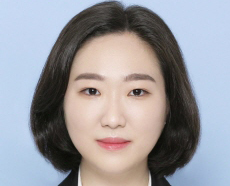
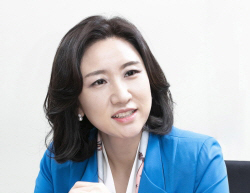
- The competition among latecomers is intensifying in the interleukin inhibitor market with the scope of their indications expanding to psoriatic arthritis. The leader in this market is Janssen’s IL-12/23 inhibitor, ‘Stelara (Ustekinumab).’ Although 10 years have passed since its approval, the drug still boasts a growth rate in the 30% range. Based on IQVIA, sales of Stelara recorded ₩36.1 billion last year. Janssen’s new goal in the market is to successfully make a generation change and replace Stelara with its follow-up drug, ‘Tremfya (guselkumab),' the first-in-class IL-23 inhibitor that was released in Korea in 2018. However, Tremfya is being challenged in the market by the second IL-23 inhibitor ‘Skyrizi (risankizumab)’ that entered the market. Therefore, making the successful generational shift from Stelara to Tremfya without losing any market share to other companies’ competitors is an important task at hand for Janssen. ▲ JungHyun Lee, Tremfya Marketing Manager at Janssen Korea Janssen Korea’s Tremfya Marketing Team has been working quickly to achieve this goal. The three members of the Tremfya Team at Janssen Korea have been focusing on conducting marketing activities for the psoriatic arthritis indication that was granted insurance benefits last month. In an interview with Dailypharm, Product Manager Jung-Hyun Lee, who had been in charge of Tremfya since it started preparations for marketing authorization at the end of 2016, said, “There are many treatments including Tremfya available for plaque psoriasis, and awareness on the availability of theses drugs have now increased significantly among psoriasis patients. Just as we have concentrated on marketing Tremfya in plaque psoriasis last year, we plan to concentrate on carrying out activities to make known the importance of early diagnosis and treatment in psoriatic arthritis this year.” Lee pointed to the low disease awareness of psoriatic arthritis as the reason for this year’s specific focus of interest. PM Hye-Ji Kang who newly joined the Tremfya Marketing Team this year, said, “It is important for patients with psoriasis to manage comorbidities such as psoriatic arthritis. Therefore, we need to raise awareness of psoriatic arthritis so that doctors and patients can suspect and allow for early diagnosis and treatment of their condition when joint pain occurs while maintaining skin symptom improvement in their course of treatment.” In addition to Tremfya, the IL-17 inhibitors Cosentyx (secukinumab) and Taltz (ixekizumab) are also approved for use in psoriatic arthritis. Also, Skyrizi added a psoriatic arthritis indication in January this year. Although Skyrizi is yet to be approved for reimbursement, Janssen may not rest assured as Abbvie is speeding up its reimbursement expansion process for Skyrizi. Ultimately, it is in the hands of Tremfya’s Marketing Team to highlight the characteristics of Tremfya that differentiate the drug from other IL-17 inhibitors, while appealing to the strengths of Tremfya compared to the other same class IL-23 inhibitor. Lee said, “Inhibiting radiographic progression of joint damage is considered the most important indicator in treating psoriatic arthritis because there is no way to reverse damage in the joints. Tremfya administered every 4 weeks has demonstrated statistically significant inhibition of radiographic progression of joint structural damage compared to placebo.” Lee added, “In over 70% of the cases, psoriasis skin symptoms appear before psoriatic arthritis, and as treatment effect in the main disease of psoriasis is most important until arthritis progresses, Tremfya’s long-term effect in maintaining skin clearance indicates how our drug brings greater treatment benefit than its competitors.” The lasting long-term effect of Tremfya that was mentioned by Lee was demonstrated through a 5-year long-term clinical trial and a 5-year real-world data on domestic patients, evidencing the differentiated benefit of Tremfya over the latecomers. Another positive aspect of Tremfya is that a survey on patients with severe psoriasis in the Asia-Pacific region including Korea showed that patients consider lasting, long-term effects as most important. ▲ Hye-JeeKang, Tremfya Marketing PM at Janssen KoreaAlso, the company had demonstrated the superiority of Tremfya through a head-to-head trial. Janssen’s ECLIPSE study that directly compared the efficacy between the first-in-class IL-23 inhibitor Tremfya and the IL-17 inhibitor Cosentyx showed that Tremfya’s mechanism of action allows for psoriasis lesions to not recur and provides long-lasting improvement of skin symptoms. Kang said, “Only Tremfya was found to maintain regulatory T cells that are involved in lesion recurrence and reduce the rise of resident memory T-cells. The trial was informative in understanding the different mechanisms of action between classes. Through such data, the IL-17 and IL-23 inhibitors are being differentiated in the field, and IL-23 inhibitors, as a higher level mechanism than IL-17 inhibitors, have provided convenience to the patients with their longer dosing interval.” Of course, opposing data also exists. Novartis’ ARROW trial is one example. However, no statistically significant difference was found in the proportion of patients that achieved a “clear” or “almost clear” status of the target plaques at Week 16, which was the primary outcome measure of the trial. Kang explained, “Results from the ARROW trial show no statistical difference between the two drugs, therefore, it is difficult to say there is a difference between the two drugs based on that data. Also, the study was conducted on only 40 patients in the short term of 16 weeks, different from the large-scale ECLIPSE trial that was conducted for one year on 1,048 patients.” On how the drug is different from Skyrizi, a same-class drug, the marketing team pointed out that Tremfya is the only ‘fully human monoclonal antibody.’ In antibody drugs, reducing immunogenicity by minimizing the sequence of other species such as mice is important as it can cause side effects and reduce the efficacy of a drug. If the humanized monoclonal antibody Skyrizi has nearly a 90% human-generated nucleotide sequence, Tremfya has a 100% human-generated nucleotide sequence. Lee also added that the team will continue to strengthen Tremfya’s status in the market through the provision of various customized data. Lee said, “With most drugs now being able to provide clear skin, the needs of the patients and medical are becoming more specific and subdivided. Some wish for the occasional lesions or itching to go away after skin clearance, others wish to get rid of the pigmentation left after treatment. We will work to provide customized data to fit the needs of these patients.”
- InterView
- “Roche reborn through customer-centric reorganization”
- by Eo, Yun-Ho Jun 21, 2022 05:54am
- Nic Horridge, General Manager of Roche Korea Multinational pharmaceutical companies are known to endlessly pursue change. In addition to active acquisitions, mergers, and spin-offs, the companies boldly reduce and expand their many originations in line with the new drug development trend, and show no hesitation in consolidating or reorganizing departments. Their endless evolution for efficiency and survival continues on even now. The same goes for Roche. Roche, which used to hold a strong image as a company specializing in anticancer drugs, have continued to maintain its strength in that area while expanding its interest to other diseases. The company released ‘Xofluza,’ a follow-up of its antiviral ‘Tamiflu,’ and is also spurring up the development of its new Alzheimer's treatment in CNS. The company had also undergone great change in the organization as well. The company had promoted ‘"agile transformation" at the global level to improve flexibility and responsibility as an organization. Unlike conventional organizations where employees are assigned specific products, at Roche, employees are assigned to each disease-specific indication. Roche Korea also joined in this transformative journey in 2018. In the process, quite a few issues in personnel adjustments and departures arose. General Manager Nic Horridge, who has been running Roche Korea for 4 years since being appointed GM in October 2018, has led this transformation in Roche Korea. Dailypharm met with Nic Horridge to hear about the transformations made and those to come for Roche Korea in the future. -Two years have passed since the company decided to undergo an agile transformation. What are the advantages of agile transformation? Agile transformation is an innovation that is being pursued at the global level to transform our organizational culture. In line with the rapidly changing healthcare technology, medical environment, and the exponential increase in information, Roche’s portfolio has continuously evolved and entered new treatment areas. The company had determined it would be difficult for Roche to achieve its goal of bringing the best results faster to our patients with the existing ways of business and operation model and decided to pursue agile transformation. We now have teams organized according to the treatment area or patient group to identify the practical needs necessary for each patient’s treatment journey and make optimal decisions. In the past, we had unmet needs in rapidly identifying how diagnoses and treatments were being made in areas unfamiliar to Roche, such as Alzheimer’s and Ophthalmology, but this organizational evolution now allows each team to rapidly identify, understand and strategize what’s needed. -The transformation process would not have been easy. How did the employees and executives at Roche Korea receive the change? We have now passed the adaptation period, and our efforts are now coming to fruition. The autonomous decision-making system was one thing that many employees and executives had first found difficult, as each employee, as his/her own leader, was required to contemplate and find an answer on 'what role he/she should play to bring value to the domestic medical ecosystem?’ Some employees have decided to part ways with the company in the process. I consider this positive as these former Roche employees continue to contribute to the development of the healthcare industry in their respective positions. At the time, we had candid discussions with the employees who believed the new business model was not right for them, and some had decided to seek new opportunities. In the process, younger employees were given the opportunity to take on a leadership role in the company, and this gave rise to fresh and new perspectives that could help achieve Roche's vision. The ideas were successfully incorporated into the organization. --Roche is developing ‘gantenerumab’ as a treatment for Alzheimer’s disease. Many other companies that have jumped into the scene are struggling, such as in the case of Aduhelm. What is your opinion on this? Roche’s gantenerumab is an anti-amyloid-beta monoclonal antibody that reduces brain amyloid plaques, which are known to induce brain cell death, to improve symptoms of Alzheimer’s disease. Its Phase III trial results are expected to come up in the second half of the year, and we are confident that we would be able to see good results. Also, in treating Alzheimer’s, Roche believes early detection of the disease is as important as new drug development. If a patient is prescribed treatment after his or her symptoms have progressed to a certain extent, the brain damage that has already occurred will most likely not be regenerated. Assuming that gantenerumab's clinical findings are successful, we believe that Roche’s approach of early detection and treatment will provide patients with an invaluable solution. -You served 4 years as the head of Roche Korea. What is your impression of the Korean healthcare ecosystem? I am pleased to have been awarded this opportunity to promote various changes in Roche Korea for the past 4 years. Due to the unprecedented crisis brought on by the pandemic, we have undergone many changes in our daily life and work, but I believe the Korean government showed excellent leadership in the containing COVID-19, and that Korea has received less damage than neighboring countries. This was very impressive. Statistics show that Korea’s accessibility to new drugs is 35%, which is significantly lower than other countries such as the US (87%), the UK (59%), and Japan (51%). Also, it takes an average of 601 days to reimburse listing, and new drugs account for only around 20% of the pharmaceutical expenditures spent in NHI finances. This is far below average in other OECD countries. I believe there would be a way to increase access to innovative drugs without significantly increasing the overall drug expenditure without affecting national finances. Roche will do its best to support the government in fulfilling its pledge on relevant tasks.
- InterView
- Otrivin package made user-friendly for pharmacist & patient
- by Eo, Yun-Ho Jun 13, 2022 05:55am
- Yewon Moon, Brand Manager, GSK Consumer Healthcare One strong perception of allergic rhinitis is that its symptoms worsen during the change of seasons and then decrease in summer. However, the large temperature difference between indoors and outdoors in summer due to excessive operation of air conditioners can dry out the mucous membranes and further weaken the immune system. Topical decongestant nasal sprays are one of the most popular products sought by customers due to rapid symptom relief. The spray constricts the blood vessels in the nasal mucosa to relieve symptoms of nasal obstruction to offer faster symptom relief than oral formulations and is effective in those who experience severe nasal congestion. However, people are reluctant to use the spray formulation due to the risk of side effects that can occur if users do not follow the correct method of its use. One well known side effect is rhinitis medicamentosa, or rebound congestion, which worsens the dryness in the nose and rhinitis. For its proper use, topical decongestant nasal sprays should not be used more than 3 times a day (up to 2 times a day for oxymetazoline products) and should not be used for more than a week at a time in adult patients. Also, a recovery period is required after its use for one week in a row. GSK Consumer Healthcare Korea announced a package renewal plan for its leading nasal decongestant ‘Otrivin.’ Dailpharm met with Yewon Moon, Brand Manager at GSK Consumer Healthcare who has been working to deliver the correct method of use of nasal decongestants. -Otrivin’s logo and the package have been renewed after 3 years. Its strong visual consistency seems to be one of its leading features. Could you introduce the changes? We used intuitive icons and vivid colors in the design. Consumers can easily locate Otrivin thanks to the ‘BlueRing’ design, and the package is structured to provide easier and quicker understanding of the product's efficacy and effect. Consumers would want to quickly find and purchase the product they need to relieve their nasal congestion. Therefore, we focused foremost on how to improve the convenience of purchase for our consumers in our package renewal. -What design element did you focus most on?? Of course, we considered each and every element in the process of renewing the package with a particular focus on the front design. The BlueRing design in the front allows consumers and pharmacists to quickly locate the Otrivin brand. The key focus of the renewal had been on clearly conveying the effects of each product. -What did consumers respond best to in the consumer testing process? Global test results showed that the consumers’ purchase intent increased because the new package provided a clearer understanding of each product’s effect. Brand search rate has also increased, and the modern design of the package contributed to increasing the positive image of the product. -I believe the new package will be useful not only for the consumers who purchase the product but on the pharmacy’s part as well. How will pharmacies and pharmacists benefit from the renewed package? As the design change allows for clearer delivery of the effect of each product, I believe this would help pharmacists conduct easier medication counseling on which Otrivin should be used according to each patient’s age and symptom. -When will it be released in Korea? Where can we find the renewed version? The period of each product’s release may differ somewhat, but we are preparing so that the renewed Otrivin 0.05% Pediatric, Otrivin Menthol 0.1%, Otrivin Baby Natural, and our newest product ‘Otrivin S’ can be found at pharmacies in Korea within the second quarter of this year. For your reference, the package design renewal is being made as a global project, but the period of renewal in each country will be conducted sequentially, subject to each country’s situation. -Do you have any other plans on providing support for pharmacies other than changing the package, with posters, etc.? We plan to improve access to Otrivin within pharmacies with the new package design during the change of seasons when an increasing number of consumers seek nasal decongestants. With the colors more easily discernable than in the past, the new Otrivin package will aid consumers in selecting the product they need and stand out from other products on display at pharmacies. Even when it is behind counters, pharmacists will be able to save the time that they had previously wasted looking for Otrivin due to the easily identifiable package. Also, we are preparing communication with pharmacies to facilitate smoother medication counseling on Otrivin for consumers at pharmacies.
- InterView
- “Allowing safe use of JAK inhibitors over restrictions"
- by Eo, Yun-Ho May 26, 2022 05:56am
- Professor Ki-Jo Kim Nowadays, safety is as important as a drug’s efficacy. In particular, reaffirming the safety of drugs that require long-term administration post-approval is essential. JAK inhibitors, which have entered the market as an oral option to treat various autoimmune diseases such as rheumatoid arthritis and ankylosing spondylitis, have been embroiled in controversy since last year. In 2021, the US FDA had warned of increased risk of cardiovascular events and cancer on the use of Jak inhibitors, and the MFDS also issued a Dear Healthcare Professional Letter on the issue. In the end, the FDA decided to include the increased risk of major heart-related events, thrombosis, and death in the black box warnings. The risk is undoubtedly an issue that cannot be overlooked. The risk of cardiovascular disease is a common issue that tags all treatments used for chronic diseases, but more accurate judgment on this risk is needed for JAK inhibitors as some patients do certainly benefit from its use. Also, various factors including age and race need to be investigated. On this, Ki-Jo Kim, Professor of Rheumatology at Catholic University St. Vincent Hospital, lectured on the ‘'Management of Rheumatoid Arthritis considering Safety” at the KCR 2022 (the 42nd Korean College of Rheumatology Annual Scientific Meeting and the 16th International Symposium) that was held from the 19th to 21st. Dailypharm met with Professor Kim to hear about the efficacy and safety of JAK inhibitors. -Could you tell us about your lecture? When first introduced, JAK inhibitors opened a new paradigm in the treatment of rheumatoid arthritis. Its safety issue had risen last year with the announcement of the Oral Surveillance study results that showed that JAK inhibitors may increase the risk of some cardiovascular disease and cancer. This prompted a fierce debate in academic societies in the US, Europe, and Korea. I have reviewed and reevaluated relevant data, studied how to read the results and interpret the studies that followed, and investigated whether different JAK inhibitors showed different results for the presentation. -What was your conclusion? When looking into the ORAL Surveillance results in detail, data showed that the JAK inhibitors had a slightly higher risk of developing cardiovascular disease and cancer compared to TNF inhibitors. But in detail, even this slight difference was limited to North American patients aged 65 or older. Also, supplementary data in the paper showed that a higher proportion of North American patients in the study had a high risk of developing cardiovascular disease, due to factors such as being over 65 years of age, obesity, high blood pressure, diabetes, and various drugs intake, etc. In this sense, the high-risk patients in the North American patient group may have driven such results. The real-world data that followed studied all patients with rheumatoid arthritis. No difference was found in these patients, and there was no difference when patients aged 50 or older that had 1 risk of cardiovascular disease were extracted and investigated as in the ORAL Surveillance study. A tendency was there, but with no statistically significant difference. When considering these factors, the ORAL Surveillance study data may have shown a larger difference due to its various limitations and regional variations. .The FDA seems to be quite strict in monitoring the risk of cardiovascular events .I understand that it is that much of a serious issue, but also suspect the decision made for JAK inhibitors had been somewhat influenced by this tendency. I agree to a certain extent .Moreover, due to the recent COVID-19 pandemic and the rapid introduction of vaccines, many patients seem to have become more sensitive about safety, not only for the vaccines but for all drugs in general .This may be why the FDA made such preemptive measures based on just one study result .-The rising concern is that due to the issue, authorities may limit the prescription of JAK inhibitors to ‘patients that are unable to use Anti-TNF therapies.’ What is your opinion on this? It’s a shame .JAK inhibitors have the advantage of being an oral formulation .There is stress in receiving regular shots, especially in the case of intravenous agents .There are patients who clearly show an effect when prescribed JAK inhibitors .It’s not that the anti-TNF therapies are lacking in effect, it’s just about what better fits the patient .Some patients who seem fine and are well controlling their inflammations but complain of pain or bad conditions were relieved of their inconveniences with JAK inhibitors .All drugs have adverse reactions that are identified with the use in their respective indications .We carefully examine these to select an appropriate drug for each patient .I believe it is better to let the doctors in the field use their discretion for the safe use of JAK inhibitors rather than impose regulations and restrict its use to the second-line.
- InterView
- We are making all efforts to reimburse ‘Vyndamax’
- by Eo, Yun-Ho Apr 21, 2022 06:03am
- 김희정 전무 Rare disease patients suffer more due to the 'rarity' of their condition. Due to the small number of affected patients, even drugs that are already available cannot be easily listed for reimbursement due to difficulty in demonstrating cost-effectiveness or predicting their fiscal impact on the NHI budget. Rare diseases are diseases that affect fewer than 20,000 people or those for which the number of affected patients cannot be estimated due to difficulties in diagnosis. As rare diseases are difficult to diagnose and treat and have a significant impact on the life expectancy of the patients, it is imperative to ensure patient access to the treatments. However, due to the small number of affected patients, initiating clinical trials for such treatments in itself is quite difficult. In this context, Pfizer's Rare Disease Busines Unit has been currently exerting all its efforts to list its ‘Vyndamax (tafamidis 61mg),’ a treatment for ATTR-CM (ATTR amyloidosis with cardiomyopathy) for reimbursement in Korea. However, the process has not been so smooth. The company has already failed twice and is now making its third attempt at reimbursing the drug. Dailypharm met with Hee-Jeong Kim, Rare Disease Lead of Pfizer Korea to hear about the company’s position and state of affairs. -In Korea, it is not an exaggeration to say that reimbursement determines the success or failure of a new drug. As much as the government provides good coverage for the reimbursed drugs, this also makes it more difficult for drugs to be listed for reimbursement. Have you felt this while leading the Rare Disease BU at Pfizer? Korea’s strength is in its coverage (range of coverage). Patients in Korea can receive broader benefits in the course of their treatment due to Korea’s consistent policy and predictable supply under the single-payer system, once the drug is listed. Other markets abroad operate under various schemes. Access to new drugs is a little more difficult in Asia than in other regions. In Europe, new drugs are introduced at a relatively faster rate. In Spain, separate funding is operated for each region, and in the UK, the NHS has allocated alternative funding schemes for necessary drugs. The prompt introduction of new drugs is indeed difficult in Korea due to the wide scope of use of NHI finances from the patient’s perspective. The advantages of the single-payer system that I mentioned previously are partially offset by the strict standards set for new drugs. -This is the third attempt at reimbursement for ‘Vyndamax.’ It seems that the company’s determination will be as important as the government's will in obtaining the reimbursement approval. What efforts have Pfizer been making for the reimbursement?’ All employees at Pfizer Rare Disease have a strong desire to deliver the value of Vyndamax’ to patients in Korea. We plan to continue making attempts through various tracks available in Korea. ATTR-CM is a rare disease that lacks studies and trials to identify the exact prevalence of the condition itself. We fully understand the government’s concerns regarding this ambiguity and have continuously been in discussions with our head office to prepare an innovative risk-sharing plan as requested by the government. However, the agenda has not even passed the Drug Reimbursement Standard Subcommittee, therefore, we are not at the stage to discuss the risk-sharing plan being prepared by the company. We did not expect the drug to fail at setting the reimbursement standard stage so many times, therefore, our prime focus is on passing the Drug Reimbursement Standard Subcommittee this time. We will continue exerting our utmost effort at every stage that follows. -What about collaboration with academic societies and patient groups? The academic societies and patients groups recognize the need for the prompt reimbursement of ‘Vyndamax’ and have expressed their opinion to the government several times. Due to the small number of affected patients, it takes a significant time for HCPs to accumulate the expertise required. The Rare Disease BU cannot exist if the company only considers performance and numbers. In this perspective, having a sense of mission seems to be more important in our line of work. Our drug is necessary for further diagnosis of rare diseases, and we are sorry that there is no treatment currently available for use for HCPs and patients in Korea after the patients are diagnosed with ATTR-CM.
- InterView
- "Will make R&D partnerships, introduce new drugs in Korea"
- by Apr 14, 2022 05:56am
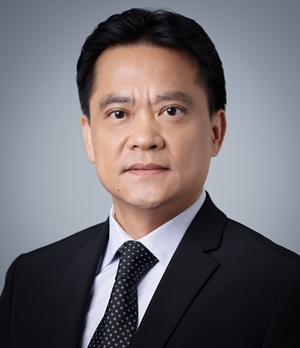
- The China Shanghai-based Antengene has started its activities in earnest in the domestic pharmaceutical market. Marking its start with Xpovio (selinexor), a blood cancer drug that was approved in July last year, the company aims to introduce more new drugs in cancers with high unmet needs. Antengene is an anticancer drug developer that has received investments from global pharmaceutical companies, including BMS. Its founder and CEO Jay Mei, has extensive experience in the field, working at the National Cancer Institute as well as various global pharmaceutical companies including Johnson & Johnson, Novartis, and Celgene, where he led global clinical trial programs. Based on this experience, the CEO founded Antengene, with its key focus of interest in blood cancer. Antengene is one of the few Chinese biotechs that have entered Korea. The company decided to enter Korea as it considers the country an important base in the Asia-Pacific region. The company is also actively engaged in open innovation with bio companies in Korea. It is currently conducting joint research with LegoChem Bio. Through such efforts, Antengene aims to address the unmet medical needs in the Asia-Pacific region, and further expand into a global company. At a virtual interview with Dailypharm on the 14th, CEO Mei (57) said, “We had decided early on that we would need to enter Korea as the country owns a top-class healthcare system, a solid infrastructure for clinical trials, and has a good environment for R&D. We plan to continue expanding our business through joint research in partnership with various Korean companies including Lego ChemBio.” The following is the QA with Antengene’s CEO Jay Mei. Jay Mei, CEO of Antengene-You chose selinexor, an oral anticancer drug you brought in from Karyopharm as the first product for commercialization in Korea. What do you think of selinexor’s vision? =Selinexor was approved as a treatment for multiple myeloma (MM) and diffuse large B-cell lymphoma (DLBCL) treatment by the FDA in July 2019. The drug has been also approved for the two indications in Korea in July last year. Selinexor is an oral selective inhibitor of nuclear export (SINE) that can be used in combination and as monotherapy. We are conducting trials in other blood cancers such as myelofibrosis and acute myeloid leukemia, and are investigating its use in T cell or NK cell-related lymphoma as well. WE plan to continue expanding selinexor’s indication in consideration of its scalability. -What is your key platform technology and pipeline? =Antengene has opted for a two-track approach in which the company seeks growth through partnership-based technology introductions and the development of original pipelines. In addition to Karyopharm, we have made partnership agreements with AstraZeneca, Celgene, and LegoChem Bio. For individual development, our scientists are developing new drugs by investigating new targets. We have a total of 15 progress in progress ranging from non-clinical trials to Phase III trials that are investigating small-molecule drugs, monoclonal antibody therapies, bispecific antibody drugs, ADCs, etc. The trials are underway in Asia and the United States, as well as in Japan and Europe. -What other product do you have in plan to commercialize following selinexor? =We are developing a new drug substance that has the same XP01 inhibiting mechanism of action as selinexor. We are conducting various clinical trials with Karyopharm for the drug, eltanexor (code name ATG016). The target indication is the high-risk group with myelodysplastic syndrome, and a global clinical trial currently in progress is a pivotal clinical trial prepared to be used as the basis for approval reviews. Also, Antengene is developing 6 other new drug candidates for commercialization. First, ‘ATG008' is a new drug candidate that can be used with mTOR inhibitors for the treatment of cervical cancer. The company plans to conduct a global trial if the ongoing clinical trial brings positive results. Also, a clinical trial for a PD-1-based bispecific antibody ‘ATG101' is underway in Australia for patients who cannot see a further effect from existing PD-(L) 1-based immunotherapies. Within the company, ATG101 is considered a unique substance that has the potential to become a ‘best-in-class’ drug. -What is the background on your partnership with LegoChem Bio in Korea? What is your prospect for ADC treatments? = 'ATG022' that we have in our pipeline is an ADC-based treatment that targets claudin-1. Claudin is quite often found in gastric cancer. Antengene is deeply interested in cancers with high prevalence in Asia like gastric cancer and has taken an interest in next-generation ADCs while developing ADCs. In our search for companies with new innovative technology for developing anticancer substances to conjugate with ADC platforms such as linkers or payloads, we came across LegoChem Bio. We believe LegoChem Bio owns a unique technology and strong potential for next-gen ADC development. Both companies have been searching intently for a new candidate substance after signing the partnership. -In addition to Antengene, the global entry of China-based biotechs and their collaboration with big pharmas have been increasing recently. What do you make of this trend? = Despite the remarkable economic development the region had made over the past 30 years, the unmet medical need in the Asian region is still relatively high. Just in the fields of multiple myeloma and lymphoma that Antengene frequently monitors, only half of the drugs approved in the Western countries are approved in Asia. As such, there are still many areas where patient accessibility needs to be increased. Thanks to the development of the economy and healthcare systems, the talent pool is rapidly increasing in Asia as well. As more and more Asian talents with graduate degrees or higher in biology, chemistry, and medicine enter society, there is now an abundant opportunity for Asia-based biopharmaceutical companies to utilize these talents. We believe that these environmental changes played a part in increasing collaboration opportunities for Asian-based biotech companies that have not entered the global market before. The entry of these companies will provide benefit the global patients by developing new drugs based on new technologies and medical knowledge. If European and American companies had fared well in the past 50 or 60 years, I think it is not time for Asian-based companies, including Korea, to play this role now. I think now is the right time to go global. -Many Korean biotechs are also seeking to enter the global market. However, the companies have trouble communicating with the FDA and designing the clinical trial protocols. As a biotech that has commercialized various products, what know-how do you have to share with the Korean companies? =To become a successful bio-company, the company should first own a competitive product or candidate substance. Next is talent. The company needs to recruit a lot of talented people who have global vision and experience, a deep cultural understanding of various countries and can work smoothly as a team with people from other cultures. In the case of our company, we had set the global strategy to expand into Asian countries including Korea, then to go global from the early stages of establishment. So we thought securing the two factors mentioned above was of utmost importance. In particular, as pharmaceuticals are one of the most highly regulated industries, collaboration with regulatory authorities is very important. Also, we have put in a lot of effort to secure a talented workforce that owns such job competencies. Also, finding a reliable local partner can be helpful if you don’t have enough time to set up a solid team in each market. Finding a good partner is as important as securing good talent in-house. This is why we have established partnerships with various companies including Karyopharm, AstraZeneca, Celgene, and LegoChem Bio. -Your Korean branch celebrated its 1st anniversary this year. What other activities do you have in plan for the Korean branch as well as other countries? = Antengene has established subsidiaries in Korea, China, Australia, Singapore, Hong Kong, Taiwan, and the United States, and is aiming to continue expanding in the future in terms of expanding pipelines and talent pools in addition to geographic areas. Currently, Antengene is positioning itself as an 'Asia+' company, and our urgent mission is to meet the unmet medical needs in many Asian countries. Selinexor has been approved in for this purpose in Korea, Australia, Singapore, and China, and is scheduled to be approved in Taiwan and Hong Kong within the year. The second step is to broaden the partnership with the self-developed substances to advance and become a truly global company. I first visited Korea while serving as head of a global clinical program at Novartis, and was also able to broaden my business understanding of Asian counties at Celgene. Building on my experiences, I am determined to drive Antengene's strong growth and expand its businesses in Asia.

- InterView
- Era of ₩30 bil novel homegrown drug Suganon begins now
- by Feb 03, 2022 05:57am
- Annual sales of the 26th homegrown new drug ‘Suganon (evogliptin)’ family that was developed by Dong-A ST has reached ₩30 billion 5 years into its release. During an interview with Dailypharm, Sung-Woo Lee, the GPM who oversees the marketing of Suganon, said, “Market share of Suganon has been steadily increasing due to its superior efficacy data, such as its strong effect in lowering blood sugar levels and its stable maintenance of glycemic variability, as well as efforts to improve convenience in intake. With our product line-up, expanded indication, and active efforts to expand to the overseas market, we will continue to grow our homegrown new drug.” ◆Last latecomer Suganon makes a winning bid with ‘evidence’ Sungwoo Lee, Suganon GPM at Dong-A ST The DPP-4 inhibitor Suganon had not always been such a success. When the drug was released in March 2016, the DPP-4 inhibitor market was full of fierce competition with products from both multinational and domestic companies. MSD’s Januvia had been raising ₩140 billion in outpatient prescriptions in collaboration with Chong Kun Dang. Trajenta, which has been copromoted by Boehringer Ingelheim and Yuhan Corp had also raised ₩100 billion, and LG Chem’s individually developed Zemiglo raised ₩50 billion. In other words, it was already a difficult environment for a latecomer drug like Suganon to penetrate. After GPM Lee took charge of marketing Suganon in 2019, he had earnestly sought measures to differentiate the product from the other products. As a result, Suganon’s stronger blood sugar level lowering effect among DPP-4 inhibitors was emphasized and reaffirmed through the EVERGREEN clinical trial. Lee said, “Suganon’s sales increased after the drug’s differentiated effect was published in the SCI paper ‘DOM,’ in which the drug demonstrated a strong blood sugar level lowering effect and evidence with a new index, glycemic variability. Last year, the combination drug ‘Sugamet’ that contains both Suganon and metformin drove Suganon’s sales growth. Dong-A ST used metformin to reduce the tablet size of Sugamet twice. Last year, Sugamet recorded the highest growth among the 21 DPP-4 inhibitor products, with a 39.7% growth in sales. Lee said, “Suganon’s market share, which was the lowest among 9 DPP-4 inhibitors by 2018, rose to exceed 5% for the first time last year due to accumulated clinical data and its improved convenience in administration. ◆Suagnon increases domestic market share and heads out globally However, the company is not stopping there and is aiming higher. First of all, the company is expanding the Suganon lineup in line with the current trend in diabetes treatment. The new combination Dong-A ST had been working on since 3 years ago is a combination of Suganon and an SGLT-2 inhibitor ‘dapagliflozin (product name: Forxiga).’ With the need to introduce a new combination drug, the company had started clinical trials in full scale. Among DPP-4+SGLT-2 combination drugs, Boehringer Ingelheim’s ‘Esglito,’ MSD’s ‘Stegluzan,’ AstraZeneca’s ‘Qtern’ were approved, but none are being prescribed in earnest yet due to reimbursement issues. However, as the insurance authorities are discussing accepting the ‘class effect’ of SGLT-2 inhibitor combinations, the industry is looking forward to future changes in the environment. Dong-A ST is also in the midst of clinical for its DPP-4+SGLT-2 combination with the goal of launching the drug in the second half of next year. Dong-A ST has also started a global clinical trial for the calcific aortic valve disease indication. Dong-A ST will be conducting a Phase II/III trial led by Rednvia, which was jointly established by Dong-A ST and Bionvia. Lee explained, “We had confirmed Suganon’s strong effect in calcific aortic valve disease in animal models in the Phase II trial, and started Phase II/III clinical trials at various medical institutions including the Mayo clinic that will be completed by 2025. As 3% to 25% of patients over 65 are estimated to have the condition in North America, we believed it has high marketability for the indication there.” The Suganon family is recording active sales overseas as well. Starting in Indica in 2019, Suganon was also released in Russia, Brazil, and Argentina. The company is preparing to release Suganon in many other Latin American countries this year.
- InterView
- There shouldn't be any patients who can't receive new drugs
- by Eo, Yun-Ho Jan 05, 2022 05:59am
- Global pharmaceutical companies, which can be said to be the mainstay of the supply of new drugs. The KRPIA, which represents these companies, is also raising expectations in 2022. Multinational pharmaceutical companies' attention is more focused on the "appropriate value of new drugs" than ever before. With the advent of the so-called "high-priced drug era," it is becoming increasingly difficult to find a point of contact between the government and the pharmaceutical industry. There are still many discussions and suggestions regarding the drug price system, such as expanding the scope of application of the PE system, introducing pre-registration & post-evaluation, and adding drugs subject to negotiation and calculation. Dailypharm met with Lee Young-shin (64 yrs old), a full-time vice chairman of KRPIA, and heard about KRPIA's future plans for a period of expectation and transformation. -The regime will change in 2022. What is there to ask for a new government? Vice Chairman Lee Youngshin = In the new government, it is hoped that patients will not be able to receive treatment or health insurance coverage for severe disease treatments due to low income. In other words, it is expected that policies will be prepared and implemented so that there are no patients who are alienated and discriminated against from necessary treatments due to income and disease. The government is expanding its role as a global leader and has announced several plans to become a biopharmaceutical industry powerhouse. This seems to have originated from the belief that economic scale, public awareness, and potential technology have aspects of advanced countries. In order to become a biopharmaceutical powerhouse, one must not stay in "vaccine sovereignty" but have "new drug sovereignty," and sovereignty is being created. From a global perspective, Eco-systems and infrastructure in the pharmaceutical industry should be established, and open innovation should be established with an open mind. - What is the current issue or vision that the KRPIA wants to focus on the most this year? = In the new year, the KRPIA will also make efforts to help the pharmaceutical bio-industry take responsibility for public health and contribute to economic development. First of all, new drugs with new therapeutic paradigms such as state-of-the-art biopharmaceuticals are being released. We will actively participate in the improvement of policies and systems related to drugs and new drugs that allow domestic patients to access quickly, and promote the improvement of patients' access to new drugs as a top priority. - Then, what do you think was the biggest achievement of the KRPIA last year? = In the face of COVID-19 Pandemic, which is suffering worldwide, it was rewarding to secure the stability of the supply of imported medicines as a measure for the health rights of the people. The expected issues were identified in advance, discussions with regulators, and alternatives were presented, and continued to cooperate. As a result, it was able to receive active government support, such as replacing document screening of overseas surveys, utilizing online due diligence, allowing electronic documents, and activating counseling through video conferences, and stably supplying medicines without major problems. It is also proud that the COVID-19 vaccine developed by our member company contributed to the quarantine. What was the most regrettable issue as an association last year? = Last year, there was great progress and improvement in the regulatory environment to quickly develop and introduce COVID-19 vaccines and treatments, and we appreciate the government's efforts to do so. It is necessary for the government and industry to proactively prepare and discuss after post-Corona to prepare for the introduction of products due to the development of new technologies, patient access to new treatments, and electronic product manuals that can quickly provide the latest drug information. I hope there will be a lot of progress this year, and the association will continue to make efforts. - When talking about the contribution of multinational pharmaceutical companies to Korea, it is true that the investment of research funds in Korea was focused on phase 3 research. Is there a plan for basic research support? = According to the results of the annual R&D survey conducted by the Association on member companies, the growth rate of phase 1 and phase 2 corresponding to the initial clinical trial has recently increased significantly compared to the growth rate of phase 3. I know that many member companies are actively cooperating in various forms with domestic research institutes, schools, and bio-ventures to support basic research. However, since basic research is in the very early stages of research and development, the contents and progress cannot be disclosed.
- InterView
- Ibrance can be used regardless of underlying condition in BC
- by Dec 24, 2021 05:48am
- It has been 5 years since Pfizer’s breast cancer treatment ‘Ibrance (Palbociclib)’ was introduced to the Korean market. As the first cyclin-dependent kinase 4/6 (CDF 4/6) inhibitor, the drug had innovated the treatment paradigm for patients with metastatic and recurrent hormone receptor-positive (HR-positive) and human epidermal growth factor receptor 2-negative (HER2-negative) breast cancer. With 5 years' worth of accumulated data, Ibrance has settled in as a trusted and reliable drug for doctors. In particular, Ibrance is considered the ‘go-to drug’ for those who have underlying conditions or have side effect concerns. At a meeting with Dailypharm, Kyong-Hwa Park, Professor of Oncology and Hematology at Korea University Medical Center, said that “Ibrance is suitable for use in patients who have poor liver conditions, the elderly, and those with poor kidney functions as it demonstrated long-lasting effect with little side effects in the field. Detailed QA of Dailypharm’s interview with Professor Park is listed below. Professor Kyong-Hwa Park -What has the diagnostic status been like for breast cancer in Korea recently? =The number of breast cancer patients has increased greatly recently. Korea’s prevalence rate of breast cancer had surpassed Japan and is now ranked highest in Asia. One silver lining is that the long-term survival rate of Korean patients is very good. Although there are some drugs that are not reimbursed, Korea’s breast cancer treatment environment in terms of treatment, medical service, and accessibility is quite good. - After Ibrance, other CDK4/6 inhibitors have also been started to enter the market. Nevertheless, Ibrance seems to be considered as the drug that can be stably used due to the immense amount of accumulated data and prescription experience. = That is true. Ibrance is the first CDK4/6 inhibitor that was approved in Korea and owns the most amount of long-term data as well as clinical experience. This is why it is a good choice for patients with various concerns. For example, patients who are at risk of side effects due to underlying diseases, old age, etc, may require a period of adaptation when using a drug or take various medications. It would be difficult for the doctor to opt for other CDK4/6 inhibitors in these cases. - Ibrance demonstrated consistent efficacy in patients with underlying diseases in clinical trials. Were you also able to observe this in the field? = A more diverse range of patients always exist in the real world. Some patients are very old, there are those who have poor kidney function, those with bad heart function, and even liver cirrhosis. The number of patients with such underlying conditions increase immensely if we add those who have diabetes or high blood pressure. All of these patients may use Ibrance. For example, I have a patient who has rheumatoid arthritis. She had a fatty liver due to long-term use of rheumatoid arthritis drugs. By using Ibrance with liver condition management, the patient is currently on Ibrance for 4 years with stable liver function. The drug can also be stably used in patients with bad kidney function as well. Also, in Korea, there are patients who have bad liver due to hepatitis B or C. In these patients, we first use the drug and then adjust the dose if they develop leukopenia/neutropenia or thrombocytopenia. - A total of 3 CDK4/6 inhibitors including Verzenio, Kisqali, and Ibrance are available in the market. What other considerations do you make other than the patient’s underlying condition when selecting the kind of CDK 4/6 inhibitor for use? = ECG monitoring is required for the use of Kisqali, at least up to its second cycle, due to its influence on heart activity. Also, the drug may not be used in patients with observed QT prolongation. However, Kisqali is the only drug reimbursed for premenopausal patients who have never received endocrine therapy in Korea, and we induce menopause in such patients to allow the use of various drugs with the same indication. In the case of Verzenio, patients adapt quickly to the drug if educated well on the treatment process, but it is difficult to use in patients who may not be able to tolerate diarrhea. On the other hand, the advantage of Verzenio is that it is good for patients who have metastases to the liver or those who we would have considered using chemotherapy first in the past. -A large-scale real-world data on Ibrance was presented this year in the U.S. The study demonstrated PFS and OS improvement in combination with letrozole in the first-line. This may be similar or different in Korea’s case. How did you interpret the data? =The average age of breast cancer patients in the US is around 15 years older than those in Korea. Also, medical accessibly is not as good in the US as in Korea. However still, the real-world results were comparable to that of clinical trials. The median OS had not been reached yet, but I believe the results would show an improvement. With the younger patient population, better accessibility to treatment, and higher self-management ability, results in the Korean patient population in clinical trials has always exceeded the performance observed in the overall patient population. Therefore, I believe the real-world data in Korea would also come out similarly. -The role of CDK4/6 inhibitors is expected to continue to grow in the field of breast cancer treatment. What direction should Ibrance pursue in the aspect? =Ibrance is being frequently selected as a combination therapy option in novel endocrine therapy combination studies. Although it is currently used in combination with an aromatase inhibitor or faslodex in the first-line, many other 3rd generation oral endocrine therapies are also currently in development. And all of these oral therapies are being developed in combination with Ibrance, so I believe Ibrance will be able to solidify its position as a first-line treatment while switching its partner drugs. Also, PIK3CA mutation is a very important mechanism in endocrine resistance, and studies to tackle this with a three-drug combination are also being conducted using Ibrance. The toxicity of the three drugs does not overlap, so I believe it can be well used in this aspect as well.
- InterView
- KYMRIAH, a good but expensive medicine
- by Eo, Yun-Ho Nov 04, 2021 05:56am
- The cost of a single injection is 500 million won, but the era has come when cancer can be expected to be cured with that "once." Ultra-high-priced, high-tech new drugs are already approaching us. Kymriah (Tisagencleucel), a CAR-T treatment called dream anticancer, is the new drug. Kymriah obtained approval from the MFDS in March as the first treatment of the Advanced Regenerative Bio Act. Kymriah dramatically improved the survival period of patients with recurrent and refractory end-stage blood cancer, who no longer had treatment options available with a single treatment, and even confirmed the possibility of long-term survival. ◆The essence of process-customized treatment required for each patient Kymriah is an innovative personalized one-shot treatment that utilizes the patient's immune cells, and is an anticancer drug with all the characteristics of cell, gene, and immune treatments. As it is a non-reimbursed treatment, it is different from previous treatments from the mechanism and manufacturing process of manufacturing. First, the patient's immune cells are extracted. Afterwards, a receptor that recognizes cancer cells is inserted into the cell surface to form a cell with strong power, that is, a chimera antigen receptor, and injected into the patient. Kymriah's indication is ▲the treatment of adult patients with recurrent or refractory diffuse large-B-cell lymphoma (DLBCL) after two or more systemic treatments and ▲ the treatment of post-transplantation recurrence or secondary recurrence and subsequent recurrence or refractory B-cell acute lymphocytic leukemia (B-ALL, B-Acute Lymphoblastic leukemia) in children and young adult patients under the age of 25. The number of DLBCL and B-ALL patients who refused or recurred to existing treatment was about 200 in Korea, and until Kymriah's approval, there were no alternative treatment options or standard treatment was not established, so life expectancy was only 6 months. In fact, the median survival period of DLBCL patients who failed secondary treatment in Korea is around 4.73 months, and about 70% of patients who failed secondary treatment repeatedly perform rescue chemotherapy. The Kymriah permit presented patients who were no longer in need of treatment with another hope for long-term survival. According to clinical trials in patients with recurrent or refractory DLBCL, the overall response rate in patients administered Kymriah was 53%, of which 39.1% reached complete remission. In addition, in the case of clinical trials in patients with recurrent or refractory B-ALL, 8 out of 10 patients (82%) reached complete response (CR), and 98% of patients who reached remission were negative. ◆ In Korea, more than 5 cases were administered. Kymriah Center was established Kymriah is still a non-reimbursed drug and it is difficult to say that sales have been activated in Korea. However, preparation work for prescription is active. In particular, Big 5 advanced general hospitals are moving rapidly. According to related industries, Big 5 general hospitals, including Seoul National University Hospital, AMC, Seoul St. Mary's Hospital, and Sinchon Severance Hospital, are undergoing management approval procedures such as human cells, and Samsung Medical Center has already completed approval. Among them, in the case of Seoul National University Hospital, Kymriah (Tisagenlecleucel) passed the Drug Commission (DC) in April, and Samsung Medical Center also began prescriptions in May. Novartis, a developer of Kymriah, allows to pay by establishing a general hospital and Kymriah center. Kymriah Center will open in May at Samsung Medical Center and Seoul National University Hospital, respectively, and the rest of the upper-level hospitals are expected to join the center later. In order to establish a center, hospitals must obtain permission for management businesses such as human cells under the newly established Advanced Regeneration Bio Act, which means that medical institutions are actively working on preparing all matters. according to the Dailypharm, more than five Kymriah doses have already been made, even though they are non-reimbursed, and 10 prescriptions will be made within this year. The era of CAR-T is certainly beginning. ◆The insurance benefit registration procedure is also an issue Kymriah's insurance benefit registration is also an issue. It is unusual for interest in one drug to increase to this extent because it is such an expensive drug and there are so many patients waiting. In March, the drug was approved by the MFDS using the Drug Approval-Benefit Linkage System. And it was first introduced to The HIRA's Cancer Drugs Benefit Appraisal Committee in September, but was put on hold. When the results were released through the media, the leukemia association criticized the government and pharmaceutical companies in a statement. The patient association earlier criticized Kymriah for the delay in the proposal of the Cancer Drugs Benefit Appraisal Committee. Eventually, Kymriah passed the Cancer Drugs Benefit Appraisal Committee in October. It is encouraging to pass this deliberation, but there is a high possibility that there was a burden as it was so focused on attention. Novartis' Korea subsidiary's plan to share finances and its willingness to persuade its headquarters are expected to be key. Kymriah, a drug that is too good but too expensive, is just the beginning.
