
- LOGIN
- MemberShip
- 2026-07-22 05:44:53
- InterView
- The issue of SE of JAK inhibitors should be given authority
- by Kim, Jin-Gu Dec 02, 2022 06:08am
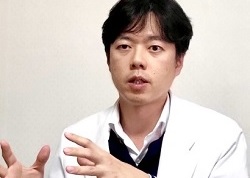
- Shim Seung-cheol, professor of rheumatology at Chungnam National University HospitalThe treatment results of rheumatoid arthritis have improved dramatically. This is because doctors can use it a lot. Following the advent of MTX in the late 1980s, TNF-alpha inhibitors changed the treatment paradigm of this disease. Recently, JAK inhibitors that improved the shortcomings of TNF-alpha inhibitors have emerged. JAK inhibitors, which have been attracting attention as next-generation treatments, have recently been at the center of controversy due to safety issues. This is because concerns have been raised that the drug may cause cardiovascular side effects. How do the prescription sites view the safety issue of JAK inhibitors? Shim Seung-chul, a professor of rheumatology at Chungnam National University Hospital, said, " We should give some authority to experts who treat patients in the field rather than restricting the use of drugs entirely at the government level." He said, "If clinical data are added to confirm which patients are more likely to have drug side effects, detailed treatment guidelines for JAK inhibitors will be prepared." ◆ One in 10 patients is difficult to treat with MTX or TNF-alpha inhibitors Rheumatoid arthritis is an autoimmune disease. Treatment is also carried out in a way that suppresses autoimmune phenomena. The most traditional treatment is MTX. It is a drug that suppresses lymphocytes and was initially more commonly used as a treatment for leukemia. Since it was approved for the purpose of treating rheumatoid arthritis in 1988, it has been used for more than 30 years. Since it was originally developed as an anticancer drug, there were many patients whose drug did not work. In time, a better treatment was developed. It is a TNF-alpha inhibitor. It not only inhibits one target that causes autoimmune diseases but also inhibits several parts at the same time. Since the advent of this drug, the treatment results of rheumatoid arthritis have improved dramatically. The limitations of TNF-alpha inhibitors were also pointed out. The number of patients who do not respond to this drug has gradually increased. The disadvantage of injection was also pointed out. Patients with mobility difficulties due to arthritis wanted to treat the disease more comfortably by reducing hospital visits. JAK inhibitors have emerged. The method of suppressing inflammation has also improved. If existing drugs were a method of blocking inflammatory substances outside the cell, JAK inhibitors are a method of accurately targeting and suppressing substances within the cell. Professor Shim said, "The use of MTX is effective in 70% of patients. If there is no reaction here, using TNF-alpha inhibitors improves 70% of them. He said, "10% of all patients were difficult to treat. Unlike TNF-alpha inhibitors, the development of JAK inhibitors that block inflammatory signals in cells has made it possible to treat such patients. ◆MTX also experienced side effects of TNF inhibitors…JAK inhibitors can also be overcome Safety issues have recently emerged in JAK inhibitors, which have emerged with high expectations. In 2021, the U.S. Food and Drug Administration (FDA) warned of risks such as heart disease and cancer against JAK inhibitors, and the MFDS in Korea also distributed safety letters. Eventually, the FDA decided to include risk information such as major cardiovascular events, thrombosis, and death in the box warning in the JAK inhibitor. Professor Shim Seung-chul said, "The existing drugs have undergone a similar process," adding, "What is important is how well you manage side effects and treat diseases." "I think we can overcome the problems that are currently being raised," he said. According to him, MTX has had side effects such as an increase in liver levels since its appearance. Accordingly, drugs were used at the prescription site while simultaneously performing a liver biopsy. As the experience of use accumulated, the drug has been set up to be prescribed in low doses when used for rheumatoid arthritis rather than anticancer drugs. The same is true of TNF-alpha inhibitors. Concerns have been raised that it causes tuberculosis in the early stages of its appearance. These concerns were addressed by the use of anti-tuberculosis drugs. In the case of JAK inhibitors, concerns about herpes zoster were raised at the beginning. Professor Shim explains that the newly emerged cardiovascular risk can also be seen as an extension of this. Professor Shim said, "We need to pay attention to the extent to which side effects occur frequently in certain patients, not in the side effects themselves," adding, "We expect that detailed treatment guidelines for JAK inhibitors will be prepared when more domestic clinical data are accumulated and drug side effects occur. JAK inhibitors are limitedly used only when other drugs do not work. If drugs are used sequentially, there will be no big problem. I think we should give some authority to experts who treat patients in the field rather than restricting the use of drugs entirely at the government level." There are three representative JAK inhibitors released in Korea. In the case of Xeljanz, it is a general-purpose JAK inhibitor that inhibits all three inflammatory substances. Olumiant inhibits two substances and Rinvoq SR inhibits one substance. Professor Shim said, "There are currently various JAK inhibitors released, and further research is needed to find out the difference between general-purpose JAK inhibitors that suppress all inflammatory substances in cells and selective JAK inhibitors that suppress only certain substances."
- InterView
- The key to treating stroke tx is preventing the recurrence
- by Kim, Jin-Gu Nov 23, 2022 06:04am
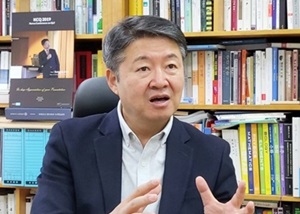
- Stroke is a battle against time. Whether the blood vessels in the brain are blocked (brain infarction) or burst (brain hemorrhage), blood should be supplied to the brain normally within a short period of time. The medical community explains that the golden time of stroke is 4.5 hours. This means that the problem can be solved only when the symptoms occur and arrive at the hospital within 4 hours and 30 minutes. The importance of preventive treatment has been increasing. As the results of stroke treatment have improved compared to the past, drug treatment to prevent the recurrence of patients with stroke once has become more important. Park Jong-kyu, a professor of neurology at Cheonan Hospital affiliated with Soonchunhyang University, said, "The key to treating stroke drugs is to prevent a recurrence," adding, "Various drugs are used differently depending on the cause. Since the brain is a drug used in special areas, it should be used carefully in consideration of the side effects of bleeding, he said. ◆ Antiplatelet agents for vascular stroke and anticoagulants for embolic stroke There have been changes in the treatment of stroke over the past decade. In the past, even if a stroke occurred, it often came late. Many patients fell down holding the back of their necks and visited the emergency room. As such, the treatment period has been delayed. Major surgery was needed and the prognosis was not so good. As public awareness of stroke has been aroused, treatment performance has improved significantly recently. Unlike in the past, more and more patients visit the hospital due to initial symptoms, such as poor speech, narrow vision, and poor finger grip. Treatment methods are also changing. The importance of drug treatment is increasing as a secondary preventive treatment to prevent recurrence after treating an initial stroke. Professor Park Jong-kyu said, "Depending on the cause of stroke, drugs are used differently," adding, "In the doctor's opinion, if it is a vascular stroke caused by blood clots accumulating in the cerebral blood vessels, an anticoagulant is used." Professor Park emphasized, "In the case of anticoagulants, it may look better to prevent the recurrence of stroke in that it prevents blood itself from coagulating, but it should be used carefully because there is a high risk of side effects of bleeding." ◆"Anticoagulants have a high risk of bleeding side effects, so they should be used carefully for stroke" According to Professor Park, anticoagulants are mainly used for patients suffering from arrhythmia or heart valve disease at the same time. The problem is when heart disease is not clearly diagnosed. In this case, the doctor's judgment is involved. Professor Park explains, "Clinically, it seems that an embolized blood clot came from under the heart and blocked the cerebral blood vessels, but if there is not enough evidence." It is right to use antiplatelet drugs, but he explains that he uses anticoagulants on a limited basis because there is often a high risk of stroke recurrence. Multiple cerebral infarctions, in which several blood vessels in the brain are blocked at the same time, are a typical example. If the left blood vessel of the brain is observed to be blocked when the blood vessel of the brain is photographed, the cerebral infarction area should also be on the left side of the brain. However, there are patients who often have cerebral infarction on the right side of the brain. At this time, the location where the blood clot occurred is presumed to be below the heart, not the brain. At this time, if the patient has no history of heart disease, the anticoagulant is used under the judgment of a doctor that the patient lacks the basis for anticoagulant treatment, but the risk of recurrence is high. If multiple cerebral infarctions are not the first time, or if cerebral infarction occurs during recurrence prevention treatment with antiplatelet drugs, anticoagulants are used. Professor Park said, "Most of the patient's risk factors and mechanisms for cerebral infarction are identified and drug treatment is carried out accordingly to prevent a recurrence." ◆ Stroke is the fourth leading cause of death in Korea, and the number of young patients is increasing recently Severe or acute stroke is still treated surgically. Patients with blocked large blood vessels in the brain or blocked heavy blood vessels and poor symptoms are the targets. The key is to treat it as soon as possible. Generally, patients should visit the hospital within 4.5 hours. Professor Park said, "Finding and operating blood vessels is only possible when large blood vessels are blocked. In the case of heavy blood vessels and small blood vessels, surgery is attempted only when the symptoms are severe. He said, "Because there is a risk to the treatment itself, we solve it with thrombolysis through veins instead of surgery." Professor Park explained, "It can be rather harmful to perform surgery after golden time." He added, "This is because the bleeding occurs in weak areas in the process of penetrating blood vessels and supplying blood again, which can be dangerous for patients." Stroke is the fourth most fatal disease in Korea. According to the HIRA, 590,000 patients were diagnosed with stroke as of 2020. The perception of stroke has changed and the number of patients is increasing faster as the population ages rapidly. This is due to the increase in patients with hypertension and hyperlipidemia, which are the underlying diseases of stroke. The medical community estimates that the incidence rate doubles every 10 years after the age of 55. Professor Park explained, "As you get older, the risk factors you have are more likely to cause problems, so it will affect the increase in stroke." He said, "Recently, the number of young stroke patients under the age of 45 is increasing rapidly increasing. "There are concerns as risk factors for stroke, such as sleep apnea, are diversifying," he said.
- InterView
- “Korea is fully capable of developing new microbiome drugs"
- by Nho, Byung Chul Nov 18, 2022 06:04am
- Eung-Bin Kim, Professor of Systems Biology at Yonsei University “The development of metagenomics technology that extracts DNA directly from samples without culturing in 1998 enabled the field of human microbiome research to make a giant leap forward. The success and failure of innovative new microbiome-based therapeutics depend on identifying, standardizing, and materializing the keystone species in the human gut microbiome.“ The development direction for new, innovative next-generation human microbiome-based therapeutics sought by Professor Eung-Bin Kim, Department of Systems Biology at Yonsei University, is focused on the understanding of the material cycle in the ecological structure. More than 10,000 microorganisms inhabit our body (mouth, gut, nose, genital, skin, etc) along with 37 trillion bacteria. Regarding this, Professor Kim said, “What’s important is not the microorganisms themselves but the microbial genes and proteins. For example, microorganisms that digest fat are always present in a healthy intestine. However, the task is not always performed by the same microorganism. Just like how players replace each other’s role in sports games.” Among Professor Kim’s microbial studies, one that caught the reporter’s attention was his identification of the existence of probiotics in jeotgal (Korean traditional pickled fish made with croaker or hairtail, etc). In the early stages of the salt-aging period, jeotgal contains a lot of bacteria, but 99% of the bacteria are killed after 2 years of aging. In the end, only 2 or 3 types of basophilic lactic acid bacteria such as Tetragenococcus remain. The study received much interest from the academia and media. Professor Kim, who is considered an authority in microbiology, has his eyes on the potential held by Akkermansia muciniphila and Faecalibacterium prausnitzii in gut microbiota that is considered next-generation probiotic candidates.” Kim said, “The key to probiotics is in the time of residence in the intestine, and ‘Akkermansia’ and ‘Faecalibacterium’ were found to have a long survival time in the intestinal mucosal barrier. Also, the fact that these species were successfully cultured with domestic technology is also rated highly. We are looking forward to the development of innovative new drugs based on these species, which are the keystone species in the human gut microbiome.” On how to confidently compete against strong R&D players in developing new and innovative microbiome-based therapeutics in the global market, Kim said that the focus should be on treating various disease groups rather than simply developing and releasing intestinal microbiota products. In particular, open collaboration between the industry-academica-research and policy and systemic support should also be promptly prepared. Meanwhile, Professor Kim had served as the Dean of Admissions, and Dean of the College of Systems Biotechnology at Yonsei University, and authored ‘Alcohol, Disease, War: A History of Microorganisms', 'The Whole World is Full of Microorganisms', 'Biotechnology gives wings to Life Sciences’ and 'I Live with Microorganisms'.
- InterView
- “Amgen addresses all unmet needs regardless of indication”
- by Eo, Yun-Ho Nov 17, 2022 05:54am
- Philip Tagari, VP of Research at Amgen Global Amgen owns a vast portfolio of treatments in many areas. Rather than focusing on a particular field, the company has been known to release new drugs in the right places at the right time In addition to actively developing drugs for chronic diseases such as the osteoporosis treatments 'Prolia (denosumab)’ and ‘Evenity (romosozumab),’ the osteoporosis complication prevention drug ‘Xgeva (denosumab),’ and the dyslipidemia treatment ‘Repatha (evolocumab),’ the company has also followed up with the recent trend and released oncology drugs such as the acute lymphoblastic leukemia drug ‘Blincyto (blinatumomab), multiple myeloma treatment 'Kyprolis (carfilzomib),' and the recent KRAS inhibitor ‘Lumakras (sotorasib).’ These achievements were of course made possible with the support of the company’s R&D department. Dailypharm met with Philip Tagari, Vice President of Research at Amgen Global, who recently visited Korea, to hear about the company’s R&D direction and open innovation strategy. -You served over 20 years in Amgen’s R&D department. Which treatment were you most deeply involved in developing? I would say Lumakras. Amgen won the 2022 Prix Galien Award for Best Pharmaceutical Agent with Lumakras. This was very meaningful for us as the Prix Galien Award is considered the industry’s equivalent of the Nobel prize and the highest accolade for pharmaceutical research and development. I have been involved in the research and development of Lumakras in Amgen's R&D department for more than a decade with many colleagues. In a way, the drug has been researched and developed in the shortest time not only in Amgen but throughout the whole industry. I still remember the joy I felt when our belief was confirmed in the clinical trial with groundbreaking data in non-small-cell lung cancer. Also, there is Repatha, our hypercholesterolemia treatment. We had great confidence in Repatha since the discovery of its candidate substance. I think Repatha will continue to have significance in the field and bring positive impact on public health for decades to come. -You said Repatha was commercialized in the shortest period yet. Is there a special know-how of Amgen's or any episode behind the rapid development of Lumakras you’d like to share? Amgen had long been thoroughly analyzing how to shorten the entire new drug development process, since several years before we discovered sotorasib, the active substance of Lumakras. After several years of analysis, we had gained some idea on how to conduct the R&D. It was around that time we discovered AMG 510, the candidate substance that later became Lumakras. So I would say our rapid development was a result of the company’s implementation of a delicate and carefully planned development plan rather than a special technology or ability. -Amgen is also known to be interested in open innovation. Were any of the products in your pipeline born through open innovation? Evenity is one representative result of our open innovation. The drug was developed through collaboration with a doctor in South Africa, a UK-based small biotechnology company British Biotech, and Amgen. At the time, a doctor in South Africa recognized how a specific disease continued to emerge in the local community and asked British Biotech to analyze the cause. Results showed that the disease was caused by a mutation of the sclerostin protein. So the company first needed sclerostin to develop a treatment, and Amgen was the only company that owned such technology. Amgen produced the protein, which led to the commercialization of Evenity. -Would you like to introduce any promising candidate substances that are in development? It is difficult to mention specifics before approvals, but one of the most promising items in our development pipeline is an obesity drug. Obesity is a serious global public health issue that is growing in importance. So you can expect various treatments for obesity and cardiovascular diseases from Amgen to come in the future.
- InterView
- “BMS makes the next leap with its solid pipeline”
- by Eo, Yun-Ho Oct 31, 2022 06:06am
- 이혜영 대표 Mergers have become one of the main survival strategies for global multinational pharmaceutical companies. In addition to buying new substances, companies are also making synergy, absorbing companies that own pipelines with high potential. BMS is one representative example of such successful mergers. When the power of its portfolio declining with the patent expiration of blockbuster drugs such as 'Baraclude Tab.', the company decided to acquired Celgene, the company that owns ‘Revlimid,’ the drug that recorded the highest sales among prescription drugs at the time. In addition to CAR-T therapy, Celgene owned various candidate substances in various areas including blood cancer. In addition, the company also signed an agreement to copromote ‘Opdivo’ with the Japanese pharmaceutical company ‘Opdivo,’ to build competitivity in the oncology sector. Its Korean subsidiary is also working to quickly conclude the merger process and make the next leap with the organizational restructuring. In this whirlwind of change, the company has newly welcomed a new leader. Hye-Young Lee, who has serves as the founding Country Manager of BMS, is dreaming of a new heyday at BMS with her appointment in July. Dailypharm met with the new Country Manager. -It hasn’t been long since you took office. Some might think it is too early to conduct an interview. Is there a reason why you decided to do the interview at this time? I wanted to publicize BMS as it is now. Since we have not conducted many external activities, including media activities, I thought that our business scale and the potential for growth has not been well known. Although there are still a lot of things that I would need to understand in terms of business, I thought it would be good to start by relaying the changed status of our company and its future direction. -You have been a Country Manager before, but this is a new company. What was your first impression about BMS?? As I had only known the company as a member in the same industry before, I was surprised in many aspects after joining the company. BMS's business scale, global presence, and pipelines were much stronger than I expected, and the company owns various industry-leading promising pipelines. -Could you introduce some of those strong pipelines? BMS’s main pipeline cover the 5 fields including Cardiology, Hematology, Oncology, Immunology, and Neuroscience. More than 50 new drug candidates for more than 40 diseases are being developed in these five areas. Based on those that received current domestic or FDA approval, we have Revlimid and Sprycel in Hematology, as well as Onurec, Inrevic, and Reblozyl that were additionally approved this year. In addition, two CAR-T treatments approved by the FDA are receiving much anticipation these days. Our cardiovascular pipeline has been further strengthened by acquiring a company called Myokardia, and there is a treatment for hypertrophic obstructive cardiomyopathy that was approved by the US FDA this year. This first-in-class treatment with a new mechanism of action has been receiving high expectations. We cannot disclose details as it has not been approved in Korea yet, but we are working hard to introduce it quickly to domestic patients. In terms of Immunology, there are treatments for plaque psoriasis and ulcerative colitis with a new mechanism of action that has been recently approved by the FDA. In addition, the treatments it acquired from Turning Point Therapeutics are also from a new class but is yet to be approved in Korea. -BMS two new CAR-T therapies, Breyanzi and Abecma. The two are also in the process of approval. When looking at existing cases, simply introducing CART-T therapies is not enough, and many other preparations are needed for their prescription. How are you preparing for this part? As CAR-T is an innovative therapy that is needed by many patients in Korea, we are continuously reviewing the preparations necessary for the patients in need of treatment in Korea. However, as mentioned, use of CAR-T therapies require various considerations and preparations, therefore, its introduction requires more time. One encouraging fact is that a clinical trial is planned for one of the CAR-T therapies in Korea. It is expected that the experience we are accumulating with clinical trials will be helpful when introducing CAR-T treatments in the future -If you look at BMs, the company is actively engaging in mergers, joint development, and promotion activities. Is there a possibility of expanding such partnerships with Korean companies? Open innovation is the DNA of BMS, to such an extent that 60% of the BMS pipeline has been secured through open innovation, and 40% of current sales were accrued from drugs developed through open innovation. We also plan to actively carry out open innovation in Korea, and a lot of clinical trials are already underway. There are 50 clinical trials in progress in about 20 pipelines in progress in Korea. Unlike the past, where many clinical trials for new drug development were traditionally conducted in the US and Europe, Korea is now in the spotlight in conducting early-phase clinical trials, and is also considered one of the most important countries in terms of expansion. One aspect I found impressive after joining the company was in the number of early clinical trials being conducted in Korea. 6 Phase I clinical trials are underway, and the company is also seeking ways to collaborate with one of the country's major hospitals for basic research related to oncology and hematology.

- InterView
- "Lilly rises in anticancer and autoimmune diseases"
- by Eo, Yun-Ho Oct 27, 2022 05:52am
- The pharmaceutical company Lilly is known for their strong diabetes treatment pipeline. As the world’s first developer of insulin, Lilly has solidified its position in the field, introducing DPP-4 inhibitors, SGLT-2 inhibitors, and GLP-1 analogues into its pipeline. However, Lilly has transformed. It did not give up diabetes, the company just added more ‘weapons to its arsenal.’ From some point, the company began to exert its influence in the fields of cancer and autoimmune diseases. In the lung cancer drug market, where the company had made no significant impact other than with ‘Alimta,’ Lilly released the VEGFR-inhibitor 'Cyramza,’ and also introduced the first-in-class RET-targeted therapy ‘Retevmo.’ Also, its ‘Verzenio’ CDK4/6 inhibitor latecomer for breast cancer has successfully landed in the market with a successful insurance reimbursement strategy. The company is also showing marked growth in the autoimmune disease market. Its second JAK inhibitor ‘Olumiant’ has been targeting atopic dermatitis, and secured the first indication for alopecia areata among same-class drugs. Also, Interleukin-17A inhibitor ‘Talz’ is continuing to expand indications to psoriatic arthritis, ankylosing spondylitis, etc. In addition, the company’s new migraine drug ‘Emgality’ was recently listed for reimbursement. Dailypharm met with Mira Kwon (44), Lilly Korea’s Specialty Care BU Lead who oversees all of the products above. Mira Kwon, Sr. Brand Manager of Specialty Care BU, Lilly Korea-Please give us a brief introduction of yourself. I entered Lilly/s marketing team in 2006. Lilly runs an open talent development program that allows employees to experience various departments, through which I was able to experience various departments including the sales department, external affairs department, and also the oncology department at a time when the insurance drug pricing system was changing rapidly. I became the marketing lead of the Oncology department after working in Market Access, and since the company restructured the departments into Business Units, I have been in charge of the Specialty Care BU, which is the Oncology and Immunology Departments. -Lilly has undergone dynamic changes. It seems that your BU is in charge of the new growth engine of the company. Since Lilly acquired the anticancer drug company, Loxo Oncology in 2019, the company had been able to establish a strong pipeline in oncology as well, including Retevmo. The company is also developing and preparing launches of other candidate substances. In the field of autoimmune diseases, our main products are Olumiant and Talz. New indications were added in major areas in the past 2 years, and with new indications also set to be added next year, the pipeline is expanding quickly. At a recent global meeting, clinical data on the atopic dermatitis treatment that is currently undergoing clinical trials were also reviewed. - Autoimmune disease is one area that Lilly lacked experience in. It is also an area that has a high entry barrier in Korea, so it was surprising that Lilly jumped into this market. Despite the many companies that have already built a reputation in the field for more than 15 years, we have been receiving much feedback on how good and diverse Lilly’s portfolio is. We own both psoriasis and atopic dermatitis treatments with clinical trials being actively conducted on new indications. -The marketing points for anticancer drugs and autoimmune disease treatments may be different. What areas do you focus on for each in the promotion process? The oncology department, like the diabetes department, is Lilly Korea’s key area of focus, therefore, its sales division has experts with more than 13-15 years of experience and expertise. Due to the nature of anticancer treatments, we conduct various activities with various departments including Medical to produce domestic research data to meet the needs of patients and HCPs in Korea. The immunotherapy market is very competitive. With so many options available within the same class, we ponder ways to differentiate Lily's portfolio from others. In the case of the new indications that had been introduced during the COVID-19 period, our team has focused on activities that allow two-way communication via digital channels rather than traditional marketing activities or channels. -What do you consider most important in running your marketing department? This is no longer an era where a newborn first-in-class blockbuster dominates the market. That's how dynamic the market is. In particular, due to uncertainties in patient access in Korea, it is important to adapt quickly and modify our strategies in line with the ever-changing environment. Although the Oncology and Immunology departments are in charge of different diseases, both are facing the same situation in the pharmaceutical industry, especially in the current situation where so many new products and indications are being released. I think it is the role of our marketing department to think about in-depth strategies and prepare various scenarios in advance. -Your promotion strategies will also need to be changed with the end of the COVID-19 situation. So we plan to strengthen offline activities that have been restricted due to the COVID-19 pandemic. However, HCPs have also become familiar with digital channels for over two years in the COVID-19 pandemic, and as it also has advantages such as convenience, we are focusing on how to combine these well. We also have a digital marketing department within the company, and I know that they are actively discussing with the headquarters measures to find contact points with customers based on analyzed data. In the future, our marketing activities will evolve in the direction of delivering messages through effective channels by identifying areas with the greatest needs for HCPs based on data. -In the Korean pharmaceutical market, reimbursement became a determining factor that makes or breaks the success of drugs. Currently, Retevmo is undergoing reimbursement review, and marketing will also be conducting activities for reimbursement in addition to MA. The reimbursement listing process is always uncertain and requires discussion with authorities. Therefore, as a multinational pharmaceutical company, it is on us to facilitate smooth discussions between headquarters and regulatory authorities. Although the MA is responsible for communication with HQ, the marketing department provides opinions on how the drugs can be used for patients in Korea and to which extent the drugs can provide therapeutic benefits. -So how well do you communicate with global headquarters? Korea is one country where reimbursement is difficult, but with the environment in other countries rapidly changing as well, it seems that our global headquarters now understand Korea's situation. The company already saw through this reimbursement process with oncology drugs like Cyramza and Verzenio. However, it is true that Korea’s drug price differs greatly from other countries, and there are difficulties due to various related systems in Korea.

- InterView
- “AstraZeneca’s sincerity in oncology drives cont. growth"
- by Eo, Yun-Ho Oct 17, 2022 06:03am
- AstraZeneca is known for its ‘sincere attitude’ towards R&D. Not only is the company in the top ranks in terms of its investment amount, but it has also always been at the forefront in terms of R&D-to-Total-revenue ratio as well. In 2021, AstraZeneca’s R&D-to-Total-revenue ratio stood at 26%, the highest in the industry. Due to their invested interest, the company is rarely behind in recognizing new drug development trends. More often, AstraZeneca has led the trend, releasing first-in-class drugs. AstraZeneca developed the antidiabetic SGLT-2 inhibitor ‘Forxiga,’ a drug that has recently been receiving attention for demonstrating cardiovascular benefit, and the oral antiplatelet ‘Brilinta,’ the only contender of Plavix (clopidogrel). Also, 'Crestor (rosuvastatin)’ which had threatened the sales of ‘Lipitor (atorvastatin),’ and the ICS/LABA combination ‘Symbicort’ are also some of AstraZeneca’s well-known products. Building on this solid foundation, AstraZeneca is now busy reinforcing its Oncology pipeline. In addition to the third-generation epithelial cell growth factor receptor (EGFR) tyrosine kinase inhibitor (TKI) ‘Tagrisso (osimertinib),’ the company has added the PD-L1 inhibiting immuno-oncology drug ‘Imfinzi (durvalumab)’ to its portfolio. In other words, the company's oncology pipeline is no longer represented by its first-generation EGFR TKI “Iressa (gefitinib).” Dailypharm met with Susan Galbraith, Executive Vice President of Oncology Research & Development at AstraZeneca to hear about the company’s oncology drug development. Trained as a clinical oncologist and Ph.D., EVP Galbraith has been leading Oncology R&D at the company for the past 12 years. -Which product were you most deeply involved in developing? I would have to say that I am most fond of Tagrisso. AstraZeneca aspires to become a leader in Oncology. When I joined the company, hormonal treatments such as Faslodex, as well as Iressa were already developed, and Tagrisso was in the development stage. My first work after joining AstraZeneca was to organize the company’s research portfolio. At the time, I suggested that we should focus on products with higher potential rather than products that have less chance of success. This was even before a project name had been coined for the development of Tagrisso, but I believed in the potential of the substance and made the decision to accelerate its development. Many patients who were treated with existing targeted therapies at the time had been developing resistance or intolerance to their treatments. They developed secondary mutations, and the drugs were not binding well in their targeted sites. I saw the potential of Tagrisso in addressing this unmet need. So Tagrisso was first administered to a patient in 2013. The Seoul National University Hospital in Korea also participated in our Phase I clinical trial, and tumor size was reduced in 2 of the 4 patients that were administered Tagrisso at the time. Resistance to existing treatment options -the T790M mutation - is found in around 50% of all EGFR-mutated lung cancer patients. Although we weren’t testing for the T790M mutation at the time, the tumor size reduction in 2 of the 4 patients raised hopes on how the drug targets the T790M mutation and brings therapeutic benefits. I still remember telling the chemist that developed the substance the good news about how promising the substance was. AstraZeneca was able to gain such insight based on solid collaboration with healthcare professionals in Asia. Our collaboration with healthcare professionals in Korea, Japan, and Taiwan greatly contributed to our discovery by helping us secure information on the resistance mechanism in advance. -As you mentioned, AstraZeneca’s oncology pipeline is rising in prominence. The pipeline, which had already existed for a while, seems to be getting stronger. You already own extensive product lines in Respiratory, Cardiovascular, and Endocrinology, does this mean you will be focusing on oncology drugs in the future? That’s not so. Rather than concentrating on either part, we are making efforts to build a balanced portfolio that can cover various treatment areas. Although 40-50% of our R&D budget is being invested in oncology drugs, we also have pipelines in various other treatment areas including Cardiovascular (CV), Renal, Respiratory, Immunology, Vaccines, etc. Oncology drugs do take up much of our interest, but it is not our sole area of interest. We have recently seen reports on how Forxiga, our antidiabetic drug, has significantly improved the risk of cardiovascular death. -It is also impressive that the company collaborated with Asian researchers from early phase trials for Tagrisso. Contrary to how Korea actively attracts Phase III trials, there has been criticism on how global pharmaceutical companies lack investment in early phase trials in Korea. I hope more opportunities will come in the future for Korea to collaborate with AstraZeneca. We are very interested in seeking opportunities in Korea. South Korea has been an innovation hub in developing new drugs for quite a long while and is leading in clinical trials. It is number three in contribution to global oncology clinical trials worldwide. In fact, involvement in the early phase clinical trials is something we have been doing with South Korea for many years and has built on year-on-year. -AstraZeneca’s competitivity has been further reinforced with the addition of the PARP inhibitor Lynparza to the pipeline. On the other hand, your immuno-oncology drug Imfinzi has been showing less impressive performance. Do you believe there is an opportunity for its comeback? We were excited to present data on the first improvement seen in biliary tract cancer for many years with Imfinzi. Biliary tract cancer is quite prevalent in Asia, and the addition of Imfinzi to first-line chemotherapy improved the treatment effect. The Imfinzi combination therapy was approved in the US based on this TOPAZ study, and we look forward to its approval in Japan as well. We also presented data earlier this year for the HIMALAYA study in liver cancer, in which the combination of Imfinzi with ‘Tremelimumab (anti-CTLA4 antibody)’ in a regimen where just one higher dose of Tremelimumab in order to improve the tolerability profile showed an improvement in the long-term survival benefit in liver cancer patients. I hope to hear from the US FDA on an indication based on the HIMALAYA study within the year. In addition, we have also submitted data in the first-line and non-small cell lunger cancer setting for the combination of Imfinzi with Tremelimumab added to chemotherapy.
- InterView
- “Sanofi’s flu vaccine is different...has 100-year legacy"
- by Oct 06, 2022 06:05am
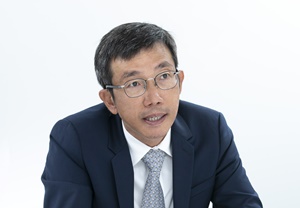
- Sanofi has been making unexpected strides in Korea's flu (influenza) vaccine market this year. The company has not only made a bid for the National Immunization Program (NIP) for the first time this year, but it also started supplying its flu vaccines exceptionally quickly. Multinational pharmaceutical companies usually start the supply of their flu vaccines in October every year due to the longer time required for their release in Korea. However, Sanofi received the approval to release their vaccines at the same time as domestic vaccines and started distributing in mid-August. Its supply price is also not so different from domestic flu vaccines. Sanofi's unprecedented move is not unrelated to this year’s influenza outlook. This year, influenza, which had been on the low side due to COVID-19, is predicted to rise for the first time in 3 years this year. The Korea Disease Control and Prevention Agency issued a nationwide influenza warning last month. According to KDCA, the proportion of suspected flu patients per 1,000 people on the 39th week (September 18th-24th) was 4.9, exceeding the epidemic standards. In particular, Type A H3N2, which is expected to become the dominant strain this year is a successor of the ‘Hong Kong Flu,’ and is known as one of the most virulent strains. This is why the KDCA has been actively encouraging flu vaccinations. Although the 9 types of quadrivalent flu vaccines distributed in Korea are thought to have similar prevention effects, a closer look shows that there are differences. Some vaccines cannot be administered to infants or patients with cardiovascular diseases. Also, domestic vaccines can be administered to pregnant women, but their safety has not been demonstrated through clinical trials. Vaxigrip Tetra (Sanofi) and Fluarix Tetra (GSK) are the only flu vaccines that can be administered in all high-risk groups. This is why Sanofi, which is standing at the same level as domestic companies in terms of price, supply timing, and amount, is showing confidence this time. During an interview with Daily Pharm, Guan Lee Ang, Country Medical Lead at Sanofi Korea, said, “With over 100 years of history in developing vaccines, Sanofi owns a vaccine portfolio for over 20 types of infectious diseases. Our quadrivalent flu vaccine, ‘Vaxigrip Tetra,’ has verified safety and immunogenicity with robust clinical data. Vaxigrip Tetra’s differentiated strength lies in how it is the only vaccine to have verified efficacy and safety in the high-risk group.” Guan Lee Ang, Country Medical Lead at Sanofi Korea The high-risk group, infants over 6 years of age, pregnant women, cardiovascular patients, etc., are known to be at 10 times higher risk of acute myocardial infarction and at 8 times higher risk of strokes when infected with influenza. Infants and children are also at high risk of pneumonia as a related complication. Influenza infection can also lead to death, and an estimated 70-85% of those deaths were observed in patients over the age of 65. Clinical trial results showed that influenza infections from vaccine-like virus strain were reduced by 68%, and infection from all A&B types of influenza virus was reduced by 72% in infants aged between 6 months to 35 months when vaccinated with Vaxigrip Tetra. The risk of influenzas infection in pregnant women was also reduced by up to 72%. Also, the study showed vaccination was related to a reduction in the mortality rate in patients with myocardial infarction or high-risk coronary artery disease. The problem lies in the low public awareness of the need to receive influenza vaccines. Due to the prolonged COVID-19 crisis, people have been receiving vaccinations every 3 to 6 months, which led to increased fatigue over vaccinations and decreased reliability. Also, some are expecting influenza to not spread as much due to the small number of flu patients and the cultural specificity of how people are continuing to wear masks even after the mandatory outdoor mask regulation was lifted, In response, Sanofi's Vaccine Division is concentrating on reinforcing flu awareness. While carrying out a campaign to raise awareness of influenza among the general public, the company plans to hold a webinar for healthcare professionals on the preventive benefits of vaccinations based on clinical data. Ang said, “65% of employees in the vaccine division serve in departments related to quality testing, and most of the vaccine production period is devoted to quality testing. Also, we are working with distributors who have established thorough cold chains to stably supply our high-quality products. We will continue to strive to improve access to influenza vaccines for high-risk groups and improve public health in Korea.”
- InterView
- “Will rise independently as Organon in the industry”
- by Eo, Yun-Ho Sep 08, 2022 05:59am
- So Eun Kim, Managing Director of Organon Korea Spin-offs, which are made for various reasons in various circumstances, bring out various positive and negative issues in the process. Organon’s course of the spin-off was also quite eventful. However, the company quickly straightened its affairs after completing the spin-off and being reborn as an independent organization in June last year. Organon was established in 1923 in Netherland and had become part of MSD. In 10 years since then, the company again was separated from MSD and reborn as Organon. Utilizing the power of its existing legacy brand, the company heralded its new leap into a pharmaceutical company specializing in biosimilar and women’s health. Dailpharm met with So Eun Kim (51), the founding Managing Director of Organon Korea, to hear about the company’s vision and value. -A year has already passed since the establishment of Organon Korea. Has the company undergone many changes? During the past year, the company had made efforts -small and large – to lay the foundation to realize our women's health vision. Above all, we were able to achieve organizational stability, and in terms of business, Global Organon has earned the trust of its investors by making a stable start from the first year. Organon Korea made a 4% YoY growth in the first year of the spin-off, expanding its product influence. -There must have been difficulties as well. One of the things our employees had the most trouble with was meeting with various healthcare professionals who were unfamiliar with our name, ‘Organon.’ The heightened COVID-19 situation had further rendered sales activities and external meetings with partners and stakeholders difficult. Therefore, we focused on utilizing digital channels in communicating with healthcare professionals. One main example of this is ‘Organon Connect,’ a portal site we prepared for HCPs. Korea was the first among all Organon subsidiaries globally to launch the portal and had launched it upon the establishment of the company. Through the system, we have continued to hold symposiums during the pandemic. -In addition to your existing items, what other products are you preparing for your goal to become a women’s health pharmaceutical company? Organon has signed agreements for 6 solutions in the field of women’s health where unmet needs remain. In the case of our solution for postpartum hemorrhage, the solution has been approved by the FDA and is being sold in the US. XACIATO, the bacterial vaginosis treatment, has been granted accelerated approval by the FDA. We are preparing to introduce these treatments to Korea as soon as possible, through market analysis in Korea. Clinical trials or preclinical trials on solutions for premature birth, endometriosis, breast cancer, contraception, etc. are also being completed. We are preparing to launch the products in development according to their development stage. Also, the contraception, infertility, childbirth, and postmenstrual treatments that we already own have much potential in the Korean market. Although the company was unable to pay sufficient attention to these products but based on Organon Korea’s vision, we plan to make the most of the opportunities owned by each and every product. -With so many of your women's health products in development, it seems like not many products are readily available for introduction to Korea. In this sense, the company would have to focus on its chronic disease area. What kind of efforts and attempts have you made to increase your influence in women’s health in Korea? Well, we expect that Korea will be able to participate in various stages of applicable clinical trials of the various products in development, and is preparing plans for such trials. Also, for the FDA-approved products, we are working to quickly introduce them to Korea. The chronic disease business accounts for over 90% of Organon Korea’s business. This field will be our main business for the few years to come, during which we will be making efforts to expand our portfolio and share in women’s health. -has the labor-management issues that you experienced in the course of your spin-off been resolved? Many of the concerns and anxiety held by our executives and employees with regard to the spin-off have been resolved. At the time of the spin-off, we focused on listening and communicating with our executives and employees about their various concerns and received consent from each through discussion with the union. After the spin-off, we worked to relay the direction of the company and build solidarity among our executives and employees. We are regularly communicating with the union every week, and are holding a labor-management council to listen to the opinions and answer questions held by the employees, facilitating smooth communication between the union, executives & employees, and the company. For your reference, only a very few employees left the company due to the spin-off. -What are your future ambitions? Based on Organon’s global ESG reporting standards, we believe we need to find areas where Organon can contribute to Korean society and increase our influence in Korea. Building on the vision and confidence we have today, we plan to grow together with our executives and staff and strive to lay the foundation for bigger dreams, toward our vision of women's health.

- InterView
- "Leclaza’s mOS data of 38.9 months is remarkable"
- by Kim, Jin-Gu Jul 04, 2022 05:55am
- “The fact that Leclaza (lasertinib) achieved an OS (overall survival) of over 3 years is remarkable.” New OS data on the homegrown novel lung cancer drug Leclaza that was presented at the AOS 2022 & KCA Annual Meeting 2022 that was held recently in Seoul drew the pharmaceutical industry's attention. The results were from a trial that evaluated the efficacy and safety of continuous daily oral administration of Leclaza 240mg on 78 adult patients with EGFR mutation-positive NSCLC whose disease had progressed after EGFR TKI that was conducted in 17 centers in Korea. Analysis results on the 76 EGFR T790M mutation-positive patients showed that the median overall survival (mOS) was 38.9 months This updated data is being received with significance in the field. The OS data is comparable to the results of the 3rd-generation EGFR mutation-positive NSCLC treatment ‘osimertinib (product name: Tagrisso),’ while owning the potential for its use as monotherapy. Ji-Youn Han, Professor of Hemato -Oncology at the National Cancer Center who presented Leclaza’s OS results at the AOS 2022 & KCA Annual Meeting 2022, said, “The most important index used to assess the efficacy of anticancer drugs in clinical trials ultimately comes down to the patients' OS improvement. Long-term follow-up results of LASER201 trial showed that mOS of patients that received Leclaza reached 38.9 months. This is remarkable performance.” ◆"Cannot make direct comparisons…but results are as good as Tagrisso’s” Han highly rated the fact that Leclaza showed comparable performance to existing targeted therapies, although a direct comparison cannot be made to its competitor, osimertinib. Although various clinical trials are in progress for the first 3rd-generation EGFR targeted therapy. osimertinib, due to varying clinical trial designs and characteristics of registered patients, it is difficult to individually compare each trial's results with Leclaza’s. Also, Leclaza's trials are in their Phase I/II stage, but osimertinib's trials have progressed to Phase III. However, according to the Phase III AURA trial, osimertinib’s representative trial, the mOS was around 26 to 28 months in general, with some differences between countries. “Compared to osimertinib, which is used as the global standard of care, Leclaza is only available for use in Korea. However, data shows that Leclaza’s results are as good as the standard of care. Leclaza’s clinical data as demonstrated through LASER201 is being received without disagreement globally.” ◆" Leclaza has a low incidence of interstitial pneumonia·thrombocytopenia" Han also emphasized Leclaza’s safety. Leclaza has a lower incidence of adverse events than even its competitor osimertinib as well as 1st- and 2nd-generation EGFR targeted therapies. 1st and 2nd generation EGFR targeted therapies had higher skin toxicity. The drugs, although effective against lung cancer cells, also targeted normal skin cells, resulting in patients suffering from skin troubles such as rashes or itching. On the other hand, 3rd generation-targeted therapies selectively target mutations and therefore is less toxic and more efficient. This comes as a significant difference to the patients in terms of quality of life. In particular, Han explained that the two 3rd generation targeted therapies – osimertinib and Leclaza -differ in the adverse events aspect. With her experience prescribing Leclaza over the past year, Han explained that “long-term use of osimertinib may cause interstitial pneumonia or thrombocytopenia in the patients. One aspect I found interesting while monitoring the long-term safety profile of Leclaza demonstrated through the Phase I/II trial was that it had a very low incidence of interstitial pneumonia or thrombocytopenia. “ Han added, “From the patient’s perspective, Leclaza’s lower incidence of adverse events during the 3 years of intake may come as a great advantage. Grade I or II level numbness has been found with the use of Leclaza, but was infrequent.”
