
- LOGIN
- MemberShip
- 2026-07-22 03:12:17
- Opinion
- "Personalized first-line therapy for EGFR-mutated NSCLC"
- by Hwang, byoung woo Dec 02, 2025 12:37pm
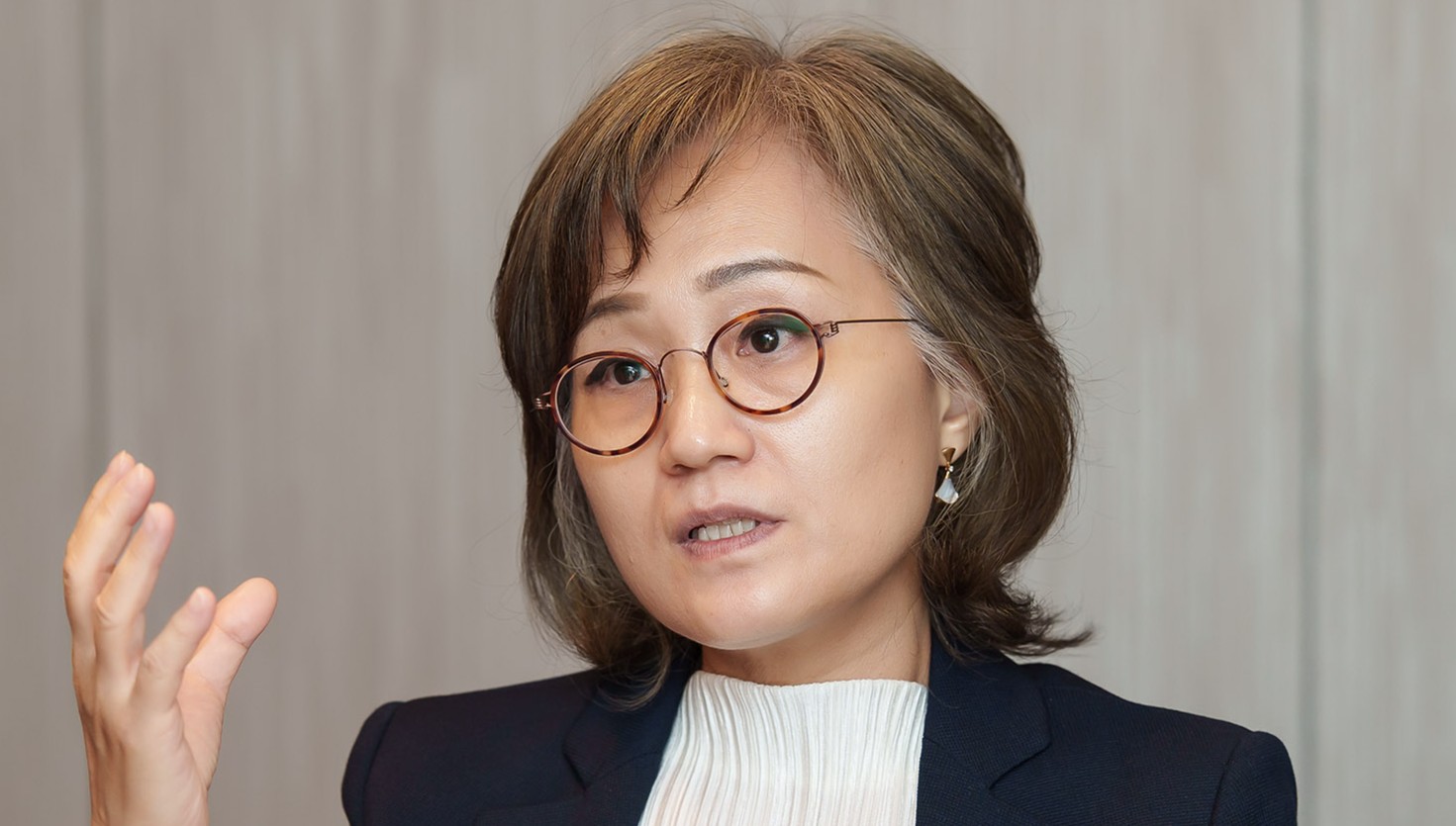
- The treatment paradigm for EGFR-mutated Non-Small Cell Lung Cancer (NSCLC) is changing.Given the high incidence of brain metastases at diagnosis in EGFR-mutated NSCLC, the key criteria for first-line treatment selection are now centered around Central Nervous System (CNS) inhibition and a favorable toxicity for long-term administration.The integrated analysis of LASER201 and LASER301, published recently in 'Clinical Lung Cancer,' provides additional evidence supporting the intracranial efficacy of the domestically developed third-generation EGFR TKI, Leclaza (lazertinib). The study is providing evidence for redefining the treatment strategy for patients with EGFR mutations.DailyPharm met with Professor Ji-Youn Han, from the Division of Hematology-Oncology at the National Cancer Center, a co-author of the paper mentioned above, to hear about the latest trends in the treatment of EGFR-mutated Non-Small Cell Lung Cancer (NSCLC), the CNS strategy, and the direction of customized therapy in the era of combination therapies."Brain metastases account for 40% at diagnosis…key determining factor for prognosis"Professor Ji-Youn Han, Division of Hematology-Oncology at the National Cancer CenterFirst, Professor Han emphasizes that "CNS management is now the starting point of treatment, rather than simply an additional factor."Professor Han stated, "Approximately 20-25% of all lung cancer patients already have brain metastases at diagnosis, but this rate rises to as high as 40% in patients with EGFR·ALK·HER2 mutations or who are non-smokers," and added, "Recent global Phase 3 (MARIPOSA·FLAURA2) trials also reported that 40% of patients have baseline brain metastases."These data indicate that not only are baseline brain metastases common, but a significant number of participating patients with good performance status have accompanying brain metastases.However, the prognosis varies significantly depending on symptom status. While approximately 40% of brain metastases cases are detected while still asymptomatic, the prognosis rapidly worsens once neurological deficits occur.Professor Han stated, "Symptoms of brain metastases include persistent headaches, nausea/vomiting, visual impairment, dizziness, and stroke-like symptoms, which severely limit daily life. Ultimately, symptomatic brain metastases is regarded as a major worsening factor that significantly decreases the patient's Quality of Life."Integrated Analysis of LASER201/301...reconfirming Leclaza's effect on suppressing the CNSProfessor Han summarized the limitations of existing first- and second-generation EGFR TKIs as being 'not initially designed to target the EGFR mutation itself.'Professor Han explained that side effects from inhibiting normal EGFR made it difficult to achieve sufficiently high drug concentrations, resulting in restricted BBB permeability and, consequently, a structural limitation in CNS management.In contrast, third-generation EGFR TKIs were developed from the start to enhance mutant EGFR selectivity and BBB permeability. This gained attention because it opened an era where much more stable and consistent effects on CNS can be expected, even in patients with brain metastases.Furthermore, the differences in toxicity profiles are evident. Professor Han said, "If the clinically perceived toxicity severity of first·second generation agents is rated at 10, the third generation is at the 2–3 level, which significantly improves their suitability for long-term use."Regarding the results of the LASER201 and LASER301 integrated analysis released, Professor Han evaluated them as additional evidence supporting Leclaza's global competitiveness.Professor Han stated, "The key finding is that this study provided objective data confirming that Leclaza has intracranial efficacy comparable to Tagrisso (osimertinib), the Korean standard of care, in EGFR-mutated lung cancer patients with brain metastases." She found this consistent with the trend from the MARIPOSA study, in which lazertinib monotherapy showed a Hazard Ratio (HR) of less than 0.9 compared to osimertinib in this patient group.Professor Han also mentioned, "Although the two drugs have generally similar efficacy, their side effect profiles do not entirely overlap. The fact that an option exists for patients to switch to the other drug if they cannot tolerate a specific adverse event is a major clinical advantage."Consequently, the availability of two third-generation EGFR TKIs is viewed as having significance for expanding the treatment strategy.Leclaza has a demonstrated advantage for suppressing brain metastases, supported by clear data proving the BBB permeability in preclinical studies.Professor Han stated, "This integrated analysis strengthens Leclaza's intracranial evidence, enhancing its global credibility, and expands the treatment strategy by enabling customized drug selection based on the patient's side effects and status. It is significant because it lays the foundation for broadening the scope of clinical judgment amid the future flow of combination therapies and new drug development."Toxicity management and drug switching...differentiating strategy garners attentionProfessor Han stressed that 'toxicity management' is a critical factor in determining the actual clinical treatment strategy, as EGFR-mutated lung cancer is a disease that requires long-term use of agents from the same class.In the case of Tagrisso, specified severe side effects, such as thrombocytopenia, ILD (interstitial lung disease), and cardiac toxicity like QTc prolongation, may necessitate dose reduction."According to the current guidelines, dose must be reduced to 40 mg if the same adverse event recurs. However, the evidence for maintaining drug efficacy at the 40 mg reduced dose is extremely limited, and the lack of data ensuring sufficient CNS control in patients with brain metastases is the biggest concern in the clinical setting," she said.Professor Han said, "Since CNS progression in EGFR-mutated lung cancer is directly linked to treatment failure, disease progression during dose reduction significantly limits the scope of subsequent drug switching strategies." She emphasized, "The medically recommended option in this scenario is a switch to Leclaza monotherapy, whose efficacy and tolerability have already been proven at the standard dose (240 mg)."Professor Han also suggested that the reimbursement criteria need be improved.The current reimbursement criteria require a Tagrisso dose reduction before switching to Leclaza, forcing the patient to risk the same side effects again. Professor Han also pointed out that if the disease progresses during the dose reduction, reimbursement for the subsequent switch to Leclaza may be denied.Professor Han concluded, "Since there is little difference in the drug price between the two agents, and Leclaza is sometimes even cheaper, there is insufficient evidence to mandate dose reduction for financial reasons," and added, "Ultimately, these regulations are criticized as being unreasonable from the perspectives of patient safety, treatment continuity, and insurance finances."
- Opinion
- [Desk View] Dual pricing for the sake of our own citizens
- by Eo, Yun-Ho Nov 24, 2025 06:19am
- The government intends to expand the number of dual-priced listed drugs to prevent disclosure of actual transaction prices. By raising reference prices through higher public list prices, it aims to improve access to new drugs. The government has announced a major overhaul of Korea’s drug pricing system. The forthcoming reform plan, which the government plans to reveal concrete details soon, is drawing significant attention from the pharmaceutical industry. It is expected to include adjustments to the generic drug pricing calculation rate, reform of the tiered drug pricing system, consolidation of post-market management systems, expansion of the Risk Sharing Agreement (RSA) and dual pricing scheme, and R&D investment-linked drug price premiums. Multinational pharmaceutical companies are particularly focused on expanding the dual pricing system. Among RSAs, the refund-type model—which assigns dual prices by separating the actual transaction price from the listed price—has consistently been the preferred contract type since its introduction. However, calls for improvements to its scope have been persistent. Many even suggested excluding the refund-type from RSAs altogether. The government has also partially accommodated these opinions, making minor adjustments to the system. Initially applied under a strict criterion, only to ‘anticancer drugs or rare disease treatments with no equivalent substitutes or therapeutically equivalent alternatives’, the ‘life-threatening’ qualifier has now successfully been removed from the criteria. Yet, the prevailing sentiment remains that its application conditions are still stringent. However, this time appears to be different. Pressure from the U.S. Trump administration’s Most-Favored-Nation (MFN) drug pricing policy served as a trigger, and the health authorities appear to have internalized growing alarm over the long-discussed but uncomfortable issue of “Korea passing” within the global pharma industry. Given the circumstances, the upcoming expansion of RSA and dual pricing will likely loosen at least the criteria tied to disease severity. Whether the current price cap, “below the A7 adjusted average price,” will be modified is another point to watch. It is never right for a game of brinkmanship to unfold over reference prices, leading to the bypassing phenomenon. The products sold by multinational pharmaceutical companies are not luxury goods like Mercedes-Benz or Chanel. It is also true that drug prices are set higher in relatively poorer countries—those with weaker negotiating power. Still, many countries are expanding the share of non-public drug pricing—a second-best solution, though not ideal— to secure access to new therapies for their own citizens. While the global moral imperative of ‘transparent drug pricing’ is commendable, the government must also make decisive choices for the sake of patients in our country.
- Opinion
- [Reporter’s View] K-Pharma bets its survival on new drug R&
- by Choi, Da-eun Nov 24, 2025 06:18am
- The R&D direction of major Korean pharmaceutical companies is shifting from generics to new drug development. This shift comes as the perception grows that generics, long the mainstay of domestic pharma growth, are no longer a safe bet. With tighter price regulations, intensified competition, and shrinking distribution margins, the generic ecosystem is being pushed into relentless price pressure. As the sense of crisis deepens that generics alone cannot guarantee the future, leading pharmaceutical companies are increasingly willing to bear the cost burden to secure mid-to-long-term growth engines. Hanmi Pharmaceutical is aggressively investing in R&D, raising expectations that it may be the first Korean company to launch a homegrown obesity drug. Hanmi's R&D expenditure for the third quarter of this year reached KRW 169.1 billion, a KRW 15.5 billion increase year-on-year, accounting for 15% of its sales. CKD (Chong Kun Dang) is moving away from a generic-centric model toward a bio-focused structure, expanding its pipeline from ADC (antibody-drug conjugate) oncology drugs to advanced biopharmaceuticals. It recently announced a KRW 2.2 trillion investment, making a major ‘bet’ by constructing a large-scale biopharmaceutical complex R&D center in Siheung. Its R&D expenses are on the rise - from KRW 151.2 billion in 2023, KRW 157.4 billion in 2024, to KRW 126.5 billion in the third quarter of this year. JW Pharmaceutical is also steadily increasing its annual R&D spending. Its third-quarter R&D expenses this year reached KRW 74.9 billion, a 26.9% increase compared to KRW 59.0 billion in the same period last year. It is currently conducting a Phase III multinational clinical trial in Asia for its core pipeline, the gout treatment ‘epaminurad (URC102)’. Considering the growth potential of the gout treatment market and the limitations of existing uric acid-lowering drugs, analysts view it as having significant mid-to-long-term pipeline value. Even manufacturing-oriented giants like Celltrion and Samsung Biologics are jumping into the R&D competition, expanding their own pipelines as new growth pillars. Celltrion emphasized ambitions beyond biosimilars, outlining plans to develop ADCs, multi-specific antibodies, and obesity drugs. Samsung Biologics launched Samsung Epis Holdings, a bio-investment holding company, through a spin-off. Samsung Epis Holdings plans to strengthen new drug development based on EPIS NexLab’s biopharmaceutical development platform. Behind these bold future investments by domestic companies lies a shared understanding that sustainable growth is difficult to achieve, relying solely on generic drug profits. The global M&A market, policy direction, and investment capital all operate based on ‘innovation’. This means that companies unable to break free from a domestic-focused, generic-centric structure will inevitably fall behind. Of course, strengthening R&D does not guarantee immediate success. The risk of clinical failure is significant for any company, and securing funding grows increasingly difficult. Risks clearly exist behind the banner of ‘investment for the future’. However, it is becoming increasingly clear that competitiveness in the pharmaceutical industry is shifting from price to technology. These days, the phrase “We will increase our R&D investment” appears like a motto in all pharmaceutical companies' new year business plans. To the reporter, it reads as a strategic declaration directly tied to survival. The reality that generic drugs alone cannot defend corporate value is pushing companies harder for reinvestment in R&D. As the market landscape shifts, clinging solely to safe strategies leads only to regression. The direction is becoming clearer: decisively shedding inefficient businesses and concentrating resources on next-generation drug development. This is why domestic pharmaceutical companies have chosen the difficult path of restructuring toward high-value-added focus, and why their ‘long-term’ challenge deserves close attention.
- Opinion
- [Reporter’s View] K-BIO needs strength to go the distance
- by Cha, Jihyun Nov 21, 2025 06:12am
- New drug development is a war of capital. The amount of money and time required to develop a drug candidate, push it through clinical trials, and finally reach approval is beyond imagination. It is widely known that developing a single new drug typically takes 10–15 years and costs KRW 1–2 trillion. When developing high-complexity modalities such as antibody–drug conjugates (ADCs) or bispecific antibodies, the initial R&D cost grows exponentially. This is why biotechs inevitably rely on early-stage technology out-licensing models. Without a revenue base, it is difficult to independently conduct late-stage clinical trials that require hundreds of billions to trillions of won. As a result, secure preclinical or early clinical data and quickly move to out-license the technology. For drug development biotechs, technology transfer is not a choice but a survival strategy. But recently, a shift is emerging. Rather than out-licensing technologies at early stages, some leading biotechs are now moving to carry their core pipelines into late-stage clinical trials themselves. LigaChem Bio, which strengthened its capital base after Orion Group became its largest shareholder, has declared plans to push certain ADC pipelines into late-stage clinical trials independently. ABL Bio, which signed two major licensing deals with global big pharma this year alone, has also indicated its intention to take its key pipeline into late-stage trials on its own. This trend is noteworthy as it signifies that domestic companies are moving into a phase where they directly secure control over new drug development. Under the traditional licensing model, the fate of development was effectively handed over the moment the license was transferred. If the partner changed strategy or de-prioritized the project, the original developer had no way to intervene or revive it. Conversely, by directly advancing into late-stage clinical trials, the company itself can determine the value and direction of the new drug. The decision to take a pipeline into late-stage development is also a major shift in terms of corporate value. Licensing deals grow larger the further the pipeline progresses. While early-stage technology exports typically result in contracts worth tens to hundreds of billions of won, the contract size jumps to at least hundreds of billions of won, and can reach trillions of won, by the time late-stage clinical trials commence. Behind the decision to “carry it all the way through” lies the calculation that taking on additional risk is worth it if it means the results and rewards remain with the company. Above all, the attempt to directly navigate through to the late-stage clinical phase holds significant meaning in terms of accumulating the ‘core know-how involved with new drug development’ that Korea has been lacking. Under the license-out-centric structure, most late-stage experiences determining a drug's success—such as Phase 2b/3 trials, global regulatory strategies, FDA meetings, and commercialization preparation—were largely ceded to overseas partners. The recent move by some companies to take their pipelines through late-stage clinical trials into their own hands holds value in internalizing the experience and know-how that previously flowed overseas, thereby elevating Korea's drug development capabilities to the next level. Technology exports remain necessary and will continue to be a vital survival strategy. However, companies aiming to compete on the global stage should resolve to “see at least a few pipelines through to the end.” While not every biotech company can conduct late-stage clinical trials directly, simply accumulating one or two more companies with ‘full-cycle experience’ will undoubtedly elevate the standing of Korea's biotech sector. May technology transfer become not the final destination for survival, but the starting point toward completing the full cycle.
- Opinion
- [Reporter's View] New obesity drug sparks dilemma
- by Son, Hyung Min Nov 18, 2025 06:13am
- Following approval of an expanded indication for Wegovy (semaglutide), a Glucagon-like Peptide-1 (GLP-1)- based obesity treatment, to include adolescents aged 12 and older in South Korea, the discussion surrounding pediatric and adolescent obesity has once again come into the spotlight. While the global market already defines pediatric obesity as a medical disease requiring early intervention, South Korea is still lagging in both social awareness and institutional support. Obesity cannot be explained merely as an aesthetic or lifestyle issue. In particular, obesity during the growth period is highly likely to persist into adulthood. It serves as the starting point for chronic diseases such as Type 2 diabetes, hypertension, non-alcoholic fatty liver disease, and cardiovascular disease. The Obesity Fact Sheet 2025, published by the Korean Society for the Study of Obesity (KSSO), demonstrates this reality. Although the obesity rate in children and adolescents has slightly decreased in the last five years, approximately three out of 10 are still classified as obese. The obesity rate peaked at age 14 for boys and after age 16 for girls. It was also confirmed that the probability of obesity in children is five times higher if their parents are in obesity class 2 or higher. The problem is that it does not end with simple weight gain. Adult chronic diseases such as Type 2 diabetes, hypertension, and liver disease are actually increasing among obese and overweight children and adolescents. The pace of change has accelerated to the point where Type 2 diabetes in adolescents is no longer considered a rare condition in modern clinical practice. Experts note that obesity during the growth period is not a short-term problem; instead, the timing of exposure determines the severity of the disease. Obesity starting early in life has a prolonged duration, increasing the risk of complications and potentially exploding lifelong management costs and medical burden. The current situation is different from the era when obesity was dismissed as merely an aesthetic concern. Despite this severe situation, the treatment environment in South Korea remains stagnant. While innovative treatments like GLP-1 drugs have emerged, the perception that obesity is a treatable disease is spreading among adult patients. Conversely, in the U.S., major new obesity drugs have already been approved for adolescents and are actively used in clinical practice. Although South Korea tends to tighten regulations due to concerns over misuse and abuse, some critics suggest that patients in need are being deprived of the right to choose treatment. Obesity cannot be explained solely by willpower or lifestyle choices. Appetite is a biological system involving the pituitary-hypothalamic axis, adipose tissue, and various hormones. It is structurally harder for growing adolescents to control their appetite than it is for adults. Without addressing the underlying physiological factors, lifestyle modifications alone will inevitably face apparent limitations. However, drug therapy is not an answer for everyone. The effectiveness of obesity treatments is maximized when combined with healthy lifestyle modifications. Especially during the growth period, lifestyle education, continuous counseling, and long-term management are essential. However, experts are deeply concerned that delaying drug treatment for adolescents who already show signs of complications, such as hypertension, elevated liver enzymes, or pre-diabetes, will exponentially increase the future disease burden. The core of the problem is the social frame through which obesity is viewed. Many still interpret obesity as a failure of lifestyle or lack of willpower, and the perception exists that obesity during childhood and adolescence will 'naturally resolve itself as individuals grow.' However, obesity during the growth period cannot be solved by time. Delayed early intervention exponentially increases long-term health risks and places an even greater medical and social burden on the patient than adult obesity. While the perception of obesity as a disease is slowly being built, regulations remain overly strict, and access to treatment is restricted. While preventing misuse is critical, a situation where even patients in need cannot access medication is another form of neglect. What is needed now is not more regulation, but balance. Ensuring safety and preventing misuse must be fundamental policy goals, but those principles should not stand in the way of timely treatment. Obesity during childhood and adolescence is a key turning point that determines lifelong health. The treatments are available. The remaining challenge is for social awareness and institutional support to catch up so that these treatments can reach the patients who need them.
- Opinion
- [Reporter’s View] K-obesity drugs need to innovate
- by Choi, Da-eun Nov 07, 2025 06:16am
- The global obesity treatment market is expected to continue its rapid growth. Novartis ‘Wegovy’ and Eli Lilly's ‘Mounjaro’ are both now entering their third year as industry game-changers. Both drugs are glucagon-like peptide-1 (GLP-1) receptor agonist injections that suppress appetite and reduce weight, popularizing the recognition that obesity is not merely a cosmetic issue but a ‘disease’. In Korea, momentum is building, heralding the introduction of homegrown obesity drugs. Major pharmaceutical companies like Hanmi Pharmaceutical, Daewoong Pharmaceutical, and HK Inno.N have successively unveiled new candidates and initiated clinical trials. Their ambition is to reduce dependence on original drugs and secure market leadership through technological self-reliance. Yet, challenges remain formidable. The global leaders Wegovy and Mounjaro have already secured large-scale, long-term data after receiving FDA and EMA approvals through trials involving thousands of patients. Furthermore, the market's focus is shifting from injectables to oral tablets. Novo Nordisk's high-dose oral semaglutide and Eli Lilly's oral low-molecular-weight GLP-1 agonist ‘Orforglipron’ have both achieved positive results in Phase III clinical trials. Novo Nordisk has submitted its new drug application to the U.S. Food and Drug Administration (FDA), which is expected to make a decision on approval within the fourth quarter. If approved, commercialization is expected within the next year. Eli Lilly's Orforglipron has been designated for FDA Fast Track review and is currently under review. The company plans to apply for approval as an obesity treatment within this year and as a type 2 diabetes treatment next year. With the dawn of this ‘oral obesity drug’ era, the market landscape is expected to shift, driven by the convenience of administration and high treatment adherence rates offered by the oral formulations. In contrast, domestic pharmaceutical companies are still just in the entry stage. Major firms like Hanmi Pharma, Dong-A ST, Daewoong Pharmaceutical, and HK Inno.N have revealed their candidates and entered clinical trials, but most are still in the injectable formulation phase. Compared to global companies already advancing oral formulations to commercialization, the development speed gap is clear. Disparities exist not only in technological capability but also in clinical experience, data scale, and regulatory strategies. Safety and misuse are also growing concerns. While GLP-1 drugs deliver dramatic appetite suppression, they’ve also been linked to gastrointestinal disorders, muscle loss, and psychiatric side effects. Misuse of “weight-loss injections” has already become a social issue in both Western and Korean markets. If domestic pharmaceutical companies aim to enter the market with drugs using similar mechanisms, differentiating their safety profile is as essential as efficacy. Economics present another hurdle. Without reimbursement, the monthly cost of Wegovy or Mounjaro ranges from KRW 200,000 to KRW 500,000, depending on dosage. For a homegrown drug to succeed, it must compete with big pharma treatments through low production costs and reasonable pricing to build market dominance. Still, there are signs of promise. Hanmi Pharmaceutical is advancing multiple novel candidates, including the triple-action obesity treatment ‘HM15275’ that minimizes muscle loss, the muscle-building obesity treatment ‘HM17321’, and the oral GLP-1 receptor agonist obesity treatment ‘HM101460.’ Companies like Dong-A ST, Progen, and D&D Pharmatech are developing next-generation GLP-1 drugs that apply dual-action mechanisms. For domestically developed drugs to truly establish themselves as ‘K-Obesity drugs,’ four elements must align: technological capability, data, ethical standards, and speed. ‘Homegrown’ alone will not persuade patients or markets. However, if the focus is on ‘innovation’ rather than mere replication, there is ample potential for K-Obesity drugs’ success in the global market.
- Opinion
- [Reporter’s View] ‘Selection & Focus’ to foster K-Bios
- by Hwang, byoung woo Nov 04, 2025 06:10am
- The keyword “selection and focus” resurfaced in this year’s National Assembly audit as a core strategy for fostering Korea’s pharmaceutical and bio industry. During the NA audit last month, lawmakers again raised the need for bold investment and full-cycle support for innovative drugs to strengthen Korea’s global competitiveness in the pharmaceutical and biotech industry. In response, Korea Health Industry Development Institute (KHIDI) President Soon-do Cha outlined the direction, stating, “We will strategically foster medical artificial intelligence (AI) and bio-data.” This signifies the government's emphasis on streamlining R&D efficiency centered on the two pillars of medical AI and bio-data. However, the perspective from the field is slightly different. While policy speaks of concentration, execution remains fragmented. AI, big data, advanced biotechnology, CDMO, vaccine self-sufficiency—all are repeatedly touted as core industries in discussions of the pharmaceutical and biotech sector, with similar slogans endlessly repeated. Consequently, budgets remain scattered across multiple ministries, and the pace of implementation varies widely. This means that while choices are plentiful, there are question marks about whether true focus is actually happening. The problem of lacking a proper control tower has also been a recurring topic for years. The medical AI and bio-data industries mentioned this time may seem like different fields at first glance, but they are closely connected. To harness AI, data infrastructure is essential. The government is pursuing a biobank of one million individuals, and hospitals are building their own data banks. The problem lies in utilization. Differences in linkage standards make analysis difficult even when data is combined, and there are also criticisms that companies spend months navigating access procedures. AI imaging solutions are increasing, but adoption in hospitals remains low. The government opened the regulatory door, but support measures to boost utilization are relatively inadequate. Data and technology are piling up, but the pipelines for their actual use are narrow. The government advocates selection and focus, but criticism follows that actual support is broad but shallow. The government often refers to its data-collection strategy as a “data dam.” Just as building a dam secures a water source, the data dam aims to prepare data resources for use in the AI era. But building the dam is only half the job — we also need pipelines that allow data to flow and be used. Even considering that government-level policies set the broad framework, the current situation demands clearer prioritization and guaranteed execution. If data fails to flow into industries and medical settings, policy choices lose their meaning. Having established the broad direction at the government level, clear priorities and execution must now follow. If data fails to flow into industries and medical settings, policy choices lose their meaning. During the NA audit, it was noted that as of 2023, the combined R&D investment of the top 10 domestic listed pharmaceutical companies amounted to only approximately KRW 1.3 trillion. This represents a significant gap compared to the KRW 20 trillion invested by global pharmaceutical giant Johnson & Johnson (J&J). Considering this, the government's approach of ‘select and focus’ is clearly the right direction. However, for the two pillars of medical AI and bio-data—presented by the state as future industries—to translate into industrial achievements, structural change is needed, not just slogans. Ultimately, the key lies in execution. Policy priorities must be clearly defined, and overlapping projects streamlined. If ‘selection and focus’ remains just a slogan, the industry will lose its direction once again. What is needed now is not a new strategy, but proof of focus demonstrated through action.
- Opinion
- [Desk View] Unsettling relief from pharma tariff agreement
- by Chon, Seung-Hyun Nov 03, 2025 06:09am
- Analysis suggests that the burden of tariffs on the pharmaceutical sector has been significantly alleviated following the settlement of the US-Korea tariff negotiations, which had dragged on for about five months. According to the agreement, the Most Favored Nation (MFN) designation will be granted to synthetic new drugs and biological new drugs (biosimilars/biobetters) in the pharmaceutical sector. Generic drugs and natural resources not produced in the United States will be subject to zero tariffs. The pharmaceutical and biotech industries express clear relief. Concerns over pharmaceutical tariffs emerged after President Donald Trump stated on his social media platform, Truth Social, in September that "100% tariff would be imposed on all branded drugs and patented drugs from companies not building manufacturing plants in the U.S. starting the following month." The Korea Pharmaceutical and Bio-Pharma Manufacturers Association (KPBMA) welcomed the agreement, stating, "We greatly welcome the settlement of the Korea-U.S. tariff negotiations." They added, "Securing MFN designation along with maintaining zero tariffs for generic drugs ensures trade conditions that are not unfavorable compared to other major countries. We expect this to positively impact the strengthening of our pharmaceutical and bio-industry's global competitiveness." The KoreaBio Association also welcomed the agreement, stating, "With the tariff negotiation settlement, South Korea is not disadvantaged compared to competitors like Europe and Japan when exporting pharmaceuticals to the U.S., and we expect a significant reduction in trade uncertainties with the U.S." In fact, the expectation was that imposing tariffs would not have a significant impact on the overall domestic pharmaceutical industry, as the scale of Korean pharmaceutical and biotech companies' exports to the U.S. is small. Only a few companies, such as Celltrion, Samsung Biologics, Samsung Bioepis, SK Biopharmaceuticals, Daewoong Pharmaceutical, and Green Cross Corp, are actively pursuing entry into the U.S. market. The majority of domestic pharmaceutical and biotech companies have no experience entering the U.S. market. The fact is that the industry as a whole did not show strong interest because the pharmaceutical tariff risk was seen as 'someone else's problem' for most pharmaceutical and biotech companies. According to the Ministry of Food and Drug Safety (MFDS), the U.S. export value of domestically produced pharmaceuticals in Korea last year was $1.49117 billion (approximately KRW 2 trillion), accounting for only about 1% of the total U.S. export value of $127.8 billion. This is less than 5% of the $36.6 billion in automobile exports. Pharmaceutical exports to the U.S. are also dominated by Samsung Biologics and Celltrion. Samsung Biologics recorded U.S. export sales of KRW 1.1741 trillion last year through Contract Development and Manufacturing Organization (CDMO) services for biopharmaceuticals. Celltrion's biopharmaceutical sales in the North American market last year amounted to KRW 1.0453 trillion. Domestic pharmaceutical and biotech companies have released a total of 40 new drugs since SK Chemicals' Sunpla in 1999, up to Medytox's Nuviju in September this year. However, products that have entered the U.S. market are limited to LG Chem's Factive, Dong-A ST's Sivextro, Hanmi Pharmaceutical's Rolontis, and Yuhan Corporation's Leclaza. Most domestically developed new drugs that enter the U.S. do not have large export sales. Leclaza is gradually increasing sales after recent U.S. approval, but this does not count toward Korea's export performance, as the product is manufactured locally by its partner, Janssen, for sale in the U.S. This is the background why the pharmaceutical industry welcomed the US-Korea tariff negotiation, but did not achieve consensus across the entire industry. It is why they seem to be in vain. The settled negotiation is welcome, but it offers little immediate tangible benefit. In contrast to the vigorous success of domestic manufacturing, such as K-Beauty and K-Food, in the U.S. market, the performance report for K-Bio in the U.S. is still at a nascent stage. The majority of domestic pharmaceutical companies are still largely dependent on the domestic market. However, the recent increase in U.S. exports is encouraging. In 2014, the U.S. export value of domestic pharmaceuticals was $120.57 million, accounting for only 5.0% of the total export value of $2.40349 billion. Last year, the U.S. share of total pharmaceutical exports was 16.1%, an increase of more than threefold from 10 years ago. While the total pharmaceutical export volume last year increased by 3.9 times compared to 10 years ago, the U.S. export value increased by 12.4 times during the same period. The increase in U.S. exports of finished pharmaceutical products is a positive development. In 2014, API exports to the U.S. were $88.53 million, more than double the finished pharmaceutical product exports of $32.04 million. Last year, finished pharmaceutical products accounted for $1.29899 billion of U.S. pharmaceutical exports, exceeding API exports of $192.19 million by more than five times. In 2014, the U.S. ranked 6th among destination countries for pharmaceutical exports, but it jumped to 1st place last year. The U.S. export value of finished pharmaceutical products last year expanded by 40.5 times compared to 10 years ago, which is in contrast to the 2.2-fold increase in API U.S. export value over the past 10 years. This shows that finished pharmaceutical products incorporating domestic companies' R&D technology are gradually accelerating their penetration into the U.S. market, thus slowly but incrementally expanding their presence. Recently, not only biosimilars but also domestically developed botulinum toxin products and blood products are actively pursuing entry into the U.S. market. The success of new drug out-licensing among biotech companies is spreading, and there are increasingly noticeable cases of global pharmaceutical companies launching new drugs using K-Bio technology. We hope for a time when the R&D achievements of domestic pharmaceutical and biotech companies are used as wild cards on the global stage, leveraged in negotiations, and when successful tariff negotiations translate into tangible benefits.
- Opinion
- [Reporter’s View] The dark side of flashy health campaigns
- by Son, Hyung Min Oct 31, 2025 06:12am
- A breast cancer awareness campaign recently hosted by a certain magazine has sparked controversy. While claiming to promote disease awareness, the atmosphere on site told a different story. Amidst the dazzling lights, music, and flowing drinks, the term “breast cancer” was nowhere to be found. This leaves one wondering what meaning the event truly held for patients. Of course, cancer patients don’t have to be solemn at all times. Those fighting illness have every right to laugh and enjoy themselves. Cancer no longer equates solely to a brush with death. Thanks to early diagnosis and advances in new drugs, many patients return to their normal daily lives after treatment. In that sense, bright and uplifting messages are certainly needed. Moving beyond perceptions that emphasize only despair, the very attempt to speak of hope and recovery holds value. However, the problem arises when excessive brightness erases the disease's true nature. While survival rates for major solid cancers, including breast cancer, have significantly improved over the past decade due to the introduction of various new drugs, cancer remains a disease that fundamentally overturns a person's entire life. Patients endure complex treatment regimens involving chemotherapy, targeted therapies, and hormone therapy, suffering various side effects like vomiting, nausea, sleep disturbances, and gastrointestinal issues. In severe cases, serious adverse reactions such as interstitial lung disease or skin-peeling rashes can occur. Yet a casual belief is spreading that “cancer is easily cured these days.” Survival statistics may have improved, but patients’ quality of life and psychological suffering remain heavy burdens. Even after treatment ends, fear of recurrence, anxiety over physical changes, and the challenges of returning to society persist. Some awareness campaigns mirror the rosy social trend. They focus on imagery and commercial appeal rather than patients' realities, treating the disease as an event to be consumed. True awareness isn't about sugar-coating someone’s suffering. It must start with society genuinely seeing the suffering as it is and collectively understanding the fears and anxieties patients endure. What matters is the daily life of the patient who suffers from the illness and the hearts of the family members by their side. Without stepping into those shoes, genuine awareness cannot exist. The term “raising awareness” only gains meaning when patients remain at its core. What is needed more than a glamorous party is listening to the patient's voice. The reason positivity is needed is not to cover despair, but to face reality while holding onto hope. Ignorance about disease begins with indifference. True awareness begins with empathy. And empathy is only possible when it stems from a genuine desire to stand by the patient's side.
- Opinion
- [Reporter’s View] China’s rise poses new challenges
- by Hwang, byoung woo Oct 28, 2025 06:11am
- One of the most striking features at the European Society for Medical Oncology (ESMO 2025) Congress in Berlin, Germany, was the clear rise of China. Chinese researchers’ names appeared repeatedly across major sessions, and the word “China” was visible throughout the poster halls. Compared to previous years, more Chinese companies submitted abstracts, with some securing spots not only in ‘Late-breaking Abstract (LBA)’ presentations but also in the prestigious Presidential sessions, ESMO's highest-level presentations. This was a scene rarely seen at global conferences just a few years ago. Particularly noteworthy is that despite most corresponding authors and key speakers of major abstracts being Chinese researchers, they were included in core sessions, underscoring the growing recognition and expectation for Chinese innovation in oncology. Consequently, the ESMO 2025 press room saw a greater-than-usual number of Chinese journalists visiting for coverage. A representative case was the Phase III study on sacituzumab tirumotecan (Sac-TMT), an antibody-drug conjugate (ADC) jointly developed by Kelun-Biotech and Merck. In particular, China is leading a large number of next-generation modality studies, including antibody-drug conjugates (ADCs), bispecific antibodies, and immune-oncology combination therapies. Industry experts at the scene said that China has evolved from being a ‘fast follower’ to becoming a ‘fast mover.’ This transformation is underpinned by government support, substantial capital, and a rapid clinical system. China's regulatory, clinical, and investment ecosystems are organically integrated, with global development taken into account from the earliest candidate stage. The short turnaround between clinical registration and publication has become a competitive advantage. Of course, the sheer scale of China’s domestic market cannot be ignored. However, considering the recent wave of Chinese new drug data being presented at major academic conferences, the prevailing view is that it is no longer feasible to dismiss this as merely ‘for local use’. It's not that Korean companies haven't produced meaningful data. Some garnered attention with novel mechanisms and technologies, but the issues lie in speed and scale. The gap with China was evident in the number of publications, the depth of clinical stages, and global expansion capabilities. A researcher at the conference stated, “Even with promising candidates, the journey to clinical trials and approval is too slow. China is already opening institutional pathways at the national level.” The challenge for Korea’s pharma industry is clear: while scientific foundations are strong, the sector must overcome constraints in capital and manpower that are required to scale this into clinical development.. The direction for Korea to take is already being demonstrated by some companies. There has been an increase in cases where overseas clinical trials and regulatory approval processes are designed together from the initial stages, and platform-focused research, such as ADCs and bispecific antibodies, is also expanding. However, it is difficult to say that this strategy has spread across the entire industry. Clinical trials prioritizing domestic approval and single-candidate-focused development still dominate. Global design in new drug development is no longer a foreign concept in Korea. Many companies are designing overseas clinical trials and regulatory approval processes from the initial stages, keeping global expansion in mind. However, it is difficult to say that this strategy has become established across the entire industry. Clinical trials primarily targeting domestic approval and development centered on single candidates still constitute a significant portion. To compete globally, Korea must strengthen platform-based scalability, clinical design capabilities, and the talent ecosystem that supports both. The government, too, must move beyond short-term project funding and establish a strategic system that integrates global clinical development with regulatory reform. The pace of China’s progress, as this reporter felt in Berlin, is not merely in the sheer volume of research. It stemmed from a fundamental difference in the structure of the entire industry. Drug development is no longer a contest of ideas but of systems. If Korea’s government continues to highlight biopharma as a national growth engine yet fails to keep pace with this shift, the country risks being relegated to the role of a spectator in the global pharmaceutical arena.
