
- LOGIN
- MemberShip
- 2026-07-22 20:21:52

- Company
- Will COVID-19 vaccines be added to the NIP this year?
- by Whang, byung-woo Mar 20, 2025 06:00am
- As the government began the process of reviewing the inclusion of COVID-19 vaccines in the National Immunization Program (NIP) list, attention has been drawn to whether COVID-19 would be included in the NIP list within this year. It has been reported that the Korea Disease Control and Prevention Agency (KDCA) and major pharmaceutical companies that own COVID-19 vaccines began discussing NIP inclusions.According to industry sources on March 20, the Korea Disease Control and Prevention Agency (KDCA) and major pharmaceutical companies that own COVID-19 vaccines began discussing NIP inclusions. The 2024-2025 seasonal COVID-19 vaccination has been implemented from October 11, 2024, until April 30. The current vaccination is aimed at preventing disease severity and death in high-risk individuals, including immuno-compromised individuals and inpatients‧inmates in facilities that are vulnerable to infections, who are aged 65 and older or 6 months or above. For vaccination, the new vaccine JN.1 COVID-19 vaccine (Pfizer‧Moderna‧Novavax), effective for mutations, has been used. The KDCA recommends vaccinations with both COVID-19 and influenza vaccines for the 2024-2025 season. Both Influenza vaccine and COVID-19 vaccines are provided at no cost, but they differ in terms of NIP coverage. Influenza vaccines are covered with NIP, while COVID-19 vacines are provided through a separate budget outside of the NIP. For the 2025-2026 seasonal vaccination with COVID-19 vaccines, the KDCA plans to change the program as a form of local government business under the NIP. In fact, the KDCA has begun researching and reviewing to evaluate the validithy of including COVID-19 vaccines to the NIP since last year. The research on the 'Evaluation of the validity of newly introducing COVID-19 to the NIP' led by Kangwon University-Industry Cooperation Foundation started on April 29, 2024, and will be completed on April 28. Results are expected to be presented in May, thus the discussion on COVID-19 inclusion in the NIP will be completed in the first half of this year. Considering that NIP vaccines are provided through the Public Procurement Service, several opinions suggested KDCA would decide in April. However, the vaccine industry believes that the decision is not imminent considering the different characteristics of influenza. "Influenza vaccines are produced after the WHO announces the type of virus, so there could be a gap in the time. However, the situation is different for COVID-19, so once the NIP inclusion is determined, procurement will be announced," a vaccine industry personnel said. However, if the type of COVID-19 vaccine for NIP inclusion is limited to one, it could be offered with a private contract. A private contract is established when there is insufficient time for price competition or when meeting the contract's goal through competition is determined challenging. "The number of vaccinations after the NIP inclusion may not differ from the current situation, but we still have to wait for the research results," a vaccine industry personnel said. "Several vaccines will be included in the NIP if there are several types of vaccines. However, if those vaccines do not meet the criteria set by the KDCA, only one vaccine could be included in the NIP."
- Company
- Pfizer’s Elrexfio fails to pass CDDC's reimb review in KOR
- by Eo, Yun-Ho Mar 20, 2025 06:00am
- New treatment options in the field of multiple myeloma are having difficulty receiving reimbursement listing in Korea. Following the rejection of Janssen Korea’s ‘Tecvayli (teclistamab)' in November last year, Pfizer Korea's ‘Elrexfio (elranatamab)' also failed to pass the Health Insurance Review and Assessment Service's Cancer Disease Deliberation Committee in February. As the Ministry of Food and Drug Safety designated the drug as a Global Innovative Product on Fast Track (GIFT) and approved it through the fast track, the news was received with a great deal of disappointment in the field. However, the pharmaceutical company's will does not seem to be dampened. A Pfizer representative said on the 19th, “We will again attempt reimbursement to increase treatment access for patients. We will do our best to reduce our patients’ burden.” Multiple myeloma occurs in the plasma cells of the bone marrow. As a blood cancer that mainly occurs in the elderly, its continued treatment can prolong life for the patients. Among the various new drugs being developed in this field, monoclonal antibodies and bispecific antibodies are being used in the medical field. In particular, bispecific antibodies are considered a safe and effective treatment option for relapsed or refractory multiple myeloma, where resistance increases with each treatment cycle, resulting in shorter remission periods and fewer available treatment options upon each line of treatment. The approved bispecific antibody treatment options in Korea, include Elrexfio, Tecvayli, and Talvey (talquetamab). However, all of them are not reimbursed in Korea. Amid the failed discussions over coverage of a series of bispecific antibody drugs in the early stages, whether any drug will be granted reimbursement and improve patient access is gaining attention. Meanwhile, Elrexfio was designated by the Ministry of Food and Drug Safety as a GIFT item and was approved as a monotherapy for adult patients who have received more than three lines of treatment, including proteasome inhibitors, immunomodulators, and anti-CD38 monoclonal antibodies, in May last year. The US FDA has also designated it as an innovative drug and granted accelerated approval for the drug. Elrexfio’s efficacy was demonstrated through the Phase II MagnetisMM-3 trial, an open-label, multicenter, non-randomized study that was conducted on 123 who had not received prior BCMA-directed therapy (i.e., BCMA-naïve patients). Results of Cohort A showed that the drug recorded an objective response rate (ORR) of 61.0% and a complete response (CR) of 37.4%. The progression-free survival (PFS) period was 17.2 months, and the overall survival (OS) period was 24.6 months, demonstrating an unprecedented long-term treatment effect. The data proved that long-term survival benefits and slowing disease progression can improve the quality of life of patients who have no other treatment options.
- Company
- Will the monthly ₩20M Welireg be reimbursed this time?
- by Moon, sung-ho Mar 20, 2025 05:59am
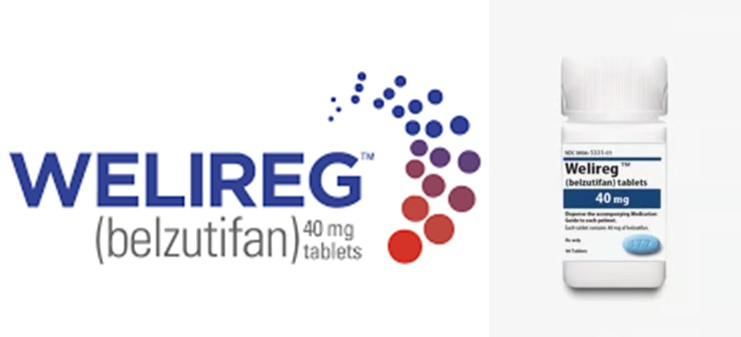
- MSD Korea is re-applying for reimbursement of the rare anticancer drug ‘Welireg,’ following the re-application for reimbursement of its Keytruda Results of the first hurdle, whether the Cancer Disease Review Committee sets a reimbursement standard, are expected to determine the fate of the drug’s quick reimbursment. # According to industry sources, MSD Korea’s oral hypoxia-inducible factor-2 alpha (HIF-2α) inhibitor Welireg (belzutifan) will be once again presented to the Health Insurance Review and Assessment Service’s Cancer Disease Deliberation Committee on March 19th. Von Hippel-Lindau disease is a hereditary disease associated with tumors in various organs and is caused by genetic abnormalities in the tumor suppressor gene VHL. It is characterized by causing various malignant and benign tumors, including central nervous system hemangioblastoma, retinal hemangioblastoma, lymphatic cysts of the inner ear, cysts of the kidneys and pancreas, pheochromocytoma and paraganglioma of the adrenal gland, and adenoma of the gonads, which occur in the brain and spinal cord. Its incidence rate is about 1 in 36,000 people, and it is estimated that about 200,000 people worldwide and about 10,000 people in the United States are suffering from it. In Korea, the number of adult patients with VHL disease is estimated to be in the low to mid-200s, based on data from the Health Insurance Review and Assessment Service. Based on this, Welireg was designated an orphan drug in Korea for the treatment of Von Hippel-Lindau disease in 2023, then formally approved in May of the same year. The company then submitted a reimbursement review application to the Health Insurance Review and Assessment Service (HIRA) in April last year and embarked on a full-fledged reimbursement journey. However, in August of the same year, the application was submitted to the CDDC, but the committee concluded that the reimbursement criteria should not been set, resulting in the first setback. The company then again submitted an application and the application is likely to be resubmitted at the 2025 3rd CDDC meeting scheduled for the 18th of this month. Meanwhile, the voices of patient groups are growing along with the national petition urging for Welireg’s reimbursement. In fact, the petitioner of the petition for national consent urged the government to reimburse the drug, imploring, “The price of one month (90 tablets) of Welireg, the only treatment for VHL, is KRW 22.61 million, aggravating the economic burden of the patients.” As a HIF-2α inhibitor, Welireg reduces transcription and expression of HIF-2α target genes associated with cellular proliferation, angiogenesis, and tumor growth. The drug’s efficacy was demonstrated in the open-label Study 004 trial, which investigated 61 patients with VHL-associated RCC who were diagnosed with at least one measurable solid tumor localized to the kidney.
- Company
- GC Cell sells its Japanese bio stock to associated companies
- by Cha, Jihyun Mar 19, 2025 06:02am
- GC Group's subsidiary, GC Cell, has transferred some shares of its Japanese cell therapy company, which it acquired seven years ago, to a holding company that specializes in gene analysis within the group. The company decided that entrusting a business to a local subsidiary with business experience in the Japanese market would be more efficient. GC Group aims to enter the Japanese market for cell therapy on a full scale.다. According to the Financial Supervisory Service on March 18, GC Cell sold 50,685 stake of GC Lymphotec for KRW 2.6 billion in Q4 of last year. Lymphotec is a company founded by Dr. Sekine, who worked as a researcher at the National Cancer Center Research Institute of Japan, in 1999. Dr. Sekine has been recognized as the leading researcher in the field of immune cell therapy, developing proprietary immune cell culture methods and publishing numerous research articles. The company primarily manufactures and sells cell therapies and culture reagents in Japan. As of last year, the company generated KRW 5.1 billion in sales and achieved KRW 600 million in operating profit. Previously, Green Cross Cell Corp acquired Lymphotec in 2018. In addition to its existing 14.5% stock of Lymphotec, Green Cross Cell Corp acquired an additional 68.8% of the stock, thereby becoming the largest shareholder. After that, Green Cross LabCell and Green Cross Cell Corp merged to form a unified entity, GC Cell, and Lymphotec was incorporated into GC Cell's subsidiary. With the recent share sale, GC Cell's stake in Lymphotec has been reduced from 83.3% to 24.4%, and the company has reclassified Lymphotec from a subsidiary to an affiliate. Under accounting principles, a firm must hold more than 50% of the shares to be considered a subsidiary. The transaction was made to Green Cross Holdings and a subsidiary specializing in gene analysis, s. The amount of stock sold by each company has not been disclosed GC Cell reasoned that divesting shares to related parties such as Green Cross Holdings and GC Genome was a strategy of choice and focus. The company believes that entrusting operations to a local holding company with business experience in the Japanese market will lead to more efficient management. GC has been targeting the Japanese market with its 'Hunterase,' a Hunter syndrome treatment designed as intraventricular use. In early 2021, the company became the first in the world to receive marketing approval from Japanese regulatory authorities for Hunterase ICV. This form replaces the conventional intravenous administration with direct intraventricular injection. In addition, GC is collaborating with Tottori University in Japan to develop an oral chaperone therapy for GM1-gangliosidosis. Centering the company's capacity around its holding company, GC Group plans to enter the Japanese cell therapy market on a full scale. Leveraging Green Cross Holdings' local network and market insights, the group will likely take a more strategic approach. Moreover, collaborations among affiliates within the group are expected to strengthen connections across R&D, clinical development, and manufacturing. This is expected to accelerate GC Genome's ongoing IPO efforts further. In November of last year, the company submitted a preliminary review application for a KOSDAQ listing to the Korea Exchange, planning to list 22.5 million shares in addition to 2.94 million shares to be offered to the public. Moreover, GC Genome secured A ratings from the designated professional evaluation agencies in October, passing the first hurdle for a technology-special listing. Using Lymphotec's established network of Japanese medical institutions and partners, GC Genome plans to introduce the AI-based multi-cancer early detection test, 'ai-CANCERCH,' to the local market. The company will also strengthen local clinical research and technology development through partnerships with major Japanese hospitals and research centers. GC Group said, "Given that Green Cross Holdings has experience conducting business in the Japanese market, holding the Lymphotec stock and managing it will enable the company to operate a local business effectively," adding, "Lymphotec will provide a connecting role for the company's business in Japan."

- Company
- A company that cares about employee well-being
- by Whang, byung-woo Mar 19, 2025 06:02am
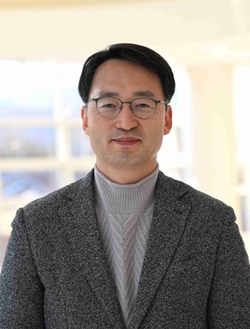
- Medtronic, which was founded in Minneapolis, Minnesota, USA in 1949, has been expanding its influence in Korea for 37 years since it opened a liaison office in Korea in 1987 and established a corporation in 2000. Medtronic is currently focusing on four areas: cardiovascular, neuroscience, medical-surgical, and diabetes, with 500 Korean employees and executives. In particular, the company's mission statement explicitly states that it “recognizes the personal worth of all employees.” This means that the company must create an environment where its employees and the local community can grow together for the company's growth. Youngil Moon, HR Director of Medtronic Korea Medtronic conducts a biannual “Organizational Health Survey” for all Medtronic employees worldwide and then improves its organizational culture and working methods by reflecting the opinions of its employees. Thanks to these efforts, in February, the company was honorably selected as one of the “Best Companies to Work for in Korea” for the sixth consecutive year by the global consulting firm Great Place to Work Institute (GPTW). Medtronic Korea places an emphasis on an inclusive workplace where the best talent can grow together. Dailypharm met with Youngil Moon, HR Director of Medtronic Korea, to learn about the company's organizational culture and working environment. - The company's HR vision emphasizes an inclusive and friendly workplace. Is there a reason for this? =Due to our company’s characteristics, we have a wide range of stakeholders as the company carries out diverse products and conducts different businesses. For this reason, each employee needs to develop their own expertise and independence to carry out business efficiently. One might think that a professional and inclusive workplace are two different things, but a flexible organizational culture that can accommodate various goals and directions is important for improving the competitiveness of each employee's expertise and growth. -I am curious about what efforts the company is making to create an inclusive workplace. =Our company has a matrix structure, and many employees work with managers in regions or globally, so rather than following what is required from above, a culture that respects various departments and jobs has naturally been formed. There are some parts that need to be abided by the organization, but we guarantee flexibility in various areas, such as working hours and workplaces, to make the most of each employee's expertise -The company’s vision should also be reflected in your type of talent. What type of talent do you seek? =Since the company is composed of about 15 independent business units, employees are often exposed to situations where they have to communicate directly with the business units at the headquarters level and make decisions in the necessary direction. For this reason, we value the ability to become the best expert in one's work, not just in terms of technical knowledge, but also in the ability to make quick decisions in a situation. We also have a matrix organizational structure, so a culture and capacity to work organically with other teams and sometimes discuss different opinions, rather than receive instructions, is important. In this respect, it is also important to have talented people who are open and inclusive, who perform well and communicate well. - It seems important to select employees who fit the talent profile. What is the hiring process like? One of the major differences is that the organization's structure and individual job positions are planned in advance from the moment a one-year budget is set. The overall organization's job positions and hiring scale are determined by considering a series of business plans and the priorities of various businesses, rather than making decisions based on the situation as the work progresses. However, given the company's situation, large-scale hiring does not occur on a regular basis. In order to recruit good talent, the company provides information on how to apply and how to get to know the company. The global recruitment team independently selects candidates through a fair process. After that, the actual recruitment process involves interviews with three to four key stakeholders, including managers. - As a global company, language skills must also be important = The level of language proficiency required varies depending on whether the job involves working more with domestic stakeholders or working with global or other countries. There is a minimum standard for language proficiency, but since English is not the native language in Korea, there are bound to be limitations, and since language proficiency can often be developed through actual work, we recommend that you actively apply. Also, since it is a global company, you may experience unfamiliar situations due to cultural differences, etc., when working with people from other countries in addition to language differences, but the company helps you to quickly get used to these aspects. -How does the company specifically help employees to adapt? = Basically, we provide language skills training, such as English learning, in a similar way to what other global companies offer. Recently, we have been focusing on two programs to develop competencies in coping with cultural differences and work styles, not just English. First, we provide opportunities to experience work in other jobs and other countries through the 'Excel with Experience Café' program. Moving jobs is not an easy decision for employees, and opportunities do not come often, so we are running a program that allows employees to experience different projects for a short period of time. There is also a program called 'Talent Xperience' that allows employees to go to the country for a certain period of time and work with the local team. Last year, we visited Medtronic Japan to gain experience, and we also had the opportunity to invite and work with employees from Singapore and the Philippines. -So, can these programs lead to actual overseas jobs? =Already, many employees from Medtronic Korea are successfully working in various countries. In particular, unlike many companies that send employees to overseas branches or regions at the leadership level, Medtronic provides opportunities for young talent, by sending employees to overseas branches at mid-career. It is true that many global companies do not have many young employees or opportunities due to their structure of training and hiring specialists for specific jobs. However, Medtronic is open to providing opportunities for young employees, and employees in their 20s to account for about 20% of the total number of employees at Medtronic. -Your company has been selected as a 'Great Place to Work' in Korea for 6 consecutive years. What kind of employee welfare does the company pride itself on? =We have a system called '4 Weeks from Anywhere' that allows employees to work from anywhere in the world for one month. There are systems that give long-term employees long vacations for a certain period of time, but there are pros and cons, such as in cases where no one can take over the person’s job for a short period of time. This system provides an option that minimizes the burden by allowing employees to stay in another region and work during the day while spending their weekends and evenings with their families and having unique experiences. When the system was first implemented, I thought there might be some people who would like it and some who would not, but it has become a unique and helpful program that allows employees to go abroad together during their children's school breaks. -Lastly, I'd like to know about the company's plans for this year. While specific programs and one-time events are important in terms of organization, it is important to establish and implement various visions in a sustainable manner and in a form that suits individual teams and employees to ensure that they are well and palpably established. While it may sound too grand to coin it as an “organizational culture,” our plan for this year is to create and develop a good organizational culture that employees can feel through small words and actions.
- Company
- Takeda Korea appoints Kwang-gyu Park as new General Manager
- by Whang, byung-woo Mar 19, 2025 06:02am
- Kwang-kyu Park, new General Manager of Takeda Pharmaceuticals KoreaTakeda Pharmaceuticals Korea announced on the 18th that it has appointed Kwang-kyu Park as its new General Manager as of March 17, 2025. Park is a pharmaceutical industry expert with more than 20 years of experience in the industry and strong expertise and leadership in Specialty Care and Oncology (hematologic malignancies and immunotherapy). Park graduated from Kyung Hee University with a degree in Pharmacy and earned an MBA from the Graduate School of Business at Seoul National University. Since then, he has demonstrated leadership in global companies such as BMS Korea, AstraZeneca Korea, and MSD Korea, leading the introduction of new drugs, organizational innovation, and stakeholder collaboration. Most recently, he served as the Senior Director of Gilead Sciences Korea’s Liver Disease Business Unit, playing a pivotal role in improving the treatment environment for liver diseases in Korea and realizing patient-centered medical innovation. Park said, “Takeda Pharmaceuticals Korea has pursued continuous growth through patient-centered innovation amid the rapidly shifting medical environment. We will continue to accelerate the introduction of innovative treatments and seek multi-faceted solutions to ensure that both the healthcare professionals and patients can have optimal treatment opportunities.” Park added, “We will strengthen cooperation with domestic bio and pharmaceutical companies to improve the treatment environment and contribute to the continuous development of the domestic pharmaceutical industry.” Mahender Nayak, Senior Vice President of Growth and Emerging Markets at Takeda Pharmaceuticals said, “We are very pleased to welcome Mr. Park to Takeda Pharmaceuticals as we seek to advance our 6 innovative late-stage pipelines. I expect His expertise, which includes his extensive business experience and strategic leadership, will serve a pivotal role in the continued success of Takeda Pharmaceuticals Korea.”
- Company
- Ilaris can be prescribed in 7 hospitals in Korea
- by Eo, Yun-Ho Mar 19, 2025 06:01am
- The ultra-rare disease treatment 'Ilaris' may now be prescribed in more hospitals in Korea. According to industry sources, Novartis Korea's hereditary recurrent fever syndrome drug Ilaris (canakinumab) has passed the drug committees (DCs) of tertiary hospitals such as Seoul National University Hospital, Seoul St. Mary's Hospital, and Sinchon Severance Hospital as well as regional medical institutions such as Pusan National University Yangsan Hospital, Jeju National University Hospital, and Pyeongchon (Hallym Univ. Sacred Heart Hospital. The drug’s landing procedures are also underway at Chung-Ang University Hospital. Ilaris, which was approved in Korea in 2015, has been on the reimbursement list since August last year. The company quickly accepted the conditional reimbursement decision made by the MFDS’s Drug Reimbursement Evaluation Committee in April and then promptly concluded the difficult drug pricing negotiation process. However, due to the small number of patients who were eligible to use the drug, there were not many hospitals that could prescribe it. The number of patients who could be prescribed Ilaris is extremely small. At the time of Ilaris's approval, the number of patients in Korea was estimated to be around 10. In fact, some of Ilaris' indications do not even have disease codes or have only recently been registered. In this situation, it is encouraging news that the number of medical institutions that can prescribe the reimbursed drug has increased to seven. Ilaris is an interleukin-1 (IL-1) inhibitor recommended for treating CAPS in the 2021 international guidelines of the European Congress of Rheumatology and the American College of Rheumatology. In a Phase III study, the drug demonstrated significant clinical benefit in remission after a single dose and remission rate at 6 months and can be administered every 8 weeks in patients with CAPS, improving the quality of life for patients and their caregivers. In the CLUSTER study, which included 46 patients with TRAPS and 63 patients with colchicine-resistant FMF, 45% (n=10/22) of TRAPS patients treated with Ilaris 150 mg and 61% (n=19/31) of colchicine-resistant FMF patients achieved a complete response at week 16. Ilrais is indicated for the following diseases in Korea: ▲Periodic fever syndromes (PFS), cryopyrin-associated periodic syndromes (CAPS), tumor necrosis factor receptor-associated periodic syndrome (TRAPS), hyperimmunoglobulin D syndrome (HIDS)/mevalonate kinase deficiency (MKD), and familial Mediterranean fever (FMF) ▲Active systemic juvenile idiopathic arthritis (Systemic JIA). For CAPS, the indication can be further categorized into the following symptoms: ▲Familial cold autoinflammatory syndrome (FCAS)/ familial cold urticaria (FCU) ▲Muckle-Wells syndrome (MWS) ▲Neonatal onset multisystem inflammatory disease (NOMID)/chronic infantile neurological, cutaneous and articular syndrome (CINCA).
- Company
- Vadanem for renal anemia makes its 'third attempt at reimb'
- by Nho, Byung Chul Mar 18, 2025 05:57am
- Mitsubishi Tanabe Pharma Attention has been drawn to the oral renal anemia drug Vadanem as the company completed meeting procedural requirements and attempts again to obtain reimbursement listing. According to industry sources, Mitsubishi Tanabe Pharma recently submitted Vadanem's drug pricing application to the Health Insurance Review and Assessment Service (HIRA). After obtaining approval from the Ministry of Food and Drug Safety (MFDS) in March 2023, Vadanem is making a third attempt at insurance reimbursement. After Vadanem obtained FDA approval in March 2024, it was listed in Germany for its demonstrated safety and efficacy. In January, it also secured a prescription recommendation from the U.K health authority As a result, Vadanem secured all medical health technology evidence required by the Korean health authority's listing criteria. Therefore, it is anticipated to be accepted. Mitsubishi Tanabe Pharma suggests a weighted average price of the substitute as about KRW 1 million to 1.2 million. Because the suggested price is about KRW 300,000 to 500,000 lower than the conventional EPO injectables, it has been evaluated to contribute significantly to saving the National Health Insurance finance. The efficacy of the drug was demonstrated through comparative effects (non-inferior) to a control drug. The side effect of the drug was reported to be similar to conventional drugs. Thus, it is being regarded as a new treatment choice. Anemia is caused by decreased kidney function and EPO production capacity, followed by lowered hematopoiesis. Renal anemia is accompanied by oxygen depletion due to decreased red blood cells, and it is commonly accompanied by in tiredness, decreased appetite, insomnia, and depression. It reduces the quality of life and impacts the mortality rate of patients. There are over 700 million patients with chronic renal kidney disease worldwide, and 1 out of 7 patients experience anemic symptoms. According to the National Health Insurance Service (NHIS) data, the number of patients with chronic kidney disease in Korea increased 36.9%, from 206,061 patients in 2017 to 282,169 patients in 2021. The increase was particularly steep in patients in their 80s, up 82.8%. Dialysis patients are also on the rise exponentially. Listing of competitive and new drugs may be justified as the National Health Insurance finance spent on approximately 100,000 patients amounts to KRW 3 trillion. Considering that these drugs are priced 30% less than injectable formulations and have improved convenience of administration, with equivalent effectiveness, it would be a significant loss in national finance. Meanwhile, the EPO formulation, developed 30 years ago, is the only available treatment for renal anemia. Third generation injectables with extended intervals of administration have been launched recently. However, many patients do not respond to these treatments, experience changes in blood pressure, and have adverse reactions, such as nausea and vomiting. Thefore, there is a need for treatments with new mechanism. Vadanem is a hypoxia-inducible factor (HIF) prolyl hydroxylase (PH) enzyme (HIF-PH) inhibitor. It works by improving hemoglobin levels by activating 'erythropoietin (EPO)' and reducing 'hepcidin,' a hormone responsible for iron metabolism. The domestic market for renal anemia drugs has been dominated by erythropoiesis-stimulating agents (ESAs). Hypoxia-inducible factor prolyl hydroxylase enzyme (HIF-PH) inhibitors are demonstrating potential after AstraZeneca·JW Pharmaceuticals·Mitsubishi Tanabe Pharma obtained approval from the MFDS for Evrenzo Tab (roxadustat)·Enaroy Tab (Enarodustat)·Vadanem Tab (vadadustat) in 2021·2022·2023, respectively. During this process, AstraZeneca withdrew from the launching of Evrenzo Tab in South Korea due to substantially lower drug pricing than the prime cost. According to a document on pharmaceutical distribution performance, external sales of renal anemia drugs amount to KRW 100 billion. The overseas market for all types of HIF-PHI prescriptions is worth KRW 10 trillion.
- Company
- Alteogen signs 2 licenses out agreements with AZ subsidiary
- by Cha, Jihyun Mar 18, 2025 05:56am
- Alteogen has signed two licensing-out agreements with AstraZeneca’s subsidiaries. According to the Financial Supervisory Service on the 17th, Alteogen has signed 2 exclusive license agreements with MedImmune, a subsidiary of AstraZeneca's bio R&D, for its subcutaneous (SC) formulation modification platform 'ALT-B4' based on recombinant human hyaluronidase enzyme. The company signed agreements with the UK subsidiary of MedImmune and the US subsidiary of MedImmune, respectively. The non-refundable upfront payment with the UK entity was KRW 36.4 billion. The technology fee (milestone payments) for development and commercialization is KRW 1.547 trillion, with separate sales royalties upon successful commercialization. Alteogen will receive sales royalties equivalent to a certain percentage of the net sales generated after the first commercial sale of products using ALT-B4. The upfront payment for the contract signed with the US corporation is KRW 29.1 billion. The milestone payment is 843.8 billion won, with separate sales royalties. The total upfront payment for the two technology export contracts signed by Alteogen is KRW 65.5 billion. The total milestone payment for the 2 contracts is KRW 1.8985 trillion. Alteogen's ALT-B4 technology can change an intravenous (IV) formulation to a subcutaneous (SC) formulation by hydrolyzing hyaluronic acid under the skin. Unlike the IV formulation that patients have to receive for 4-5 hours in the hospital, the SC formulation allows patients to self-inject the treatments at home in 5 minutes. Since 2019, Alteogen has signed a series of technology transfer agreements with global pharmaceutical companies including Merck (MSD) in the United States, Intas Pharmaceuticals in India, and Sandoz in Switzerland. Alteogen has licensed out its ALT-B4 technology to the global pharmaceutical company GPC for USD 1.373 billion in 2019, MSD for USD 3.865 billion in 2020, Intas for USD 109 million in 2021, and Sandoz for USD 145 million in 2022. Among these, the contract with MSD was extended by 4 months in February last year, increasing the contract amount by USD 432 million to USD 4.317 billion. The contract with Sandoz, signed in 2022, was replaced by a contract to develop an SC formulation biosimilar through the joint development of a new hyaluronidase in July. The specific terms and conditions of the contract and development strategy were not disclosed.
- Company
- Can the myelofibrosis drug Ojjara pass CDDC review in KOR?
- by Eo, Yun-Ho Mar 18, 2025 05:56am
- Industry attention is rising on whether GSK’s new drug for myelofibrosis, Ojjara, will be able to make progress in its reimbursement journey and be listed in Korea. According to industry sources, GSK's myelofibrosis treatment Ojjara (momelotinib) will be presented for review to the Health Insurance Review and Assessment Service's Cancer Disease Deliberation Committee tomorrow (19th). Specifically, the indication being reviewed is its use as a ‘treatment for adults with anemia at intermediate or high risk of myelofibrosis.’ The drug is currently indicated for primary myelofibrosis, post-polycythemia vera myelofibrosis, or post-essential thrombocythemia myelofibrosis. GSK recently launched Ojjara as a non-reimbursed drug. It remains to be seen whether the application will lead to the introduction of a covered treatment option that will significantly improve anemia, which has remained an unmet need in the treatment of myelofibrosis in Korea. Ojjara has a unique triple-inhibition mechanism that blocks JAK1, JAK2, and ACVR1 (Activin A Receptor Type 1). In the treatment of myelofibrosis, inhibition of JAK1 and JAK2 can contribute to the improvement of systemic symptoms and reduction of splenomegaly in patients, while inhibition of ACVR1 can help alleviate anemia by inducing a reduction in hepcidin expression. Managing anemia is one of the unmet needs in the treatment of existing patients with myelofibrosis. Anemia, which increases the need for blood transfusions, causes more than just dizziness, and depending on the severity, it can lead to a serious condition that can be life-threatening. The Phase III SIMPLIFY-1 and MOMENTUM studies have shown that, regardless of prior treatment with JAK inhibitors, Ojjara can significantly improve the main symptoms of splenomegaly and transfusion dependence in the treatment of patients with myelofibrosis with anemia. In the SIMPLIFY-1 study, which confirmed the clinical efficacy and safety of Ojjara compared to that of JAK inhibitors in the first-line treatment of patients with myelofibrosis who had no prior experience with JAK inhibitors, Ojjara demonstrated non-inferiority to JAK inhibitors in the primary endpoint of spleen volume response at Week 24 of treatment. The proportion of transfusion independence in each patient group was 66.5% for the Ojjara arm and 49.3% for the ruxolitinib arm, indicating that Ojjara showed significantly less transfusion dependency. “While JAK inhibitors, which were used in the treatment of myelofibrosis, showed effects in alleviating splenomegaly and systemic symptoms, they worsened anemia or increased the need for blood transfusions, which left an unmet need,” said Seo-Yeon Ahn, Professor of Hematology & Oncology at Chonnam National University Hwasun Hospital, “Ojjara has confirmed its significant clinical value in managing anemia, which is closely related to the prognosis of patients with myelofibrosis, and we expect that its launch in Korea will contribute to improving the treatment outcomes and quality of life of more patients.”
