
- LOGIN
- MemberShip
- 2026-07-22 20:21:51
- Company
- Will Leqvio not be reimbursed for ASCVD in Korea?
- by Eo, Yun-Ho Apr 09, 2025 05:56am
- The reimbursement of the twice-yearly dyslipidemia drug ‘Leqvio’ for ASCVD became unclear in Korea. According to Dailpharm coverage, the siRNA drug, Leqvio (inclisiran), from Novartis Korea failed to set reimbursement standards at the Drug Reimbursement Evaluation Subcommittee meeting of the Health Insurance Review and Assessment Service in February as a treatment for the “reduction of cardiovascular events in patients with atherosclerotic cardiovascular disease(ASCVD).” However, at the meeting, the indication for “heterozygous familial and familial, or mixed dyslipidemia” passed review, and the Drug Reimbursement Evaluation Committee conditionally approved the indication for reimbursement earlier this month. This is because the target patients are very few. The government may have decided that it would not be a problem to delay reimbursement for Leqvio because a competitor of the same therapeutic class, Amgen Korea's 'Repatha (evolocumab)', is already listed for reimbursement. However, it is worth considering the fact that Leqvio is administered directly by healthcare professionals at hospitals twice a year. Not only is the number of doses reduced, but the advantage is that the injection is administered by medical staff at the hospital rather than by the patient. In fact, 78.4% of the target patient population, including patients with atherosclerotic cardiovascular disease (ASCVD) who have been administered Leqvio for up to 6.8 years or more, have reached the target LDL-C level. In a real-world study in the United States, the group with high medication adherence (fully adherent) among patients with ASCVD, including myocardial infarction, had a 27% lower risk of major adverse cardiovascular events (MACE) compared to the low-adherence group. In addition, it was found that patients with ASCVD who were highly compliant with their medication had lower annual medical costs than those with low compliance, which reduced the risk of recurrent cardiovascular disease and the economic burden of ASCVD patients. In other words, the convenience of taking the drug provided by Leqvio has clear therapeutic benefits. The market for statins and ezetimibe combination drugs alone is worth KRW 1 trillion, and if we add the funds spent on statins and PCSK9 inhibitors, the funds spent on lowering LDL-C alone are estimated to be between KRW 1.5 trillion to KRW 2 trillion. However, the LDL-C target achievement rate for ASCVD patients in Korea is only 24%. “In the case of high-risk patients, medication adherence is especially important for lipid-lowering treatment. In reality, medication adherence to current treatment options is low, and only 3 out of 10 patients still achieve the target LDL-C level. This is proof that new treatment options are urgently needed for lipid-lowering therapy,” said Jon Suh, Secretary of the Insurance Committee of the Korean Society of Cardiology and a member of the Insurance Committee of the Korean Society of Cardiology.
- Company
- Doctors long for a new treatment option for liver cancer
- by Moon, sung-ho Apr 09, 2025 05:56am
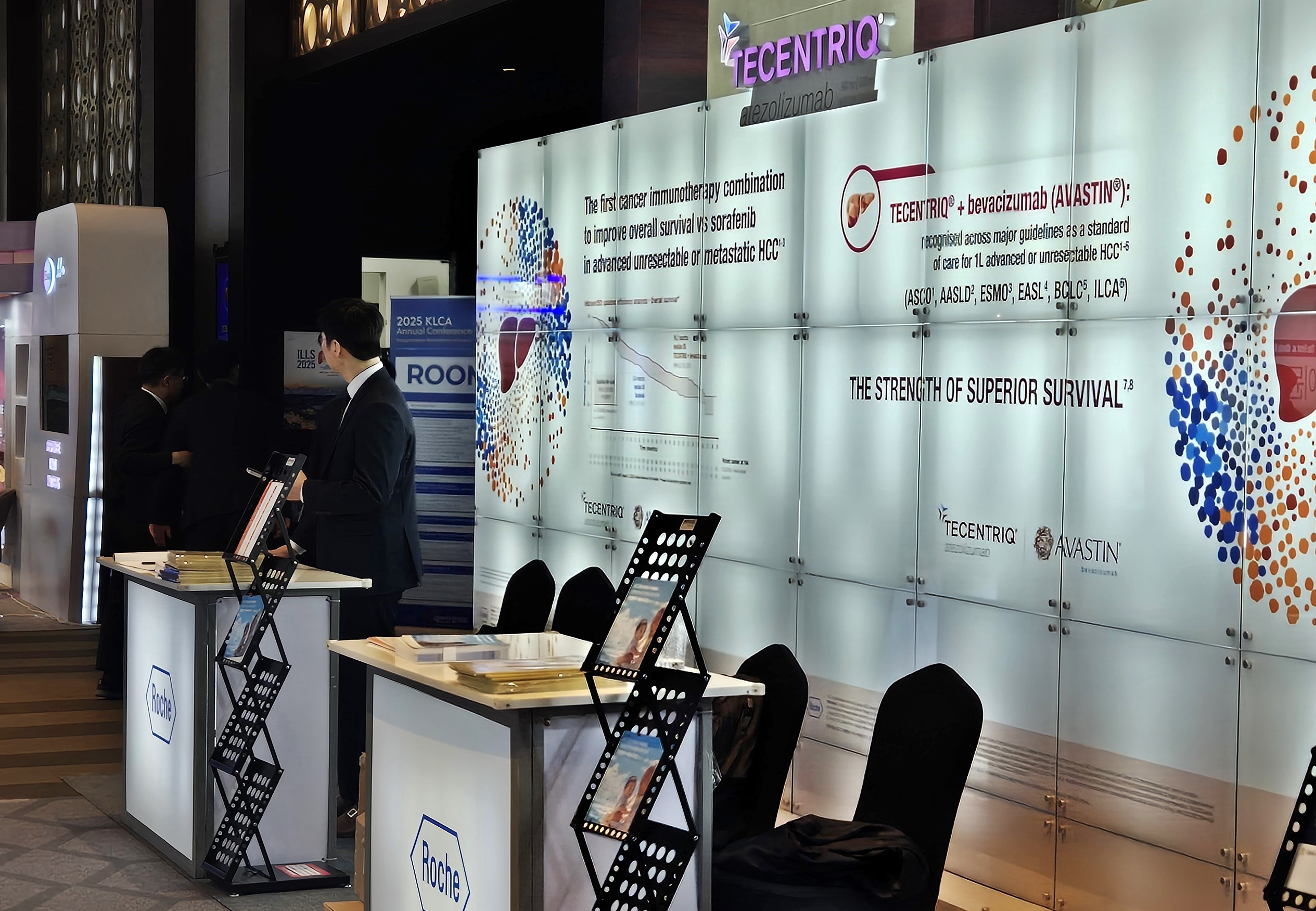
- Progressive hepatocellular carcinoma, or liver cancer, is a disease with only a few effective treatment options in the clinical setting. Recently, the emergence of various first-line treatment options such as targeted anticancer drugs and immuno-oncology drugs, has raised expectations for improved treatment outcomes. However, treatment options for liver cancer are still in high demand in the clinical setting due to low treatment response rates, the lack of biomarkers for treatment selection, and the lack of second-line treatment options. # Among these, the domestic pharmaceutical and bio industry is attracting attention, with Korean companies making a bid into the global big pharma-led drug market with their development of new drugs. According to the medical community on the 7th, the treatment options that are used as a standard therapy in the first-line treatment of liver cancer are the Tecentriq (atezolizumab) and Avastin (bevacizumab) combination therapy. According to the “Guidelines for the Treatment of Hepatocellular Carcinoma” revised by the Korean Liver Cancer Association and the National Cancer Center in 2022, if a liver cancer patient is not indicated for surgery or local treatment as first-line systemic therapy, the Tecentriq and Avastin combination or Imfinzi (durvalumab) and Imjudo (tremelimumab) is recommended as the first choice. Professor Hong-Jae Jeon of the CHA Bundang Medical Center (Hematolo-oncology), explained, “Liver cancer is the sixth most common cancer worldwide and the second leading cause of cancer deaths in Korea, and various treatment options have emerged to improve its prognosis. However, there is still a high unmet need in terms of long-term survival. As the development of therapeutic agents continues with the aim of improving the treatment outcomes of liver cancer, immune-oncology drugs have recently emerged as an innovative first-line treatment option for liver cancer.’ However, the standard therapy currently available for practical use in clinical practice is limited to the Tecentiq+Avastin combination. Previously, there were treatments such as Nexavar (sorafenib) and Lenvima (lenvatinib), but in the course of developing treatments, the Tecqntriq+Avastin combination has recently been used as a standard therapy. In the case of the Imfinzi+Imjudo combination, which has improved the risk of bleeding, a typical side effect of existing treatments, the combination has been approved by the Ministry of Food and Drug Safety in Korea but is not reimbursed by the National Health Insurance, so it can only be used as a non-reimbursed drug. AstraZeneca, Imfinzi’s developer, pushed for reimbursement and passed the threshold of the Cancer Disease Review Committee of the Health Insurance Review and Assessment Service in November last year, but the application is still in the pharmacoeconomic evaluation stage of the subcommittee under the Drug Reimbursement Evaluation Committee. Imjudo, which is used in combination with Imfinzi, is administered only once, but the patient must pay KRW 10 million for the single shot, so it is essential for the company to apply for the combination’s reimbursement due to poor patient access in terms of finances. As a result, although there are currently 4 liver cancer treatment options approved in Korea, the first-line treatment option is limited to the Tecentriq+Avastin combination. The problem is that the reimbursement of even this combination is at risk of being cut back in the field. In fact, major medical associations have prepared and submitted a proposal to the Health Insurance Review and Assessment Service to improve reimbursement standards for liver cancer treatments, led by the Tecentiq+Avastin combination, in the second half of last year. This is believed to be a measure to reduce the frequency of reimbursement price cuts due to increased claims for this treatment option. Professor Hyun Yang of Eunpyeong St. Mary's Hospital (Department of Gastroenterology) recently gave a presentation on the topic at the Korean Liver Cancer Association. He said, “There is a gap between the actual reality and the application of reimbursement for systemic treatment of hepatocellular carcinoma. There is ambiguity in the reimbursement criteria for the Tecentriq+Avastin combination therapy, which states 'local treatment is not possible,’ and there is a gap between the indication for the Phase III clinical trial of the Imfinzi+Imjudo combination therapy as well as the combination therapy in question.” Soon Sun Kim, Insurance Director of the Korean Liver Cancer Association (Department of Gastroenterology, Ajou University Hospital), said, “We submitted expert consensus opinions to HIRA on the reimbursement application of systemic liver cancer treatment for hepatocellular carcinoma. We presented the opinion paper to improve the ambiguity of the reimbursement criteria for the use of such treatments.” The lack of treatment options for liver cancer in clinical settings has created an unmet demand, and the domestic pharmaceutical and biotechnology industries, which have identified the marketability in the field, are busy developing new drugs. A typical example is HLB's rivoceranib. HLB Life Science acquired the development rights to rivoceranib from Bukwang Pharm in 2018 for KRW 40 billion. Since then, HLB has been developing a combination therapy of lenvatinib and camrelizumab for liver cancer with Jiangsu Hengrui Pharmaceuticals Company, Camrelizumab, which was developed by Jiangsu Hengrui Pharmaceuticals Company, is an immuno-oncology drug that inhibits the PD-1 protein expressed on the surface of immune cells (T cells), preventing them from binding to the PD-L1 receptor on the surface of cancer cells and activating immune cells. According to the results of the Phase III CARES-310 study, which was unveiled at the 2022 European Society for Medical Oncology (ESMO) by HLB and Jiangsu Hengrui Pharmaceuticals, the combination of rivoceranib and camrelizumab recorded a median overall survival (OS) of 22.1 months, an improvement over Nexavar’s 15.4 months. However, the FDA approval was again denied last month, following the one in May last year. As with the previous time, the issue this time is also related to the Chemistry, Manufacturing, and Control (CMC) of camrelizumab by Jiangsu Hengrui Pharmaceuticals. However, HLB has expressed its intention to reapply for FDA approval, so there is still a possibility of approval. The progress of Yuhan Corporation's subsidiary, ImmuneOncia, a biotech company specializing in immuno-oncology drugs, is also noteworthy. The company's pipeline has recently attracted increased attention after passing the preliminary screening for the KOSDAQ listing. In particular, there is a lot of interest in 'IMC-002’ in the company's pipeline of monoclonal antibodies targeting the CD47 factor. MC-002 is an immune checkpoint inhibitor for macrophages that blocks the “don't eat me” signal between CD47 on cancer cells and SIRPα on macrophages, helping macrophages attack cancer cells (phagocytosis). In Phase Ia clinical trial on solid tumors, it has been attracting attention as a CD47 immuno-oncology drug candidate that global big pharma has given up on because it minimizes binding to normal cells such as red blood cells and is highly safe. Based on this, ImmuneOncia also signed a technology export contract for IMC-002 to China with 3D Medicines for KRW 540 billion in 2021. The results of the Phase Ib clinical trial of IMC-002 will be presented at the American Society of Clinical Oncology (ASCO 2025) congress scheduled to be held in May. ImmuneOncia plans to develop IMC-002 as a second-line treatment option for liver cancer, which has a high unmet clinical need. “The biggest feature is that it binds strongly to cancer cells while minimizing binding to normal cells, such as red blood cells,” said Heung Tae Kim, CEO of ImmuneOncia (Oncology specialist). ”This is why global pharmaceutical companies have been held back. Existing candidate substances had a strong tendency to bind with red blood cells, causing side effects such as anemia and thrombocytopenia, but IMC-002 has solved the safety issues and is expected to be highly effective,” he explained. Kim added, ”In addition to the safety data, we will present efficacy data on our candidate at ASCO 2025. While our competitors have been developing treatments for blood cancers, we are currently conducting clinical trials for liver cancer among solid cancers. In the case of liver cancer, there are first-line treatment options regarded as standard of care, but there are virtually no therapies available as a second-line treatment. We are working to provide next-generation options in this market.”

- Company
- Trials for bispecific antibodies in cancer immunotherapy
- by Son, Hyung Min Apr 09, 2025 05:56am
- Yuhan, Hanmi Pharmaceuticals, and other domestic pharmaceutical and biotech companies have entered Phase 1 clinical trials of bispecific immuno-oncology drugs, delving into new drug development. Bispecific antibodies are drugs that can simultaneously bind to two different antigens or two distinct antigen-binding sites on the same antigen. Multispecific antibodies that target biomarkers simultaneously have the advantage of crossing the blood-brain barrier (BBB) by binding to receptors on its surface. In particular, passage through the BBB is necessary for anticancer drugs to enhance drug permeability. Recently, an increasing number of companies have been developing multispecific antibodies by combining antibodies that bind to antigens regulating immune cell activation with those that bind to tumor-specific antigens. Yuhan·Hami enter phase 1 trials #iAccording to industry sources, on the 9th, Yuhan received IND approval from the Ministry of Food and Drug Safety (MFDS) for its bispecific antibody immuno-oncology candidate 'YH32364.' Introduced initially to Yuhan in 2018 from ABL Bio, YH32364 is now entering its first clinical study in humans. This trial will assess the safety, tolerability, pharmacokinetics, and antitumor activity of YH32364 in patients with locally advanced or metastatic solid tumors that overexpress the epidermal growth factor receptor (EGFR). YH32364 is designed as a bispecific antibody that simultaneously targets EGFR and 4-1BB. EGFR is a well-known biomarker expressed in major solid tumors, including non–small cell lung cancer (NSCLC) and colorectal cancer. By simultaneously targeting EGFR and T-cell activating 4-1BB, Yuhan aims to maximize the antitumor effect of this immuno-oncology candidate. Hanmi Pharmaceuticals, in collaboration with Beijing Hanmi Pharmaceuticals, is currently conducting a Phase 1 clinical trial of the immuno-oncology candidate 'BH3120,' which targets both 4‑1BB and PD‑L1. Cetuximab is an anticancer drug that targets the EGFR receptor and is used in the treatment of various cancers, including colorectal cancer, head and neck cancer, and lung cancer. Yuhan expects YH32364, which activates immune cells through 4‑1BB action dependent on the tumor’s EGFR expression, will be effective against a broader range of EGFR‑expressing solid tumors than conventional anti‑EGFR monoclonal antibodies. Hanmi Pharmaceuticals, in collaboration with Beijing Hanmi Pharmaceuticals, is currently conducting a Phase 1 clinical trial of the immuno-oncology candidate 'BH3120,' which targets both 4‑1BB and PD‑L1. Hanmi Pharmaceuticals’ proprietary platform technology Pentambody was used in developing BH3120. Pentambody is a next‑generation dual antibody platform technology that activates immune cells while attacking only the target cancer cells. Because BH3120 activates 4‑1BB only in immune cells surrounding PD‑L1‑expressing tumor cells, it minimizes the toxic side effects of 4‑1BB and achieves long‑term anticancer effects that prevent recurrence. In clinical trials, BH3120 demonstrated decoupling effects of immune activation between the tumor microenvironment and normal tissues, confirming its safety. Hanmi Pharmaceuticals and Beijing Hanmi Pharmaceuticals also explore combining BH3120 with additional anticancer agents. Active R&D for bispecific immune-oncology agents Korean biotech industry also focuses on bispecific antibody immune-oncology agents. In addition to ABL Bio's YH32364 (ABL Bio candidate ABL104) transferred to Yuhan, it also has ABL501, which targets PD‑L1 and LAG‑3, and ABL503, which targets PD‑L1 and 4‑1BB. ABL501 is a bispecific antibody designed to improve the low response rates of conventional immuno-oncology agents and treat patients with resistance by targeting two different immune checkpoint proteins, PD‑L1 and LAG‑3. This candidate blocks the binding of LAG3-MHCII and PD‑1-PD‑L1, thereby preventing T cells from being inactivated by tumors. ABL501 mechanism of action (Source=ABL Bio). In preclinical studies, ABL501 demonstrated tumor-killing effects in NSCLC patient's tumor cells and in patients' peripheral blood organoids, compared to the conventional Tisentric agent. Currently, ABL501 monotherapy is being studied in a dose-escalation Phase I trial as a monotherapy. This clinical study is funded by the Ministry of Science and ICT, the Ministry of Trade, Industry and Energy, and the Ministry of Health and Welfare (MOHW) under the National New Drug Development Support Project. ABL Bio is also conducting a Phase 1 trial of ABL503. Clinical data showed that the administration of ABL503 has demonstrated antitumor efficacy and confirmed its safety profile. Notably, among the patients who achieved a complete response (CR) or partial response (PR), some had previously shown resistance to or experienced recurrence after treatment with immunotherapies targeting PD‑L1. Among 26 patients exposed to the effective dose, responses were observed in 7 patients. The results showed that there was one CR and six PR. Regarding safety, after administration of ABL503, some toxicities inherent to PD‑L1 and 4‑1BB targeted anticancer agents were observed; however, these were manageable with steroid treatment or temporary treatment interruption. Tium Bio has confirmed the efficacy of the bispecific inhibitor TU2218 in preclinical studies. TU2218 concurrently blocks transforming growth factor (TGF‑β) pathways, which is known to interfere with immuno-oncology activity and vascular endothelial growth factor (VEGF). The process maximizes the efficacy of immuno-oncology agents. In a breast cancer mouse model, TU2218, in combination with an anti‑PD‑1 agent, improved tumor growth inhibition compared to conventional chemotherapy. In a colorectal cancer model, the potential of a triple combination therapy was demonstrated. In a colorectal cancer model, the potential of a triple combination therapy was demonstrated. The combination of TU2218, an anti‑PD‑1 agent, and an anti‑CTLA‑4 agent exhibited superior tumor growth inhibition compared to the control group receiving a placebo plus an anti‑PD‑1 agent and an anti‑CTLA‑4 agent. The triple combination therapy containing TU2218 achieved an 84% tumor growth inhibition rate, compared to 70% in the control group. Additionally, TU2218, in combination with an anti‑PD‑1 agent and Renbatinib, achieved a 99% tumor growth inhibition rate. IMC-201, developed by ImmuneOncia, is a bispecific antibody independently created using CD47 and PD‑L1. In preclinical studies, IMC-201 strongly bound to solid and hematologic cancer cells expressing CD47/PD‑L1, while selectively acting only on the cancer cells even under conditions where red blood cells and cancer cells were co‑cultured. Furthermore, it exhibited higher macrophage-mediated phagocytosis compared to the parental antibody, IMC-002. In particular, in a mouse tumor model of triple‑negative breast cancer, IMC-201 demonstrated more potent tumor inhibition than the combination of the parental antibodies IMC-002 and IMC-001. ImmuneOncia is also developing the immuno‑oncology candidate IMC-002. IMC-002 is designed to block CD47 on cancer cells and inhibit macrophage signaling. In a study where IMC-002 was administered to 12 patients, no drug toxicity was observed at any dose level. Among these 12 patients, 6 achieved stable disease (SD). The company plans to determine the recommended Phase 2 dose based on the clinical findings from the Phase 1b study.

- Company
- Samsung Bioepis launches Epysqli in the US
- by Whang, byung-woo Apr 09, 2025 05:56am
- Pic of Epysqli Samsung Bioepis (CEO Kyung-ah Kim) announced on the 8th that it has launched Epysqli (project name SB12, ingredient name eculizumab), a treatment for rare diseases, in the US through its marketing partner, Teva. Epysqli is a biosimilar version of Soliris. Soliris is a treatment for rare diseases such as paroxysmal nocturnal hemoglobinuria (PNH), atypical hemolytic uremic syndrome (aHUS), and generalized myasthenia gravis (gMG) developed by Alexion in the United States. Soliris is a representative ultra-high-priced biopharmaceutical with a large unmet need in the medical field, and the annual treatment cost for PNH in the United States amounts to USD 520,000 (about KRW 760 million). Last year, global sales amounted to approximately KRW 3.8 trillion (USD 2.588 billion), of which approximately KRW 2.2 trillion (USD 1.523 billion) was from sales in the United States. Epysqli was launched at a 30% discounted price to the wholesale acquisition cost (WAC) of the original drug, Soliris, and is expected to save treatment costs in the United States. “The launch of Epysqli is expected to play an important role in expanding treatment options for patients suffering from rare diseases in the United States,” said Linda Y. MacDonald, Vice President and Head of the Global Commercial Division at Samsung Bioepis. ”We will continue to work towards establishing a sustainable healthcare system by providing affordable biopharmaceuticals with proven quality, safety, and efficacy.” Thomas Rainey, Senior Vice President of US Biosimilars at Teva, said, “Access to medicines is very limited for patients with rare diseases. Through the launch of Epysqli, we plan to expand access to treatment for patients with rare diseases while expanding our biosimilar portfolio.” Meanwhile, Samsung Bioepis signed a commercialization partnership agreement with Teva in January to enter the US market and is supplying Epysqli to medical sites through a direct sales system in Europe and South Korea. In Europe, it was launched in July 2023 and has achieved the top market share in the biosimilar market in Germany and Italy, and secured contracts with the largest procurement group in France (UniHA) and the Dutch government. In Korea, it launched the product in April last year at about half the price of the original drug and is working to increase patient access to ultra-high priced biopharmaceuticals and contribute to saving national finances.
- Company
- ABL licenses out its tech to big pharmas worth ₩350B
- by Cha, Jihyun Apr 08, 2025 05:57am
- ABL Bio has signed a licensing-out agreement worth KRW 70 billion in advance payments (upfront). This is the company's 7th licensing-out agreement and its first platform deal. Including this contract, the cumulative technology fee ABL Bio earned through technology exports is close to KRW 350 billion. According to the Financial Supervisory Service on the 7th, ABL Bio signed a technology export contract with the multinational pharmaceutical company GlaxoSmithKline (GSK) on the 5th for the BBB shuttle platform ‘Grabbody-B' for the development of new treatments for degenerative brain diseases. This is the first time that ABL Bio has exported a platform, not a candidate substance. This contract aims to develop multi-targeted therapeutics using various modalities, including siRNA, ASOs, oligonucleotides or polynucleotides, and antibodies. Under the terms of the agreement, GSK will receive exclusive rights to develop and commercialize multiple new target candidates using ABL Bio’s GrabBody-B. ABL Bio will transfer its GrabBody-B-related technology and know-how to GSK, and GSK will be responsible for preclinical and clinical development, manufacturing, and commercialization. With this contract, ABL Bio will receive an advance payment (upfront) of EUR 38.5 million (approximately KRW 73.9 billion) and short-term milestones of EUR 38.6 million (approximately KRW 74.1 billion) with no obligation of return. ABL Bio will also receive up to EUR 2.063 billion (approximately KRW 3.9623 trillion) in development, licensing, and commercialization milestones for multiple programs. The total contract value, including the amount above, is EUR 2.1401 billion (approximately KRW 4.1104 trillion). In addition, ABL Bio will also be entitled to receive a royalty based on net sales. This is ABL Bio's 7th licensing-out agreement. Previously, in 2022, ABL Bio exported the dual antibody candidate 'ABL301' for the treatment of degenerative brain diseases to the multinational pharmaceutical company Sanofi. The contract is worth a total of USD 1.06 billion (about KRW 1.47 trillion), including an upfront payment of USD 75 million (about KRW 100 billion). In 2018, ABL Bio signed a licensing-out contract with Yuhan Corp for a total of KRW 59 billion for 2 candidate substances for an immuno-oncology drug based on bispecific antibodies. In the same year, it transferred the rights to 'ABL001', a candidate substance for the treatment of biliary tract cancer, to Compass Therapeutics in the United States. The contract size is worth USD 410 million in the anticancer field and USD 185 million in the eye disease field. ABL Bio has licensed out the ROR1-targeted ADC pipeline 'ABL202', which it jointly researched with LegoChem Biosciences in 2020, to CStone Pharmaceuticals in China. The total contract value was worth KRW 363.5 million, excluding sales royalties after commercialization, and all payments, including upfront, milestone, and royalty payments, are to be shared with LigaChem Biosciences in a certain ratio. In addition, ABL Bio signed licensing-out agreements with TSD Life Sciences and Handok in 2019 and 2020, respectively. However, the company did not disclose the specific contract amount, such as advance payments or milestones, for these contracts. The cumulative contract amounts and milestones received by ABL Bio through the licensing out agreements, including the advance payment for the GSK contract, totals at KRW 349.1 billion. This is the sum of the four technology export contracts that the company has disclosed the detailed terms, including contract amounts and milestones. To date, ABL Bio has received a cumulative USD 125 million in payments from Sanofi. It received USD 75 million in advance payments at the time of the 2022 contract and an additional USD 20 million in milestone payments in the same year. In January 2023, the company received a milestone payment of USD 25 million for the first dose administered in the Phase 1 clinical trial and received an additional USD 5 million in milestone payments for the transfer of manufacturing technology last year. In addition, ABL Bio received an advance payment of KRW 1.4 billion from Yuhan Corp. The advance payment received by ABL Bio from Compass Therapeutics was USD 11 million. With the inflow of revenue from technology exports, ABL Bio also succeeded in turning a profit in 2022, posting KRW 900 million in operating profit on a consolidated basis. However, the company returned to the red the following year due to increased research and development (R&D) expenses. Last year, ABL Bio posted KRW 33.4 billion in sales and KRW 59.4 billion in operating losses on a consolidated basis. Sang Hoon Lee, CEO of ABL Bio, said, “This contract reflects our strong commitment to innovatively advancing the development of treatments for degenerative brain diseases through our leadership in the BBB shuttle market and forging strategic partnerships with global big pharma companies like GSK.” Lee added, “This contract will be a great opportunity to further solidify ABL Bio's position in the degenerative brain disease treatment market through the commercialization of GrabBody-B and expand the scope of modality applicable to GrabBody-B.”
- Company
- ZP Therapeutics appoints Junghun Kim as new head
- by Eo, Yun-Ho Apr 08, 2025 05:57am
- Junghun Kim, General Manager of ZP Therapeutics The head of ZP Therapeutics has been replaced after about 3 months. According to industry sources, Zuellig Pharma Korea recently appointed Junghun Kim (50), former Country Manager of Takeda Pharmaceutical Malaysia and Singapore, as the new General Manager of its commercial division, ZP Therapeutics. Hyunjoo Lee (48), the former CEO who took office at the end of last year, recently moved to the position of head of the Oncology BU at AstraZeneca Korea after leaving the company. The new General Manager, Junghun Kim, has been in the pharmaceutical industry for about 20 years. Kim is a seasoned expert who has served various roles, including registration and approval (RA) work, sales branch manager, and marketing manager. Since joining Takeda Pharmaceutical Korea in 2015, Kim has served as the marketing manager and Franchise Head of the Internal Medicine division, which has GI and hematology products, and as the head of the Oncology Business Unit since 2019. He also served as the Country Manager of Takeda Malaysia and Singapore. Meanwhile, ZP Therapeutics Korea has established itself as a preferred commercial solution partner for pharmaceutical clients by providing integrated solutions that cover marketing, sales promotion, product launch, medical e-detailing, registration and approval, market access, digitalization, and data-driven sales excellence in line with the needs and changes in the pharmaceutical market. Currently, it licenses several specialty and generic drug brands and supports major pharmaceutical companies with its sales and marketing services.
- Company
- China's mAb 'Hetronifly' secures orphan drug designation
- by Eo, Yun-Ho Apr 07, 2025 05:51am
- Product photo of Hetronifly China-made immune checkpoint inhibitor has been designated as an orphan drug in South Korea. The Ministry of Food and Drug Safety (MFDS) recently announced on a notification board that it has granted Shanghai Henlius Biotech's 'Hetronifly (serplulima)' an orphan drug designation (ODD). The drug is indicated for 'use in combination with carboplatin and etoposide as a first-line treatment of adult patients with extensive-stage small cell lung cancer (ES-SCLC).' Hetronifly was initially approved in China in 2023 under the product name 'Hansizhuang.' This drug also secured approval recommendations in Europe. Hetronifly has gained attention as the first immunotherapy for cancer as a first-line treatment of ES-SCLC. Hetronifly demonstrated efficacy through the multicenter Phase 3 'ASTRUM-005' study. The study was randomized, double-blind, placebo-controlled, and global multicenter. The results showed that the patient group administered with Hetronifly had an average survival period of 15.8 months, which was significantly longer than the placebo group. The analysis suggested that the Hetronifly group's mortality rate was 38% lower than the control group. Furthermore, a subgroup of Hetronifly-administered study participants who are Asians had 4.8 months extension in average survival period. Meanwhile, Henlius Biotech was initially launched as China's top company specializing in biosimilar antibodies. The company has developed biosimilar antibodies to several antibody drugs, including breast cancer medicine 'Herceptin (trastuzumab)' and AbbVie's rheumatoid arthritis medicine 'Humira (adalimumab),' and launched across countries.

- Company
- AbbVie Korea sales up twofold in two years
- by Son, Hyung Min Apr 07, 2025 05:51am
- With its new drugs for immune diseases, AbbVie Korea's sales have reportedly increased twofold in two years. AbbVie Korea is successfully transitioning generational changes for Humira follow-up of new drugs, including Skyrizi and Rinvoq. According to the Financial Supervisory Service on April 4, AbbVie recorded KRW 308.9 billion last year, up 32% from KRW 234.7 billion in 2023. Its operational profits for the same period increased from KRW 11.5 billion to KRW 14.7 billion, up 27%. AbbVie Korea AbbVie Korea's sales have been led by Humira. Developed by the global pharmaceutical company AbbVie, Humira is a treatment for autoimmune diseases, and it was approved in the United States in 2003. Humira is indicated for 15 autoimmune disease areas, including rheumatoid arthritis, Crohn's disease, ulcerative colitis, and psoriasis. However, after the Humira patent expired, the introduction of biosimilars, follow-up biological drugs with the same indications, and Janus Kinase (JAK) inhibitors led to declining sales. According to market research firm IQVIA, Humira sales once recorded KRW 104.0 billion in 2020 and decreased to KRW 80 billion in 2022. Consequently, there haven't been significant changes to AbbVie Korea's sales. AbbVie Korea recorded KRW 146.7 billion in 2020, KRW 140.4 billion in 2021, and KRW 154.6 billion in 2022, maintaining the KRW 100 billion sales range. However, in 2023, the domestic market saw significant traction for Rinvoq and Skyrizi, contributing to a substantial increase in AbbVie Korea's sales. AbbVie Korea recorded sales of KRW 234.7 billion in 2023, a 52% year-over-year increase. For the first time last year, its sales exceeded KRW 300 billion, with last year's total of KRW 308.9 billion representing a 100% increase compared to two years ago. Rinvoq, a JAK inhibitor that selectively targets JAK1, was approved in Korea in 2020 for the treatment of rheumatoid arthritis. It subsequently gained approval in 2021 for atopic dermatitis, and in 2022 and 2023, it expanded its indications to include ulcerative colitis and Crohn's disease, respectively. Sales for Rinvoq have increased with its expanded indications. According to market research firm UBIST, Rinvoq's sales in Korea increased by 450% from KRW 1.4 billion in 2021 to KRW 7.7 billion in 2022. After surpassing KRW 10 billion in early 2023, sales reached KRW 26.1 billion last year, setting a new record. AbbVie Korea is also optimistic about the growth prospects for 'Skyrizi,' a biologic targeting interleukin (IL)-23. Approved in 2019 for plaque psoriasis, Skyrizi was approved later in 2022 for psoriatic arthritis, and last year for palmoplantar pustulosis. According to IQVIA, Skyrizi's sales climbed steeply from KRW 8.4 billion in 2021 to KRW 16.5 billion in 2022, and then to KRW 27.6 billion in 2023. As of 2023, the combined sales of Rinvoq and Skyrizi have exceeded KRW 50 billion, signaling a successful generational transition from Humira in the autoimmune disease area. A CGRP peptide new drug, AbbVie Korea also optimistic for its next-generation drugs. Last year, the company received domestic approval for 'Aquipta,' a CGRP peptide new drug related to calcitonin genes. In this area, competitors such as Eli Lilly's Emgality and Teva's Ajovy have already made tractions, but Aqipta's advantage lies in its oral formulation. Furthermore, AbbVie Korea secured domestic approval last year for its bispecific antibody new drug, 'Epkinly,' which targets CD20 and CD3 expressed in blood cancers. Epkinly is indicated for the treatment of relapsed or refractory diffuse large B-cell lymphoma (DLBCL). In a global Phase 1/2 EPCORE NHL-1 study, Epkinly achieved an overall response rate (ORR) of 62%, with a complete response (CR) rate of 39%.
- Company
- GPP drug Spevigo can be prescribed in general hospitals
- by Eo, Yun-Ho Apr 07, 2025 05:51am
- 'Spevigo', a treatment for Generalized Pustular Psoriasis (GPP), may now be prescribed in general hospitals in Korea. According to industry sources, the new drug for generalized pustular psoriasis (GPP) from Boehringer Ingelheim Korea, Spevigo (spesolimab), has recently passed the Drug Committee (DC) of the Seoul National University Hospital. Spevigo is a humanized antagonistic monoclonal antibody that binds to the IL-36R. It prevents the subsequent activation of IL-36R and downstream activation of pro-inflammatory and pro-fibrotic pathways, providing a new treatment opportunity for GPP patients. Generalized Pustular Psoriasis (GPP) is characterized by systemic inflammation affecting the skin and internal organs. Its symptoms include diffuse erythema, fever, neutropenia, and skin pain. Spevigo is the first drug approved for GPP in Korea, and the drug is approved as a treatment for adult GPP patients who experience rapid worsening of their conditions. However, Spevigo is still not reimbursed in Korea. Spevigo was approved in Korea in August 2023, but there has been no progress in discussions on its reimbursement to date. As “generalized pustular psoriasis (KDC code L40.1)” has been included in the list of rare diseases eligible for special calculation since January 1 last year, there is also interest in whether the only treatment option, 'Spevigo', will be listed for reimbursement in Korea. Meanwhile, the company is accumulating data on the efficacy and safety of Spevigo in GPP patients through the Phase II Effisayil-1/2 trial and the Effisayil-ON, a five-year open-label extension study (OLE), and the Effisayil-REP study for patients with recurrent exacerbations. The results of the Phase II Effisayil 1 study, a 12-week clinical trial of 53 GPP patients who experienced flare-ups, showed that the percentage of patients who did not have visible pustules at the first week of treatment was 54% in the Spevigo group, compared to 6% in the placebo group, confirming the drug’s rapid elimination of pustules. The percentage of patients with completely or almost clear skin (GPPGA score of 0 or 1) was also 43% in the Spevigo group and 11% in the placebo group, confirming the significant skin symptom improvement effect of Spevigo. These effects of pustule removal and symptom improvement were consistent across all subgroups, regardless of gender, disease severity, race, or BMI. In addition, the time to GPP flare was determined in the first and largest Phase IIb clinical trial, the Effisayil 2 study, which evaluated the efficacy and safety of GPP flare prevention in 123 patients with GPP aged 12-75. The results showed that the high-dose Spevigo group’s flare improved by 84% compared to the placebo group.

- Company
- K-pharma trials show greenlight overcoming bile duct cancer
- by Son, Hyung Min Apr 04, 2025 05:58am
- South Korean and the overseas pharmaceutical industry's candidate products that are targeted anticancer agents for bile duct cancer (cholangiocarcinoma) are showing results of effectiveness, indicating the potential for commercialization possibilities. Korean and overseas pharmaceutical companies, including Handok's US partner Compass Therapeutics and HLB, are challenging this area. Compass "tovecimig met primary endpoint in global clinical trials" #iAccording to industry sources on April 3, US-based Compass announced top-line results from tovecimig's COMPANION-002 Phase 2/3 trial evaluating patients with metastatic or recurrent cholangiocarcinoma. Tovecimig is a novel drug candidate for cholangiocarcinoma, which was developed by the Korean company ABL Bio. Handok holds domestic commercialization rights, and Compass holds global rights. This new drug candidate is a dual antibody that simultaneously targets delta-like ligand 4 (DLL4) and vascular endothelial growth factor (VEGF), thereby inducing neovascularization in the tumor microenvironment. The study enrolled 168 adult patients with metastatic or recurrent cholangiocarcinoma and compare the efficacy and safety of the tovecimig+paclitaxel combination therapy versus paclitaxel monotherapy. The clinical trial results showed that the primary endpoint, objective response rate (ORR), was 17.1% in the tovecimig+paclitaxel group, compared to only 5.3% in the paclitaxel monotherapy group. Furthermore, the incidence of progressive disease (PD) was 16.2% in the combination group versus 42.1% in the monotherapy group. Regarding safety, Grade ≥3 adverse events observed in the Phase 2 trial were consistent with previous studies. These included neutropenia (50%), hypertension (16.7%), anemia (12.5%), and thrombocytopenia (8.3%). There was one reported case of Grade 5 pneumonia, and 25% of patients discontinued treatment due to adverse events such as confusion, pulmonary embolism, and elevated blood creatinine levels. Handok plans to utilize these results as supporting data for regulatory approval of tovecimig in Korea. Following these top-line findings, Compass intends to present additional data, including key secondary endpoints, from the COMPANION-002 trial later this quarter. Compass also supports a researcher-led clinical trial evaluating tovecimig as a first-line therapy for cholangiocarcinoma, in addition to the ongoing COMPANION-002 study. This trial, led by the MD Anderson Cancer Center at the University of Texas, investigates the efficacy and safety of adding tovecimig to the standard regimen of Imfinzi plus chemotherapy. Rivoceranib shows potential in cholangiocarcinoma Cholangiocarcinoma is considered one of the most challenging solid tumors due to its low survival rate and the limited availability of new targeted therapies. Although the patient population is relatively small compared to other cancers, early diagnosis remains difficult, and the disease is characterized by rapid metastasis and recurrence to surrounding organs, resulting in a 5-year relative survival rate of only 28.9% (2017–2021). Reports indicate that 7 out of 10 cholangiocarcinoma patients eventually die, and the domestic mortality rate in Korea is estimated at 11.6%. Another reason for low survival rate is the scarcity of effective treatment options. For patients with locally advanced or metastatic cholangiocarcinoma who are not candidates for surgery and have failed first-line therapy, there is a critical lack of second-line options. Although the development of various targeted therapies was possible for cholangiocarcinoma, like lung cancer, limited patient numbers have restricted research and investment. However, growing interest from the pharmaceutical industry is now yielding promising research outcomes. HandokHandok has recently expanded the therapeutic landscape by introducing two targeted treatments in Korea: its FGFR2-targeted therapy 'Pemzayre' and Servier’s IDH1-targeted therapy 'Tipsovo.' Other Korean and overseas companies are venturing into this field. FGFR genetic abnormalities are known to contribute not only to cancer cell proliferation, survival, and migration but also to tumor angiogenesis and drug resistance. Meanwhile, IDH1 mutations are predominantly found in gliomas and cholangiocarcinomas, with a particular prevalence in intrahepatic cholangiocarcinoma. In addition to Handok, Korean company HLB is actively investigating new treatment options for cholangiocarcinoma. HLB, in collaboration with Hangseo Pharmaceuticals, is evaluating the clinical efficacy of a combination regimen comprising the VEGFR2 inhibitor riboceranib and the immuno-oncology agent camrelizumab in several solid tumors, including liver cancer and cholangiocarcinoma. In a clinical study conducted over approximately two years beginning in January 2021, 28 patients with advanced cholangiocarcinoma were treated with riboceranib combination therapy, administered either as a first-line or second-line treatment. The trial demonstrated a median overall survival (OS) of 12.8 months and a median progression-free survival (PFS) of 6.3 months, nearly double the typical 6- to 7-month survival period seen in patients with inoperable cholangiocarcinoma. Notably, among patients who received riboceranib combination therapy as first-line treatment, the ORR was 50.0%. HLB plans to review additional investigator-led clinical data from this study to further expand its pipeline. New drug R&D for cholangiocarcinoma is active globally China's TransThera Sciences is currently conducting a Phase 3 clinical trial in cholangiocarcinoma patients, with studies underway not only domestically but also in the United States, the United Kingdom, China, and other regions. Tinengotinib is a next-generation FGFR inhibitor designed for advanced cholangiocarcinoma patients harboring FGFR mutations who have prior treatment history. According to TransThera Sciences, this multi-kinase inhibitor features a unique FGFR binding mechanism that bypasses acquired resistance pathways. Clinical trial results showed that tinengotinib is effective in patients with advanced cholangiocarcinoma harboring FGFR mutations who have previously received systemic chemotherapy. In the clinical trial, patients were categorized into four groups based on their FGFR mutation status and treatment history. ▲Group A1 (13 patients): Patients with FGFR2 fusions whose disease progressed following treatment with conventional FGFR inhibitors ▲Group A2 (10 patients): Patients with FGFR2 fusions who initially responded to conventional FGFR inhibitors but subsequently relapsed ▲Group B (12 patients): Patients with non-fusion FGFR mutations ▲Group C (13 patients): Patients with no FGFR mutations (FGFRwt). Eisai has recently launched its FGFR2 inhibitor, Tasfygo, in Japan, boldly entering the cholangiocarcinoma market. In a Phase 2 study, Tasfygo achieved an ORR) of 30.2% (90% CI: 20.7–41.0), statistically surpassing the pre-set tumor response threshold of 15%. Meanwhile, U.S.-based Jazz Pharmaceuticals plans to launch its HER2-targeted therapy, 'Ziihera,' globally. Jazz Pharmaceuticals secured the development rights for Ziihera from U.S. biotech company Zymeworks in 2022 and has been conducting clinical studies. Accelerated approval was granted for this therapy in the U.S. last November, and it is now positioned to expand into international markets, including Korea. Its basis of approval HERIZON-BTC-01, Ziihera demonstrated an ORR of 52% with a duration of response (DOR) of 14.9 months.
