
- LOGIN
- MemberShip
- 2026-07-22 20:21:51
- Company
- ImmuneOncia seeks opportunity in the PD-1 market
- by Cha, Jihyun Apr 14, 2025 05:57am
- “PD-(L)1 antibodies are the backbone of immuno-oncology drugs. In the future, immuno-oncology developers will be divided into companies with PD-(L)1 drugs and those without. ImmuneOncia will commercialize its own PD-(L)1 drug and continue to grow based on this.” Heung-Tae Kim, CEO of ImmuneOncia, said so about the company's growth strategy and vision when Dailpharm met with him at the company's headquarters in Magok-dong, Gangseo-gu, Seoul. The company aspires to take the lead in the immuno-oncology market by launching actual products, not just licensing out new drug candidates. Heung-Tae Kim, CEO of ImmuneOncia ImmuneOncia was established in 2016 as a joint venture company between Yuhan Corp and US-based Sorrento Therapeutics. In late 2023, Yuhan acquired all of Sorrento's shares and currently holds a 67% stake in the company. Yuhan acquired the entire stake in Sorrento after Sorrento lost a 200 billion-dollar lawsuit and filed for bankruptcy. ImmuneOncia seeking to IPO with its technology and proprietary pipeline. Kim is a medical oncologist and an authority in the field of oncology with experience in academia, healthcare, and government. After graduating from Seoul National University School of Medicine and earning his M.D. from the same graduate school, Kim served as a professor at Dankook University School of Medicine and trained at the National Cancer Institute (NCI). He has then served at the National Cancer Center for more than 17 years, holding key positions such as Director of the Clinical Trials Center, Director of the Lung Cancer Center, Director of the Office of Planning and Coordination, and Deputy Director. For 4 years, he served as the head of the planning team that oversaw the National Cancer Control Planning Board, the only national R&D project on cancer in Korea, and is credited with dramatically improving the level of cancer research in Korea. Kim joined ImmuneOncia in 2021. With more than 30 years of clinical experience, Kim emphasizes the commercialization of new drugs. He believes that true drug development entails bringing a drug to market and making it safe and effective for patients. Kim explained that it is important to contribute to patient treatment by launching new drugs directly rather than realizing early profits or spreading risks through technology exports. This is why Kim advocated for the launch of Leclaza (lasertinib), a drug for non-small cell lung cancer that he had led a clinical trial in, in the Korean market after initiating a monotherapy Phase III trial. “In 2018, Janssen, a Johnson & Johnson subsidiary, introduced lasertinib from Yuhan Corp. If Janssen failed the lasertinib-amivantamab combination trial, lasertinib would have disappeared from the market,” explained Kim. ”I convinced the company that if lasertinib was to survive, Yuhan should conduct a monotherapy trial in Korea and sell it on its own.” “By launching Leclaza in Korea, Yuhan Corp has secured a stable revenue base while also gaining brand value as a global drug developer. When I first came to ImmuneOncia, most people were against the idea of bringing a drug to market, but now everyone agrees that it is necessary to commercialize new drugs,’ he added. ImmuneOncia's goal is to bring immuno-oncology drugs to market. Cancer cells evade immune cell attacks by using a trick called immune checkpoints to block immune cell attack signals and disguise themselves as normal cells. Immuno-oncology drugs block this evasion, allowing immune cells to work properly and effectively attack the cancer cells. ImmuneOncia currently has a pipeline of immuno-oncology drugs, including IMC-001, which targets PD-L1, IMC-002, which targets CD47, and IMC-201, which targets CD47 and PD-L1. Of these, IMC-001 is the most advanced in development. IMC-001 demonstrated excellent efficacy and safety in a Phase II monotherapy trial, with an objective response rate (ORR) of 79% and a complete response rate (CR) of 58%. However, some have questioned the possibility of success of new immuno-oncology drugs. With multiple PD-(L)1 therapies on the market, the question is whether the immuno-oncology market is already saturated. Currently, there are 10 drugs in the PD-(L)1 class approved by the U.S. Food and Drug Administration (FDA), eight of which are approved domestically. In particular, Merck's (MSD) Keytruda has expanded its indications to more than 30, including lung cancer, melanoma, renal cell carcinoma, and bladder cancer, making it a dominant player in the immuno-oncology market. Kim's answer is clear: the immuno-oncology market will continue to expand, and there are still opportunities for strategic approaches. “The PD-(L)1 market will continue to grow through combination therapies. There are only 20 PD-(L)1 drugs licensed in China, and the fact that China continues to develop new PD-(L)1 drugs shows the growth of the market.” ImmuneOncia's plan for tapping into the PD-(L)1 market as a late entrant is to go niche. Instead of focusing on common cancers, where competition is fierce, ImmuneOncia's strategy is to first gain approval in rare cancers where no one else is developing, i.e., where there are fewer treatment options, and then expand indications to solid tumors, based on biomarkers. “It's hard to get initial approval, but once you do, it's fairly easy to add indications,” said Kim, ”Some have asked whether we could go niche and achieve meaningful results, but I believe I can create our market.” ImmuneOncia expects to commercialize IMC-001 in 2029. The company is implementing a comprehensive strategy for commercialization and early market entry. The license agreement stipulates that the parent company, Yuhan, will be the exclusive distributor in Korea. This means that Yuhan will be in charge of drug price and reimbursement listing, sales, inventory management, etc. after approval. After the approval of IMC-001, the company plans to accelerate the development of next-generation antibodies. The company plans to strengthen its position in the immuno-oncology market by expanding its development area to include a pipeline of bispecific immuno-oncology drugs. Kim explained, “ImmuneOncia is also implementing a 'franchise antibody' strategy to continuously discover and develop next-generation antibodies based on its own PD-(L)1 drug.” IMC-002 is also a key part of ImmuneOncia's pipeline. In 2021, ImmuneOncia transferred the development and commercialization rights for IMC-002 to 3D Medicines in China for a total worth of USD 470.5 million, including an upfront payment of USD 8 million. The drug is in Phase Ib clinical trials based on its mechanism that blocks CD47 and macrophage signaling in cancer cells. A few years ago, CD47-targeted immuno-oncology drug was considered the next big target after PD-(L)1. CD47 is overexpressed in most cancers, whereas PD-(L)1 is only effective in a subset of cancers, so targeting CD47 was likely to overcome the limitations of existing therapies. The ability to block the earliest stages of immune privilege was also highlighted as a differentiating feature of CD47-targeted immuno-oncology drugs. However, the mood has changed somewhat. Global big pharma companies such as AbbVie, Gilead Sciences, and Pfizer have stopped developing CD47-targeted immuno-oncology drugs. There had been skepticism on whether CD47 class drugs can become the next generation of immuno-oncology drugs without overcoming their side effects or efficacy issues. Kim believes that the big pharma's discontinuation can be an opportunity for ImmuneOncia. To solve the problem of side effects of CD47-targeted immuno-oncology drugs, ImmuneOncia has been focusing on discovering antibodies that can selectively bind to cancer cells and normal cells. And the company’s result is IMC-002. IMC-002 binds strongly to cancer cells while barely binding to red blood cells. ImmuneOncia will present efficacy and safety data from the Phase Ib trial of IMC-002 at the American Society of Clinical Oncology (ASCO) Congress in June. “I think this is an opportunity to boom up the CD47 market, which has been somewhat stagnant. I believe IMC-002 could be a game-changer that can address the efficacy and safety issues that were an issue with CD47 drugs. 'Changing the standard of cancer treatment By bringing Korea's 1st immuno-oncology drug.' This is the slogan that Kim created upon joining ImmuneOncia. It means that he aims to change the standard of cancer treatment by creating Korea's 1st immuno-oncology drug. He engraved this phrase on the company's business card. It is not just a slogan, but an expression of his determination to make it a reality. Kim is committed to leveraging the IPO to accelerate clinical trials of ImmuneOncia’s key pipeline drugs and commercialize the first domestic immuno-oncology drug. Kim said, “If ImmuneOncia succeeds in developing the first domestic immuno-oncology drug, we expect to have a strong brand value as the company that launched the second Leclaza. Based on our technological excellence and differentiated R&D capabilities, we will lead innovation in the immuno-oncology field and provide high value to prospective investors.”
- Company
- Alesion 1% may be prescribed in general hospitals in KOR
- by Eo, Yun-Ho Apr 14, 2025 05:56am
- ‘Alesion LX 1% Eye Drop,’ an antiallergic drug for allergic conjunctivitis, may now be prescribed at general hospitals in Korea. According to industry sources, Santen’s Alesion LX 1% Eye Drops, Korea's first eye drop that contains 1 mg epinastine hydrochloride, have passed the drug committee (DC) reviews of medical institutions in Korea, including the Sinchon Severance Hospital. Alesion LX Eye Drops 1% is regarded to have addressed the issue of reduced tear volume, which had been a limitation of existing treatments, by increasing the epinastine dose from 0.05% to 0.1%. Since first launching of Allegion LX Eye Drops in Japan in 2013, the 0.05% formulation was approved in Korea on June 26, 2020 and launched in February 2021. In addition, the high-concentration formulation, Alesion LX Eye Drops 1%, which was released in November 2024, offered a longer-lasting effect due to increasing the amount of ocular tissue transfer. Epinastine, the active pharmaceutical ingredient of the drug, strongly acts on H1 histamine receptors but weakly binds to muscarinic receptors, so it has fewer side effects of reducing tear volume, which is an advantage for patients with dry eyes. Alesion LX, a preservative-free formulation, has a similar composition to the tears of healthy people, providing a comfortable sensation when instilled. In a clinical trial comparing Alesion LX Eye Drops 1% with epinastine hydrochloride eye drops 0.05% that contains 0.5 mg of epinastine hydrochloride, the itching score improved in the Alesion LX Eye Drops 1% group. In a clinical trial that compared Alesion LX Eye Drops 1% with placebo, the itching score and conjunctival hyperemia score also improved. Epinasertine hydrochloride is mainly available in tablet form in Korea and is used for bronchial asthma and allergic rhinitis. The only eye drop products available for allergic conjunctivitis are Santen's Alesion and AbbVie's Relestat Eye Drops. Meanwhile, the current incidence of allergic conjunctivitis is 21%, which is higher than that of diabetes, and the number of patients has been increasing by 4.5% annually, reaching 2.5 million. It occurs throughout the year due to its seasonality and year-round nature. Although it occurs regardless of age, adults account for 75% of all patients. In particular, patients with perennial allergic conjunctivitis, which lasts all year round, require long-term treatment but have experienced difficulties in treatment due to the side effects of existing treatments, such as worsening dry eye due to a decrease in tear volume.

- Company
- KPTA and Pharmexcil to sign MOU to expand Korea-India trade
- by Kim, Jin-Gu Apr 14, 2025 05:56am
- The Korea Pharmaceutical Traders Association announced on the 10th that it has agreed to mutually cooperate with the Pharmaceutical Export Promotion Council of India (Pharmexcil), which participated in the 'CPHI JAPAN 2025' exhibition held on the 10th, to expand pharmaceutical trade and promote the development of the health industry in both countries. The two associations agreed to sign an MOU at the BHARAT Health Expo, which will be held in India from September 4 to 6 this year. The main contents of the MOU include: ▲Mutual exchange of the latest information on licensing, regulations, and investment in both countries; ▲Stable supply of essential medicines; ▲Trade promotion through the discovery of potential buyers; ▲Support for trade activities through participation in major exhibitions and the holding of seminars and forums. India is one of the world's 3 largest API manufacturers, producing about 20% of the world's total API. It is reported to have a market worth USD 50 billion (KRW 73 trillion) with an average annual growth rate of 9%. According to statistics from the Korea Pharmaceutical Traders Association, South Korea imported about USD 360 million worth of pharmaceuticals from India as of 2023. In addition, the Korea-India Comprehensive Economic Partnership Agreement (CEPA), which came into effect in 2010, is expected to reduce tariffs on exports. South Korea has high-quality control capabilities, including being listed on the EU White List, being a member of the International Convention on Harmonisation (ICH), and being listed on the WHA-listed Authorities (WLA), so the MOU is expected to robustly establish the export base of domestic pharmaceutical companies. “The Indian pharmaceutical market is expected to grow to about USD 130 billion (about KRW 189 trillion) by 2030,” said Hyung-Seon Ryu, chairman of the Korea Pharmaceutical Traders Association. ”The MOU between the two organizations will increase the export of Korean pharmaceuticals to India and help secure a stable supply chain for essential drugs in Korea, further vitalizing exchanges and cooperation between the two countries.”

- Company
- "Jardiance's role in total management of CRM: next 10 years"
- by Whang, byung-woo Apr 11, 2025 06:01am
- Boehringer Ingelheim Korea's recent history aligns with the growth of its SGLT-2 inhibitor Jardiance (empagliflozin). Jardiance began as a treatment for type 2 diabetes and demonstrated benefits for cardiovascular-renal-metabolism (CRM), being the first among SGLT2 inhibitors, achieving a total management milestone. As the Phase 3 EMPA-REG OUTCOME clinical study, announced in 2015, marks its 10th anniversary, the company is pursuing another turning point. For the BPM corner, Daily Pharm met with PM Eun-Hee Cho of the CRM business unit (Type 2 diabetes) and PM Gyujin Lee (Chronic heart failure, chronic kidney disease) and heard about this year's strategy and initiatives for Jardiance. Jardiance provides a diabetes-heart-kidney total management…the company challenges the market with its 'one-team' strategy Jardiance, which received domestic approval in August 2014, has gradually expanded its indications from type 2 diabetes to chronic heart failure and chronic kidney disease. Nine years after its domestic launch and ten years after its initial clinical presentation, Jardiance has already achieved a high market share in the diabetes treatment market. As the business unit name suggests, its main strategy focuses on total management under the concept of CRM. PM Cho stated, "Although Jardiance has a 10-year history as a treatment for diabetes, unfortunately, the rate at which domestic diabetes patients reach the target blood glucose level (6.5%) is still insufficient," adding, "Since the expanded reimbursement for triple combination therapy in 2022, there has been an opportunity to increase patient accessibility in the diabetes area." PM Cho said, "With the increasing number of diabetes patients experiencing co-morbidities and complications, we believe that Jardiance can play an even more critical role. We expect that expanding indications and reimbursement for chronic heart failure and chronic kidney disease will provide additional growth drivers." As PM Cho noted, Jardiance has already established growth momentum thanks to the addition of new indications and expanded reimbursement scope. Last October 2023, Jardiance was approved for the chronic kidney disease indication, and since February, reimbursement has been applied for chronic heart failure with spectrum ejection, further enhancing its influence. PM Lee stated, "In the past year, guidelines in various areas have been continuously updated. Through discussions at academic conferences, including updates of the 2023 European Society of Cardiology (ESC) Guidelines for the treatment of chronic heart failure and the 2024 Kidney Disease Improving Global Outcome (KDIGO) Guidelines for treating chronic kidney disease, we have observed that Jardiance's influence is expanding." (From left) PM Eun-Hee Cho and PM Gyujin Lee at Boehringer Ingelheim Korea Currently, within the business unit, each PM is responsible for different indications for Jardiance. But overall, the company sets a strategy under the concept of CRM. Overall, rather than differentiating by indication, the company focuses on positioning Jardiance as a chief drug within a CRM total management strategy. PM Cho said, "While PMs play a representative role for the product, since Jardiance is company's chief, various departments collaborate to set the direction," adding, "Ultimately, the approach has been organized to effectively deliver CRM benefits with a patient-centric focus, as patients are our ultimate customers." Furthermore, PM Lee emphasized, "From the PM’s perspective, the most important task is how to clearly communicate the advantages of Jardiance and differentiate it in the market," and added, "We are approaching this from a 'one-team' perspective to provide comprehensive treatment options rather than differentiating by indication." Jardiance faces introduction of generic drugs…"Will maintain our original drug position" Although Jardiance has been steadily increasing its influence, there are other concerns related to the emergence of generics following the patent expirations of other SGLT‑2 inhibitors. The Jardiance patent is also expected to expire in October. Regarding this, the company anticipates that, ahead of celebrating the 10th anniversary of Jardiance's domestic launch next year, the primary goal in the diabetes area will be to solidify its position as an original drug. PM Cho stated, "The benefits of CRM total management have reached a relatively mature stage. Jardiance has a differentiating factor and an opportunity since it is the only original SGLT‑2 inhibitor with all major indications in the Korean market. Emphasizing these strengths is the core strategy for this year." "Although there are concerns regarding Jardiance generics, based on past experiences, we can anticipate it to some extent," PM Cho added, "Considering that SGLT‑2 inhibitors have already been widely adopted, we expect that the market entry speed of a generic version of Jardiance will be relatively slow, but we plan to actively communicate with key stakeholders." Product photo of JardianceIn addition, the business unit plans to secure growth momentum by capitalizing on indications such as chronic kidney disease, for which reimbursement has not yet been applied. PM Lee said, "Because early diagnosis of chronic kidney disease is a major challenge, we plan to focus on activities that raise disease awareness through company-wide campaigns aimed at improving recognition of the condition," and added, "Given the ongoing optimism from the nephrology community regarding expanded reimbursement for chronic kidney disease, we are also working internally to ensure that SGLT2 inhibitors become reimbursed." Despite the challenge posed by the emergence of generics, both PMs believe that the original drug, Jardiance, maintains a significant presence in the face of increasing market competition. The PMs view Jardiance as still having substantial value as an 'all-around player' capable of realizing the concept of CMR. The company plans to solidify its market-leading position and establish the momentum of a new decade ahead of the 10th anniversary of its domestic launch. PM Cho said, "Our first objective this year is to accelerate the expansion of reimbursement for chronic kidney disease to enable more proactive engagement with healthcare providers," and added, "We aim to establish and communicate the history of the past decade through the clinical data and real-world prescribing experience accumulated with our original SGLT2 inhibitor." PM Lee further remarked, "In addition to its role as a treatment for effective glycemic control, Jardiance became a key drug for type 2 diabetes addressing cardiac and renal complications," and added, "We will continue to work to reinforce Jardiance's role as a long-term treatment option in the domestic market."
- Company
- Reimbursement negotiation on track for Bimzelx
- by Whang, byung-woo Apr 11, 2025 06:01am
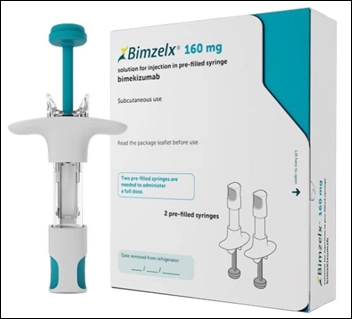
- As the reimbursement negotiations process for Bimzelx (bimekizumab), a new psoriasis treatment, is picking up speed, the drug is soon expected to enter the market in earnest. Pic of Bimzelx According to industry sources on the 10th, UCB Korea is in drug price negotiations for Bimzelx's entry into the reimbursement list. After receiving approval for Bimzelx on August 29, UCB Korea applied for reimbursement to the Health Insurance Review and Assessment Service (HIRA) the very next day, with the aim of entering reimbursement within this year. The company passed HIRA’s Drug Reimbursement Evaluation Committee review in February, which paved the way for its drug pricing negotiations 7 months after receiving approval. The industry predicts that Bimzelx will complete negotiations as early as June and that reimbursements will be applied at the latest in the second half of the year. Bimzelix is the first biologic therapy to dual inhibit interleukin-17A and interleukin-17F (IL-17A and IL-17F). IL-17A and IL-17F are key cytokines that trigger the inflammatory process in psoriasis, and Bimzelix selectively and directly targets and inhibits them simultaneously. In BE READY trial, the global Phase 3 clinical study that became the basis for the approval, 90.8% of patients in the Bimzelx group achieved PASI 90 at Week 16, and 68.2% of patients achieved PASI 100. In a clinical trial that compared Bimzelx with another biological agent, there was a clear difference in the percentage of patients who achieved complete clearance of skin lesions at Week 16, which is referred to as 'PASI 100'. Specifically, ▲BE VIVID: Bimzelx 59%, ustekinumab (Stelara) 21% ▲BE SURE: Bimzelx 60%. 8%, adalimumab (Humira) 23.9% ▲BE RADIANT: Bimzelx 61.7%, secukinumab (Cosentyx) 48.9%, etc. “It's been a long time since biologics have been available on the market, and there are still patients suffering despite having tried all biologics,” said Professor Ki Hun Jeong, Department of Dermatology at Kyung Hee University Hospital. ”The emergence of a new treatment option that is highly effective for patients with severe psoriasis is very meaningful in that aspect.” Currently, UCB Korea signed a distribution agreement with Geoyeong to prepare for Bimzelx’s launch, and some hospitals are reportedly working on landing the drug through their respective drug committees (DCs). The company will act in earnest once the drug is reimbursed in Korea. This is because there are already several reimbursed psoriasis treatment options on the market and a drug cannot exert any influence in Korea as a non-reimbursed drug. Reimbursement status of major psoriasis treatments So, where would Bimzelix fit in among the many available psoriasis treatment options in Korea? Experts predict that it will be prescribed more often to patients who have developed resistance to other treatments or new patients. Professor A of the Department of Dermatology at a tertiary hospital in Seoul said, “Some patients have already developed resistance to several of the major treatments and are using the last treatment. In such cases, the emergence of new options is welcome news. However, considering the situation of resistance and other factors, I don't think patients who were previously using existing treatments will switch to Bimzelx.” He also emphasized that “Bimzelx will likely be prescribed to new patients, on the condition that it is reimbursed. Due to the nature of psoriasis, there are issues of resistance, so there is also a complementary role between treatments, despite the competition.” Considering these points, it seems that Bimzelx’s earlier reimbursement than drug price, which was initially the concern, will be a key factor in market competition. The burden of treatment costs for patients with severe psoriasis has been reduced in general with the eased criteria for special calculation of reimbursement. At the previous meeting, Shim Il, Managing Director of UCB Korea, said, “We are aware of the drug price as there are already other available treatments. We will do our best to ensure prompt reimbursement of our drug.”
- Company
- Reimbursement listing of Handok’s Doptelet near
- by Son, Hyung Min Apr 11, 2025 06:00am
- Doptelet, Handok’s newly introduced drug, is close to being listed for insurance reimbursement in Korea. According to industry sources, Handok has accepted the conditions presented by the Drug Reimbursement Evaluation Committee of the Health Insurance Review and Assessment Service for Doptelet (avatrombopag), a treatment for immune thrombocytopenia (ITP) and 'thrombocytopenia in patients with chronic liver disease scheduled for surgery,' and is in the negotiation stage with the National Health Insurance Service.'' Handok introduced Doptelet from the global biopharmaceutical company SOBI. The drug is an oral thrombopoietin receptor agonist (TPO-RA) used to help treat low blood platelet counts in adults with chronic immune thrombocytopenia (ITP) when other treatments have It is used in various countries, including the United States, Europe, Australia, and Japan, and was approved by the US Food and Drug Administration (FDA) in June 2019 and the European Medicines Agency (EMA) in January 2021 for the treatment of immune thrombocytopenia. Doptelet offers a new option for both patients new to and those already experienced with TPO-RA treatment for chronic immune thrombocytopenia. The results of the Phase III 302 Study showed that the cumulative number of weeks with a platelet response (platelet count of 50,000/μL or higher) in the Doptelet group was 12.4 weeks (median), which was significantly longer than the 0 weeks (median) in the placebo group, and that 65.6% of patients in the Doptelet group showed a rapid platelet response on day 8 of treatment. These results were consistent regardless of whether or not the patient had previous TPO-RA treatment experience. A retrospective analysis of patients who switched from existing TPO-RA to Doptelet also showed that Doptelet had excellent therapeutic effects. In an analysis of a total of 44 patients in the United States, 93% of patients who switched to Doptelet reached a platelet count of 50,000/μL or higher, and 86% of patients reached a platelet count of 100,000/μL or higher. In particular, in patients who did not see sufficient effects with existing TPO-RA, the platelet count (median) increased from 28,000/uL to 88,000/uL after taking Doptelet. Doptelet has also demonstrated its efficacy in patients with chronic liver disease who are having difficulty undergoing invasive procedures due to thrombocytopenia. The results of the ADAPT-1 and ADAPT-2 trials showed that the percentage of patients with chronic liver disease and thrombocytopenia of less than 40,000/uL who did not require platelet transfusions or rescue therapy after the procedure was 22.9% and 34.9%, respectively, in the ADAPT1 and ADAPT2 placebo groups. In contrast, 65.6% and 68.6% of the patients in the Doptelet group did not require platelet transfusions or rescue therapy in the ADAPT-1 and ADAPT-2 trials, respectively. In patients with 40,000/uL to 50,000/uL, 88.1% and 87.9% of patients in the Doptelet group did not require platelet transfusions or rescue therapy, while 38.2% and 33.3% of patients in the placebo group did not require platelet transfusions or rescue therapy in each clinical trial. Meanwhile, following the strategic partnership last year, Handok established a joint venture with SOBI in April this year. Handok-Sobi develops and sells rare disease drugs in Korea, with Handok and Sobi holding 49% and 51% of the shares, respectively. And Handok's newly introduced drug, ‘Doptelet,' is nearing insurance reimbursement listing in Korea.
- Company
- Biosimilars to Prolia compete for the market worth KRW 170B
- by Whang, byung-woo Apr 10, 2025 05:57am
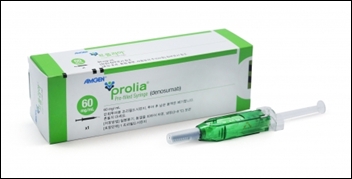
- As biosimilars have been introduced following the patent expiration of the osteoporosis treatment, 'Prolia (denosumab),' competition in the market is expected to heat up. As biosimilars from Celltrion and Samsung Bioepis, distributed by Daewoong and Hanmi, respectively, become distributed, the original drug producer, Chong Kun Dang, and the biosimilar companies are expected to engage in active marketing activities. Product photo of ProliaAmgen’s original drug, Prolia, generates exceptional sales in the domestic osteoporosis treatment market. Last year, Prolia's reimbursement criteria were expanded. Reimbursement has been expanded allowing even borderline patients who reached the treatment target defined by the T‑score for osteoporosis, thereby extending its influence. After surpassing KRW 100 billion in sales with KRW 115.7 billion in 2022, Prolia's sales continued to grow, reaching KRW 151.1 billion in 2023 and KRW 174.9 billion in 2024. However, following the expiration of domestic patents last March, biosimilars have been introduced, inevitably impacting Prolia's sales. The first to enter the market was Celltrion's Stoboclo, which captured the 'first mover' position by receiving marketing approval from the MFDS in November last year—the first biosimilar to denosumab to be approved. 4-year Sales Trend for Prolia (unit: KRW 100 million, source: IQVIA) Stoboclo, which was launched last month on the 19th, features an improved syringe design compared to the original drug, enhancing convenience and safety for healthcare providers. The syringe is designed so that the needle is automatically concealed after injection, allowing for single-handed handling, and minimizing needle-related injury risks. Subsequently, on the 4th, Samsung Bioepis' Prolia biosimilar, Obodence, received domestic marketing approval. Although the reimbursement price for Obodence has not yet been set, it is expected to be launched on the market by the end of this year after completing the reimbursement listing process with the Ministry of Health and Welfare (MOHW). Stoboclo, already available in the market, is expected to capture market share based on the price competitiveness of biosimilars. As of April 1, Prolia's reimbursement price was adjusted from KRW 154,700 to KRW 123,760. In contrast, Stoboclo's reimbursement price is KRW 111,384, approximately KRW 10,000 lower than the original product's price. Although Samsung Bioepis' pricing strategy is difficult to predict, several opinions suggest it will be set at the same level as Stoboclo. However, unlike overseas markets, where biosimilars have strong price competitiveness, the domestic market relies more on sales capabilities, which is likely to drive market competition. We must wait and see, but according to the Health Insurance Review and Assessment Service (HIRA) announcement, by March 18, 2026, the price difference between the original drug, Prolia, and its biosimilar, Stoboclo, will be eliminated. In other words, this implies that the price competitiveness of biosimilars will be lost. Currently, the market is dominated by major domestic pharmaceutical companies with strong sales capabilities, such as Amgen-Chong Kun Dang, Celltrion-Daewoong, Samsung Bioepis-Hanmi Pharmaceuticals. It is anticipated that competition among biosimilars will be influenced by whether they pass the Drug Committee (DC) reviews at hospitals. Based on other biosimilar cases, hospitals tend not to secure two biosimilars, so the extent of a company's network of prescribing hospitals could determine its success. From this perspective, it appears that Stoboclo, which was the first to enter the market, may initially have a competitive edge; however, given that osteoporosis treatments are prescribed not only in university hospitals but also in primary clinics, it remains to be seen what strategies each company will deploy. In Amgen's case, its original product, containing the active ingredient denosumab, is expected to solidify its market position by emphasizing its authenticity and strengthening its partnership with Chong Kun Dang. According to pharmaceutical industry sources, Amgen is actively working to expand its partnership with Chong Kun Dang, especially in university hospitals, to further reinforce its sales capabilities. Prolia's long-term efficacy and safety data, accumulated over many years, may also serve as a strong competitive advantage. Prolia's long-term benefits were demonstrated in two studies, FREEDOM (from August 1, 2004, to June 17, 2008) and FREEDOM Extension (from August 7, 2007, to July 19, 2015).
- Company
- Yuhan "Immunotherapy candidate, Phase 1/2 IND approved"
- by Kim, Jin-Gu Apr 10, 2025 05:57am
- Yuhan announced on April 7 that it received approval from the Ministry of Food and Drug Safety (MFDS) for its investigational new drug (IND) application to initiate Phase ½ trial of 'YH32364,' a novel immunotherapy for cancer under development. According to Yuhan, YH32364 is a bispecific antibody that simultaneously targets epidermal growth factor (EGFR) and 4-1BB. While YH32364 binds to EGFR expressed on cancer cell surfaces and blocks growth signaling, it also stimulates 4-1BB signaling and activates immune cells, thereby maximizing anticancer effects. In a preclinical efficacy trial, YH32364 showed stronger superior effects in EGFR-expressing tumors compared to cetuximab. It was demonstrated that the candidate drug retained long-term anti-tumor effects through immunological memory. Furthermore, it was confirmed that YH32364 activated 4-1BB signaling in EGFR-expressing tumors, leading to the recruitment of tumor-infiltrating immune cells and altering the tumor microenvironment. This trial is a Phase ½ trial involving human study participants for the first time. It will assess the safety·tolerability·pharmacokinetics·antitumor activity of YH32364 in patients with locally advanced or metastatic solid tumors that overexpress the epidermal growth factor receptor (EGFR). EGFR overexpression in various solid cancers has been mainly targeted for cancer treatment. The currently developed monoclonal antibody (mAB) applies to metastatic colorectal cancer and head and neck squamous cell carcinoma (HNSCC). The candidate has shown specific efficacy and it has been reported that unmet needs for effective treatments are high. Yuhan stated that YH32364 works by activating immune cells through EGFR-specific 4-1BB signaling in tumors. The company hopes YH32364 will be more effective in a wide variety of EGFR-expressing solid cancers than anti-EGFR mAb. Yeol-Hong Kim, Head-R&D at Yuhan, said, "After several years of focusing on discovering·optimizing leading product, as well as preclinical development, the Yuhan R&D center successfully entered clinical development stage," adding, "YH32364 is a significant achievement as it is a bispecific antibody, combining solid cancer target EGFR and 4-1BB that strengthens immune responses in tumor microenvironment. Yuhan plans to recruit study participants soon." YH32364 a novel immunotherapy for cancer pipeline that Yuhan signed technology transfer with ABL Bio in 2018. 4-1BB (CD137 or TNFRSF9) is a member of the TNF receptor family. It is expressed in many cells, including activated T-cells, Natural Killer cells (NK cells), and dendritic cells (DC). 4-1BB plays a crucial role in retaining effective T-cell immune response and forming immunological memory.

- Company
- Dupixent aims to meet unmet needs in COPD
- by Whang, byung-woo Apr 10, 2025 05:56am
- Dupixent (dupilumab), which is leading the atopic dermatitis market, is seeking to enter the market as Korea's first chronic obstructive pulmonary disease (COPD) targeted biologic drug. The company wants to open a new paradigm in the treatment of COPD, which has a high unmet need, based on Dupixent’s mechanism that targets interleukin (IL)-4 and IL-13. Professor Chin Kook Rhee, Department of Respiratory Medicine at Seoul St. Mary Sanofi held a meeting on the 9th to highlight the expansion of Dupixent's COPD indication and announce its future plans. COPD patients experience a decline in their quality of life due to dyspnea, fatigue, and acute exacerbations, and in severe cases, it can even lead to death. However, even with the existing inhaler-based triple therapy, about 50% of patients still experience severe exacerbations, indicating an unmet need. “COPD is a chronic condition that requires systemic corticosteroid drugs or antibiotic treatment due to repeated acute exacerbations, which significantly increases the health and economic burden,” said Professor Chin Kook Rhee of the Department of Respiratory Medicine at Seoul St. Mary's Hospital, presented at the event. ”Once an acute exacerbation occurs, the risk of future acute exacerbations and cardiovascular disease increases. In addition to the burden of treatment, the condition also brings a high social and economic burden, including nursing care costs, which are estimated to cost around KRW 1.4214 trillion per year. Rhee added, “Many patients with COPD whose acute exacerbations are not sufficiently controlled, as well as COPD patients with elevated blood eosinophil levels due to type 2 inflammation are at high risk of experiencing an acute exacerbation or rehospitalization.” He added, “The mortality rate within 3.6 years after the first severe acute exacerbation is about 50%, so preventing acute exacerbations is one main goal of COPD treatment.” In this context, Dupixent's expanded indication for COPD is attracting attention as it is expected to benefit patients whose acute exacerbations are not sufficiently controlled. Dupixent has been approved by the Ministry of Food and Drug Safety for additional maintenance treatment of adults with COPD whose blood eosinophil count is elevated and not adequately controlled with standard inhaler therapy. This approval was granted following two Phase III clinical studies that showed a reduction in the annual exacerbation rate of COPD and significant improvements in lung function and patient quality of life. According to the Phase III BOREAS and NOTUS studies, which became the basis for the indication expansions, the annual moderate-to-severe exacerbation rates at week 52 of Dupixent’s administration were 0.78 and 0.86, respectively, 30% and 34% lower than the placebo group’s 1.1 and 1.3, meeting the primary efficacy endpoint. Pic of DupixentImprovement in lung function was observed as early as the second week of Dupixent treatment and was maintained until the 52nd week. In the BOREAS and NOTUS clinical studies, the forced expiratory volume in one second (FEV1) before the use of bronchodilators was 160 mL and 139 mL at Week 12 of Dupixent administration, compared to 77 mL and 57 mL in the placebo group, and significant improvement was confirmed at Week 52, at 153 mL and 115 mL compared to the 70 mL and 54 mL. in the placebo group. “Dupixent selectively inhibits the signaling of IL-4 and IL-13, which can promote the activation and transport of type 2 inflammatory cells, including eosinophils,” said Rhee. ”Domestic and international guidelines also additionally recommend Dupixent.” He went on to say, “It is unusual for a Korean treatment guideline to recommend a drug before it is approved in Korea; this shows the high expectations and social demand for innovative new drugs in COPD and the dire unmet need. It is also necessary to strengthen treatment access so that more COPD patients can benefit from the clinical benefits of Dupixent.” However, with separate treatments currently being provided for low-risk and high-risk groups, and a three-drug therapy being reimbursed for the high-risk group, Dupixent is likely to be positioned as the last treatment option. “We welcome the introduction of a new treatment in an area where there was no choice when exacerbations continued after using the three-drug therapy, as Dupixent has proven to be beneficial even in this case,” said Rhee. ”Considering the situation of asthma, there is a possibility that Dupixent’s position may change in the long run and become an earlier line option to prevent exacerbations in COPD as well.” For Sanofi, Dupixent’s entry into the reimbursement system is likely to be a major task in order to expand its market influence in Korea. A Sanofi official added, “Sanofi also has much vision and a sense of mission for the early diagnosis and early treatment of COPD and will strive to improve access to our drugs.”

- Company
- Novartis, PNH drug 'Fabhalta' enters drug pricing nego.
- by Eo, Yun-Ho Apr 10, 2025 05:56am
- Product photo of Fabhalta The new oral drug 'Fabhalta' has entered the last phase of receiving approval for insurance reimbursement. According to industry sources, Novartis Korea’s ’Fabhalta (iptacopan),’ a treatment for paroxysmal nocturnal hemoglobinuria (PNH), is under negotiations for drug pricing. Consequently, attention is gaining to whether another treatment option for PNH would emerge. PNH is a rare disease estimated to occur in approximately 1.5 individuals per 1 million globally. Until now, the treatment for PNH has relied on C5 inhibitors. In 2010, ’Soliris (eculizumab)’ was first approved in South Korea, and 'Ultomiris (ravulizumab)' has been used for PNH treatment since its approval in 2022. Both treatment options are C5 inhibitors. C5 inhibitors inhibit C5, the terminal component within the complement system's alternative pathway involved in the body's immune response, and are administered via intravenous injection. In April last year, the subcutaneous injection product 'Empaveli (pegcetacoplan),' which works by binding to C3 and C3b to inhibit the complement cascade, was approved. The oral drug Fabhalta, which operates by inhibiting factor B, was introduced in August. Due to the mechanistic limitations of C5 inhibitors, there are still unmet needs for patients with PNH. 'Extravascular hemolysis (EVH)' PNH arises from a genetic deficiency in red blood cells and leads to both intravascular hemolysis (IVH) and extravascular hemolysis (EVH). Such hemolysis subsequently triggers thrombosis and bone marrow failure, thereby endangering life. Therefore, controlling hemolysis is critical for treating PNH. However, the current standard treatment for PNH, a C5 inhibitor, effectively manages IVH but is inherently limited in its mechanism to control EVH. This is why there is significant interest in the reimbursement status of the factor B inhibitor, Fabhalta. Factor B is located higher in the alternative pathway than C5, C3, and C3b, and by inhibiting it, one can comprehensively regulate both IVH and EVH. In fact, the efficacy of Fabhalta has been demonstrated in patients with no prior treatment experience. According to the APPOINT-PNH study, conducted in treatment-naïve PNH patients, 19 out of 33 patients achieved a hemoglobin level of at least 12 g/dL without the need for red blood cell transfusions. Furthermore, 92% of the patients showed a clinically significant increase in hemoglobin of at least 2 g/dL, and 63% maintained a hemoglobin level of 12 g/dL or higher without transfusions. During the 24‑week study period, hemoglobin levels continued to rise steadily, reaching normalized levels by week 20 and remaining at that level through week 24. Additionally, 98% of the patients overcame transfusion dependency. Professor Junho Jang, Department of Hematology at Samsung Medical Center, said, "When a C5 inhibitor first emerged, experts stated that the PNH treatment paradigm has shifted. However, C5 inhibitors are still limited in managing EVH." "Fabhalta is a new drug that is likely to bring a paradigm shift for PNH treatment. This drug is involved in regulating factor B located in the upper alternative pathway, thus inhibiting factor B. It can comprehensively control both IVH and EVH. A favorable result has been demonstrated through clinical trials," Professor Jang emphasized.
