
- LOGIN
- MemberShip
- 2026-07-22 18:08:37
- Company
- Trodelvy may be the 1st drug reimbursed with ICER benefits
- by Eo, Yun-Ho May 21, 2025 06:36am
- ADC breast cancer drug Trodelvy may soon be listed for insurance reimbursement in Korea. Gilead Sciences recently finalized price negotiations with the National Health Insurance Service for its triple-negative breast cancer (TNBC) treatment Trodelvy (sacituzumab govitecan). As a result, Trodelvy is scheduled to be presented at the Health Insurance Policy Deliberation Committee meeting this month, and if approved, the drug could be listed as early as June. Last August, the detailed evaluation criteria for new drugs subject to price negotiations were revised, and Trodelvy has met the criteria for innovative new drugs, marking the first case where the incremental cost-effectiveness ratio (ICER) threshold was applied flexibly for reimbursement in Korea. While there have been previous cases where an exceptional ICER threshold was applied to an antibody-drug conjugate (ADC) like Trodelvy, such as “Enhertu (trastuzumab deruxtecan),” the fact that Trodelvy is the first drug to be subject to the revised criteria after the revised guidelines were implemented is significant. Although there are no clearly documented figures, the generally accepted maximum ICER threshold for insurance reimbursement in Korea is KRW 50 million. Even cases where the KRW 50 million threshold was approved are said to be extremely rare. Trodelvy's threshold is known to exceed KRW 70 million. With the first tape cut, it will be worth watching how many more drugs will qualify for such ICER benefits following Trodelvy. Triple-negative breast cancer is an aggressive form of breast cancer that recurs and metastasizes rapidly. Patients with metastatic triple-negative breast cancer who have metastasized despite treatment have a life expectancy of only a few months, even with chemotherapy. However, chemotherapy has long been the standard of care due to the lack of targets that can effectively kill cancer cells. Trodelvy, the first Trop-2-targeted antibody-drug conjugate (ADC), is the only treatment for metastatic triple-negative breast cancer in the second-line or higher setting that has been shown to prolong survival compared to chemotherapy and has settled as the global standard of care since its introduction. Currently, major guidelines in the U.S. and Europe specify Trodelvy as the preferred agent for patients with previously treated metastatic triple-negative breast cancer. In a Phase III study, the overall survival of the chemotherapy arm was 6.9 months, compared to a nearly one-year survival (11.8 months) in the Trodelvy arm. In addition, Troldelvy demonstrated an effect in controlling symptoms and pain caused by cancer and improvement in patients' quality of life by improving their overall health status. Trodelvy was awarded the highest possible score of 5 points on ESMO-MCBS, the European Society for Medical Oncology's (ESMO) scale used to rate the value of anticancer drugs. A score of 5 indicates that a drug is effective not only in prolonging patient survival but also in improving quality of life, and Trodelvy is the only treatment for metastatic triple-negative breast cancer to receive a score of 5 on ESMO-MCBS.
- Company
- MSD expands domestic clinical trial cooperation
- by Whang, byung-woo May 20, 2025 06:00am
- MSD Korea has broken its record for the most clinical trial approvals in Korea and is now in full swing, developing innovative new drugs for Koreans. With open innovation playing an increasingly important role in new drug research and development (R&D), MSD is expanding its ties with Korea, which plays a pivotal role in its global clinical trials. On the 19th, MSD Korea held R:IM (Notification) DAY and highlighted changes in R&D trends under the theme of “A New Paradigm in the Pharmaceutical Industry: Global Clinical Trends and MSD's Vision.” Korea plays a pivotal role in global MSD cancer research The reason why MSD Korea's performance in the domestic R&D field is attracting attention is that it received the most clinical trial approvals last year. In 2024, MSD Korea received 36 clinical trial approvals from the Ministry of Food and Drug Safety, the most among domestic pharmaceutical companies. During the same period, AstraZeneca Korea (22), AD pharma (19), AbbVie Korea (17), and Boehringer Ingelheim Korea (15) received clinical trial approvals from the MFDS. In particular, MSD Korea has been leading Korea’s medical ecosystem by investing more than KRW 70 billion for 4 consecutive years since 2021, with a cumulative total of KRW 290 billion in research and development costs. This proves the company’s R&D competitiveness in terms of the number of clinical trials, costs, as well as its quality and quantity. Hyunjoo Lee, Executive Director of Clinical Research at MSD Korea Hyunjoo Lee, Executive Director of Clinical Research at MSD Korea, who made a presentation on that day, said, “We are focusing on research and development of new drugs that have been proven to be effective and safe for Koreans in cooperation with domestic research institutes and academic societies.” MSD Korea has also been playing a central role in MSD's global anticancer drug clinical trials. Currently, the company is conducting over 180 clinical trials in collaboration with more than 640 domestic research institutions, with the largest portion (161 studies) focused on oncology. Although Korean institutions account for only 3% (518) of the 14,770 global institutions conducting anticancer drug clinical trials, these institutions are responsible for 73% of MSD's global cancer drug trials, demonstrating the concentrated utilization of Korea's research capabilities. Major hospitals in Korea, such as Seoul National University Hospital, Samsung Medical Center, Asan Medical Center, and Severance Hospital, are among the top institutions leading MSD's global clinical trials, which is considered a testament to Korea's internationally recognized clinical research capabilities. In addition, Korea ranks fourth in the world in terms of the number of patients enrolled in MSD's global anticancer drug clinical trials, following the United States, China, and Japan. Accelerating digitalization... challenge remains on establishing a sustainable cooperation model Another trend in the global pharmaceutical industry's clinical trials is the integration of digital technology. MSD is also actively promoting the introduction of digital technology and artificial intelligence (AI) to keep pace with this trend. A representative example is the increased use of innovative clinical designs such as umbrella, basket, and adaptive protocols in clinical trial design. “MSD is systematically introducing AI and machine learning technologies into the drug discovery and development process to accelerate pipeline diversification,” said Lee. ”MSD has developed AI tools that enable more accurate evaluation of the safety and efficacy of the active substances in its pipeline during the preclinical development stage.” MSD Korea In the long term, MSD Korea aims to become a trusted R&D partner, a bridgehead for domestic pharmaceutical and biotech companies to gain global research experience and enter the market, and foster an ecosystem for innovative new drug development. This includes improving the regulatory environment in Korea, expanding clinical trial infrastructure, and building more active partnerships with domestic research institutions and biotech companies. Currently, MSD Korea is expanding its partnership by conducting joint clinical trials with major domestic biotech companies for the combination therapy of the immuno-oncology drug Keytruda. In the future, the company plans to expand this collaboration to various other fields to build a sustainable ecosystem that will enhance the global competitiveness of the Korean pharmaceutical industry. Lee stated, “To enhance the global competitiveness of Korea's pharmaceutical and biotechnology industry, it is essential for the government, academia, and industry to collaborate closely. We will strive to establish a sustainable collaboration model to position Korea as a global hub for pharmaceutical research.”
- Company
- Hanmi-MSD collaborate for R&D
- by Cha, Jihyun May 20, 2025 05:59am
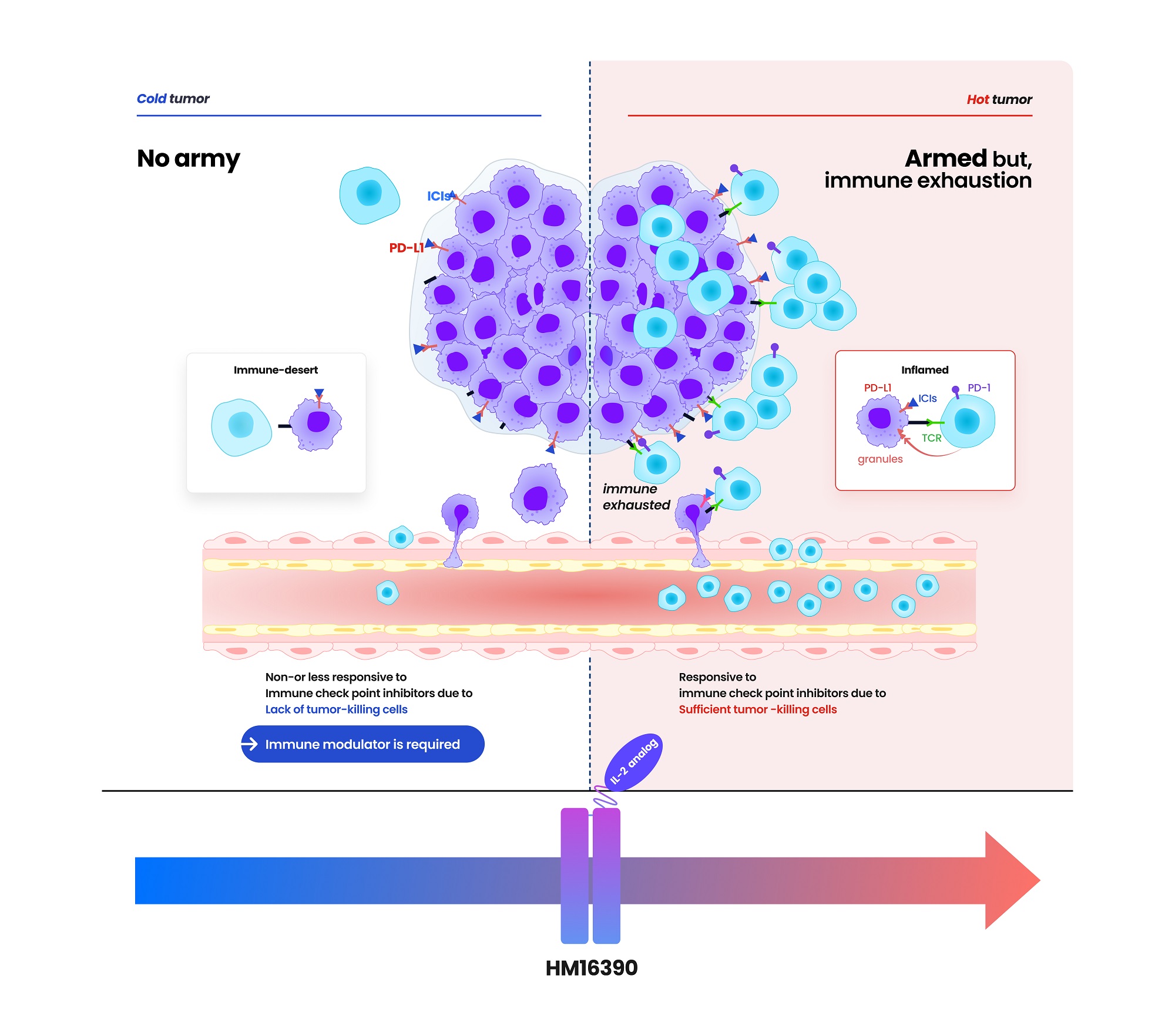
- Hanmi Pharmaceutical entered into a clinical trial collaboration agreement with the U.S.-based Merck (MSD) for developing an immune anticancer drug candidate. The clinical collaboration between Hanmi Pharmaceutical (hereafter, Hanmi) and Merck has expanded to three cases. In addition to clinical trial collaboration, Hanmi continues to collaborate with MSD for efforts such as technology transfers. According to pharmaceutical sources on May 20, Hanmi recently signed a clinical collaboration and distribution agreement with MSD to evaluate the combination therapy containing 'HM16390,' a next-generation anticancer drug that is "LAPS interleukin-2 (IL-2) analog," and MSD's anti-PD-1 anticancer drug 'Keytruda (active ingredient name: pembrolizumab). According to the agreement, Hanmi will be responsible for conducting the Phase 1 trial to assess the safety and efficacy of HM16390+Keytruda combination therapy as a clinical trial sponsor. MSD will supply Keytruda used in clinical trials. HM16390 is a next-generation interleukin-based immuno-oncology candidate that activates immune cells. HM16390 induces T-cell proliferation and activation to enhance immune responses within the tumor microenvironment. By increasing the number of tumor-infiltrating lymphocytes (TIL) that respond to immune checkpoint inhibitors in the tumor microenvironment, it is designed to convert 'cold tumors' (with low immune activity) into 'hot tumors' (infiltrated by immune cells) and to maximize efficacy when used in combination with checkpoint inhibitors. 'Proleukin' is the only recombinant IL-2 therapy approved by the U.S. Food and Drug Administration (FDA). Still, its use is limited due to the risk of adverse events at high doses. Most IL-2 analogs in development focus on enhancing binding affinity to the IL-2 β-receptor to boost anti-tumor effects, which can trigger excessive systemic immune responses and lead to severe side effects such as cytokine release syndrome. (source: Hanmi Pharmaceutical) Hanmi has addressed these limitations by finely adjusting HM16390's binding affinity to the IL-2 α-receptor. According to Hanmi, this approach secures safety while maximizing efficacy. In particular, Hanmi is developing HM16390 as a long-acting therapeutic using its proprietary Labsccovery platform technology, enabling once-per-cycle subcutaneous (SC) administration alongside chemotherapy. HM16390 is currently in a multinational Phase 1 clinical trial. Earlier, Hanmi announced at the Society for Immunotherapy of Cancer (SITC) last November that preclinical studies of HM16390 demonstrated complete remission. Keytruda, MSD's immuno-oncology agent, is the world's top-selling pharmaceutical. It is an immune checkpoint inhibitor that blocks the interaction between PD-1 on T cells and PD-L1 on cancer cells, enabling immune cells to attack tumor cells. First approved by the U.S. FDA in September 2014 for malignant melanoma, Keytruda has continuously added new indications. It has over 40 indications to date, including breast, gastric, and lung cancers, making it the checkpoint inhibitor with the broadest range of cancer uses. However, the efficacy of Keytruda is limited to patients whose tumors express high levels of PD-L1. It is known that those with low PD-L1 expression derive minimal benefit. To address this, MSD is actively developing combination therapies to expand the responsive patient population and enhance efficacy. Hanmi expects that combining HM16390 with Keytruda will further improve treatment outcomes. Hanmi and MSD have expanded collaboration deals to three in total. Hanmi also conducts Keytruda combination therapy clinical trials with MSD's PD-L1/4-1BB bispecific antibody candidate 'BH3120' in combination with its oral CCR4 antagonist, 'Tivumecirnon.' BH3120, which is being co-developed by Hanmi and Beijing Hanmi Pharm, is a bispecific antibody immuno-oncology candidate in which a single antibody simultaneously binds to two different targets. It features Hanmi's proprietary Pentambody platform technology, combining an immuno-oncology mechanism that activates immune cells with the target-oncology characteristic of selectively attacking only cancer cells. In particular, Hanmi explains that BH3120 is designed to respond differently to each target, PD-L1 and 4-1BB, thereby enhancing therapeutic efficacy while reducing side effects. Hanmi plans to present the interim results of the Phase 1 clinical trial evaluating the BH3120 and Keytruda combination therapy in the second half of this year. Previously, Hanmi Pharmaceutical reported that in tumor-bearing mouse models refractory to immune-oncology agents, the combination of BH3120 and Keytruda demonstrated tumor growth inhibition that was at least comparable to that observed with a competing pipeline agent (GEN1046). R&D new pipeline: Preclinical trials, Phase 1 Trials, Phase 2 Trials, Phase 3 Trials, Approved (source: Hanmi Pharmaceutical) Tivumecirnon is an oral immuno-oncology candidate Hanmi acquired from RAPT Therapeutics in 2019. It blocks the CCR4 receptor protein, thereby inhibiting the migration of regulatory T cells that suppress immune responses into tumors. In January, at the ASCO Gastrointestinal Cancers Symposium held in San Francisco, Hanmi presented a poster on the Phase 2, Part 1 results for Tivumecirnon. In collaboration with RAPT and MSD, this trial treated ten Epstein-Barr virus (EBV)-positive gastric cancer patients and achieved an objective response rate (ORR) of 60%. ORR is a key efficacy metric representing the proportion of patients whose tumors have either disappeared entirely or shrunk by a defined amount following cancer treatment. Among these responses, there was one complete response and five partial responses. The median time to response (mTTR) was 2.7 months. The median duration of response (mDOR) was 17.3 months. In Cohort 2, the median progression-free survival (PFS) was 10.4 months. Hanmi explained that the treatment-related adverse events observed among the 20 patients enrolled in the trial were mostly manageable. In addition to its clinical collaboration with MSD, which is focused on Keytruda combination therapy, Hanmi is also maintaining partnerships via technology licensing agreements. For instance, it includes 'efpeglenatide,' which Hanmi licensed to MSD in 2020 in a deal valued at USD 860 million. Efpeglenatide is a dual-action agent that activates the glucagon-like peptide-1 (GLP-1) receptor, which enhances insulin secretion and suppresses appetite, and the glucagon receptor, which increases energy metabolism. Hanmi previously licensed efpeglenatid to Janssen in 2015 for obesity and diabetes indications, regained the rights in 2019, repurposed it for metabolic-associated steatohepatitis (MASH), and successfully licensed it again to MSD. MSD is currently conducting a Phase 2 clinical trial of efpeglenatide. The trial compares efpeglenatide with the comparator treatment, semaglutide from Novo Nordisk, and a placebo. According to a 2023 presentation at the European Association for the Study of the Liver (EASL) in Vienna, data from the Phase 2a analysis showed that at week 24 of treatment, efpeglenatide reduced liver stiffness by 72.7% compared to baseline. This result markedly outperformed semaglutide, which achieved a 42.3% reduction over the same period. Resolution of steatosis without fibrosis worsening and improvement of fibrosis without steatosis worsening are key evaluation endpoints defined by the FDA for NASH therapies. MSD aims to complete the Phase 2 trial of efpeglenatide by December of this year.
- Company
- Hanmi partners with MSD for next-gen IL-2 analog development
- by Cha, Jihyun May 20, 2025 05:58am
- Hanmi Pharmaceutical (CEO: Jae-Hyun Park) announced on the 19th that it has signed a clinical trial collaboration and supply agreement with U.S. Merck (MSD) to evaluate the combination therapy of its LAPS IL-2 analog 'HM16390' and MSD's anti-PD-1 immunotherapy 'Keytruda' (pembrolizumab). Hanmi Pharmaceutical will sponsor and oversee the Phase I clinical trial to evaluate the safety and efficacy of the combination therapy of HM16390 and Keytruda. MSD will supply Keytruda for the clinical trial. HM16390 is a next-generation IL-2 variant designed with a differentiated strategy that regulates the differentiation and proliferation of immune cells. HM16390 is designed to maximize antitumor effects by increasing the number of tumor-infiltrating lymphocytes that respond to immune checkpoint inhibitors in the tumor microenvironment through a mechanism that induces T cell proliferation and activation, thereby converting cold tumors with low immunogenicity into hot tumors with high immunogenicity. Currently approved recombinant IL-2 therapy 'Proleukin' is recommended for limited use due to side effect issues. Additionally, most IL-2 analogues in development focus on regulating the binding affinity of the IL-2 beta receptor, but this approach has shown limitations in terms of safety, according to Hanmi Pharmaceutical. Reducing the binding affinity of the IL-2 beta receptor decreases side effects such as vascular leak syndrome, but this also reduces anticancer effects. Conversely, increasing the binding affinity of the IL-2 beta receptor and eliminating binding with the IL-2 alpha receptor enhances anticancer effects, but this increases the risk of severe side effects such as cytokine release syndrome. To overcome these limitations, Hanmi Pharmaceutical has introduced a differentiated development strategy for HM16390. Unlike existing IL-2 candidates, HM16390 precisely regulates the binding affinity of the IL-2 alpha receptor, thereby ensuring safety while maximizing the efficacy of the drug. The company expects that this approach will maintain anticancer effects while minimizing serious side effects. (Data: Hanmi Pharmaceutical) HM16390 is an immunotherapy drug that maximizes the efficacy, safety, and durability by applying Hanmi Pharmaceutical's proprietary sustained-release platform technology, LAPSCOVERY. It is currently being developed as a sustained-release therapy that can be administered once per treatment cycle via subcutaneous injection (SC). Hanmi Pharmaceutical is developing HM16390 for use as a monotherapy and in combination with other immunotherapy agents for various solid tumors, and is currently conducting a global Phase I clinical trial. Dr. Jong Chul Park, Professor at the Massachusetts General Hospital (MGH) Head and Neck Cancer Center, Harvard Medical School, and the principal investigator for the Phase I clinical trial of HM16390 in Korea and the United States, said, “Through collaboration with MSD, we anticipate that the combination therapy of HM16390 and Keytruda will improve treatment outcomes for patients with advanced or metastatic solid tumors, and expect significant results in the future.” Young Su Noh, Director of Hanmi's ONCO Clinical Team, said, “Hanmi Pharmaceutical possesses a differentiated pipeline in the field of oncology, particularly in immunotherapy. We plan to sequentially showcase our research achievements through various academic conferences this year.”
- Company
- 'Oxlumo' for primary hyperoxaluria expected to be available
- by Eo, Yun-Ho May 19, 2025 05:56am
- The primary hyperoxaluria treatment, 'Oxlumo,' is expected to be commercialized in South Korea. According to sources, the Ministry of Food and Drug Safety (MFDS) reviewing Oxlumo (lumasiran) for approval. The MFDS granted 'Global Innovative products on Fast Track (GIFT)' designation to Oxlumo last year and orphan drug status in October of the same year. Oxlumo is an RNAi therapy for primary hyperoxaluria type 1 (PH1), a rare kidney disease, that was approved by the U.S. Food and Drug Administration (FDA), and the European Medicines Agency (EMA) in 2020. RNAi is one of the gene therapies considered a next-generation new drug technology, and it provides an advantage for specifically targeting human genes that cause diseases. PH1 is a rare disease in which the liver produces excessive oxalate. It causes the accumulation of oxalate crystals or calcium oxalate in the liver and urinary system. When the disease continues, the kidneys are damaged, requiring kidney dialysis. A treatment option for PH1 became available with the approval of Oxlumo in 2020. Oxlumo is an RNAi therapy targeting hydroxyacid oxidase 1 (HAO1), coding the oxalate-producing glycolate oxidase (GO) enzyme. It works by suppressing HAO1 and reducing GO production, ultimately reducing oxalate levels. Meanwhile, the efficacy of Oxlumo was found in a Phase 3 study involving 39 PH1 patients aged six years or older. Patients treated with Oxlumo had 65.4% lower oxalate levels in urine compared to the placebo group. Furthermore, 84% of patients treated with Oxlumo had oxalate levels close to normal. 52% of the group had recovered to the normal range.
- Company
- Hanmi 'Rolvedon' reports US sales gain ₩18B in Q1
- by Chon, Seung-Hyun May 19, 2025 05:55am
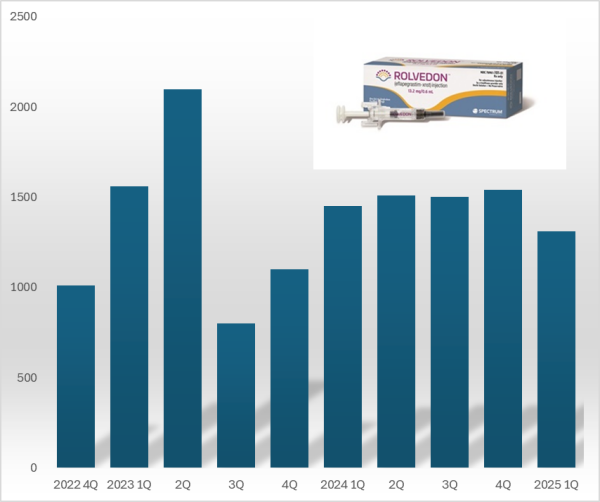
- 'Rolvedon,' a treatment for neutropenia that Hanmi Pharmaceutical licensed out, continues to be popular in the U.S. market. Although the growth trend has stalled due to price reduction in the U.S., Rolvedon recorded over US$ 10 million in sales for six consecutive years. Rolvedon's cumulative sales amounted to KRW 200 billion in two years and six months since the drug launched in the U.S. market. According to the reports by Assertio Holdings on May 16, Rolvedon's sales for Q1 amounted to US$13.10 million (KRW 18 billion). However, it decreased by 9.7% from US$14.50 million in Q1 and 14.9% from US$15.40 million in the previous quarter. The company explains that despite slightly reduced sales due to Rolvedon's price reduction, increased sales partially recovered lost sales from the price reduction. Rolvedon Rolvedon is a new biopharmaceutical that Hanmi Pharmaceutical licensed to Spectrum in 2012. It is administered to cancer patients receiving myelosuppressive chemotherapy for the treatment or prevention of neutropenia. It belongs to the 'G-CSF' (granulocyte colony-stimulating factor) class, which stimulates granulocytes to increase neutrophil counts, showing a mechanism of action similar to Amgen's blockbuster drug Neulasta (pegfilgrastim). In South Korea, Rolvedon received new drug approval from the Ministry of Food and Drug Safety in March 2021 under the product name 'Rolontis.' Spectrum was acquired by Assertio Holdings, a pharmaceutical company specializing in central nervous system disorders·pain·inflammation, in April 2023. Assertio Holdings is a pharmaceutical company specializing in developing CNS and inflammation treatments. The company has products such as the non-steroidal anti-inflammatory drug Indocin and buccal dissolving film Sympazan. The company has succeeded in strengthening its oncology pipeline by acquiring Spectrum. Assertio Holdings is responsible for clinical development, regulatory approval, manufacturing, and commercialization of Rolvedon and Poziotinib worldwide, excluding South Korea·China·Japan. Rolvedon recorded its first U.S. sales of US$ 10.1 million in the fourth quarter of 2022, generating revenue in the United States. In December 2022, Rolvedon was included in the prevention·treatment options guideline for febrile neutropenia of the U.S. National Comprehensive Cancer Network (NCCN). Rolvedon posted sales of US$ 15.6 million in the first quarter and US$ 21.0 million in the second quarters of 2023, but declined to US$ 8.0 million in the third quarter. It rebounded to US$ 11.0 million in the fourth quarter of 2023, surpassing US$ 10.0 million in sales for six consecutive quarters through the first quarter of this year. Rolvedon's cumulative U.S. sales reached US$ 138.8 million (KRW 194 billion). At the San Antonio Breast Cancer Symposium (SABCS 2024) held in the United States last December, Assertio Holdings released the Phase 1 clinical trial results of the same-day administration of Rolvedon. Existing neutropenia treatments, such as Neulasta, can only be administered 24 hours after chemotherapy. Administering a neutropenia treatment on the same day offers the advantage of potentially reducing patients' hospital stays. The clinical trial was conducted in 59 breast cancer patients, administering Rolvedon 30 minutes after chemotherapy to evaluate tolerability and safety. The trial found that the average time to neutrophil count recovery with Rolvedon was 1.8 days. Regarding safety, the adverse reactions observed with Rolvedon were similar to those reported in previous clinical studies. Assertio Holdings said, "Rolvedon's sales exceeded our internal forecasts despite securing inventory in the fourth quarter to support first-quarter sales growth," adding, "We expect Rolvedon's sales to continue rising due to strong ongoing demand."
- Company
- Ebglyss may be prescribed in general hospitals in Korea
- by Eo, Yun-Ho May 16, 2025 06:21am
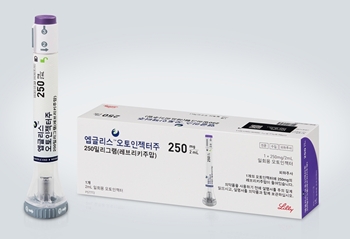
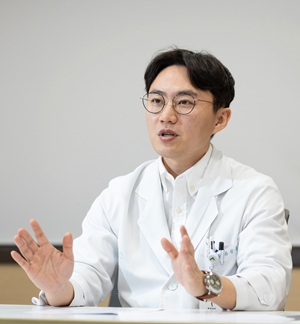
- Pic of Ebglyss The new drug Ebglyss for atopic dermatitis may be prescribed in general hospitals in Korea. According to industry sources, Lilly Korea's interleukin (IL)-13 inhibitor Ebglyss (lebrikizumab) has passed the Drug Committees (DCs) of 9 medical institutions nationwide, including tertiary hospitals like Asan Medical Center and Sinchon Severance Hospital, as well as Seoul National University Bundang Hospital. Accordingly, if Ebglyss is successfully listed for insurance reimbursement, the drug is expected to quickly lead to prescriptions. Lilly accepted a price below the evaluated amount (below the weighted average price of substitute drugs) presented by the Drug Reimbursement Evaluation Committee of the Health Insurance Review and Assessment Service in February and is currently negotiating Ebglyss’s drug price with the National Health Insurance Service. If listed, there will be 7 treatment options available for atopic dermatitis in Korea: biological agents (injectables) “Dupixent (dupilumab)” and “Adtralza (tralokinumab);” and JAK inhibitors (oral) “Rinvoq (upadacitinib),” “Civinqo (abrocitinib),” and “Olumiant (baricitinib).” The health authorities have recently been considering whether to allow JAK inhibitors to be used in cases where patients do not respond adequately to existing treatments (biological agents) or have poor tolerability, which is expected to further intensify market competition. If approved, Ebglyss will immediately benefit from the regulatory changes. The drug was approved by the Ministry of Food and Drug Safety in August 2024 for the treatment of moderate-to-severe atopic dermatitis in adults and adolescents 12 years of age and older (weighing at least 40 kilograms) who are inadequately controlled by topical treatments or for whom such treatments are not recommended. Ebglyss demonstrated its clinical efficacy and safety profile in a pivotal Phase III clinical trial. Patients who achieve a clinical response after 16 weeks of treatment can thereafter receive a maintenance dose (250 mg) every 4 weeks, making it a useful first-line treatment option for patients with atopic dermatitis in Korea. The clinical studies on which the license was based are the Phase III ADvocate-1, ADvocate-2, and ADhere trials. The trials evaluated the clinical efficacy and safety of Ebglyss in 1062 adults and adolescents with moderate-to-severe atopic dermatitis. In ADvocate-1 and ADvocate-2, which evaluated Ebglyss as a monotherapy, Ebglyss improved outcomes, with 58.8% and 52.1% (16.2% and 18.1%, respectively in the placebo arm) achieving Eczema Area and Severity Index (EASI) 75; and 38.3% and 30.7% (9% and 9.5%, respectively in the placebo arm) achieving EASI 90 during the induction period (weeks 0-16) compared to placebo. Also, after one year of maintenance therapy (Week 52), 81.7% of the Ebglyss arm achieved EASI 75 (vs. 66.4% in the placebo arm) and 66.4% achieved EASI 90 (vs. 41.9% in the placebo arm), demonstrating significant symptom improvement in the long term.
- Company
- AZ 'Imfinzi' leads the paradigm shift in cholangiocarcinoma
- by Whang, byung-woo May 16, 2025 06:18am
- "Introduction of Imfinzi in cholangiocarcinoma treatment can be seen as a critical advance. That a new therapy offering the possibility of long-term survival has appeared after 12 years is highly encouraging." As new treatment options for cholangiocarcinoma are introduced, a paradigm shift is said to be brought to this area, which was previously neglected and poorly developed. Although it is too early to be certain of long-term survival in South Korea, Dr. Yoo says that it could be a game-changer since new treatment options can benefit patient. Dr. Changhoon Yoo, Professor in the Department of Oncology at Asan Medical Center in SeoulDr. Changhoon Yoo, Professor in the Department of Oncology at Asan Medical Center in Seoul, who has expertise in this field, shared limitations in the treatment setting of cholangiocarcinoma and possible improvements. The prevalence of cholangiocarcinoma is known to be higher in Asia regions, including South Korea, China, and Taiwan, compared to Western countries. However, patients are often in advanced stages when diagnosed due to the challenging early diagnosis. It is one of the cancers that is difficult to reach a curative intent. Dr. Yoo explained, "Cholangiocarcinoma has a low prevalence due to its high mortality, resulting in a low cumulative patient number relative to its incidence. Currently, only about 20–30% of cholangiocarcinoma patients are eligible for surgery, and the remaining approximately 70% must rely on drug treatments such as chemotherapy or immunotherapy." While liver fluke infection was the leading cause of cholangiocarcinoma in the past, new factors such as fatty liver have emerged due to the westernization of dietary habits. 임핀지(더발루맙)After Imfinzi (durvalumab) received approval from the Ministry of Food and Drug Safety in November 2022, it is continuously expanding its influence. Dr. Yoo said, "Although less than three years have passed since the indication approval and it is therefore difficult to confirm long-term survival rates, in clinical practice the proportion of patients showing improvement has increased compared with before," adding, "Considering that patients who received Imfinzi combination therapy early in the 2021 clinical study still have favorable outcomes, Imfinzi can be seen as providing benefits to patients." In particular, Dr. Yoo focused on Imfinzi's side effects and safety. Dr. Yoo explained, "Most side effects are caused by the cytotoxic chemotherapy agents used in combination, and there are almost no issues attributable to Imfinzi. It rarely causes patients to struggle or reduces clinical efficacy, making it a medication that is of considerable help not only to patients but also to healthcare providers." "Korean subgroup analysis data on Imfinzi demonstrates long-term survival effects" Another reason why Imfinzi combination therapy is gaining attention in cholangiocarcinoma is that overall survival (OS) was shown to be higher in Korean patients. According to the study results, the two-year survival rate in the Korean patient group receiving the Imfinzi combination therapy was 38.5%, more than twice the 14.1% observed in the group that received chemotherapy. Furthermore, the survival rate at 36 months was 21.0% in the Imfinzi combination group, more than double the 8.8% in the chemotherapy group. Dr. Yoo analyzed, "In my opinion, I consider the Korean subgroup analysis data from the TOPAZ-1 study very encouraging. These results reflect the rapid accessibility and thorough patient management within the healthcare system." In cholangiocarcinoma, where inflammation or adverse reactions often occur during anticancer treatment, leading to treatment interruptions and repeated hospital admissions and discharges, continuous cancer treatment itself is challenging. According to Dr. Yoo, it is particularly common for treatment to be paused for a month or two due to inflammation, worsening the disease, and cholangitis can occur even when the cancer itself is not progressing. Therefore, high accessibility to treatment is critical in cholangiocarcinoma. Dr. Yoo said, "In Korea, if inflammation or jaundice occurs, patients can quickly visit a hospital, receive a procedure, and recover, thereby immune checkpoint inhibitors can be administered continuously," and added, "Compared to countries with less-established healthcare systems, our accessibility and level of care are higher, so I believe the effectiveness of immune checkpoint inhibitors can be more pronounced." Dr. Yoo also said, "Cholangiocarcinoma is indeed a challenging disease, but prognosis has improved recently and long-term survival cases are increasingly common," and added, "To secure approval or reimbursement for new drugs, one side's opinion is not enough. It is also necessary for patients and healthcare professionals to raise their voices together." Reimbursement discussions remaining for Imfinzi combination Therapy… "The standard criteria application should be avoided" However, the Imfinzi combination therapy is only reimbursed for the chemotherapy, and the cost barrier remains high. Currently, Imfinzi's reimbursement criteria were established in November of last year. Following AstraZeneca Korea's application for the cost‐effectiveness track, the Health Insurance Review and Assessment Service (HIRA)'s Economic Evaluation Committee is expected to discuss Imfinzi's cost‐effectiveness this month. According to industry sources, this month's Economic Evaluation Committee will review the cost‐effectiveness of Imfinzi+gem-cis combination therapy as a first‐line treatment for locally advanced or metastatic cholangiocarcinoma. It will be forwarded to the Drug Reimbursement Evaluation Committee if it passes the Economic Evaluation Committee. In this regard, Dr. Yoo noted that, for the sake of patient access, the standard criteria should be avoided. For example, in hepatocellular carcinoma, the standard treatment, sorafenib, is not particularly low‐cost, so its price could not be matched when a new drug emerged. Still, it is disadvantageous for a new drug to meet such price benchmarks for rare diseases or those where drug development has lagged. Dr. Yoo said, "When nanoliposomal irinotecan was introduced as a second‐line treatment for pancreatic cancer, it also faced challenges in economic evaluation when compared with 5‐FU." And added, "Likewise, I do not think conducting a straightforward economic comparison between existing cholangiocarcinoma drugs, whose patents have expired and thus are inexpensive, and an innovative new drug developed after a decade is appropriate." Dr. Yoo also described cholangiocarcinoma as 'the lung cancer of the gastrointestinal cancer family,' emphasizing the importance of precision medicine in new drug development. "Although cholangiocarcinoma has one of the poorest prognoses among gastrointestinal cancers, I am interested in the possibility of developing targeted therapies based on genetic analysis of specific biomarkers," Dr. Yoo added, "Approximately 4–5% of cholangiocarcinoma patients carry specific gene mutations, making this a cancer type with high potential for precision‐medicine application, and research is underway." Finally, Dr. Yoo urged, "Support for precision medicine and targeted‐therapy development is urgently needed to broaden patient treatment opportunities." And, "I hope that cholangiocarcinoma patients will not lose hope and will actively pursue their treatments."
- Company
- Doctors ‘Reimb too slow for new drugs in Korea’
- by Eo, Yun-Ho May 15, 2025 06:23am
- Most doctors were found to believe that the speed of reimbursement for new drugs in Korea is too slow. The Korean Research-based Pharmaceutical Industry Association (KRPIA) released the results of a survey of 100 domestic medical professionals on the 14th. In January, the global polling agency Ipsos Research surveyed domestic clinical experts from various medical departments to ask their opinions on access to new drugs. According to survey results, all medical professionals unanimously answered that the period from the Ministry of Food and Drug Safety approval to health insurance reimbursement listing is “long,” with 74% stating it is “too long.” Regarding the appropriate period from approval to health insurance listing, 81% of medical professionals answered “up to 10 months,” with 41% deeming “within 6 months” as appropriate. As of 2022, it takes an average of 608 days (approximately 20 months) for innovative new drugs to be approved by the MFDS and listed for health insurance reimbursement in Korea. This is twice the appropriate period cited by most medical professionals (10 months) and significantly longer than in major overseas countries such as Germany (281 days), Japan (301 days), and France (311 days) during the same period. Furthermore, experts directly treating patients in the clinical settings anticipate that the swift and widespread introduction of innovative new drugs will provide substantial benefits for patient care. Eighty-three percent of medical professionals expected that “if drugs already in common use overseas are covered by health insurance in Korea, patient treatment outcomes will improve significantly.” A large proportion of medical professionals (85%) responded that “even for drugs already covered by health insurance, if reimbursement standards are eased to enable early or wider use, patient treatment outcomes will improve significantly.” In addition, 95% of medical professionals urged the MOHW to introduce a “fast-track listing procedure or system” for health insurance coverage, similar to the MFDS's Global Innovate Products on Fast Track (GIFT) system, which shortens the drug approval review period for severe or life-threatening diseases by up to 75%. Medical professionals who participated in the survey also expressed concerns about Korea's low access to new drugs. Ninety-four percent of medical professionals pointed out that “Korea's access to new drugs is lower than overseas,” and 97% answered that “the government must set appropriate and reasonable drug prices to prevent the ‘Korea passing’ phenomenon, where multinational pharmaceutical companies give up the launch of innovative new drugs in Korea due to domestic regulations on pharmaceuticals.” Seventy-six percent of medical professionals were concerned that the proportion of new drug expenditures (13.5%) in total domestic drug expenditures is 60% lower than the OECD average (33.9%), and 88% believed that reimbursement and access to new drugs in South Korea need to be improved to the level of the top 10 OECD countries. Medical professionals identified “enhancing access to innovative new drugs” as the top priority among the four key strategies of the government's Second Comprehensive National Health Insurance Plan (2024-2028). As the government pushes policies to reduce drug costs in response to an aging society, 67% of medical professionals expressed the view that “the budget savings should be reinvested into the health insurance fund.” As the survey respondents were clinical experts, they also requested that the opinions of those working on-site be more actively taken into account in the reimbursement decision-making process. Eighty-eight percent of medical professionals responded that “the opinions of medical professionals should be better reflected in the process of registering drugs for health insurance coverage,” and 80% said that “medical professionals should also be involved in the process of selecting patient population eligible for health insurance coverage.” A KRPIA official stated, “Medical professionals who care for patients on the front lines are deeply concerned about the difficulties patients face in receiving treatment due to delays in the introduction of innovative new drugs. They hope that new drugs will be listed for health insurance reimbursement more swiftly and with a broader scope. We anticipate that the results of this survey will contribute to the government’s fostering of a patient-centered treatment environment and policy design.”
- Company
- Arexvy opening the era of RSV vaccine
- by Whang, byung-woo May 15, 2025 06:22am
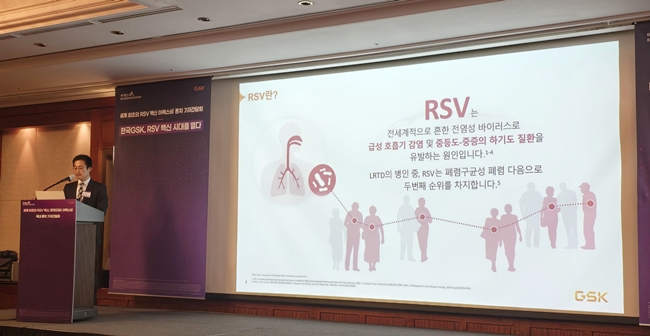
- As GSK launches the respiratory syncytial virus (RSV) vaccine Arexvy in South Korea, it will challenge the market on a full-scale. Arexvy is already expanding its market dominance in the global market with its strength as the first RSV vaccine. The company will likely focus on expanding vaccine awareness as it opens the RSV vaccine market for the first time. Dr. Ji-Yong Moon, Professor of Konkuk University On May 14, GSK Korea convened a press conference celebrating the launch of Arexvy, the world's first RSV vaccine. The company showcased a preventative strategy for seniors against RSV and Arexvy's clinical significance. Arexvy received approval from the Ministry of Food and Drug Safety (MFDS) at the end of December 2024 for the 'Prevention of lower respiratory tract disease (LRTD) caused by RSV in adults over 60 years of age and older.' Approval of Arexvy was based on results from two Phase 3 studies, 'RSV OA=ADJ-006' and 'RSV OA=ADJ-004,' involving adults 60 years of age and older. The study results showed that during the first RSV season, Arexvy significantly lowered the RSV-LRTD risk by 82.6% and severe RSV-LRTD risk by 94.1% in participants 60 years of age and older compared to placebo. Furthermore, the efficacy of the vaccine regarding RSV-A-associated LRTD increases and RSV-B-associated LRTD increases were 84.6% and 80.9%, respectively. Dr. Ji-Yong Moon, Professor of Konkuk University's Department of Respiratory-Allergy and Clinical Immunology, explained, "RSV infection causes complications, such as pneumonia, in adults aged 60 years or older and it may require hospitalization or lead to death in severe cases," and added, "Based on a retrospective study, 56.8% of the hospitalized adults over age of 65 had pneumonia and 10.6% of those died." Dr. Moon added, "Despite the high disease burden, awareness of RSV infection is poor, and differential testing is not well implemented, so the disease burden of RSV infection has been underestimated." He said, "RSV infection is as contagious as influenza, but there is no specific treatment other than supportive care, so prevention is most important." (from left) Professor Jacob Lee, Professor of the Division of Infectious Disease at Hallym University Kangnam Sacred Heart Hospital, and, Dr. Ji-Yong Moon, Professor of Konkuk University Experts consider that the launch of the first RSV vaccine, Arexvy, is expected to be significant from a preventive standpoint. Professor Jacob Lee, Professor of the Division of Infectious Disease at Hallym University Kangnam Sacred Heart Hospital, reported that RSV vaccination is already recommended in the United States. Dr. Lee said, "Arexvy showed a preliminary efficacy of 94.6% against RSV-LRTD in adults with one or more comorbidities," and emphasized, "Considering that 84% of domestic adults aged 65 and over have one or more chronic diseases, these data are noteworthy." Dr. Lee stated, "Arexvy was approved in the U.S. in 2023, real-world data on its use have accumulated, and excellent preventive efficacy has been confirmed in actual clinical settings." He said, "The U.S. Advisory Committee on Immunization Practices (ACIP) recommends RSV vaccination for high-risk individuals aged 60–74 and all adults aged 75 and older." Cost and awareness remain challenges… "NIP is necessary from a long-term perspective" Regardless of the preventive value of RSV through Arexvy, it remains uncertain how much influence it will exert in the market. Currently, Arexvy remains non-reimbursed in South Korea. Without a recommendation like that of the U.S. ACIP, there is a need to improve awareness. In particular, the fact that the recommended vaccination age in the U.S. is higher at 75 years old, compared to the domestic approval age of 60 and over, also raises questions. Hyunji Kwon, Business Unit Head at GSKRegarding this, Dr. Lee explained, "In South Korea, the Korean Society of Infectious Diseases is expected to announce a recommendation within this year, but it is unlikely to differ significantly from the U.S.," and added, "To enter the National Immunization Program (NIP), sufficient disease burden research needs to be conducted." Dr. Lee continued, "There is a cost burden and domestic data are lacking, but as the population structure changes, the number of vaccination targets will also increase. Through research data and cost-effectiveness, we can hope for RSV prevention through the NIP in the long term." GSK Korea has stated that it will work to improve awareness through TV advertisements and other means alongside the launch of Arexvy. Hyunji Kwon, Business Unit Head at GSK, added, "RSV is a disease with a great unmet medical need yet remains unfamiliar, so we will work to improve awareness among medical staff and high-risk patients," and added, "In a super-aged society in which, for the first time, the population in their 60s exceeds that in their 40s, we will collaborate with the medical community and the government to increase patient access."
