
- LOGIN
- MemberShip
- 2026-07-22 13:21:08
- Company
- NSCLC standard treatment options undergo major change
- by Son, Hyung Min Nov 11, 2025 06:07am
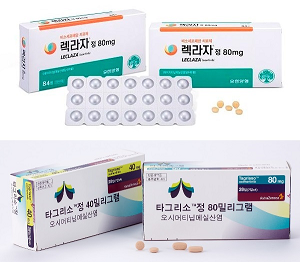
- YuhanThe Leclaza + Rybrevant combination therapy has been recommended as the first-line treatment option by the National Comprehensive Cancer Network (NCCN) guidelines, based on its clinical utility. With Tagrisso also listed as a preferred therapy in combination with platinum-based chemotherapy, combination therapy is expected to become the major strategy in first-line treatment for EGFR-positive non-small cell lung cancer (NSCLC). According to industry sources on November 8, the NCCN recently revised its NSCLC treatment guidelines, including the combination of Yuhan's 'Leclaza (lazertinib)' and Janssen's 'Rybrevant (amivantamab)' as a Category 1 Preferred, first-line recommendation for EGFR-positive NSCLC. Consequently, experts preferentially recommend combination therapy as first-line treatment when an EGFR exon 19 or exon 21 mutation is identified in NSCLC. The Leclaza + Rybrevant combination therapy, which was first listed as a general recommendation last year, achieved the significant result of being changed to a Preferred recommendation in just about a year. This opens the door to recognition of combination therapy as a Standard of Care (SOC) globally. The NCCN provides guidelines for the diagnosis, treatment, and prognosis of cancer. This organization is a federation of 32 institutions, including U.S. National Cancer Centers and research institutes, and healthcare professionals worldwide refer to NCCN as a primary guide for cancer care and treatment. The reason the Leclaza + Rybrevant combination therapy was listed as a Preferred recommendation by the NCCN is that it secured sufficient efficacy results. Leclaza is a new EGFR-positive NSCLC drug developed by Yuhan, a 3rd-generation tyrosine kinase inhibitor (TKI) targeting exon 19 and exon 21 (L858R) mutations. Johnson & Johnson secured the global rights to Leclaza and has been conducting clinical research to evaluate its efficacy in combination with Rybrevant, a targeted treatment option that targets exon 20 and the MET mutation. The final overall survival (OS) analysis of the Leclaza + Rybrevant combination therapy showed superior OS compared to 'Tagrisso (osimertinib)' monotherapy. This combination therapy is currently expected to secure the longest OS results among all pivotal clinical studies for EGFR-positive targeted therapies. In the trial, the combination therapy group showed a statistically significant improvement in survival compared with the Tagrisso monotherapy group (p< 0.005). In detail, the median OS for the Leclaza + Rybrevant group was not estimable (42.9 months-NE). In contrast, the Tagrisso group showed an OS of 36.7 months. Based on the distribution of survival indices, the Leclaza + Rybrevant group is expected to extend OS by at least 12 months compared with the Tagrisso group. These study results were recently published in the New England Journal of Medicine (NEJM), attracting significant attention from the academic community. Previously, Tagrisso monotherapy, a 3rd-generation TKI targeting EGFR exons 19 or 21, had been recommended as the Preferred treatment option in major guidelines, such as the NCCN guidelines. However, the Leclaza + Rybrevant combination therapy, which is a 3rd-generation TKI similar to Tagrisso, demonstrated superior results compared to Tagrisso monotherapy, suggesting potential changes in key cancer treatment guidelines. The Leclaza + Rybrevant combination therapy is achieving significant success in both the OS results, which were identified as the key to commercialization, and its NCCN guideline listing. As the NCCN guidelines have been revised, the Leclaza + Rybrevant combination therapy has been recommended as the first-line treatment option. Tagrisso + platinum-based chemotherapy receives the priority recommendation…combination with Rybrevant possible AstraZenecaTagrisso was also recommended as a preferred therapy in combination with platinum-based chemotherapy, alongside its monotherapy use. While Tagrisso became the SOC for first-line EGFR-positive NSCLC through monotherapy, the Leclaza + Rybrevant combination therapy joined the competition. AstraZeneca received approval for Tagrisso in combination with platinum-based chemotherapy as a first-line EGFR-positive treatment. The company aims to extend survival by using chemotherapy, previously a second-line treatment, at an earlier stage. The Tagrisso + platinum-based chemotherapy combination therapy demonstrated efficacy compared with Tagrisso monotherapy in the FLAURA2 study. The clinical results showed that the combination therapy recorded an OS of 47.5 months, longer than Tagrisso monotherapy's 37.6 months. The median Progression-Free Survival (PFS) based on the investigators' assessment was 25.5 months, an extension of 8.8 months compared with Tagrisso monotherapy at 16.7 months. AstraZeneca is confirming the possibility of combining its targeted therapies with various options. The company is currently conducting combination trials of Tagrisso with the Antibody-Drug Conjugate (ADC) 'Datroway (datopotamab)' and the targeted therapy 'savolitinib'. In addition, AstraZeneca is conducting a clinical trial in collaboration with the global Contract Research Organization (CRO) Parexel to assess the combination potential of Tagrisso and Rybrevant. The Phase 2 OSTARA study began in July 2023 and is evaluating the efficacy and safety of the Tagrisso + Rybrevant combination therapy as a first-line treatment for EGFR-positive NSCLC. With the efficacy of the Rybrevant + Leclaza combination therapy validated, AstraZeneca also plans to confirm the potential of combining Tagrisso with a targeted therapy.
- Company
- HAE treatment 'Takhzyro' closer to reimbursement
- by Eo, Yun-Ho Nov 10, 2025 06:08am
- Product photo of Takhzyro (lanadelumab) A hereditary angioedema (HAE) treatment, 'Takhzyro,' appears closer to insurance reimbursement listing, approximately five years after acquiring domestic approval in South Korea. Takeda Korea's Takhzyro (lanadelumab) has recently passed the Drug Reimbursement Evaluation Committee (DREC). This is the first achievement since receiving approval from the Ministry of Food and Drug Safety (MFDS) in February 2021. Attention has been drawn to whether Takhzyro will successfully undergo drug pricing negotiations with the National Health Insurance Service (NHIS) to become a new treatment option for the HAE area, where treatments are lacking. HAE is a rare disorder caused by dysfunction of the C1-esterase inhibitor (C1-INH) protein, resulting in recurrent, unpredictable, and sudden swelling in different parts of the body. Upper airway edema can restrict breathing and lead to asphyxiation. Gastrointestinal tract swelling can cause emergency events, such as severe pain and intestinal obstruction. Approximately 40% of patients have their first episode before age 5, and 75% before age 15. However, most individuals undergo a 'diagnostic odyssey' and receive an accurate diagnosis only as adults. This is why the number of diagnosed cases in South Korea was only 200-250 as of last year, despite an estimated total of approximately 1,000 patients. In fact, it takes an average of 19 years to get diagnosed. Even after the diagnosis, patients are exposed to unpredictable HAE attacks and emergencies. However, in South Korea, patient access to treatments that provide fundamental care has been low. Therefore, the medical field has been consistently requesting reimbursement listing for Takhzyro. It remains to be seen whether drug price negotiations with the NHIS for Takhzyro will be successfully concluded and emerge as a new treatment option for HAE, where therapeutic agents are scarce. Meanwhile, Takhzyro demonstrated efficacy in the Phase 3 HELP study. The study results showed that the group receiving Takhzyro every two weeks reduced the average monthly attack frequency of HAE attacks by 87% compared with the placebo group, while the group receiving Takhzyro every four weeks achieved a 74% reduction.
- Company
- GSK seeks reimb for self-injectable form of its asthma drug
- by Eo, Yun-Ho Nov 07, 2025 06:17am
- The self-injectable formulation of the antibody drug ‘Nucala’ is aiming to enter Korea’s insurance reimbursement system. GSK Korea recently filed for insurance reimbursement of its Nucala Autoinjector (mepolizumab), an anti-IL-5 (interleukin-5) antibody for treating eosinophilic diseases. Nucala Autoinjector was approved in Korea last March and was released as a non-reimbursed drug this month after securing a distribution network and supply volume. It remains to be seen whether Nucala, which has established its position in the field of eosinophilic asthma, can successfully secure reimbursement coverage for the new formulation upon its launch and expand its influence in Korea. The new autoinjector formulation is approved not only for severe eosinophilic asthma in adults and adolescents (12 years and older), but also ▲ eosinophilic granulomatosis with polyangiitis (EGPA) in adults, and ▲ hypereosinophilic syndrome (HES) in adults. This medication is a self-administered injection used to treat eosinophilic diseases. It is indicated as add-on maintenance therapy in adolescents and adults aged 12 years and older with severe eosinophilic asthma (SEA), as add-on maintenance therapy in adult patients with eosinophilic granulomatosis with polyangiitis (EGPA), and as add-on maintenance therapy in adult patients with hypereosinophilic syndrome (excluding HES, FIP1L1-PDGFRα positive patients). The autoinjector formulation enables patients to self-administer injections conveniently at home. This is evidenced by a self-injection success rate exceeding 96%, high patient preference, and ease of use. Meanwhile, Nucala has been enhancing its competitiveness by securing an indication for chronic obstructive pulmonary disease (COPD). The drug obtained additional approval from the U.S. FDA in May as an “add-on maintenance therapy for adult patients with COPD with an eosinophilic phenotype.” This approval was based on the results of the Phase III MATINEE and METREX studies. In these studies, among a broad spectrum of COPD patients with an eosinophilic phenotype, the Nucala treatment group showed a significantly lower annual rate of moderate-to-severe exacerbations compared to the placebo group.

- Company
- "Rise of regenerative aesthetics focused on natural beauty"
- by Hwang, byoung woo Nov 07, 2025 06:17am
- As the use of medical aesthetics treatments expands, the field is moving away from excessive volume correction toward a focus on natural balance and improved skin quality. As the proportion of surgical procedures decreases, minimally invasive procedures are expanding, and a strategy focused on maintaining long-term safety and efficacy is becoming more critical. DailyPharm met with Dr. Jonathan Kadouch, a dermatologist in the Netherlands, to discuss trends in global medical aesthetics and strategies for safety management in injectable procedures. "From overcorrection to balance...natural aesthetics is trending" Dr. Kadouch explained that the most significant recent change in the field of medical aesthetics is the 'transition from overcorrection to natural harmony.' Dr. Jonathan Kadouch (dermatologist in the Netherlands)"Over the past 20 years, surgical procedures have decreased, and minimally invasive injectable procedures have become the mainstream," he said. "The focus is shifting from simply adding volume to restoring balance, considering the face's structure and tissue changes." Notably, strategies to enhance the skin's inherent quality and its regeneration process are currently gaining attention. Dr. Kadouch said, "Regenerative aesthetics is not just about creating volume, but about creating an environment where tissues can heal themselves," and added, "As interest in regenerative medicine, such as quality improvement, is growing, the medical aesthetics trend is evolving toward prioritizing procedure safety." Dr. Kadouch also emphasized, "In the past, artificially correcting many areas of the face was popular, but now, both patients and medical professionals prioritize natural and long-term sustainable results." "HA and CaHA differ in mechanism and complication management" The major injectable agents are Hyaluronic Acid (HA) fillers and Calcium Hydroxylapatite (CaHA). Although they appear similar, the two agents differ in their mechanisms of action and approaches to managing complications. First, HA fillers are characterized by their degradability with hyaluronidase. This allows for immediate management should side effects occur or if aesthetic adjustments are needed during the procedure. In contrast, CaHA is a microparticle that induces collagen and elastin production as it gradually degrades in the body. Dr. Kadouch distinguished them, explaining, "HA is a natural component of the human body found in joints, eyes, and skin, and has established itself in the medical aesthetics market for improving volume and wrinkles." He added, "CaHA is a biostimulator that promotes tissue regeneration, where anatomical understanding and the precision of the injection layer determine the treatment outcome." Given the high interest in minimally invasive procedures and safety, the approach to managing complications differs between HA and CaHA. Dr. Kadouch explained, "The biggest advantage of HA filler is its reversibility, meaning most issues can be managed by dissolving the filler using hyaluronidase." He noted, "CaHA lacks a dissolving enzyme, requiring an algorithm-based approach to reduce particle concentration or induce tissue diffusion." Dr. Kadouch also mentioned, "The lack of a specific dissolving agent can be a burden for practitioners with limited clinical experience with CaHA. However, as CaHA is increasingly used for regenerative purposes rather than volume correction, the risks of complications and side effects have significantly reduced compared to the past." "Evidence-based product selection and patient expectation management are key" Notably, Dr. Kadouch emphasized that while complications and adverse reactions from filler procedures are often multifactorial, selecting products based on scientific evidence is crucial for ensuring procedure safety. "The more clinical papers and research results a product has accumulated to prove its safety and efficacy, the higher the confidence a practitioner can have in selecting that product," Dr. Kadouch said. "Therefore, rationale decision-making based on objective data and literature is the starting point for safe procedures." Dr. Kadouch said, "Some biostimulator agents have long-proven safety and efficacy," and added, "In contrast, some rapidly expanding new products lack sufficient data accumulation, necessitating a cautious approach." He also explained that with the increase in patients requesting specific procedures seen on social media, the consultation process is important for managing patient expectations. Dr. Kadouch stated, "As information dissemination through social media accelerates, the speed at which specific procedures or products become trends has also become very fast. Combined with new products and marketing, physicians in the medical aesthetics field face greater challenges than before." However, Dr. Kadouch believes that medical professionals must uphold their medical convictions and ethical standards while still meeting patient expectations amid this changing trend. Dr. Kadouch emphasized, "If medical professionals present scientific evidence and logical reasons, many patients understand and prioritize safety in their decisions," and stressed, "Adequately guiding patients on the limitations of expectations and the criteria for safe product selection is essential not only for medical ethics but also for providing trust-based treatment." Finally, Dr. Kadouch projected that the future of the medical aesthetics field will center on improving skin quality, long-term maintenance treatment, and combined-procedure strategies. Dr. Kadouch said, "Across the industry, invasive procedures are being minimized, and the shift toward minimally invasive or non-invasive procedures is clear and expected to continue," and added, "Combining the advantages of different procedures to improve overall skin quality is expected to become the core trend in the aesthetics field."

- Company
- 31 Chinese, 2 Korean firms rank among the global Top 100
- by Kim, Jin-Gu Nov 07, 2025 06:16am
- Two Korean companies made it into the Top 100 global pharmaceutical and biotech firms by revenue. Samsung Biologics and Celltrion ranked 64th and 87th, respectively. By nationality, Chinese and Hong Kong-based companies led with 31 firms, followed by the US (23), Japan (12), and India (6). According to data released on the 6th by BullFincher, a global listed-company analytics platform, Johnson & Johnson led the global rankings among global pharmaceutical and biotech companies. This result comes from aggregating the trailing twelve months (TTM) sales of all global listed pharmaceutical and biotech companies, without distinguishing between pharmaceutical and biotech firms. Johnson & Johnson's revenue from Q4 last year to Q3 this year reached USD 92.15 billion (approximately KRW 1,133 trillion). This figure includes performance from both its pharmaceuticals and medical device divisions. Following Johnson & Johnson, MSD (US Merck), Pfizer, AbbVie, Eli Lilly, AstraZeneca, Novartis, Bayer, Sanofi, and Novo Nordisk rounded out the top 10 companies. All five top spots in the rank were held by U.S. companies. By market capitalization, however, Eli Lilly remains the global leader, valued at USD 805.3 billion, roughly 1.8 times higher than the runner-up Johnson & Johnson (USD 448.8 billion). Other Top 10 market-cap players include AbbVie, AstraZeneca, Novartis, Novo Nordisk, MSD, Amgen, Gilead Sciences, and Pfizer. Among the top 100 pharmaceutical and biotech companies by revenue, Chinese and Hong Kong-based companies are the most numerous at 31. This is followed by the United States with 23, Japan with 12, India with 6, the United Kingdom with 4, and Germany, Denmark, Switzerland, and France each with 3. Among Korean companies, Samsung Biologics and Celltrion made the Top 100 list. Samsung Biologics' revenue for the past year (Q4 last year to Q3 this year) was KRW 5.5048 trillion, ranking 64th in revenue. This is similar to the level of Germany's BioNTech SE, known for developing mRNA vaccines. Celltrion ranked 87th. Celltrion's revenue over the past year was KRW 3.896 trillion. This is comparable in scale to China's Innovent Biologics and India's Lupin. The presence of Korean companies was more prominent in terms of market capitalization. Five Korean firms are included in the Top 100 global pharmaceutical and biotech companies by market cap: Samsung Biologics (25th), Celltrion (30th), Alteogen (32nd), SK Biopharm (90th), and Yuhan Corporation (99th).

- Company
- Samsung Biologics spins off Samsung Epis Holdings
- by Cha, Jihyun Nov 06, 2025 06:34am
- Samsung Biologics spun off its investment and subsidiary management business unit to establish Samsung Epis Holdings as a dedicated bio investment holding company The company announced on the 3rd that the holding company was officially established following a board resolution. Samsung Bioepis Holdings will establish separate subsidiaries to pursue bio-technology platform development projects, while retaining Samsung Bioepis—a company focused on developing and commercializing biosimilars (generic versions of biopharmaceuticals)—as a wholly-owned subsidiary. Samsung Epis Holdings plans to maximize enterprise value and shareholder value by establishing tailored strategies for each subsidiary and driving aggressive R&D and investment. First, it intends to further strengthen the biosimilar business capabilities the company has accumulated over the past 13 years. Samsung Bioepis will focus its R&D efforts on securing more than 20 competitive products and pipelines in the biosimilar industry, which is expected to grow steadily alongside rising global demand driven by population aging and chronic disease growth. Since its establishment in 2012, Samsung Bioepis has successfully developed and launched biosimilars for 11 blockbuster biologics. Last year, the company reported record-high sales of KRW 1.5377 trillion and an operating profit of KRW 435.4 billion. Furthermore, Samsung Epis Holdings plans to actively explore promising new businesses based on next-generation technologies by establishing a new subsidiary for future growth. The new subsidiary will pursue innovation and discover new growth engines beyond the biosimilar business by developing next-generation biotech platforms with diverse modalities (treatment approaches). The new subsidiary will adopt a biotech model as its core business structure, focusing on platformizing highly scalable core technologies and developing various new drug candidates to pursue joint development with global pharmaceutical companies. Kyung-ah Kim, the current CEO of Samsung Bioepis, has been appointed as the inaugural CEO of Samsung Epis Holdings and will oversee both the holding entity and its operating subsidiaries. Samsung Epis Holdings will complete legal procedures to establish its new subsidiary by November 14, with re-listing on the Korea Exchange scheduled for November 24. Kim stated, “The launch of Samsung Epis Holdings marks a new leap forward to lead the future global bio industry. We will strengthen synergies across all business divisions to write a unique success story that contributes to a better life for humanity.”
- Company
- GSK reattempts reimb for myelofibrosis drug Omjjara
- by Eo, Yun-Ho Nov 06, 2025 06:33am
- GSK’s myelofibrosis drug Omjjara (momelotinib), which failed reimbursement on its first attempt, is once again seeking insurance reimbursement in Korea. According to industry sources, GSK Korea recently resubmitted its reimbursement application for Omjjara. Despite its recent failure to be presented to the Health Insurance Review and Assessment Service (HIRA) Drug Coverage Evaluation Committee, the company is showing renewed determination. Omjjara passed the Cancer Disease Deliberation Committee review last March, but reimbursement procedures were halted after disagreements arose between GSK and HIRA regarding comparator drug selection for price calculation. Consequently, it remains to be seen whether GSK and the government can reach a consensus this time. Omjjara has a triple mechanism of action that inhibits JAK1 and JAK2 as well as ACVR1 (activin A receptor type 1). In myelofibrosis treatment, JAK1 and JAK2 inhibition helps relieve systemic symptoms and reduce splenomegaly, while ACVR1 inhibition decreases hepcidin expression and thereby alleviates anemia. Anemia management remains one of the major unmet needs in treating myelofibrosis. Transfusion-dependent anemia brings more than just the commonly perceived issue of dizziness - depending on its severity, it can be life-threatening. Phase III trials SIMPLIFY-1 and MOMENTUM demonstrated that Omjjara significantly improved key symptoms such as splenomegaly and reduced transfusion dependence in anemic myelofibrosis patients regardless of prior JAK-inhibitor exposure. In SIMPLIFY-1, which compared Omjjara to ruxolitinib (Jakavi) in JAK-inhibitor-naïve myelofibrosis patients, Omjjara demonstrated non-inferiority to ruxolitinib in the primary endpoint of spleen volume response at week 24. The proportion of transfusion-independent patients was 66.5 % in the Omjjara group versus 49.3 % in the ruxolitinib group, showing a statistically significant reduction in transfusion dependence in the Omjjara arm. Professor Seo-yeon Ahn of Chonnam National University Hwasun Hospital’s Department of Hematology stated, “Existing JAK inhibitors relieve splenomegaly and systemic symptoms but often worsen anemia or increase transfusion needs, leaving an unmet clinical need. Omjjara demonstrated significant clinical value in improving anemia, which is closely tied to prognosis in myelofibrosis patients.”
- Company
- "Fosamax's value in osteoporosis sequential therapy rises"
- by Hwang, byoung woo Nov 06, 2025 06:32am
- As South Korea enters a super-aged society, the importance of long-term management in osteoporosis treatment is being emphasized. During this process, the bisphosphonate class of drugs, demonstrating long-term evidence and sustained efficacy, is once again becoming the key treatment strategy. DailyPharm met with Professor Beom-jun Kim of the Department of Endocrinology and Metabolism at Seoul Asan Hospital, to discuss the changing landscape and future challenges of osteoporosis treatment. "Osteoporosis cases is increasing...prevention before fracture is crucial" Professor Beom-jun Kim of the Department of Endocrinology and Metabolism at Seoul Asan HospitalSouth Korea is one of the world's fastest-aging nations. With the elderly population rapidly increasing, the importance of osteoporosis management and government attention have both grown. In particular, the rise in osteoporosis cases in South Korea is attributed to rapid aging and increased diagnosis rates. Professor Kim explained, "As the elderly population rapidly increased, government attention rose, and this year, osteoporosis screening in general health check-ups was expanded to include women aged 60 and older," and added, "With early prevention and diagnosis underway, the number of patients is also increasing." Osteoporosis is a disease characterized by porous bones. Since it typically presents no specific symptoms before a fracture occurs, it is easily overlooked by both patients and physicians. However, as bone strength naturally declines by about 2% annually with age, the risk of fracture increases. Therefore, continuous management is emphasized, treating osteoporosis as a chronic disease requiring lifelong care, similar to hypertension or hyperlipidemia. He stated, "Spinal and hip fractures not only severely diminish the quality of life due to pain, deformity, and mobility impairment, but hip fractures, in particular, carry a mortality rate of about 20%. Preventing fractures before they occur is particularly important, more so than treating them after one." "Fosamax, a drug with 30 years of evidence...sustained efficacy of oral therapy is gaining attention" To effectively treat osteoporosis, it is essential first to evaluate the patient's fracture risk and prescribe the appropriate medication. According to Professor Kim, various factors are considered, including bone mineral density (BMD), T-score, age, weight, current medications, and family history. Generally, patients with a T-score below -2.5 are diagnosed with osteoporosis and categorized as high-risk for fracture. Bisphosphonate agents, including Fosamax, are globally recommended as the first-line treatment for these patients. The major bisphosphonate, Fosamax (alendronate sodium), celebrates its 30th anniversary this year since its U.S. FDA approval in 1995. It was introduced in Korea in 1998. Professor Kim explained, "The fact that we are still talking about Fosamax after three decades indicates its reliability." He added, "Its preventive effect has been confirmed across various sites, including vertebrae, non-vertebrae, and hip, establishing it as a first-line treatment for high-risk patients in both domestic and international guidelines." He also mentioned the unique advantage of Fosamax as a once-weekly oral drug in the osteoporosis treatment landscape, where injectable drugs are commonly used. Professor Kim pointed out, "According to the Korean Society for Bone and Mineral Research fact sheet, only 73.9% of women and 66.7% of men maintain treatment for a full year after starting medication. For injectables, discontinuing treatment can rapidly increase the risk of multiple vertebral fractures." He added, "In contrast, Fosamax is deposited in the bone and maintains its therapeutic effect for a certain period." He emphasized that this feature, where the fracture-prevention effect persists for a period even after discontinuation, is an advantage in the Korean context, where treatment persistence is often low. "The last in sequential therapy...need to improve access for patients at ultra-high-risk" Professor Kim stressed that the concept of sequential therapy is becoming crucial, as osteoporosis treatment is a long-term strategy rather than a short-term prescription. He said, "Considering the 100-year lifespan, continuously using a single drug is impractical. Therefore, a strategy of sequentially using multiple treatments, similar to hypertension or diabetes, is necessary," And added, "While Fosamax is recommended as a first-line treatment, its advantage as a 'closer' in the context of sequential therapy is gaining attention." Professor Kim also said, "In the 'finishing stage' after reaching the osteoporosis treatment goal, Fosamax has the advantage of maintaining its efficacy in the bone, preventing rapid deterioration of the patient's condition." He added, "Regardless of the initial drug used, treatment must ultimately conclude with a bisphosphonate agent. We believe Fosamax's role in sequential therapy will only grow as new drugs increase." He also evaluated the expansion of reimbursement criteria for osteoporosis treatment last year as a meaningful change. He said, "Previously, patients had to stop treatment coverage if their T-score went above -2.5, even if they wished to continue. Now, the maximum period for continued treatment has been extended up to two years, even at a T-score of -2.0, which is positive for securing treatment continuity." Professor Kim pointed out the institutional need to lift restrictions on the treatment sequence for ultra-high-risk patients and advised against avoiding treatment due to concerns about adverse reactions. Professor Kim said, "Globally, the recommended strategy is first to use bone formation promoters (anabolic agents) followed by anti-resorptive agents for maintenance. However, due to current domestic reimbursement criteria, we must apply this in reverse," and suggested, "The treatment sequence needs to be improved, at least for the ultra-high-risk group." Finally, Professor Kim said, "Although fear of adverse reactions is one reason for hesitation, concerns like 'jawbone necrosis' are actually very rare," and added, "The incidence in South Korea is around 4 per 10,000 people (0.04%), while the risk of fracture is a thousand times higher. Avoiding treatment due to a rare risk is like not wearing a seatbelt."
- Company
- "Bavencio MT after short chemotherapy proves survival·QoL"
- by Hwang, byoung woo Nov 06, 2025 06:30am
- The treatment for urothelial carcinoma is shifting toward the direction of 'short chemotherapy, long survival'. The DISCUS study confirmed that there is no difference in treatment outcome even when platinum-based chemotherapy is administered for only three cycles. This evidence demonstrated that it can reduce unnecessary toxicity while maintaining survival. During a meeting with DailyPharm, Professor In Ho Kim of Seoul St. Mary's Hospital's Department of Oncology assessed, "Bavencio is now a treatment strategy that goes beyond simple maintenance therapy, reducing patient burden while extending survival benefit." He added, "The DISCUS study, disclosed at ESMO (European Society for Medical Oncology) conference, clearly demonstrated the potential for patient-centric treatment." "Switching to Bavencio after 3 cycles of chemotherapy... no survival difference, improved quality of life" Professor In Ho Kim of Seoul St. MaryThe DISCUS study was an exploratory Phase 2 trial that compared the effect of Bavencio maintenance therapy in 267 patients with locally advanced or metastatic urothelial carcinoma, divided into two groups: 3 cycles (133 patients) and 6 cycles (134 patients) of platinum-based chemotherapy. The study results showed that the median overall survival (OS) for the 3-cycle group was 18.9 months, with no significant difference compared to the 6-cycle group (18.9 months). Progression-free survival (PFS) was also statistically similar (3-cycle group had 8.0 months vs. 6-cycles group had 9.0 months). Notably, quality of life (QoL) improved in patients who received shorter chemotherapy. The QoL score change in the 3-cycle group was 0.0 points (95% CI -5.9 to 5.2), showing an improvement of +8.5 points (p=0.016) compared to the 6-cycle group (-8.5 points; 95% CI -14.1 to -2.9). Regarding this, Professor Kim explained, "While it was customary in the past to administer up to six cycles, in reality, side effects and fatigue often accumulated around the fourth cycle, making treatment continuation difficult." He said, "The DISCUS study provides clinical evidence that sufficient efficacy can be achieved without compromising the patient's condition." Professor Kim added, "In clinical practice, treatment cycles were often adjusted to around four cycles based on the patient's condition, and this result supports that empirical finding." Professor Kim summarized the study's key finding as maintaining therapeutic efficacy while reducing the burden of side effects. He said, "For urothelial carcinoma, the treatment process itself can cause greater suffering to the patient than the treatment types," and added, "The strategy of switching to Bavencio after short chemotherapy is a model that captures both survival and quality of life." In the DISCUS study, the incidence of adverse events was 11.9% in the 3-cycle group and 15.7% in the 6-cycle group, confirming a lower toxicity burden in the shorter chemotherapy group. Bavencio's clinical significance is further strengthened by the fact that its clinical trial results and Real-World Data (RWD) are nearly identical. Professor Kim stated, "The efficacy of most drugs is lower in actual clinical practice, but Bavencio's results in the clinical trial and the real world align," and added, "It is due to low toxicity and good tolerability, which allows it to be used even in patients with poor health. The same result was confirmed in the AVENANCE RWD analysis conducted in France. In patients whose disease had not progressed after platinum-based chemotherapy, the probability of surviving for more than 1 year after receiving Bavencio maintenance therapy for 1 or 2 years was maintained at the same level as in the JAVELIN Bladder 100 trial. Professor Kim said, "This data consistency is evidence that medical professionals can trust in treating patients," and added, "I often see elderly patients continuing treatment stably." "Customized treatment completed through patient value and communication" This effect is evaluated as significant for urothelial carcinoma, a disease where patients aged 70 and over account for the majority. Professor Kim said, "In the past, chemotherapy was rarely given to patients in their 80s, but recently, treatment has been continued if their condition is good," and added, "What is important in such cases is not just the duration of survival but how comfortably they can receive treatment." He continued, "Patients are increasingly expressing that they do not want difficult treatments." He stressed, "The process of shared decision-making, where medical staff and patients set treatment goals together, is now essential." Meanwhile, the enfortumab vedotin + pembrolizumab combination therapy also garnered significant interest at this conference. Professor Kim said, "The clinical indexes are very impressive, but the patients participating in clinical trials are generally in good overall condition," and added, "In everyday clinical practice, the proportion of patients in poor condition is higher, making it difficult to apply the data directly." He mentioned, "If a patient's disease is progressing very rapidly, combination therapy should be considered. However, patients with more controllable metastases, such as liver or lymph node metastases, can achieve long-term survival with Bavencio maintenance therapy alone." Professor Kim continued, "In everyday clinical practice, the patient's condition and preferences must be considered comprehensively over numerical data." He assessed, "Bavencio is the most 'balanced option' in this regard." Professor Kim summarized the key findings confirmed at this ESMO as the 'importance of the process, not the answer'. Professor Kim said, "Each urothelial carcinoma patient has different disease progression rates, metastasis patterns, and values. Some patients say, 'I want to live a little longer,' while others say, 'I want to maintain my routine quietly.'" He concluded, "Ultimately, the treatment strategy is finalized through conversation with the patient." Finally, Professor Kim said, "The strategy of maintenance therapy after 3 cycles of chemotherapy, as suggested by the DISCUS study, is the starting point for this individualized treatment," and, "Bavencio is the most realistic choice that can guarantee quality of life while maintaining survival benefits."
- Company
- 'Leqembi will reshape early dementia care landscape'
- by Hwang, byoung woo Nov 05, 2025 06:23am
- Leqembi (lecanemab), a therapy that directly removes the pathogenic protein driving Alzheimer's disease and slows disease progression, is opening a new treatment paradigm in a super-aged society. Unlike existing drugs that primarily focused on symptomatic relief, Leqembi has demonstrated disease-modifying potential, signaling broad changes across clinical practice and policy. Dailypharm spoke with Professor Min-young Chun, neurologist at Yongin Severance Hospital, regarding Leqembi’s long-term evidence, real-world clinical implications, and the importance of early diagnosis and early intervention in Alzheimer's disease. “Leqembi delays disease progression by one year, which is a significant extension in the survival period” Professor Min Young Chun, Department of Neurology, Yongin Severance HospitalLeqembi is the first disease-modifying treatment to emerge in the field of Alzheimer's disease, which had seen no new drugs for over 20 years. Since the 1990s and early 2000s, there have been almost no new drugs developed for Alzheimer's disease, resulting in a prolonged 20-year innovation gap without any new drug approvals. While existing drugs focus on symptom relief, Leqembi is drawing attention for its mechanism that directly removes amyloid beta to slow the fundamental progression of the disease. Professor Chun stated, “Leqembi is the first treatment option that directly targets amyloid beta to slow the fundamental progression of the disease, marking a significant advancement that ends the 20-year gap in new drug development.” She further explained, “In the recently published 4-year long-term analysis, the Leqembi treatment group showed a delay in disease progression of approximately one year compared to the natural decline in Alzheimer's disease. Based on the CDR-SB score, it was 1.75 points lower versus ADNI and 2.17 points lower versus BioFINDER.” Furthermore, no new safety concerns were observed during the 4-year OLE study, and the ARIA incidence rate decreased after the initial 12 months of treatment and remained stable without significant change over the 4 years. Professor Chun emphasized, “Some may underestimate a one-year delay, but just as a 6-month survival gain in oncology is considered a meaningful outcome, delaying the time when independent daily living becomes impossible by even one year holds immense value.” Lower ARIA rate in Asians…Will also strengthen domestic monitoring system As Leqembi has not been released in Korea for long, sufficient data has not yet accumulated to yield statistically significant results. Concerns also exist regarding the management of amyloid-related imaging abnormalities (ARIA), the most notable adverse reaction requiring caution during Leqembi treatment. On this, Professor Chun explained, “ARIA-E occurred in 6.2% and ARIA-H in 14.4% of Asian patients %, lower than the overall population. This could be attributed to complex factors like differences in APOE ε4 gene frequency or drug dosage variations due to body weight.” She further noted, “South Korea has well-established imaging infrastructure, including MRI and PET, enabling systematic monitoring before and after administration. This environment supports the safe use of new drugs like Leqembi.” According to Professor Chun, the Asian subgroup analysis of Leqembi’s Phase III Clarity AD clinical trial showed an ARIA-E incidence rate of 6.2% in Asians, lower than the 12.6% rate in the overall population. The ARIA-H incidence rate was also lower in Asians at 14.4%, compared to 17.3% in the overall population. She added, “Adverse reactions are being closely managed through regular monitoring. When they occur, treatment is guided by established medication-related guidelines. Currently, multiple institutions are compiling and analyzing Leqembi treatment data, and clearer results are expected as early as the beginning of next year. Regarding the approval of the subcutaneous (SC) maintenance therapy formulation in the U.S., Professor Chun noted, “The Leqembi SC formulation offers similar efficacy to the intravenous (IV) formulation while having a lower incidence of infusion-related adverse events. This allows patients or caregivers to administer the drug themselves, offering significant advantages in terms of accessibility and compliance.” “Early diagnosis and treatment of Alzheimer's reduces socioeconomic burden” With South Korea entering a super-aged society, dementia has emerged as a socioeconomic challenge beyond an individual disease. Professor Chun emphasized that advancing the timing of treatment is key to reducing the national burden. She stated, “Domestic dementia care costs approximately KRW 25 trillion annually. Delaying progression to severe stages through early diagnosis and treatment can significantly reduce long-term care and medical expenditure.” Long-term simulation data showed Leqembi confirmed such an effect. Leqembi delayed progression to mild-and-moderate stages by 2.7 years and 2.9 years, respectively — supporting meaningful savings in healthcare costs. Regarding this, Professor Chun explained, “These results can enhance the efficiency of the dementia management system and positively impact national healthcare finances.” Institutional challenges remain. The treatment remains non-reimbursed, and while MRI scans are covered, amyloid PET scans remain non-reimbursed, resulting in patient out-of-pocket costs. Professor Chun noted, “Beyond amyloid, the long-term therapeutic effect of new drugs like Leqembi is more pronounced in patients with lower tau protein accumulation. As Alzheimer's disease progresses, tau protein accumulation increases. Therefore, I believe it would be efficient to prioritize coverage for the early stages when tau levels are lower.” Professor Chun further explained, “We are conducting amyloid PET scans to compare how much amyloid is removed before and after Leqembi administration, but this process incurs significant cost burdens. If amyloid PET scans were covered, it would greatly aid patients in receiving early diagnosis and treatment.” Finally, Professor Chun reiterated the necessity of early intervention for Alzheimer's disease. Professor Chun added, “Early detection and intervention are paramount for Alzheimer's disease, yet some delay hospital visits due to fear of dementia diagnosis. The sooner diagnosis and treatment occur, the greater the effect. If treatments become reimbursed, it would alleviate household medical expenses and could positively impact socioeconomic aspects and reduce national healthcare costs in the long term.”
