
- LOGIN
- MemberShip
- 2026-07-22 08:53:51

- Company
- Entresto patent dispute comes to an end after 5yrs
- by Kim, Jin-Gu Jan 19, 2026 09:02am
- The long-running patent dispute over Novartis’ heart failure drug Entresto (sacubitril/valsartan) has effectively come to an end, with Korean generic manufacturers securing decisive victories at the Supreme Court.The Supreme Court ruled in favor of the generic companies in all three appeals related to Entresto: ▲ the polymorph patent ▲ the salt/hydrate patent ▲ and the use-of-product patent lawsuits.The assessment is that the domestic generic companies' consecutive victories in this dispute stemmed from a strategic approach that went beyond simple ‘patent invalidation or avoidance’ arguments, instead precisely identifying and countering the structural vulnerabilities of each individual patent.Entresto patent dispute concludes with generic companies' victory after over 5 yearsAccording to industry sources on the 16th, the Supreme Court on the 15th dismissed Novartis’ appeal in its scope confirmation lawsuit against 10 companies, including Elyson Pharmaceutical, concerning Entresto’s polymorph patent.On the same day, the Court also ruled in favor of generic companies in Novartis’ appeal against Hanmi Pharmaceutical regarding the Entresto salt and hydrate patent. The dispute over the validity of the salt and hydrate patents between Novartis and Daewoong Pharmaceutical/ Elyson Pharm is awaiting a ruling at the Patent Court (second instance).Earlier, in April 2024, the Supreme Court had already dismissed Novartis’ appeal in its use-patent lawsuit against 11 companies, thereby affirming the generics’ victory.This effectively concludes the nearly 5-year-long Entresto patent dispute, according to analysis. Although an appeal remains pending in the salt/hydrate patent dispute between Novartis and Daewoong Pharmaceutical/ Elyson Pharm, the prevailing view is that a similar ruling will be issued, given the Supreme Court's precedent on identical patent issues.The Entresto patent dispute intensified after 2021. Generic companies filed comprehensive patent invalidation petitions targeting Entresto's crystal form patent, salt/hydrate patents, two use patents, and two formulation patents. The generics won all cases at the first instance. After losing the first instance, Novartis selected three patents for appeal: ▲the polymorph (crystal form) patent, ▲the salt/hydrate patents, and ▲the use patent. Ultimately, these three appeals became the focal point of the litigation. For each issue, the patent challengers presented different arguments.Polymorph patent dispute: scope of rights for ‘broad claims’ without experimentationThe starting point and most critical battle in this dispute was the validity of the Entresto polymorph patent. The patent covered a specific crystalline form of the supramolecular complex formed by sacubitril and valsartan.The core issue was whether the patent satisfied the written description and enablement requirements. Under established precedent, polymorph inventions in chemistry are considered highly unpredictable and therefore require detailed experimental disclosure and reproducibility.While Novartis’ specification disclosed experimental data for a specific 2.5-hydrate supramolecular complex, it failed to provide manufacturing methods, reproducibility principles, or experimental support for other solid forms of the supramolecular complex included in the claims. The patent challengers focused on this aspect.The Supreme Court ultimately held that a patent asserting a broad claim scope without experimental support constitutes insufficient disclosure. The rulings of the Intellectual Property Trial and Appeal Board and the Patent Court were therefore upheld.Salt/Hydrate patent dispute: doctrine of equivalents infringementIn the salt/hydrate patent case, the key issue was whether the scope of rights was infringed, particularly whether the generics’ products infringed Novartis’ patent under the doctrine of equivalents.Novartis's patent was based on Entresto's 2.5-hydrate supramolecular complex. In contrast, the domestic pharmaceutical company's product possesses a trihydrate structure with a different number of water molecules. Novartis argued that since the two hydrates represent substantially equivalent technology, they constitute equivalent infringement.The generics countered that the difference was not a mere numerical change, but reflected a fundamentally different problem-solving principle for achieving supramolecular complex stability.The Supreme Court accepted this argument. It ruled that the technical core of Novartis’ invention lay in achieving a specific stoichiometric structure. A hydrate with a different number of water molecules could not be regarded as using the same technical solution.Use patent dispute: judgment of novelty in the heart failure treatment effectIn the Entresto use patent case, the issue was whether the patent possessed novelty. The key question was whether the heart failure treatment effect from the combination of sacubitril and valsartan could be evaluated as a new medical effect compared to prior art.The Patent Court ruled that, in light of existing pharmacological mechanisms and prior technologies, the claimed therapeutic effect could not be regarded as an unpredictable or novel medical outcome. The Supreme Court upheld this reasoning, dismissing Novartis’ appeal without a full hearing.Attorney Dong-joo Kwon of Yoon & Yang, who represented the client in this case, commented, “This Supreme Court ruling is significant not merely as a victory in an individual dispute, but because it provides clear guidance on the boundaries of written description requirements and on how far the doctrine of equivalents can be stretched, which is central to determining the scope of rights.”Kwon added, “Even a global pharmaceutical company’s robust patent portfolio cannot survive if it attempts to claim excessive scope without experimental backing or relies on overly broad doctrine of equivalents arguments that deviate from the technical essence.”“This case demonstrates that rational patent challenges by domestic pharmaceutical companies can strike a balance between market competition and patient access. This ruling will serve as an important precedent for future similar patent disputes.”
- Company
- ‘Mounjaro’ enters pricing negotiations for diabetes
- by Eo, Yun-Ho Jan 16, 2026 08:52am
- Passed Drug Reimbursement Evaluation Committee review at year-end...Clinical data suggest potential for remissionMounjaro, the blockbuster obesity drug that has taken the market by storm, has entered the final stage toward reimbursement listing for diabetes treatment in Korea.According to industry sources, the Ministry of Health and Welfare has recently instructed the National Health Insurance Service (NHIS) to begin price negotiations for Mounjaro (tirzepatide), Eli Lilly Korea’s dual GIP/GLP-1 receptor agonist.Mounjaro passed the Drug Reimbursement Evaluation Committee under the Health Insurance Review and Assessment Service (HIRA) in December.Accordingly, once the NHIS negotiation team is formed, substantive discussions are expected to commence. It remains to be seen whether Mounjaro can swiftly conclude price negotiations and secure its place on the reimbursement list in Korea.Mounjaro is currently approved in Korea as an adjunct to diet and exercise for improving glycemic control in adults with type 2 diabetes, as well as for chronic weight management in adults with obesity or overweight accompanied by at least one weight-related comorbidity (hypertension, dyslipidemia, type 2 diabetes, obstructive sleep apnea, or cardiovascular disease).The recommended starting dose is 2.5mg once weekly for both indications, intended solely for treatment initiation. After four weeks, the dose is increased to 5mg once weekly. If further dose escalation is required, the dose may be increased by 2.5mg at intervals of at least four weeks, up to a maximum of 15 mg once weekly.Mounjaro has drawn significant attention as the first drug to demonstrate the potential for remission in diabetes.In the Phase III SURPASS trial, which supported its regulatory approval, Mounjaro showed statistically superior reductions in HbA1c and body weight compared with all comparator treatments, including semaglutide (Ozempic), insulin degludec, and insulin glargine.Furthermore, at the European Association for the Study of Diabetes (EASD) conference held last September, Lilly presented results from the SURPASS-CVOT Phase III clinical trial, which directly compared Mounjaro with the GLP-1 receptor agonist Trulicity, adding data on cardiovascular prevention effects and overall survival improvement.

- Company
- GLP-1’s expansion has only just begun
- by Son, Hyung Min Jan 16, 2026 08:52am
- SGLT-2 inhibitors, which began as treatments for type 2 diabetes, have established themselves as standard-of-care (SOC) after demonstrating clinical efficacy in major metabolic diseases such as heart failure and chronic kidney disease.Beyond blood glucose control, they have demonstrated cardiovascular and renal protective effects and the potential to improve long-term prognosis. As a result, they are regarded as having reshaped the treatment paradigm itself, beyond being drugs for specific diseases.Now, GLP-1–based therapies are taking over that baton.GLP-1 drugs have expanded their indications from type 2 diabetes to obesity, cardiovascular disease, kidney disease, and metabolic dysfunction–associated steatohepatitis (MASH), evolving into comprehensive treatment options covering the full spectrum of metabolic disease. Recently, their potential has even been discussed in Alzheimer’s disease, addiction disorders, and cancer prevention, raising the possibility that GLP-1 drugs could evolve into a systemic therapeutic platform rather than a single-disease therapy.This shift is most clearly evident in Novo Nordisk's ‘Ozempic/Wegovy (semaglutide)’ and Eli Lilly's ‘Mounjaro (tirzepatide)’, the leading GLP-1 drugs in the global market. While both drugs originated in diabetes, they have since differentiated themselves through distinct strategies for expanding indications and selecting mechanisms, broadening their respective domains.Building on the clinical and commercial success of GLP-1 drugs, domestic and multinational pharmaceutical companies are accelerating efforts to simultaneously pursue indication expansion and next-generation mechanism development, significantly broadening the scope of the GLP-1 market. The industry is now watching closely whether GLP-1 drugs can move beyond their single category as obesity treatments to become the core pillar for metabolic diseases overall.Beyond obesity and diabetes to cardiovascular, renal, and liver diseases... the current state of GLP-1 expansionThe expansion of indications for GLP-1 receptor agonists is already translating into actual approvals and late-stage clinical results.Originally developed for obesity and type 2 diabetes, GLP-1 drugs are now extending into cardiovascular disease, kidney disease, and MASH, positioning themselves as treatment options covering the entire spectrum of metabolic disorders.Notably, semaglutide expanded its therapeutic scope beyond obesity and diabetes treatments by securing evidence for reducing major adverse cardiovascular events (MACE).By accumulating clinical evidence encompassing not only diabetes patients but also high-risk cardiovascular populations, GLP-1 therapies have clearly demonstrated their potential to contribute to long-term prognosis improvement beyond weight loss.In addition, it has expanded into chronic kidney disease (CKD), strengthening its presence in a field once pioneered by SGLT-2 inhibitors.More recently, accelerated approval for MASH has pushed GLP-1 drugs into liver disease territory.Their mechanistic strengths in terms of weight loss, improved insulin resistance, and anti-inflammatory effects have translated into reduced hepatic fat accumulation and improved fibrosis, making them a promising new option in an area with limited therapeutic choices.Tirzepatide is also rapidly expanding its footprint. Beyond obesity and diabetes, it has secured approval for obstructive sleep apnea (OSA) and continues clinical development in cardiovascular and renal disease.Its strategy centers on managing obesity-related complications simultaneously, leveraging its strong weight-loss efficacy.This demonstrates how GLP-1 agonists are evolving beyond merely treating obesity-associated conditions to become therapies capable of modulating the pathophysiology of the disease itself.From single-mechanism drugs to multi-agonists … evolves to a ‘platform technology’If indication expansion represents the competition over what can be treated, diversification of mechanisms and delivery methods represents competition over how to treat. The GLP-1 market has already moved beyond single-mechanism competition and entered the development phase for multi-agonist combination therapies that target multiple receptors simultaneously.Early GLP-1 drugs focused on appetite suppression and satiety enhancement. However, dual and triple receptor agonists that simultaneously modulate various hormone receptors involved in metabolic regulation, such as glucagon-like peptide-1 (GLP-1), glucagon (GCG), and amylin receptor agonists, have recently emerged in succession.This multi-agonist approach differentiates itself by maximizing weight loss effects while also targeting lipid metabolism improvement, increased energy expenditure, and long-term metabolic stability.Dual GLP-1/GIP agonists, represented by Mounjaro, simultaneously promote insulin secretion and improve insulin resistance, while triple GLP-1/GIP/GCG agonists are evaluated as a strategy to further enhance weight loss and metabolic improvement effects.With the addition of GLP-1/amylin combination strategies, the GLP-1 class itself is effectively being redefined not as a single drug class but as a therapeutic platform. Recently, Novo Nordisk completed clinical trials for its platform therapy ‘CagriSema (semaglutide/caglinotide)’ and submitted a marketing application to the U.S. Food and Drug Administration (FDA). The mechanism aims for additional effects, such as delayed glucose absorption in the intestine, by combining semaglutide with caglinotide.Competition over delivery methods is also underway. While most currently commercialized obesity treatments are injectables, new delivery options like long-acting injections, oral formulations, and patches have entered the clinical stage.Oral GLP-1 agents, in particular, are seen as a key variable that could significantly expand treatment accessibility by reducing the psychological burden associated with injections. This holds the potential to broaden the target population for obesity treatment from specialized care settings to routine chronic disease management.Novo Nordisk and Lilly are leading in this area. Novo Nordisk has already secured approval for its oral Wegovy formulation, while Lilly has completed clinical trials for ‘Oroforglifron’ and submitted its FDA application. Unlike Mounjaro, Oroforglifron utilizes a single GLP-1 receptor agonist.Long-acting injectables are also rapidly entering late-stage clinical trials. Amgen's ‘MariTide’ uses an amino acid linker to conjugate two GLP-1 molecules with a fully human monoclonal anti-human GIPR antibody. This is known to produce greater weight loss effects than GLP-1 monotherapy.Since existing GLP-1 obesity treatments like Saxenda, Wegovy, and Zepbound became global blockbuster drugs, the pharmaceutical industry has been racing to develop new formulations. The existing drug Saxenda requires once-daily administration, while Wegovy and Zepbound require weekly injections. This is why a long-acting injectable formulation is expected to gain a competitive edge in terms of treatment convenience if commercialized.In Phase II clinical trials, MariTide demonstrated a maximum 20% weight loss rate at week 52 in non-diabetic obese patients. Based on this data, Amgen has fully launched the global Phase III clinical study, MARITIME. Amgen also plans to initiate Phase III studies this year for atherosclerotic cardiovascular disease (ASCVD), heart failure (HF), and obstructive sleep apnea (OSA).Domestic and multinational pharmaceutical companies are actively joining this trend. Multinational pharmaceutical firms are pursuing strategies to preempt next-generation standard treatments through multi-mechanism pipelines, while domestic pharmaceutical and biotech companies are also joining the global competition by leveraging dual/triple receptor agonists and novel delivery technologies.Ultimately, the competition in GLP-1 mechanisms and delivery methods is converging toward simultaneously fulfilling efficacy, convenience, and long-term manageability. This suggests that GLP-1 therapies are establishing themselves not as a temporary trend, but as a core platform for chronic metabolic disease treatment that will endure for decades to come.Latecomers are conducting clinical trials focused on differentiating themselves from existing drugs in areas like administration convenience, quality of weight loss, and preventing rebound effects. Next-generation obesity drugs that enable greater weight loss with a single dose are analyzed to potentially surpass existing drugs in administration convenience. With indications poised to expand, the value of obesity drugs is also being set against the benchmark of an average weight loss rate of 20%.
- Company
- GSK 'Omjjara' expecting to get reimbursement greenlight
- by Eo, Yun-Ho Jan 15, 2026 08:47am
- Product photo of Ojjaara/OmjjaraPreviously failed at its first attempt, the new drug 'Omjjara' for treating myelofibrosis is eying another chance.According to sources, GSK Korea's myelofibrosis treatment, Omjjara (momelotinib), is expected to be reviewed by this year's first Drug Benefit Evaluation Committee (DBEC) of the Health Insurance Review and Assessment Service (HIRA) today (January 15).Omjjara passed the Cancer Drug Review Committee (CDRC) in March of last year. However, during the mediating process for the DEBC consideration, there has been a difference of opinion between GSK and HIRA regarding the designation of a substitute medicine for drug pricing, which has suspended the listing process. After that, GSK supplemented its documents last year, discussed with HIRA, and reached a positive conclusion for DBEC consideration. It will be watched to see whether Omjjara will succeed in finalizing the reimbursement listing process.Omjjara has a triple mechanism of action that blocks JAK1, JAK2, and ACVR1 (activin A receptor type 1). In the treatment of myelofibrosis, inhibiting JAK1 and JAK2 can improve a patient's systemic symptoms and reduce enlarged spleen, while inhibiting ACVR1 can help alleviate anemia by decreasing hepcidin expression.Anemia management is a key unmet need in the treatment of patients with existing myelofibrosis. Anemia, which increases transfusion dependency, is a problem beyond simple dizziness and can lead to severe, life-threatening conditions depending on its severity.Based on the Phase 3 SIMPLIFY-1 and MOMENTUM clinical studies, Omjjara was shown to significantly reduce transfusion dependency and improve major symptoms, such as splenomegaly, in myelofibrosis patients with anemia, regardless of prior JAK inhibitor therapy.In the SIMPLIFY-1 study, which confirmed the clinical efficacy and safety of Omjjara compared to Jakavi (ruxolitinib) in a first-line treatment setting for myelofibrosis patients who had no prior experience with JAK inhibitors, Omjjara demonstrated non-inferiority to ruxolitinib in spleen volume response at week 24, the primary endpoint.The transfusion independence (TI) rate for each patient group was 66.5% in the Omjjara group and 49.3% in the ruxolitinib group, indicating that transfusion dependency was significantly lower in the Omjjara group.Professor Seo-Yeon Ahn of the Department of Hematology-Oncology at Chonnam National University Hwasun Hospital stated, "JAK inhibitors previously used for drug treatment of myelofibrosis showed effects in alleviating splenomegaly and systemic symptoms. However, there were unmet needs such as worsening anemia or increasing transfusion dependency. Omjjara has confirmed significant clinical value in the prognosis of myelofibrosis patients and managing anemia."

- Company
- The evolution of next-gen cancer drugs continues
- by Son, Hyung Min Jan 15, 2026 08:47am
- If cytotoxic chemotherapy, targeted therapies, and immuno-oncology drugs once reshaped the cancer treatment paradigm, the latest trends in anticancer drug development are rapidly shifting toward next-generation approaches.The focus has moved toward more precise targeting strategies that improve efficacy while minimizing damage to normal tissues. In this process, antibody–drug conjugates (ADCs), bispecific and multispecific antibodies, and radiopharmaceuticals have emerged as core modalities in oncology R&D.Furthermore, the development axis is expanding to include targeted protein degraders (TPDs) and cell and gene therapies (CGTs). Consequently, the competition for new oncology drugs is no longer just about individual drugs; it is being restructured into a competition of modalities, encompassing platforms and delivery technologies.This shift is not merely a trend; it also represents the direction of R&D capital allocation, on how global pharmaceutical companies are simultaneously concentrating their M&A, licensing, and partnerships.This shift extends beyond technological trends, as confirmed by where global capital and transactions are actually concentrated. According to the market research institution Evaluate, the global prescription drug market is projected to reach USD 1.7 trillion by 2030, with growth driven by emerging modalities such as ADCs, multispecific antibodies, RNA-based therapies, gene and cell therapies, and radiopharmaceuticals.Ultimately, from the perspective of big pharma, the growth axis in oncology over the next decade must be designed not by filling pipelines one indication at a time, but by preemptively securing platforms that can be expanded across multiple cancer types upon commercialization.DailPharm examined how the oncology development landscape is being reshaped around ADCs, bispecific antibodies, and radiopharmaceuticals, modalities that have already proven their market impact.Precision drug delivery becomes standard therapy... ADC market competition intensifiesThe first modality to drive market momentum has been ADCs. ADCs are therapeutics designed to deliver cytotoxic drugs (payloads) more selectively to tumors. They do this by linking the payload to an antibody that binds to specific antigens on the surface of cancer cells via a linker. This precision delivery strategy combines the selectivity of targeted therapies with the killing power of chemotherapy while minimizing damage to normal cells.The drug symbolizing this field is Daiichi Sankyo and AstraZeneca's ‘Enhertu (trastuzumab deruxtecan)’. Enhertu's sales surged from KRW 3.72 trillion in 2023 to approximately KRW 5.6 trillion in 2024, proving that ADCs can evolve into blockbuster therapies rather than remain as late-line treatment options.Enhertu’s expansion across breast, gastric, and non-small cell lung cancer demonstrates the core strength of ADC platforms. Once the delivery system gains clinical trust, pipeline value can grow exponentially through indication expansion. Enhertu has already achieved standard-of-care status in each of its approved indications.Following HER2, the market's focus has shifted to another target, with TROP-2 taking center stage. The emergence of Daiichi Sankyo and AstraZeneca's Datroway (datopotamab deruxtecan) and Gilead’s Trodelvy (sacituzumab govitecan) has reinforced market confidence through strong sales growth.Trodelvy grew 24% year-over-year from USD 1.063 billion in 2023 to USD 1.315 billion in 2024. This signifies that TROP-2-targeted ADCs have moved beyond potential and are now being validated through actual prescriptions and sales. Notably, they have demonstrated consecutive successes in HR+/HER2- and triple-negative breast cancer.The reason ADCs are no longer just hit products for specific companies but have become a competitive axis across the entire industry lies in their high technological barriers and scalability. Given the complex combination of antibody, platform, linker, and payload required, it is difficult to solve all the puzzles through in-house development alone.Consequently, global pharmaceutical companies are adopting a strategy of concurrently pursuing acquisitions, partnerships, and licensing to rapidly internalize proven components. Payload competition has also intensified. While microtubule inhibitors (Microtubule-disrupting agent Monomethyl Auristatin E, MMAE) dominated early ADCs, topoisomerase-1 (TOP1) inhibitor payloads are now expanding. Meanwhile, drugs like Astellas’ Padcev (enfortumab vedotin) continue to leverage MMAE payloads in combination with immunotherapy to seek synergies.Ultimately, the decisive factor for ADCs is shifting from the fundamental skill of precise delivery to how rapidly they can expand indications and combination therapies.Bispecific antibodies expand from blood cancers to solid tumors … multispecific antibodies enter the arenaBispecific and multispecific antibodies represent the next evolutionary stage of antibody-based cancer therapy.Early development focused primarily on hematologic malignancies, where redirecting T cells toward tumor cells is easier to implement, and clinical efficacy can be demonstrated more rapidly.Starting with Amgen’s Blincyto (blinatumomab), followed by Roche’s Lunsumio (mosunetuzumab) and Columvi (glofitamab), Johnson & Johnson’s Tecvayli (teclistamab) and Talvey (talquetamab), and AbbVie’s Epkinly (epcoritamab), most bispecific antibodies initially gained approval in blood cancers.However, the landscape is changing. Leveraging accumulated clinical experience and manufacturing know-how, bispecific antibodies are now expanding into solid tumors.Solid tumors have long been considered a challenging domain due to their complex tumor microenvironment (TME), limited immune cell infiltration, and the difficulty of managing toxicity in normal tissues. Nevertheless, some bispecific antibodies gained approval or entered late-stage clinical trials for solid tumors, signaling that bispecific platforms are no longer confined to hematologic malignancies.Some experts interpret this as a process where bispecific antibodies are establishing themselves not as a technology for a single indication, but as an anti-cancer platform premised on indication expansion.The fundamental concept of bispecific antibodies lies in simultaneously targeting two different targets. They adopt a structure where a single antibody binds to two different antigens, or simultaneously binds to two different epitopes on the same antigen.This enables the simultaneous pursuit of increased binding affinity, enhanced signal blockade, and immune cell induction effects, which are outcomes difficult to achieve with monoclonal antibodies alone. Particularly in oncology, the core strategy involves simultaneously capturing tumor cell antigens and immune cell antigens to direct the immune response to the tumor site.Recently, pharmaceutical companies globally have begun actively developing multispecific antibodies that target three antigens simultaneously, beyond bispecific antibodies. This is not merely about adding one more target; it represents an attempt to combine elements like tumor targeting, immune activation, and immune checkpoint inhibition within a single molecule to achieve more sophisticated immune modulation.This approach aims to embed the combination strategy using immuno-oncology drugs within a single molecule. If successful, it is expected to simultaneously enhance treatment convenience and efficacy.Another reason multispecific antibodies are gaining attention is their potential to cross the blood-brain barrier (BBB). The BBB is considered a major challenge in anticancer drug development. While drug delivery to the brain is critical for treating CNS metastases or primary brain tumors, most antibodies and small-molecule drugs face limitations in crossing the BBB.Multispecific antibodies offer the potential to cross the BBB via receptor-mediated transcytosis by incorporating structures that bind to specific receptors present on the BBB surface. Consequently, they are also gaining attention as a next-generation anticancer strategy targeting CNS tumors or brain metastases.Furthermore, recent antibody designs increasingly combine antibodies that bind to antigens regulating immune cell activity with those that bind tumor-specific antigens. This aims to enhance immune activation while reducing non-specific toxicity.For example, one approach targets both antigens regulating T-cell activation signals and tumor-specific antigens simultaneously. This design amplifies immune responses exclusively within the tumor microenvironment. This represents an attempt to structurally mitigate the systemic toxicity issues of existing immune checkpoint inhibitors and is considered a particularly meaningful approach in the field of solid tumors.In summary, bispecific and multispecific antibodies are no longer technologies confined to hematologic malignancies. Building on validated mechanisms and clinical experience in blood cancers, the field has entered a stage of actively pursuing indication expansion into solid tumors.Simultaneously, the evolution of antibody-based anticancer platforms is evident through the addition of multi-target strategies, including triple antibodies, BBB-permeable designs, and precision-linking structures between immune cells and tumor cells. This symbolically demonstrates that anticancer therapy is moving beyond the era of targeting single targets, advancing to a sophisticated stage where tumors, immunity, and delivery pathways are designed simultaneously.Radiopharmaceuticals: from diagnosis to therapy… big pharma M&A fuels growthThe third major oncology R&D axis is radiopharmaceuticals. This approach involves administering compounds conjugated with radioactive isotopes, which reach the target and then emit radiation to damage the tumor. The shift of a market historically dominated by diagnostics toward therapeutic applications represents one of the most dramatic changes in recent years.While estimates from market research institutions vary, the consensus is that the radiopharmaceutical market will expand over the medium to long term. Some reports even suggest it could grow to around USD 10 billion this year. More significant than the numbers is that this growth expectation is actually triggering M&A and partnerships among multinational pharmaceutical companies.With beta-particle-based ligand therapies now on the track to commercialization, the global industry is shifting its focus to alpha-particle-based therapies, which offer higher energy, shorter range, and more precise killing power.Leading candidates include Actinium-225 and Astatine-211. These are gaining attention as next-generation targeted therapies because they possess a shorter range and higher LET (Linear Energy Transfer) compared to the existing beta-particle-based lutetium-177. This allows for precise targeting of cancer cells while minimizing damage to surrounding healthy tissue.Novartis, developer of Lutathera and Pluvicto, acquired radiopharma developer Mariana. AstraZeneca partnered with Fusion Pharmaceuticals. The US, Canada, and Europe are already treating the securing of actinium production and purification infrastructure as a national-level strategy.BMS acquired RayzeBio for USD 4.1 billion in late 2023 and formalized the completion of the acquisition in February 2024, integrating the radiopharmaceutical platform into the group.Notably, Lilly signed a joint development agreement with Aktis Oncology even after acquiring Point Biopharma. Recently, Lilly participated as an anchor investor in Aktis’ IPO process, reaffirming its commitment to positioning radiopharmaceuticals as a long-term growth pillar. Through the PointBio acquisition, Lilly secured the prostate cancer treatment candidate PNT2002 and the neuroendocrine tumor treatment candidate PNT2003.Radiopharmaceuticals are attractive because they enable indication expansion through combinations of targets (ligands/antibodies) and isotopes. Furthermore, if a value chain extending from diagnosis to therapy (theranostics) is established, platform lock-in effects can be anticipated.Simultaneously, the demanding industrial infrastructure requirements, including isotope supply chains, manufacturing (CMC), logistics, and administration infrastructure, are interpreted as driving a stronger tendency among global pharmaceutical companies to internalize capabilities through acquisitions rather than simple partnerships.Ultimately, the rapid reshaping of the oncology development landscape is not merely a succession of individual companies launching new drugs. While ADCs offer precision delivery, bispecific antibodies provide multi-target and immune engagement, and radiopharmaceuticals deliver targeted radiation. Each presents distinct solutions, but all believe that those possessing platforms are required to design the next pipeline.If cytotoxic, targeted, and immuno-oncology therapies formed the major pillars of treatment, the decisive factor now is securing which modality on that foundation and expanding it quickly. The success or failure of R&D hinges not on individual compounds but on modality (platform) competitiveness. Big pharma's acquisitions, investments, and technology deals signal that this competition is already fully underway.

- Company
- Global pharma R&D direction based on M&A trend
- by Son, Hyung Min Jan 14, 2026 09:32am
- Mergers and acquisitions (M&A) have become a survival strategy in the pharmaceutical industry.Throughout 2025, the M&A trends of global pharmaceutical companies revealed not just simple acquisitions, but the very direction of R&D aimed at securing future growth engines.As pipeline acquisition, platform technology integration, and rapid clinical capability building have become central to M&A strategies, R&D planning is undergoing a structural transformation.As of 2026, these changes have become even more pronounced. In oncology drug development, new mechanisms such as radiopharmaceuticals, antibody-drug conjugates (ADCs), and multispecific antibodies are rapidly emerging and swiftly replacing existing standard treatment areas.Another key growth axis is metabolic disease. GLP-1-based novel drugs, which have led the obesity treatment market, are now evolving beyond simple weight loss into metabolic platform therapies encompassing cardiovascular, renal, and hepatic diseases. This shift in the obesity treatment paradigm is ultimately redefining therapeutic strategies for metabolic diseases overall and rewriting the expansion potential of the global market.In this feature, DailyPharm will examine ▲R&D strategies revealed through 2025 M&A trends ▲the rapid reshaping of the oncology development landscape ▲and the expanding innovation driven by GLP-1–based metabolic therapies, in order to forecast the future direction of global R&D paradigms.The return of major deals…2025 emphasized direction over scaleLooking at major M&A deals closed last year, the largest was Johnson & Johnson's USD 14.6 billion (approximately KRW 21 trillion) acquisition of US biopharmaceutical company Intracellular Therapies.Through this acquisition, J&J added the FDA-approved schizophrenia and bipolar disorder treatment Caplyta (lumateperone) to its pipeline. Caplyta is characterized by high serotonin 5-HT2A receptor occupancy and low dopamine D2 receptor occupancy. These features serve as important benchmarks in selective neurotransmitter targeting and drug development. J&J projected Caplyta to generate annual sales exceeding USD 5 billion.Other mega-deals exceeding USD 10 billion included Novartis’ acquisition of RNA therapeutics company Avidity Biosciences (USD 12 billion) and Pfizer’s acquisition of Metsera (USD 10 billion) to secure GLP-1–based candidates.A common theme across these transactions is their focus on next-generation platforms and pipeline scalability rather than short-term revenue expansion.CNS, RNA therapeutics, GLP-1 class drugs, and metabolic dysfunction-associated steatohepatitis (MASH) are all considered areas with significant potential impact upon clinical success and ease of indication expansion.This signals that Big Pharmas are prioritizing and concentrating on certain future markets amid a global environment of heightened uncertainty.Looking at investment trends by disease area, oncology still holds the largest share, but its growth has slowed.According to data from market research firm EY, the size of oncology-related M&A reached approximately USD 109 billion in 2023 but plummeted to USD 68 billion in 2024. Last year, it increased to USD 95 billion, driven by global pharmaceutical companies introducing new drugs with novel mechanisms of action.This trend reflects not a contraction in oncology R&D, but rather the fact that new mechanisms such as ADCs, radiopharmaceuticals, and multispecific antibodies have already been largely absorbed into the internal pipelines of large companies.In other words, the analysis suggests that in the oncology field, strategic alliances or joint development at the technology platform level are now preferred over acquiring individual candidate compounds.Conversely, the CNS sector showed relatively stable investment flows. This, including Johnson & Johnson's major deal, demonstrates that central nervous system disorders are still recognized as an area with both long-term growth potential and unmet medical needs. Many global pharmaceutical companies are shifting their portfolios to focus on rare immune diseases.The most notable change in 2025 M&A is the resurgence of immunology and metabolic disease sectors. Deal size for immunology rose from USD 46 billion in 2024 to USD 65 billion in 2025, while metabolic disease expanded from USD 31 billion to USD 51 billion over the same period.Notably, Novo Nordisk's acquisition of Akero (USD 5.2 billion) and Roche's acquisition of 89bio (USD 3.5 billion) were both transactions aimed at securing metabolic disease pipelines, including MASH.This clearly demonstrates that GLP-1-based obesity treatments are evolving into a platform therapeutic strategy extending beyond simple weight loss to target cardiovascular, hepatic, and renal diseases. Some analysts suggest the next stage of obesity drug competition will be a battle spanning the entire metabolic disease spectrum.Refined new drug development strategies amid persistent uncertaintyThe global pharmaceutical industry’s M&A activity in 2025 is widely regarded as a year that clearly revealed mid- to long-term R&D strategy direction rather than simple scale expansion.Considering both deal size and target disease portfolios, global pharmaceutical companies embarked on structural reorganization to secure platform technologies and future therapeutic areas, going beyond merely bolstering individual pipelines.However, the most significant characteristic of the M&A deals concluded in 2025 was the shift in focus away from aggressive acquisitions centered on anticancer drugs, as seen in the past, towards areas with relatively assured long-term growth potential, such as metabolic diseases, CNS, and rare diseases.Furthermore, last year's M&A trends show a clearer strategic focus compared to the previous year.The largest deal concluded in the global pharmaceutical industry in 2024 was Vertex Pharmaceuticals' acquisition of Alpine Immune Sciences for USD 4.9 billion (approximately KRW 7.03 trillion). This is a significantly smaller scale compared to the multiple USD 10 billion-plus deals of 2023.The 2024 M&A market is generally assessed as a year dominated by caution toward large acquisitions. Global pharmaceutical companies opted for a strategy of selectively acquiring relatively smaller companies instead of making big bets like in the past, then growing their corporate value through internal capabilities.This is the so-called ‘bolt-on strategy’. This approach involves acquiring small-to-mid-sized biotech companies possessing core platforms or promising pipelines, then combining them with in-house R&D, clinical, and commercialization capabilities. This method disperses risk while incrementally increasing the likelihood of success.Against this backdrop, the resurgence of multiple USD 10 billion-plus deals in 2025 suggests that global pharmaceutical companies are moving from a phase of uncertainty into one of selective conviction.However, unlike in 2023, capital is no longer being deployed indiscriminately. Investment is now concentrated solely in disease areas, mechanisms, and platforms that have been clearly validated, signaling that the nature of M&A itself has become far more sophisticated.
- Company
- ‘MenQuadfi advances meningococcal disease prevention’
- by Son, Hyung Min Jan 14, 2026 09:32am
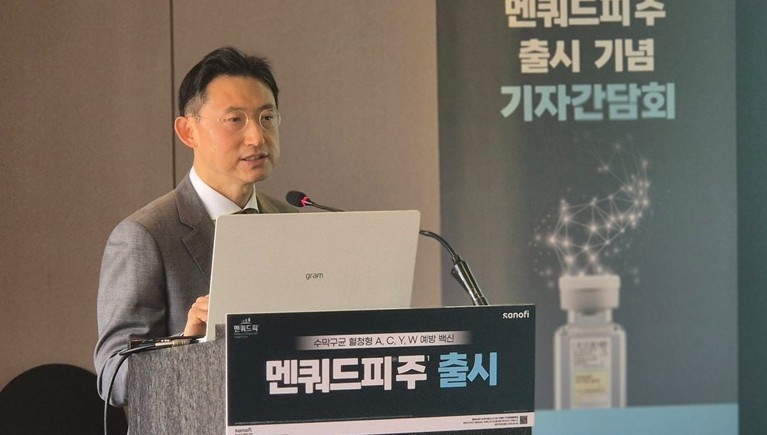
- “Considering how the global trend is focusing on immunization across a wide range of age groups, including infants, adolescents, and young adults, the arrival of MenQuadfi, which can be administered to a broad population, represents a major advance in meningococcal preventive healthcare.”Professor Jin-soo Lee, Department of Infectious Diseases, Inha University HospitalOn the 13th, Sanofi held a press conference at the Plaza Hotel in Jung-gu, Seoul, to commemorate the domestic launch of the meningococcal vaccine MenQuadfi. At the event, Professor Jin-soo Lee of Inha University Hospital's Department of Infectious Diseases presented clinical data on MenQuadfi and predicted that it would have high practical value in clinical use.”MenQuadfi is a quadrivalent protein-conjugated vaccine that can protect against meningococcal serogroups A, C, W, and Y. It can be administered as a single dose to individuals aged 6 weeks to 55 years. The vaccine was approved in April last year and officially launched in the domestic market this January.This vaccine is the only meningococcal vaccine in Korea approved and demonstrated efficacy and effectiveness against meningococcal serogroup A in infants aged 6 weeks to under 24 months. It features a liquid formulation that can be administered directly without separate dilution or mixing, enhancing convenience for healthcare providers. Its vaccination schedule is as follows: a total of 4 dose series for infants aged 6 weeks to under 6 months; a total of 2 dose series for infants aged 6 months to under 24 months; and a single dose for individuals aged 2 to 55 years.Meningococcal disease has long been recognized as a major global public health concern. This infection is a Class 2 notifiable disease with a fatality rate of approximately 10-14%, affecting 500,000 people worldwide every year.Key symptoms include headache, fever, neck stiffness, vomiting, and decreased consciousness, sometimes accompanied by petechiae or petechial rash. Given that 11–19% of recovered patients may experience sequelae such as hearing impairment, cognitive impairment, or neurological disorders, the importance of prevention for this infection is paramount.Because meningococcal disease spreads through droplets or direct contact, vaccination is recommended for individuals in group settings. Representative examples include new military recruits before training and university freshmen residing in dormitories.Vaccination is also recommended for travelers or residents in high-incidence regions, such as the African meningitis belt, and pilgrims traveling to Mecca in Saudi Arabia. Also, vaccination is recommended for individuals with immune system disorders like complement deficiencies and those with anatomical or functional asplenia.Unlike Sanofi's previous meningococcal vaccine, which utilized diphtheria protein as the carrier, MenQuadfi employs tetanus toxoid protein and features increased antigen content (compared to the previous in-house vaccine containing 4 μg each of the meningococcal serogroup polysaccharide antigens A, C, W, and Y; MenQuadfi contains 10 μg each).In clinical trials, MenQuadfi demonstrated non-inferiority to the existing quadrivalent meningococcal vaccine in terms of immunogenicity across all four serogroups. Indeed, when MenQuadpi was administered to individuals aged 10 to 55 years, the seroprotection rates were 94.7% for serogroup A, 95.7% for serogroup C, 96.2% for serogroup W, and 98.8% for serogroup Y.In studies involving children aged 2–9 years, MenQuadfi also demonstrated non-inferiority compared with existing quadrivalent vaccines, with seroprotection rates ranging from 86% to 99%. When co-administered with other pediatric vaccines, MenQuadfi maintained stable immunogenicity.Professor Lee said, “The World Health Organization (WHO) recommends that each country select an appropriate vaccine and establish an immunization strategy based on the prevalent meningococcal serogroups and disease patterns within their borders. In Korea, meningococcal vaccination is recommended for people living in crowded environments, such as those living in dormitories. As travel and work-related visits to high-incidence regions such as Africa continue to increase, the importance of vaccination for individual safety is becoming even greater.”He added, “Given the risk of rapid disease progression, the arrival of MenQuadfi, which provides broad coverage, represents a major advance in preventive medicine. Although early symptoms are nonspecific, meningococcal disease can progress to sepsis and meningitis within hours, making vaccination paramount.”
- Company
- RNAi 'Amvuttra' to enter the final reimb process soon
- by Eo, Yun-Ho Jan 13, 2026 06:58am
- The RNAi therapeutic 'Amvuttra' is facing its final hurdle in insurance reimbursement listing process.According to sources, the Ministry of Health and Welfare (MOHW) recently ordered a drug price negotiation to the National Health Insurance Service (NHIS) for Amvutra (vutrisiran). Amvutra is a new treatment for hereditary transthyretin-mediated amyloidosis with polyneuropathy (hATTR-PN), developed by Alnylam Pharmaceuticals and introduced to the Korean market by Medison Pharma Korea.Accordingly, discussions are expected to begin once the NHIS negotiation team is formed. Amvutra previously passed the Health Insurance Review and Assessment Service's (HIRA) Drug Reimbursement Evaluation Committee in December last year.Amvutra was designated as an orphan drug by the Ministry of Food and Drug Safety (MFDS) in November 2023 and received final approval in November last year.Amvutra is administered by subcutaneous injection once every 3 months. This drug targets and silences specific messenger RNA (mRNA) to block the production of both wild-type and mutant transthyretin (TTR) protein.The efficacy of Amvutra was demonstrated through the HELIOS-A Phase 3 study. The Phase 3 trial enrolled 164 hATTR-PN patients with polyneuropathy across 22 countries. These patients were randomly assigned to either the Amvutra group (122 patients), receiving 25mg via subcutaneous injection every three months, or the 'Onpattro (patisiran)' group (42 patients), receiving 0.3mg/kg via intravenous injection every three weeks.Amvutra's efficacy was assessed by comparing its data with placebo data from the APOLLO study, which evaluated the efficacy and safety of Onpattro in a patient population similar to that in HELIOS-A.As a result, during the 9-month treatment period, the Amvutra group experienced less severe neurological impairment and showed improved quality of life compared to the placebo group. In the 10-meter walk test, which assesses a patient's walking speed and motor ability, the time taken by the vutrisiran group showed almost no change. NT-proBNP, a biomarker used to evaluate cardiac function, also showed improvement.Meanwhile, hATTR-PN, which affects approximately 1 in 100,000 people, is a disease caused by mutations in the transthyretin gene. It is characterized by systemic multiple autonomic neuropathies, including cardiac, gastrointestinal, and ophthalmic. Vyndaqel stabilizes the transthyretin protein.Generally, symptoms such as pain, paresthesia, and paralysis begin in the lower extremity nerves, where abnormal proteins tend to accumulate, eventually spreading to the upper body and affecting other organs, such as the heart, kidneys, and eyes. Life expectancy is 7 to 12 years on average from the onset of symptoms.
- Company
- Ferring and Hanmi to co-market Minirin and Nocdurna
- by Kim, Jin-Gu Jan 13, 2026 06:58am
- Ferring Korea and Hanmi Pharmaceutical will jointly market the desmopressin-based nocturia-enuresis treatments Minirin Tab and Nocdurna Sublingual Tab.On the 12th, the two companies announced that they had signed a co-marketing agreement for the two products. Under the agreement, Ferring Korea will be responsible for sales and marketing at general hospitals, while Hanmi Pharmaceutical will oversee sales and marketing at small-to-mid-sized hospitals with fewer than 300 beds, as well as clinics from January this year. All domestic distribution will be handled by Hanmi Pharmaceutical.Minirin is a synthetic analogue of the antidiuretic hormone vasopressin that works by reducing nighttime urine production and is used to alleviate nocturia symptoms. It is the standard treatment for primary nocturnal enuresis in children (aged five and older) and is also used to improve symptoms associated with nocturnal polyuria, a major cause of adult nocturia.Nocdurna is a low-dose sublingual tablet formulation of Minirin developed for the treatment of adult nocturia. It is designed to reduce the risk of hyponatremia, which is of particular concern in elderly patients. The sublingual formulation also improves medication convenience and bioavailability.Min-jung Kim, CEO of Ferring Korea, said, “This new partnership with Hanmi Pharmaceutical will further solidify the market leadership of Minirin and Nocdurna, which currently hold the No.1 market share, and enable their stable provision to more patients.”Jae-hyun Park, CEO of Hanmi Pharmaceutical, commented, “We are very pleased to be able to provide clinically validated nocturia symptom treatments to Korean patients through our partnership with Ferring Korea. Leveraging Hanmi’s extensive hospital network and field expertise, we will strive to ensure more patients experience the clinical benefits of Minirin and Nocdurna.”

- Company
- MenQuadfi emerges…SK-Sanofi shakes up meningococcal vacc mkt
- by Hwang, byoung woo Jan 13, 2026 06:58am
- The competition for next-generation vaccines has begun as SK Bioscience, in partnership with Sanofi, launches the next-generation meningococcal vaccine, MenQuadfi, into the market.The key differentiator for MenQuadfi is that it can be administered from as early as 6 weeks of age, significantly expanding the vaccination age for infants compared to existing products. This is viewed as a strategic move to secure portfolio leadership by preoccupying the early stages of the pediatric vaccination schedule.Product photo of MenQuadfiSK Bioscience recently cooperated with Sanofi's Korean subsidiary to launch the quadrivalent meningococcal conjugate vaccine 'MenQuadfi (MenACWY-TT).'MenQuadfi is a vaccine that can be administered to individuals aged 6 weeks to 55 years, preventing invasive meningococcal disease (IMD) caused by the major meningococcal serogroups A, C, W, and Y.It was initially authorized for ages 2 and older, then its indications were expanded at the end of August last year to include infants from 6 weeks to under 2 years of age, based on the results of the MET42 and MET61 studies.MenQuadfi contains 10μg of antigen for each of the four meningococcal serogroups (A, C, W, and Y). User convenience of this drug was improved as a fully liquid formulation that can be administered immediately without the need for separate dilution or mixing.Among the A, C, W, and Y meningococcal vaccines approved in Korea, MenQuadfi is the only product that includes serogroup A and can be used for infants aged 6 weeks to under 24 months. SK Bioscience will be responsible for the domestic distribution and supply for infants and children.Meningococcal infection is transmitted through respiratory secretions such as nasal mucus or saliva and can even be transmitted by asymptomatic carriers. Consequently, major countries such as the U.S., U.K., Australia, and Canada include meningococcal vaccines in national immunization programs or operate them as routine vaccinations based on official recommendations, focusing on infants, children, and adolescents.In Korea, the Korea Disease Control and Prevention Agency (KDCA) recommends vaccination for high-risk groups, including immunocompromised individuals, laboratory workers, new military recruits, university dormitory residents, those traveling to or staying in endemic areas, and contacts during an outbreak.Currently, the meningococcal vaccine market in Korea is relatively small. As of 2023, based on IQVIA data, the total market size is less than KRW 10 billion.The competitor the SK Bioscience and Sanofi joint force must overcome is GSK. Before the launch of MenQuadfi, Sanofi had a meningococcal vaccine called Menactra. Still, its market share was smaller than that of Menveo, GSK's vaccine against invasive meningococcal disease caused by serogroups A, C, W, and Y, which offers the same preventive effects (vaccination ages differ).GSK is currently targeting the market through a two-track vaccination strategy using Bexsero, a multicomponent meningococcal group B vaccine launched in 2024, and Menveo.Sanofi has decided to withdraw Menactra alongside the launch of MenQuadfi. In a situation where the market is small and a next-generation vaccine with broader protection has emerged, the company has concluded that there is no need to maintain a vaccine with the same level of protection. Regarding the exact timing of discontinuing Menactra supply, the company stated it remains flexible, depending on the market inventory.From SK Bioscience, which is in charge of domestic distribution and supply, it is expected to employ a strategy to increase market share through competition with GSK while maintaining its existing Menactra market.Positive aspects also exist. Through MenQuadfi, SK Bioscience has added another domestic distribution collaboration product with Sanofi to its market lineup.According to SK Bioscience's IR materials, the company is engaged in extensive cooperation ranging from National Immunization Program (NIP) vaccines to premium vaccines, including the pediatric 6-in-1 DTaP vaccine Hexaxim, the adult Tdap vaccine Adacel, and the RSV antibody Beyfortus.Following Hexaxim's entry into the NIP and the introduction of Avaxim in 2025, distribution performance for Sanofi-related vaccines rose from KRW 7.5 billion in the third quarter of 2024 to KRW 11.1 billion in the third quarter of 2025.Given that Beyfortus has begun full-scale operations for the winter season, these results are expected to grow further in 2026.The company plans to strengthen a preemptive prevention strategy against major pediatric infectious diseases based on its portfolio that includes both vaccines and preventive antibodies.In terms of R&D, this collaboration is predicted to strengthen further, as the company is currently in Phase 3 development of a 21-valent pneumococcal vaccine with Sanofi.Jaeyong Ahn, CEO of SK Bioscience, stated, "With the introduction of MenQuadfi, the options for preventing invasive meningococcal disease in infants and children in Korea have expanded," adding, "We will strengthen the infectious disease prevention setting based on global partnerships and continue to supply vaccines that can contribute to public health."
